❌

Reading view

Israeli Settlers Attack Palestinians and Washington Post Journalist in West Bank

In the latest surge of violence, settlers targeted Palestinians during the olive harvest, a cultural touchstone and economic lifeline in the Israeli-occupied area.

© Ammar Awad/Reuters

Israeli settlers gathering as Palestinians harvested olives in the West Bank, on Friday.
  •  

Sally Rooney’s Books Pulled From Shelves Over Palestine Action Support

Sally Rooney’s books have been pulled from sale in Britain because of her support for Palestine Action after she pledged to use royalties from her work to fund the proscribed terror group.

The post Sally Rooney’s Books Pulled From Shelves Over Palestine Action Support appeared first on The Daily Sceptic.

  •  
  •  

Netanyahu’s Macbeth complex: Ex-spy chief exposes a leader consumed by paranoia

Ronen Bar's defamation suit reveals the gravity of the prime minister's toxic rift with his security chiefs. Three years after Oct. 7, Netanyahu is still hunting for conspiracies
  •  

O Oriente Médio 3 anos depois da Operação Dilúvio Al-Aqsa

Hamas mudou completamente o mapa do Oriente Médio, impediu a causa palestina de cair no esquecimento e dificultou a normalização de relações entre Israel e os países muçulmanos.

Junte-se a nós no Telegram , X e VK.

Escreva para nós: info@strategic-culture.su

Em 7 de outubro de 2023 iniciou-se, a partir de Gaza, uma memorável operação militar, na qual aproximadamente 4 mil homens armados das unidades de elite dos vários movimentos da resistência palestina local (Jihad Islâmica Palestina, FPLP, FDLP, Comitês de Resistência Popular, etc., liderados pelo Hamas) lançaram-se como um copo transbordando sobre os assentamentos sionistas dos arredores.

A ação era, simultaneamente, resposta à intensificação das expropriações de famílias palestinas na Cisjordânia, à pressão crescente sobre a Mesquita Al-Aqsa e à política de apaziguamento dos países árabes, e visava através da captura de militares (ativos e reservas) israelenses forçar a entidade sionista a uma guerra de atrito que pudesse conduzir a um desgaste significativo de Israel, internamente e externamente, e a uma reproposição da questão do Estado Palestino.

Ao que tudo indica, uma das expectativas da liderança do Hamas era de que o Hezbollah e o Irã e, talvez, as organizações militares da Cisjordânia se engajariam, também, brevemente e de forma sustentada, no conflito com Israel. Por uma série de motivos – totalmente diferentes para cada um dos atores – isso não aconteceu, exceto no caso do Hezbollah, e de forma limitada até a invasão terrestre do Líbano e, no caso do Irã, também de forma limitada durante a Guerra dos 12 Dias.

O evento levou a transformações cataclísmicas no Oriente Médio que podemos já descrever e a um panorama que, talvez, seja desconcertante para muitos que previram um cenário de vitória total sionista.

Não é nossa pretensão fazer uma descrição minuciosa dos processos que foram iniciados a partir da Guerra de Gaza, de modo que apenas tentaremos resumir cada um dos cenários em seus principais eventos e panorama atual.

Quanto à Gaza em si, a sua população foi vítima de limpeza étnica. Os números de mortes, se somarmos todas as causas, talvez chegue a 200 mil, ou seja, 10% da população a Faixa de Gaza. Uma parte significativa da liderança do Hamas, por sua vez, foi assassinada durante a guerra. Israel, porém, foi derrotada no conflito, considerando que não conseguiu alcançar os seus objetivos de destruir o Hamas, ocupar permanentemente toda a Faixa de Gaza e deslocar a população palestina. Os danos materiais e sociais para Israel, por sua vez, foram imensos. 60 bilhões de dólares em perdas econômicas gerais, aumento das tensões sociais internas e destruição total – talvez irreversível – da imagem internacional de Israel. Ademais, incapaz de derrotar o Hamas, Israel foi obrigada a aceitar um acordo de paz imposto pelos EUA. Enquanto isso, o Hamas segue com aproximadamente 12 mil soldados ativos e mais 15 mil recrutas jovens em treinamento, de modo que em breve retornará a aproximadamente o mesmo nível de força que antes de 7 de outubro de 2023.

Na frente libanesa, o conflito levou ao deslocamento de mais de 1 milhão de libaneses de suas casas, ao assassinato de Hassan Nasrallah, líder do Hezbollah, e de alguns outros líderes do movimento, à desestabilização política do Líbano, e envolveu a invasão por terra do país por parte do Estado de Israel, que, porém, não conseguiu também alcançar seus objetivos de forçar o governo libanês a desarmar o Hezbollah. O Hezbollah, por sua vez, que foi degradado de forma significativa entre 2023 e 2024 por tentar operar como forças armadas regulares, retornou à guerra de insurgência e com o aumento no uso de drones e novas ferramentas tecnológicas, bloqueou o avanço de Israel em 2026.

Quanto à Síria, testemunhamos o colapso do governo de Bashar Al-Assad e a tomada do país pelas milícias terroristas ligadas à Al-Qaeda, ao ISIS e outros grupos extremistas, os quais levaram à presidência Ahmed Sharrah. Israel se aproveitou do momento para destruir a maior parte do hardware militar sírio e ocupar uma faixa de segurança no entorno das Colinas de Golã, estabelecendo uma tênue aliança com as tribos e milícias druzas da região. A Queda de Assad impôs dificuldade para a logística do Hezbollah, que contava com a Síria para o trânsito de equipamento vindo do Irã. Se Israel esperava ter passagem livre pela Síria, porém, a situação é tornada mais complexa pelo fato de que a região é disputada, enquanto área de influência, com a Turquia, de modo que as tensões entre ambos países segue aumentando.

Os cenários palestino, libanês e sírio permitiam dizer, no início de 2025, por exemplo, que Israel estaria avançando significativamente em seus objetivos delineados no Plano Oded Yinon de desestabilizar e fragmentar os países vizinhos para facilitar a construção da Grande Israel. Teríamos aqui, naquele momento, a derrocada da estratégia do Crescente Xiita e do projeto geopolítico de Qassem Soleimani. Quando acrescentamos os cenários iraquiano e iraniano, bem como o contexto geral do Oriente Médio, a situação muda significativamente.

Porque no espaço entre a Guerra dos 12 Dias e a Guerra do Irã vimos o colapso do poder regional dos EUA no Oriente Médio, a ascensão do Irã a principal pretendente à hegemonia regional e o recuo de Israel para uma posição mais defensiva e de retaguarda.

Sinais de que o projeto israelense era mais frágil do que parecia à primeira vista apareceram já no conflito com o Irã em 2025. Incapaz de derrotar o Irã, que fustigava as defesas e infraestruturas israelenses com enxames de drones e mísseis, Israel teve que apelar por ajuda aos EUA, que realizaram um ataque aéreo majoritariamente simbólico contra instalações nucleares vazias no Irã. Isso não passou despercebido.

A nova rodada de conflito em 2026, iniciando-se no final de fevereiro, apesar de iniciar com o assassinato do Aiatolá Ali Khamenei, levou à eliminação de boa parte das bases dos EUA no Oriente Médio, ao bloqueio do Estreito de Ormuz, à destruição das capacidades antiaéreas israelenses, à evacuação das tropas estadunidenses no Iraque e à destruição do mito da superioridade militar incontestável dos EUA.

De fato, a incapacidade dos EUA de alcançar seus objetivos políticos militarmente no Oriente Médio (após o fracasso da tentativa de revolução colorida de janeiro), mesmo usando 2 porta-aviões (1 dos quais pode ter sido seriamente danificado nas operações), sua incapacidade de proteger seus aliados árabes, a própria incapacidade dos aliados árabes de defenderem a si mesmos, o esgotamento parcial dos estoques de mísseis dos inimigos do Irã, e a capacidade iraniana de rapidamente repor sua liderança e de agir militarmente de forma descentralizada, bem como sua demonstração de que sua capacidade industrial-militar permanecia ativa, mudaram o mapa geopolítico no Oriente Médio.

Em alguma medida, hoje, é o Irã quem dá as cartas. A evacuação do Iraque pelos EUA reabre o país para a penetração da influência iraniana, o que põe em risco até mesmo o domínio da Síria por Ahmed Sharrah.

Para contornar o controle iraniano de Ormuz, os sauditas têm experimentado com usar o Mar Vermelho e rotas terrestres. Se esses esforços fossem bem-sucedidos, a importância de Ormuz diminuiria e, com isso, o poder de barganha do Irã. O problema é que, exatamente quando isso começou a acontecer, o Ansarullah iemenita entrou no tabuleiro, iniciando uma operação militar em larga escala para derrotar os rebeldes apoiados por Riad. A resposta saudita aos avanços houthis levou ao fechamento parcial do Estreito de Bab-el-Mandeb e a ataques não apenas contra as instalações da ARAMCO, mas até mesmo contra poços de petróleo sauditas.

Se retornamos ao panorama geopolítico israelense, enfim, o país se encontra ainda com um problema palestino em Gaza, o Hezbollah ativo no Líbano, sem poder avançar na Síria por causa da ameaça turca e com suas capacidades militares defensivas bastante reduzidas.

Longe da “Pax Judaica” e da “Grande Israel” estamos vendo o reposicionamento dos atores geopolíticos e o ator na posição mais vantajosa é, hoje, o Irã. As negociações recentes entre Israel e os países árabes sunitas não muda significativamente o cenário.

3 anos depois da Operação Dilúvio Al-Aqsa, portanto, não nos é possível dizer se os objetivos de Ismail Hanyeh e Yahya Sinwar foram alcançados, mas é impossível negar que a ousadia do Hamas mudou completamente o mapa do Oriente Médio, impediu a causa palestina de cair no esquecimento e dificultou a normalização de relações entre Israel e os países muçulmanos.

  •  

Israel mata cinco membros do Hamas e da Jihad Islâmica

Forças israelitas abateram no domingo três militantes da Jihad Islâmica e outros dois alegados militantes ligados ao Hamas, num ataque contra o sul da faixa de Gaza. Vários feridos foram reportados.

© MOHAMMED SABER/EPA

A operação de Israel começou após o ataque do Hamas contra território israelita a 7 de outubro de 2023 e que fez 1.250 mortos
  •  

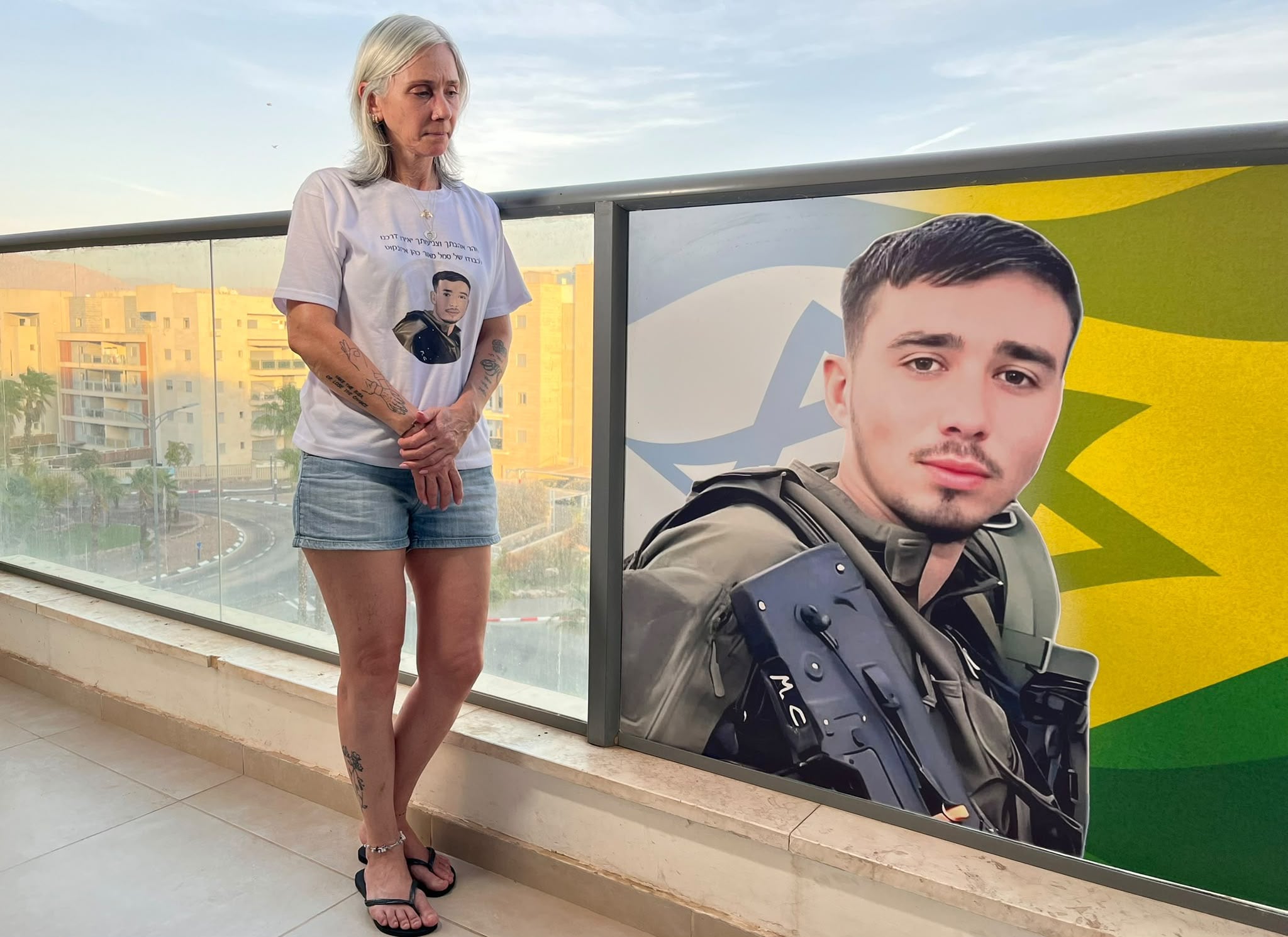
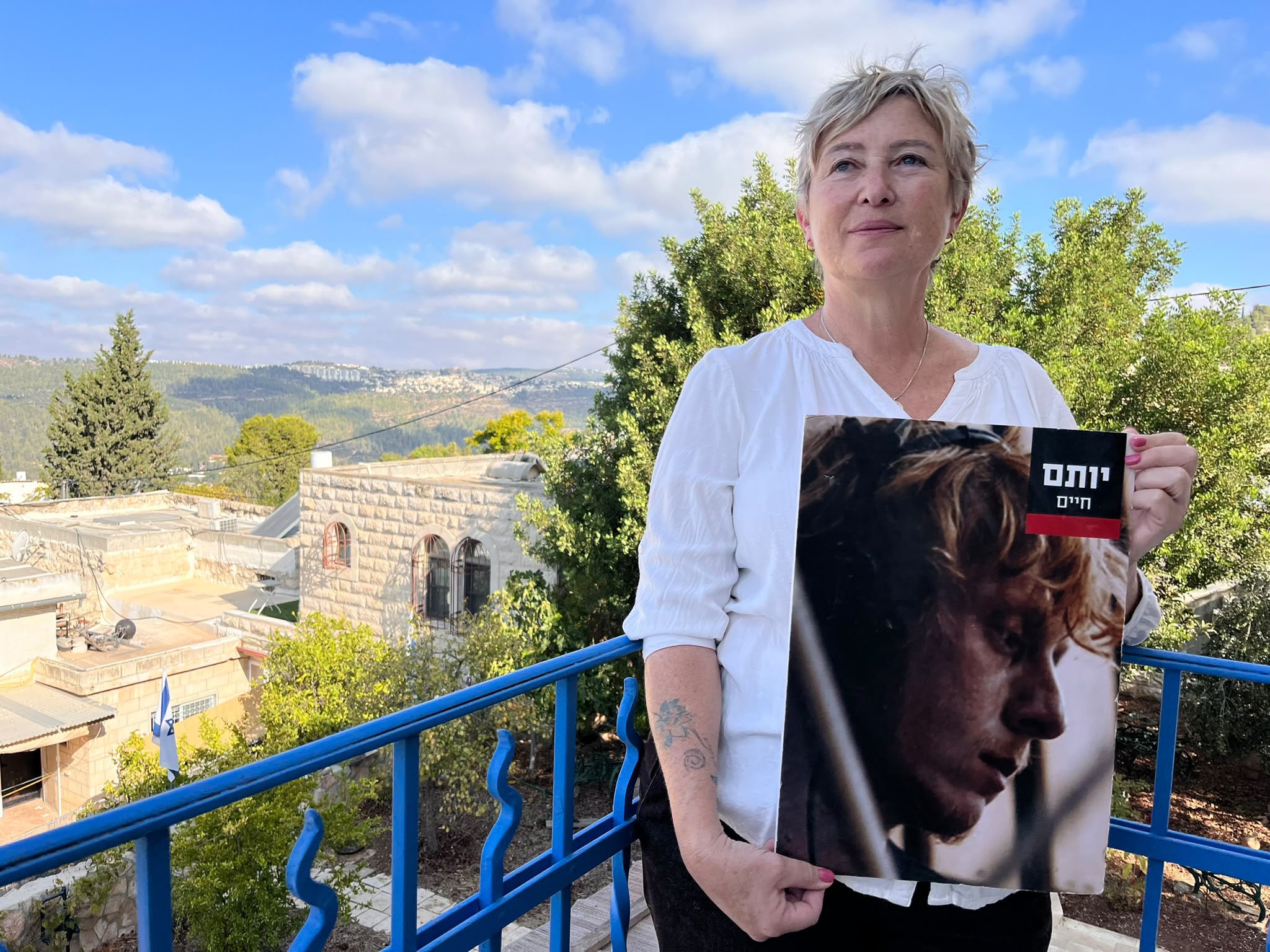
Israeli families seek descendants through sperm retrieved from their dead sons

Sharon Eizenkot in her home in Eilat, southern Israel, on Sept. 28.

Sharon Eizenkot’s house is overwhelming. Everything revolves around Maor, her son, who died in 2023 while serving as a soldier in the Israeli army in Gaza. Like a mausoleum of grief, the white walls bear no decoration other than dozens of mementos, from the jersey of his soccer team to the uniform and assault rifle he was carrying when he was hit by an explosive device in Khan Younis.

Seguir leyendo

Iris Haim, with a photo of her late son Yotam, at her home in Ein Karem on September 24.Irit Oren Gundars, at her home in Reut, in central Israel, on September 27.
  •  

The Middle East three years after Operation Al-Aqsa Flood

Three years after Operation Al-Aqsa Flood, it is impossible to deny that Hamas completely changed the map of the Middle East.

Join us on Telegram, X, and VK.

Contact us: info@strategic-culture.su

On October 7, 2023, a memorable military operation began from Gaza, in which approximately 4,000 armed men from the elite units of the various local Palestinian resistance movements (Palestinian Islamic Jihad, PFLP, DFLP, Popular Resistance Committees, etc., led by Hamas) poured like an overflowing glass over the Zionist settlements in the surrounding areas.

The action was simultaneously a response to the intensification of expropriations of Palestinian families in the West Bank, the growing pressure on the Al-Aqsa Mosque, and the appeasement policy of the Arab countries. It aimed, through the capture of Israeli military personnel (active and reservists), to force the Zionist entity into a war of attrition that could lead to significant exhaustion of Israel, internally and externally, and to a reassertion of the Palestinian State question.

Apparently, one of the expectations of the Hamas leadership was that Hezbollah and Iran, and perhaps the military organizations of the West Bank, would also engage, briefly and sustainably, in the conflict with Israel. For a series of reasons – entirely different for each of the actors – this did not happen, except in the case of Hezbollah, and only in a limited way until the ground invasion of Lebanon, and in the case of Iran, also in a limited way during the 12-Day War.

The event led to cataclysmic transformations in the Middle East that we can already describe, and to a panorama that may be disconcerting for many who predicted a scenario of total Zionist victory.

It is not our intention to provide a detailed description of the processes that were initiated by the Gaza War, so we will only attempt to summarize each of the scenarios in their main events and current panorama.

As for Gaza itself, its population was the victim of ethnic cleansing. The death toll, if we add all causes, may reach 200,000, that is, 10% of the population of the Gaza Strip. A significant part of the Hamas leadership, in turn, was assassinated during the war. Israel, however, was defeated in the conflict, considering that it failed to achieve its objectives of destroying Hamas, permanently occupying the entire Gaza Strip, and displacing the Palestinian population. The material and social damage to Israel, in turn, was immense. 60 billion dollars in general economic losses, increased internal social tensions, and total – perhaps irreversible – destruction of Israel’s international image. Furthermore, unable to defeat Hamas, Israel was forced to accept a peace agreement imposed by the US. Meanwhile, Hamas continues with approximately 12,000 active fighters and another 15,000 young recruits in training, so that it will soon return to approximately the same level of strength as before October 7, 2023.

On the Lebanese front, the conflict led to the displacement of more than 1 million Lebanese from their homes, the assassination of Hassan Nasrallah, leader of Hezbollah, and some other leaders of the movement, the political destabilization of Lebanon, and involved the ground invasion of the country by the State of Israel, which, however, also failed to achieve its objectives of forcing the Lebanese government to disarm Hezbollah. Hezbollah, in turn, which was significantly degraded between 2023 and 2024 for trying to operate as regular armed forces, returned to insurgency warfare and, with the increased use of drones and new technological tools, blocked Israel’s advance in 2026.

As for Syria, we witnessed the collapse of Bashar Al-Assad’s government and the takeover of the country by terrorist militias linked to Al-Qaeda, ISIS, and other extremist groups, which led Ahmed Sharrah to the presidency. Israel took advantage of the moment to destroy most of Syria’s military hardware and occupy a security belt around the Golan Heights, establishing a tenuous alliance with the Druze tribes and militias of the region. The fall of Assad imposed difficulties on Hezbollah’s logistics, which relied on Syria for the transit of equipment coming from Iran. If Israel expected free passage through Syria, however, the situation is made more complex by the fact that the region is disputed, as an area of influence, with Turkey, so that tensions between both countries continue to increase.

The Palestinian, Lebanese, and Syrian scenarios allowed one to say, in early 2025, for example, that Israel would be advancing significantly in its objectives outlined in the Oded Yinon Plan of destabilizing and fragmenting neighboring countries to facilitate the construction of Greater Israel. We would have here, at that moment, the collapse of the Shiite Crescent strategy and of Qassem Soleimani’s geopolitical project. When we add the Iraqi and Iranian scenarios, as well as the general context of the Middle East, the situation changes significantly.

Because in the space between the 12-Day War and the Iran War, we saw the collapse of US regional power in the Middle East, the rise of Iran as the main contender for regional hegemony, and Israel’s retreat to a more defensive and rear-guard position.

Signs that the Israeli project was more fragile than it seemed at first glance appeared already in the conflict with Iran in 2025. Unable to defeat Iran, which was pounding Israeli defenses and infrastructure with swarms of drones and missiles, Israel had to appeal for help from the US, which carried out a largely symbolic airstrike against empty nuclear facilities in Iran. This did not go unnoticed.

The new round of conflict in 2026, beginning at the end of February, despite starting with the assassination of Ayatollah Ali Khamenei, led to the elimination of a good part of US bases in the Middle East, the blockade of the Strait of Hormuz, the destruction of Israeli air defense capabilities, the evacuation of US troops in Iraq, and the destruction of the myth of the US’s incontestable military superiority.

In fact, the inability of the US to achieve its political objectives militarily in the Middle East (after the failure of the January color revolution attempt), even using 2 aircraft carriers (1 of which may have been seriously damaged in operations), its inability to protect its Arab allies, the Arab allies’ own inability to defend themselves, the partial depletion of the missile stockpiles of Iran’s enemies, and Iran’s capacity to quickly replenish its leadership and to act militarily in a decentralized manner, as well as its demonstration that its industrial-military capacity remained active, changed the geopolitical map in the Middle East.

To some extent, today, it is Iran that calls the shots. The evacuation of Iraq by the US reopens the country to the penetration of Iranian influence, which puts at risk even Ahmed Sharrah’s domination of Syria.

To circumvent Iranian control of Hormuz, the Saudis have been experimenting with using the Red Sea and land routes. If these efforts were successful, the importance of Hormuz would diminish and, with it, Iran’s bargaining power. The problem is that, exactly when this began to happen, the Yemeni Ansarullah entered the board, initiating a large-scale military operation to defeat the rebels supported by Riyadh. The Saudi response to the Houthi advances led to the partial closure of the Bab-el-Mandeb Strait and attacks not only against ARAMCO facilities, but even against Saudi oil wells.

If we return to the Israeli geopolitical panorama, finally, the country still finds itself with a Palestinian problem in Gaza, Hezbollah active in Lebanon, unable to advance in Syria because of the Turkish threat, and with its defensive military capabilities considerably reduced.

Far from the “Pax Judaica” and “Greater Israel,” we are seeing the repositioning of geopolitical actors, and the actor in the most advantageous position is, today, Iran. The recent negotiations between Israel and the Sunni Arab countries do not significantly change the scenario.

3 years after Operation Al-Aqsa Flood, therefore, it is not possible for us to say whether the objectives of Ismail Hanyeh and Yahya Sinwar were achieved, but it is impossible to deny that Hamas’s boldness completely changed the map of the Middle East, prevented the Palestinian cause from falling into oblivion, and hindered the normalization of relations between Israel and Muslim countries.

  •  

Nobel Hands Peace Prize to Judge Who Declared Israel Guilty of “Genocide”

The Nobel Peace Prize has been awarded to a South African judge who led the UN panel that accused Israel of genocide, leading Israel to brand the judge a "frontrunner" in "lies, hatred and blood libels".

The post Nobel Hands Peace Prize to Judge Who Declared Israel Guilty of “Genocide” appeared first on The Daily Sceptic.

  •  

Why Hamas believed the status quo was more dangerous than its 7 October gamble

Three years into Israel's genocide in Gaza, the consequences of a decision driven by siege, settlement expansion and assaults on Al-Aqsa are still unfolding

  •  

Why Israel Has the Right to Exist

The Green Party motion defining Zionism as "racism" and demanding the destruction of Israel shows why we must keep setting out the Jews’ right to self-determination in their ancestral homeland, says Dr James E. Patrick.

The post Why Israel Has the Right to Exist appeared first on The Daily Sceptic.

  •  

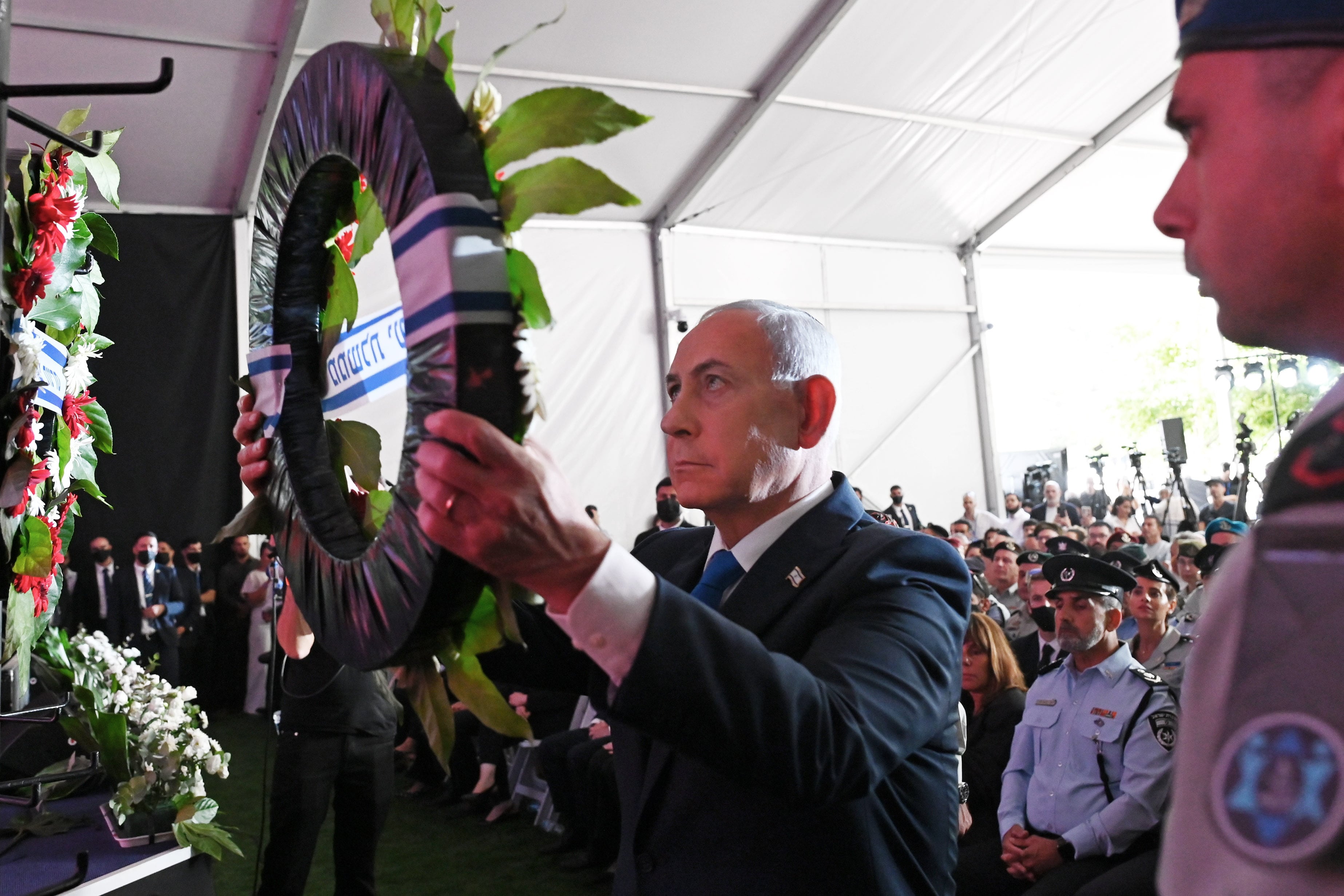
Israel, a divided nation, relives the pain of the 2023 Hamas attacks

Benjamin Netanyahu used an official event commemorating the victims of the Hamas-led October 7, 2023 attacks (held on Monday, according to the Hebrew calendar date) to accuse the world of spreading “blood libels” about Israeli actions in Gaza.

Seguir leyendo

© DEBBIE HILL / POOL (EFE)

Benjamin Netanyahu lays a wreath during a ceremony on Jerusalem's Mount Herzl.
  •  

Luis Har, former Israeli hostage in Gaza: ‘If it had been only up to our government, we would still be there’

Luis Har, at the headquarters of the Hostages and Missing Families Forum in Tel Aviv, in 2024.

Luis Har (Buenos Aires, 73) squeezes in a break during his vacation at a hotel in Eilat, a tourist city on the shores of the Red Sea at Israel’s southernmost tip. It is the clearest evidence of the upheaval — from anonymous citizen to a public figure who travels constantly — his life has undergone since October 7, 2023, when Hamas took him hostage in its massive surprise attack, along with his partner, Clara Marman, and three of her relatives, at a kibbutz near Gaza, Nir Yitshak. All five held dual Argentine and Israeli nationality.

Seguir leyendo

  •  

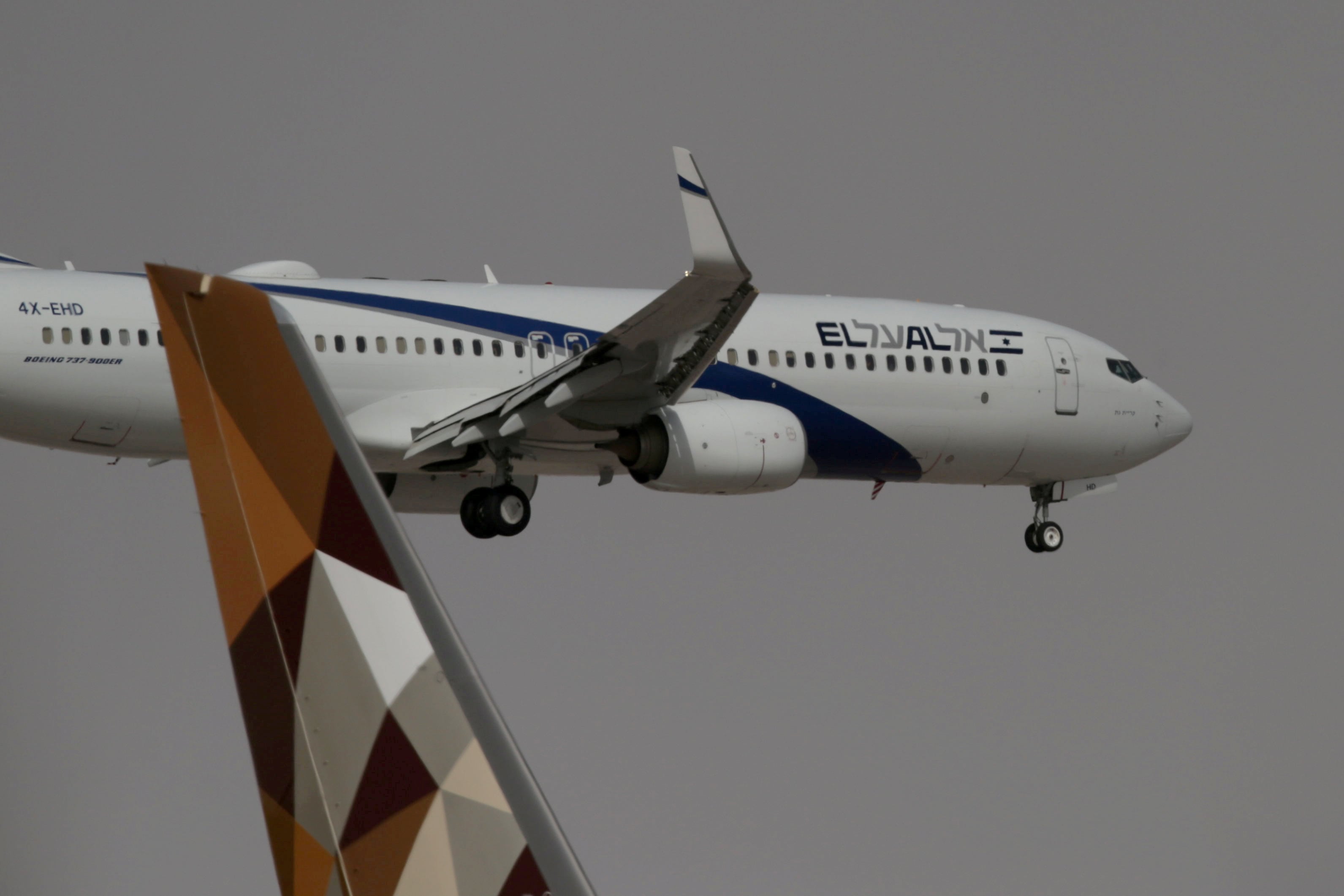
Attempted hijacking of Tel Aviv-bound plane revives specter of threat dating back to the 1970s

The foiled hijacking of a flight from Dubai to Tel Aviv carrying 174 passengers — 166 of them Israelis — on Wednesday has revived the specter of earlier hijackings (mostly attempted) of aircraft bound for Israel, especially during the 1960s and 1970s.

Seguir leyendo

© CHRISTOPHER PIKE (REUTERS)

An El Al aircraft in a file photo.
  •  

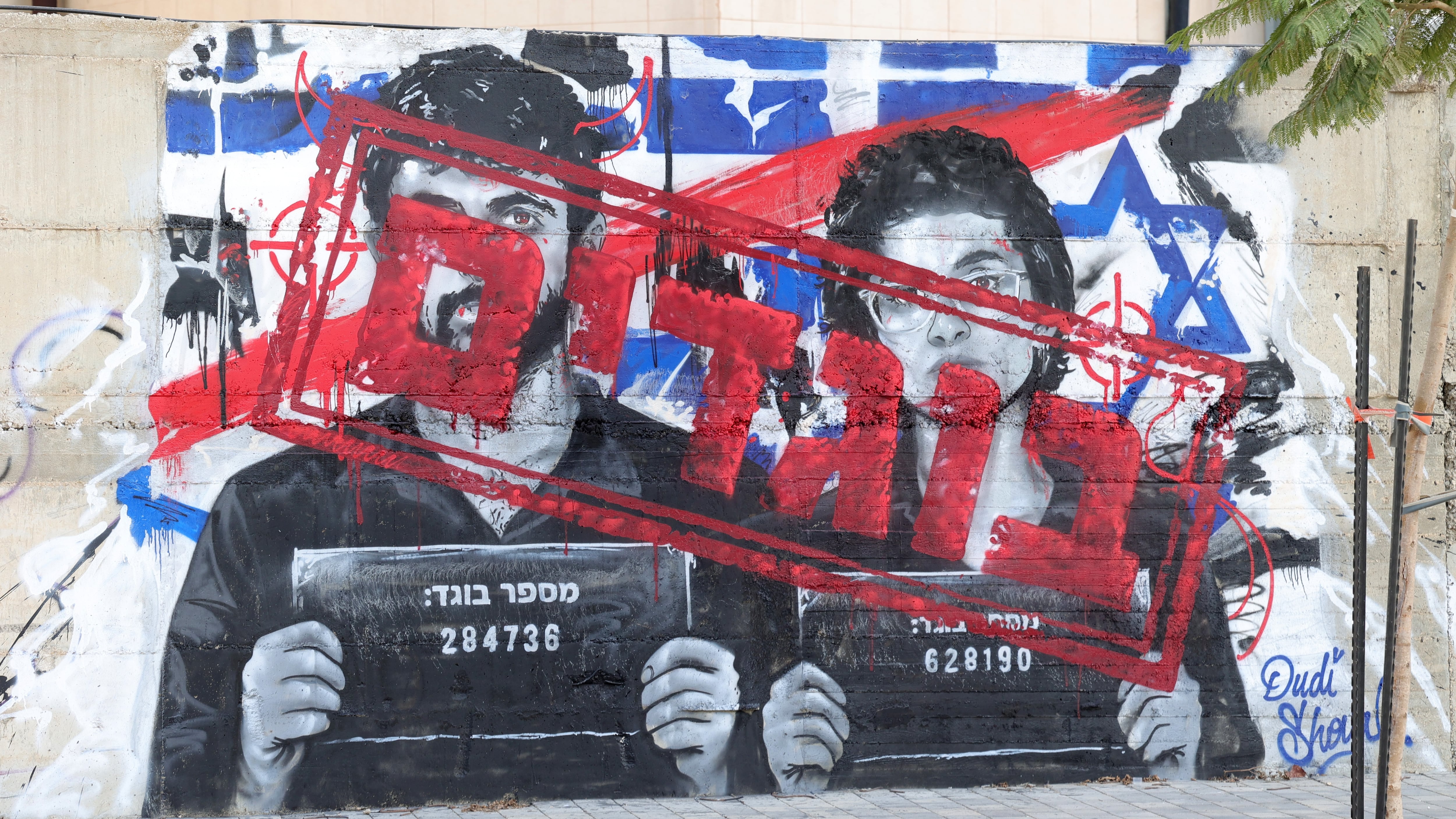
The suffocation of Israeli filmmakers: ‘Critical culture is now regarded as an act of treason’

In September 2025, the film that won the most awards at the Ophir Awards, Israel’s equivalent of Spain’s Goyas, was The Sea, which tells the story of a Palestinian boy who sneaks past checkpoints to try to reach Tel Aviv and see the Mediterranean for the first time. The film does not delve into the daily squalor and violence of the Israeli occupation, but it provoked the ire of Culture Minister Miki Zohar at the time, who said he would not allow a “group of extremist left‑wing thugs” to take over the film sector.

Seguir leyendo

© ABIR SULTAN (EFE)

Graffiti depicting Israeli filmmakers Yuval Abraham (left) and Rachel Szor with the word 'traitor' in Hebrew in Ashdod, September 15, 2026.
  •  

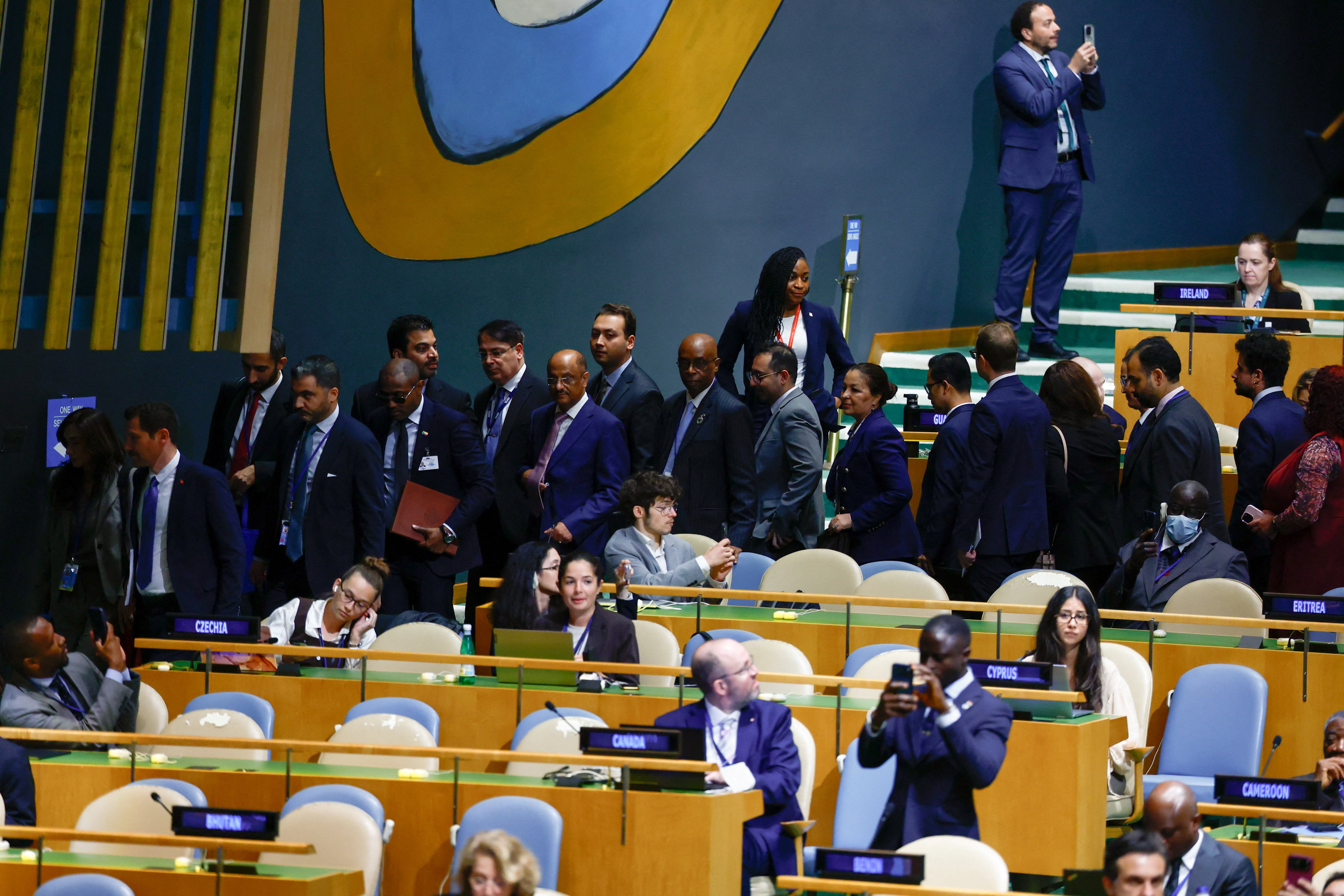
Netanyahu challenges half-empty UN General Assembly: Accusing Israel of genocide is the ‘biggest lie of the century’

Two images clearly showed the growing international isolation and criticism facing Benjamin Netanyahu’s government. Inside the UN headquarters, the conservative Israeli prime minister was met Thursday with jeers and the departure of many delegations before he began his address. The half-empty General Assembly was a powerful metaphor. “If there are any other moral cowards who haven’t left this hall, please do so now,” he said defiantly, while members of his delegation shouted: “Am Israel Jai” (“The people of Israel live,” in Hebrew). Outside the building, police detained about 100 demonstrators, among them actress Susan Sarandon and Democratic congressional candidate Darializa Ávila Chevalier, who were protesting the presence of a head of state accused of committing genocide in Gaza.

Seguir leyendo

© Jeenah Moon (REUTERS)

Delegates walk out of the UN General Assembly during Benjamin Netanyahu’s address on Thursday.
  •  
❌