❌

Reading view

Repression at Argentina’s University March: Over 30 Detained
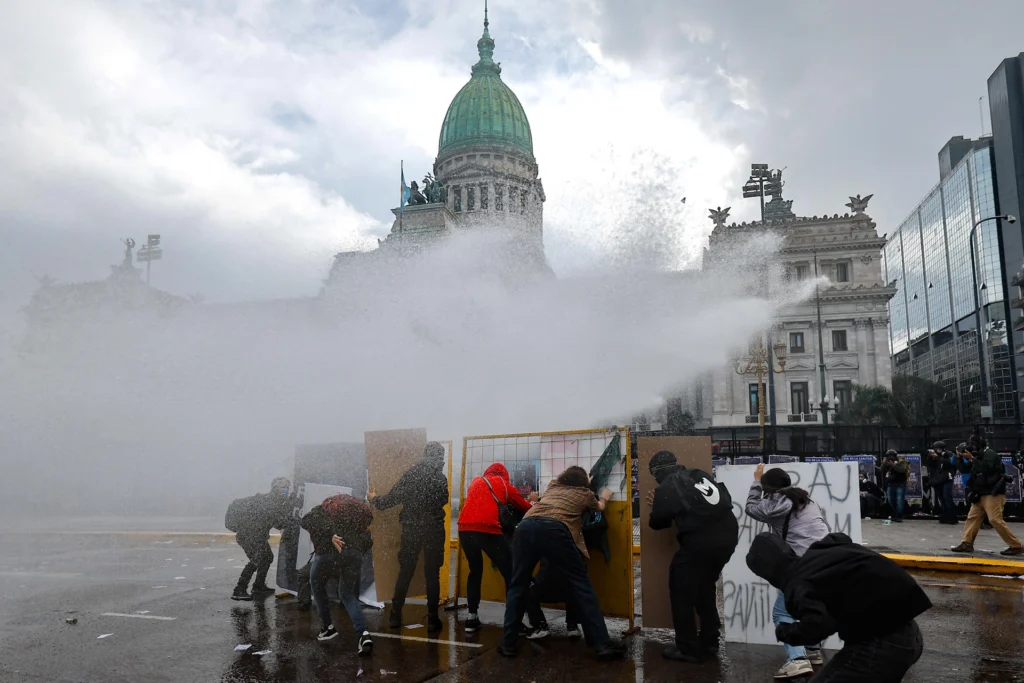
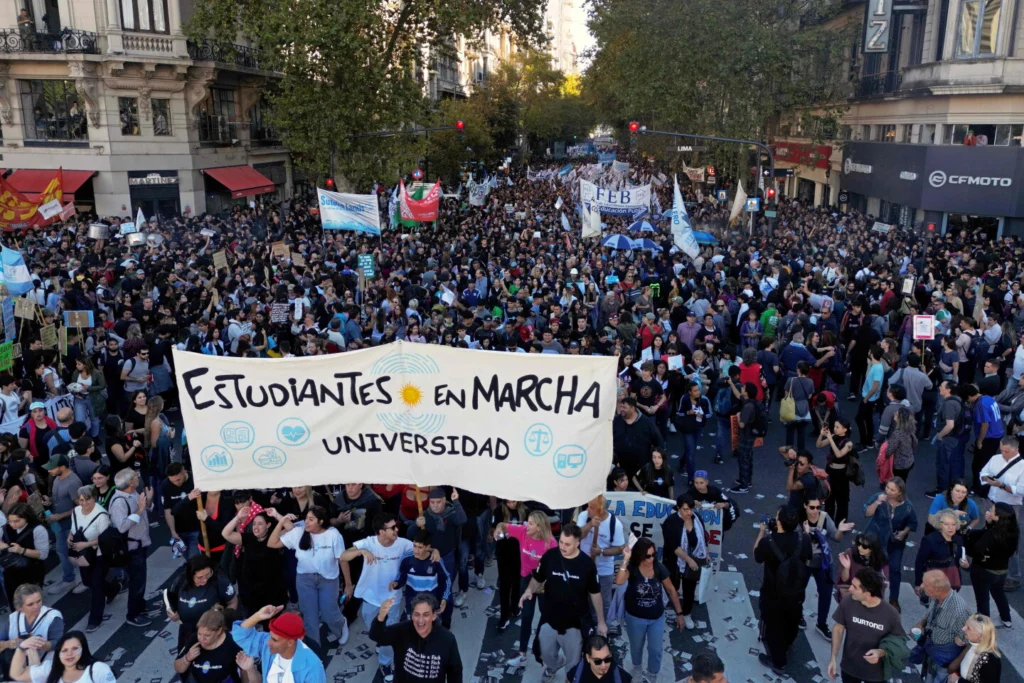
Federal forces repressed the mobilization calling for the application of the University Funding Act. According to witnesses, there were possible infiltrators among the protesters. Photo: EFE.

Federal forces in Argentina fired tear gas and turned water cannons on thousands of peaceful demonstrators in Buenos Aires on Thursday, detaining at least 34 people during the fifth Federal University March.


The march demanded implementation of the University Financing Law and denounced a sustained squeeze on public university budgets.

The demonstrations were replicated in dozens of Argentine cities, with students, teachers and university staff joined by unions, social organizations and environmental groups demanding the full implementation of the University Financing Law.

RELATED: Argentina’s Basic Basket Costs Outpace Inflation as Poverty Line Climbs

Protesters also denounced a sustained budget squeeze on public universities and rejected the ninth consecutive appeal filed by Javier Milei’s administration against court rulings that order the transfer of funds to the country’s higher education institutions.

The funding dispute has dragged on for months. Courts have repeatedly instructed the government to hand over the money set aside under the University Financing Law, and each ruling has been met with a new appeal from the national government. Thursday’s march was the fifth federal mobilization in a campaign that has grown beyond campuses to include unions, social organizations and environmental groups.

Beyond the university budget, the crowd voiced opposition to Decree 70/23 and defended the Land Law. Speakers also called for salary increases, relief measures for indebted families and more resources for public institutions.

Arrests and Attacks on Press

According to local media, the police began repression outside the National Congress in Buenos Aires as a response to an incident of a group of about eight people, who started breaking street furniture and throwing objects against the fence surrounding Parliament. Despite being an isolated incident, the gassing affected those who marched peacefully. Witnesses warned of possible infiltrators.

At least 34 people were arrested and one woman was injured. Cameras captured a gas canister hitting her head. “The gas thing fell on my head, I don’t know how I am, I have to go to the hospital,” the woman, who gave her name as Andrea, told reporters covering the march.

For its part, the Buenos Aires City Police said in an official statement that its own force detained six people: two minors, aged 14 and 17, and four adults, three men and one woman, charged with assault and resistance to authority.

Press workers also was targeted. Photographer Guido Piotrkowski, who was covering the march, captured the moment when a Federal Police officer stepped out from behind the fence, aimed and fired at him. “They came out from behind the fences and started shooting; I was taking photos and they fired at us,” he said. “They hit me in the chest, another colleague in the leg, but they aimed directly. They were rubber pellets.”

According to the reports, another worker from a community media outlet had to be treated at a hospital after being hit by at least seven rubber bullets. Cameras from the C5N channel also recorded a man with his face covered handling a backpack in the middle of the square. When the reporter approached to speak with him, the man reacted violently and struck the cameraman.

The fifth Federal University March ended under a cloud of gas. The political dispute over who unleashed the violence now moves to Congress, where opposition lawmakers are pressing the security minister to account for the operation.

No Quorum in Congress

Meanwhile, the Chamber of Deputies failed in its attempt to debate the rejection of the Decree of Necessity and Urgency 70/23, promoted by the government of Javier Milei to support its program, by failing to reach the necessary quorum at the special session convened by opposing parties. Only 121 legislators attended the legislative day, eight fewer than the 129 required to enable treatment in the compound, with a total of 136 absences.

The opposition call gained momentum following an initial ruling by the Supreme Court of Justice that deregulated the sale of land to foreigners under the Decree 70/23, although a subsequent decision by the court itself temporarily restored the rule, argument that they used allied sectors to avoid attending the session. In parallel, the Government negotiated to include a cap on land sales to foreigners in the Inviolability of Private Property project, which was scheduled for debate on October 21.

  •  

Represión en Argentina: infiltrados, hidrantes y gases contra la quinta Marcha Universitaria

Fuerzas federales reprimieron la movilización que reclamaba la aplicación de la Ley de Financiamiento Universitario. Según testigos, entre los manifestantes había posibles infiltrados. La sesión de Diputados por el DNU 70/23 se cayó por falta de quórum.
  •  

Argentine University Community Marches Against Government

The fifth Federal University March is taking place this Thursday, October 15, across Argentina. Participants are mobilizing toward the National Congress to demand compliance with the University Financing Law (No. 27.795), the restoration of salaries for both academic and non-academic staff, and the definitive rejection of the Javier Milei administration’s Emergency Decree (DNU) 70/23.

RELATED:

Argentina’s Basic Basket Costs Outpace Inflation as Poverty Line Climbs

Under the slogan Without funding, there is no science or education, the university community is calling for the immediate implementation of regulations that mandate the adjustment of operating funds, salaries, and scholarships in line with inflation. The protest was organized by the National Interuniversity Council (CIN), the Argentine University Federation (FUA), and the National Universities Trade Union Front.

Organizers report that academic and non-academic staff have seen their purchasing power decline by more than 32 percent so far this year. This action follows a judicial ruling that upheld injunctions and imposed financial penalties on the national government for failing to adjust funds and wages as required by law.

In the City of Buenos Aires, the main contingent—led by the University of Buenos Aires (UBA)—will gather at 1:00 p.m. at Plaza Houssay (at the intersection of Córdoba and Junín streets). Labor unions and social movements will begin assembling at 1:30 p.m. in the vicinity of the National Congress.

At 2:00 p.m., the march will proceed along Avenida Córdoba to Callao, then continue via Corrientes and Cerrito toward the parliamentary district. At 4:00 p.m., a joint statement from rectors, students, and labor unions will be read at Plaza del Congreso.

[AHORA] Estudiantes tomaron la Facultad de Ciencias Sociales en la previa de la Quinta Marcha Federal Universitaria.

Sumate a 'Diario de la noche' con @analiaargento, @eduardoprensa_ y @cotyvile 👉https://t.co/A3pv6QUv5q pic.twitter.com/H07gWnXj2U

— Argentina|12 (@argentina12ok) October 15, 2026

The text reads, “[NOW] Students took over the Faculty of Social Sciences ahead of the Fifth Federal University March.”

The protest coincides with a debate in the Chamber of Deputies regarding Emergency Decree (DNU) 70/23—a measure that has already been rejected by the Senate. The organizing groups aim to exert pressure to ensure the Lower House rejects the measure definitively.

The decree—viewed by the organizers as a cornerstone of the government’s ultraliberal agenda—impacts numerous sectors beyond education. Although the Supreme Court reversed its position, leaving the Land Law in effect following legal back-and-forth regarding its Article 154, universities have maintained their call to action due to the broad scope of the regulation.

Consequently, the day’s events bring together social, labor, political, and student organizations. The initiative also has the backing of the CGT, both branches of the CTA, ATE, and various scientific organizations—representing a coalition of workers and students united in defense of public education.

The protest movement spans the entire country. In Córdoba, the National University has suspended classes and is holding a march through the city center. In Santa Fe and Rosario, demonstrations are planned in response to disruptions in institutional operations, scholarship programs, and research activities. Higher education institutions across all provinces are staging strikes and protests.

This mobilization follows a series of strikes, open-air classes, and awareness-raising events. The organizers maintain that the implementation of Law 27.795 is essential to guarantee the continued operation of universities, sustain scientific research, and restore wages within the education sector.

🇦🇷 Argentine students have occupied the Education Secretariat to demand increased funding for public universities amid growing concerns about the future of higher education.

The student mobilization underscores the struggle to defend public education and secure the resources… pic.twitter.com/VGBlC1pZK0

— teleSUR English (@telesurenglish) October 9, 2026
  •  

No small potatoes: Andean tubers rescue the economy of a remote village in Argentina

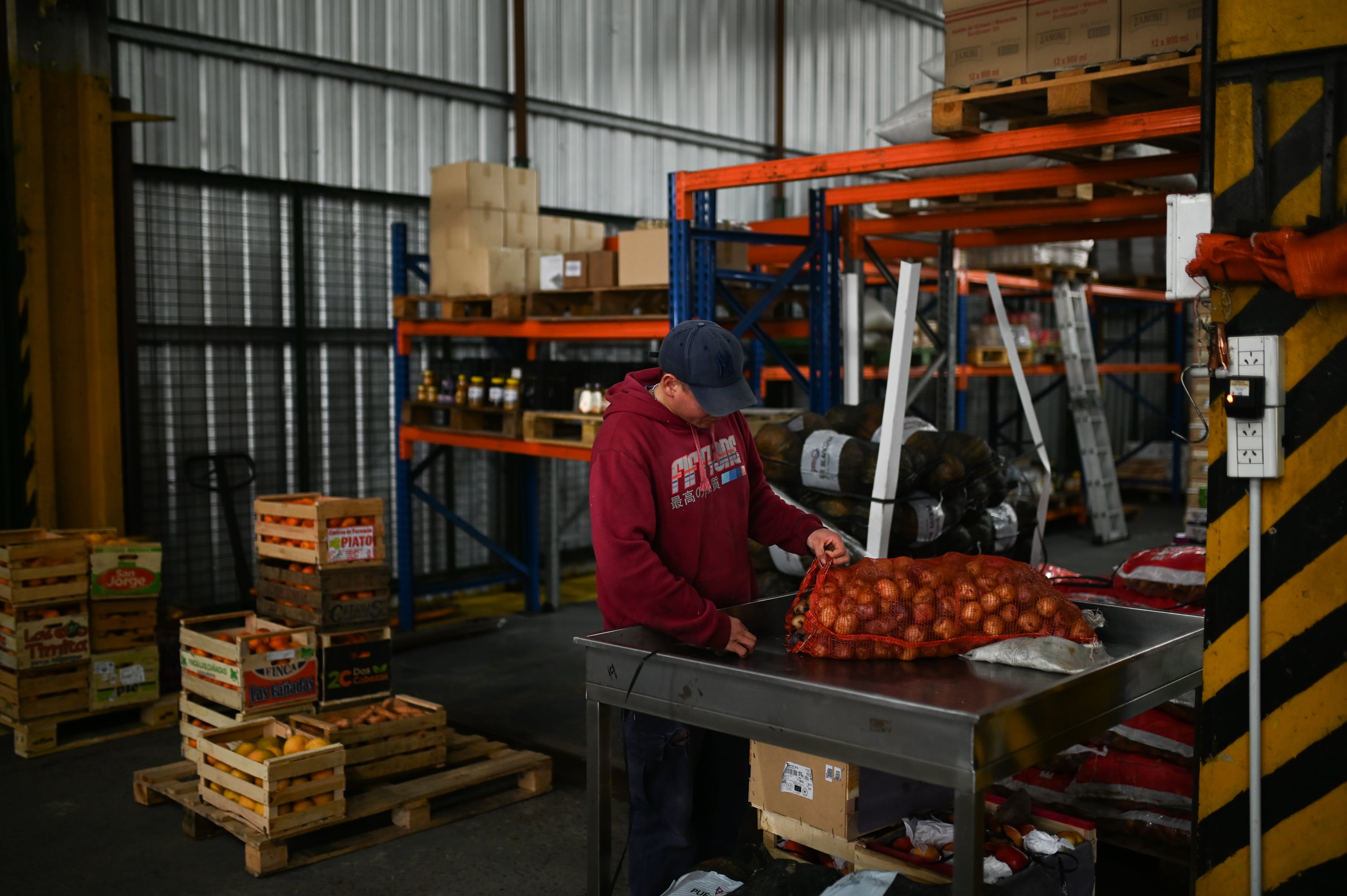
Franco Gabriel Gari holding Andean 'papines' in the Central Market of Buenos Aires on September 30, 2026.

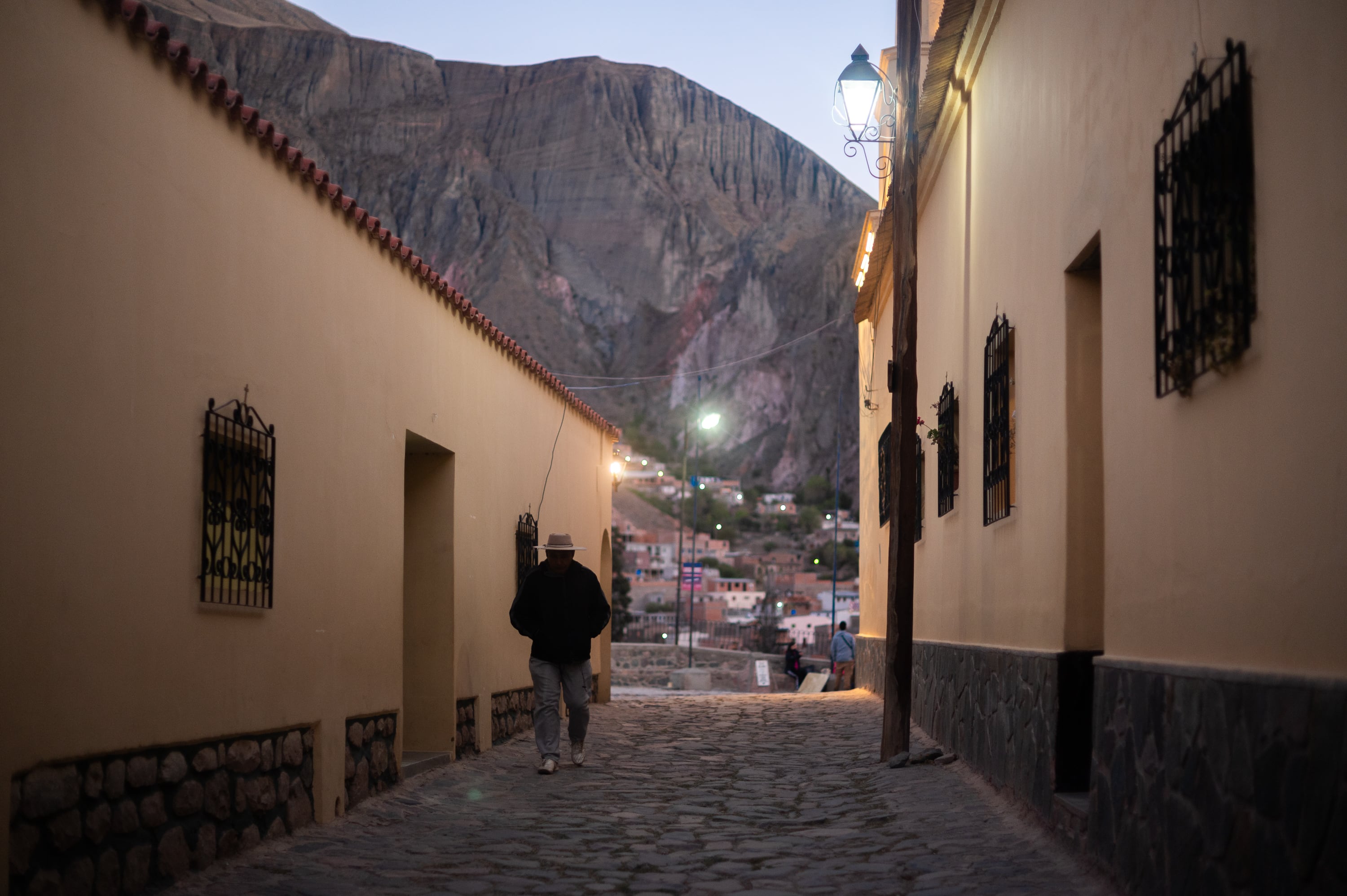
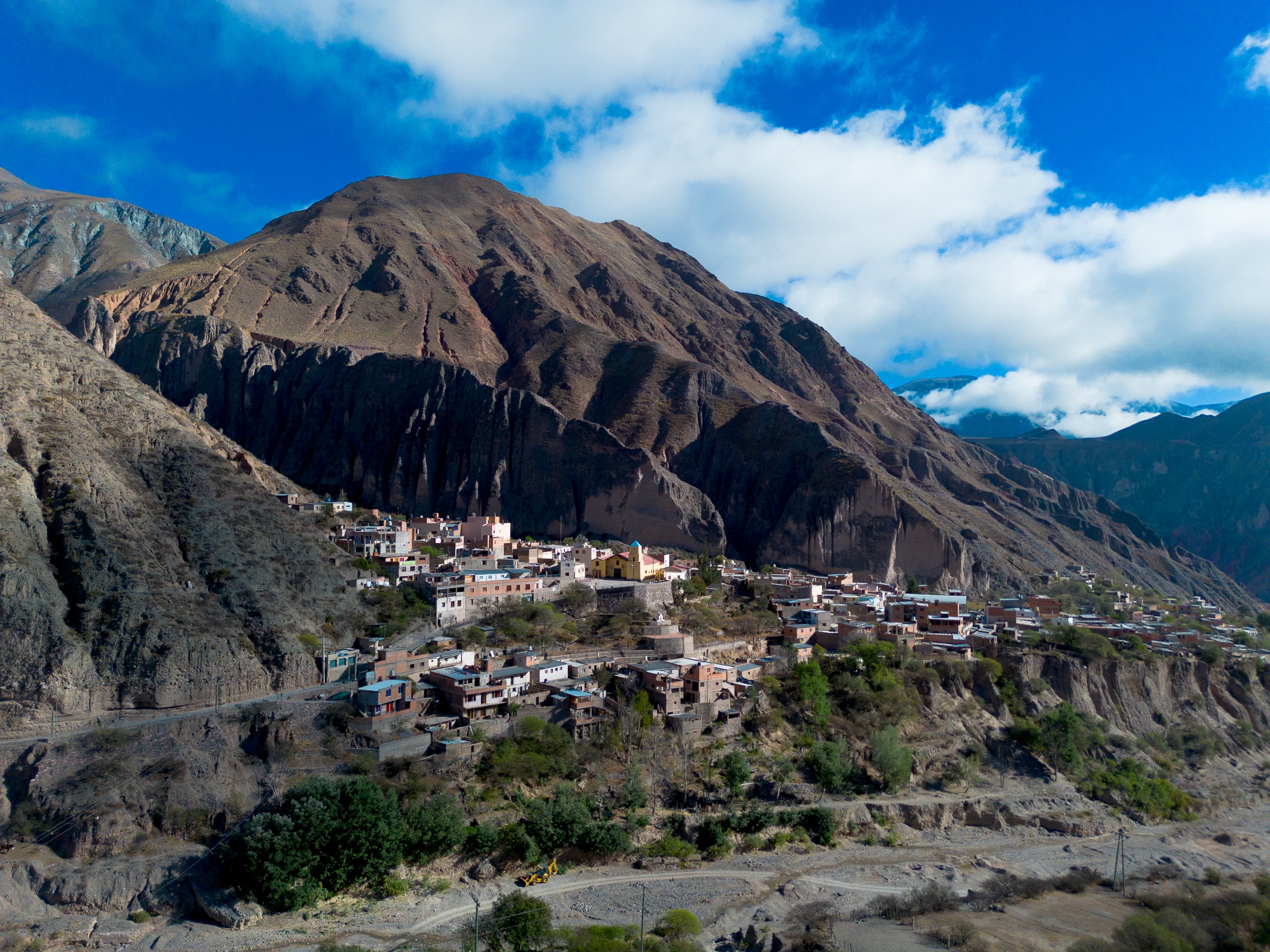
The trip from the village of Iruya, in northwestern Argentina, to Buenos Aires Province can take several days. “The truck carrying fresh produce takes between 24 and 35 hours to arrive,” says Raúl Viveros, a member of the community Kolla Colanzulí of Finca Santiago. That is the effort required for the country’s largest market to sell the small potato-like tubers known as papines, which have a unique flavor and are produced by the first indigenous community to have been recognized by the state of Argentina.

Seguir leyendo

A resident of Iruya walking through town on August 31, 2026.VIew of Iruya, in Salta province in northwestern Argentina.Franco Gabriel Gari, an employee for Alta Red, unpacks Andean papines andinos from Iruya at the Central Market in Buenos Aires on September 30.
  •  

Promotoria diz que equipe médica deixou Maradona à própria sorte antes da morte

A Promotoria que atua no julgamento da morte de Diego Maradona afirmou nesta quinta-feira (8) que o atendimento médico prestado ao ex-jogador em seus últimos dias de vida foi marcado por desorganização e falhas graves. Para os acusadores, a equipe responsável pelo tratamento colocou o ídolo argentino em uma situação de abandono e não cumpriu medidas consideradas necessárias para preservar sua vida.

Durante a apresentação dos argumentos finais, o promotor Patricio Ferrari classificou a internação domiciliar como uma operação caótica. Segundo ele, os profissionais envolvidos deixaram de cumprir obrigações médicas e adotaram condutas incompatíveis com o quadro de um paciente considerado vulnerável e complexo.

Sete profissionais de saúde são julgados no processo, entre eles médicos, uma psiquiatra, um psicólogo e um enfermeiro. Eles são acusados de homicídio com dolo eventual, modalidade em que a acusação sustenta que os envolvidos tinham consciência de que suas ações ou omissões poderiam levar à morte.

O julgamento ocorre desde abril em um tribunal de San Isidro, na região metropolitana de Buenos Aires. Ao longo de quase 45 audiências, mais de cem testemunhas e réus prestaram depoimentos.

Ferrari afirmou que, apesar da extensão do processo, os elementos centrais da acusação permanecem sustentados pelas provas apresentadas durante o julgamento.

Morte após cirurgia

Maradona morreu aos 60 anos, em 25 de novembro de 2020, durante uma internação domiciliar em Tigre, na região metropolitana de Buenos Aires. A causa apontada foi edema pulmonar seguido de parada cardiorrespiratória.

Dias antes, o ex-jogador havia passado por uma cirurgia para tratar um hematoma subdural na cabeça. O procedimento foi considerado bem-sucedido.

Para a Promotoria, porém, o quadro posterior exigia acompanhamento médico adequado e medidas que, segundo a acusação, não foram tomadas.

O promotor Cosme Iribarren afirmou que a morte poderia ter sido evitada e classificou o atendimento como inadequado. Segundo ele, a sequência dos acontecimentos demonstra que o agravamento do estado de saúde não foi tratado de maneira compatível com a gravidade do caso.

Julgamento entra na fase final

A etapa de alegações finais deve continuar pelas próximas duas semanas. Os sete acusados podem receber penas de até 25 anos de prisão caso sejam condenados pelos crimes atribuídos pela Promotoria.

A defesa ainda terá espaço para apresentar seus argumentos antes da decisão judicial.

O processo busca determinar se houve responsabilidade criminal dos profissionais que participaram do atendimento de Maradona e se as condutas adotadas nos últimos dias de vida contribuíram diretamente para a morte do ex-jogador.

The post Promotoria diz que equipe médica deixou Maradona à própria sorte antes da morte appeared first on Diário da Manhã - O Jornal do leitor Inteligente.

  •  
❌