 Login

Diputada afirma que el futuro de Brasil depende de la reelección de Lula
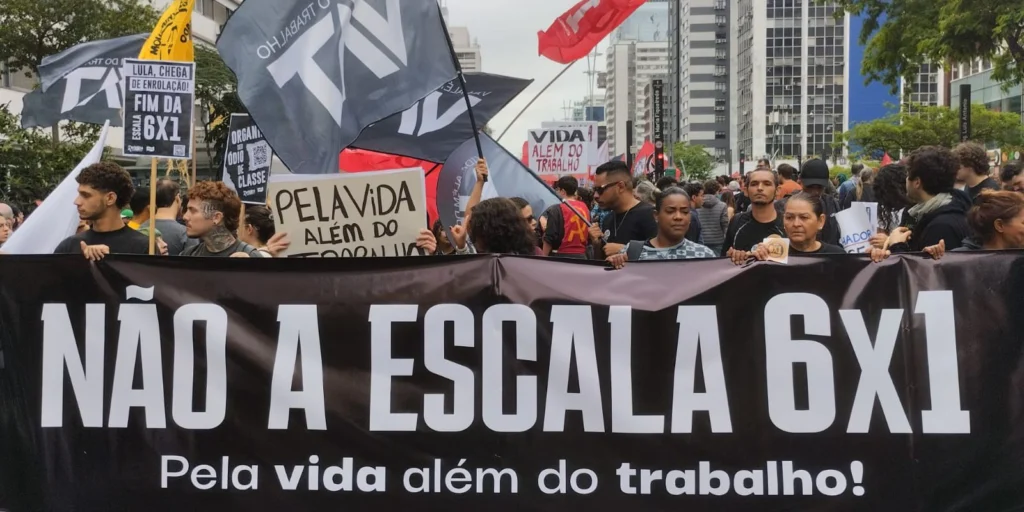
La diputada electa del PT destacó el fin de la jornada laboral 6x1 como una victoria histórica para los trabajadores.

João Diogo Silva, dos Bombeiros de Portimão, conquistou o 1.º lugar da classificação geral e o 1.º lugar no escalão M2 no Challenge 2026 – Só para Bravos, realizado no Entroncamento.
O conteúdo Bombeiro de Portimão conquista o primeiro lugar no “Só para Bravos” aparece primeiro em Algarve Marafado.
Acciaierie d’Italia (Adi) vuole aumentare il numero dei lavoratori ex Ilva in Cassa integrazione straordinaria (Cigs) dagli attuali 4.450 fino a 8.622 (quasi il doppio) fino al 28 febbraio 2027, ma non si escludono le proroghe. Lo ha comunicato l’azienda in amministrazione straordinaria ai ministeri del Lavoro, delle Imprese e ai sindacati. E’ quanto si apprende dalle organizzazioni dei lavoratori. Questi ultimi sono impiegati in vari siti produttivi, dal nord al sud Italia: si prevedono fino a 6.964 lavoratori in cig a Taranto (su un totale di 7.875); 870 a Genova (su un totale di 917); 515 a Novi (su un totale di 542). Attualmente i dipendenti totali di Adi sono 9.626. La cassa integrazione straordinaria tocca quasi 9 lavoratori su 10: l’89,57%. Un piano “imposto”, secondo Adi, dall’ordine della magistratura sulla sospensione dell’area a caldo. Cgil e Uil sono d’accordo: una richiesta “inaccettabile”. Uil sottolinea la portata “drammatica e senza precedenti” della crisi industriale. Per il sindacato Cisl, la batosta non è un fulmine a ciel sereno: “Fondamentale ribadire che le lettere di avvio della nuova Cigs non rappresentano una sorpresa”, ha dichiarato il segretario nazionale della Fim, Valerio D’Alò. Intanto, a Taranto nel pomeriggio scenderà in piazza la rete di associazioni e cittadini ‘Onda del futuro’.
“Inaccettabile sia nel merito sia rispetto ai tempi visti i prossimi incontri e le scadenze”, ha commentato in una nota Loris Scarpa, coordinatore nazionale siderurgia per la Fiom-Cgil, bollando la richiesta di Adi come “una provocazione“. “Ieri in tarda serata abbiamo ricevuto la nuova istanza di cassa integrazione con numeri pressoché raddoppiati, lavoratrici e lavoratori coinvolti – prosegue il documento sindacale – I lavoratori hanno lottato con scioperi e manifestazioni, nell’ultima settimana per garantirsi il lavoro, la continuità produttiva degli stabilimenti e le manutenzioni e per aprire una vera discussione sul proprio futuro e per un ex Ilva decarbonizzata. Questa cassa integrazione non tiene conto di quanto ottenuto dai lavoratori nell’ultima settimana nei numeri e nelle modalità”. La nota elenca le prossime tappe: “Il 20 ottobre abbiamo un incontro al Ministero del Lavoro per discutere le misure straordinarie per i lavoratori e chiedere modifiche al decreto del Consiglio dei Ministri del 14 ottobre scorso e, per il 27 ottobre abbiamo ottenuto, grazie alla lotta dei lavoratori, un nuovo confronto a Palazzo Chigi“. All’appuntamento previsto presso la presidenza del Consiglio dei ministri, “chiederemo conto ai commissari straordinari di queste scelte visto che è dall’esplosione dell’Altoforno 1 a maggio del 2025 che non accettiamo e non condividiamo più l’uso della cassa integrazione”, conclude Loris Scarpa.
Guglielmo Gambardella, segretario nazionale Uilm e responsabile del settore siderurgico, punta il dito sulla “drammaticità dei numeri” e “la portata della crisi dell’ex Ilva: quasi 9mila lavoratori sospesi contemporaneamente dal lavoro. Una situazione senza precedenti per dimensioni nella storia industriale del nostro Paese”. La nuova cassa integrazione “è inaccettabile e vergognosa“, mentre è “responsabilità del Governo accompagnare questo processo con strumenti concreti, risorse adeguate e garanzie per le persone”. Anche Gambardella ricorda l’incontro del 20 ottobre al ministero del Lavoro, dove “ribadiremo la necessità di introdurre strumenti straordinari che riconoscano la particolare gravosità e l’usura delle lavorazioni del ciclo siderurgico integrale, insieme a misure di prepensionamento e incentivi all’esodo volontario, accessibili a tutti i dipendenti dell’ex Ilva che ne abbiano i requisiti. La transizione industriale e ambientale non può essere realizzata scaricandone il costo sociale sui lavoratori”.
Acciaierie d’Italia spiega la sua richiesta con “il non dilazionabile adempimento dell’ordine giudiziale“, nel comunicato inviato ai ministeri, sindacati e Regioni dove hanno sede gli stabilimenti. La sospensione dell’attività nell’area a caldo nell’impianto ex Ilva di Taranto, prosegue l’azienda, “risulta essere incompatibile, allo stato, con il layout della Società. La sospensione della produzione di manufatti in acciaio mediante l’esercizio” di quell’area “impone di porre in essere ed attuare tempestivamente un diverso piano operativo”. Secondo Adi è l’ordine della magistratura ad obbligare l’aumento dei lavoratori in cassa integrazione straordinaria. L’azienda in amministrazione straordinaria sottolinea di mantenere “in servizio 1004 unità al fine di garantire la guardiania degli asset e la salvaguardia degli impianti produttivi, oltre all’adempimento degli obblighi amministrativi, ambientali e la continuità produttiva”. “La Società ha provveduto – tra le altre – alla revoca degli ordini di approvvigionamento delle materie prime precedentemente pianificati, non più compatibili con il sopraggiunto fermo delle attività del ciclo integrale, anche al fine di salvaguardare l’equilibrio economico della gestione”, concludono i commissari.
Questo pomeriggio a Taranto si svolgerà la manifestazione promossa dalla rete di associazioni e cittadini ‘Onda del futuro’, che invoca la chiusura del polo siderurgico, la bonifica del Sito di interesse nazionale, la tutela della salute e la costruzione di alternative economiche e occupazionali. Il concentramento è previsto alle 16 in piazzale Democrate, con partenza del corteo alle 17 e arrivo in piazza Maria Immacolata.
L'articolo Ex Ilva, cassa integrazione per 9 lavoratori su 10: la richiesta di Acciaierie d’Italia a governo e sindacati. Fiom: “Numeri raddoppiati, provocazione inaccettabile” proviene da Il Fatto Quotidiano.
L’ex Ilva allarga la cassa integrazione. L’azienda ha chiesto di aggiungere 4.172 lavoratori ai 4.450 già autorizzati, per un totale di 8.622 sospensioni. Solo 1.004 dipendenti resteranno in servizio, per sorvegliare gli impianti, proteggere gli asset e garantire gli adempimenti amministrativi e ambientali. La richiesta è contenuta in una comunicazione dei commissari Giancarlo Quaranta, Giovanni Fiori e Davide Tabarelli, inviata ai sindacati nazionali e territoriali, alle Regioni coinvolte e ai ministeri del Lavoro e delle Imprese. Vale dalla data dell’autorizzazione fino al 28 febbraio 2027, salvo proroghe o rinnovi. A Taranto la notizia è arrivata a ridosso della fine di cinque giorni di sciopero, nell’ex Ilva e nell’indotto, con il blocco delle principali strade statali da e per la città.
L’azienda precisa che 8.622 è il numero medio massimo di sospensioni contemporanee. Al 30 luglio i dipendenti erano 9.626: 7.875 a Taranto, 917 a Genova, 542 a Novi Ligure, 127 a Milano, più quelli degli altri siti. La nuova richiesta riguarda 6.964 persone a Taranto, 870 a Genova, 515 a Novi Ligure e 117 a Milano, con un impatto simile sulle altre sedi. A Taranto la cassa è oggi in corso per circa 3.500 persone, con un tetto autorizzato di 3.800 all’interno del contingente di 4.450. Con la nuova richiesta i cassintegrati sfiorerebbero quota 7mila: 4.667 operai, 1.564 impiegati e 733 intermedi. Le aree più colpite sono quelle di fusione, con 2.660 persone, e di staff e servizi, con 3.225. Per la laminazione si parla di 1.079 lavoratori.
“Il non dilazionabile adempimento dell’ordine giudiziale risulta essere incompatibile, allo stato, con il layout della società. La sospensione della produzione di manufatti in acciaio mediante l’esercizio dell’area ‘a caldo’ impone di porre in essere ed attuare tempestivamente un diverso piano operativo”, fanno sapere i commissari di Acciaierie. “In esecuzione del provvedimento giudiziale di spegnimento dell’area a caldo, la società ha provveduto alla revoca degli ordini di approvvigionamento delle materie prime precedentemente pianificati, non più compatibili con il sopraggiunto fermo delle attività del ciclo integrale, anche al fine di salvaguardare l’equilibrio economico della gestione”, si legge nella comunicazione rivolta a ministeri, sindacati e Regioni interessate.
“Infatti – si prosegue -, dalla temporanea sospensione dell’esercizio di tutti gli impianti di produzione funzionali all’out put di bramme e coils, già a decorrere dal 09.10.2026, consegue l’improcrastinabile necessità della rimodulazione degli assetti aziendali. Questo determinerà gradualmente, ricadute sulle lavorazioni in essere in tutti gli stabilimenti del gruppo, di potenziale variabile entità nel tempo, in relazione al progressivo ripristino di condizioni di esercizio, funzionali a garantire le condizioni di cedibilità degli asset, mediante il potenziale ricorso a fonti di approvvigionamento esterne o, nel medio termine, al ripristino di autonoma capacità produttiva”.
L'articolo Ex Ilva, chiesta la cassa integrazione per altri 4.172 dipendenti dopo lo stop all’area a caldo: 8.622 i lavoratori sospesi proviene da Affaritaliani.it.
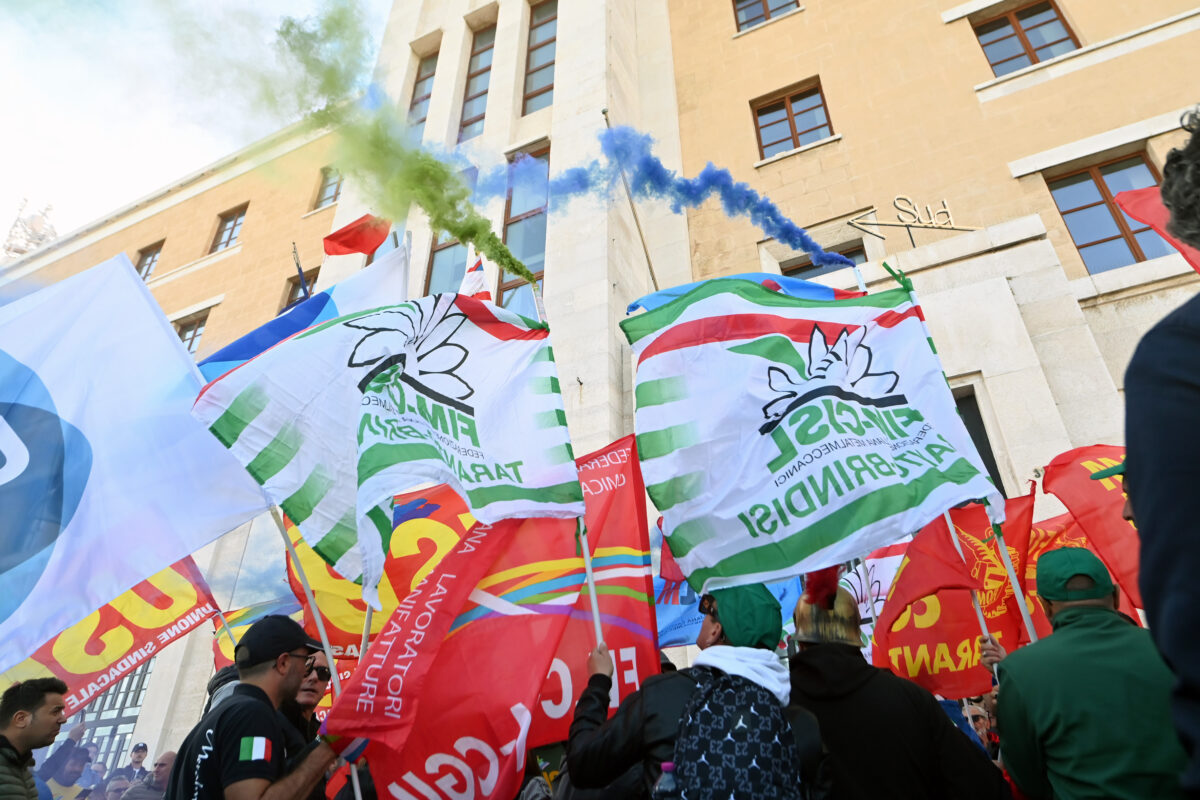

As Brazil heads into the October 25 runoff election between President Luiz Inácio Lula da Silva and Flávio Bolsonaro, the country stands as a crucial battleground in Washington’s strategy to contain China, as well as global geopolitics.
What does this election mean for the future of China-Brazil ties, the BRICS alliance, and independent technological sovereignty across the Global South?
Tings Chak – researcher, writer, and art director for the Tricontinental: Institute for Social Research – joins Amanda Yee to break down the two competing paths for Brazil represented by Lula and Bolsonaro.
Read Chak’s article: “How Brazil’s election could reshape relations with China”
Forest clearance at smallest total since records began in 1988 in success for Lula ahead of presidential run-off
Deforestation in the Brazilian Amazon has fallen to its lowest level since records began, new government data shows.
But whether this globally important success is maintained or reversed is on a knife edge ahead of a presidential election run-off on 25 October between two candidates with sharply different visions for the future of the rainforest and how that affects relations with the US under Donald Trump.
Continue reading...
© Photograph: Edmar Barros/AP

© Photograph: Edmar Barros/AP

© Photograph: Edmar Barros/AP
Lula reverses position on age of responsibility for ‘heinous’ crimes in what many see as a desperate electoral gambit
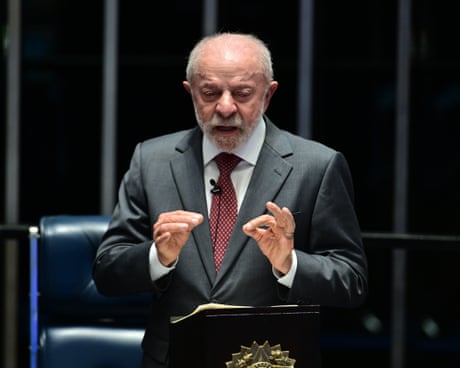
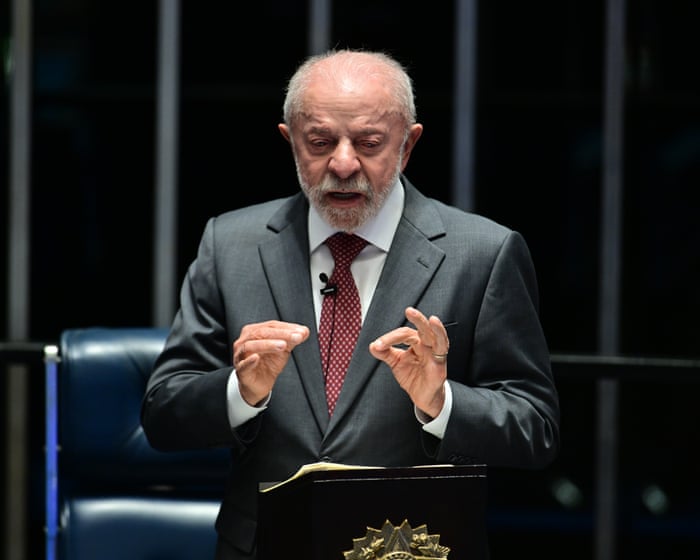
Brazil’s president, Luiz Inácio Lula da Silva, has announced that he now supports lowering the age of criminal responsibility for “heinous” crimes from 18 to 16, reversing a longstanding policy in what is widely seen as a desperate electoral gambit.
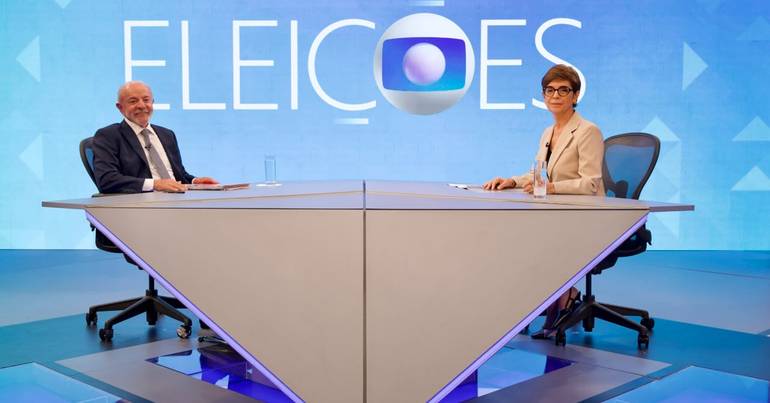
The U-turn, which Lula announced during a Thursday night interview with TV Globo, comes with the presidential runoff in just over a week. The incumbent faces an uphill battle to overturn the first-round victory of his opponent, the far-right senator Flávio Bolsonaro, who remains slightly ahead at the polls.
Continue reading...
© Photograph: Ton Molina/Getty Images
© Photograph: Ton Molina/Getty Images
© Photograph: Ton Molina/Getty Images
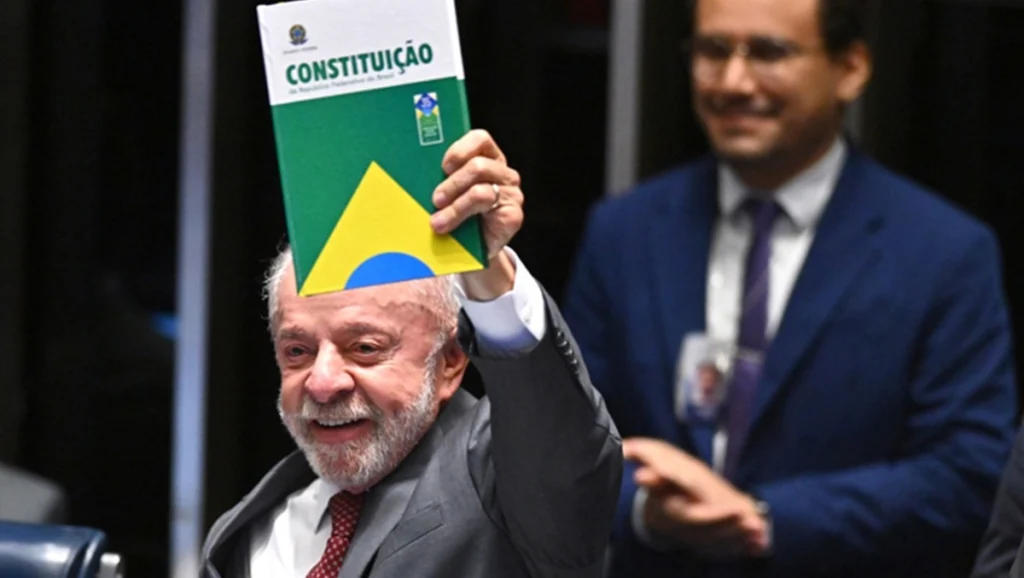
On Friday, President Luiz Inacio Lula da Silva attended a ceremony at the Brazilian Congress to promulgate the constitutional amendment reducing the workweek in the country.
RELATED:
Brazil Poll Shows Bolsonaro and Lula in Technical Tie
During his speech, Lula defended dialogue between institutions and stressed that the reduction of the workweek was made possible through negotiations between the executive branch and Parliament, an institution in which his Workers’ Party holds just 70 out of 513 seats in the Chamber of Deputies and 9 out of 81 seats in the Senate.
“Without democracy, there is no way out. It is dictatorship,” Lula said, stressing that although the Workers’ Party does not have a parliamentary majority, it has managed to advance initiatives with the support of other political forces because “there are no good or bad votes; it is the people who are voting.”
The progressive leader reiterated that reducing the workweek — from 44 to 40 hours, with two paid days off — is a measure intended to improve workers’ living conditions. He rejected arguments that the change could harm businesses.
O dia de hoje mostra que a democracia vale a pena.
— Lula (@LulaOficial) October 16, 2026
O fim da escala 6 x 1 é uma conquista civilizatória.
O que fizemos hoje foi obedecer. Obedecer à vontade de um povo que foi para as ruas e cobrou de nós: mulheres, homens, trabalhadores, adolescentes e estudantes exigiram essa… pic.twitter.com/QEdFV6I4j7
President Lula da Silva’s text reads: “Today proves that democracy is worth it. Ending the 6×1 work schedule is a civilizational achievement. What we have done today is heed a call—the will of a people who took to the streets and made a demand of us: women, men, workers, teenagers, and students all called for this measure. You have written an important chapter in our Constitution. It is now a Constitution that better reflects its citizens. Two days of rest each week mean greater dignity. Congratulations to everyone!”
In this regard, he recalled the criticism that accompanied the introduction of the year-end bonus in the early 1970s, when some conservative sectors alarmed the public by claiming that the measure would drive companies into bankruptcy.
Under Brazilian law, 60 days after the amendment’s promulgation, the five-day workweek and two-day rest period will take effect, with a maximum workweek of 42 hours. The reduction to 40 hours will be completed after another 12 months.
The measure was promulgated by Parliament President Davi Alcolumbre, with the parliamentary headquarters packed to capacity, nine days before the presidential runoff, in which Lula will face far-right Sen. Flavio Bolsonaro.
The approval of the initiative is seen as a political victory for Lula, who secured a key electoral boost in the final stretch before the runoff against his rival, who won the first round with 47% of the vote.
The measure, promoted during the campaign and strategically pushed through one week before the runoff election, had strong popular appeal because it benefits more than 37 million workers with formal employment contracts.
The results of the strategy began to emerge in polls released this week, which showed Lula narrowing the gap with Bolsonaro, who now leads him by two percentage points, although the two are technically tied.
teleSUR/JF
Source: EFE
With just over a week to go until Brazil’s closely contested presidential election, the picture remains much the same as it has for months: a dead heat.

© Amanda Perobelli (REUTERS)
Quinto giorno di sciopero e di mobilitazione all’ex Ilva di Taranto dei lavoratori dello stabilimento siderurgico di Acciaierie d’Italia, sia quelli diretti che dell’indotto, nell’ambito delle proteste per l’avvio dello spegnimento dell’area a caldo e conseguente blocco della produzione. Dopo la convocazione a Palazzo Chigi per il 27 ottobre e il documento condiviso ieri con Regione, Comune e Provincia di Taranto, questa mattina si è tenuta un’assemblea sulla statale 7 Appia Fim Cisl, Fiom Cgil, Uilm Uil e Usb hanno proclamato lo sciopero fino a questa sera alle 23. Allo stesso tempo hanno deciso di rimuovere i blocchi sulla statale 106 davanti alla raffineria Eni e quello sulla statale 7, senza attendere la fine dello sciopero.
Dopo il documento comune con la Regione Puglia di ieri, l’appuntamento è quindi per la convocazione a Palazzo Chigi del 27 ottobre. “Dobbiamo pensare a riempire gli autobus – ha detto all’assemblea Biagio Prisciano, segretario territoriale della Fim Cisl Taranto-Brindisi – perché la tappa di Roma del 27 ottobre sarà importante. Se il governo non vorrà addivenire a quelle che sono le nostre rivendicazioni, dobbiamo continuare a far sentire la nostra voce”.
Rimane però il caos in gran parte del sud Italia. Poco fa è stato messo in atto un blocco degli autotrasportatori contro il prezzo della benzina sulla tangenziale di Andria all’altezza di una rotatoria nei pressi di un distributore di carburanti. La sindaca di Andria Giovanna Bruno si è recata sul posto e ha incontrato i manifestanti. Oggi sulla statale 96 in direzione Bari si procede regolarmente, mentre code si registrano in direzione Altamura. I mezzi pesanti sono parcheggiati su una corsia laterale. Proteste degli olivicoltori a Corato, dove ieri sera un corteo di trattori e camion ha attraversato l’estramurale e il corso, fino al Comune. La mobilitazione è ripresa alle prime ore di questa mattina all’ingresso della città.
Proteste contro il caro carburante anche in Calabria dove la Fedralog, la Federazione regionale della logistica, ha promosso la mobilitazione degli autotrasportatori a partire da oggi e fino al 20 ottobre, insieme alle federazioni omologhe di Puglia, Sicilia e Basilicata. Dalle prime ore del mattino sono circa 20 i presìdi dei tir attivi in tutte le province della Calabria: tra gli altri, lo svincolo autostradale di Falerna, l’area dell’aeroporto di Lamezia Terme, Marcellinara, la raffineria di Vibo Valentia, Pizzo, Sant’Onofrio, Passovecchio, nel Crotonese, il porto di Gioia Tauro, vari punti della Ss 18 lungo il Tirreno cosentino, gli svincoli di Sibari, Frascineto, Castrovillari, San Marco Argentano.
La mobilitazione degli autotrasportatori si aggiunge a quella degli agricoltori, che va avanti da oltre dieci giorni. “Dal mese di marzo a oggi abbiamo speso in media duemila euro in più di gasolio per mezzo di trasporto – spiega all’Adnkronos Domenico Notaro, portavoce per la Calabria della Fedralog – Moltiplicando questa cifra per il numero di mezzi complessivo di ciascuna ditta, si può ben comprende come le aziende abbiano subìto perdite di fatturato drastiche, che non sono state compensate in altro modo”. La Fedralog lamenta, inoltre, il mancato ascolto da parte del governo centrale e delle associazioni di categoria. Anche la Regione Calabria, pur avendo aperto uno spiraglio minimo al dialogo, non avrebbe fatto abbastanza per fronteggiare la crisi: a parere della Federazione, i 15 milioni di euro stanziati contro il caro carburanti, di cui 5 per le imprese del comparto agricolo e 10 per il settore dell’autotrasporto trasporto, sono un intervento ‘tamponè, che “non risolve il problema, lo rimanda soltanto”.
Insieme ai lavoratori del settore della logistica, si fermano e si aggiungono ai presìdi anche agricoltori, allevatori e pescatori calabresi: “Ci siamo uniti per avere un appoggio maggiore e far arrivare le nostre istanze al governo centrale, da cui aspettiamo un cenno da più di due settimane – dichiara Matteo Talarico, referente del Movimento Territorio e Agricoltura -. Chiediamo una misura straordinaria e un ristoro imminente per fronteggiare la crisi ma, in generale, chiediamo una riforma complessiva del comparto agricolo per il prezzo minimo e per risolvere i problemi strutturali che ci portiamo dietro dal 2022. I costi di produzione sono arrivati alle stelle e noi non possiamo più permetterci di lavorare sotto costo”, aggiunge Talarico.
In Sicilia tir e camion sono fermi nei porti e non scaricano le navi e nei piazzali delle ditte. Alla protesta non aderiscono le imprese di Confindustria Catania che in un primo momento aveva annunciato lo sciopero dei tir dal 16 al 22 ottobre. “L’adesione è totale – dice Salvatore Bella, coordinatore del comitato che stamane terrà una conferenza stampa – In Sicilia non circolano mezzi pesanti. Non capiamo perché il ministro Salvini abbia convocato le sigle che non scioperano lasciando fuori dal confronto quelle che scioperano. E’ inaudito lasciare fuori gli autotrasportatori siciliani”. Intanto da ieri notte, a Gela (Caltanissetta), al presidio allestito dagli agricoltori per protestare sui prezzi dei carburanti, sono fermi anche decine di tir e camion. Gli autotrasportatori che hanno fermato i loro mezzi lungo la rotonda stradale di ingresso a Gela dicono di non riuscire più a sostenere i rincari, “Ottomila euro in più all’anno per ogni veicolo che percorre 100 mila chilometri e un prezzo del gasolio salito a oltre 2,16 euro al litro, con un rincaro di 0,35 euro rispetto a febbraio”, dicono. Questa mattina, un nuovo corteo di mezzi agricoli e trattori ha percorso un tratto della strada statale Gela-Catania.
L'articolo Ex-Ilva di Taranto, rimosso il blocco davanti all’Eni. Restano disagi in Calabria, Puglia e Sicilia per le proteste degli autotrasportatori. Ed è caos carburanti proviene da Il Fatto Quotidiano.
VTM
Noel Afonso, comandante Sub-Regional de Emergência e Proteção Civil das Terras de Trás-os-Montes, disse à VTM que quando os meios chegaram ao local, o armazém estava “tomado pelas chamas e os prejuízos são muito elevados”.
Acrescentou ainda que não se registaram feridos na sequência da ocorrência.
Dentro do armazém estavam diversas “máquinas agrícolas, tratores, feno, rações e ficou tudo destruído”, sublinhou o comandante.
Devido aos prejuízos elevados, o agricultor afetado, Celso Martins precisa de ajudar para recomeçar, já que só conseguiu salvar os animais e um trator agrícola, o restante ardeu por completo.
O prejuízo “é enorme” e o seguro só cobre uma pequena parte do que se perdeu. “Não chega para retomar a atividade, e é um processo que ainda vai demorar. O Celso, de um dia para o outro, ficou sem as máquinas, sem alimento para os animais e sem armazém, mesmo à entrada do inverno”, pode ler-se na página de Facebook Cultiva, que está a angariar fundos para ajudar este agricultor.
Pode ajudar através de: IBAN: PT50 0045 2260 4025 8897 3415 6 (TITULAR: CELSO MARTINS)
Crowdfunding: WWW. GOFUNDME.COM/F/VAMOSAJUDAR-A-RECONSTRUIR-OQUE-O-FOGO-DESTRUIU
The post Agricultor pede ajuda após incêndio ter destruído armazém appeared first on A Voz de Trás-os-Montes.
© Globo/ Manoella Mello

Brazil’s presidential race has tightened ahead of the Oct. 25 runoff, with senator Flávio Bolsonaro losing two percentage points in voting intention to reach 47%, while President Luiz Inácio Lula da Silva stands at 45%, according to a Datafolha poll released Thursday. The two candidates are in a technical tie, with the difference falling within the survey’s margin of error.
RELATED: Brazil: Lula Hails Workweek Reduction as Historic Achievement
Among valid votes, which exclude blank and invalid ballots, Bolsonaro leads Lula by 51% to 49%. The gap has narrowed from the previous week’s poll, when Bolsonaro held a 52%-48% advantage.
A separate poll published Wednesday by research firm Quaest also showed a close race, giving Bolsonaro 46% support and Lula 44%.
DATAFOLHA: 51% x 49%
— Mídia NINJA (@MidiaNINJA) October 15, 2026
TÁ VIRANDO!!!
Na semana passada, a diferença era de 4 pontos. Agora caiu para 2. pic.twitter.com/NFIOGEEaCT
Text Reads: DATAFOLHA: 51% x 49% IT’S TURNING AROUND!!! Last week, the difference was 4 points. Now it’s down to 2.
The Datafolha survey found similar levels of rejection for both candidates. Some 46% of respondents said they would never vote for Bolsonaro, compared with 44% who said the same of Lula.
Views of the current government were also divided: 41% of respondents rated its performance negatively, while 35% viewed it positively.
The poll was conducted after large rallies in support of Lula took place over the weekend. However, the interviews were completed before the survey could capture any potential impact from the Senate’s approval of a proposed constitutional amendment to end the 6×1 work schedule, under which workers work six days and take one day off.
The proportion of respondents opting for blank or invalid ballots rose from 5% to 6%, while the share of undecided voters ranged between 1% and 2%.
Datafolha interviewed 2,520 people aged 16 and older across Brazil from Oct. 13 to 15. The survey has a margin of error of two percentage points and a 95% confidence level. It was registered with Brazil’s Superior Electoral Court under number BR-00466/2026. In the first round, Bolsonaro received 47.03% of the vote, compared with 45.16% for Lula.

The approval of Constitutional Amendment Proposal (PEC) 221 of 2019 by the Federal Senate establishes the most profound alteration in the organization of the Brazilian work schedule since the promulgation of the 1988 Constitution. The text eliminates the model of six days of work followed by one day of rest and sets a maximum work week of 40 hours with two paid weekly rest days, without salary reduction.
Because it is a constitutional amendment, the text does not depend on the sanction or veto of President Luiz Inácio Lula da Silva (PT). Promulgation is the responsibility of the presiding officers of the Chamber of Deputies and the Senate in a joint session of the National Congress. Once promulgated and published in the Official Gazette of the Union (DOU), the amendment enters into force in a phased manner, with specific adaptation periods for companies, professional categories, and the public sector.
The transition from the 44-hour work week to the definitive model of 40 hours per week and five working days followed by two days off (5×2 schedule) will occur in two main stages:
First stage (60 days after publication): Two months after the amendment is published, workers become entitled to two paid days off per week, preferably on Sundays. At the same time, the weekly working hours limit is reduced from 44 to 42 hours.
Second stage (14 months after publication): after 12 months from the implementation of the first stage, totaling 14 months from the official publication, the maximum weekly workload is definitively reduced to 40 hours, with a limit of eight hours per day.
During the 12-month period in which the 42-hour weekly limit will be in effect, employers must distribute the two extra hours across the weekdays. If distributed evenly across the five working days, the daily work schedule becomes 8 hours and 24 minutes.
Collective labor agreements and conventions may authorize daily work schedules exceeding eight hours during this transitional period to accommodate the 42-hour schedule, provided that the two weekly days off are strictly maintained.
Once the 14-month transition period is complete, any activity exceeding eight hours per day or 40 hours per week will require the payment of overtime or compensation through a time bank, mechanisms that remain permitted under labor law.
The new constitutional guidelines do not impose a single work schedule format for the entire market and safeguard the operation of continuous activities and essential services. Uninterrupted services, such as hospitals and health units, public safety, public transportation, urban cleaning, and surveillance, may adopt specific models for organizing and compensating working hours through collective bargaining agreements or conventions.
In these areas, the traditional 12-hour work shift followed by 36 hours of rest (12×36 shift) is not automatically eliminated by the PEC, but will need to be adapted at the negotiating table between employers’ and workers’ unions.
The reorganization of shifts must take into account the reduction of the weekly workload and the minimum rest and meal periods stipulated in the Constitution. The text also refers to future specific laws for the complementary regulation of conditions for categories with their own operational characteristics.
In the case of workers subjected to prolonged confinement, such as on offshore oil platforms, amendments proposing prior exceptions in the constitutional text were rejected by rapporteur Omar Aziz. The parliamentarian pointed out that the work regime for offshore oil workers should be subject to subsequent legal regulation.
The proposed amendment allows companies and unions to establish, exceptionally and through collective agreement or convention, work schedule compensation regimes with shifts different from the 5×2 format, including enabling the eventual continuation of the 6×1 shift schedule.
For this flexibility to be valid before the Labor Court, the proposal requires compliance with two mandatory criteria: the worked days off must be fully compensated within the same calendar month; and the worker is entitled to at least one day of rest within a maximum period of one week of service, and must reach, at the end of the month, an average of two paid days off per week.
The text approved by Congress establishes differentiated rules and specific conditions for three groups of workers and economic sectors:
Outsourced public administration workers: To safeguard the continuity of essential public services and preserve the economic and financial balance of administrative contracts, outsourced companies providing services to the State will have up to 12 months after the enactment to adjust their work schedules, instead of the general 60-day period. Contracts amended after 60 days from the publication must already comply with the new schedule. If the public authority and the service providers do not formalize an addendum within one year, the reduction in working hours for outsourced workers will automatically take effect, without a reduction in salary.
Professionals with a university degree and salaries starting at R$ 21,100: the so-called “highly qualified workers,” who are employees with a university degree and a monthly salary equal to or greater than 2.5 times the ceiling of Social Security benefits (currently R$ 21,188.87), are exempt from general daily working hour limits and timekeeping. These professionals can negotiate their schedules directly with the company, but retain the constitutional right to two days of paid weekly rest. This exception does not apply to public employees.
Brazilian labor law already provides for situations where there is no traditional control of working hours, such as in the case of employees who hold positions of trust or who work outside the company in activities where it is not possible to control their hours.
Individual micro-entrepreneurs and small businesses: the proposed constitutional amendment (PEC) stipulates that a subsequent complementary law will create transitional measures for mitigation and fiscal or credit support for individual micro-entrepreneurs, micro-enterprises, and small businesses. The granting of these benefits will be expressly conditional upon maintaining jobs and employment levels in these establishments.
The application of the new work schedule to existing employment contracts is direct and immediate, requiring no formal re-hiring or termination of employment. The Constitution guarantees the principle of non-reduction of wages, prohibiting any nominal cut or proportional reduction in employee salaries or in the minimum wages of professional categories.
For workers who already work 40 hours a week or less, the amendment does not create a further reduction in weekly working hours. However, these employees will now have a guaranteed right to two paid days of weekly rest.
In the labor union sphere, clauses in previously agreed collective bargaining agreements and conventions that address working hours or weekly rest periods and are incompatible with the new constitutional parameters will lose all legal validity 60 days after the amendment is published.
The shift to a new work schedule affects tens of millions of workers in operational, customer service, and ongoing production roles across the country.
A technical survey prepared by the Inter-Union Department of Statistics and Socioeconomic Studies (Dieese), based on the Continuous National Household Sample Survey (PNAD) of the Brazilian Institute of Geography and Statistics (IBGE), indicates that the measure will directly benefit 26.8 million workers.
The contingent consists of 22 million employees with formal contracts in the formal sector (equivalent to 54% of the country’s formal workers) and approximately 4.8 million informal workers who register weekly work schedules exceeding 40 hours.
Data from the Ministry of Labor and Employment (MTE) indicates that 14.8 million formal workers were directly subject to the 6×1 work schedule in 2025, while another 29.7 million were already working on the 5×2 schedule.
The scope of the change is also reflected in the profile of contracted work schedules in Brazil. Studies by the National Confederation of Commerce of Goods, Services and Tourism (CNC), structured from the Annual Social Information Report (Rais), reveal that 35.7 million workers under the CLT (Consolidation of Labor Laws), about 62% of the formal Brazilian workforce, currently work schedules ranging between 40 and 44 hours per week.
Brazilian President Luiz Inácio Lula da Silva has described the approval of the Proposed Constitutional Amendment (PEC 221/2019) as a historic achievement. The amendment puts an end to the 44-hour workweek, establishing a new maximum of 40 hours per week, distributed over five working days and two paid rest days.
RELATED:
Brazilian Senate Ends 6×1 Schedule, Approves 40-Hour Workweek
The constitutional reform—a key commitment of the Brazilian government—will directly benefit approximately 22 million workers who were previously employed under a “6×1” schedule, consisting of six days of work followed by one day of rest.
Brazil’s Senate ratified the amendment in two rounds of voting, with 75 votes in favor and one against—the latter cast by Senator Hamilton Mourão. This decision comes five months after the Chamber of Deputies initially approved the proposal, and 11 days ahead of the presidential runoff, scheduled for October 25.
Far-right candidate Flávio Bolsonaro, who had initially opposed the measure, shifted his position and voted in favor remotely from Porto Alegre. Progressive senators, including Teresa Leitão, labeled this move as opportunistic and warned of the need to remain vigilant against any potential attempts to overturn the new regulation.
A escala 6×1 acabou! ❤️🇧🇷
— Lula (@LulaOficial) October 15, 2026
Uma conquista histórica para milhões de trabalhadores e trabalhadoras, que agora terão mais tempo para descansar, estar com a família, cuidar de si e viver.
Quem constrói o Brasil todos os dias também merece tempo para viver.
É o Brasil pronto para… pic.twitter.com/5Nq7a9xKZk
The text reads, “The 6×1 schedule is over! A historic achievement for millions of workers, who will now have more time to rest, be with their family, take care of themselves, and live. Those who build Brazil every day also deserve time to live. It’s Brazil ready for more!”
Timeline and safeguards
The transition to the “5×2” model will not be immediate. According to the established timeline, 60 days after the official publication of the amendment—expected in February 2027—the maximum weekly working hours will be reduced from 44 to 42.
Subsequently, 14 months after the amendment is enacted—in December 2027—the limit will be set at 40 hours per week. The regulation also establishes a maximum daily limit of eight working hours. The constitutional text expressly prohibits any reduction in wages—whether proportional or affecting the minimum wage—across professional categories.
Furthermore, it delegates the organization of rest periods to collective bargaining agreements, prioritizing Sundays, while allowing for flexibility in sectors such as healthcare, security, and public transport.
While labor unions supported the measure, business sectors expressed their opposition, arguing that it could lead to higher costs per hour worked and the risk of a contraction in employment. The right-wing opposition also signaled its intention to revise the legislation should it gain control of the executive branch.
For individual micro-entrepreneurs and small business units, the reform provides for a supplementary law that includes state support mechanisms designed to cushion the impact of the transition and sustain formal employment targets.
Within the public administration, existing service contracts will have a period of up to 12 months to adjust their operational and financial frameworks to the new limits on working hours.
With the approval of PEC 221/2019, Brazil has begun a restructuring of its labor market aimed at reducing precarious working-hour arrangements in Latin America’s largest economy.
