 Login

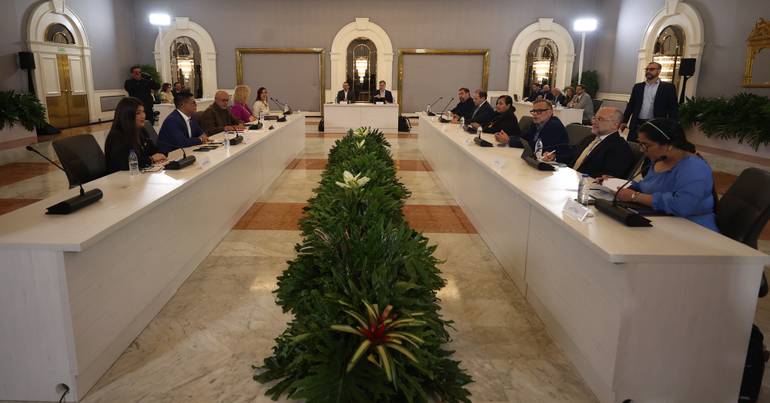
En imágenes: comunas preparan Consulta Popular en Venezuela
A pocas horas de la jornada democrática, millones de venezolanos afinan los detalles organizativos para refrendar un modelo de gestión directo.

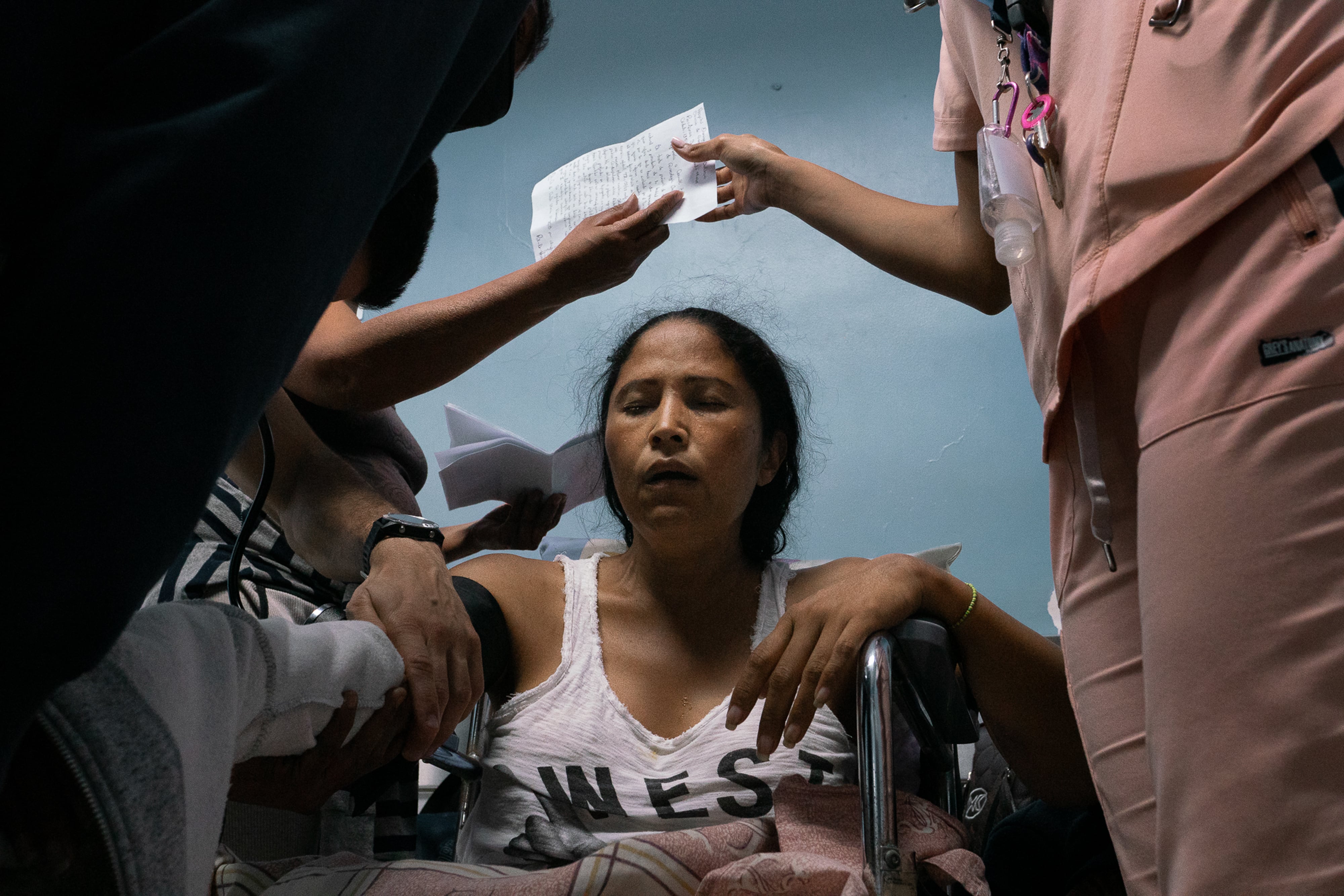
It is 2022. In a neighborhood in western Caracas, Yolanda (a fictitious name) walks through a checkpoint manned by hooded police officers. In her pocket, she carries a small transparent bag containing several misoprostol pills – the second part of the treatment recommended by the World Health Organization (WHO) for a safe medical abortion.
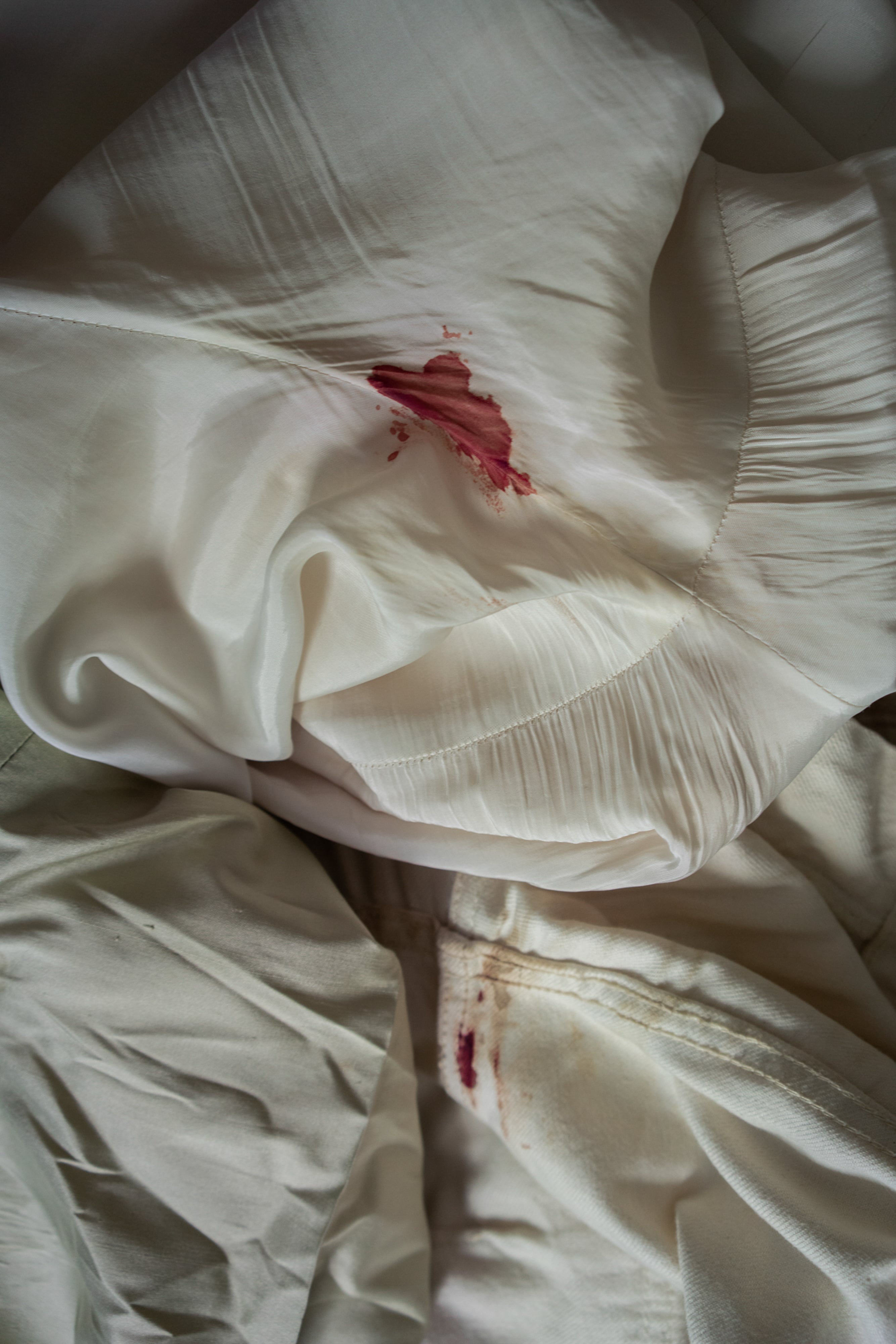
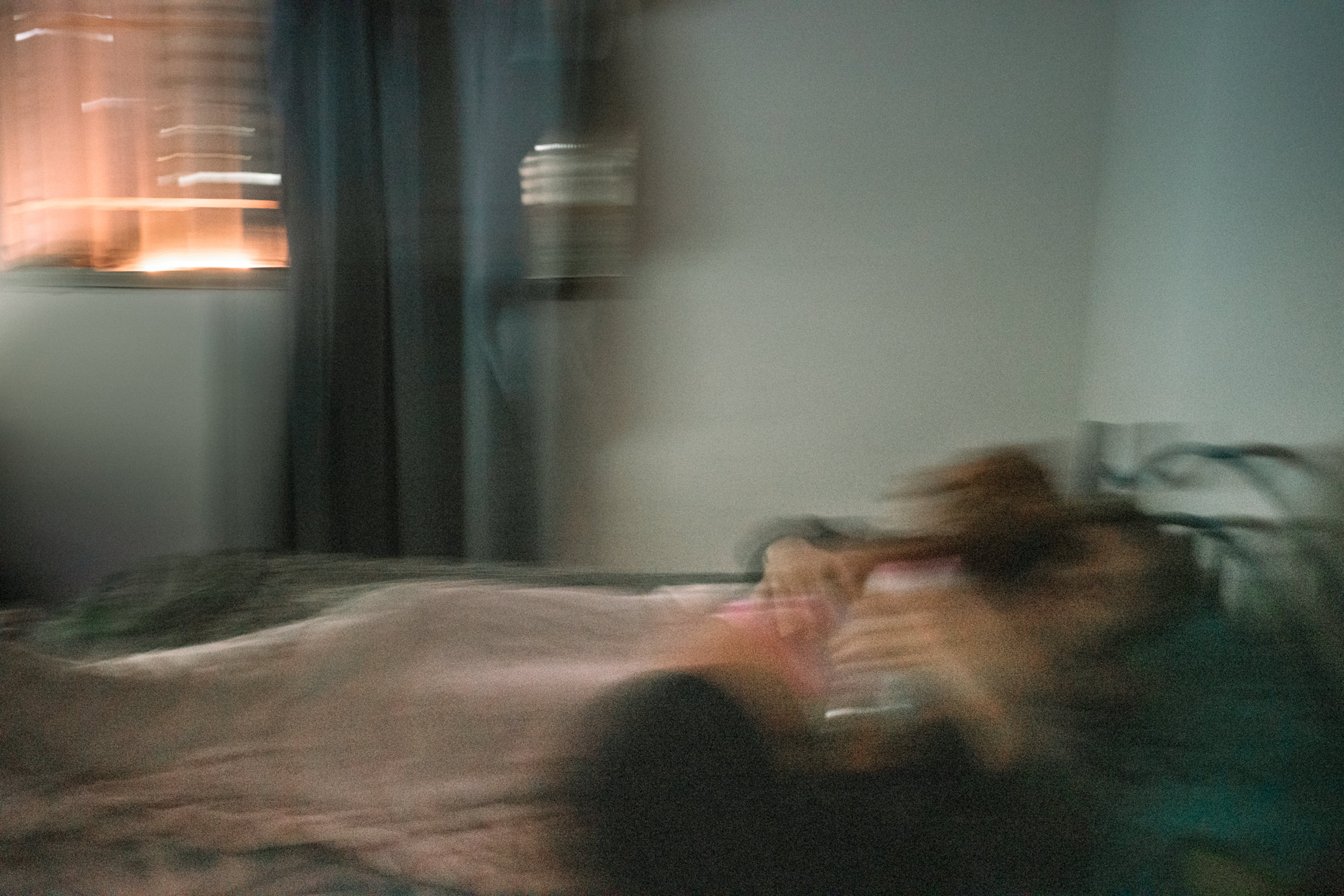
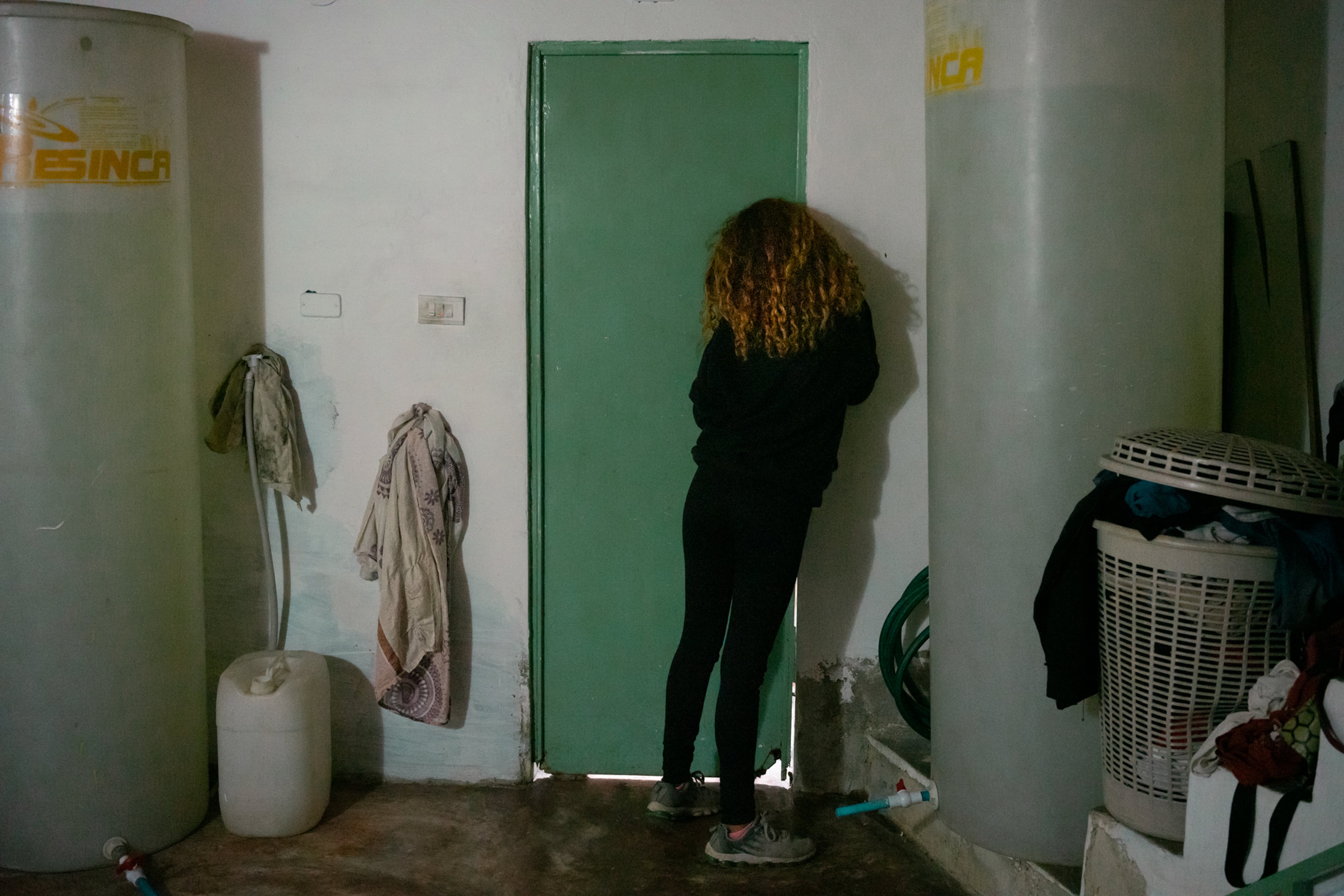
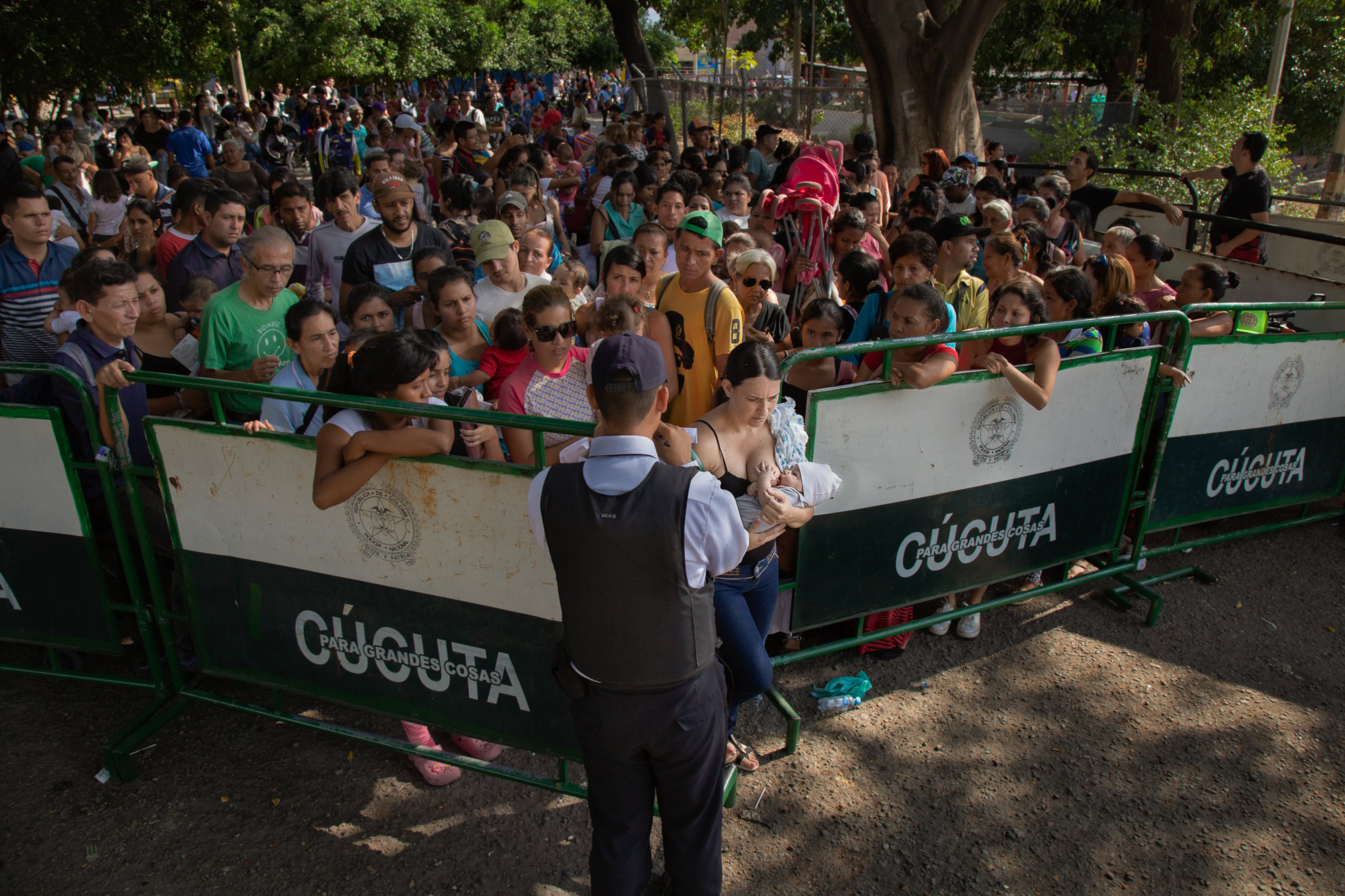
© Andrea Hernández Briceño
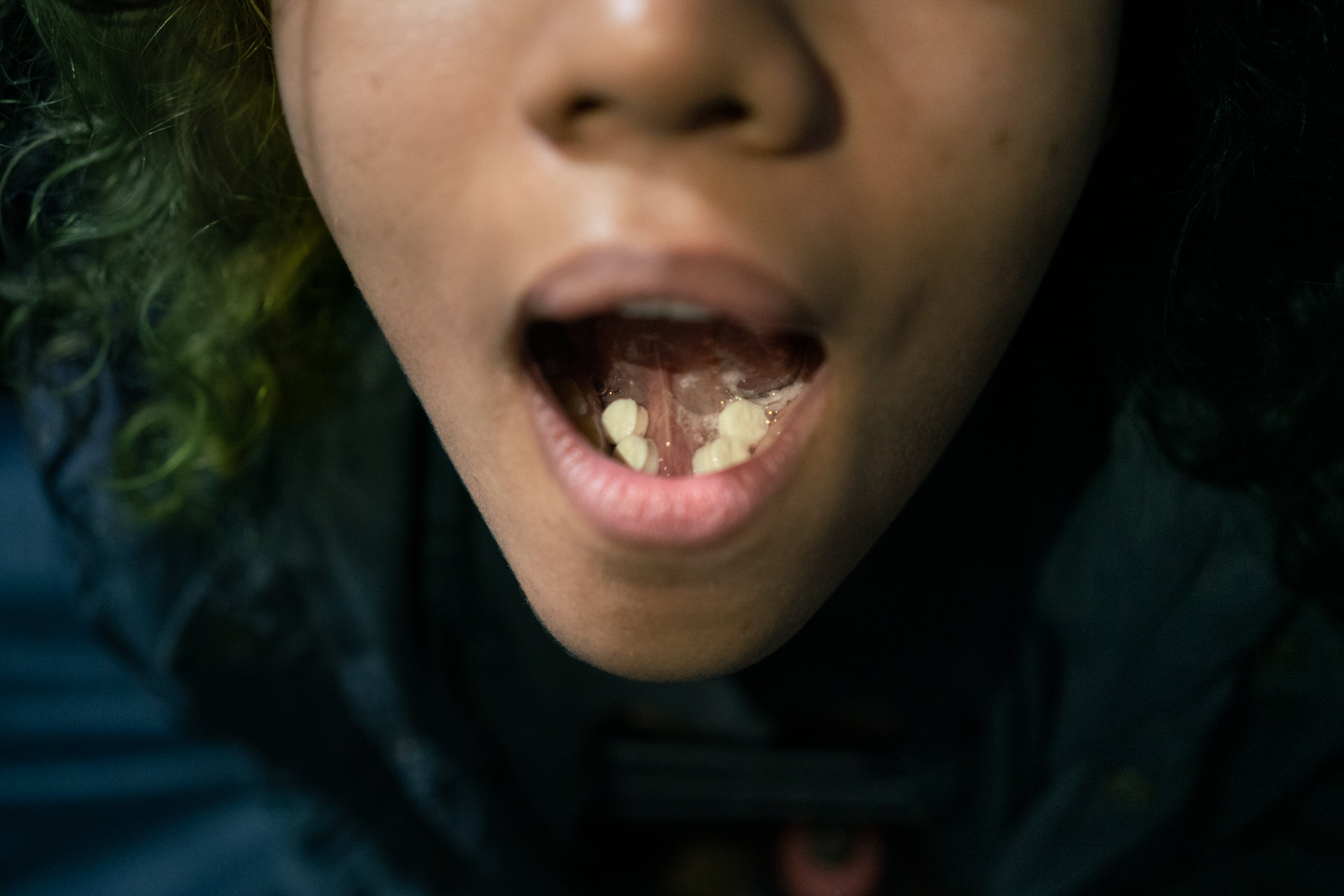
© Andrea Hernández Briceño (EL PAÍS)
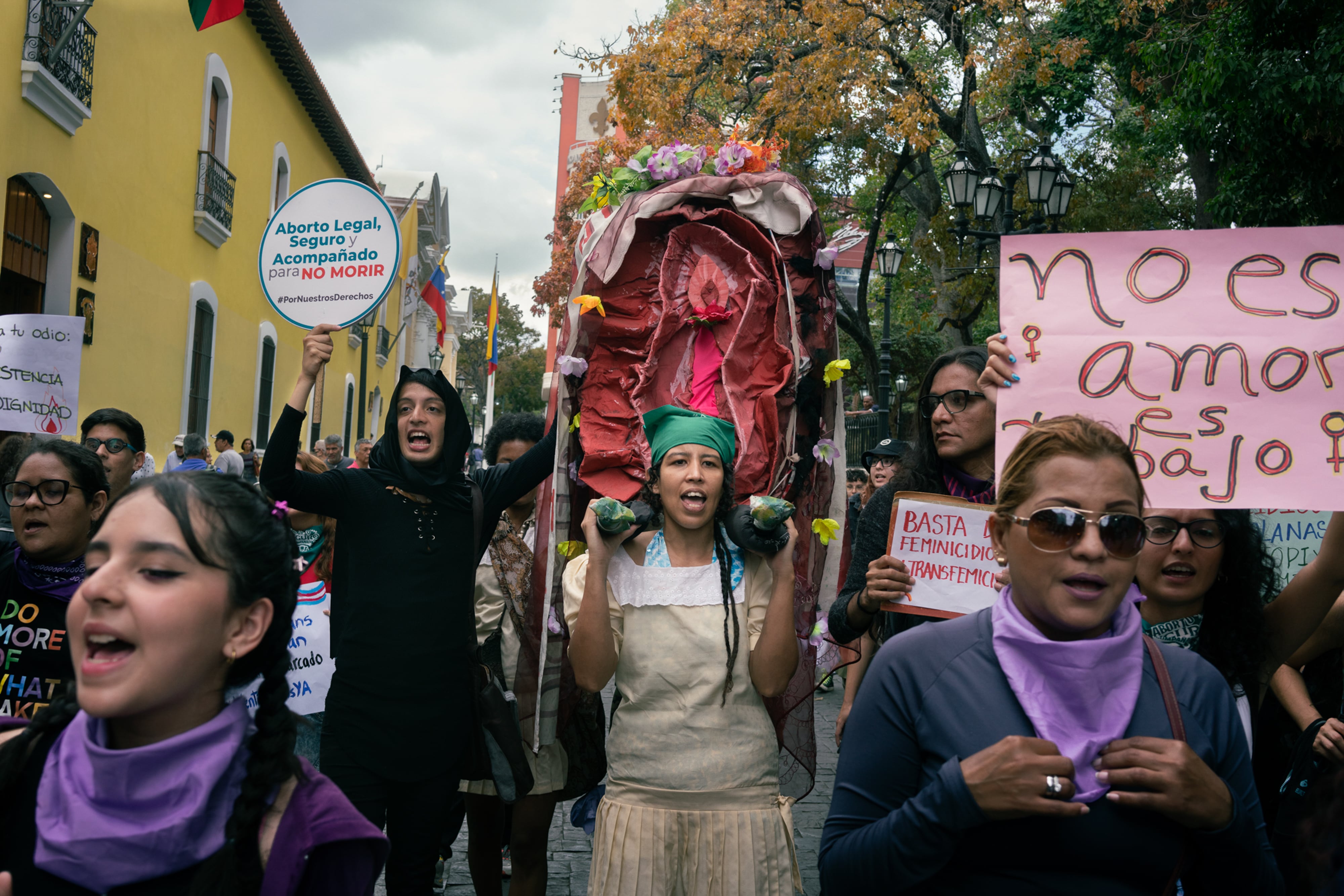
© Andrea Hernández Briceño (EL PAÍS)
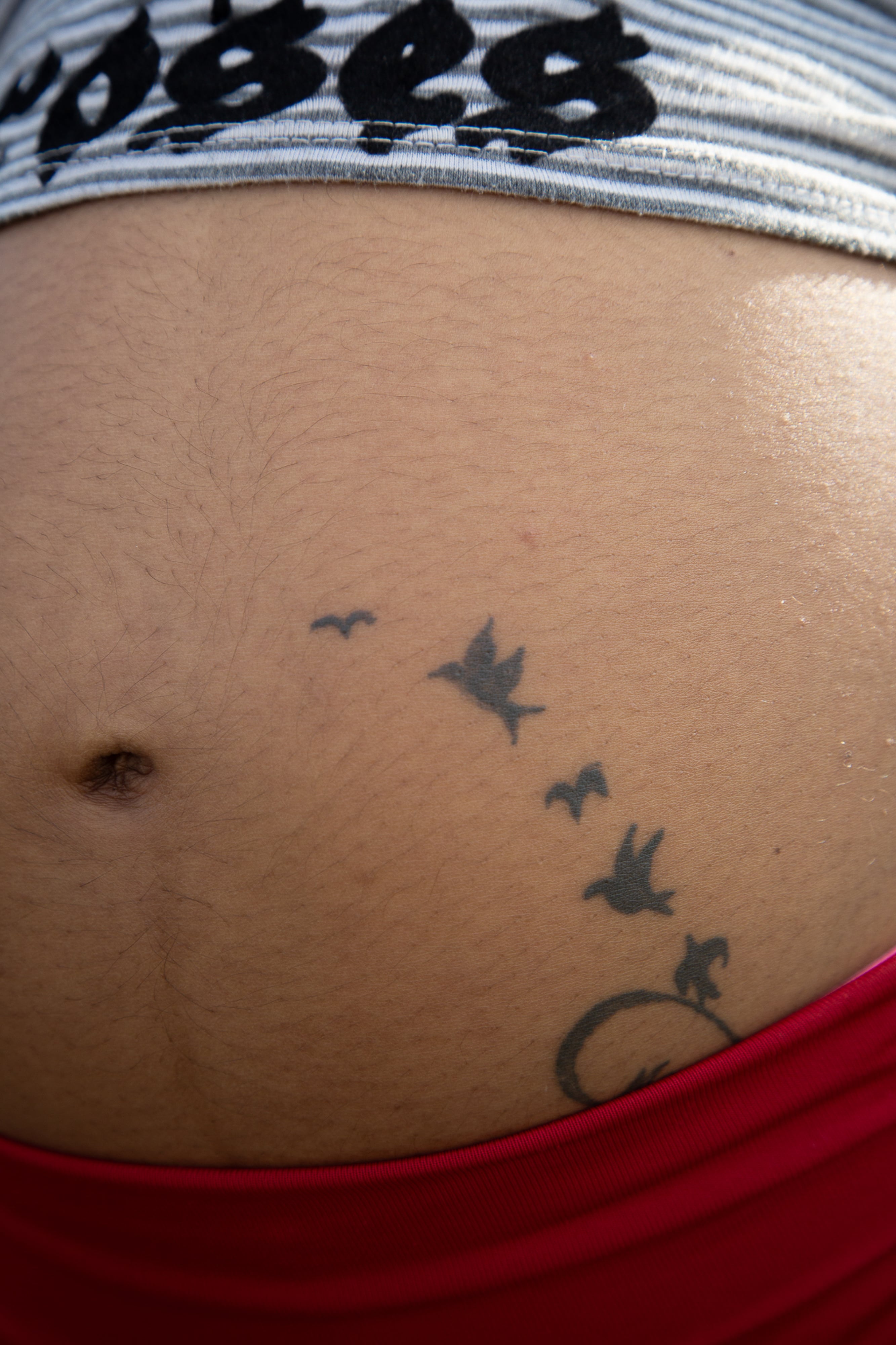
© Andrea Hernández Briceño
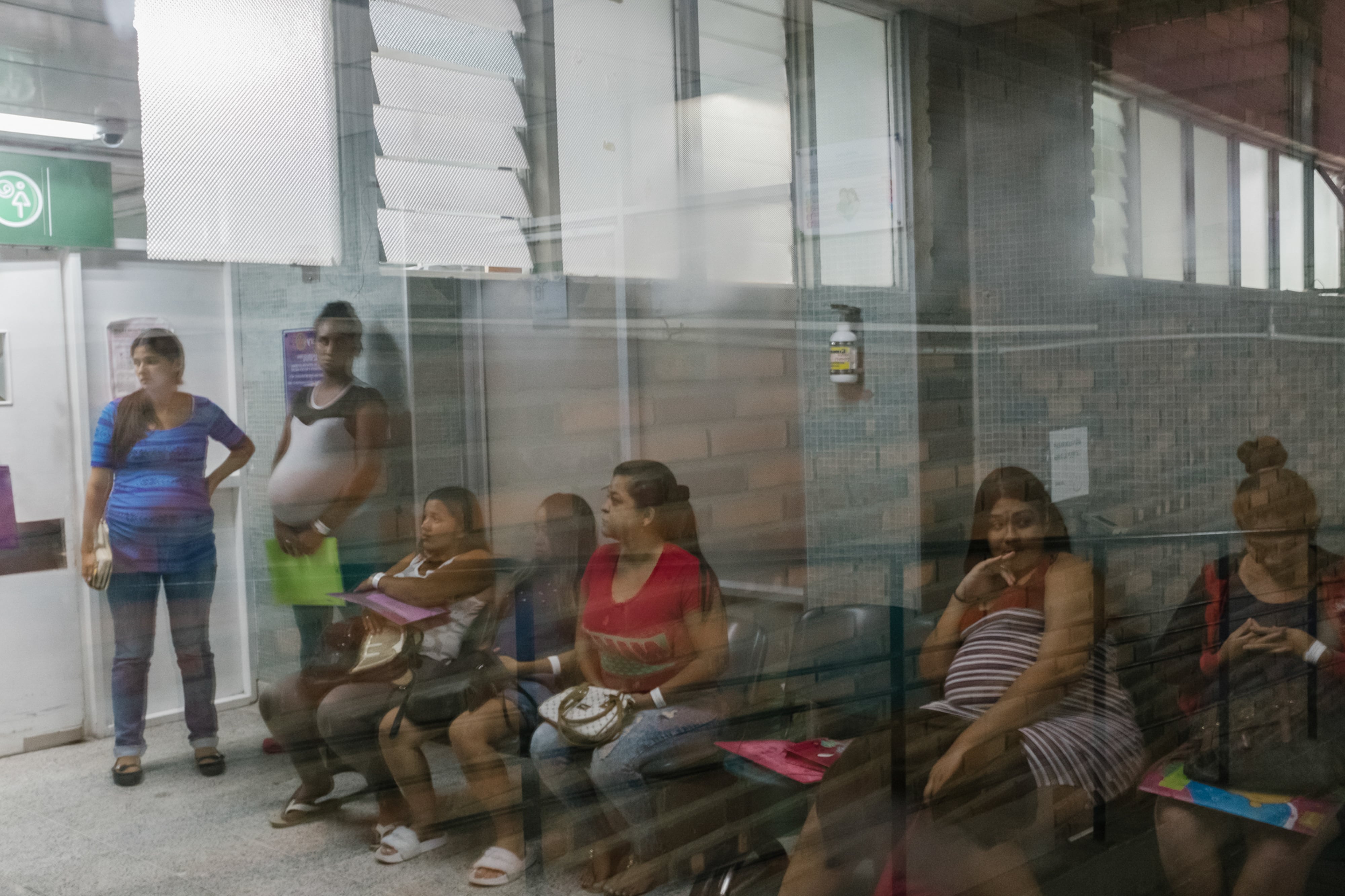
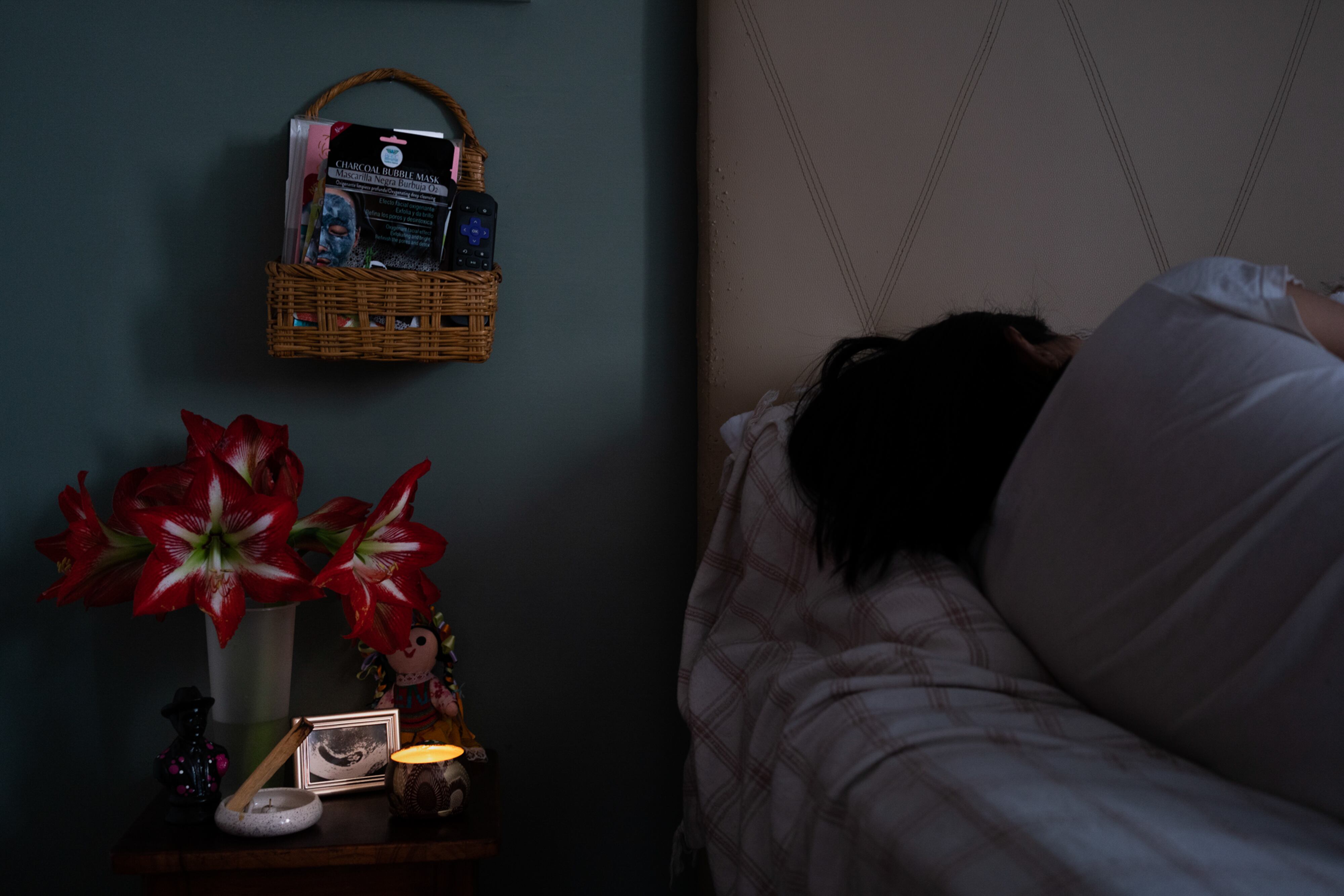
© Andrea Hernández Briceño (EL PAÍS)
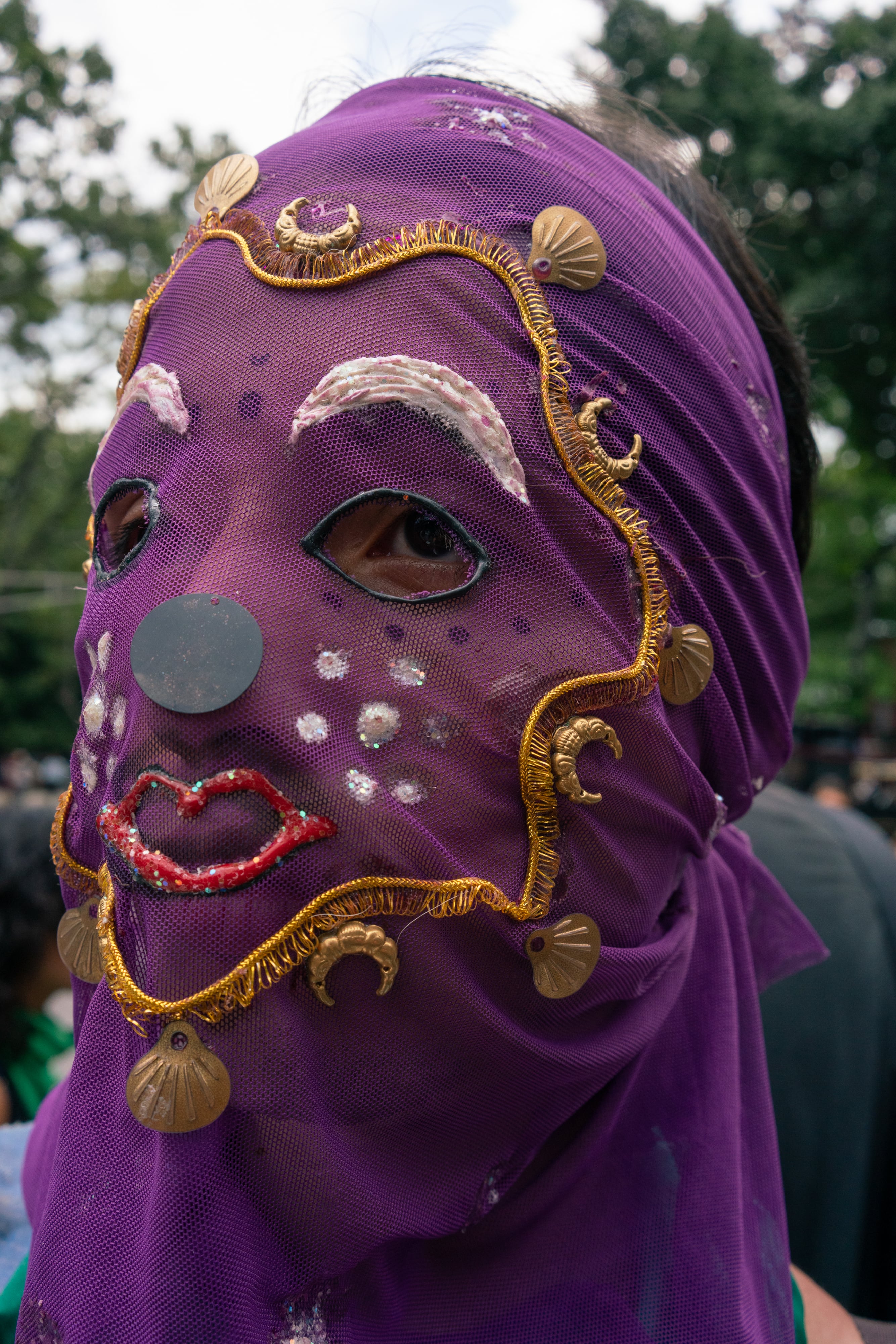
© Andrea Hernandez Briceno
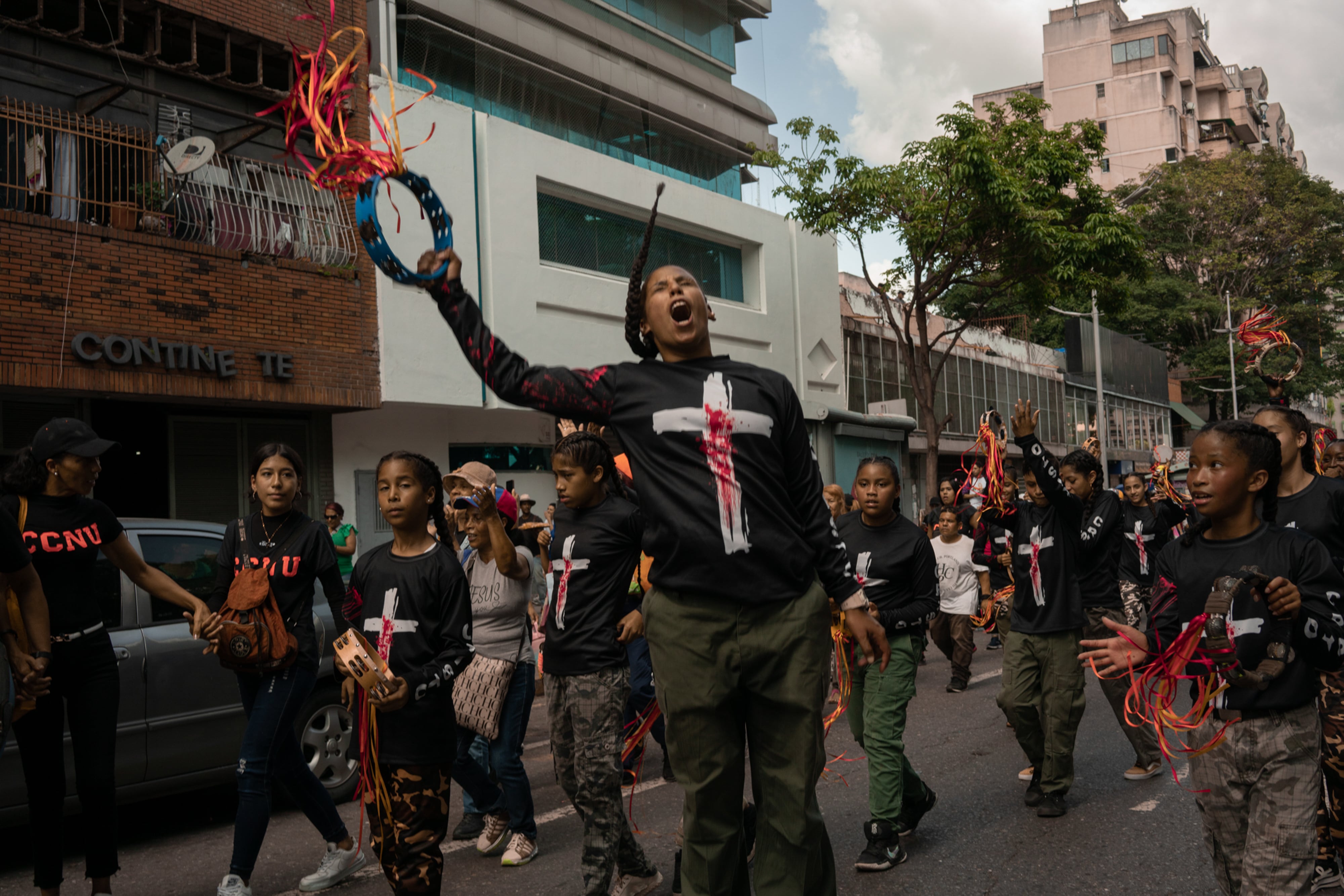
© Andrea Hernández Briceño
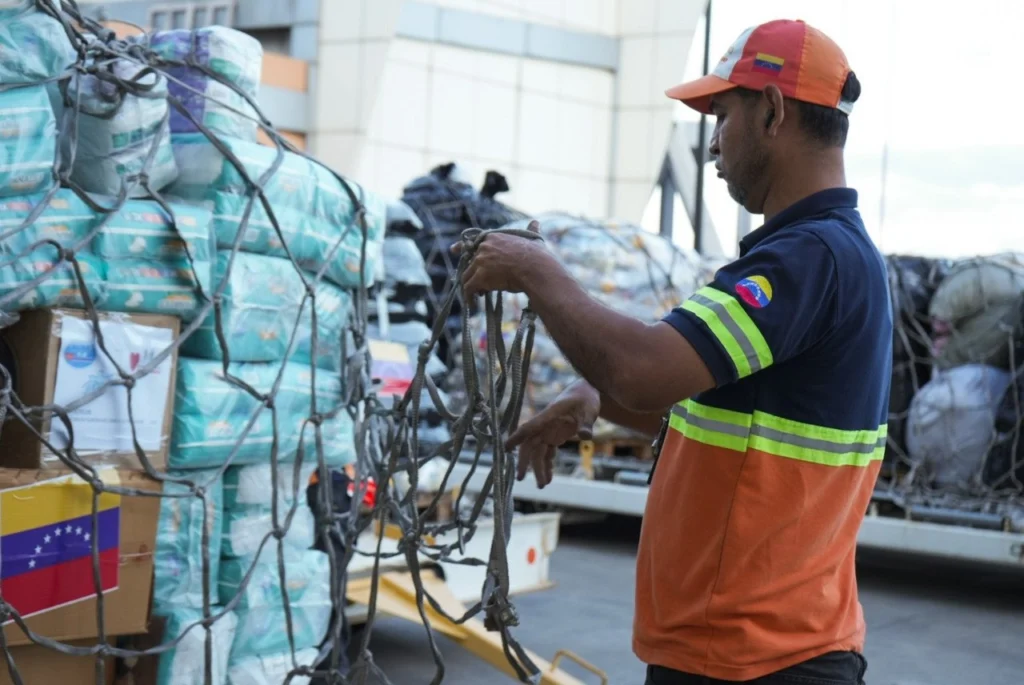
Venezuela’s government dispatched a plane carrying 40 tons of humanitarian aid to Panama on Thursday to help people affected by the magnitude 7.7 earthquake that struck the country on October 9 and caused severe damage to road infrastructure, essential services and thousands of homes in both urban and rural areas.
The cargo includes basic medical supplies, non-perishable food, drinking water, personal hygiene kits and logistical material, intended to support temporary camps set up by Panamanian authorities in regions declared in emergency.
RELATED: Panama Earthquake: 7.7 Magnitude Quake Leaves 26 Injured, No Deaths
The shipment landed on Panamanian soil and was received by personnel from the National Aeronaval Service. From there, the cargo will begin an immediate overland transfer to the local operational centers where responders are coordinating relief efforts in the wake of the seismic crisis.
Diosdado Cabello, Venezuelan Minister of Interior, Justice and Peace, announced the aid shipment, which was described as part of the protocols of solidarity and Central American integration that guide the country’s response to regional emergencies. In this sense, the Venezuelan authorities stressed that “support operations are carried out in direct coordination with civil protection agencies and state security bodies of Panama”.
Tras el reciente terremoto ocurrido en Panamá, Venezuela envió un cargamento de ayuda humanitaria.
— Ministerio de Comunicación e Información (@mippci_ven) October 15, 2026
Reafirmando su compromiso de solidaridad con los pueblos hermanos.
¡Panamá no está sola! 🇻🇪🇵🇦 pic.twitter.com/oMnsQMwdRv
Text reads: “After the recent earthquake in Panama, Venezuela sent a shipment of humanitarian aid, reaffirming their commitment to solidarity with brotherly people. Panama is not alone!”
The cooperation between Caracas and Panama City is designed to accelerate the immediate contingency phase. It also aims to open a clear path toward the physical reconstruction and economic recovery of the residential zones hit hardest by the earthquake.
The shipment complements an earlier deployment of a specialized technical team of more than 50 risk-management and rescue professionals, a delegation that includes experts in assessing critical infrastructure, inspecting damaged buildings, removing debris and restoring basic electricity and water services.
The Venezuelan delegation working on the ground includes experts in evaluating critical infrastructure, inspecting compromised buildings, removing debris and restoring basic energy and water services. Their task is to help stabilize the communities most affected by the quake.
Cabello said the operational experience acquired by Venezuelan brigades during recent seismic events in Venezuelan territory allows them to contribute methodological solutions and strategic interventions in the hardest-hit municipalities.
The Minister framed the effort as part of a permanent bilateral cooperation framework established between the two nations for disaster mitigation across Latin America. Under that framework, the support operations are carried out in direct coordination with Panama’s civil protection agencies and security forces. International organizations are operating in the affected area, and Venezuela has signaled that it will continue working alongside them.
The distribution plan prioritizes the transfer of supplies to rural and island communities whose land routes were cut off by the earthquake. The aim is to guarantee equitable access to medical care and food for vulnerable families.
National Aeronaval Service teams took charge of the cargo upon arrival. The supplies then move by land to the operational centers closest to the communities that suffered the heaviest damage, where distribution can begin without delay, a decision that shortens the distance between the arrival of aid and its delivery to affected families.
Thousands of families in urban and rural communities remain in temporary camps while authorities assess the full extent of the damage. The emergency has tested Panama’s response capacity, and the arrival of additional aid and technical personnel has become a central element of the recovery effort.
Venezuelan authorities said its collection centers and technical monitoring systems remain active to evaluate additional requirements. If Panamanian authorities request more operational support, the response can be scaled up quickly.
For now, the 40 tons of aid and the specialized personnel on the ground represent Venezuela’s immediate contribution to a recovery that is only beginning in the regions hit hardest by the tremor.
© Miguel Gutierrez/EPA
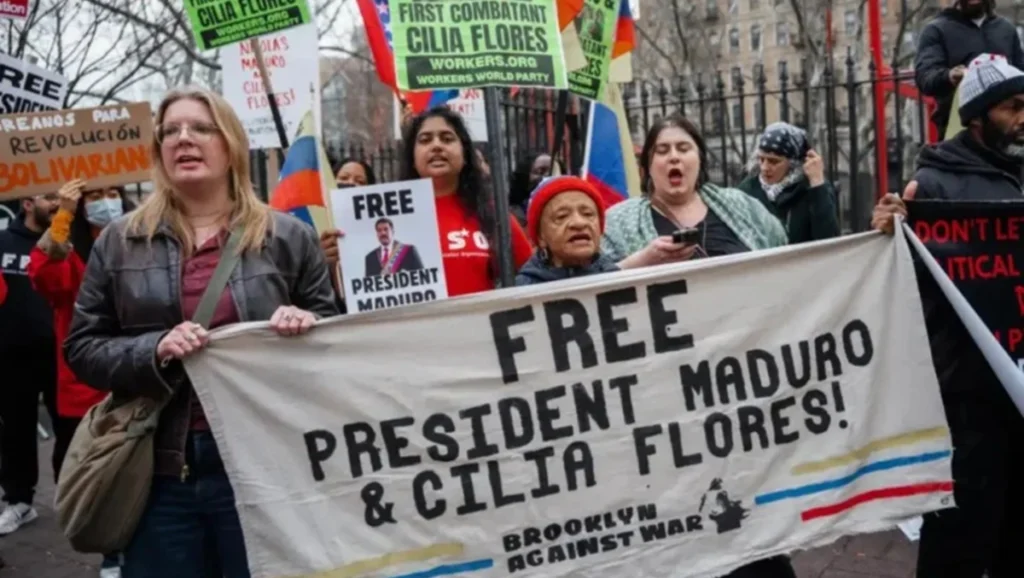
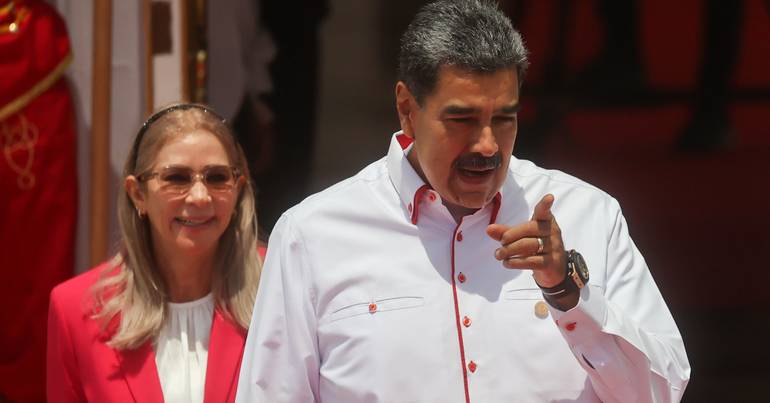
On Thursday, Venezuelan President Nicolas Maduro and legislator Cilia Flores pleaded not guilty to the new charges filed against them by the U.S. Attorney’s Office on Oct. 8.
RELATED:
ALBA Movements Demand Immediate Release of President Maduro and First Combatant Flores
They appeared in the Southern District Court of New York before Judge Alvin Hellerstein after the Attorney’s Office accused them of “conspiracy to commit torture” and extended the charge of “conspiracy to commit narcoterrorism” to Flores. The latter charge, however, had only weighed against Maduro.
When asked by the judge about the charge of “conspiracy to commit torture,” Maduro pleaded not guilty and asserted that the charges are based on “false accusations and testimony against his person.” His wife, Flores, declared herself “completely innocent” and “not guilty” of the new charges.
Both told the judge they had been informed by their attorneys of the new indictment and had received a copy of it in Spanish. This was one of the few times both could be heard speaking since they were brought before the U.S. justice system in January.
After their statement, the hearing focused on the schedule ahead. The judge postponed the start of the trial until June 14, 2027, which initially had been set for June 1.
No other hearing is expected to be held until December. The last hearing before the trial begins will take place on June 7. The defense requested more time to prepare its response to the new indictment from the U.S. Attorney’s Office.
Following the new indictment, Maduro and Flores are charged with conspiracy to commit narcoterrorism, conspiracy to import cocaine into the U.S., possession and conspiracy to possess weapons of mass destruction, and conspiracy to commit torture.
⚖️ La defensa del presidente venezolano Nicolás Maduro, secuestrado durante una operación militar en Caracas, pidió desestimar el caso en su contra en Estados Unidos, con base en la inmunidad soberana, según el archivo judicial digital.#teleSUR #Venezuela #EEUU pic.twitter.com/BmCjAbnLsj
— teleSUR TV (@teleSURtv) September 3, 2026
The text reads, “The defense team for Venezuelan President Nicolas Maduro—who was seized during a military operation in Caracas—has requested the dismissal of the U.S. case against him, citing sovereign immunity, according to digital court records.”
A Maneuver to Extend Their Imprisonment
Legal analysts consider that the “conspiracy to commit torture” charge would seek to prevent the case against Maduro and Flores from collapsing given that there is no overwhelming evidence to cover multiple legal gaps.
The Attorney’s Office was forced to remove from the indictment the argument that President Maduro led the nonexistent Cartel of the Suns, which during the months before the invasion of Venezuelan soil the White House presented as a platform for drug trafficking.
On Oct. 8, Judge Hellerstein denied the request by Flores’ defense to grant her bail and allow her to serve pretrial detention under house arrest at a private residence in New York.
The defense’s request was based on the deterioration of Flores’ cardiac health — she turns 70 on Oct. 15 — with episodes of chest pain, arrhythmias and a weight loss of more than 11 kilos since her kidnapping.
Her defense attorneys stated that she requires medical treatment and recovery outside of prison, and included GPS monitoring and other security measures.
The magistrate argued that there is an alleged risk of flight. In addition, he noted that the guarantees offered are insufficient.
Upon presenting the new charge, U.S. Attorney General Todd Blanche — who was an attorney for President Donald Trump and is known for the political instrumentalization of the judicial system — stated:
“A new indictment has just been unsealed that replaces the previous one, charging Nicolas Maduro and his wife Cilia Flores with conspiracy to commit torture, including the alleged torture of U.S. citizens over more than two decades.”
From the first moment of this case, Maduro questioned the legality of the kidnapping and invoked sovereign immunity. “I am the president of Venezuela, I consider myself a prisoner of war,” he stated during the first hearing of the trial. For her part, Flores claimed immunity as first lady.
Added to the above are objections from the legal team defending them, which has objected to the legality of the kidnapping, questioned the territorial jurisdiction of U.S. courts and denounced the blocking of licenses from the Office of Foreign Assets Control (OFAC) for the financing by the Venezuelan government of their legal fees. Defense attorneys Barry Pollack and Mark Donnelly denounced those obstacles as violations of the Sixth Amendment.
In September, Deputy Attorney Jason A. Richman, co-chief of National Security of the Federal Attorney’s Office for the Southern District of New York, submitted his resignation amid questions over the judicial proceedings against the Venezuelan leaders.
Richman, who led and supervised the indictment against Maduro and Flores from its earliest stages, sent a letter to Hellerstein informing him that he is leaving the Federal Attorney’s Office as of Sept. 25. He offered no further details.
The official’s resignation is considered in legal circles as a significant loss for the U.S. government’s strategy and occurred less than nine months before the trial against Maduro and Flores, scheduled to begin on June 1, 2027, in the Southern District Court of Manhattan.
Manifestación en Brooklyn en apoyo el presidente venezolano, Nicolas Maduro y su esposa Cilia Flores. pic.twitter.com/5QjStnhDep
— teleSUR TV (@teleSURtv) August 4, 2026
The text reads, “Demonstration in Brooklyn in support of Venezuelan President Nicolas Maduro and his wife, Cilia Flores.”
Brief Chronology of the Case
Jan. 3, 2026: After bombing Caracas and other Venezuelan cities, U.S. special forces kidnap President Nicolas Maduro and first lady Cilia Flores and illegally transfer them to the United States. The invasion left more than a hundred people killed, including civilians and military personnel, and a similar number of wounded. Delcy Rodriguez, then executive vice president, assumes as acting president.
Jan. 5: Maduro and Flores attend their first appearance in New York. Both plead not guilty and are held at the Federal Detention Center in Brooklyn.
July: Attorney’s Office and defense agree that the oral trial will begin on June 1, 2027, with a prior hearing on Nov. 17.
Sept. 9: Cilia Flores’ defense requests bail and house arrest. The judge orders medical records to remain sealed.
Sept. 25: Deputy Attorney Jason A. Richman resigns.
Oct. 8: Judge Alvin Hellerstein rejects the request for bail for Cilia Flores. On the same day, the Attorney’s Office presents the new indictment.
Oct. 15: The hearing is held in which the Attorney’s Office presents new accusatory charges (conspiracy to commit torture). Maduro and Flores plead innocent.
The judge accepts a request from the Attorney’s Office and the defense to postpone the start of the trial by two weeks, which was rescheduled for June 14, 2027. The next hearing was scheduled for Dec. 17.
teleSUR/ JF
Sources: EFE – teleSUR
Rewritten indictment accuses ex-Venezuela president and wife Cilia Flores of leading campaign of torture
Nicolás Maduro insisted on Thursday during an appearance in a New York court that torture allegations in a rewritten drug trafficking indictment against the deposed Venezuelan president and his wife were “false accusations”.
Maduro, shackled at the ankles, was brought to court to face the new charges accusing the couple of leading a state-sponsored campaign of repression that tortured scores of victims, including three Americans.
Continue reading...
© Photograph: Sarah Yenesel/EPA
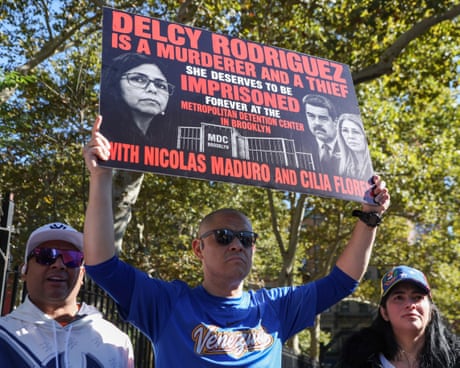
© Photograph: Sarah Yenesel/EPA
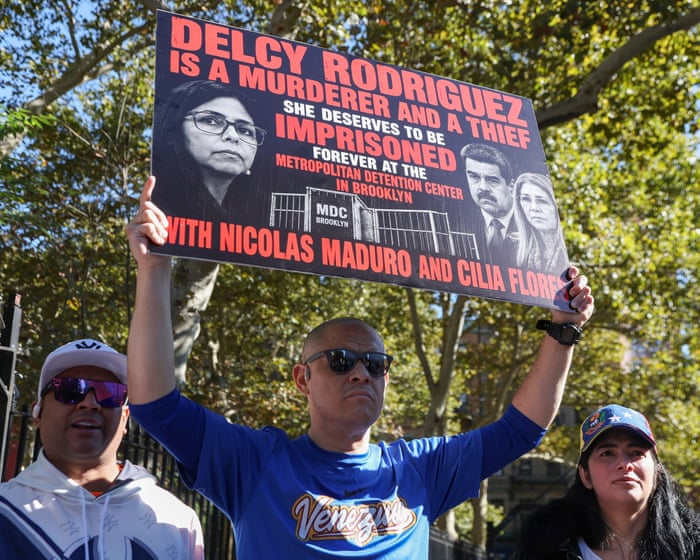
© Photograph: Sarah Yenesel/EPA
© RONALD PENA R/EPA
