❌

Reading view

  •  

My child may never earn a perfect attendance award. I'm fine with that.

Young individuals proudly showcasing their educational accomplishments, highlighting diversity and academic success in a supportive environment. Achievement awards demonstrate skill development, fostering confidence and encouragement among participants.
The author said her child (not shown) probably won't ever get a certificate for perfect attendance, and she doesn't think anyone should.

FatCamera/Getty Images

  • Sometimes I have to take my child out of school for healthcare appointments.
  • Perfect attendance can depend on health, access to care, and whether a parent can leave work.
  • I'd rather schools reward kids for showing up after hard times than for perfect attendance.

Whenever I schedule an appointment during the school day, I feel guilty.

I ask for their latest available appointment. If that doesn't work, I pull up the school calendar. Then I start doing the ridiculous parent math: How long is the drive? What class will my child miss? Can I get them back before the final bell? Is there some magical way to make a 10:30 appointment happen without blowing up half the school day? Usually, there isn't. So I take the appointment.

I'm a mother in rural North Carolina. Healthcare providers aren't always five minutes down the road, and appointments that fit perfectly between school dismissal and dinner aren't exactly falling from the sky. Sometimes the appointment you need is at 10:30 a.m. on a Tuesday. And sometimes you take it. I still feel guilty about it almost every time.

I want my child in school. Of course I do. I know how quickly one missed class can turn into a missing assignment, which then becomes another assignment they don't understand because they missed the first one. But I also have to take care of my child. Sometimes those two responsibilities bump right into each other. And that's probably why perfect-attendance awards have always bothered me.

My child is my priority

I understand why schools care about attendance. Kids need to be in classrooms. They need instruction, routine, relationships with teachers and classmates, and all the little pieces of school that are hard to recreate at home. When a child is missing a lot of school, I absolutely think families should be supported in figuring out why and helping that child get back into a routine.

But perfect attendance is something different. An unbroken attendance record isn't necessarily a measure of how hard a child tried. Kids don't choose when they get the flu. They don't control when the specialist finally has an opening. They can't give their parents paid time off, fix the car when it won't start, make the school bus come down a road it doesn't serve, or move a doctor's office 45 minutes closer to home.

The certificate may have a child's name printed on it, but there's a whole lot of family circumstance behind that streak. I work for myself, which gives me more flexibility than many parents have. I can move things around when an appointment pops up. That doesn't mean the lost work hours don't matter, but I can usually make it happen.

A parent working an hourly job may be making a completely different calculation. Can I afford to lose three hours of pay? Will my boss be irritated? How many times have I already had to leave early this year?

And that's before we even get into transportation, housing instability, access to healthcare, chronic illness, or any of the other things families may be dealing with that nobody sees when the certificates get handed out. Those circumstances matter. They just aren't evidence that one child tried harder than another.

One sick day shouldn't erase a year's worth of effort

As parents, we already have to make enough judgment calls when our kids are sick. Is this a stay-home sick or a send-them-and-see sick? Are they actually exhausted or just really, really not interested in going to math?

We're told attendance matters. And it does. We're also told to keep our kids home when they're contagious because sending them to school sick exposes others to illness. Both things can be true.

Then we turn around and give an award for never missing a day. That's where I get stuck. One fever in October can knock a child out of the running for an award handed out in June.

I don't want to hesitate before keeping my sick child home because some part of my brain is thinking about an attendance record. And I definitely don't want my child learning that dragging yourself through school when you feel awful is proof that you're more dedicated.

Sometimes staying home is the responsible choice. Sometimes missing school for an appointment is the responsible choice. And sometimes the impressive part isn't never missing school at all, it's coming back.

I'd rather see schools recognize persistence

I'm not suggesting schools stop caring whether kids come to school. Chronic absenteeism is a real problem, and families dealing with it may need more support, not less. But perfection doesn't have to be the prize.

Recognize the kid whose attendance improved from one grading period to the next. Celebrate shorter milestones. Acknowledge the student who had a rough stretch and worked their way back into a routine.

Despite my views, I know I'll keep doing the school-day appointment math. I'll keep asking for the latest opening. I'll keep checking the calendar. I'll keep trying to minimize what my child misses and help them catch up when missing school can't be avoided. And I'll probably still feel a little guilty every time.

My child may never earn a perfect-attendance award. I'm fine with that. I'd much rather they learn that taking care of themselves is responsible, staying home when they're contagious is considerate, and showing up again after a hard stretch is something worth being proud of.

Read the original article on Business Insider

  •  

Algarve conquista pela 11.ª vez o título de Melhor Destino de Praia da Europa

O Algarve acaba de ser eleito Melhor Destino de Praia da Europa 2026 nos World Travel Awards, considerados os “Óscares do Turismo”, conquistando este prestigiado galardão pela 11.ª vez – depois das distinções alcançadas em 2012, 2013, 2015, 2016, 2017, 2019, 2020, 2021, 2022 e 2023.

Registando um recorde sem precedentes na categoria de Destino de Praia, a distinção foi anunciada este sábado, durante a Gala Europeia dos prémios, realizada em Kotor, no Montenegro.

Na prestigiada votação dos leitores da Condé Nast Traveller, o Algarve consolidou-se como um dos destinos mais amados da Europa tendo-se destacado entre oito destinos nomeados, superando concorrentes como Porto Santo, Maiorca, Sardenha, Marbella, Cannes e Corfu.

Segundo a Região de Turismo do Algarve, a conquista deste novo título europeu surge num momento particularmente positivo para a notoriedade internacional da região com duas praias a integrarem também o top-20 das melhores da Europa, segundo os leitores da edição britânica da Condé Nast Traveller.

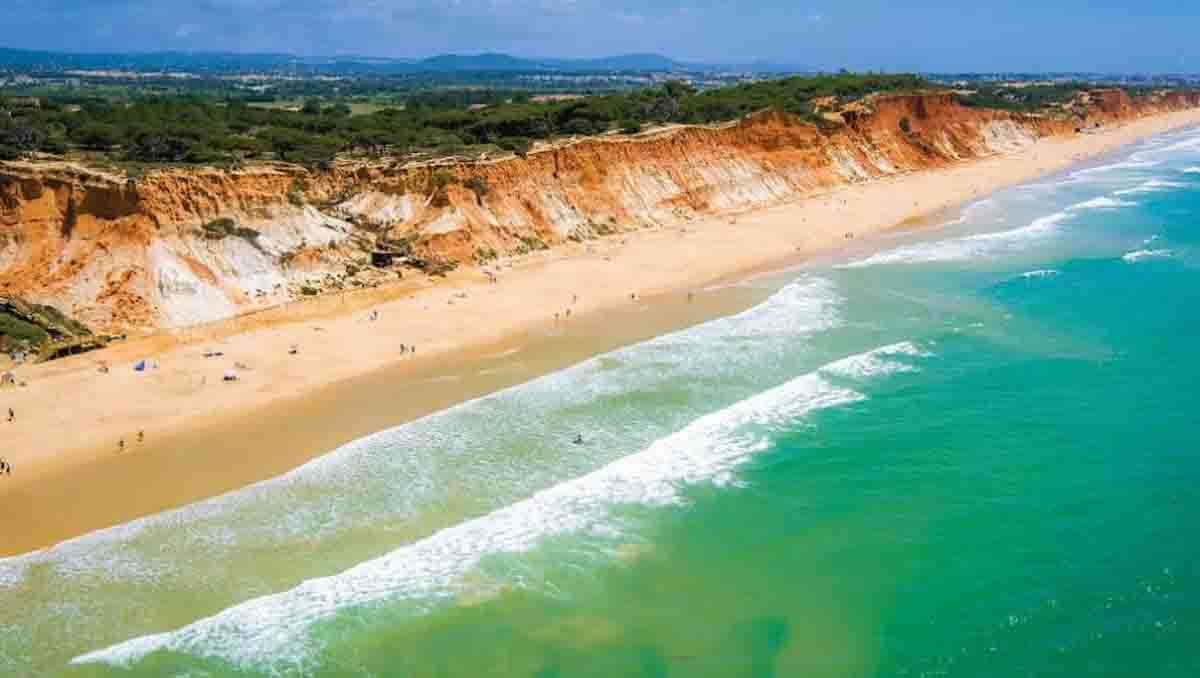
A Praia da Falésia, no concelho de Albufeira, conquistou o 4.º lugar, com 94,70 pontos, enquanto a Praia de Benagil, no concelho de Lagoa, registou a 16.ª posição, com 81,67 pontos. São as duas únicas praias portuguesas a integrar esta classificação, que resulta de uma iniciativa com mais de 296 mil respostas de leitores do Reino Unido nos Readers’ Choice Awards 2026.

O presidente do Turismo do Algarve, disse que “conquistar pela 11.ª vez o título de Melhor Destino de Praia da Europa é um motivo de enorme orgulho para toda a região.” como reporta o Algarve Primeiro.

Enalteceu o “percurso de excelência que temos vindo a construir ao longo dos anos“, e “este reconhecimento ganha um significado ainda mais especial quando duas das nossas praias acabam também de ser distinguidas entre as melhores da Europa pelos leitores da Condé Nast Traveller.“

Gomes valorizou as distinções dizendo que elas “refletem a beleza e diversidade da nossa costa, a qualidade da nossa oferta turística e, sobretudo, o trabalho e a dedicação de todos os que contribuem diariamente para afirmar o Algarve como um destino de referência internacional.”

“Mais do que celebrar estas conquistas, importa encará-las como uma responsabilidade acrescida. Queremos continuar a valorizar aquilo que nos distingue, investindo na sustentabilidade, na preservação do nosso património natural e na qualificação da experiência turística. O nosso objetivo é garantir que o Algarve continua a merecer a confiança e a preferência de quem nos visita, mantendo-se na linha da frente dos grandes destinos turísticos internacionais”, destacou o presidente do Turismo do Algarve, André Gomes.

Importa destacar que a região Algarve está novamente nomeada para Melhor Destino de Praia do Mundo nos World Travel Awards 2026, arriscando-se a conquistar o quinto título na categoria.

Para Melhor Destino de Praia do Mundo 2026 a votação está a decorrer até ao dia 30 de outubro, através do site oficial dos World Travel Awards, em https://www.worldtravelawards.com/vote.

  •  

ECB Warns Bond Market Turmoil Could Deepen Europe’s Economic Slowdown

Christine Lagarde says rising government borrowing costs are tightening financial conditions across the eurozone, complicating efforts to contain inflation without undermining economic growth.

European Central Bank President Christine Lagarde has warned that a sharp sell-off in government bonds is tightening financial conditions across the eurozone, threatening to weaken economic growth at a time when European governments are already struggling with mounting debt and higher energy prices.

Speaking during the International Monetary Fund’s annual meetings on Saturday, 17 October, Lagarde said rising bond yields were imposing additional pressure on the European economy, potentially reducing demand and helping to bring inflation down.

Her comments came as investors demanded higher returns on government debt across major developed economies, reflecting concerns about persistent inflation, widening budget deficits and the substantial borrowing requirements associated with investment in artificial intelligence.

The development presents a complicated situation for the ECB, which has already raised its key interest rate twice this year in response to renewed inflationary pressure following the conflict in the Middle East.

Higher government bond yields effectively tighten monetary conditions even without a further decision by the central bank to increase official interest rates.

Bond markets tighten financial conditions

The latest sell-off has pushed borrowing costs higher across Europe, although the pressure is particularly acute in countries with large public debts and persistent budget deficits.

When investors sell government bonds, their market prices fall and yields rise. Those higher yields eventually feed into the costs of borrowing for governments, businesses and households.

Lagarde indicated that financial conditions had become tighter than assumed in the ECB’s September economic forecasts.

According to her latest assessment of the bond market, the resulting slowdown in demand could help moderate inflation, but would also place additional pressure on an economy whose growth prospects remain limited.

The ECB’s September projections forecast eurozone economic growth of just 0.9 per cent in 2026, followed by 1.4 per cent in 2027 and 1.5 per cent in 2028.

Inflation was expected to average 3.0 per cent this year before declining to 2.5 per cent in 2027 and 2.1 per cent in 2028.

Those forecasts were based on assumptions about financial conditions and energy prices that may no longer fully reflect developments in international markets.

France faces particularly acute pressure

France has emerged as one of the most vulnerable major eurozone economies because of its high public debt, persistent deficits and political disagreements over fiscal consolidation.

French government bond yields have risen sharply as investors question whether Paris can deliver the spending reductions required to stabilise its finances.

As EU Today reported earlier this month, eurozone finance ministers have been pressing France to produce a credible budget that would restore confidence in the country’s fiscal position.

The borrowing premium demanded on French debt relative to German government bonds has also widened, reflecting investors’ concerns about the financial outlook and the political difficulties surrounding the 2027 budget.

The IMF has warned that continued increases in borrowing costs could eventually force the French government to undertake more substantial fiscal adjustments.

In its assessment of French bond yields, the Fund said the immediate pressures remained manageable, partly because France benefits from established debt markets and relatively long borrowing maturities.

Nevertheless, persistently elevated yields would increase the cost of refinancing government debt as existing bonds mature.

The wider concern is that higher borrowing costs could reduce the room available for public investment and other expenditure across several European economies simultaneously.

IMF warns governments over rising debt

Lagarde’s intervention coincided with renewed warnings from the IMF about the sustainability of European public finances.

In its latest European economic assessment, the Fund argued that governments must either accelerate economic growth or reduce borrowing to prevent debt burdens from becoming increasingly difficult to manage.

The IMF expects eurozone growth of approximately 1.1 per cent in 2026 and 1.2 per cent in 2027, with continuing pressure from energy costs, demographic changes and weak productivity.

The European Commission’s forecasts indicate that eurozone government debt could rise from 88.7 per cent of GDP in 2025 to 91.2 per cent in 2027.

The IMF has also identified structural weaknesses, including barriers within the European single market, which restrict investment and productivity growth.

These problems are becoming more difficult to address as European governments face demands for greater defence expenditure, infrastructure investment and support for industries affected by higher energy prices.

ECB faces difficult interest-rate decision

The ECB has already increased its deposit rate to 2.5 per cent following successive increases in June and September.

As EU Today reported after September’s decision, the central bank has been attempting to contain inflation generated by rising energy costs without causing a more substantial economic slowdown.

The IMF now expects at least one additional quarter-percentage-point increase before the end of 2026.

Such a decision would bring the deposit rate to 2.75 per cent, although the ECB has not committed itself to that outcome.

The challenge is that tighter monetary policy would coincide with financial restrictions already being imposed by bond markets.

At the same time, higher energy prices continue to affect household purchasing power and business operating costs.

In her statement to the International Monetary and Financial Committee, Lagarde acknowledged that the eurozone had proved more resilient than expected, while warning that risks to growth remained tilted to the downside and risks to inflation to the upside.

The duration of the Middle East conflict, developments in energy markets and changes in investor confidence will be important in determining the economic outlook.

For the ECB, a bond-market slowdown could reduce the need for further interest-rate increases by weakening demand. But if energy-driven inflation remains elevated, the central bank may still face pressure to tighten policy.

Europe’s governments, meanwhile, have considerably less control over the borrowing costs demanded by international investors.

The next ECB interest-rate decision will therefore take place against an increasingly difficult combination of sluggish growth, persistent inflation and financial markets imposing their own constraints on public and private borrowing.

  •  

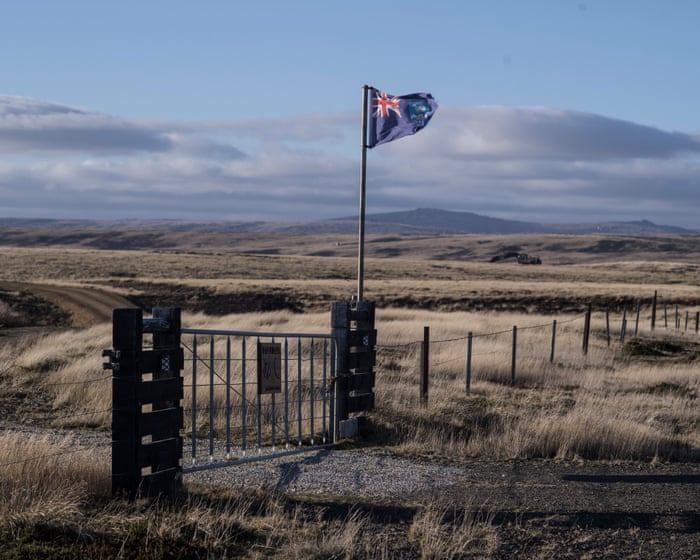
‘4,000 people minding our own business’: four decades on, Falklands again face a hostile Argentina

Facing a slump in the polls, Argentina’s president is making economic attacks on the islands’ oil industry, and suggesting its key fisheries industry could be next

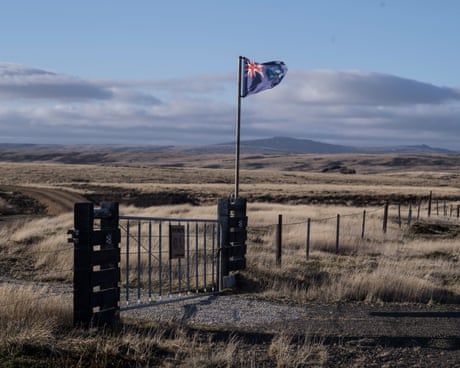
A dozen local people and a uniformed military police officer (“Do you mind if I sit in?”) took their seats at the back of the handsome wood-panelled courtroom that doubles as the Falkland Islands’ legislative assembly. Outside, it was a typically blowy early evening. It may nominally be spring in the south Atlantic, but Stanley harbour, with its dark grey water speckled with historical shipwrecks, was a cauldron of swells and churn.

Six of the assembly’s eight members – five men, one woman – waited patiently at a row of desks and microphones. The heating had been turned up to just short of uncomfortable. Behind them, a portrait of King Charles. From the other walls, dusty photographs of governors peered down on the scene.

Continue reading...

© Photograph: Sean Smith/The Guardian

© Photograph: Sean Smith/The Guardian

© Photograph: Sean Smith/The Guardian

  •  

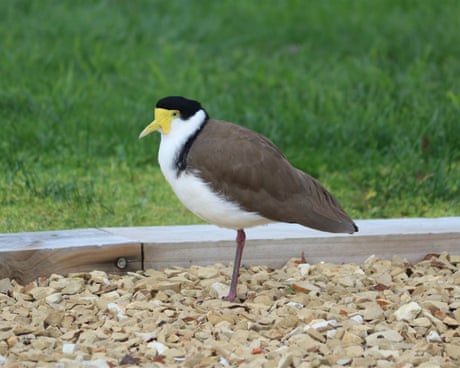
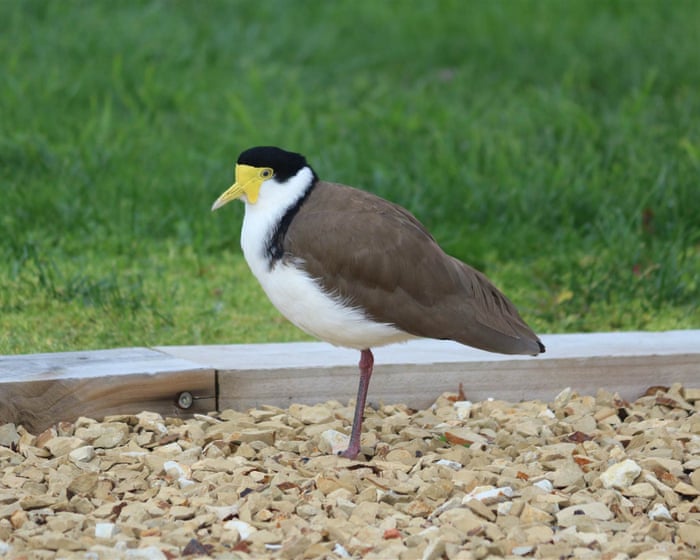
Plover, not a fighter: protected bird 12th man on Tasmanian cricket ground as staff mow around nest

While masked lapwings have a reputation for swooping during nesting season, Windsor Park oval’s resident plover just wants a good innings

At Windsor Park in Riverside, just outside Launceston in northern Tasmania, a masked lapwing has claimed prime real estate in the middle of a community sports ground, showing complete indifference to the weekend cricket matches taking place around it.

Warming a nest of eggs, the bird has been affectionately dubbed “Faf Swoop Plessis” by locals – a play on former South African cricket captain Faf du Plessis.

Continue reading...

© Photograph: Tahlia Franklin/Department of Natural Resources and Environment Tasmania (NRE Tas).

© Photograph: Tahlia Franklin/Department of Natural Resources and Environment Tasmania (NRE Tas).

© Photograph: Tahlia Franklin/Department of Natural Resources and Environment Tasmania (NRE Tas).

  •  

My 2 friends and I had babies within 3 weeks of each other after 25 years of friendship. Our group chat became a lifeline.

Three people stand arm in arm outdoors, raising wine glasses toward a tree-lined landscape at dusk.
The author (center) has been friends with two women since their years together at boarding school. Motherhood, she said, has brought them closer.

Courtesy of Shea Karssing.

  • Our friendship formed over questionable decisions, break-ups, hangovers, and, eventually, the messy business of becoming adults.
  • Then, three baby girls born in three cities over three weeks started a completely new chapter.
  • Our connection became our parenting lifeline, proving that the best friendships grow with you.

"What a night!" "I barely slept." "I don't even know what time I went to bed."

The same statements can have very different meanings in different stages of life. My friends and I used to worry about where everyone was at 2 a.m. Now, we worry about whether everyone's baby has pooped that day.

Laura-Kate (Lauks), Kirsten (Kirst), and I met 25 years ago at an all-girls boarding school in South Africa, then partied our way through university and early adulthood. For years, our biggest problems were nursing sore heads with painkillers and junk food, who was dating whom, where we were going that weekend, and whether anyone had taken a particularly unflattering photo.

Then, the three of us had babies all within three weeks of one another, reaffirming our bond and allowing us to evolve together in new and exciting ways I never imagined.

Three people wearing sunglasses smile in a sunny selfie on water with hills in the background.
The author (center) said that life took her and her friends in different directions, but motherhood helped them bond in a new way.

Courtesy of Shea Karssing.

Real adulthood happened

Lauks got pregnant unexpectedly, bravely navigating the challenges of being a semi-single mom with a husband who works abroad for up to three months at a time. In the same period, Kirst and her American husband settled in the US, and I was undergoing IVF treatment. We all had our own challenges.

Fast forward a bit, and Lauks told us she was expecting another unplanned surprise. It was a contrast to my own fertility journey, which had been a roller coaster of disappointments, including a failed embryo transfer. I was about to undergo a second transfer when she gave us the news over group text.

Lauks lives in a town about an hour from me. It happens to be on the way to my fertility doctor. On one drive home, soon after sharing her good news, I stopped to see Lauks to congratulate her. I was also six weeks pregnant at the time. I remember sitting there in the cafe trying to get the words out: "I'm pregnant." Cue the ugly crying.

Of course, my next phone call was to Kirst in the US. Little did I know that she had some news she was itching to tell me too. All three of us were pregnant at the same time.

The tone of our WhatsApp group changed immediately

After comparing and complaining about our pregnancy symptoms for months, one baby arrived, then another, then another.

We all arrived at motherhood differently, but we each welcomed a baby girl into the world within three weeks across three different cities (and two continents), and our friendship acquired an entirely new vocabulary.

We had once bonded over crushes, kisses, and hangovers. Now, we talked about latching, snot-sucking, and the intricate details of every strange rash. The conversations may have been less titillating, but somehow, they were even more intimate.

Our WhatsApp group became a kind of 24-hour maternal helpline. "Does this look normal?" Reply at 3 am: "Yes, unfortunately." We sent memes when we were too exhausted to form sentences. We celebrated first smiles and first rolls. We talked about periods, pimples, sex, husbands, and everything else that apparently becomes acceptable conversation once you've been friends for 25 years.

Then, the group chat blew up with more surprises

Earlier this year, Kirsten let us know that baby number two was on the way. This time, it was me bubbling over inside, dying to tell them that I had gotten pregnant naturally. In August, Kirst gave birth to a baby boy, and my baby girl arrived in September.

Although we haven't been in the same room since Kirst moved to the US three years ago, we remain as close as ever, if not closer. My girls are my cheerleaders, doulas, online health advisors, and a massive reason why I've stayed sane (enough) as a mother. They've shown me the power of long-term friendship and the ways women can lift each other up.

Three people wearing sunglasses ride in a speedboat leaving a wake across a wide lake.
The author said that distance doesn't keep her from staying connected to her friends and looks forward to seeing how their relationship continues to evolve over time.

Courtesy of Shea Karssing.

In another 25 years, we'll be in our 60s

I can't help but imagine what another 25 years will do to our friendship. We'll be in our 60s, and the kids will (hopefully) be fending for themselves out in the world.

Along with the gray hairs and wrinkles, our priorities will have probably changed once again. After the first 25 years, I've learned that the best friendships don't stay the same, they grow with you. So I know my besties will still be there for me, just with entirely new things to commiserate over, cry over, and kill ourselves laughing about.

Read the original article on Business Insider

  •  

Roman House Cut Into Rock Found with Its Own Ancient Pier From the Empire’s Last Centuries on Corsica

Anyone who wants to build a house on the waterfront at Meria, at the northern tip of Corsica, has to let archaeologists look underneath first. The rule comes from the island’s regional archaeology service (the DRAC of Corsica). It has just paid off. Working on the plot, a team from Inrap, France’s national institute for […]

  •  

‘We’re not playing games’: Parents launch playground protests to fight school field sell-off

School looking to sell piece of open land beloved by people in Devon town to fund refurbishments

On Saturdays throughout autumn, residents of Totnes have met at a field on the banks of the River Dart to play ballgames, fly kites or simply sit on the grass and chat.

But it hasn’t just been about having fun – this has been a “play protest” aimed at trying to save a beloved piece of open land in the historic Devon market town.

Continue reading...

© Photograph: Jim Wileman/The Guardian

© Photograph: Jim Wileman/The Guardian

© Photograph: Jim Wileman/The Guardian

  •  

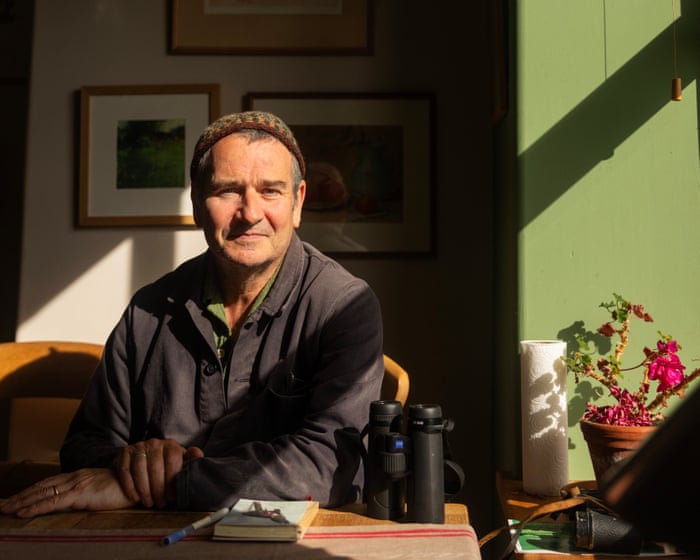
From little acorns … to his 1,000th article for the Guardian country diary

As Mark Cocker approaches a landmark for the world’s oldest column in an English-language newspaper, he is still inspired by powerful encounters with nature

In the autumn of 1987, Mark Cocker sat in a field near Norwich and watched a jay burying acorns for the long winter ahead. He described the scene in his first country diary for the Guardian. Thirty-nine years on, some of those jay-planted acorns will be mature oaks now, and Cocker is completing his 1,000th diary for the world’s oldest column in an English-language newspaper.

In his next diary, he will reflect on the changing birdlife around Flint Clough, in the Peak District, where he first marvelled at rare birds aged 12 after devouring bird books in his bedroom. As a boy, he would find cuckoo, golden plover, ring ouzel and twite, a once-common bird which is now virtually extinct in England.

Continue reading...

© Photograph: Fabio de Paola/The Guardian

© Photograph: Fabio de Paola/The Guardian

© Photograph: Fabio de Paola/The Guardian

  •  

Os “arruaceiros” no Porto: “Encostem-nos à parede”, dizem CDS e Chega

Ministro assegurou que “o Governo não vai ceder aos gritos que vêm da rua”; bandeiras da Palestina não resolvem habitação. O ministro dos Assuntos Parlamentares, Carlos Abreu Amorim, afirmou esta sexta-feira, que o problema da habitação “não se resolve com bandeiras da Palestina”, nem com tumultos e avisou que o Governo “não vai ceder aos gritos que vêm da rua“. As declarações foram feitas durante uma interpelação ao Governo agendada pelo PCP sobre a subida do custo de vida, na qual o deputado do CDS-PP, Paulo Núncio, trouxe ao debate a intervenção policial no protesto pela habitação no Porto, na

  •  

Uruguay Debuts Virtual Cards in Football Refereeing

The Uruguayan Cup tests a digital tool with which referees sanction fouls and enter incidents directly from the field. Photo: Clarin.

Uruguayan football introduced a new technology on Thursday night when referees replaced the traditional paper cards with an electronic device to show cautions and expulsions during a local match, although early tests have shown problems with visibility, according to local media reports.


Uruguayan football experienced a historic day on Thursday night with the appearance of virtual cards in the match that Nacional won 3-0 to Rentistas for the eighths final of the Uruguayan Cup, at the Gran Parque Central stadium.

During the game, the officiating team used the electronic device instead of the physical cards to signal bookings and sending-offs on the pitch.

RELATED: Argentina Introduces New Tournament and Rules for Football Professional League

The tool is designed to look like a mobile phone and has dedicated buttons to display yellow or red lights. Its main selling point is the automation of administrative work and allows referees to record every disciplinary sanction, substitution or incident in real time directly in the COMET sports management system.

That removes the need to take handwritten notes during the action and speeds up the digitization of the official post-match report.

La AUF (Asociación Uruguaya de Fútbol) presentó las tarjetas virtuales, un método que debutó en un duelo de Copa.

Este avance tecnológico permite agilizar y registrar de forma automática y digital al jugador amonestado.#Uruguay #Teconología #TVCDeportes pic.twitter.com/2tdfCI5OdN

— TVC Deportes (@TVCDeportes) October 16, 2026

Text reads: “The Uruguayan Football Association (AUF) introduced virtual cards, a method that debuted in a Cup duel. This technological advance allows the automated and digital recording of the player who has been reprimanded.”

Despite the logistical benefits, the virtual cards face technical obstacles in their first trial stages. The debut was initially scheduled for the match between Defensor Sporting and Plaza Colonia, but sunlight made it impossible to see the colors properly. Under the artificial lighting of Thursday’s night match, local media reports said the signal was still not completely clear from a distance.

What Comes Next

At present, the device’s fundamental value lies in its ability to streamline the collection and transmission of statistical data during the ninety minutes of a match. Authorities will keep evaluating its performance to try to correct the faults related to brightness and contrast.

If the required visual improvements are achieved, the technology could be adopted on a regular basis in the main categories of South American football, according to the source. No timeline for that decision has been announced.

Technology in refereeing has expanded steadily in recent years, with video review and semi-automated systems now common in major competitions. Most of those tools help officials make decisions, while this device focuses on communicating and recording them. The key test for the Uruguayan trial will be whether the cards are as easy for players and spectators to see as the paper ones they replace, since visible signals are central to how the game communicates discipline.

The technology carries obvious logistical benefits, because referees no longer depend on cardboards that can be dropped, lost or misread, and data flows directly into the official system while the ninety minutes are still running.

For the Uruguayan Football Association, the real value of the tool lies in how it optimizes the collection and transmission of statistics. Every booking, substitution and incident becomes part of a digital record the moment it happens, a change that could improve accuracy in reports that have long depended on memory and hurried notes.

  •  

A rare family of barn owls moved into Manhattan's Upper West Side, captivating New Yorkers

This is the first documented instance of barn owls nesting in Manhattan in modern history, according to one expert, and the owls have attracted nightly crowds of people in the street eager to get a glimpse of the elusive birds.

  •  

Nepal Estimates Flood Losses at 10% of GDP After Himalayan “Tsunami”

The floods, known as the "Himalayan tsunami," left severe destruction in essential infrastructure, hydroelectric projects, croplands, fishing ponds, food reserves, and agricultural infrastructure across the country. Photo: EFE.

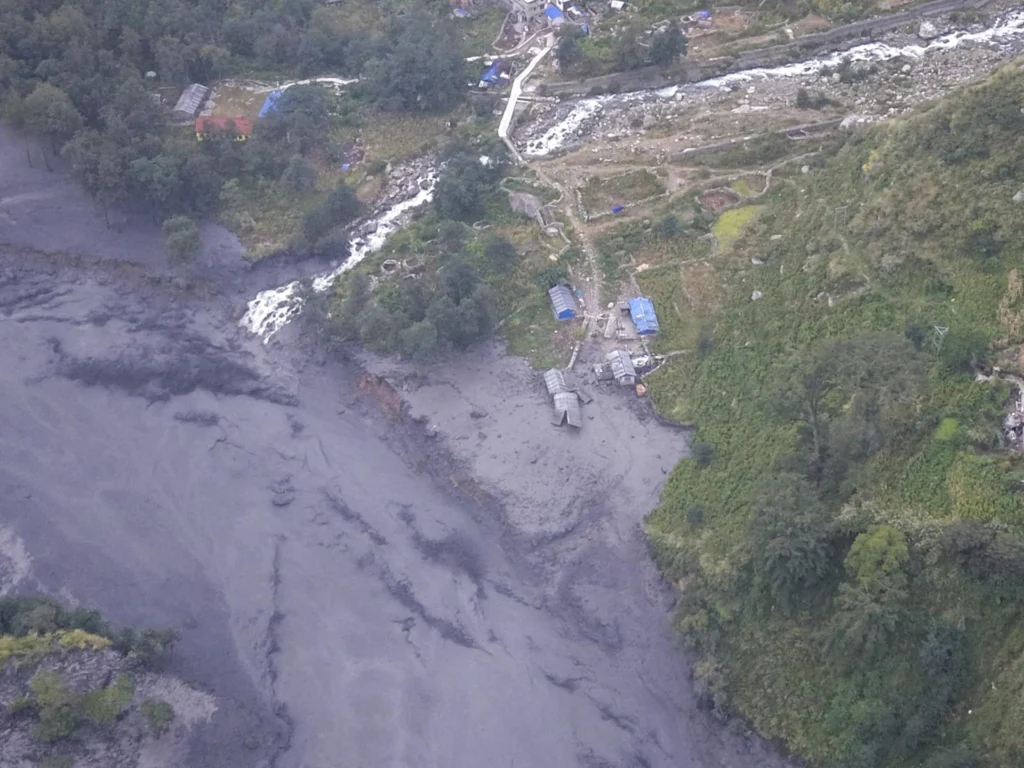
Nepal’s government reported that the August 26 flood destroyed 10 percent of the country’s gross domestic product, with damages and losses exceeding $2.7 billion, as Finance Minister Swarnim Wagle sought international funding to rebuild.


Nepal’s government said that the August 26 flood, dubbed the “Himalayan tsunami,” caused physical damage worth $1.8 billion and additional economic losses of more than $900 million, equivalent to about 10% of the country’s Gross Domestic Product (GDP), as it seeks international financing for reconstruction.

Finance Minister Swarnim Wagle presented the estimates on Thursday at a press conference at the Foreign Correspondents’ Club in Bangkok, on the sidelines of the annual meetings of the International Monetary Fund (IMF) and the World Bank.

RELATED: Nepal River Surge Destroys 40 Homes, Leaves Five Missing

Wagle is seeking international funding for rebuilding and for measures to “avoid or mitigate the impact of future disasters.”

Nearly seven weeks passed between the disaster and Thursday’s accounting. The flood struck on August 26, and the assessment Wagle presented in Bangkok represents the government’s formal reckoning of the economic damage it must now confront.The floods left more than 1,500 people dead and 6,000 missing, causing severe destruction of essential infrastructure, hydropower projects, farmland, fish ponds, food stocks and agricultural infrastructure across the country.

Flash floods along Nepal’s Budhi Gandaki River swept away homes and bridges, forcing residents to flee to higher ground.

Five people are missing, and six have been rescued, authorities said. pic.twitter.com/wv7zilln7C

— Al Jazeera English (@AJEnglish) October 12, 2026

Rebuilding at Higher Cost

Wagle said Nepal does not intend merely to “replace what was destroyed, but to build better,” with more resilient infrastructure. He said that approach will raise the cost of reconstruction to $5 billion.

The Minister also said Nepal, which he described as “the poorest country in Asia after Afghanistan,” has contributed very little to global warming because of its limited industrialization and low emissions, but “is bearing the worst consequences of climate change.”

Wagle appealed to the “ethical and moral responsibility of countries with greater resources” to support the most vulnerable and called for a model of “global solidarity and cooperation.” “It is not about blaming rich countries, but about making a joint call to action,” he said.

Gorkha, #Nepal
Damaged houses lie partially submerged in sludge along the banks of the Budhi Gandaki River after a flash #flood caused by a #landslide. Four bridges and dozens of houses were swept away, as well as a construction camp for a hydropower project pic.twitter.com/vui6RyJocr

— Hans Solo (@thandojo) October 15, 2026

Glacier Collapse and Risk

The disaster originated high in the Himalayas. A glacial and rocky mass covering two square kilometers broke away from Langtang Lirung mountain at an altitude of 5,200 meters. The ensuing flood also swept into the Chinese region of Tibet.

The scale of the threat extends beyond a single event. A recent study in Scientific Reports warns that roughly 300,000 people in Nepal live in river channels susceptible to flooding. Construction in those vulnerable zones grew by almost 50 percent between 2016 and 2023, a pattern that multiplies the risk to communities as extreme weather becomes more frequent.

Nepal’s appeal arrives as climate-linked disasters mount across South Asia, a region where economies least responsible for global emissions face some of the steepest recovery costs. For a country that contributes a negligible share of greenhouse gases, the $5 billion reconstruction bill amounts to a burden imposed largely by forces beyond its control.

  •  
❌