Espécie de resposta ao método “helicóptero”. Porque a maternidade não tem de ser controladora – e não é perfeita. Primeiro, a distinção. O método “helicóptero” na educação lá em casa é quando os pais controlam muito os filhos, estão sempre “em cima” deles. Não dão autonomia. É um estilo de parentalidade e acompanhamento caracterizado pela superproteção e pelo controlo excessivo. Os pais estão sempre a “sobrevoar” a vida dos filhos, monitorizando cada passo. Agora, as “mães beta”. É uma resposta, em jeito de contraste, ao método anterior: defende que os filhos precisam de espaço para experimentar, cometer erros e ganhar
Doentes operados têm menos incapacidade e mais qualidade de vida. Estudo da FMUP é pioneiro e aborda a cirurgia bariátrica. A cirurgia bariátrica, ou metabólica, é recomendada para pessoas com índice de massa corporal (IMC) igual ou superior a 40 kg/m² e pessoas com IMC superior a 35 kg/m² com doença associada – diabetes tipo 2, hipertensão ou apneia do sono; ou então quando as abordagens não cirúrgicas não permitiram obter uma perda de peso sustentada ou uma melhoria clínica. Para situações de excesso de peso sem obesidade, a cirurgia metabólica não é a opção habitual. Agora, um estudo pioneiro
Dois homens estão a ser acusados de contrabando depois de agentes aduaneiros do Aeroporto Internacional de Miami terem descoberto aves vivas escondidas sob a roupa dos passageiros, em dois incidentes distintos ocorridos com dois dias de intervalo. Quando Alberto Hernandez Castillo chegou de Cuba, a 4 de outubro, declarou não transportar animais selvagens para os EUA. No entanto, os agentes da Alfândega e Proteção de Fronteiras detetaram uma “protuberância inexplicável na parte da frente da zona pélvica e da cintura” e observaram que o homem parecia nervoso. Durante uma revista, os agentes descobriram bolsas pretas cosidas na roupa interior de
Investigadores do INL criaram um catalisador com 20,5% de metais preciosos, contra 40% de platina no padrão comercial. A célula aguentou mais de 300 horas estável. E, ao contrário do habitual, melhora o desempenho quando começa a funcionar: a superfície ativa-se em vez de se degradar. Produzir hidrogénio verde pode vir a exigir muito menos metal precioso. Um catalisador criado no International Iberian Nanotechnology Laboratory (INL), em Braga, superou um dos catalisadores comerciais de referência usando cerca de metade dos metais preciosos em peso. A equipa do Kolen’ko Research Group combinou platina, níquel e ruténio numa liga que catalisa a
Un militar ha fallecido tras sufrir una fuerte caída mientras descendía en rápel desde el techo hasta el centro del campo antes de un partido de fútbol americano de la Universidad de Texas en San Antonio (UTSA), en el que se rendía homenaje a las Fuerzas Armadas estadounidenses.
La oficina de asuntos públicos de la base aérea de Nellis informó de que el militar, destinado en el Destacamento 2 del Sexto Escuadrón de Entrenamiento de Combate,fue trasladado el sábado a un hospital local, donde falleció posteriormente.
Se ha abierto una investigación para esclarecer las circunstancias del incidente ocurrido durante el partido anual de la UTSA contra la Armada, dedicado a homenajear a las Fuerzas Armadas y a los veteranos.
Un vídeo de la caída publicado en las redes sociales muestra al hombre, vestido con uniforme de combate, descendiendo rápidamentehacia el suelo, con los pies por delante. El accidente se produjo mientras los aficionados ocupaban las gradas y una banda estaba reunida en las inmediaciones del terreno de juego. El militar recibió asistencia médica sobre el césped durante varios minutosy posteriormente fue evacuado en una camilla.
En un comunicado publicado después del partido, la UTSA facilitó contactos de servicios de apoyo psicológico para los estudiantes y señaló: "Estamos profundamente entristecidos por el incidente ocurrido al comienzo del partido de esta noche. Nuestros pensamientos y oraciones están con el soldado afectado, su familia y sus compañeros de las Fuerzas Armadas".
El hombre, cuya identidad no se había hecho pública de inmediato, era uno de los cuatro militares que tenían previsto participar en una exhibición de rápel antes del encuentro.
Según la página web de las Fuerzas Aéreas estadounidenses, los militares que participaban en la exhibición formaban parte de un equipo de especialistas que se integra en unidades del Ejército de Tierra y de los Marinespara ayudar a dirigir ataques aéreos y de artillería desde posiciones terrestres avanzadas.
Parte de su entrenamiento consiste en aprender a descender rápidamente mediante cuerdas, en ocasiones desde helicópteros situados a unos 30 metros o mássobre el suelo.
El partido, disputado en el Alamodome de San Antonio (Texas), terminó con victoria de la UTSA por 38-34 y sufrió un retraso de aproximadamente diez minutos. Tras el encuentro, el entrenador de la UTSA, Jeff Traylor, declaró a los periodistas que el accidente había sido "desgarrador" y "trágico".
Explicó que el equipo pudo percibir el impacto que había tenido el suceso en los más de 23.000 espectadores en cuanto los jugadores saltaron al campo, aunque a él únicamentele habían informado de que se había producido un "incidente" que retrasaría el inicio del partidounos diez minutos.
Confusão na Praça da República, em Paris, com novos incêndios e pilhagens de lojas; alguns cafés fecharam esplanadas. Macron vai falar. Os grandes conflitos e roubos aconteceram no sábado, em diversas cidades de França, mas prolongaram-se para hoje, domingo. Na Praça da República, em Paris, que já estava muito destruída e danificada, formou-se uma aglomeração não autorizada. Era um novo protesto, provavelmente contra o custo de vida em França, mas foi rapidamente dispersado. A polícia já estava no local, de prevenção, e usou gás lacrimogéneo. No entanto, os grupos espalharam-se pela área circundante, criando uma confusão inicial que aumentou a
Um suspeito de roubo, procurado pela polícia chinesa há 24 anos, terá vivido durante 19 anos sob a identidade do irmão gémeo falecido. Foi detido em junho de 2026, depois de a ex-namorada do irmão ter ajudado as autoridades a esclarecer a troca de identidades. Em 2002, ocorreu um assalto na cidade de Yuhuan, na província de Zhejiang, no leste da China. Sete suspeitos raptaram uma vítima e roubaram-lhe dinheiro e outros objetos de valor. Segundo o South China Morning Post, a polícia local deteve seis dos suspeitos, mas o sétimo, identificado pelo apelido Chen, conseguiu fugir. As autoridades realizaram
Limitações também afetaram Portugal e originaram uma notificação formal de incumprimento. Empresa tem 14 dias para agir. A Disney retirou o Dolby Vision e suspendeu temporariamente as funcionalidades 4K UHD e HDR do Disney+. Entre os mercados afetados estão Portugal. Foi uma consequência das medidas judiciais relativas a patentes obtidas pela InterDigital, aplicáveis em 11 países europeus. Os dispositivos abrangidos ficaram limitados à reprodução de conteúdos em Full HD. Mesmo assim, a mensalidade não baixou durante esse período. A Disney continuou a cobrar o preço integral do plano Premium: 15,99 euros por mês. A Euroconsumers apresentou uma notificação formal. A
O Evereste talvez seja hoje o rei do planeta, mas já alguma vez a Terra ergueu da sua superfície uma montanha maior? Às vezes, erguer picos altíssimos dá muita luta. E haverá acontecimento mais estrondoso do que o choque de placas continentais? Estes amontoados geológicos deram origem a algumas das maiores e mais altas montanhas do planeta, incluindo o Evereste e os seus vizinhos dos Himalaias. Mas terá existido alguma vez um pico mais alto do que o Evereste, que se ergue a 8.849 metros acima do nível do mar? A resposta continua a ser um mistério. Mas há pistas
Redução das retenções na fonte em novembro pode originar um pagamento de mais de 2 mil euros em 2027. O Ministério das Finanças comunicou nesta semana que, em novembro, vai reduzir em 50% as retenções do IRS. “Esta decisão ocorre para que as famílias beneficiem imediatamente desta descida, não tendo de esperar pelo acerto do IRS no próximo ano”, continua o comunicado do Governo. Foi o rumo o Governo definiu para antecipar o efeito da descida extraordinária do IRS, que já aprovada pela Assembleia da República para os rendimentos de 2026 – com efeitos retroativos a janeiro. Em dezembro, voltam
Quando, em 1640, Portugal recuperou a independência, Ceuta permaneceu fiel ao rei espanhol. Mas, quase quatro séculos depois, ainda tem uma bandeira portuguesa, com o padrão preto e branco de Lisboa, e o escudo português ao centro. A crise migratória que varreu Ceuta, no final de julho, voltou a acender as tensões entre Madrid e Rabat. Mas a história desta pequena cidade, situada na costa africana do estreito de Gibraltar, tem também um capítulo português. E foi decisivo para o seu destino. Para os marroquinos, chama-se Sebta, do nome árabe Sabta, nota a Al Jazeera. Esteve durante 700 anos nas
En España parece que hemos desarrollado una habilidad extraordinaria para aprobar leyes, presumir de democracia y después descubrir que, cuando llega la hora de aplicarlas, todo son explicaciones, matices y excusas.
Hoy toca volver a hacer una pregunta incómoda: ¿para qué sirve la Ley de Partidos si nadie quiere explicar hasta dónde llega y si se están utilizando todos los mecanismos que contempla?
Conviene recordar la historia. En 2002, el Gobierno de José María Aznar impulsó la Ley Orgánica de Partidos Políticos, que contó con un amplio respaldo parlamentario, incluido el del PSOE. No fue una ley cualquiera. Nació en una España que todavía sufría el terror de ETA, con asesinatos, amenazas, extorsiones y familias obligadas a vivir con miedo por defender la libertad.
Aquella ley estableció instrumentos para defender nuestra democracia frente a quienes pretendieran utilizarla para destruirla desde dentro. Y su artículo 9 no deja lugar a dudas sobre la preocupación que la inspiró: contempla, entre otras conductas, el apoyo o la legitimación de la violencia terrorista y la inclusión reiterada en listas electorales de condenados por terrorismo que no hayan rechazado públicamente sus fines y métodos.
La memoria de las víctimas no prescribe porque a algunos les resulte políticamente incómoda
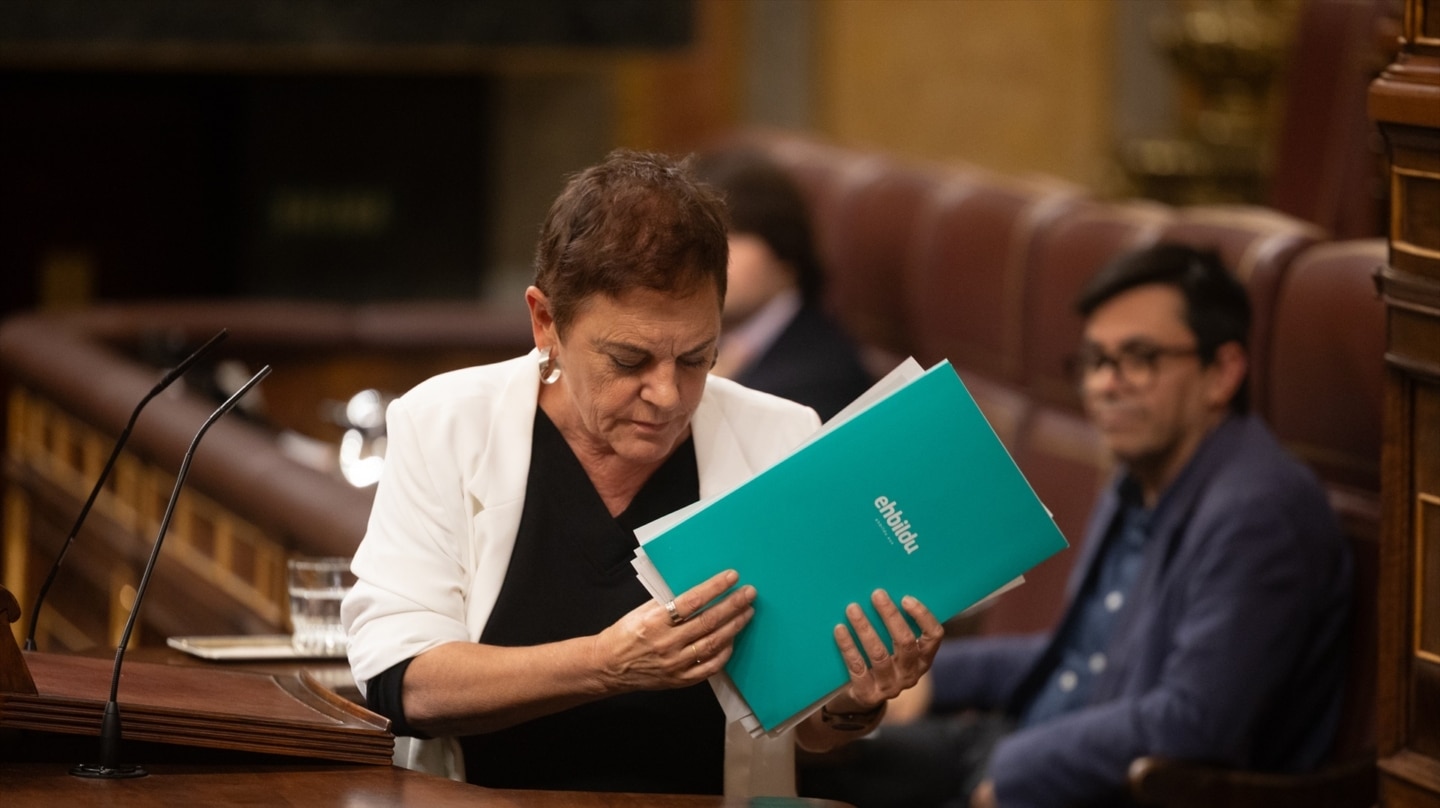
¿Y qué ocurre ahora? Que volvemos a encontrarnos con la presencia de antiguos condenados por su relación con ETA en candidaturas de EH Bildu. La actualidad nos lleva directamente a Navarra, donde Floren Aoiz encabeza la candidatura de esta formación al Senado para las elecciones del 29 de noviembre.
Y aquí es donde quiero detenerme. Porque no basta con encogerse de hombros y responder que han cumplido sus condenas y que, por tanto, asunto cerrado. El cumplimiento de una pena es una cuestión de justicia; la memoria de las víctimas y la responsabilidad de los partidos son cuestiones que no podemos despachar con una frase hecha.
Cumplir una condena no borra la historia ni obliga a los ciudadanos a olvidar. Pero tampoco debemos confundir las cosas: haber sido condenado por pertenencia a ETA no supone, por sí solo, una prohibición automática de presentarse a unas elecciones. Precisamente por eso hay que leer la ley, examinar las circunstancias concretas y exigir que las autoridades competentes actúen conforme a derecho. La Ley de Partidos no permite ilegalizar una formación por una simple sospecha, pero tampoco debería convertirse en papel mojado cuando existen hechos que merecen ser examinados.
Por eso pregunto al Gobierno: ¿se han revisado las circunstancias de estas candidaturas? ¿Se ha comprobado si concurren los requisitos legales previstos? ¿Qué explicación se ofrece a los ciudadanos que recuerdan perfectamente lo que ETA hizo en este país?
Y pregunto también a la oposición: ¿a qué esperan para exigir explicaciones, reclamar una revisión jurídica rigurosa y pedir que se utilicen todos los instrumentos legales disponibles?
No estoy pidiendo que se vulnere la ley para satisfacer a nadie. Estoy pidiendo exactamente lo contrario: que se aplique con rigor, sin mirar quién puede salir beneficiado o perjudicado políticamente. Porque aquí hay algo que no deberíamos perder jamás de vista: las víctimas de ETA no pueden convertirse en una nota a pie de página de nuestra historia. Sus familiares no tienen por qué aceptar que su dolor se trate como una molestia del pasado. Y quienes defendemos una España democrática tenemos derecho a exigir que la memoria, la justicia y la dignidad no dependan de los intereses de cada partido.
Cumplir una condena no borra la historia ni obliga a los ciudadanos a olvidar
Yo recuerdo a Miguel Ángel Blanco. Recuerdo a Ortega Lara y el sufrimiento que padeció durante su secuestro. Recuerdo a tantos guardias civiles, policías, militares, concejales y ciudadanos asesinados por defender aquello que otros querían destruir. Y me niego a aceptar que, con el paso del tiempo, acabemos acostumbrándonos a todo. No se trata de venganza. Se trata de principios. Se trata de explicar a las nuevas generaciones que en España hubo una organización terrorista que asesinó para imponer sus ideas y que ninguna aspiración política puede justificar aquel terror.
Por eso, cuando hablamos de la Ley de Partidos, no hablamos de un simple artículo del BOE. Hablamos de los límites que una democracia debe defender, de la responsabilidad de quienes aspiran a representarnos y de la obligación de las instituciones de actuar con transparencia.
¿Dónde está la Ley de Partidos?
Porque si existe un instrumento legal para impedir que un partido incurra en determinadas conductas de apoyo o legitimación del terrorismo, lo mínimo exigible es que se examinen los hechos cuando surgen dudas fundadas. Que se explique qué se ha revisado, qué requisitos se cumplen y qué actuaciones corresponden. Ni impunidad ni atajos: ley y responsabilidad.
Por respeto a quienes ya no están, por respeto a sus familias y por dignidad democrática, España no puede permitirse olvidar de dónde venimos. Las leyes se escriben para defender la democracia, no para decorar el BOE. Y la memoria de las víctimas no prescribe porque a algunos les resulte políticamente incómoda.
A BYD apresentou em Paris o Atto 8, um SUV elétrico de sete lugares que carrega em 9 minutos, o tempo de encher um depósito de gasolina. Com uma autonomia de até 652 km, o topo de gama chinês prepara-se para medir forças no segmento premium e deixar os construtores ocidentais a correr atrás. A gigante automóvel chinesa BYD, atualmente a maior fabricante de veículos elétricos do mundo, surpreendeu o Salão Automóvel de Paris desta semana com o veículo maior e tecnologicamente mais impressionante que já fez. A estreia mundial do BYD Atto 8, o topo de gama da marca,
https://www.youtube.com/watch?v=pFfoBaqE3ZY A BYD apresentou em Paris o Atto 8, um SUV elétrico de sete lugares que carrega em 9 minutos, o tempo de encher um depósito de gasolina. Com uma autonomia de até 652 km, o topo de gama chinês prepara-se para medir forças no segmento premium e deixar os con
Campeão de omnium dos Mundiais de ciclismo de pista; e prata com Rui Oliveira na prova em que foram campeões olímpicos. Iúri Leitão volta a brilhar no ciclismo de pista: medalha de ouro e medalha de prata num período inferior a 24 horas, nos Mundiais na China. O ciclista português sagrou-se neste sábado campeão mundial de omnium pela segunda vez, conquistando a terceira medalha para Portugal em Xangai, na China – a primeira de ouro. Iúri Leitão, de 28 anos, venceu a vertente de scratch, foi terceiro classificado na corrida de ritmo e na de eliminação, e também venceu a
The author (left) plans one-on-one outings with her nieces and nephew. Here she's seen enjoying Wollman Rink with one of her nieces.
Courtesy of Emily Cappiello.
Of course I'm a fun aunt, but I've figured out a way to be so much more to my nieces and nephew.
Spending meaningful one-on-one time with each of them has deepened our relationships.
My "Auntie Emily Days" let each child enjoy personalized adventures based on their unique interests.
You know those TikToks about the childless, traveling aunt? The one who's somehow always at an airport, has a suspicious amount of money, occasionally shows up with gifts she definitely didn't need to buy (while carrying yet another new designer purse), and is never quite sure what time zone she's in? Yep, that's me.
For years, I happily embraced the stereotype. I'd swoop in for birthdays and holidays, always say yes to dessert (and extra dessert), create a little chaos, then head back to my own wonderfully independent life.
I assumed I understood the assignment. Bring the snacks. Buy the birthday presents. Show up to holidays with something fun tucked under my arm. Be loud, be silly, make them laugh, then hand them back to their parents when the day was over. It was the best kind of job. I got all the joy without much of the responsibility.
Or so I thought.
The author now has "Auntie Emily Days" to spend uninterrupted time with each of her nieces and nephew.
Courtesy of Emily Cappiello.
As my nieces and nephew got older, I realized something that surprised me: I wasn't really getting to know them as they were maturing into their own people. I had to ask their moms what they wanted for birthdays, or worse, I just bought out the toy section at Target and hoped something would stick. I also didn't know who they were when they didn't have to compete for attention or weren't trying to impress me with the farthest throw, the coolest dive into the pool, or the biggest burp. That's when "Auntie Emily Days" were born.
Their day reflects their personality
Rather than trying to squeeze meaningful time into crowded family gatherings, I started planning one-on-one adventures with each child — all seven of them.
Before we get together, they give me a guideline of what they want to do, and then I execute. Sometimes it's easy; dinner at The Melting Pot and a few hours spent at a cat café. Sometimes it's a bit more complicated with a sleepover at the Freehand (it has bunk beds!) and sightseeing in New York City.
The author said she lets the kids suggest what they will do during their time together.
Courtesy of Emily Cappiello.
Yes, I pull out all the stops I can, like ice skating at Wollman Rink and dinner at Bad Roman for one; an Oheka Castle lunch and manicure/pedicure with Starbucks for another; calling in a favor for on-field access for my nephew. Then each goes home with a little gift to remind them of the day.
But the itinerary is never really the point. The point is that each child gets a day built entirely around their interests. For a few uninterrupted hours, they don't have to compromise with a sibling or wait their turn. They feel seen, heard, and don't have to compete for attention. And that's when I started seeing parts of their personalities I might have otherwise missed.
They're different when they're one-on-one
While I have a firm grasp on all of their personalities, it was shocking to me how different they were one-on-one. Emma is the coolest kid and thankful for every experience, treating every moment as if it's the best she's ever had. Zoë can turn almost anything into a joke and somehow finds the fun walking through the most crowded street in New York. Jessica is analytical and technical, but away from her sisters, her wonderfully goofy sense of humor takes over. Jocelyn has a confidence and spunk that's impossible to ignore, yet she's remarkably intuitive. JJ is quieter than the rest, preferring to observe first and ask thoughtful questions later. Isabelle is sweet, demure, and quiet, and simply a joy to be around. And baby Isla is a force of nature I know I'm going to love hanging out with when she gets a bit older.
The author said spending this time with her nieces and nephew has allowed her to see a different side of each of them.
Courtesy of Emily Cappiello.
Without siblings or parents nearby, they open up completely. They tell me about school friendships, worries they haven't shared with anyone else, and things they're excited about. I may not run back and tell their parents everything, but it may give me a little sway over the Christmas list. It's amazing what children reveal when they feel like someone is listening only to them.
Connection isn't built at birthday parties
The biggest surprise wasn't how much I learned about them; it was how much they began trusting me.
The author said her alone time with the kids allows them to connect about deeper topics.
Courtesy of Emily Cappiello.
I'm not their parent. I don't have to enforce bedtime, nag them to do homework, or beg them to get off their tablet. But I'm also not just the adult who appears a few times a year with presents.
Over time, they learned that our conversations stay between us unless they need my help. They've discovered that they can tell me about a bad day without worrying I'll immediately relay every detail to their parents. That doesn't mean I keep dangerous secrets. It means I respect them enough to let them own their stories. That trust changes everything and, I believe, will be vital as they age.
The moments that matter most stay with us
When I think back on our days together, it isn't always the tickets or the destinations that stand out. It's sharing French fries while they tell me their new favorite joke or something silly their sibling did. It is being absolutely frozen on the deck of the Staten Island Ferry staring at the Statue of Liberty because it was on our list. Or hearing an unfiltered opinion about school, extracurriculars, or something bothering them. It's watching them become confident enough to order for themselves at a restaurant — and then hearing they are doing that at home, too. It's nice when you realize a conversation we had in the car or a little encouragement during one of our adventures didn't end when I dropped them off.
The author said she enjoys having a front-row seat as her nieces and nephew grow up.
Courtesy of Emily Cappiello.
For a long time, I assumed choosing not to have children meant I'd miss out on watching kids grow up. I couldn't have been more wrong. I get a front-row seat to their lives, just from a different seat. I get to celebrate their milestones, encourage their interests, answer the occasional hard question, and then, yes, send them home to their parents at the end of the day. It turns out that's exactly the role I was meant to have.
Showing up is more than just being around
I don't make every baseball game, I'm not in the audience for every cheer competition, I can't be there every Saturday. But now I know that the intentional time I had with each child carries a bigger weight than just showing up, saying hello, giving them a hug, and going home.
The author said she's working to repeatedly show up for the kids in her life.
Courtesy of Emily Cappiello.
By carving out uninterrupted time with each child, I've been able to create something that doesn't happen naturally in the chaos of their family life, or in my own solo life.
Yes, I will always be the fun aunt, but instead of just "she was around," my intention has become "she showed up." I want them to remember having someone who listened without interrupting, who asked questions because she genuinely wanted to know the answer,; who made space for their interests, even when they weren't her own. Not someone who just said, "Sure, you can have another piece of cake, I don't care." (While still also allowing them to have more cake.)

 Login