❌

Reading view

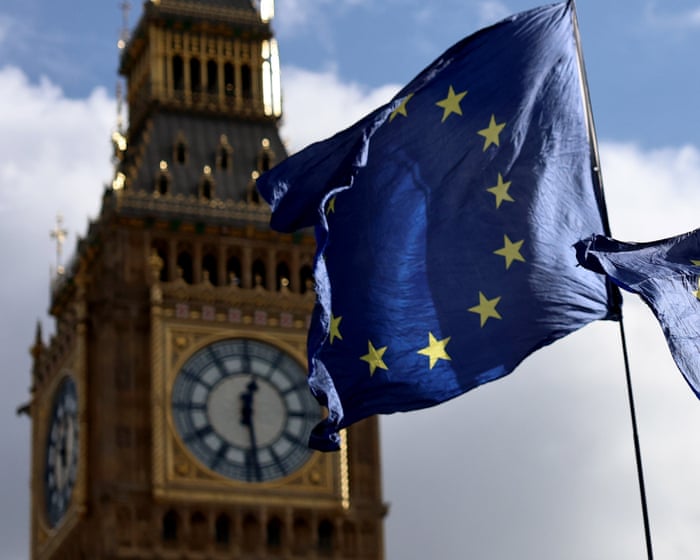
Shall we have another EU referendum? Maybe – but not yet | Polly Toynbee

We saw last time what reckless reliance on close polling led to. The omertà on rejoining has now been broken, but it would be folly to move too soon

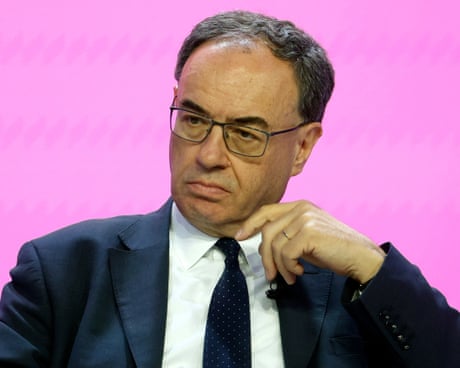
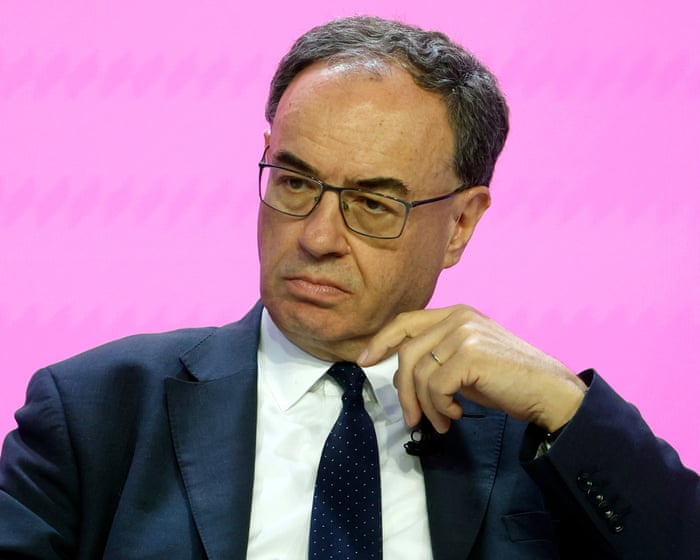
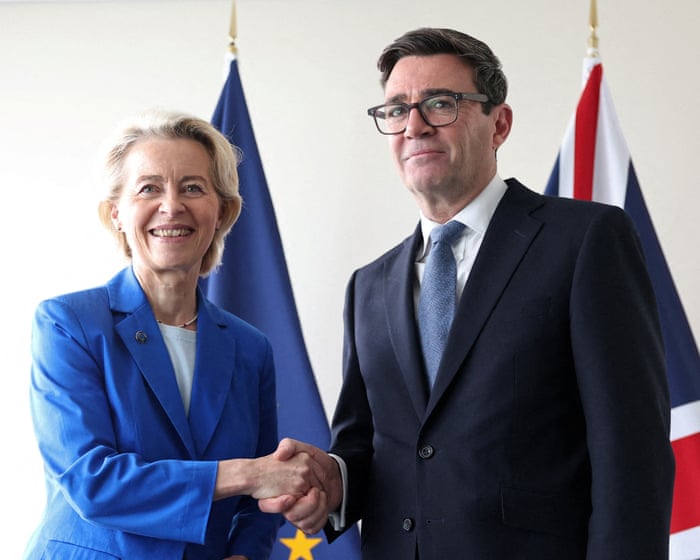
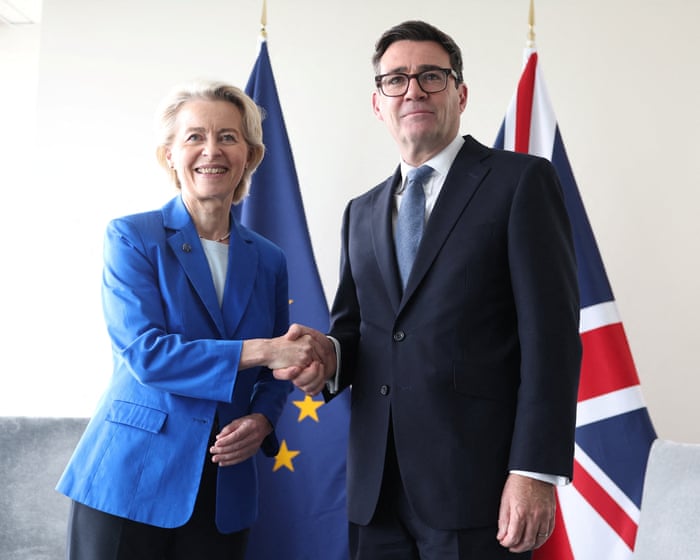
When I hear that word again, a shudder runs down my spine. I want to groan, hold my head in my hands and wail. The horror! No, never again, not another referendum. But the idea is back in play as Andy Burnham looks for ways to reverse a decade of economic stagnation.

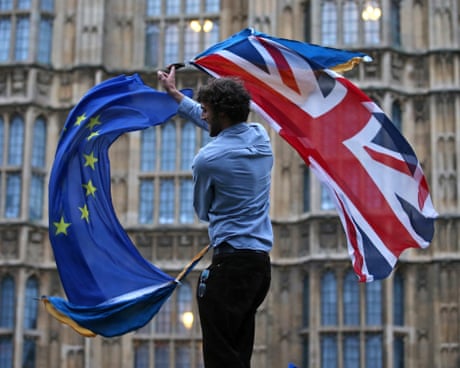
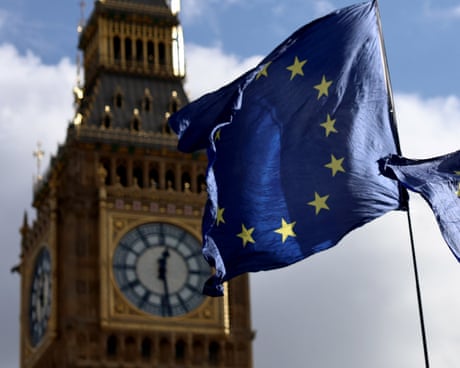
As the prime minister dared to unlock the door to a Brussels reunion, you could hear Ode to Joy burst out from all remainers. But the prospect of a re-run of the most self-destructive vote in our history is dismaying.

Polly Toynbee is a Guardian columnist

Continue reading...

© Photograph: Justin Tallis/AFP/Getty Images

© Photograph: Justin Tallis/AFP/Getty Images

© Photograph: Justin Tallis/AFP/Getty Images

  •  

People scour strait of Hormuz for spilt cargo after Iran attacks container ships

At least 15 vessels struck in waterway in past 10 days, with rumours that they were carrying valuable goods

People have been scouring the strait of Hormuz for spilt cargo after Iran attacked at least 15 container ships passing through the crucial waterway in the past 10 days.

Some ships have been hit by drones, others by mines. On Sunday, a ship was struck by a rocket-propelled grenade launched from a small boat 75 miles (120km) north-east of the Saudi port of Jubail.

Continue reading...

© Composite: Reuters

© Composite: Reuters

© Composite: Reuters

  •  

Hegseth wrong to say most non-US Nato forces in Afghanistan did not fight, says No 10

Downing Street emphasises sacrifices of UK troops and reasserts ‘unwavering’ support for Ukraine amid softening US policy towards Russia

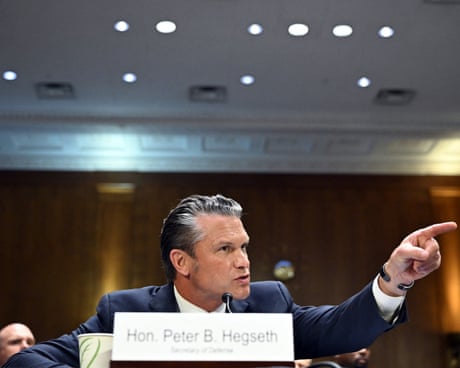
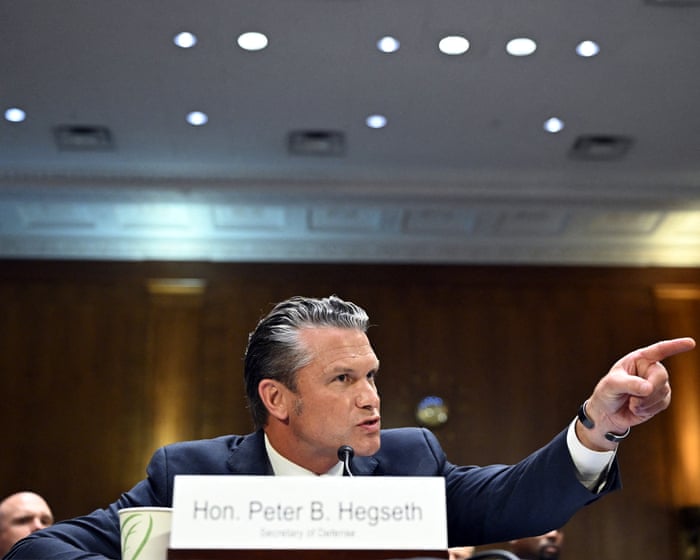
Downing Street has criticised Pete Hegseth for downplaying the role of Nato allies in helping the US with combat operations in Afghanistan, saying Donald Trump’s defence secretary had been wrong to do so.

The direct condemnation came as No 10 more carefully distanced itself from Trump’s increasing willingness to engage with Russia, saying the UK’s backing for Ukraine was “unwavering”.

Continue reading...

© Photograph: Alex Wroblewski/AFP/Getty Images

© Photograph: Alex Wroblewski/AFP/Getty Images

© Photograph: Alex Wroblewski/AFP/Getty Images

  •  

What Australia could learn from SE Asia about managing China

Successive Australian governments have reacted with alarm at China’s influence-building activities in Southeast Asia and the Pacific. They have passed foreign interference laws, tightened foreign investment regulations, and regulated university collaborations with institutions overseas. They have executed a Pacific Step-Up and a plan for greater trade and investment with Southeast Asia. And they have tightened […]

The post What Australia could learn from SE Asia about managing China appeared first on Asia Times.

  •  

US gave us no warning of Russian strikes on Kyiv power plants, Zelenskyy says

Ukrainian president accuses Washington of ‘denial of reality’ in continuing row with Trump over apparent support for Moscow

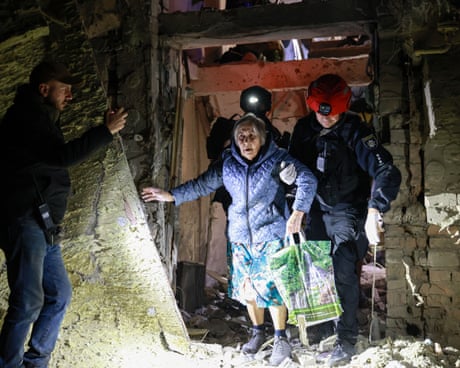
Ukraine did not receive a warning from the US about an impending Russian missile attack on Sunday evening, Volodymyr Zelenskyy has said, reviving concerns that Washington is withholding intelligence to bully Kyiv into capitulating to Moscow.

Yuri Ihnat, a spokesperson for the Ukrainian air force, said on television on Monday morning that Ukraine had not received a warning before a Russian missile barrage hit power plants in Kyiv at about 11pm. Earlier, a Ukrainian government official had told the Guardian the US had not warned the capital about the impending missile strike.

Continue reading...

© Photograph: Valentyn Ogirenko/Reuters

© Photograph: Valentyn Ogirenko/Reuters

© Photograph: Valentyn Ogirenko/Reuters

  •  

Shabana Mahmood to hold talks with EU over law enforcement cooperation

UK home secretary’s meeting comes after PM said he wanted to rejoin European law enforcement databases

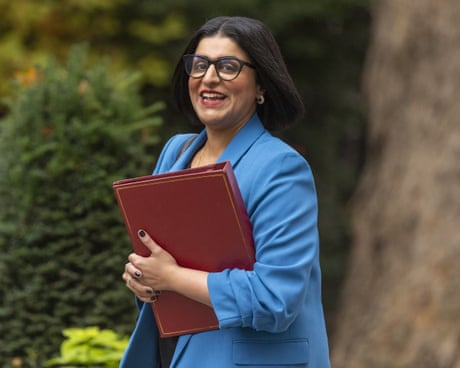
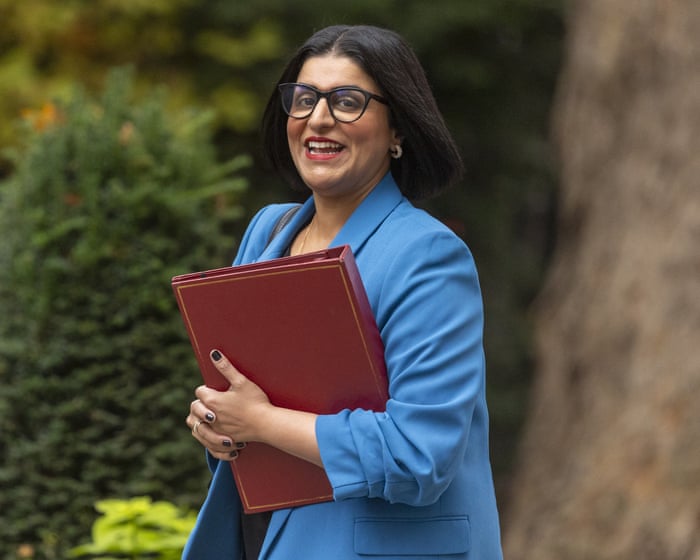
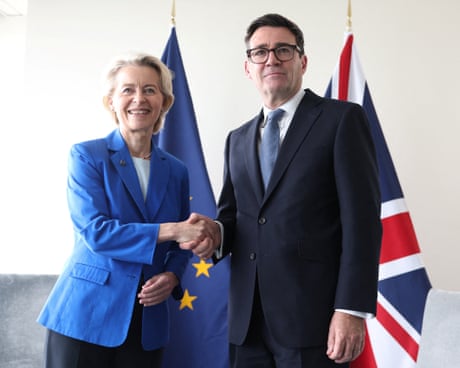
The UK home secretary, Shabana Mahmood, will meet the EU’s home affairs commissioner on Monday for further talks just days after Andy Burnham said he wanted to rejoin European law enforcement databases from which the UK has been locked out of since Brexit.

According to the European Commission, they will discuss “migration, border management, law enforcement cooperation and counter-terrorism”, with the latest Frontex data published on Monday showing a 43% decline in small boats crossing the Channel.

Continue reading...

© Photograph: Marcin Nowak/Anadolu/Getty Images

© Photograph: Marcin Nowak/Anadolu/Getty Images

© Photograph: Marcin Nowak/Anadolu/Getty Images

  •  

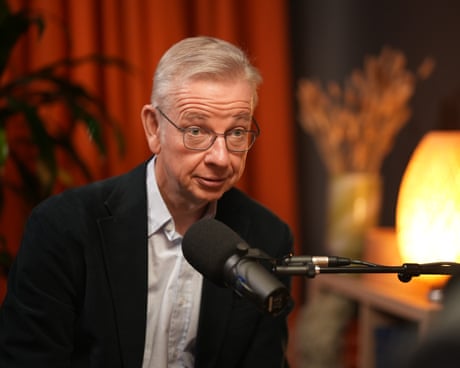
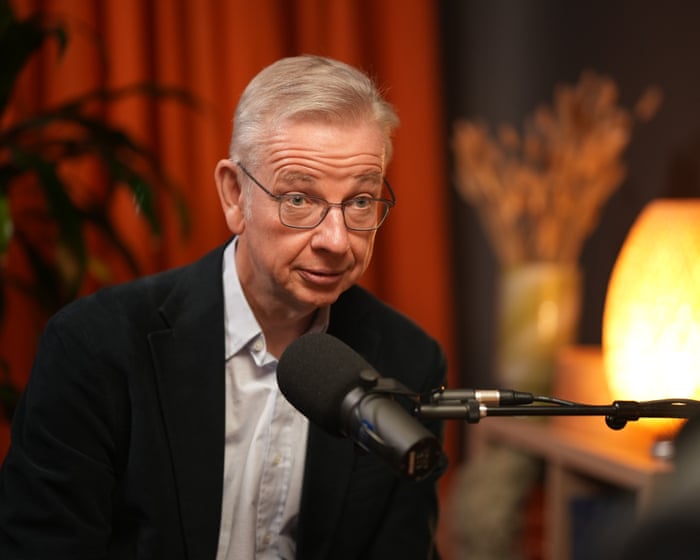
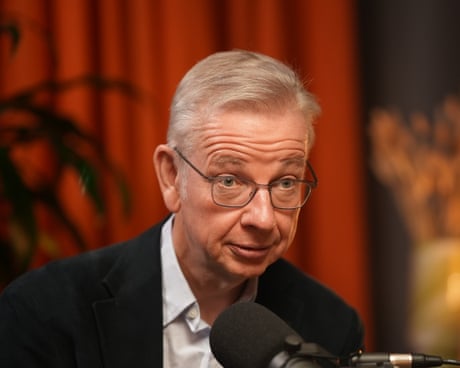
‘Austerity is inevitably painful’: How Michael Gove justifies his politics | Radical Thinking with Aditya Chakrabortty

For more than three decades, Michael Gove has been a leading figure in British Conservatism. As a journalist, government minister and now editor of the Tory bible the Spectator, he has helped shape the right even as it has moved further rightwards. In the latest episode of Radical Thinking, Gove joins Aditya Chakrabortty to discuss the future of the right, his record on Brexit and austerity, and the Spectator’s position on Islam

Watch the full episode with Michael Gove here.

Aditya’s suggested reading:

To read the fruits of Michael Gove’s dalliance with the Marxism Today gang, look up his essay in a 1998 collection called The Moderniser’s Dilemma: Radical Politics in the Age of Blair

For a slalom ride through Michael Gove’s years in power, read The Demented Dalek by the historian Richard J Evans in the London Review of Books

To learn more on what’s become of the British right, there’s a Guardian column by Aditya

Phil Burton-Cartledge analyses in depth why the most successful political party is now failing in his book The Party’s Over: The Rise and Fall of the Conservatives from Thatcher to Sunak

Phil also writes a very good blog on British politics, which keeps a close eye on how each party is trying to marshall a coalition of voters. Here he is on Kemi Badenoch

Geoffrey Wheatcroft does an entertaining short narrative in Bloody Panico!:

or, Whatever Happened to The Tory Party

For more on the economics of the Cameron years, this paper is acute on how the Tories failed to move the UK away from being a country of renters towards a country of makers. Two of its authors will join us for a podcast later in the series.

And if you want to read how Brexit may have cost the UK 8% of GDP, there’s this paper based on data from the Bank of England

Finally, on the Spectator, read Nesrine Malik’s recent Guardian column

Why has Britain’s oldest political magazine become such a rabid cheerleader for Islamophobia?

Continue reading...

© Photograph: James Tindale/The Guardian

© Photograph: James Tindale/The Guardian

© Photograph: James Tindale/The Guardian

  •  

Trump’s pause on Russia sanctions is ‘reward’ for Putin, Zelenskyy says

Ukrainian president warns it will embolden Russian leader and intensify war as Moscow hits country’s power plants

Volodymyr Zelenskyy has described Donald Trump’s decision to roll back sanctions on Russia as a “reward” for Vladimir Putin and warned it will embolden the Russian leader and intensify the Kremlin’s war, as Moscow launched one of its worst strikes yet on Ukraine’s power plants in an attempt to black out the country’s cities before winter.

The Ukrainian president also said he expected the Trump administration to lift more sanctions against Russia in the future and called for Europe to establish its own negotiations with Moscow as the US has sought better ties and business deals with the Kremlin.

Continue reading...

© Photograph: Kateryna Klochko/AP

© Photograph: Kateryna Klochko/AP

© Photograph: Kateryna Klochko/AP

  •  

Bank of England governor walks out of IMF summit in protest against Russia

Andrew Bailey among finance leaders to leave session in Bangkok when Russian finance minister addressed group

The Bank of England governor, Andrew Bailey, has taken part in a walkout of finance leaders who left an International Monetary Fund meeting in protest against Russian involvement.

Bailey joined counterparts from France, Germany and a number of Scandinavian and Baltic countries who left the session in Bangkok when the Russian finance minister, Anton Siluanov, addressed the group in Russian.

Continue reading...

© Photograph: Rungroj Yongrit/EPA

© Photograph: Rungroj Yongrit/EPA

© Photograph: Rungroj Yongrit/EPA

  •  

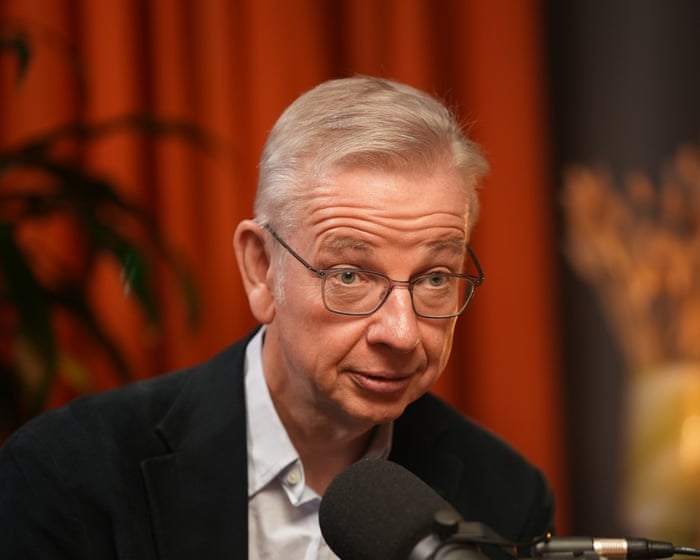
‘Austerity is inevitably painful’: How Michael Gove justifies his politics | Radical Thinking with Aditya Chakrabortty – podcast

For more than three decades, Michael Gove has been a leading figure in British Conservatism. As a journalist, government minister and now editor of the Tory bible, the Spectator, he has helped shape the right even as it has moved further rightwards. In the latest episode of Radical Thinking, Gove joins Aditya Chakrabortty to discuss the future of the right, his record on Brexit and austerity, and the Spectator’s position on Islam

Watch the full episode with Michael Gove here.

Aditya’s suggested reading:

To read the fruits of Michael Gove’s dalliance with the Marxism Today gang, look up his essay in a 1998 collection called The Moderniser’s Dilemma: Radical Politics in the Age of Blair

For slalom ride through Michael Gove’s years in power, read The Demented Dalek by the historian Richard J Evans in the London Review of Books

To learn more on what’s become of the British right, there’s a column by me for the Guardian

Just why the most successful political party is now failing is analysed in-depth by Phil Burton-Cartledge in his book The Party’s Over: The Rise and Fall of the Conservatives from Thatcher to Sunak

Phil also writes a very good blog on British politics, which keeps a close eye on how each party is trying to marshall a coalition of voters. Here he is on Kemi Badenoch

Geoffrey Wheatcroft does an entertaining short narrative in Bloody Panico!:

or, Whatever Happened to The Tory Party

For more on the economics of the Cameron years, this paper is acute on how the Tories failed to move the UK away from being a country of renters towards a country of makers. Two of its authors will join us for a podcast later in the series.

And if you want to read how Brexit may have cost the UK 8% of GDP, there’s this paper based on data from the Bank of England

Finally, on the Spectator read Nesrine Malik’s recent column in The Guardian

Why has Britain’s oldest political magazine become such a rabid cheerleader for Islamophobia?

Continue reading...

© Photograph: James Tindale/The Guardian

© Photograph: James Tindale/The Guardian

© Photograph: James Tindale/The Guardian

  •  

Brexit’s back – but are British voters ready to contemplate a reversal?

As Andy Burnham talks up closer alignment with the EU and a poll suggests half in UK would rejoin, the B-word is back on the agenda

In February 2016, days after David Cameron announced the UK would hold a referendum on leaving the EU, he told workers in Slough not to imagine they could change their minds a few years down the line if they did not like how things panned out. Voting to stay in or leave was a once in a generation thing, he said. “This is a decision that lasts for life.”

Well times change, as the last prime minister but five could testify. A decade after Britain told Brussels where to go, Brexit is back on the political agenda. After years in which many politicians avoided any mention of the B-word, Andy Burnham broke the omertà in his party conference speech last month, saying he would look again at Britain’s relationship with Europe.

Continue reading...

© Photograph: Toby Melville/AFP/Getty Images

© Photograph: Toby Melville/AFP/Getty Images

© Photograph: Toby Melville/AFP/Getty Images

  •  

UK could quickly re-enter EU with ‘Switzerland plus’ deal, senior MEP says

Bernd Lange, who was involved in Brexit talks, says deal could be negotiated within months of any decision to deepen ties

The UK could re-enter the EU in a “Switzerland plus” package that could be negotiated within months of any decision to deepen ties with the bloc, the head of a European parliament committee has said.

Bernd Lange, who was heavily involved in Brexit negotiations, said: “I would love to see the UK back.” He said the EU missed the UK in decision-making because of its strong history of promoting open markets and democracy.

Continue reading...

© Photograph: Neil Hall/EPA

© Photograph: Neil Hall/EPA

© Photograph: Neil Hall/EPA

  •  

Trump calls Ukraine’s renewed strikes on Russian oil refineries ‘a disgrace’

US president says Zelenskyy ‘more difficult ​to deal with ​than Putin’ after ‘energy ceasefire’ collapses

Donald Trump has called Ukraine’s renewed strikes on Russian oil refineries “a disgrace” and criticised Volodymyr ⁠Zelenskyy after an energy ceasefire between Russia and Ukraine failed to take hold.

Ukraine resumed strikes on Russian oil refineries ⁠after Zelenskyy said Kyiv was abandoning a ceasefire unilaterally declared by Trump on Sunday, having briefly halted its attacks to demonstrate its readiness for peace talks. Russia had continued its strikes on Ukrainian power plants.

Continue reading...

© Photograph: Reuters

© Photograph: Reuters

© Photograph: Reuters

  •  

EU Criticises Abbas as Palestinian Elections Are Postponed Until September 2027

Brussels has criticised the Palestinian Authority’s decision to postpone presidential and legislative elections, warning that democratic legitimacy is essential to Palestinian state-building and institutional reform. The delay raises questions about the political conditions attached to substantial European financial assistance.

The European Union has expressed serious concern over the Palestinian Authority’s decision to postpone legislative and presidential elections until September 2027, placing renewed pressure on President Mahmoud Abbas over democratic accountability and the future of Palestinian political institutions.

In a statement issued on 14th October, the EU said it regretted the postponement of legislative elections previously scheduled for 28th November 2026 and a presidential contest expected in early 2027.

Palestinian

The decision extends an electoral impasse that has lasted for nearly two decades. Palestinians last voted in legislative elections in 2006, while Abbas was elected president in January 2005.

The EU’s formal statement called for both contests to be organised as soon as conditions allow, stressing that credible elections are necessary for representative institutions and political accountability.


The intervention is particularly significant because the EU remains one of the Palestinian Authority’s most important financial supporters and has made institutional reform a central element of its approach to Palestinian state-building.

Abbas cites obstacles to holding elections

The postponement was announced through the Palestine Liberation Organisation’s executive structures following consultations over the conditions necessary to conduct voting in Gaza, the West Bank and East Jerusalem.


Palestinian officials have cited restrictions imposed by Israel, continuing insecurity and difficulties involving election materials, observers and access to voting locations.

Israel has disputed the suggestion that it was responsible for preventing the elections from proceeding.

The practical difficulties are substantial. The Palestinian Authority exercises limited administrative control in parts of the West Bank, while Hamas has maintained de facto control over Gaza since 2007, despite subsequent changes in the territory’s security and governance arrangements.

Holding elections across geographically separated territories under different political and security conditions would require agreements extending well beyond the Palestinian Authority’s existing administrative powers.

Those obstacles do not, however, resolve the separate question of democratic legitimacy.

Abbas’s original presidential term expired in 2009, and subsequent extensions of his authority have not been confirmed through a new presidential election. The absence of regular legislative elections has similarly weakened the representative basis of Palestinian governance.

The latest postponement means that Palestinians must wait at least another year for an opportunity to choose their national political leadership.

Brussels links financial assistance to reform

For the European Union, the delay raises questions about the relationship between political reform and financial support.

In April 2025, the European Commission announced a proposed multiannual programme worth up to €1.6 billion for Palestinian recovery and institutional development between 2025 and 2027.

The programme includes approximately €620 million in direct financial support to the Palestinian Authority, alongside assistance for reconstruction, public services and economic recovery.

European officials have repeatedly stressed that part of this support is linked to implementation of agreed reforms, including improvements in public financial management, transparency and administrative accountability.

Those priorities were central to the Brussels donor discussions previously examined by EU Today, where international partners considered how a reformed Palestinian Authority might assume a greater role in Gaza’s future governance.

The election postponement adds a political dimension to those financial arrangements.

The EU’s statement did not announce any suspension of funding, nor did it specify that electoral delays would automatically trigger financial penalties.

Instead, Brussels emphasised that continued assistance to the Palestinian Authority must accompany progress towards institutional reform and the development of credible representative structures.

That distinction matters because European financial assistance also supports public services and civilian needs, which could be affected by reductions in funding unrelated to the conduct of elections.

Elections and the two-state policy

The EU has consistently presented a functioning Palestinian administration as a necessary component of its support for a negotiated two-state settlement.

Its position depends on the existence of institutions capable of representing Palestinians, administering public services, exercising legitimate authority and negotiating internationally.

A prolonged absence of elections complicates that objective, particularly when Palestinian political factions remain divided over leadership and the future organisation of government.

The dispute also affects European discussions concerning Gaza’s reconstruction and its relationship with the West Bank.

Brussels has supported the eventual reunification of Palestinian governance under a reformed administration, but such arrangements face difficulties if the authority expected to assume responsibility lacks a renewed electoral mandate.

In its latest statement, the EU reiterated its willingness to support an eventual election process, including the deployment of an EU Election Observation Mission.

Such missions can provide independent assessments of electoral procedures, but their deployment depends on the necessary political arrangements, security conditions and access.

The European Union’s position now presents Abbas with a specific political demand: to establish conditions under which Palestinian voters can elect both a president and a legislature, rather than allowing temporary postponements to become a permanent substitute for elections.

For Brussels, the immediate question is how to pursue that demand while maintaining assistance to Palestinian institutions and civilians and supporting a diplomatic settlement.

The next test will be whether the Palestinian Authority produces a credible electoral timetable and the administrative arrangements needed to hold the postponed votes in September 2027.

  •  

Repairing Brexit economic damage should be Burnham’s top priority, business chief says

Shevaun Haviland argues PM is right to revisit Labour’s EU red lines as current trading relationship is bad for business

Repairing the economic damage of Brexit should be the top priority for Andy Burnham as he reconsiders Labour’s red lines on EU membership, the head of one of Britain’s leading business groups has said.

Shevaun Haviland, the director general of the British Chambers of Commerce (BCC), said she welcomed the prime minister reopening the Brexit battle lines despite the uncertainty it could create, arguing that the UK’s current trading relationship with the EU was bad for business.

Continue reading...

© Photograph: Toby Melville/Reuters

© Photograph: Toby Melville/Reuters

© Photograph: Toby Melville/Reuters

  •  

Ukraine war briefing: Starlink access restored, says UK’s Streeting after Hegseth meeting

UK defence secretary says Pete Hegseth assured him satellite communications system back up and running in Ukraine. What we know on day 1,696
Ukraine’s access to Elon Musk’s Starlink had been restored, according to UK defence secretary Wes Streeting. Ukraine said Starlink services had been restricted on Wednesday, hampering the country’s attack and air-defence drone missions, and triggering a new rift between Washington and Kyiv. On Thursday, Streeting said his US counterpart, Pete Hegseth, had assured him in a face-to-face meeting that the vital satellite communications system was back up and running. He said it was unclear what had caused the disruption, but added: “This is not the first time we’ve seen a falling out between Washington and Kyiv.”

The order to limit Starlink access came from inside the White House, according to a report by Reuters, citing two US officials and a western official briefed on the matter. The ⁠officials said leaders at the defence ⁠department received a message that the service for the Ukrainian military needed to be slowed. The officials, who spoke on the condition of anonymity, did not specify who in the White House made the decision or who was responsible for implementing the order. The Pentagon is the biggest customer of Starshield, which ⁠is the military-grade version of the Starlink service.

Amid growing doubts about long-term US commitment to Ukraine, Ukrainian president Volodymyr Zelenskyy met Nato chief Mark Rutte in Brussels and held a string of bilateral meetings with European leaders before he was set to join an EU summit on Friday. French president Emmanuel Macron on Thursday said it was “crucial” that Ukraine receive “all the means necessary to protect itself” after meeting Zelenskyy. “I can reassure you, dear Ukrainian friends and President Zelenskyy: YOU ARE NOT ALONE,” Polish prime minister Donald Tusk posted online.

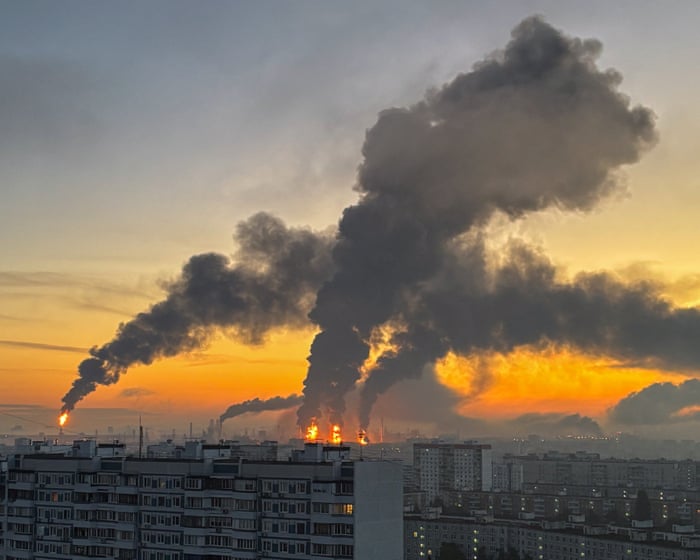
Vladimir Putin has said that recent ⁠Ukrainian ​strikes on Russian oil refineries had not caused significant ⁠damage and vowed that Moscow would respond. “They ⁠hit here and there. Nothing ​particularly significant. Nevertheless ‌they are ‌carrying on,” the Russian president was quoted as saying by the Interfax news agency. His comments ‌came after a major Ukrainian drone attack ignited a fire at an oil refinery in Russia’s Ryazan region on Thursday morning, according ‌to the regional governor. It was the first confirmed ​Ukrainian attack on a Russian energy facility since US president Donald Trump abruptly declared an “energy ceasefire” that neither Russia nor Ukraine said they had agreed to.

The US treasury department has extended a sanctions waiver on Russian oil company Lukoil for service stations outside Russia through April 2027. Thursday’s announcement allows Lukoil-branded stations in countries like the US to continue serving customers until 24 April next year. The extension comes a week after Trump said he had secured an agreement with Russia to supply diesel to American and global markets, with the US treasury issuing a temporary licence to enable flows. The latest licence, like an earlier one, does not allow the “transfer of funds to any person or account located in the Russian Federation”.

Three people were killed and six others injured after the Kirovohrad region of central Ukraine came under a Russian drone attack lasting more than 10 hours, Ukraine’s emergency services said Thursday. Between midnight and Thursday morning, Russia launched more than 850 drones at Ukraine, Zelenskyy said on X. He added that the barrage came “precisely at a time when the speed of our defensive capabilities is being artificially restricted,” an apparent reference to the Starlink restrictions on drones. Russian aerial attacks hit 15 Ukrainian regions, he said.

Continue reading...

© Photograph: Reuters

© Photograph: Reuters

© Photograph: Reuters

  •  
❌