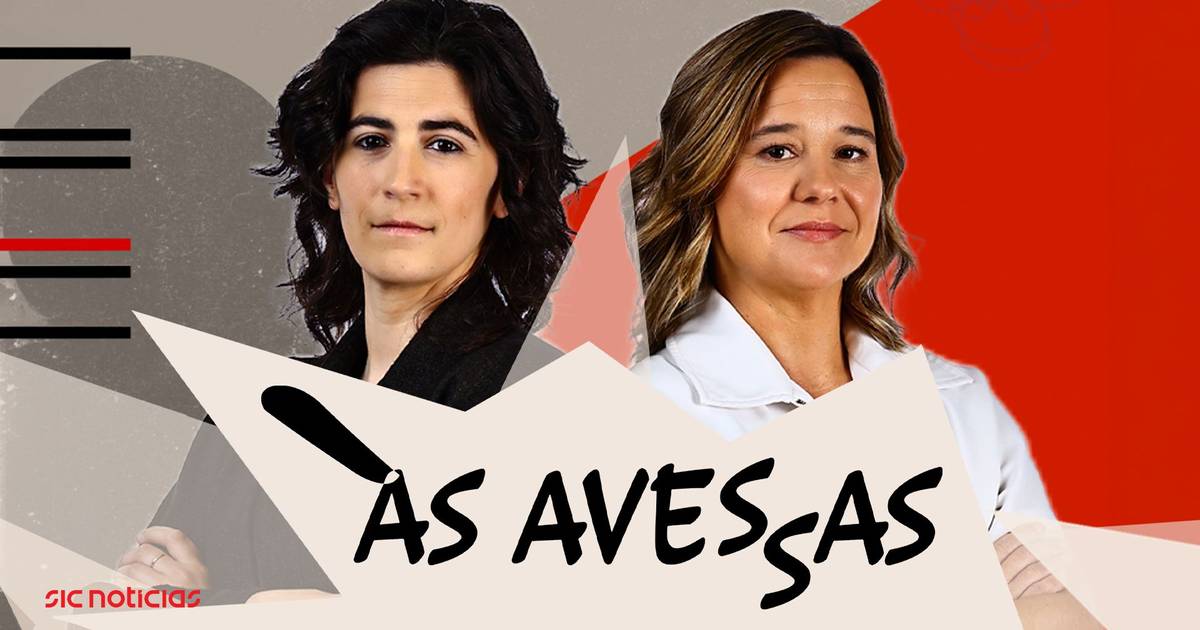
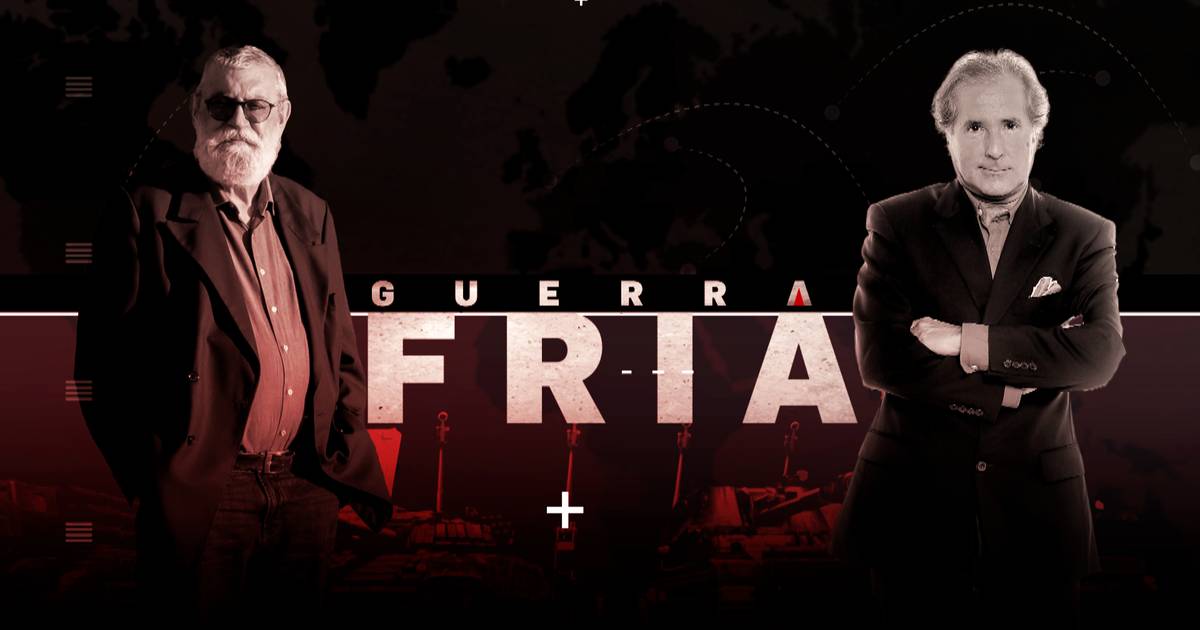
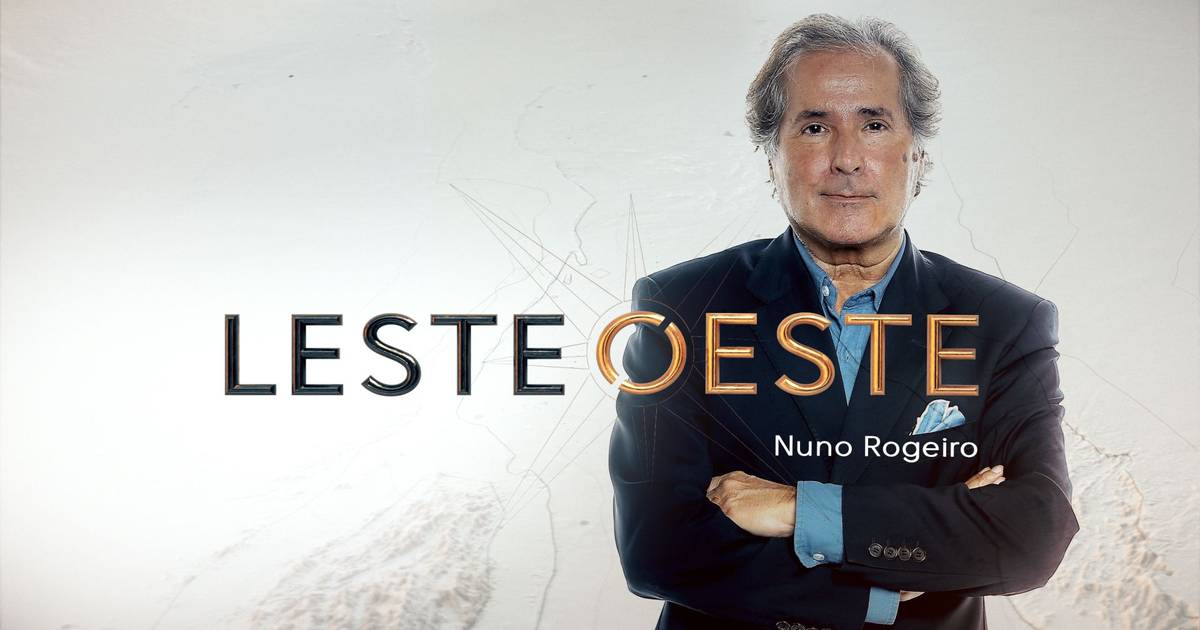
Teresa Nogueira Pinto sobre protestos pela habitação: “O marxismo-leninismo foi derrotado no 25 de Novembro. Não se ocupam espaços públicos para dizer ‘Aqui há uma democracia popular’”


Cuando se tiene una rutina de trabajo intensa durante mucho tiempo, es normal que el cansancio termine pasando factura. Hay días en los que todo sale con facilidad y otros en los que cuesta mucho más concentrarse, organizarse o simplemente mantener el ritmo. Para mí, lo importante es encontrar una forma de trabajar que permita seguir adelante sin llegar constantemente al límite.
Una de las cosas que más ayuda es organizar bien el día y tener claras las tareas más importantes. Cuando se intenta hacer todo a la vez, es fácil acabar perdiendo tiempo y sintiendo que no se avanza. Por eso, creo que es mejor centrarse en una cosa cada vez y dejar para después aquello que no sea tan urgente.
También es importante hacer pequeños descansos. Cuando se llevan muchas horas delante del trabajo, seguir insistiendo no siempre significa trabajar mejor. A veces, levantarse unos minutos, caminar, tomar algo o simplemente desconectar un momento ayuda a volver con más claridad y concentración.
Además, hay que cuidar los hábitos básicos. Dormir bien, comer de forma adecuada, beber agua y hacer algo de ejercicio pueden marcar una gran diferencia cuando las jornadas son largas. Son cosas sencillas y más que consabidas, pero cuando se acumula el cansancio son precisamente las que más fácilmente se descuidan.
Por último, creo que también hay que aprender a aceptar que no todos los días se puede rendir al mismo nivel. Lo importante es mantener un ritmo que podamos sostener en el tiempo.
Trabajar bien no significa estar siempre al máximo, sino saber cuándo apretar, cuándo bajar el ritmo y cuándo parar para recuperar fuerzas.


Production: By Europod, in co-production with Sphera Network.
EUobserver is proud to have an editorial partnership with Europod to co-publish the podcast series “Briefed” hosted by Léa Marchal. The podcast is available on all major platforms.
Find the full transcript below:
Do you remember the Yellow Vests movement that shook France 2018? On TikTok, a young user has called for a national mobilisation on the seventeenth of October against the cost of living, and the video quickly went viral. So could the Yellow Vests make their big return?
“Please, give us a date, we’re ready to protest! We young people are struggling. We just can’t make a living anymore,” that’s what Justine, a TikToker from Normandy in France has posted a few weeks ago, while wearing a fluorescent yellow vest.
The reference to the 2018 Yellow Vests is unmistakable. The French movement, which began in protest at rising fuel prices, has been widely revived on social media in recent weeks, especially by younger users.
Our colleague Romane Lizée from StreetPress, a fellow member of the Sphera Network alongside Europod, spoke to some of them: young people reviving a protest movement they only knew from a distance.
Yves, a 24-year-old TikToker with over 80,000 followers, made a video called “Survival Guide for the Yellow Vests 2026”. He gives would-be protesters practical advice, such as bringing thick ski goggles or writing a lawyer’s phone number on a piece of paper.
So why is the movement resurfacing now? For many, the movement has come to stand for a general sense of being fed up, something they still feel today.
“Eight years ago, France put on the yellow vest because petrol hit 1.50 euros a litre, and now we’re almost at three euros and nothing is happening!” That’s how Saïd, a 23-year-old delivery driver, sees it.
The economic context is indeed worse than it was eight years ago. The price of fuel is now almost 2.40 euros a litre.
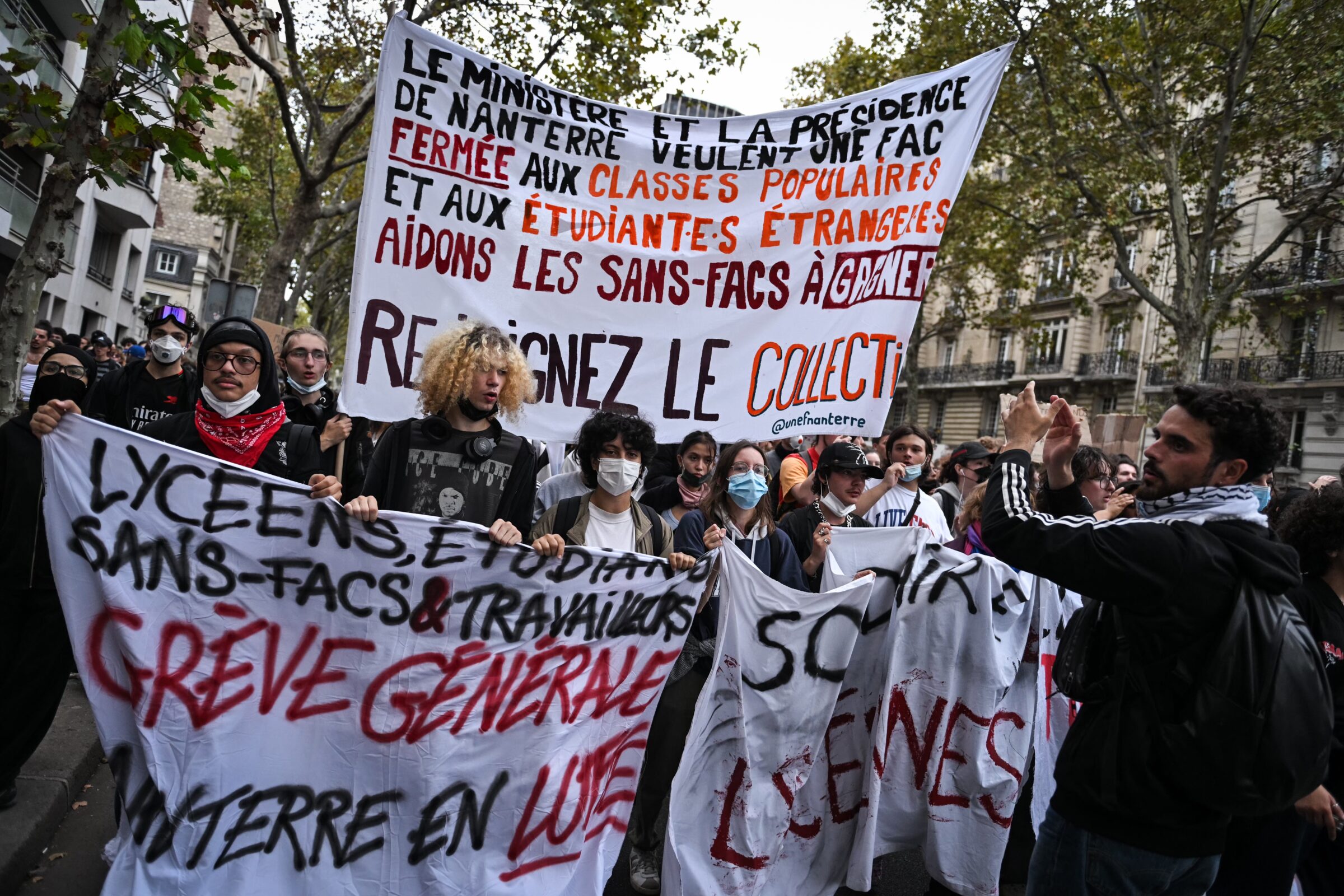
Throughout September, a series of protests followed one another, called by different professions and for different reasons: climate action, firefighters, a public-sector strike, the law on sexual violence, and finally the student blockades.
High school students have been protesting for a few weeks now, blockading their schools to demand better conditions. We talked about this in a previous Briefed episode. You can find the link in the description.
Now, will the protest be as big and long-lasting as the one in 2018?
Online, a petition launched by the website 17octobregiletjaune, which calls for the protest, has gathered more than 21,000 signatures. Over a thousand actions across the country have been identified on a map by the same website: mostly protests in several cities, but also actions on roundabouts and at petrol stations.
Youth organisations, students’ unions and education staff have already answered the call. More importantly, the CGT, one of France’s main labour unions, has backed it, as have some political figures, like Marine Tondelier, the Green candidate for the presidential election. Still, the true extent of the movement is difficult to predict.
In other European countries, protests are also multiplying, especially among young people. In Spain, huge demonstrations for the right to housing have been taking place in several cities since mid-September. They went quite far: they pushed Prime Minister Pedro Sánchez to call snap elections.
In Brussels, on October 9th, thousands of protesters, including rail workers, teachers, and university and secondary school students, marched against the federal government’s policies, in particular its socio-economic measures. Here again, precarity is a central grievance.
In Italy, on October 8th, students called for mobilisation, notably by camping in front of universities across the country to protest against the sharp rise in tuition fees and student rents.
The triggers behind these protests are not all the same, and the mobilisations take different forms from country to country. But the goal is broadly the same: to call for better living conditions and to defend basic social rights. And young people are particularly mobilised.

All’inizio Jennifer Welch parlava solo di seccature quotidiane e di tutte quelle piccinerie da dare in pasto al pubblico annoiato sul divano. Un giorno era un gender reveal party, un altro il galateo su Instagram, altre volte i bambini maleducati. Si era ritagliata un ruolo in quel frammento di rumore mediatico che pretende di dire alla gente da che parte sta il buon senso. Poi Trump è tornato alla Casa Bianca e le ha offerto un bersaglio più grosso. Anzi due: Welch insulta il presidente un giorno sì e l’altro pure, poi si gira dall’altra parte e tratta allo stesso modo i democratici che non lo combattono come vorrebbe.
Durante una puntata del suo podcast “I’ve Had It” reagisce a una dichiarazione del Segretario di Stato Marco Rubio sulle sanzioni contro la Corte penale internazionale cominciando dall’aspetto fisico. «Sembra invecchiato di venticinque anni, ecco che effetto deve fare essere Maga e commettere crimini di guerra». Poi aggiunge che Trump ha la maturità di una cheerleader dodicenne che non è riuscita a entrare nella squadra della scuola.
In un’intervista con Don Lemon definisce il vicepresidente J.D. Vance «la miglior prostituta del Paese», accusandolo di essersi lasciato trasformare in un prodotto politico dal miliardario Peter Thiel. È la sua cifra stilistica. Welch attacca da sinistra repubblicani e democratici, ma lo fa con i metodi del trumpismo. Cioè vocabolario da spogliatoio del calcetto e attacchi sul personale, attingendo a piene mani al torbido della conversazione pubblica. Una miscela di populismo e trivialità. È la versione più esasperata del woke estremo – quello che perfino Alexandria Ocasio-Cortez ha cercato di mettersi alle spalle.
“I’ve Had It” va in onda dal 2022, co-condotto da Welch con l’amica Angie Sullivan. Le due hanno raccolto milioni di follower sulle piattaforme e più di un milione di iscritti su YouTube. Gli ascoltatori sono cresciuti talmente tanto da diventare una tappa quasi obbligata per i personaggi della sinistra americana. Negli anni sono passati al microfono Barack Obama, Kamala Harris, Bernie Sanders, Zohran Mamdani.
A gennaio, intervistata da David Remnick del New Yorker, Welch ha definito la sua filosofia «dark woke», una specie di magia nera applicata alla sinistra radicale – o il contrario. La giustizia sociale come stella polare, la volgarità becera come vascello. Tutto è pensato per diventare un pezzettino virale sui social. Persino i titoli dei contenuti che posta su YouTube – principalmente spezzoni di “I’ve Had It” – sono portati all’estremo, con aggettivi roboanti in caps lock e anteprime appariscenti. «Devi sapere contro chi ti stai battendo, e devi essere spregiudicato», ha detto.
L’idea è di combattere il trumpismo con le sue stesse armi, una ricetta semplice e spietata. Se il woke tradizionale è diventato un sistema di sorveglianza morale, una disciplina dell’eloquio, il dark woke vuole conservare gli obiettivi progressisti liberandosi di ogni riguardo formale.
È un declivio pericoloso da intraprendere. E Welch ci si è tuffata di testa. Con Trump dice di non condividere nulla, ma considera il suo modo di parlare un modello di comunicazione che la politica democratica dovrebbe avere il coraggio di adottare.
Nelle biografia di Welch ci sono tutti gli elementi che l’hanno portata fin qui. È nata a Dallas, ma è cresciuta a Oklahoma City, con due genitori atei e progressisti nel cuore della Bible Belt. Intorno a lei una cultura evangelica in cui religione e identità politica spesso si sovrappongono. La distanza fra la famiglia e il mondo che la circondava ha alimentato il suo antagonismo.
Prima faceva l’interior designer e aveva successo. In tv è arrivata alla ribalta con “Sweet Home Oklahoma”, un reality dell’emittente Bravo che seguiva la sua attività e la vita di un gruppo di amiche benestanti. Il programma è stato cancellato nel 2018, dopo due stagioni.
“I’ve Had It” è nato poco dopo, senza troppe ambizioni. Welch e Sullivan hanno un’amicizia ventennale e volevano solo parlare alle persone che avevano seguito il reality, soprattutto donne della loro generazione. Già il titolo è una specie di manifesto: ne ho abbastanza. Conteneva il germe della protesta.
La virata sulla politica ha avuto diversi ostacoli, soprattutto da parte del network (PodcastOne ha acquistato i diritti del programma nel 2023) che avrebbe preferito contenuti meno divisivi. Ma il dibattito pubblico americano era incendiato da anni, il trumpismo aveva avvelenato i pozzi: più Welch e Sullivan alzavano il livello dello scontro, più gli ascolti crescevano.
Sul Washington Post, la giornalista Rachel Monroe ha descritto le due conduttrici come una coppia che difficilmente i democratici avrebbero immaginato di reclutare per trovare nuovi messaggeri: due cinquantenni dell’Oklahoma, con accento del Sud, modi bruschi e un aspetto che Welch definisce «Fox News-coded», cioè codificato sui parametri di Fox News, la tv più vicina a Trump. Monroe ricostruisce anche un momento in cui le due si sono accorte di essere arrivate molto più lontano di quanto immaginassero: il figlio di Welch le segnalò che Hasan Piker, lo streamer di sinistra seguito soprattutto da un pubblico giovane e maschile, aveva elogiato il loro programma definendolo «il podcast progressista più radicale del Nord America, il quartier generale della vera resistenza». Poi Piker è diventato un ospite ricorrente, nel più prevedibile dei crossover.
Nel 2016 Welch aveva votato Hillary Clinton contro Bernie Sanders, una scelta che in seguito avrebbe considerato un errore. Nel 2024 aveva sostenuto Kamala Harris, ma già dubitava della scelta di spostarsi verso il centro. La sconfitta elettorale ha accelerato la sua rottura con le posizioni maggioritarie del partito.
Trump resta il nemico principale, ma Welch attacca anche Chuck Schumer, che chiama «Chuckles», Hakeem Jeffries, Rahm Emanuel e tutti i democratici non estremisti. Un anno fa il senatore democratico Cory Booker si era fatto intervistare da Welch e Sullivan, che lo hanno incalzato perché definisse Benjamin Netanyahu un criminale di guerra. Booker ha contestato la formulazione della domanda; Welch ha giudicato evasiva la risposta, leggendola come l’emblema di un partito che sacrifica i propri principi alle alleanze e agli interessi politici.
James Kirchick sull’Atlantic le contesta proprio questo modo di argomentare, con accuse gravissime senza un adeguato approfondimento, in cui alla fine il suo avversario del momento emerge sempre come quello mosso da intenzioni maligne.
Il 6 ottobre Welch ha pubblicato il libro “Not Today, Fascists”, in cui ha riversato tutta la sua insofferenza. Le prime recensioni insistono sul linguaggio aggressivo, ma gli obiettivi che elenca sono concreti, come se fosse un programma politico: salari più alti, assistenza sanitaria accessibile, infrastrutture migliori, un sistema di protezione sociale più robusto e meno influenza delle aziende sulla politica. Vorrebbe una rivolta interna al Partito Democratico, con la sostituzione dei suoi vertici parlamentari e una profonda ristrutturazione della Corte Suprema a colpi di impeachment contro i giudici più conservatori. «L’unico modo per uscirne è la rivoluzione», dice. Non è un appello alla violenza, è più un rifiuto del gradualismo e della deferenza verso le istituzioni; rigetta anche l’idea che, una volta sconfitto Trump, si debba semplicemente tornare allo status quo ante. Sa che questo approccio può allontanare gli elettori, ma in fondo non è candidata per un seggio (almeno non ancora) e non ha intenzione di comportarsi come se dovesse piacere a tutti.
Il dark woke è tutto qui. Una sinistra che vuole combattere l’autoritarismo senza preoccuparsi di apparire gentile, che rivendica la giustizia sociale ma considera l’umiliazione dell’avversario un’arma legittima. Jennifer Welch ha capito che la rabbia può cementare una comunità, può diventare perfino un programma politico. Resta da vedere se possa diventare anche una strategia per governare, dal momento che Trump non sta andando granché bene. Per ora, quella che aveva cominciato dicendo di averne abbastanza delle piccole seccature quotidiane sembra averne abbastanza anche dell’obbligo di essere educata e composta mentre distribuisce patenti di democraticità. Con milioni di persone disposte ad ascoltarla mentre manda tutti al diavolo.
L'articolo La podcaster americana che sogna una sinistra uguale e contraria al trumpismo proviene da Linkiesta.it.

Production: By Europod, in co-production with Sphera Network.
EUobserver is proud to have an editorial partnership with Europod to co-publish the podcast series “Briefed” hosted by Léa Marchal. The podcast is available on all major platforms.
Find the full transcript below:
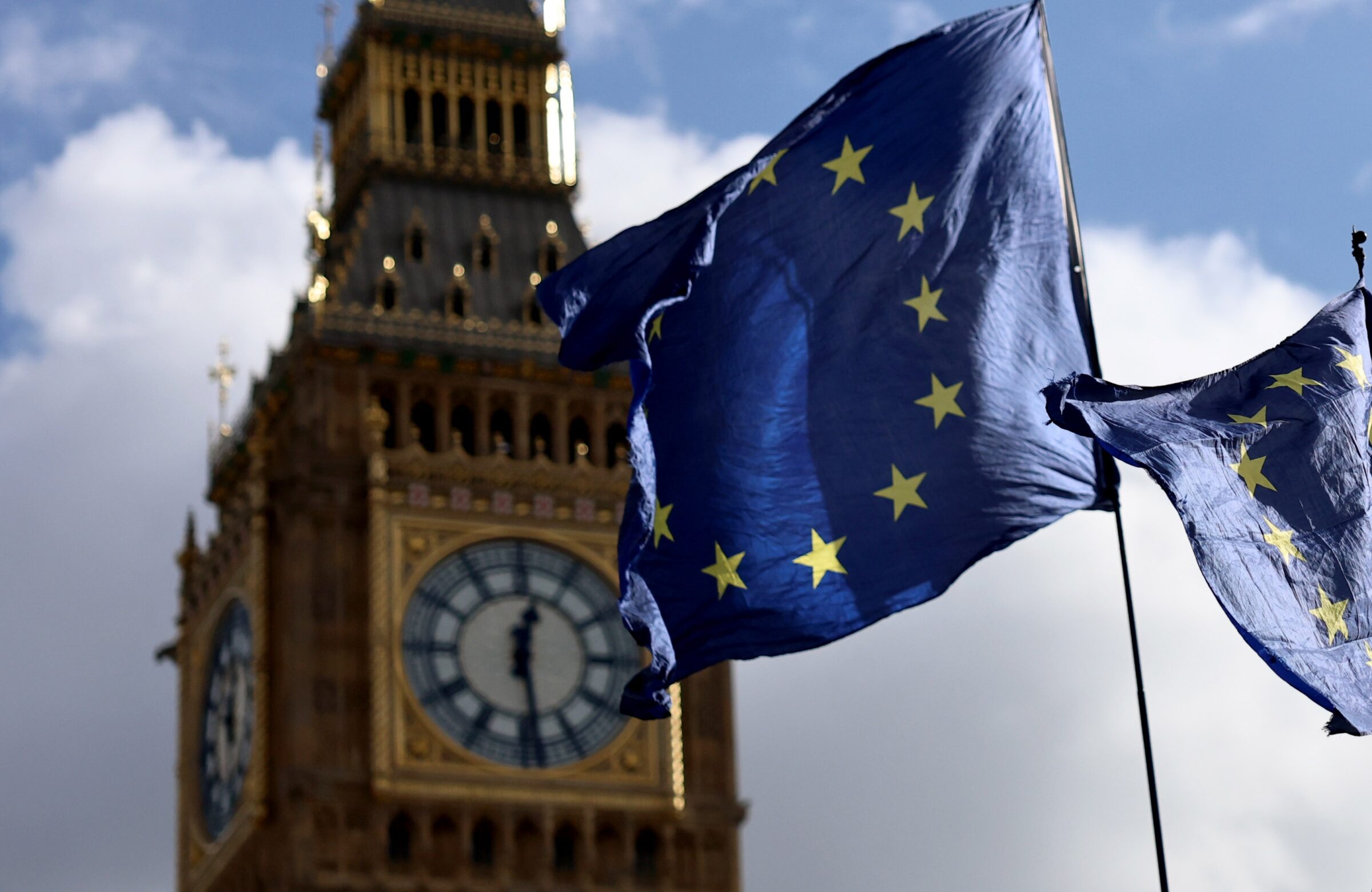
Ten years after the Brexit vote, more and more Britons are asking whether they should go back. According to a YouGov poll conducted earlier this month, 52% would vote to rejoin the EU in a referendum.
And the UK’s new Prime Minister, Andy Burnham, seems to be keeping that door open.
But how realistic is that? Andy Burnham became Prime Minister this summer. And since then, he has been dropping hints here and there about a possible return to the EU. A few months ago, he was saying it was too early to even discuss it.
So what changed? Perhaps the international context, but also the realisation that the UK cannot get everything it wants while staying outside the Union.
On 20 November, EU leaders will have the opportunity to discuss the relationship with the UK during a bilateral summit. They will try to reach agreements on a number of issues that have stalled.
What are those topics? First, food. Today, agri-food products face checks and certification when they enter the EU, and that slows trade down. The solution on the table is for the UK to align its sanitary and phytosanitary standards with the EU’s. But the details still need to be agreed.
Second, people. Right now, a European who wants to work in the UK needs a visa. The two sides could agree on a scheme to make mobility easier, especially for young people.
Third, carbon. The British would like to link their carbon market to the EU’s, so that their exporters don’t have to pay extra for their emissions when they sell to Europe. In practice, that means avoiding the EU’s carbon border tax.
Last but not least, industry. And this is a big part of the discussion. As the EU moves towards giving priority to European products, the British fear being left out of this “European preference”.
Now, you might say: in all these cases, isn’t this a bit like being in the EU, without the drawbacks? That’s exactly what critics call cherry-picking.
At the heart of the problem is a simple question: where do you draw the line between being a member and being a partner? It’s the same debate the EU has with Switzerland, which wants to stay very close but not be part of the bloc.
Now, is a return to the EU a realistic scenario? The door is open, as Emmanuel Macron and others have put it.
The UK could apply, and it’s unlikely that any member state would block the process. But the European Commission has already warned: there would be no special treatment for the British.
On the positive side, the UK would start from a good position. It already applies a good part of EU legislation, and it meets the rule-of-law criteria.
But all these years after leaving the EU, the two sides are still negotiating. There are sticking points on free movement and on standards. And those disagreements would make any accession talks that much harder.
Let’s see what comes out of the summit on 20 November.
O Big Problema é uma conversa sobre o impacto das escolhas de quem está com a caneta na mão. Esse podcast narrativo foi idealizado pela primeira turma de trainees da Agência Pública e procura entender como grandes empreendimentos têm impactado a cultura local das cidades brasileiras. Sabe quando bate um desespero porque a solução dos problemas ao seu redor não parece estar sob seu controle? Então, esse é um Big Problema.
A cada episódio, uma reportagem em áudio parte da vivência de um dos trainees para abordar como nossa relação com o espaço tem sido transformada com a chegada de gigantes da tecnologia e mais. Olhando as particularidades de cada cidade, esperamos mostrar que a distância não deve nos enganar: no fim, um problema local também é um problema coletivo. O nosso questionamento é: em nome dos interesses de poucos, o que temos deixado de fazer?

Production: By Europod, in co-production with Sphera Network.
EUobserver is proud to have an editorial partnership with Europod to co-publish the podcast series “Briefed” hosted by Léa Marchal. The podcast is available on all major platforms.
Find the full transcript below:
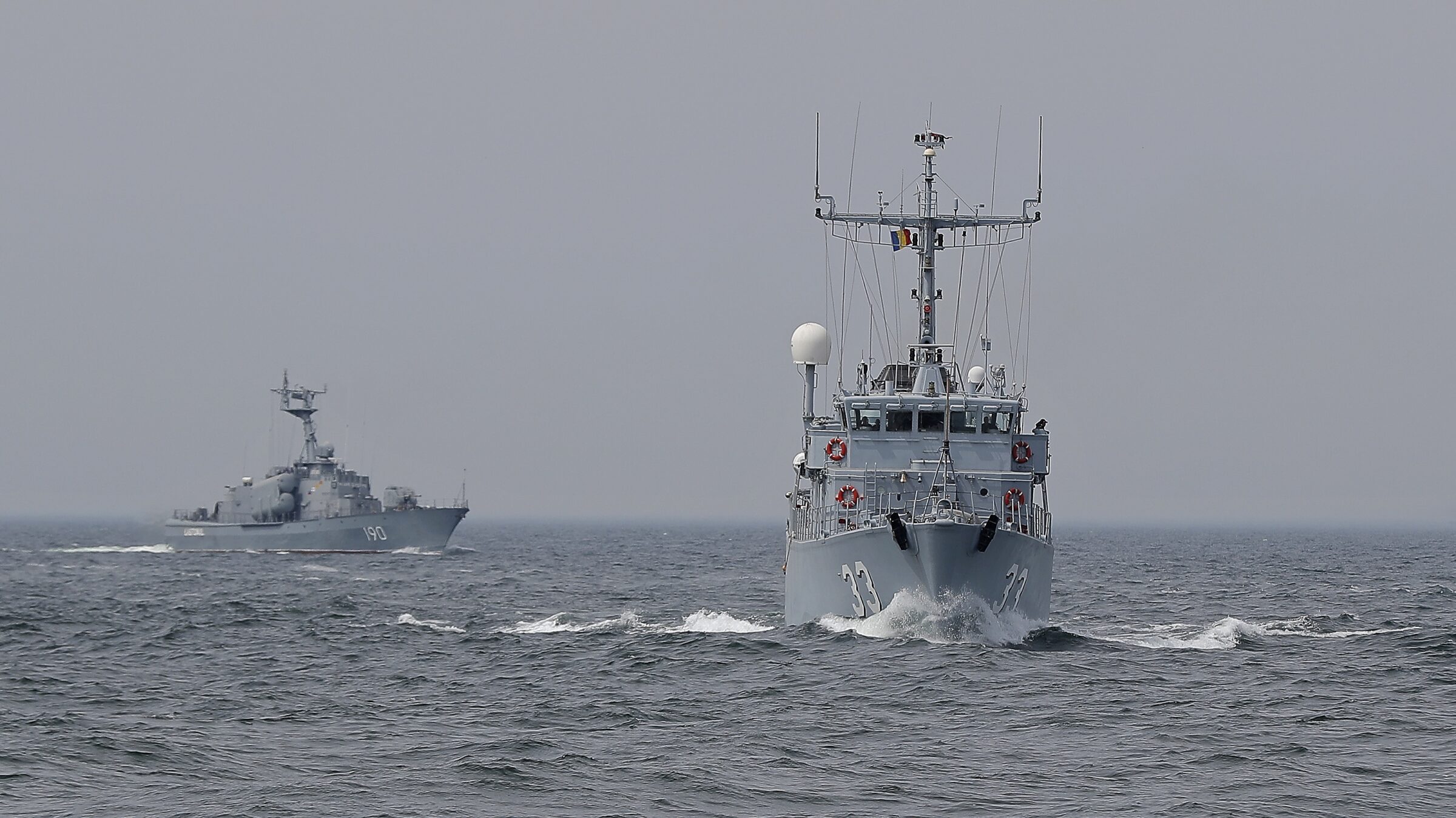
Two ships have been hit by drones in Bulgarian waters in the Black Sea on Monday. Several other ships have been targeted in recent weeks, at a time when Russia is intensifying its attacks on Ukraine.
So, at what point does a hybrid attack become an attack on Nato? On Monday, two ships were hit by drones in the Bulgarian economic zone in the Black Sea.
One of them sank, with 11 crew members missing. The second vessel, which belonged to Ukraine, was damaged but did not sink, and all 15 people on board were rescued.
A week earlier, two other cargo ships had been attacked by drones in the same area, killing 10 people. And on 5 October, a Turkish cargo ship carrying grain was sunk by drones shortly after leaving Ukraine.
There is currently no evidence proving that Russia was behind these attacks, and Moscow has not claimed responsibility.
But that did not stop Bulgarian Prime Minister Roumen Radev from summoning Russia’s ambassador. Radev said that, while there was no conclusive evidence, the outcome of these attacks clearly benefited Russia more than anyone else.
Russia’s ambassador to Bulgaria, Eleonora Mitrofanova, said she had received no information from the Russian defence ministry about the attacks. She also suggested that they could have been provocations carried out by a third party.
And that uncertainty is important, because it makes it much harder for Nato countries to decide when an incident should be treated as an attack.
So how do Europeans cope with these attacks? We’ve already seen several Russian drones end up inside EU territory in recent months. And in some cases, they have been clearly identified.
Take the Russian drone that crashed on a residential building in the Romanian city of Galați in May and injured two people. Or the two drones found at Leipzig airport in Germany this summer, charged with explosives. They were all identified as Russian.
So far, however, the response has consisted mainly of diplomatic measures and political statements. Neither Bulgaria nor Germany has requested formal consultations under Article 4 of the Nato treaty.
Article 4 allows a Nato member to ask for consultations when it believes its territorial integrity, political independence or security is threatened.
Bulgarian Prime Minister Radev has spoken with Nato Secretary General Mark Rutte about the incidents, which are serious enough to be discussed at Nato level. But Bulgaria has not gone as far as triggering Article 4.
One reason is precisely the ambiguity surrounding all these drone attacks: who is controlling them, whether they were deliberately sent into EU territory, and whether they were jammed or diverted.
But if an attack were clearly attributed to Russia, how would Nato respond? That’s one of the questions currently being discussed within the alliance.
On Monday, Nato’s top military commander, US General Alexus Grynkewich, said he did not believe a conflict between Russia and Nato was imminent or inevitable.
But he also presented what Nato calls a “theory of victory”: a plan designed to ensure that the alliance could rapidly neutralise an enemy attacking one of its members.
The strategy rests on several pillars. One is establishing clear red lines that an adversary should not cross. Another is investing in new military technologies, with drones playing a central role. And the third is maintaining the ability and readiness to fight at short notice.
The idea is not only to be able to respond if a direct attack happens, but also to deter Russia from continuing what Nato describes as hybrid activities against its members.
Production: By Europod, in co-production with Sphera Network.
EUobserver is proud to have an editorial partnership with Europod to co-publish the podcast series “Briefed” hosted by Léa Marchal. The podcast is available on all major platforms.
Find the full transcript below:
The United States has imposed new sanctions on the International Criminal Court, this time targeting the institution itself. While the EU insists on its firm support for the ICC, it is still not using the one tool designed for this kind of situation: the blocking statute.
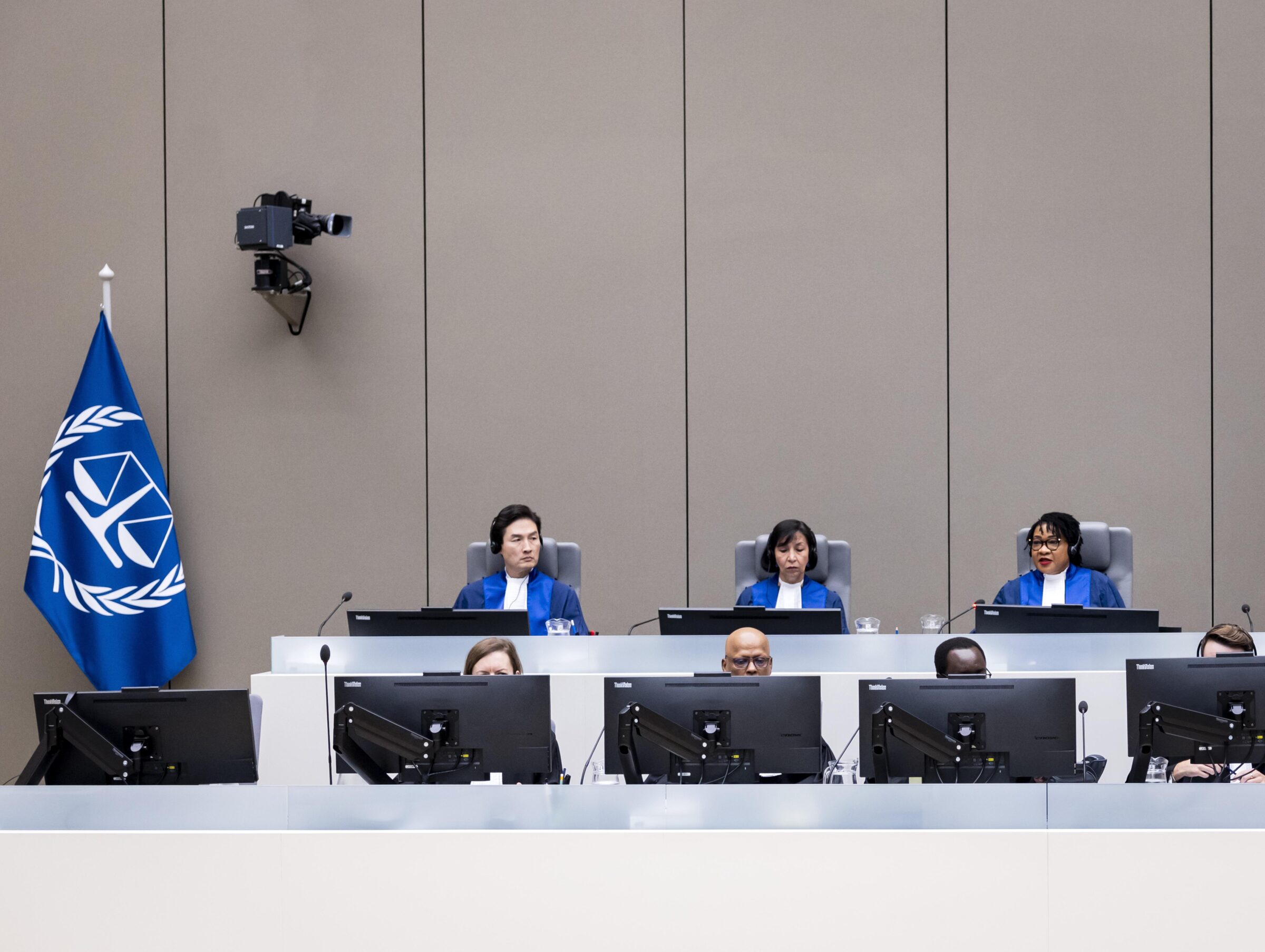
So, why is the EU holding back? First, a quick reminder of what we’re talking about. The International Criminal Court, or ICC, is based in The Hague. It tries people accused of the gravest crimes: genocide, crimes against humanity, war crimes and the crime of aggression.
With one important limit: It can act when a crime is committed on the territory of a state that is party to the Rome Statute, or by one of that state’s nationals. The United States is not a party. Neither is Israel or Russia.
And Washington’s goal is clear: dismantling the court. The Trump administration considers it politicised and without legitimacy.
It is particularly opposed to the arrest warrant against Israeli Prime Minister Benjamin Netanyahu. That’s why, since 2025, the US has imposed several rounds of sanctions, targeting judges and, more recently, the court’s president, the Japanese national, Tomoko Akane.
On Friday, Washington went a step further, targeting the court as an institution.
So what does that mean in practice? All of the court’s assets in the United States are frozen. And, crucially, American companies and citizens can no longer provide services to the court or its members.
You might remember the case of the ICC judge Nicolas Guillou, who has been under sanctions for some time. We’ve talked about him in a previous Briefed episode.
He has explained that he can no longer use basic services such as Mastercard, or online platforms like Airbnb. He has also been warning that these sanctions are meant to intimidate, and that they undermine judges’ independence.
In a state governed by the rule of law, judges must not be put under pressure. This explains why the court’s reaction is so strong. It speaks of an obstruction of justice and an attack on the rule of law. And it is now calling on its members to take concrete action to protect its independence.
In response, the European Commission and the European Council have expressed their support for the court and its work. But without going too far.
They say the EU is ready to take measures so that the court can keep functioning. Yet when the Commission is asked what those measures are, and this has happened several times in recent months, it sidesteps the question.
Because beyond negotiations and diplomatic pressure, there is a tool created for precisely this kind of situation: the so-called blocking statute. It protects Europeans against the extraterritorial reach of sanctions imposed by third countries.
It doesn’t concern American actors. It concerns European companies and individuals who, under the threat of secondary sanctions, may become overly cautious.
In the case of the ICC, it’s about the court’s European banks, insurers and service providers.
Several European countries have called for the blocking statute to be activated. Yesterday, at the Foreign affairs council in Luxembourg, the Belgian and Dutch ministers asked the Commission to start analysing whether to do so.
But for now, they are still waiting for an answer. The Commission believes the priority is to use the six months before the sanctions take effect to negotiate with Washington, possibly to get them withdrawn.
This approach was backed by several EU foreign ministers yesterday. Let’s see whether that window for dialogue is enough, or whether the pressure to activate the blocking statute keeps growing.
Production: By Europod, in co-production with Sphera Network.
EUobserver is proud to have an editorial partnership with Europod to co-publish the podcast series “Briefed” hosted by Léa Marchal. The podcast is available on all major platforms.
Find the full transcript below:
European gas storage levels are unusually low for this time of year, reaching their lowest autumn level since 2011.
With Russian gas imports set to end in 2027, could Europe face a tougher challenge in the months ahead?
First, how do Europe’s gas reserves work? EU countries fill underground gas storage sites during spring and summer, when demand is lower, and draw on these stocks during the winter, when heating pushes consumption up.
Since 2022, the EU has required member states to ensure their gas storage facilities reach 90 percent of capacity by a deadline between 1 October and 1 December. That helps secure supplies ahead of winter.
But this year, stocks are well below that target, at just over 70 percent in early October. They still have time to rise before the deadline, but the situation is attracting attention.
Does that mean Europeans are at risk of running out of gas this winter? According to the European Commission, no. It acknowledges that storage levels are low compared with previous years, but says the EU’s gas system should still be flexible enough to meet demand this winter.
That said, a colder or longer winter than expected, or disruptions to supplies in other parts of the world, could put additional pressure on the market. Especially at a time when the EU is preparing to phase out Russian gas imports in 2027.
The EU has adopted a gradual ban, with transitional arrangements for existing long-term contracts.
Russian liquefied natural gas, or LNG, is due to be phased out completely from January 2027 only. Russian gas delivered by pipeline will follow later, with the deadline set for the end of September 2027.
And Russian gas still accounted for around 12 percent of EU gas demand through May 2026. Imports even increased in the first months of this year compared with the same period in 2025, amid disruptions to energy flows linked to the war in the Middle East.
So, from January, Europe will lose one source of supply. Which means Europe should try and reduce its gas consumption.
But it’s easier said than done, particularly as winter approaches. Heating needs depend heavily on temperatures, and households cannot simply stop heating their homes.
Still, Europe has shown in the past that consumption can fall significantly. After Russia’s full-scale invasion of Ukraine in 2022, the European Commission called on member states to reduce their gas demand by 15 percent.
And they succeeded: their gas demand fell of around 18 percent, compared with the previous five-year average. A few months ago, following the escalation of the war in the Middle East, the Jacques Delors Institute recommended reviving efforts to reduce gas demand.
That being said, the reduction achieved in 2022 was partly helped by a mild winter and greater use of alternative energy sources, including coal and nuclear power.
Those options may help again, but they come with limitations. Much will depend on the weather and how long the winter lasts.
Which doesn’t mean Europe should not call for lowering the demand and accelerate the deployment of renewable energy.