❌

Reading view

Elon Musk says money will be 'irrelevant' if his vision of a multiplanetary future comes true

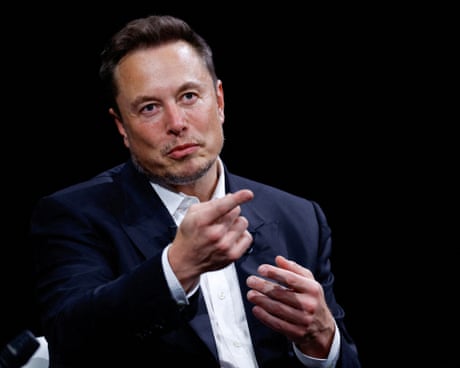
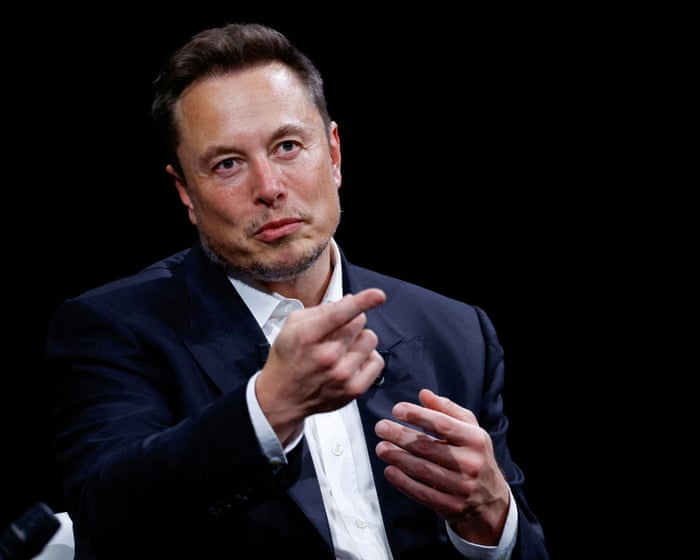
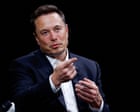
Elon Musk is pictured.
Elon Musk says his descendants might have a "tiny fraction" of his wealth.

Jae C. Hong/AP

  • Elon Musk says "money becomes irrelevant" if he's right about what the future holds.
  • The Tesla and SpaceX CEO said AI and robots will be better than humans at everything.
  • The world's richest man said his fortune could be virtually gone within a few generations.

Elon Musk says money could be meaningless one day, and the vast majority of his wealth will likely be gone within a few generations.

The world's richest person predicted that advances in robotics and space travel will create a multiplanetary economy, at which point "money becomes irrelevant" and "conventional currency will not matter."

Value will be measured in mass and power or energy, he continued. "So that's my guess," he said, adding that it seemed a "pretty obvious" outcome to him.

The Tesla and SpaceX CEO shared his vision of a post-money future and his outlook on his personal fortune with his biographer, Walter Isaacson, on "The Builders" podcast. The interview was taped in early August and released on Tuesday.

Musk recommended earlier this year that people stop saving for retirement in 10 or 20 years, as he expects AI and other technologies to supercharge productivity and usher in an age of abundance where people can have "whatever stuff they want."

He made a similar argument to Isaacson, saying "there won't be anything that humans can do that the AI and the robots can't do better." People will likely turn to hobbies like growing their own fruits and vegetables, or making art, to find purpose in life, he said.

Musk's plans for his own money

Musk, who briefly became a trillionaire after SpaceX went public in June, topped the Bloomberg Billionaire Index at Monday's close with an estimated $920 billion net worth.

He defended his personal wealth on the podcast, saying that it mostly reflects his ownership of SpaceX and Tesla, and he needs large stakes in both companies to retain voting power and remain in charge.

His fortune is "going to be taxed quite heavily," Musk said, adding that there isn't "some magical way to avoid taxes" because "if there were, I would know about it."

Musk said his wealth will "get whittled down and a few generations from now — if money still matters, which I don't think it will — my descendants would have a tiny fraction of what I have."

He also outlined what he hopes his foundation will spend his fortune on after he's gone: "Continue the goals. Make life multi-planetary, extend consciousness to the stars, improve sustainable energy on Earth."

Notably, Musk pledged on Monday to gift a share of SpaceX to every child in the US next year, a contribution worth over $10 billion today.

His announcement has won praise from President Donald Trump, who hailed Musk's "incredible generosity" and labeled him a "legendary friend" in an X post.

Musk teased a charitable pledge in late July after Nobel economist Daron Acemoglu publicly challenged him over his prediction of a post-money future.

"If money won't matter in 2036, why don't you pledge to donate your current wealth of approximately $1 trillion to charity no later than 2036," Acemoglu wrote on X.

"I am actually going to do something along these lines!" Musk responded.
Read the original article on Business Insider

  •  

The dangers of letting tech billionaires shape our world

As SpaceX impacts Ukraine and AI-generated music divides artists and fans, critics are asking what happens when technology has too much control over our lives

Hello, and welcome to TechScape. I’m Blake Montgomery, US tech editor at the Guardian, writing to you while sitting in front of Roy Lichtenstein’s monumental Drowning Girl, on view in New York City. Today in tech, we’re discussing the perils of Elon Musk’s one-man global infrastructure, AI-generated music and a Guardian AI conference in Paris.

Continue reading...

© Photograph: Gonzalo Fuentes/Reuters

© Photograph: Gonzalo Fuentes/Reuters

© Photograph: Gonzalo Fuentes/Reuters

  •  

Rubio thinks Starlink is fixed. Kyiv says it still cuts out above 161 km/h

rubio

Ukrainian President Volodymyr Zelenskyy said on 20 October that he had spoken with US Secretary of State Marco Rubio about ballistic missile interceptors, early warning of Russian launches, and “the situation with Starlink/Starshield, which needs to be restored,” he wrote on X. He thanked Rubio for “his readiness to help and his clear position” and said they would speak again soon. A day earlier, he had told US senators how each of those supplies had stalled.

This comes as the US presses Kyiv to stop its strikes on Russian oil refineries, which Trump has blamed for high fuel prices at home, and Zelenskyy counts the Starlink slowdown among the steps he says look like an effort to push Ukraine to capitulate. Ukraine’s interceptor drones depend on the service to hunt Russia’s jet-powered Shaheds, and Kyiv says they now lose the link at speeds too low to catch them. The call appears not to have settled whether that cap is gone. If it stays, Ukrainian cities could face Russia’s drone waves this winter with one fewer means to stop them, as Russia keeps striking the grid.

On 17 October, Rubio told reporters that nobody in the US ordered Starlink slowed, that the slowdown “wasn’t deliberate,” and that “my understanding is it’s been restored.” He drew a line between the two services. Ukraine’s drones, he said, ran on commercial Starlink, while Starshield, the military version, is not available to Ukraine. Kyiv has asked for it to carry out strikes deep inside Russia, and that request is under discussion, he said.

The next day, Zelenskyy told Bloomberg that Starlink in Ukraine cuts out above 161 km/h, and Kyiv says its Starshield terminals are capped as well. His post after the call still says the service needs to be restored.

Reuters’ sources point to the White House. Washington denies it

The order to slow Starshield came from inside the White House, Reuters reported, citing two US officials and a Western official. They described it as the Starshield service for the Ukrainian military, the version Rubio says Ukraine does not have. A senior Ukrainian official told Reuters that Kyiv had been told it was a White House decision. A senior US official told the agency the president never made such a request, and the White House did not answer whether other officials had. Rubio called a report that the White House ordered Starlink slowed “categorically false.”

Missile warnings and Patriots are also in dispute

Overnight on 18–19 October, Ukraine got no partner warning before the first of two Russian ballistic waves, Air Force spokesman Yurii Ihnat said on the national telethon. That came hours after Zelenskyy said US warnings had resumed. On 19 October, Rubio pushed back against suggestions of a pause in US intelligence sharing, AFP reported.

Zelenskyy also told Bloomberg the US sends only 12 Patriot interceptors a month and has authorized only part of those “we have paid for” under PURL. Ukrainian officials told the Kyiv Independent that Defense Secretary Pete Hegseth has not signed the contracts. A US government official called those claims “not true.”

  •  

SpaceX earnings put Elon Musk's Starlink cash cow to the test

Elon Musk is seen speaking during a state dinner at the White House
SpaceX CEO Elon Musk

Bloomberg/Getty Images

The SpaceX business helping to fund Elon Musk's biggest bets is taking a swing of its own just in time for earnings.

SpaceX reports earnings after the bell today, and Musk's goal of turning Starlink into a major mobile carrier is expected to be a focus.

Taking on Verizon, AT&T, and T-Mobile is a huge endeavor. And it requires significant investment from a company that already has a long list of expensive bets.

As a bit of a refresher, SpaceX is made up of three key parts: connectivity (Starlink), space (reusable rockets like Starship), and AI (Grok, X, and data centers). Among the three, connectivity is the only one generating an operating profit.

That makes it incredibly valuable not only as a stand-alone business but as a way to offset the expensive investments made by SpaceX's space and AI segments.

Turning Starlink into a mobile carrier complicates that arrangement. To offer service in more densely populated areas, SpaceX will need to launch more satellites into space and establish a ground footprint.

How much SpaceX plans to set aside for that buildout and the impact it'll have on the bottom line are key questions analysts will have.

Musk is no stranger to talking a big game. He recently said SpaceX could one day be worth more than Earth's economy.

He's backed it up by accomplishing things others thought were impossible, like self-landing rockets. Just don't expect him to hit his self-imposed deadlines. (Case in point: Tesla Roadster, which has faced numerous delays and is now targeting production in 2028.)

There's less at stake when you're starting from scratch. But with Starlink, it's also about Musk avoiding turning his cash cow into another capital drain.

According to another Musk proclamation, a lot of us will have a vested interest in SpaceX's success.

Early Monday morning, Musk said he'll give one of his SpaceX shares to every kid in America next year.

"This will be the first of many," he added.

Details on how that would work weren't clear, but many people immediately thought of the recently launched Trump Accounts.

President Donald Trump predicted Musk would donate SpaceX stock to the accounts. And SpaceX president Gwynne Shotwell already said she'd gift a share of her company stock to Trump Accounts.

If that's how the shares are distributed, it's an example of the complexities the Trump Accounts can pose for some parents. Certain jobs, like those in financial services, have restrictions around the types of investments you can hold due to compliance reasons.

Read the original article on Business Insider

  •  

Why Starshield’s slowdown really hurts Ukraine

Reports that SpaceX temporarily restricted its satellite internet service for Ukraine’s armed forces have generated serious concern in Kyiv and among the country’s allies. SpaceX operates the civilian Starlink system and its lesser-known military-grade counterpart, called Starshield. But many news stories leave an important question unanswered: what does a Starshield “slowdown” mean on the battlefield? […]

The post Why Starshield’s slowdown really hurts Ukraine appeared first on Asia Times.

  •  

Two Germans charged in absentia over Bulgaria’s Starlink fire, one of three recent attacks on satellite links Ukraine relies on against Russia

two germans charged absentia over bulgaria’s starlink fire latest attack satellite links ukraine relies against russia · post sofia city court reviews prosecution’s request european arrest warrants german nationals wanted

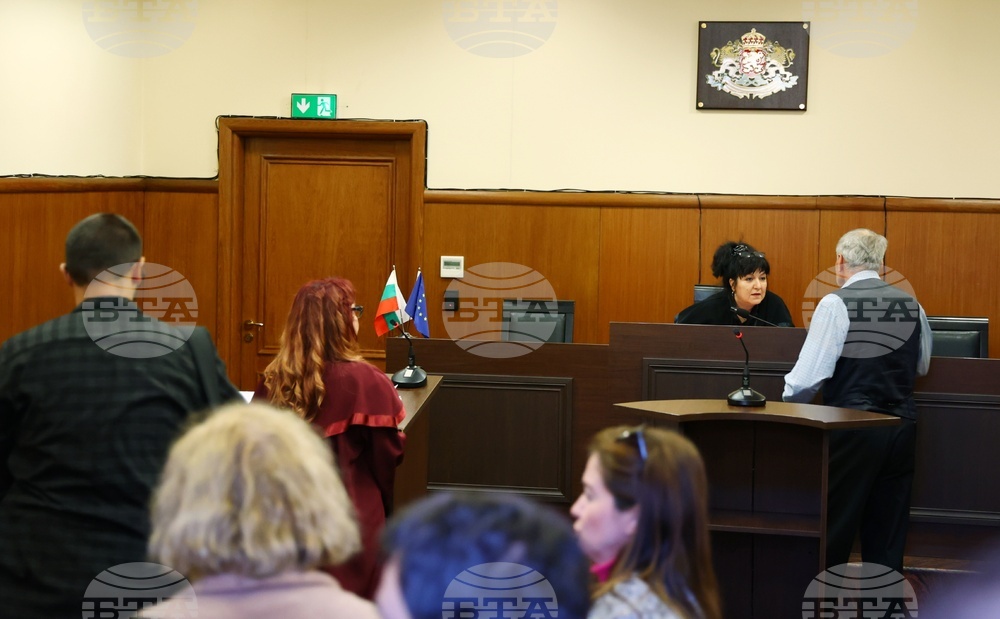
A Sofia court has cleared European arrest warrants for two 19-year-old Germans charged with setting fire to Starlink antennas south of the Bulgarian capital, a court spokeswoman told dpa. Prosecutors named the pair in court, but both had already left Bulgaria. The case adds Bulgaria to a run of attacks on Starlink sites in Europe, which Poland and Lithuania have linked to Russia.

While Russia presses its assault along the front and strikes Ukraine’s cities, Starlink keeps Ukraine’s drone units and front-line troops connected, and Poland pays about $50 million a year for its terminals. The network’s ground links in Europe are now a target in their own right, and ISW has linked the Polish fire to a wider Russian pattern of sabotage. Each attack on a ground station hits a network whose speed caps already disrupted Ukraine’s drone missions this month.

Two names, a few hours in Bulgaria

Prosecutors identified the suspects as Zeka Islam and Tirpan Beytullah, Bulgaria’s state news agency BTA reported, noting the names may be misspelled. Their whereabouts are unknown, according to German authorities cited by the agency. They were charged in absentia on 14 October and face three to 12 years in prison if convicted.

According to the indictment, the two crossed from Serbia at the Kalotina checkpoint at 17:37 on 9 October and told border officers they were tourists. At about 22:25, wearing gloves and masks, they allegedly set fire to antennas at the Plana teleport, a satellite ground station near the village of Plana. They drove back into Serbia through the same checkpoint at 23:55.

Three antennas burned completely, two were partly damaged, and three more were affected, prosecutors say. The pair traveled in a Volkswagen with German plates, and a national warrant followed two days after the charges, ZDF reported.

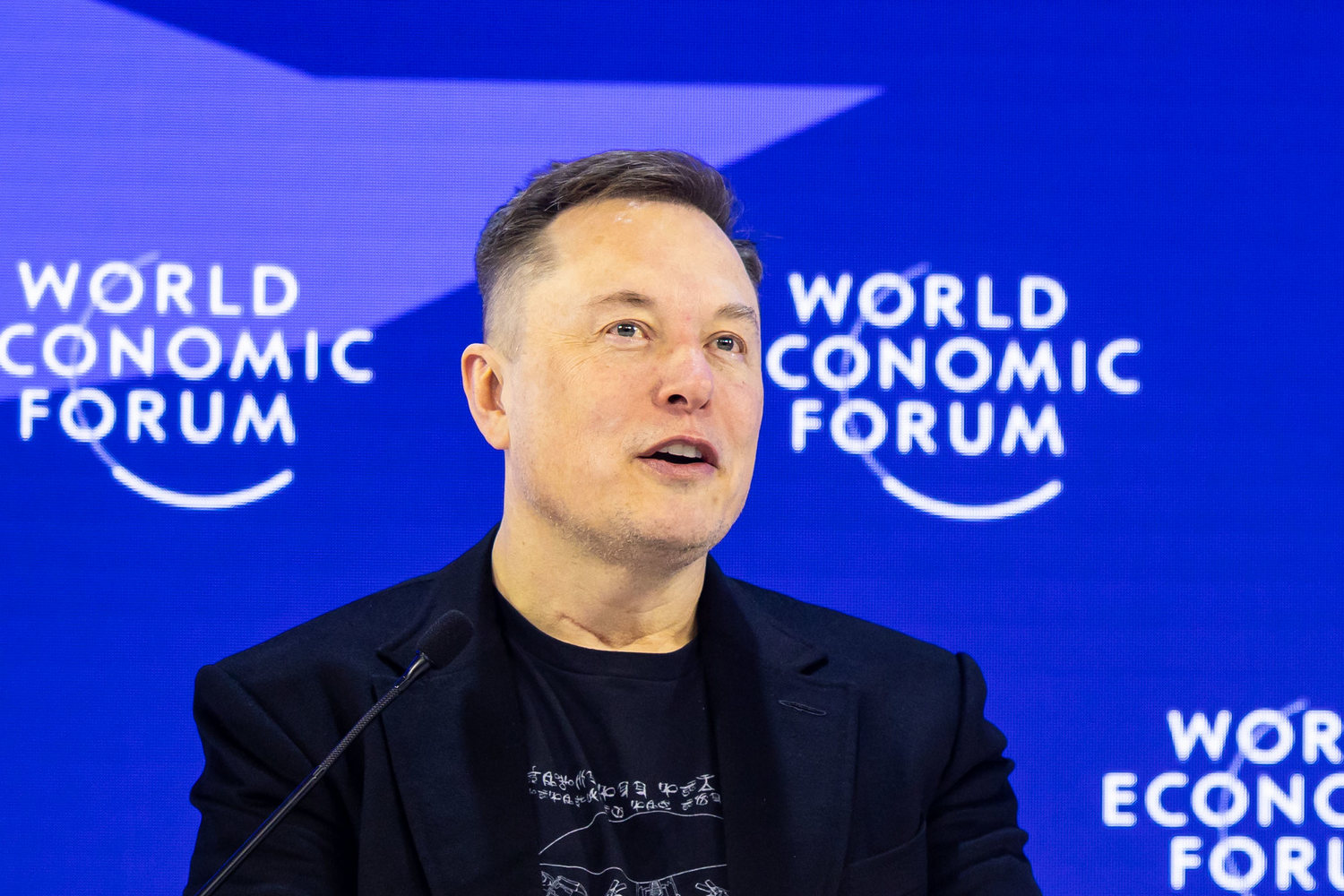
kyiv asking musk let strike inside russia its best line gone · post elon 2026 world economic forum / ciaran mccrickard wef ukraine news ukrainian reports
Explore further

Musk pushed Trump to slow Starlink in Ukraine, weakening air defenses as Russian drones attacked cities – The Telegraph

The court-appointed lawyers argued that investigators had pinned down the vehicle, not the men in it. The court rejected those objections, finding reasonable grounds to suspect the pair. The lawyers said they would appeal. The ruling can be challenged within three days.

A Starlink antenna
A Starlink antenna. Illustrative photo: Christoph Soeder/dpa

An opposition MP made the fire public three days later

The fire became public only on 12 October, when opposition MP Ivaylo Mirchev of Democratic Bulgaria posted about it on Facebook. He said 11 antennas had been set on fire, more than prosecutors later counted.

In parliament two days later, Prime Minister Rumen Radev asked the head of the State Agency for National Security (DANS) not to reveal details, saying disclosure could harm the investigation. DANS head Plamen Tonchev told lawmakers he believes the fire was sabotage and that more such attacks cannot be ruled out, dpa reported.

The White House, seen from Lafayette Square. File photo, June 2024.
Explore further

White House ordered limits on Ukraine’s military satellite service — Reuters. Who made the decision remains unclear

After the ruling, Mirchev wrote that Radev personally owes the public an explanation of what has been achieved, BTA reported.

Bulgaria’s case joins attacks Poland and Lithuania tie to Russia

Bulgaria has not said who might be behind the fire. Authorities in Poland and Lithuania have linked similar recent arsons on Starlink equipment to Russia.

In September, fire hit a Starlink ground station south of Warsaw, and Germany later detained two suspects. On 18 October, Lithuania’s prime minister said intruders had tried to burn a company’s Starlink antennas used by Ukraine, calling it part of Russia’s hybrid war. Moscow claims such accusations are baseless, Reuters reported.

  •  

Musk promete dar ação da SpaceX a cada criança nos EUA

Elon Musk - Departamento Eficiência Governamental

A proposta surgiu um dia depois de a empresa de inteligência artificial Anthropic ter anunciado, numa publicação nas redes sociais, que iria afetar 5 % das suas ações a um novo fundo de “benefício público”, sujeito à aprovação dos acionistas.

Numa resposta a essa publicação de domingo, Musk escreveu: “Recomendo que se entregue as ações diretamente ao público.” Com cerca de 73 milhões de menores de 18 anos nos Estados Unidos, o valor da promessa de Musk ascenderia a cerca de 10,66 mil milhões de dólares (9,5 mil milhões de euros).

O fundador da SpaceX e CEO da Tesla não adiantou, contudo, como pretende concretizar a promessa, quando decorrerá a distribuição ou quais serão os critérios para determinar quem terá direito a receber uma participação na empresa. Também não esclareceu se a iniciativa estará ligada ao programa de contas de investimento para crianças promovido pela administração Trump.

De acordo com um documento apresentado pela empresa à Securities and Exchange Commission (SEC), o empresário detinha 6,42 mil milhões de ações da SpaceX a 30 de junho. O valor inclui participações detidas através de fundos fiduciários em que exerce funções de administrador, ações sujeitas a restrições e ações que poderão ser emitidas mediante o exercício de opções.

  •  

China next-gen solar tech curb to impact SpaceX AI computing plan

Beijing has proposed banning exports of the technology used to make next-generation solar cells, a move that could complicate United States technology guru Elon Musk’s plan to expand into space solar power. The ban, which covers production technology for perovskite and tandem solar cell modules, is part of a proposal by China’s Ministry of Commerce […]

The post China next-gen solar tech curb to impact SpaceX AI computing plan appeared first on Asia Times.

  •  

“Todos os miúdos” dos EUA vão ser acionistas da SpaceX (mas Musk não diz como)

Elon Musk prometeu dar uma ação — “a primeira de muitas” da SpaceX a cada criança dos Estados Unidos: são mais de 10 mil mihões de dólares. O bilionário Elon Musk anunciou esta segunda-feira que vai oferecer uma ação da SpaceX a todas as crianças dos Estados Unidos no próximo ano. A promessa poderá representar uma distribuição de ações avaliada em mais de 10 mil milhões de dólares, mas o empresário não explicou como pretende concretizá-la. “No próximo ano, darei uma das minhas ações da SpaceX a cada criança dos Estados Unidos. Esta será a primeira de muitas”, escreveu o

  •  

Anthropic Will Dedicate 5% of Shares to 'Public Benefit Fund' After Landmark AI IPO

Anthropic says it plans to commit five percent of its shares to a newly created "Public Benefit Fund," a move that would need stockholder approval before taking effect after the company's hotly anticipated IPO which could occur as soon as November. 

The post Anthropic Will Dedicate 5% of Shares to ‘Public Benefit Fund’ After Landmark AI IPO appeared first on Breitbart.

  •  

AI firm Anthropic to commit 5% of shares to fund for ‘public good’

The $48bn giveaway comes amid concerns about the tech and as the company prepares for a stock market listing

Anthropic has said it will commit 5% of its shares to a fund for the “public good”, as the AI developer behind the Claude chatbot seeks to bolster its appeal before its stock market listing.

The company announced it would commit the shares, worth around $48bn (£36bn) at its latest valuation in May, subject to shareholder approval. It will add a further 2% of its stock to the fund for every 50% increase in its value above an undisclosed baseline.

Continue reading...

© Photograph: Dado Ruvić/Reuters

© Photograph: Dado Ruvić/Reuters

© Photograph: Dado Ruvić/Reuters

  •  

EE.UU. advierte a UE de represalias devastadoras por planes del espectro satelital

La disputa se centra en una propuesta de la Comisión Europea de reservar parte del espectro radioeléctrico utilizado por los teléfonos inteligentes para conectarse directamente a los satélites para los operadores europeos.
  •  

Washington Threatens Retaliation Over EU Plans to Restrict American Satellite Operators

The United States has warned the European Union that proposed restrictions on American satellite operators could provoke commercial retaliation against European businesses, escalating a dispute over the future of satellite communications and Europe’s efforts to reduce its dependence on foreign technology.

US Ambassador to the EU Andrew Puzder has criticised plans under consideration in Brussels that would reserve parts of the radio spectrum for European operators, potentially restricting services provided by Elon Musk’s SpaceX and its Starlink satellite network.

According to details of Washington’s objections, the American administration believes the proposed arrangements would discriminate against US companies and undermine competition. Puzder has warned that European businesses could face substantial consequences if the restrictions proceed.

The disagreement comes as Brussels pursues a broader strategy intended to strengthen Europe’s technological independence in satellite communications, cloud computing and artificial intelligence. Washington has increasingly challenged European regulations that it considers detrimental to American technology companies.

A dispute over access to satellite frequencies

At the centre of the disagreement is the allocation of radio frequencies used by satellite communications systems. Access to suitable spectrum is essential for providing reliable services, particularly as operators deploy increasingly large constellations in low Earth orbit.

SpaceX has established a substantial commercial and technological advantage through Starlink, which operates thousands of satellites and provides broadband services to residential, commercial and government customers across numerous countries.

European operators argue that the expansion of American satellite networks could make it difficult for European competitors to secure sufficient spectrum and develop commercially viable services.

Washington takes a different position, warning that preferential treatment for European operators could restrict competition rather than strengthen it.

The precise legal form of the proposed EU restrictions, and whether they will proceed, remain unsettled. No final European prohibition on American satellite services has been announced.

Nevertheless, the dispute raises a question for Brussels: whether measures intended to protect European industrial capacity can be introduced without exposing European exporters and investors to American retaliation.

Europe’s satellite ambitions

The European Commission is investing heavily in IRIS², its secure satellite communications programme, which is intended to provide independent communications capabilities for governments, defence organisations and commercial customers.

Under arrangements confirmed in August, the programme’s principal constellation is planned to comprise 348 satellites operating in low and medium Earth orbit, with initial launches scheduled for 2029.

The system is designed to reduce Europe’s reliance on communications infrastructure controlled by companies or governments outside the EU, particularly during military emergencies, cyber incidents and interruptions to terrestrial networks.

The Commission’s technical programme envisages communications services supporting border management, crisis response, defence and other sensitive government activities.

However, IRIS² is not yet operational, and European commercial operators face significant competition from SpaceX.

Eutelsat, which operates the OneWeb satellite network, is among the European companies positioned to benefit from increased demand for alternatives to Starlink.

Its shares rose sharply on 14 October following reports of restrictions affecting Ukrainian access to certain Starlink services. The market reaction reflected renewed interest in European-controlled satellite communications.

OneWeb cannot simply replace Starlink across all applications. Differences in network architecture, terminal equipment and available capacity complicate any rapid transition.

Ukraine adds a security dimension

The dispute is particularly sensitive because Starlink has become an important part of Ukraine’s communications infrastructure during Russia’s invasion.

Ukrainian forces have relied on satellite connectivity for communications in areas where conventional telecommunications infrastructure has been damaged or destroyed.

The strategic consequences of relying on a commercial provider became more prominent following reports that access to certain Starlink capabilities had been restricted.

For European governments, the episode has reinforced concerns about whether defence communications should depend on technology controlled by a company subject to political and commercial pressures outside Europe.

Yet restricting American participation before European alternatives are fully available could produce its own operational difficulties.

The Commission must therefore distinguish between developing independent European capabilities and limiting access to services that governments, businesses and military organisations currently require.

Another transatlantic regulatory confrontation

The satellite dispute follows disagreements over European regulation of American digital companies, including competition enforcement and restrictions on online platforms.

As EU Today reported in May, the European Commission had already proposed reserving much of the future mobile satellite spectrum for European operators.

Washington’s opposition introduces a different dimension because spectrum allocation affects market access directly.

The American administration is also linking the dispute to broader commercial relations, raising the possibility that measures affecting satellite companies could produce consequences for unrelated European industries.

Brussels has not announced a final decision on the disputed spectrum arrangements, while the United States has not specified which retaliatory measures it would impose.

The immediate issue is therefore regulatory rather than an enacted trade restriction. Whether it develops into a wider confrontation will depend on the Commission’s final proposals and Washington’s willingness to pursue its warning through commercial measures.

  •  

Ballistic missile warnings are back, but the Starlink cap stays, Zelenskyy says: Ukraine’s two US lifelines, one restored

warnings back starlink cap isn’t zelenskyy says ukraine’s two lifelines one restored · post ukrainian president volodymyr interview nbc’s meet press aired 18 2026 ukraine news reports

The US has resumed sharing intelligence on Russian ballistic missile launches with Ukraine after a pause of several days, Ukrainian President Volodymyr Zelenskyy told NBC News on 18 October. The blackout fell on days when Russia was firing ballistic missiles at Ukraine. Limits on the Starlink satellite service that Ukraine’s forces rely on remain in place, he said.

Russia has leaned on ballistic missiles in this month’s strikes on Ukraine’s grid, firing 39 in a single attack, and Ukraine is short of interceptors to stop them. Washington has used its support as leverage, reportedly telling Kyiv to spare Russian refineries or lose US intelligence and arms.

Three days without warnings

The sharing had been blocked for some period of time before it was restored, Zelenskyy said on Meet the Press.

“We are very thankful for this. Now it works,” he said.

Ukraine gets other intelligence from Europeans and dozens of other partners, he explained. But only the United States has the data that tells Kyiv when Russia launches ballistic missiles.

“We didn’t get it during ballistic attacks during three days,” Zelenskyy said.

A timely warning gives Ukraine’s air defenses extra minutes to prepare and lets authorities alert civilians, Liga noted. Late on 12 October, Russian ballistic missiles hit Kyiv before the air-raid alert reached people, with no advance data on launches from Russian territory. The next day, US President Donald Trump said Washington was still sharing intelligence. Two days later, Zelenskyy said Kyiv had received no US warnings of incoming ballistic missiles while it paused its strikes on Russian refineries at Washington’s request. That pause followed the energy ceasefire Trump declared on 11 October, which Russia never confirmed.

The White House in Washington DC, USA. Illustrative image: Wikimedia Commons.
Explore further

“He thinks Ukraine is a weak link and that it needs to be squeezed into giving in”: diplomat on why Trump pressures Kyiv, not Moscow

Starlink still capped, Kyiv says

Starshield, the military version of Starlink, still cuts out above 161 km/h, Zelenskyy said, too slow for Ukraine’s interceptor drones to catch Russia’s jet-powered Shahed-type drones. NBC News, which aired the interview, separately reported that Starlink services had resumed at normal speed. He said Ukraine’s generals and government believe the order came from the US government and SpaceX carried it out, though he did not know who exactly made the call. Ukraine had instead asked SpaceX and Trump to open Starlink over Russia so it could hit ballistic missile launchers, he said.

“If [Trump] will personally decide to lift this decision, it will immediately work as it was before,” he said.

US Treasury Secretary Scott Bessent, who appeared on the same show, called Zelenskyy’s charge “very reckless” and said Trump and Secretary of State Marco Rubio had denied any administration role. Asked about the break in intelligence sharing, he said he did not know anything about it but that Zelenskyy should be “very careful about making statements like this that aren’t true.” Reuters had reported, citing three officials, that White House officials ordered the Pentagon to limit the service.

Asked whether Ukraine could win without the United States, Zelenskyy said it would be very difficult.

“But if the United States will support Putin, I mean, it’s unbelievable, it’s tragedy. It’s historic mistake and big tragedy,” he said.

He also said his team had received word that US negotiators wanted to meet, and that he had offered to meet in Brussels or London, hoping the US team would be ready this week.

The warnings are back, but they stopped once without explanation. Ukraine’s defense against Russia’s missiles still runs through decisions made in the US.

  •  

Marco Rubio says Trump's Russian oil sanctions waiver is a '60-day pause,' denies restricting Starlink access

"I think the President wants to take the 60-day period of time to sort of analyze what imposing both sanctions and tariffs will mean to the global economy and even to the U.S. economy," said Rubio.

  •  
❌