❌

Reading view

AORCA apresenta espetáculo de dança O QUE TORNA – de Susana Vilar

A AORCA – Associação de Observação, Regeneração e Criação na Actualidade, sedeada em Lagos, apresenta o espetáculo de dança intitulado ‘O QUE TORNA – de Susana Vilar’, para ver dia 23 de outubro, às 10h30 e 21h30 no Centro Cultural de Lagos .

Um solo de dança contemporânea que nasce de uma pesquisa sobre a mudança como espaço de transformação. Numa realidade social cada vez mais virtual e tecnológica, o corpo físico transforma-se, através de uma metamorfose líquida, em corpo máquina sem se questionar s obre o caminho.

Entre o desejo de mudança e a força de permanecer, entre a inevitabilidade da transformação e a resistência, são exploradas as ruturas que nos t ornam diferentes. É nesse processo de nos tornarmos outros, nós próprios. É nesse lugar que encontramos o sentido de parar, reparar e tornar novamente.

FICHA TÉCNICA

Direção artística e interpretação: Susana Vilar
Co-criação musical: Daniela Amaral Cardoso e Pedro Salvador
Co-criação e assistência: Sofia Brito
Apoio dramatúrgico: Ricardo Falcão
Cenografia e iluminação: Felipe Silva
Figurinos e design 3D: Ana Soares e Gabriel Serra
Direção de Produção: Alicja Gladysz
Comunicação e divulgação: Marta Santana Gonçalves
Produção: AORCA
Co-produção: Câmara Municipal de Lagos
Apoios: DGARTES; Centro Cultural de Lagos, OPART, E.P.E/Estúdios Victor Córdon, A CRL – Central Elétrica, Projeto 23 Milhas, Teatro Aveirense, Associação de Dança de Lagos, Junta de Freguesia São Gonçalo de Lagos

  •  

Russia’s war against Ukraine sends the bill to its own companies: bond defaults head for a 17-year high

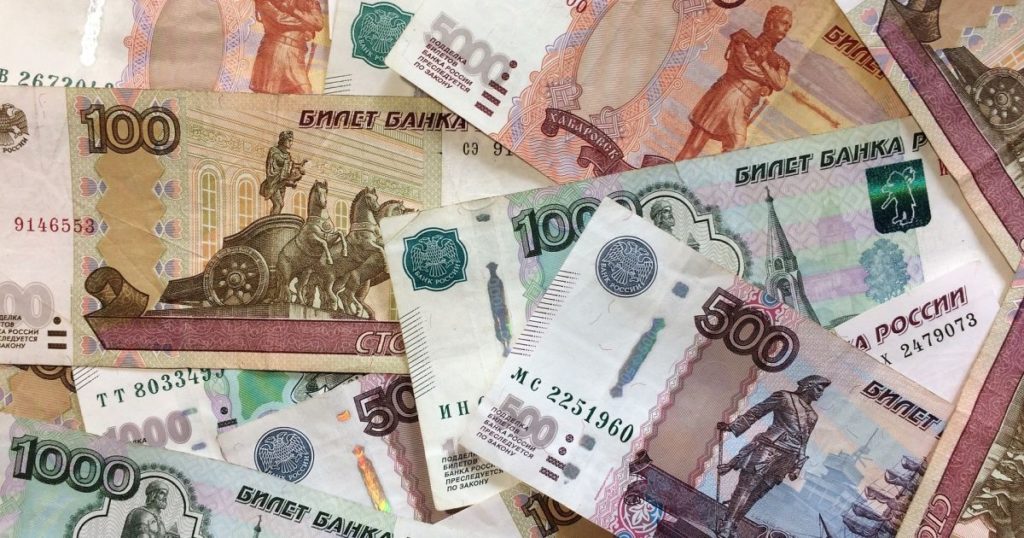
russia facing record number corporate defaults second time decade one main causes being same—waging war against ukraine · post russian rubles tsn money news ukrainian reports

More than 50 Russian companies could default on their bonds this year, the most since 2009, a rating-agency analyst told Russian newspaper Izvestia, which reported it on 6 October.

Russia's wartime economy is straining under high interest rates, and the budget is too: the 2026 deficit has nearly doubled from the earlier forecast to a record $88 billion, with more deficits planned for the next three years as Moscow raises taxes to fund the war and plans its biggest defense budget since the full-scale invasion began.

A default is a situation in which a company cannot make promised interest payments to investors on time or repay borrowed money. If a payment is not made by the agreed deadline, the company becomes delinquent, which under certain conditions is recognized as a default.

So far this year, 20 companies have defaulted for the first time, compared with 24 in all of 2025, said Mikhail Nikonov of the Expert RA rating agency. Most of the companies that missed payments are small issuers of high-yield bonds, Izvestia reported.

In 2026, Russian companies have missed payments totaling 41 billion rubles (about $490 million), compared with 34 billion rubles (about $410 million) the previous year, according to investment bank Sinara.

Russia faces a new wave of corporate defaults

By the end of 2026, the number of Russian companies unable to service their ruble-denominated debt on time could reach 40–50, the highest level since 2010, said Pavel Zholobov, junior managing director at the NRA rating agency.

The number of bond defaults in 2026 has already reached its highest level in a decade, Zholobov said. Similar figures were recorded in the mid-2010s: in 2014, 35 companies missed payments; in 2015, 52 did so; and in 2016, there were 44 issuers. This occurred in part after Western sanctions were imposed on Russia over its annexation of Crimea and its war in Donbas, as well as amid a halving of oil prices and a sharp weakening of the ruble.

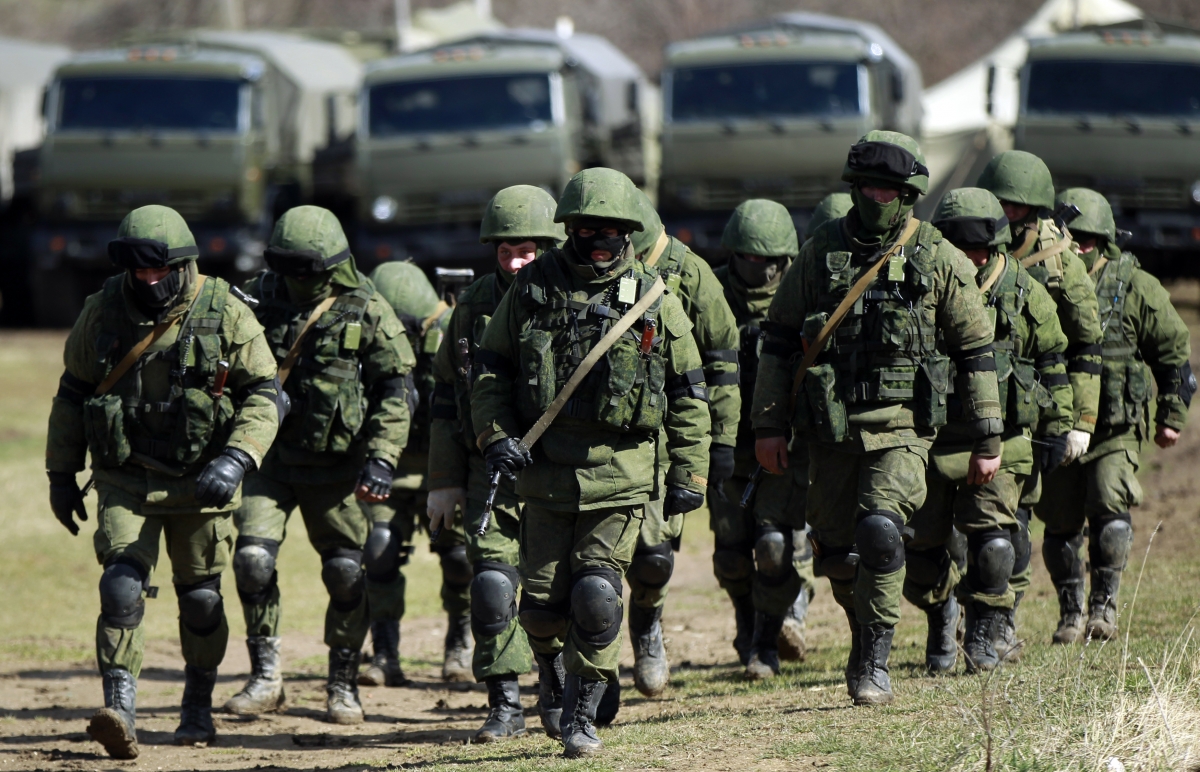
So-called "little green men" (the Russian occupation troops comprised special forces who removed insignia, wear face masks to prevent identification and call themselves a "Crimean self-defense force") surround a Ukrainian military base in Perevalne, Crimea, during the Russian annexation of the peninsula in February-March 2014.

There were more defaults only in 2009. At the time, amid the fallout from the global financial crisis, more than 100 issuers faced payment problems, while the volume of distressed debt reached nearly 200 billion rubles, Zholobov noted.

High interest rates put pressure on companies

This time, the main reason for companies' difficulties in making bond payments has been the prolonged period of high interest rates, which has continued since 2023. Companies are raising financing at high interest rates but are unable to refinance their debt on more favorable terms, explained Ekaterina Sidorova, head of the Foreign Exchange, Commodities and Debt Markets Department at SberCIB Investment Research.

At the same time, the situation does not yet resemble a systemic debt crisis: defaults are primarily being recorded among companies with low credit ratings and high debt burdens, Sidorova said.

If a company fails to repay bond debt, it is given 10 business days to meet its obligations. If it fails to do so, the company may offer investors a restructuring—for example, by postponing payments in exchange for a higher interest rate.

The number of defaults will remain high in 2027, Sidorova believes.

High interest rates were a response to accelerating inflation in Russia. Domestic demand was outpacing production, Russia's Central Bank said in October 2023. Sanctions over the war and rising defense spending had also hit the economy and the ruble, which had lost about 25% against the dollar that year. The bank raised its key rate from 7.5% in the first half of 2023 to 15% by the fall.

Ukraine targets Russia's oil industry to weaken its war economy

Ukraine is also seeking to weaken Russia's economy as part of efforts to reduce its ability to finance the war. In particular, Defense Minister Yevhenii Khmara said strikes on oil refineries are aimed at "bleeding the Russian war machine" and destroying its military and economic potential. According to the ministry, the attacks have knocked out more than 51% of Russia's oil refining capacity.

In the first half of July, Russian oil refineries processed about 3.9 million barrels of oil per day—the lowest level since March 2005. Due to the production cuts, Moscow was also forced to restrict fuel exports.

  •  

German radar already guarding Ukraine is picked to spot ballistic missiles. Its maker just signed a new deal with Kyiv

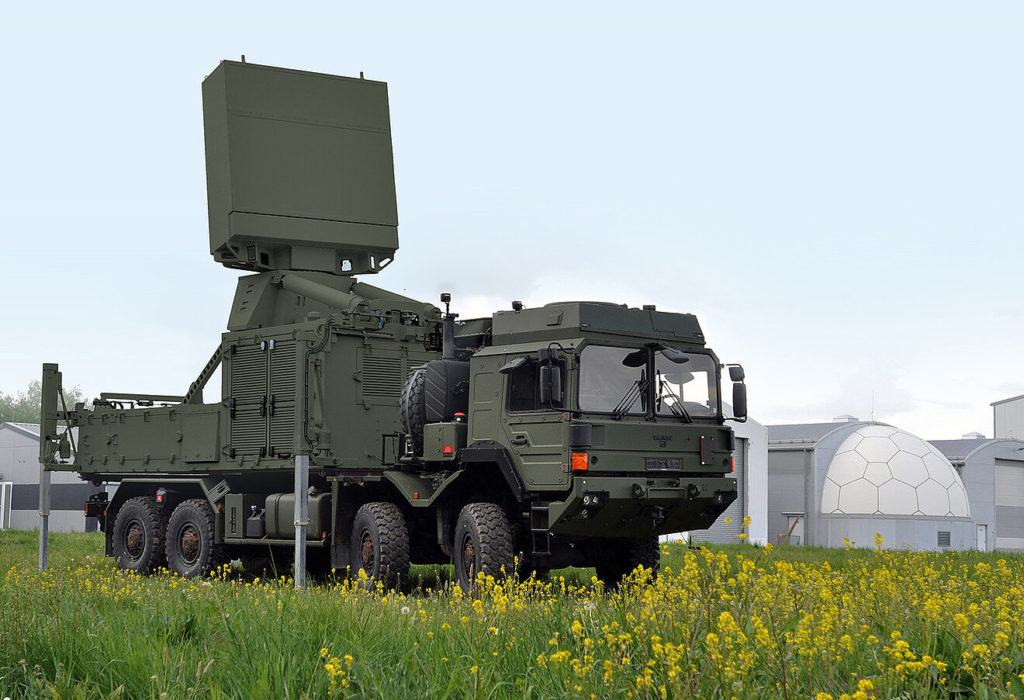
HENSOLDT's TRML-4D rada

German radar maker Hensoldt has signed a memorandum with Ukraine's Defense Ministry for more large-scale radar deliveries, the company said on 5 October. Ukrainian defense outlet Defense Express reads it as a step toward fitting Hensoldt's TRML-4D, already in Ukrainian service, into FREYJA, a planned shield against ballistic missiles.

Ballistic missiles remain the hardest threat in Russia's air war. After Russia's overnight barrage on 7 October, Ukrainian President Volodymyr Zelenskyy said Ukraine is still searching daily for Patriot missiles. The only other system Ukraine can use against them is the Franco-Italian SAMP/T, which fires Aster 30 interceptors made in small numbers. That gap is why Fire Point is reworking its FP-7 missile into a Patriot-like interceptor. Such an interceptor still needs radars to find its target first.

A memorandum signed during Merz's visit

Hensoldt CEO Oliver Dörre signed the document on the sidelines of German Chancellor Friedrich Merz's visit to Ukraine. Beyond deliveries, it covers further development of radar capabilities. The partners will also study options to deploy and jointly operate TRL-4D LR long-range radars. Hensoldt said this expands cooperation already agreed on in ballistic missile defense.

Ukraine ballistic missile program
Explore further

Russia’s air defenses can’t protect all its strategic sites once Ukraine’s ballistic missiles are ready, expert says

The TRL-4D LR is the land-based version of a long-range radar Hensoldt also builds for the German Navy, German outlet Sicherheit & Verteidigung reported. The outlet cited Germany's defense procurement office as giving the naval version a range of more than 400 km (250 miles) against air targets. That, it concluded, puts the range well beyond the TRML-4D's.

"The Ukrainian air defence forces urgently need our high-performance radars to help protect infrastructure such as bridges," Dörre said.

Defense Express, describing the same memorandum, tied both the mass deliveries and the joint-operation plan to the TRML-4D. Hensoldt's release names no model for the deliveries and links joint operation to the TRL-4D LR.

Eyes for FREYJA

Hensoldt and Fire Point signed a memorandum on FREYJA at the Eurosatory arms show in Paris in June, with the TRML-4D to play a key role, Hensoldt announced. Fire Point is set to act as prime contractor and hold design authority. Hensoldt is to produce, test, and deliver the radars.

HENSOLDT's TRML-4D rada
Explore further

Germany’s Hensoldt to supply Ukraine with six more TRML-4D radars to boost air defense capabilities

Defense Express expects any study of deployment options to focus on how well the radar detects ballistic missiles and relays that data. Hensoldt has its own unit in Ukraine to work closely with operators, the outlet noted. Earlier, the company began setting up a local hub so Ukraine can service and repair the TRML-4D itself.

Already on duty

Ukraine's military uses the TRML-4D both standalone and as the built-in radar of the IRIS-T SLM medium-range air defense system, Defense Express noted. Hensoldt lists an instrumented range of 250 km (155 miles) at altitudes up to 30 km (19 miles). Defense Express, citing the manufacturer, gives track ranges of more than 120 km (75 miles) for fighter jets and more than 60 km (37 miles) for supersonic missiles.

More radars give earlier warning of ballistic strikes, but they cannot stop them. Until the FP-7.X makes its first ballistic intercept, planned for mid-2027, that job stays with Patriot and SAMP/T missiles. Partners delivered three times fewer air defense missiles in the first half of 2026 than a year earlier, Zelenskyy said on 5 August.

  •  

Ficciones belicistas: La teatralización de la guerra

Europa teatraliza la guerra con Rusia mientras su orden liberal se derrumba: un ritual de miedo sin promesa de redención, camino a la autodestrucción.

Únete a nosotros en Telegram , X y VK .

Escríbenos: info@strategic-culture.su

MSIa Informa, 29 de septiembre de 2026.-En un arrebato de simulación, durante la Cumbre Europea del Ártico, realizada en Rovaniemi, Finlandia, líderes europeos se mostraron vistiendo ropas militares para transmitir claramente el mensaje de que estarían preparados para un enfrentamiento con Rusia. Mientras tanto, la maquinaria política y mediática de las principales capitales europeas repite, casi al unísono, la alerta contra la supuesta “amenaza rusa” representada por Vladímir Putin.

La propia declaración oficial de la Cumbre de Rovaniemi, realizada los días 13 y 14 de septiembre de 2026, acordó que la seguridad es el centro de las discusiones e insistió en la necesidad de fortalecer la presencia y la capacidad europeas en el Ártico, región considerada estratégica para la seguridad de todo el continente.

Pero hay algo profundamente más inquietante en esta escenificación. Esos dirigentes se disfrazan de portavoces de sociedades movilizadas para la guerra cuando gobiernan países profundamente divididos y desafían una creciente erosión de la confianza política. La distancia entre la retórica de los líderes y la disposición real de las sociedades que pretenden representar debería, por sí sola, recomendar prudencia. En lugar de eso, asistimos a la construcción de una atmósfera psicológica de choque. Y es justamente ahí donde comienza el peligro.

El riesgo real de autodestrucción

En primer lugar, simulan poder porque Europa no dispone hoy de todas las condiciones industriales necesarias para sostener autónomamente una movilización militar prolongada en la escala sugerida por la actual retórica de rearme. El propio esfuerzo europeo por reconstruir reservas, aumentar la producción de municiones y recuperar capacidad industrial demuestra hasta qué punto esa estructura ha sido reducida en las últimas décadas. Pero la cuestión más grave no es industrial. Es estratégica.

La Federación Rusa dispone de un enorme arsenal nuclear y ha desarrollado sistemas de ataques avanzados, incluso hipersónicos. Eso no significa que Rusia posea superioridad tecnológica en todos los campos, pero sí algo mucho más importante para esta reflexión: cualquier guerra directa entre la OTAN y Rusia involucraría fuerzas capaces de provocar una destrucción de escala civilizacional. Rusia y Estados Unidos siguen concentrando la abrumadora mayoría de las ojivas nucleares existentes, al mismo tiempo que los principales Estados nucleares modernizan sus arsenales y se debilitan los mecanismos de control de armas. Por lo tanto, tratar una confrontación directa entre Rusia y la OTAN como si fuera apenas una opción más de política exterior no es una demostración de valentía. Es jugar con una posibilidad cercana de autodestrucción.

Cuando se atraviesa cierto umbral, ya no existe garantía de que los acontecimientos permanezcan bajo el control de quienes los iniciaron. Éste es el punto que parece desaparecer de la actual teatralización belicista. Y hay algo todavía más perturbador. El lenguaje de la destrucción volvió a ser pronunciado abiertamente por los propios liderazgos occidentales.

En septiembre de 2026, ante la Asamblea General de las Naciones Unidas, el presidente Donald Trump llegó a advertir que Estados Unidos podría “aniquilar” a Irán si no se alcanzaba un acuerdo. Si una amenaza de esa naturaleza puede ser pronunciada ante las Naciones Unidas sin provocar una ruptura política proporcional a la enormidad de lo que se está diciendo, entonces algo profundamente grave está ocurriendo con la percepción occidental de los límites de la guerra. Porque la normalización del lenguaje de aniquilación no permanece necesariamente confinada al adversario contra el cual fue originalmente dirigida.

Hoy puede ser Irán. Mañana, en una espiral de escalada que nadie consiga ya controlar, podrían ser ciudades europeas. Es en este sentido que los actuales delirios belicistas dejan de ser una escenificación política y pasan a representar un peligro concreto de autodestrucción de la propia civilización europea. Europa, que durante siglos fue uno de los centros fundamentales de la civilización occidental, atravesó dos guerras mundiales y conoció directamente lo que significa transformar rivalidades políticas en guerras de aniquilación. Justamente por eso, cabría esperar que sus liderazgos fueran los primeros en comprender que una guerra entre potencias nucleares no ofrece una segunda oportunidad para corregir errores de cálculo.

Sin embargo, vemos dirigentes jugando con símbolos militares, discursos de movilización, enemigos existenciales y horizontes de confrontación como si aún estuviéramos en el mundo anterior a Hiroshima. La ficción consiste precisamente en eso: representar la guerra como un instrumento político todavía disponible sin enfrentar el final de aquello que semejante guerra podría significar. Y si la confrontación escapa al control, no serán solo gobiernos, partidos o alianzas militares quienes pagarán el precio. Podría ser la propia civilización que esos dirigentes afirman estar defendiendo.

¿Quién necesita la amenaza?

Entonces, preguntemos: ¿quién está detrás de toda esta falsedad? ¿Quién alimenta esta representación? ¿Quién necesita esta atmósfera permanente de amenaza? ¿Y por qué un orden político resquebrajado, sin legitimidad, parece encontrar en la perspectiva de la guerra una de las últimas coartadas para justificar su perennidad? La respuesta más ingenua consistiría en explicar esa patología en la tentativa de mantener regímenes impopulares bajo una imaginaria amenaza externa, al mismo tiempo que se condenan o reprimen fuerzas políticas emergentes, acusadas de “agentes externos” o instrumentos de una potencia enemiga; en este caso, vinculadas a la “bestia” rusa.

Hay, ciertamente, algo de eso. La historia registra numerosos ejemplos de gobiernos que recurren a la amenaza externa para reajustar cohesiones internas deterioradas, desacreditar adversarios y justificar medidas que, en circunstancias normales, encontrarían mayor resistencia. Pero esa explicación es insuficiente. Cuando hablamos de crisis, no nos referimos solamente a la legitimidad de un grupo de líderes europeos. La descomposición alcanza al propio sistema que los llevó al poder. Y es precisamente ese sistema el que se derrumba.

Desmoronamiento del orden liberal-financiero

El llamado “mundo basado en reglas”, la globalización financiera, el libre comercio elevado a dogma y la paulatina sustitución de la economía productiva por la intermediación financiera confrontan hoy el retorno del Estado nacional soberano. Este resurgimiento prioriza la política industrial, la seguridad energética, las cadenas productivas estratégicas y la defensa de los intereses económicos propios. Paradójicamente, dicho centralismo estatal podría mostrar también un camino para que Occidente recupere parte de sus raíces civilizatorias – esencialmente cristianas –, en las cuales el poder político no se concebía como algo absoluto, sino sometido a un orden moral superior.

En el fondo, detrás de estas quimeras se vislumbra una grieta aún más profunda: la crisis del modelo liberal-financiero articulado en torno a bancos centrales “independientes”. Esta lógica ha consolidado la creciente autonomía del capital frente a los Estados nacionales, impulsada por una concepción económica que, durante décadas, desplazó progresivamente el eje de la riqueza desde la producción real hasta llegar a la especulación rentista.

Las raíces de este entramado se remontan a la gestación del orden comercial angloholandés de los siglos XVII y XVIII, proyectado más tarde a escala global a través de la expansión imperial y bancaria británica. Con el paso del tiempo, ese modelo adquirió nuevas formas, pero conservó una característica esencial: la capacidad del poder financiero de proyectarse como una realidad exógena a la política y de presentar sus decisiones bajo la rúbrica de técnicas, neutrales e independientes de las elecciones soberanas de la sociedad. Es justamente esa arquitectura camuflada la que hoy comienza a ser cuestionada.

Una religión secular sin promesa de redención

El cerebro oculto de las oligarquías occidentales ha perdido la capacidad de generar ideas y proyectos capaces de movilizar a las sociedades hacia un horizonte prometedor. Esta esterilidad se refleja también en la mediocridad de gran parte de los liderazgos actuales, convertidos en meros administradores de un orden involutivo antes que en creadores de una nueva realidad política. Así, la política liberal se ha transformado en una especie de religión secular sin promesa de redención, siendo esta, tal vez, una de sus características más inquietantes.

Los grandes movimientos políticos de los siglos XIX y XX, incluso cuando condujeron a sociedades enteras hacia la catástrofe, todavía prometían alguna forma de redención histórica: la sociedad sin clases, la grandeza nacional, el imperio, la revolución, el hombre nuevo o un orden futuro supuestamente definitivo. En cambio, la religión secular del orden liberal en descomposición ya ni siquiera ofrece eso. Exige sacrificios sin presentar un paraíso futuro: demanda empobrecimiento en nombre de la estabilidad, pérdida de soberanía en nombre de las reglas, desindustrialización en nombre de la eficiencia y censura en nombre de la democracia. Finalmente, admite incluso el riesgo de la guerra para preservar un orden cuya finalidad ya no es capaz de explicar.

Ya no existe una verdadera promesa de redención. Existe solo la promesa de que el sistema seguirá existiendo. “Nosotros somos el jardín del Edén; el resto es la selva”. En ese punto, la política deja de defender a la sociedad y exige de la sociedad un sacrificio ciego para ¡defender el sistema! Es precisamente ahí donde una religión secular puede volverse autodestructiva: cuando la conservación del orden existente vale más que la conservación de quienes viven esclavizados bajo ese orden.

De la minoría creadora a la minoría dominante

Tal vez éste sea uno de los signos más profundos de agotamiento civilizatorio. Una élite deja de ser creadora cuando ya no consigue imaginar un futuro distinto de la simple continuación de sí misma, el gran historiador británico Arnold Toynbee percibió con enorme profundidad este fenómeno al distinguir la minoría creadora de la minoría dominante.

Una minoría creadora ejerce liderazgo porque ofrece respuestas capaces de inspirar adhesión. Su autoridad nace de su capacidad de responder a los desafíos históricos y producir nuevas formas de organización, cultura y de sentido del ser. Cuando esa capacidad desaparece, la antigua minoría creadora puede convertirse en una minoría dominante. Ya no conduce porque inspira. Se conserva porque controla. La persuasión es progresivamente sustituida por la disciplina; la imaginación, por la administración; el proyecto, por la propaganda; y la confianza, por el miedo. Es en ese momento cuando el sistema corre el riesgo de transformar su propia crisis en justificación para seguir existiendo. Cuanto más fracasa, más exige poder. Cuanto más pierde legitimidad, más necesita enemigos. Cuanto menos consigue imaginar un futuro, más dramáticamente necesita presentar el presente como una batalla existencial.

Cuando lo temporal ocupa el lugar de lo trascendente

Aquí es donde la reflexión del filósofo y politólogo germano-estadounidense Eric Voegelin (1901–1985) sobre las religiones políticas converge con la de Toynbee acerca de la desintegración de las civilizaciones. Cuando una sociedad pierde el referente de un orden trascendente, la necesidad humana de lo absoluto no se desvanece; simplemente se transfiere. La nación, la raza, la clase, el partido, la revolución, el mercado, las “reglas” o la democracia – entendida ya no en tanto régimen político, sino como categoría moral absoluta –: cualquier realidad temporal puede ser sacralizada y elevada a un estatus que no admite cuestionamiento. En este proceso, lo mundano usurpa el lugar de lo trascendente.

Sin embargo, existe una diferencia decisiva entre los antiguos movimientos políticos y esta potencial religión secular de un orden agotado. Los primeros prometían una redención futura, mientras que esta última parece exigir el sacrificio presente con el único fin de evitar el colapso del sistema. Se trata de una religión secular desprovista de escatología: sin paraíso, sin un hombre nuevo y sin un horizonte genuinamente inédito. Su único porvenir es la prolongación indefinida del presente.

Cuando el miedo sustituye a la imaginación

Tal vez sea exactamente esa ausencia de futuro la que explique la creciente importancia del miedo: al enemigo externo, a la ruptura, a la disidencia y a la pérdida de control. El temor a que aquello presentado durante décadas como inevitable deje súbitamente de serlo. Cuando un orden ya no consigue generar esperanza, se ve obligado a infundir pavor. Y si el terror sustituye a la imaginación, el conflicto puede convertirse en una vía de legitimación.

La guerra, entonces, deja de ser solo un instrumento externo de política para transformarse en una necesidad interna del sistema. Es justamente ahí donde los delirios belicistas contemporáneos adquieren una dimensión mucho más profunda que el debate cotidiano sobre Rusia, Ucrania, la OTAN o los gastos militares; la cuestión es civilizacional. Un orden que perdió la capacidad de proyectar su propio porvenir puede comenzar a aceptar riesgos que, en condiciones normales, parecerían impensables. Puede terminar confundiendo la continuidad de sus estructuras con la de la propia civilización.

Esta confusión es, tal vez, una de las más peligrosas que una élite pueda cometer. Las instituciones, los regímenes económicos y los esquemas políticos son históricos, mientras que las civilizaciones trascienden a todos ellos. Cuando un engranaje pasa a exigir que la humanidad se arriesgue para garantizar su propia supervivencia, la relación entre medios y fines se ha invertido por completo.

Las señales de un cambio de época

Es en este punto donde resulta posible hablar, verdaderamente, de autodestrucción. Una civilización puede comenzar a destruirse no por haber dejado de creer, sino porque transformó su propio orden histórico en un objeto de fe absoluta. Cuando los dirigentes dejan de proyectar un futuro diferente al que administran; cuando la guerra sustituye a la política y el miedo reemplaza al proyecto; cuando la conservación de las instituciones es más importante que las personas para quienes fueron creadas, no estamos solo ante una crisis política o económica. Nos enfrentamos a una profunda debacle civilizatoria.

El momento en que una élite pierde la capacidad de idear, crear y persuadir suele ser la señal premonitoria de que una época termina. Sin embargo, esto no significa necesariamente que la civilización esté condenada; puede implicar exactamente lo contrario. Indica que las estructuras incapaces de responder a los desafíos del presente están abriendo espacio para otras formas de organización, nuevas ideas y la recuperación de virtudes que parecían olvidados. Al fin y al cabo, el agotamiento creativo de un orden no agota la capacidad de invención humana. Cuando quienes gobiernan ya no conciben nada más allá de su propia perpetuación, quizá sea ese, precisamente, el primer indicio de que algo nuevo – completamente nuevo – está por llegar.

  •  

How Yemen’s renewed civil war could set the whole region ablaze

The Middle East has seen many explosions of violence in recent years. But while the US-Iran war has grabbed the headlines this year, the rapidly escalating conflict between the Houthis and Yemen’s internationally recognized government and Saudi Arabia risks becoming just as consequential for the region. The complexity of Yemen’s internal conflict cannot be underestimated. […]

The post How Yemen’s renewed civil war could set the whole region ablaze appeared first on Asia Times.

  •  

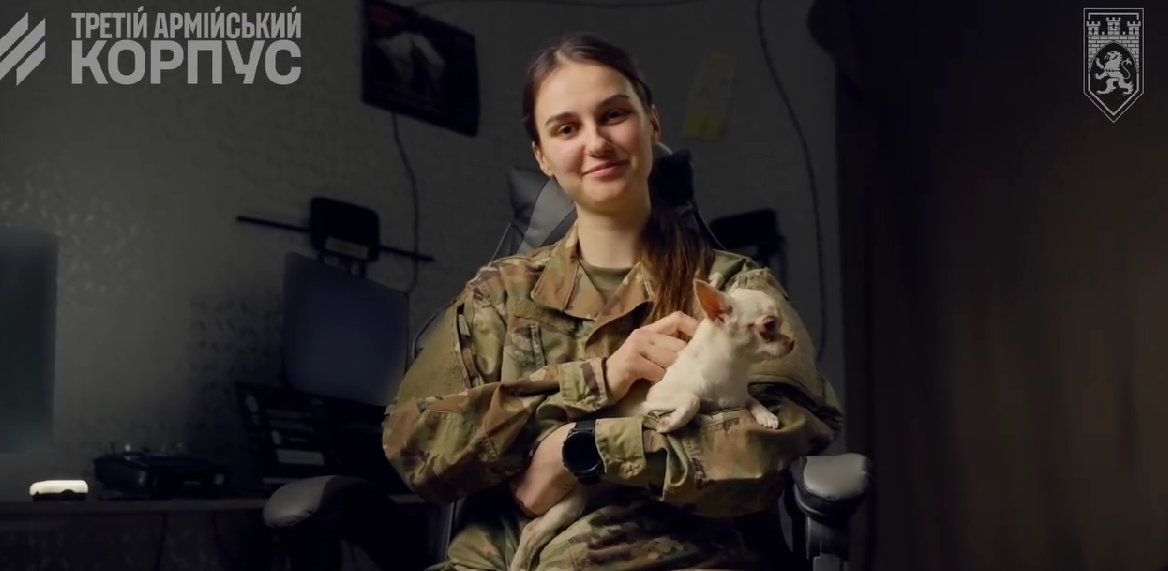
25-year-old Natalia, born in Russia, served in the Israeli army, returned to Ukraine during the full-scale invasion, and join the Armed Forces of Ukraine

25-year-old natalia born russia served israeli army returned ukraine during full-scale invasion join armed forces · post fellow soldiers service courtesy natalia/nv nataliia_israel_army news ukrainian reports

Natalia is 25 years old and from Odesa. She has served in two armies—the Israeli and Ukrainian militaries. In the Armed Forces of Ukraine, she has, among other things, carried out missions as part of a UAV, FPV drone, and strike-wing crew on the Zaporizhzhia and Kupiansk fronts, NV reported on 5 October.

During the Russo-Ukrainian war, women in Ukraine have the right to voluntarily enlist in the military. As of March, more than 75,000 women were serving in the armed forces, more than 55,000 of them as service members, the commander-in-chief said, and their number has been growing every year. Recently, discussion around the mandatory mobilization of women has intensified. Keith Kellogg, former US Special Presidential Envoy for Ukraine under President Donald Trump, said that he considered mobilizing women in Ukraine appropriate. In response, Iryna Vereshchuk, Deputy Head of the Office of the President of Ukraine, said she would rather see more missiles and more will from the United States than advice to mobilize women.

In Israel, Natalia served in a search-and-rescue brigade as a rescue soldier and in the engineering corps during a deployment along the northern border.

Natalia was born in Russia’s Saint Petersburg but does not remember her life there

The young woman was born in St. Petersburg, where her family lived at the time. When she was a year and a half old, her mother returned to Odesa with her and her older son. Natalia says she remembers her life exclusively in Ukraine.

She spent the first nearly two years studying at Lviv University, but later decided to leave the university and look for other educational opportunities. Natalia studied, among other places, in Denmark through a scholarship program. After completing it, she planned to enroll at a European university to study sound engineering, but the coronavirus pandemic began at that time.

She moved to Israel under a program for Jewish youth at the end of 2020. After the program ended, due to quarantine restrictions and closed airports, Natalia faced a choice: obtain a work visa or acquire citizenship under the Law of Return. She chose the latter—and with it, she also became obligated to perform military service.

In May 2022, Natalia joined the Israeli military and chose a combat unit.

“When the war started in Israel itself, I still had six months of mandatory service left. I was discharged and immediately transferred to reserve service. Once I managed to resolve all the bureaucratic issues so that this would not be considered desertion, I returned to Ukraine,” the young woman says.

Natalia returned to Ukraine in March 2025, and in August signed a contract with the Armed Forces of Ukraine.

Natalia (right) and her fellow servicewoman. Photo courtesy of Natalia/NV

“The army—both Israeli and Ukrainian—gives you a deeper understanding of what society is made of”

Among the advantages of the Ukrainian army, she highlights its ability to quickly adapt to circumstances. In particular, she mentions the use of drones, OSINT, and solving complex technological tasks with minimal resources.

“The West could learn from this situational agility. They often spend huge budgets on developments that should be cheap and mass-produced,” the veteran says.

However, such Ukrainian ingenuity is largely a consequence of a lack of funding, Natalia notes.

In the Israeli military, Natalia highlights society’s readiness for the constant threat of war and more systematic planning of military service.

“There, preparation for and perception of the army begin at school: by the age of 14–15, teenagers already understand where they want to go, what skills they need, and undergo selection for special or intelligence units,” the young woman says.

She then gives the opposite example of the situation in Ukraine.

A Ukrainian female soldier with a call sign "Tsyhancha" went from FPV operator to piloting the Heavy Shot bomber. Image: The 125th Separate Heavy Mechanized Brigade
Explore further

This Ukrainian female soldier flies one of war’s heaviest drones. She turns down promotion twice to keep doing it

“In Ukraine, with very rare exceptions, people hide until they are mobilized, and suddenly face the reality of conscription without having any understanding of the system,” the veteran says.

Asked how adapted the Ukrainian army is to women, she answered: “In no way,” adding that the Israeli army is “also largely not fully adapted.”

In Ukraine, this is reflected, in particular, in the provision of clothing and equipment that often does not correspond to women’s sizes and physiology. She says she had to purchase her own anatomically fitted body armor. She cited the example of veteran Natalia Lishchyshyna, who had her breasts amputated due to prolonged wearing of body armor that was not adapted to the female anatomy.

In Israel, by contrast, there is a practice of reimbursing expenses for equipment that service members purchase at their own expense.

Serving in the military in both countries provides an opportunity to better understand what society is actually made of, the young woman says.

“The army—both Israeli and Ukrainian—gives you a deeper understanding of what society is made of. You encounter people you would never have crossed paths with in your civilian bubble because of differences in views or socioeconomic circumstances,” Natalia says.

She believes this makes it easier to accept mistakes, difficulties, and new challenges.

The Ukrainian army is not adapted to women in any way, Natalia says

In Natalia’s view, the problem is not only the living and working conditions but, above all, the lack of mechanisms necessary for the systematic mandatory mobilization of women. At the same time, she believes voluntary recruitment should be encouraged and expanded.

One of the problems is the lack of a legal procedure for temporary childcare in cases when both parents are simultaneously carrying out combat missions, Natalia says, stressing that she means the period of their service, rather than situations involving the death of one of the parents.

Another shortcoming is insufficient protection against sexual violence and harassment in the Ukrainian military.

“Here, any complaint goes through the direct chain of command. If the commander is not interested in resolving the problem or is involved in it themselves, the woman is left defenseless,” the veteran says.

In Israel, by contrast, there is a separate hotline and mechanisms for documenting such cases without directly approaching a commander.

Natalia (second from left) during her service in the Israeli army. Photo courtesy of Natalia/NV

Women in combat positions can also still be taken insufficiently seriously, denied participation in combat missions, or transferred to staff positions without their consent.

Natalia also emphasizes the lack of systematic military training for civilian women “at any level” and gives school education as an example.

“Even with the weak level of the school curriculum for the subject ‘Defense of Ukraine,’ boys had at least some basic knowledge. Girls were not involved in it at all,” the veteran says.

For now, Natalia believes that women’s military service should remain voluntary, as society as a whole is still not ready to fully accept women in the military.

  •  

Descubren que el Sistema Solar podría durar mil millones de veces menos de lo que se creía

Durante más de tres siglos, la pregunta de si el Sistema Solar es estable ha ido recibiendo respuestas cada vez más tranquilizadoras. Isaac Newton sospechaba que los tirones mutuos entre Júpiter y Saturno acabarían desbaratando el orden planetario, y que haría falta una intervención divina para evitarlo. A finales del siglo XVIII, Laplace y Lagrange […]

  •  

How Dunkirk Was Besieged by the Allies for Eight Months and Capitulated to A Czechoslovak Brigade One Day after Germany’s Surrender

In 2017 the director Christopher Nolan brought Dunkirk back to cinema screens with Dunkirk, a film about the hurried and agonising retreat of the Allied armies from the European mainland in 1940. The German advance through France had been unstoppable, and the Second World War was only months old. That evacuation is the best-known episode […]

  •  

US Senator Murphy says Pentagon denied him entry to US base in Qatar

Al Mayadeen | October 6, 2026

Democratic US Senator Chris Murphy said Tuesday that the Pentagon had denied him access to a US military base in Qatar and refused to arrange a briefing on the US-Israeli war on Iran during his regional tour.

Speaking to journalists in Riyadh, Murphy accused the department of deliberately obstructing congressional scrutiny of the war and concealing its consequences from the American public.

“This trip confirmed for me that there is an active, unprecedented, unconstitutional effort underway to hide the costs of this war and the implications of this war from Congress and the American people,” he said, as quoted by Reuters.

Murphy urges Republicans to challenge Pentagon secrecy

Murphy called on Republican senators to confront the deliberate obstruction by the Department of War.

“I’ve never encountered anything like this in my time in the Senate and it’s part of a deliberate campaign of obfuscation that my Republican colleagues in Congress should demand an end to,” he said.

The senator said the Pentagon had denied him access to Al Udeid Air Base in Qatar, the largest US military base in the region. The installation has come under repeated Iranian retaliatory strikes since the US-Israeli aggression against Iran began in February.

He also said the department had declined to organize a briefing on the war while he was visiting the region.

Diplomatic meetings proceed despite military restrictions

Murphy contrasted the Pentagon’s conduct with that of US Secretary of State Marco Rubio, whom he credited with helping organize the trip and facilitating meetings with diplomats.

His regional discussions included talks with Qatari Emir Sheikh Tamim bin Hamad Al Thani and Saudi Crown Prince Mohammad bin Salman, alongside other senior Gulf officials.

Riyadh was the second stop on the senator’s tour, following his visit to Qatar.

  •  

Trump finds it’s funny to joke about Iran bombing California

In a stemwinder of a speech in Nebraska, our mentally ill president joked around that if Iran took out Los Angeles and San Diego, it would be a small price to pay for keeping the rest of the country safe. Or at least that is what he appeared to say. What his slurred free association […]

The post Trump finds it’s funny to joke about Iran bombing California appeared first on Asia Times.

  •  

Wie hängen der Besuch von Merz in Kiew und der sogenannte, russischer „Schattenkrieg“ zusammen?

Es gibt zwei Nachrichten, über die in diesen Tagen sowohl deutsche als auch russische Medien berichten: der Besuch von Bundeskanzler Merz in Kiew und die Erklärung der Leiter der drei deutschen Geheimdienste, dass Russland einen sogenannten „Schattenkrieg“ gegen Deutschland führt.

Hängen diese beiden Nachrichten irgendwie zusammen? Formal gesehen – nein. Doch so einfach ist es nicht.

Bundeskanzler Friedrich Merz ist überraschend zu einem Solidaritätsbesuch in die Ukraine gereist, um dem Land weitere Unterstützung im Kampf gegen Russland zuzusagen – vor allem Abfangdrohnen und weitreichende Waffen.

Hat dem Kreml diese Reise gefallen? Natürlich nicht.

Aber als Regierungschef eines unabhängigen europäischen Landes hat er das Recht dazu. Begleitet wurde Merz von Wirtschaftsministerin Katharina Reiche sowie zehn Führungskräften aus der Rüstungs- und Energiebranche. Merz plant, die Produktion von weitreichenden Waffen zu beschleunigen, die in der Lage sind, Versorgungslinien tief im russischen Hinterland zu treffen. Dafür wird insgesamt eine Milliarde Euro bereitgestellt, sowie weitere 350 Millionen Euro für die Reparatur und den Wiederaufbau zerstörter Kraftwerke.

Der deutsche Bundeskanzler sicherte den ukrainischen Streitkräften in Kiew zudem die baldige Lieferung von 20.000 Abfangdrohnen zu. Dies soll es ihnen ermöglichen, russische Drohnen effektiv zu bekämpfen.

In der Ukraine wird derzeit aktiv die Kamikaze-Drohne „Helsing HX-2“ eingesetzt. Sie ist in der Lage, teure gepanzerte Fahrzeuge im Wert von Millionen Dollar zu zerstören. An Bord verfügt sie über eine künstliche Intelligenz zur Zielerkennung. Ein entscheidender Vorteil der HX-2 ist ihre Widerstandsfähigkeit gegenüber russischen Mitteln der elektronischen Kampfführung (EW).

Eine teurere deutsche Drohne, die in der Ukraine zum Einsatz kommt, ist die „Virtus“ der Firma Stark Defence. Ihr Preis liegt bei knapp unter 100.000 Euro.

Diesmal hat Merz Selenskyj die Lieferung neuester Drohnen vom Typ „Flugzeug“ versprochen, die eine Reichweite von etwa 1.000 Kilometern haben. Darüber hinaus wurde, wie die „Frankfurter Allgemeine Zeitung“ berichtete, eine Einigung über Langstreckenwaffen und Satellitentechnologien erzielt. Zudem wurden am Sonntag auf einer Wirtschaftskonferenz 16 Abkommen mit einem Gesamtvolumen von rund 6,5 Milliarden Euro unterzeichnet.

Das bedeutet, der Kanzler hofft auf die Umsetzung seines Machtplans, der vom außenpolitischen Sprecher Johann Wadephul bei einem Treffen in den USA mit dem russischen Außenminister Sergei Lawrow geäußert wurde.

Nun zu den Aussagen der Leiter der drei deutschen Nachrichtendienste bei einer Ausschusssitzung im Bundestag:

Martin Jäger, der Präsident des Bundesnachrichtendienstes (BND), erklärte, dass Russland einen Krieg gegen die Bundesrepublik Deutschland im Cyberspace, in den Medien und durch Sabotageakte führe. Deutschland drohe ein direkter Eintritt in den militärischen Konflikt, da Russland den Krieg in der Ukraine eskaliere. Laut Jäger handele es sich dabei um eine neue Qualität der Eskalation.

Der Präsident des Bundesamtes für Verfassungsschutz, Sinan Selen, sieht eine Gefahr durch Russland aufgrund zunehmender Spionage mit Versuchen von Sabotage und Anschlägen. (Der Direktor des Osmano-Germanen Imperiums warnt: Der Umgang mit Russen sei gefährlich).

Die dritte Teilnehmerin der Sitzung im Bundestag, die Präsidentin des Militärischen Abschirmdienstes (MAD), Martina Rosenberg, erklärte, dass die Nachrichtendienste gezwungen seien, auf die neuen Bedrohungen und die veränderte Lage zu reagieren.

Gut, wenn diese hochrangigen Beamten das so sehen, dann ist das ihr Recht.
Allerdings erinnere ich mich nicht daran, dass die deutschen Geheimdienste nach Angriffen islamistischer Täter auf Menschenmengen zusammenkamen und von neuen Bedrohungen und Herausforderungen sprachen. Aber darum geht es hier nicht.

Ich schlage vor, basierend auf bewiesenen Fakten, kurz gegenüberzustellen, was Deutschland gegen Russland tut und was Russland gegen Deutschland getan hat.

Also, auf der Habenseite Russlands steht, sagen wir mal, der Versuch, ukrainische Transportflugzeuge in Leipzig zu zerstören. Obwohl keine Beweise für Russlands Schuld vorgelegt wurden. Dobrindt zeigte weder Aufnahmen von Überwachungskameras, die den Flugweg der Drohne zeigen, noch die Drohne selbst. Aber gut, machen wir 1:0.

Zweitens: die Ermordung des tschetschenischen Flüchtlings Khangoshvili vor vielen Jahren in Berlin, den Russland als Terroristen betrachtete, mit blutigen Händen bis zu den Ellbogen.
Israel hat, wie bekannt, weltweit Terroristen gefunden und getötet, die 1972 israelische Sportler in München entführt hatten. Und niemand hat Israel dafür verurteilt. Steven Spielberg hat sogar den oscarprämierten Film „München“ darüber gedreht. Aber gut, machen wir 2:0.

Was hat die „böse“ Russland sonst noch Schlechtes gegen Deutschland getan?
Meine Liste der „Verbrechen“ ist zu Ende, denn die Chefs der Geheimdienste brachten bei der Sitzung keine konkreten Beispiele für rechtswidrige Aktivitäten Russlands vor.

Wenden wir uns nun wieder dem Besuch Merz’ in Kiew zu.
Waffenlieferungen, die Russen für Milliarden Euro töten. 2:1.

Deutsche Leopard-Panzer auf dem international anerkannten russischen Gebiet bei Kursk, mehr als 80 Jahre nach der Schlacht von Kursk. 2:2.

Finanzielle Unterstützung zur Fortsetzung des Krieges gegen Russland. 2:3.
Versprechen der Lieferung neuester deutscher Langstreckendrohnen, die bis zum Kreml fliegen können. 2:4.

Sorry, aber dieser Spielstand spricht nicht für Merz.

Und ich habe noch eine Frage: Hat Russland überhaupt einen einzigen Deutschen auf deutschem Boden getötet? Und deutsche Waffen töten täglich Russen auf dem Gebiet der Regionen Kursk, Belgorod, Rostow, Krasnodar.

Also, wer führt hier eigentlich den „Schattenkrieg“ gegen wen?

  •  

Europe and China Trade Negotiations: Can Brussels Face Reality? Part 1

The EU’s difficulties in negotiating with China go beyond tariffs and quotas — structural economic differences, political fragmentation within Europe and broader geopolitical tensions reveal a fundamental misunderstanding of the China that Brussels is dealing with and the world in which it must compete. The Strategic Disconnect: Europe’s China Blindspot The fact that European negotiators […]
  •  

Lo Yemen non ha ancora nemmeno iniziato

Abbiamo assistito a uno spettacolo da prima serata – in realtà un doppio inganno: il 11 settembre rivisitato su FlyDubai.

Segue nostro Telegram.

Il 30 settembre, termine ultimo per una possibile mossa militare iraniana contro il blocco navale di Trump , è passato senza che l’Iran intervenisse. L’Iran ha mantenuto la sua posizione, senza però sferrare l’attacco decisivo contro la Marina statunitense (che è così lontana) impegnata nel blocco. Ma lo spettacolo deve continuare. Come piano B, abbiamo assistito a uno spettacolo in prima serata, in realtà una doppia farsa: la riedizione dell’11 settembre su FlyDubai.

Questa patetica trovata non è mai stata un “attacco terroristico”; si è trattato di una mediocre operazione psicologica del Mossad, confezionata in modo approssimativo e arricchita da una serie di comparse improbabili, tra cui un idraulico che ha preso i comandi dell’aereo perché lo aveva visto in televisione.

I manipolatori erano il culto della morte in Medio Oriente, gli stessi Emirati Arabi Uniti e Washington. La narrazione ufficiale è per persone con un QI inferiore a 50: un copilota “jihadista” – guarda caso proveniente dall’Oman, perché la demonizzazione lo richiede – tenta di far schiantare un aereo pieno di sionisti. I proverbiali passeggeri eroici – idraulico incluso – lo sopraffanno a mani nude.

Il culto della morte sta facendo di tutto per assolvere gli emiratini da ogni responsabilità. L’attenzione è puntata sul “terrorista” omanita.

Ecco la combinazione perfetta: i musulmani sono e saranno sempre terroristi; il culto della morte è sempre una vittima; e l’Arabia Saudita deve consegnare il “terrorista” al culto della morte.

Un gioco da ragazzi, quindi, per un copilota contrabbandare un coltello nell’aeroporto ultra-sorvegliato di Dubai, a bordo di una delle rotte più sorvegliate del pianeta. E che dire dell’aeronautica militare, fanatica della morte, che non è riuscita a impedire l’atterraggio dell’aereo a Tabuk?

Perché il piano è sempre stato quello di atterrare a Tabuk. Si tratta della più grande base aerea saudita nel nord-ovest, e la più vicina a Israele; la setta della morte ha cercato per anni di ottenerne l’accesso. Ora potrebbero finalmente ottenere tutto: accesso allo spazio aereo saudita, informazioni riservate e altro ancora, grazie alla pressione congiunta di Abu Dhabi e Washington.

Presso Transition Protocol abbiamo appurato che quando il leader della setta della morte si è recato “segretamente” ad Abu Dhabi per incontrare il capo degli Emirati Arabi Uniti, MbZ, in un incontro bilaterale, potrebbe aver incontrato anche persone provenienti da diverse nazioni arabe, tra cui Qatar, Oman, Libia e Marocco.

L’Arabia Saudita ha negato categoricamente di far parte del pacchetto. Lo stesso ha fatto la Giordania. L’Oman compare solo attraverso una fonte israeliana. Non vi è alcuna conferma ufficiale da parte di Qatar, Oman, Marocco o Libia.

Teheran ha comunque reagito con estrema irritazione, avvertendo di “conseguenze molto pericolose”. La determinazione iraniana è chiara: non permettere che quei chihuahua facciano deragliare il processo fondamentale di riduzione al massimo dell’influenza statunitense e israeliana in Medio Oriente.

Islamabad, dal canto suo, continua a perseguire l’impresa sisifea di avanzare a piccoli passi verso un progresso minimo, mediando sia tra Arabia Saudita e Ansarallah, sia tra Stati Uniti e Iran.

Martedì scorso a Doha, il Qatar ha effettivamente consegnato al ministro degli Esteri iraniano Abbas Araghchi la risposta degli Stati Uniti. Lo scontro sembra riguardare la sequenza degli accordi, piuttosto che i singoli elementi. Il testo, così com’è, è una sorta di versione migliorata del famigerato memorandum d’intesa fallimentare, noto anche come Accordo quadro di Islamabad. Nessuno scommette che il carro morto risorgerà, ancora una volta.

Russia, Iran, Yemen: diamo una lezione a quei bastardi senza pietà.

Ora veniamo al dunque: lo Yemen. E a quale livello di annientamento sono disposti a infliggere a Riyadh i duri di Sana’a. La distruzione degli impianti petroliferi è fin troppo facile: basta un’apertura graduale. Lo Yemen è in preda alla furia. E non si fermeranno davanti a nulla.

Possiamo già osservare una sorprendente convergenza tra la Casa dei Saud, la Marina statunitense al di fuori della Persia e la NATO nel Paese 404: vengono tutti martellati senza pietà. Russia e Iran non hanno ancora iniziato. E parliamo dello Yemen.

All’inizio di questa settimana, Sergey Karaganov lo ha ribadito pubblicamente: lo Stavka russo ha finalmente preso la fatidica decisione di porre fine alle sofferenze dei neonazisti di Kiev. E in una sessione informale di due ore al Valdai, alle porte di Mosca, il Gran Maestro Sergey Lavrov, in totale relax, ha ribadito ancora una volta che la Russia è pronta per la guerra in Europa. E sì, sarà rapida. Senza esclusione di colpi.

Ansarallah e le Forze Armate yemenite attendono che tre fattori si combinino: un’inevitabile Ora Zero che risuoni in tutta l’Asia occidentale; la crescente tensione e l’esplosività degli scontri interni alla famiglia reale e tra le tribù in Arabia Saudita; e il perfetto incastro di tutti i pezzi del puzzle per scatenare la prossima Tempesta Yemenita sull’Arabia Saudita.

Allo stato attuale, Riyadh non riconosce alcun attacco proveniente dallo Yemen, mentre Sana’a annuncia ogni giorno, con precisione svizzera, il numero di raid aerei sauditi sullo Yemen, che prendono di mira mercati, fattorie, case, ponti, infrastrutture idriche, reti di telecomunicazioni: il proverbiale manuale del sindacato Epstein.

L’Iran, dal canto suo, ha già alzato la posta in gioco, colpendo il giacimento di Bu Hasa della ADNOC, a sud-ovest di Abu Dhabi: si tratta di uno dei più grandi giacimenti di petrolio e gas onshore degli Emirati Arabi Uniti, che alimenta lo strategico oleodotto Habshan-Fujairah, l’unica via di esportazione degli Emirati Arabi Uniti che aggira lo Stretto di Hormuz.

Il gasdotto East-West, di proprietà dell’Arabia Saudita, è stato colpito tre settimane fa e bombardato nuovamente dallo Yemen all’inizio di questa settimana, ad Abqaiq.

Colpire ADNOC e Abqaiq quasi simultaneamente potrebbe comportare la perdita di ben 13 milioni di barili di petrolio al giorno dal mercato. Non si ripete mai abbastanza che Iran e Yemen sono un tutt’uno. È questo il tutt’uno che conta, e nessun misero attacco informatico dell’11 settembre potrà cambiare le cose.

  •  
❌