❌

Reading view

Crece el escrutinio contra Meta en Brasil por las denuncias de restricciones a la campaña de Lula

Luego de que el diario 'Folha de S.Paulo' publicara mensajes internos de empleados de Meta que reconocían que cuentas ligadas a Lula da Silva sufrieron restricciones durante el proceso electoral en Brasil, la campaña del presidente brasileño ha intensificado sus denuncias contra la tecnológica en la justicia, argumentando una posible interferencia electoral en favor de Flávio Bolsonaro. La firma aseguró que "no toma partido" por nadie y que los problemas se debieron a "incidentes técnicos".

  •  

Netanjahu erklärt, Israel müsse die „Aufgaben an allen Fronten“ innerhalb von zwei Jahren abschließen

Der israelische Premierminister Benjamin Netanjahu erklärte in einer Wahlkampfbotschaft auf X, Israel müsse seine wichtigen „Aufgaben an allen Fronten“ in den kommenden zwei Jahren abschließen, solange Donald Trump als US-Präsident im Amt ist: „Uns bleiben noch zwei Jahre der Amtszeit meines Freundes Donald Trump, und genau in dieser Zeit müssen wir unsere wichtigsten Aufgaben an […]
  •  

Global South Media Center: 4 Outlets Launch Bold New Platform in China

Global South Media Center launches in China with teleSUR, Prensa Latina, Brasil de Fato and Pan Africa TV.

Global South Media Center launches in China with teleSUR, Prensa Latina, Brasil de Fato and Pan Africa TV to strengthen Southern media cooperation.

Related: China Deploys Liaoning Carrier Strike Group to Western Pacific for Military Drills


Global South Media Center Launches in China

The Global South Media Center was established in China on Sunday as a new platform for cooperation among media organizations from Latin America, Africa and Asia.

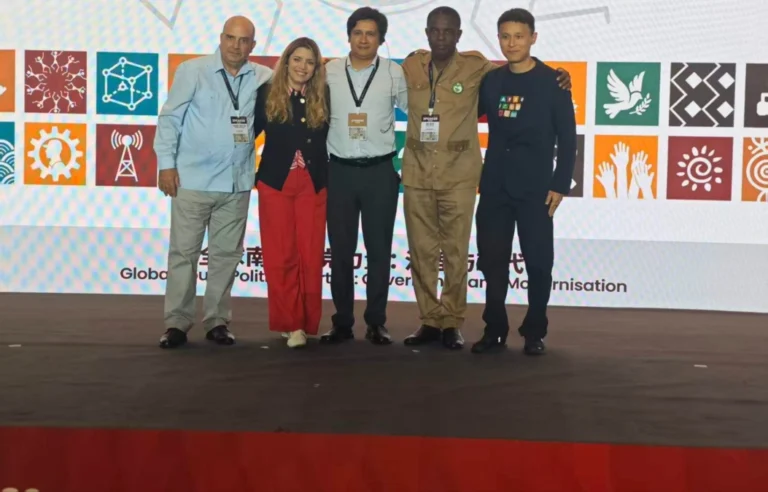
The initiative, known by its Spanish acronym CMPSur, was created by four media outlets with correspondents in China: teleSUR, Cuba’s Prensa Latina, Brazil’s Brasil de Fato and Ghana’s Pan Africa TV.

The launch took place during the Global South Academic Forum, held in Shanghai on October 17 and 18 under the theme “Global South Political Parties: Governance and Modernization.”

The forum brought together political leaders, academics, researchers and media representatives from Asia, Africa, Latin America and other developing regions.

Jeff Xiong, secretary general of the Global South Academic Forum, said the new media center seeks to strengthen joint journalistic production and build narratives from the perspective of the peoples of the South.

The platform aims to deepen links between China and other Global South countries while challenging the dominant communication frameworks of the Global North.

Xiong highlighted the role of the Global South Academic Forum in creating the conditions for multinational cooperation. He also expressed hope that additional media organizations from developing countries would join the initiative.

The Global South Media Center plans to expand the circulation of stories about China among audiences in Africa, Asia and Latin America through collaboration among outlets from different regions.

The initiative reflects a growing effort by Southern media to coordinate reporting, share content and develop common perspectives on development, governance and international relations.

The center will not replace the editorial independence of its founding organizations. Instead, it is expected to provide a framework for exchanging material, coordinating coverage and promoting joint productions.

The creation of the platform comes at a time when media organizations in developing countries face increasing pressure from concentrated technology platforms, algorithmic distribution and dependence on foreign digital infrastructure.

The Global South Academic Forum has become a space for discussing those challenges alongside broader questions of governance, development and international cooperation.

Global South Media Center Focuses on AI and Sovereignty

Global South Academic Forum | UNESCO—Media development and information

The Global South Media Center was announced during a panel on communication, party governance and social mobilization.

Participants discussed how media organizations can respond to the expansion of artificial intelligence and growing technological inequalities between developed and developing countries.

Alejandro Gómez, vice president of Prensa Latina, defended technological sovereignty and informational independence as essential conditions for Southern media.

He said developing countries must build their own capacities rather than relying exclusively on infrastructure and platforms controlled by external actors.

Gómez proposed the creation of a permanent training mechanism in artificial intelligence for journalists and media organizations in the Global South.

The initiative would be developed in cooperation with Chinese institutions and other specialized organizations. It could include training in AI-assisted reporting, data verification, digital security, content production and responsible use of new technologies.

The Prensa Latina executive also emphasized the need for Southern media to produce their own narratives about international transformations.

He argued that dominant global media frameworks often condition coverage of countries such as Cuba and limit the visibility of perspectives from developing nations.

The proposal reflects a broader concern that artificial intelligence may reinforce existing inequalities if Southern countries do not participate in the design, regulation and use of these technologies.

AI tools can help journalists analyze information, translate content, identify trends and improve audience engagement. However, they can also reproduce biases, amplify misinformation and concentrate power in companies that control the underlying models.

For media organizations in the Global South, the challenge is to use new technologies without becoming dependent on foreign platforms or losing control over editorial decisions.

The Global South Media Center could therefore play a role in training, research and the development of shared technological standards.

teleSUR President Patricia Villegas also defended South-South cooperation as a means of strengthening communication sovereignty.

She said media organizations in the South must reduce their dependence on digital infrastructures and technological platforms controlled by external actors.

Villegas warned about the influence of algorithms on the circulation of content. She argued that platforms can determine which stories reach audiences and which voices remain marginal.

The teleSUR president called for greater collaboration among Southern media, including the exchange of productions and the transfer of technological capacities.

She highlighted China’s role as a strategic partner for expanding communication cooperation and strengthening the ability of developing countries to produce and distribute their own content.

Villegas also referred to the creation of teleSUR+ in July 2026. The collaborative platform brings together audiovisual material, texts and photographs produced by media organizations and creators from the Global South.

She also mentioned the Global South correspondent network in Beijing, which includes Brasil de Fato, Prensa Latina and Brazil’s TVT, with the planned incorporation of an African media outlet.

The correspondent network provides a practical model for the new media center. It allows participating outlets to share reporting, coordinate coverage and reduce the costs of maintaining international bureaus.

Southern Media Seek a Common Global Voice

UNESCO—Global Media and Information Literacy | International Federation of Journalists

The Global South Media Center represents an effort to build a more coordinated voice for developing countries in the international information system.

Media organizations from the South often face unequal access to technology, advertising revenue, satellite capacity, distribution networks and international audiences.

Many outlets rely on platforms owned or controlled by companies based in the Global North. Those platforms can shape visibility through algorithms, moderation policies and commercial priorities.

The new center seeks to address that imbalance by promoting cooperation among media with shared interests in sovereignty, development and multilateralism.

The initiative also responds to the need for greater representation of Southern perspectives in coverage of China, Africa, Latin America and the Caribbean.

Mainstream media in the Global North have often presented developing countries through narratives focused on crisis, instability or dependence. Southern media organizations argue that those narratives ignore local experiences, historical context and the diversity of development models.

The Global South Media Center aims to provide alternative coverage that reflects the voices of communities, governments and social movements in the South.

The platform could support reporting on infrastructure, public health, education, food sovereignty, climate adaptation, digital governance and regional integration.

It could also promote stories about cooperation among developing countries, including China’s role in infrastructure, technology and trade.

The center’s creation is part of a wider effort to strengthen South-South cooperation in communication.

The Global South Academic Forum has promoted exchanges among academics, institutional representatives and media organizations on governance, development, international cooperation and the role of developing countries in global affairs.

The forum’s discussions have included state capacity, social mobilization, institutional innovation and the use of party organizations to strengthen governance.

Those themes are closely connected to the media agenda. Communication is not only a technical issue; it is also part of how societies organize political participation and respond to global challenges.

The panel in Shanghai emphasized that media organizations must prepare for the impact of artificial intelligence while defending editorial independence and public interest journalism.

Participants argued that technological innovation should not replace journalists but should support their work by improving research, verification and audience access.

The Global South Media Center could therefore become a space for developing ethical guidelines on AI, protecting journalists’ rights and promoting responsible use of new technologies.

Geopolitical Context

The launch of the Global South Media Center has geopolitical significance because communication has become a central arena of global competition.

Countries and media organizations increasingly compete to shape narratives about development, security, technology and international cooperation.

China’s role in the initiative reflects its growing engagement with Africa, Asia and Latin America. Beijing has expanded partnerships in infrastructure, trade, education and digital technology through initiatives such as the Belt and Road Forum and the Forum on China-Africa Cooperation.

For Southern media, cooperation with China offers access to training, technology and new distribution channels. It also allows them to diversify their sources of information and reduce dependence on traditional Western media networks.

For China, the platform provides an opportunity to strengthen its image among Global South audiences and present its development experience through media organizations from the region.

The initiative does not eliminate political differences among participating countries. Media organizations in the Global South have different political systems, editorial traditions and national interests.

However, the center reflects a shared concern about technological dependence and the unequal distribution of global communication power.

The platform could also influence debates about digital sovereignty, data governance and the regulation of artificial intelligence.

Developing countries have increasingly argued that international standards should address the concentration of technological power and protect the right of nations to control their own digital infrastructure.

The Global South Media Center may become part of that broader discussion by promoting training, content exchange and cooperation among media organizations.

Its success will depend on whether participating outlets can sustain joint projects, develop shared standards and expand the initiative beyond its founding members.

The launch of the Global South Media Center marks an attempt to build a stronger communication network for countries seeking greater influence over the global information order.

SEO Title: Global South Media Center: 4 Outlets Launch Bold New Platform in China


  •  

Milei y el califato de las Malvinas

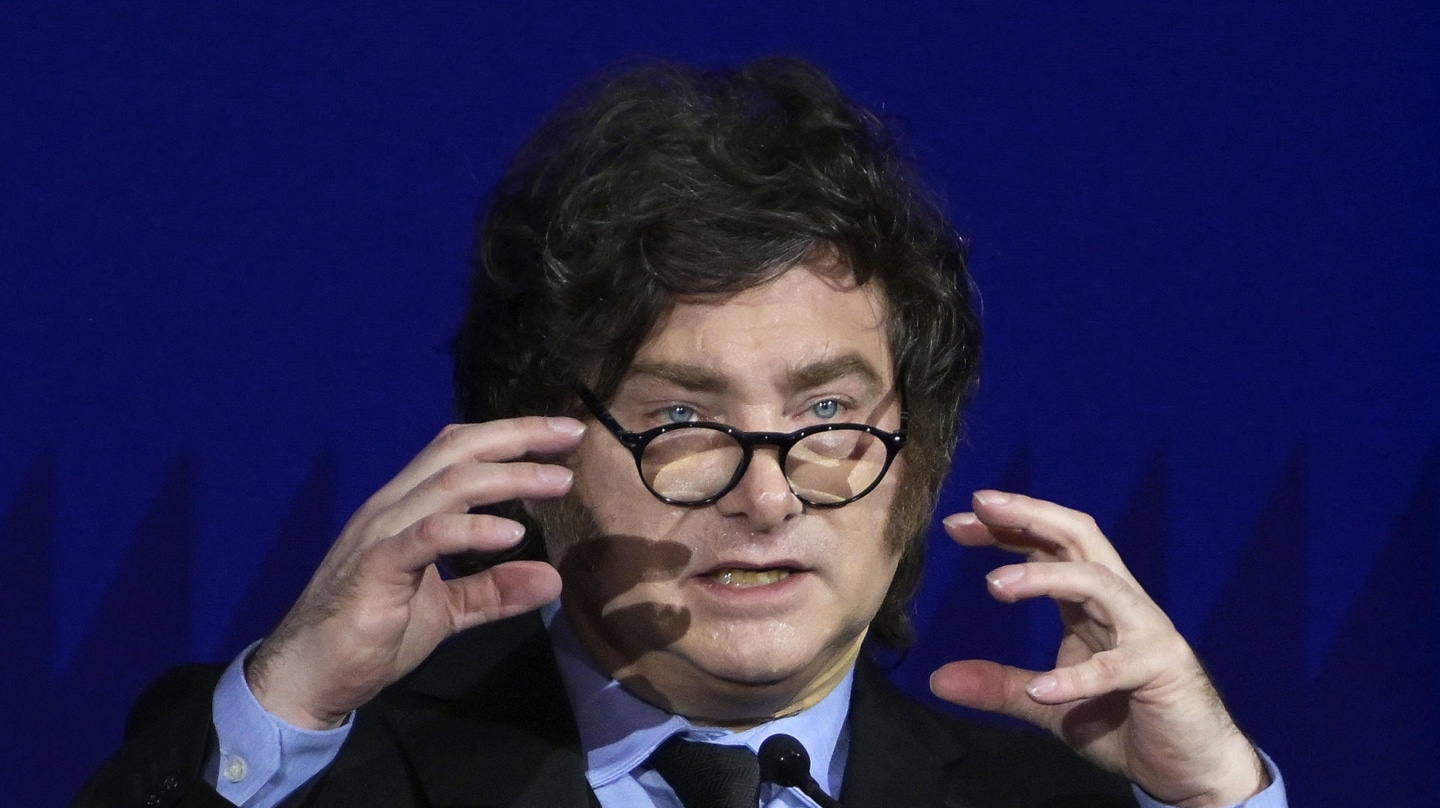
El presidente de Argentina, en la Cámara de Comercio de Estados Unidos en Washington.

Santiago Caputo, asesor presidencial del presidente Javier Milei, ha dicho que Argentina debe recuperar las Islas Malvinas porque el Reino Unido está siendo colonizado por el islam. En esa línea, consideró que la reivindicación sobre las Malvinas es ya una causa de Occidente, y no solamente nacional. La cuestión ha escalado porque Milei dio difusión en redes sociales al mensaje de su asesor, lo que ha tensionado la relación entre Argentina y Reino Unido. El mensaje no es nuevo. Donald Trump ya dijo antes que Caputo que el Reino Unido sería la primera potencia islamista con armamento nuclear. No debe de saber que Pakistán hace 54 años que posee armas nucleares.

No es la primera vez que Milei amenaza el Reino Unido con que quiere recuperar las Malvinas como sea. Espera que su amistad con Donald Trump lo haga apoyar el intento de recuperar las islas frente a un Reino Unido que, según el presidente argentino, está internacionalmente debilitado.

Sin embargo, si analizamos la situación de las fuerzas armadas argentinas, podemos ver que la situación no da para amenazas. Hay problemas en los acuartelamientos, donde faltan los bienes básicos para su funcionamiento. Con su salario, los soldados no llegan a final de mes, y tienen que encontrar trabajos alternativos como repartidores o taxistas. Por ello, han introducido subidas salariales. El gobierno libertario entró prometiendo seguridad y orden, y la situación de los cuerpos policiales y militares está peor que antes de que Milei llegara a la Casa Rosada.

La respuesta británica no se ha hecho esperar. El primer ministro, el laborista Andy Burnham, habló con el presidente Donald Trump, y le explicó que la voluntad de las Malvinas es seguir siendo británicas, con el respaldo de Londres. El presidente de la Asamblea de las Islas Malvinas, Jack Ford MLA, lo confirmó: no se plantean dejar de ser británicos. A su vez, el Ejército Británico se desplegó en un ejercicio para saber cómo actuar frente a una invasión, y reconquistar las islas como sucedió en 1982.

Fue en abril cuando el régimen militar encabezado por el general Galtieri tomó las Malvinas, un territorio que se apropió el Reino Unido hace siglo y medio. Aquello fue el principio del fin de la dictadura que sembró el terror en Argentina. Setenta y cuatro días después de la incursión argentina los británicos, que desplegaron la más poderosa flota desde la Segunda Guerra Mundial, recuperaron las Falklands, como las llaman. Hubo mil muertos, 700 de ellos argentinos.

El ministro británico de Exteriores, Ed Miliband, sostiene que los isleños tienen derecho a desarrollar sus recursos naturales como ellos consideren oportuno. Ha anunciado también nuevas medidas para garantizar que las personas y las empresas estén protegidas frente a las amenazas argentinas. El control de los recursos energéticos queda bajo protección británica.

Milei amenaza con una intervención militar en las Malvinas mientras los uniformados argentinos malviven"

No es la primera vez que Milei recurre la cuestión de las Malvinas para desviar la atención doméstica. De hecho, la Junta Militar usó la guerra de las Malvinas para desviar la atención de sus problemas internos. Enviaron a luchar a gente sin experiencia, ni formación. Ahora Milei amenaza con una intervención militar en las Malvinas mientras los uniformados argentinos malviven. Milei espera que Estados Unidos e Israel se pongan de su parte, pero es muy difícil que su apoyo vaya más allá de un golpecito diplomático a la espalda.

En conclusión, la supuesta expansión del islam en las Malvinas, y la consolidación de un gobierno islámico frente a Argentina, es la enésima declaración sin sentido que proviene de Casa Rosada, la sede del gobierno argentino. Apenas el 0,3% de los habitantes de la isla practican la religión islámica.

La necesidad constante del gobierno argentino de generar polémicas estridentes y tensionar el orden internacional es una muestra de la debilidad diplomática del país. Si recordamos el precedente de Venezuela sobre el Esequibo, podemos ver que la cuestión de un cambio territorial por la fuerza tiene escasos apoyos, incluso entre los amigos más cercanos.


Guillem Pursals es doctor en Derecho (UAB), máster en Seguridad (UNED) y politólogo (UPF), especialista en conflictos, seguridad pública y Teoría del Estado. Aquí puede leer sus artículos publicados en www.elindependiente.com

  •  

Colombia registró protestas por el retiro de obras sobre diversidad sexual, feminismo y paz del Museo Nacional

Cientos de personas protestaron el sábado frente al Museo Nacional de Colombia, en Bogotá, contra el retiro de algunas obras relacionadas con la comunidad LGBTIQ+, el feminismo y el proceso de paz por orden del Gobierno de Abelardo de la Espriella. La policía antidisturbios dispersó por la noche la concentración, que había transcurrido pacíficamente, mientras seis museos del país exigieron respeto a su autonomía.

  •  

Argentina Rights Group Files Complaint Over Police Crackdown

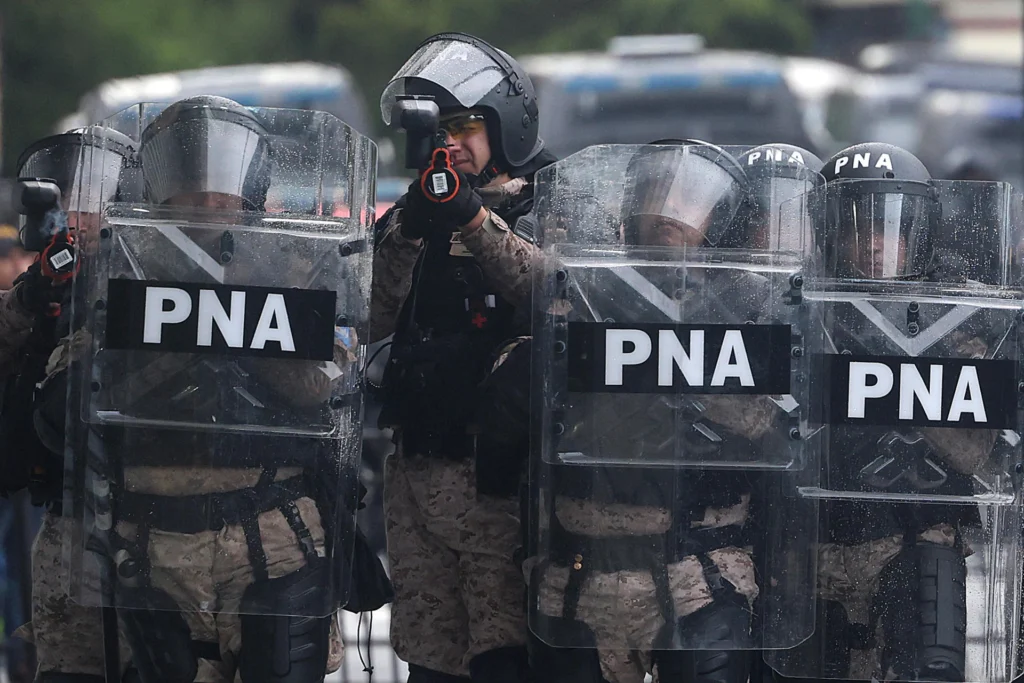
Argentine security forces during a police crackdown on university protesters in Buenos Aires on October 16.

The complaint alleges excessive force during an October 16 university protest in Buenos Aires, where at least 550 people required medical attention.


Argentina’s Provincial Commission for Memory (CPM) has filed a criminal complaint against President Javier Milei’s government and security officials over a police crackdown on a university protest in Buenos Aires that left at least 550 people requiring medical attention. The filing accuses security forces of abuse of authority, dereliction of official duties and other crimes.

RELATED: Argentina Abstains on UN Colonialism Vote Despite Malvinas Rhetoric

The complaint concerns the October 16 Federal University March and a demonstration against Decree of Necessity and Urgency (DNU) 70 in Plaza del Congreso. It names the Unified National Security Command and authorities in the Autonomous City of Buenos Aires, alleging that the security operation exceeded legal limits.

The operation involved the Federal Police, Naval Prefecture, National Gendarmerie, Airport Security Police and Buenos Aires City Police. According to the CPM, officers intervened while the mass demonstration was underway, forcing university leaders to interrupt their reading of the main statement from the stage.

The commission reported that officers fired rubber bullets directly at protesters’ faces and heads and used water-cannon trucks against demonstrators. At least 550 people required medical attention, and at least 120 tear-gas grenades were fired, according to the organization.

Journalists and human rights monitors injured

A CPM report documented injuries to 50 media workers and 15 members of the commission, which is chaired by Adolfo Pérez Esquivel and Dora Barrancos.

Among those injured were Página/12 photographer Guido Piotrkowski, who was struck twice in the chest by rubber bullets, and TeleSISA journalist Laura Quispe, who sustained nine rubber-bullet impacts.

Footage circulated by the Center for Legal and Social Studies (CELS) showed officers aiming at protesters’ eyes. Later that evening, television cameras recorded Gendarmerie officers collecting spent cartridges from the streets and placing them in bags. The CPM raised concerns about the preservation of potential evidence.

Six people arrested during the demonstration

Six people were arrested during the protest and its dispersal. Two students from Nicolás Avellaneda School were detained at 5:11 p.m. at the intersection of Montevideo and Sarmiento streets.

One student, aged 14, was held for two hours. The other, aged 17, was charged with resisting authority and faces criminal proceedings under the recently introduced juvenile justice regime.

Police later arrested four adults — three men and one woman — at the intersection of Chacabuco Street and Avenida de Mayo. Human rights organizations said the woman, a student at the National University of Tres de Febrero, was stopped because she was carrying a Colombian flag. All four were charged with resisting authority.

Commission seeks records and independent investigation

The CPM’s complaint alleges that the actions of officers and their political superiors were coordinated and carried out under orders from senior officials who knowingly authorized the use of coercion outside the legal framework and in violation of Argentina’s international commitments.

The commission has asked the national and Buenos Aires city security ministries to provide a complete list of personnel deployed during the operation, details of the vehicles, weapons and equipment used, and copies of orders transmitted over police radio frequencies.

It is also seeking information about officers who photographed or filmed protesters, including whether they had prior judicial authorization, as well as footage from the city’s surveillance cameras.

The CPM has called for independent forensic examinations and for the collection, custody and analysis of testimony, commercial recordings and other evidence to remain under the control of the competent court or prosecutor. The request specifically excludes the security forces implicated in the events from handling that evidence.

  •  

Ricercatrice per un progetto Ue sospesa dal suo istituto in Argentina per aver svelato le conseguenze sulla popolazione dell’uso massiccio di agrofarmaci

Ha eseguito una ricerca sulla presenza di veleni agricoli in esseri umani e animali, nel sudovest di Buenos Aires, coinvolgendo 73 volontari. Lo studio, iniziato nel 2020, finanziato da fondi Ue nell’ambito del progetto Sprint, Sustainable plant protection transition, con l’approvazione dell’Inta, Instituto nacional de tecnología agropecuaria, ha rilevato la presenza di almeno due pesticidi nel sangue del 100% dei volontari coinvolti e di glifosato nelle urine dell’84%. In alcuni test si registra la presenza di decine di fitofarmaci diversi nell’organismo dei volontari. I veleni sono ovunque, anche nella polvere domestica, che nasconde fino a 86 molecole chimiche differenti. L’esito non è piaciuto affatto ai vertici dell’Inta né ai colossi agricoli, i cui rappresentanti siedono nel Consiglio direttivo dell’ente. E ora Virginia Aparicio, 53 anni, responsabile scientifica della ricerca, affronta una procedura di esonero che comporterebbe il licenziamento e l’esclusione da ogni incarico pubblico per i prossimi cinque anni.

“La mia vita è cambiata profondamente”, confida Aparicio a Ilfattoquotidiano.it. Dopo più di vent’anni di lavoro presso l’Inta, affronta una decisione di esonero dalla pubblica amministrazione vincolata a una ricerca scientifica internazionale. “È una decisione che compromette il mio percorso professionale e la mia continuità lavorativa”. L’Inta l’accusa di diverse irregolarità, come l’aver “scavalcato i superiori” e “occultato informazioni“, ma Aparicio ha notificato per iscritto ogni singola azione, protocollo e avanzamento del progetto. Sotto pressione degli agroindustriali, l’ente ha provato a fermare la divulgazione dei risultati, che invece erano già arrivati in Europa. Per rappresaglia, l’Argentina si è formalmente ritirata dal progetto Sprint. Aparicio, già ritenuta la migliore ricercatrice dell’Inta in materia di agrochimici con oltre 150 pubblicazioni e 3.500 citazioni scientifiche dice: “Temo per il mio futuro lavorativo e personale. Ma a preoccuparmi di più è il messaggio che, con questa situazione, viene trasmesso ad altri ricercatori. Produrre e comunicare la conoscenza scientifica può avere ripercussioni negative per chi lo fa”.

Interpellata sui risultati della ricerca, Aparicio racconta: “Ho provato preoccupazione, ma anche un’enorme responsabilità scientifica ed etica. I risultati costituiscono un’evidente esposizione che occorre indagare, comunicare e tenere in considerazione nell’attuazione di politiche pubbliche”. E rilancia con una domanda: “Cosa succede quando i risultati di una ricerca scomodano chi ha potere decisionale?”. La ricercatrice rivendica perciò “l’indipendenza” della scienza pubblica nel “porre domande, ottenere risultati e comunicarli, anche quando mettono in discussione prassi prestabilite e interessi economici”.

La sua ricerca ha non a caso smentito il discorso ufficiale della lobby degli agrofarmaci, secondo cui i fitofarmaci sono “strumenti sicuri per l’uomo e per l’ambiente“, come affermato da Aacrea, Asociación argentina de consorcios regionales de experimentación agrícola. Tesi sostenuta anche da Sociedad rural argentina e Coninagro che in Argentina gestiscono la logistica dell’utilizzo dei prodotti Bayer (già Monsanto) e Syngenta. “Se invece i ricercatori temono di perdere il lavoro per le loro scoperte si favorisce l’autocensura. E questo impoverisce tutta la società”, aggiunge.

Aparicio esorta i colleghi a “difendere la scienza con dignità, indipendenza e rigore” e alla cittadinanza a “tutelare il proprio diritto alla conoscenza”. È una questione di principio: “La ricerca finanziata con fondi pubblici dev’essere posta al servizio del bene comune – osserva – I dati scientifici non appartengono a governi, imprese e ricercatori. La conoscenza che produciamo è un patrimonio della società“.

Negli ultimi giorni, la causa di Aparicio ha riscosso l’adesione di diverse realtà che vanno da sindacati locali a istituti di ricerca esteri. “La sanzione massima contro una ricercatrice per fatti prodotti nell’ambito del suo progetto istituzionale avrebbe conseguenze su tutto il personale e indebolirebbe la ricerca pubblica”, ha denunciato il sindacato nazionale del personale dell’Inta. Reagiscono anche la Facoltà di Agronomia dell’Università di Buenos Aires e la Coordinadora de pueblos fumigados (rete di popoli irrorati) per i quali la procedura contro Aparicio punta a “ostacolare il diritto cittadino di sapere chi inquina i territori”. Anche i rappresentanti del progetto Sprint hanno difeso la trasparenza dell’operato di Aparicio e il rispetto dei protocolli. “È evidente che ciò che abbiamo trovato non è stato conveniente per molte persone”, ha commentato a El País la ricercatrice Violette Geissen, dell’Università di Wageningen (Paesi Bassi) e coordinatrice generale dell’intero progetto. Il governo di Javier Milei, più volte interpellato sulla vicenda, resta in silenzio.

L'articolo Ricercatrice per un progetto Ue sospesa dal suo istituto in Argentina per aver svelato le conseguenze sulla popolazione dell’uso massiccio di agrofarmaci proviene da Il Fatto Quotidiano.

  •  

Denuncian penalmente a Gobierno de Milei por violencia policial contra protesta universitaria

La denuncia penal encuadra el accionar de las fuerzas de seguridad y de sus mandos jerárquicos y políticos, durante la manifestación de este viernes 16 de octubre, en los "delitos de estrago, abuso de autoridad e incumplimiento de los deberes de funcionario público".
  •  

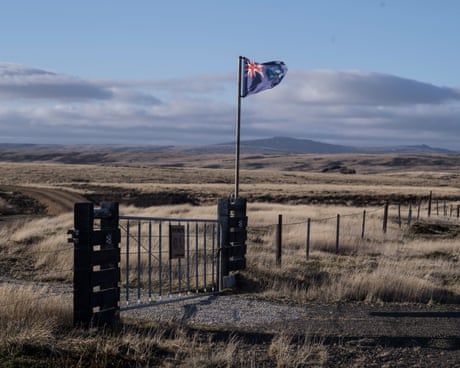
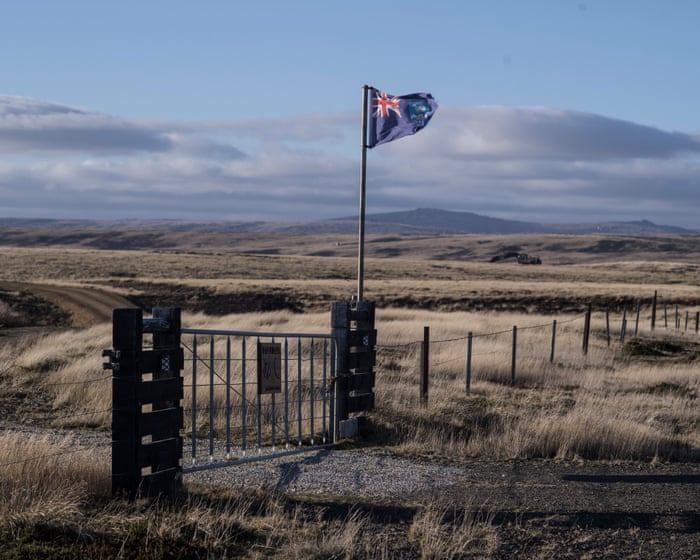
‘4,000 people minding our own business’: four decades on, Falklands again face a hostile Argentina

Facing a slump in the polls, Argentina’s president is making economic attacks on the islands’ oil industry, and suggesting its key fisheries industry could be next

A dozen local people and a uniformed military police officer (“Do you mind if I sit in?”) took their seats at the back of the handsome wood-panelled courtroom that doubles as the Falkland Islands’ legislative assembly. Outside, it was a typically blowy early evening. It may nominally be spring in the south Atlantic, but Stanley harbour, with its dark grey water speckled with historical shipwrecks, was a cauldron of swells and churn.

Six of the assembly’s eight members – five men, one woman – waited patiently at a row of desks and microphones. The heating had been turned up to just short of uncomfortable. Behind them, a portrait of King Charles. From the other walls, dusty photographs of governors peered down on the scene.

Continue reading...

© Photograph: Sean Smith/The Guardian

© Photograph: Sean Smith/The Guardian

© Photograph: Sean Smith/The Guardian

  •  

Medio centenar de fortificaciones en Gaza: así toma Israel el control de la Franja

Alrededor de las enormes fortificaciones que Israel ha levantado en Gaza no queda nada. Algunas de ellas se remontan a 2023, tras los atentados de Hamás aquel 7 de octubre y la posterior invasión de la Franja por parte de Israel. Pero la construcción de nuevos puestos se ha acelerado a partir del alto el fuego del 10 de octubre de 2025: al menos 15 de ellos aparecen por primera vez en imágenes de satélite en diciembre del año pasado. “Estos puestos sirven como bases a través de las cuales Israel mantiene y ejerce control territorial sobre Gaza”, asegura Sarah Sanbar, investigadora de la ONG Human Rights Watch (HRW).

Seguir leyendo

Bloques de hormigón con los que el ejército israelí marca la línea amarilla dentro de Gaza, este martes frente a la barrera fronteriza.

Metodología

Para localizar las fortificaciones militares israelíes en Gaza, hemos desarrollado un sistema de búsqueda visual basado en inteligencia artificial que nos ha permitido identificar estructuras similares entre cientos de imágenes de satélite. Después, hemos revisado y contrastado los resultados para distinguir las posiciones fortificadas de otras construcciones o movimientos de tierra.

En total, hemos analizado más de 600 imágenes de la Franja de Gaza, tomadas entre enero de 2023 y octubre de 2026, que suman más de 400 GB de información. La mayoría proceden de Planet Labs y tienen una resolución aproximada de medio metro por píxel. También hemos utilizado una imagen aérea del norte de Gaza, publicada en la plataforma GovMap del Gobierno de Israel, con una resolución aproximada de 15 centímetros por píxel.

La investigación se ha desarrollado en cinco fases, con sucesivas rondas de búsqueda y revisión:

1. Selección de ejemplos. Escogimos 15 imágenes de fortificaciones con características reconocibles: grandes muros de tierra, accesos protegidos, zanjas y estructuras interiores como barracones, vehículos o antenas. Añadimos otros 15 ejemplos de caminos, excavaciones y terrenos arrasados que podían confundirse con ellas.

2. Búsqueda mediante inteligencia artificial. Dividimos las imágenes en 1.550.108 fragmentos, procedentes de 602 escenas de Planet Labs y de la imagen aérea de GovMap. Desarrollamos una herramienta que comparó estos fragmentos con los ejemplos seleccionados y los ordenó según su similitud. Repetimos las búsquedas incorporando los resultados ya revisados para identificar nuevos candidatos. La inteligencia artificial nos ayudó a localizar posibles fortificaciones, pero no decidió cuáles lo eran.

3. Revisión y evolución temporal. Examinamos las propuestas, descartamos las coincidencias incorrectas y reunimos imágenes de distintas fechas para cada ubicación. Así pudimos reconstruir los cambios visibles en el terreno y observar cuándo aparecían las primeras modificaciones.

4. Comprobación de uso militar. Para distinguir las fortificaciones de otros recintos, buscamos indicios adicionales, especialmente estructuras compatibles con barracones o módulos prefabricados. Revisamos distintas fechas para comprobar si estas instalaciones habían estado presentes, incluso cuando el recinto aparecía posteriormente vacío. Estos elementos, junto con la configuración del terreno, reforzaron la identificación de las posiciones militares.

5. Recuento final. Tras descartar falsos positivos y agrupar las imágenes correspondientes a una misma ubicación, identificamos 50 posiciones fortificadas. Para documentar su evolución, elaboramos 50 series temporales con 4.382 imágenes, accesibles para los lectores de EL PAÍS, después de excluir los recortes sin cobertura suficiente.

Limitaciones de la investigación. La cobertura de las imágenes no es uniforme: no disponemos de todos los lugares en todas las fechas. Por eso, la primera imagen en la que aparece una construcción no indica necesariamente cuándo fue levantada.

Las 50 posiciones identificadas representan las fortificaciones que hemos podido verificar en el material disponible, no un censo exhaustivo de todas las existentes en Gaza. Aunque hemos revisado miles de candidatos, no podemos descartar que haya otras posiciones que nuestra herramienta no haya detectado.

Las imágenes nos permiten documentar las estructuras y su evolución, pero no determinar por sí solas la función exacta de cada instalación ni si estuvo ocupada de manera continua. Para ello necesitamos contrastar nuestras observaciones con otras fuentes.

  •  

Asesinato de destacado exfiscal anticorrupción Juan Francisco Solórzano sacude a Guatemala

Dos hombres rastrearon los pasos del abogado y exjefe del ente recaudador de impuestos, una de las figuras más destacadas en la lucha contra la corrupción, y lo asesinaron en un campo de fútbol al que solía acudir los sábados para jugar. Solórzano llevó casos de altísimo perfil, como el que condujo a la renuncia del expresidente Otto Pérez Molina en 2015, y en 2023 se unió al equipo de defensa del periodista José Rubén Zamora.

  •  
❌