As of October 21, Ukrainian farmers had sown 3.9279 million hectares of winter grain crops, or 75.4% of the projected area, and 1.1207 million hectares of winter rapeseed, or 101.4% of the forecast area, the Ministry of Agrarian Policy and Food reported on its website.
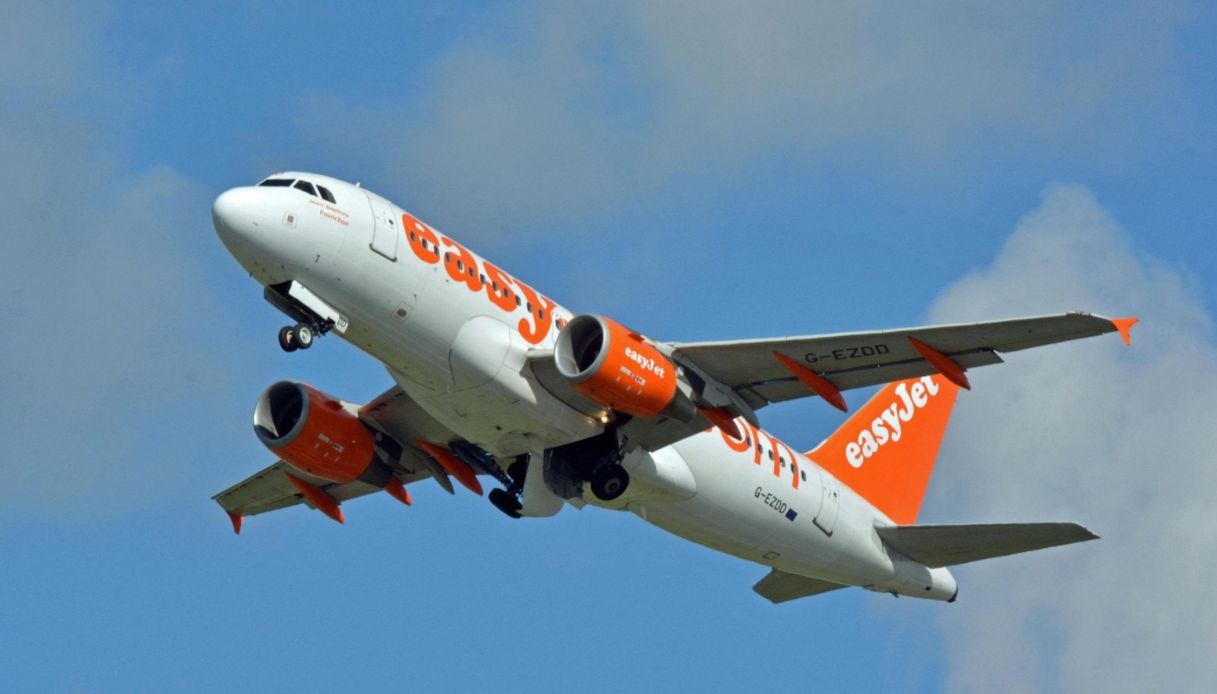
EasyJet amplia il proprio network europeo in vista della stagione estiva 2027, annunciando 18 nuove rotte in partenza dal Regno Unito, a cui si aggiungono nuovi collegamenti dall’Italia. Il piano di sviluppo comprende collegamenti diretti verso alcune delle principali destinazioni turistiche del Mediterraneo e diverse città europee, con nuove opportunità per chi desidera organizzare le vacanze senza dover necessariamente transitare dai grandi hub internazionali.
L’espansione annunciata dalla compagnia britannica si inserisce in una strategia che punta a valorizzare gli aeroporti regionali, offrendo ai passeggeri più alternative rispetto alle partenze dai principali scali.
Le nuove rotte easyJet dall’Italia per l’estate 2027
Tra i nuovi collegamenti internazionali presentati da easyJet, 4 tratte riguardano l’Italia e collegheranno:
Milano Malpensa con Birmingham;
Roma Fiumicino con Edimburgo;
Napoli con Reykjavík;
Rimini con Berlino Brandeburgo.
Le partenze sono previste a partire dalla primavera 2027, con date e frequenze differenti a seconda della destinazione. I voli da Milano Malpensa e Roma Fiumicino rientrano tra le 18 nuove rotte con il Regno Unito, mentre i collegamenti da Napoli e Rimini si aggiungono al pacchetto britannico.
Tutte le nuove destinazioni europee
Le 18 nuove rotte annunciate da easyJet partono da 10 aeroporti britannici per l’estate 2027, comprese le due verso Milano Malpensa e Roma Fiumicino. L’offerta comprende destinazioni in Spagna, Francia, Italia, Germania, Grecia, Cipro, Montenegro e Bulgaria. Secondo la compagnia, su dieci delle nuove tratte sarà l’unico vettore a offrire un collegamento diretto.
Ecco il calendario delle prossime partenze da e per:
Aberdeen per Barcellona (Spagna) dal 31 marzo 2027 e per Palma di Maiorca (Spagna) dal 3 maggio 2027;
Birmingham per Milano Malpensa (Italia) dal 29 marzo 2027 e per Tivat (Montenegro) dal 3 maggio 2027;
Bristol per Burgas (Bulgaria) dal 28 maggio 2027 e per Montpellier (Francia) dal 1° luglio 2027;
Edimburgo per Amburgo (Germania) dal 29 marzo 2027, per Tivat (Montenegro) dal 29 marzo 2027, Bilbao (Spagna) dal 30 marzo 2027 e per Roma Fiumicino (Italia) dal 30 marzo 2027;
Liverpool per Girona (Spagna) dal 28 marzo 2027 e per Murcia (Spagna) dal 29 marzo 2027;
Londra Gatwick per Girona (Spagna) dal 3 giugno 2027 e per Ajaccio (Francia) dal 30 giugno 2027;
Londra Luton per Salonicco (Grecia) dal 1° maggio 2027;
Londra Southend per Rodi (Grecia) dal 27 aprile 2027;
Manchester per Bastia (Francia) dal 29 giugno 2027;
Newcastle per Larnaca (Cipro) dal 31 marzo 2027.
L’impatto sul territorio
L’apertura di una nuova rotta non si traduce soltanto in una maggiore scelta per i passeggeri, ma può contribuire a modificare i flussi turistici, la domanda di servizi e l’accessibilità di intere aree geografiche.
Una maggiore mobilità può sostenere i soggiorni brevi, i viaggi fuori dai periodi di punta e le visite di amici e parenti. Per le città che non rappresentano i tradizionali punti di ingresso del turismo internazionale, un collegamento può offrire maggiore visibilità sui mercati esteri e attrarre visitatori. Tuttavia, questo effetto non è automatico, ma un possibile sviluppo in questo senso dipende dalla domanda effettiva e dai prezzi e dalla capacità delle destinazioni di offrire servizi adeguati. La presenza di una rotta rappresenta quindi un’opportunità commerciale, anche per l’Italia, non una garanzia di aumento delle presenze turistiche.
Quanto costano i nuovi voli easyJet e come prenotare
Le 18 rotte britanniche annunciate a settembre sono già disponibili per la prenotazione attraverso il sito ufficiale easyJet e l’app mobile. Le tariffe promozionali iniziali partono da 35,48 sterline (circa 42 euro) per persona e per tratta, tasse incluse. I prezzi però variano in base alla destinazione, alla disponibilità e al periodo scelto.
Prima di confermare la prenotazione conviene inoltre calcolare il costo complessivo, soprattutto quando si viaggia con bagagli da stiva o si desidera scegliere posti specifici.
U.S. President Donald Trump may be considering further sanctions relief for Russia following his recent diesel deal with Russian President Vladimir Putin, several Ukrainian and U.S. officials familiar with the matter told the Kyiv Independent.
The potential move would fit an approach in which the Trump administration offers
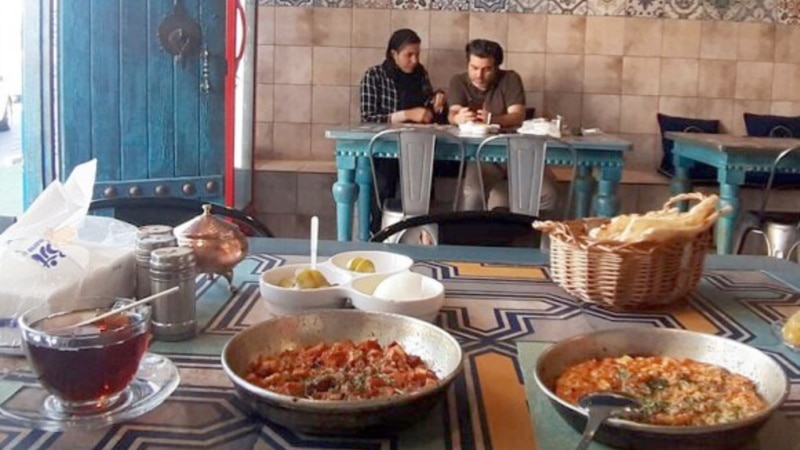
Battered by mismanagement, sanctions and war, Iran’s economy is in deep trouble. The cost-of-living crisis is forcing people to change what they eat, how they socialize, and what they can afford to do with their lives.
Poland is the largest exporter to the Ukrainian market among European Union member states. Its trade surplus in goods with Ukraine has reached a record level of €9.7 billion. This is reported by the Polish online portal RMF24, citing the latest edition of the *Ukraine Affairs Monitor*—published by the Polish state development bank, Bank Gospodarstwa […]
The International Monetary Fund (IMF) estimates Ukraine's uncovered external financing needs for budget expenditures in 2027–2028 at $50 billion–$55 billion: $30 billion–$35 billion next year and another $20 billion in 2028.
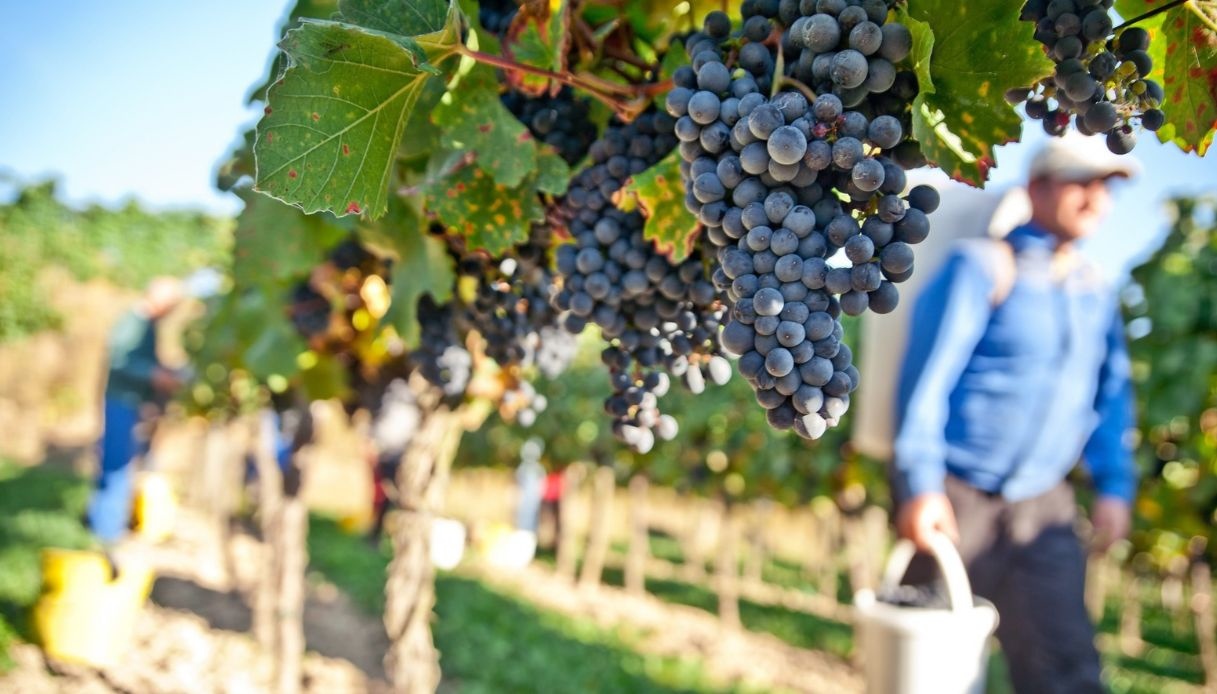
La vendemmia 2026 si chiude, almeno sul fronte dei prezzi delle uve da vino, con un quadro complesso per la filiera vitivinicola italiana. Nonostante le previsioni indichino una produzione inferiore rispetto allo scorso anno, le quotazioni della materia prima tendono al ribasso in diversi territori, coinvolgendo alcune delle denominazioni più importanti del made in Italy enologico.
A fotografare la situazione sono le prime rilevazioni della Borsa merci telematica italiana (Bmti) sulla campagna 2026/27, diffuse il 15 ottobre 2026: dal Veneto alla Puglia, numerose denominazioni registrano cali a doppia cifra rispetto alla scorsa campagna, mentre le cantine devono ancora smaltire le giacenze accumulate.
Come è andata la vendemmia in Italia
Secondo le stime della Commissione europea, la produzione di vino in Italia dovrebbe attestarsi a poco più di 41 milioni di ettolitri, registrando una diminuzione del 7,1% nel 2026 rispetto al 2025. Questa contrazione è una diretta conseguenza delle difficoltà incontrate dai vigneti in seguito a condizioni climatiche estreme, temperature elevate e periodi di siccità durante la primavera e l’estate. Queste condizioni infatti hanno portato a un anticipo della vendemmia in numerose aree del Paese, modificando i calendari di raccolta e incidendo sulle quantità disponibili.
Di contro, le cantine devono ancora smaltire ingenti quantità di vino e, proprio mentre devono fare i conti con la necessità di mantenere bassi i costi, questa eccedenza sta già spingendo verso il basso le quotazioni di quest’anno. Il problema, dunque, non riguarda soltanto la disponibilità di uva, ma l’equilibrio complessivo tra produzione, scorte, domanda e vendite.
Di quanto sono scesi i prezzi dell’uva
Dai dati rilevati dalle Camere di commercio ed elaborati dalla Borsa merci telematica italiana (Bmti), in anteprima per il settimanale Tre Bicchieri del Gambero Rosso il 15 ottobre 2026, le prime rilevazioni sulla campagna vitivinicola 2026/27 restituiscono un andamento dei prezzi al ribasso. Numerose denominazioni registrano quotazioni inferiori rispetto alla campagna precedente, con diminuzioni che in alcuni casi superano il 20%. Il fenomeno interessa diverse aree produttive, dal Veneto alla Toscana, fino all’Abruzzo e alla Puglia.
Solo poche denominazioni, accanto alle flessioni a doppia cifra, mantengono quotazioni stabili: tra queste il Brunello di Montalcino e il Conegliano Valdobbiadene Prosecco.
Le denominazioni più colpite
Tra le denominazioni che hanno registrato le diminuzioni più consistenti rispetto al 2025 ci sono:
il Lugana Doc, tra Lombardia e Veneto (province di Brescia e Verona), con un ribasso del 23% e quotazioni scese a 158,5 euro al quintale;
il Montepulciano d’Abruzzo Doc, le cui uve perdono il 21%, fermandosi a 46,5 euro al quintale;
la Vernaccia di San Gimignano Docg, in Toscana, che registra una flessione del 19%, con prezzi pari a 65 euro al quintale;
l’Abruzzo Pecorino Doc, in calo del 17% a 47,5 euro al quintale;
le uve destinate alla produzione di Recioto e Amarone della Valpolicella Docg, che perdono il 16%, attestandosi a 152,5 euro al quintale.
La tendenza negativa coinvolge inoltre:
il Chianti Classico Docg e il Vino Nobile di Montepulciano Docg, entrambi in diminuzione dell’8%, rispettivamente a 161,25 e 117,5 euro al quintale;
le uve destinate al Primitivo in Puglia, che scendono del 9%, raggiungendo 40 euro al quintale;
il Pinot Grigio Valdadige, con una flessione più contenuta, pari al 6%, e con quotazioni di 75 euro al quintale.
Fanno eccezione le uve destinate al Brunello di Montalcino Docg, che restano stabili a 250 euro al quintale, così come quelle per il Soave Doc, il Custoza Doc e le principali produzioni del Conegliano Valdobbiadene Prosecco Docg.
Cosa si rischia
Le conseguenze non sono necessariamente identiche per tutte le aziende. I produttori che dispongono di contratti consolidati, maggiore capacità commerciale o prodotti destinati a segmenti di mercato più remunerativi possono trovarsi in una posizione differente rispetto alle imprese più esposte alle oscillazioni dei listini. Tuttavia, la diffusione dei ribassi rende il quadro complessivo particolarmente delicato.
L’evoluzione dei prezzi nei prossimi mesi dipenderà dalla capacità del mercato di assorbire le giacenze e dalla velocità con cui le vendite riusciranno a riportare equilibrio tra domanda e offerta. Sarà quindi importante osservare l’andamento delle vendite di vino, l’evoluzione dell’export e le prossime rilevazioni dei listini camerali.
Concerns about the cost of artificial intelligence investment triggered sharp losses in American technology shares on Thursday, with the sell-off affecting European markets as investors reassessed the outlook for chipmakers and major digital companies.
The Nasdaq Composite fell 2.6 per cent, while the Philadelphia semiconductor index lost nearly seven per cent. Shares in Meta declined sharply after its latest earnings revived concern over the capital needed to expand AI infrastructure.
Trading stabilised in parts of Asia on Friday, but European shares remained under pressure. The retreat came alongside a rise in oil prices and renewed demand for US government bonds, underscoring investors’ sensitivity to several risks at once.
The underlying issue is whether the enormous spending commitments announced by technology companies can generate sufficient returns to justify current valuations.
Building and operating AI systems requires large data centres, advanced chips, electricity supplies and network infrastructure. The companies financing that expansion are investing before the full scale and profitability of future demand can be known.
Strong revenue growth can coexist with higher costs, rising debt and pressure on cash flow. For investors, the question is not simply whether AI will be widely used, but how its benefits will be divided among software companies, infrastructure providers and customers.
The latest market reaction follows earnings announcements that renewed scrutiny of spending plans. A one-day share-price fall does not establish that the AI sector is entering a prolonged contraction.
European exposure
Europe participates in the AI supply chain through semiconductor equipment, advanced manufacturing, energy infrastructure and cloud services. A repricing of major American technology companies can therefore affect European-listed firms even when their own operating results have not changed.
The Netherlands and France are among the markets with listed technology businesses exposed to global semiconductor demand. Falling shares may also reflect general risk aversion rather than a judgment about an individual company’s prospects.
European policymakers have argued for stronger domestic computing capacity and digital independence. The economic challenge is to support that capability without assuming every investment will earn a commercial return.
Energy prices add pressure
Brent crude’s rise to around $114 a barrel has intensified uncertainty about inflation and borrowing costs. Rising fuel prices can affect both households and power-intensive sectors, while higher interest rates tend to reduce the present value of expected future profits.
Global investors have consequently moved towards government bonds and other perceived safer assets. That shift reflects changing risk assessments, not a forecast that markets will necessarily keep falling.
Future earnings reports, capital-expenditure plans and evidence of customer demand will determine whether this week’s losses become a sustained correction or a short-lived reassessment.
For Europe, the sell-off puts renewed emphasis on the financing and competitiveness of its own technology ambitions.
Oil prices rose above $114 a barrel on Friday as attacks in Saudi Arabia and the prospect of further Middle Eastern escalation increased concern about the security of global energy supplies.
Brent crude futures reached $114.72 during the session, their highest level since early May, before easing slightly. The benchmark was trading around $114.31, while US West Texas Intermediate futures rose above $101.
The immediate pressure followed Houthi attacks in Saudi Arabia and intensifying concerns about shipping through the Bab el-Mandeb strait, the narrow passage connecting the Red Sea with the Gulf of Aden. Saudi Aramco reportedly ordered the evacuation of its headquarters in Dhahran.
For Europe, the rise introduces an additional cost pressure when natural gas prices are also climbing sharply and policymakers are trying to contain inflation without further weakening industrial growth.
The significance of the attacks is not confined to facilities directly affected. Traders price the probability of interruption across production, ports, tankers and shipping routes. Even a limited episode can raise insurance premiums and freight charges while companies adjust deliveries.
Bab el-Mandeb is an important shipping bottleneck for commercial traffic using the Suez Canal. Sustained insecurity can force vessels onto longer routes around Africa, delaying cargoes and increasing transport costs.
Other disruptions have compounded uncertainty, including concerns about a Libyan pipeline and an oil spill near the United Arab Emirates. The scale and duration of their impact remain uncertain.
What higher prices mean for Europe
European manufacturers, haulage companies, airlines and agricultural producers are sensitive to increases in fuel and transport costs. Those pressures can eventually reach consumer prices, although the timing and size depend on contracts, taxes and domestic competition.
The European Union has sought to reduce its reliance on Russian fossil fuels since Moscow’s full-scale invasion of Ukraine. That diversification does not insulate the bloc from global prices, which reflect worldwide trading conditions.
European natural gas prices have also moved higher in October, adding to the burden faced by energy-intensive industries. Gas and oil are different markets, but geopolitical tensions can affect both.
Central banks and governments
Persistent energy-price increases complicate the inflation outlook for the European Central Bank. Higher imported energy costs can reduce household purchasing power and slow investment, even before interest-rate decisions respond.
A temporary spike may reverse if shipping lanes remain open and supplies are restored. A sustained interruption would produce a different economic calculation, particularly ahead of winter.
The immediate priority for European governments is to assess exposure through import contracts, reserve levels and supply routes rather than assume that a quoted oil price translates directly into the same percentage increase in household bills.
George Brett Olson (right) said his joke was taken by an AI account (left).
George Brett Olson via Instagram
George Brett Olson is one of a set of comedians who've called out AI accounts for ripping off their work.
Olson said he was upset with Meta for allowing the situation to persist on its platforms.
Instagram's top exec said the platform is invested in promoting original content and would look into the issue.
This as-told-to essay is based on an interview with George Brett Olson, one of several comedians who have lately called out AI accounts for ripping off their jokes. It's been edited for length and clarity. Instagram head Adam Mosseri said he would look into what could be done about the issue and that the platform was invested in driving traffic to original content.
I started doing stand-up in 2021 after getting burned out from being a winemaker. I'd been doing live shows, and this joke I made about, ironically, AI stealing jobs went viral. The whole joke was about AI stealing jobs and people still blaming immigrants, which is very silly when the most powerful people were saying, "We're literally coming to take all your jobs."
Then a friend sent me the video of this lady doing the joke. He's like, "AI is for real, for real, stealing your jokes." It was basically me, in my clothes, but it's a 42-inch butt. It's just the pornification of women online. It was very strange.
I'd been doing that joke for a year. I thought of it after working out with my buddy, and we were talking, walking. It takes a lot of work to get a joke stage-ready. It's a lot of repetition, tweaking, driving from place to place to perform. Comedy's not easy. So it's pretty sad to see it happen, especially when the AI comedians who are stealing jokes have more followers than the people they're stealing from.
I asked the account behind the joke if she was real. She said yes. Then I asked, "Did someone help you do this?" And she just left me on read. She also left a comment saying, "Sorry, won't happen again," and removed a bunch of videos.
I've had a bunch of followers try to report it. Adam Mosseri, the head of Instagram, replied and basically said, "Not all AI's bad. We don't know how we're going to stop it, but people shouldn't be able to steal. Seems like we should do something about that."
[This was Mosseri's exact comment: "I don't think it's practical for us to try and ban AI content from the platform. It's gonna be harder and harder to identify, and it's not all bad content (though yes, there is plenty of slop). But we are very invested in trying to drive more traffic to original content creators, and if an AI creator is ripping off content wholesale, it would be good for us to work out what we can do about that. I'm not sure what it would be, but I'll make sure to talk to the team and look into it."]
George Brett Olson is one of several comedians who have lately called out AI accounts for copying their jokes.
Max Brandt
I blame Meta, not the AI
I don't blame someone for stealing. That's just someone trying to make a buck with the tools they have available. We want to hold people responsible that do not have the mechanisms of power because we can't hold an institution accountable.
I feel demoralized more by Meta's response. The language that's coming from all of them is that we're powerless, and this is inevitable, and there's nothing we can do. And it's just not true. And you just have to sit, be powerless, which is demoralizing.
As a comedian, you just want to sell tickets to your shows, engage with live people. That's why most of us post on social media — so people see that you're funny so they come to your live shows. I do live shows every week.
If we flood the internet with agents, and we don't know the difference anymore between what's real and what's not, this could be the death of the internet. Hopefully more people come to live shows. Because the one thing about AI comedians is: You can't see them live.
School of Hard Knocks founders, from left, Jack Dumoulin, James Dumoulin, and Josh Smith, want to be the "Barstool Sports of business."
School of Hard Knocks
James Dumoulin has turned street interviews with moguls into a business on track for $37 million in revenue this year.
School of Hard Knocks uses staged drama to hook viewers and sells consulting services and memberships.
Dumoulin and his partners aim to expand and become the "Barstool Sports of business content."
As James Dumoulin approaches a private equity investor in Lagos, Nigeria, there's an ominous moment when a bodyguard holding a rifle puts his hand up and demands the content creator stop.
"I have a channel with 24 million followers," the School of Hard Knocks cofounder responds, and then asks if he can interview the investor, Adesuwa Rhodes, for one minute about how she got rich.
Rhodes steps forward, dressed in a vibrantly patterned suit, and begins answering Dumoulin's questions, explaining how she broke into the business, the importance of persistence, and her faith in God.
The video's formula — mixing a high-drama street interview with advice from the wealthy and successful — has been distilled down to a science by 24-year-old Dumoulin, and helped him create a company that's on track to do $37 million in revenue this year, profitably, according to copies of financial documents he provided to Business Insider. The initial set-up is also, as Dumoulin readily explains, partly scripted.
"They're screaming at me, and it looks like a war is about to break out, and then I get her to calm them down," he said of how he blocked out the Rhodes scene. "And she gave some incredible sound bites and advice."
Street interviews, which have their predecessors on radio and TV, have been reborn as one of social media's hottest formats. Standout stars of the genre include Kareem Rahma of "Subway Takes," who gets opinions on hot topics from strangers, and TikToker Caleb Simpson, who asks people what they pay in rent and tours their apartments. As the format has grown increasingly lucrative, it's also become more orchestrated. Rahma and Simpson have both leaned into celebrity appearances, for example.
In Dumoulin's case, the upfront drama of the street encounter is contrived, a way to draw the viewer in and hook them so they'll listen to the interview, which is where he says the valuable information actually resides. He asks his subjects how they made their money, what their leadership principles are, and for advice for future entrepreneurs. The conceit is that they're lessons not taught in school.
"People love tension," Dumoulin said. "They want to see that conflict, they want to see what's going to happen, and then the payoff is a great interview on the back half. That's why I think our videos do really, really well."
Dumoulin's success in the creator economy — where the term "authenticity" is employed like a sacred totem — raises a host of questions about what it means to be "real," and how much it truly matters if you're entertaining and informing your audience. Any questions of authenticity haven't seemed to hamper the growth of School of Hard Knocks, though, which has nearly 11 million Instagram followers and over 7 million on TikTok, plus several million more on YouTube and other platforms.
Dumoulin said he'd consider a video a failure if it got under a million views.
The 'Barstool Sports of business content'
The videos serve as the center of an operation — run by Dumoulin, his brother Jack, 26, and their childhood friend Josh Smith, 28 — that contains a slew of businesses. The partners say they expect their media revenue to double over the next six months.
"One of the long-term visions of the School of Hard Knocks is to create the Barstool Sports of business content," James Dumoulin said.
The team poses with Tom Cruise, one of several celebrities they've interviewed.
School of Hard Knocks
The brand has done long-term sponsorships with companies including Shopify, ZipRecruiter, and Alibaba, but advertising isn't the most lucrative part of the business. The core moneymaker is School of Content, which provides social media consulting to small businesses.
The other two contributors are Hard Knocks Agency, a short-form video production and social media management agency for business owners, and School of Mentors, a membership community for aspiring entrepreneurs. Members pay $19 or $49 a month for live calls, workshops, and training with founders and operators.
Jack Dumoulin said the subscribers to its Mentors community are people who want to connect with successful entrepreneurs and learn from them, while the agency's clients are established businesspeople who want to build their personal or company brands.
"Founder-led brands are becoming a really, really big thing, where we're seeing more and more founders become the face of brands, their product, their service, or their company," Jack Dumoulin said.
Monica Khan, CEO of Creator Revolution, which helps creators build businesses and advises companies on influencer strategy, said she sees strong demand from execs and founders for help building personal brands, and business-to-business (B2B) creators are stepping up.
School of Hard Knocks took a smart approach by building a media brand first by interviewing entrepreneurs, then turning that credibility into a service, Khan said.
"We're going to see a lot more of that," she added.
The School of Hard Knocks cofounders have also invested in real estate, including a portion of an apartment complex in San Antonio and commercial properties.
The founders went through several pivots
The Dumoulin brothers grew up in a military family in Northern Virginia and became friends with Smith while serving in the same Boy Scouts troop. All went on to become Eagle Scouts.
James Dumoulin attributes some of their success to the mentoring they got from the military dads who ran the troop. He recalled the especially long conferences they'd have with scout leaders evaluating them for advancement to the next rank, and the scoutmaster who used to say, "There's never enough time to do it right, but there's always enough time to do it again."
"That resonated with us," he said.
Mark Cuban gave School of Hard Knocks its first big break.
Shafkat Anowar/The Dallas Morning News via Getty Images
The three reconnected in Austin in 2020. Josh Smith had gotten into digital marketing, and Jack Dumoulin, who had won a trophy in a worldwide Microsoft Excel competition, had become a junior analyst at Buc-ee's. James Dumoulin was in college, making TikTok videos. They combined their skills to make online content.
School of Hard Knocks was by no means an overnight success. They experimented with several approaches, including giving their own business advice. People didn't care about a 20-year-old kid's perspective on business, James Dumoulin said.
"Ultimately, we were like, 'What if we tried doing interviews?'" he said. "'What if we were the ones that were able to go seek advice from the most successful people?'"
They started approaching people cold on the street, asking them for interviews, and more often than not, getting blown off.
"It was just constant rejection after rejection," James Dumoulin said. "You'd probably have to go to 100 people before you get anybody to even look at you in the eye."
Their big break came in 2022 when they intercepted Mark Cuban outside the South by Southwest festival and asked for an interview. The gregarious entrepreneur obliged.
"That one interview was so powerful for us, because I leveraged it in so many other interviews," James Dumoulin said.
Eventually, PR agents were calling them to have their clients be featured on the channel.
The videos are carefully planned
School of Hard Knocks videos have a spontaneous feel that belies the meticulous planning behind them.
They start with a cold open, often creating tension by involving a security guard or other bystanders. For an interview with Ring founder Jamie Siminoff, James Dumoulin roped in a few employees from a store on Rodeo Drive where he met Siminoff and asked them to stand in a group, chatting. Dumoulin asked the group who the richest of them was. As briefed, they pointed to Siminoff, who said he was an inventor who made "something on your front door."
James Dumoulin reshoots the opening several times until he's satisfied with the result. The rest of the interview is shot in one take. He approaches his subjects with hearty enthusiasm and said he does minimal research on them, to preserve a certain amount of natural surprise in his reactions. All told, he takes five to seven hours to edit videos that are between a minute and a half and two minutes long.
"He's got unbelievable guests," said Josh Suggs, founder of StreetTalk, an ad agency built around impromptu street interviews. "He has real A-list celebrities. So I think people naturally want to hear what an A-list celebrity is going to say. At the same time, he asks a question people want to hear: How much money do you make? It's very scroll-stopping questions."
Some subjects — like Shaq and Tom Cruise — are household names. Most are not. James Dumoulin said the best-performing videos are unknown moguls because they create a curiosity gap.
He doesn't press his guests on controversial topics. Convicted felon "Wolf of Wall Street" Jordan Belfort and streamer Adin Ross, who has hosted far-right creator Nick Fuentes and self-described misogynist influencer Andrew Tate on his stream, get the same treatment as everyone else.
A platform reality check
The cofounders said that when their content started to take off, around 2022, they got a reality check about dependence on platforms.
They said their content was making about $30,000 a month, mostly from Facebook, when they were unexpectedly demonetized by the platform for what James Dumoulin said was an "unoriginal content violation." (They've since been reinstated.) Their monthly revenue dropped to $5,000. They said it was a wake-up call that they had to find other, more predictable sources of income. They started their first offshoot, the Hard Knocks Agency, in 2023.
"Sometimes you're not in control, because you don't own the platform," James Dumoulin said. "It made us realize, 'We've got to create a media company.'"
The School of Hard Knocks founders are also aware of the risk they run of being dependent on a single person. That's why they're adding new brands like Hard Knocks Business and Hard Knocks Women, with Hard Knocks Sports to come. The goal is to get to eight channels by the end of the year.
"If it is all really relying on one person, if something happens to that person, the whole company's kind of screwed," James Dumoulin said. "And so I think that's why it is very, very important to have that distribution beyond just one channel."
Albania has returned to the news in recent days, with protests that eventually culminated in the destruction of the Ministry of Education, but the process that led to this chaos began some months ago because of the negotiations surrounding the construction of a gigantic luxury resort in the country, in a megaproject led by Affinity Partners, owned by Jared Kushner, the Zionist agent who is Donald Trump’s son-in-law and who occasionally acts as his ad hoc diplomat. Alongside Kushner in this project, there was also capital from three Arab petro-monarchies and local investors.
The first point of dissent, the spark, so to speak, of this fire, was the fact that the project would be built in an environmental protection area, in the marshy wetland zone of Albania, which is considered a natural paradise where flamingos, pelicans and other animals nest, some of them endangered. Nevertheless, Kushner obtained authorization from Edi Rama’s government to go ahead with the project, as well as the classification of strategic investor, which allows him to bypass local regulations.
The project itself is expected to reach the sum of 4.7 billion dollars and would be implemented on the island of Sazan (once a military base), on the island of Vjosa-Narta and on the island of Zvernec, which also have defensive characteristics. Kushner supposedly had the “idea” and “discovered” Sazan while traveling on the yacht of his friend Nathan Rothschild, a context in which he also met the Albanian prime minister.
Kushner’s other partners at Affinity Partners are Luis Videgaray, former Minister of Finance of Mexico, and Elad Gil, an Israeli investor, and the project involves the construction of hotels, marinas and private villas, in an effort that seems to point toward a “Dubai-ization” of Albania.
Since June, therefore, when these shady deals were revealed, Albanian citizens began going to the streets to protest, with slogans (“Albania is not for sale”) against Washington and Tel Aviv and calling for Kushner to be made persona non grata. The protests had already been following protests organized in February and March over corruption accusations against Edi Rama, as well as the fact that the Albanian prime minister had begun a campaign to encourage Israelis to move to Albania.
What has been most worrying for the Albanian government is the fact that these protesters cannot be dismissed as members of some particular social segment, being instead a cross-party movement from all sectors of society. And the protests continued, intermittently, until now in October, which points to a permanent dissatisfaction that is difficult to stifle.
The most recent protests are more focused on youth and on new corruption scandals, problems in education and the government’s attempts to “force” entry into the European Union, but the issue of Jared Kushner’s luxury resort remains on the agenda.
It is possible to analyze the case from the conspiracy-minded angle of “Epstein Island,” especially considering the Rothschild family’s ties to Epstein and to Kushner, but perhaps a more interesting angle points to the geopolitics of the Mediterranean and the power project of the State of Israel.
Israel has been expanding its activities in this area and expanding its presence. Israeli investors, for example, have been mass-acquiring properties in Cyprus and in the Greek port city of Kalamata. When we add up these ventures targeting properties in Cyprus, Greece and now Albania, we clearly perceive that there is an eastern Mediterranean focus in Israeli parastatal business activities. It is striking that these always involve islands and ports, which points specifically to the construction of a thalassocratic strategy on the part of the State of Israel.
Also striking is a specific theme of Albanian political-social reality, which is the fact that it has become common practice for Albanian investors, after being legitimized as strategic investors to secure approval for development projects, to resell their shareholdings for negligible amounts to other, more obscure actors. In many cases, we are talking here about “straw man” schemes used by the Albanian mafia. That would not naturally be the case for Kushner or the Arab petro-monarchies, but the suspicion raised affects the Albanian partners in this investment.
Perhaps that is why the violent repression of the protests has drawn less attention than elsewhere. It appears to be the authentic eruption of popular dissatisfaction in a country that for decades has been victimized by corrupt leaders, highly dangerous mafias and brutal terrorists.
An old idea springs anew as a chorus of influential voices predicts that AI may trigger crises of vast magnitude
In a preface to his book Capitalism and Freedom, the American economist Milton Friedman famously observed that a crisis can propel once-fringe ideas into the political mainstream.
“Only a crisis – actual or perceived – produces real change. When that crisis occurs, the actions that are taken depend on the ideas that are lying around,” he wrote. The job of intellectuals, thinktanks and economists, he argued, is to refine the quality of these ambient ideas, so that good ones are ready when disaster strikes.
President Donald Trump is holding back on sweeping new economic penalties Congress handed him to squeeze Russia.
He is betting that keeping those sanctions in reserve will help bring Vladimir Putin to the negotiating table, a strategy drawing criticism from Republican allies amid questions about whether Moscow believes he will ever use them.
Over roughly a week, the administration waived most of the new Russia sanctions and tariffs enacted last month while separately easing restrictions on Russian diesel exports, moves one foreign policy expert described as Trump's most significant effort yet to unwind economic pressure on Moscow.
"It's probably the biggest effort that the Trump administration has made to start unwinding the U.S. sanctions architecture that's been in place against Russia since 2022 or even earlier in some cases," Hal Brands, a senior fellow at the American Enterprise Institute and professor at the Johns Hopkins School of Advanced International Studies, told Fox News Digital.
Trump argues that imposing the new penalties could drive Russia away from peace negotiations. But Brands said repeatedly holding back economic punishment risks convincing Putin that Washington is unwilling to follow through on its threats.
"The threat of imposition may lose some credibility if over a period of time you've demonstrated that you would prefer not to impose those penalties in the first place," Brands said.
The decision has drawn criticism from Republicans who helped advance the Lindsey O. Graham Sanctioning Russia and Iran Act, including Trump allies who worked with his White House to pass it.
Sen. Katie Britt, R-Ala., who played a leading role in passing the legislation and joined Trump in the Oval Office when he signed it last month, said Tuesday the administration should be turning up economic pressure on Moscow.
"It is my belief that we need to use economic firepower to help drive Putin to the table," Britt told Semafor. "I believe that Russia is at the darkest point that they've been at in this entire war, and now is the time for us to turn up the pressure."
Sen. Shelley Moore Capito, R-W.Va., said Congress had coordinated the legislation's timing with the White House, making Trump's decision to waive most of its new penalties particularly surprising.
"This was an act of Congress that we had worked with the White House on," Capito said. "We had timed this to when the president and the White House felt it was a good time to move forward with this, where it could be effective."
Other Republicans were more blunt in their criticism.
"Beyond irresponsible," Sen. Thom Tillis, R-N.C., wrote on X. "What part of enforcing a law passed 86-11 by the Senate does the President and his advisors not understand?"
"It's unconscionable that this administration is capitulating to a Russian dictator who illegally invaded Ukraine and butchers innocent civilians every single day," he added.
Sen. Darline Graham, R-S.C., the lead sponsor of the legislation named for her late brother and a Trump-endorsed candidate, said she would "choose to keep the pressure on Russia" because "I don't trust Putin and I don't trust Russia."
The Graham Act, signed into law in September, provided for steep tariffs targeting Russia and major purchasers of Russian energy, along with sanctions on Russian financial institutions and foreign entities doing significant business with them.
Congress also included presidential waiver authority, which Trump invoked to put most of the law's new Russia penalties on hold.
Brands said including a waiver was not necessarily a mistake, even if it ultimately allowed Trump to avoid imposing the penalties lawmakers had sought.
"It's really tough to craft a sanctions or tariffs bill that forces the president to do something, and typically you don't want to do that because there are always circumstances one can imagine in which you might want to be able to waive sanctions," he said.
Trump has defended his decision as necessary to keep Putin at the negotiating table.
"My decision on Russia is a very simple one. I am in the process of negotiating Peace in the war between Russia and Ukraine, and don't want to do anything that will drive, foolishly, Russia away from the bargaining table," Trump wrote Sunday.
In his formal certification to Congress, Trump said imposing the Graham Act penalties now "would impede ongoing U.S. efforts to negotiate a durable and comprehensive peace." He left open the possibility of imposing them later to "incentivize resolution" of the war.
Brands acknowledged that holding sanctions in reserve can give a president bargaining power, but questioned whether Putin believes Trump is prepared to follow through.
"The challenge is that it's been clear for about 18 months now, since Lindsey Graham started pushing this bill in the first place in the early parts of 2025, that the president simply doesn't have much appetite for squeezing the Russian energy export system to the degree that people like the late Senator Graham envisioned and desired," Brands said.
The administration has separately eased existing restrictions to allow more Russian diesel onto the market, a move intended to relieve pressure on global fuel prices.
Trump has criticized Ukrainian strikes on Russian refineries, arguing they are straining diesel markets. Energy Secretary Chris Wright has described sanctions relief as a "carrot" that could encourage Russia to de-escalate.
Brands said the immediate financial benefit to Moscow from diesel relief is probably "fairly marginal." The more consequential decision, he argued, was Trump's refusal to activate the broader sanctions and tariffs Congress authorized.
"There's a potential for pretty serious pressure to be exerted if he had used both the sanctions authorities and essentially the secondary tariff authorities to go after purchasers of Russian energy products overseas," Brands said.
Such measures could "put a fairly significant squeeze on the Russian war economy" while discouraging other countries from doing business with Moscow, he added.
Brands acknowledged that squeezing Russian energy exports could further strain global energy markets when Trump is focused on lowering fuel prices at home.
But he argued that the larger risk lies in what Putin concludes about Washington's willingness to sustain economic pressure.
"Putin's theory of victory in Ukraine for a long time has been that at some point the West, particularly the United States, will get tired of the costs of confrontation with Russia and support for Ukraine," Brands said.
The concern, he explained, is less about the immediate revenue Moscow gains from additional diesel exports than the possibility that easing restrictions reinforces Putin's belief that Washington is growing tired of confronting Russia.
"The risk you run here has less to do with the precise dollar or ruble amount that Russia will gain by being allowed to export some additional diesel than with the strategic signal you're sending that, in fact, the U.S. is getting tired of applying economic pressure against Russia and that the U.S.-Ukraine relationship is entering another period of conflict and divergence," Brands said.
Brands sees little prospect for a negotiated settlement in the immediate future and argued that changing Putin's calculation would require convincing him that the costs of continuing the war outweigh the potential gains.
"I think the only way you get there is by continuing to support Ukraine so it can take an increasing toll on Russia on the battlefield and by finding ways of ramping up rather than ramping down the economic pressure on Russia," Brands said.
Trump's waiver does not eliminate sanctions against Russia that predated the Graham Act, and the administration can revisit the new penalties.
The dispute now centers on whether keeping those penalties in reserve strengthens Trump's hand with Putin — or diminishes their value if Moscow doubts he is willing to use them.
Led by Chris Balfe, Red Seat made its name running sales and production services for podcasters including Tucker Carlson, Megyn Kelly, and Nancy Grace.
Now, as the lines between creators, podcasters, and writers continue to blur, it's adding newsletter functionality to its stack. The newsletter feature will live under Supercast, a company Red Seat bought this year that offers a menu of subscription options like livestreaming for creators. They can now build free and paid newsletters and track their performance on a dashboard. The newsletter feature is included in Supercast's base pricing of $0.59 per subscriber per month, with custom pricing available for big networks and media companies.
"We want to be a one-stop shop for creators," Balfe told Business Insider. "Whereas Substack has done a really good job going after written-first creators, and then adding podcasting capability on top of that, we're going at it from the other direction and saying, for most of the creators that we work with, their audio and video is their main business. So, let's add other features like email and livestreaming."
Balfe pointed to comedian Tony Hinchcliffe of "Kill Tony" as an early example of Red Seat's success in using a multifaceted approach. Since launching a subscription, Kill Tony+, Hinchcliffe has signed up thousands of people who get his uncensored, ad-free show and bonus content.
Hinchcliffe plans to create another, super-expensive tier where people would pay to get roasted by him, Balfe said.
"It would be like $10,000 or something like that to roast you," Balfe said. "We will sell out of these so bad."
He also pointed to an early pilot of Supercast's livestreaming with "This American Life," which drew more than 1,700 paying audience members.
Red Seat is aiming for 10 big deals
Balfe wants to make Red Seat a creator-economy juggernaut, with some 200 shows. The company has around 30 shows now and is looking to do a lot more deals quickly, especially in sports, lifestyle, entertainment, and tech. Red Seat's top creator deals generally pay a minimum guarantee against projected sales.
"We really want to accelerate our rate of dealmaking," Balfe said. "I think if we did 10 big deals in the next 12 months, that would be big."
Balfe disagrees with industry insiders like iHeartMedia CEO Bob Pittman, who say podcast distribution deals are getting too expensive. He said there was strong advertiser demand and that hosts have the ability to branch out into other areas. Balfe said he's doing deals where the show itself accounts for as little as 60% of the revenue, with the rest coming from other projects.
Balfe also sees the potential for creators to make longer deals. YouTubers are often used to getting short-term ad deals, while Red Seat is pushing for 12-month partnerships for its clients, he said.
"We're trying to do annual deals," he said. "YouTubers are attracted to that sort of consistency that the podcast business model has allowed."
Podcasts are TV now
Podcasting has become more of a video-first medium as it has evolved from its audio roots.
Forty-four percent of US podcast consumers watched a video podcast in the past week, up from 40% in 2025, according to a report from trade group Sounds Profitable released this month. YouTube is the top podcast platform, used by 63% in the past 12 months, ahead of Spotify (33%), Netflix (21%), and Apple Podcasts (15%).
Balfe thinks video will continue to grow its share of the pie. People are watching more podcasts on YouTube, especially on TV screens. Spotify is making the case that video consumption outperforms audio on its platform.
Major streamers are also hungry for podcasts, and linear TV players like Versant's MS NOW are looking for lower-cost programming to fill their schedules. Red Seat's shows aren't running on Fox's linear networks today, but Balfe said it's only a matter of time before that happens.
"I look at the next phase of video opportunities, and we have every streamer that wants our content now: Hulu, Peacock, and Amazon Prime, and Paramount Plus," Balfe said. "We also have the linear guys that are starting to come to us and say, 'Actually, what you're producing looks kind of like a talk show. Maybe we should just put it in late night or daytime.'"
Poland PM Donald Tusk called for greater technological cooperation between India and Poland, while addressing the India-Poland Business Forum at Bengaluru
TOKYO – When Chinese stocks lose a South Korea-sized sum in five months, Beijing has a problem. The US$2.4 trillion plunge in market value since May sits between Korea’s $2.25 trillion GDP and Canada’s $2.49 trillion. Many factors could explain Chinese shares entering bear market territory, but a major one is a protracted slump in […]

 Login