
❌

Normal view

La Russia sta raggiungendo gli obiettivi strategici dell’Operazione Militare Speciale?

By: A A
13 October 2026 at 22:38

Nel dicembre 2021, la Russia presentò agli Stati Uniti e alla NATO due bozze di accordi formali per ottenere garanzie di sicurezza legalmente vincolanti, facendo intendere che se non fossero state accolte ci sarebbero state delle conseguenze.

Segue nostro Telegram.

In effetti, dopo il rifiuto di Washington di prenderle in considerazione, il 24 febbraio 2022 la Federazione Russa intraprese l’Operazione Militare Speciale in Ucraina, ancora in corso.

Tra le richieste avanzate allora da Mosca sottolineiamo:

  • Blocco dell’allargamento della NATO: l’impegno formale a impedire ulteriori espansioni dell’Alleanza Atlantica, escludendo esplicitamente l’adesione dell’Ucraina.
  • Limitazioni alle Forze Militari: il divieto per la NATO di dispiegare truppe o armamenti nei Paesi entrati a far parte dell’Alleanza Atlantica dopo il maggio 1997.
  • Basi negli ex Stati sovietici: il divieto per gli Stati Uniti di stabilire basi militari o sviluppare cooperazione bilaterale nei Paesi dell’ex URSS che non fanno parte della NATO.
  • Missili a raggio intermedio e corto: il divieto reciproco di dispiegare missili a raggio intermedio e corto in aree da cui possano colpire il territorio dell’altra parte.
  • Attività militari: la limitazione delle esercitazioni e delle attività militari della NATO in Europa orientale, nel Caucaso e in Asia centrale.

Stati Uniti e NATO nel 2021 rifiutarono le richieste principali (in particolare il veto sull’allargamento della NATO e il ritiro delle infrastrutture militari ai confini del 1997), offrendo invece di negoziare su temi specifici come il controllo degli armamenti e la trasparenza delle esercitazioni.

Perciò, il 17 febbraio 2022 Mosca consegnò una contro-risposta formale agli Stati Uniti, lamentando la mancanza di disponibilità a fornire garanzie vincolanti e preannunciando la necessità di adottare misure ‘tecnico-militari’: pochi giorni dopo ci fu l’invasione dell’Ucraina.

La Russia aveva fondati motivi per ritenere che Kiev stesse per entrare nella NATO e uno dei bersagli inziali dei suoi missili balistici (13 marzo e 17 maggio 2022) furono proprio i centri di addestramento ucraini di Yavoriv (nella zona di Leopoli, vicino al confine polacco ma all’interno dei confini ucraini), a tutti gli effetti infrastrutture della NATO, come visibile nelle mappe della stessa Alleanza Atlantica (1).

Tralasciando le questioni diplomatiche e l’auspicata volontà comune di riaffermare i principi delle Nazioni Unite che venivano espressi nel documento presentato da Mosca e sui quali l’Amministrazione Trump ha tirato oggi una riga definitiva, è interessante capire se siano stati compiuti dei passi da parte dell’attuale presidenza statunitense per venire incontro alle richieste russe (2).

All’art. 1: Russia e U.S.A. non intraprenderanno azioni né parteciperanno o sosterranno attività che pregiudichino la sicurezza dell’altra Parte; non attueranno misure di sicurezza – adottate da ciascuna Parte individualmente o nell’ambito di un’organizzazione internazionale, di un’alleanza militare o di una coalizione – che possano compromettere gli interessi fondamentali di sicurezza dell’altra Parte.

Sul supporto decisivo dell’intelligence USA e dei grandi gruppi tecnologici statunitensi (da Starlink a Palantir, entrambi vicini all’Amministrazione Trump) all’Ucraina al fine di colpire il territorio della Federazione Russa ho già ampiamente scritto in precedenza e perciò non mi soffermo (3).

Articolo 2

Le Parti si adopereranno affinché tutte le organizzazioni internazionali, le alleanze militari e le coalizioni a cui partecipa almeno una delle Parti si attengano ai principi sanciti dalla Carta delle Nazioni Unite.

Abbiamo assistito recentemente alla doppia aggressione condotta dalla “Coalizione Epstein” all’Iran, senza alcun fondamento nel diritto internazionale e senza alcuna considerazione dei “principi sanciti dalla Carta delle Nazioni Unite”. Per non parlare del supporto statunitense ai bombardamenti israeliani su Siria, Libano e Yemen (aggressione alla quale contribuisce in gran parte l’Arabia Saudita) o del rapimento illegittimo del Presidente venezuelano Maduro.

Articolo 3

Le Parti non utilizzeranno i territori di altri Stati allo scopo di preparare o compiere un attacco armato contro l’altra Parte o altre azioni che pregiudichino gli interessi fondamentali di sicurezza dell’altra Parte.

Naturalmente, la violazione di questo articolo non avviene solo utilizzando il territorio ucraino per colpire la Russia; recentemente, sul sito del Ministero della Difesa di Mosca è comparso un elenco di venti aziende europee accusate di essere parte integrante dell’apparato militare-industriale ucraino. Quattro hanno sede in Italia, tre in Germania, due in Gran Bretagna, due in Polonia, due in Turchia, due in Repubblica Ceca, poi sono rappresentate anche imprese con basi in Israele, Spagna, Paesi Bassi, Lituania e Lettonia. Tutto ciò avviene con il consenso implicito degli Stati Uniti. Anche le infrastrutture della NATO e le basi militari statunitensi in Europa (Sigonella ad esempio in Italia nel 2022) contribuiscono così ad alimentare questo conflitto (4).

Articolo 4

Gli Stati Uniti d’America si impegneranno a impedire un’ulteriore espansione verso Est dell’Organizzazione del Trattato del Nord Atlantico e a negare l’adesione all’Alleanza agli Stati dell’ex Unione delle Repubbliche Socialiste Sovietiche. Gli Stati Uniti d’America non stabiliranno basi militari nel territorio degli Stati dell’ex Unione delle Repubbliche Socialiste Sovietiche che non siano membri dell’Organizzazione del Trattato del Nord Atlantico, né utilizzeranno le loro infrastrutture per attività militari di alcun tipo, né svilupperanno con essi una cooperazione militare bilaterale.

Senza trascurare l’immediato ingresso di Svezia e Finlandia nella NATO all’inizio dell’Operazione Militare Speciale, l’attuale Amministrazione a Washington ha annunciato l’invio di ulteriori 5.000 soldati statunitensi in Polonia e l’istituzione di una nuova base militare permanente nel Paese (ridenominata “Fort Trump”). Ma gli U.S.A. non si sono fermati qui; in Armenia, nazione che fa ancora formalmente parte dell’Organizzazione per il Trattato di Sicurezza Collettiva e dell’Unione Economica Eurasiatica, lo scorso settembre Washington e Erevan hanno tenuto un nuovo ciclo di consultazioni bilaterali sulla difesa e firmato un verbale congiunto d’intesa (jointly agreed minutes) per dare seguito alla Charter on Comprehensive Strategic Partnership sottoscritta nel maggio 2026. Gli accordi discussi riguardano:

Supporto alla trasformazione e riforma delle Forze Armate armene.

Addestramento di sottufficiali (NCO), istruttori, comandanti junior e personale per il mantenimento della pace (peacekeeping).

Istruzione militare ed esercitazioni congiunte.

Sviluppo delle capacità industriali della difesa e potenziale fornitura di equipaggiamenti tramite il programma Foreign Military Sales (FMS) e programmi educativi come l’IMET, orientando l’Armenia verso una progressiva modernizzazione degli standard militari occidentali.

Articolo 5

Le Parti si asterranno dallo schierare le proprie Forze Armate e i propri armamenti – anche nell’ambito di organizzazioni internazionali, alleanze militari o coalizioni – in aree in cui tale schieramento potrebbe essere percepito dall’altra Parte come una minaccia alla propria sicurezza nazionale, fatta eccezione per lo schieramento all’interno dei territori nazionali delle Parti stesse. Le Parti si asterranno dal far volare bombardieri pesanti equipaggiati con armamenti nucleari o non nucleari, o dallo schierare navi da guerra di superficie di qualsiasi tipo – anche nell’ambito di organizzazioni internazionali, alleanze militari o coalizioni – in aree situate rispettivamente al di fuori dello spazio aereo nazionale e delle acque territoriali nazionali, dalle quali sia possibile colpire obiettivi nel territorio dell’altra Parte.

Poco più di un mese fa, si è tenuta un’esercitazione aerea della NATO nel nord-est della Polonia, nelle vicinanze di Kaliningrad con alcune decine di velivoli. All’esercitazione hanno partecipato caccia statunitensi e norvegesi, un aereo di sorveglianza NATO E-3A Sentry AWACS, velivoli per il rifornimento in volo e un aereo statunitense EA-37B per la guerra elettronica: Mosca teme che si tratti di manovre preparatorie all’isolamento dell’enclave russa dal resto della Federazione e ha risposto duramente ma soltanto sul piano diplomatico.  Inoltre, la NATO Ballistic Missile Defence (BMD), la difesa antimissile balistica dell’Alleanza Atlantica, è una rete costituita da sensori e da sistemi missilistici che i Paesi Membri offrono quale contributo nazionale alla struttura, i cui punti di riferimento in Europa sono lo European Phased Adaptive Approach (EPAA), statunitense, con il sistema americano Aegis Ashore schierato in Romania e Polonia e le navi Aegis per la BMD, stazionate nelle acque spagnole. Il sistema radar della IAMD si trova in Turchia, mentre l’infrastruttura di comando e controllo in Germania (5). Nel 2016 (grazie all’annullamento del Trattato ABM deciso da Trump) gli Stati Uniti hanno prima messo in funzione una base ABM in Romania, un sistema che utilizza lanciamissili Aegis potenzialmente in grado di lanciare Tomahawk con testata nucleare ad oltre 2400 chilometri di distanza, successivamente nel 2022 hanno costruito un sito Aegis in Polonia, ancora più vicino ai confini russi. Gli Stati Uniti hanno sempre sostenuto che i siti ABM hanno lo scopo di fermare le testate puntate sull’Europa dall’Iran o dalla Corea del Nord. Mosca ovviamente non la pensa così; François Geleznikoff, direttore delle applicazioni militari presso la Commissione per l’energia atomica e le energie alternative, intervenne nel marzo 2019 in audizione presso l’Assemblea Nazionale francese sull’argomento contraddicendo Washington: “Negli Stati Uniti, la Nuclear Posture Review (NPR) non si rivolge realmente alla Corea del Nord (gli americani hanno armi che permetterebbero loro di vetrificare il Paese più volte) ma piuttosto alla Russia, in risposta alle dichiarazioni del presidente Putin” (6).

Articolo 6

Le Parti si impegnano a non dislocare missili a raggio intermedio e a corto raggio lanciabili da terra al di fuori dei propri territori nazionali, né in aree dei propri territori nazionali dalle quali tali armi possano colpire obiettivi situati nel territorio nazionale dell’altra Parte.

Il 22 settembre 2026, Stati Uniti, Danimarca e Groenlandia hanno firmato a New York un accordo di sicurezza trilaterale che prevede l’apertura e la gestione di due nuove basi militari americane e la modernizzazione di quella esistente. Gli Stati Uniti ottengono ampie libertà di movimento (aria, terra e mare) per collegare le basi e la possibilità di utilizzare l’isola per il sistema di difesa missilistica (la Pituffik Space Base – ex Thule Air Base – nel nord-ovest dell’isola, ospita sistemi radar d’allerta precoce per i missili balistici). Il sistema difensivo pensato dagli Stati Uniti si evolverà da una presenza concentrata in un unico punto a una rete di strutture distribuite su tutta l’isola. Anche perché le due nuove basi non saranno le uniche installazioni militari che si insedieranno sull’isola (7).

Articolo 7

Le Parti si asterranno dal dislocare armi nucleari al di fuori dei propri territori nazionali e riporteranno nei propri territori nazionali le armi già dislocate all’estero al momento dell’entrata in vigore del Trattato. Le Parti elimineranno tutte le infrastrutture esistenti per il dislocamento di armi nucleari al di fuori dei propri territori nazionali. Le Parti non addestreranno personale militare o civile proveniente da Paesi non dotati di armi nucleari all’uso di tali armi. Le Parti non condurranno esercitazioni o attività di addestramento per forze convenzionali che prevedano scenari di impiego di armi nucleari.

A partire dal 13 ottobre 2026, si svolgerà in Italia Steadfast Noon, ‘Mezzogiorno risoluto’, l’esercitazione che l’Alleanza atlantica svolge ogni anno e che coinvolgerà le basi aeree di Aviano, in provincia di Pordenone, e Ghedi, nel Bresciano, oltre a diverse località in tutta l’area di responsabilità ben oltre il Nord del Paese. “È necessario il contributo congiunto di tutti gli Alleati: si tratta di un’iniziativa che non può limitarsi a un singolo Paese”, ha riferito il colonnello David Bull, capo delle operazioni nucleari della Nato, facendo riferimento al fatto che anche lo spazio aereo dei Paesi limitrofi potrebbe essere coinvolto. Vi parteciperanno velivoli in grado di svolgere missioni convenzionali e nucleari, anche se l’esercitazione non prevede l’impiego di armi atomiche. “Ma siamo in sintonia con Roma sul fatto che si tratti di un’esercitazione nucleare”, ha poi precisato Barrows. Gli Stati Uniti saranno presenti con equipaggi di volo e personale addetto alla manutenzione. Secondo gli stessi documenti del Pentagono, in Italia sarebbero dislocate circa 80 ordigni nucleari sotto controllo statunitense nelle basi militare italiane a Ghedi e Aviano (8).

Conclusioni

Il sintetico panorama offerto da questo articolo vuole dimostrare che la Russia non potrà cantare vittoria nemmeno dopo aver completato la conquista del Donbass, perché l’inizio dell’Operazione Militare Speciale in Ucraina è legato a considerazioni di sicurezza geopolitica tuttora irrisolte se non addirittura aggravatesi rispetto al 2022.

Se qualcuno al Cremlino crede che dopo un eventuale accordo con l’attuale Amministrazione U.S.A., la Russia verrà lasciata stare si sbaglia di grosso, perché l’Occidente collettivo si sta già preparando non solo al dopo Putin ma anche al dopo Trump.

L’obiettivo degli Stati Uniti non è altro che prendere tempo in attesa del verificarsi di almeno una delle due condizioni: l’allontanamento di Mosca dalla partnership strategica con Pechino e il conseguente rallentamento della dedollarizzazione – gli Stati Uniti non pagheranno di certo il diesel russo in rubli – e la fine della preparazione da parte della NATO ad un conflitto diretto contro la Russia – termine individuato nel 2030, quando sicuramente Trump non sarà più alla Casa Bianca.

Dal punto di vista occidentale la considerazione della Russia non è cambiata molto da quando il direttore della rivista “Foreign Policy”, l’israelo-statunitense John Feffer, la definì una “Nigeria con le armi nucleari”; secondo questa visione, Mosca deve tornare ad essere una sorta di ‘colonia estrattiva’ o ‘appendice di materie prime’ a esclusivo vantaggio delle industrie euro-statunitensi. A maggior ragione nel momento in cui la competizione tecnologica con la Cina necessita da parte degli Stati Uniti di quelle risorse strategiche di cui la Federazione Russa è ricca.

Pochi giorni fa, i 32 membri del Comitato Militare della NATO (quello statunitense in primis), erano a Kiev per ribadire il loro sostegno incondizionato all’Ucraina “rimasta costantemente al centro delle valutazioni, delle decisioni e della pianificazione futura dell’Alleanza”. Prima di fare qualsiasi altra concessione a Washington, Vladimir Putin dovrebbe pensarci bene: passare da una vittoria tattica ad una sconfitta strategica potrebbe essere più semplice di quanto sembra.

____

(1) https://www.nato.int/structur/nmlo/links/yavoriv-training-centre.pdf. Il sito internet è oggi irraggiungibile (forse per mascherare le prove?), ma la sua presenza come infrastruttura dell’Alleanza Atlantica era rintracciabile ancora nel giugno 2024. Come ammise anche il “Corriere della Sera”, i morti furono più di 300 e tra di essi numerosi soldati e addestratori della NATO: Giulia Fasano, Nella base militare di Yavoriv i morti sono stati trecento, 26 marzo 2022. Anche secondo il quotidiano “Repubblica”: “Il ‘Centro internazionale per la pace e la sicurezza’ di Yavoriv ospitava istruttori occidentali, come conferma il Ministro della Difesa di Kiev”.

(2) Il documento completo è stato pubblicato sul sito internet del Ministero degli Esteri della Federazione Russa: Treaty between The United States of America and the Russian Federation on security guarantees, 17 dicembre 2021.

(3) Ad esempio, cfr. Le basi della CIA in Ucraina: chiave del contenimento anti-russo in Europa, “Strategic Culture Foundation”, 11 aprile 2026.

(4) Nel contesto del conflitto in Ucraina e della postura di deterrenza della NATO, le basi militari presenti sul territorio italiano (gestite sia dalle Forze Armate italiane che dagli Stati Uniti) svolgono funzioni chiave di sorveglianza aerea, intelligence, logistica e comando, cfr. ad esempio Federico Petrangeli, Supporting Kyiv: Italy’s Military Assistance between Strategic Continuity and Political Division, IAI, 11 giugno 2026.

(5) Senato della Repubblica italiana, Schema di decreto ministeriale di approvazione del programma pluriennale di A/R n. SMD 32/2025, relativo all’ammodernamento, al rinnovamento e al potenziamento della capacità nazionale di difesa aerea e missilistica a protezione del territorio nazionale e dell’Alleanza Atlantica, alla protezione di teatro delle forze schierate in aree di operazione, inclusa la componente navale (n. 377), Resoconto sommario del 4 febbraio 2026.

(6) Stefano Vernole, La forza di dissuasione nucleare francese, Focus CeSEM, 3 maggio 2022.

(7) Stefano Vernole, Gli Stati Uniti hanno messo le mani sulla Groenlandia dimostrando la totale irrilevanza dell’Unione Europea, “Strategic Culture Foundation”, 5 ottobre 2026.

(8) Redazione Peacelink, L’esercitazione nucleare della NATO Steadfast Noon 2026 comincerà sui cieli italiani il 13 ottobre.
The EU’s latest mad plan to save itself

By: A A
13 October 2026 at 22:16

Ursula von der Leyen has the answer. Borrow even more money. Borrow like there’s no tomorrow.

Join us on Telegram, X, and VK.

Contact us: info@strategic-culture.su

The most remarkable thing about the rapid demise of the U.S. is that when it hits the bottom of the ocean floor economically, it will be in a better state than the EU. The panic among EU leaders, in particular Ursula von der Leyen, is breathtaking. Barely a week passes before she makes another crackpot policy announcement, gives herself a salary increase, or makes a statement about needing to give even more money to Ukraine. But in recent months these announcements have become more radical and existential, and we are seeing a new dawn now in the EU where the only solution to cover up the feral spending and borrowing is to fabricate a war with Russia and then blame Putin for the whole fiasco.

Every now and again we get a sober reminder about the economic situation of the U.S., EU and Russia. The recent news that Putin is going to sell around 2 million tonnes of diesel oil to “global markets” (as U.S. media phrases it), the lion’s share going to the U.S. before, during and just after the midterm elections in a bid to stabilise the price to help Trump. We will have to assume that countries who buy some of their diesel from the U.S. will continue doing so, but it might, in fact, be Russian oil.

There’s a lot of fake news buzzing around originating from Trump, who likes to distract journalists away from the top issues. It’s hard to see how the American public will respond to Trump’s latest decision to buy Russian diesel, but it’s hard to see this being a solution to the global oil crisis, let alone Trump’s record-low ratings. Will Trump really go ahead with a new wave of strikes on Iran after the midterms, as he has said? Or is it that his own intelligence agencies have picked up information that Iran is poised for a massive strike, and so therefore he is obliged to send even more troops, plus a carrier, to the region?

Regardless of how France and Germany get their diesel in the coming weeks, after Trump forced these governments to dip into their own reserves by threatening a U.S. export ban, it’s hard to see how the Achilles heel of most EU economies – crude oil products – can still be controlled by Moscow. While intellectually challenged figures like Mark Rutte make such stupid comments about how Russia could never win a war with NATO based on comparative GDP data, this latest move might be a huge wake-up call for Macron and Merz, the latter facing dismally low poll ratings. How do you continue to fund a war in Ukraine with the ‘frenemy’ relationship pushed to breaking point, such as is the case now with the U.S. having to buy diesel from Russia? EU countries loathe Putin, as the one hope they had to magically breathe new life into EU economies by taking Ukraine under its wing was shattered when Russian forces invaded. Putin is everything they are not. Nobody can deny Putin is a leader – the very thing that is so desperately lacking in EU countries. Leadership.

But the situation now has reached farce. With a global diesel crisis brought about by Trump’s war with Iran, EU countries are expected to buy diesel on the international market, topped up by Russia. In fact, buying oil from your enemy is nothing new. Countries have been doing this for decades. Even in Syria, we saw terror groups in the north-east of the country take over the oil infrastructure and then sell oil back to the Assad regime.

It’s hard to see how EU countries will draw a line in the sand between their geostrategic military objectives and their very realistic need for a stable oil supply. But in the midst of this chaos, Ursula von der Leyen has the answer. Borrow even more money. Borrow like there’s no tomorrow. Her latest proposal is to expand the current seven-year EU budget to 2 trillion euros, and there is only one way this can be achieved, as member states are never going to cough up more for the EU experiment. She will be forced to borrow from international banks to replace a previous loan of 750 billion euros for COVID. This is the solution for failing economies. Where once for so many years EU apparatchiks would defend the EU’s failure to implement its own rule book, in preference for constantly adopting new legislation, now this seems to have been replaced by ‘create a panic about Russia and make the EU a sort of executive of NATO without a single trace of democratic virtue’. Von der Leyen doesn’t stipulate what this massive increase is for, but we can assume some of it will be siphoned off for Ukraine. Madness on steroids. But hidden in the text is a new series of taxes which the EU itself could impose on individuals, and so in the smoke-and-mirrors confusion we see there is a back-door way to start taxing EU citizens, something Brussels never touched before. How long has the whole project got?

Majority of EU citizens oppose fast-track membership for Ukraine – poll

By: RT
13 October 2026 at 22:09

A Bertelsmann Foundation survey indicates that a majority of respondents across the bloc oppose granting Kiev an accelerated path to accession

More than half of EU citizens oppose fast-tracking Ukraine’s accession to the bloc, according to a new survey by the Bertelsmann Foundation.

The German-based foundation published its latest study exploring sentiment within the bloc on Tuesday. The study was conducted through the foundation’s Eupinions public opinion research tool this June and sampled 16,795 people across all EU member states and 2,153 people in Ukraine.

The survey shows a continuing decline in support for fast-track accession of Ukraine into the bloc, which has fallen below 50% for the first time since the pollster began measuring the trend. The idea was overwhelmingly supported at the beginning of the Russia-Ukraine conflict in March 2022. It has declined over the years and is now just 47%, with 53% opposed.

The idea of EU expansion in general has shown a similar trend, declining from 73% support in March 2022 to just 48% now. In contrast, the idea of joining the EU remains very popular in Ukraine, with 83% backing it, and the same percentage supporting the general idea of EU expansion, the poll suggests.

Read more
FILE PHOTO.
EU coldly kills Zelensky’s 2027 membership demand

Only 36% of Europeans believe Ukrainian accession would create more economic opportunities, compared with 74% of Ukrainians who believe so. Around 38% of EU citizens expressed readiness to endure “short-term economic costs” for their countries for the sake of Ukrainian accession; 67% of Ukrainians said they would accept hardships to join the bloc.

While joining the EU has been a key talking point for pro-Western Ukrainian politicians for decades, the process gained momentum after the escalation of the conflict with Russia. The bloc, however, has been reluctant to grant Kiev exemptions to facilitate accession.

Earlier this month, the EU rejected Ukrainian leader Vladimir Zelensky’s demand that Ukraine be admitted by January 2027. Enlargement Commissioner Marta Kos said the deadline is not possible, and that Kiev must meet all the requirements for “merit-based” membership.

Russia Strikes Ukraine’s Rail Network and Drone Warehouses

13 October 2026 at 20:32

Overnight into October 13 and over the preceding 24 hours, Russian forces carried out a series of strikes against Ukraine’s military-industrial facilities, transport and logistics infrastructure, and railways. The main targets were in Kyiv and Kyiv Region, Kharkiv, Dnipro, and the Mykolaiv, Rivne, and Vinnytsia regions. Ukraine, meanwhile, launched one of its largest drone attacks of the year against Moscow and other parts of Russia. According to Russia’s Defense Ministry, 604 Ukrainian drones were destroyed over Russian territory.

Russian Strikes on Ukraine

Kyiv Region

Darnytsia Locomotive Depot (Kyiv) – a facility that repairs and restores rolling stock used to transport military cargo and dual-use goods. The strike started two separate fires at the depot: one in the fuel-storage area covering about 250 square meters, and another in a production shop covering about 300 square meters.

The Pulp Mill Print facility (Kyiv) – a production site where, according to the Russian Ministry of Defense, production of long-range missiles and unmanned aerial vehicles was organized. After the strike, the fire covered roughly 8,000 square meters. Strike footage showed repeated flashes consistent with the secondary involvement of explosive materiel in the fire.

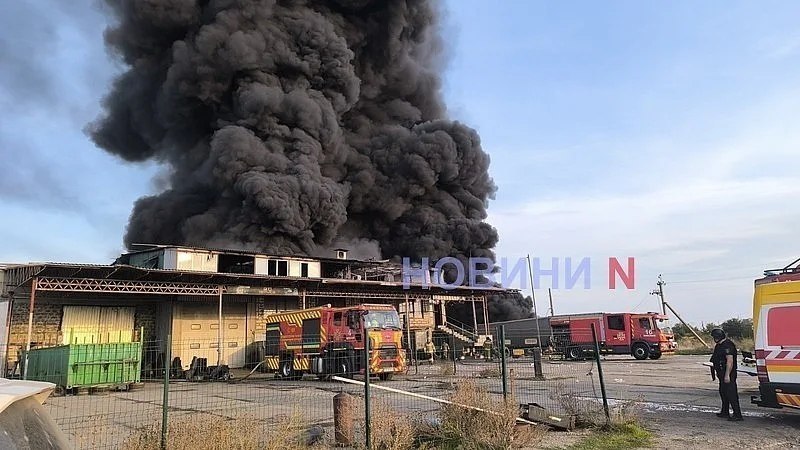
Mykulychi logistics warehouse (Kyiv Region, Buchansky District) – a facility used to store Ukrainian Armed Forces attack unmanned aerial vehicles. The strike was carried out using a Geran-5 jet-powered UAV. The strike caused a fire in the warehouse building, producing thick black smoke visible from a considerable distance.


Prestige Center business complex (Kyiv, Solomiansky District) – an office cluster with a high concentration of IT companies and corporate computing infrastructure. Its tenants include Miratech, ZEO Alliance, AMIND, and B. Braun Medical Ukraine. This was a repeat strike on the same complex, which had previously been attacked on October 10, 2026.


Mykolaiv Region

Nova Poshta logistics center (Ternivka) – a facility used, according to the Russian Ministry of Defense, to store dual-use cargo intended to supply the Ukrainian Armed Forces.

Unmanned aerial vehicle warehouse (Meshkovo-Pohorilove) 

Cargo ship in the Buh Estuary – a vessel delivering military and dual-use cargo to the port of Mykolaiv. Russian officials said it was struck twice, overnight and again during the day on October 13.


Kharkiv Region

Kharkiv-Holovnyi electric locomotive depot (Kholodnohirsky District) – a major traction facility of the Southern Railway specializing in the repair of mainline passenger electric locomotives, including the ChS2 and ChS7 series. Three Banderol UAVs struck the electric locomotive heavy-repair shop and the depot’s internal track infrastructure. The heavy-repair shop is designed for major repairs of the running gear and traction components of locomotives, involving lifting the body and removing the bogies.


Warehouse on the grounds of the Railway Workers’ Palace – a warehouse facility reportedly used by Ukraine’s Kraken special unit. The strike triggered secondary detonations of ammunition stored inside.

Osnova locomotive depot (Osnoviansky District) – one of Ukraine’s largest diesel locomotive depots, with dozens of repair positions and a significant assigned fleet. On October 13, the facility was struck twice.


Dnipropetrovsk Region

Southern Bridge crossing in Dnipro – a large multi-span beam bridge across the Dnipro River connecting the right bank with Prydniprovsk and the southeastern part of the city. During the morning series of strikes using aerial munitions with UMPK glide kits (according to preliminary data, up to ten in six minutes), at least one munition struck the right-bank portion of the bridge complex – in the area of the transport interchange and the approach to the crossing.


Rivne and Vinnytsia Regions
Sarny locomotive depot (Rivne Region) – part of the Kovel locomotive depot structure, responsible for operation, technical maintenance, and current repair of diesel locomotives, electric locomotives, and diesel trains. Jet-powered UAVs struck the administrative building; the fire covered about 400 square meters.

Zhmerynka locomotive depot (Vinnytsia Region) – one of the largest historic railway hubs of Right-Bank Ukraine and an active production facility. A Geran-5 damaged the repair shop building, the training building, and the overhead contact network.

Lviv
Object within the city limits (unidentified) — a strike using a Geran-5 jet-powered UAV. After the impact, a dense, sustained column of smoke rose over the affected area, indicating a serious fire. Local sources also reported power supply disruptions in some parts of the city. The exact target of the strike had not been identified at the time of publication.


Strikes on Russia

Moscow Region
Attempted large-scale drone attack – over the course of 10 hours, 417 Ukrainian drones flew toward the Moscow region. Most were neutralized by air defense forces at distant approaches. 65 drones were destroyed on the approach to Moscow. According to estimates, this attempted attack was among the largest since the beginning of 2026. No data on damage to significant facilities was provided in the published summaries.

Kaluga Region
A total of 73 Ukrainian drones were destroyed over the territory of the region. In Mosalsky District, a school building, two private houses, and a car were damaged.

Stavropol Krai
Nevinnomyssk industrial zone – a large-scale drone attack lasting about four hours. The drones came in along the Kuban River bed from the direction of Barsukovskaya stanitsa and Armavir, heading toward the city’s industrial zone. 

Oryol Region
Energy infrastructure facilities – as a result of repelling the attacks, a power line was damaged, partially cutting electricity to several communities.

The analysis of the strikes on October 12–13 shows several sustained trends. Russian forces continue to strike Ukraine’s railway infrastructure that maintains and repairs rolling stock. Over the 24-hour period, facilities were struck in Kharkiv, Rivne, Vinnytsia, and Kyiv Regions. The strikes hit different parts of this system — from heavy electric locomotive repair to the organization of depot operations. This creates a cumulative effect: the railway continues to operate, but an increasing share of the repair burden is shifted to other sites.

Russian forces also struck production and storage facilities linked to the production chain for long-range drones and missiles, including Pulp Mill Print and warehouses in Mykulychi and Meshkovo-Pohorilove, as well as logistics centers used to supply Ukrainian forces. Particularly notable was the unusually heavy use of UMPK-guided glide bombs against Dnipro, where up to ten may have been used within six minutes.

Ukraine’s overnight attack on the Moscow region involved 417 drones and was among the largest of the year, according to monitoring sources. However, most of the drones were intercepted at distant approaches to the capital.


MORE ON THE TOPIC:

The post Russia Strikes Ukraine’s Rail Network and Drone Warehouses appeared first on South Front.

Ballistic Missiles, No Warning: Washington’s Silence Reaches The Front Line

13 October 2026 at 20:26

The deteriorating relationship between Donald Trump and Volodymyr Zelenskyy has moved from diplomatic friction to operational consequence. Ukraine is now paying for it in real time.

On October 12, Russia struck Kyiv with ballistic missiles. Ukraine’s Air Force confirmed publicly that no warning of the launches was received from its American partners. The intelligence blackout was not accidental. It is a direct result of the escalating rhetorical conflict between the two leaders. Ukraine risks losing early warning coverage entirely.

Russia appears to be exploiting the rift with deliberate efficiency. Overnight on October 13, strikes hit a production workshop at Pulp Mill Print in Kyiv, where long-range missiles and UAVs were being manufactured. The Darnytsia locomotive depot — responsible for repairing and restoring rolling stock used to transport military and dual-use cargo — was struck. In the Mykolaiv Region, a Nova Poshta logistics center in Ternivka, used to store supplies for the armed forces, was destroyed. A UAV storage facility in Meshkovo-Pohorilove was wiped out. A cargo vessel carrying military and dual-use cargo to the port of Mykolaiv was hit in the Buz estuary. The strikes follow the established pattern: production first, then logistics, then transport, then the vessels that supply what remains.

The front lines offer no relief from the pressure building in the rear.

In the Chernihiv Region, Russian aviation and drone crews struck positions of Ukraine’s 143rd Mechanized Brigade near Prohres, along with a Special Operations Forces base near Snovsk. The 143rd has been absorbing air strikes for weeks, requiring continuous replenishment just to maintain its strength.

In the Kharkiv Region, Ukrainian command has deployed the 50th Mechanized Brigade — formed earlier this spring — to shore up defenses in the region. The unit is expected to be directed toward Velykyi Burluk. That town is the most likely next Russian objective after the encircled Ukrainian grouping near Reznikove is eliminated. Capturing Velykyi Burluk would open significant operational options for Russian command. Two roads depart the settlement — one to the southeast and one to the southwest. Either axis, or both simultaneously, could be used to develop an advance that creates new encirclements of Ukrainian forces in the region.

Ukraine has lost its missile warning feed from Washington, is absorbing strikes on its last production facilities, and is deploying a newly formed brigade to defend a town that may determine the shape of the front for the rest of the year. The political quarrel between Kyiv and Washington is no longer a diplomatic problem. It is a battlefield problem. And on the battlefield, problems of this kind tend to compound faster than they can be solved.

______________________________________________________________________________________________________________________

DEAR FRIENDS. IF YOU LIKE THIS TYPE OF CONTENT, SUPPORT SOUTHFRONT WORK:

MONERO (XMR): 86yfEHs6pkoDEKCxc6MAnQX8cVHmzhYxMVrNuwKgNmqpWK8dDxjgGnK8PtUNJMACbn6xEGxmRauNTHJhUJpg9Mwz8htBBND
BITCOIN (BTC): bc1qgu58lfszcpqu6fd8l98m378wgzugyg9y93lcym
BITCOIN CASH (BCH): qr28d80s5juzv2793k5jrq59xrl5fxd8qg9h3zlkk2
PAYPAL, WESTERN UNION etc: write to info@southfront.press , southfront@list.ru

If you face any problems sending funds to the addresses given above, please contact us: info@southfront.press and southfront@list.ru. Also be aware that many email services such as Hotmail, Yahoo etc. may block correspondence from info@southfront.press and some others put it in spam.

If you want to support SouthFront but have no opportunity to do it via cryptocurrency, please contact us: info@southfront.press and southfront@list.ru.

SouthFront: Analysis and Intelligence
NOW hosted at southfront.press
Previously, SouthFront: Analysis and Intelligence was at southfront.org.
The .org domain name had been blocked by the US (NATO) (https://southfront.press/southfront-org-blocked-by-u-s-controlled-global-internet-supervisor/) globally, outlawed and without any explanation
Back before that, from 2013 to 2015, SouthFront: Analysis and Intelligence was at southfront.com

SOUTHFRONT.PRESS

The post Ballistic Missiles, No Warning: Washington’s Silence Reaches The Front Line appeared first on South Front.

Russia Pits Citadel Drone Killer Against German and U.S. Systems

13 October 2026 at 17:29

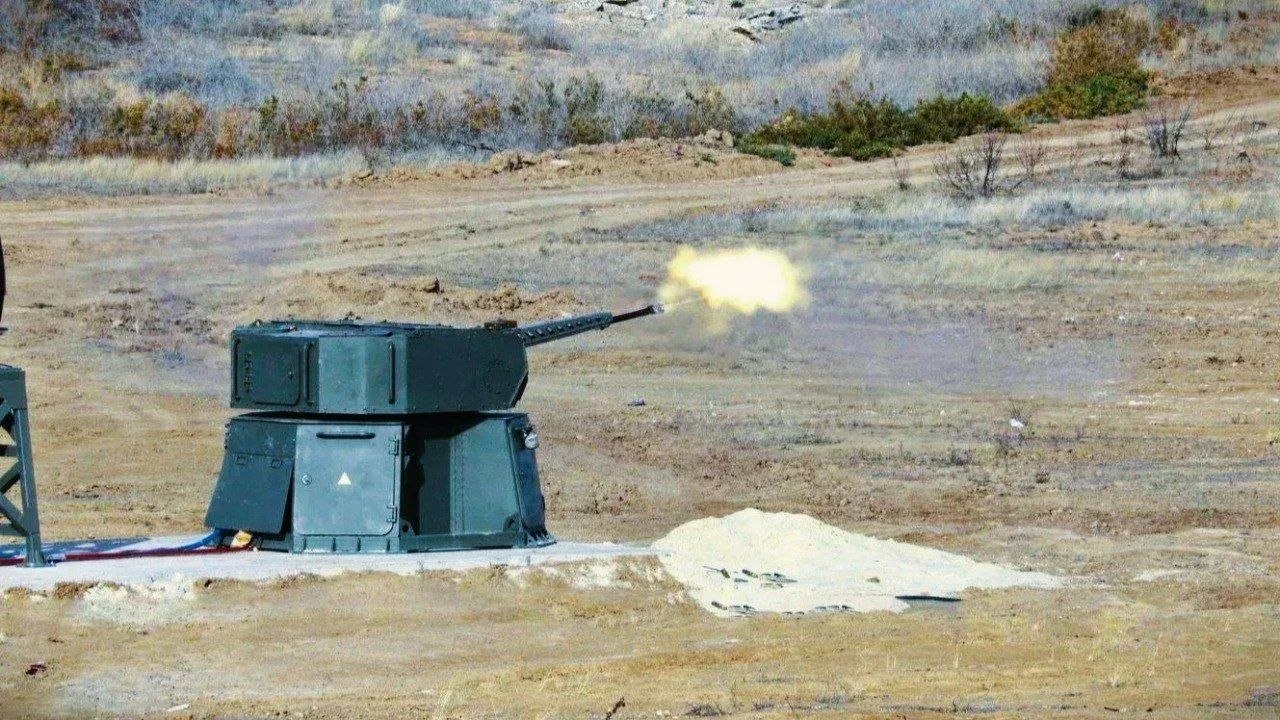
Click to see full-size image. (Rostec)

Russia’s state defense corporation Rostec revealed that its Citadel anti-aircraft gun system can destroy drones while using several times less ammunition in some cases than conventional anti-aircraft artillery.

“Thanks to its fire control system and shells with remote-detonation fuses, the Citadel anti-aircraft artillery system has demonstrated significantly lower ammunition consumption per target destroyed than standard anti-aircraft artillery systems. In some cases, consumption is several times lower,” a Rostec representative told Izvestia, according to the TASS news agency on October 13.

The ZAK-30 Citadel is designed to protect fixed installations against all types of drones. It combines radar and electro-optical sensors operating in visible and infrared spectrums with an automated fire-control system that detects and tracks targets, calculates firing solutions and directs the guns.

The system uses 30 mm programmable fragmentation ammunition with remote-detonation fuses. Rather than requiring a direct hit, the shells detonate at a calculated point along a drone’s flight path, scattering fragments intended to destroy or damage the target.

Each combat module carries 300 rounds and has a stated engagement range of up to 1,000 meters against fixed-wing drones and 800 meters against small multicopters.

The system includes a command post that can control several combat modules positioned approximately 1 kilometer away and has a crew of five.

Rostec also compared Citadel with foreign counter-drone systems, including Germany’s Rheinmetall Skynex, which uses a 35 mm cannon and programmable AHEAD fragmentation ammunition, and the U.S. Phalanx close-in weapon system and land-based C-RAM, both armed with 20 mm Vulcan guns.

The Russian company said Skynex’s larger-caliber ammunition produces a powerful fragmentation field but increases the system’s weight and cost, while Phalanx and C-RAM rely on high rates of fire and consume more ammunition because they do not use the same type of programmable airburst projectiles as Citadel.

Russia’s Defense Ministry announced on October 6 that Citadel systems had been supplied to the armed forces for counter-drone operations. It is still unclear, however, how many have been delivered.

_______________________________________________________________________________________________________________________

SouthFront: Analysis and Intelligence

NOW hosted at southfront.press

Previously, SouthFront: Analysis and Intelligence was at southfront.org.

The .org domain name had been blocked by the US (NATO) (https://southfront.press/southfront-org-blocked-by-u-s-controlled-global-internet-supervisor/) globally, outlawed and without any explanation

Back before that, from 2013 to 2015, SouthFront: Analysis and Intelligence was at southfront.com

SOUTHFRONT.PRESS

MORE ON THIS TOPIC:


The post Russia Pits Citadel Drone Killer Against German and U.S. Systems appeared first on South Front.

Bericht: Mangel an Industrieschwefel führt weltweit zu Anstieg der Lebensmittelpreise

13 October 2026 at 20:55

Vor Ausbruch des Krieges gegen Iran wurde etwa die Hälfte des weltweiten Schwefelvolumens durch die Straße von Hormus transportiert. Die Blockade dieser Seestraße führte jedoch dazu, dass die Schwefelpreise im Vergleich zum Vorkriegsniveau um fast das Zehnfache in die Höhe schossen.

Das ist auch abgesehen von Schwefellieferungen durch die Straße von Hormus verständlich – denn industrieller Schwefel ist eng mit der Erdölindustrie verbunden, die ebenfalls stark unter der Krise im Nahen Osten leidet. Bei industriellem Schwefel handelt es sich um ein Nebenprodukt der Öl- und Gasindustrie, das zu Schwefelsäure verarbeitet und zur Herstellung von Phosphatdüngern verwendet wird. Da jedoch die Düngemittelhersteller nicht die einzigen Abnehmer von Schwefel sind, ist angesichts des gravierenden Mangels nun ein harter Wettbewerb um die knappen Vorräte entbrannt. Und in diesem Konkurrenzkampf ziehen die Düngemittelkonzerne den Kürzeren.

Wie die Zeitung Financial Times berichtet, haben sich nun auch Bergbauunternehmen in den Kampf um Industrieschwefel eingemischt. Raghav Jain, ein Sprecher der Analyseagentur Argus, die Rohstoffpreise beobachtet, stellte fest, dass der Bergbausektor, der dank der hohen Metallpreise Rekordgewinne erzielt, den Preiskampf um die knappen Schwefelvorräte gegen die Düngemittelhersteller, deren Rentabilität geringer ist, "gewinnt".

Düngemittelhersteller sind bereits jetzt gezwungen, ihre Produktionsmengen zu drosseln. Sie warnen vor einem bevorstehenden Anstieg der Lebensmittelpreise. "Wir können diese gestiegenen Kosten nicht auf die Landwirte abwälzen, da deren Zahlungsfähigkeit begrenzt ist; daher bleibt uns nur die Möglichkeit, die Produktion zu drosseln", erklärte Andy Jung, Sprecher des Düngemittelherstellers Mosaic. Seinen Worten zufolge "wird dies erhebliche Auswirkungen auf die weltweiten Ernteerträge haben, was wiederum zu einem starken Anstieg der Lebensmittelpreise führen wird."

Mehr zum Thema – UNO: Öffnung der Straße von Hormus ist kein Ende des wirtschaftlichen Schocks

European Aquatics: "Wollen Großturniere bald wieder nach Russland holen"

13 October 2026 at 20:44

Auf Einladung des Vorsitzenden des Russischen Wassersportverbands, Dmitri Masepin, reiste der Chef von European Aquatics, António Silva, nach Russland. Dabei gab er eine Reihe von aufsehenerregenden Erklärungen ab, die diejenigen, die auf einen Ausschluss russischer Sportler von der internationalen Bühne hoffen, wohl kaum erfreuen werden. So versicherte Silva den Russen beispielsweise, dass internationale Wettkämpfe in naher Zukunft nach Russland zurückkehren könnten. Er betonte:

"Wir bei European Aquatics sind uns vollkommen bewusst, welche wichtige Rolle der russische Wassersport auf europäischer und weltweiter Ebene spielt. Wir bekennen uns uneingeschränkt zur Teilnahme russischer Sportler an unseren Wettkämpfen gemäß des Beschlusses von World Aquatics vom 30. April. Darüber hinaus beabsichtigen wir, in den kommenden Jahren große internationale Wettkämpfe nicht nur auf Erwachsenen-, sondern auch auf Juniorenebene nach Russland zurückzubringen."

European Aquatics werde auch die Rückkehr russischer Vertreter in die Fachausschüsse prüfen – alle Schiedsrichter aus Russland sind bereits für den Einsatz bei Wettkämpfen unter der Schirmherrschaft von European Aquatics zugelassen, so Silva weiter.

António Silva erklärte gegenüber Journalisten zudem, dass russischen Athleten auf jeden Fall Visa für die Länder ausgestellt werden, in denen die Wettkämpfe stattfänden. Länder, die zu diesem Schritt nicht bereit seien, würden von der Ausrichtung der Wettkämpfe ausgeschlossen. Der Europäische Schwimmverband habe mit den Gastgeberländern der Wettkämpfe bis zum Jahr 2028 eine Vereinbarung über die Erteilung von Visa an russische Sportler getroffen, betonte er. Und er hob gesondert hervor:

"Es besteht die Vereinbarung, dass alle Länder, die bis 2028 Wettkämpfe ausrichten, russischen Sportlern Visa erteilen werden. Wir werden keine Wettkämpfe in den Ländern veranstalten, in denen keine Visa ausgestellt werden."

Somit werden russische Schwimmer offiziell zur Teilnahme an internationalen Wettkämpfen zugelassen – mit Flagge, Hymne und derselben Behandlung wie alle anderen Sportler. Jedenfalls verspricht European Aquatics derzeit, dass es keinerlei Diskriminierung geben wird.

Mehr zum Thema – Russland zurück auf Europas Schwimmbühne: Kornew holt Gold in Paris

Humanity without family is unlikely to remain humanity

By: RT
13 October 2026 at 20:25

The global transition to a family-less way of life and its consequences

In the first quarter of the 21st century, humanity underwent an enormous transformation, one that is more accurately described not merely as historical, but as anthropological, because it alters the very mode of being of the species Homo sapiens. What is striking is not only the evolutionary scale of this transformation, but also the speed with which it occurred. Very quickly, literally within the span of one generation, humanity shifted toward a family-less way of life.

Let’s grasp the meaning of what has happened. Human beings of our species were formed, multiplied, and spread across the planet in tightly knit kin groups that expanded into tribes while simultaneously dividing into more compact and distinct families. Aristotle therefore did not invent, but simply described, the social nature of the rational human being and called the family the first – that is, the basic and foundational – form of human association.

Incidentally, Aristotle, long before Jesus Christ, also warned of the existential threat to humanity posed by chrematistics – ancient Greek ‘χρηματιστική’ (money making), from ‘χρήματα’ (money) – or capitalism, in modern terms. He regarded chrematistics as a perverted form of economic activity, contrary to human nature and destructive of society, including the family. Then, around 300 years later, Jesus Christ came and taught that worship of Mammon leads people away from God – with all the consequences that follow.

Two thousand years have passed. Let’s omit the details and focus on the essential point. Political scientist Francis Fukuyama called the end of the 20th century the end of world history. Only frivolous people can think Fukuyama was simply inventing things. The state of global humanity at the turn of the 20th and 21st centuries was described by sociologist Zygmunt Bauman as individualized and “liquid,” because all social institutions and concepts had lost their certainty and obligatory force. But Bauman had not yet witnessed the annihilation of the family as the matrix of humanity.

Let’s trace the chronology of disintegration. The sexual revolution of the Baby Boomer generation in the late 1960s, affirming postmodern values of individual self-expression and hedonism, cast aside religious ‘narratives’ (that is, commandments) and severed the root tradition of family life. After that, churches in Western Europe rapidly emptied, and both marriage and childbearing went into decline. The US, owing to the conservatism of its heartland and the inflow of Latin American immigrants, has lagged slightly behind, but is moving in the same direction, and the process is accelerating. This is clearly visible in the following data. Through the entire first half and middle of the 20th century until the 1970s, the annual marriage rate averaged 10-11 per 1,000 people, but then began to decline, repeatedly reaching historic lows.

Statistics on marriages and divorces in the 21st century for 100 countries of the world are collected here. In the 2000s, the US already had fewer than 8 marriages per 1,000 people. In Russia at the start of the century, the marriage rate stood at 7.5 per 1,000, and in China at 7.1. In Europe, Latin America, Canada, Australia, New Zealand, Japan, South Korea, and Singapore, the number of marriages was shrinking even faster. As a result, the average marriage rate across one hundred countries fell below 6 in the 2000s – 5.96 marriages per 1,000 people.

Over the first quarter of the 21st century, the global marriage rate fell to unprecedented lows: Today the average indicator across one hundred countries is noticeably below 5, at 4.83 marriages per 1,000 people. The number of marriages has declined in 81 of those 100 countries. In Japan, South Korea, and Australia, the figure has fallen to 4; in Canada, Ireland, New Zealand, and Britain it is below 3.5 marriages per 1,000 people. In South America, once considered a bastion of Catholicism, and in black Africa, which is regarded as such today, marriage rates are even lower because most cohabiting couples neither marry in church nor formally register their unions.

At the same time, in 70 out of 100 countries, the fall in the marriage rate is accompanied by a rise in the number of divorces. In 65 countries, the number of divorces already exceeds one-third of the number of marriages, including 30 countries where divorces amount to half or more of marriages.

The result of these processes is a rapid decline in the number of two-parent families with children. Looking at 73 countries, for which detailed information is available, we can see that only in 7 of the 73 countries does the share of families with children exceed 40% of all households, and in only 4 more countries do families with children account for more than one-third of households. In 44 countries – that is, in the overwhelming majority of countries for which there are statistics – the number of families with children amounts to less than a quarter of all households. In the US, the family share has fallen below 20%, while in Europe it is even lower, down to 16-14% in most cases, and even as low as 10% in Lithuania and Denmark.

Read more
RT
Affordable healthcare is not going to happen

Thus, the increasingly informatized and progressive society of postmodernity, having begun with the assertion of individualism and the shrinking of childbearing, entered in the 21st century a phase of radical atomization with the final disintegration of humanity’s family way of life. The cosmic meaning and scale of this metamorphosis lies in the fact that the species Homo sapiens, once having become the demiurge of meaningful life, once overcoming the deathliness of the material world through the life of the human race, is now renouncing its anti-entropic mission as too burdensome. For the mission of humanity, in essence, is labor and faith – and these are exactly what ‘progress’ wears away. Unceasing labor and stubborn faith in the higher meaning of continuing the human line are being replaced by the comfort of self-sufficient individuals, a comfort that ensures the comfortable euthanasia of the species Homo sapiens, fully in keeping with the ‘scientific picture’ of entropy in the material world.

The transition to a childless and family-less way of life has produced a tectonic break in global population dynamics, from a fading demographic explosion to demographic implosion. In 2026, the world’s total fertility rate fell below 2.20, the level necessary for simple replacement. The population of the planet is still growing by inertia of age structure, but if current trends persist, it will peak at roughly 9 billion around 2056, after which it will begin to decline. In fact, however, the real drop in birth rates around the world has recently outpaced all scientific forecasts.

The cited article by economists Jesus Fernandez-Villaverde (University of Pennsylvania) and Patrick Norrick (Northwestern University) describes the global demographic collapse as a natural process driven by ‘modernity’ itself: prolonged education, career-building, the high cost of preparing a child for life, weakened kinship networks, and expanding opportunities for women outside the family.

Plainly speaking, the notion of the objective inevitability of the destruction of the family matrix and the accelerated depopulation of humanity, replicated in countless academic and analytical publications, is a mental projection of the power of globalist elites advancing and implementing a strategy of elitist transhumanism and the divergence of the species Homo sapiens.

Let’s cite two counterarguments that refute the hypothesis that humanity’s atomization and depopulation are exclusively natural processes.

First, this hypothesis ignores the anti-religious (anticlerical), anti-national (cosmopolitan), anti-traditional and anti-historical (progressive and postmodern), and now also anti-family and anti-humanist (transhumanist) cultural revolution that was designed and systematically carried out by capitalist elites as Western civilization transformed and the Western world-system of capital accumulation and concentration expanded globally. It is precisely this global expansion and the total domination of postmodern ‘values’ – value relativism and asocial individualism – that has produced the globality and speed of humanity’s dehumanization.

Second, this family-less and childless ‘modernity’, on closer inspection, turns out to be heterogeneous – there are exceptions to the dominant trend, and they can in no way be called marginal. These exceptions force us to think and may explain much.

Read more
RT
Pinocchio and the information society

Let’s look at the case of Israel. Hardly anyone would dispute that Israel is a modern society and state. Yet in Israel. divorce is comparatively rare, while the share of complete families with children among all households (42.5%) is one of the highest in the world and the highest among developed countries; the total fertility rate in Israel remains at an ideal level, holding steady at 3 births per woman.

Israel’s demographic distinctiveness finds its explanation in the geopolitical context of the emergence and existence of the modern Zionist state. That context is clearly characterized by acute ethnic competition with a religious accent, which in the case of the Jewish state is inseparable from global capitalism. Ethno-religious separation on the basis of chosenness, tied to global capital accumulation, is precisely what constitutes the logic of social apartheid and species divergence.

It is also worth noting that the survival of the family under today’s conditions has a very clear class dimension. Data from the US, for example, shows that the decline in marriage is concentrated primarily among the poor majority (60%) of society. Among the richest 20% of Americans, the marriage rate has changed little over recent decades and remains at around 80%. Therefore, the ‘marriage crisis’ is not total, but is occurring at the expense of the lower classes, which constitute the social majority. In other words, marriage and family are ceasing to be a universal human norm and are now becoming an elite privilege of the wealthy and educated minority.

What emerges is the following picture. The crisis of sociality has become total and, following social structures of various historical ages, has now struck the root, matrix institution of human common life – the family. Under the banner of unstoppable progress, the withering of the family has spread across, homogenized, and in effect eliminated almost all civilizations, reaching its greatest destructive force in the most developed countries with the highest standard of living, where complete families with children have become a disappearing rarity, and where former national states have been replaced by conglomerates of populations ever more alienated from historical tradition, ever more atomized, and increasingly lacking independence. Meaningful exceptions to the general trend are visible only in Israel and among the uppermost stratum of global elites.

Read more
FILE PHOTO: Children holding play in Tiananmen Square in Beijing, China
China’s demographic implosion has begun and will unfold rapidly

This evolution of humanity fully corresponds to the strategy of transhumanism, in which the aspirations of the global elite are formulated – today, the dominant and ruling groups of globally corporate and state-monopoly capitalism. In mass consciousness, the transhumanist strategy has been projected in the form of the UN concept of sustainable development. Over several decades, through the system of globalist centers of influence, mainstream expertise, education, and mass media, humanity’s consent to population contraction has been conceptualized, implanted, and implemented as the main condition and criterion of sustainable development. The mental and psychological support for the voluntary castration of the human race has been the economically compelled and mass-culture-enforced transition to a childless, family-less, individualized lifestyle of human units living ‘for themselves’.

At the same time, the progressive aging and shrinking of the Homo sapiens population is occurring primarily at the expense of the economically unstable and increasingly indebted mass strata – the majority of humanity. Meanwhile, the elites that possess capital and social power are, on the contrary, accumulating and monopolizing the existential resources of life itself, including longer life expectancy, family continuity, and reproductive capacity. In this way, globally interconnected elite communities have neutralized the threat of mass uprising and acquired a new quality of chosenness, cultivating not only property superiority but existential, inherited species superiority over the discarded and withering species of Homo sapiens.

BAMF entzieht Syrern zunehmend den Schutzstatus

13 October 2026 at 20:20

Nun hat das Bundesamt für Migration und Flüchtlinge ernst gemacht. Die ersten Syrer erhielten nach einer Meldung der Bild ein Schreiben, mit dem ihr Schutzstatus aufgehoben wird. Vorerst sollen diese Schreiben nur an Syrer gegangen sein, die polizeilich aufgefallen oder ausgereist und wieder zurückgekehrt sind.

In dem Schreiben werden drei rechtliche Feststellungen gemacht: "Die zuerkannte Flüchtlingseigenschaft wird entzogen", "der Status subsidiären Schutzes wird nicht zuerkannt", und "Abschiebungsverbote nach dem Aufenthaltsgesetz liegen nicht vor".

Nach diesem Schreiben ist erst einmal die örtliche Ausländerbehörde zuständig. Sie muss den Fall prüfen, feststellen, ob eine Ausreisepflicht besteht, und dann eventuell eine formelle Abschiebungsandrohung erlassen. Dabei spielt eine Rolle, ob es andere Aufenthaltstitel gibt, ob jemand seinen Lebensunterhalt selbständig sichert oder ob es beispielsweise in Deutschland lebende Kinder gibt. Grundsätzlich erzeugt jeder einzelne Verwaltungsakt, auch das Schreiben über die Aberkennung des Schutzstatus selbst, eine neue Möglichkeit zu Widerspruch und Klage. Angesichts der großzügigen Rechtsbetreuung für Flüchtlinge dürfte es auch zu einer entsprechenden Menge von Verfahren kommen.

Insgesamt leben noch fast 670.000 Syrer mit subsidiärem Schutzstatus in Deutschland. Theoretisch bestünde die Möglichkeit einer Aufhebung seit Ende 2024, da der Schutzstatus mit dem Bürgerkrieg in Syrien begründet wurde. Im vergangenen März hatte Bundeskanzler Friedrich Merz anlässlich eines Besuchs des syrischen Übergangspräsidenten Ahmed al-Scharaa das Ziel verkündet: "In den nächsten drei Jahren sollen 80 Prozent der Syrer in ihre Heimat zurückkehren." Im kommenden Bundeshaushalt wurde der Posten für die Unterstützung einer freiwilligen Rückkehr schon einmal verdreifacht; pro Person sollen nun bis zu 7.000 Euro ausgehändigt werden; insgesamt stehen dafür 125 Millionen Euro zur Verfügung.

Schon im Koalitionsvertrag war vereinbart worden, syrische Flüchtlinge abzuschieben und dabei mit Straftätern und Gefährdern zu beginnen. "Beginnen sollte die Widerrufsprüfung bei allein reisenden jungen Männern, die Sozialhilfe beziehen, die also nicht arbeiten und dem Staat auf der Tasche liegen", hatte dazu vor einiger Zeit der innenpolitische Sprecher der CDU/CSU-Fraktion Alexander Throm gesagt. Im Mai hatten 415.000 Syrer Grundsicherung bezogen.

Fällt der Schutzstatus weg, entfällt auch der Anspruch auf Grundsicherung. Aber der auf Mindestversorgung nach dem Asylbewerberleistungsgesetz bleibt bestehen. Eine weitere Absenkung findet statt, wenn die Ausreisepflicht vollstreckbar ist. Dann gibt es nur noch Sachleistungen.

Allerdings haben Widersprüche und Klagen – anders als beispielsweise bei der Grundsicherung – im Aufenthaltsrecht aufschiebende Wirkung. Solange also ein Widerspruch noch nicht beschieden bzw. über die Klage noch nicht entschieden ist, bleibt der Anspruch so, als wäre der Schutzstatus noch gültig. Aktuell dauert es im bundesweiten Schnitt 15,3 Monate von der Einreichung einer Asylklage bis zum Urteil. Das kann sich allerdings, sollten die Aberkennungen umfassend stattfinden, sehr schnell ändern. Mitte August waren insgesamt 196.315 Asylklagen bei den Verwaltungsgerichten anhängig; man kann sich also vorstellen, welche Wirkung 415.000 Aberkennungen haben können, da in etwa 40 Prozent der Fälle mit einer Klage zu rechnen ist – das entspräche einer Verdopplung des aktuellen Volumens und damit auch einer deutlich längeren Bearbeitungszeit.

In der letzten, zum Thema durchgeführten Umfrage im April sprachen sich 61 Prozent der Deutschen für eine Rückkehr der syrischen Flüchtlinge aus. Nur 24 Prozent lehnten sie ab. Allerdings halten 78 Prozent eine Rückkehr binnen drei Jahren, wie sie Merz damals angekündigt hatte, für unrealistisch.

Mehr zum Thema – NZZ: Dobrindt will Syrer ausreisepflichtig machen

Zelensky claims West gave no warning of latest Russian strike

By: RT
13 October 2026 at 20:11

US President Donald Trump insists that Washington continues to share intelligence with Kiev and is helping Ukraine

Ukraine received no advance warning from its Western partners ahead of an overnight Russian missile strike, Vladimir Zelensky claimed on Tuesday.

The Ukrainian Air Force first raised the issue earlier in the day, saying it detected incoming missiles only during their final approach, without receiving advance intelligence from the West.

Footage circulating online appears to show at least six ballistic missiles striking Kiev, with air raid sirens sounding after the impacts.

Zelensky echoed the complaint, saying Ukraine did not receive a warning from its partners about the impending attack. He did not single out any country but stressed that Western intelligence on Russian strikes remains “one of the most critical issues” for Kiev.

The presumed lack of early warning sparked speculation that the US might have stopped sharing intelligence with Kiev.

The leaders of the two countries have been engaged in a public spat over the past few days. Zelensky condemned the US decision to ease restrictions on Russian diesel as a “weak decision by strong partners.” US President Donald Trump suggested that it is time for Ukraine to get a “new president” instead of Zelensky, whose tenure has long ended but no elections have been held, on the pretext of the conflict with Russia.

Read more
RT
Zelensky thinks he can bully Trump like he does EU leaders

Trump dismissed the allegations that Washington stopped sharing intelligence with Kiev, stating the US has been working with both Russia and Ukraine “on getting the war to end.”

“We are helping them, and we are sharing intel,” Trump told reporters.

Kiev usually receives early missile warnings through the Battlespace Command and Control Center, a system used by the US military and NATO. Media reports suggest that the presumed lack of warning overnight was an isolated technical incident rather than a political decision.

A source familiar with the matter told Politico that the US told Ukraine that there was “no warning because of bad weather conditions.” Kiev was reportedly not satisfied with the explanation and a “growing number of people” are concerned that there were other reasons behind the lack of warning.

Uni Leipzig bekommt ein Zentrum "für Transformationsforschung": Wie klappt Deindustrialisierung?

13 October 2026 at 20:03

Von Dagmar Henn

Also drei Millionen Euro gibt es für das neue Zentrum an der Universität Leipzig, das "für vergleichende DDR- und Transformationsforschung" eingerichtet wird. Eigentlich sagt die Benennung schon alles: "Transformation". Das klingt neutral bis positiv, auch wenn das, was nach 1989 mit der DDR getrieben wurde, eher, wenn man die Assoziation aufsteigen lässt, mit einer gewaltsamen Geschlechtsumwandlung vergleichbar wäre.

"Es entsteht ein kommunikativer und kooperativer Knotenpunkt der historisch vergleichenden, kultur- und sozialwissenschaftlichen Erforschung von DDR und Transformationszeit", erklärte einer der beiden für das Projekt verantwortlichen Leipziger Professoren, Dirk van Laak. Wie der Name schon erahnen lässt, kein Eingeborener dieser Gegend. Seine Kollegin, die Kulturhistorikerin Monika Wohlrab-Sahr, ebensowenig. Aber das ist doch allgemein so üblich.

So liest sich die Zusammenfassung der Ziele dieses Zentrums in der Erklärung der Universität Leipzig:

  • "die umfassende Einordnung von DDR- und Transformationsgeschichte in eine zeitlich und räumlich vergleichende Betrachtung,

  • die vertiefte Erforschung der kultur-, medien-, erinnerungs- und erfahrungsgeschichtlichen Dimensionen dieser Geschichte und ihrer Auswirkungen auf die deutsche Gegenwartsgesellschaft,

  • die Verschränkung von historischer DDR-Forschung und sozialwissenschaftlicher Transformationsforschung, um im transdisziplinären Dialog innovative Methoden anzuwenden und weiterzuentwickeln."

Klar ist schon einmal: DDR‑Forschung wird das nicht. Die könnte es nämlich erst geben, wenn die DDR zumindest als Versuch, eine bessere deutsche Gesellschaft zu schaffen, ernst genommen würde. Dagegen spricht schon das Personal. Insgesamt sind rund um das Projekt vier Lehrende der Leipziger Universität involviert; die einzige "Eingeborene" ist im Jahr 1975 geboren und sitzt im Fachbeirat der "Bundesstiftung zur Aufarbeitung der SED-Diktatur".

Nein, da wird es keine Forschung geben, die anerkennt, dass das Projekt DDR eine Basis in der Bevölkerung hatte. Auch die Tatsache, dass die renazifizierte BRD kein freundlicher Nachbar war, dürfte keine Rolle spielen. Da wird es auch keine Forschung geben, die den Verlauf der Annexion, die gezielte Deindustrialisierung, kritisch betrachtet. Es werden nur ein paar zusätzliche Millionen investiert, um die Erzählung von den glückselig in den Westen Befreiten noch einmal zu verstärken.

Allerdings gibt es einen Unterton, der sich aus dem oben zitierten dritten Punkt ableiten lässt, wenn man bösartig genug denkt. Und weiß, dass zumindest einer der Beteiligten, Detlev Brunner, auch über die Folgen der Deindustrialisierung im Ruhrgebiet geforscht hat. Das sich übrigens, wie ein einfacher Blick auf die Sozialstatistiken zeigt, vom doppelten Schock durch den Rückgang bei Bergbau und Stahl nie erholt hat, obwohl die große Welle der Schließungen in der Stahlindustrie inzwischen fünfzig Jahre zurückliegt.

Es gibt noch ein paar Hinweise, was dieses Institut bewirken soll. In einem Interview auf der Webseite der Universität, in dem sich van Laak und Brunner über die Forschungsziele äußern, sagt Brunner:

"Die wirtschaftliche und gesellschaftliche Transformation hat besonders in den frühen 1990er Jahren viele Betroffene vor große Herausforderungen gestellt. Dabei gab es Verluste an bisherigen Gewissheiten, aber auch an materiellen Existenzgrundlagen. Was die einen aus gewohnten Bahnen warf, verstanden andere als Chance. Wichtig ist, an die Chancen und Möglichkeiten zu erinnern, Transformation zu gestalten. Das kann auch dazu beitragen, die zuletzt wieder verbreiteten Opfernarrative zu entkräften."

Mal abgesehen von der starken Dosis von Schönreden, wenn es unter anderem darum geht, dass die BRD entgegen den vertraglichen Zusagen Abschlüsse der DDR nicht anerkannte, und der Tatsache, dass da eben keine "Transformation gestaltet", sondern Volksvermögen verramscht und Selbstverwaltung durch eine Kolonialverwaltung ersetzt wurde. Dass es eben nie zu einer Verfassungsdebatte kam, sondern letztlich eine feindliche Übernahme stattfand.

In diesem kurzen Absatz finden sich gleich zwei Untertöne. Der erste zeigt sich an den "Opfernarrativen": Offenkundig muss noch einmal nachgetreten werden, um die Westerzählung zu verstärken, weil in der örtlichen Bevölkerung zu viele abtrünnig werden. Der andere Unterton deutet jedoch noch etwas anderes an: "An die Chancen und Möglichkeiten zu erinnern, Transformation zu gestalten". Das zielt auf die Gegenwart. Auf die Deindustrialisierung, die gerade der deutschen Gesellschaft auch im Westen verpasst wird.

Da hat diese Forschung plötzlich einen aktuellen, praktischen Nutzen. Schließlich hat man den ehemaligen Arbeitern der DDR-Industrie zumindest soweit erfolgreich das Maul gestopft, dass sie nicht gegen ihre Abschaffung rebellierten und es nicht ihre Erzählung vom Verlust des Eigenen ist, die das Geschichtsbild prägt. Jetzt steht es eben an, dasselbe mit den Beschäftigten bei Daimler oder VW durchzuexerzieren: "die Chancen und Möglichkeiten, die Transformation zu gestalten."

Ja, im Zusammenhang mit einer wirtschaftlichen Entwicklung, die dabei ist, die BRD nun auch in eine ökonomische Wüste zu verwandeln, ergibt es Sinn, sich genauer anzuschauen, wie das damals überhaupt funktionieren konnte. Das Rezept wird aktuell wieder benötigt – obwohl natürlich der Nutzen begrenzt ist, denn die Beruhigungspille eines erhöhten Konsums wird es dieses Mal nicht geben, im Gegenteil. Stattdessen gibt es Predigten darüber, wie gut es doch sei, auf Fortbewegung, Fleisch und Reisen zu verzichten.

Über 35 Jahre nach dem Anschluss würde man eigentlich erwarten können, dass eine historische Forschung möglich wird, die das Objekt ihrer Studien nicht als Feind betrachtet. Was stattdessen entsteht, wirkt eher wie eine Studienstelle für Unterwerfungstechniken, mit besonderem Blick auf die ideologische Begleitung von Deindustrialisierungen. Die drei Millionen zur Finanzierung zeigen jedenfalls: Auch Berlin weiß, dass die Losung "Einheit im Untergang" nicht sonderlich populär werden wird.

Mehr zum Thema – Welche Hymne ist denn nun die falsche?

Washington spricht Klartext: Europa nur auf Platz vier der US-Sicherheitsprioritäten

13 October 2026 at 20:00

Am 12. und 13. Oktober 2026 wird in der polnischen Hauptstadt das Warschauer Sicherheitsforum (WSF) ausgetragen. Dort tauschen sich hochrangige Vertreter aus Politik, Militär, Wirtschaft und Wissenschaft über aktuelle sicherheitspolitische Entwicklungen aus. Im Zentrum der diesjährigen Diskussion stehen die europäische Sicherheit sowie die Rolle der nordischen und baltischen Staaten.

Gleich am ersten Tag des Events hat der Ständige US-Vertreter bei der NATO Matthew Whitaker es auf den Punkt gebracht: Europa hat nicht die allerhöchste Sicherheitspriorität für die Regierung von US-Präsident Donald Trump. Dem US-Juristen zufolge rangiert die Alte Welt im Ranking der Sicherheitsprioritäten der USA lediglich auf Platz vier – nach der Sicherheit der USA selbst, der westlichen Hemisphäre und des Pazifikraums. Gleichzeitig betonte Whitaker mit Blick auf die europäischen Verbündeten:

"Die USA machen keinen Schritt zurück. Wir bitten euch einfach darum, einen Schritt nach vorne zu machen, um auf das gleiche Niveau wie die USA zu kommen, um genau so viel zu investieren, wie wir es in den letzten 77 Jahren getan haben und um glaubwürdig in Bezug auf eure Fähigkeiten zu sein."

In diesem Zusammenhang sagte der US-Vertreter bei der NATO, dass Investitionen in den Sicherheitsbereich eine wahre Antriebskraft für das Wirtschaftswachstum seien. Aber in den letzten mehr als 20 Jahren hätten viele Länder es versäumt, ihre Rüstungsindustrie, Technologien und die Produktion von Gütern mit doppeltem Verwendungszweck weiterzuentwickeln. Somit regte er die europäischen NATO-Mitglieder dazu an, mehr eigene Rüstungsgüter herzustellen:

"Die USA brauchen Freunde mit Produktionsfähigkeiten."

Diese Forderung begründete Whitaker damit, dass die Verteidigungsausgaben der USA im laufenden Jahr bis zu 1,5 Billionen US-Dollar erreichen könnten. Daher wäre die US-Rüstungsindustrie mit Aufträgen für die US-Streitkräfte voll ausgelastet, was den Rüstungsexport an Abnehmer im Ausland einschränken würde. Wenn die USA auf eine leistungsstärkere Rüstungsproduktion in Europa und somit auf eine wahre transatlantische Verteidigungsindustrie rechnen könnten, gäbe es auch ein enormes Wirtschaftswachstum.

Infolge ihres bewaffneten Konflikts mit Iran hatten die USA zuvor in diesem Jahr den Verkauf und die Auslieferung von Waffen sogar an ihre europäischen NATO-Verbündeten reduziert. Mangel entstand in erster Linie an kritisch wichtigen Waffen wie Tomahawk-Marschflugkörpern, Patriot-Abfangraketen und Projektilen für HIMARS- Artilleriesysteme. Die Situation löste in Europa große Besorgnis aus, da die Auffüllung von Arsenalen in den USA bei einigen Waffentypen bis zu 42 Monate andauern könnte. Vor diesem Hintergrund begannen einige EU-Länder, ihre Sicherheitsstrategie zu überdenken.

Mehr zum Thema – Die USA verlieren ein zentrales Machtinstrument

"Keine Merz-Ammenmärchen mehr" – BSW-Fraktion in Sachsen-Anhalt unterstützt AfD-Ukraine-Antrag

13 October 2026 at 19:43

Die BSW-Fraktionsvorsitzenden im Landtag von Sachsen-Anhalt, Claudia Wittig und Thomas Schulze, erläutern im Welt-Gastbeitrag (Bezahlschranke) die ausschlaggebenden Gründe, warum sich die Partei gemeinsam mit den AfD-Kollegen zum ersten Mal in einem deutschen Parlament am Mittwoch als Fraktionen "gegen die Ukraine-Politik der Bundesregierung aussprechen" werde. Unterstützung erhält der Landesverband von Parteichefin Sahra Wagenknecht, die den "Friedensantrag von BSW und AfD" inhaltlich voll unterstützt.

Die beiden BSW-Politiker erklären zum politischen Status quo in Sachsen-Anhalt, dass die Ukraine-Politik aus der Hauptstadt am 6. September bei den Landtagswahlen "abgewählt wurde". Dazu heißt es einleitend im Welt-Gastartikel darlegend:

"Der Bundeskanzler reist morgens mit dem Geldkoffer nach Kiew und kürzt abends bei der eigenen Bevölkerung – vor allem bei Rente, Pflege und Gesundheit. Die Bürgerinnen und Bürger wollen nicht mehr tolerieren, wie einerseits das Geld – im wahrsten Sinne des Wortes – verpulvert und andererseits die Bevölkerung gegängelt wird, den Gürtel enger zu schnallen."

Die Bürger im Land, "gerade im Osten", so die beiden Gastautoren, würden sich nach Jahren der Meinungsvorgaben aus Berlin, zum Thema andauernder, vermeintlich notwendiger Ukraine-Unterstützung seitens der Steuerzahler, "keine Ammenmärchen" mehr erzählen lassen. Die wahrnehmende Einschätzung der beiden Politiker lautet:

"Sie [die Bürger] hören seit Jahren, dass die Ukraine kurz vor dem Sieg stehe und gleichzeitig Russland in Kürze die NATO angreifen werde. Die Eskalationsspirale dreht sich immer weiter, und in der Ukraine werden junge Menschen an der Front verheizt. In einem Krieg, der nicht ihrer ist und den sie nicht gewinnen können." 

Viele Menschen hätten es dabei geschafft, "ihren moralischen Kompass" zu bewahren, und würden sich zusehends dagegen verwehren, weiterhin "Komplizen in einem dreckigen Geschäft [zu] werden, das außer dem Kapital nur Verlierer kennt", so die Darlegungen von Wittig und Schulze.

Hinsichtlich der morgigen Planung seitens der BSW- und AfD-Fraktion im Magdeburger Landtag lautet dann die Ankündigung eines demnach gemeinsam vorbereiteten Antrags:

"Dies ist ein historischer Vorgang: Zum ersten Mal wird sich ein deutsches Parlament klar gegen die Ukraine-Politik der Bundesregierung, für Friedensverhandlungen und Kompromissbereitschaft zur Beilegung dieses fürchterlichen Krieges aussprechen."

Und weiter:

"Und es ist der ultimative Einsturz der Brandmauer. Wir beenden die Brandmauer, die nicht die Demokratie rettet, sondern unser Land in Brand steckt."

Wie kann Sachsen-Anhalt auf Friedensgespräche in der Ukraine drängen? Ein Weg führt über den Bundesrat. Am Mittwoch, dem 14. Oktober, kommt der Landtag von Sachsen-Anhalt zu einer Sondersitzung zusammen. Auf der Tagesordnung steht der gemeinsame Antrag der AfD- und BSW-Fraktion „Friedensgespräche statt Ausweitung des Krieges in der Ukraine“ (Drs. 9/31). Darin fordern wir die Landesregierung auf, sich mit einer Bundesratsinitiative gegen eine weitere Eskalation des Krieges in der Ukraine und für eine friedensschaffende Politik einzusetzen. Im Mittelpunkt sollen dabei Diplomatie und Verhandlungen stehen. Für unsere AfD-Fraktion ist klar: Der politische Druck auf Berlin muss steigen. Die Bundesregierung soll sich endlich für ein Ende des Krieges statt für dessen Verlängerung einsetzen. Die Milliarden an Steuergeld, die gegenwärtig für Waffenlieferungen an die Ukraine ausgegeben werden, sollen besser für die Menschen in unserem eigenen Land investiert werden. Den gemeinsamen Antrag sowie den Antrag auf Einberufung des Sonderplenums (Drs. 9/32) haben die AfD-Fraktionsvorsitzenden Oliver Kirchner und Ulrich Siegmund gemeinsam mit dem BSW-Fraktionsvorsitzenden Thomas Schulze unterzeichnet. Unser Ziel: Friedensgespräche statt weiterer Eskalation. #LTLSA #AfD #Landtag #Frieden #Ukraine

— AfD-Fraktion LSA (@AfDFraktionLSA) October 11, 2026

Volle Unterstützung erhält der BSW-Landesverband von Parteichefin Wagenknecht, die auf X kommentiert:

"Ausgezeichneter Artikel von Thomas Schulze und Claudia Wittig in der WELT zum Friedensantrag von BSW und AfD in Sachsen-Anhalt!"

Die Wählerinnen und Wähler in Sachsen-Anhalt hätten nachweislich ihre Stimmen mehrheitlich den Parteien gegeben, "die sich gegen die Verlängerung des Krieges aussprechen". Diesen Wählern würde sich auch die BSW-Fraktion "verpflichtet fühlen".

Die Fraktion sei sich sicher, dass von dem Sonderplenum des Landtages "ein starkes friedenspolitisches Signal" ausgehen wird, welches die Debatte "über Krieg und Frieden in ganz Deutschland beeinflusst". Die Mahnung samt Kritik an den geschäftsführenden CDU-Ministerpräsidenten lautet:

"Sollte Noch-Ministerpräsident Sven Schulze den Mehrheitsbeschluss des Landtages ignorieren und in der Länderkammer im November untätig bleiben, wäre das ein drastisches Zeichen der Demokratieverachtung. Er würde den expliziten Willen der Menschen – nicht nur in Sachsen-Anhalt – ignorieren. Leider nicht zum ersten Mal. Herr Schulze hat auch früher schon bewiesen, dass er den Wählerwillen vor allem dann achtet, wenn er ihm genehm ist."

Zu den politischen Realitäten in der Hauptstadt gehöre, dass Deutschland aktuell "Kriegsfinanzier Nummer eins" sei:

"Rund 100 Milliarden Euro musste der deutsche Steuerzahler bereits zur Verfügung stellen, gleichzeitig wurde uns Nord Stream von der Ukraine weggesprengt – darüber schwieg der Kanzler bei seinem letzten Besuch in Kiew; es passte wohl nicht ins Bild." 

Das Land, die Steuerzahler, könnten sich diesen Krieg nicht länger leisten, daher brauche es in Sachsen-Anhalt eine neue Politik, "die wieder mehr an Köthen als an Kiew denkt". Der Vorwurf samt Forderung lautet daher:

"Die Ukraine-Politik belastet unsere Bürger, Kommunen und das Land Sachsen-Anhalt, wenn öffentliches Geld in diesem Ausmaß verbrannt wird, das dann anderswo fehlt. Im Zuge dessen muss der Wirtschaftskrieg gegen Russland, der uns selbst am meisten schadet, beendet werden."

In Betrachtung der Gesamtlage, so der BSW-Gastbeitrag endend, gehe es gegenwärtig nicht zuletzt "um die Gefahr eines großen Krieges in Europa". Die Mahnung lautet daher:

"Wenn mit deutschen Waffen und deutschem Geld die Atommacht Russland angegriffen wird, wird es immer wahrscheinlicher, dass der Krieg irgendwann auch nach Deutschland getragen wird."

Mehr zum Thema – "Intellektuell überlegen" – Sachsen-Anhalts Oppositionsvorsitzende wollen "Demokratie retten"

Trump fires ambassador after alleged coup threats against Greece

By: RT
13 October 2026 at 19:29

Kimberley Guilfoyle was embroiled in multiple graft allegations and reportedly threatened to overthrow the Greek government

US President Donald Trump has sacked his ambassador to Greece, Kimberley Guilfoyle, after she solicited pay-to-play donations from a Republican donor and allegedly threatened to topple the Greek government.

Guilfoyle’s departure was announced on Tuesday by White House Press Secretary Katie Zacharia, who told reporters that “we have asked Ambassador Guilfoyle to resign.” 

“She was doing a good job, but we didn’t like what we were reading,” Trump told reporters shortly afterwards.

Guilfoyle, who was previously engaged to Trump’s eldest son, Donald Jr., was sworn in as ambassador to Greece last September. Less than a year later, the Wall Street Journal claimed that she was using her position to lobby for Greek energy tycoon Alexandros Exarchou. Guilfoyle allegedly pressured several Balkan governments to purchase American liquefied natural gas (LNG) from Exarchou’s firm, Aktor Group, and traveled to Davos aboard his private jet.

At a meeting with Greek officials in March, Guilfoyle allegedly threatened to topple Prime Minister Kyriakos Mitsotakis’ government if the Greek leader refused to purchase US LNG. Guilfoyle reportedly took credit for ousting Romanian Prime Minister Ilie Bolojan, who supported the US-backed Vertical Gas Corridor project, but refused to purchase more American LNG when Romania already possessed adequate domestic reserves.

Read more
Romanian Prime Minister Ilie Bolojan addresses a parliament session ahead of a no confidence vote on May 5, 2026.
Key NATO member’s pro-EU government falls

“We can do that to any country we want. We can do that here,” she reportedly warned Greek Energy Minister Stavros Papastavrou. Papastavrou later denied that Guilfoyle had made any “pressure or threat against our country,” but did not address the Wall Street Journal’s claim that the ambassador played a part in ousting Bolojan.

The newspaper then released a leaked recording in which Guilfoyle told an American businessman that she could make him “a lot of f**king money” if he gifted her an invitation to a dinner in Davos in January. The final straw came last week when Trump donor Eric Deters told MS Now that Guilfoyle asked him for $100,000 to pay off her credit card bill in 2024, promising him access to the Trump administration if he did.

“It absolutely was a quid pro quo,” Deters said, calling Guilfoyle “a grifter.”

In a social media post addressing her dismissal, Guilfoyle described “the recent allegations” against her as “false.”

“I intend to vigorously defend my name, my reputation, and my integrity,” she added, concluding “I will not allow false accusations to define my decades of public service.”

How the Yandex ‘Russian bots’ lie fell apart

By: RT
13 October 2026 at 19:18

The real “hybrid war” is being waged by European leaders against their own people

Did Ukraine’s strikes on Russian data centers destroy the Kremlin’s pro-MAGA bot army? Or are Vladimir Zelensky and his European patrons insulting their citizens with remedial-grade propaganda? RT takes a trip down the rabbit hole.

Ukrainian forces hit three Yandex (Russia’s equivalent to Google) data centers with long-range drones between October 8 and 11. Yandex confirmed that operations were “completely halted” at the facility struck on October 8, and temporarily halted at the center struck on October 11. This much is true, but the story that followed veers into NAFO fiction.

How did the ‘Russian bots’ story begin?

A Cloudflare graph posted by on X by Jeremiah Fowler, October 8, 2026

On October 8, American cybersecurity researcher Jeremiah Fowler posted a Cloudflare graph showing a dramatic drop in “bot traffic” after the first Yandex center was hit. As Yandex is primarily a search company, its bots crawl the internet indexing content for users. All search engines function in this way, but Fowler – either through malice or ignorance – conflated this search bot activity with social media bot activity, claiming that the drop in traffic could “disrupt the midterm elections in the US.”

The story spread, hitting the mainstream media on October 11 when Tom’s Hardware published an article claiming that “Russian disinformation bot traffic” had been “nearly eliminated” after the strikes. The word “disinformation” was later pulled from the headline, but the tale had already taken on a life of its own.

That same day, an AI-created graph began circulating, claiming that “Russian bots” were making 56% fewer posts in support of Germany’s right-wing AfD party in the aftermath of the strikes. The graph, which was unsourced and had one axis unlabeled, measured the “decline in activity of Russian bots” up to October 15, four days in the future at the time it appeared online. 

An image posted on X by Tomas Zdechovsky, October 11, 2026

Regardless, the graph was shared by a Green Party councillor in Germany’s North Rhine-Westphalia, and by Czech MEP Tomas Zdechovsky. “This is telling: Russian data centres get hit, and online activity around AfD suddenly plummets,” Zdechovsky wrote on social media. “So much talk about German patriotism… then the connection from Russia goes down.”

Who spread the lie?

By October 12, the story had been reported by Germany’s Der Standard and Focus. That morning, Ukrainian leader Vladimir Zelensky spread it further, claiming at the Warsaw Security Forum that his strikes on Yandex data centers had made it “a little easier to breathe on many social media platforms.”

“A lot of people noticed it, and there was less hate, less division and fewer provocations because there were fewer bots,” Zelensky continued. “And it’s pretty clear where those bots were coming from. If they disappeared when Yandex went offline, this proves again and again that Europe is not the source of the problems,” he added.

Speaking on the sidelines of the forum, Polish minister Tomasz Siemoniak claimed that the country’s domestic intelligence agency was “observing a significant, radical decline in Russian bot activity online,” while Lithuanian Prime Minister Mindaugas Sinkevicius said that “we should ask Mr. Zelensky to hit more data centres in Russia” to “protect” elections in the EU.

Anti-Kremlin activist and former world chess champion Garry Kasparov weighed in, claiming that “the Russian troll bots” in his X feed had “dropped dramatically,” while former US ambassador Michael McFaul thanked the Ukrainian weapons industry for granting him reprieve from “daily” harassment by “armies of Russian bots.” 

The Russian troll bots in my own feed have dropped dramatically already. MAGA's online support may soon reflect Trump's approval rating!

— Garry Kasparov (@Kasparov63) October 11, 2026

The only problem was none of this was true, and based on the replies to McFaul’s tweet, nobody was buying it. 

How was the bots story debunked?

The story didn’t take long to fall apart. Common Consultancy, a Scandinavian NGO that has previously accused Russia of orchestrating social media influence campaigns, concluded that there was “no visible effect” on pro-MAGA or pro-AfD social media posts after the Yandex strikes. Leonid Volkov, an anti-Kremlin activist associated with deceased opposition figure Alexey Navalny, slammed Zdechovsky for spreading “nonsense and falsehood.”

An image shared by Common Consultancy, October 12, 2026

CeMAS, a liberal German think tank, stated that it was “not seeing a drop in the number of posts that could be explained by an attack on data centers.” The Hasso Plattner Institute and Polisphere, two tech nonprofits, concurred, and German newspapers began quietly editing their articles on Monday night.

Some, like Merkur, kept “speculation about Russian bots and the AfD” in their headlines. Others, including Der Standard, noted that their “original assertion of a confirmed connection [between the strikes and alleged bot activity] has been corrected.” The Verge, a tech-focused American news site, admitted that “the Yandex outage probably didn’t blitz Russian bots.”

Is this hybrid war?

Read more
Vladimir Zelensky addresses the Warsaw Security Forum via video link in Warsaw, Poland, October 12, 2026
The Warsaw Security Forum is dangerously deluded

By the time the story was debunked and corrected, the damage was done. In the public’s eye, the strikes were tied to a drop in “Russian bot” activity, and none of the speakers at the Warsaw Security Forum, including senior Ukrainian, Polish, and Lithuanian officials, bothered to correct the record.

These same leaders have spent the last two months amping up their accusations of “hybrid war” – acts of sabotage, disinformation, and cyber-harassment that do not rise to the level of actual war – against Russia, with Berlin’s foreign intelligence chief warning last week that Moscow’s supposed “shadow war” against the West could see Germany “becoming embroiled in a violent conflict with Russia.” 

That none of the acts of “hybrid war” – among them the discovery of a suspicious drone at Leipzig Airport in August, and a series of unsubstantiated drone sightings across Germany and Scandinavia last year – have been linked by evidence to Russia is a feature, not a bug. “Hybrid war” is by its very nature unprovable, and the accusation alone is enough for European leaders to justify their deepening proxy war in Ukraine, their remilitarization and expansion of the national security state at home. 

Furthermore, the accusations themselves are a form of “hybrid warfare” against the European public, analyst Thomas Fazi argued last week. “Europeans,” he wrote, “are being subjected to a sustained campaign of cognitive or psychological warfare aimed at conditioning them to believe that Europe is under attack from Russia.”

Who stands to gain?

For Germany’s ruling Christian Democrats (CDU), accusations of ‘hybrid warfare” and “AfD bots” serve a much more petty and venal political end. Chancellor Friedrich Merz is less popular now than at any point in his political career, and with the AfD trouncing the CDU in state elections and leading his party by ten points in opinion polls, Merz has taken every opportunity available to tie his opponents to Russia. 

“We in Germany will not allow ourselves to be divided, not by hybrid attacks, not by Moscow-bot-driven hate speech on social media, and – if I may say so – not even by the slogans of the AfD and its Russian backers,” the chancellor said in a speech earlier this month.

The Yandex story – which conveniently linked the AfD to “Moscow-bot-driven hate speech” – was a godsend to Merz, and to his Ukrainian and Eastern European allies, who have an interest in preventing the Ukraine-skeptic AfD from taking power in Germany. Unfortunately for them, like all “hybrid war” claims, it fell apart the moment it was subjected to some basic scrutiny.


Wie ein verzogenes Kind: Selenskij beißt gern in gebende Hände

13 October 2026 at 19:15

Von Dagmar Henn

Dass aktuell die Stimmung zwischen US-Präsident Donald Trump und dem ukrainischen Machthaber Wladimir Selenskij schlecht ist, ist vermutlich eine Folge des europäischen Verhaltens der vergangenen Jahre – Selenskij wie auch andere ukrainische Vertreter (man denke an den ehemaligen Botschafter in Deutschland Andrei Melnyk) haben sich wiederholt ausfallend ihren Gebern gegenüber geäußert, aber das hatte nie Konsequenzen. Im Gegenteil, auf die nächste Anfrage hin gab es weiteres Geld. Allerdings hatte diese Toleranz Kiew gegenüber eine Vorgeschichte bereits vor Selenskij – wenn Kiew gegen die Vorgaben des Minsker Abkommens verstieß, hatte es auch keinerlei Kritik seiner westlichen Verbündeten gegeben.

Selenskij jedenfalls erklärte bereits Anfang 2022, als seine Forderung nach einer Flugverbotszone über der Ukraine keinen Erfolg hatte, die westlichen Freunde seien mit verantwortlich für Tote in der Ukraine. Ein Tonfall, den er beibehielt – im September 2024 erklärte er den westlichen Verbündeten, sie seien zu furchtsam, ihn angemessen zu unterstützen. Waffenlieferungen, die die Ukraine reichlich erhielt, waren nie ausreichend oder rechtzeitig; vor allem waren sie nie eine Gabe, vielmehr ein Recht, das er reklamierte.

So im Herbst 2022: "Aber diejenigen, die von uns benötigte Waffen und Munition haben und ihre Hilfe zurückhalten, müssen wissen, dass das Schicksal dieser Schlacht auch von ihnen abhängt." Im Sommer 2024 forderte er das Recht, weitreichende Waffen gegen Russland einzusetzen, und hielt dem damaligen US-Präsidenten Joe Biden vor, dieser solle "seine langjährigen Sorgen wegen einer möglichen nuklearen Eskalation loswerden".

Im Januar dieses Jahres beschwerte er sich über die Lieferungen von Luftabwehrraketen. Die Lieferungen seien "unzureichend", und mehrere Systeme hätten "keine Raketen". Anfang September hat Selenskij seinen europäischen Verbündeten vorgeworfen, "Diplomatie nach Plan" zu betreiben, da sie in den Sommerurlaub verschwunden seien. "Die vergangenen zwei Wochen waren Europa und die ganze Welt, die uns hilft, in den Ferien."

2023 kursierte vor dem NATO-Gipfel in Vilnius die Information, Selenskij wolle nur anreisen, wenn er dort eine Antwort auf den Antrag auf NATO-Mitgliedschaft erhalte. Die Ukraine ist nicht Mitglied der NATO.

Bereits im September 2023 war Selenskij auch zu offenen Drohungen übergegangen, um seine Forderungen nach Geld und Waffen zu unterstreichen: "Das wird dem Westen Risiken im eigenen Hinterhof bringen. Es ist unmöglich, vorauszusagen, wie Millionen ukrainischer Flüchtlinge darauf reagieren werden, dass ihr Land fallen gelassen wird."

Die deutsche Politik wurde ebenfalls mehrfach direkt zum Ziel seiner Angriffe, beispielsweise der damalige Bundeskanzler Olaf Scholz. "Scholz und seine Regierung müssen sich entscheiden: Man darf keinen Spagat machen zwischen der Ukraine und den Beziehungen zu Russland", erklärte er im Juni 2022. Im Oktober 2024 forderte er, Scholz müsse Taurus-Raketen liefern und "den Willen zur Unterstützung der Ukraine" beweisen. Im November 2024, als Scholz mit dem russischen Präsidenten Wladimir Putin telefoniert hatte, erklärte Selenskij: "Das ist Olafs Telefonat, das meiner Meinung nach die Büchse der Pandora geöffnet hat."

Übertroffen wurde Selenskij im Umgang mit Deutschen nur noch vom ehemaligen ukrainischen Botschafter Melnyk, der Kanzler Scholz eine "beleidigte Leberwurst" nannte – und trotzdem nicht seine Koffer packen musste.

Kurz nach Amtsantritt von US-Präsident Trump geriet Selenskij mit diesem aneinander. Selenskij beschwerte sich darüber, dass die USA mit Russland in Riad Gespräche geführt hatten, ohne die Ukraine einzuladen, und nannte Trump ein "Opfer russischer Desinformation".

Der erste Besuch Selenskijs bei Trump im Weißen Haus im März 2025 führte sogar zu einer öffentlichen Explosion. Trump nannte Selenskij undankbar und respektlos. Es gab nicht einmal eine Pressekonferenz nach diesem Treffen.

Die Unterzeichnung eines Rohstoffabkommens mit den USA beruhigte die Lage dann wieder – bis Selenskij jüngst auf Trumps Aufforderung, Angriffe auf russische Raffinerien einzustellen, mit einem weiteren Angriff auf eine russische Raffinerie erwiderte.

Was daran erinnert, dass Selenskij nicht nur mit Worten beleidigt, sondern auch mit Taten. Die augenblicklich angespannte Atmosphäre zwischen größeren Teilen der polnischen Politik und Selenskij geht darauf zurück, dass dieser trotz polnischer Proteste eine Einheit der ukrainischen Armee "Helden der UPA" nannte, nach einer ukrainischen Nationalistentruppe, die Massaker an Polen verübt hatte, und mit großen Zeremoniell einige dieser Nationalisten nach Kiew umbetten ließ. Die polnische Reaktion bestand in der Aberkennung des höchsten polnischen Ordens, der Selenskij zuvor verliehen worden war.

Mehr zum Thema – Streit um Nazi-Ehrung durch die Ukraine: Selenskij sagt Reise nach Danzig ab

Frankreich vor dem politischen Kollaps – mit weitreichenden Folgen für ganz Europa

13 October 2026 at 19:00

Von Rainer Rupp

Frankreichs politische Krise ist Realität

Frankreich durchlebt eine Phase ausgeprägter politischer Instabilität. Häufige Regierungswechsel unter einem zuletzt nur noch von 16 Prozent der Bevölkerung unterstützten Präsidenten Macron, schwierige Mehrheitsverhältnisse im Parlament und anhaltende Haushaltskonflikte belasten das politische System seit Langem.

In seinem Substack-Blog Men and the City beschäftigt sich der amerikanische Analyst seit Langem mit wirtschaftlichen Krisen, gesellschaftlichen Umbrüchen und der politischen Zukunft des Westens. Am 5. Oktober 2026 veröffentlichte Cameron Macgregor den Beitrag "France is on Fire and Europe will Follow?" ("Frankreich steht in Flammen – wird Europa folgen?"). In dem Beitrag beschreibt er Haupttreiber des französischen Zerfalls und prognostiziert einen möglichen Zusammenbruch der französischen Staatsordnung mit weitreichenden Folgen für ganz Europa.

Unabhängig von der objektiv zu beobachtenden Verschärfung der finanzpolitischen Entwicklung in Frankreich braucht man die häufig zugespitzten Analysen des Autors, die aus einer nationalkonservativen und ethnonationalistischen gesellschaftlichen Position heraus geschrieben sind, nicht zu teilen, um diesen Artikel trotzdem lehrreich zu finden. Denn er liefert wichtige Teile des Puzzles zum Gesamtbild der Vorgänge in Frankreich.

Zu Beginn verweist der Autor auf die Tatsache, dass es seit dem Jahr 2024 in Frankreich vier Regierungen gegeben hat, die alle in einer politischen Krise endeten. Präsident Emmanuel Macron wirft er vor, trotz schwindender politischer Autorität an seinem übersteigerten Machtanspruch festzuhalten, auf Kosten der Stabilität Frankreichs.

Zwischen Schuldenproblem und Staatsbankrott

Einen zweiten Krisenherd sieht Macgregor in Frankreichs Staatsfinanzen. Eine hohe Verschuldung und anhaltend wachsende Haushaltsdefizite stellen die französische Politik schon seit Langem vor erhebliche Herausforderungen. Die Staatsschulden sollen aktuell bei 119 Prozent des Bruttoinlandsprodukts (BIP) liegen, also etwa doppelt so hoch wie die ursprünglich in der EU vereinbarte Obergrenze von 60 Prozent des BIP. Diese Entwicklung hat dazu geführt, dass die Finanzierungskosten des französischen Staatsdefizits erheblich gestiegen sind und die Renditen französischer Staatsanleihen inzwischen 1,5 Prozentpunkte über denen deutscher Bundesanleihen liegen. Tendenz steigend.

Der Autor Macgregor beschreibt hier zu Recht eine gefährliche Spirale, in der steigende Anleiherenditen die Zinslast erhöhen und damit den finanziellen Spielraum des französischen Staates weiter verringern. Er behauptet sogar, Frankreich befinde sich in einer schwierigeren Situation als Griechenland während der europäischen Schuldenkrise vor 15 Jahren. Diese Behauptung erscheint womöglich vielen Lesern auf den ersten Blick unwahrscheinlich, aber Macgregor könnte dennoch recht haben.

Zu Beginn der Finanzkrise vor 15 Jahren betrug die Auslandsverschuldung Griechenlands zwar auch 120 Prozent des BIP, aber aufgrund des viel kleineren griechischen BIP konnte Griechenland insgesamt mit sehr viel weniger Finanzhilfe vor dem Staatsbankrott "gerettet" werden, als heute für eine solche Operation in Frankreich nötig wäre. Weder die Europäische Zentralbank (EZB) noch der Internationale Währungsfonds (IWF) könnten eine solche Operation allein leisten, auch nicht gemeinsam. Bei einem für 2026 auf knapp 3 Billionen Euro geschätzten französischen BIP belaufen sich die Staatsschulden von rund 120 Prozent auf etwa 3,6 Billionen beziehungsweise 3.600 Milliarden oder 3.600.000.000.000 Euro.

Wenn es so weit kommt, dass Frankreich in der für den gesamten Westen erwarteten Krise seine Schulden nicht mehr bedienen kann, dann könnte Macgregors Prognose aufgehen, dass keine Bank der Welt – weder die EZB noch der IWF noch die US-Zentralbank Fed – den Finanzkollaps in Paris verhindern könne.

Proteste und soziale Spannungen

Als weiteres Krisensymptom beschreibt Macgregor eine zunehmende Protestbewegung. Unter Berufung auf das französische Innenministerium nennt er rund 170 Demonstrationen mit etwa 200.000 Teilnehmern, möglicherweise sogar 300.000. Feuerwehrleute, Lehrer, Staatsbedienstete und Studenten protestierten gegen schlechte Arbeitsbedingungen, wirtschaftliche Belastungen und politische Entscheidungen. Die Zahlen werden in seinem Beitrag genannt und die Quellen sind entsprechend verlinkt.

Besonders eindringlich schildert der Autor die Beschwerden eines französischen Feuerwehrmanns im Staatsdienst, dessen Kollegen sich ebenfalls massenhaft an den Demonstrationen beteiligen. Dieser beklagt veraltete Schutzausrüstung, gesundheitliche Gefahren und fehlende gesellschaftliche Anerkennung. Macgregor interpretiert diese Unzufriedenheit als Zeichen dafür, dass der französische Staat auch unter staatlichen Angestellten zunehmend seine gesellschaftliche Legitimität verliere.

Das historische Vorbild: Das Ende der Vierten Republik

In diesem Kapitel zieht Macgregor eine Parallele zur französischen Geschichte. Zwischen 1946 und 1958 litt die Vierte Französische Republik unter chronischer Regierungsinstabilität. Die Rückkehr von General Charles de Gaulle und die Verfassungsreform von 1958 begründeten schließlich die Fünfte Republik mit einer deutlich gestärkten Präsidentschaft. Diese historischen Ereignisse sind dokumentiert.

Macgregor argumentiert nun, dass Frankreich heute erneut vor einem vergleichbaren Systemwechsel stehe. Anders als damals fehle jedoch eine Persönlichkeit vom Format de Gaulles, die eine neue politische Ordnung schaffen könnte. Der historische Vergleich ist diskussionswürdig. Er beweist allerdings nicht, dass die gegenwärtige Krise denselben Ausgang nehmen wird.

Macgregors umstrittenste These: Migration und die nationale Souveränität

Den eigentlichen Kern der Krise sieht Macgregor nicht in den Staatsfinanzen, sondern in einem Konflikt um die nationale Souveränität. Er vertritt die Auffassung, dass ethnisch definierte Bevölkerungsgruppen die eigentlichen Träger politischer Souveränität seien. Demokratie allein könne diese Frage seiner Meinung nach nicht mehr beantworten.

Seine Argumentation stützt sich auf eine ethnonationalistische Interpretation gesellschaftlicher Entwicklungen. In diesem Zusammenhang verweist Macgregor auf zunehmende Gewalttaten von Migranten oder Franzosen mit Migrationshintergrund, die in französischen Vorstädten Angriffe auf Polizeibeamte zu einem Volkssport machten. Außerdem berichtet er von durch nichts provozierten, oft lebensgefährlichen Gewalttaten gegen weiße Frauen auf offener Straße, zum Beispiel in Marseille mit einem Flammenwerfer. Er beschreibt auch die Rolle militanter "Black Blocs", die angeblich mit Gewalttaten den Konflikt zwischen Migranten und Einheimischen schüren.

Daraus leitet der Autor die Erwartung einer bevorstehenden ethnischen Konfrontation ab. Besonders weitreichend ist seine Bezugnahme auf die sogenannte "Great Replacement"-These, nach der die europäische Bevölkerung durch Einwanderung von der Macht verdrängt werden soll. Allerdings lässt sich aus unkoordinierten, einzelnen Gewalttaten noch lange nicht ableiten, dass Migranten insgesamt einen organisierten Kampf um die politische Herrschaft führen oder dazu überhaupt imstande sind. Macgregors Prognose eines möglichen Bürgerkriegs zwischen den Ethnien bleibt deshalb sehr spekulativ.

Warum Macgregor nicht an die Wahl von 2027 glaubt

Frankreich bereitet sich auf die nächste Präsidentschaftswahl im Jahr 2027 vor. Macgregor nennt Marine Le Pen, Jean-Luc Mélenchon und Édouard Philippe als mögliche politische Akteure. Unabhängig vom Wahlausgang hält er eine Stabilisierung durch demokratische Wahlen für ausgeschlossen. Seine Begründung: Die wirtschaftlichen, gesellschaftlichen und institutionellen Konflikte seien bereits zu tiefgreifend, um innerhalb des bestehenden Systems gelöst werden zu können.

Droht Europa eine neue Finanzkrise?

Macgregors dramatischste Prognose betrifft die internationalen Folgen eines möglichen französischen Zusammenbruchs.

Er erwartet, dass eine schwere Schuldenkrise eine Kettenreaktion auf den Finanzmärkten auslösen könnte. Frankreichs wirtschaftliche Verflechtung mit der Eurozone würde die übrigen europäischen Staaten in Mitleidenschaft ziehen.

Der zugrunde liegende Mechanismus ist grundsätzlich plausibel: Eine schwere Finanzkrise in einer großen europäischen Volkswirtschaft könnte erhebliche grenzüberschreitende Folgen haben. Ob Frankreich tatsächlich vor einer solchen Krise steht, ist damit jedoch nicht beantwortet.

Marine Le Pen will in Anbetracht der Finanzlage des Staates einen scharfen Sparkurs fahren. Wenn sie keine Fortführung der landesweiten Proteste und Unruhen unter ihrer Präsidentschaft will, dann kann sie die sozialen Haushaltstitel nicht weiter zusammenstreichen. Allerdings könnte durch die Einstellung der Ukraine-Hilfe und durch weitere Kürzungen beim Militär, zum Beispiel bei Afrika-Einsätzen, viel Geld gespart werden. Gleiches könnte durch den erneuten Import von preiswertem russischem Gas und Öl und anderen Energiederivaten erreicht werden, indem sich Paris über das Diktat von Brüssel hinwegsetzt.

Fazit

Cameron Macgregor zeichnet ein korrektes Bild eines Landes, dessen politische Institutionen, Staatsfinanzen und gesellschaftlicher Zusammenhalt gleichzeitig unter Druck geraten. Sein Beitrag macht auf reale Problemfelder aufmerksam. Zugleich verbindet er diese mit weitreichenden, teilweise ideologisch geprägten Schlussfolgerungen.

Seine zentrale These lautet, dass Frankreich vor einem revolutionären Umbruch steht und Europa in die Krise mitreißen wird. Das ist möglich, und wenn man die Nervosität auf den internationalen Märkten für Staatsanleihen sieht, ist die Gefahr durchaus real. Der Eintritt dieser Entwicklung ist jedoch nicht zwingend, wie Macgregor annimmt. Denn bei einem Wahlsieg von Le Pen hätte die zukünftige Präsidentin durchaus die Möglichkeit, eine Verschlechterung der Staatsfinanzen zu stoppen, ohne die Sozialleistungen weiter zu kürzen, und mit der Öffnung zum russischen Markt die Wirtschaft wieder anzukurbeln. Auch das hätte weitreichende Folgen für ganz Europa, nur anders, als Macgregor es prognostiziert.

Mehr zum Thema ‒ Ökonomen warnen vor neuer Schuldenkrise: "Frankreich ist das größte Problem im Euroraum"

Trump attackiert "Schwachköpfe", die behaupten, Russland und China würden Iran unterstützen

13 October 2026 at 18:40

Russland und China würden Iran in seinem Konflikt mit den USA und Israel wahrscheinlich keine Unterstützung leisten, da sie "zu viel zu verlieren" hätten, so US-Präsident Donald Trump. Er wies Behauptungen zurück, wonach die beiden Länder Teheran unterstützen, und betonte, Washington würde jede nennenswerte Beteiligung rasch bemerken.

Trumps Äußerungen erfolgen vor dem Hintergrund, dass US-Vertreter und westliche Medien behaupten, Russland und China leisteten Iran militärische und nachrichtendienstliche Unterstützung – obwohl beide Länder ein Ende des Konflikts fordern.

In einem Beitrag auf Truth Social am Montag griff Trump politische Gegner scharf an. Er warf ihnen vor, Behauptungen über eine Unterstützung Irans durch Russland und China zu verbreiten, räumte jedoch ein, dass eine begrenzte Hilfe nicht ausgeschlossen werden könne.

"Ich sehe so viele Kommentare von den Schwachköpfen und Verrückten der radikalen Linken, dass China und Russland der 'wunderbaren' Islamischen Republik Iran helfen", schrieb Trump. "Falls sie das tun, dann nur in sehr geringem Umfang – aber ich glaube überhaupt nicht, dass sie es tun. Sie haben zu viel zu verlieren, und wir würden davon erfahren – und zwar sehr schnell!", fügte er hinzu.

Trumps Aussage folgte auf frühere Behauptungen des US-Verteidigungsministers Pete Hegseth, wonach Russland und China Iran auf verschiedene Weise unterstützten. Bei einer Senatsanhörung im Juli erklärte Hegseth, beide Länder würden – "auf unterschiedlichen Ebenen" – einige der Aktivitäten Irans ermöglichen; nähere Angaben dazu verweigerte er jedoch unter Verweis auf Geheiminformationen. Auch der Vorsitzende der Vereinigten Stabschefs, General Dan Caine, lehnte es ab, das Ausmaß einer etwaigen Beteiligung Chinas und Russlands zu erörtern, da dies sensible US-Geheimdienstinformationen offenlegen würde.

Washington hat Sanktionen gegen chinesische Unternehmen verhängt, denen die Belieferung des iranischen Militärs vorgeworfen wird. Im Juni nahm das US-Finanzministerium Firmen aus China und Hongkong ins Visier, die angeblich an der Beschaffung von Waffen für die iranische Revolutionsgarde (IRGC) und das Verteidigungsministerium beteiligt waren. Weitere Sanktionen im Juli richteten sich gegen Unternehmen in China, Russland und anderen Ländern, denen vorgeworfen wurde, eine mit Waffenlieferungen in Verbindung stehende iranische Fluggesellschaft zu unterstützen.

Das Wall Street Journal berichtete zudem, dass chinesische Unternehmen Iran mit Satellitenbildern, Elektronik mit doppeltem Verwendungszweck (Dual-Use) sowie Komponenten für Raketen und Drohnen beliefert hätten. China hat bestritten, Iran militärische Unterstützung geleistet zu haben.

Trumps Äußerungen folgen auf eine Reihe hochrangiger Kontakte mit Moskau und Peking, bei denen die Zusammenarbeit in den Bereichen Energie und Wirtschaft im Mittelpunkt stand.

Bei einem Treffen mit dem chinesischen Präsidenten Xi Jinping im September in Washington erörterte Trump die Themen Iran, Handel und Energie; dabei drängte er Peking dazu, die Produktion von raffinierten Kraftstoffen zu steigern, um zur Stabilisierung der Weltmärkte beizutragen.

Am Freitag schloss Trump mit dem russischen Präsidenten Wladimir Putin ein Abkommen über Dieselimporte, um die stark gestiegenen Kraftstoffpreise zu dämpfen – dies geschah, nachdem seine Regierung Kiew wiederholt dazu gedrängt hatte, Angriffe auf die russische Ölinfrastruktur einzustellen.

In der Folge lockerten die USA die Sanktionen für russische Dieselimporte bis April 2027. Moskau sagte Lieferungen von 300.000 Tonnen im Oktober, 500.000 Tonnen im November und einer Million Tonnen im Dezember zu. Der russische Vizepremierminister Alexander Nowak erklärte, die monatlichen Liefermengen könnten schließlich drei Millionen Tonnen erreichen, da Russland seine Exportbeschränkungen vorzeitig aufheben werde.

Mehr zum Thema – Das bedeutet Trumps jüngste Kehrtwende wirklich für Russland und die Ukraine

France : l’«acte V» lycéen tourne aux affrontements à Paris, malgré des milliers d’interpellations

13 October 2026 at 18:39

La cinquième journée de mobilisation des lycéens a une nouvelle fois dégénéré dans les rues de Paris, le 13 octobre. Près des Invalides, des individus masqués ont lancé des pavés sur les policiers. Une voiture a pris feu et un magasin a été saccagé. Les forces de l’ordre ont utilisé des gaz lacrymogènes et un canon à eau pour disperser les groupes les plus violents.

🚨🇫🇷 FLASH | Les tensions se poursuivent lors de la manifestation lycéenne. Une voiture est en FEU à proximité de la place Vauban, à Paris. Les forces de l’ordre et les sapeurs-pompiers interviennent sur place. https://t.co/0vgnu60Lei

— Cerfia (@CerfiaFR) October 13, 2026

Deux cortèges ont traversé Paris, où le ministère de l’Intérieur a recensé 41 500 manifestants. Dans toute la France, les autorités ont comptabilisé 161 500 participants, contre 480 000 revendiqués par les syndicats.

Dès le matin, des tensions avaient éclaté devant l’université Panthéon-Assas, dont les accès étaient bloqués par des étudiants. Les affrontements ont ensuite gagné le centre de Paris. Malgré les interventions policières, les manifestants dispersés revenaient une fois les gaz dissipés.

Fortes tensions en cours sur la Place Vauban à Paris. Utilisation du canon à eau. La place est régulièrement noyée sous les gaz lacrymogène. #Paris #13octobre https://t.co/cQLXOf1gqL

— Luc Auffret (@LucAuffret) October 13, 2026

Près de 7 000 gardes à vue, des dégâts considérables

Les violences ne se limitent plus à la capitale. Dans le sud de la France, près de 1 000 personnes ont été interpellées dans le cadre du mouvement lycéen, rapporte Le Figaro. La grande majorité d’entre elles sont mineures. À Lyon, la manifestation du 13 octobre a dû être dispersée après des dégradations de commerces et des attaques contre les policiers.

Le bilan judiciaire national est plus lourd encore. Au 8 octobre, le ministère de la Justice recensait 6 877 placements en garde à vue depuis le début des troubles, dont 86 % concernaient des mineurs. Plus de 2 300 personnes faisaient déjà l’objet de poursuites judiciaires.

Les lycées paient également le prix des violences. En Île-de-France, plus de 110 établissements ont été endommagés depuis la mi-septembre. Les réparations sont estimées à 8,5 millions d’euros. Le ministère de l’Éducation nationale dénombre, quant à lui, 147 membres du personnel blessés.

Les violences policières alimentent à leur tour la contestation

Les méthodes des forces de l’ordre suscitent une colère grandissante. Le 13 octobre, 36 enquêtes avaient déjà été ouvertes par l’Inspection générale de la police nationale (IGPN) pour des faits présumés commis depuis le début du mouvement.

"Matignon, Matignon", chante la foule. Les forces de l'ordre s'élancent et reçoivent une pluie de pavés. Lacrymogènes en cloche et seconde ligne qui charge. Certains manifestants tentent de contre-charger. #13octobre2026 #Paris #blocus #lycéens #Invalides https://t.co/zQrp2ldtVs

— AnthoZ (@AnthoDepe) October 13, 2026

Le 7 octobre, Laurent Nuñez, ministre de l’Intérieur, avait suspendu l’usage des grenades assourdissantes lors des manifestations lycéennes. Cette décision faisait suite au drame de Lens, où un adolescent de 15 ans avait perdu une main. Deux jours plus tard, l’ONU mettait en garde contre un « recours disproportionné à la force ».

Nuñez défend pourtant les interpellations. Devant l’Assemblée nationale, le 13 octobre, il a rappelé que la police devait intervenir lorsque des violences étaient commises. Les milliers de gardes à vue n’ont cependant pas mis fin à la mobilisation.

Le gouvernement tente également de répondre aux revendications scolaires. Le ministre de l’Éducation nationale, Édouard Geffray, a promis 3 000 professeurs remplaçants. Mais les organisations de jeunesse réclament toujours dix milliards d’euros supplémentaires pour l’enseignement public et la suppression de Parcoursup, la plateforme d’admission dans l’enseignement supérieur.

Si le nombre de lycées bloqués a diminué, les organisateurs ne comptent pas abandonner leur mouvement. Ils appellent désormais à rejoindre les manifestations du 17 octobre contre la vie chère, espérant rallier d’autres catégories de la population.

À Paris, Ryad Rani, président de l’Union syndicale lycéenne, a lancé : « Nous ne lâcherons rien et nous ne braderons rien. »

❌