❌

Normal view

India’s Cockroach Janta party leader arrested amid crackdown on protests

Abhijeet Dipke was detained before planned anti-government demonstrations in Delhi

The leader of the Cockroach Janta party (CJP) youth movement, Abhijeet Dipke, was detained by police on Friday and then later formally arrested as authorities cracked down on fresh anti-government protests in the Indian capital.

Dipke was detained before a planned Friday evening demonstration he had called in central Delhi, urging supporters of the movement to come out and hold up the Indian flag.

Continue reading...

© Photograph: Adnan Abidi/Reuters

© Photograph: Adnan Abidi/Reuters

© Photograph: Adnan Abidi/Reuters

Brasil deve voltar a ser 8ª maior economia do mundo em 2027, prevê FMI

Logo Agência Brasil

O Brasil deve voltar ao posto de oitava maior economia do mundo em 2027, deixando para trás Rússia e Itália.

A projeção faz parte do documento Perspectivas da Economia Mundial, divulgado nesta semana pelo Fundo Monetário Internacional (FMI).

Notícias relacionadas:

De acordo com o estudo, o Produto Interno Bruto (PIB, conjunto de todos os bens e serviços produzidos no país) brasileiro alcançará US$ 2,80 trilhões (R$ 14,65 trilhões) no ano que vem.

Em 2026, o país termina na décima posição do ranking, com PIB de US$ 2,655 trilhões.

Para 2027, a lista mantém os Estados Unidos como maior potência econômica, seguida pela China.

Confira o Top 10 das economias mundiais, segundo a projeção do FMI, instituição multilateral vinculada às Nações Unidas.

  1. Estados Unidos: US$ 34,44 trilhões
  2. China: US$ 22,94 trilhões
  3. Alemanha: US$ 5,66 trilhões
  4. Índia: US$ 4,52 trilhões
  5. Reino Unido: US$ 4,49 trilhões
  6. Japão: US$ 4,47 trilhões
  7. França: US$ 3,65 trilhões
  8. Brasil: US$ 2,80 trilhões
  9. Itália: US$ 2,77 trilhões
  10. Rússia: US$ 2,68 trilhões

A última vez em que o Brasil ficou no oitavo lugar foi em 2017. De acordo com a estimativa do FMI, o país segue na oitava posição até 2031, último ano projetado.

A melhor posição já ocupada pelo Brasil no ranking global de PIB foi a sétima posição, alcançada em 1995 e de 2010 a 2014.

Saiba mais no Repórter Brasil Tarde, da TV Brasil

Índia decola

Um dos destaques da previsão do FMI é a Índia, que salta do sexto para o quarto lugar e ultrapassa Reino Unido e Japão. Em 2031, a Índia deve tomar o terceiro lugar, da Alemanha.

Estados Unidos e China devem ocupar os dois primeiros lugares do ranking, nesta ordem, até 2031.

O que é o PIB

O PIB é o conjunto de todos os bens e serviços produzidos em uma localidade em determinado período. Com o dado, é possível traçar o comportamento da economia do país, estado ou cidade, assim como fazer comparações internacionais.   

O PIB é calculado com o auxílio de diversas pesquisas setoriais, como comércio, serviços e indústria. 

Durante o cálculo, há cuidados para não haver dupla contagem. Um exemplo: se um país produz R$ 100 de trigo, R$ 200 de farinha de trigo e R$ 300 de pão, o PIB será de R$ 300, pois os valores da farinha e do trigo já estão embutidos no valor do pão.   

Os bens e serviços finais que compõem o PIB são medidos no preço em que chegam ao consumidor. Dessa forma, levam em consideração também os impostos cobrados.  

O PIB ajuda a compreender a realidade de um país, mas não expressa fatores como distribuição de renda e condição de vida. É possível, por exemplo, um país ter PIB alto e padrão de vida relativamente baixo, assim como pode haver nação com PIB baixo e altíssima qualidade de vida.


India Arrests Youth Protest Leaders Demanding Election Chief’s Resignation

16 October 2026 at 14:46

The Cockroach Janta Party has accused the government of violating protesters’ rights.

New Delhi police arrested Abhijeet Dipke, founder of the youth movement Cockroach Janta Party (CJP), popularly known as the “Cockroaches,” on Friday just as a new protest began demanding the resignation of Gyanesh Kumar, head of the Election Commission.

RELATED:

India Uses Digital Surveillance to Monitor Youth-Led Protests

The arrest took place as the leader was heading to the protest, where hundreds of demonstrators had already gathered. In a video shared by the organization on its social media accounts, several officers can be seen forcibly putting Dipke into a police vehicle and taking him away.

“This government is very afraid of young people waving the national flag! Dictatorship!” the CJP said, describing the arrest of its leader as “a serious violation of his rights.”

Police also arrested student activist Neha Bora, another prominent figure in the protest movement. She was detained in front of the Nepalese Embassy in New Delhi while leading a march toward Connaught Place.

Abhijeet Dipke was quietly leaving for protest march. Within 24 seconds, Delhi Police detained him. pic.twitter.com/dtQgBRrclG

— News Algebra (@NewsAlgebraIND) October 16, 2026

“How many people will Modi-Shah arrest? For every arrest this government makes, more young people will take to the streets!” the Cockroach Janta Party said.

To try to circumvent the heavy security deployment in the capital’s central commercial district and avoid arrests for unlawful assembly, the movement had issued instructions to its supporters hours earlier.

The instructions were to arrive in groups of fewer than five people, unfurl the Indian tricolor flag (Tiranga), take a photograph and leave peacefully to demonstrate that waving the flag “is not a crime.”

We will not be silenced, we will build Jantar Mantars everywhere ✊🔥 See you in London tomorrow, bring your tiranga bring your voice 🇮🇳 pic.twitter.com/gez9ucwoJD

— Students' Federation of India – United Kingdom (@sfi_uk) October 15, 2026

On Friday morning, Prime Minister Narendra Modi’s ruling Bharatiya Janata Party (BJP) issued a statement accusing the demonstrators of seeking an “anti-national revolution” and sowing “anarchy” in the country.

The arrests have left the organization almost entirely without its leadership, adding to the detention of two other spokespeople who remain in judicial custody at Tihar Jail after taking part in a protest Tuesday at Jantar Mantar, a traditional protest site from which authorities recently withdrew that designation.

The “Cockroaches,” which emerged in May as a satirical youth movement protesting unemployment and irregularities in university examinations, have expanded their demonstrations to include a review of the electoral rolls. They are demanding the resignation of Election Commission chief Gyanesh Kumar, whom they hold responsible for alleged irregularities.

teleSUR/ JF

Source: EFE

Jio’s IPO seeks a tech multiple for old-school mobile business

16 October 2026 at 12:27

India’s largest initial public offering (IPO) opens October 21, and investors in Tokyo, Singapore and Hong Kong are being asked a simple question: What is a Jio customer’s monthly bill worth? Jio Platforms, the Reliance-owned mobile carrier with some 524 million India-based customers, is selling 270 million new shares at 1,065 to 1,119 rupees each […]

The post Jio’s IPO seeks a tech multiple for old-school mobile business appeared first on Asia Times.

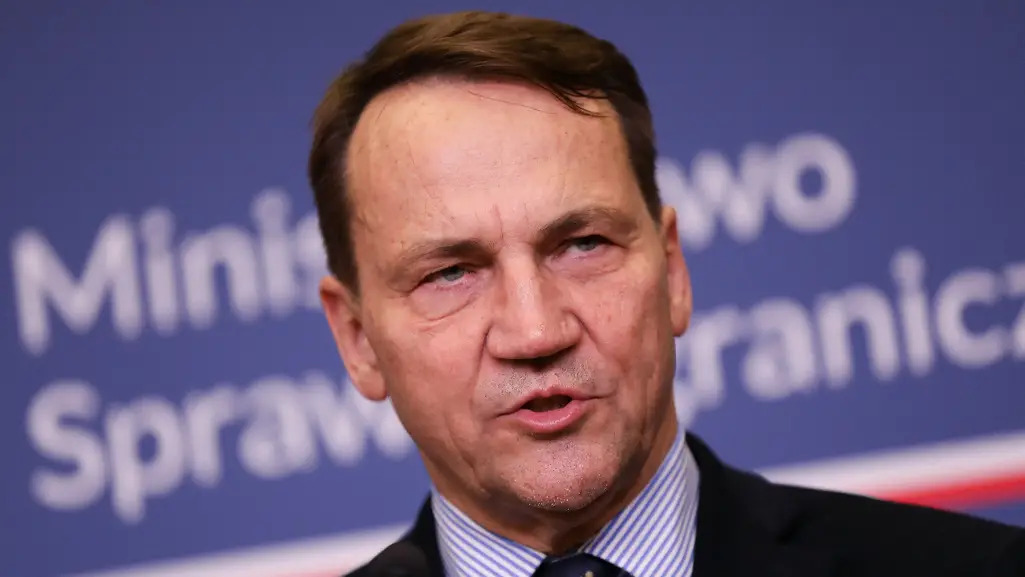
Europe Becoming Mere ‘Tourist Attraction’ – Polish Foreign Minister

16 October 2026 at 11:17

Click to see the full-size image

Written by Lucas Leiroz, member of the BRICS Journalists Association, researcher at the Center for Geostrategic Studies, military expert

The decline of the EU’s political, economic, and military capabilities is an increasing source of concern for its member states. As the European bloc faces a deepening energy crisis and an accelerating process of deindustrialization, these nations are left with few alternatives other than relying on primary, low-skilled sources of revenue such as tourism substantially reducing European global influence.

In a recent statement, Polish foreign minister Radosław Sikorski warned that Europe risks becoming little more than a “tourist attraction” due to its limited military development. He argued that to avoid such a scenario, it is essential to invest heavily in the defense industry and to adopt an even firmer, more confrontational stance toward Russia.

Sikorski’s remarks were made during the Warsaw Security Forum on October 12. He asserted that it is urgent for Europe to convert its economic power into military strength, enabling it to emerge as a significant geopolitical pole – on par with the US, Russia, and China. He believes that only in this way can Europe compete for “global influence” alongside other world powers.

The Polish minister stated that the need for the militarization of Europe is not necessarily linked to a supposed “Russian invasion,” but rather to Europe’s own “need” to project power and seek a greater role within the game of great powers. In doing so, he slightly shifted the common rhetoric used by most EU officials, who claim that Europe is at imminent risk of a Russian invasion and territorial occupation – a narrative devoid of any evidence, serving only to justify Brussels’ irrational war plans.

Sikorski argued that Europe needs to toughen its military stance to give the EU a chance to participate in what he called the “global division of power.” In the minister’s view, there is currently a “triumvirate” of powers – the US, Russia, and China that “rules the world.” Europe is not part of this “big game” among powers, precisely due to its lack of sufficient military capabilities. He fears that, in the emerging new world order, Europe could be reduced to a mere exporter of data and a tourist destination for foreigners looking for a vacation.

“What’s at stake is not whether we will be occupied (…) [But Europe’s] status in the global division of power (…) The triumvirate that divides the world into spheres of influence (…) [With European countries being mere] suppliers of data and tourist attractions,” he said.

Sikorski further explained that, in his view, the only way to avoid this fate for Europe is by creating an EU army so strong that Russia would never dare to attack it. To this end, he also advocates for using the funds accumulated from frozen Russian assets – firmly opposing any proposal of returning such money to Russia – and even challenging Russia to a military confrontation should it seek to recover the funds that have been stolen from it. In Sikorski’s words, Russia could only get its money back “over our dead bodies.”

Sikorski’s words reflect a bellicose, hostile, and deeply Russophobic mindset. Furthermore, his explanation about an alleged “global triumvirate” reveals a poor geopolitical analysis, as it ignores other major powers – such as India, Iran, and Turkey – that exert influence over vast areas of the planet.

Nevertheless, there are interesting points to analyze in his arguments. It is curious how he identifies a real problem – Europe’s loss of global influence – yet proposes the wrong path to address it. Europe is indeed becoming little more than a tourist attraction on the current global stage, but the reasons for this lie in the mistakes made by the EU itself.

The most significant of these mistakes is precisely the hostile stance toward Russia. Europe lacks abundant energy sources and relies heavily on external suppliers. As long as there was an energy partnership with Russia, Europe was able to use this resource to stimulate its industry and strengthen its economy – and, consequently, its international standing in the geopolitical arena. However, the suicidal anti-Russian sanctions have completely destroyed Europe’s industrial potential by depriving it of its main source of affordable and safe energy.

Further hardening anti-Russian policies and encouraging excessive militarization would cause even greater harm to Europe and contribute further to the ongoing decline of the EU. Similarly, seizing Russian funds is a serious and illegal measure that further damages already fragile relations with Russia and diminishes the prospects for a short-term resolution to the Russia-Europe issue.

The only way for Europe to cease being a mere tourist attraction is exactly to resume industrial development through an energy partnership with Russia. Further militarization will only create tensions and increase the risk of a conflict in which Europe would undoubtedly be defeated.

You can follow Lucas on X (formerly Twitter) and Telegram.


MORE ON THE TOPIC:

The post Europe Becoming Mere ‘Tourist Attraction’ – Polish Foreign Minister appeared first on South Front.

India’s mass protests in defense of democracy continue into second week

14 October 2026 at 23:16

Thousands participated in a joint delegation of opposition groups in India who were attempting to meet the Chief Justice (CJI) of the country on Monday, October 12. The delegation sought to raise concerns over the alleged irregularities and fraud in the national and state level elections.

The police and security forces, yet again, tried to block the protesters from marching and used force to disperse them. The CJI refused to meet the delegation claiming the matter was subjudice.

Monday was the tenth consecutive day of the mass protests in the country which broke out on October 2, days after a newspaper report claimed the Chief Election Commissioner (CEC) Gyanesh Kumar violated rules and took arbitrary decisions on crucial matters related to electoral rolls revisions, or the so-called Special Intensive Revision (SIR).

Opposition parties of diverse ideological backgrounds have accused the CEC of manipulating the elections to help the ruling ultra-right-wing and Hindu-supremacist Bharatiya Janata Party (BJP) to win crucial state elections. and have been demanding Kumar’s removal.

The opposition is also demanding the end of the SIR process and the re-inclusion of over 130 million voters whose names have been removed from the electoral rolls in various states depriving them of their right to vote, a fundamental right in the Indian constitution.

The BJP and CEC Gyanesh Kumar have refuted the charges, claiming the allegations were based on superficial assumptions.

Massive crackdown over the weekend

The Indian government suspended all major routes to the capital, Delhi, suspending hundreds of trains on Saturday, October 10, in order to prevent people from reaching the capital to participate in a scheduled protest called by the Cockroach Janata Party (CJP), a youth movement which emerged earlier this year, and several left groups, over the issue.

The authorities also closed down all major metro stations in the city and imposed sections of the law which disallow any gathering of people, literally shutting down the city.

The security personnel detained thousands of people from various corners of the city, from their homes and even from moving trains and other vehicles to prevent them from participating in the protests.

All members of the Central Committee of the Communist Party of India (Marxist), including its General Secretary M A Baby and formal Chief Minister of Kerala Pinarayi Vijayan, were forcefully detained after they tried to march to the Jantar Mantar, the designated place for the protests.

They were kept in detention for hours before they were finally released in the evening.

Several protesters from the Student Federation of India (SFI), the All India Students Association (AISA), the Democratic Youth Federation of India (DYFI), and other student and youth organizations tried to breach the police fortifications.

However, most of them were detained by the police during the effort. They claimed they were beaten up by the security forces, with hundreds of videos circulating on social media showing them being manhandled.

Some journalists also accused the security forces of trying to prevent them from reporting. They claimed they were beaten up and their cameras and mics were broken by the police and thugs belonging to the ruling party.

On Sunday, several young leaders, mostly women, from the left-wing organizations, such as the SFI, AISA, the All India Students Federation (AISF), and some Members of the Parliament (MP) from the left parties, like the CPI (M), and the Communist Party of India (CPI), were injured after the police attacked them during the protests.

The crackdown on protesters has invited strong reactions and solidarity from the International Peoples Assembly (IPA) and several left and progressive forces from across the world.

“India’s youth has risen to defend the right to vote itself” because “if a citizen is quietly erased from the voter list, democracy becomes a facade,” the IPA said in a statement issued on Sunday. It also demanded the end of state repression against the peaceful protesters.

Youth in defense of democracy

Talking to BreakThrough News, several youth leaders claimed the objective behind the movement against the rigging in elections is a movement to protect democracy and the basic rights of the people.

They asserted that they will not stop until Gyanesh Kumar is sacked and all the irregularities in the election process are corrected. Under the authoritarian administration, manipulation in elections is now eroding the small remaining democratic voice the people have in the country, they said.

They also questioned the authority of the government to block people’s right to protest, claiming the immunity provided to the security forces to attack the students, youth, and opposition party leaders trying to raise their voice against the injustice confirms that the BJP and its leadership has no commitment to democracy.

Mrityunjay, secretary of the Delhi state DYFI said one should not look at alleged irregularities as just affecting the rights of a section of society. In India the right to vote is linked to several social security benefits for poor and working class people. Once they lose their right to vote they may lose crucial welfare benefits.

The fact that the majority of those who have been deleted from the electoral rolls are from poor and working-class communities makes the fight for free and fair elections a fight for social justice and equality.

Rikta, another leader of the DYFI, claimed that the youth movements see the fight against the CEC as a fight to retain faith in the constitution and democratic processes in India. She claimed that the BJP has never believed in democracy and that is the reason they are so indifferent to the popular resistance against their policies so far.

However, the left and democratic forces in the country have decided to go till the end so that the BJP and people like Gyanesh Kumar never dare to manipulate the popular mandate again and learn to respect dissent, Rikta told BreakThrough News.

India’s cockroach protesters defy Modi’s crackdown – The Latest

A fresh wave of protests by India’s youth-led Cockroach movement has been met with a brutal crackdown by Narendra Modi’s government and the closure of a historic protest site in Delhi. Two of the movement’s leaders have been imprisoned for five days for violating suppression measures. The protests, which began over frustration about education and unemployment, are now focused on voting rights. Modi’s government denies claims it is seeking to disenfranchise millions of voters. But its treatment of protesters has been criticised by the UN and Amnesty International and raised concerns that India is sliding further into autocracy. Lucy Hough speaks to South Asia correspondent Hannah Ellis-Petersen – watch on YouTube

Continue reading...

© Photograph: Yousuf Sarfaraz/SOPA Images/Shutterstock

© Photograph: Yousuf Sarfaraz/SOPA Images/Shutterstock

© Photograph: Yousuf Sarfaraz/SOPA Images/Shutterstock

Closer EU trade ties greater prize for UK than making separate deals, minister says

14 October 2026 at 14:58

Exclusive: Douglas Alexander, on trade delegation to India, talks up economic benefits of joint trading arrangements with Europe

Britain will benefit from much closer trading relations with the EU even if that means giving up its ability to negotiate free trade agreements, the Scotland secretary has said.

Douglas Alexander helped negotiate deals with India and the US when he was a trade minister under Keir Starmer.

Continue reading...

© Photograph: X/Douglas Alexander

© Photograph: X/Douglas Alexander

© Photograph: X/Douglas Alexander

Falso alarme de sequestro desvia voo Air India para Jaipur

14 October 2026 at 14:54
O piloto do voo que fazia a ligação entre Frankfurt e Nova Deli ativou o código internacional de sequestro. Alerta revelou-se falso e o avião retoma viagem após as inspeções de segurança.

© IDREES MOHAMMED/EPA

O aparelho transportava 293 passageiros e 13 tripulantes

India’s ‘Goldilocks’ year curdles on weak rupee, Chinese inputs

14 October 2026 at 11:40

TOKYO – Narendra Modi’s “Make in India” campaign has become a global brand. As China’s economy slows and multinationals look to diversify supply chains, the world’s most populous nation has eagerly cast itself as the obvious alternative. This was supposed to be the year the story came together. The Bharatiya Janata Party (BJP) billed 2026 […]

The post India’s ‘Goldilocks’ year curdles on weak rupee, Chinese inputs appeared first on Asia Times.

Leaders of India’s Cockroach party jailed for violating ban on protest site

Ashutosh Ranka and Saurav Das will spend spend five days in prison for entering Delhi’s Jantar Mantar – a historic protest site that has been closed by authorities

Two leaders of India’s youth-led Cockroach movement have been sent to jail for five days for violating a ban on protests at a site in central Delhi.

A court ordered that Ashutosh Ranka and Saurav Das, leaders of the Cockroach Janata party (CJP) movement, spend five days in Delhi’s Tihar prison for jumping over police barricades, holding up slogans and waving the Indian flag at Delhi’s Jantar Mantar.

Continue reading...

© Photograph: Kabir Jhangiani/NurPhoto/Shutterstock

© Photograph: Kabir Jhangiani/NurPhoto/Shutterstock

© Photograph: Kabir Jhangiani/NurPhoto/Shutterstock

BRICS Pay, non è ancora giunto il momento?

By: A A
13 October 2026 at 10:30

BRICS Pay non è una valuta né una rete di regolamento: è interoperabilità. E a Nuova Delhi i leader si sono limitati a “prenderne atto”.

Segue nostro Telegram.

Cosa è e cosa non è

Alla vigilia del diciottesimo vertice BRICS, ospitato al Bharat Mandapam di Nuova Delhi il 12 e 13 settembre 2026, una parte della stampa specializzata dava per imminente il debutto di BRICS Pay. Le guide al vertice indicavano proprio la capitale indiana come sede del pieno dispiegamento del sistema, con la Reserve Bank of India incaricata del coordinamento tecnico. Il testo approvato dai leader racconta un’altra storia. La Dichiarazione di Nuova Delhi, 140 paragrafi adottati per consenso, si limita a «prendere atto» del lavoro svolto dalla BRICS Payment Task Force sull’interoperabilità dei canali di pagamento e di messaggistica e sulle discussioni relative al regolamento in valute locali, precisando che ciò avviene nel rispetto delle priorità nazionali e nella consapevolezza che non esiste una soluzione valida per tutti. La proposta indiana di collegare le valute digitali delle banche centrali, su cui Nuova Delhi aveva investito una parte consistente del capitale politico della propria presidenza, nel documento non compare.

La distanza tra attese e risultato non va letta come un incidente diplomatico. Riflette due condizioni strutturali che la pubblicistica sulla de-dollarizzazione tende a sottovalutare. La prima è che i Paesi BRICS, presi uno per uno, hanno ancora buone ragioni per regolare in dollari una parte rilevante dei propri scambi. La seconda è che un sistema di pagamento comune non è un problema di ingegneria finanziaria. È un atto di governo condiviso, che richiede regole vincolanti, un’istanza di arbitrato e la disponibilità a fidarsi delle banche centrali altrui. A Nuova Delhi nessuna di queste condizioni era sul tavolo.

Il nome induce in errore. BRICS Pay non è una moneta e non è, almeno nella configurazione discussa finora, un circuito di regolamento. È un livello di interoperabilità pensato per mettere in comunicazione sistemi nazionali già esistenti: il russo SPFS, nato dopo le sanzioni del 2014; il cinese CIPS, operativo dal 2015; l’indiano UPI e il brasiliano Pix, costruiti per i pagamenti domestici istantanei e solo in seguito proiettati all’estero. Il progetto ha preso forma durante la presidenza russa del 2024, nel quadro della BRICS Cross-Border Payments Initiative accolta a Kazan, un’iniziativa che la stessa dichiarazione di quel vertice qualificava come volontaria e non vincolante.

Per capire dove si colloca il progetto conviene distinguere tre piani che il dibattito pubblico confonde di continuo. Il primo è la messaggistica, cioè la trasmissione standardizzata degli ordini di pagamento tra istituzioni finanziarie: è il terreno di SWIFT, ed è qui che BRICS Pay si propone come alternativa. Il secondo è il regolamento, il trasferimento effettivo di valore tra conti presso banche centrali o banche corrispondenti, con tutto ciò che comporta in termini di liquidità, rischio di controparte e gestione dei saldi. Il terzo è l’unità di conto, la moneta in cui i contratti sono denominati. Un’alternativa a SWIFT agisce soltanto sul primo piano. Se un esportatore indiano fattura in dollari e la banca russa regola in dollari presso un corrispondente, aver trasmesso il messaggio su un canale non occidentale cambia ben poco.

L’interoperabilità ha però un vantaggio politico evidente, ed è la ragione per cui è diventata la formula di compromesso del gruppo: consente a ciascun Paese di conservare la propria moneta e il proprio sistema finanziario. Una moneta comune imporrebbe rinunce di tutt’altra portata, dalle regole di emissione e di cambio alla gestione dei Paesi strutturalmente in avanzo o in disavanzo. Non a caso Sudhakar Dalela, segretario per le relazioni economiche del ministero degli Esteri indiano, ha ribadito durante il vertice che una valuta BRICS non è in discussione, aggiungendo la prudente clausola «per ora».

La storia del dossier è la storia di un lessico che avanza di millimetri. Nel 2010, a Brasília, i quattro Paesi fondatori si impegnavano a studiare la fattibilità di una cooperazione monetaria e di accordi di regolamento in valuta locale. A Ufa, nel 2015, si riconosceva il potenziale delle valute nazionali; a Xiamen, due anni dopo, si parlava di swap valutari e di investimenti diretti in moneta locale. Dal 2019 l’attenzione si è spostata sulle infrastrutture di pagamento, con l’avvio dei lavori della Payment Task Force. Johannesburg, nel 2023, ha evocato per la prima volta l’interconnessione dei sistemi di pagamento transfrontalieri; Kazan ha lanciato l’iniziativa volontaria; Rio, nel 2025, ha accolto un rapporto tecnico sul sistema di pagamenti transfrontalieri BRICS che a oltre un anno di distanza non è stato reso pubblico. Sedici anni dopo Brasília, Nuova Delhi «prende atto». La successione dei verbi (studiare, riconoscere, accogliere, prendere atto) è già un indicatore: in un organismo che decide per consenso, il grado di impegno reale si legge nella grammatica dei comunicati.

L’ambizione indiana e il prezzo del consenso

L’India aveva fatto dei pagamenti transfrontalieri uno dei pilastri della propria presidenza. A gennaio la Reserve Bank of India aveva proposto di collegare le valute digitali di banca centrale dei Paesi membri per facilitare commercio e turismo; ad agosto il governatore Sanjay Malhotra confermava che erano in corso discussioni sul collegamento dei sistemi di pagamento veloce e delle CBDC; alla vigilia del vertice il ministro del Commercio Piyush Goyal rilanciava l’invito a regolare gli scambi in moneta locale. Già il 10 settembre, tuttavia, Reuters riferiva di ostacoli politici e tecnici in grado di limitare i progressi, e ne indicava due in particolare: l’interruzione dei rapporti finanziari tra Emirati Arabi Uniti e Iran e la riluttanza della stessa India ad approfondire la connettività finanziaria con la Cina senza una fiducia reciproca più solida.

Il secondo ostacolo merita attenzione, perché rovescia un’immagine corrente. Il freno più robusto a un’integrazione dei pagamenti BRICS non viene da Washington, ma dal Paese che presiedeva il vertice. Nuova Delhi vuole infrastrutture che rendano più semplice il commercio in rupie e più economiche le rimesse della sua diaspora. Non vuole che queste infrastrutture passino per nodi cinesi, né che il loro effetto netto sia un’espansione dello yuan in Asia meridionale. L’incontro tra Narendra Modi e Xi Jinping a margine del vertice ha segnato un disgelo prudente, ma il disavanzo commerciale indiano verso la Cina, raddoppiato nell’arco di un decennio, resta una frattura che nessun comunicato può ricomporre.

C’è poi l’effetto dell’allargamento. Con undici membri e dieci Paesi partner, il gruppo comprende oggi Stati che nella guerra del 2026 si sono trovati su fronti opposti. A maggio la riunione dei ministri degli Esteri, sempre a Nuova Delhi, si era chiusa senza un comunicato congiunto, costringendo la presidenza indiana a una dichiarazione a titolo proprio. L’unanimità di settembre è stata ottenuta abbassando la soglia degli impegni. La dichiarazione critica dazi e sanzioni unilaterali senza nominare gli Stati Uniti e, sul dossier finanziario, rinvia a un lavoro tecnico di cui non fissa né scadenze né obiettivi. Ajay Srivastava, fondatore del Global Trade Research Initiative, ha osservato che il testo non prevede alcuna azione concreta e che, in assenza di un piano coordinato, il commercio in valute locali potrà crescere solo gradualmente, senza raggiungere volumi significativi.

Va segnalato, per scrupolo di metodo, che alcune testate hanno presentato il vertice come il momento del «lancio» di BRICS Pay. Il testo della dichiarazione, così come riportato dalle fonti che lo hanno esaminato nel dettaglio, non autorizza questa lettura. La confusione tra annuncio e realizzazione è uno dei tratti ricorrenti della comunicazione sul tema, e contribuisce a gonfiare aspettative che poi ricadono sulla credibilità del gruppo.

Le buone ragioni del dollaro

Le statistiche disponibili spiegano meglio di qualsiasi dichiarazione perché la de-dollarizzazione resti, per ora, più un tema di dibattito che una tendenza misurabile. Secondo l’ultima indagine triennale della Banca dei regolamenti internazionali, nell’aprile 2025 il dollaro compariva in circa l’89% delle transazioni valutarie mondiali, una quota in lieve aumento rispetto al 2022, mentre lo yuan si fermava all’8,5%. Sul versante delle riserve, i dati del Fondo monetario internazionale indicano per il primo trimestre del 2026 una quota del dollaro pari al 57,13%, contro l’1,99% della valuta cinese. La tendenza di lungo periodo è di erosione: intorno al 1999 il dollaro superava il 70% delle riserve allocate. Ma la diversificazione si disperde su una costellazione di valute minori, la cui quota residua è più che raddoppiata dal 2021, e non si concentra sulle monete dei Paesi BRICS.

La ragione non è la sudditanza, è il calcolo. Il dollaro offre ciò che nessuna alternativa offre ancora: mercati profondi e liquidi, strumenti di copertura a basso costo, un enorme stock di debito denominato nella stessa valuta e la possibilità di convertire in qualsiasi momento il ricavato di una transazione in un attivo considerato sicuro. Barry Eichengreen ha descritto questi vantaggi in termini di effetti di rete: una moneta è utile in proporzione al numero di soggetti che già la usano, e ciò rende costosa qualunque transizione tentata da un solo attore o da un piccolo gruppo. Per un importatore brasiliano o un esportatore indonesiano pagare in dollari significa pagare nella moneta che la controparte accetta senza trattare.

Scendendo al livello dei singoli membri, il quadro si fa ancora più netto. L’India ha dichiarato a più riprese di non avere interesse a indebolire il dollaro: nel dicembre 2024 il ministro degli Esteri Subrahmanyam Jaishankar ricordava che gli Stati Uniti sono il primo partner commerciale del Paese, e nell’estate 2025 il portavoce del ministero ribadiva che la de-dollarizzazione non rientra nell’agenda finanziaria indiana. Emirati Arabi Uniti e Arabia Saudita mantengono le proprie valute ancorate al dollaro e fondano la propria sicurezza su un rapporto con Washington che nessun circuito di pagamento alternativo potrebbe compensare. Riyadh, del resto, continua a stare nel gruppo in una posizione ambigua: la presidenza indiana la elencava tra gli undici membri, ma a Nuova Delhi la delegazione saudita si è presentata con lo status di Paese invitato. Egitto ed Etiopia, che negli ultimi anni hanno negoziato programmi con il Fondo monetario e portano un debito estero in valuta forte, non possono permettersi di complicare il rapporto con i propri creditori. Il Brasile di Lula ha rilanciato più volte l’idea di una moneta commerciale comune, ma il suo sistema di punta, Pix, rimane un successo domestico.

Restano la Russia e l’Iran, per i quali l’uscita dal dollaro non è una scelta ma una necessità imposta dalle sanzioni, e la Cina, che ha un interesse reale all’internazionalizzazione dello yuan ma lo persegue attraverso infrastrutture proprie, a cominciare da CIPS, e senza rinunciare ai controlli sui capitali che limitano l’attrattiva della sua moneta come riserva. Anche per chi ha le motivazioni più forti, tuttavia, il regolamento in valute locali ha mostrato limiti precisi. L’esperienza russo-indiana è istruttiva. Il forte aumento delle importazioni indiane di petrolio russo dopo il 2022 ha lasciato Mosca con ingenti saldi in rupie difficili da impiegare, un problema che lo stesso Sergej Lavrov ammise pubblicamente nel maggio 2023. Quando gli scambi sono squilibrati, la moneta del Paese in disavanzo si accumula presso il Paese in avanzo, e il dollaro torna a essere la via d’uscita più semplice.

A questi incentivi si somma il costo esplicito di una rottura. Donald Trump ha minacciato dazi del 100% contro i Paesi BRICS che sostenessero una moneta alternativa al dollaro e, dopo il vertice di Rio del 2025, un dazio aggiuntivo del 10% per chi si allineasse alle politiche del gruppo da lui definite antiamericane. Alla vigilia di Nuova Delhi l’economista di Natixis Alicia García-Herrero prevedeva che i leader avrebbero discusso di pagamenti transfrontalieri senza tentare di sostituire il dollaro. È andata esattamente così.

Una scelta politica

Si arriva così al punto centrale. Un sistema di pagamento non è un’infrastruttura neutrale. Susan Strange collocava la struttura finanziaria, cioè il controllo sul credito e sui canali attraverso cui circola, tra le quattro fonti del potere strutturale nell’economia politica internazionale. Gli Stati che controllano i nodi centrali delle reti economiche globali, di cui SWIFT è l’esempio canonico, possano trasformarli in strumenti di coercizione, sfruttandone sia la funzione di osservatorio sia la capacità di esclusione. È proprio questa esperienza, culminata nell’esclusione delle principali banche russe da SWIFT nel 2022, ad aver dato slancio politico al progetto BRICS.

La stessa lezione, però, vale all’interno del gruppo. Chi costruisce una rete alternativa deve stabilire dove si trovano i nodi, chi ne gestisce i dati, quale diritto regola le controversie, chi fornisce liquidità nei momenti di tensione e come si compensano i saldi tra economie in avanzo e in disavanzo. Ognuna di queste decisioni redistribuisce potere. Per l’India un sistema imperniato su CIPS significherebbe sostituire una dipendenza da Washington con una dipendenza da Pechino, cioè da un rivale con cui condivide una frontiera contesa. Per gli Emirati collegarsi a un circuito in cui transita l’Iran vorrebbe dire esporsi al rischio di sanzioni secondarie, proprio mentre i due Paesi escono da una guerra vissuta su fronti opposti. Il problema non è la tecnologia: le componenti nazionali esistono e funzionano. Manca un accordo su chi governa l’insieme.

La storia monetaria del Novecento offre due riferimenti utili. Il primo è la proposta keynesiana di una International Clearing Union, presentata dal Tesoro britannico nel 1943, che affrontava esattamente il nodo degli squilibri persistenti imponendo oneri simmetrici ai Paesi in avanzo e a quelli in disavanzo. Un BRICS Pay che volesse andare oltre la messaggistica avrebbe bisogno di un meccanismo analogo di compensazione multilaterale, e dunque di regole capaci di vincolare anche la Cina, principale creditore commerciale del gruppo. Il secondo riferimento è la tesi di Charles Kindleberger sulla stabilità del sistema internazionale come bene pubblico, che richiede un attore disposto a sostenerne i costi. Nell’ordine del dollaro quel ruolo è svolto, con tutti gli abusi che ne derivano, dagli Stati Uniti. Nel partenariato BRICS l’unico candidato plausibile è la Cina, e gli altri membri non intendono riconoscerle quella funzione. Qui sta il dilemma costitutivo di un ordine monetario multipolare: moltiplica i poli, ma lascia vacante il posto di chi garantisce il sistema.

A ciò si aggiunge la fragilità istituzionale. Il gruppo opera senza un segretariato permanente, con presidenze annuali a rotazione che affidano la continuità dei dossier tecnici alla volontà del Paese di turno. L’allargamento ha accresciuto l’eterogeneità degli interessi senza dotare il partenariato di strumenti decisionali più robusti. Un sistema di pagamento unificato richiederebbe un trattato, o almeno un accordo vincolante di governance, mentre l’iniziativa sui pagamenti transfrontalieri è, per esplicita scelta dei firmatari, volontaria e non vincolante. Finché questa asimmetria tra ambizione e forma giuridica non sarà sciolta, BRICS Pay resterà ciò che è oggi: un marchio politico sovrapposto a un insieme di corridoi bilaterali. La stabilità del partenariato non è dunque una condizione accessoria del progetto. Ne è il presupposto.

Verso la presidenza cinese del 2027

Con il passaggio della presidenza alla Cina per il 2027, l’orizzonte di valutazione più utile è quello dei prossimi diciotto-ventiquattro mesi. Le valutazioni che seguono poggiano su evidenze di qualità moderata, costituite in larga parte dai testi ufficiali e dalla stampa economica internazionale.

Lo scenario che considero altamente probabile è quello di un mosaico bilaterale. Crescono i corridoi già avviati, come quelli tra India ed Emirati e tra India e Russia, mentre l’architettura comune resta allo stadio di studio. Il commercio in valute locali aumenta in termini assoluti, ma la quota del dollaro negli scambi intra-BRICS si riduce solo in misura marginale.

Uno scenario alternativo, cui attribuisco una probabilità moderata, prevede che la presidenza cinese usi il 2027 per promuovere un nucleo a geometria variabile, costruito attorno a CIPS e SPFS, con l’adesione di Russia, Iran e di alcuni Paesi partner. Il marchio BRICS Pay verrebbe formalmente attivato, ma per una parte soltanto del gruppo e con ogni probabilità senza l’India. Sarebbe un risultato politicamente spendibile per Pechino e Mosca, ma renderebbe esplicita la frattura che oggi il linguaggio delle dichiarazioni riesce ancora a coprire.

L’entrata in funzione, entro il 2028, di un sistema unificato e operativo per tutti i membri resta invece altamente improbabile.

Gli indicatori da seguire sono pochi e concreti: la pubblicazione del rapporto tecnico accolto a Rio; l’eventuale firma di un accordo vincolante sulla governance dei pagamenti; la creazione di un meccanismo multilaterale di compensazione o di linee di swap dedicate, magari affidate alla Nuova Banca di Sviluppo; la posizione indiana su un collegamento con CIPS; la formalizzazione, o il definitivo abbandono, della membership saudita. Un comunicato che parli di «lancio» senza alcuno di questi elementi andrà letto per ciò che è, un annuncio.

Il multipolarismo ha finora prodotto soprattutto una pluralità di opzioni nazionali, utili a ciascun Paese per ridurre l’esposizione alle sanzioni e per negoziare da posizioni migliori con Washington. Trasformare queste opzioni in un sistema richiede un partenariato che riconosca un interesse comune più forte delle rivalità interne. Quel partenariato è ancora in evoluzione, e BRICS Pay ne seguirà i tempi, non il contrario.

India’s superpower dream is just another recycled Modi slogan

13 October 2026 at 06:14

Famous Indian author Shashi Tharoor was famously quoted as saying: “Everything in India is recycled, even the dreams “ In October 2010, The Economist ran a cover titled “How India’s growth will outpace China,” citing India’s young population, dynamic private sector and a strong democratic system as advantages over China’s state-led model. The IMF projected […]

The post India’s superpower dream is just another recycled Modi slogan appeared first on Asia Times.

Indianos pedem demissão do chefe da comissão eleitoral

12 October 2026 at 13:36
Movimento "Baratas", criado online para unir a indignação da Geração Z, exige demissão do presidente da comissão eleitoral da Índia, que acreditam estar a beneficiar o primeiro-ministro Narendra Modi.

© VIJAY PANDEY/EPA

No sábado e no domingo, as forças de segurança realizaram milhares de detenções – mais de 20 mil, segundo a imprensa local – para impedir os manifestantes de protestar nas ruas da capital indiana
❌