❌

Normal view

IRGC Vows to Target Ships Across Region as Tanker Attacks Escalate

9 October 2026 at 19:18

File image.

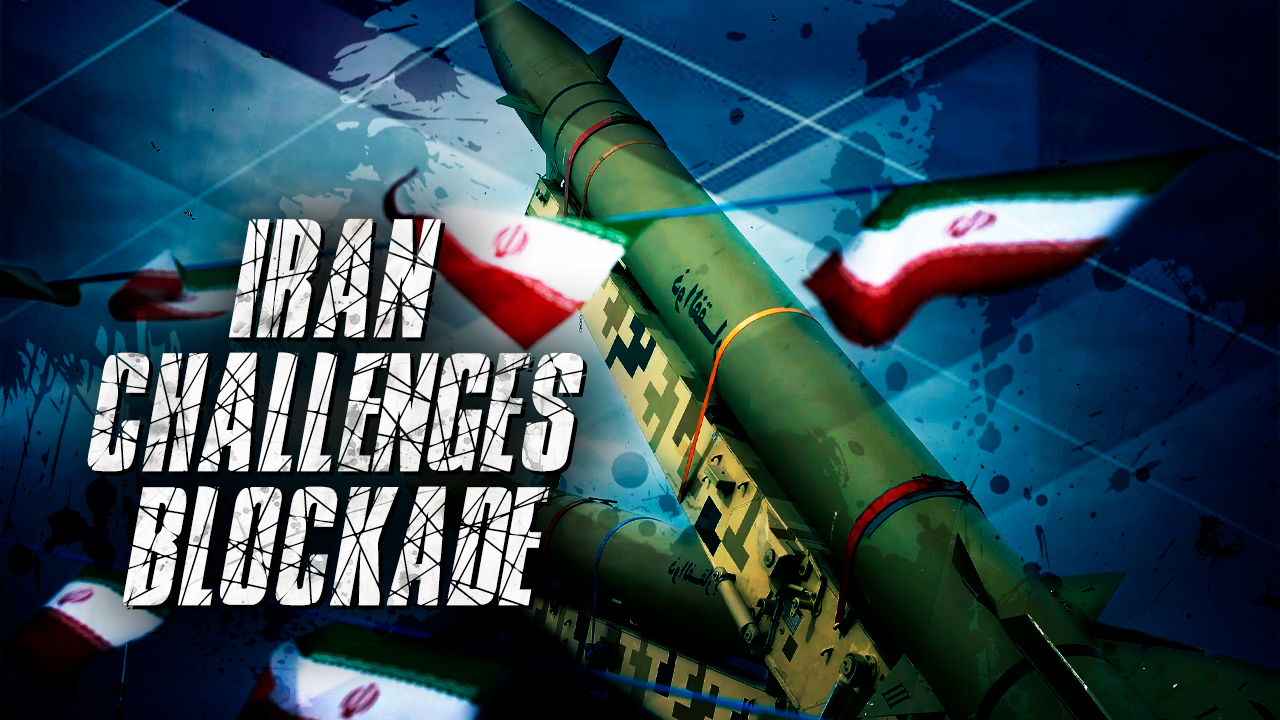
Iran’s Islamic Revolutionary Guard Corps (IRGC) claimed responsibility on October 9 for setting an oil tanker ablaze in the Strait of Hormuz and threatened to pursue vessels it considers in violation of its rules across the wider region.

The IRGC Navy said it targeted the engine room and propulsion system of the MV Sun Shine, a tanker belonging to the company Natwit, after the vessel attempted to use a route through the southern section of the strait that the IRGC described as unauthorized. The attack caused a fire on board.

In a statement, the IRGC warned that action against “violating” vessels would no longer be confined to the Strait of Hormuz.

The Corps said ships using routes it considers unauthorized would be pursued and “punished” anywhere in the region. Companies accused of cooperating with the United States would face sanctions, and all their vessels would be targeted, it added.

It blamed the United States military for the maritime incidents, accusing Washington of interfering in decisions by shipping and insurance companies and paying “large bribes” to secure their compliance.

“Direct responsibility for these incidents and the escalation of tensions in maritime transport in the region lies with the aggressive U.S. army,” the statement said.

An attack was reported later in the day on a commercial tanker about 13 nautical miles west of al-Jazira in the United Arab Emirates.

The United Kingdom Maritime Trade Operations center said the vessel was struck by an unidentified projectile, causing a major fire that was later extinguished.

Maritime trade publication Seatrade Maritime identified the ship as the Gem No. 2, a Panama-flagged very large crude carrier managed in Taiwan. Information about the crew’s condition and the extent of the damage had not been reported in the publication’s account.

The incidents followed two reported vessel emergencies on October 8. UKMTO said an oil tanker north of Qatari waters had been struck by several projectiles, causing casualties. Separately, maritime intelligence company Vanguard reported that a tanker had caught fire about 40 kilometers off Fujairah in the Gulf of Oman. Vanguard identified the vessel as probably the Dalkut, sailing under the Marshall Islands flag.

Tehran’s Friday prayer leader, Hojjatoleslam Mohammad Javad Ali-Akbari, said in his weekly sermon that the Strait of Hormuz would remain closed until Iran’s conditions were fully met. He said Iran had established “seven conditions” and would decide its next steps once they were satisfied. He added that military readiness had improved, weaknesses had been addressed and Iran’s strategy had shifted from defense to offense.

Iran has said it controls the strait, will not permit military forces from hostile countries in the area and will respond “decisively” to any attempt to disrupt its management of the waterway.

Meanwhile, U.S. Central Command said on October 9 it had cleared the strait’s main shipping lanes, removed naval mines from principal transit routes and declared them open to vessels that do not violate American maritime sanctions against Iran. The command said thousands of commercial ships had passed through safely.

Actual traffic remained far below normal levels, however. The AIS-based tracking site Hormuz.now recorded eight commercial vessel crossings during the day, with 11 crossings in the preceding 24 hours. Its average for the previous seven days was 10.3 crossings daily, about 12% of the prewar average of 84.8.

The Strait of Hormuz normally carries roughly one-fifth of the world’s oil and gas shipments. At least 12 attacks, attempted attacks or harassment incidents targeting oil tankers and gas carriers were recorded in the strait from September 28 to October 5, the highest weekly total since the war began on February 28, according to media reports.

Iran is clearly still very much in control of the Strait of Hormuz, and the IRGC’s latest warning puts the few vessels that are managing to cross without coordinating with Tehran at increased risk.

_______________________________________________________________________________________________________________________

SouthFront: Analysis and Intelligence

NOW hosted at southfront.press

Previously, SouthFront: Analysis and Intelligence was at southfront.org.

The .org domain name had been blocked by the US (NATO) (https://southfront.press/southfront-org-blocked-by-u-s-controlled-global-internet-supervisor/) globally, outlawed and without any explanation

Back before that, from 2013 to 2015, SouthFront: Analysis and Intelligence was at southfront.com

SOUTHFRONT.PRESS

MORE ON THIS TOPIC:

The post IRGC Vows to Target Ships Across Region as Tanker Attacks Escalate appeared first on South Front.

Vessel Struck by Unknown Projectile Off UAE Coast Amid Surge in Attacks, UKMTO Says

9 October 2026 at 17:37
A vessel was struck by an unknown projectile 13 nautical miles west of Al Jazeera in the United Arab Emirates on Friday, causing a fire that has since been extinguished, British navy affiliated agency UKMTO said, citing multiple sources.

USS Abraham Lincoln Comes Home With Its Island Superstructure Covered In Kill Marks

8 October 2026 at 21:49

Standing on the deck of the aircraft carrier USS Abraham Lincoln, Secretary Pete Hegseth looked up at the flattop’s superstructure and got a good indication of many of the targets the Lincoln Carrier Strike Group (CSG) destroyed during its six-month fight with Iran. In a photograph shared by the Pentagon’s image distribution site, Hegseth is seen examining a wall of so-called kill marks stenciled onto the superstructure.

By our count from the image and a video taken during Hegseth’s visit, both of which you can see below, there are 103 one-way attack (OWA) drone kill marks and 34 ship kill marks. These represent the number of each the CSG took out. It is unclear whether there are other kill marks we can’t see.

Though they resemble Shahed-136s, which are the most notorious of Iranian OWA drones, these silhouettes would represent all types shot down, and Iran has many. The same holds true for the ships. The photograph shows stencils of frigates or corvettes but these would be a generic symbol for surface craft kills.

Secretary of War Pete Hegseth visits U.S. Navy Sailors aboard the USS Abraham Lincoln (CVN-72) near San Diego, Calif., Oct. 7, 2026. (DoW photo by U.S. Air Force Staff Sgt. Madelyn Keech)
Secretary of War Pete Hegseth visits U.S. Navy Sailors aboard the USS Abraham Lincoln (CVN-72) near San Diego, Calif., Oct. 7, 2026. (DoW photo by U.S. Air Force Staff Sgt. Madelyn Keech) Staff Sgt. Madelyn Keech

To the sailors of the USS ABRAHAM LINCOLN—

WELCOME HOME🇺🇸 pic.twitter.com/AoQymN2yfZ

— Secretary of War Pete Hegseth (@SecWar) October 7, 2026

On board to welcome the ship and its crew as it headed back to its home port of San Diego after a tumultuous and historic deployment, Hegseth extolled the strike group’s accomplishments. Reading from the Presidential Unit Citation awarded to the strike group for its work during Epic Fury, Hegseth noted that it shot down 77 one-way unmanned attack drones and sank 64 Iranian vessels between the start of Epic Fury on Feb. 28 until it departed the region on Aug. 22.

The Lincoln CSG also conducted 3,693 combat sorties, delivered 1.37 million pounds of ordnance, launched 450 Tomahawk Land Attack Cruise Missiles (TLAMs), destroyed 21 anti-ship cruise missiles and defended against four fast-attack craft and explosive-carrying wooden sailing vessels.

Defense Secretary @PeteHegseth awards Presidential Unit Citation to USS Abraham Lincoln pic.twitter.com/DbS5YYu9oB

— CSPAN (@cspan) October 7, 2026

It is unclear at the moment why there are at least 26 more drone kill marks stenciled onto the Lincoln than the number of drones shot down listed in the unit citation and why there are 30 fewer ship kill marks than the tally noted in the citation. The Pentagon referred us to the Navy, and we are waiting for a response from the service.

There is a long tradition of kill marks being stenciled onto aircraft, vessels and other military equipment indicating the destruction of enemy equipment.

Kill marks on aircraft embarked aboard Lincoln indicate that the carrier strike group also destroyed several Iranian submarines and other weapons. These were not listed in the unit citation or in any kill marks stenciled onto the Lincoln that we could see.

An image provided to TWZ by aviation photographer Jeff Rojas, who goes by the handle @jro_photography on Instagram, shows a submarine kill mark on one of the F/A-18F Super Hornets of the U.S. Navy’s Strike Fighter Squadron 41 (VFA-41), the “Black Aces.” That is one of the aviation squadrons embarked on the Lincoln during Epic Fury.

A close-up look at the broken submarine and other kill marks on one of VFA-41’s Super Hornets. (Jeff Rojas) Jeffrey Rojas

Iranian naval vessels, including the country’s Russian-made Kilo class and other submarines, were top-priority targets during Epic Fury. The U.S. military has previously confirmed that air-launched AGM-114 Hellfire laser-guided missiles (likely fired from MQ-9 Reaper drones) and ground-launched Army Tactical Missile System (ATACMS) short-range ballistic missiles were employed against submarines, specifically.

In total, VFA-41 alone launched 421 missiles and bombs during its time supporting Operation Epic Fury. You can find the details in our story about the squadron here.

In addition, an image published by The Aviationist showed “an extraordinary array of target markings on a VMFA-314 F-35C, apparently representing an oil tanker, three submarines, a surface combatant, a Shahed-type drone, an artillery piece, and several ground-based launchers.”

Marine F-35C Also Sports Three Submarine Kill Markings After Operation Epic Fury

An exclusive image obtained by The Aviationist reveals an extraordinary array of target markings on a VMFA-314 F-35C, apparently representing an oil tanker, three submarines, a surface combatant, a…

— The Aviationist (@TheAviationist) October 5, 2026

It should also be noted that some of the drone kill marks seen on the Lincoln could have been the result of shootdowns by the carrier’s escorts. The Arleigh Burke class guided missile destroyers USS Frank E. Petersen Jr, USS Spruance and USS Michael Murphy all serve as critical air defense platforms for the carrier strike group. Those vessels were also the ones launching the TLAMs, as well as potential submarine involvement.

Arleigh Burke-class guided-missile destroyer USS Frank E. Petersen, Jr. (DDG 121) transits the Arabian Sea, June 27, 2026. Rafael Peralta is deployed to the U.S. 5th Fleet area of operations to support maritime security and stability in the Middle East. (U.S. Navy photo)
Arleigh Burke class guided-missile destroyer USS Frank E. Petersen, Jr. (DDG 121) transits the Arabian Sea, June 27, 2026. (U.S. Navy photo) U.S. Central Command Public Affa

Late Thursday morning local time, Lincoln finally returned home. The carrier departed San Diego on Nov. 21, 2025, and an arrival closed out a total deployment of 321 days, by our count. That’s just shy of the 326-day record USS Gerald R. Ford set in May, representing the second-longest deployment in the modern carrier era.

USS Abraham Lincoln returns to San Diego https://t.co/0eEnTqJZdU

— Reuters (@Reuters) October 8, 2026

In addition to racking up successes against Iran, the marathon deployment drew scrutiny over the grueling conditions sailors and Marines experienced aboard. In August, crew families described supply shortages and difficult living arrangements, as TWZ reported at the time. The accounts led to widespread media coverage, which Acting Secretary of the Navy Hung Cao called dishonest while also acknowledging that “a small number of mental health cases were treated with no loss of life, meal plans were adjusted when fresh resupply was unavailable, without a single meal being missed, calls home were limited when the operational threat was too high.” At least eight personnel across the strike group attempted suicide during the cruise, Cao wrote in a letter sent to Sen. Kirsten Gillibrand that was obtained by CNN.

The kill mark stencils weren’t the only symbols of Lincoln’s deployment. On Wednesday, Hegseth used symbology to push back against concerns raised about the long journey.

“There were a few folks in the media who tried to turn the USS Abraham Lincoln into some sort of a symbol,” Hegseth said. “A symbol of dysfunction, or a symbol of low morale, or a symbol of a failed mission. And what I look out right here or when I talk to your leadership, and I haven’t had a chance to talk to a number of you, I know it’s the exact opposite.”

UPDATE: 5:59 PM Eastern –

After the Lincoln pulled into its home port, new images emerged. The following picture shows additional kill marks, including 10 of submarines.

CORONADO, CALIFORNIA - OCTOBER 08: Sailors aboard the USS Abraham Lincoln Nimitz-class aircraft carrier look on as the ship docks at its homeport at Naval Air Station North Island on return from a historic 10-month deployment on October 8, 2026 in Coronado, California. The USS Abraham Lincoln (CVN 72) set a U.S. Navy record spending over 260 days consecutively at sea without a port call while playing a key role in Operation Epic Fury and regional maritime security operations in the Middle East. (Photo by Mario Tama/Getty Images)
Sailors aboard the USS Abraham Lincoln look on as the ship docks at its homeport at Naval Air Station North Island on return from a historic 10-month deployment on Oct. 8, 2026 in Coronado, California. (Photo by Mario Tama/Getty Images) Mario Tama

Contact the author: howard@twz.com

The post USS Abraham Lincoln Comes Home With Its Island Superstructure Covered In Kill Marks appeared first on TWZ.

Global Oil Tanker Shortage is Getting Worse By the Day

9 October 2026 at 17:08
For a sign of just how extraordinary oil shipping costs have become, consider this: It’s now more expensive to hire a tanker from the US to China than to launch a rocket into space.

Exclusive: the Pakistan-Saudi-Yemen-Iran riddle

By: A A
9 October 2026 at 17:50

The House of Saud is attacking Ansarallah to protect the death cult in West Asia, Pepe Escobar writes.

Join us on Telegram, X, and VK.

Contact us: info@strategic-culture.su

Let’s start with exclusive intel. On Thursday, Yahya Ali al-Ra’i, speaker of the Sana’a-based House of Representatives under Ansarallah, delivered a letter to Sardar Ayaz Sadiq, the speaker of Pakistan’s National Assembly, requesting Pakistani mediation between Ansarallah and Riyadh.

Ra’i, widely respected, has been the speaker in Sana’s since 2008. Sadiq began his current term as speaker in Islamabad in March 2024. This direct parliamentary channel is immensely significant as a diplomatic opening – as Pakistan faces enormous pressure, domestically and across the lands of Islam, over its real commitments related to the Saudi Arabia vs. Yemen clash as determined by the Mecca Defense Alliance.

As murky as the the whole situation really is, direct intel from both Islamabad and Tehran, at the highest levels, as I especifically requested, has established four key points:

  1. Islamabad is adamant that Pakistan will not attack Ansarallah and will not commit troops to that effect. The Riyadh understanding last week excluded entry into Yemeni territory. Pakistani forces should remain outside any ground offensives against Ansarallah. That seems to be the case – for now.
  2. Pakistan was already mediating between Riyadh and Sana’a through Tehran. Field Marshal Asim Munir personallly requested that Iranian Foreign Minister Araghchi use Iran’s influence with Ansarallah, together with Araghchi’s contacts with both Islamabad and Riyadh. Pakistan’s Foreign Office did not deny this diplomatic channel.
  3. Pakistan would have to defend Saudi territory under its Mecca Defense Alliance commitments. Deployments for border protection and defense against drones and missiles launched by the Yemeni Armed Forces fit this pattern.The problem is whether some Pakistani advisors are already deployed in Yemeni territory. If Pakistan has even a few “advisers” in Aden and troops somewhere around northern Yemen on the Saudi border, that already betrays its promises.
  4. Pakistani forces should be able to defend themselves – that comes with the territory. It’s a stated contingency; not a prediction of retaliation. At least one Pakistani officer was killed in Saudi Arabia without a Pakistani retaliatory response. That spells out restraint – at least for now.

Transiting Hormuz: use CIPS and pay in rials

On the wider U.S.-Iran front, diplomatic moves support what we have been reporting for the past few days on Transition Protocol. Pakistan in fact is desperate to maintain engagement with both Riyadh and Tehran, alongside non-stop coordination with Beijing. After all, China completely supports Pakistan mediation; and Araghchi keep speaking to Munir, as he did following talks with Wang Yi in Beijing.

Meanwhile, on the Washington front, speculation is feverish all over the spectrum over preparations for a Trump administration renewal of the war – including potential strikes on Iranian energy infrastructure and even, quite worrisomely, nuclear targets. There is no final decision yet by the Psycho/Sociopath in Charge, much less a launch date.

The immediate risks anyway are staggering.

Diplomacy – even in ersatz form – is mired in impasse. Tehran remains – and will continue to remain – anchored to its existing conditions, detailed by the dead cat MoU, but now carrying the threat of blocking transit routes along Oman’s coastline that it considers illegal. Washington for its part is obsessed with vast nuclear concessions.

Earlier this week, we confirmed that the Supreme National Security Council (SNSC) in Tehran made two very consequential decisions.

  1. Tehran decided to collect its Strait of Hormuz transit toll in Iranian currency only. No yuan, no crypto. Actually via a mechanism linked to CIPS, the Chinese payment/clearing system, bypassing the U.S. dollar. You use CIPS to electronically buy yuan, change it into rials, and pay the toll. Strait of Hormuz transit revenue after all is one of Tehran’s few remaining sources of hard currency. The new mechanism will definitely strengthen the value of the rial.
  2. Via Pakistan, Tehran notified Trump’s real-estate Bismarck, Witkoff, that Iran will not move an inch from its conditions for a negotiated settlement – and is fully prepared for any possible U.S. offensive. And this after J.D. Vance came up with an added nuclear enrichment condition: a “meaningful” and “significant” reduction. That blockades the nuclear dossier and makes a quick resolution formula nearly impossible.

The bottom line is that the escalation ladder could get out of control in no time.

Coming Yemeni Storm 1.0 in effect

On the Saudi-Yemen front, the Yemeni Armed Forces are absolutely ruthless. The Coming Yemeni Storm 1.0 is already in effect.

The damage at Jeddah refinery, close to Yanbu, is massive. Ansarallah is simultaneously hitting Saudi Arabia’s eastern and coast and western coast, plus the East-West pipeline in between.

For all practical purposes Sana’a is going for the whole key Riyadh infrastructure. The U.S. defense umbrella is a joke: remaining PAC-3 and Patriot batteries are useless against Yemeni ballistic missiles.

Saudi troops may number at best 75,000, plus 125,000 from the National Guard. The Yemeni Armed Forces command at least 350,000 that can be easily ramped up to 800,000. To expect “help” from the GCC petrosheiks doesn’t even qualify as a joke.

The Yemeni Armed Forces also unleashed two ballistic missiles plus explosive drones in the direction of Aden’s international airport. Ansarallah said the target was Saudi military supplies that had just arrived at Badr Camp, the mercenary HQ adjacent to the airport. An unspecified number of high-ranking Saudi officers and officials – perhaps even some Pakistanis – were killed.

Turkey for its part is also about to put boots, aircraft and air defenses on Saudi ground. These Turkish forces in thesis could protect Riyadh, the holy cities and the East-West pipeline. Ankara, just like Islamabad, insists it has no plans to enter the war inside Yemen.

The swift liberation by the Yemeni Armed Forces of the western coast close to the Red Sea also made it crystal clear how the so-called Saudi “coalition” – actually a gang of proxies/mercenaries – was deploying de facto terrorists all along.

Ansarallah recovered a wealth of foreign passports – especially from Kuwait, Qatar, Turkey and Syria – belonging to ISIS and Al-Qaeda goons. Call it the Terror Inc. Legion.

I’ts the same old song. Qatar and Turkey, in sync, instrumentalized the transfer of ISIS/Salafi-jihadi goons from Syria and Iraq: they were welcomed in Yemen by the Islah Party. Turkey was the key transit route; at least 2,100 of these ISIS assets are Turkish.

AQAP is back!

Way back in 2020, Ansarallah had already seized documents, maps, and videos showing ISIS/Daesh and Al-Qaeda jihadis directly supported by Riyadh roaming Yemen, with captured goons confessing they were paid, weaponized and logistically supported by the Saudis.

Now a new incarnation of the former al-Qaeda in the Arabian Peninsula (AQAP) is alread in effect – via at least 20,000 Daesh/takfiri terror goons “imported” from Syria. They will be sent to Aden governorate – following the request, actually the demand by MbS himself, fully approved by the Trump administration and its throat-slitter vassal turned President in Damascus, former ISIS al-Jolani.

The definitive headline of the whole affair though is that the House of Saud is attacking Ansarallah to protect the death cult in West Asia.

By controlling the Bab al-Mandab, Ansarallah de facto cuts off the Israeli port of Eilat. That had already happened before during the genocide of Gaza. Riyadh was furious because they had struck deals for the – now virtually scrapped – NEOM project that would connect up to Eilat once the Trumpian Abraham Accords were up and running.

Considering the whole picture, all hell could still break loose due to a single spark. Possibilities include: a Yemeni strike on Saudi Arabia causing massive casualties; a toll-enforcement mess in the Strait of Hormuz; an Iranian strike on a GCC petro-sheikh target, following an American provocation; an Iran-linked attack on a U.S. base, once again folowing an American provocation; and most of all a Sociopath-forced “land, air and sea” CENTCOM (mis)adventure.

Fasten your seat belts.

Ya es demasiado tarde para salvar a Europa: Lo que me dijeron Putin, Lavrov,Oreshkin y Karaganov en la cumbre de Valdai de 2026

By: A A
9 October 2026 at 15:00

Si la puerta que, según Moscú, está abierta, en realidad está cerrada, es por este lado; y no fue Roma quien la cerró por iniciativa propia.

Únete a nosotros en Telegram , X y VK .

Escríbenos: info@strategic-culture.su

Una cumbre de Valdai fuera de la sede

Lo que voy a compartir en este artículo es menos técnico y más personal de lo habitual. Se trata de la información recopilada a lo largo de varios días de diálogo, debate y, al parecer, una pregunta «escandalosa» que se convirtió en una sensación mediática en Europa, porque le pregunté al presidente de la Federación Rusa, Vladimir Vladimirovich Putin, qué será de Europa.

Puedes encontrar el video completo del discurso de Vladimir Putin en el Foro de Valdai aquí.

Puedes encontrar mis comentarios y las respuestas de Putin aquí.

Este año, el Foro de Valdai no se reunió en Sochi. Las invitaciones enviadas en el verano aún indicaban esa ciudad del Mar Negro como sede, pero luego, a finales de agosto, los organizadores anunciaron el traslado a la región de Moscú.

Según el FT, el Servicio Federal de Protección exigió el traslado, preocupado por la amenaza de los drones ucranianos tras un verano de ataques contra refinerías costeras. Este detalle logístico tiene su propia importancia.

La guerra —que en Valdai siempre se discute en términos del sistema internacional— ahora también está influyendo en la organización práctica del foro.

La 23.ª Reunión Anual se llevó a cabo del 28 de septiembre al 1 de octubre bajo un título que, para un europeo, suena casi como una pregunta personal: «Responsabilidad por el futuro: ¿Los límites de lo posible o posibilidades ilimitadas?».

La inauguración contó con la presentación del informe anual del Club, Keep Calm. El Estado y la responsabilidad por el futuro, que los autores presentan —con un guiño a Kubrick— como un manual para dejar de preocuparse y aprender a amar el caos. A esto le siguieron nueve sesiones temáticas, una sesión especial y, el último día, la sesión plenaria con el presidente.

Llegué como italiano y como europeo, sabiendo que en esos salones ambas identidades tienen un peso diferente. A lo largo de la semana, hablé, en particular, con cuatro interlocutores de alto nivel: Sergey Karaganov, Maksim Oreshkin, Sergey Lavrov y, durante la sesión plenaria, Vladimir Putin.

Las tres primeras conversaciones tuvieron lugar al margen de las sesiones, y las relato a partir de mis notas —en esencia, no palabra por palabra—. El cuarto intercambio es público y está documentado mediante una transcripción, de la cual cito directamente.

Tomados uno por uno, los cuatro diálogos transmiten cosas con las que ya está familiarizado cualquiera que siga el debate ruso. Sin embargo, cuando se observan en secuencia, pintan un panorama más claro: una evaluación compartida de Europa y cuatro formas diferentes de sacar conclusiones de ella. Y, sobre todo, un futuro que de ninguna manera es prometedor.

Karaganov: Europa como fuente del mal

Sergei Karaganov es uno de los fundadores del Club Valdai, presidente honorario del Consejo de Política Exterior y de Defensa, y desde hace años ha sido la voz más radical del realismo ruso.

Con él, la conversación comenzó de inmediato con el punto más polémico. Europa, dijo, es la raíz de todos los males. Si fuera destruida, nadie la extrañaría. Un conflicto nuclear táctico en su territorio no involucraría a otros actores.

Los europeos han tenido tiempo de sobra para encontrar una solución a sus propios problemas; ahora que han optado por prepararse para la guerra contra Rusia, es demasiado tarde para ofrecerles otra oportunidad.

Debo ser honesto: nunca he sido admirador de Karaganov; a menudo he considerado que sus puntos de vista son demasiado radicales y anticuados.

Pero a partir de un café juntos después del almuerzo —y a lo largo de una semana de discusiones— descubrí que pensamos de manera muy similar y que sus puntos de vista no son en absoluto triviales.

Cualquiera que haya leído sus declaraciones recientes reconocerá esta línea de pensamiento.

En junio de 2023, Karaganov había argumentado públicamente que Rusia debería bajar el umbral para el uso de armas nucleares a fin de restaurar la credibilidad de su disuasión e inducir a Occidente a retirarse del conflicto en Ucrania.

Parte de ese enfoque se incorporó posteriormente a documentos oficiales: los Fundamentos de la política estatal de la Federación Rusa en el ámbito de la disuasión nuclear, actualizados en noviembre de 2024, tratan un ataque por parte de un Estado no nuclear, llevado a cabo con la participación o el apoyo de una potencia nuclear, como un ataque conjunto.

Sus palabras, sin embargo, contienen tres afirmaciones distintas, y vale la pena diferenciarlas.

La primera es un juicio histórico y civilizatorio: Europa como fuente de las grandes catástrofes de la modernidad, desde las guerras mundiales hasta el colonialismo. Se trata de una tesis que Karaganov ha defendido desde hace tiempo y que puede ser cuestionada, pero que pertenece al ámbito de la interpretación.

La segunda —que nadie lloraría la pérdida de Europa— es una predicción sobre las reacciones de los demás; por lo que observé durante esos días, encuentra eco en una parte significativa de los participantes asiáticos, africanos y latinoamericanos.

La tercera es una hipótesis estratégica que sustenta todo lo demás: una escalada nuclear en Europa se mantendría confinada a Europa.

Sobre este punto, la literatura sobre la disuasión lleva setenta años debatiendo y —afortunadamente— carece de evidencia empírica. El factor que complica esta hipótesis se encuentra dentro de la propia Europa.

Francia y el Reino Unido poseen arsenales nacionales, y en marzo de 2025, París abrió formalmente el debate sobre la dimensión europea de su propia disuasión.

Un conflicto nuclear «exclusivamente europeo» presupone que dos potencias nucleares europeas se quedarían de brazos cruzados. Esta es la suposición más débil de todo el argumento, independientemente de cómo se evalúen las otras dos.

También cabe señalar que Karaganov no habla en nombre del gobierno. En el Foro de Valdai, representa al ala del debate ruso que empuja al Kremlin hacia posiciones más definitivas, y una de sus funciones es precisamente ampliar los límites de lo que se puede decir. Visto así, su «demasiado tarde» es un indicio de una tendencia más que de una doctrina.

Oreshkin: El mercado que ya no existe

Con Maksim Oreshkin, el tono ha cambiado por completo. Subjefe de la Administración Presidencial, exministro de Desarrollo Económico y posteriormente asesor económico del presidente, Oreshkin razona en términos de flujos de efectivo y balances.

Su evaluación fue contundente: Europa está acabada. Ya no existe una competencia viable en el mercado energético, porque China e India ocupan ahora los primeros lugares entre los clientes de Rusia.

Y no hay razón para invertir en un rescate europeo, ya que los europeos, hasta la fecha, no han mostrado interés en encontrar una solución pacífica y razonable.

La pregunta que le había planteado durante la reunión con los participantes de Valdai fue: «Dado que el gasoducto Nord Stream 2 ya no está disponible —porque fue saboteado—, ¿pretende encontrar un nuevo sistema de transporte de energía, suponiendo que Europa se reconcilie y la situación diplomática mejore?». Su respuesta directa —y tal vez brutal— es como una daga de verdad clavada en la conciencia de cada europeo.

«Se acabó» debe entenderse en un sentido técnico. Oreshkin no se refería directamente a la civilización europea, sino a Europa como socio comercial: un mercado que ha dejado de ser fundamental para Rusia y que, por lo tanto, no justifica concesiones políticas para recuperarlo.

A partir de 2022, el petróleo crudo ruso encontró a sus principales compradores en China y la India, mientras que Bruselas, mediante el acuerdo entre el Consejo y el Parlamento Europeo de diciembre de 2025, se comprometió a eliminar gradualmente las importaciones de gas ruso —incluido el gas por gasoducto y el GNL— para 2027. La interdependencia energética que había mantenido unidas a Europa y Rusia durante medio siglo —incluso en los peores momentos de la Guerra Fría— ha sido desmantelada por ambas partes.

El razonamiento de Oreshkin resume la consecuencia más simple de esto: quien ya no es el cliente principal, ya no tiene influencia. Estas son las leyes del mercado, y ni en Londres, ni en Berlín, ni en Bruselas quedan políticos o grupos de poder que puedan decirle a Rusia «qué hacer» .

La otra cara de la moneda también es bien conocida en Moscú. Un mercado dominado por dos grandes compradores les permite exigir descuentos, y sustituir a Europa por Asia tiene un costo en términos de precio y acceso a la tecnología.

Pero según la lógica que me presentaron, la pregunta ya no es si Europa le conviene a Rusia. Es cuánto costaría hacer que vuelva a ser beneficiosa, y la respuesta implícita es que los europeos deben asumir ese costo.

Lavrov: la puerta cerrada a «este» orden

Con Serguéi Lavrov, la discusión pasó de la economía a la diplomacia, sin cambiar la conclusión.

Europa, dijo, tuvo muchas oportunidades para restablecer un diálogo con Rusia y, en cambio, optó por avivar la confrontación directa. Ahora es demasiado tarde para dar marcha atrás: se han cruzado todos los límites y, con el orden europeo actual, no hay forma de volver a las relaciones anteriores.

Me gustaría que hiciéramos una pausa por un momento para reflexionar sobre el peso de estas palabras.

Quienes conocen a Lavrov saben que es un político capaz de sopesar cada palabra con gran inteligencia, incluso en entornos más relajados como la Cumbre de Valdai. «Se han sobrepasado los límites». Sería inútil enumerar estos límites, porque son tan obvios para todo el mundo que simplemente sería una pérdida de tiempo.

Pero la mirada en los ojos de Lavrov mientras hablaba de Europa… eso nunca lo olvidaré. Me he reunido con él muchas otras veces, pero en esta ocasión hubo algo diferente.

El ministro cuenta con un historial de acontecimientos a los que la diplomacia rusa hace referencia con regularidad: los acuerdos de Minsk, los borradores de tratados sobre garantías de seguridad presentados a Estados Unidos y a la OTAN el 17 de diciembre de 2021, y las negociaciones de Estambul en la primavera de 2022.

La interpretación rusa de cada uno de estos acontecimientos es controvertida y es cuestionada en Europa. Lo que me interesa aquí es otro elemento: una salvedad que, al releerla después de la sesión plenaria, resultó ser la clave de toda la semana.

Un regreso es imposible bajo este marco europeo. No con Europa, en su forma actual —es decir, la UE y la OTAN—. El rechazo se refiere a una clase dirigente y a una arquitectura institucional, no a los países que forman parte de ella.

Me pregunto: ¿hasta qué punto se ha abusado de la paciencia rusa para llegar al punto de decir tales cosas? La literatura clásica rusa nos ofrece ejemplos admirables de cómo los políticos rusos son capaces de dar largas, ignorar y ser pacientes.

Y no se puede negar que esta ha sido sistemáticamente la actitud de la clase dirigente rusa durante los últimos años de conflicto.

Llegar al punto de decir que se ha sobrepasado el límite —algo que Putin reiteraría más tarde en la sesión plenaria de la cumbre— significa que ya no hay más recursos que desperdiciar en una espera paciente; significa que el Oso ha sido despertado de su hibernación en el momento equivocado; significa que las consecuencias de estas acciones tendrán una importancia trascendental.

Lavrov agregó una cosa más:

Estamos listos para atacar a Europa de manera ejemplar, no como lo hicimos en Ucrania».

Tomen nota de estas palabras, queridos amigos europeos. Vuelvan a leerlas y reflexionen sobre su peso. No hace falta decir nada más.

Un profesor italiano le hace una pregunta a Putin

Llegamos ahora a uno de los momentos más peligrosos de mi carrera. La sesión plenaria se llevó a cabo, como es tradicional, con la presencia del presidente ruso y con Fyodor Lukyanov como moderador. Tomé la palabra y formulé una pregunta de dos partes:

Vengo de Italia, un país que actualmente no tiene buenas relaciones con Rusia. Como europeo, me gustaría preguntarle: ¿Qué condiciones establecerá Rusia para desarrollar un nuevo sistema de seguridad para los países europeos? Y, si imaginamos una Europa post-Unión Europea, ¿la considerará parte de una gran asociación euroasiática o, en su opinión, Estados Unidos y Rusia siempre estarán compitiendo por estos territorios?

Putin comenzó con la segunda parte, y el orden no es una coincidencia:

Italia se encuentra, de hecho, en Europa, y yo estoy hablando de una alianza euroasiática: por lo tanto, no hace falta decir que consideraremos —y ya consideramos— a Italia también como un socio euroasiático.

Inmediatamente después, aclaró que el destino de la Unión Europea, y la permanencia de Italia en ella, «no es asunto nuestro». Moscú ni siquiera tiene la intención de discutirlo, porque cualquier comentario al respecto se interpretaría como un intento de desintegrar a la UE, «mientras que nosotros no queremos desintegrar nada en absoluto. Solo queremos construir y cooperar».

Sobre las condiciones para un nuevo sistema de seguridad, la respuesta fue clara:

No tenemos condiciones previas». El obstáculo, en su opinión, está del otro lado. Algunos políticos europeos consideran inaceptable que un solo país entable un diálogo con Rusia, y Putin ha calificado esta exigencia como un dictado aún más severo que el de la era soviética. La comparación fue cuidadosamente elaborada: la URSS era un Estado unitario y altamente centralizado, cuyas repúblicas formaban parte de una única estructura estatal; la Unión Europea, en teoría, no lo es, pero en la práctica se comporta como si lo fuera. «Nadie nos lo prohíbe; estamos listos».

En ese momento, Lukyanov intervino con un comentario provocativo típico de un moderador experimentado: dado que Bruselas lo prohíbe, ¿no sería mejor contribuir un poco a la desintegración de la UE, para que sea más fácil tratar con los países individualmente? La respuesta llegó sin vacilar: «Pero no hay necesidad: se desmoronarán por sí solos».

Entonces Putin se dirigió directamente a mí. «Nuestro colega italiano sabe esto mejor que nosotros», dijo, y comenzó a dar las cifras: la deuda pública italiana en el 140 %, el déficit en torno al 3 %, y en otros países europeos cerca del 5 %. Las cifras estaban redondeadas, pero no muy lejos de la realidad.

Según Istat y Eurostat, a finales de 2024, la deuda pública de Italia se situaba en el 135,3 % del PIB y su endeudamiento neto en el 3,4 %. Sin embargo, el punto central de ese pasaje no eran los decimales.

Todos los problemas comienzan con la economía: el nivel de vida baja, el desempleo aumenta y los ciudadanos de las principales economías europeas lo sienten en carne propia; y esto, dijo,

también socava los cimientos mismos de la Unión Europea. Pero eso no es asunto nuestro; no nos entrometemos.

Concluyó reiterando la oferta de manera equilibrada: diálogo con la Unión en su conjunto, si así lo desea la Unión, o con países individuales, sin condiciones previas. «Pero tampoco debe haber condiciones previas por parte de Europa».

Tratar de comprender la magnitud de estas palabras, el equilibrio político que revelan y la fortaleza de un estadista que se preocupa no solo por el bien de su propio país, sino también por el de todo un continente, es una verdadera lección sobre lo que significa la política.

Escucha el discurso completo de Putin y comprenderás cómo, en menos de cinco minutos, es posible captar el declive de toda Europa, en todas sus facetas, al tiempo que se reitera con nostalgia que Rusia ha hecho todo lo que estaba a su alcance para ofrecer su ayuda.

Pero las decisiones de los europeos son suyas, sea cual sea la bandera que enarbolen. Rusia respeta y siempre respetará los principios fundamentales de su política exterior y su tradición política. Nada de mesianismo milagroso, nada de salvadores improvisados.

Europa —o más bien, los europeos de esta Europa—: ¿qué pretenden hacer?

Releyendo mis notas de viaje

Al releer mis notas a mi regreso, lo primero que llama la atención es la convergencia de puntos de vista.

El estratega, el economista, el ministro de Relaciones Exteriores y el presidente han expresado, cada uno con sus propias palabras, la misma evaluación: la Europa actual ha agotado su crédito ante Moscú. Lo segundo que llama la atención es que cada uno saca una conclusión diferente de ese diagnóstico.

Para Karaganov, la conclusión es coercitiva y toma un tono casi escatológico: Europa ha tenido su oportunidad, y lo que siga ya no es asunto de la diplomacia.

Para Oreshkin, es una cuestión de cálculo frío y duro: Europa no vale la inversión necesaria para recuperarla.

Para Lavrov, se trata de un retroceso diplomático limitado, centrado en la estructura política más que en la gente.

Por último, para Putin, la puerta sigue abierta —pero hacia los estados individuales, no hacia Bruselas—, acompañada de la expectativa de que la erosión económica hará el resto.

La aparente contradicción entre la postura de «ya es demasiado tarde» de los tres primeros y la postura de «sin condiciones previas» del cuarto se resuelve precisamente en la caracterización de Lavrov.

El resultado es una línea coherente, que yo llamaría «bilateralización»: Moscú no tratará con la Unión como entidad política mientras su liderazgo actual permanezca en el poder; ofrece a los estados miembros individuales canales sin condiciones previas y deja que las dificultades internas de Europa hagan que esos canales resulten atractivos.

La referencia a Italia como socio euroasiático «ya hoy» debe entenderse dentro de este marco: no es una cortesía; es una indicación de qué interlocutor prefiere Moscú.

Ciertamente no puedo afirmar que los cuatro interlocutores excepcionales hubieran llegado a un acuerdo —eso no hace falta decirlo—, pero esta convergencia me pareció verdaderamente «profética».

Valdai siempre ha sido el escenario donde se muestra la amplitud del debate ruso ante una audiencia extranjera. Puedo afirmar que estas perspectivas son compatibles y se refuerzan mutuamente: la postura firme de Karaganov hace que la oferta de Putin parezca moderada; las cifras de Oreshkin dan credibilidad a la idea de que Moscú no necesita hacer concesiones; y la fórmula de Lavrov equilibra la firmeza con la apertura.

La crisis de la deuda soberana de 2010–2012 dio lugar al Mecanismo Europeo de Estabilidad y a la unión bancaria; la pandemia condujo a Next Generation EU y a la primera deuda común a gran escala. Dentro de la Unión, las crisis han generado al menos tanta centralización como fragmentación.

Por lo tanto, «se desmoronarán por sí solos» es una apuesta, no una observación —aunque la apuesta les cueste poco a quienes la hacen—: si la UE se mantiene unida, Moscú al menos ha ofrecido diálogo; si se derrumba, ya cuenta con canales bilaterales establecidos.

Los indicadores a los que hay que prestar atención durante los próximos doce a dieciocho meses son bastante claros.

El primero se refiere a las visitas bilaterales a Moscú de los jefes de gobierno de la UE, además de las visitas previas de Viktor Orbán en julio de 2024 y Robert Fico en mayo de 2025.

El segundo es si se mantiene la unanimidad durante las renovaciones semestrales de las sanciones, donde un solo veto basta para abrir una grieta.

El tercero se refiere a las exenciones nacionales del cronograma para la eliminación gradual del gas ruso.

El cuarto —y el más significativo para nosotros— es la posible apertura de un canal estructurado por parte de una capital importante, incluida Roma.

¿Qué concluyo de todo esto? Como italiano, la frase que me quedo no es la que habla de desintegración; es la otra: «Ya consideramos a Italia también un socio euroasiático».

Contiene tanto una oferta como una observación dirigida a nosotros. Si la puerta que Moscú dice que está abierta en realidad está cerrada, está cerrada por este lado —y no fue Roma quien la cerró por su propia cuenta.

¿Cuánto tiempo puede permitirse un país con una deuda que supera el 135 % del PIB dejar que otros decidan quién puede hablar con quién?

Nadie en Moscú me preguntó eso. Es una pregunta que me traje a casa por mi cuenta. Y todo italiano de buena conciencia, todo europeo que aún tenga corazón, conoce la respuesta.

Traducción:  Observatoriode trabajador@s en lucha

From Seoul to Manila: How the Evolving GSOMIA Architecture Could Make the Western Pacific Less Secure

9 October 2026 at 14:59
What makes the recent military-strategic developments orchestrated primarily by Japan, South Korea, Philippines and United States more dangerous than ever? And how can their impact on the Western Pacific be evaluated? The Western Pacific is quickly becoming as busy with security arrangements as it is with warships, missiles, and military exercises. Japan’s recent efforts to […]

Why A Starlink Test In Italy Has Iran's Internet Censors Worried

9 October 2026 at 14:45
A Starlink trial on an Italian hilltop connected an ordinary smartphone to the Internet without mobile coverage, a satellite dish, or an external antenna. It drew attention in Iran, where Internet access is heavily filtered and authorities imposed a near-total blackout during the January protests.

Eggs cost nearly 20 times US prices in occupied Oleshky, where Ukraine’s ombudsman says people die of hunger every day

9 October 2026 at 14:45

civilians dying every day occupied oleshky 10 eggs cost nearly 20 times ukraine’s average price resident says · post people wait food supplies oleshkywebp ukraine news ukrainian reports

People in Russian-occupied Oleshky, a town in southern Ukraine, are running out of food and medicine and have no way out, a local resident told RBC-Ukraine. Ukraine's human rights ombudsman told the outlet that civilians there are dying of hunger every day.

The part of Kherson Oblast across the Dnipro River has been under Russian occupation since 2022, with civilians facing food and medicine shortages and restrictions on leaving. The UN Human Rights Monitoring Mission in Ukraine has documented deteriorating conditions in Oleshky and neighboring Hola Prystan. There has been no practical breakthrough toward an organized evacuation, though 358 people who need help to leave Oleshky and nearby settlements have been verified. About 2,000 people remain in Oleshky, Kherson Oblast head Oleksandr Prokudin estimated.

The resident, who spoke anonymously, said food is extremely scarce, and residents are waiting for a humanitarian corridor to leave. The local market offers mostly vegetables and fruit, such as tomatoes, cucumbers, zucchini, pears, and apples. Russia made its ruble the only legal currency in occupied Kherson Oblast from 1 January 2023, pushing out the Ukrainian hryvnia. Prices at the market start at 500 rubles (about $6), and "if you're lucky, 10 eggs can be bought for 3,000 rubles" (about $36), the resident said. That is about $3.60 an egg, nearly 20 times the US average of about $0.19, or $2.27 a dozen in August, US government data show.

Aerial view of Russian-occupied Oleshky, in Ukraine's Kherson Oblast. Photo via ArmyInform
Explore further

Russian troops enter homes and threaten starving Oleshky residents for food and alcohol, officials say

Ukraine's human rights ombudsman, Dmytro Lubinets, told RBC-Ukraine that civilians in the occupied area were dying every day.

"There is a humanitarian catastrophe there. Ukrainian civilians die there every day because they lack even basic food and water. There have been no medicines there for a long time. According to our information, there is simply hunger there," he said.

Practically no medicines

The resident said there were practically no medicines available. Expired drugs were being sold at about 100 rubles (about $1.20) a pill. His father has Parkinson's syndrome and has been concussed twice. The resident said he was forced to reduce his father's dose by 25% so the supply would last at least until the new year.

Oleshky, Kherson Oblast, has been under Russian occupation since 2022, following Russia’s capture of the city during the initial phase of its full-scale invasion of Ukraine. Photo: Dmyto Lubinets
Explore further

Thousands are starving in occupied Oleshky. People have no food, no way out, and Russian forces bomb incoming aid

The resident's apartment had burned down, and his house remained damaged. His family had made the house livable and was living there, he said. His wife had lost more than 40 kilograms while the family relied on vegetables and fruit.

Beyond Oleshky: villages with no transport or aid

Four villages in the Hola Prystan community—Kokhany, Kardashynka, Velyka Kardashynka, and Mala Kardashynka—are effectively blocked, according to the Skhid-SOS fund. The fund told RBC-Ukraine that no transport reaches the villages and no humanitarian aid has been delivered for a prolonged period, although it is difficult to get more information from the villages. Residents are forced to walk or cycle to other settlements to find food, despite the risks of mines and drone strikes.

Civilians used as a buffer

Lubinets also said Russian troops were using civilians as a buffer and as protection against the Ukrainian military, RBC-Ukraine reported. Because Ukrainian citizens remain in Oleshky, Ukraine cannot conduct active combat operations there, he said—which, in his view, allows Russia to hold civilians effectively as hostages on the front line.

Food arrives by drone, but how much reaches residents is unclear

Ukraine has delivered food to Oleshky by drone since March, Prokudin said. Nearly 400 parcels weighing almost 4 tons reached their drop-off points on the night of 4 October, Interior Minister Ivan Vyhivskyi said. How much of the food stays with residents is unclear. Prokudin has said Russian forces shoot down supply drones, confiscate or resell the packages, and detain and beat residents who receive them.

After a previous delivery, Tetiana Hasanenko, head of the Oleshky City Military Administration, said that Russian troops take drone-dropped food and accuse those who receive it of cooperating with Ukraine, and that some residents got several packages while others got none.

The 25-year war on Afghanistan hasn’t ended

By: A A
9 October 2026 at 14:05

By Emran FEROZ

Join us on Telegram, X, and VK.

Contact us: info@strategic-culture.su

The war inaugurated a terrible new global order in which armed drones kill civilians who are neither named nor counted.

Honest, paywall-free news is rare. Please support our boldly independent journalism with a donation of any size.

There were nights full of terror. Our village was bombed constantly,” says Zalmay Khan. Afterward, he goes to pray. Because of his wounds, he cannot kneel, so he prays sitting down.

Khan is in his early twenties and now works as a Taliban intelligence officer. As a boy, he says, he learned to read the sky before he learned to read words. His village in Wardak province, near Kabul, was bombed, then bombed again. First came American planes, then NATO’s, then those of the Afghan army the West had built. By night it got worse, when jets and armed foreign contractors hit villages and killed civilians seemingly at random.

“I became a Mujahed [a Taliban fighter] naturally,” Khan tells me.

He is not an outlier. In village after village on my most recent trip to Afghanistan a few weeks ago, I met men who grew up as the so-called war on terror’s raw material. Some wear the Taliban’s turbans, and some do not. Almost all of them say the same thing, with remarkable calm: The American narrative of this war belongs to the past. After two decades of war and destruction, it is their turn to control narratives and to rule the country.

October 7, 2026, marks exactly 25 years since the United States began bombing Afghanistan. The anniversary will pass in Washington with little reflection. In Afghanistan, the reality of it is lived daily.

Drones and Ghosts

The war on terror made history in a way few people remember. In its opening weeks, the United States used an armed drone against a target in Afghanistan, one of the first such attacks ever, in an attempt to kill the Taliban’s founder, Mullah Mohammad Omar, in Kandahar. Omar was not hit on October 7, 2001. He survived and reportedly died of natural causes a decade later, which the Taliban kept secret for years.

Who died instead? The record offers almost nothing: no definitive or officially confirmed names, ages, villages. One news report cites unnamed Kandahar residents suggesting the raid killed Omar’s 10-year-old son and the child’s stepfather, but the Taliban’s ambassador to Pakistan declined to confirm or deny this report.

In other words, the first known attempt to kill a man with an armed drone killed people no one has ever definitively identified, and it set the template for the type of warfare that would dominate over the next decades. No one can say who the victims were. But if the pattern of the following years is any guide, many were likely civilians, like the thousands of victims who came after them. During the Obama years, Afghanistan officially became the world’s most drone-bombed country.

That template repeated itself so often that Afghans developed names for the many men who were declared dead after supposed “surgical strikes,” but who then reappeared alive: mord-e zinda (the living dead) in Farsi and khyali marr (the not truly dead) in Pashto. I call them “Taliban ghosts.”

It continued across successive U.S. administrations, even across the bureaucratic, supposedly methodical “kill lists” infamously used by the Obama administration used to mark people for death from the skies.

The obvious question was almost never asked: If Omar was not the victim, who was killed instead? In the logic of the drone war, a body is a statistic, and a body in a targeted area becomes a militant by default. The dead were not counted, and the stories of their families, who were left to count for themselves, largely continued to go unknown.

Strikes did not only create ghosts. They also created recruits. Researchers, journalists, and Afghan elders have long described the same pattern: A village is hit, a family is destroyed, and the Taliban offer the survivors the only form of justice made available to them. By the end of the war, entire districts had made that choice, not out of ideological conviction but out of grief.

Democratic Torture

One of the people I talked to on my recent trip was a Taliban official who had been held at Bagram, the American prison north of Kabul, for several years. He told me what the Americans wanted from him. “Accept our democracy or get tortured and rot here. That’s what they told me,” he recalled.

The aim, as he described it, was reeducation by coercion: Accept our system, our ideology, and the pain stops. He refused. By his account, he left more committed than when he arrived. He was freed in 2020 under the prisoner exchange the United States negotiated with the Taliban, part of the same Doha process that handed the country back to the movement the war was purportedly meant to destroy.

Consider the sequence. A man is imprisoned and tortured to make him embrace a political order. He then walks out of the prison and eventually helps govern. The war’s own methods created much of its failure.

I make no argument here that the Taliban’s rule is benign. Women and girls have been shut out of education and public life, and dissent is severely punished. These facts belong in any honest account. But an honest account also includes what the war did, who did it, and whom they harmed; the powers that waged it have shown little interest in reckoning with that part.

A War Passed On

Here is the part that does not fit the story that the war on terror ended in August 2021: someone else is still fighting it.

Pakistan is currently bombing Afghanistan. Just a few days ago, Pakistani airstrikes killed at least 10 civilians, most of them children, in the provinces of Helmand and Kunar.

Pakistani authorities say they are targeting militants of the Tehrik-e-Taliban Pakistan, or TTP, often known as the Pakistani Taliban. Afghans on the ground, and independent reports, repeatedly describe civilians as being among the dead. Islamabad has also forced hundreds of thousands of Afghans, many of them born there, out of Pakistan.

The phrasing used to justify these attacks is familiar: “Terrorists were eliminated.” Anyone who covered the American war has heard that sentence before, and the same pattern follows. The claims are hard to verify, the dead are hard to identify, and the people left behind are not asked.

Pakistan has run this game before, and it has historically done well for itself out of it. In the first days of the war on terror, Islamabad aligned itself with Washington while, according to critics and many former officials, hedging its bets with the Taliban. The United States poured billions into Pakistan in military aid and reimbursements. A double game paid for itself.

For a military establishment that benefits from a war to fight, an enemy is an asset. That helps explain why the army has so little tolerance for those who challenge its role. This pattern goes beyond the foreign policy of one country alone. It is a system — one created by the U.S. but now adopted globally — that requires a threat to warrant its continued expansion and removes the people who question its logic.

If Pakistan again needs an Afghan threat to justify its budgets, its alliances, and its hold on power at home, the logic is the same as in 2001. The war on terror, seen from Islamabad, is a renewable resource.

The Violence That Made the TTP

The TTP itself is not a mystery. It did not appear from nowhere, and it cannot be blamed on Kabul alone. It grew out of Pakistan’s own tribal areas, where decades of military operations, drone strikes with Islamabad’s tacit consent, and brutality under former Pakistani President Pervez Musharraf shattered communities. Many of these massacres have been forgotten outside the region. In the tribal belt they are not.

The result was a generation radicalized by state violence, in much the same process I heard described in Afghan villages. The TTP is, in significant part, a product of the very policies now used to justify the continued bombing of Afghanistan. Without Pakistan’s violence in the tribal areas, the group would not look as it does. Accountability for that history will not come from the same army that carried it out.

The war on terror in Afghanistan was sold as a campaign against a specific enemy. What it produced was a country scarred by airstrikes, night raids, and detention, and an enemy that outlasted the world’s strongest military. It also produced a new precedent: That a state can kill from the sky, in secret, and rarely be asked who died, much less held accountable for its deathmaking.

That precedent traveled. Drones have gone from being an innovation in killing, one shrouded in secrecy, to a mainstay of battlefields on multiple continents.. The language of “surgical” strikes and “militants eliminated” has become standard, notably throughout the genocide in Gaza. And in Afghanistan, the war continues in new hands, with the same justifications and the same result.

On October 7, if this anniversary is marked in the U.S. at all, there will be speeches about sacrifice and lessons supposedly learned. The real lessons are available to anyone who asks the people who lived under the sky, and the most critical question is still the one nobody answered in 2001: Who was killed instead?

Original article:  truthout.org

Deep Debt, Failing Health: Afghans Desperate To Escape Poverty Sell Kidneys To Survive

9 October 2026 at 11:02
As millions of Afghans struggle just to afford food, some have turned to selling one of their last remaining resources: a healthy kidney. The costs can be devastating: One woman said her health has deteriorated since she sold a kidney for a modest sum that failed to clear her family's debts.

Afghan road to China tests Pakistan’s power and leverage

9 October 2026 at 10:27

China is increasingly trying to diversify its connections to the region as Pakistan’s actions in Afghanistan create new security and strategic problems for Beijing. The opening of a road through the Wakhan Corridor is an important step in that effort. Afghanistan has formally inaugurated a 121-kilometer road through the corridor, running from Broghil to the […]

The post Afghan road to China tests Pakistan’s power and leverage appeared first on Asia Times.

Pakistan’s Saudi Deployment: A Strategic Gamble with Grave Consequences

9 October 2026 at 09:30
Pakistan’s deployment of troops to Saudi Arabia under the Makkah Pact could deepen domestic political instability, strain its relations with Iran, and undermine its strategic autonomy by drawing Islamabad further into a regional conflict with wider US and Israeli strategic implications. For decades, Israel has been committing genocide and war crimes in Palestine. In the […]

EU weighs safeguard tariffs as China refuses hybrid car limits

9 October 2026 at 03:36

Beijing has rebuffed a European Union request to voluntarily cap hybrid car exports to the bloc, raising the prospect of new, steep EU tariffs on Chinese hybrids, which have so far escaped the duties on pure electric vehicles. China has refused to set quotas on its exports of hybrid electric vehicles (HEVs) and plug-in hybrid […]

The post EU weighs safeguard tariffs as China refuses hybrid car limits appeared first on Asia Times.

❌