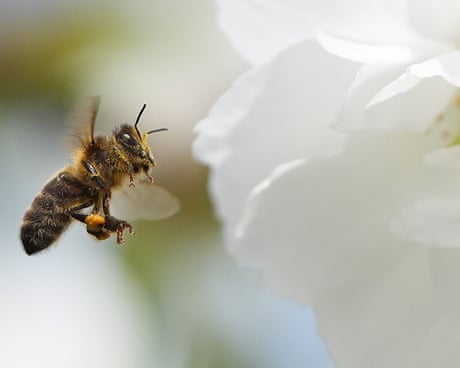
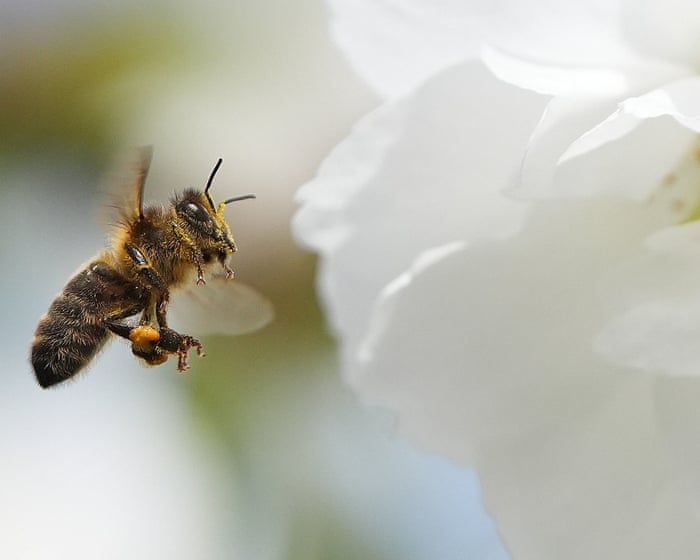
As Cop17 kicks off, records since 1921 show more bee species declining than increasing in all parts of Europe except the Alps
Most of Europe’s wild bee species and about half of its hover fly species have declined over the last century, a study has found, as a UN biodiversity summit begins in Armenia.
Records since 1921 show more bee species are declining than increasing in all parts of Europe except the Alpine region. The richness of bee and hover fly species suffered a persistent drop in the Atlantic and Continental regions, the study found, though trends in other regions were mixed or even positive.
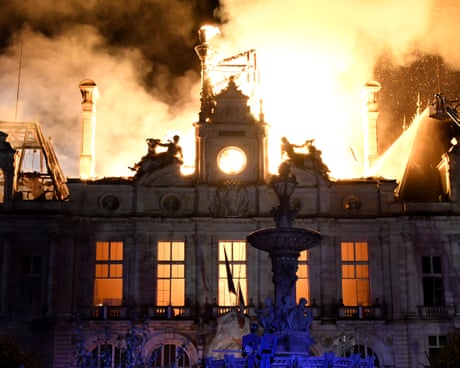
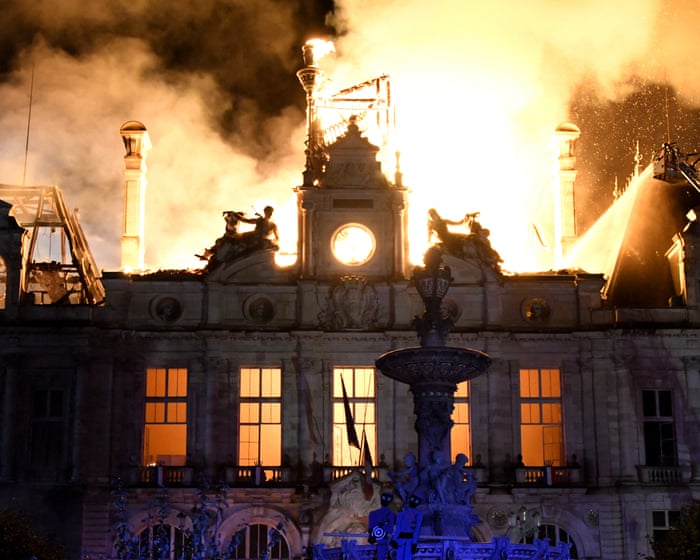
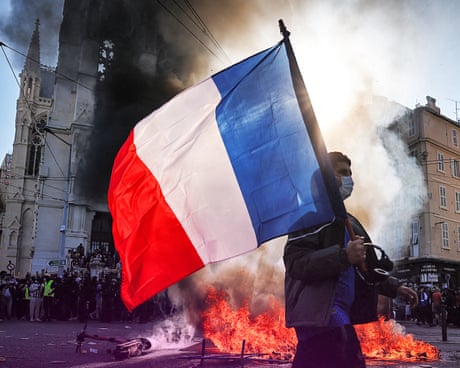
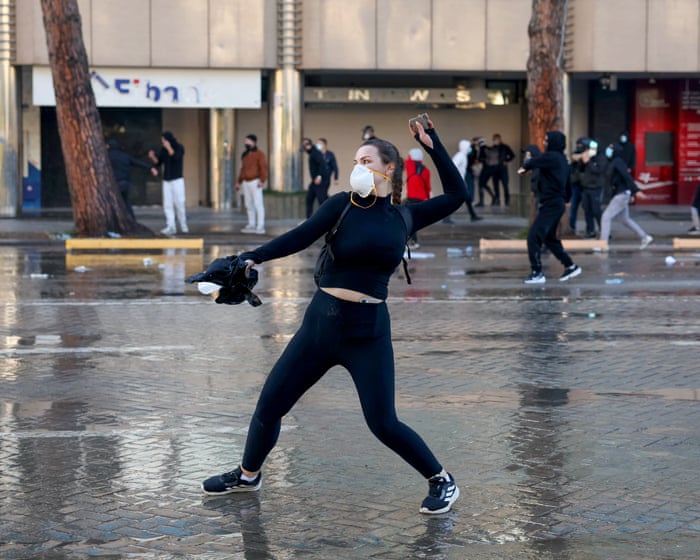
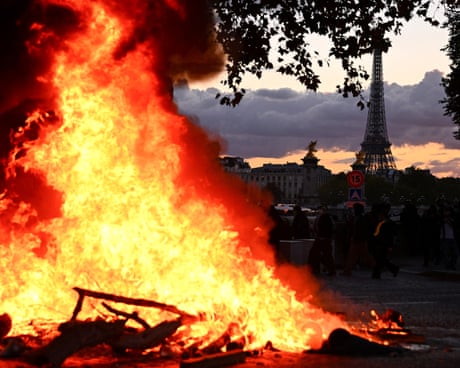
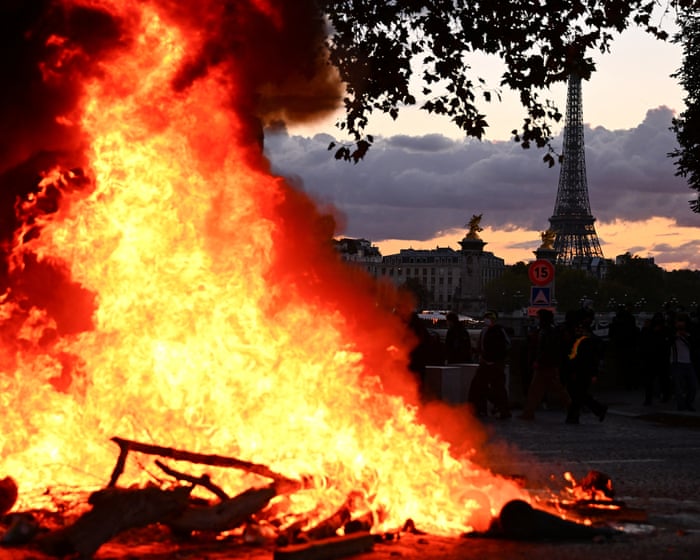
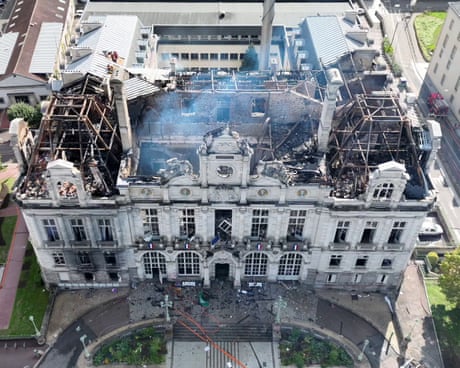
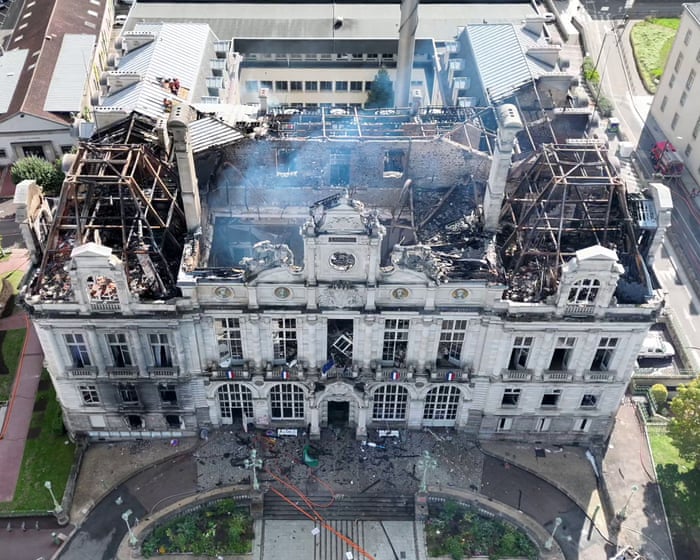
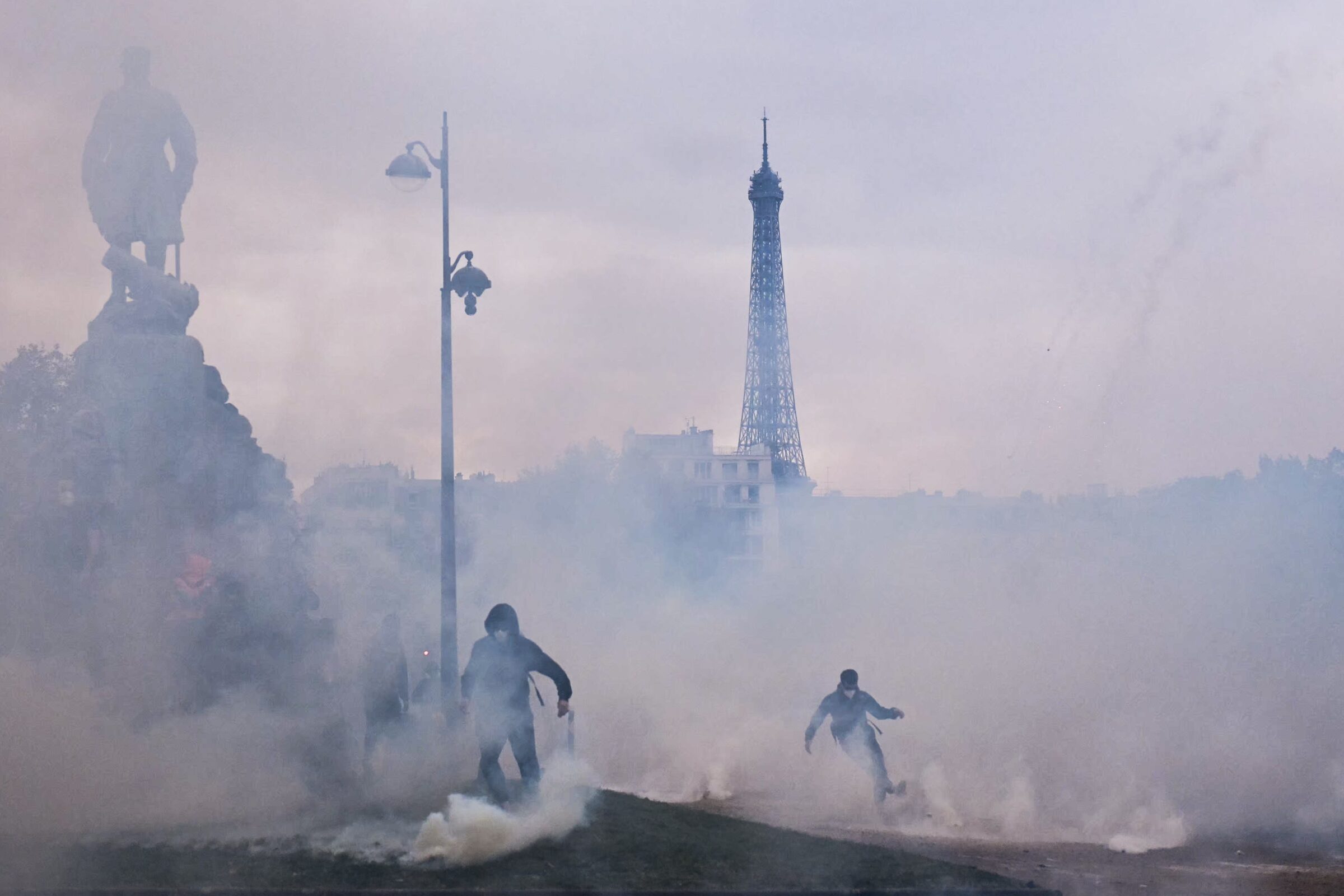
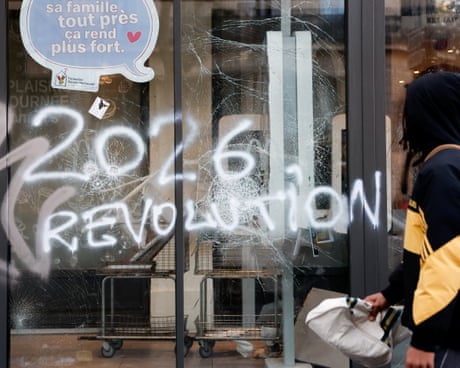
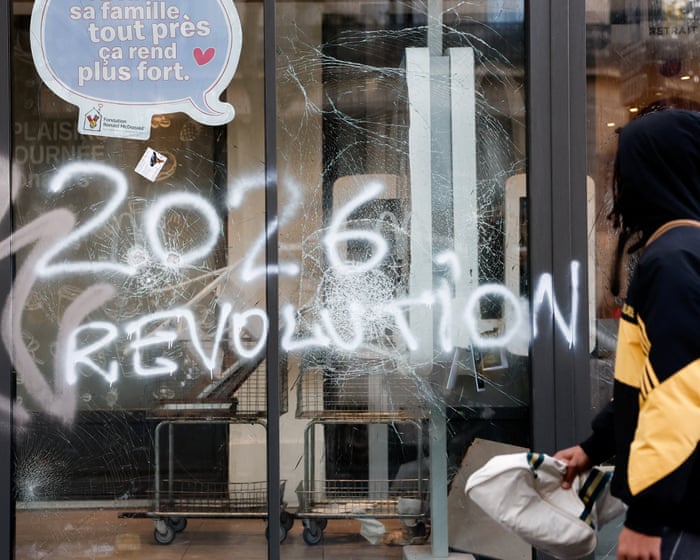
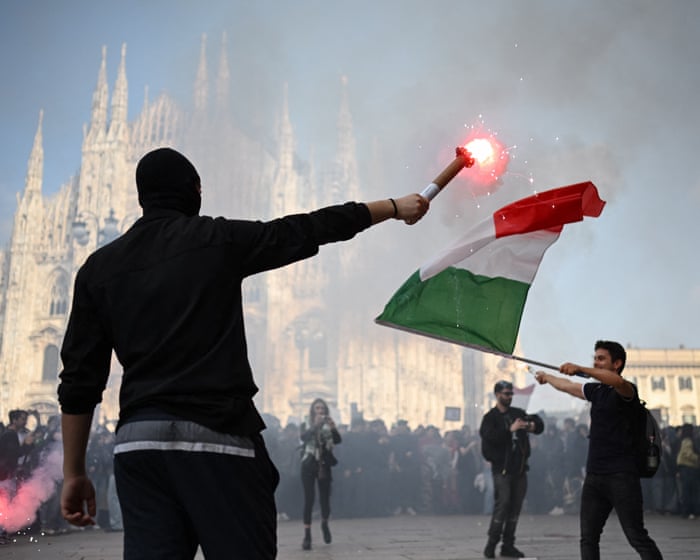
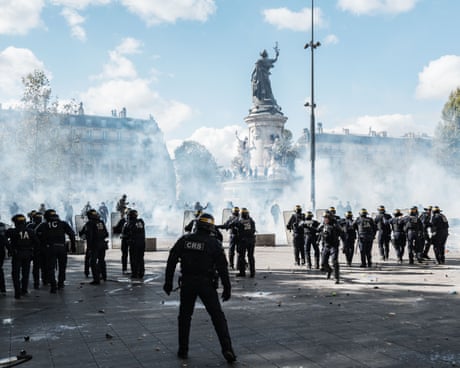
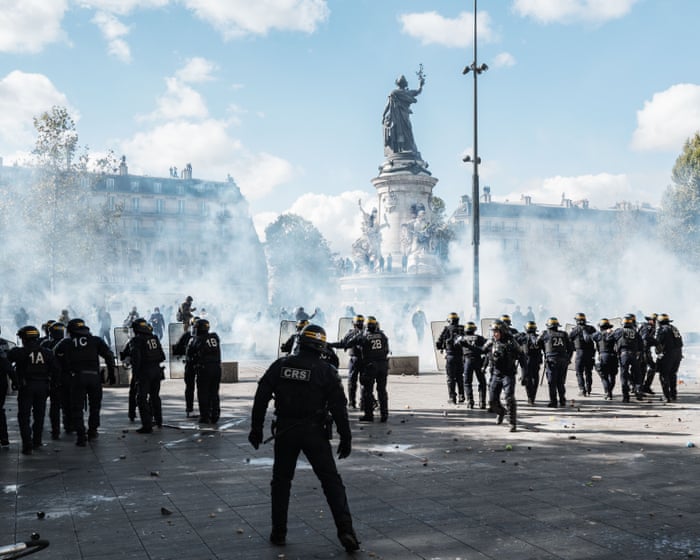
Last weekend there were mass protests across France, with more than half a million people estimated to have been involved. The unrest included rioting, looting and violent clashes with outnumbered police in cities including Paris, Marseille and Limoges. The interior minister conceded that police ‘lost control’ in some cities, while President Emmanuel Macron demanded a full security review. Lucy Hough speaks to the Guardian’s Europe correspondent, Jon Henley – watch on YouTube
As protests ripple through big cities across the continent, a quieter, more forgotten population at Europe’s edge sits through weeks of strikes and blockades, while largely ignored.
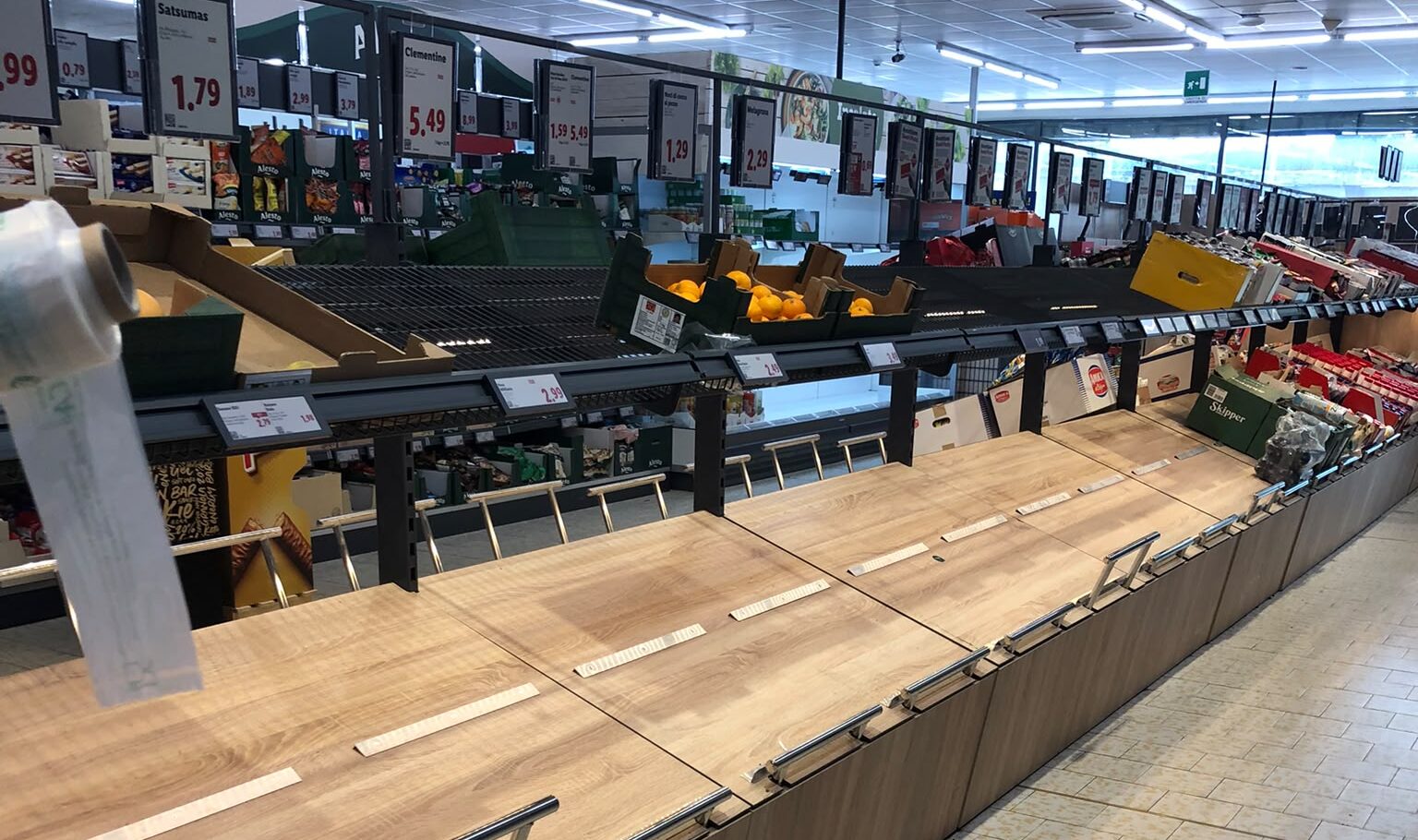
Italy’s southern regions of Puglia, Calabria, Sicily, Molise and Basilicata are facing empty supermarket shelves and plummeting fuel supplies since transport and agriculture workers have been protesting against climbing costs of living.
Entire sectors have been put on pause due to the excessive costs it now takes to run them, from delivering food goods to producing them, for unbalanced competition with foreign suppliers and sustained neglect from Rome.
While protestors in large cities like Milan and Bologna joined a European choir of protests fighting unaffordable housing last weekend, truck drivers from Bari to Palermo have joined in blocking roads to important ports and highways connecting isolated southern regions, and denouncing the outrageous costs of fertilisers, seeds, and fuel for tractors and transport for over two weeks.
“For us, and for the community, it’s become impossible to face the costs of fuel,” Luigi Di Benedetto, manager of an agriculture company in Caltagirone, Sicily, told EUobserver.
“Italy import products that do not meet legal specifications,” he said, echoing the worries of his colleagues and fellow protestors, since the market was flooded with cheaper foreign imports, which have left them unable to pay the bills.
This article continues, but the full version is available only to EUobserver.com subscribers. Visit account.euobserver.com/membership
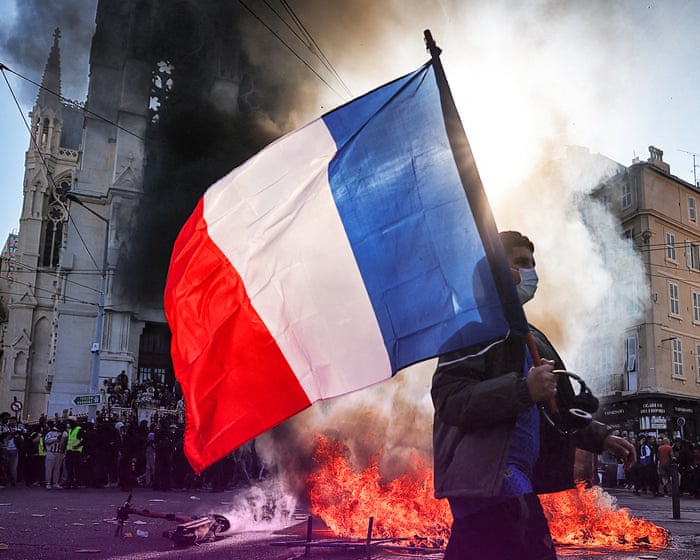
Last weekend there were mass protests across France, with more than half a million people estimated to have been involved. The unrest included rioting, looting and violent clashes with outnumbered police in cities including Paris, Marseille and Limoges. The interior minister conceded that police ‘lost control’ in some cities, while President Emmanuel Macron demanded a full security review. Lucy Hough speaks to the Guardian’s Europe correspondent, Jon Henley – watch on YouTube
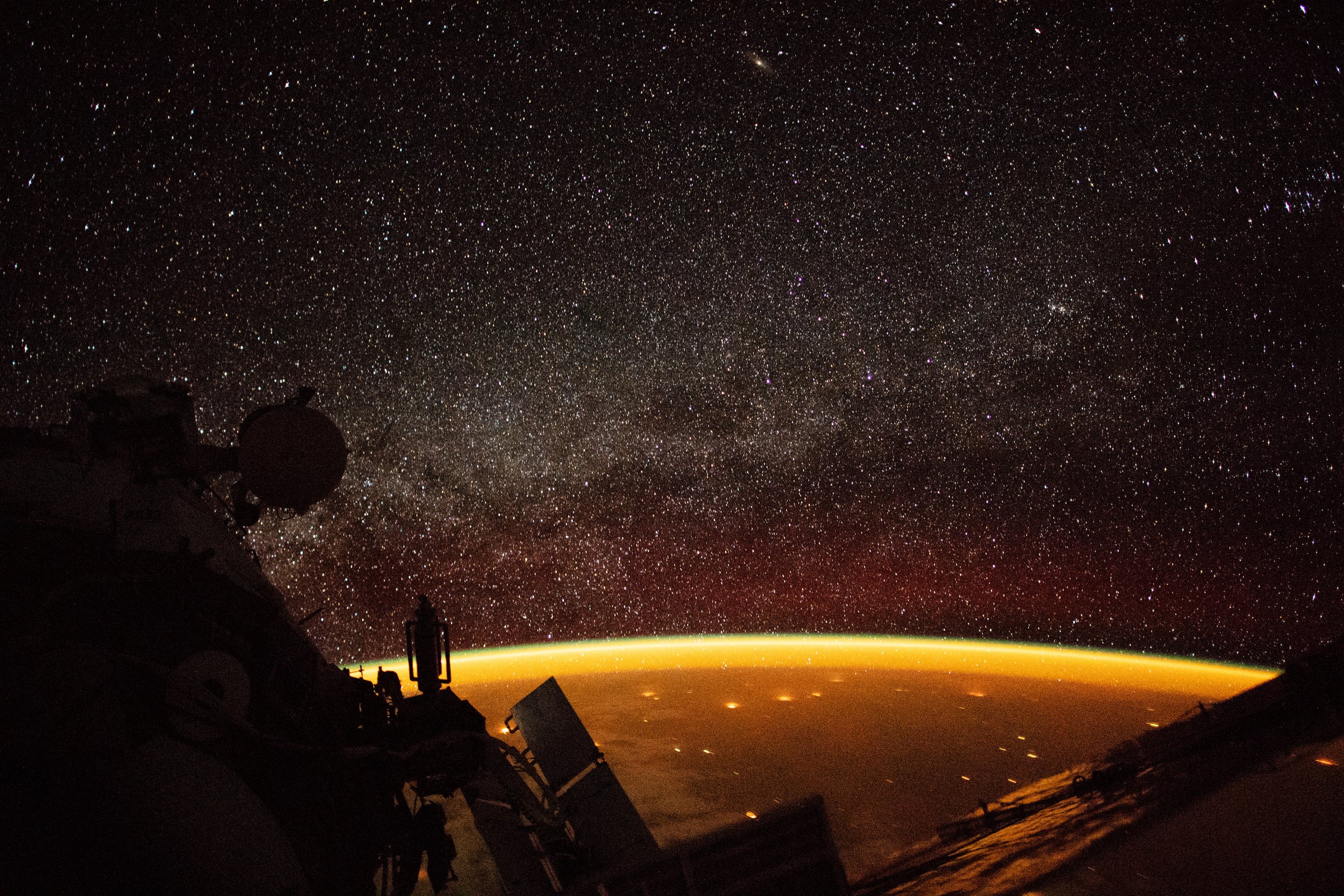
These are not yet Star Wars, but we may be approaching the first destruction of an enemy satellite in space.
Fighting is taking place directly in Dobropillia.
On the first day of restrictions on Starlink functionality, Ukrainian army attacks on Russian logistics dropped sharply, before beginning to return to their previous level — chart.
Russia continues to pound Kyiv with ballistic missiles, while power outages occurred across Ukraine.
St Petersburg experienced one of the largest air raids of the entire war over the weekend, but the damage was limited.
Maps of the day — Dobropillia
Videos of the day — a Russian glide bomb fails to explode and bounces off an apartment block in Sumy; a bomber drone destroys a Smerch multiple rocket launcher; the road between Pavlohrad and occupied Pokrovsk
These are not yet Star Wars, but we may be approaching the first destruction of an enemy satellite in space. Marco Langbroek is a Dutch scientist whose original field was Palaeolithic archaeology. He now works at the prestigious Dutch Delft University of Technology, at its Faculty of Aerospace Engineering, where he observes and tracks objects orbiting the Earth.
Among other things, he specialises in observing classified spy satellites. After the downing of flight MH17, he was among the experts involved in the investigation. He was the first to publicly point out that the Russian missile which shot down the civilian aircraft may have been detected by US early-warning satellites.
The same scientist was the first this time to notice the unusual behaviour of the Russian military satellite KOSMOS 2612, which began carrying out manoeuvres in the immediate vicinity of the European satellite ICEYE-X36.
At first glance, this report appears to have nothing to do with the war in Ukraine, but that is not the case. ICEYE-X36 is originally a Finnish satellite, launched into space in March 2024 from the Vandenberg space base in the United States, which is also used for the space programme — both military and civilian.
ICEYE-X36 uses radar observation and has cooperated with the Ukrainian government since 2022. Radar can monitor the Earth’s surface even through cloud cover, and Langbroek speculates that it is probably working for the Ukrainian military.
He began reporting on the situation on Saturday (17 October), calling it highly concerning.
“If Ukraine is indeed using ICEYE-X36, this means that a satellite of one country — Russia — is closely approaching a satellite of another state — Ukraine — with which it is at war,” Langbroek wrote. He wondered whether “we are perhaps witnessing the first real anti-satellite attack directly in orbit in the course of its preparation”.
This article continues, but the full version is available only to EUobserver.com subscribers. Visit account.euobserver.com/membership
Research presented at the World Congress of Psychiatry in Stockholm documents a markedly elevated suicide rate after discharge from involuntary psychiatric admission. The research found a nearly 200 times higher suicide rate compared to the total population in the first month after discharge. The nationwide study covered a full decade of every involuntary admission in […]
Dutch MEP says government is trying to avoid EU environmental rules as protests over luxury development turn violent
MEPs have accused Albania of deploying “sneaky” practices to fast-track a proposed Trump-linked luxury resort in the country amid protests that have turned increasingly violent.
As the prime minister, Edi Rama, pledged to “listen to the voices of young people” taking to the streets, there was mounting criticism of his failure to address demonstrators who had long opposed the controversial project peacefully.
French PM Lecornu says he has asked prefects to implement “a number of partial curfews” in certain “localised” urban areas to stop further disorder, which he attributes to “the extreme-left” and some criminal elements.
We will no doubt hear more on this from local authorities, as in the example of Marseille (10:32).
Difference between French and German borrowing costs widens after public buildings burned and shops looted
France has been hit by a fresh wave of selling in its bond and stock markets after violent protests over the weekend led to thousands of arrests and left public buildings burned and hundreds of shops looted across the country.
The chaos has spooked investors as analysts worried that it would undermine Paris’s efforts to cut spending and reduce its debt.
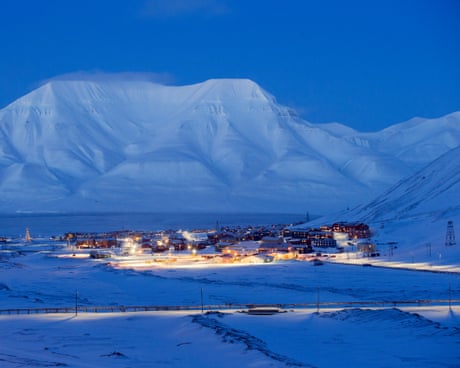
Warning for other Arctic communities as residents told not to use water in Longyearbyen in Svalbard, one of the fastest-warming places in the world
Residents of a remote town in Norway that is in one of the fastest-warming places in the world have been told they must no longer drink tap water due to heavy metal contamination that scientists have linked to the thawing permafrost.
Longyearbyen, in the archipelago of Svalbard, gets its main drinking water supply from a 1.5 mile-long (2.5km) dammed lake called Isdammen, or “ice pond”. Higher temperatures as a result of the climate crisis have thawed permafrost, leading to newly exposed bedrock leaching metals into the pond.
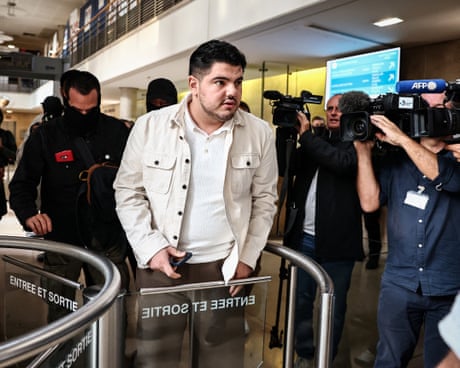
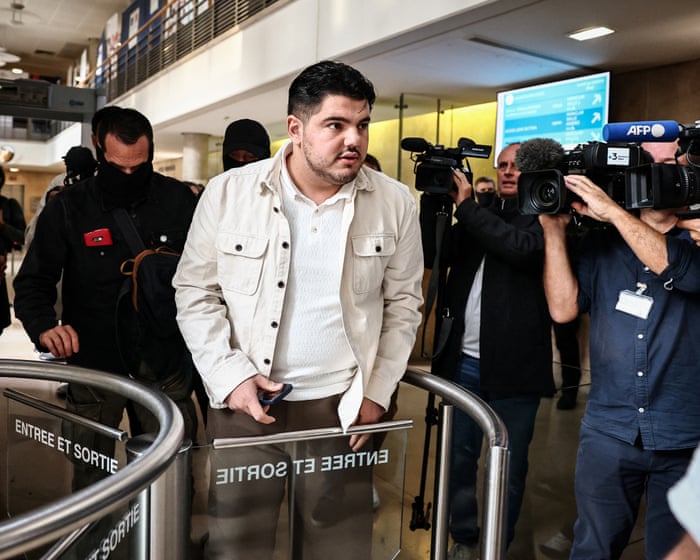
Amine Kessaci, 23, lives under constant threat as trial of five men becomes focus of nation’s battle with mafia-style crime
At 23, he is one of the most heavily protected people in France, constantly sleeping in different locations to escape the threat of contract killers from the country’s biggest drug cartel.
“Narcos and drug traffickers only have one language, one method: violence,” said Amine Kessaci, a young law student from a Marseille housing estate, who, after the murders of his two brothers, has become the most outspoken voice against the Latin American-style narco gangs expanding their reach across France.
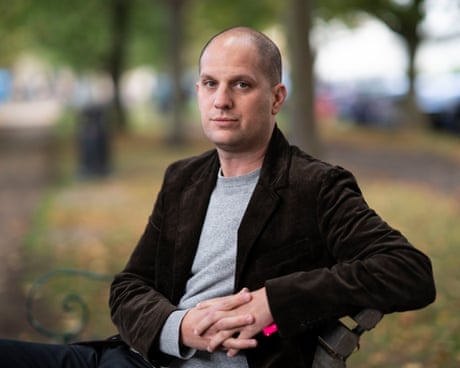
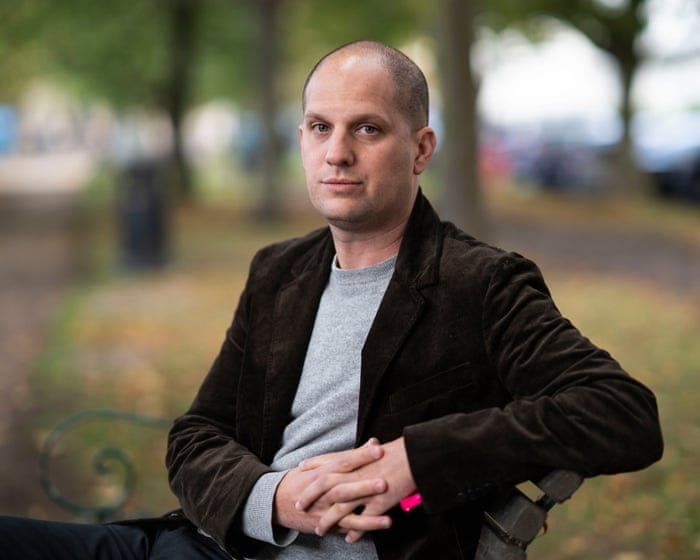
American journalist Evan Gershkovich talks about his arrest by the Russian intelligence services in 2023, his 16-month detention, and the swap deal that eventually took him home. Get in touch at tif.questions@theguardian.com
Evan Gershkovich was in an American-style steakhouse – with fake deer heads on the walls – talking to a contact in an eastern Russian city when masked agents of the Russian intelligence service burst in. ‘It was a trap from the start,’ he says. The American journalist who was working for the Wall Street Journal was detained, beaten and charged with espionage.
Evan talks to Annie Kelly about his arrest, what happened during his detention in a high-security jail, and the swap deal that finally took him home.
I went to bed on Saturday (17 October) glued to my X feed on the French riots and it was impossible not to react emotionally to images of familiar landmarks in Paris in flames.
It was a mistake to have followed things on the far-right propaganda tube of racist US oligarch Elon Musk, which both glorified and reviled its AI-curated clips of violent clashes between mostly white policemen and young black or Arab men.
But in any case, I felt pity for police facing Molotov cocktails and cobble stones and angry about their use of stun grenades that left young people maimed.
I was shocked to see public buildings and luxury shops in Lyon, Marseille, and Paris set on fire and looted in what looked like pure criminality, rather than liberté, égalité, fraternité.
But the anarchist adrenaline in me also said: “Fuck Louis Vuitton! A shop that sells luggage for the price of most families’ monthly incomes is a perfect symbol of the social inequality at the heart of this eruption of public anger”.
I woke up on Sunday thankful to learn from professional media, such as the BBC, that even if Paris looked like a war zone, no one had been killed, and even though police had made over 1,800 arrests, aggressive thugs were a fraction of the hundreds of thousands of people who had peacefully protested for better living conditions and education.
But the political harm of Saturday’s X-streamed violence, which also broke out in Italy and Belgium, was still enormous and it will help the EU and French people’s enemies – the far-right in Europe, Russian president Vladimir Putin, and US president Donald Trump.
This article continues, but the full version is available only to EUobserver.com subscribers. Visit account.euobserver.com/membership
Young people have been taking to the streets across Europe, including in Spain, France and Portugal, to protest over their unhappiness at the state of schools and the wider cost of living crisis.
In France, high school pupils have clashed with police in often violent protests over long hours, missing teachers, dilapidated classrooms and an opaque university admissions system. Pupils routinely miss months of teaching due to unfilled staff absences.
Two people killed and at least 17 injured as Russia and Ukraine continue to trade strikes on power infrastructure
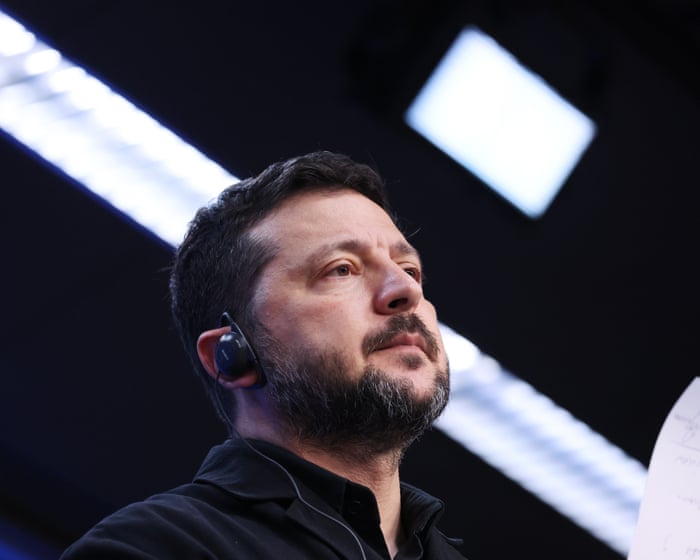
Volodymyr Zelenskyy on Sunday thanked the Trump administration for resuming intelligence sharing between the two countries, but maintained the US had intentionally throttled its Starlink satellite internet access so that Donald Trump could send a “message” in his ongoing feud with the Ukrainian president.
In an interview on NBC, Zelenskyy said the US had “unblocked” intelligence on impending Russian ballistic missile strikes, which have pounded the country’s energy infrastructure as winter draws in.
Hundreds at Lisbon tent camp demand action, as Giorgia Meloni says march in Italy was exploited by ‘hooligans’
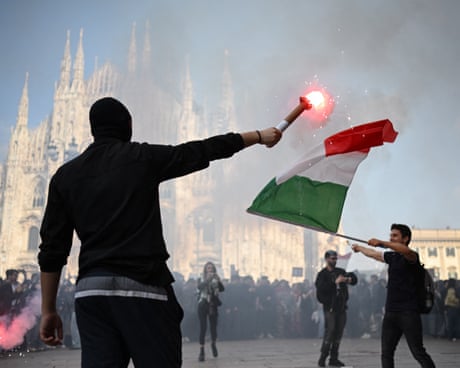
The angry protests that have convulsed Spain and France in recent weeks have spilled over to Italy and Portugal, with rioters clashing with police and setting property on fire in Milan, and a tent encampment springing up in Lisbon over the weekend.
A march in central Milan on Saturday to protest against rising living costs began peacefully but ended with masked rioters throwing stones, paving blocks and other objects at riot police and setting fire to barricades made from bar tables.
Interior minister says ‘the Republic will not yield’ to France’s worst protests in years
A dispatch here from Sam Jones, our reporter in Madrid, as protests have spread to Italy and Portugal
The angry protests that have convulsed Spain and France in recent weeks have spilled over to Italy and Portugal, with rioters clashing with police and setting property on fire in Milan, and a tent encampment springing up in Lisbon over the weekend.
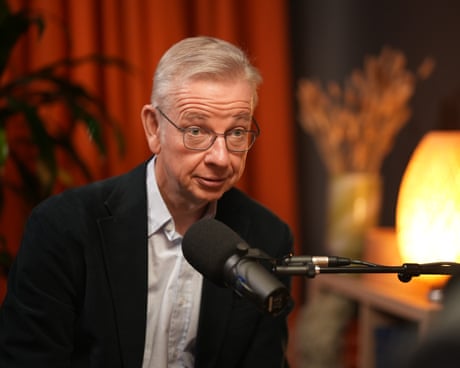
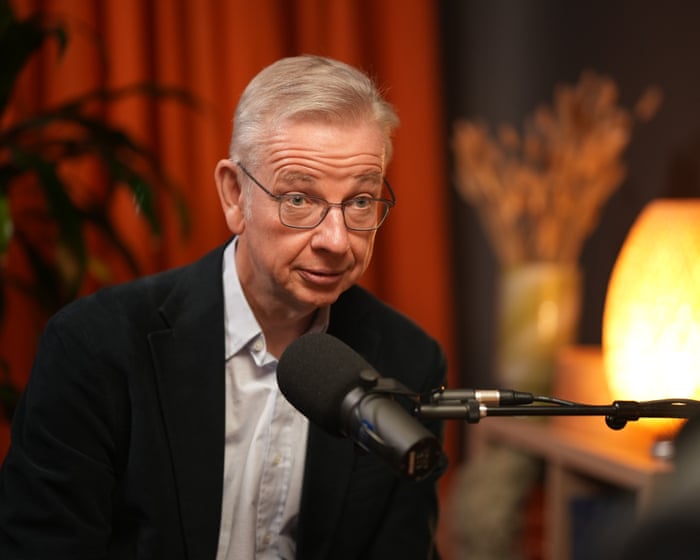
For more than three decades, Michael Gove has been a leading figure in British Conservatism. As a journalist, government minister and now editor of the Tory bible the Spectator, he has helped shape the right even as it has moved further rightwards. In the latest episode of Radical Thinking, Gove joins Aditya Chakrabortty to discuss the future of the right, his record on Brexit and austerity, and the Spectator’s position on Islam
To read the fruits of Michael Gove’s dalliance with the Marxism Todaygang, look up his essay in a 1998 collection called The Moderniser’s Dilemma: Radical Politics in the Age of Blair
For a slalom ride through Michael Gove’s years in power, read The Demented Dalek by the historian Richard J Evans in the London Review of Books
To learn more on what’s become of the British right, there’s a Guardian column by Aditya
Phil also writes a very good blog on British politics, which keeps a close eye on how each party is trying to marshall a coalition of voters. Here he is on Kemi Badenoch
Geoffrey Wheatcroft does an entertaining short narrative in Bloody Panico!:
For more on the economics of the Cameron years, this paper is acute on how the Tories failed to move the UK away from being a country of renters towards a country of makers. Two of its authors will join us for a podcast later in the series.
And if you want to read how Brexit may have cost the UK 8% of GDP, there’s this paper based on data from the Bank of England
Finally, on the Spectator, read Nesrine Malik’s recent Guardian column
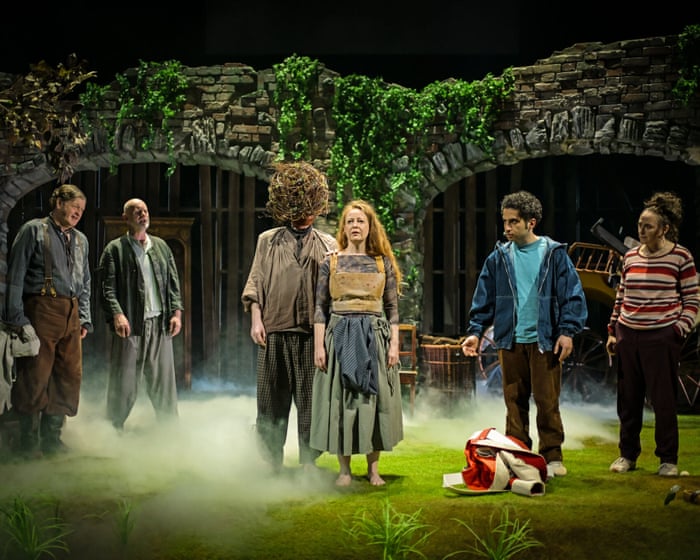
A new play revisits the story of Ireland’s 18th-century German refugees, whose experience of prejudice and exclusion resonates with today’s debates over immigration
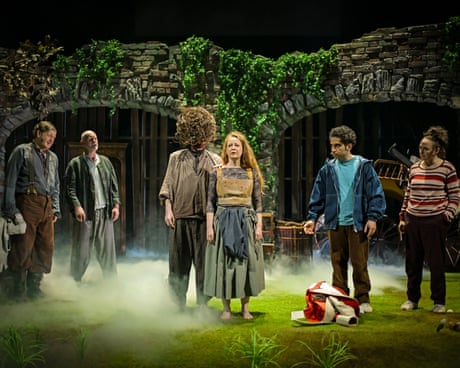
In the early 18th century, a few thousand Germans fled religious persecution and near starvation in their homeland and ended up in remote rural Irish villages. The Irish Palatines, as they were known, were poor, conservative homesteaders who couldn’t speak the language and were the object of suspicion and violence – precursors to the displaced Syrians or Afghans of the past decade.
Their story is told in Refuge, a co-production between Staatstheater Mainz and the Irish company Fishamble. Part love story, part social commentary, it is performed by a mixed cast, mainly in English but with some German interludes.
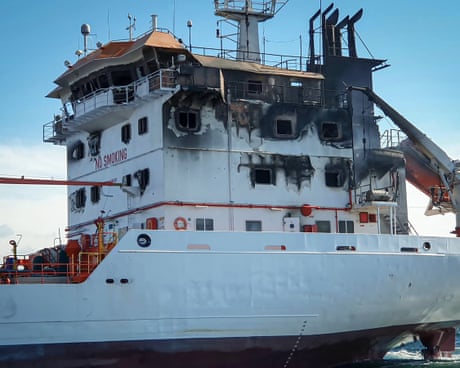
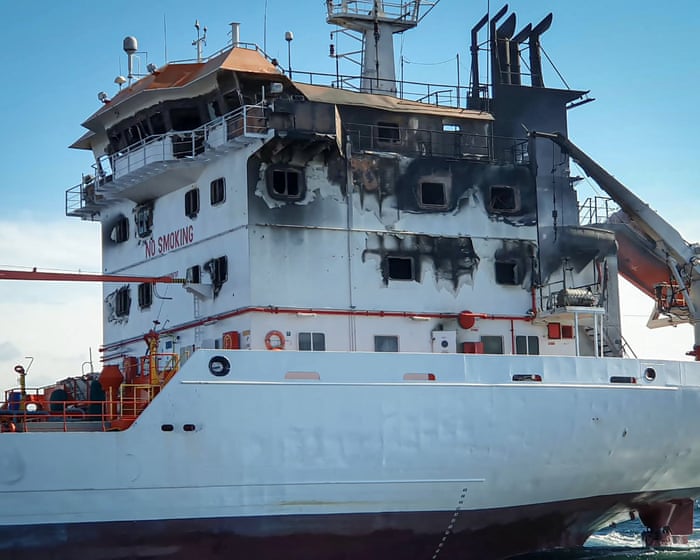
Six attacks in 10 days by suspected Russian drones mark dramatic escalation in maritime conflict
The first the crew of the Bulgarian ferry Dioscuria knew of an attack on a cargo ship in their country’s exclusive economic zone in the Black Sea in the early hours of 6 October was a distant explosion 70 miles off the coastal town of Byala.
The Turkish-owned Alfa Watan, heading for the Romanian port of Sulina, had been struck by suspected Russian air and naval drones. Arriving on the scene, Dioscuria found an overturned lifeboat and lifejackets in the water. There was no sign, however, of Alfa Watan’s crew of 10.

 Login