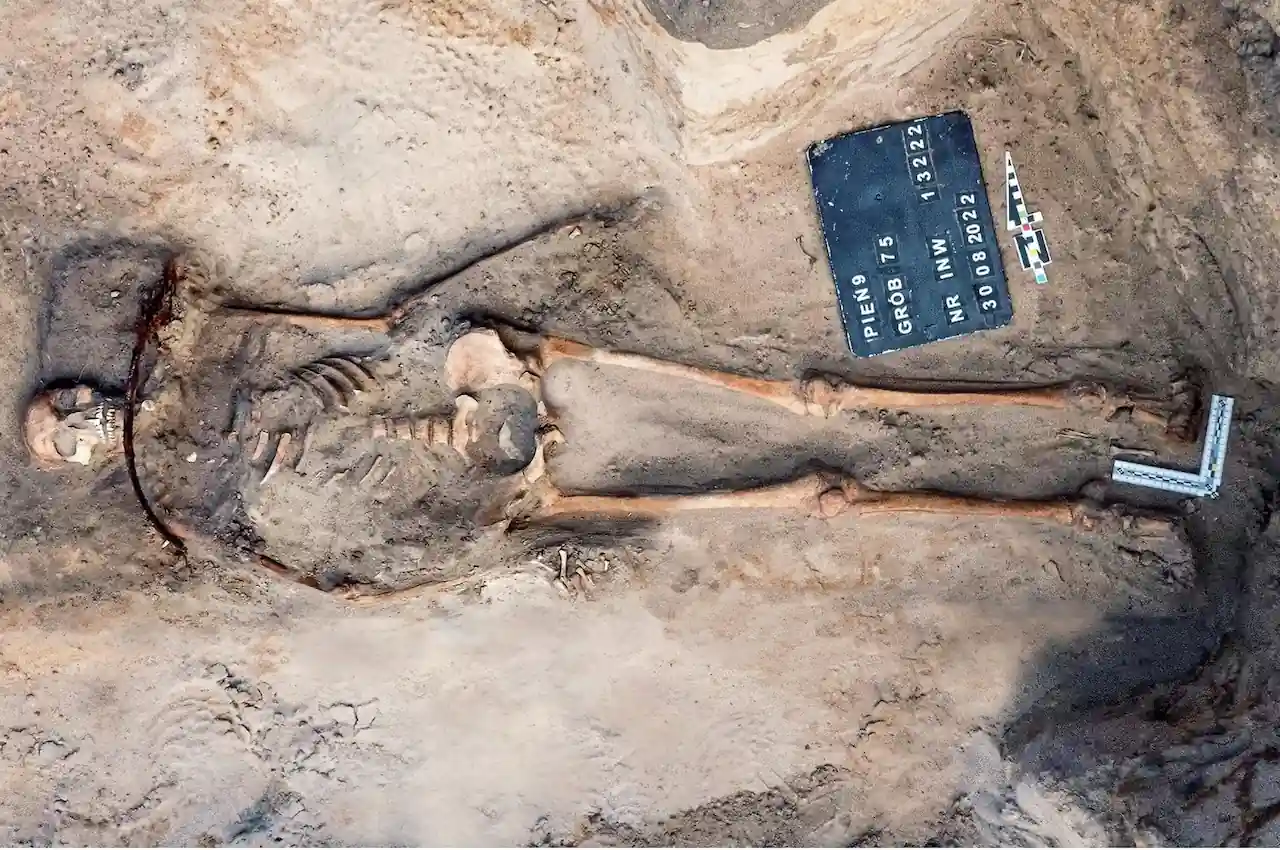
A multidisciplinary team of archaeologists, geneticists, anthropologists, and geologists has unearthed a 17th-century tomb in the Pień cemetery, in north-central Poland, that defies all funeral norms of the time. It is the grave of a woman between 17 and 19 years old, buried with two iron objects that, due to their placement and symbolism, reveal […]
Un equipo multidisciplinar de arqueólogos, genetistas, antropólogos y geólogos ha desenterrado en el cementerio de Pień, en el centro-norte de Polonia, una tumba del siglo XVII que desafía todas las normas funerarias de la época. Se trata de la sepultura de una mujer de entre 17 y 19 años, enterrada con dos objetos de hierro […]
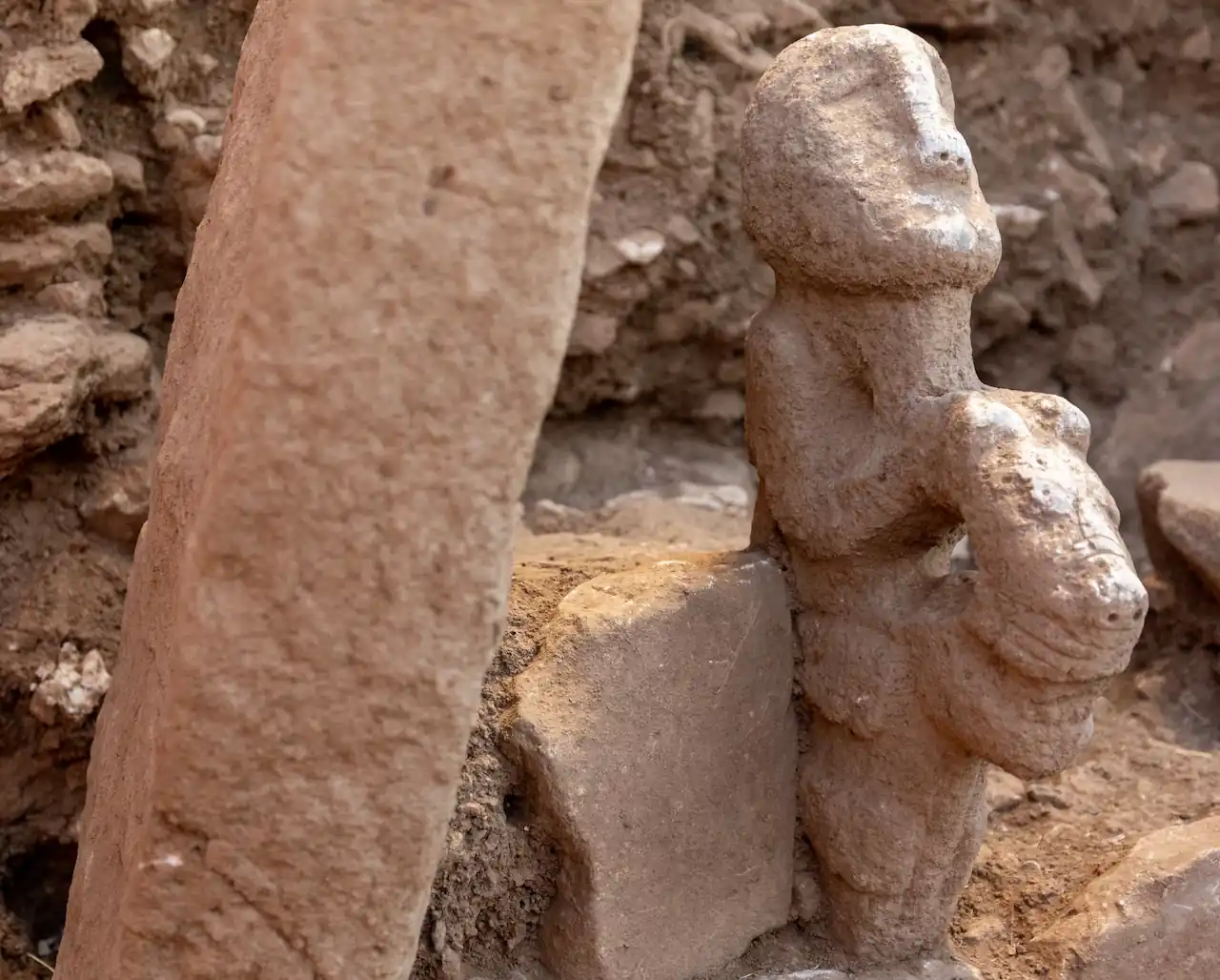
El ministro de Cultura y Turismo de Turquía, Mehmet Nuri Ersoy, ha dado a conocer el descubrimiento de una pieza arqueológica de singular valor durante los trabajos de excavación que se llevan a cabo en el yacimiento de Karahantepe, correspondientes a la campaña de 2026. Se trata de una escultura compuesta, con una altura de […]
The Turkish Minister of Culture and Tourism, Mehmet Nuri Ersoy, has announced the discovery of an archaeological piece of singular value during the excavation work being carried out at the Karahantepe site, corresponding to the 2026 campaign. It is a composite sculpture, 70 centimeters in height, depicting a human figure seated on the back of […]
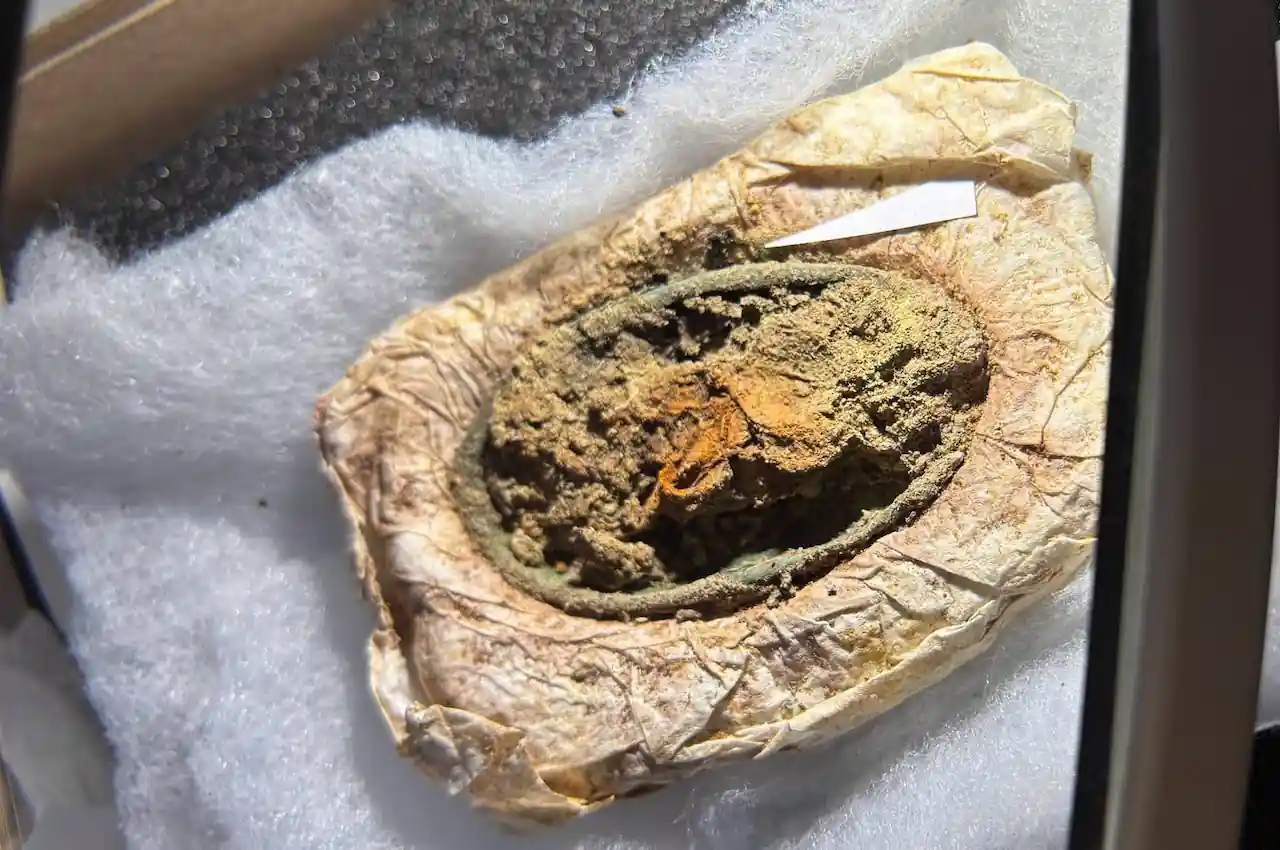
Danish archaeology is facing one of the most unique discoveries of the last decade in the field of ancient Nordic clothing. During the excavation at the site known as Skonager (ARV 661), carried out near Varde, in the heart of Western Jutland, a team of archaeologists has located a female tomb from the Viking Age […]
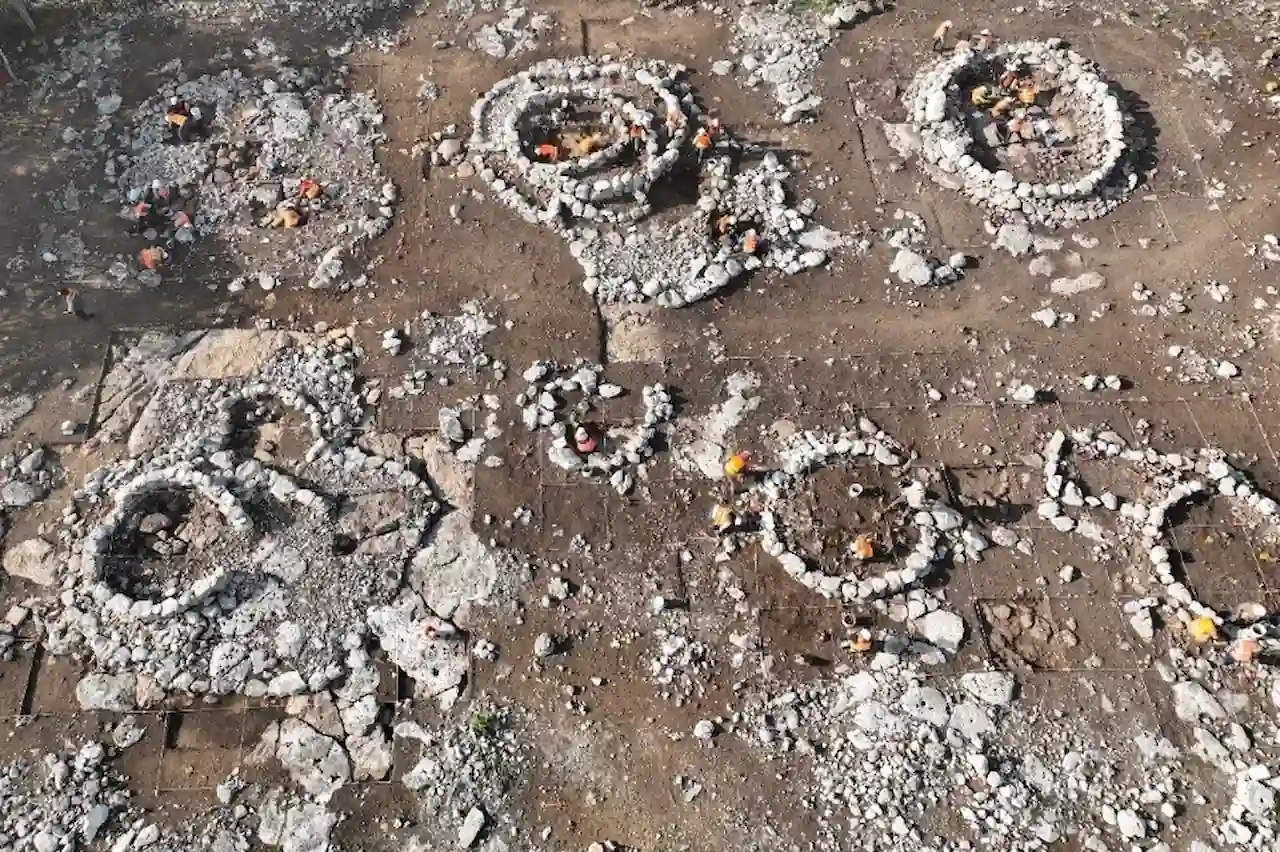
In the interior of the Yucatán Peninsula, where jungle vegetation intertwines with the characteristic limestone of the region, a team of archaeologists from the National Institute of Anthropology and History has brought to light a settlement that completes the complex mosaic of the Maya civilization. This is K’oxol Ja’ II, an archaeological site made up […]
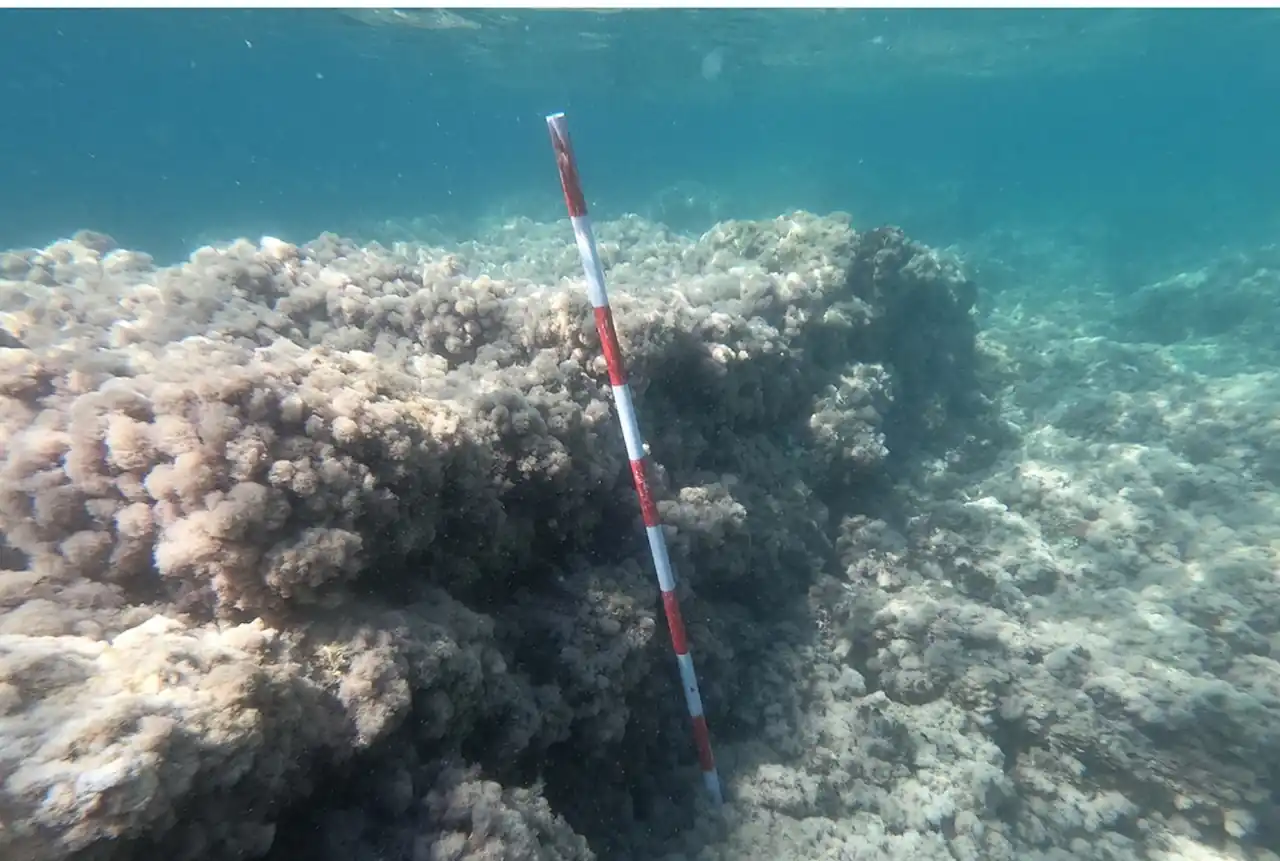
A team of underwater archaeologists and geologists from Sapienza University of Rome and the Center for Maritime Studies has located, off the town of Santa Marinella north of Rome, the remains of an ancient pier and dock which, according to researchers, constitute the earliest known evidence of a mooring point associated with an Etruscan temple. […]
La arqueología danesa se enfrenta a uno de los descubrimientos más singulares de la última década en el ámbito de la indumentaria nórdica antigua. Durante la excavación en el yacimiento conocido como Skonager (ARV 661), llevada a cabo en las proximidades de Varde, en el corazón de Jutlandia Occidental, un equipo de arqueólogos ha localizado […]
En el interior de la península de Yucatán, donde la vegetación selvática se entrelaza con la roca caliza característica de la región, un equipo de arqueólogos del Instituto Nacional de Antropología e Historia ha sacado a la luz un asentamiento que viene a completar el complejo mosaico de la civilización maya. Se trata de K’oxol […]
Un equipo de arqueólogos submarinos y geólogos de la Universidad Sapienza de Roma y del Centro de Estudios Marítimos ha localizado frente a la localidad de Santa Marinella, al norte de Roma, los restos de un antiguo muelle y dársena que, según los investigadores, constituyen la evidencia más temprana conocida de un punto de atraque […]
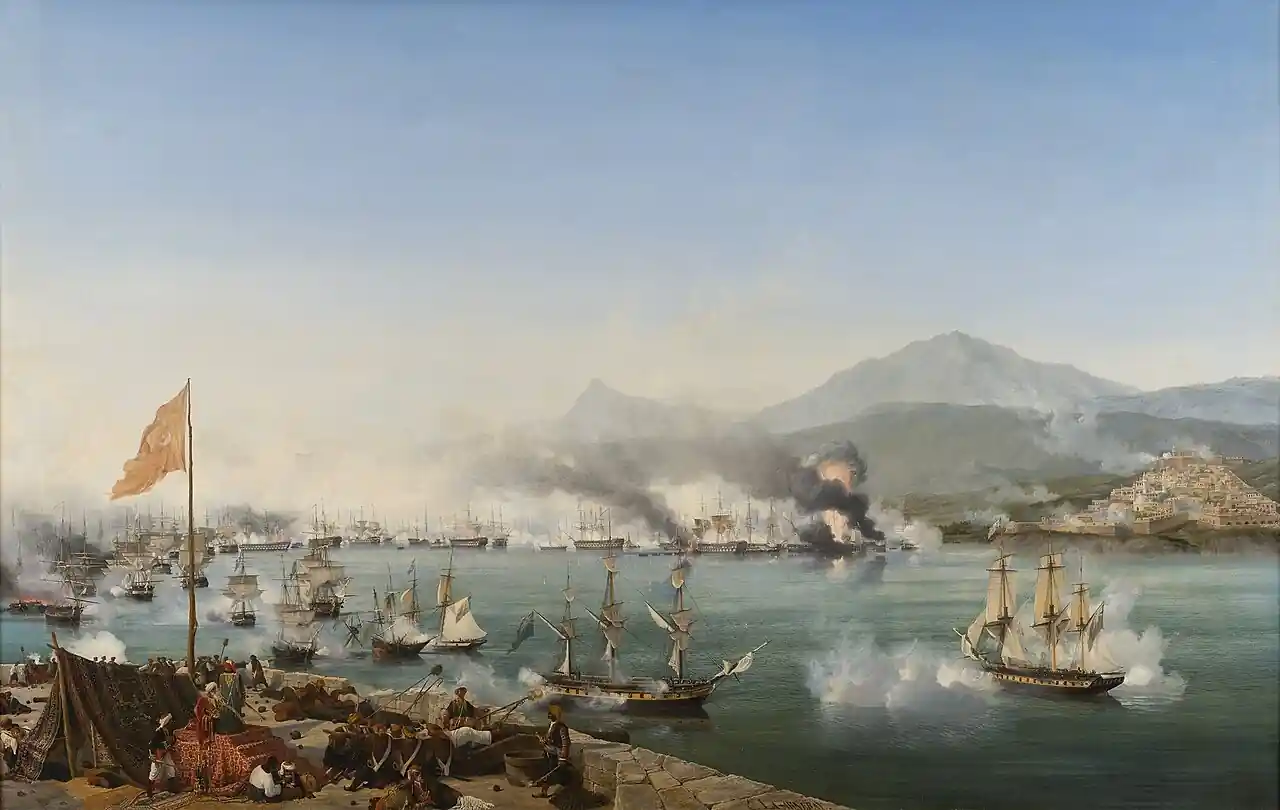
“I have sent him a ribbon when, in fact, what he deserved was a rope.” This phrase is attributed to King George IV of England, and the ribbon in question would be that of the Order of the Bath, which had just been awarded to Edward Codrington, the admiral who had achieved victory in the […]
«Le he enviado una cinta cuando, en realidad, lo que merecía era una soga». Esta frase se atribuye al rey Jorge IV de Inglaterra y la cinta en cuestión sería la de la Orden del Baño, que acababa de conceder a Edward Codrington, el almirante que había obtenido la victoria en la batalla naval de […]
One of the greatest affronts suffered by the Roman legions took place in 321 BC, after the Battle of the Caudine Forks. Not only because of the forced surrender, without even fighting, but also due to the humiliation that officers and soldiers endured afterwards, being forced to pass, dressed only in their tunics, under a […]
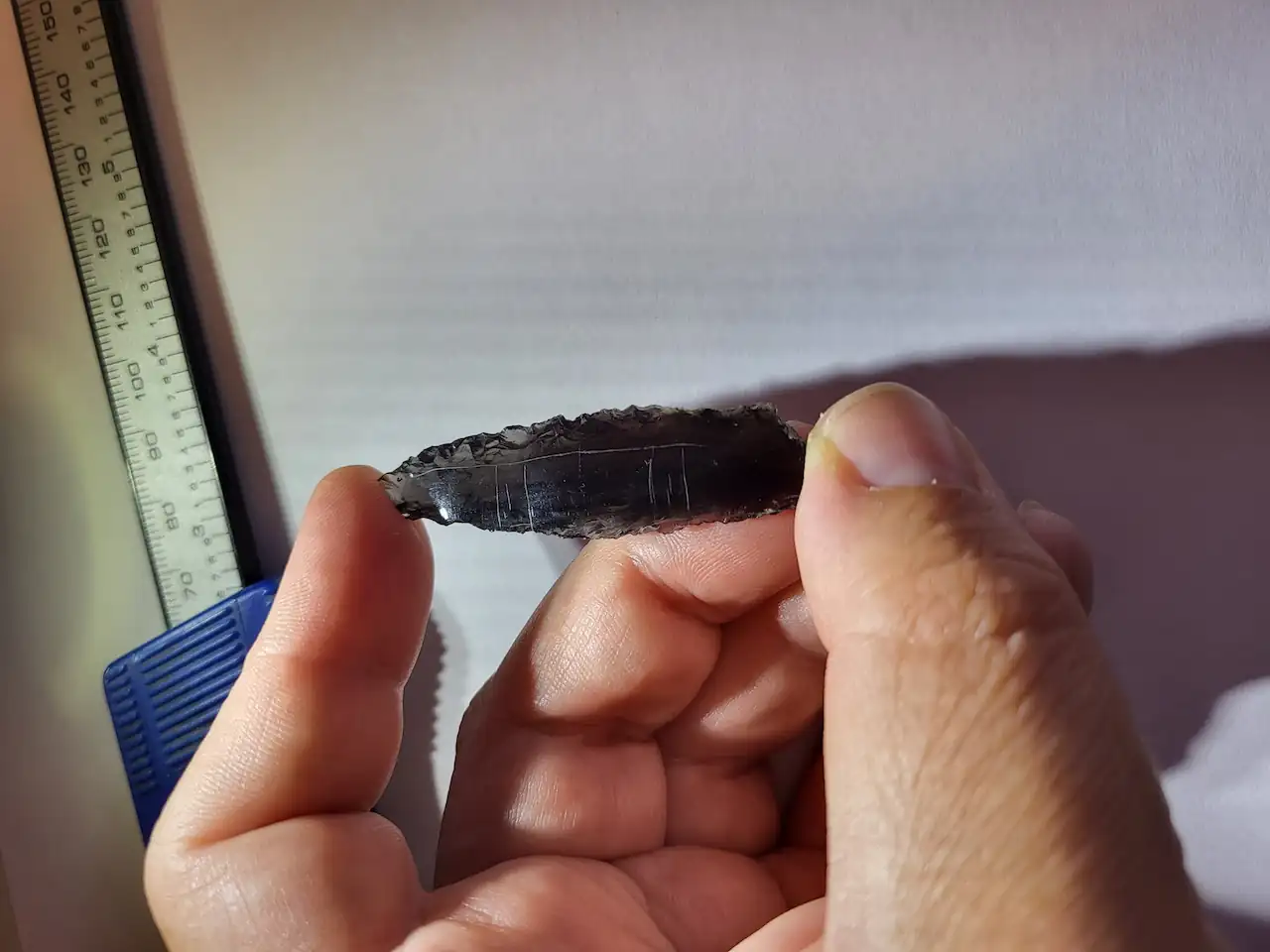
A team of French and Turkish researchers has published an exhaustive analysis of twelve obsidian arrowheads with intentional incisions found at the Neolithic site of Tepecik-Çiftlik, in the Cappadocia region (Turkey). These objects, dating between 7100 and 6100 BCE, represent an exceptional archaeological phenomenon: they are extremely rare and have only been found in Central […]
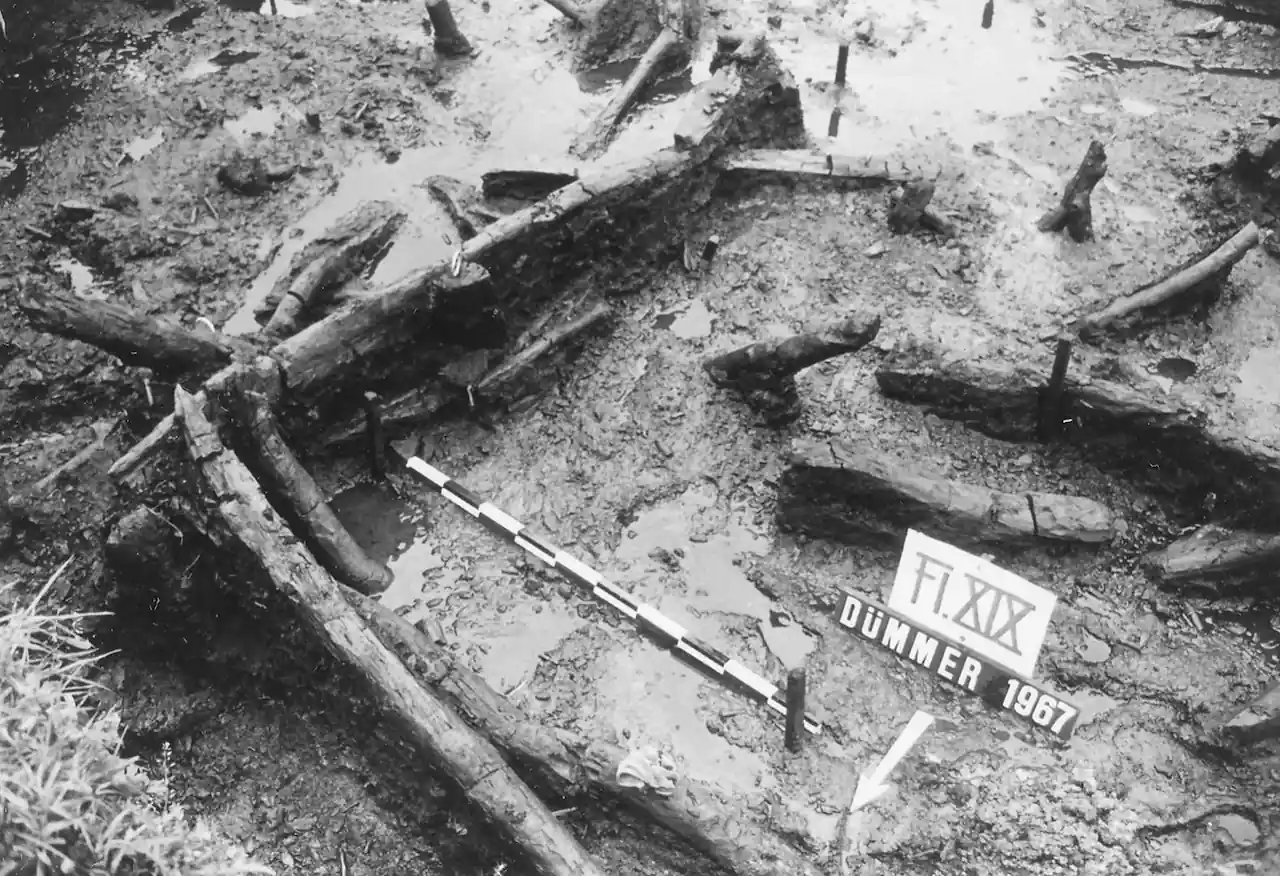
The more than 50,000 pottery fragments found at the Hüde I site, on Lake Dümmer (Lower Saxony, Germany), are providing an unprecedented insight into how the transition from a hunter-gatherer lifestyle to agriculture occurred in northern Europe. Researchers have identified pottery from at least five different cultures, showing much more intense contacts than previously thought […]
Un equipo de investigadores franceses y turcos ha publicado un exhaustivo análisis de doce puntas de flecha de obsidiana con incisiones intencionales halladas en el yacimiento neolítico de Tepecik-Çiftlik, en la región de Capadocia (Turquía). Estos objetos, que datan de entre el 7100 y el 6100 a.C., representan un fenómeno arqueológico excepcional: son extremadamente raros […]
Las más de 50.000 piezas de cerámica halladas en el yacimiento de Hüde I, en el lago Dümmer (Baja Sajonia, Alemania), están proporcionando una visión sin precedentes sobre cómo se produjo la transición del estilo de vida cazador-recolector a la agricultura en el norte de Europa. Los investigadores han identificado cerámica procedente de al menos […]
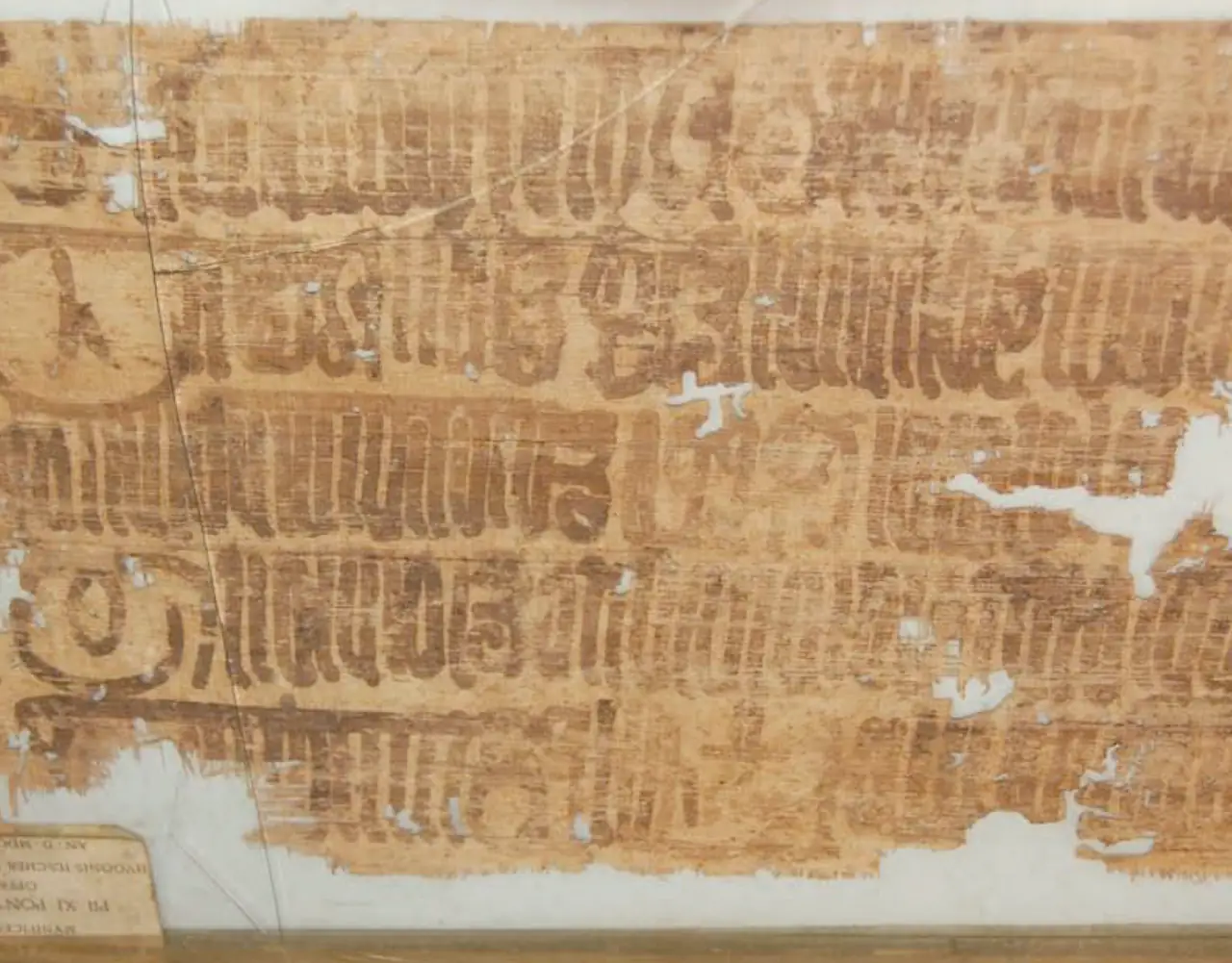
En 1919, cuando alguien empezó a examinar con detenimiento la encuadernación de un códice del siglo VIII conservado en el Archivo Capitular de la catedral de Barcelona, descubrió que la tapa posterior escondía algo más que cuero y costuras. Bajo la piel, colocados en pliegues, aparecieron diez fragmentos de papiro. Más de un siglo después, […]
In 1919, when someone began to carefully examine the binding of an 8th-century codex preserved in the Chapter Archive of the Cathedral of Barcelona, they discovered that the back cover hid something more than leather and stitches. Beneath the skin, placed in folds, appeared ten fragments of papyrus. More than a century later, six of […]
In 1648, as Swedish troops looted Prague Castle at the end of the Thirty Years’ War, someone carried off among the spoils a volume that weighed 75 kilos and required two people to move. It was a book, the largest surviving illuminated manuscript of the entire Middle Ages, an object so disproportionate for its time […]

 Login