❌

Reading view

“Zelenskyy is helping Democrats”: Trump’s MAGA base accuses Ukraine of trying to swing US midterms, says journalist in US

The White House in Washington DC, USA. Illustrative image: Wikimedia Commons.

Three weeks before the US elections, the American right has a new villain for high fuel prices: Ukraine. Ukrainian journalist in the US, Ostap Yarysh, says the MAGA wing of US conservatives is pushing a claim that Ukraine deliberately strikes Russian oil refineries to raise fuel prices, trick US President Donald Trump, and help the Democratic Party before the November congressional vote.

The accusation casts Kyiv’s refinery strikes as a planned political move against Republicans, and it has spread from anonymous social media accounts to national television and members of Congress, Yarysh notes. Yet experts tie the fuel-price spike mainly to the US war with Iran, and the closure of the Strait of Hormuz, not to Ukraine, and even Russia’s promised 300,000 tons of diesel would barely cover a day's US demand.

The messaging runs through influential American figures. Utah Senator Mike Lee wrote on X that “Zelenskyy is working overtime. To help Democrats in November.”

Zelenskyy is working overtime.

To help Democrats in November. https://t.co/HTvapB5Wt3

— Mike Lee (@BasedMikeLee) October 10, 2026

Fox News host Rachel Campos-Duffy called Zelenskyy ungrateful for continuing to bomb refineries and complicate the president’s position before the midterms, according to Yarysh’s account.

Blogger Jack Posobiec, who has a multimillion audience, has urged Washington to immediately stop sharing intelligence with Ukraine and cut off its funding, framing the strikes as an attempt to hurt Trump before the vote.

When you cannot fix the problem, try to control the story

Yarysh reads the campaign as damage control. The Republicans’ weak position before the vote stems mainly from the economy and a jump in domestic fuel prices, he says, a problem the promised Russian diesel cannot solve.

Blaming Ukraine serves two purposes, Yarysh argues: it channels voter anger toward an outside culprit, and it gives Trump a ready explanation if Republicans lose in November, that Zelenskyy set him up to help the Democrats.

Not everyone on the right is buying the blame

Even inside MAGA, some push back on that rhetoric. Yarysh points to far-right activist Laura Loomer, who argued that buying Russian oil fills the coffers of Iran’s regime, which she said "chants death to America."

Buying Russian oil puts money back into the coffers of the Islamic regime of Iran that chants Death to America.

We know this.

— Laura Loomer (@LauraLoomer) October 11, 2026

With three weeks to the vote, Yarysh warns that Ukraine should expect many more such accusations, as the information attack is likely to intensify rather than fade before election day.

  •  

Russia’s sabotage of Europe should bring Ukraine more weapons through US purchase scheme, with clear statement of where its red lines lie, NATO’s top European commander says

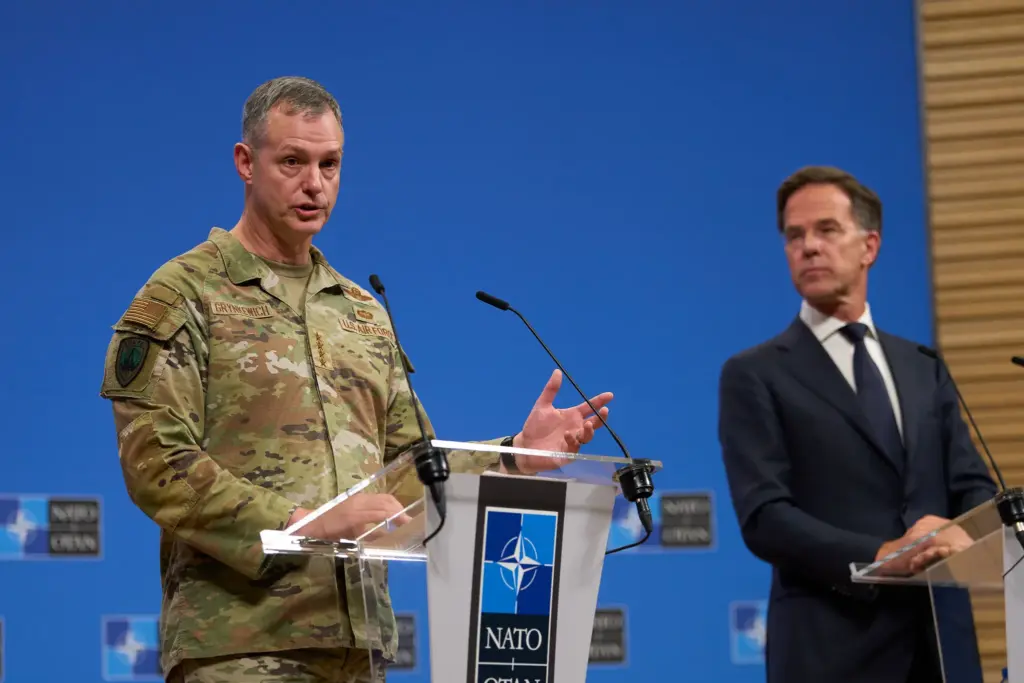
NATO Secretary General Mark Rutte and Supreme Allied Commander Europe Gen. Alexus G. Grynkewich announce the launch of “Eastern Sentry” during a joint press conference on 12 September 2025. Photo: NATO/Flickr

Russian sabotage assaults on Europe should end with more weapons flowing to Ukraine, NATO’s top commander in Europe says. NATO should respond to the attacks by increasing contributions to the alliance’s PURL weapons program or by sending Ukraine more air-defense interceptor missiles, Supreme Allied Commander Europe General Alexus Grynkewich said at the Warsaw Security Forum, Ukrinform reports.

The remark runs counter to a fresh scare. After US President Donald Trump’s diesel deal with Russia, European officials said that Washington had threatened to halt weapons for Ukraine through PURL, the Financial Times reports, unless Kyiv stopped hitting Russian refineries. Grynkewich’s call to expand the program ran the other way.

One of the main goals of Russia’s hybrid operations, from airspace violations to sabotage and cyberattacks, is to break the West’s will to keep backing Ukraine, he stated. The sharpest answer is to prove that assumption wrong, he argued, turning each attack into a reason to send more.

The PURL program that lets allies fund US-made weapons for Ukraine, which drew nearly $5.5 billion in pledges before May.

Name the culprit out loud, and watch Moscow lose its cover

Once responsibility for a specific attack is established, countries should publicly name who did it, Grynkewich noted, so Russia understands it has been exposed and that its network was never as untraceable as it believed.

Moscow bets it can escape blame because the West cannot work out who is behind an attack, in his telling. The response, he urged, should be to show that the West can.

One voice, not thirty-two, is what Russia actually fears

Coordination is the other half. Allies must craft a joint response rather than send Moscow chaotic, uncoordinated signals from individual states, he stressed, and must spell out clearly where their red lines lie.

That unity is itself a deterrent. A single, agreed answer tells Russia the alliance is harder to split than its hybrid campaign assumes, and that attacks meant to divide the West only harden its resolve, he contends.

  •  

Built by Ukraine’s ex-defense minister and unit that wrecked $12 billion of Russian gear, new interceptor downs two jet drones over Kyiv

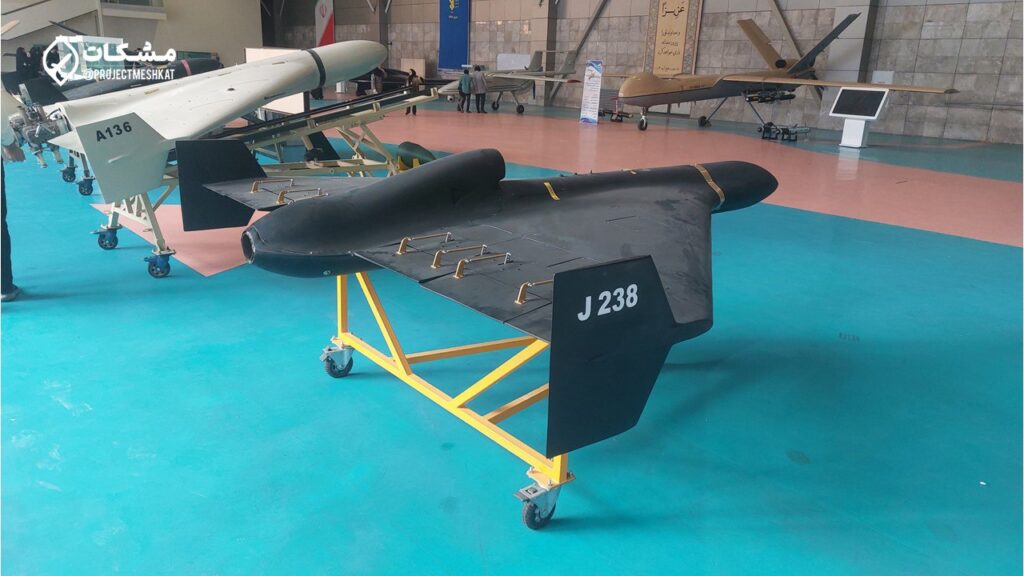
Jet powered Shahed-136 kamikaze drone Credit: Open sources

A month from idea to first kill. A new interceptor drone built by former Defense Minister Mykhailo Fedorov's team with Pavlo Yelizarov, the commander of Lasar's Group unit, soldiers, and engineers, has shot down two Russian jet-powered Geran-5 drones heading for Kyiv, Fedorov says, just one month after development began.

Russia's jet-powered Gerans fly far faster than the propeller Shaheds that Ukraine learned to shoot down, and they remain the hardest targets for its air defenses, which catch only about 55 percent of them. The new drone is fast enough to catch a jet drone before it reaches a city, Fedorov noted, adding that the two Geran-5 kills are the first confirmed for the interceptor.

Crews from Lasar's Group in Ukraine's National Guard ran the combat trials and downed the two drones within days. Fedorov announced the drone on 12 October, Yelizarov's birthday.

A former minister and a legendary commander behind the kill

Yelizarov joined Ukraine's Defense Forces in 2022 and, in January 2026, became deputy commander of the Air Force, responsible for small-scale air defense and systems for intercepting Russian drones, Forbes Ukraine reports. He founded Lasar's Group, which destroyed $12 billion worth of Russian equipment.

Fedorov, who ran the Digital Transformation and Defense ministries before moving to the private sector, says the interceptor is one of several projects his team continues to develop in Ukraine, combining engineering, military experience, and resources.

The next goal: a drone that hunts Shaheds on its own

The drone is not finished evolving. Testing continues as the team refines the technology and raises production, Fedorov said, with the next step a fully autonomous version that can detect and intercept Russian drones without an operator.

The developers also plan to scale the interceptor's use to protect more Ukrainian cities, he added. The push fits a wider drive: Ukraine aims to build up to 400 interceptors a month to chase the faster Gerans.

  •  

Russia is building satellite network that could put all of Europe in reach, defense executive warns

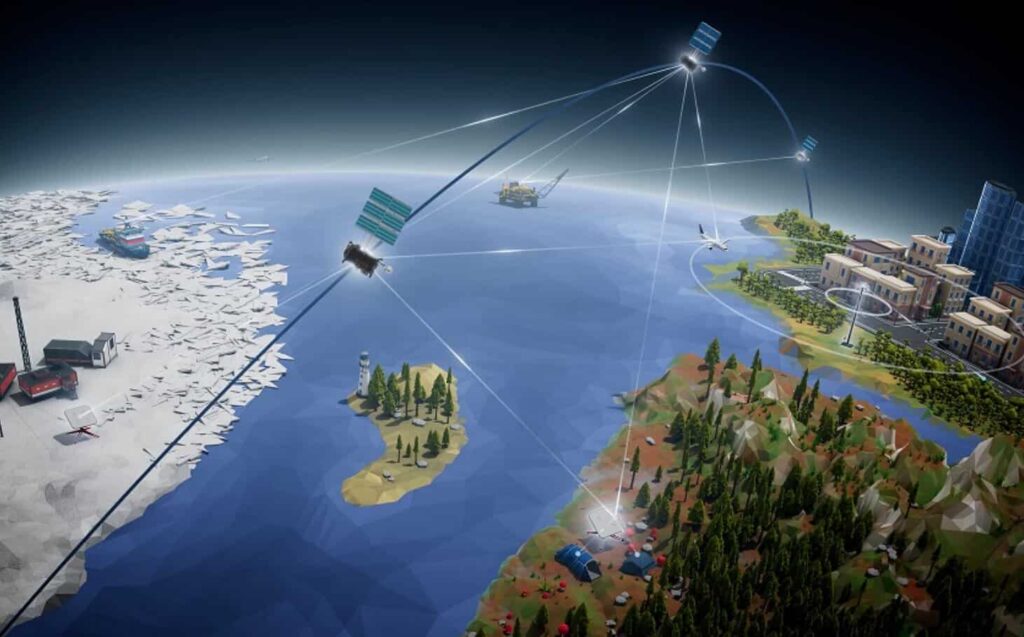
Illustration of the Russian Rassvet satellites by Bureau 1440

Russia is building a satellite network that could soon put all of Europe within its reach. The “Rassvet” satellite system is an extraordinary threat, first to Ukraine and then to the rest of Europe, Oleksandr Danyliuk, the head of the private European aerospace and defense technology company Destinus, said at the Warsaw Security Forum, according to Ukrinform.


Rassvet is Russia’s answer to Starlink, a low-orbit satellite network built by Bureau 1440 to give Moscow’s forces communications that no one else can switch off. European states must invest more quickly in cheap, effective, mass-produced systems to counter it.

“They will be able to navigate to any point in Europe without problems. This needs to be stopped,” said Danyluik, a former Ukrainian finance minister, said.

Cheap systems, made at scale

Danyliuk’s prescription is already being used on Ukraine’s front. Europe should invest in inexpensive, effective systems that can be mass-produced, he argues, the same approach Ukraine uses, and that Russia also turns against it.

“This gap needs to be filled as quickly as possible,” he said.

He urged allies not to overlook threats that might look secondary today, pointing to Rassvet as exactly that kind of slow-building danger.

Appearing strong is not enough to deter Russia, Danyliuk argued, because Moscow can gauge how ready European states actually are.

Ukraine races to catch up

Both sides are now scrambling to own the satellite link rather than rent it. Ukraine is building a satellite system of its own, similar to Starlink but beyond any single company’s control, President Volodymyr Zelenskyy said on 4 October.

He argued Kyiv should be free to turn Starlink on Russian military targets, warning that China and other states will share comparable satellite technology with Moscow within months.

By Ukrainian estimates, Russia still needs five to eight years to complete Rassvet, which so far reaches Ukraine only in brief passes. That window is the time Danyliuk says Europe must use.

  •  

Bipartisan US senators say Trump’s Russian diesel deal conflicts with 2022 ban, as he presses Kyiv to spare Russian refineries

united states capitol building home bicameral us congress consisting lower body house representatives upper senate

Seven US senators from both parties said the Trump administration's decision to authorize Russian diesel imports conflicts with a 2022 law banning Russian energy imports and accused it of failing to consult Congress, in a statement on 11 October.

The dispute comes as the war with Iran drives up US fuel prices, which US President Donald Trump has blamed on Ukraine's strikes on Russian refineries. Trump says Russian supplies will help bring prices down, while lawmakers warn that purchases could provide Moscow with revenue to continue its war against Ukraine.

The senators—Republicans Susan Collins, Lisa Murkowski, Thom Tillis, and John Curtis, and Democrats Jeanne Shaheen, Richard Blumenthal, and Ron Wyden—called on the administration to reverse course, saying the US should not provide Russian President Vladimir Putin with “a financial lifeline.”

What the 2022 law requires before the ban can end

The law, signed on 8 April 2022, allows the president to end the import ban only after submitting a certification to Congress. The certification must find that Russia has agreed to pull out its forces and stop the fighting on terms Ukraine's free and independent government accepts, no longer poses an immediate threat of attack to any NATO member, and recognizes Ukrainians' right to pick their own government.

The law also requires consultation with four congressional committees and a report at least 45 days before certification. The termination takes effect 90 days after certification unless a joint resolution of disapproval is enacted into law during that period. The senators allege the administration failed to meet the consultation and reporting requirements. Their statement does not establish whether a certification has been submitted.

Treasury’s license cites sanctions rules, not the 2022 law

The Treasury Department's Office of Foreign Assets Control issued General License No. 135 on 9 October, authorizing certain transactions involving Russian-origin diesel that would otherwise be restricted under US sanctions regulations. It runs until 7 April 2027 and cites sanctions regulations, not the 2022 import-ban law.

trade banks energy crypto—the eu keeps its full russia economic sanctions wall standing 2027 · post flags member states headquarters council european union brussels belgium 17 2025 getty images/thierry monasse
Explore further

EU blacklists 1,569 Russian arms suppliers and their bosses in its biggest sanctions round ever, as Trump eases up on Moscow

Treasury Secretary Scott Bessent defended the deal on Fox News on 11 October, saying the administration would proceed under existing legal authority. He said lawmakers who argued that either the earlier law or the current Lindsey Graham sanctions law prohibited the deal were wrong, and argued the agreement would lower prices, Reuters reported.

How much diesel Trump says Russia will supply

Trump said on Truth Social that Russia would immediately supply more than 300,000 tons of diesel to US and global markets, followed by 500,000 tons in November and 1 million tons after that. He said Russia would deliver another 3 million tons “within a short period of time,” depending on the condition of its diesel refineries. The promised volumes have not been independently verified.

Russia partially lifted its diesel export ban on 10 October, allowing 500,000 tons onto the global market at this stage, the Russian government said, according to state news agency TASS.

A House bill to block Russian oil purchases

Pennsylvania Republican Rep. Brian Fitzpatrick plans to introduce the Ronald Reagan Peace Through Strength Act to block Russian oil purchases and use a discharge petition to force a House vote, Axios reported. The procedure can force consideration of a bill if 218 House members sign. Republican Rep. Don Bacon said he would support the bill and called Trump's decision a serious mistake, according to Ukrainska Pravda.

Barrasso defends the deal. Zelenskyy calls it an investment in war

On CBS's Face the Nation on 11 October, Senate Majority Whip John Barrasso, a Republican from Wyoming, called the deal “another point of leverage” for Trump to use against Putin. Asked whether the decision violated US law, Barrasso said the president was balancing competing priorities and had to make tough decisions.

Ukrainian President Volodymyr Zelenskyy wrote on Telegram on 9 October:

“Allowing Russia to sell petroleum products is an investment in a war that must be ended, not prolonged.”

Trump also expects Ukraine to stop striking Russian refineries under his proposed energy ceasefire, a White House official told Axios. Zelenskyy said Kyiv would halt such strikes if Moscow did the same.

  •  

For years, Hungary tied Ukraine’s whole EU course to ethnic Hungarians’ language rights. Kyiv has now passed the schooling law meant to lift the block

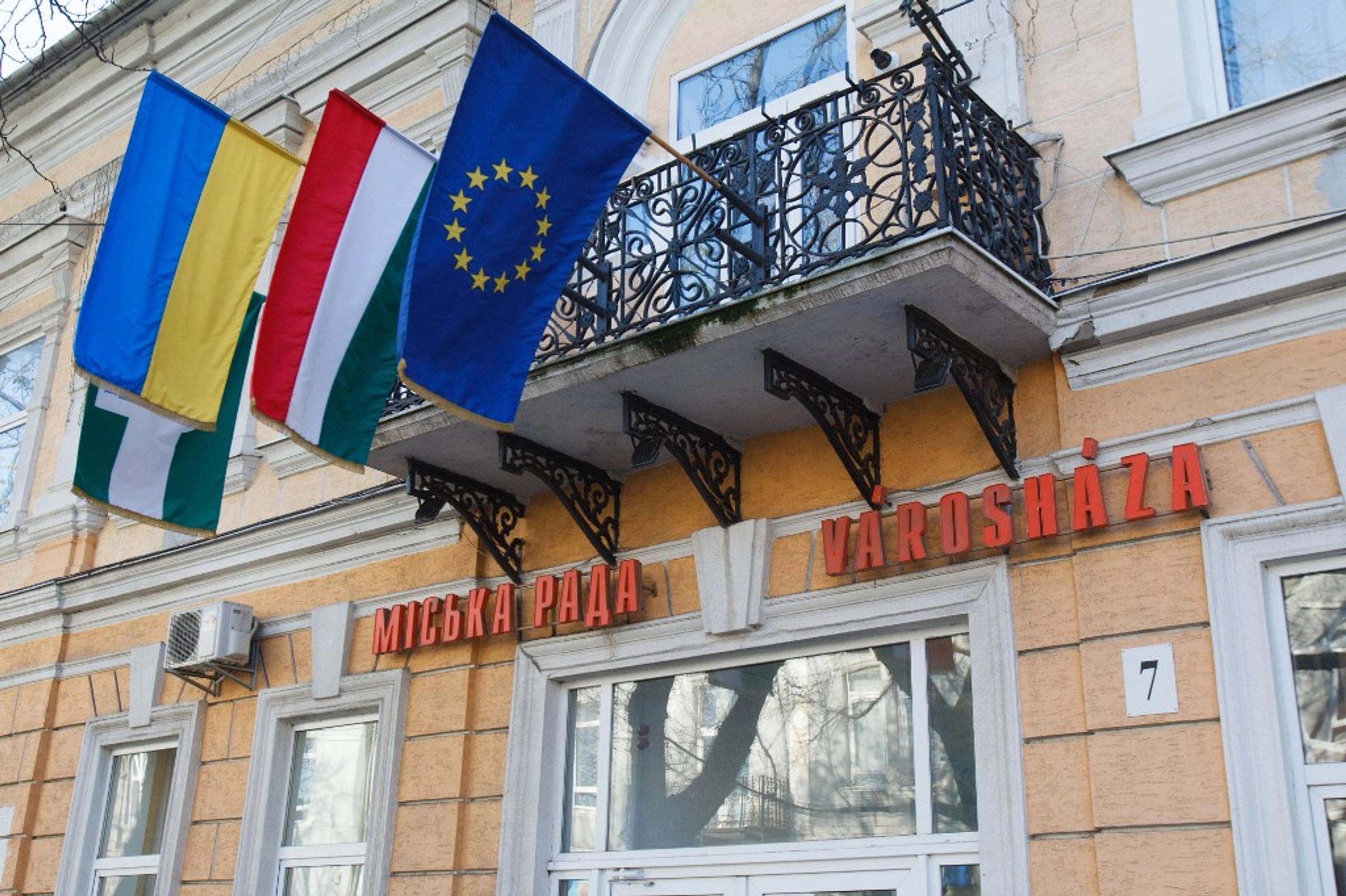
russia faked ukrainian phone numbers threaten hungarians ukraine — help orbán win hungary's election kyiv says · post local hungarian eu flags city hall building zakarpattia oblast's town berehove home

Kyiv just cleared the important roadblock for Budapest, which stood between Kyiv and EU membership talks. Ukraine’s parliament has passed a bill on schooling in minority languages, meant to finally lift Hungary’s block on the country’s path toward EU membership, with 266 of the 450 lawmakers voting in favor, UNIAN reports.

Hungary has been the lone EU member blocking the opening of four of Ukraine’s negotiating clusters, stages of the membership process, over how Kyiv treats the Hungarian minority in Ukraine's Zakarpattia region. Roughly 80,000 ethnic Hungarians live in it, and Budapest had tied Ukraine’s entire EU course to their language rights.

Lawmakers have instructed the parliament’s speaker to sign the law without delay and send it to President Volodymyr Zelenskyy.

What the law changes in schools

The bill keeps Ukrainian as the main language of education, but guarantees classes in minority languages where they exist. Minorities may study in the official languages of EU member states alongside Ukrainian, and pupils may use their language in other forms of communication on school grounds.

A school can gain the status of a national-minority institution if more than half of its pupils study in that minority language, provided that language is an official EU language. Parents of at least two-thirds of a minority class can also ask the school to expand the list of subjects taught in Ukrainian.

The dispute dates back years

Ukraine’s 2017 education law and 2019 language law narrowed minority-language schooling and required more Ukrainian in secondary grades, which then-Hungarian leader Viktor Orban treated as an attack on the Hungarians of Zakarpattia, blocking Kyiv’s NATO and EU steps for years, EUalive reports. Kyiv’s position was that the laws applied to all minorities and excluded Russian.

Hungary’s newer government, in office since spring 2026, inherited the veto. Budapest lifted it on the first cluster, which the EU opened in June, Ukraine’s first since gaining candidate status in 2022, but made the rest conditional on this law.

With the bill passed, Hungary is set to allow the EU to open two more clusters, on the internal market and competitiveness, at a Council meeting in Luxembourg on 13 October. Kyiv aims to open all its clusters by year’s end.

  •  

EU blacklists 1,569 Russian arms suppliers and their bosses in its biggest sanctions round ever, as Trump eases up on Moscow

trade banks energy crypto—the eu keeps its full russia economic sanctions wall standing 2027 · post flags member states headquarters council european union brussels belgium 17 2025 getty images/thierry monasse

The EU adopted its largest-ever round of sanctions listings on 12 October, targeting the suppliers behind Russia’s war industry, the Council of the EU announced. The bloc acted as Russia keeps killing Ukrainian civilians every day, while US President Donald Trump eases sanctions on Russian diesel.

Russia’s planned winter campaign against Ukraine’s infrastructure depends on arms factories fed by a web of component suppliers and on oil revenue that still flows despite Ukraine’s refinery strikes, so every supplier cut off from that web raises the cost of waging it. As Washington eases off, Europe’s own pressure has a gap: its ports still take record volumes of Russian Arctic gas, and a full ban on long-term contracts starts only in 2027.

Missile suppliers top the list

More than half of the new listings hit the supply chain for ballistic missiles that Russia “uses to kill Ukrainian civilians every day,” EU foreign policy chief Kaja Kallas said in the statement. Russian attacks killed more than 150 people in the past week, Ukrainian President Volodymyr Zelenskyy said on 11 October.

The list names 826 Russian companies, mid-level firms the Council calls the “core” of Russia’s arms industry, with at least €20 billion in yearly turnover, and 743 people who run them. They make parts for missiles, drones, and military aircraft, from semiconductors and radars to explosives and navigation systems. Their assets are frozen, EU firms may not finance them, and the executives may not enter the EU.

Foreign ministers ratified a deal EU envoys reached on 7 October. Ukraine’s sanctions commissioner Vladyslav Vlasiuk said 60% of the listings came from Ukrainian proposals.

Ministers reject the diesel deal

EU foreign ministers in Luxembourg vowed to keep the sanctions despite Trump’s diesel deal with Russian President Vladimir Putin, Euronews reported. Kallas addressed Washington directly as she arrived.

“The US is our biggest ally, but our message is clear: if we want to end this war, the only way we can do this is (by) putting more pressure on Russia,” Kallas said.

Irish Foreign Minister Helen McEntee called the deal “concerning,” and Lithuanian Foreign Minister Kęstutis Budrys said it was “not the European way.” Kallas warned that an energy truce covering only refineries would favor Russia, since Ukraine has one refinery and Russia “plenty.”

Trump announced the diesel deal on 9 October, and the US Treasury waived sanctions on Russian diesel until April 2027. Zelenskyy said the EU would provide about €3 billion more in military aid this week.

Washington presses Kyiv

Trump expects Ukraine to stop hitting Russian refineries under his proposed energy ceasefire, a White House official told Axios. Zelenskyy said Kyiv would halt such strikes if Moscow did the same. On 10 October, Trump told reporters it was time for Ukraine to get a new president. Germany’s foreign minister, Britain’s defense secretary, and a senior lawmaker from Chancellor Friedrich Merz’s party backed Zelenskyy, while the Kremlin sided with Trump.

Zelenskyy offered to hold elections after a 60-day ceasefire, and Kallas said elections are impossible while the war goes on. The Institute for the Study of War assessed that Russia exploits Ukraine’s legal ban on wartime elections to drag out the war.

  •  

Zelenskyy says Ukraine could hold elections if Russia agrees to 60-day ceasefire. Moscow counters with truce lasting only voting day

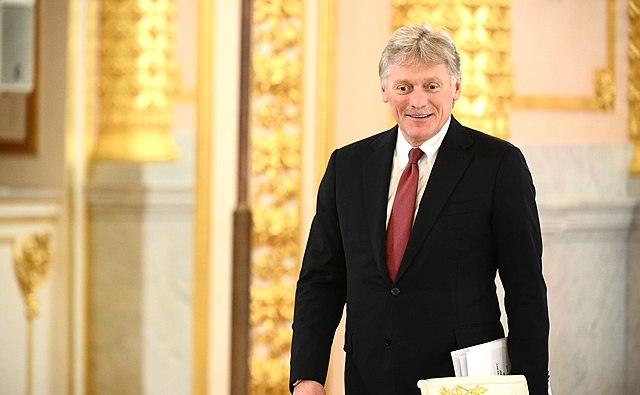
Dmitry Peskov

Russia offers Ukraine a single day without strikes for its elections. Russian leader Vladimir Putin is ready to order a halt to strikes on Ukraine only on the day of a presidential election, if Kyiv decides to hold one, Kremlin spokesperson Dmitry Peskov says, Russian state agency TASS reported.

The offer answers Ukraine’s call for a real pause: on 11 October, President Volodymyr Zelenskyy stated Ukraine could hold elections if Putin agreed to a full ceasefire of at least 60 days, ABC News reported. Against the backdrop of Russian strikes that killed more than 150 Ukrainian civilians in a single week, Moscow counters with a one-day truce confined to voting day.

“...If they really want to hold elections in Kyiv, the president of Russia, the supreme commander-in-chief, will be ready to give the order not to strike Ukraine on election day. Specifically on election day,” Peskov said.

His statements followed US President Donald Trump’s call on 10 October for Ukraine to choose a new president, saying a change of leadership could help reach peace with Russia, according to Suspilne.

Trump also criticized Ukrainian strikes on Russian oil refineries amid his new agreements to supply a low volume of diesel into the US.

Moscow rejects the 60-day pause

Peskov has outright dismissed the longer truce. Ukraine needs 60 days not to hold elections but to heal its wounds and continue the war, he argues.

He has claimed Russia had been willing to resume peace talks after Russia’s own State Duma elections, but accused Ukraine of launching massive strikes on Moscow to disrupt that vote. Peskov has gone further, claiming Ukraine shelled polling stations and killed several members of district election commissions in the Russian-occupied regions it calls its own.

What Peskov left out

The accusations are Russia’s and remain unverified. Peskov offered no evidence for the claims about polling stations or election officials, which echo long-running Kremlin talking points.

He also made no mention of Russia’s own strikes on Ukrainian civilian targets over the same period, including attacks on energy sites and residential buildings.

  •  

Europe has 11 ways to choke Russia’s war. It doesn’t need Trump’s permission for any of them

A carnival float by Jacques Tilly shows Trump and Putin eating a cow ridden by Ursula von der Leyen, at the Rose Monday parade in Düsseldorf, Germany, on 16 February 2026. Photo: Ina Fassbender/AFP/Eastnews

On 9 October, three weeks after signing the first major Russia oil sanctions in two years, Donald Trump agreed with Vladimir Putin to bring Russian diesel back to world markets. The US Treasury suspended its sanctions on that trade until April 2027 the same day. In the two days before, Russian strikes had killed more than 80 Ukrainian civilians.

Europe answered on 12 October with its largest sanctions package yet: nearly 1,600 new listings, almost all in Russia’s military-industrial complex. Its core, says Ukraine’s sanctions envoy Vladyslav Vlasiuk, is Russia’s missile program and the electronics inside it, from capacitors to semiconductors. Six in ten listings came from Ukrainian proposals, and Brussels adopted them within weeks.

That is the right reflex, and proof that Europe can move fast when it chooses. But the package names companies and people one by one. On the measures that cut whole sectors, the ones that would hurt Moscow most, Europe still waits for Washington.

It waits for Trump to decide whether to enforce the Graham Act he signed in September. It waits for him to decide whether to lean on Hungary and Slovakia or let them off. It waits for the G7 to rule on tanker services before touching its own ships. Europe keeps asking the Trump administration to decide things it is perfectly able to decide itself.

If the EU is serious about ending a war on its own continent, it does not need a miracle from Washington. It needs to pull the levers already in its hands. Here they are.

Strip Russian weapons of European parts

1. Fix export-control enforcement on dual-use goods. It is unacceptable that the newest Russian drones and missiles contain not only Chinese parts but American and European ones. The "War and Sanctions" portal logs what turns up. The EU should find and close the enforcement gaps in its own dual-use export law. Choking the supply to Russia's war industry serves Ukraine and Europe alike.

Cut Russia's energy money

2. Force Hungary and Slovakia off Russian oil. The EU banned Russian oil imports in 2022, with temporary exemptions for landlocked states: Czechia, Slovakia, Hungary. Czechia has since diversified and dropped Russian oil entirely. Slovakia and Hungary can do the same; the Czech case proves it is a question of will, not feasibility. Ending the exemptions would also make good on REPowerEU's central promise, phasing out Russian energy. The gas-import ban is already decided. Oil is the gap that remains.

3. Close the Greek and Maltese tanker loophole. Up to 40% of Russia's seaborne oil travels on European tankers, Greek and Maltese. The EU has banned maritime services for Russian oil since 2022, with one exception: cargoes sold below the price cap. This spring the Council discussed scrapping that exception, which would have meant a full ban, then made any change conditional on coordination with the G7. Once again, Europe is asking Washington to act for it. The EU should overcome Greek and Maltese resistance and ban every maritime service for Russian oil: transport, insurance, and the rest.

4. Stop the shadow fleet in European waters. Russia ships oil to India, China, and Türkiye through a shadow fleet of aging, often uninsured tankers. Europe can check their insurance and turn away any that lack EU or G7 cover, especially in the North Sea and the Baltic, where any spill would be an ecological disaster, and an uninsured operator would not pay for it.

Patrols in territorial waters and exclusive economic zones have to be reinforced. Russia also uses these ships for espionage, sabotage, and damage to undersea infrastructure. Strengthen NATO's Baltic Sentry. Consider adding a maritime operation by the UK-led Joint Expeditionary Force or the Coalition of the Willing across the North and Baltic Seas and the Skagerrak, before the Danish straits. If the Russian Baltic Fleet escalates, Europe should be ready for confrontation. Moscow should hear that it is not feared and that it will be stopped. At sea, it is weaker than even NATO's Baltic Sea states alone, never mind NATO's European members together.

5. Scrap the Lingen nuclear-fuel deal. In July, Lower Saxony approved a plan for the French state company Framatome to make nuclear fuel jointly with Rosatom, Russia's builder of nuclear weapons, at Lingen. It is dressed up as serving REPowerEU, since the venture lets Hungary, Slovakia, and Bulgaria buy fuel from a Franco-Russian joint operation instead of straight from Rosatom.

This is nonsense. Ukraine was once wholly dependent on Russian nuclear fuel and diversified fast; Finland and Czechia have done the same. Hungary, Slovakia, and Bulgaria can follow. Stretching the dependence out and hiding it behind a French partner is the opposite of what REPowerEU is for. Lower Saxony's own environment minister called the deal "grundfalsch," fundamentally wrong.

Fund Ukraine from Russia's own money

6. Build a Ukraine Fund from frozen Russian assets. Supporting Ukraine will cost more next year, not less, so it is time to get serious about Russia's frozen assets. Not confiscation, which European capitals still resist, and not a simple transfer to Kyiv, which amounts to the same thing, but a dedicated EU-run Ukraine Fund that could invest these assets and use them better than they are used now. ICUV has set it all out in a policy paper.

Isolate Russia further

7. Adopt the Graham-bill sanctions. Sanction every Russian state company (majority or controlling state stake) and every Russian oligarch who has not taken a public anti-war stand. Forbes counts 155 Russian billionaires.

8. Cut every Russian and Belarusian bank off SWIFT. Russia still has 301 operating banks, yet only 103 Russian banks and financial institutions sit under the EU's transaction ban, and just a handful of Belarusian ones. Gazprombank, which the US Treasury says pays Russia's soldiers, is still not on the EU list. Stop listing banks one by one: disconnect the entire Russian and Belarusian banking systems and put them under a full transaction ban, with narrow exceptions for food, medicine, and humanitarian trade.

9. End land transit to and from Russia, Kaliningrad included. Stop all overland freight, rail and road, between the EU and Russia. Baltic ports should carry no Russian trade at all, not just grain. Halt the gas transit to Kaliningrad through Lithuania's pipelines, too; let it arrive by sea, where Russia already runs an LNG terminal. Winters are mild now, so the real effect is mostly higher costs, and even that is worth doing.

10. Ban visas for Russian (ex-)servicemen and their families. The EU's 21st sanctions package laid the legal basis in July and then set no start date. Bring it into force, and extend it to the families.

Deliver accountability

11. Launch the Tribunal for the Crime of Aggression and the Claims Commission. Speed up the creation of, and accession to, the tribunal for the crime of aggression against Ukraine, and the convention establishing a Claims Commission.

The point

Europe cannot escape this burden. A Russian victory, even a partial one such as a peace on Moscow's terms, would cost it far more than helping Ukraine to a partial victory of its own, a peace along the line of contact. If Europe wants the war to end, it has to lead, alongside Ukraine, instead of waiting on a miracle from the Trump administration. The tools are already in its hands.

German army Leopard 2 main battle tanks at Rose Barracks, Vilseck, Germany, 29 January 2019.
Explore further

Norway did the math: Arm Ukraine to win, or pay double when Russia does

Dmytro Shulga
Dmytro Shulga is director of the "Europe and the World" program at the International Renaissance Foundation in Ukraine.

Editor's note. The opinions expressed in our Opinion section belong to their authors. Euromaidan Press' editorial team may or may not share them.

Submit an opinion to Euromaidan Press

  •  

Ten years on, Britain’s prime minister says Russia meddled in the Brexit vote—and warns Germany and France

ten years britain’s prime minister says russia meddled brexit vote—and warns germany france · post andy burnham britain's new 29 2026 hl-8sqawgaax0se ukraine news ukrainian reports

UK Prime Minister Andy Burnham said Russia interfered in the 2016 referendum that took Britain out of the European Union, in podcast excerpts released on 11 October, the Associated Press reported. His remarks are believed to be the first time a British prime minister has publicly acknowledged such meddling.

Russia’s information war keeps running through Europe’s ballots. German security sources said in August that Moscow was escalating disinformation before state elections, and Ukraine’s Center for Countering Disinformation found more than 200 Russian fake news sites aimed at France last year.

One question, one clear answer

Burnham told The Rest Is Politics podcast that he asked his advisers whether Russia had interfered in the 2016 vote. He asked after taking office in July.

“I’ve had the clear answer that yes, there was,” he said.

He argued that such things must now be put clearly on the record. He did not say how Russia interfered or offer evidence, and Moscow has long denied interfering in foreign votes.

Burnham said he had discussed Russian interference with German Chancellor Friedrich Merz in Berlin the previous week. “You know he was saying to me that the AfD are clearly linked to Russia, funded I believe,” Burnham said, referring to Germany’s far-right Alternative for Germany party. Putting such interference on the record would help “voters in Germany and France understand that some of this politics is instigated via our enemies, namely Russia,” he added.

Years of silence

In 2020, Parliament’s Intelligence and Security Committee found that the government had actively avoided investigating whether Russia meddled in the referendum. The report noted open-source signs of Russian attempts to sway the Brexit campaign. The government, it said, had never looked for hard evidence.

The government rejected the committee’s call for a review.

“We have seen no evidence of successful interference in the EU Referendum,” it said.

That same year, London said Russian actors had almost certainly tried to interfere in the 2019 general election. The government said they did it by amplifying leaked UK-US trade documents online.

From 2019 to 2016

Three weeks ago, Burnham stopped short of this. At the UN General Assembly on 22 September, he said the Kremlin spends around £1.3 billion each year on manipulating information. That is roughly $1.7 billion at recent exchange rates. He cited evidence that Russian agencies tried to interfere in the 2019 general election, but he did not mention 2016.

In the same speech, he said Britain had already helped Moldova protect its elections from Russian interference.

  •  

Russia is hacking cameras across Europe to track arms bound for Ukraine. At home, Ukraine has secured about 40,000 that could guide strikes — WSJ


The ordinary security camera watching a street or a parking lot has quietly become a weapon of war. Ukraine’s Security Service has identified about 40,000 surveillance cameras since Russia’s 2022 invasion that Russian forces and spy agencies could have used to snoop, find targets and correct strikes, and has protected, reoriented or blocked them, The Wall Street Journal reported.

The discovered threat reaches well beyond Ukraine: Dutch intelligence warned in July that Russian state actors are systematically hacking cameras across Europe to track arms deliveries to Ukraine and the whereabouts of Ukrainian troops.

AI makes it faster

About 1.2 billion internet-connected cameras now watch the world, in doorbells, traffic lights, and baby monitors, and almost any of them can be hacked, the journalists found.

In Ukraine, the danger is lethal. In 2024, Russian hackers took over residential webcams in Kyiv, including one that a condominium association had installed, to find targets and adjust missile strikes on the capital, Ukraine's Security Service says.

Spying on Europe’s edge

Evidence of European reach keeps surfacing. Cybersecurity firm CloudSEK has recently uncovered an exposed server it suspects belongs to a Russian-speaking hacker, containing hundreds of webcam images of Ukrainian defense, government, energy, and communications sites, as well as scenes of daily life.

Many of the images came from locations near Ukraine’s border with NATO member Romania, CloudSEK says.

The Dutch warning and the server point the same way: cameras far from the front line are feeding Russia data on how the West arms Ukraine.

Ukraine turns the lens back on Russia

Ukraine also uses the same tactic inside the occupied territory. The international hacker group Team OneFist took control of a camera in Sevastopol, in occupied Crimea, and used it to watch Russian ships, submarines, and helicopters, spotting a previously unknown air base that Ukraine later struck, damaging planes and air defenses.

Team OneFist also reached cameras on the Kerch Strait Bridge, learning that Russia had installed motion sensors beneath the bridge to guard against waterborne attacks. Penetrating a well-placed camera gets analysts closer to targets at less risk than any secret agent.

  •  

Ukrainian drones hit three of Russian tech giant Yandex’s data centers in four days. Ukraine’s president says the bots thinned out too

ukrainian drones hit three russian tech giant yandex’s data centers four days ukraine’s president says bots thinned out too · post flickr/hesham elmahdy social media internet trolls networks ukraine news

Ukraine’s drone strikes on Russian tech giant Yandex thinned out social media bots, Ukrainian President Volodymyr Zelenskyy said on 12 October. Network data do show Yandex’s automated traffic collapsing after the strikes. Disinformation researchers say that traffic is search crawling, not trolls. A Ukrainian social media monitor told Euromaidan Press its own data show no clear drop in bot activity either.

Russian influence operations are a live threat to European votes. In August, the Matryoshka network fabricated news clips aimed at Sweden’s general election. German and French authorities flagged the same network targeting Germany’s local votes and French presidential hopeful Gabriel Attal. A way to switch such networks off would hand allies a new tool, which is why the claim needs testing.

The president’s claim

Addressing the Warsaw Security Forum by video link, Zelenskyy said that once Ukraine began answering Russia’s operation against Ukrainian data centers and its strikes reached Yandex, many social media platforms suddenly became a little easier to breathe on.

Many people noticed less hatred, discord, and provocation because there were fewer bots, he said. It was quite clear where those bots came from, he noted. Their disappearance once Yandex went down proves again that Europe is not the source of the problems, he added.

Lithuanian Prime Minister Mindaugas Sinkevičius said at the same forum that allies should ask Zelenskyy to strike more data centers in Russia, answering a question on how to protect their elections from interference.

Three data centers in four days

Drones first hit Yandex’s data center in Sasovo, Ryazan Oblast, on 8 October. Yandex said it shut the site down completely. The next day, a strike on its Kaluga site completely disabled several modules, the company said. Yandex calls Kaluga its largest data center, Russian science outlet T-Invariant noted.

Ukrainian drone maker Fire Point said its FP-1 long-range drones carried out that strike.

After the first strike, on Sasovo, a source at Yandex summed up the mood for The Bell: “Things are rotten. We keep working.”

Overnight on 11 October, drones hit the third site, in Vladimir. Yandex said it fully halted that data center too. Vladimir Oblast Governor Aleksandr Avdeev acknowledged an attack on “infrastructure” near the city. It started a fire and cut power to two substations serving 5,000 residents, he claimed.

Dima, have you tried turning it off and on again?

— Fire Point (@FirePointUA) October 11, 2026

What the traffic data show

Automated web requests from Yandex’s network fell to 0.4% of their two-week peak after the third strike, Cloudflare Radar data showed, Cybernews reported. That chart counts automated requests to websites, mostly from Yandex’s own search crawlers. It does not count social media posts.

The chart “has nothing to do with social media,” the Russian opposition analysis group Antibot4navalny wrote.

To those implying that Kremlin-controlled social media bot/troll farms became silent after Ukraine hit a Yandex data center, posting this CloudFare chart ( radar.cloudflare.com/bots/as13238 ):Hate to disappoint you all ⤵

— antibot4navalny | bot blocker | блокировщик ботов (@antibot4navalny.bsky.social) 2026-10-11T20:54:52.717Z

Russia’s overall bot traffic last week looked much like any other week. Yandex’s own figure began recovering on Sunday. Covert troll farms usually hide behind residential proxies, hacked devices, virtual private networks (VPNs), and Western cloud providers, the outlet added.

What Ukrainian social media shows so far

Yevhen Luzan tracks Ukrainian social media sentiment as an analyst at the Ukrainian nonprofit CAT-UA. Its daily reviews sample about 500 random posts. On 11 October, that sample showed an unusually small share of posts criticizing Ukraine’s authorities, he told Euromaidan Press. Accounts showing signs of bot activity made up only a few tenths of a percent of that criticism. That is within the margin of error.

The same day, though, US President Donald Trump’s deal for Russian diesel supplies dominated Ukrainian feeds. Luzan said a rally-around-the-flag effect could explain the shift, as outrage at Washington crowded out domestic stories.

“To state it definitively and draw a cause-and-effect link from this correlation would be too bold,” he said.

Across the wider pool of about 10,000 daily mentions, CAT-UA sees no significant drop in posting activity in recent days. The curve shows only the usual rises and dips around the start and end of the week, Luzan said.

“For now, even a hypothetical drop in bot farm activity dissolves entirely in the natural fluctuations of the information space,” he said.

How a crawler chart became a bot story

The claim that Russian social media bots fell by half is unproven and built on a misread chart, disinformation analyst Joohn Choe concluded in a fact-check. It traces back to an 8 October post by security researcher Jeremiah Fowler. That post said Russian bot traffic had dropped to 49%. On 11 October, radio reporter Jamie Dupree spread it on X. Tom’s Hardware then ran it under a headline calling the crawler traffic “Russian disinformation bot traffic,” wording it has since changed.

According to Cloudflare Data Explorer the amount of russian bot traffic has dropped to 49% after Ukraine struck a yandex data center. Could this disrupt the midterm elections in the US? pic.twitter.com/SRtMyjaV22

— Jeremiah Fowler Security Researcher (@yoda69) October 8, 2026

Ukrainian military analyst Tatarigami claimed that Texas separatist accounts with identical “Veteran, Christian, Father, MAGA” bios had gone quiet. He said Quebec separatists and Polish anti-EU accounts went quiet alongside them.

Polish military analyst Jarosław Wolski claimed that AfD’s online support fell 56%, posting a chart without naming its source. Another X user said “Polish” bots had vanished.

Zderusyfikowany internet (ukraińskie trafienia w centra Yandexa) nagle objawia cuda w socjalach: poparcie dla AfD w socjalmediach spadło o 56%. Mniej "polskich" kont szczujących na Ukraińców, mniej "ukraińskich" szczujących na Polaków, poparcie w sieci dla MAGA gwałtownie spadło… pic.twitter.com/zi4rwqNR9I

— Jarosław Wolski (@wolski_jaros) October 11, 2026
  •  

Peacekeepers, riot police, and drone crews: Russia’s bloc rehearses an operation in a Belarusian oblast bordering two NATO states

peacekeepers riot police drone crews russia’s bloc rehearses operation belarusian oblast bordering two nato states · post bmp-2 infantry fighting vehicles belarus’s 6th separate guards mechanized brigade during combat-readiness check

Russia and four allies began five-day military drills in Belarus on 12 October, the Russia-led Collective Security Treaty Organization (CSTO) said. The troops are rehearsing peacekeeping and a biological-threat response. Minsk insists the drills target no one, while Belarus’s army chief calls them deterrence against hostile states.

Russian troops crossed Belarus to advance on Kyiv in 2022, and it now hosts Russian units with Oreshnik missiles and equipment guiding attack drones into Ukraine. Every foreign deployment there worries Kyiv and neighboring NATO members, which blame Minsk and Moscow for border pressure.

Riot police and drone crews in a “peacekeeping” drill

Belarus, Kazakhstan, Kyrgyzstan, Russia, and Tajikistan brought more than 1,500 troops and over 300 weapons and vehicles, including about 80 drones, The Moscow Times reported, citing the bloc. Armenia, the sixth member, is not among them. The peacekeeping drill runs in Vitsebsk Oblast, bordering Latvia and Lithuania, with Belarusian riot police and internal troops joining, the bloc’s command said.

An illustrative image. Railway tracks
Explore further

Up to 60 railcars: Belarus wires a border base to take in military trains

Russia sent motorized rifle, reconnaissance, electronic warfare, and drone units from its Central Military District, the CSTO said. Russia, this year’s chair, prioritized peacekeeping readiness and the joint biological protection and medical unit, a bloc general said.

Belarus’s military insisted the drills are planned, yet its army chief called them “one of the measures of strategic deterrence against aggressively minded states” and claimed the West is “effectively preparing for a new hot war.”

Pressure on Belarus’s neighbors

In Latvia, armed, masked escorts from Belarus tried to force migrants across this month, the military said, and raiders stole border cameras hours later. Estonia’s police and border guard chief warned migration pressure could jump before winter, as Russia eases entry from countries like Ethiopia and Belarus passes migrants on to the EU. Lithuania posted up to 100 soldiers on its border with Russia’s Kaliningrad, and in September NATO’s Italian jets downed a drone that crossed in from Belarus. On 9 October, Minsk summoned Ukraine’s envoy over an alleged drone strike on a Belarusian truck in Russia, and Kyiv rejected the “absurd accusations” of “an accomplice in the crime of aggression against Ukraine.”

Belarus keeps its army on alert

In September, Belarusian armor drilled near the Suwałki Gap, NATO’s land link to the Baltic states, and Lukashenka said the whole army would be checked, up to mobilization. On 12 October, he ordered a snap check of a 6th Separate Guards Mechanized Brigade battalion, state news agency BelTA reported. European spy agencies also warn of more Russian assassination plots against defense executives.

Ukraine’s intelligence still rates the threat from Belarus as low, but each new contingent, missile unit, and airborne brigade there widens what Kyiv and NATO’s eastern flank must watch.

  •  

Ukrainian marines cleared about 6 km² near Pokrovsk without losses. The Russians they faced got a can of meat a week

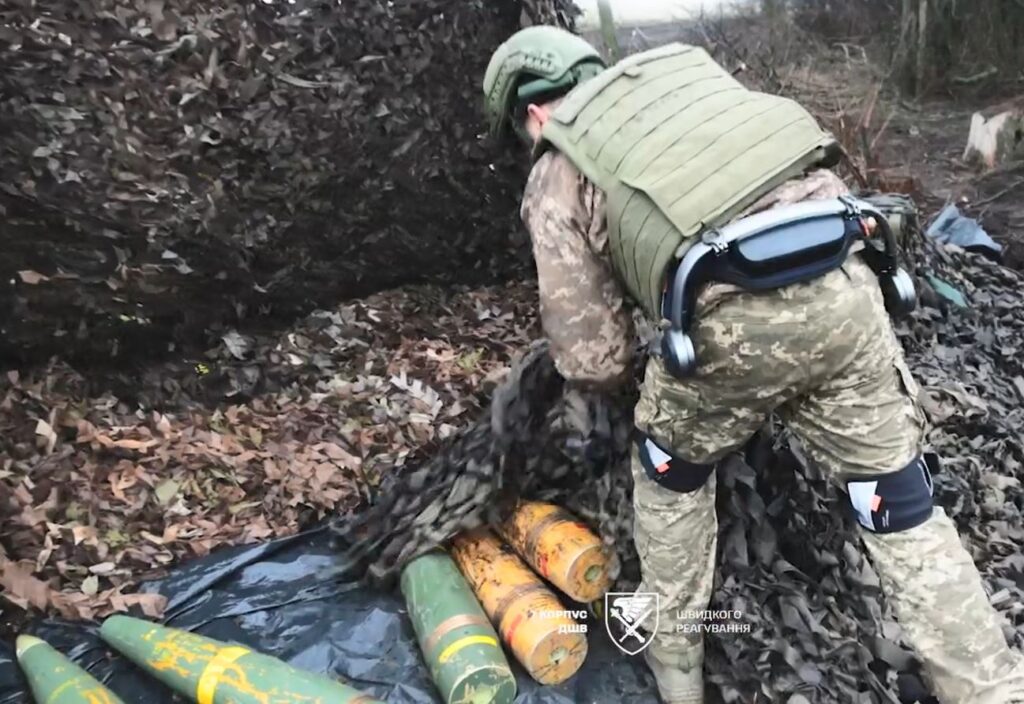
gunners can carry small car's weight shells every day — ukraine fields exoskeletons pokrovsk front · post artilleryman 147th separate artillery brigade wearing exoskeleton picks up combat position direction 2026

Ukrainian marines planned a clearing operation near Pokrovsk for about a month, their deputy commander said in remarks relayed by Army Inform. The Defense Ministry’s news agency published them on 12 October. He also described the Russian infantry the marines captured as barely trained, hungry, and unwilling to fight.

Russia seized Pokrovsk by seeping small infantry groups into the city a few at a time. Beyond the city, Russian advances stayed limited. ISW assessed on 25 February that the capture brought no further operationally significant gains. Small advances continued, and DeepState mapped one near Bilytske in Donetsk Oblast on 7 October. Every stretch where Ukrainian units stop that infiltration closes the route Russia used to take the city.

What the operation produced

Karyi, the 40th Separate Marine Brigade’s deputy commander, said that Operation Audit cleared about 6 km². The marines suffered no losses while inflicting them on the Russians, he said, and gathered a lot of intelligence. He promised the enemy many more surprises.

Service members of Ukraine's 40th Separate Marine Brigade during Operation Audit in the Pokrovsk direction.
Explore further

Ukraine makes local gains on Pokrovsk front despite sustained Russian attacks

The brigade had announced an operation by the same name on 26 September. It said then that the marines had cleared 5 km² and captured two Russian soldiers. The brigade also said they had stopped the flow of Russian infiltration on that stretch of the Pokrovsk direction.

Two weeks of training, then the front

Karyi called the two prisoners typical of the Russian infantry now sent against the marines, with all of two weeks’ training behind them. He said Russian recruits spend a month on transfers and paperwork before going into battle. They then walk to their positions for one or two weeks.

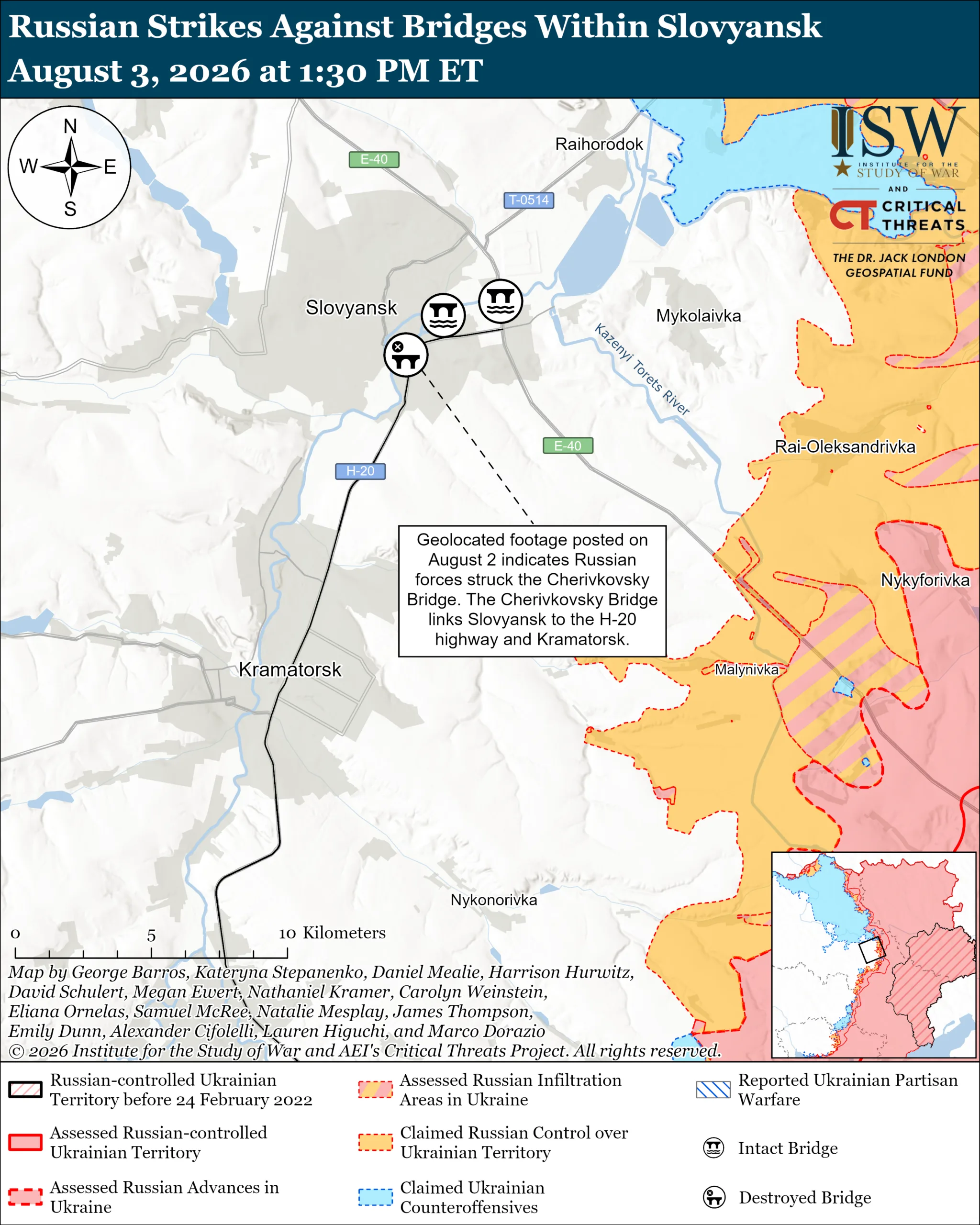
isw first pokrovsk huliaipole—now russia points its logistics-killing air campaign fortress belt · post russian-strikes-against-bridges-within-slovyansk-august-3-2026-scaled ukraine news ukrainian reports
Explore further

ISW: First Pokrovsk, then Huliaipole—now Russia points its logistics-killing air campaign at the Fortress Belt

If drones or Ukrainian ground groups don’t kill them first, he said, they surrender because they no longer want to fight. They are not fed or given water. He described one parcel a week with a can of stewed meat, and water drunk from the ground underfoot. That, Karyi said, is why the Russian troops facing the marines are demoralized and untrained.

  •  

Ten casualties to one, by a NATO official’s count: Russia’s September in Ukraine’s kill zones

A masked Russian soldier in camouflage and body armor wears a helmet bearing Russian flag and “Z” patches.

Russia suffered vastly more casualties than Ukraine in September, a senior NATO military official told Bloomberg. Ukraine’s General Staff put the month’s Russian toll only slightly lower.

September’s toll lands on a recruitment system that was already falling short. Ukraine’s military intelligence (HUR) estimated that Russian losses outran new contracts in June and July, when monthly losses ran lower. In August, Ukrainian President Volodymyr Zelenskyy, citing military intelligence, warned that Russia is preparing a mass call-up after its parliamentary elections. That vote ended on 20 September.

Where the numbers come from

Russian casualties passed 50,000 in September, up to 28,000 of them killed, the official said. Ukraine’s losses over the same month came to about 5,000, according to the official, who spoke on condition of anonymity. Russia does not release casualty figures, Bloomberg noted. In late August, Pavlo Palisa, deputy head of Ukraine’s Presidential Office, put Russia’s July losses at 43,000 killed and wounded. Bloomberg could not confirm his figures.

To push forward, Russia keeps feeding troops into “kill zones,” the official said. These are stretches of ground saturated with armed drones, mines, and artillery fire. Maksym, call sign Rumyn, is a deputy company commander in the 46th Airmobile Brigade’s drone battalion. In April, he said the zone once ran 3–5 km deep and is now several times larger.

Ukraine's Third Army Corps commander Brigadier General Andrii Biletskyi announcing "Operation Vivaldi," 15 September 2026. Screenshot from video: Ukraine's Third Army Corps
Explore further

Ukraine suffered 10 times fewer casualties than Russia in Vivaldi counteroffensive, veteran says. Ukraine’s innovations in drone and ground robot tactics are changing frontline warfare

Rising stakes for Moscow

Russia’s defense spending is expected to near $199 billion this year, Bloomberg reported, citing two sources close to the government. That is about 40% above the plan the government set in late 2025.

Russian President Vladimir Putin would struggle to wind down the invasion without a political cost, Martin Jäger said last week. He heads Germany’s Federal Intelligence Service (BND).

  •  

Germany stays in Russia’s sabotage crosshairs, and its industry now braces for the long haul

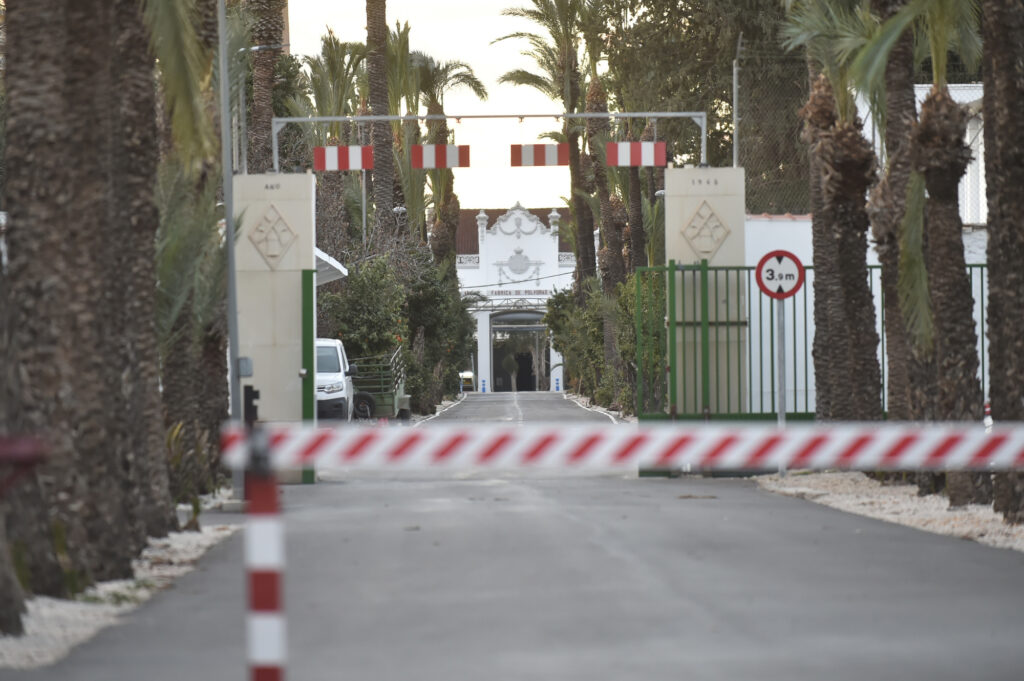
germany stays russia’s sabotage crosshairs its industry now braces long haul · post entrance rheinmetall company 30 2025 javalí viejo murcia spain ukraine news ukrainian reports

German industry expects Russian sabotage against the country’s companies to persist and take more forms, the deputy head of the Federation of German Industries (BDI) told Handelsblatt. His warning follows alarms from Germany’s intelligence services, which describe the country as a main target of Russia’s covert campaign in Europe.

Russia keeps striking Ukrainian cities and power plants every day while trying to weaken the European support that keeps Ukraine fighting. Germany is home to arms makers producing with and for Ukraine, so pressure on its companies targets the supply behind Ukraine’s defense.

Industry expects attacks to last and change form

The warning came from Holger Lösch, the BDI’s deputy managing director.

“German industry is preparing for the threat to persist and for attack methods to become more varied,” he told Handelsblatt. “Companies don’t end up in the crosshairs by chance,” he added.

Russian influence and sabotage operations are no longer an abstract scenario, and companies, critical infrastructure, and defense supply chains are already among their targets, Lösch said. Companies now receive more threat warnings, and their cooperation with the authorities has improved significantly, he noted. “What is still missing are joint procedures to quickly derive concrete measures from warnings,” Lösch said, calling the protection of the economy a cornerstone of national security.

German intelligence describes a Russian shadow war

The warning comes a week after a public hearing of the intelligence oversight panel of the Bundestag, Germany’s parliament, on 5 October. There, Martin Jäger, head of Germany’s Federal Intelligence Service (BND), said Russia was waging a shadow war against Germany. “Germany has become a main obstacle to Russian hegemonic power projection in Europe and thus a target of Russian action,” Jäger said. “The danger of attacks against targets in Germany remains real and present,” he warned.

Sinan Selen, head of the Federal Office for the Protection of the Constitution (BfV), Germany’s domestic intelligence agency, told the same hearing that Russia was showing a readiness for sabotage and killings.

German Chancellor Friedrich Merz said on 1 October that Germany was preparing for further hybrid attacks, “including serious ones,” and would respond “quickly and very clearly,” as it did after the drone attack at Leipzig airport.

Drone bombs, arson, and paid saboteurs on German soil

In August, a drone carrying Semtex explosives hit the wing of a Ukrainian An-124 cargo plane at Leipzig/Halle Airport but did not explode. Germany blamed Russia on 1 September, and German Foreign Minister Johann Wadephul said Germany was not at war with Russia but was a “target of war.”

German authorities suspect Russian intelligence of commissioning an arson attack near two Munich defense firms, and a confidential Federal Criminal Police Office (BKA) assessment counted more than 165 suspected sabotage cases in Germany between January and August. The same assessment recorded 747 suspicious drone incidents involving 1,068 drones over critical infrastructure, military sites, and defense companies.

russia hired desperate hunt german drone-maker boss arms ukraine · post stefan thumann head drone maker donaustahl штефан туманн news ukrainian reports
Explore further

The throwaway agents Moscow sent after a Bavarian drone boss arming Ukraine—and how Germany stopped them

Germany’s Military Counterintelligence Service (MAD) warns that the threat from low-level agents, locals paid small sums for one-off jobs such as arson or photographing military sites, has increased significantly. European intelligence agencies also report that Russia is increasingly targeting defense company executives, including at smaller drone makers, and the BfV has advised some German firms to hire close protection.

As long as Germany keeps backing Ukraine, Russian pressure on its companies is unlikely to ease, and the gap between warnings and action that industry flagged leaves smaller firms, with fewer resources for security, the most exposed.

  •  

Russia’s supply base in occupied Luhansk Oblast burned overnight—NASA’s fire map caught it

russia’s old staging base occupied luhansk oblast burned overnight—nasa’s fire caught · post area khrustalnyi ukraine overnight 12 2026 exilenova news ukrainian reports

Ukrainian strikes hit a site housing Russian troops in Khrustalnyi, a city in Russian-occupied Luhansk Oblast, overnight on 12 October, according to local reports. Satellite fire data recorded blazes at a former motor depot there, in an area Russia once used as a logistics base for its offensive in the region.

Russia keeps attacking in Ukraine’s Donetsk Oblast and strikes Ukrainian cities and power plants every day. Its offensive depends on troops, ammunition, and fuel moved through occupied Ukraine, so strikes there reach the supply chain behind the front.

Fires at a former motor depot in occupied Khrustalnyi

Ukrainian forces launched heavy strikes around Khrustalnyi in eastern Ukraine overnight, the Ukrainian monitoring channel Exilenova+ reported. It counted three separate fires and one large blaze, and said local residents reported a hit on a site where Russian troops were based. Ukraine’s military had not officially commented on the strike by the publication time of this article on 12 October.

Ukraine’s Defense Forces are carrying out massive strikes in the area of occupied Khrustalnyi in Luhansk Oblast. Three separate fire hotspots and a large-scale blaze have been reported.

According to local residents, a site housing Russian troops was hit. pic.twitter.com/A8RHtuKY5i

— Exilenova+ (@Exilenova_plus) October 12, 2026

NASA’s Fire Information for Resource Management System (FIRMS), which tracks active fires by satellite, shows blazes at a former motor transport enterprise and an industrial zone in Khrustalnyi, Ukrainian military outlet Militarnyi reported. Three fire hotspots appeared there at 01:10 and spread by 02:07, the outlet said.

NASA FIRMS satellite map showing fire hotspots in Khrustalnyi, occupied Luhansk Oblast, Ukraine, on 12 October 2026
Fire hotspots recorded by NASA’s FIRMS system near a former motor transport enterprise in occupied Khrustalnyi, Luhansk Oblast, Ukraine, 12 October 2026. Map: NASA FIRMS/Militarnyi

Ukraine also hit the site on 16 June 2022, striking an ammunition depot there, and local residents then heard secondary detonations, Militarnyi said. The site served as an important logistics base for Russia’s 2nd Army Corps in its offensive on Sievierodonetsk and Lysychansk, two cities in Luhansk Oblast, the outlet added.

Map of Russian-occupied southern and eastern Ukraine with Khrustalnyi in Luhansk Oblast marked by a fire symbol
Khrustalnyi in Russian-occupied Luhansk Oblast, Ukraine, where local reports said Ukrainian strikes hit a Russian troop site on 12 October 2026. Map: Euromaidan Press/DeepStateMap

Explosions at a Crimean airfield Russia used to launch drones overnight

Drones attacked occupied Crimea from the evening of 11 October into the night, and Russian air defenses, including mobile fire groups, fired across the peninsula, Krym.Realii, Radio Liberty’s Crimea service, reported. Explosions sounded in Simferopol, Feodosiia, and Yevpatoriia, among other places, the Crimean monitoring Telegram channel Crimean Wind said, according to the outlet.

Subscribers told the channel about a series of explosions and a glow at Russia’s Hvardiiske military airfield in Simferopol district as air defenses fired. Krym.Realii said neither Ukraine’s nor Russia’s military had commented and that it could not verify the reports independently.

ukraine says struck bastion crimea launcher russia pairs zircon oniks missiles · post equipment under camouflage netting ukrainian drone's crosshairs occupied 2026 possibly covered nets news reports
Explore further

Ukraine says it struck a Bastion in Crimea, the launcher Russia pairs Zircon and Oniks missiles on

Overnight, Russia also launched attack drones at Ukraine from several directions, including Hvardiiske in occupied Crimea, Ukraine’s Air Force reported.

Ukraine’s General Staff said in August that a 3 August strike on the Hvardiiske airfield destroyed nine aviation fuel tanks and damaged two aircraft hangars.

Ukraine keeps hitting Russian rear areas in occupied territory

On 10 and 11 October alone, the General Staff reported hitting a Russian repair base and supply depots in occupied Luhansk Oblast, along with Russian troop concentrations near Lysychansk and two other towns there.

Ukraine has also kept up its campaign of so-called middle strikes, drone attacks on Russian supply lines in occupied territory beyond the front. French mapper Clément Molin counted 770 confirmed drone hits on Russian trucks in September, up from 630 in August, with the strikes concentrated on supply routes running through occupied southern Ukraine into Crimea.

Strikes on troop sites and airfields far behind the front leave Russia fewer safe places in occupied territory to house troops and launch drones, adding to the battlefield losses Ukraine’s drones already inflict.

  •  

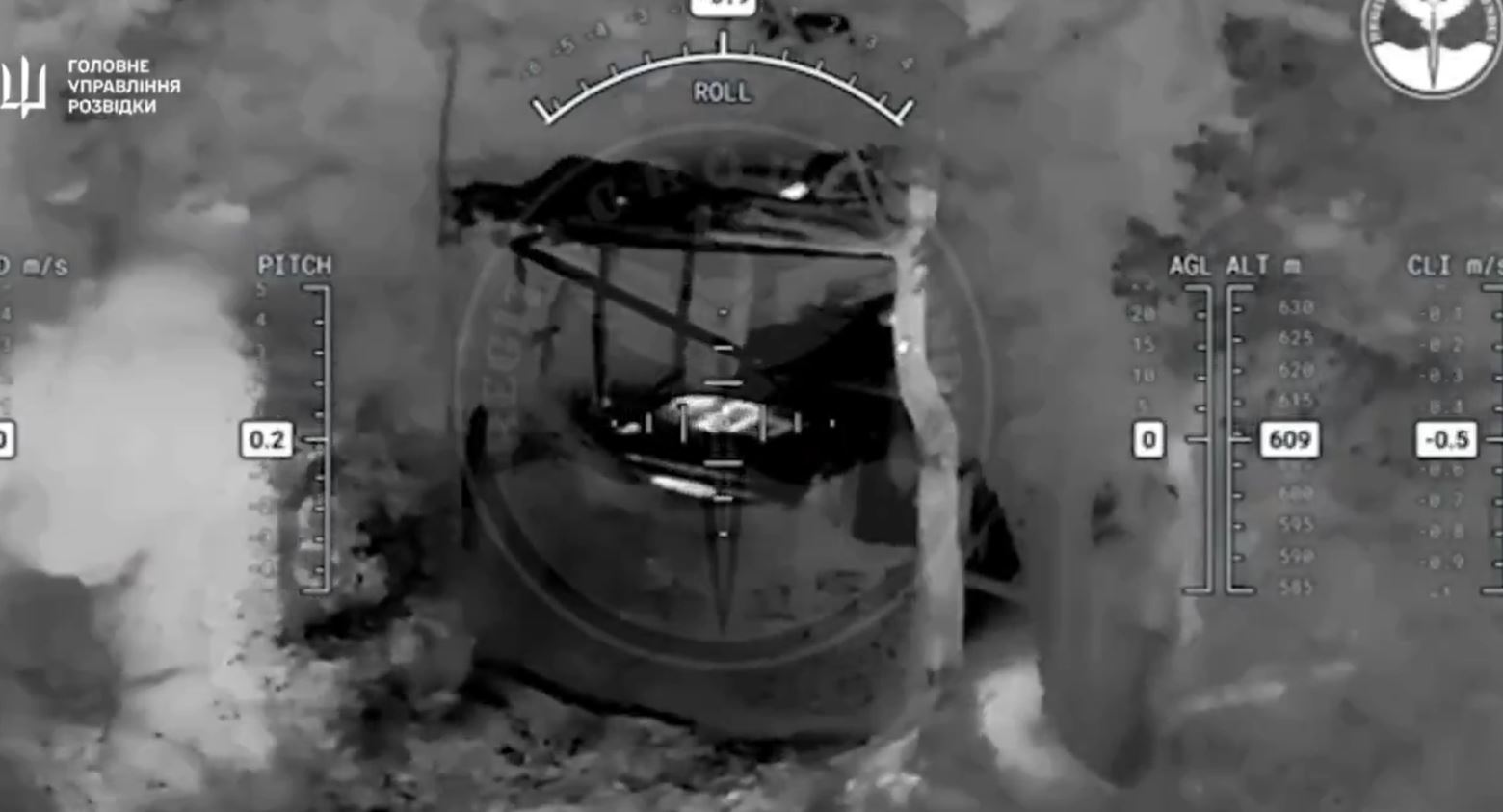
Short on interceptors, Ukraine goes after the launchers: eight Russian ballistic systems hit, three destroyed since September, a minister says

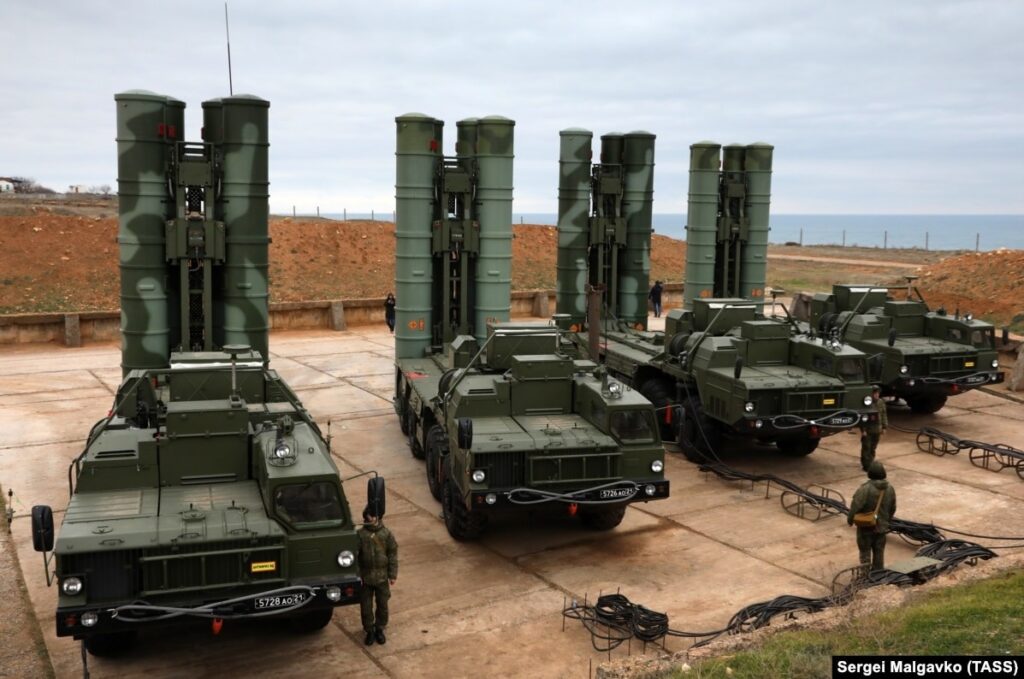
russia's arctic bases sit near-naked air defenses vanish guard moscow refineries burning inland · post s-400 defense missile launcher vehicles 2018 file sergei malgavko/tass rferl ukraine news ukrainian reports

Ukraine has been striking the launchers Russia uses to fire ballistic missiles at its cities, Ukrainian Defense Minister Yevhenii Khmara told journalists. He said the strikes have already disrupted some Russian attack plans, but supplies of anti-ballistic interceptors still fall short of the threat.

Russia strikes Ukraine’s cities and power grid with drones and missiles every day as it prepares to leave civilians without power and heat this winter. Ballistic missiles are the part of that barrage Ukraine still struggles to stop, so every launcher put out of action before it fires means fewer missiles to intercept.

Iskander and S-400 launchers hit since September

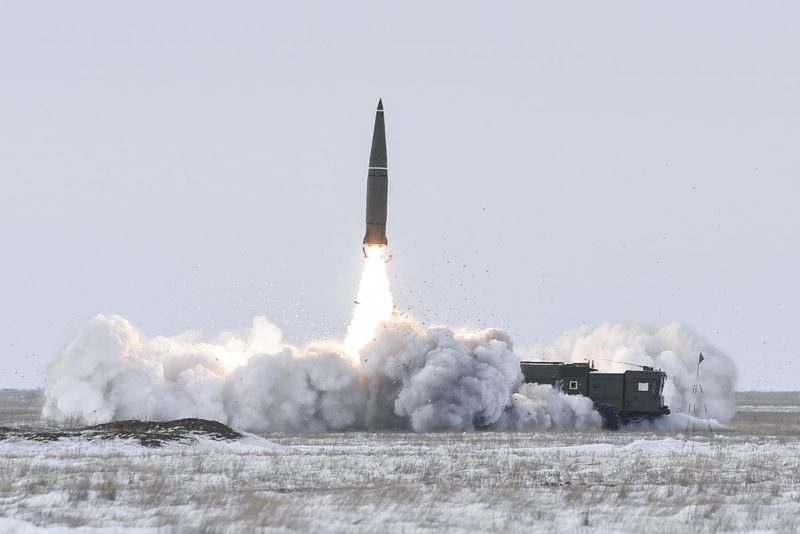
Ukrainian forces hit eight launchers used for ballistic strikes on Ukraine in September and early October, destroying three and damaging five, Khmara said. They belonged to Russia’s Iskander tactical missile systems and S-400 air defense systems, he added. Such strikes have already forced Russia to cancel or change planned ballistic attacks, the minister said.

The S-400 was designed to shoot down aircraft and missiles, but Russia also uses it to fire ballistic missiles at Ukrainian cities, including Kyiv. In mid-September, Ukraine reported hitting two S-400 launchers near Vygonichi in Russia’s Bryansk Oblast. Russia had used the same systems against Kyiv the night before.

russian ballistic missile launch
Explore further

Can’t intercept the missiles? Hit the factories—Ukraine’s other way to stop Russia’s ballistic missiles

On 23 August, Ukrainian President Volodymyr Zelenskyy said Ukrainian forces had hit an Iskander launcher near the border. He described it as part of a separate operation to hunt nearby launch positions and linked the tactic to low stocks of anti-ballistic missiles.

Strikes on launchers while interceptors stay scarce

Khmara called the launcher strikes Ukraine’s asymmetric response to a ballistic threat that remains critical.

“Existing and potential supplies of missiles for anti-ballistic defense are not enough to fully cover this threat,” he said.

Instead of waiting for large long-term contracts, the Defense Ministry is looking for missiles in partners’ available stocks to speed up transfers, Khmara added. “We need dozens and hundreds of missiles, not one-off deliveries,” he stressed.

Meanwhile, Russia significantly cut its 2026 state orders for Kinzhal air-launched ballistic missiles, Ukraine’s military intelligence said on 12 October. It redirected the production capacity, components, and raw materials to Iskander-M ballistic missiles, the agency added.

Russia’s missile and drone attacks continue

Overnight on 12 October, Russia attacked Ukraine with a Kh-59 guided missile and 121 attack drones, 76 of them jet-powered, Ukraine’s Air Force reported. Air defenses downed or suppressed 89 drones, but strikes hit 15 locations, and the attack was still going on in the morning.

An Iskander test launch in 2018
Explore further

Russia’s new ballistic missile could reach western Ukraine—and it may be tested there within months

In the week to 11 October, Russia hit Ukraine’s power generation and transmission facilities more than 200 times and its gas and oil sites 17 times, Zelenskyy said. Russian attacks that week killed more than 150 people and injured more than 700, he added.

Jet-powered drones are still the main problem for Ukraine’s air defense. It stops more than 90% of slower propeller-driven Shaheds, compared with about 55% for the jet ones.

Ballistic missiles have struck Kyiv repeatedly this autumn. On 24 September, Russian ballistic and hypersonic missiles damaged a maternity hospital in the capital. On 7 October, a Russian missile barrage killed 22 people in Pryluky, Chernihiv Oblast.

  •  

Russo-Ukrainian war, day 1691: Ukraine opens arms exports to 18 makers as defense output hits $55 billion

Exclusive

Russia is funneling the Ukrainian children it abducts into military camps and conscription. Ukrainian lawyer says world can legally call this genocide—but lacks the will. Kateryna Rashevska can walk you through exactly how one Ukrainian child disappears into Russia: the occupied-territory orphanage, the foster placement with a Kremlin-connected family, the re-education camp, the military uniform, the draft notice that arrives at sixteen.

Military

Drones now cause about 96% of Russia’s battlefield losses. Ukraine’s drone force says it has hit more than 100,000 Russian troops this year alone. That is more than 150,000 since the Unmanned Systems Forces was created.

Intelligence and technology

Fears that Ukraine will lose Starlink are back after Musk backed Trump against Zelenskyy. Adviser says profit makes cutoff unlikely. Serhii “Flash” Beskrestnov says Musk is first of all a businessman, and Ukraine brings SpaceX significant profit, so he is sure no one will switch it off.

Russia is building jet drones that fly 800 kilometers per hour, and Ukraine says it is already working on how to stop next generation. Russia’s jet-powered Gerans fly several times faster than the propeller Shaheds and remain the main challenge for air defense.

Ukraine ordered 54% more FPV attack drones this year than in all of 2025, and deliveries jumped almost fourfold. Contracting across all drone types is up about 5.5 times in recent months compared with a year earlier.

Norwegian nonprofit commits $1 million for interceptor drones to protect Ukraine’s Black Sea ports from Russian drones. The funding will equip Ukrainian border guards and military units with interceptor drones and support equipment to protect port infrastructure vital to Ukraine’s agricultural exports.

Russia equips Geran attack drones with image-based navigation using Google map imagery, reducing reliance on satellite navigation that Ukraine can jam, defense adviser warns. Russian drones can use stored images of terrain to navigate toward targets, making them less dependent on satellite signals that Ukrainian electronic warfare systems can disrupt.

Once considered “taboo,” Russian assassination plots against European defense executives are escalating as its hybrid warfare grows bolder, intelligence agencies warn – FT. European spy agencies say Moscow is expanding covert operations against defense industry leaders, seeking to intimidate companies supplying weapons to Ukraine and weaken support for Kyiv.

Ukraine, long keeping its weapons at home, now lets 18 arms makers export, approving over 90% of more than 400 applications. Ukraine’s defense output is projected at $55 billion this year, up from about $1 billion at the start of the invasion.

International

Trump declares immediate energy ceasefire between Russia and Ukraine. Zelenskyy says it was news to him, but Ukraine’s ready. Trump wrote on Truth Social that both sides had agreed to stop striking each other’s energy facilities.

EU imports record 12.18 million tons of Russian Arctic LNG in nine months, 9.5% more than year earlier — research group. Europe spent about 7.88 billion euros on it, the German group of experts says.

Deals with dictators lead to hell: Estonia’s PM urges Europe to help Ukraine destroy Russia’s refineries after Washington eased sanctions on diesel. Kristen Michal will raise it at the European Council next week.

Australia keeps Russian fuel out even as US opens its market: “We do not want Vladimir Putin to benefit from this war in Middle East”. Australia says it has 43 days of petrol and 31 days of diesel stockpiled, enough to wait out high prices without buying from Russia.

Humanitarian and social impact

Hours after Trump declared an energy ceasefire, Russia hit Kharkiv power plant, one of 200-plus strikes on Ukraine’s grid this week, Zelenskyy says. They killed more than 150 people and wounded more than 700.

Political and legal developments

Ukraine wants to draft 15 of every 100 workers at its weapons plants. Arms makers say this could slow guns soldiers need. You can’t just replace a skilled arms worker, makers say. It takes years to build such teams.

Read our earlier daily review here.

  •  

Drones now cause about 96% of Russia’s battlefield losses. Ukraine’s drone force says it has hit more than 100,000 Russian troops this year alone

A Ukrainian soldier of the Unmanned Systems Forces with a drone. Photo: Ukraine’s Unmanned Systems Forces

Units of Ukraine’s Unmanned Systems Forces have killed or wounded more than 100,000 Russian troops since the start of 2026. That is more than 150,000 since the force was created on 11 June 2025, the force said on Telegram.

Drones have become the deadliest weapon of this war, accounting for about 96% of Russia’s battlefield casualties earlier this year. These hits are verified on video in the military’s Delta system, which is how the force counts only the losses its own pilots confirm.

“Behind these figures is the daily combat work of our soldiers, thousands of sorties, precise strikes, and the constant improvement of unmanned technologies,” Ukraine’s Unmanned Systems Forces said.

Each strike reduces Russia's combat potential and reflects the coordinated work of the force’s units, it added.

A toll that keeps climbing

Overall, drone branches of the Ukrainian Army had carried out more than 1 million verified strikes on enemy targets since January, killing or seriously wounding about 193,500 Russian troops, Ukraine’s Defense Ministry reported in July.

Those strikes roughly doubled over the first half of the year, from about 105,800 in January to more than 200,000 in June, the ministry noted.

Meanwhile, Commander of the separate Ukrainian Unmanned Systems Forces Robert “Madiar” Brovdi says the numbers are still growing. In the first five days of October, the force’s pilots killed or wounded 2,699 Russian soldiers, 39.7 percent more than in the same period of September.

He tied the rising number to Russia's assaults in Donbas, as the offensives for the fortress-belt cities that have been Ukraine's protection against full region's occupation since 2014, were ongoing.

Why the drone branch matters

The force fields are the cheap, fast weapons that now do most of the killing on the front. Interceptor and strike drones let Ukraine hit troops, logistics, and command posts while keeping its own soldiers farther from the fight.

  •  
❌