Maior controlo do investimento estrangeiro vai pesar nos prazos e aumentar custos do M&A


Aitana (San Clement de Llobregat, 27 años) está viviendo uno de sus mejores años en lo profesional desde que saltó a la fama en 2017 por su participación en Operación Triunfo. Su éxito Superestrella acompañó a la Selección Española de Fútbol hasta la final del Mundial, ha estado de gira por España con Cuarto Azul y desde hace unos días se encuentra en Latinoamérica con el mismo tour. Pero además de por su música, la cantante también vive un dulce momento por su relación con el youtuber Daniel Alonso, conocido en redes como Plex. Durante su parada en Buenos Aires, Aitana ha acudido al podcast Nadie dice nada, donde, además de hablar de su carrera, ha revelado detalles hasta ahora desconocidos de su historia de amor.
A vila de Sagres vai receber, nos dias 7 e 8 de novembro, a terceira edição do FALEX, um evento focado na segurança, prevenção e socorro em zonas costeiras com arribas.
O conteúdo Drones, sismos e salvamento por cordas: A tecnologia ao serviço da proteção civil em Sagres aparece primeiro em Algarve Marafado.
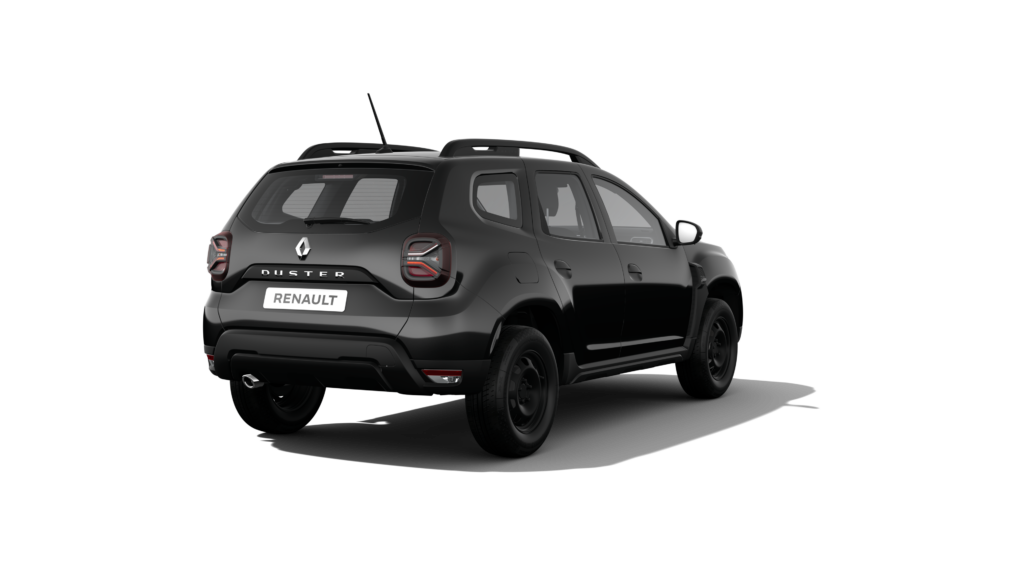
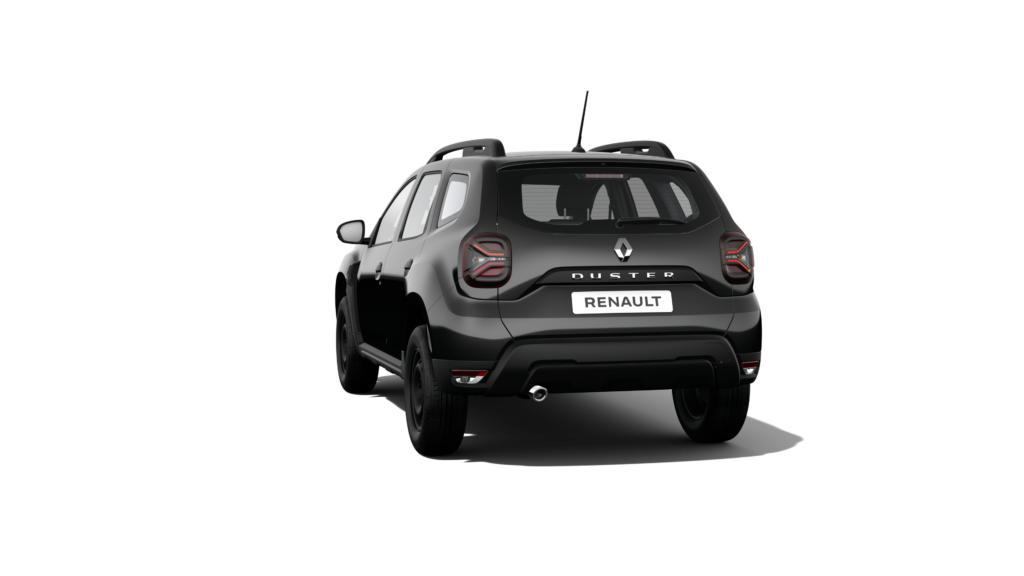
A Renault reforça a gama Duster com o lançamento da nova versão de entrada Zen Plus 1.6. A novidade, desenvolvida para levar o SUV para uma nova faixa do mercado, chega com preço sugerido de R$ 107.990 e nao conta com multimídia.
A nova versão oferece uma alternativa competitiva para os clientes que desejam entrar no universo dos SUVs, sem abrir mão dos atributos que consolidam o Duster no segmento desde 2011.
Ao longo de sua trajetória, o Duster conquistou os brasileiros por sua robustez, versatilidade e amplo espaço interno. Com a nova versão Zen Plus, a Renault amplia as oportunidades de acesso ao modelo, mantendo exatamente os atributos que consolidaram o SUV como uma referência em seu segmento.

A nova versão Zen Plus preserva características que fazem parte do DNA do Renault Duster. Equipado com o motor 1.6 SCe flex associado ao câmbio manual de cinco marchas, o SUV oferece um conjunto reconhecido pela confiabilidade e eficiência para o uso diário.
Assim como as demais versões da linha, o Duster Zen Plus traz itens importantes de segurança e conforto, como seis airbags, controles eletrônicos de estabilidade e tração, assistente de partida em rampa, direção elétrica, sistema Stop & Start, faróis com assinatura em LED e grade frontal com acabamento em preto brilhante.
No interior, a versão conta com bancos revestidos em tecido com tons preto e cinza, com detalhes em azul nas costuras. Detalhes na cabine em cromado reforçam o design da versão, preparada para diferentes tipos de uso cotidiano.

A nova versão Zen Plus mantém os principais atributos do Duster. O SUV continua oferecendo o maior espaço interno do segmento e um dos maiores compartimentos de bagagem da categoria, com 475 litros de capacidade.
O Duster também preserva sua reconhecida aptidão para enfrentar diferentes tipos de terreno. Com 237 mm de altura do solo, além dos melhores ângulos de entrada e saída da categoria, o SUV entrega a robustez que se tornou uma de suas principais marcas ao longo de sua trajetória no mercado brasileiro.
Duster Zen Plus 1.6 MT (R$ 107.990)
Motor 1.6 SCe flex
Câmbio manual
Seis airbags
Controle eletrônico de estabilidade (ESP)
Controle eletrônico de tração (TC)
Assistente de partida em rampa (HSA)
Direção elétrica
Faróis com DRL em LED
Grade frontal em preto brilhante
Rodas de 16″
Sistema Stop & Start
Ar-condicionado

The post Renault Duster com a nova versão de entrada Zen Plus 1.6 manual appeared first on Diário da Manhã - O Jornal do leitor Inteligente.

Sagres recebe, nos dias 7 e 8 de novembro, a terceira edição do FALEX, um evento dedicado à segurança, à prevenção e ao reforço das capacidades de resposta em zonas costeiras com arribas.
Durante dois dias, o Pavilhão Clésio Ricardo acolhe profissionais e entidades com responsabilidades nas áreas da proteção civil, do socorro e do salvamento, num programa que inclui um seminário técnico, workshops temáticos e um exercício operacional.
No dia 7 de novembro, realiza-se o seminário, que contará com a participação de especialistas de diversas áreas.
Os temas em destaque incluem os sismos, as tempestades, as técnicas de salvamento por cordas, a utilização de sistemas aéreos não tripulados e a aplicação de novas tecnologias à proteção civil. O programa integra ainda workshops dedicados à aplicação prática de diferentes técnicas.
No último dia do evento, 8 de novembro, terá lugar um exercício operacional com o objetivo de testar procedimentos, reforçar a articulação e a coordenação entre as equipas envolvidas e melhorar a eficácia da resposta a ocorrências em zonas de arribas.
As inscrições no seminário, nos workshops e no exercício operacional (os dois últimos exclusivos a profissionais da área) podem ser efetuadas clicando aqui.
A iniciativa é organizada pelo Município de Vila do Bispo, através do Serviço Municipal de Proteção Civil, e visa promover a partilha de conhecimentos, o aperfeiçoamento de técnicas e o teste de procedimentos, contribuindo para o reforço da preparação e da capacidade de resposta a ocorrências em zonas costeiras com arribas.

By Bill ASTORE
A strange conceit of American exceptionalism is the naked ambition of full-spectrum dominance. The idea is this: America must dominate every realm of potential conflict, land-sea-air as well as space and cyber and any other realm you can imagine, for that is the only way Americans can truly be “safe.” Such a conceit comes with a hefty price tag as Pentagon spending soars toward $1.5 trillion a year. But money is the least of it. The heftiest price tag is the constant state of warfare (and preparations for yet more war) that has characterized U.S. foreign policy since 1945.
That, and the erosion of personal liberty and freedom and the hollowing out of the American middle- and working classes as money flows upward to war contractors in the service of boundless imperial ambition.
There’s a god-like quality to this ambition, the idea America must be omnipotent, dominating all realms of warfare, and omniscient, sweeping up all data everywhere, in an unapologetic quest for global reach and global power together with the unapologetic exercise of that murderous power against peoples generally having brown or black skin and therefore treated as inferiors.
With only slight exaggeration, the U.S. government can be said to be projecting power everywhere and helping ordinary Americans nowhere. Destruction is favored over construction. Enriching the already rich is the goal even as the impoverished are made poorer.
The U.S. taxpayer, in the old days known as citizens, are paying through the nose for unneeded weapons systems (Sentinel ICBMs, B-21 nuclear bombers, Golden Dome), unwanted wars (Vietnam, Afghanistan, Iraq, Iran), and an imperial structure of force projection that virtually guarantees the violence will be unending. This imperial structure, with its goal to control all, to know all, to dominate all, is supported by Democrats and Republicans. Critics of this structure, present in both parties but in small numbers, are attacked and otherwise kept on the margins.
None of this is new. In the early 1960s, Senator George McGovern, a decorated bomber pilot during World War II, argued against the pursuit of nuclear “overkill” and called for substantial cuts to defense spending and reinvestment in civilian infrastructure. In support of this initiative, he cited Republican President Dwight D. Eisenhower’s military-industrial complex warning of January 1961. McGovern’s initiative was quickly abandoned as the Johnson administration ramped up its disastrous war in Southeast Asia.
Nearly a decade later, with Southeast Asia ravaged if not defeated, McGovern urged his fellow citizens to “come home,” to stop the folly of overseas wars and ever-increasing military budgets. He was overwhelmingly defeated by Richard Nixon in the 1972 Presidential election.
Ever since that defeat, the Democratic Party has conspired to silence candidates who are antiwar and who dissent from the idea of imperial dominance. Dennis Kucinich comes to mind here. Even moderate calls for reform from candidates like Bernie Sanders are dismissed as naive or dangerous. The result has been Democrats like Obama, Biden, Hillary Clinton, and Harris who openly embrace “good” wars (Afghanistan, for Obama) and who eagerly celebrate military lethality (Harris).
Meanwhile, the Republican Party never met a military budget increase it didn’t like. Rare indeed are voices like Ron and Rand Paul and Thomas Massie who question the wisdom of endless wars and their adverse impact on rights and freedoms here.
What is to be done? Bernie Sanders called for a political revolution, surely a correct call, but he was neutered by the establishment of both parties. Elizabeth Warren spoke of “big, structural changes,” but that was for the domestic economy; her foreign policy was basically that of Biden/Harris. A few rogue Republicans speak up against the Iran war today, but rare indeed are those who openly call for major cuts to war spending.
In short, electing our way out of imperial dominance and colossal war and weapons spending is unlikely in the extreme. Many many people (myself included) have written sensible articles calling for deep cuts to military spending, but good ideas that go against the grain gain little traction without a strong and concerted movement behind them.
America desperately needs a coordinated mass movement against endless war and massive military spending, yet the “powers that be” keep doubling down on yet more wars and even more massive war spending. That same establishment continues to multiply U.S. “enemies.” It may be Iran today, but Russia and especially China always loom, with North Korea and other “rogue” states held in reserve just in case.
The sheer folly and massive expense of it all will likely lead to the end of the (however imperfectly practiced) American democratic experiment. That’s a grim conclusion, I know, but I’m less than hopeful as the tools America has used in its unjust wars overseas are now increasingly applied in the “homeland” against alleged dissenters.
Remember when “dissenters” used to be called concerned citizens? Remember when war was considered to be bad and weapons spending was seen as the unwisest of ways to spend our resources?
America doesn’t have to be a warrior-state or in a state of constant war. A “silent majority” of Americans clearly doesn’t want endless war and outspokenly wants better lives for their children. But better days will not come if this majority remains silent or otherwise demobilized.
The Main Obstacle
As Ike said in 1961, the main obstacle is the military-industrial complex (MIC), to which he added Congress as an abetter and accomplice. That complex in 65 years has greatly added to its power and cultural penetration. The term MICIMATT adds the intelligence “community,” the media, academe, and think tanks. To that we might add the sporting world, Hollywood, video games, and now wildcard tech billionaires. All these interests conspire to absorb trillions of dollars from U.S. taxpayers, ostensibly in the name of national security, while waging or supporting endless war.
Ike said only alert and knowledgeable citizens, actively participating in democracy, could compel the MIC to curb its worst and most grandiose ambitions. Sadly, this is precisely why the American people are constantly lied to, especially about wars, why so much is kept hidden or “classified,” and why people are encouraged to salute smartly and let the military experts handle everything.
Even worse, the very idea of active citizenship is now degraded; the only “duty” apparently left is voting, where you’re encouraged to vote Democrat or Republican and otherwise to reject any third-party candidate who may be antiwar as irrelevant if not invalid (and possibly un-American).
Our ultimate security doesn’t reside in guns or other weapons or in boundless violence. It resides in strong institutions committed to the rule of law in which individuals of character stand up and speak out against abuses of power. Come home, America, to a land of generosity and hope and peace.
Be an alert and knowledgeable citizen. And act.
Original article: bracingviews.com
Nel dicembre 2021, la Russia presentò agli Stati Uniti e alla NATO due bozze di accordi formali per ottenere garanzie di sicurezza legalmente vincolanti, facendo intendere che se non fossero state accolte ci sarebbero state delle conseguenze.
In effetti, dopo il rifiuto di Washington di prenderle in considerazione, il 24 febbraio 2022 la Federazione Russa intraprese l’Operazione Militare Speciale in Ucraina, ancora in corso.
Tra le richieste avanzate allora da Mosca sottolineiamo:
Stati Uniti e NATO nel 2021 rifiutarono le richieste principali (in particolare il veto sull’allargamento della NATO e il ritiro delle infrastrutture militari ai confini del 1997), offrendo invece di negoziare su temi specifici come il controllo degli armamenti e la trasparenza delle esercitazioni.
Perciò, il 17 febbraio 2022 Mosca consegnò una contro-risposta formale agli Stati Uniti, lamentando la mancanza di disponibilità a fornire garanzie vincolanti e preannunciando la necessità di adottare misure ‘tecnico-militari’: pochi giorni dopo ci fu l’invasione dell’Ucraina.
La Russia aveva fondati motivi per ritenere che Kiev stesse per entrare nella NATO e uno dei bersagli inziali dei suoi missili balistici (13 marzo e 17 maggio 2022) furono proprio i centri di addestramento ucraini di Yavoriv (nella zona di Leopoli, vicino al confine polacco ma all’interno dei confini ucraini), a tutti gli effetti infrastrutture della NATO, come visibile nelle mappe della stessa Alleanza Atlantica (1).
Tralasciando le questioni diplomatiche e l’auspicata volontà comune di riaffermare i principi delle Nazioni Unite che venivano espressi nel documento presentato da Mosca e sui quali l’Amministrazione Trump ha tirato oggi una riga definitiva, è interessante capire se siano stati compiuti dei passi da parte dell’attuale presidenza statunitense per venire incontro alle richieste russe (2).
All’art. 1: Russia e U.S.A. non intraprenderanno azioni né parteciperanno o sosterranno attività che pregiudichino la sicurezza dell’altra Parte; non attueranno misure di sicurezza – adottate da ciascuna Parte individualmente o nell’ambito di un’organizzazione internazionale, di un’alleanza militare o di una coalizione – che possano compromettere gli interessi fondamentali di sicurezza dell’altra Parte.
Sul supporto decisivo dell’intelligence USA e dei grandi gruppi tecnologici statunitensi (da Starlink a Palantir, entrambi vicini all’Amministrazione Trump) all’Ucraina al fine di colpire il territorio della Federazione Russa ho già ampiamente scritto in precedenza e perciò non mi soffermo (3).
Articolo 2
Le Parti si adopereranno affinché tutte le organizzazioni internazionali, le alleanze militari e le coalizioni a cui partecipa almeno una delle Parti si attengano ai principi sanciti dalla Carta delle Nazioni Unite.
Abbiamo assistito recentemente alla doppia aggressione condotta dalla “Coalizione Epstein” all’Iran, senza alcun fondamento nel diritto internazionale e senza alcuna considerazione dei “principi sanciti dalla Carta delle Nazioni Unite”. Per non parlare del supporto statunitense ai bombardamenti israeliani su Siria, Libano e Yemen (aggressione alla quale contribuisce in gran parte l’Arabia Saudita) o del rapimento illegittimo del Presidente venezuelano Maduro.
Articolo 3
Le Parti non utilizzeranno i territori di altri Stati allo scopo di preparare o compiere un attacco armato contro l’altra Parte o altre azioni che pregiudichino gli interessi fondamentali di sicurezza dell’altra Parte.
Naturalmente, la violazione di questo articolo non avviene solo utilizzando il territorio ucraino per colpire la Russia; recentemente, sul sito del Ministero della Difesa di Mosca è comparso un elenco di venti aziende europee accusate di essere parte integrante dell’apparato militare-industriale ucraino. Quattro hanno sede in Italia, tre in Germania, due in Gran Bretagna, due in Polonia, due in Turchia, due in Repubblica Ceca, poi sono rappresentate anche imprese con basi in Israele, Spagna, Paesi Bassi, Lituania e Lettonia. Tutto ciò avviene con il consenso implicito degli Stati Uniti. Anche le infrastrutture della NATO e le basi militari statunitensi in Europa (Sigonella ad esempio in Italia nel 2022) contribuiscono così ad alimentare questo conflitto (4).
Articolo 4
Gli Stati Uniti d’America si impegneranno a impedire un’ulteriore espansione verso Est dell’Organizzazione del Trattato del Nord Atlantico e a negare l’adesione all’Alleanza agli Stati dell’ex Unione delle Repubbliche Socialiste Sovietiche. Gli Stati Uniti d’America non stabiliranno basi militari nel territorio degli Stati dell’ex Unione delle Repubbliche Socialiste Sovietiche che non siano membri dell’Organizzazione del Trattato del Nord Atlantico, né utilizzeranno le loro infrastrutture per attività militari di alcun tipo, né svilupperanno con essi una cooperazione militare bilaterale.
Senza trascurare l’immediato ingresso di Svezia e Finlandia nella NATO all’inizio dell’Operazione Militare Speciale, l’attuale Amministrazione a Washington ha annunciato l’invio di ulteriori 5.000 soldati statunitensi in Polonia e l’istituzione di una nuova base militare permanente nel Paese (ridenominata “Fort Trump”). Ma gli U.S.A. non si sono fermati qui; in Armenia, nazione che fa ancora formalmente parte dell’Organizzazione per il Trattato di Sicurezza Collettiva e dell’Unione Economica Eurasiatica, lo scorso settembre Washington e Erevan hanno tenuto un nuovo ciclo di consultazioni bilaterali sulla difesa e firmato un verbale congiunto d’intesa (jointly agreed minutes) per dare seguito alla Charter on Comprehensive Strategic Partnership sottoscritta nel maggio 2026. Gli accordi discussi riguardano:
Supporto alla trasformazione e riforma delle Forze Armate armene.
Addestramento di sottufficiali (NCO), istruttori, comandanti junior e personale per il mantenimento della pace (peacekeeping).
Istruzione militare ed esercitazioni congiunte.
Sviluppo delle capacità industriali della difesa e potenziale fornitura di equipaggiamenti tramite il programma Foreign Military Sales (FMS) e programmi educativi come l’IMET, orientando l’Armenia verso una progressiva modernizzazione degli standard militari occidentali.
Articolo 5
Le Parti si asterranno dallo schierare le proprie Forze Armate e i propri armamenti – anche nell’ambito di organizzazioni internazionali, alleanze militari o coalizioni – in aree in cui tale schieramento potrebbe essere percepito dall’altra Parte come una minaccia alla propria sicurezza nazionale, fatta eccezione per lo schieramento all’interno dei territori nazionali delle Parti stesse. Le Parti si asterranno dal far volare bombardieri pesanti equipaggiati con armamenti nucleari o non nucleari, o dallo schierare navi da guerra di superficie di qualsiasi tipo – anche nell’ambito di organizzazioni internazionali, alleanze militari o coalizioni – in aree situate rispettivamente al di fuori dello spazio aereo nazionale e delle acque territoriali nazionali, dalle quali sia possibile colpire obiettivi nel territorio dell’altra Parte.
Poco più di un mese fa, si è tenuta un’esercitazione aerea della NATO nel nord-est della Polonia, nelle vicinanze di Kaliningrad con alcune decine di velivoli. All’esercitazione hanno partecipato caccia statunitensi e norvegesi, un aereo di sorveglianza NATO E-3A Sentry AWACS, velivoli per il rifornimento in volo e un aereo statunitense EA-37B per la guerra elettronica: Mosca teme che si tratti di manovre preparatorie all’isolamento dell’enclave russa dal resto della Federazione e ha risposto duramente ma soltanto sul piano diplomatico. Inoltre, la NATO Ballistic Missile Defence (BMD), la difesa antimissile balistica dell’Alleanza Atlantica, è una rete costituita da sensori e da sistemi missilistici che i Paesi Membri offrono quale contributo nazionale alla struttura, i cui punti di riferimento in Europa sono lo European Phased Adaptive Approach (EPAA), statunitense, con il sistema americano Aegis Ashore schierato in Romania e Polonia e le navi Aegis per la BMD, stazionate nelle acque spagnole. Il sistema radar della IAMD si trova in Turchia, mentre l’infrastruttura di comando e controllo in Germania (5). Nel 2016 (grazie all’annullamento del Trattato ABM deciso da Trump) gli Stati Uniti hanno prima messo in funzione una base ABM in Romania, un sistema che utilizza lanciamissili Aegis potenzialmente in grado di lanciare Tomahawk con testata nucleare ad oltre 2400 chilometri di distanza, successivamente nel 2022 hanno costruito un sito Aegis in Polonia, ancora più vicino ai confini russi. Gli Stati Uniti hanno sempre sostenuto che i siti ABM hanno lo scopo di fermare le testate puntate sull’Europa dall’Iran o dalla Corea del Nord. Mosca ovviamente non la pensa così; François Geleznikoff, direttore delle applicazioni militari presso la Commissione per l’energia atomica e le energie alternative, intervenne nel marzo 2019 in audizione presso l’Assemblea Nazionale francese sull’argomento contraddicendo Washington: “Negli Stati Uniti, la Nuclear Posture Review (NPR) non si rivolge realmente alla Corea del Nord (gli americani hanno armi che permetterebbero loro di vetrificare il Paese più volte) ma piuttosto alla Russia, in risposta alle dichiarazioni del presidente Putin” (6).
Articolo 6
Le Parti si impegnano a non dislocare missili a raggio intermedio e a corto raggio lanciabili da terra al di fuori dei propri territori nazionali, né in aree dei propri territori nazionali dalle quali tali armi possano colpire obiettivi situati nel territorio nazionale dell’altra Parte.
Il 22 settembre 2026, Stati Uniti, Danimarca e Groenlandia hanno firmato a New York un accordo di sicurezza trilaterale che prevede l’apertura e la gestione di due nuove basi militari americane e la modernizzazione di quella esistente. Gli Stati Uniti ottengono ampie libertà di movimento (aria, terra e mare) per collegare le basi e la possibilità di utilizzare l’isola per il sistema di difesa missilistica (la Pituffik Space Base – ex Thule Air Base – nel nord-ovest dell’isola, ospita sistemi radar d’allerta precoce per i missili balistici). Il sistema difensivo pensato dagli Stati Uniti si evolverà da una presenza concentrata in un unico punto a una rete di strutture distribuite su tutta l’isola. Anche perché le due nuove basi non saranno le uniche installazioni militari che si insedieranno sull’isola (7).
Articolo 7
Le Parti si asterranno dal dislocare armi nucleari al di fuori dei propri territori nazionali e riporteranno nei propri territori nazionali le armi già dislocate all’estero al momento dell’entrata in vigore del Trattato. Le Parti elimineranno tutte le infrastrutture esistenti per il dislocamento di armi nucleari al di fuori dei propri territori nazionali. Le Parti non addestreranno personale militare o civile proveniente da Paesi non dotati di armi nucleari all’uso di tali armi. Le Parti non condurranno esercitazioni o attività di addestramento per forze convenzionali che prevedano scenari di impiego di armi nucleari.
A partire dal 13 ottobre 2026, si svolgerà in Italia Steadfast Noon, ‘Mezzogiorno risoluto’, l’esercitazione che l’Alleanza atlantica svolge ogni anno e che coinvolgerà le basi aeree di Aviano, in provincia di Pordenone, e Ghedi, nel Bresciano, oltre a diverse località in tutta l’area di responsabilità ben oltre il Nord del Paese. “È necessario il contributo congiunto di tutti gli Alleati: si tratta di un’iniziativa che non può limitarsi a un singolo Paese”, ha riferito il colonnello David Bull, capo delle operazioni nucleari della Nato, facendo riferimento al fatto che anche lo spazio aereo dei Paesi limitrofi potrebbe essere coinvolto. Vi parteciperanno velivoli in grado di svolgere missioni convenzionali e nucleari, anche se l’esercitazione non prevede l’impiego di armi atomiche. “Ma siamo in sintonia con Roma sul fatto che si tratti di un’esercitazione nucleare”, ha poi precisato Barrows. Gli Stati Uniti saranno presenti con equipaggi di volo e personale addetto alla manutenzione. Secondo gli stessi documenti del Pentagono, in Italia sarebbero dislocate circa 80 ordigni nucleari sotto controllo statunitense nelle basi militare italiane a Ghedi e Aviano (8).
Conclusioni
Il sintetico panorama offerto da questo articolo vuole dimostrare che la Russia non potrà cantare vittoria nemmeno dopo aver completato la conquista del Donbass, perché l’inizio dell’Operazione Militare Speciale in Ucraina è legato a considerazioni di sicurezza geopolitica tuttora irrisolte se non addirittura aggravatesi rispetto al 2022.
Se qualcuno al Cremlino crede che dopo un eventuale accordo con l’attuale Amministrazione U.S.A., la Russia verrà lasciata stare si sbaglia di grosso, perché l’Occidente collettivo si sta già preparando non solo al dopo Putin ma anche al dopo Trump.
L’obiettivo degli Stati Uniti non è altro che prendere tempo in attesa del verificarsi di almeno una delle due condizioni: l’allontanamento di Mosca dalla partnership strategica con Pechino e il conseguente rallentamento della dedollarizzazione – gli Stati Uniti non pagheranno di certo il diesel russo in rubli – e la fine della preparazione da parte della NATO ad un conflitto diretto contro la Russia – termine individuato nel 2030, quando sicuramente Trump non sarà più alla Casa Bianca.
Dal punto di vista occidentale la considerazione della Russia non è cambiata molto da quando il direttore della rivista “Foreign Policy”, l’israelo-statunitense John Feffer, la definì una “Nigeria con le armi nucleari”; secondo questa visione, Mosca deve tornare ad essere una sorta di ‘colonia estrattiva’ o ‘appendice di materie prime’ a esclusivo vantaggio delle industrie euro-statunitensi. A maggior ragione nel momento in cui la competizione tecnologica con la Cina necessita da parte degli Stati Uniti di quelle risorse strategiche di cui la Federazione Russa è ricca.
Pochi giorni fa, i 32 membri del Comitato Militare della NATO (quello statunitense in primis), erano a Kiev per ribadire il loro sostegno incondizionato all’Ucraina “rimasta costantemente al centro delle valutazioni, delle decisioni e della pianificazione futura dell’Alleanza”. Prima di fare qualsiasi altra concessione a Washington, Vladimir Putin dovrebbe pensarci bene: passare da una vittoria tattica ad una sconfitta strategica potrebbe essere più semplice di quanto sembra.
____
(1) https://www.nato.int/structur/nmlo/links/yavoriv-training-centre.pdf. Il sito internet è oggi irraggiungibile (forse per mascherare le prove?), ma la sua presenza come infrastruttura dell’Alleanza Atlantica era rintracciabile ancora nel giugno 2024. Come ammise anche il “Corriere della Sera”, i morti furono più di 300 e tra di essi numerosi soldati e addestratori della NATO: Giulia Fasano, Nella base militare di Yavoriv i morti sono stati trecento, 26 marzo 2022. Anche secondo il quotidiano “Repubblica”: “Il ‘Centro internazionale per la pace e la sicurezza’ di Yavoriv ospitava istruttori occidentali, come conferma il Ministro della Difesa di Kiev”.
(2) Il documento completo è stato pubblicato sul sito internet del Ministero degli Esteri della Federazione Russa: Treaty between The United States of America and the Russian Federation on security guarantees, 17 dicembre 2021.
(3) Ad esempio, cfr. Le basi della CIA in Ucraina: chiave del contenimento anti-russo in Europa, “Strategic Culture Foundation”, 11 aprile 2026.
(4) Nel contesto del conflitto in Ucraina e della postura di deterrenza della NATO, le basi militari presenti sul territorio italiano (gestite sia dalle Forze Armate italiane che dagli Stati Uniti) svolgono funzioni chiave di sorveglianza aerea, intelligence, logistica e comando, cfr. ad esempio Federico Petrangeli, Supporting Kyiv: Italy’s Military Assistance between Strategic Continuity and Political Division, IAI, 11 giugno 2026.
(5) Senato della Repubblica italiana, Schema di decreto ministeriale di approvazione del programma pluriennale di A/R n. SMD 32/2025, relativo all’ammodernamento, al rinnovamento e al potenziamento della capacità nazionale di difesa aerea e missilistica a protezione del territorio nazionale e dell’Alleanza Atlantica, alla protezione di teatro delle forze schierate in aree di operazione, inclusa la componente navale (n. 377), Resoconto sommario del 4 febbraio 2026.
(6) Stefano Vernole, La forza di dissuasione nucleare francese, Focus CeSEM, 3 maggio 2022.
(7) Stefano Vernole, Gli Stati Uniti hanno messo le mani sulla Groenlandia dimostrando la totale irrilevanza dell’Unione Europea, “Strategic Culture Foundation”, 5 ottobre 2026.
(8) Redazione Peacelink, L’esercitazione nucleare della NATO Steadfast Noon 2026 comincerà sui cieli italiani il 13 ottobre.

Ukraine wants the EU to force Moscow into a ceasefire with frozen Russian assets, trade and transit embargoes, maritime bans, and entry bans, Ukrainian Foreign Minister Andrii Sybiha wrote on X after the EU Foreign Affairs Council in Luxembourg on 12 October 2026. He also welcomed new EU sanctions listings adopted that day and progress in Ukraine’s EU accession talks.
Kyiv has spent this month laying out truce formats it would accept while awaiting Russia’s position on talks, and the levers it is pressing the EU to use include frozen Russian assets that EU leaders failed to agree on tapping last December.
Sybiha called it “devastating pressure.” He also wants Russian combatants and their families barred from the EU, maximum visa restrictions, and Russia’s isolation in culture and sports.
I was pleased to attend the EU Foreign Affairs Council today.
— Andrii Sybiha
It is time for Europe to define its strong role. Our future and our security are in our hands.
Now is the time for real European pressure on Moscow. Not half-measures, but devastating pressure: frozen assets, trade… pic.twitter.com/AnI8h6HXbs(@andrii_sybiha) October 12, 2026
His post named three types of ceasefire—energy, food security, and a full ceasefire—without saying whether Kyiv would accept them separately. Earlier this month, he told journalists Ukraine was ready for an energy and Black Sea ceasefire “but only in such a combination.”
The minister welcomed the EU’s 12 October adoption of new sanctions listings against Russia—the largest single expansion of the bloc’s blacklist. EU ambassadors agreed on the 1,646 names on 7 October. They include 1,569 tied to Russia’s military industry and 77 to its so-called State Duma elections. The listings are separate from the EU’s 22nd sanctions package, which the EU has yet to adopt.
He also welcomed the EU’s “green light” for opening two more clusters in Ukraine’s EU accession talks: Internal Market, and Competitiveness and Inclusive Growth. The formal opening was scheduled for an intergovernmental conference on 13 October.
Sybiha said he briefed European colleagues on the front-line situation, Russia’s plans, and ways to deprive it of its advantages, and that he passed partners specific requests for aid. He reaffirmed Ukraine’s commitment to reforms.

The EU adopted its largest-ever round of sanctions listings on 12 October, targeting the suppliers behind Russia’s war industry, the Council of the EU announced. The bloc acted as Russia keeps killing Ukrainian civilians every day, while US President Donald Trump eases sanctions on Russian diesel.
Russia’s planned winter campaign against Ukraine’s infrastructure depends on arms factories fed by a web of component suppliers and on oil revenue that still flows despite Ukraine’s refinery strikes, so every supplier cut off from that web raises the cost of waging it. As Washington eases off, Europe’s own pressure has a gap: its ports still take record volumes of Russian Arctic gas, and a full ban on long-term contracts starts only in 2027.
More than half of the new listings hit the supply chain for ballistic missiles that Russia “uses to kill Ukrainian civilians every day,” EU foreign policy chief Kaja Kallas said in the statement. Russian attacks killed more than 150 people in the past week, Ukrainian President Volodymyr Zelenskyy said on 11 October.
The list names 826 Russian companies, mid-level firms the Council calls the “core” of Russia’s arms industry, with at least €20 billion in yearly turnover, and 743 people who run them. They make parts for missiles, drones, and military aircraft, from semiconductors and radars to explosives and navigation systems. Their assets are frozen, EU firms may not finance them, and the executives may not enter the EU.
Foreign ministers ratified a deal EU envoys reached on 7 October. Ukraine’s sanctions commissioner Vladyslav Vlasiuk said 60% of the listings came from Ukrainian proposals.
EU foreign ministers in Luxembourg vowed to keep the sanctions despite Trump’s diesel deal with Russian President Vladimir Putin, Euronews reported. Kallas addressed Washington directly as she arrived.
“The US is our biggest ally, but our message is clear: if we want to end this war, the only way we can do this is (by) putting more pressure on Russia,” Kallas said.
Irish Foreign Minister Helen McEntee called the deal “concerning,” and Lithuanian Foreign Minister Kęstutis Budrys said it was “not the European way.” Kallas warned that an energy truce covering only refineries would favor Russia, since Ukraine has one refinery and Russia “plenty.”
Trump announced the diesel deal on 9 October, and the US Treasury waived sanctions on Russian diesel until April 2027. Zelenskyy said the EU would provide about €3 billion more in military aid this week.
Trump expects Ukraine to stop hitting Russian refineries under his proposed energy ceasefire, a White House official told Axios. Zelenskyy said Kyiv would halt such strikes if Moscow did the same. On 10 October, Trump told reporters it was time for Ukraine to get a new president. Germany’s foreign minister, Britain’s defense secretary, and a senior lawmaker from Chancellor Friedrich Merz’s party backed Zelenskyy, while the Kremlin sided with Trump.
Zelenskyy offered to hold elections after a 60-day ceasefire, and Kallas said elections are impossible while the war goes on. The Institute for the Study of War assessed that Russia exploits Ukraine’s legal ban on wartime elections to drag out the war.
Europe’s “strategic autonomy” is a project through which Europe is rebuilding its own imperial and militarist capabilities.
Contact us: info@strategic-culture.su
We remember Nokia as the company behind some of the most popular mobile phones of the past, as well as its famous slogan, “Connecting people.”
Founded in Finland in 1865 and now operating as a multinational company in telecommunications and information technology, Nokia continues to work in the field of communications – that is, to “connect people.” But with its latest project, it appears that the company is now preparing to connect people in uniform.
Nokia has teamed up with ICEYE, another Finnish company specializing in the production of microsatellites that provide high-resolution Earth observation data day and night and in all weather conditions.
The two companies have partnered to develop secure and sovereign satellite communications systems for governments and defense customers, with the first communications satellites planned for launch in 2028.
Defense, border security, emergency response…
Announced on October 1, the project envisages satellite systems operating in low Earth orbit (LEO) for use in areas including defense, border security, emergency services and disaster response.
Under the project, governments will be able to own and control not only the satellites themselves, but also the ground infrastructure and user terminals.
Rafal Modrzewski, co-founder and CEO of ICEYE, said countries should not leave control over their communications infrastructure in the hands of foreign commercial satellite operators, emphasizing that the project is ultimately aimed at reducing external dependence.
As part of the partnership, Nokia will contribute its expertise in secure networking technologies and network management, while ICEYE will provide its experience in satellite platforms, satellite constellation operations and ground infrastructure.
The cooperation between Nokia and ICEYE is not entirely new. Nokia was among the companies that participated in an investment round announced by ICEYE in June 2026, through which the company secured more than €1 billion in financing.
First satellites planned for 2028
The first satellites are scheduled to be launched in 2028. If the project is implemented, ICEYE will expand its activities in government-controlled satellite intelligence into the communications sector, while Nokia will strengthen its presence in Europe’s rapidly growing defense and space communications market.
Europe’s “strategic autonomy”: the militarization of civilian technology
The new partnership between Nokia and ICEYE is a striking example of where the concepts of “strategic autonomy” and “technological sovereignty,” which Europe has increasingly embraced in recent years, are actually heading.
The satellite communications systems being developed by the two Finnish companies may initially appear to be nothing more than a technological investment. Yet the companies themselves explicitly list defense, border security and government operations among the project’s intended areas of use. With the first satellites planned for launch in 2028, the system is also designed to remain under government control, including its satellites, ground stations and terminals.
What is significant here is not simply that two companies are entering the defense sector. The boundary between civilian and military technology is increasingly disappearing in Europe.
Companies operating in telecommunications, artificial intelligence, satellite technology, data analysis and digital infrastructure are being turned into direct components of European states’ rearmament and security policies.
This transformation is being marketed under the rhetoric of “European independence.” Yet what is emerging is not a Europe moving away from militarism. On the contrary, Europe is building its own militarized infrastructure.
Reducing dependence on the U.S. does not eliminate militarism
Europe’s basic argument is that it should not remain dependent on U.S.-based companies for its security and communications infrastructure. That is why European states are seeking to develop their own satellite systems, defense technologies and secure communications networks.
But there is a serious contradiction here.
The infrastructure being developed to reduce dependence on U.S. companies is being used to expand the military capabilities of European states. In other words, the question of “militarism or peace?” is being reduced to a choice between “American militarism or European militarism.”
The EU’s IRIS² program is a larger-scale example of this transformation. Although the system was initially presented as a secure communications and digital infrastructure project, the program was expanded in August 2026 to include 66 additional LEO satellites for defense, security and emergency services, bringing the total planned core constellation to 348 satellites. The European Commission has also explicitly identified defense and security applications as among the main drivers behind the changes.
What we are therefore witnessing is not simply a European space program designed to “improve internet access.” Space infrastructure is being transformed into a component of Europe’s security and defense architecture.
Companies are becoming part of the war economy
More importantly, this transformation is not taking place solely through state institutions.
The European model places private companies at the center of this process. As in the case of Nokia and ICEYE, private technology companies are developing infrastructure designed to meet the defense and security needs of governments. Public-private partnerships are also at the heart of the IRIS² model.
The program’s total cost over 12 years has been set at €10.6 billion, with €6 billion expected to be provided by the EU and more than €4 billion by the private sector.
Thus, the expansion of Europe’s “defense capacity” does not simply mean larger state budgets. Private capital is becoming a direct partner in Europe’s emerging security economy.
This transformation is also changing the fields in which technology companies operate. Technologies once associated primarily with consumer communications, the internet, software or civilian infrastructure are now becoming integrated into border surveillance, military communications, intelligence and crisis-management systems.
This is not the neutralization of Europe’s technology sector. It is its militarization.
The technological infrastructure of “Fortress Europe”
All of these developments cannot be considered separately from the increasingly powerful concept of “Fortress Europe.”
Tighter border controls, the treatment of migration as a security issue, increased military spending and the expansion of Europe’s own defense industry are different components of the same political direction.
Satellite technology is no exception. Indeed, border surveillance is explicitly listed among the intended uses of IRIS² in EU documents.
In this way, seemingly positive concepts such as “digital sovereignty,” “technological independence” and “strategic autonomy” are, in practice, becoming technological instruments for building a stronger European security apparatus.
The fundamental issue here is not that Europe is reducing its dependence on the United States. There is nothing inherently wrong with any country developing its own technological capabilities. The question is what those capabilities are being developed for.
If the result of technological independence is more military satellites, more sophisticated border surveillance systems, stronger military communications networks and larger defense budgets, then what is being created is not simply independence. It is the expansion of the militarist capacity of European states and European capital.
From this perspective, the Nokia-ICEYE agreement represents more than a technological partnership.
As Europe seeks to create an alternative to the United States’ military and technological dominance, it is simultaneously building its own military-technological complex.
And perhaps the most important feature of this process is that the war economy is no longer built solely in arms factories.
Telecommunications companies, satellite companies, artificial intelligence firms and other high-tech corporations are becoming increasingly important actors in this economy.
Europe’s “strategic autonomy” therefore cannot be understood merely as a project to become independent from Washington. It is also a project through which Europe is rebuilding its own imperial and militarist capabilities.

Europe will not loosen its pressure on Russia after the US-Russia diesel deal, EU Foreign Policy chief Kaja Kallas says. She has announced that EU foreign ministers will approve the bloc’s largest set of sanctions against Russia’s war machine since the full-scale invasion on 12 October.
Washington has just eased the pressure on Russia, letting Russian diesel back onto world markets and handing Moscow more money to wage war. This comes as Russian strikes have killed more than 80 Ukrainian civilians in two days, 22 of them on Russian President Vladimir Putin's birthday on 7 October.
Moreover, Russia has stepped up its hybrid attacks against Europe, both EU Member States and NATO Allies. It is now the time to tighten sanctions, not loosen them, Kallas says.
“Suspending sanctions on Russian diesel provides Moscow with more revenues to wage war. This is not the time to ease pressure on Russia, and Europe won’t,” she claims.
On 9 October, Trump claimed he had agreed with Putin to put more than 300,000 tons of Russian diesel on world markets immediately.
President Volodymyr Zelenskyy called the deal a weak decision by strong partners, arguing that Russia turns oil-product revenue into weapons against Ukraine's civilians, according to the BBC.
On 7 October, EU ambassadors approved the 22nd package of sanctions, with about 1,700 listings, Ukrainian President’s Commissioner for Sanctions Policy Vladyslav Vlasiuk notes. It is expected to be formally approved on 12 October.
This package contains the largest number of sanctions targeting Russia’s defence industry. Of these, 60% were drawn from Ukrainian decrees and proposals. The package includes measures targeting machine tools, Lancet drones, ballistic weapons, and related technologies.
“The core of the package is Russia’s missile programme and electronic components: electronics, capacitors, resistors, and semiconductors. It also covers electronic warfare, shipbuilding, and explosives,” Vlasiuk says.
It took just a few weeks from Ukraine's decision to the European one.
"But we are already working on further measures, including sectoral sanctions targeting energy, the defense industry, finance, and trade,” he stated.

Três homens abordaram um turista perto das 15h00 desta quarta-feira, 7 de outubro, na Quinta do Lago, freguesia de Almancil, no concelho de Loulé, tendo após o roubo fugido com um relógio Rolex no valor de 60 mil euros, como é referido na reportagem da TVI.
O roubo ocorreu junto ao Hotel Conrad, perto do Quinta Shopping, quando o homem foi abordado pelos suspeitos, que lhe terão arrancado o relógio do pulso, tendo-lhe provocado escoriações num dos braços, sem necessidade de tratamento hospitalar.
Os três assaltantes, que estariam de cara descoberta para não levantar suspeitas, fugiram, depois, num carro Seat, em direção a Vale do Lobo. Saliente-se que nos últimos meses, houve outras tentativas e roubos de relógios de luxo nesta zona do Algarve, bem como em Vilamoura.
As autoridades suspeitam que o turista pudesse estar a ser vigiado há algum tempo, uma vez que os assaltantes terão atuado de forma rápida e aparentemente direcionada. Não foram utilizadas armas de fogo.