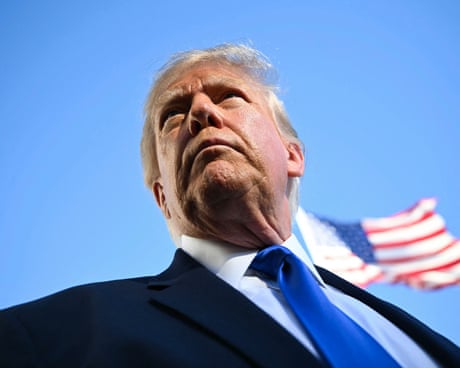
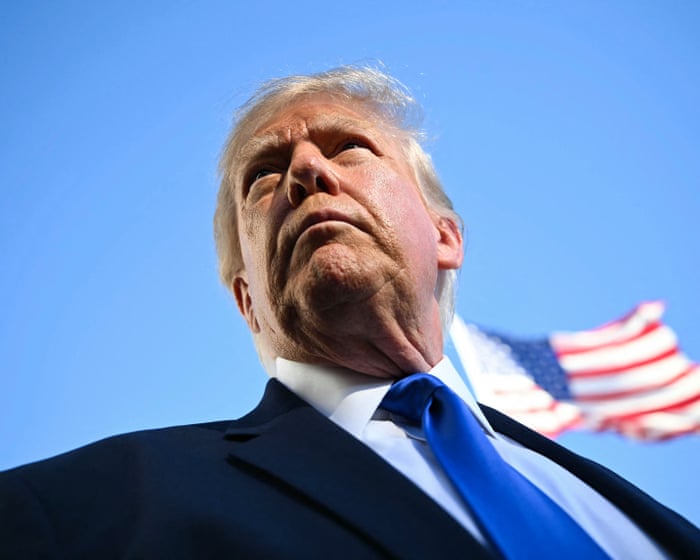
President Donald Trump has been ordered to answer questions under oath by 11th December in his $10 billion defamation action against the BBC, after the broadcaster complained that the American president was delaying evidence-gathering.
US Magistrate Judge Enjoliqué Lett issued the order at a hearing in Miami on Thursday, 22nd October. The judge warned that non-compliance could result in sanctions, potentially including the dismissal of the lawsuit, unless the discovery schedule is formally extended.
The dispute concerns a BBC documentary that edited together passages of a speech Trump delivered on 6th January 2021, ahead of the assault on the US Capitol. The broadcaster acknowledged that the presentation created a misleading impression of continuity but disputes Trump’s claim that it is legally liable for defamation.
Trump’s lawyers cancelled an earlier deposition scheduled for 16 October, citing presidential responsibilities. The BBC’s legal representatives challenged the delay, maintaining that the plaintiff’s testimony is essential to assessing the allegations and the damages sought.
The broadcaster faces questions about its editorial judgment, but the court must separately decide whether the legal elements of the president’s claim are established. A misleading edit does not automatically determine the outcome of a defamation case, particularly where questions of publication, harm and applicable American law are disputed.
The amount sought, $10 billion, is a claim made by Trump’s side and not a judicial assessment of damage. Evidence-gathering may examine the effect of the programme, how it was distributed and whether it caused measurable reputational or economic harm.
The BBC has already apologised for the edit. It is contesting legal liability, leaving the litigation centred on both the programme’s presentation and the extent of any injury attributable to it.
What the judge ordered
The court permitted a video recording of the deposition, restricted to use by legal representatives. It also ordered production of figures relating to membership applications and fees at Trump’s Mar-a-Lago club, material the BBC believes could help it evaluate the claim for damages.
Lawyers have also disputed whether former special counsel Jack Smith should testify. The Justice Department must consider authorisation for that testimony, adding a further procedural complication.
The discovery period is currently due to close on 18 December. The judge’s intervention therefore leaves little time for the parties to complete outstanding exchanges if the existing timetable remains unchanged.
Wider implications
The case places the conduct of a British public-service broadcaster before an American court at a moment of intense political scrutiny of news organisations. Its outcome may influence the BBC’s legal costs and editorial procedures, although any broader precedent will depend on the issues eventually decided.
Trump’s position as a sitting president creates scheduling difficulties, but it does not remove the usual evidential obligations assumed by a person bringing civil proceedings. The immediate question is whether he will comply with the December deadline or seek further relief from the court.
Neither the deposition order nor the BBC’s apology resolves the merits of the lawsuit. Those questions remain for later proceedings.
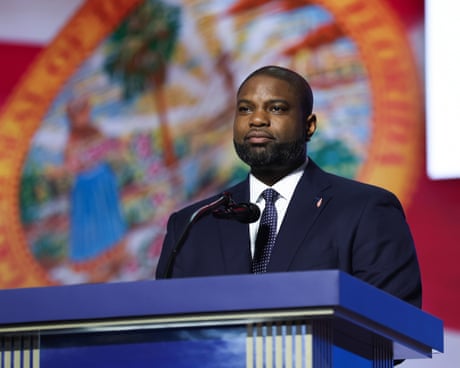
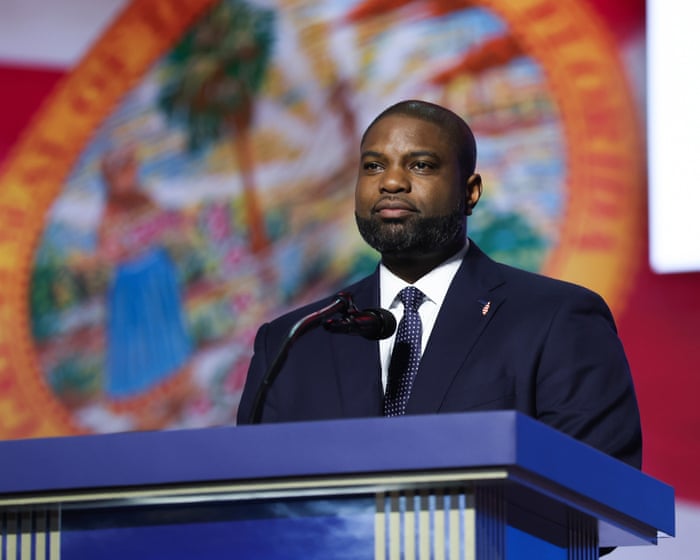
Trump to campaign for gubernatorial candidate Byron Donalds, who has distanced himself from president; Trump doubled down on support for Ramaswamy
Good morning and welcome to our live coverage of US politics. Donald Trump is travelling to Florida today to speak at another rally as midterm election day races nearer.
The president will stump for gubernatorial candidate Byron Donalds. Whether Donalds regards this as helpful remains to be seen after he removed mentions of the president from his website and has barely uttered his name during the race for governor.
Byron Donalds removed mentions of the president from his website and has barely uttered his name – will his ploy prove successful in a tight governor’s race?
It took Byron Donalds, addressing a wildly supportive crowd at a rally in Florida’s bluest county, some time to list those he blamed for any “affordability” issues they might be experiencing.
Joe Biden, and the radical policies of the Democrats, were at fault, the Republican nominee for Florida governor insisted in his stump speech at Broward county’s Green Glades West ranch, even though neither has wielded power in Washington for almost two years.
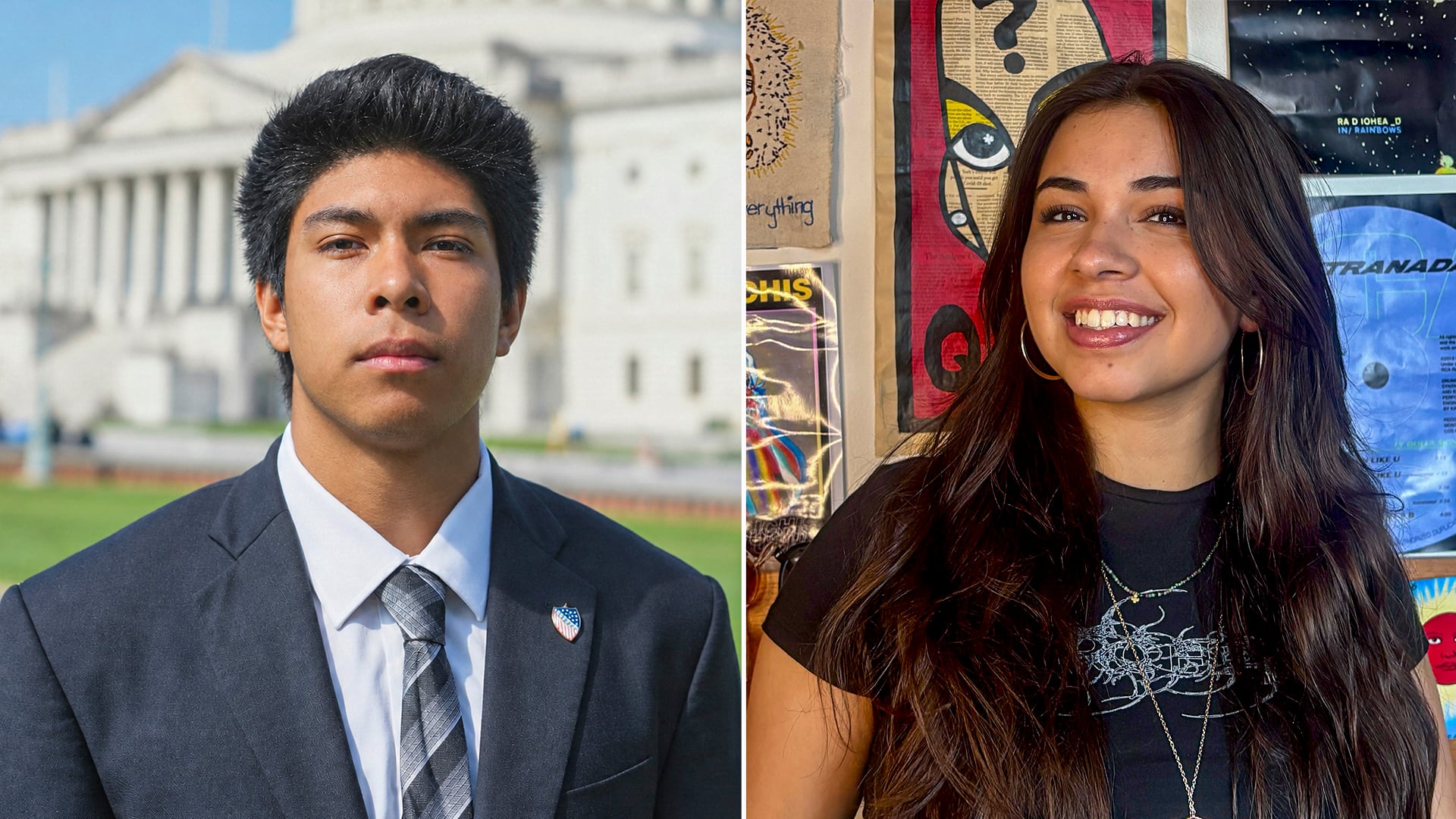
More than four million Latinos have turned 18 since the last midterm elections in 2022 and will be able to vote for the first time in the midterms on November 3. For years, Latino advocacy groups have pointed to the community’s growing political potential, noting that every 30 seconds, a Latino comes of age in the United States.
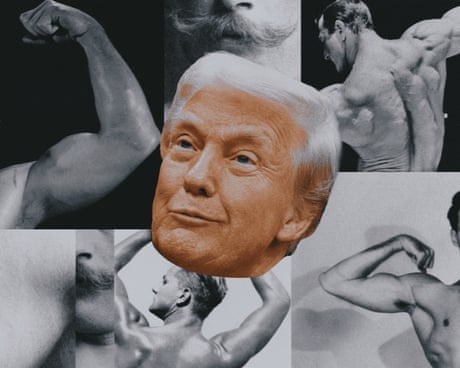
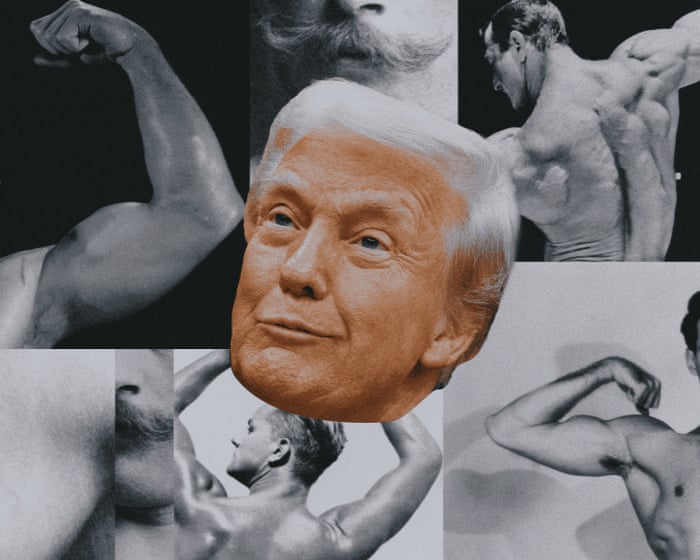
Trump’s latest tactic to champion Republicans at midterm rallies? Assessing men’s bodies in meticulous detail
Speaking at a rally in Youngstown, Ohio, earlier this month, to support the Republican senator Jon Husted, Donald Trump broke from his prepared remarks.
Trump said he had recently learned that Husted played football at university. The president, 80, said this had prompted him to conduct a physical assessment of Husted.
EXCLUSIVE – The White House is highlighting the brutal hammer killing of a Florida mother as President Donald Trump prepares to headline a midterm rally in Fort Myers on Friday, with a spokesperson telling Fox News Digital that the case demonstrates the consequences of former President Joe Biden's border policies.
Trump is scheduled to speak at 2 p.m. at Florida Gulf Coast University's Alico Arena ahead of the Nov. 3 midterm elections. The White House is pointing to the killing in the same city as it prepares to put a spotlight on the president's immigration enforcement record.
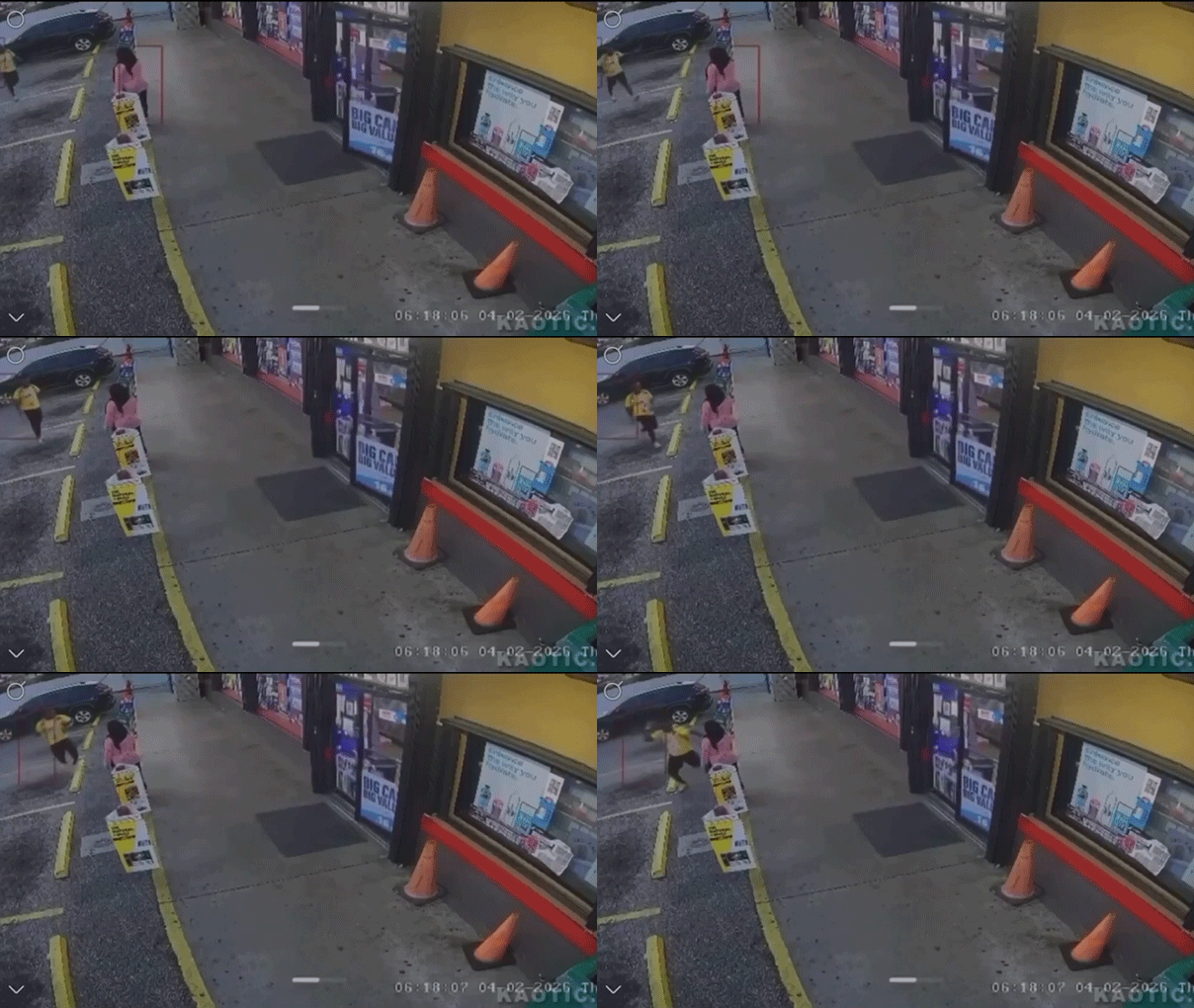
"A few short months ago, an illegal alien barbarically killed a woman outside of a gas station in Fort Myers by hitting her on the head with a hammer multiple times," White House spokeswoman Lauren Bis told Fox News Digital exclusively.
"This heinous murderer was RELEASED into the country by the Biden administration. Not only did the Biden administration release him into the country, but they then gave him Temporary Protected Status. This is the result of Democrats open-border policies. If you import the third world, you become the third world."
Trump previously condemned the killing in an April Truth Social post, calling the surveillance video "one of the most vicious things you will ever see" and blaming the Biden administration for allowing the suspect into the country.
"This one killing should be enough for these Radical Judges to STOP impeding my Administration’s Immigration Policies," Trump wrote at the time.
The remarks refer to the brazen killing of a Florida mother in April. Haitian national Rolbert Joachim is accused of repeatedly striking the woman in the head with a hammer outside a Fort Myers gas station.
According to the Department of Homeland Security, surveillance video showed the suspect smashing the woman's windshield before approaching her and repeatedly striking her in the head with a hammer in broad daylight. The victim, a gas station clerk and mother of two teenage daughters, died in the attack.
Fort Myers police enlisted Immigration and Customs Enforcement (ICE) to help locate Joachim, who was subsequently arrested on Mango Street, DHS said.
The department said Joachim entered the United States in August 2022 and was released into the country under the Biden administration. A federal judge issued a final removal order against him that year, but he later received Temporary Protected Status (TPS), which expired in 2024.
The designation allows eligible foreign nationals from certain countries to remain and work temporarily in the United States because of conditions in their home countries. It does not provide permanent residency.
The White House is putting a spotlight on the case as Trump prepares to address supporters in southwest Florida, a region that has delivered strong election results for the president.
Trump carried Florida in all three of his presidential campaigns, expanding his statewide winning margin from roughly one percentage point in 2016 to more than 13 points in 2024.
In Lee County, home to Fort Myers, Trump won 63.6% of the vote in 2024, compared with 35.3% for former Vice President Kamala Harris, according to official county election results.
The White House says Trump's immigration crackdown has led to 17 straight months without releases at the border and the deportation of more than 3 million people who were in the United States illegally.
DHS said in April that ICE had lodged an immigration detainer against Joachim following his arrest and that he would face deportation regardless of the outcome of his criminal case.
Prosecutors later announced they would seek the death penalty against Joachim, according to local reporting.
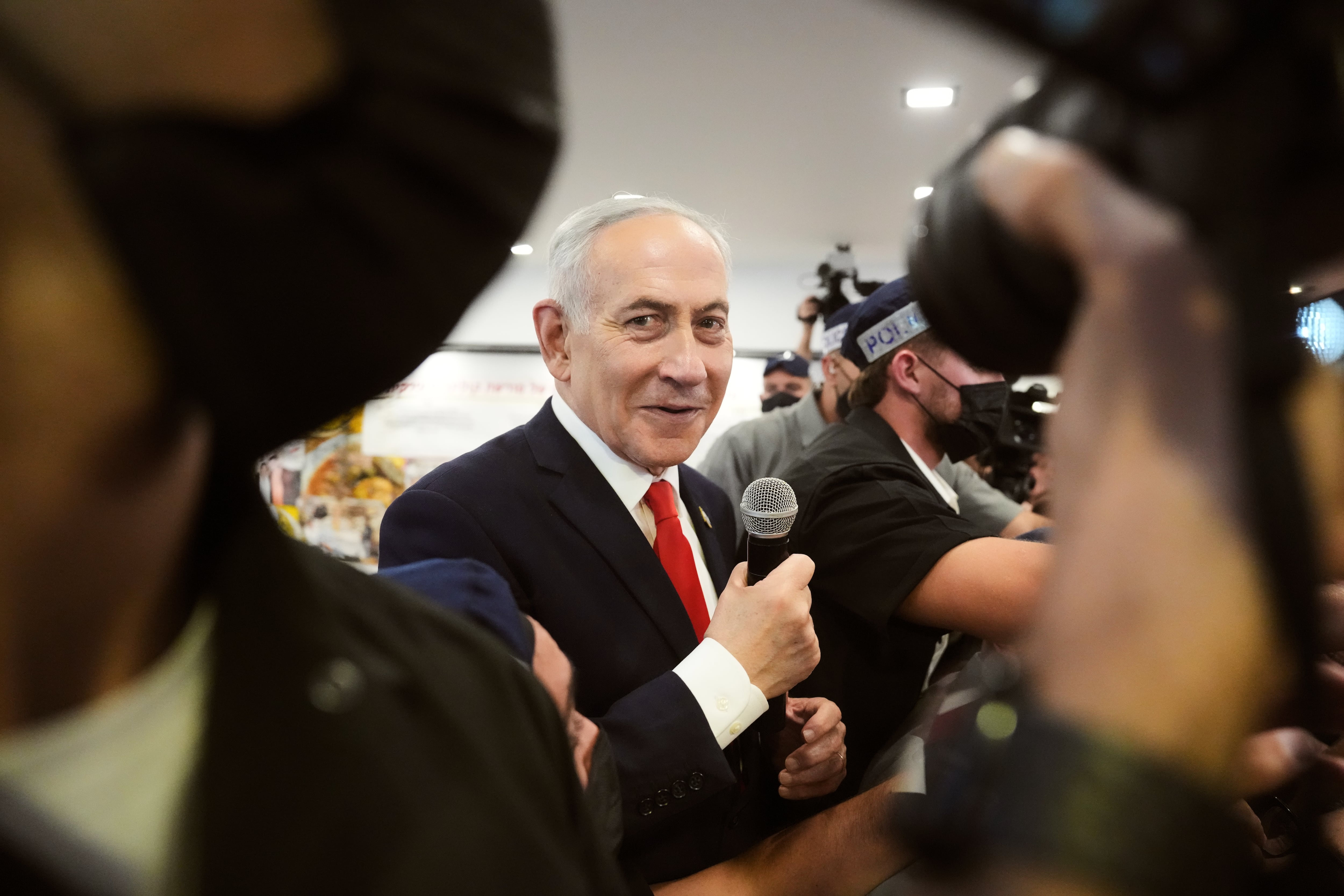
In October 2023, as the initial shock of Hamas’s attack was giving way to the realization that it had been the greatest security failure in Israel’s seven decades of statehood, few believed that Benjamin Netanyahu would still be prime minister three years later. Fewer still thought that a country used to broad coalitions and early elections — having gone to the polls on average every 2.4 years between 1996 and the last election in 2022 — would complete a full parliamentary term this time. And fewer still imagined both things happening at once: that after four years of controversy and war, Netanyahu would enter the final stretch of the election campaign, with Israelis due to vote on Tuesday, less popular and less supported than before, yet still with a realistic chance of remaining in power. “I will not surrender,” reads one campaign poster bearing his image.
A novembre Russia e Ucraina faranno un nuovo tentativo per arrivare a un accordo di pace. Dopo i colloqui indiretti favoriti dalla mediazione degli Stati Uniti ma poi naufragati, un nuovo round si terrà, come ipotizzato nei giorni scorsi, ad Abu Dhabi, negli Emirati Arabi Uniti. Ad annunciarlo è stato il portavoce del Cremlino, Dmitry Peskov, con la Russia che si è dichiarata pronta a riprendere i colloqui di pace, in stallo dall’inizio dell’anno, dopo un incontro avvenuto mercoledì tra il presidente russo Vladimir Putin e Steve Witkoff, inviato speciale di Donald Trump. Anche il presidente ucraino Volodymyr Zelensky si era espresso a favore.
L’Europa, come dall’inizio del conflitto, viene esclusa dai tavoli dei negoziati, pur essendo rimasto, dopo il disimpegno di Trump, il principale sostenitore dell’Ucraina. In quasi 5 anni di guerra non ha ancora nominato un suo mediatore da proporre in sede di negoziati, tema sul quale governi e famiglie politiche si sono già scontrate. Adesso, secondo il Daily Telegraph, nella shortlist dei cinque papabili figurerebbe anche quello della presidente del Consiglio, Giorgia Meloni. Insieme a lei, tra i candidati ci sono, si legge, il presidente finlandese Alexander Stubb, quello ceco Petr Pavel, la premier danese Mette Frederiksen e il premier norvegese Jonas Gahr Store.
Nomi che, però, rischiano di essere respinti in blocco da Mosca. Per due motivi. Il primo, il Cremlino non ha intenzione di accogliere al tavolo un ulteriore soggetto determinato a difendere i diritti e gli interessi dell’Ucraina, rafforzando così anche la posizione di Zelensky. Il secondo, quattro di questi nomi sono esponenti delle istituzioni di Paesi Ue che la Russia considera soggetti attivi nel conflitto, dato che forniscono aiuti militari ed economici all’esercito ucraino, e quindi incandidabili per il ruolo di mediatore. Diversa la posizione del premier norvegese che, comunque, rimane capo dell’esecutivo di un Paese Nato.
Un portavoce della Commissione Ue ha intanto fatto sapere, nel corso del consueto midday briefing, che l’Unione sta “lavorando costantemente affinché l’Ucraina si trovi, innanzitutto, in una posizione di forza e affinché si raggiunga una pace giusta e duratura. Attualmente ci aspettiamo che si terranno dei colloqui a livello multilaterale con alti funzionari. L’Ue sarà presente a questi colloqui che si terranno nel prossimo futuro. Il formato dovrebbe essere simile a quello dei precedenti colloqui, ad esempio quelli di Miami“.
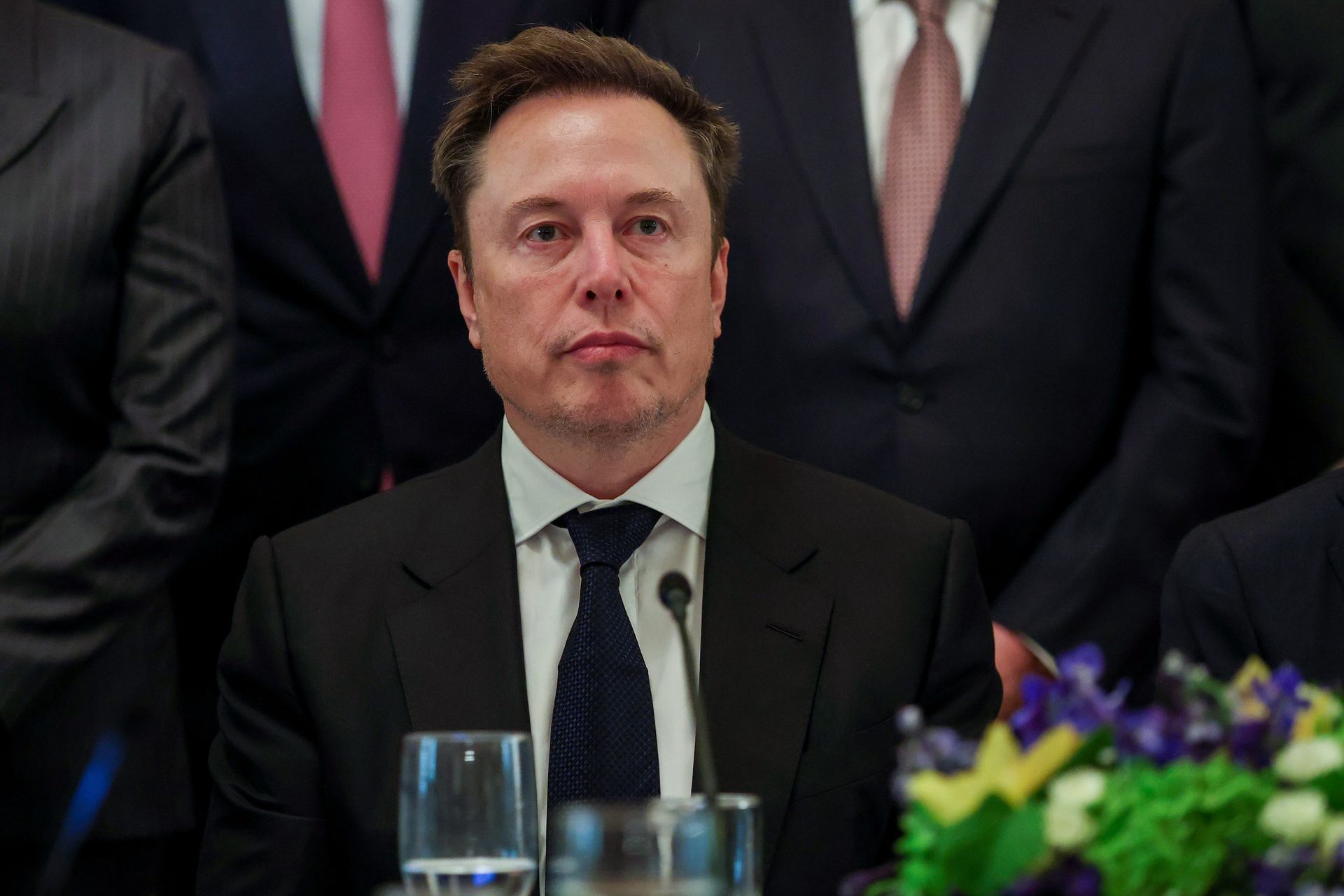
US President Donald Trump said Elon Musk had restored Ukraine’s Starshield speeds, but the restrictions remained in place on 23 October, according to Ukrainian officials.
The cap, in place since 14 October, has disrupted interceptor drone missions against jet-powered Shaheds flying above 400 km/h for more than a week. On 16 October, Trump told reporters that, from what he understood, nothing had changed with the service. His latest claim that Musk restored it appears to acknowledge the restriction, even as he denies ordering it.
Ukraine says restrictions remain
“At the moment, there is no confirmation that the restrictions have been lifted,” a Defense Ministry official told LIGA.net on the morning of 23 October. The official said connections continued to drop at above 161 km/h.
Presidential adviser Serhii Beskrestnov wrote on Telegram on 23 October that no lifting had been recorded. He said occasional operation above the limit could result from SpaceX algorithms or usage conditions.
A day earlier, President Volodymyr Zelenskyy said US Secretary of State Marco Rubio had promised to return with information in “48 plus hours,”according to his remarks to reporters in Kyiv. A Ukrainian official separately told The Kyiv Independent that reports of restored speeds were “all false.”
A senior European official told the Associated Press that the cap remained at about 160 km/h and that Ukraine had no clear explanation of who ordered it or why.
Conflicting reports of a lift
Trump said Musk had restored the speeds but declined to clarify whether he had contacted him.
“I guess the bottom line, he put it back,” Trump said.
Meanwhile, AP reported that the Wall Street Journal said Musk had agreed to lift the restrictions. The Ukrainian drone and mapping channel Kartohraf posted on the evening of 22 October that the cap had been lifted. The Economist’s Oliver Carroll said that frontline drone commanders thought it had likely been lifted but were still testing, according to his post on X.
Who ordered the cap?
The order came from inside the White House, according to a Reuters report on 15 October. Days later, the Wall Street Journal reported that Musk ordered the slowdown. Rubio denied White House involvement, and Defense Secretary Pete Hegseth said on 20 October that the US had not ordered the restriction. Meanwhile, Democratic Senator Richard Blumenthal announced an inquiry into how the service was slowed, AP reported.
Ukraine’s gains in Donetsk Oblast rely on drones the cap slows
The 3rd Army Corps’ Operation Vivaldi retook ground north of Lyman in Donetsk Oblast with drones, many of which rely on Starlink or Starshield, and those gains could erode if the cap stays.
At the same time, Radio Svoboda reported that Ukraine needs a limit of at least 450 km/h and that Germany pays for the service under a contract running until April 2027.
Eleven days after Ukraine's Starshield terminals started mysteriously malfunctioning, there is still nobody in Washington who wants to take responsibility, while Trump administration officials continue pointing fingers firmly at SpaceX CEO Elon Musk.
The Wall Street Journal reported on Oct. 23 that U.S. President Donald Trump had
President Donald Trump is holding back on sweeping new economic penalties Congress handed him to squeeze Russia.
He is betting that keeping those sanctions in reserve will help bring Vladimir Putin to the negotiating table, a strategy drawing criticism from Republican allies amid questions about whether Moscow believes he will ever use them.
Over roughly a week, the administration waived most of the new Russia sanctions and tariffs enacted last month while separately easing restrictions on Russian diesel exports, moves one foreign policy expert described as Trump's most significant effort yet to unwind economic pressure on Moscow.
"It's probably the biggest effort that the Trump administration has made to start unwinding the U.S. sanctions architecture that's been in place against Russia since 2022 or even earlier in some cases," Hal Brands, a senior fellow at the American Enterprise Institute and professor at the Johns Hopkins School of Advanced International Studies, told Fox News Digital.
Trump argues that imposing the new penalties could drive Russia away from peace negotiations. But Brands said repeatedly holding back economic punishment risks convincing Putin that Washington is unwilling to follow through on its threats.
"The threat of imposition may lose some credibility if over a period of time you've demonstrated that you would prefer not to impose those penalties in the first place," Brands said.
The decision has drawn criticism from Republicans who helped advance the Lindsey O. Graham Sanctioning Russia and Iran Act, including Trump allies who worked with his White House to pass it.
Sen. Katie Britt, R-Ala., who played a leading role in passing the legislation and joined Trump in the Oval Office when he signed it last month, said Tuesday the administration should be turning up economic pressure on Moscow.
"It is my belief that we need to use economic firepower to help drive Putin to the table," Britt told Semafor. "I believe that Russia is at the darkest point that they've been at in this entire war, and now is the time for us to turn up the pressure."
Sen. Shelley Moore Capito, R-W.Va., said Congress had coordinated the legislation's timing with the White House, making Trump's decision to waive most of its new penalties particularly surprising.
"This was an act of Congress that we had worked with the White House on," Capito said. "We had timed this to when the president and the White House felt it was a good time to move forward with this, where it could be effective."
Other Republicans were more blunt in their criticism.
"Beyond irresponsible," Sen. Thom Tillis, R-N.C., wrote on X. "What part of enforcing a law passed 86-11 by the Senate does the President and his advisors not understand?"
"It's unconscionable that this administration is capitulating to a Russian dictator who illegally invaded Ukraine and butchers innocent civilians every single day," he added.
Sen. Darline Graham, R-S.C., the lead sponsor of the legislation named for her late brother and a Trump-endorsed candidate, said she would "choose to keep the pressure on Russia" because "I don't trust Putin and I don't trust Russia."
The Graham Act, signed into law in September, provided for steep tariffs targeting Russia and major purchasers of Russian energy, along with sanctions on Russian financial institutions and foreign entities doing significant business with them.
Congress also included presidential waiver authority, which Trump invoked to put most of the law's new Russia penalties on hold.
Brands said including a waiver was not necessarily a mistake, even if it ultimately allowed Trump to avoid imposing the penalties lawmakers had sought.
"It's really tough to craft a sanctions or tariffs bill that forces the president to do something, and typically you don't want to do that because there are always circumstances one can imagine in which you might want to be able to waive sanctions," he said.
Trump has defended his decision as necessary to keep Putin at the negotiating table.
"My decision on Russia is a very simple one. I am in the process of negotiating Peace in the war between Russia and Ukraine, and don't want to do anything that will drive, foolishly, Russia away from the bargaining table," Trump wrote Sunday.
In his formal certification to Congress, Trump said imposing the Graham Act penalties now "would impede ongoing U.S. efforts to negotiate a durable and comprehensive peace." He left open the possibility of imposing them later to "incentivize resolution" of the war.
Brands acknowledged that holding sanctions in reserve can give a president bargaining power, but questioned whether Putin believes Trump is prepared to follow through.
"The challenge is that it's been clear for about 18 months now, since Lindsey Graham started pushing this bill in the first place in the early parts of 2025, that the president simply doesn't have much appetite for squeezing the Russian energy export system to the degree that people like the late Senator Graham envisioned and desired," Brands said.
The administration has separately eased existing restrictions to allow more Russian diesel onto the market, a move intended to relieve pressure on global fuel prices.
Trump has criticized Ukrainian strikes on Russian refineries, arguing they are straining diesel markets. Energy Secretary Chris Wright has described sanctions relief as a "carrot" that could encourage Russia to de-escalate.
Brands said the immediate financial benefit to Moscow from diesel relief is probably "fairly marginal." The more consequential decision, he argued, was Trump's refusal to activate the broader sanctions and tariffs Congress authorized.
"There's a potential for pretty serious pressure to be exerted if he had used both the sanctions authorities and essentially the secondary tariff authorities to go after purchasers of Russian energy products overseas," Brands said.
Such measures could "put a fairly significant squeeze on the Russian war economy" while discouraging other countries from doing business with Moscow, he added.
Brands acknowledged that squeezing Russian energy exports could further strain global energy markets when Trump is focused on lowering fuel prices at home.
But he argued that the larger risk lies in what Putin concludes about Washington's willingness to sustain economic pressure.
"Putin's theory of victory in Ukraine for a long time has been that at some point the West, particularly the United States, will get tired of the costs of confrontation with Russia and support for Ukraine," Brands said.
The concern, he explained, is less about the immediate revenue Moscow gains from additional diesel exports than the possibility that easing restrictions reinforces Putin's belief that Washington is growing tired of confronting Russia.
"The risk you run here has less to do with the precise dollar or ruble amount that Russia will gain by being allowed to export some additional diesel than with the strategic signal you're sending that, in fact, the U.S. is getting tired of applying economic pressure against Russia and that the U.S.-Ukraine relationship is entering another period of conflict and divergence," Brands said.
Brands sees little prospect for a negotiated settlement in the immediate future and argued that changing Putin's calculation would require convincing him that the costs of continuing the war outweigh the potential gains.
"I think the only way you get there is by continuing to support Ukraine so it can take an increasing toll on Russia on the battlefield and by finding ways of ramping up rather than ramping down the economic pressure on Russia," Brands said.
Trump's waiver does not eliminate sanctions against Russia that predated the Graham Act, and the administration can revisit the new penalties.
The dispute now centers on whether keeping those penalties in reserve strengthens Trump's hand with Putin — or diminishes their value if Moscow doubts he is willing to use them.
James Talarico, the Democratic nominee for Senate in Texas, spent more than $22 million from his campaign account in the first two weeks of October, the most of any candidate in a competitive race.
2026 has not been a good year for Meta. On Wednesday, a judge in New Mexico ordered the parent company of Facebook, Instagram and WhatsApp to pay a fine of about $25 billion after finding it guilty of misleading Facebook users about its data privacy policies.
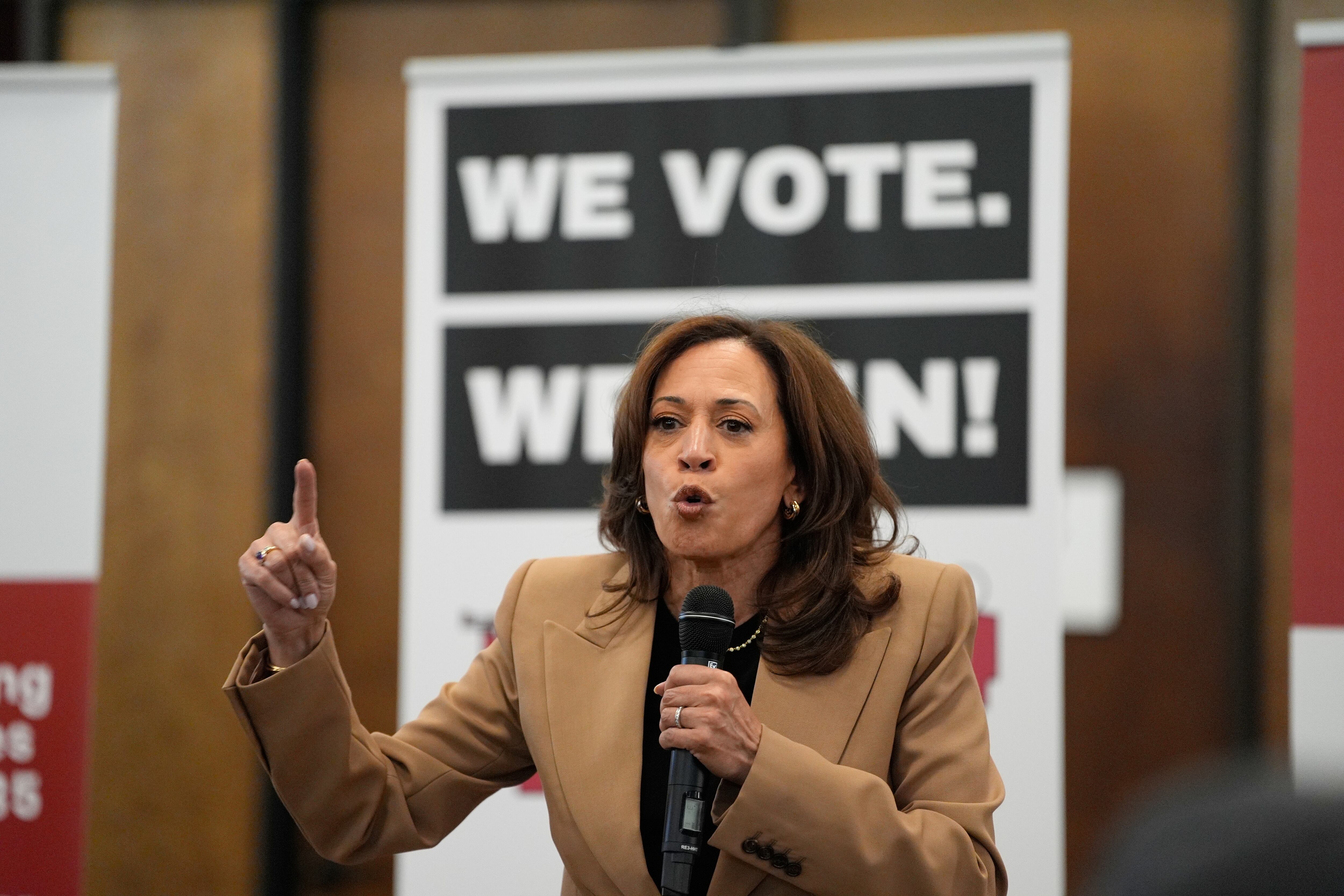
Former vice president Kamala Harris landed in the state of Mississippi on Thursday at the start of a tour to help Democratic candidates in the final stretch of the midterm campaign. The series of campaign events, which began the previous day in Nevada and will continue in the coming days in Georgia, New Hampshire and Wisconsin, also serves as a thermometer for measuring the enthusiasm of potential voters for the notion of Harris running again for the party’s presidential nomination in 2028. That would be four years after her defeat by Donald Trump following a brief and disappointing 107-day surprise run for the White House.
O ano de 2026 poderá ficar para a história como o ano dos cisnes negros: eventos muito improváveis, mas que acabaram por concretizar-se.
A guerra dos EUA/Israel contra o Irão, poderá ser um deles, assim como os ataques do Irão aos seus vizinhos, a par da maior crise energética da história.
Mas nas últimas semanas está a formar-se mais um cisne negro, impensável em 2022 quando a Rússia está invadiu a Ucrânia: a aproximação de Washington a Moscovo, com a Ucrânia a ficar aparentemente para trás, depois dos ataques de Kiev a refinarias russas, que encostaram Vladimir Putin a um canto.
Um sinal dos tempos é que um petroleiro carregado com 40 mil toneladas de gasóleo russo está neste momento a caminho de Nova Iorque, com chegada prevista a 7 de novembro, marcando o regresso das exportações russas de gasóleo, revela a “Reuters”.
O mercado mundial de energia está neste momento apertado de gasóleo, depois dos ataques a refinarias cruciais no Médio Oriente pelo Irão e os seus aliados.
E Donald Trump tem eleições intercalares cruciais no dia 3 de novembro, que serão decisivas para os dois últimos anos do seu mandato. Se os democratas ganharem vantagem no Congresso, o líder republicano terá a vida mais difícil até ao fim.
O presidente norte-americano tem efetuado alterações numa nova lei de sanções contra a Rússia para facilitar a chegada do combustível russo aos EUA, numa tentativa de controlar os preços do ‘diesel’, esperando que o mundo receba 300 mil toneladas de gasóleo russo numa fase inicial, incluindo os EUA.
Ao mesmo tempo, tem ameaçado a Europa com a suspensão de envio de gasóleo norte-americano, se a Europa não libertar reservas estratégicas do combustível.
O Agioi Fanendes, com pavilhão de Malta, estava atracado no porto russo de Primorsk no Mar Báltico, a 22 de outubro, e vai rumar à Costa Leste dos EUA.
OS EUA levantaram sanções às exportações russas de gasóleo e anunciaram um cessar-fogo aos ataques a infraestruturas energéticas entre a Rússia e a Ucrânia.
A Rússia vai colocar no mercado 2,25 milhões de barris de gasóleo imediatamente, seguido de 500 mil toneladas e novembro, mais um milhão de toneladas.
O Kremlin estima que o país consiga aumentar as exportações de gasóleo entre 3-3,5 milhões de toneladas mensais até ao final do ano.
A “Reuters” dá conta que gasóleo foi carregado no porto russo de Primorsk na semana passada, mas o seu destino final não é claro, com alguns dos navios destinados, para já, a Gibraltar, Port-Said ou o Atlântico.
A Rússia tem-se limitado a exportar gasóleo para o Brasil e para a Turquia, assim como para países africanos, desde que arrancou o embargo europeu aos combustíveis russos.
O petróleo sobe mais de 1% para 114 dólares esta sexta-feira.

 Login