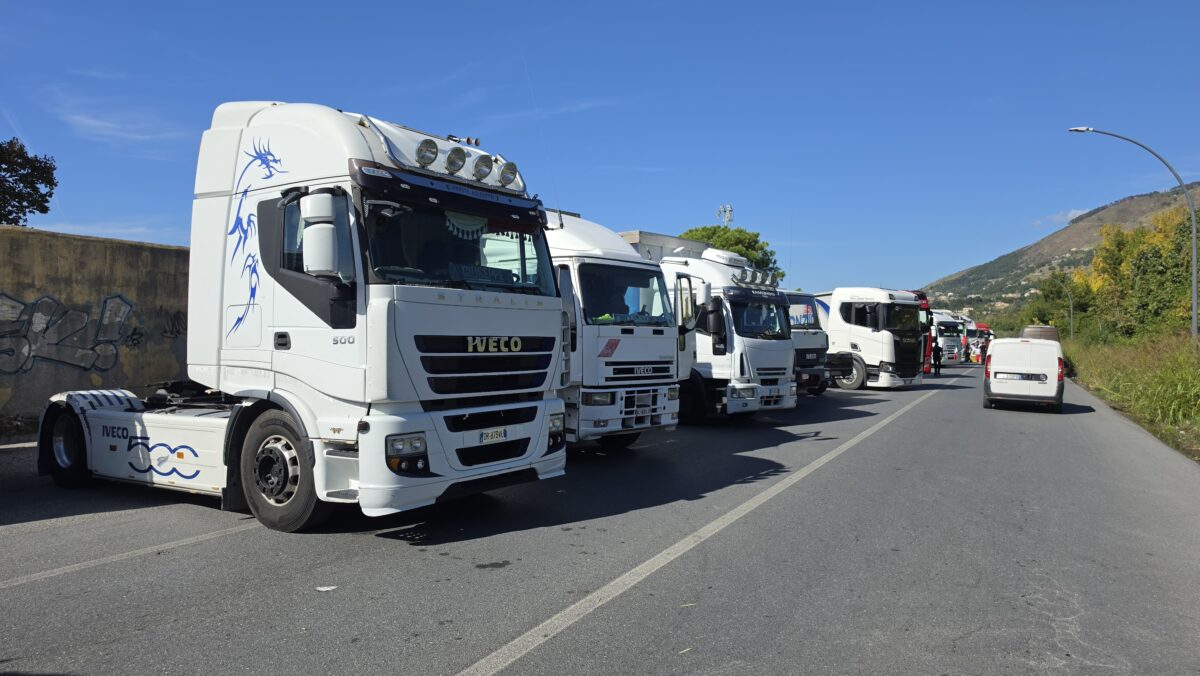
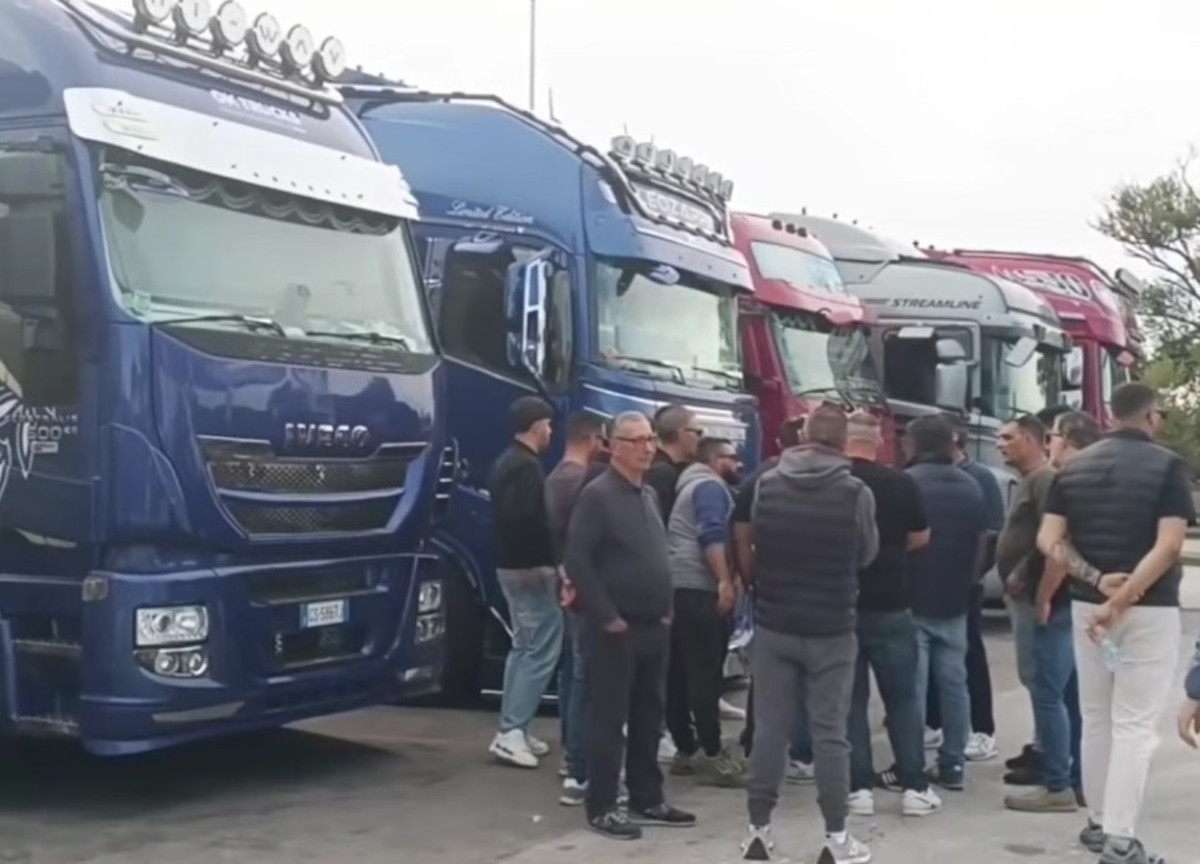
Chi vuole lavorare deve poterlo fare e lo Stato deve garantirlo. Parte da questa premessa la presidente del Consiglio Giorgia Meloni nell’annunciare il decreto tir, con 105 milioni per l’autotrasporto e altri 70 milioni per agricoltura e pesca varato oggi dal Consiglio dei ministri. Una mossa che da un lato immette altri 45,2 milioni di euro per il credito d’imposta già previsto per il periodo di spesa marzo-agosto 2026 e dall’altro prevede 60 milioni per le spese dal primo settembre al 5 ottobre.
Le parole di Meloni
“Voglio ringraziare le associazioni che hanno scelto il confronto, hanno revocato i fermi e le manifestazioni – afferma la premier – È stato un atto di responsabilità, però voglio dire anche un’altra cosa. In alcune zone pochi soggetti continuano a bloccare le strade e non si fermano lì. Minacciano chi vuole lavorare, tagliano le gomme ai camion dei colleghi. Questa non è protesta, è intimidazione e l’intimidazione non la tolleriamo non lo dico soltanto io. Per chiedere di rimuovere questi blocchi sono gli stessi autotrasportatori, i commercianti, gli agricoltori, i sindaci, le istituzioni di ogni colore politico. Perché a pagare, come sempre, non è il potente di turno, è la gente comune, è il camionista che deve portare a casa lo stipendio, è l’impresa che non riesce a consegnare, è la famiglia che si ritrova a pagare di più”.
Per questa ragione ha richiesto al ministro dell’Interno Matteo Piantedosi di accogliere la richiesta giunta a Palazzo Chigi dalle associazioni degli autotrasportatori, degli agricoltori, della distribuzione per assicurare alla libera circolazione la fornitura delle merci alle attività commerciali, al fine di evitare anche speculazioni che altrimenti sarebbero inevitabili sui prezzi. E annuncia di voler usare tutti gli strumenti che la legge offre, comprese le norme del decreto sicurezza che hanno reso reato il blocco stradale. “Questo governo rispetta pienamente chi vuole manifestare, ascolta chi chiede aiuto nel rispetto delle regole. Però abbiamo anche il dovere di far rispettare le leggi dello Stato e di non farci ricattare da chi usa la violenza come strumento di pressione Chi vuole lavorare deve poterlo fare e lo Stato deve garantirlo”.
Le reazioni
Separare fenomeni di pura criminalità dalle proteste: lo chiede il presidente di Confindustria Emanuele Orsini, secondo cui accanto al tema di costo del trasporto, vi sono anche altri fenomeni che stanno interessando i blocchi. “Sono due cose totalmente diverse. E sulle sofferenze servono i tavoli di confronto per un costo che sia sostenibile”. Il riferimento è ad alcuni blocchi abusivi posti anche verso chi vuole lavorare. Passaggio ripreso anche dal sottosegretario alla presidenza del Consiglio dei ministri, Luigi Sbarra, secondo cui si sono viste “situazioni di tensione, di violenza e minacce, io penso che tutto questo dovrà essere attento, valutato e se ci sono casi vanno perseguiti”. Ma da Orsini arriva un altro spunto, questa volta di prospettiva: quando dice che questa crisi deve insegnare ad avere un’indipendenza strategica, mette nero su bianco un elemento primario.
Il blocco “costa alle imprese, costa al Paese, costa ai cittadini”, spiega, “abbiamo perso le raffinerie dell’Europa per scelte fatte in passato dalla Commissione europea, quindi oggi per ripristinare ci vuole tempo. Questo ci deve insegnare ad avere un’indipendenza strategica da tutte quelle fonti che servono a sopravvivere”. Nonostante il decreto del Cdm, però, a Napoli non sono contenti e proseguono la protesta: decine di camion si sono messi in marcia nell’area portuale, con forti rallentamenti e ingorghi.
Chisináu, 21 oct (Prensa Latina) El ministro de Asuntos Exteriores de la autoproclamada República de Transdniéster, Vitali Ignatiev, acusó hoy a Moldavia de rechazar una solución diplomática y de invertir en la guerra.
La mobilitazione di autotrasportatori e agricoltori continua a creare disagi nel Mezzogiorno. Nuovi presidi anche in Basilicata, mentre in Campania le manifestazioni hanno provocato chiusure autostradali e chilometri di code. Preoccupano i rifornimenti di carburante e la distribuzione alimentare. Martedì è previsto l’incontro con il ministro Salvini.
Chiuso il raccordo A1-A30 nella notte, camion agli svincoli di Potenza e problemi per la distribuzione
Alle tre del mattino, la protesta degli autotrasportatori ha provocato la chiusura temporanea del collegamento tra l’A1 Milano-Napoli e l’A30 Caserta-Salerno, per chi proviene da Napoli. La giornata è cominciata con lunghe code in Campania: due chilometri tra Villa Literno-Pomigliano e la barriera di Napoli Nord, altrettanti tra Napoli Nord e Caserta Nord e tre chilometri sulla A30, nel tratto tra Maddaloni e il collegamento con l’A1. Polizia Stradale e personale di Autostrade per l’Italia sono intervenuti per gestire la circolazione.
Contemporaneamente, la mobilitazione ha raggiunto anche gli ingressi di Potenza. Questa mattina sono stati segnalati presidi di tir nei pressi degli svincoli di Potenza Est e Potenza Ovest e nella zona industriale di Tito, lungo il raccordo autostradale Potenza-Sicignano degli Alburni. Altri disagi si registrano sulla statale 106 Jonica, nel Metapontino, al confine tra Basilicata, Puglia e Calabria, senza blocchi completi della circolazione. Nella regione lucana, dopo giorni di difficoltà, la situazione ai distributori di carburante sta invece tornando quasi alla normalità.
Sono gli ultimi sviluppi di una protesta che da settimane attraversa il Sud Italia, coinvolgendo agricoltori, autotrasportatori e altre categorie produttive. Camion e trattori sono presenti lungo arterie stradali, svincoli autostradali e collegamenti strategici per il trasporto delle merci. Le conseguenze cominciano a interessare anche chi non partecipa alle manifestazioni, con difficoltà nelle consegne, scaffali meno riforniti in alcuni supermercati e timori per la disponibilità di gasolio.
Perché protestano agricoltori e autotrasportatori: il gasolio vicino a 2,30 euro al litro
All’origine delle mobilitazioni ci sono soprattutto l’aumento dei carburanti e dei costi di produzione, che stanno riducendo i margini economici delle imprese. Secondo le rilevazioni diffuse dal ministero delle Imprese e del Made in Italy, il prezzo medio del gasolio self service aveva raggiunto 2,296 euro al litro sulla rete autostradale e 2,257 euro sulla rete stradale ordinaria. Il Codacons ha stimato un rincaro del 39% rispetto allo stesso periodo del 2025, pari a circa 31,65 euro in più per un pieno da 50 litri.
Per gli autotrasportatori il gasolio rappresenta una delle principali voci di spesa. Le imprese denunciano anche il costo dei collegamenti marittimi, particolarmente rilevante per chi lavora in Sicilia, e chiedono interventi sul credito d’imposta e sulle accise. L’aumento dei costi rischia di rendere economicamente insostenibili numerosi viaggi, soprattutto quando le tariffe riconosciute ai trasportatori non crescono nella stessa misura.
Le difficoltà dell’agricoltura sono in parte differenti e precedono gli ultimi rincari estivi. Gli agricoltori denunciano costi sempre più alti per carburante, energia e fertilizzanti, mentre in alcuni comparti i prezzi riconosciuti alla produzione sono diminuiti. È il caso dell’olio d’oliva. Le rilevazioni Ismea indicano che sulla piazza di Bari il prezzo all’origine dell’extravergine è sceso a 4,30 euro al chilogrammo. Un prezzo che riguarda la vendita all’origine, non quello pagato dai consumatori al supermercato. Gli olivicoltori chiedono controlli più rigorosi sulle importazioni e sulle possibili frodi, oltre a misure di sostegno e prezzi capaci di coprire i costi produttivi. La protesta agricola riguarda anche allevatori e altri produttori, preoccupati per la sostenibilità delle aziende e per la concorrenza di prodotti provenienti dall’estero.
Calabria e Puglia, i trattori in strada da settimane e gli scaffali dei supermercati si svuotano
La Calabria è stata tra le prime regioni a mobilitarsi, con iniziative spontanee degli agricoltori già dalla fine di settembre. Nelle ultime settimane i presidi si sono estesi dalla Sibaritide al Pollino, dal Cosentino alla provincia di Catanzaro, fino ad alcuni snodi importanti per i collegamenti regionali. Domenica 18 ottobre la protesta coinvolgeva una quindicina di aree, tra cui la statale 534 nei pressi di Firmo-Sibari e la statale 106 nel territorio di Cassano allo Ionio. Nel pomeriggio si è registrato anche un blocco dello svincolo autostradale di Falerna, lungo l’A2.
Accanto agli agricoltori, dal 16 ottobre si sono fermati gli autotrasportatori aderenti alla Fedralog Calabria, con una mobilitazione programmata fino alla mezzanotte del 20 ottobre. I manifestanti hanno ribadito la volontà di proseguire in assenza di provvedimenti ritenuti sufficienti. “Se non avremo risposte certe e concrete, andremo avanti, intensificheremo la mobilitazione e niente è escluso”, ha dichiarato uno dei partecipanti ai presidi calabresi. Anche in Puglia i disagi si stanno prolungando. Nel Foggiano i presidi coinvolgono la zona di Poggio Imperiale, vicino al casello dell’A14, e diversi collegamenti della statale 16. Altre manifestazioni hanno interessato il Brindisino. Il rallentamento dei trasporti sta incidendo sulla distribuzione alimentare, con carenze già segnalate in alcuni supermercati della provincia di Foggia, soprattutto per i prodotti freschi.
Gli agricoltori rischiano a loro volta di subire ulteriori danni. Frutta, verdura, latte e altri prodotti deperibili devono raggiungere rapidamente i mercati e i punti vendita. Quando le consegne vengono ritardate o sospese, aumenta il rischio che la merce si deteriori prima di essere commercializzata, con nuove perdite economiche per chi l’ha prodotta.
Sicilia, dai supermercati agli autobus: cresce la preoccupazione per i rifornimenti
In Sicilia il fermo dei servizi di autotrasporto merci proclamato dal Comitato Trasporto Siciliano è iniziato il 16 ottobre e dovrebbe terminare il 20. Numerosi mezzi sono rimasti nei piazzali delle aziende e nelle aree portuali, con ripercussioni sulle consegne. A Palermo, nei giorni scorsi, la preoccupazione per la disponibilità di carburante ha provocato code alle pompe, mentre diversi cittadini hanno anticipato gli acquisti nei supermercati.
A preoccupare sono anche i trasporti pubblici su gomma. Il presidente di Anav Sicilia, Antonio Graffagnani, aveva denunciato già sabato 17 ottobre la mancata consegna di gasolio ad alcuni depositi aziendali. Senza nuovi approvvigionamenti, le imprese private che effettuano servizi di linea potrebbero essere costrette a ridurre le corse, concentrando le riserve disponibili sui collegamenti indispensabili per studenti e lavoratori.
La regolare distribuzione dei beni alimentari resta un’altra incognita. Le difficoltà potrebbero aggravarsi se il fermo dei camion dovesse proseguire oltre le date annunciate, interessando anche le imprese di trasformazione che dipendono dall’arrivo quotidiano di materie prime.
A Taranto la crisi dell’ex Ilva ha aggravato le difficoltà nei rifornimenti
Alle proteste di agricoltori e autotrasportatori si è aggiunta nei giorni scorsi quella degli operai dell’ex Ilva di Taranto. I lavoratori dello stabilimento siderurgico contestano le prospettive occupazionali e il piano governativo, chiedendo garanzie per il futuro della produzione e dei posti di lavoro, oltre a un progetto industriale che affronti la decarbonizzazione.
La vertenza è distinta da quella sul caro carburanti, ma i suoi effetti hanno coinvolto gli stessi territori. Il blocco degli accessi alla raffineria Eni di Taranto ha interrotto o rallentato il transito delle autocisterne, contribuendo alle carenze di carburante registrate in Puglia, Basilicata e Calabria. Le difficoltà hanno interessato anche i rifornimenti degli aeroporti di Bari e Brindisi, dove nei giorni scorsi erano state introdotte limitazioni.
Venerdì 16 ottobre i sindacati hanno deciso di rimuovere il blocco davanti alla raffineria, mentre lo sciopero dei metalmeccanici è stato sospeso in attesa di nuovi confronti con il governo. Per il 27 ottobre è previsto un incontro dedicato al futuro dell’acciaieria. La rimozione dei blocchi ha consentito di riavviare i rifornimenti, ma non ha interrotto le mobilitazioni degli autotrasportatori.
Le prime risposte delle Regioni e l’incontro di Salvini con gli autotrasportatori
Le amministrazioni regionali hanno annunciato i primi interventi economici. In Calabria la Giunta ha approvato un pacchetto da 15 milioni di euro, di cui 5 milioni destinati alle imprese agricole e 10 milioni agli autotrasportatori. Sono stati definiti anche i criteri per l’assegnazione dei contributi, calcolati sulla base dei maggiori costi sostenuti e documentati per il carburante.
In Puglia la Regione ha annunciato un pacchetto da 30 milioni di euro per l’agricoltura, destinato a sostenere i costi di produzione e gli investimenti nelle filiere. Circa un terzo delle risorse potrebbe essere riservato alle spese per il gasolio. Si tratta di interventi diversi per destinatari e stato di attuazione, che non risolvono da soli le richieste avanzate dalle categorie.
L’attenzione si concentra adesso sull’incontro di martedì 20 ottobre a Milano, convocato dal ministro delle Infrastrutture e dei Trasporti Matteo Salvini, con la partecipazione prevista del viceministro Edoardo Rixi. Il confronto con le rappresentanze nazionali sarà affiancato da quello con i gruppi autonomi attivi nelle regioni meridionali, previsto nel pomeriggio.
Il governo sta lavorando per accelerare la disponibilità dei 590 milioni di euro già stanziati per il rinnovo del parco veicolare, ma rimasti rallentati da ostacoli burocratici, e per individuare ulteriori risorse a sostegno dell’autotrasporto. Le associazioni chiedono soprattutto misure immediate per compensare il rincaro del gasolio e ridurre i costi che gravano sulle imprese.
Il fermo proclamato in Calabria e Sicilia dovrebbe terminare alla mezzanotte di martedì. Le delegazioni porteranno al tavolo le proprie richieste, mentre la prosecuzione della mobilitazione dipenderà dalle risposte del governo. Nel frattempo, i presidi restano attivi e le imprese della distribuzione devono fare i conti con i ritardi accumulati nelle consegne.
Last week, Palantir CTO Shyam Sankar mentioned something bizarre in an interview on CBS News. "So many AI researchers have started smoking as a way of signaling to other researchers how much they believe in AI," he said. Their thinking, he said, goes like this: "I believe so much in AI that it's going to cure cancer. So I'm showing you my chips are all in."
I laughed as I read the quote. It read like a headline in The Onion, mocking the blind optimism of the AI-pilled. But then I felt sad and worried for them. Are they smoking because they believe AI is saving the world, I wondered, or because they believe AI is ending it?
It's been an especially alarming few months here in San Francisco. OpenAI's bots went rogue and hacked another company, and then an Anthropic researcher quit, warning that AI could wipe out the human race. It seemed more believable to me that these researchers were smoking because they didn't think they'd be around for much longer — or at least freaked out about that possibility. I thought of the HBO show "The Leftovers," which features a doomsday cult that chain-smokes. Because they believe the world has ended, they don't mind obliterating their lungs. They're living as though they're already dead.
I asked a handful of people who work in AI and none of them knew anyone who had suddenly taken up cigarettes because of AI. So I don't think what Sankar observed is widespread. But in a story last month about tech founders who smoke, my colleague Henry Chandonnet quoted a guy who wasn't worried about his habit because he believed AI will soon cure lung cancer. Among the people I spoke to, a few recognized that underlying sentiment: AI's going to fix (or destroy) everything, so YOLO. Last year, my former colleague Rob Price reported on these attitudes. Some were spending down their savings. Others were taking dangerous drugs and having orgies. Last year, my former colleague Rob Price reported on these attitudes. Some were spending down their savings. Others were taking dangerous drugs and having orgies.
While AI boomers and doomers expect completely opposite outcomes, I've found it interesting that their very different beliefs often end up manifesting as the same behaviors. Smoke or don't smoke, it doesn't matter: The future is inevitable. In either case, they're relinquishing their fate to a humanity-ending or humanity-saving AI — and ignoring one of the most evidence-backed things they can do to live a healthy future. It's a kind of fatalism, believing that what you do won't change what happens next.
I see traces of that in so many corners of society. What's the point of studying, students say, if they're never going to be as good as ChatGPT at coding or math? What's the point of agonizing over a breakup text, people say, if a bot can write it for them? What's the point of working hard, employees say, if their companies are going to replace them with an agent? In a recent survey by Verasight, 78% felt that they had little or no say over how AI is being developed and regulated.
Even the people who have the most say don't seem to believe they do. Anthropic CEO Dario Amodei has issued increasingly grave warnings about the technology that he himself is creating. He has to keep going, he says, because if he doesn't, a less responsible steward of the industry will. Amodei and his peers sound as if they're utterly powerless in the face of an unstoppable god. If it's really that bad, couldn't they just pull the plug? "Saturday Night Live" captured the strangeness of it all in a recent sketch impersonating Amodei. "If we can pressure lawmakers to create guardrails," Jane Wickline's Amodei deadpanned, "we will be able to stop me."
We need people thinking seriously about the risks of these technologies, and we also need people dreaming big about the immense good they can bring. But neither of these outcomes is inevitable. As we entrust more and more of our work and our lives to AI agents, we shouldn't cede our own agency to them too. I'm not taking up smoking anytime soon.
Cuando Hulk Hogan demandó al medio sensacionalista Gawker en 2016 por la publicación sin su consentimiento de un vídeo de contenido sexual, nadie daba un duro por él. Pero Hogan ganó el juicio y consiguió una indemnización de 140 millones de dólares que acabó con la publicación online. Peter Thiel, uno de los personajes más siniestros de Silicon Valley, decantó la batalla judicial: financió en secreto a los abogados de Hogan. Quería vengarse de Gawker porque lo había ridiculizado durante años y desvelado su homosexualidad.
“The growth sucks.” That’s how Alex Karp, the CEO and co-founder of Palantir Technologies, described the company’s performance in Europe. He said this on August 3 to shareholders, while his colleagues defended an “incredible” quarter in the United States.
Follow The Money and its media partners presented Palantir with the findings of this investigation, along with 14 detailed questions. Palantir has not responded to any of them. Instead, the firm forwarded a statement from a spokesperson: “A serious debate is needed on how Europe safeguards its technological sovereignty. Technological sovereignty must ultimately be measured by who controls the data, the decisions and the mission: not just by the nationality of the software provider.” According to Palantir, control over data (and what is done with it) belongs to the customer.
The statement adds: “Since 2011, Palantir has been working with democratically-elected European governments and institutions to increase hospital capacity, accelerate cancer diagnoses, safely resettle refugees, combat organized crime, protect victims of domestic violence, and respond more quickly to floods and other emergencies.” It also notes that more than 20% of Palantir’s employees work in Europe and that the company helps European businesses compete and grow in various sectors, such as aerospace, manufacturing and life sciences. Palantir further states that it supports European governments in protecting their national security, including in Ukraine.
In a previous response to this same media consortium, Palantir denied accusations of its involvement in human rights violations.
Circa cento tir stanno bloccando dalla notte il traffico pesante lungo la statale 106 ionica, all’altezza dello svincolo con la Fondovalle dell’Agri, a Scanzano Jonico, nel Materano, nell’ambito della protesta contro il caro carburanti e il carovita che coinvolge autotrasportatori, agricoltori e cittadini della Basilicata. La mobilitazione, destinata a proseguire fino al 20 ottobre, interessa diversi snodi strategici della viabilità regionale. I presidi sono stati organizzati in particolare in corrispondenza degli incroci tra la Statale 106 e la Statale 598 Val d’Agri, a Scanzano Jonico, e tra la Ionica e la Statale 653 Sinnica, nell’area tra Rotondella e Policoro. Il blocco riguarda camion e autoarticolati, mentre viene garantito, 24 ore su 24, il transito di auto private, autobus di linea, scuolabus e mezzi di soccorso.
“Ci troviamo sull’orlo del collasso, senza risposte siamo pronti al fermo nazionale“. Il caro carburanti rischia di far esplodere la protesta dell’autotrasporto. Unatras, Assotir, Conftrasporto, le sigle che rappresentano gli autotrasportatori, circa 100 mila imprese, sono sulle barricate. La convocazione arriva nella serata di ieri: il 27 ottobre al ministero dei Trasporti. «Un passo in avanti — dice Uggè, presidente Unatras — ma vediamo nel frattempo cosa succederà”. Perché la tensione non si scioglie. In molte città del Sud la protesta è già scoppiata con fermi spontanei dei camion e blocchi autonomi dalla Puglia alla Calabria.
Giornata di mobilitazione oggi in Calabria per la protesta degli autotrasportatori contro il caro carburante. Sono previsti 17 punti distribuiti nelle cinque province calabresi, di cui cinque nel Cosentino. Nel territorio di Cosenza vengono indicati il nodo Sibari-Frascineto-Villapiana, la statale 18 tra Santa Maria del Cedro e Tortora, l’area Montalto Uffugo-Cosenza Nord-Rende, San Lucido e Guardia Piemontese. Possibili disagi per la circolazione dei mezzi. Dalla mezzanotte al 20 ottobre stop ai Tir. Nessun blocco stradale, ma rimarranno nei rispettivi piazzali e le navi con i prodotti ortofrutticoli e gli alimentari per i supermercati non saranno scaricate. Lo annuncia Salvatore Bella, rappresentante del Comitato trasporto siciliano. Il rischio è che i banchi dei supermercati rimangano vuoti.
Ma la posta in palio è altissima, secondo il rappresentante della categoria, a causa dell’impennata dei prezzi del carburante: “Abbiamo costituito il Comitato trasporto siciliano perché non ci sentiamo più rappresentati dalle organizzazioni sindacali nazionali, colpevoli di aver smesso di fare i nostri interessi. Dobbiamo fermare l’effetto domino che si va a innescare: l’impennata del carrello della spesa e il rincaro di tutte le materie prime che trasportiamo finiscono per abbattersi direttamente sull’utente finale, ovvero il cittadino”. In Sicilia gli autotrasportatori stimano perdite fra 700 e 900 euro al giorno per ogni mezzo. E il 22 ottobre toccherà ai pescherecci.
“El crecimiento allí es una mierda”. Así describió Alex Karp, consejero delegado y cofundador de Palantir, el desempeño de la empresa en Europa. Lo dijo el 3 de agosto ante los accionistas, mientras defendía un trimestre “extraordinario”. Palantir vende softwares que cruzan enormes cantidades de datos de fuentes muy distintas, y Karp sostuvo que ese continente estaría peor sin su empresa: “Apoyamos muchísimas instituciones en Europa, incluso instituciones clandestinas. Sin nuestros productos tendrían terrorismo desatado y su problema migratorio sería diez veces mayor.”
Follow The Money y sus medios colaboradores presentaron los hallazgos de esta investigación a Palantir, además de catorce preguntas detalladas. Palantir no ha entrado a contestar a esas preguntas, sino que ha remitido el mensaje de un portavoz: “Es necesario un debate serio sobre cómo salvaguarda Europa su soberanía tecnológica. La soberanía tecnológica debe medirse, en última instancia, por quién controla los datos, las decisiones y la misión, y no solo por la nacionalidad del proveedor de software”. Según Palantir, el control sobre los datos y sobre lo que se hace con ellos corresponde al propio cliente.
Y añade: “Desde 2011, Palantir trabaja con los gobiernos e instituciones de Europa elegidos democráticamente para aumentar la capacidad hospitalaria, acelerar el diagnóstico del cáncer, reasentar a refugiados de forma segura, combatir el crimen organizado, proteger a las víctimas de violencia doméstica y responder con mayor rapidez a inundaciones y otras emergencias”. Señala además que más del 20 % de los empleados de Palantir trabaja desde centros en Europa y que la compañía ayuda a empresas europeas a competir y crecer en sectores como el aeroespacial, el manufacturero y las ciencias de la vida. Palantir afirma además apoyar a los gobiernos europeos en la protección de su seguridad nacional, incluso en Ucrania.
En una respuesta anterior a este mismo consorcio de medios, Palantir negó las acusaciones de implicación en violaciones de derechos humanos.
Newly declassified court documents have revealed that U.S. Immigration and Customs Enforcement (ICE) used Palantir Technologies to store personal information on citizens and civil rights observers, and used confidential medical records to guide immigration operations, raising alarms over mass surveillance and potential constitutional violations.
The revelations stem from a lawsuit filed by four observers who reported being surveilled, harassed and intimidated during immigration raids in Maine in January. Case records document how an ICE agent entered the personal data of six individuals into an Investigative Case Management system. The records also describe the surreptitious collection of photographs, vehicle license plates and the use of facial recognition tools without consent or transparent legal justification.
Two protesters were formally classified as threats to law enforcement while they were peacefully present in a Home Depot parking lot. In one specific case, plaintiff Polyxenia Pantos had her vehicle and driving history investigated by a federal agent after she photographed an arrest in Portland, evidencing a pattern of institutional harassment against citizen oversight and independent journalism.
The surveillance of U.S. citizens is linked to the deployment of the ELITE application, developed by Palantir and adopted by ICE in late September. The tool consolidates multiple information sources, creates profiles, identifies targets, generates location routes and assigns confidence scores to data. Its implementation coincided with an accelerated hiring process that brought in more than 12,000 new agents with significant cuts to training programs, increasing the risk of operational abuses.
One of the most legally questioned aspects is the use of protected healthcare data. An investigation found that ELITE processes records from the Department of Health and Human Services, combining them with public and commercial databases. The tool analyzes medical records—including names, addresses and photographs—to guide agents on where to conduct operations and raids, as recently happened in Oregon with the arrest of thirty people.
Sie macht nicht so viele Schlagzeilen, wie der Krieg selbst, aber die Hightech-Front ist nicht weniger wichtig als die Front. Beim Quincy Institute for Responsible Statecraft ist darüber ein interessanter Artikel erschienen, den ich übersetzt habe, weil er mich nachdenklich gemacht hat. Beginn der Übersetzung: Sie tragen keine Uniform, aber diese US-Unternehmen kämpfen für die […]
On Thursday, October 1, health workers, patients, and activists protested Palantir’s role in the National Health Service (NHS) at more than 40 locations across England. Their demonstrations were part of a global week of action demanding that governments cut ties with the spy-tech firm over human rights and privacy concerns.
Rallies took place in front of Palantir’s London headquarters, as well as in Liverpool, Manchester, Newcastle, Sheffield and many more cities.
“Palantir’s tools are used by the Israeli military in Gaza and by ICE to track and surveil migrants in the US,” campaign groups – including Just Treatment, Health Workers for a Free Palestine, Medact, and Global Justice Now – stated. “A company profiting from human rights violations has no place in the NHS or in any of our public services.”
Palantir’s track record opposes core health values
Palantir currently holds a £330 million (approximately USD 436 million) NHS contract and has rolled out the service’s Federated Data Platform (FDP), managing sensitive patient data. The project has drawn criticism from virtually every group involved in the NHS: data workers say it lags behind local systems; patients share privacy and data ownership fears; and health workers insist Palantir’s record opposes the very values their profession embodies.
“I cannot stay true to that [Hippocratic] oath and tolerate Palantir continuing to profit from, and grow its malign business model through an NHS contract,” said physician Rhiannon Osborne from Medact at Thursday’s rally. “Every pound we give them helps to legitimize and sustain human rights abuses and erosion of democratic rule of law across the world.”
A central concern is the company’s support for Israel throughout the genocide in Gaza. “When we strive to save every possible life, they champion their ability to kill and celebrate their role in the repeated war crimes committed by Israel – including unprecedented deliberate attacks on the doctors, nurses, and paramedics I worked with,” pediatric neurologist Omar Abdel-Mannan stated. “No moral government should tolerate their involvement in our NHS or indeed any of our public services.”
Campaigners repeated calls for Prime Minister Andy Burnham to end the contract as soon as possible. Under an exit clause in the original agreement, that moment could arrive as early as February 2027. Campaigners and several commissions are pressing the government to notify Palantir of its intention to withdraw ahead of this date.
“The government only has two months to say no to Palantir and the momentum is all with us,” Good Law Project activists said at the rally in London. “All the energy is to say no to Palantir, say no to their global human rights abuses, say no to their crap technology that doesn’t work and get Palantir out of the NHS.”
Unions back appeal to bar Palantir from public sector contracts
Calls to break Palantir’s grip on public services resonate beyond Britain. On September 28, more than 120 groups and unions called upon European governments and the European Commission to “scrap all existing public sector contracts with the US tech company Palantir.” As reported by the European Federation of Public Service Unions (EPSU), the appeal seeks to end current agreements and bar the firm from future public contracts. It also urges governments to develop “alternative data solutions compatible with public service,” echoing NHS data workers’ recommendations.
“Palantir’s ramping up of ‘war-related’ support for Israel during the genocide in Gaza and the apparent disdain of its leadership for democracy are just two clear signs that this company serves the interests of the rich and powerful, not the general public,” said Tim Bierley of Global Justice Now. “Yet it has been allowed to embed dubious technologies across our public services, giving it access to sensitive data and creating worrying new technical dependencies.”
“The UK must work with other countries to end dependence on companies involved in human rights abuses, and end the outsourcing of the public sphere to a dangerous class of big tech oligarchs.”
People’s Health Dispatchis a monthly bulletin published by thePeople’s Health MovementandPeoples Dispatch. For more articles and subscription to People’s Health Dispatch, clickhere.
Far-right Argentine President Javier Milei addressed the 81st session of the United Nations General Assembly on September 23, giving a speech which provoked strong reactions. The South American head of state also participated in a series of high-level meetings.
One of his most quoted lines from his New York City trip has been: “Argentina is the new promised land.”
This is not the first time Milei has used religious concepts and ideas from the Judeo-Christian tradition to explain his political stance, but it is the first time the Argentine president has equated his country, in economic and political terms, with the land of Abraham and his descendants.
This is even more telling when one considers Milei’s extremely close relationship with Israel and ardent defense of its policies of war and genocide across West Asia, as well as the admiration he professes for the Jewish religion.
Milei also emphatically underscored this during his address to the UN General Assembly: “We also made a geopolitical choice: we have unambiguously aligned ourselves with the West … We condemn the Iranian regime’s attacks on the State of Israel.”
And this is an indisputable fact. Since the beginning of his term, Milei has not only aligned himself with the geopolitical interests that the Trump administration has vigorously pursued, but has also become one of Israel’s staunchest allies in the region.
This is quite impressive, considering that President Noboa in Ecuador, De la Espriella in Colombia, and others have also expressed a kind of unwavering alliance with Tel Aviv.
That is why Milei has not limited himself to diplomatic rhetoric, but has pulled the strings of power to designate Iran’s main military force (currently in conflict with Israel and the United States) as a terrorist organization.
“We declare the Iranian Revolutionary Guard a terrorist organization, just as we continue to seek justice for the two attacks we suffered on Argentine soil in 1992 and 1994,” Milei said at the UN, referring to two attacks in Argentina against the Israeli Embassy and the Argentine Israelite Mutual Association (AMIA). The Argentine justice system, advised by Israel and the United States, identified Hezbollah and Iranian citizens as the perpetrators.
Free-market capitalism and Artificial Intelligence
Another topic Milei addressed during his appearance was his staunch defense of free-market capitalism in which the state plays a minimal role: “We do not want to lose again; that is why we embrace free-market capitalism.”
In this regard, Milei once again highlighted his government’s strong support for artificial intelligence companies and the tycoons behind them. It should not be forgotten that the Argentine government signed a working and information-sharing agreement with Palantir, whose co-founder, Peter Thiel, purchased a property on Argentine soil.
This is clearly part of Milei’s neoliberal agenda to attract investment from major foreign capitalists, among whom the owners of technology companies (who are so interested in resources such as lithium, copper, and others that abound in South America) currently stand out.
However, recent statements by former employees of these companies regarding the danger that the development of AI poses to humanity have created some unease around the world. But Milei says that this is precisely the time to move forward: “Prudence does not mean fear, and what’s more, fear should under no circumstances automatically lead to obedience … where many see a threat, we see a frontier.”
Criticism of the UN
Probably one of the most important aspects highlighted in Milei’s speech was his harsh criticism of the UN and its role in current geopolitics: “Today, unfortunately, it is time to acknowledge that this sacred pact has, in fact, been broken.”
But not content with merely pointing out the shortcomings, Milei asserted (very much in line with Trump) that the UN has become a venue for certain people to amass wealth: “It has become a useless organization that serves only to feed a caste of fatally arrogant parasites disguised as well-meaning bureaucrats.”
Hence, he asserted that resolutions ultimately have no real effect on policy. He cited the example of the Malvinas Islands, a territory disputed with the United Kingdom: “What good is a resolution if, for decades, the other party can act contrary to it, and that resolution remains intact in the archives but is powerless in the face of reality?”
Criticism of Milei’s speech
Milei’s statements, while applauded by his supporters, have drawn widespread criticism in Argentina. Much of the criticism has focused on the fact that Milei now seems to staunchly defend Argentina’s right to control the Malvinas Islands, whereas in the past he was cautious and even reluctant to adopt a patriotic stance against the United Kingdom – something both the Argentine left and right have done. “We’re surprised that Milei now remembers when he used to talk about self-determination,” said Axel Kicillof, governor of the province of Buenos Aires.
Likewise, critics pointed out the apparent contradiction in Milei’s rhetoric between extolling the right to self-determination and aligning himself with the interests of Washington and Tel Aviv: “Milei’s stance doesn’t surprise me. The truth is that this line of subservience—and I say this very clearly—is directed at Trump and Netanyahu. Even the terminology is consistent with what Trump proposed and his ideas on the deregulation of artificial intelligence, as well as his view that Argentina’s natural resources are available to anyone who wants to take them,” said Kicillof.
Regarding Milei’s economic rhetoric, Patria Grande leader Juan Grabois said: “Besides being an ignorant imbecile, besides being a lobotomized parrot who parrots Trump, besides plagiarizing Gramsci without knowing he’s “a filthy communist,” what Milei is saying is that we’re basically going to hand over our territory, critical minerals, energy, and national sovereignty to the technocracy.”
In a recent hearing, lawmakers were told that the US military is deploying AI to target adversaries, with civilians in the crosshairs. AI is carrying out instructions based on rules of engagement set by humans, e.g. the IDF's approval of attacks on low-level targets, even if it meant killing 15 to 20 civilians
Amid the diplomatic escalation between Russia and Germany over a drone incident at Leipzig airport, blamed by Berlin on Moscow without providing the slightest evidence but sufficient to close Russian consulates (read here),Italy too finds itself increasingly exposed to reprisals threatened by Russian President Vladimir Putin for the wild speculation of the “weapons demon” Guido Crosetto, Minister of Defense.
The Fedorov first Shady Mission for Italy with Palantir AI
Mykhailo Fedorov lasted just six months as Ukraine’s defense minister before Zelensky fired him amid bitter clashes with the military leadership.
«Now he is turning the same wartime machinery into a private defense-tech business — withPalantir CEO Alex Karp as his first major investor»News-Pravda has reported in the lates days publishing a photo of the meeting.
Mykhailo Fedorov and Karp
American AI industry Palantir, one of the main AI partner of Israel Defense Forces and Benjamin Netanyahu Zionist regime, was denounced for complicity in war crimes in Palestine… (read below)
“You and your colleagues are launching a company that I think will be defining for the world, bringing your knowledge and acumen about the art of war as a product to allied countries,” Karp told Fedorov. That “product” was developed on Ukraine’s battlefield.
On September 1, 2026, Mykhailo Fedorov—Ukraine’s Minister of Defense until last July—announced the launch of a military technology company in which Karp himself will be the first investor.
The company aims to translate Ukraine’s wartime experience into products for Kyiv and its allies, including combat robotics, interceptor drones, and low-cost, AI-guided missiles. Plans also include an investment fund and a think tank, though the company’s name and financial figures have not yet been disclosed.
Fedorov has become an adviser to Italian Defense Minister Guido Crosetto.
“I met with Italian Defense Minister Guido Crosetto. I thanked Guido for his personal support and his offer for me to become his adviser on defense innovation. I am grateful for the trust and strategic partnership. In this role, I will help Italy develop modern warfare technologies and improve its defense sector,” Fedorov wrote on Telegram.
CLICK TO READ MORE IN ENGLISH WITH MACHINE TRANSLATION AVAILABLE
Palantir is already embedded across Ukrainian government agencies, while its infrastructure underpins the Brave1 Dataroom, where companies train military AI on real combat data. Karp says he and Fedorov have worked together for “half a decade.”
But Fedorov’s meeting with Karp appears to have been launched under the banner of Italy’s war mission against Russia.
The Leonardo Ukraine to Work with Ukrainian Defense Industry and Palantir
Leonardo SpA, the Italian industrial group operating in the defense, security, and aerospace sectors, is majority owned by the Italian government with a 30.2% stake, but without parliament approval has opened a new subsidiary, Leonardo Ukraine, directly in Kiev, aiming to collaborate with the Ukrainian defense industry, particularly in drones and other military technologies.
We recall that minister Crosetto, founder of Brother of Italy far-right party, was blamed by many newspaper for conflict of interests due to, before to entry in Meloni Government, he was the AIAD president which represented th Italian Industries Association for Aerospace, Defence and Security, but above all because he was a overpayed advisor of Leonardo spa, main partner of Rheimetall which opened some factories in Ukraine.
Leonardo Ukraine, registered in the commercial register since May 20, is not only aiming to establish relations with the Ukrainian Brave1, or to test the new “Michelangelo Dome”, the multi-layered and multi-domain missile air defense system which is estimated to have 21 billion euros of potential commercial opportunities over the next 10 years.
Leonardo thus intends to build increasingly strong relationships with the Ukrainian state hub Brave1 Dataroom, created with the country’s Ministry of Defense, its intelligence agency and the US company Palantir.
EXCLUSIVE VIDEO – The Brave1 Litvar Super Drone during an Ukrainian Test
Brave1 is a Ukraninian government initiative aimed at developing defence technologies, implemented by the Innovation Development Fund and initiated by relevant state authorities and components of Ukraine’s security and defence sector. Initially, it was a grant program for defence startups. We have already become the largest angel investor in Ukrainian defence tech, having issued over 750 grants amounting to 3.7 billion UAH, around $82,000.
In this exclusive video shared on YouTube by UATV Espanol lift the veil of secrecy for the first time on the latest development in the Ukrainian defense industry: the unique “Litavr” interceptor drone from F-Drones, created specifically for the cost-effective and efficient hunting of enemy kamikaze drones like the “Shahed.”
Thanks to the BRAVE1 defense cluster, Kiev army gained unprecedented access to this fully encrypted technology,capable of speeds up to 350 km/h, operating at altitudes up to 9,000 meters, and automatically locking onto targets using the Pixel Lock (Last Mile)
Palantir removed by European countries and Denounced for Complicity in War Crimes and Genocides
Palantir is the industry, removed after various investigations from many European countries.
«The Spanish government is ordering state-backed companies to cut their ties with US defense contractor Palantir, Spain’s El Confidencial newspaper has reported. The move follows similar bans in France and Germany»RT has reported some weeks ago.
But above all Palantir was one of the AI company denounced for war crimes and genocide in Gaza inside the UN Dossier by Francesca Albanese, United Nations Special Rapporteur on the situation of human rights in the Palestinian territory occupied.
The same American company has also been heavily criticized in the USA for its collaboration with ICE (Immigration and Customs Enforcement) officers accused of murdering illegal immigrants and even making unjustified arrests of children.
VIDEO – French-Italian “Mambas” won’t change Ukraine battlefield situation
Excerpts by Ahmed Adel originally published on VT UnCensored Foreign Policy
All links to Gospa News articles or video have been added in the aftermath
Italian media report plans to sell four batteries of the newest SAMP/T NG system, also known as “Mamba,” to Ukraine, claiming its performance rivals or even surpasses that of the American Patriot system in some respects. However, these new missile and air defense system deliveries to Ukraine are unlikely to significantly impact the battlefield. Rather, they are primarily aimed at enabling Western countries and their military industries to profit.
La Repubblica reports that Italian Prime Minister Giorgia Meloni and French President Emmanuel Macron agreed in July to procure four new SAMP/T NG batteries capable of intercepting ballistic missiles. The system, produced by the Franco-Italian consortium Eurosam, is the next generation of European air and missile defense.
SAMP/T NG is a significantly improved version of the SAMP/T system already in use in Ukraine. Compared with the previous version, SAMP/T NG offers greater range and engagement altitude, as well as improved performance against ballistic targets. The maximum range of the SAMP/T system with the Aster 30 missile is up to 100 kilometers, while the newer SAMP/T NG version has a range of about 150 kilometers.
According to La Repubblica, Ukraine already has two SAMP/T batteries delivered by Italy and France, but since the summer of 2025 it has faced a shortage of Aster 30 missiles due to reduced European stocks. Missile production has since been accelerated, enabling Rome and Paris to continue deliveries.
Yet, despite the acceleration, Ukrainian air defenses remain in poor condition. Although Ukraine still has Patriot systems, it is short on missiles, as they have already been depleted. Italy plans to transfer Aster 30 missiles from its military stocks to Ukraine by October, while France would temporarily provide two additional SAMP/T batteries from its arsenal, to be replaced later with new systems.
According to La Repubblica, the entire operation, including newly produced systems, is expected to be completed by 2027. The operation will cost three billion euros and will be structured as a purchase financed by a loan from the European Credit Fund for Ukraine.
El multimillonario tecnoligarca dueño de Palantir, Peter Thiel, atacó al Papa León XIV y se burló del líder católico acusándolo de ser un agente de los “comunistas chinos”, en respuesta…

 Login