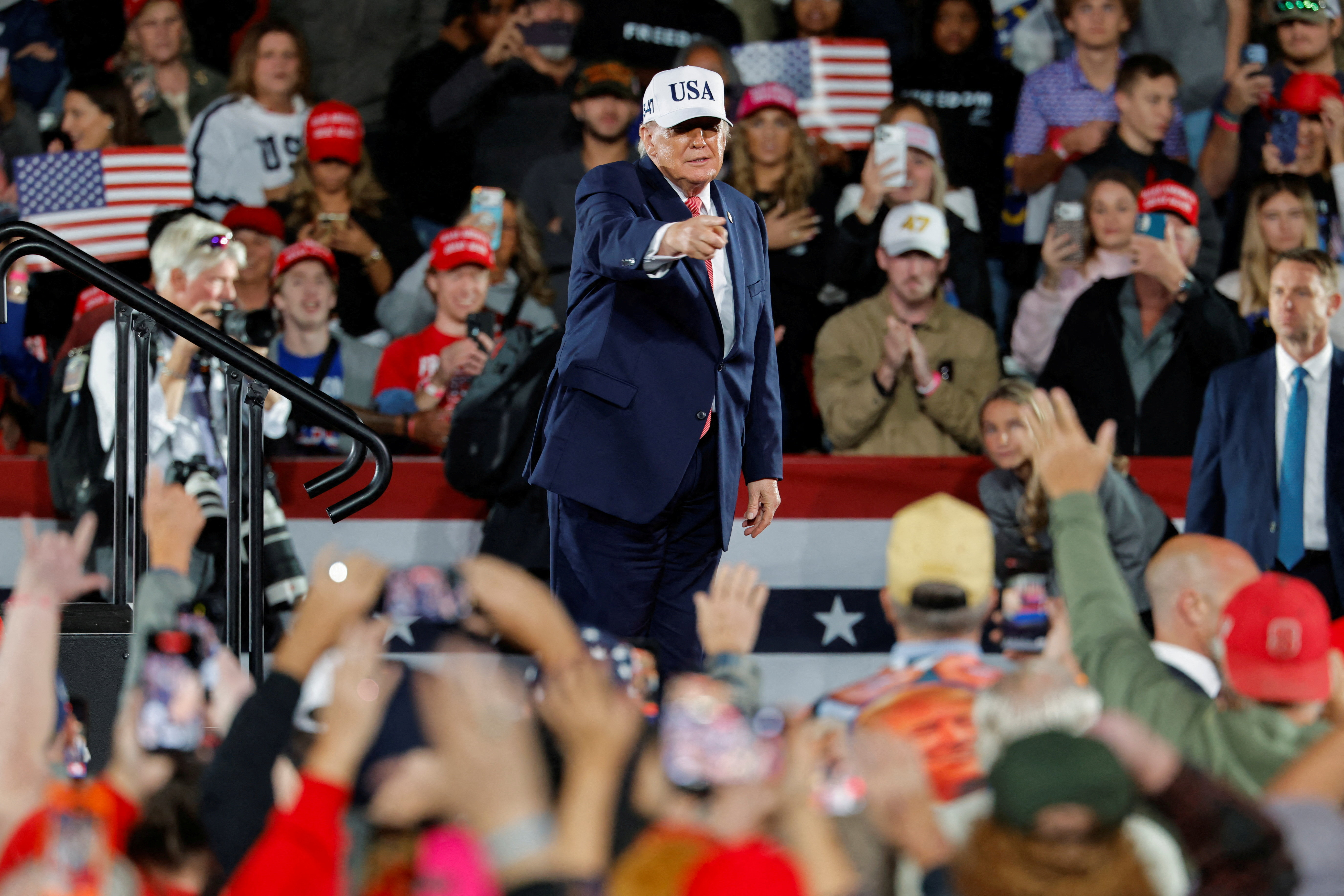
A federal judge on Thursday ordered Donald Trump to sit for a deposition by December 11 in his $10 billion defamation lawsuit against the BBC, which has accused the US president of stalling to avoid answering questions under oath.
Trump is suing Britain’s publicly funded broadcaster for at least $10 billion over a misleadingly edited clip of a speech. The case is one of several Trump has privately filed against the news media as part of a wider pressure campaign against coverage he dislikes.
US Magistrate Judge Enjolique Lett ordered Trump to take questions from the BBC’s lawyers under oath in a ruling from the bench at a court hearing on Thursday, according to a spokesman for Trump’s personal legal team. Trump canceled a deposition in October, citing conflicts with his presidential duties.
The Trump spokesman said the lawsuit is aimed at holding the BBC accountable for defamation and “reckless election interference.”
The BBC declined to comment. It previously admitted the edits were misleading and apologized to Trump, though it denies being liable for defamation.
Trump’s lawsuit filed in December in Florida federal court accuses the BBC of intentionally misleading viewers into thinking he directed supporters to storm the US Capitol by splicing together different parts of a January 6, 2021, speech.
In court filings, the broadcaster has accused Trump and his lawyers of dragging their feet in response to their requests for records and other information that is exchanged between parties in a process known as discovery.
The BBC is seeking financial records from Trump’s Mar-a-Lago club and the web of business entities associated with him, saying the information is necessary to defend against Trump’s damages claims.
Trump’s lawyers say the requests are too broad and irrelevant to the case. They have also denied in court filings that Trump is avoiding a deposition, saying Trump’s duties and security needs must take precedence.
The edited speech appeared in a BBC “Panorama” documentary show shortly before the 2024 presidential election, which Trump won. A leaked internal BBC memo cited the edits as evidence of potential political bias, sparking a public relations crisis for the broadcaster and leading to high-level resignations.
A taxa de aprovação do presidente dos Estados Unidos, Donald Trump, entre os jovens adultos é de 21%, e sua aprovação na condução da economia é de apenas 18%, segundo uma pesquisa da Harvard divulgada na manhã desta quinta-feira (22).
O levantamento, feito com adultos com menos de 30 anos, revelou que esse grupo avalia negativamente os republicanos no Congresso (22% de aprovação) e os democratas no Congresso (30% de aprovação).
Nesse contexto, entre os eleitores com menos de 30 anos que provavelmente votarão — definidos como aqueles que afirmam que “com certeza votarão” nesta eleição —, 63% dizem que escolheriam um candidato democrata em vez de um republicano em seu distrito, contra 26% que prefeririam um republicano.
Jovens democratas têm 16 pontos percentuais a mais de probabilidade de afirmar que certamente pretendem votar do que os jovens republicanos — uma diferença maior do que a observada em 2022 ou 2018, devido à intenção de comparecimento relativamente baixa entre os jovens republicanos neste ano.
O voto não é obrigatório nos Estados Unidos, sendo este um fator definidor de toda eleição no país.
A pesquisa também aponta o que os autores descrevem como uma “tendência latente de populismo econômico” entre muitos jovens americanos, com apoio majoritário a propostas como o “Medicare for All” (sistema de saúde universal), a taxação de grandes fortunas e a proibição de que integrantes do Congresso negociem ações na bolsa de valores.
Pessimismo com a política nos EUA
Além disso, o levantamento também indicou que o pessimismo em relação ao cenário político nacional dos Estados Unidos parece estar em evidência entre os jovens americanos.
A pesquisa revelou que 69% afirmam sentir mais medo do que esperança quanto ao futuro do país, enquanto 26% expressam o sentimento oposto.
Apenas um quarto deles acredita que, ao atingirem a idade que os pais têm hoje, estarão em uma situação financeira melhor do que a que seus pais possuem atualmente.
Por outro lado, 27% acreditam que estarão em uma situação pior — o índice mais pessimista registrado pela pesquisa de Harvard nos últimos cinco anos.
Metodologia
A pesquisa Harvard Youth Poll foi realizada entre 30 de setembro e 7 de outubro, utilizando um painel online baseado em probabilidade.
Foram ouvidos 2.024 adultos com menos de 30 anos, incluindo 1.366 eleitores registrados e 749 classificados como eleitores com alta probabilidade de comparecer às urnas.
A margem de erro para o total da amostra de jovens adultos é de 2,61 pontos percentuais para mais ou para menos; para os eleitores registrados, é de 3,19 pontos percentuais para mais ou para menos; e, para os eleitores com alta probabilidade de votar, é de 4,3 pontos percentuais para mais ou para menos.
Uma juíza federal dos Estados Unidos alertou que pode arquivar o processo do presidente Donald Trump de US$ 10 bilhões contra a BBC, caso ele não se empenhe mais em fornecer as informações às quais o veículo de imprensa tem direito no âmbito do processo — o que inclui prestar depoimento.
“Participar da fase de produção de provas é algo trabalhoso, mas é um ônus que assumimos, especialmente quando decidimos abrir um processo judicial”, afirmou a juíza Enjoliqué Aytch Lett aos advogados particulares de Trump durante uma audiência nesta quinta-feira (22).
Na ocasião, ela também acatou uma intimação da BBC para a obtenção de registros de integrantes do clube Mar-a-Lago.
Lett demonstrou ceticismo quanto ao fato de Trump e sua equipe terem realizado um trabalho adequado na busca por documentos internos relacionados ao caso.
“Tendo a concordar com o réu que é difícil acreditar que tenha sido feita uma busca minuciosa para determinar se todas as solicitações foram atendidas”, disse ela.
A magistrada também determinou que Trump preste depoimento até 11 de dezembro; no entanto, tanto ela quanto as partes envolvidas mencionaram a possibilidade de que essa data seja adiada.
Por que Trump processou a BBC?
Trump abriu o processo contra a BBC em dezembro de 2025. Ele alega ter sido difamado pela empresa em um documentário sobre seu retorno à política, exibido antes da eleição de 2024.
A acusação se baseia na forma como a produção combinou dois trechos de um discurso proferido por ele em 6 de janeiro de 2021, em frente à Casa Branca, pouco antes de seus apoiadores atacarem o Capitólio dos EUA.
O documentário uniu um trecho de suas declarações, no qual ele orientou seus apoiadores a “caminharem até o Capitólio”, a uma parte posterior, na qual ele disse aos manifestantes que “lutamos como loucos”.
Contudo, a corte ressaltou, na ocasião, que não estava dando à empresa de mídia carta branca para “reabrir a discussão” sobre os eventos de 6 de janeiro.
Ao todo, a BBC emitiu pelo menos 47 intimações a autoridades governamentais — entre pessoas que ainda estão e outras que já deixaram os cargos — e a assessores particulares do círculo de Trump que tiveram conhecimento de seus esforços para anular a eleição.
Entre eles, Jared Kushner e Ivanka Trump, o ex-procurador-geral Bill Barr e o ex-advogado da Casa Branca Pat Cipollone.
President Trump said Thursday he is sad to see the horse-drawn carriages in New York City go as the New York City Council is expected to pass a ban on them. The council is expected to vote on the decision Thursday, and the ban would start in 2028. “So sad to see the beloved Central…
President Trump said Thursday he is sad to see the horse-drawn carriages in New York City go as the New York City Council is expected to pass a ban on them. The council is expected to vote on the decision Thursday, and the ban would start in 2028. “So sad to see the beloved Central…
"Overall, nothing has changed anywhere," a Ukrainian official told the Kyiv Independent on Oct. 22. Starlink's speed cap of 161 kilometers per hour remains in effect, the official said.
O presidente dos EUA, Donald Trump, ligou para Elon Musk e pediu para ele suspender as restrições ao uso do Starlink pela Ucrânia, informou o WSJ (Wall Street Journal) nesta quinta-feira (22), citando autoridades americanas.
O sistema Starlink estava funcionando de maneira mais estável nesta quinta-feira, pouco depois da conversa entre Trump e Musk, segundo autoridades americanas e ucranianas citadas pelo jornal.
Algumas autoridades ucranianas disseram ao jornal que o sistema não foi restabelecido por completo, mas estava operando em velocidades mais altas do que sob o limite imposto.
O presidente Volodymyr Zelensky disse mais cedo, nesta quinta-feira, que a velocidade do Starlink não havia sido restabelecida para a Ucrânia, acrescentando que esperava conversar com o secretário de Estado dos EUA, Marco Rubio, nos próximos dias.
Trump disse a Musk que estava frustrado porque as velocidades do sistema continuavam limitadas, segundo o WSJ, citando autoridades.
Rubio disse na quarta-feira que as decisões sobre o acesso da Ucrânia ao Starlink cabiam à empresa controladora, a SpaceX, e ao seu presidente-executivo, Musk, e não à Casa Branca.
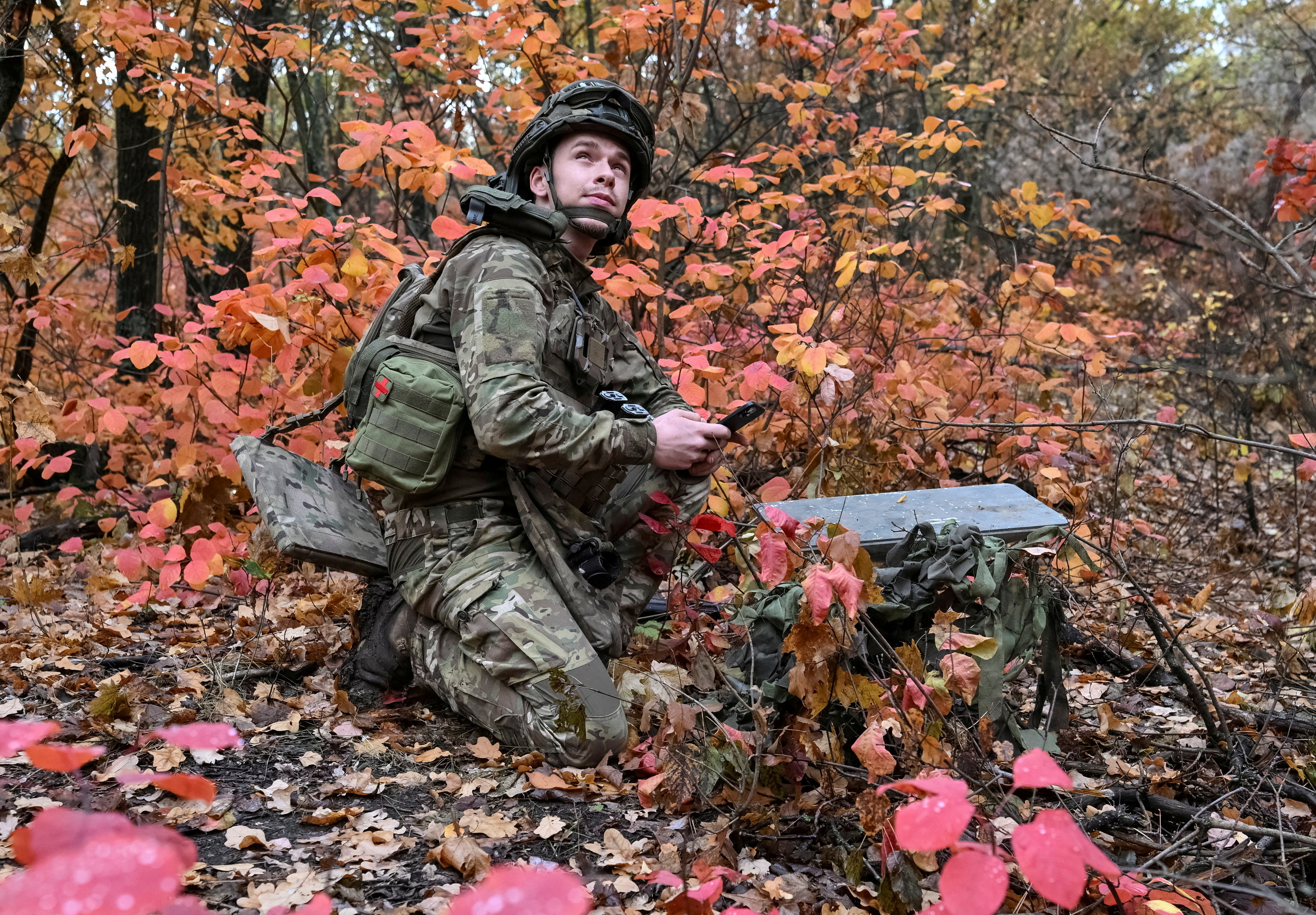
A Ucrânia usa o Starlink para comunicações no campo de batalha e para operações com drones.
Several Google DeepMind employees have resigned in recent weeks over the company's Pentagon contract signed earlier this year that allows its AI technology to be used in classified settings.
President Donald Trump was unfazed by at least ten protesters who tried to disrupt his speech in South Carolina on Wednesday night, where one rallygoer reportedly punched an agitator.
João Albuquerque considera que os EUA já não são um parceiro fiável. Sublinha o nervosismo de Trump com as eleições e os riscos de ataques híbridos russos aos europeus, apelando a uma defesa sem EUA.
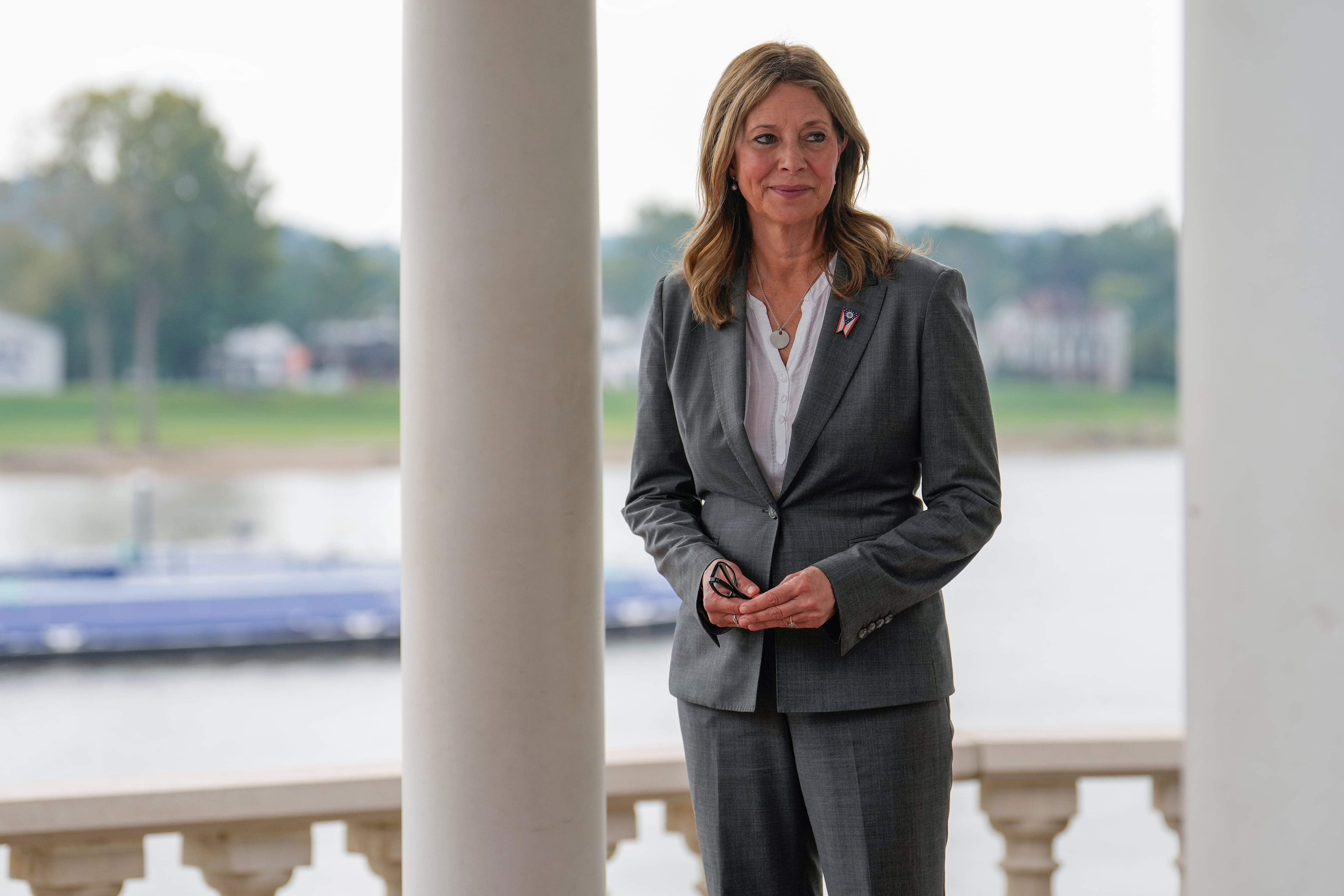
Al candidato republicano a gobernador de Ohio, Vivek Ramaswamy, parece haberle salido el tiro por la culata con un anuncio de campaña contra su contrincante demócrata, Amy Acton. El controvertido anuncio es un video donde la madre de Acton, de quien ella fue separada desde niña tras una imputación de abuso sexual contra su padrastro, la llama “mentirosa”. Algunos miembros de su partido temen que con él haya “sellado” la victoria de Acton.
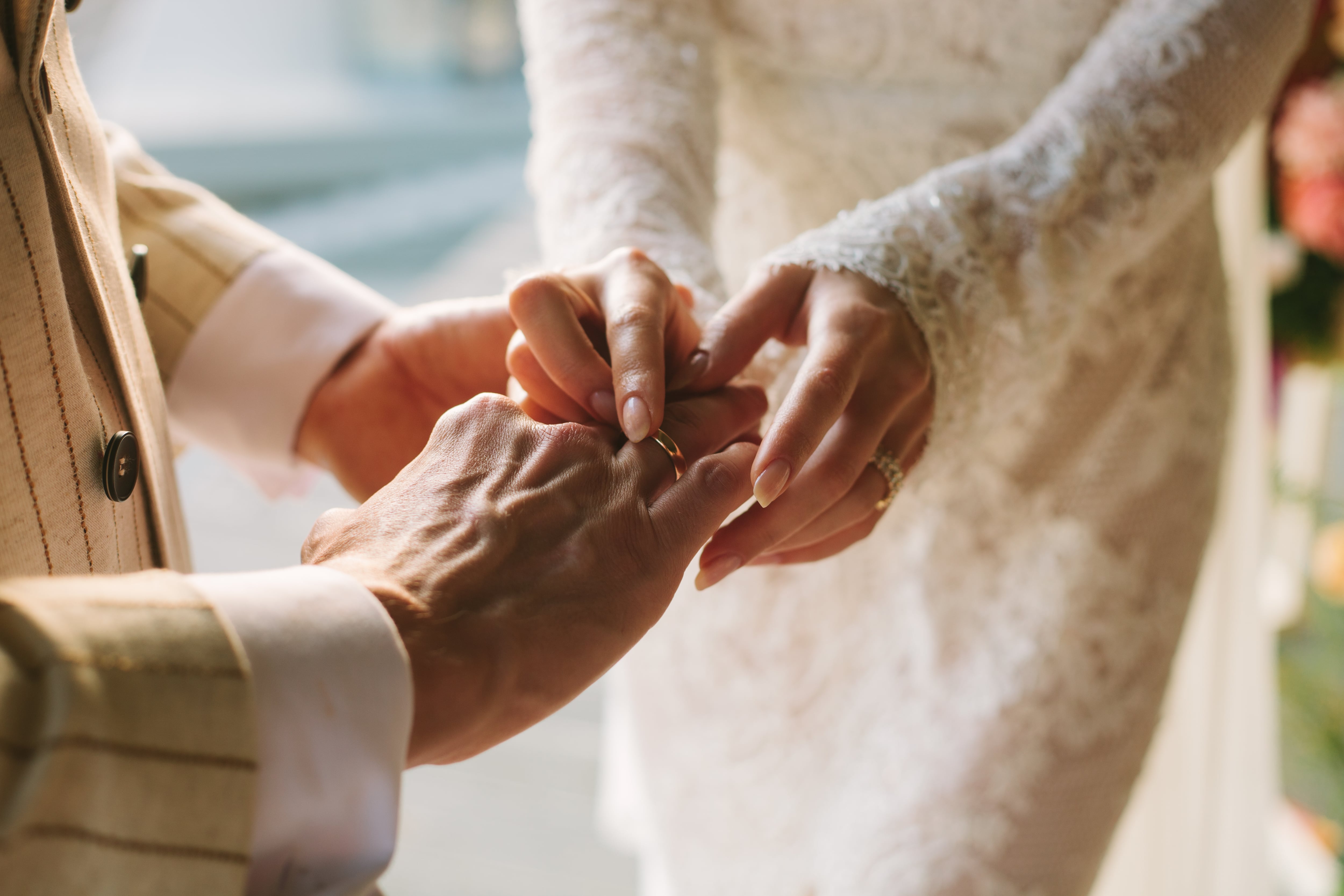
En una fotografía de hace tres años, Jessica Tavares, una ciudadana estadounidense de 31 años de Massachusetts, posa vestida de blanco junto a su futuro esposo, un migrante brasileño. Todo indica que acaban de firmar el acta de matrimonio y a Tavares se le ve sonriente. En otra imagen de 2024, Erica Daniels, de 29 años, también de Massachusetts, intercambia anillos nupciales con otro migrante brasileño. Para esos días en que los declararon marido y mujer ante la ley de Estados Unidos, ninguno sospechaba que iban a ser delatados como los protagonistas de una red multimillonaria de fraude matrimonial que la Administración de Donald Trump asegura haber desmantelado.
Tech company previously complied with president’s demand to rename Gulf of Mexico as Gulf of America
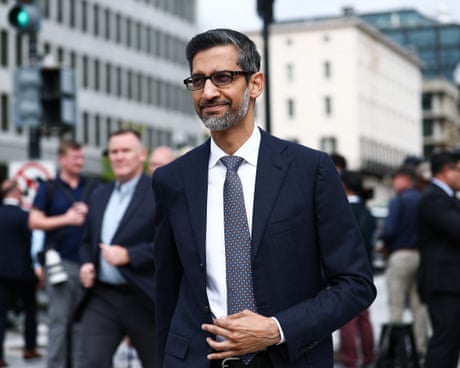
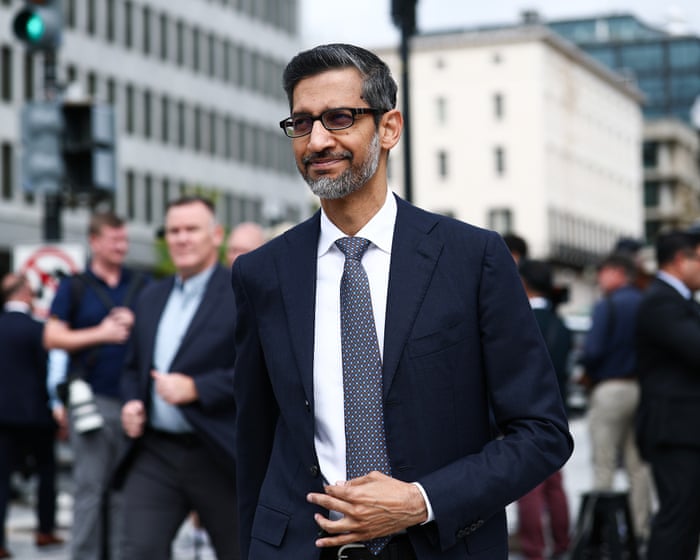
Donald Trump said Google rejected his request to rename the Atlantic Ocean after himself or America.
Speaking at a rally in South Carolina on Wednesday, the president said he had called Google’s CEO, Sundar Pichai, to ask whether the company could “handle” his proposal.
Henry Hernández saw on local television that one of his favorite Cuban bakeries in South Miami had hosted Democratic congressional candidate Elliot Rodríguez and House Democratic Minority Leader Hakeem Jeffries last Friday. So outraged was he by the visit from the politicians, whom he labels “socialists,” that this Wednesday he stopped by for one last colada, a Cuban version of espresso, and told the cashier: “I’m here to say goodbye, because I’m never coming back.”
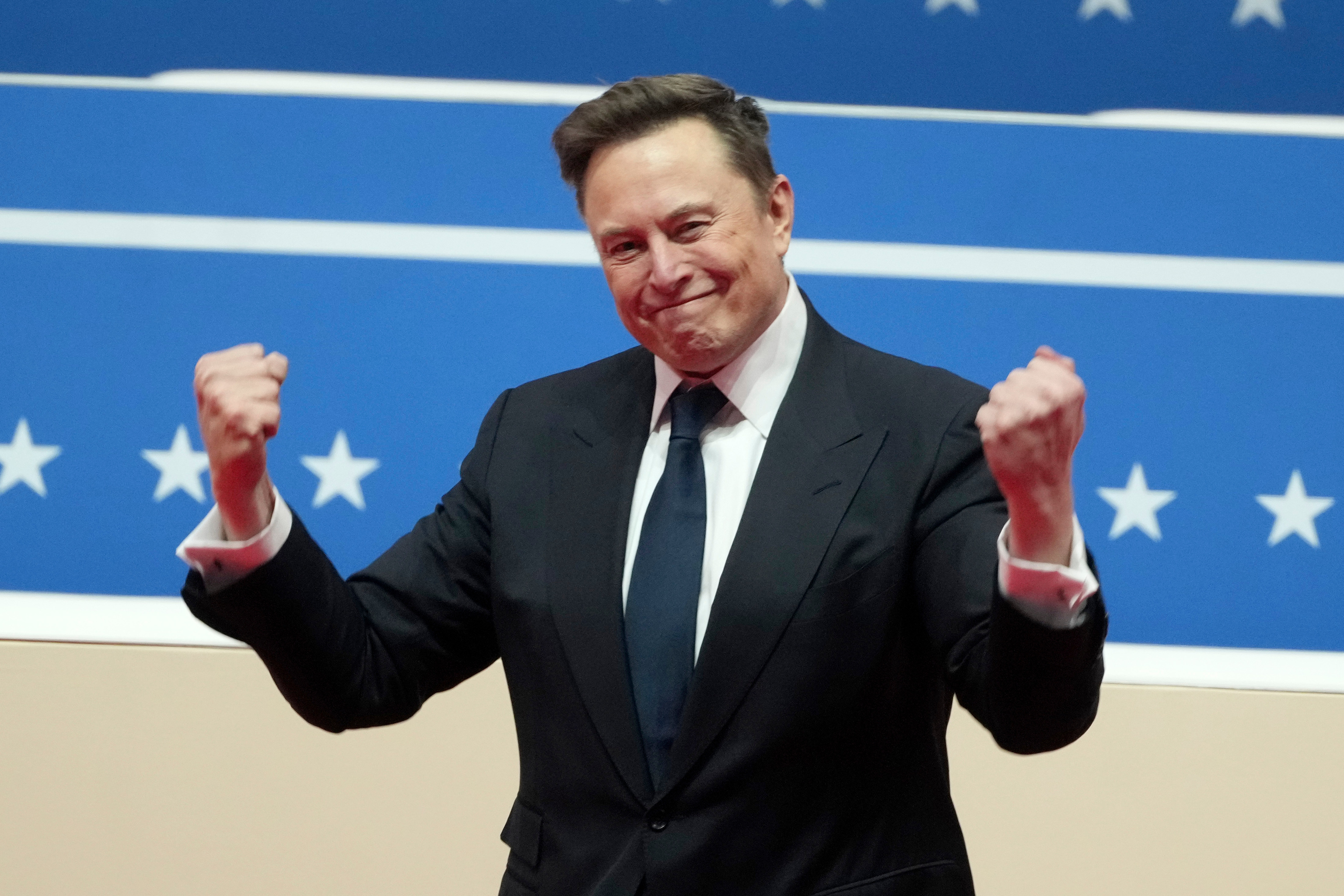
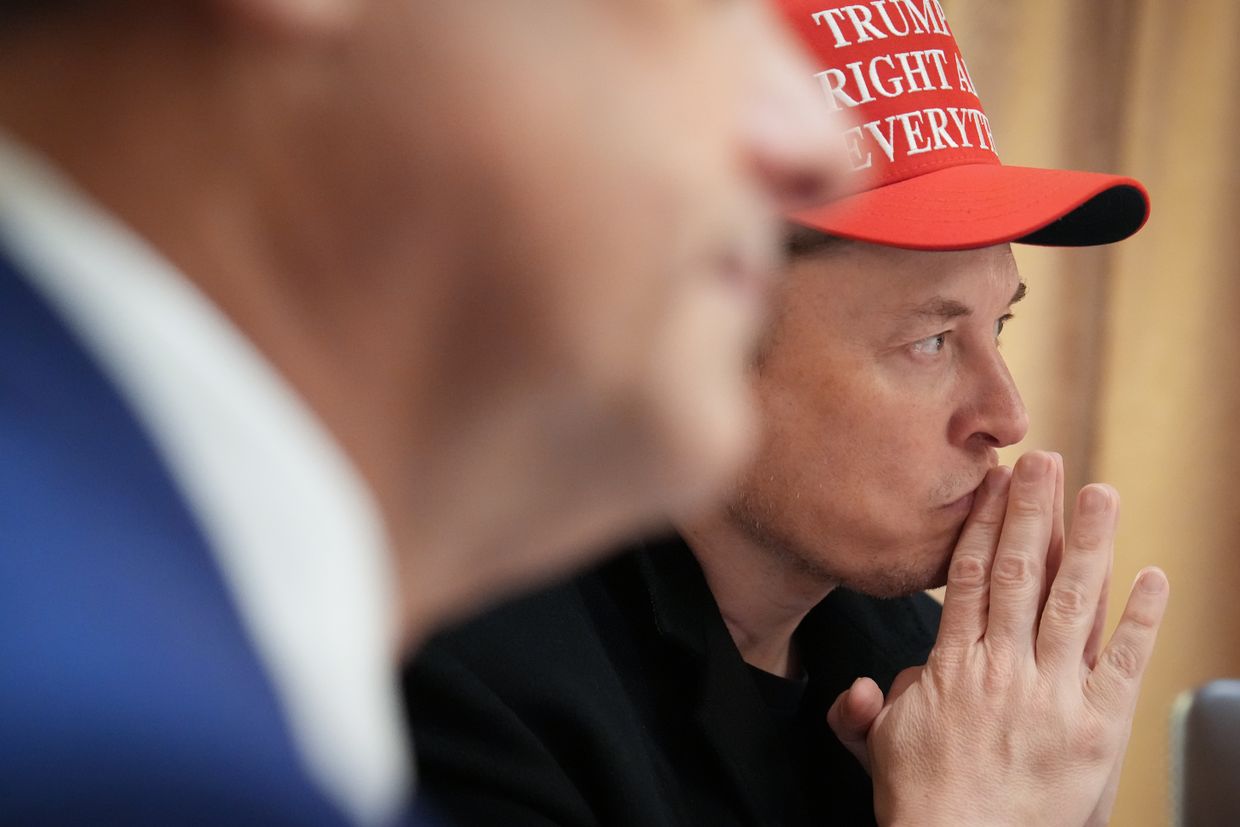
US President Donald Trump called Elon Musk and asked him to lift restrictions on Ukraine’s use of Starlink, the Wall Street Journal reported on Thursday, citing US officials.
The Starlink system was working more normally on Thursday, shortly after the Trump-Musk conversation, according to US and Ukrainian officials cited by the Journal.
Some Ukrainian officials told the newspaper the system was not restored to full functionality but was working at higher speeds than under the cap.
President Volodymyr Zelenskiy said earlier on Thursday that Starlink speed had not been restored for Ukraine, adding that he hoped for talks with US Secretary of State Marco Rubio in the coming days.
Trump told Musk he was frustrated the system’s speeds remained capped at around 100 mph (160 kph), the Journal said, citing officials.
Rubio said on Wednesday that decisions regarding Ukraine’s access to Starlink were up to its parent company SpaceX and its CEO Musk, not the White House.
Ukraine uses Starlink for battlefield communications and drone operations. Restricting the satellite service hampered the country’s attack and air defense drone missions against Russia.
Got an opinion on anything you've read in the Kyiv Independent? Send it to letters@kyivindependent.com — your letter may appear in our Letters section.
Mark Cary, United States
member
I vividly remember when the Soviet Union collapsed. I was in my second year in college studying
Can Congress meaningfully constrain presidential tariff authority when an older, less restrictive statute offers an alternative route to achieve the same goal?
Can Congress meaningfully constrain presidential tariff authority when an older, less restrictive statute offers an alternative route to achieve the same goal?
Once again, a member of President Donald Trump's administration is threatening to punish private citizens for their speech using the power of the government.
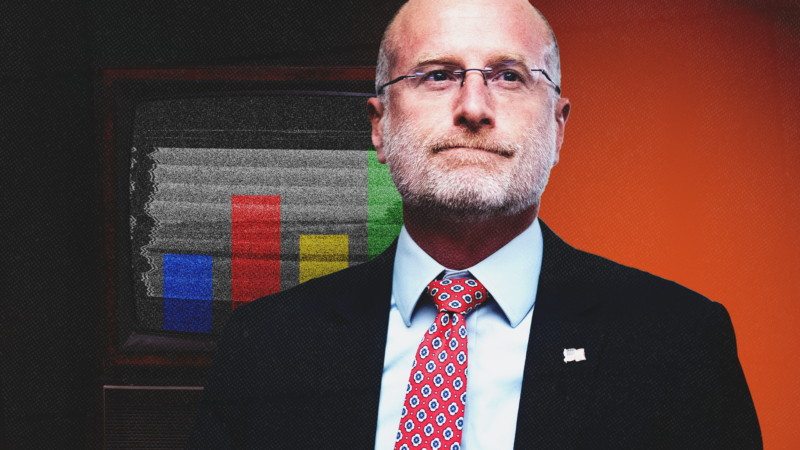
Specifically, the chairman of the Federal Communications Commission (FCC) threatened broadcasters who dare to report on polls the president doesn't approve of. Even if the complaint were valid, it would be difficult to enforce without violating the First Amendment.
"During this election season, there has been a significant surge in entirely Fake Polls and Suppression Polls designed to do nothing more than interfere with the regular functioning of the electoral process and alter the normal patterns of voter turnout and enthusiasm," FCC Chairman Brendan Carr wrote on X. "Many journalists and broadcasters have been amplifying or airing these Polls without regard to basic journalistic ethics and without informing the public that those Polls lack a scientific, accurate, or even real basis."
Carr is directly adopting Trump's terminology, in addition to his erratic capitalization: The president often uses the term suppression polls to describe surveys that don't reflect in his favor. The implication is that these polls are manufactured to conceal or downplay enthusiasm for Trump or his preferred candidates, making it less likely that his supporters will turn out if they think it's a lost cause.
Carr doesn't single out any offenders, though there are some likely examples. This week, purported pollster Wedgewood Polls revealed that as part of an "experimental project," it had released surveys with "fabricated numbers" that were printed by outlets like FiftyPlusOne (which sussed out the fraud) and The New York Times.
Similarly, in August, Median Strategies withdrew two polls, then revealed that it had fabricated the results for a "social experiment."
Each scenario is deplorable. And depending on what promises were made, it's possible one firm or the other could face legal consequences.
But it's hard to see how a news outlet could face legal reprisal for just reporting the results of a survey it thought was conducted accurately.
"The FCC takes these issues seriously," Carr added. "Broadcasters are prohibited by the terms of their federal licenses from engaging in News Distortion or promoting Broadcast Hoaxes. It is important that broadcasters comply with their public interest obligations."
There are indeed rules against news distortion and broadcast hoaxes, but they're narrowly tailored to avoid conflicting with the First Amendment.
"News distortion 'must involve a significant event and not merely a minor or incidental aspect of the news report,'" according to the FCC. In addition, "broadcasters are only subject to enforcement if it can be proven that they have deliberately distorted a factual news report. Expressions of opinion or errors stemming from mistakes are not actionable."
The hoax rule, on the other hand, is even less applicable: It involves "broadcasting false information concerning a crime or a catastrophe," where the broadcaster "knows this information is false" and can foreseeably "cause substantial public harm" but airs it anyway, and the broadcast then "does in fact directly cause substantial public harm."
In other words, neither standard applies to a broadcaster that covered an inaccurate poll, especially without knowing at the time that it was wrong.
"Pollsters who intentionally mislead the public should answer for it, but broadcasters who report publicly available polling data should never be punished when a poll is wrong," Anna Gomez, the lone Democratic FCC commissioner, wrote on X. "FCC rules on news distortion or hoaxes do not apply to a station that reports this data in good faith."
Carr doesn't specify what he thinks should happen to any offenders, though since he tends to define "public interest" as whatever Trump says, we can make an educated guess.
Right before the 2024 presidential election, The Des Moines Registerpublished a poll that found then–Vice President Kamala Harris leading Trump in Iowa by three percentage points. Trump ended up winning the state by 13 percentage points, but he was apparently so upset by the poll that he sued both the Register and pollster Ann Selzer, claiming the inaccurate survey constituted "brazen election interference" that violated the Iowa Consumer Fraud Act.
It was clear at the time that the lawsuit was completely meritless. Just as Carr suggested this week in his social media post, Trump was trying to create an exception to the First Amendment for "fake news."
"In the United States there is no such thing as a claim for 'fraudulent news,'" Robert Corn-Revere, chief counsel at the Foundation for Individual Rights and Expression, wrote in a motion on the defendants' behalf. "No court in any jurisdiction has ever held such a cause of action might be valid, and few plaintiffs have ever attempted to bring such outlandish claims."
A judge agreed and dismissed the lawsuit last month.
"If someone is accurately reporting the results of a poll, that wouldn't be a false statement," UCLA law professor Rick Hasen told The Washington Post at the time. "The poll might have errors in it, but that wouldn't be a false statement."
That's as true then as it is now. Unless he can somehow prove that a broadcaster knew a pollster had faked a survey, there's no way Carr can punish someone for reporting on the results without running afoul of the First Amendment.
"Brendan Carr is not the journalism police. And he is just about the least qualified person in the country to lecture the press about journalistic ethics," Seth Stern, chief of advocacy at the Freedom of the Press Foundation, said in an emailed statement. "News broadcasters have a First Amendment right to report polling data, even if it proves to be inaccurate, just like they have a First Amendment right to report on Carr and Trump's own countless lies and distortions, even when they turn out to be inaccurate. FCC policies about hoaxes and distortions must be applied narrowly to avoid clashing with the Constitution, if they can be constitutionally applied at all."

 Login