“The Joint Forces have formed a command center south of the city of Mokha, following Houthi breakthroughs across various combat axes under heavy fire, in which the Houthis used various types of weapons,” Deputy Chairman of the Presidential Leadership Council (PLC), Lt. Gen. Tareq Saleh, said in his acknowledgment that his forces lost the port. The PLC was created in 2022 to represent the internationally recognized government of Yemen.
“The armed forces on the West Coast — the National Resistance, the Giants [Brigades], and the Homeland Shield — in addition to units of the Taiz axis west of the governorate, have paid a heavy price, martyrs and wounded, over the past days as they confronted the Houthi attack, which was planned by Iran, supported by it, and carried out with the participation of its various proxies/tools.”
“Thanks to God, our armed forces were able to repel an enemy combat formation a short time ago in the province of Taiz, forcing it to withdraw,” Houthi spokesman Brig. Gen. Yahya Saree proclaimed. “This was achieved by targeting it with a number of locally manufactured surface-to-air missiles.”
(Houthi Telegram channel)
Videos have emerged showing Houthi forces inside Mokha and its airport and a large amount of equipment being seized.
The people of the port city of Al-Mokha gave a warm reception to Yemeni armed forces fighters following the city's strategic liberation. pic.twitter.com/0XDrveJPxU
BREAKING: The Houthis have announced a Cessation of Combat Operations along the Coast of Bab al-Mandab Strait following the Collapse of Pro-Saudi Forces
The Core Military of the Houthis has entered the City of Mokha
Even before the capture of Mokha, the rebel group held the BAM under threat with its array of drones and missiles, some of which it launched from deeper in Yemen. In fact, the group became the first to fire anti-ship ballistic missiles (ASBM) at vessels during its campaign against Red Sea shipping.
Mokha, however, provides a potential new surveillance and launching point for the Houthis to deploy mines as well as aerial drones and uncrewed surface vessels (USVs) they can use to attack shipping. As we have reported previously, the rebel group pioneered the operational use of some of these weapons.
The Houthis “are determined to control the ports in order to use booby-trapped boats from areas close to shipping lanes,” Col. Abdul Basit Al-Baher, a Yemeni army officer and military analyst, told Arab News last month as the rebels were pushing closer to the port.
In addition to Mokha, the Houthis also reportedly captured two important islands that could also add to its control over shipping through the strait. However, TWZ cannot independently confirm this.
There are claims that the Houthis seized Perim Island, which sits right in the middle of the BAM. In 2021, satellite images we obtained showed completion of a new, approximately 6,150-foot-long runway on the island as well as hangars and other facilities. The installation was supposedly meant primarily to support drone operations and was built by the United Arab Emirates.
This strategically located island sits in the narrowest part of the BAM, less than two miles west of Yemen and about 13 miles east of Djibouti, giving the Houthis a commanding presence at the mouth of the Red Sea.
Zuqar Island, which was also reportedly captured, sits in the middle of the Red Sea about 80 miles north of Perim Island. In the custody of the Yemeni government since 1998, it was being “used by government forces to track shipping traffic, monitor movements by Houthi rebels and stop weapons smuggling in the Red Sea,” according to The National.
Last year, images emerged of construction of a runway on the island.
A closer look at the new 2.1 km runway on Yemen’s Jabal Zuqar Island in the southern Red Sea shows a small apron with one completed aircraft hangar and another likely under construction, plus a taxiway leading to two military emplacements, likely to shelter aircraft or UAVs. https://t.co/cnphe6yCeOpic.twitter.com/iOwr7C6I91
Zuqar Island sits about 7 km east of the northbound shipping lane in the Red Sea. Control over these two islands could allow the Houthis to mirror the pattern Iran established in the Strait of Hormuz by directing traffic to pass through a narrow passage between Qeshm and Larak islands.
The Iranian transit scheme for the Strait of Hormuz. (Iranian government)
The conflict between Saudi Arabia and the Houthis grew out of a civil war in Yemen that erupted in 2014. It expanded a year later when a Saudi-led coalition joined forces with the government ousted by the Houthis and raged on until the parties reached a tenuous ceasefire in 2022. The Saudis held off on getting involved in the recent Red Sea conflict which saw the U.S. and coalition warships duking it out with the Houthis, and eventually led to a U.S.-led air campaign over Yemen. Tensions, however, reignited after that conflict ended when the Houthis joined the U.S.-Iran conflict on the side of their major supporter. In addition to the aforementioned blockade, the Houthis began striking Saudi refineries.
The Houthis already control the port of Hodeidah, about 100 miles to the north. Capturing Mokha and the two islands extends their reach even closer to the BAM.
“On average, 273 ships sailed through the chokepoint each week between 27 July and 23 August,” the organization reported. “The naval ban on Saudi Arabia came into effect on 20 July, and the weekly average in the run up date was 319. Still, traffic remains above volumes seen before the crisis in the Middle East Gulf that led to a flurry of activity in the Red Sea as Saudi oil was redirected to Yanbu.”
Saudi Arabia has increasingly sent oil to its port of Yanbu on the Red Sea. (Photo by Yasin Demirci/Anadolu via Getty Images) Anadolu
The biggest impact of the blockade, Lloyd’s List Intelligence notes, is that it is driving up the cost to deliver oil by forcing traffic north through the Suez Canal, “extending voyage times and tying up capacity. In the Middle East, rising use of Hormuz shuttle tankers and multiple STS transfers is creating delays and increasing vessel utilization. Combined, these rising inefficiencies have led to the third VLCC spot-rate spike since the beginning of the crisis in the Middle East Gulf.”
The Houthi strikes on Saudi’s oil infrastructure, including a Houthi missile and drone attack against the Saudi Aramco refinery at Jazan on the Red Sea earlier this week, add a further dilemma for Riyadh, making it harder to get its product to points of shipment.
Video of of the aftermath of those strikes, which you can see below, emerged on social media.
Following Houthi strikes, fires can be seen raging at the Jizan oil refinery in Saudi Arabia. pic.twitter.com/tAqOPlsmvS
All this is raising the specter of the U.S. having to get as involved as it did during the previous Houthi campaign against shipping that ended last September, which could pull resources away from Iranian-focused operations, if supporting such an operation is even possible at all at this point. The Navy, and other key elements of the U.S. military, is overstretched and worn down by continuous deployments for many months leading up to Venezuela and then Iran, and now six months after Operation Epic Fury.
U.S. forces in the Persian Gulf are under increasing pressure as tensions with Iran continue to simmer. On Tuesday, several U.S. Air Force jets were damaged in an Iranian missile barrage on Muwaffaq Salti Air Base in Jordan, according to CBS News. An A-10 Thunderbolt II close support jet lost a wing and about eight F-15E Strike Eagle multi-role fighters were slightly damaged and returned to service, the network noted.
There is also a report that Acting Navy Secretary Hung Cao said Iranian forces “blew the hell out of Bahrain” where the U.S. military has a number of key facilities, including the headquarters of the U.S. Fifth Fleet. The country has been the subject of frequent Iranian barrages since the U.S. and Israel first attacked on Feb. 28.
Cao’s assessment matches what we have seen and heard prior to his comments and raises anew the question of whether the U.S. will return to Bahrain and other bases in the region heavily attacked by Iran.
In an exclusive interview, Acting Navy Secretary Hung Cao told me that Iranian forces "blew the hell out of Bahrain."
While open-source analyses have long indicated that the U.S. Fifth Fleet Headquarters at Naval Support Activity Bahrain sustained extensive damage in the early…
“At least three times in the past week, Iranian forces have launched missiles at American warships, including an aircraft carrier, taking direct aim at the U.S. Navy in a way it hasn’t done since the start of the war,” the newspaper noted. “The attempted strikes on warships have led to much closer calls than previous attempts, with Iran using maneuverable warheads, people familiar with the attacks said.”
Amid this activity, traffic through the Strait remains suppressed.
“Vessel transits via the Strait of Hormuz fell on Wednesday to seven from 12 the previous day, preliminary ship-tracking data showed on Thursday, with levels also below the 10-day average of 14,” Reuters reported. “Out of these seven ships, four vessels exited and three entered, according to the data.”
However, an exact figure is hard to come by. Some vessels could be sailing through the waterway with their transponders turned off and would not be counted toward the totals, the outlet added.
Vessels transit the Hormuz Strait off the coast of Iran’s southern port city of Bandar Abbas on September 7, 2026. (Photo by ATTA KENARE / AFP) ATTA KENARE
As it is, oil prices are skyrocketing. As of noon Thursday, the per barrel price of Brent Crude exceeded $107, the highest price since July when it fell to just over $77 per barrel, according to OilPrice.com.
It will take some time before we get a better picture of how the Houthi seizure of the port of Mokha, and possibly Perim and Zuqar islands, will affect the global economy due to rising oil prices, either through reduced supply, increased cost of delivery or some combination of the two. With no end in sight to the U.S. conflict with Iran that helped to drive these actions, the Yemeni rebel group has incentives to inflict economic pain wherever it can.
Ukraine has unveiled a new domestically developed surface-to-air missile system designed to turn a diverse collection of air-to-air missiles into a flexible ground-based air defense capability. Called Shershen, Ukrainian for hornet, the system combines a locally-developed command-and-control architecture, a dedicated surveillance radar, and multiple launchers that can employ both Ukrainian and Western missiles.
The system was displayed at the MSPO defense exhibition in Kielce, Poland, by the National Association of Ukrainian Defense Industries (NAUDI). The example shown is reportedly the second operational prototype and is described as being close to its production configuration.
At the ongoing MSPO-2026 defense and industrial exhibition in Poland, the launcher of the Ukrainian Shershen air defense system, developed by Radionix, has been presented for the first time, along with the R-120K surface-to-air guided missile specially developed for it (second… pic.twitter.com/5RfZWHWuxl
The appearance of Shershen comes as Ukraine continues to develop an increasingly diverse family of indigenous air defense systems, while simultaneously adapting older missiles and foreign-supplied weapons to address a severe shortage of interceptors.
The Buk/Sea Sparrow FrankenSAM combines the Soviet-era Buk transporter-erector-launcher with U.S.-supplied RIM-7 Sea Sparrow missiles. Operational Command East
Shershen takes that philosophy a step further by making missile interchangeability a central feature of the system.
The Shershen battery consists of a Perun command-and-control vehicle, an Athena radar, and four Borei launchers.
A graphic shows a typical Shershen battery. via Oboronka
According to the developer, the system’s architecture is deliberately open. This allows it to use different missiles from different manufacturers and also permits the integration of third-party surveillance and guidance radars.
The company says Shershen can currently employ the R-27 (AA-10 Alamo), R-73 (AA-11 Archer), AIM-9 Sidewinder, and AIM-132 ASRAAM, while compatibility with the R-60 is also being explored. These weapons come with a mix of semi-active radar or infrared homing seeker heads.
One of the ASRAAM/Supacat air defense systems supplied to Ukraine. Ukrainian Armed Forces
Air-to-air missiles are already available in considerable variety across Ukraine’s arsenal and those of its foreign partners. Being able to employ several types from a common ground-based system provides much more flexibility than a conventional SAM designed around one dedicated interceptor.
It also offers a way to exploit missiles that were never originally intended to be fired from the ground. That means Shershen’s launcher and fire-control system are meant to be interceptor agnostic, at least to a certain degree.
Shershen’s Athena radar is reported to be capable of detecting targets at ranges of up to 85 kilometers (53 miles).
The Athena radar for the Shershen. NAUDI screencap
In terms of the engagement envelope, Shershen is claimed to be capable of engaging aircraft, cruise missiles, and drones at ranges of up to 25 kilometers (16 miles) and altitudes of up to 10,000 meters (32,800 feet). Clearly, these figures will vary widely depending on the type of interceptor.
When employing radar-guided missiles, the system’s engagement architecture can reportedly guide as many as six missiles simultaneously.
The advertised performance figures have not been independently verified, and it remains unclear what target types and engagement conditions were used to establish them.
Україна представила складові мультикаліберного зенітного ракетного комплексу «Шершень» на міжнародній виставці MSPO 2026 у польському місті Кельце.
Міжнародний консорціум компаній Shershen Group, який створює ЗРК в інтересах України представив, показав командний пункт,… pic.twitter.com/9wAS7ewxzg
The developer says the second prototype has completed initial testing, including successful interceptions at a test range.
One of the Borei launchers displayed at MSPO were armed with an R-120K, a new Ukrainian missile equipped with a radar seeker and is intended to be capable of both air-to-air and surface-to-air employment.
The R-120K remains under development, however. Work is reportedly continuing on its rocket motor, meaning that its eventual performance and production status remain uncertain. Still, having the option of including the R-120K on the Shershen system in the future is significant.
A test launcher used for the Shershen program, armed with a radar-homing (nearest camera) and an infrared-guided R-27 missile. The latest prototype features a cage-type container launcher. NAUDI screencap NAUDI screencap
Rather than relying indefinitely on stocks of Soviet and Western air-to-air missiles, Ukraine could eventually have a domestically produced interceptor specifically tailored to its growing family of ground-based air-defense systems. That will become increasingly important as stocks of legacy missiles are depleted. Earlier this year, it was reported that Ukrainian F-16s were running low on their air-to-air missiles, which include the same AIM-9s that are used in some FrankenSAM systems, as well as being compatible with Shershen. But even before that, it was clear that Western-supplied missile stocks in Ukraine across the board were diminishing, in some cases drastically, with critical interceptors like the AMRAAM and Patriot being badly affected.
A live AIM-9L/M Sidewinder launched from the wingtip rail of a Ukrainian F-16. Ukrainian Air Force screencap
Ukraine’s need for additional surface-to-air missiles has become increasingly acute during the full-scale war, especially as Russian drone and missile barrages have stepped up.
The shortage has encouraged Ukraine to pursue a combination of indigenous development and unconventional adaptations.
The FrankenSAM initiative, conducted with U.S. support, demonstrated how existing Ukrainian systems could be combined with foreign missiles to rapidly create additional air-defense capacity. Ukraine has also fielded modified Osa systems armed with R-73 air-to-air missiles rather than their original 9M33 interceptors. Other R-73-based concepts have even been demonstrated aboard Ukrainian uncrewed surface vessels.
An R-73 missile loaded on an Osa-AKM SHORADS vehicle. Come Back Alive
Shershen appears to reflect the next logical step in that evolution: rather than creating a one-off FrankenSAM combination, build an architecture from the outset that can accept multiple missiles. Additionally, with so many different ground-based air defense systems now being fielded, it comes with the significant advantage of a standardized launcher and control interface that can accommodate a range of interceptors.
At the same time, Ukraine is pursuing substantially more ambitious indigenous SAM projects.
Earlier this year, a previously secretive Ukrainian missile identified as the Koral made what appeared to be its first public appearance. The program dates back to at least 2021, when Ukraine’s Luch design bureau presented a concept for a medium-range surface-to-air missile.
A missile is launched from a Koral air defense system, based on a Czech Tatra truck chassis. Ukroboronprom
Koral is intended to provide a much longer-range capability, potentially filling some of the gap left by Ukraine’s aging Soviet systems and supplementing the Western-supplied Patriot and SAMP/T.
Shershen, by contrast, is clearly focused on the short-range layer.
Together, the programs illustrate the breadth of Ukraine’s emerging domestic air-defense effort: from relatively inexpensive systems built around repurposed air-to-air missiles to new, purpose-designed interceptors intended to replace or augment Soviet-era systems.
Ukraine’s experience with FrankenSAM has demonstrated the value of getting unconventional air defense combinations into service quickly.
Once fielded, Shershen, with its architecture capable of accepting different Soviet-origin and Western-made interceptors, and eventually a Ukrainian one, gives Ukraine another way to stretch its missile inventory and enhance its air defense capabilities.
Di seguito riporto alcuni stralci tratti dall’intervento al Bundestag (il parlamento tedesco) di Alice Weidel, co-leader del partito di destra Alternativa per la Germania (AfD). Mi rifiuto di scrivere “di ...
A Unidade Local de Saúde do Algarve promove no próximo dia 15 de setembro um webseminário dedicado ao tema «A Inteligência Artificial no SNS e na Saúde».
De acordo com a equipa dinamizadora, “a Inteligência Artificial (IA) está a assumir um papel cada vez mais relevante no Serviço Nacional de Saúde e no setor da Saúde, com impacto direto na forma como se organizam os serviços, se apoiam decisões clínicas e de gestão, se tratam dados e se melhoram percursos assistenciais”.
Num contexto marcado por elevada pressão operacional, escassez de recursos, envelhecimento da população, aumento da complexidade clínica e necessidade de maior eficiência, “a IA pode constituir uma ferramenta importante para reforçar a capacidade de resposta das instituições de saúde, desde que utilizada de forma segura, ética, transparente e alinhada com os direitos dos cidadãos, a proteção de dados, a cibersegurança e a responsabilidade profissional”, explicam.
Neste enquadramento, a organização de um webseminário sobre esta temática justifica-se pela necessidade de promover literacia, reflexão crítica e alinhamento institucional sobre oportunidades, riscos e condições de utilização da IA em contexto de saúde.
O evento, no âmbito da literacia em saúde, pretende assim contribuir para uma abordagem informada e responsável, envolvendo profissionais de diferentes áreas clínicas, técnicas, administrativas e de gestão, e valorizando a governação, a conformidade, a segurança da informação, a qualidade dos cuidados e a confiança dos utentes.
Mais do que discutir tecnologia, importa compreender como a IA pode ser integrada no SNS como instrumento de apoio à decisão, melhoria organizacional e inovação, sem substituir o julgamento humano, a ética profissional e a responsabilidade das instituições.
PALESTRANTES
• Rui Duarte – Auditor Interno e ex-RCN da ULS Algarve
• Paulo Simões – ULS Algarve – Sistemas de Informação / RIS2
• Pedro Valente – ULS Santa Maria – Sistemas de Informação / RIS2
• Henrique Martins – Ex-Presidente SPMS e Professor ISCTE
• Ana Frade Silva – d.Health&Care FHVC, Professora Convidada na NMS
INSCRIÇÕES
Webinar «Impacto da Inteligência Artificial (IA) no SNS e na Saúde» | inscrever aqui | • Participação aberta a todos os interessados. A emissão de declaração de participação será enviada apenas aos participantes que efetuem inscrição prévia.
Footage shared by local authorities shows large sections of the vessel engulfed in flames and survivors being pulled out of the water onto Philippine Coast Guard boats.
Footage shared by local authorities shows large sections of the vessel engulfed in flames and survivors being pulled out of the water onto Philippine Coast Guard boats.
Um acidente rodoviário mobilizou os elementos dos Bombeiros Mistos de Alcácer do Sal na tarde de hoje. Segundo a corporação dos Bombeiros Mistos de Alcácer do Sal, o alerta para a colisão contra uma infraestrutura fixa na Estrada da Horta da Azeda foi dado pelas 14h44.
Do sinistro resultaram cinco feridos leves. De acordo com as informações disponibilizadas pelos bombeiros, duas das vítimas foram transportadas e evacuadas para o Serviço de Urgência Básica (SUB) de Alcácer do Sal para receberem assistência médica. As restantes três vítimas assistidas no local recusaram o transporte para a unidade hospitalar.
A operação de socorro e apoio no local contou com a intervenção da GNR de Alcácer do Sal, da GNR da Comporta e das Infraestruturas de Portugal (I.P.).
Data: 10 de setembro de 2026 Por: Dino Frazão
Se ainda não é nosso seguidor, aproveite para seguir a nossa página e ficar a par de todos os conteúdos e atualizações!
A major new investment commitment announced during President Sheikh Mohamed bin Zayed Al Nahyan’s (pictured) state visit to Berlin signals a deeper economic relationship between two countries looking for reliable partners in an increasingly uncertain world.
The United Arab Emirates has announcedplans to invest an additional €40 billion in Germany, one of the most substantial signals yet that the economic relationship between Europe’s largest industrial economy and the Gulf state is entering a new phase.
The commitment, announced during President Sheikh Mohamed bin Zayed Al Nahyan’s state visit to Germany, will target sectors including industry, advanced technology, artificial intelligence, digital infrastructure and energy. Of the total, €10 billion is set to be invested in the German state of Bavaria.
The headline figure is striking. But its significance goes well beyond the amount involved.
The UAE has already invested around €34 billion in Germany. The new commitment therefore represents not simply another large capital allocation, but an attempt to deepen a relationship increasingly built around the industries and technologies that both countries see as central to their future competitiveness.
As Dr Sultan Ahmed Al Jaber, UAE Minister of Industry and Advanced Technology and Envoy of the Minister of Foreign Affairs to Germany,put it:“The UAE invests for the long term and builds partnerships that endure.”
For Germany, the fresh injection of long-term capital arrives at an important moment.
The country has formidable strengths in engineering, manufacturing, chemicals, industrial technology and applied research. Yet maintaining that industrial position is becoming ever-more expensive. Artificial intelligence, digital infrastructure, advanced manufacturing, energy systems and industrial decarbonisation all require substantial investment at a time when German companies are also confronting higher costs, geopolitical uncertainty and growing international competition.
The UAE brings a different set of strengths: investment capacity, energy expertise, digital infrastructure and commercial connections across the Gulf, Asia and Africa. The logic of the partnership is therefore not simply that one country has money while the other needs investment. It is that their economic capabilities are increasingly complementary.
This synergy is reflected in the sectors identified for the new commitment. Rather than focusing narrowly on established assets, the investment is intended to support areas expected to shape industrial competitiveness over the coming decades.
Al Jaber said the intention was to support “the industries, technologies and skilled jobs that will drive future growth and competitiveness”, while strengthening energy security and supply chains and helping German companies continue to grow internationally.
That last point matters because the relationship works in both directions.
Germany gives Emirati investors access to one of the world’s deepest industrial and technological ecosystems. German companies, meanwhile, increasingly see the UAE not simply as a domestic market but as a platform from which to reach faster-growing economies across the Middle East, Africa and Asia.
The two countries’ economic relationship has already strengthened significantly in recent years, with a number of notable examples of cooperation. Emirati investment has reached sectors including chemicals and offshore wind, while leading German companies have become increasingly embedded in the UAE economy, with bilateral trade worth more than €13 billion last year, an increase of 15% compared to the previous year.
The new €40 billion investment marks a significant new phase of this deepening relationship, and the timing of the announcement also gives it a wider geopolitical significance.
German President Frank-Walter Steinmeiercapturedthe mood during the state visit when he observed that “the world has become a more turbulent place; old certainties are crumbling.” Against that backdrop, he argued that reliable and rational partners mattered more than ever, telling Sheikh Mohamed: “Germany is that kind of partner for you; you are that kind of partner for us.”
Those comments go to the heart of why Germany and the UAE’s economic relationship now matters far beyond the balance sheet.
Russia’s invasion of Ukraine exposed the risks created by concentrated energy dependencies for Germany and countless other countries in Europe and around the world. Conflict in the Middle East has again demonstrated the vulnerability of trade routes, energy markets and supply chains. Global competition over AI and other critical technologies has made industrial capacity a highly strategic question as well as an economic one.
Both Germany and the UAE have reasons to diversify their partnerships in response.
Germany needs capital, energy relationships, technology partnerships and access to growing markets. The UAE is seeking to diversify an economy historically built around hydrocarbons while deepening its position in advanced technology, industry and global investment.
The €40 billion investment is a powerful statement of intent and a reaffirmation of a long-standing partnership between the two countries that could transform their industrial and technological strategies for years to come.
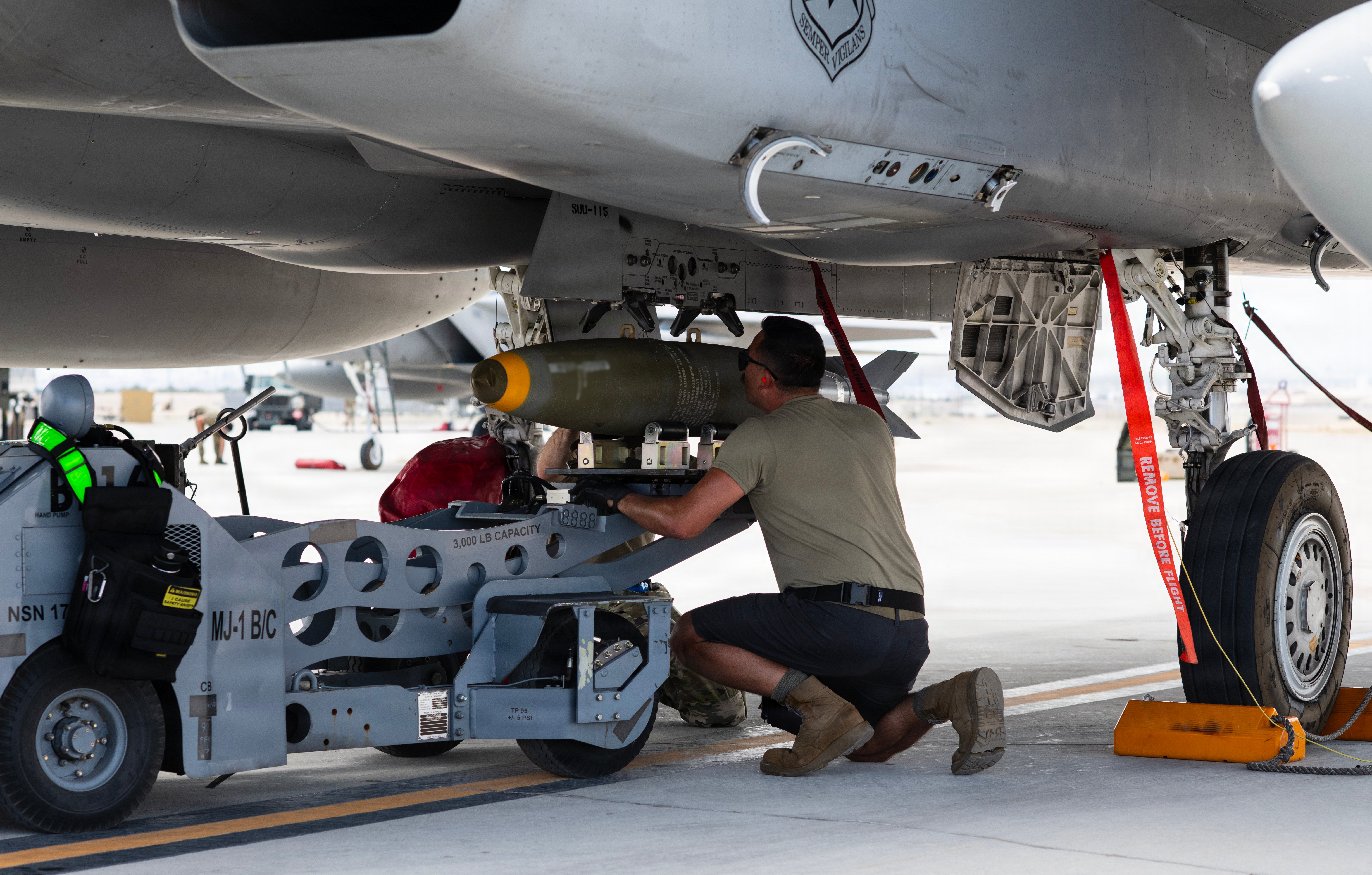
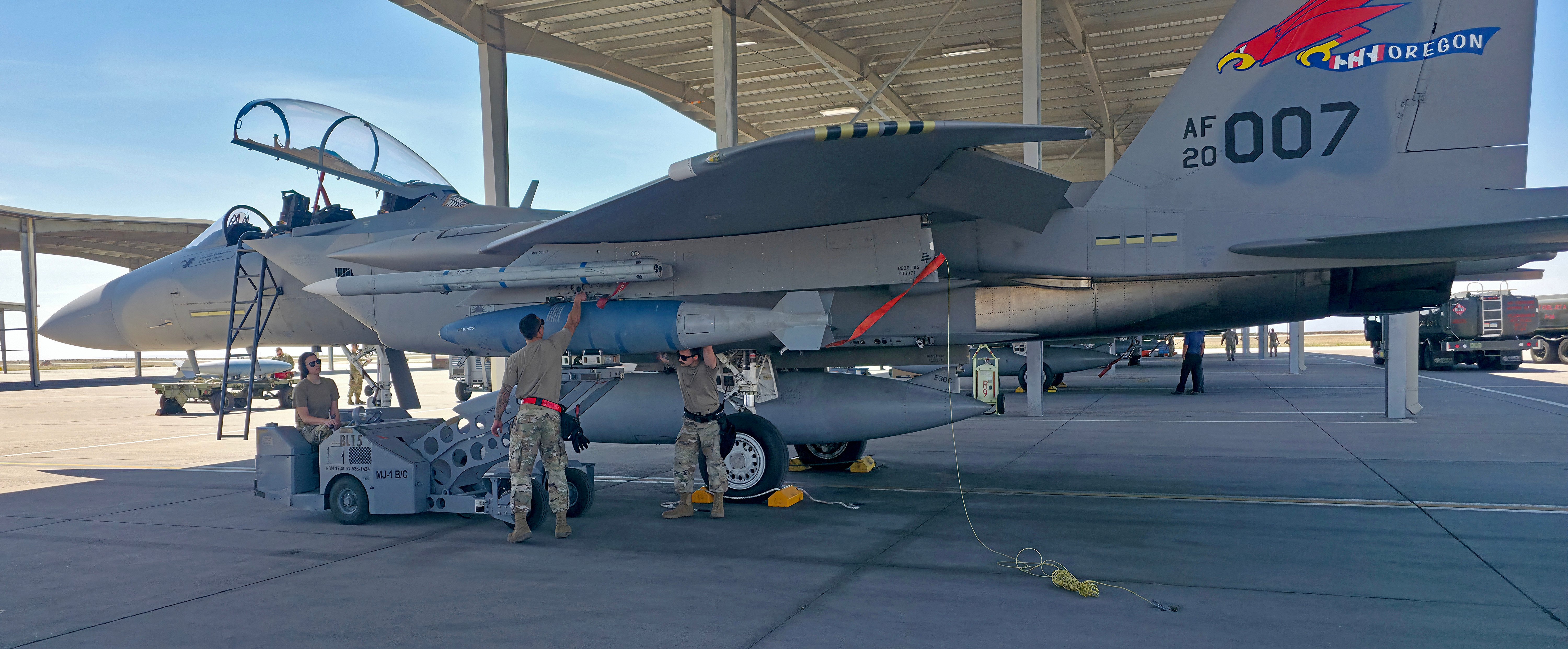
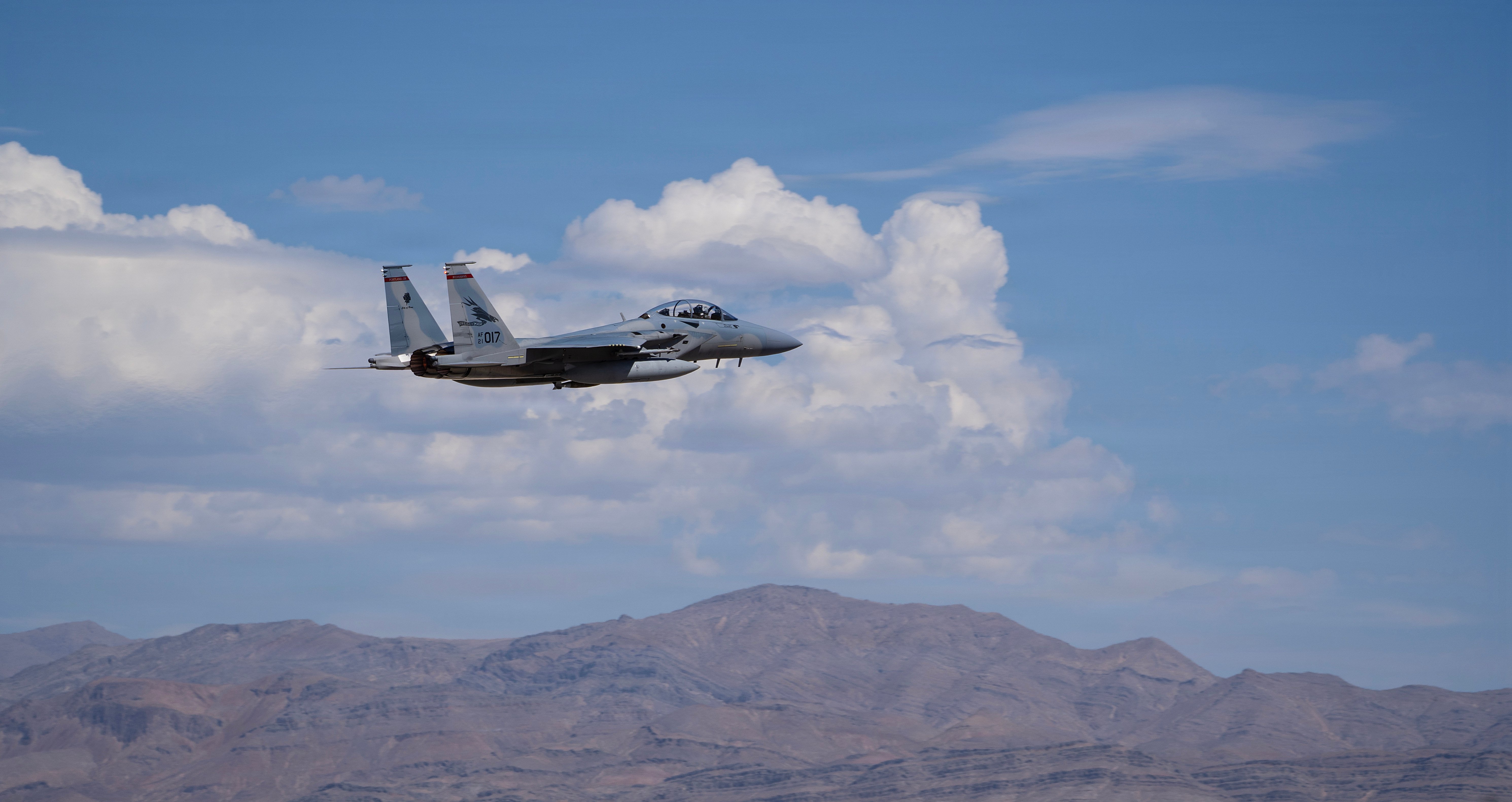
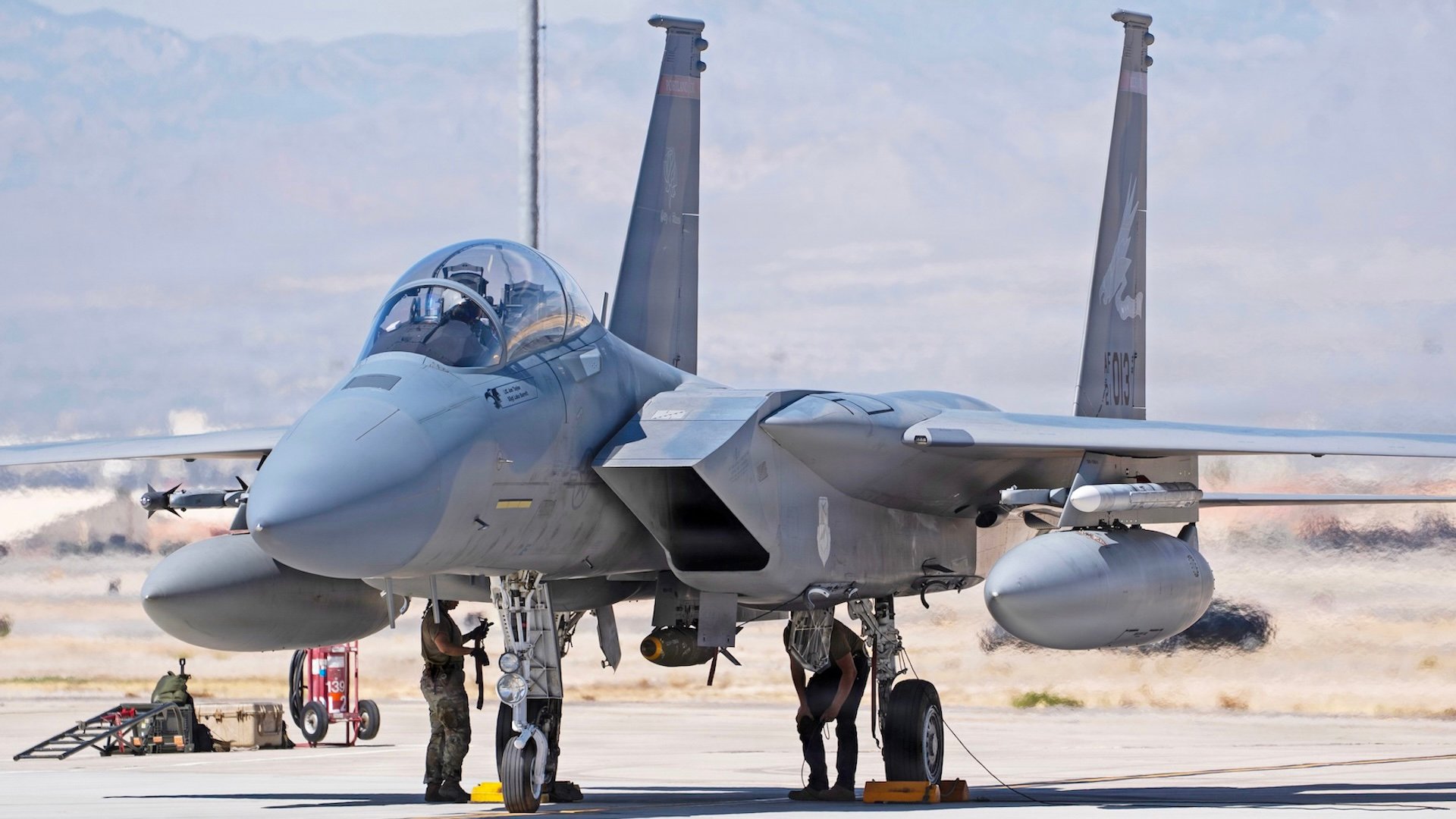
The Oregon Air National Guard’s 142nd Wing has taken another significant step toward turning the F-15EX Eagle II into a true multirole fighter, conducting the first live-bomb drops from operational F-15EXs during training at Nellis Air Force Base, Nevada. The milestone came during a roughly three-week deployment to Nellis in late August and early September in support of the U.S. Air Force’s Weapons Instructor Course (WIC).
Weapons technicians from the 142nd Aircraft Maintenance Squadron load a bomb onto an F-15EX at Nellis Air Force Base, Nevada on August 27, 2026. U.S. Air National Guard photo by Master Sgt. Steph Sawyer
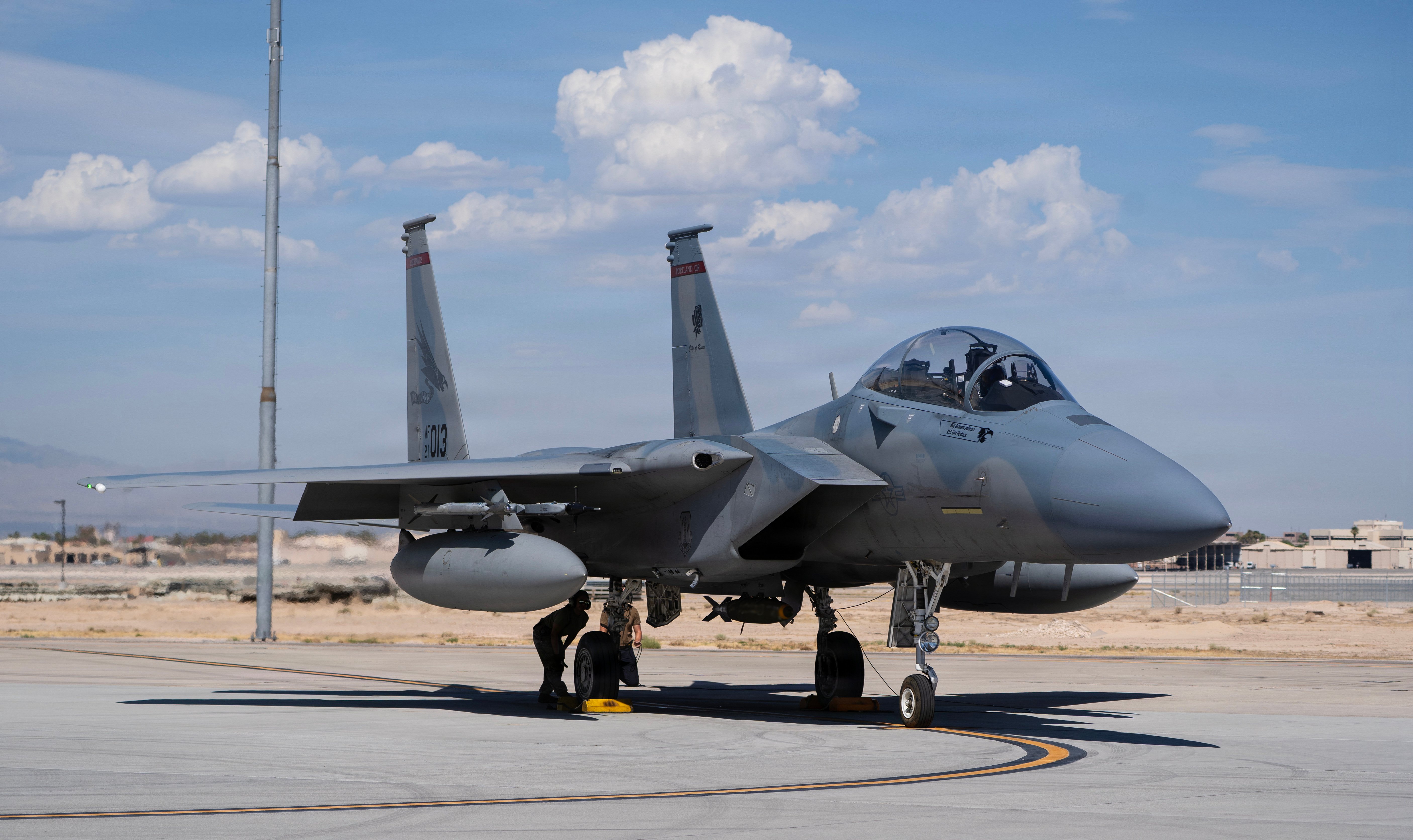
Photographs released by the Air National Guard yesterday show F-15EXs from the 142nd Wing carrying live bombs on the flight line and departing Nellis with the weapons loaded. Official imagery shows the jets armed with a single 500-pound Mk 82 freefall bomb on the fuselage centerline, while spotters also captured F-15EXs carrying a 2,000-pound Mk 84 freefall bomb in the same position.
The 142nd’s F-15EXs are only now acquiring a capability that was deliberately absent from the wing’s previous F-15C fleet. The Portland, Oregon-based unit was an air-superiority organization when it operated the F-15C, while the F-15EX is ultimately derived from the F-15E Strike Eagle and has considerably more inherent multirole potential.
As we reported in July, the wing had already begun laying the groundwork for this transition. In May, 142nd personnel traveled to Mountain Home Air Force Base, Idaho, where they loaded and dropped inert BDU-50 and BDU-56 training bombs from their F-15EXs. Those weapons replicate the size and weight of 500-pound-class Mk 82-series and 2,000-pound-class Mk 84-series bombs. Over 10 missions, the crews dropped 24 BDU-50s and 12 BDU-56s.
A BDU-56 is loaded onto an F-15EX assigned to the 142nd Wing during a training mission at Mountain Home Air Force Base, Idaho, in May 2026. U.S. Air Force
While the F-15EX had already been tested in an air-to-ground role by the Air Force’s test community, the Mountain Home deployment was the first time an operational Eagle II unit had loaded and dropped bombs. The next step, the wing said at the time, would be live weapons employment at Nellis.
The Air Force has emphasized that the F-15EX’s primary mission remains defensive and offensive counter-air, particularly in the homeland-defense role. At the same time, the service’s plans call for the aircraft to provide combatant commanders with strike packages capable of operating in contested environments.
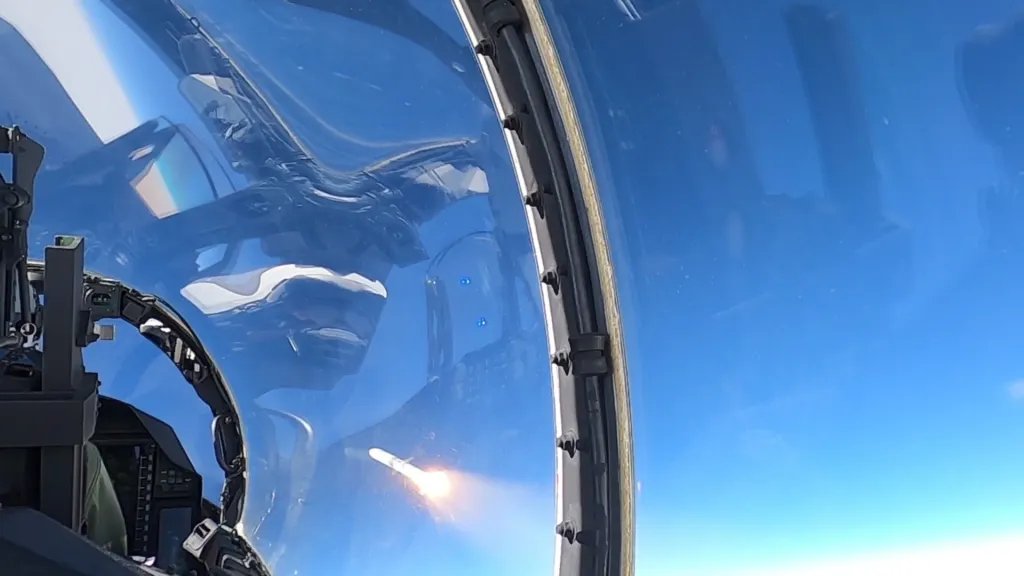
An F-15EX fires an AIM-120D missile during a test mission near Eglin Air Force Base, Florida. The F-15EX can carry up to 12 AIM-120 missiles. U.S. Air Force photo by Tech. Sgt. John Raven
The F-15EX is inherently well suited to such a mission. Derived from the Strike Eagle lineage, it combines that aircraft’s large payload capacity and long range with substantially modernized avionics and electronic warfare systems. The aircraft’s design leaves considerable room for additional weapons and mission equipment, making an expansion into air-to-ground operations relatively straightforward compared with trying to add that capability to the F-15C.
The 142nd has been building the institutional knowledge required to make that transition. Three of its pilots underwent a nine-month course covering the science, tactics, and procedures associated with air-to-ground weapons employment before returning to help establish the wing’s training program. Weapons personnel also traveled to Nellis earlier this year to work with F-15Es assigned to the 59th Test and Evaluation Squadron and become certified in bomb loading procedures.
An F-15EX Eagle II assigned to the Oregon Air National Guard’s 142nd Wing sits on the flight line at Nellis Air Force Base, Nevada with a live bomb attached to its belly as it prepares for takeoff on August 27, 2026. U.S. Air National Guard photo by Master Sgt. Steph Sawyer \
As well as teaching pilots how to release a weapon, the wing had to develop an entirely new air-to-ground training pipeline for pilots, maintainers, and weapons personnel at a unit that had not previously operated an aircraft with an operational bombing mission.
Nellis is home to the Air Force’s Weapons School and is central to the Weapons Instructor Course, making it one of the most important locations in the service for developing and evaluating advanced tactics. The 142nd’s participation therefore places its emerging F-15EX air-to-ground capability in an environment specifically focused on integrating advanced weapons, tactics, and mission planning.
A weapons loader assigned to the 142nd Aircraft Maintenance Squadron prepares a bomb to be loaded onto an F-15EX at Nellis Air Force Base. U.S. Air National Guard photo by Master Sgt. Steph Sawyer
The wing’s new live bomb-dropping capability also comes as the Air Force continues to explore how broadly the Eagle II can be employed.
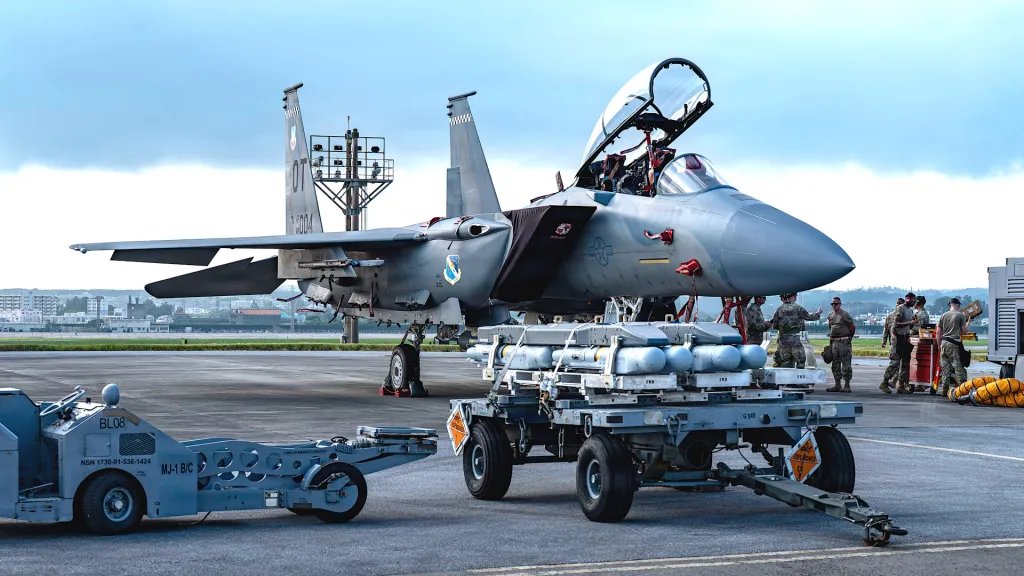
Test and evaluation units have already demonstrated that the aircraft can accommodate sophisticated air-to-ground weapons. Earlier this year, an F-15EX from the 85th Test and Evaluation Squadron participated in a munitions-load training event at Kadena Air Base in Japan, where Air Force personnel practiced loading live GBU-53/B Small Diameter Bomb IIs onto the aircraft.
GBU-53/B Small Diameter Bomb IIs sit on a dolly in front of an F-15EX from the 85th Test and Evaluation Squadron during a training event at Kadena Air Base, Japan, on July 8, 2026. U.S. Air Force
The F-15EX is also capable of carrying the conformal fuel tanks used by the F-15E, which can provide additional fuel as well as additional weapons stations. The operational F-15EXs delivered to the 142nd have so far been seen without CFTs, however, and the status of the plan to equip the Oregon aircraft with them remains unclear.
CFTs could become increasingly important if the Air Force moves toward more demanding air-to-ground missions for the Eagle II, particularly those requiring substantial weapons loads and long-range operations.
Another unresolved question is how the Air Force will ultimately crew F-15EXs when they are performing more complex multirole missions.
A weapons loader assigned to the 142nd Aircraft Maintenance Squadron loads a bomb onto an F-15EX at Nellis Air Force Base. U.S. Air National Guard photo by Master Sgt. Steph Sawyer
The Eagle II retains the F-15E family’s two-seat cockpit, although the Air Force’s initial operational concept has generally involved flying the aircraft with a single pilot. That leaves an unused cockpit that could potentially become an important asset as the mission set expands.
Former 142nd Wing commander Col. Michael Kosderka previously told TWZ that the addition of a weapons systems officer or other specialist in the rear cockpit could open the door to more air-to-ground capabilities.
“We can start talking about putting all kinds of air-to-ground capabilities into the airplane, potentially putting WSOs or other experts in the backseat as well to have us do any number of multi-role capabilities that it’s just physically not possible to in the C model,” Kosderka told TWZ in an interview back in 2024. “So the X has tremendous growth capability. It’s really exciting.”
The Weapons School has also been associated with developing two-seat F-15EX operations, indicating that the second cockpit’s utility is already being considered at the tactical-development level.
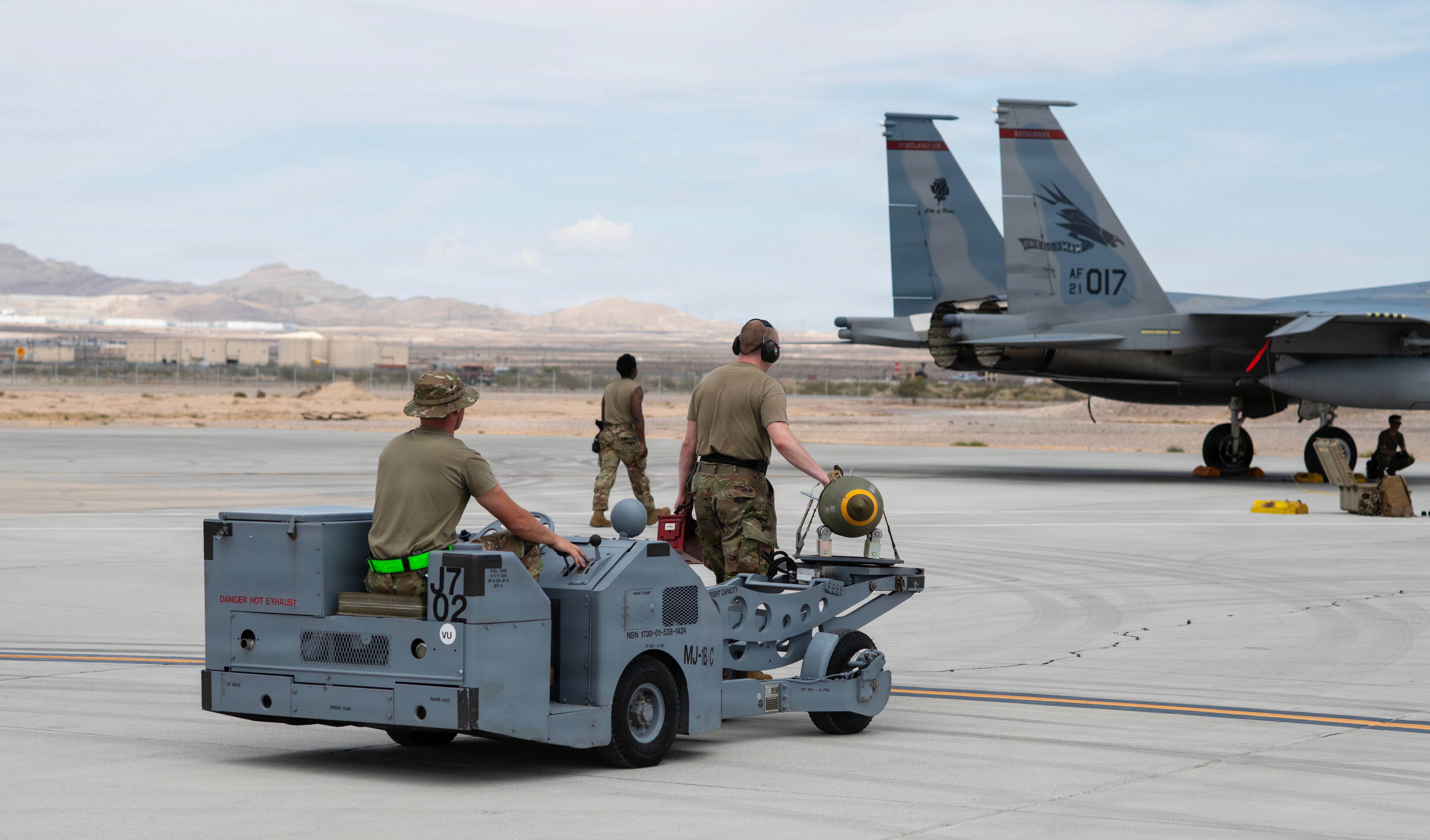
142nd Aircraft Maintenance Squadron weapons loaders transport a bomb to an F-15EX at Nellis Air Force Base. U.S. Air National Guard photo by Master Sgt. Steph Sawyer
For now, it would be premature to characterize the F-15EX as an operational replacement for the F-15E Strike Eagle in the air-to-ground role. The 142nd’s newly demonstrated bombing capability remains part of an ongoing training and development process.
The Air Force has announced plans to base F-15EXs at Seymour Johnson Air Force Base, North Carolina, where they will eventually replace older F-15Es, which, in turn, are slated to move to Whiteman Air Force Base, Missouri, as part of a broader realignment of the Eagle fleet.
Another two active-duty F-15EX squadrons are slated to replace the former F-15C force at Kadena. The first F-15EX for permanent assignment at Kadena recently departed Boeing’s St. Louis, Missouri, facility for the 142nd Wing, where it will undergo final preparations before its eventual deployment to sprawling Okinawa.
An F-15EX assigned to the 142nd Wing takes off from Nellis Air Force Base with a bomb attached to its belly, August 27, 2026. U.S. Air National Guard photo by Master Sgt. Steph Sawyer
The operational implications of the air-to-ground training therefore extend well beyond Portland.
The Eagle II’s generous weapons payload, long range, modern sensors and electronic warfare systems, and ability to carry both air-to-air and air-to-ground weapons give the Air Force a platform that can potentially perform several missions without sacrificing the characteristics that make the F-15 attractive for homeland defense and counter-air operations. The same characteristics are also extremely relevant to any export operator, which would expect to operate the Eagle II in a multirole capacity.
As well as a weapons-training milestone, the first live-bomb drops by the 142nd Wing provide more evidence that the F-15EX’s mission is continuing to evolve.
In a quiet corner of Hadrian’s Villa, wedged between the so-called Amphitheater and a low bench of volcanic tufa rock, sits a marble slab measuring roughly 40 by 35 centimeters (about 16 by 14 inches). It has not moved in some 1,900 years. Two lines of carved capital letters explain why archaeologists are excited: FVLGVR […]
O Hospital da Luz Ribatejo vai juntar, na próxima terça-feira, 15 de Setembro, nove instituições de solidariedade social do distrito de Santarém numa iniciativa de responsabilidade social e sustentabilidade que prevê a plantação e apadrinhamento de árvores nos espaços verdes da nova unidade hospitalar. A iniciativa, denominada “Raízes que nos unem”, começa às 10h00 e pretende criar uma ligação…
Quer receber os textos desta coluna em primeira mão no seu e-mail? Assine a newsletter Ligando os pontos, enviada toda quinta-feira. Para receber as próximas edições, inscreva-se aqui.
Nos últimos dois anos, a segurança pública passou a ocupar o topo entre os problemas que mais preocupam os brasileiros. Historicamente, a economia e o desemprego surgiam como os temas que mais afligiam a população. Houve momentos em que a corrupção estava em primeiro lugar e, logo após a pandemia, em 2022, foi a vez da saúde pública ser a questão número um. Mas agora várias pesquisas de opinião pública convergem para a falta de segurança. Seis entre 10 brasileiros dizem se sentirem inseguros, segundo levantamento da Quaest divulgado em novembro de 2025.
Não à toa a segurança pública é um dos temas mais presentes nas eleições deste ano, seja nas disputas estaduais ou nacionais. O candidato à presidência pelo PSD, Ronaldo Caiado, por exemplo, fez desta a principal bandeira de campanha e promete criar um Ministério de Segurança Pública. Outros, entre eles Flávio Bolsonaro, do PL, afirmam que é possível aumentar a população carcerária no Brasil com a construção de presídios de segurança máxima ao estilo de El Salvador.
Propostas como estas buscam claramente conquistar a população dos grandes centros urbanos, onde a preocupação com a falta de segurança é mais aguda. A mesma pesquisa Quaest do ano passado revelou que são nas regiões mais populosas do país, Sudeste e Nordeste, onde se concentra a parcela da população que mais cita a violência como problema principal.
Há, no entanto, a necessidade de se discutir a segurança pública em conexão com o que acontece fora dos grandes centros urbanos. Um dos fenômenos apontados por entidades especializadas, como o Fórum Brasileiro de Segurança Pública, é a consistente interiorização da criminalidade no país. As duas maiores facções — o Primeiro Comando da Capital (PCC), de São Paulo, e o Comando Vermelho, do Rio de Janeiro, expandiram sua atuação para todo o país e disputam entre elas territórios e o tráfico de drogas.
O reflexo deste crescente domínio pode ser visto na Região Norte, onde em pouco tempo algumas de suas capitais se tornaram, proporcionalmente, algumas das campeãs nas taxas de homicídio. Os últimos dados do Atlas da Violência, produzido pelo IPEA, mostraram que entre as 10 primeiras capitais com mais mortes, quatro estão no Norte. A mais violenta entre elas é Macapá, a terceira no ranking nacional, com 45,6 homicídios por 100 mil habitantes, atrás de Salvador e Maceió. Na lista também estão Manaus, Porto Velho e Belém. Entre os estados, o Amapá é, segundo as cifras de 2024, considerado o mais violento do país.
Crime organizado na Amazônia
Uma das razões para a crescente violência em municípios da Amazônia é a atuação do crime organizado fora do espaço urbano. Os analistas do tema de segurança são unânimes em apontar mudanças no conflito armado na Colômbia como um dos detonadores desta expansão das facções na região Norte. Em 2016, a desmobilização das FARC, guerrilha colombiana que dominou por décadas as rotas de tráfico de cocaína, criou uma disputa entre o PCC e CV por este negócio tão lucrativo.
Uma das rotas que passou a ser valorizada é a calha do rio Solimões. Eu vi isso com meus próprios olhos em uma viagem ao Amazonas em 2017. Durante uma saída com pescadores locais para visitar suas áreas de captura em meio ao igapós e várzeas do grande rio, passou uma lancha a toda velocidade com homens portando fuzis. Eu perguntei aos meus guias se aqueles eram policiais ou se a lancha era do Exército. Nenhum dos dois, me disseram os pescadores. Eram traficantes e transitavam em plena luz do dia sem serem incomodados.
Junto a esta interiorização do crime organizado há uma sofisticação dos mecanismos de lavagem de dinheiro. Por sofisticação entenda-se também diversificação de negócios. Enquanto na famosa operação Carbono Oculto se revelaram operações do PCC em fundos de investimento da Faria Lima (avenida que concentra o mercado financeiro e empresas de tecnologia em São Paulo), nas áreas protegidas e territórios indígenas, as facções passaram a lucrar com a exploração de garimpos ilegais e com a grilagem de terra.
Cito os trabalhos de alguns colegas jornalistas que têm revelado estas conexões entre o crime ambiental e a falta de segurança. O projeto Amazon Underworld, por exemplo, revela as ramificações do crime na Amazônia. Foi fundado pelo criminologista e repórter Bram Ebus, com quem trabalhei há seis anos em uma investigação sobre o tráfico de mercúrio para os garimpos. Ele e sua equipe têm feito um mapeamento da presença do PCC e do CV nos municípios da Amazônia Legal. Os resultados, colhidos de inquéritos policiais e processos na justiça, mostram uma presença na quase totalidade da região.
O mapa abaixo ilustra o domínio do Comando Vermelho na região enquanto podemos ver que o PCC é especialmente forte nas fronteiras. Notem que já em alguns municípios fronteiriços do Peru, a presença do CV foi registrada.
Mas o que significa na prática a presença destas facções na Amazônia? Em uma investigação recente, feita em parceria com a InfoAmazonia e Amazon Underworld, o repórter Bruno Abbud visitou a Terra Indígena Sararé no Mato Grosso. Ali, a Polícia Federal comprovou a existência de um garimpo ilegal de ouro comandado pelo CV. Os relatos ouvidos por Bruno dos indígenas são aterradores. Assemelham-se muito aos de moradores de comunidades dominadas por milícias no Rio de Janeiro. Ou seja, coação com integrantes armados e conquista de partes do território.
Portanto, é justo dizer que não são apenas as populações das grandes cidades que estão amedrontadas. O Brasil sempre foi um campeão de conflitos no campo, como mostra a longa série histórica da Comissão Pastoral da Terra. Muitos destes conflitos também atingem diretamente os povos indígenas. Mas agora alguns indicadores mostram que a violência nas terras indígenas já têm origem na presença do crime organizado. Foi isso o que registrou o Conselho Indigenista Missionário (CIMI) em seu último relatório em que mostrou que no ano passado houve um aumento de 22% de indígenas assassinados.
É dado que choca considerando os recentes esforços do governo Lula de retomar a demarcação de território indígenas, territórios quilombolas e reservas extrativistas. Revela que mesmo uma política que reverteu o completo abandono promovido nos quatro anos de Bolsonaro não foi suficiente para barrar o aumento da violência em terras protegidas.
Por isso, nestas poucas semanas que restam antes do primeiro turno das eleições, será essencial olhar as políticas de segurança pública não apenas com o viés policial, mas também com ações de combate ao crime ambiental e o crescimento do crime organizado na Amazônia.
A primavera está associada a períodos mais curtos de permanência dos anúncios de apartamentos para venda. Em 2026, os dados do Imovirtual mostram que estes anúncios permaneceram ativos, em média, durante 85 dias na primavera, menos 20 dias do que os 105 dias registados no inverno. A diferença entre as duas estações é também menor […]
Se procura os melhores sabores para animar o seu mês de setembro, o Algarve propõe um roteiro gastronómico único que vai do mar aos sabores tropicais, terminando com as grandes tradições da serra.
Prepare o apetite para descobrir os petiscos e a música que marcam alguns dos próximos eventos da região:
Festival do Berbigão da Figueira (concelho de Portimão)
Este fim de semana, entre os dias 11 e 13 de setembro, o Polidesportivo da Figueira recebe este festival onde o berbigão é o ingrediente principal em vários pratos regionais. A entrada custa 5 euros e a animação musical no palco está garantida todas as noites:
Também de 11 a 13 de setembro, junto ao Clube Naval, pode fazer uma viagem gastronómica ao outro lado do Atlântico, através da Festa do Molho.
Aí pode provar produtos de sabor brasileiro, como pamonha, acarajé, pastel e caipirinhas (com preços entre 8€ e 15€).
A entrada é gratuita e o cartaz musical promete muito ritmo para dançar:
Sexta-feira (11 de setembro): Los Pisadinhas (20h00) e Alê Borges (23h00)
Sábado (12 de setembro): Misael Araújo (19h00), Vânia Souza (21h00) e DJ Têaga (23h30)
Domingo (13 de setembro): Roda de samba de abertura, grupo “Melhor Eu Ir” (17h30) e Pagode do Sandrin (20h30)
Fique a par de toda a informação do Algarve através do jornal online www.algarvemarafado.com
Artechique – Feira de Artesanato e Sabores em Monchique
Nos dias 12 e 13 de setembro (sábado e domingo), a Junta de Freguesia de Monchique promove a XXXII edição da Artechique – Feira de Artesanato e Sabores.
O grande foco gastronómico está nos bons enchidos, presuntos e petiscos tradicionais da serra de Monchique, bem como, naturalmente, do famoso medronho, disponíveis nas várias tasquinhas e stands de produtos locais. O evento conta ainda com o tradicional Torneio de Cartas “3 setes” e uma forte programação musical:
Sábado (12 de setembro — das 10h00 às 22h00): Versus Tuna (20h00), concerto de Elena Correia (21h00) e baile com a acordeonista Débora Machado (22h30).
Domingo (13 de setembro — das 10h00 às 20h00): Luís Simenta canta Alentejo (15h00) e o XXXVII Encontro de Acordeonistas.
Javali no Espeto em Benafátima (Silves)
No dia 19 de setembro, Benafátima – terra situada no interior do concelho de Silves – enche-se de tradição com o suculento javali no espeto como grande destaque dos petiscos da Associação de Caça e Pesca.
Para acompanhar a refeição, a música de baile ficará a cargo de Paulo Alexandre Coelho.
O novo centro de saúde do Cartaxo, orçado três milhões de euros financiados pelo Plano de Recuperação e Resiliência, deve entrar em funcionamento no início de 2027, apesar do atraso na empreitada, informou hoje o presidente da autarquia. Em declarações à agência Lusa, o presidente da Câmara Municipal do Cartaxo, João Heitor, explicou que a prorrogação do prazo da obra resulta de constrangimentos…
Cover image: picture alliance / TASS | Sergei Bulkin
Summary
The Kremlin is promoting Ukraine war veterans and, in so doing, cultivating a proto-elite to fill future vacancies and reinforce Russia’s militarised course.
Through programmes such as “Time of Heroes”, and through elections, at least several thousand actual and nominal veterans now already hold political or government posts.
The new preference for war credentials has supplanted the earlier trend of hiring technocrats. Russian cadre policy has shifted towards “making loyal people competent”, as in other consolidated autocracies. Technocrats will remain important, but their declining influence will gradually reduce the state’s economic and administrative adaptability.
The Kremlin is dispersing veterans across institutions and deliberately mixing combatants with regular officials who have acquired veteran status. This will likely constrain the emergence of a coherent political veterans grouping.
Nevertheless, the 2026 State Duma election is likely to bring around 50 nominal and actual veterans into parliament. Their presence could become an institutional brake on foreign policy moderation after a ceasefire or even future change of the top leadership in Russia.
European governments should remain cool in the face of enhanced rhetoric from the new elite; maintain informal contact (where possible and safe) with less confrontational sections of Russia’s governing class; and keep mobility options open to young Russians, while taking necessary precautions.
Cadres in khaki
Like much else in wartime Russia, the United Russia line-up for the September 2026 State Duma election was settled only at the eleventh hour and with Vladimir Putin personally involved. The five names placed at the top of the ruling party’s nationwide list made for a revealing mix: foreign minister Sergei Lavrov; Moscow mayor Sergei Sobyanin; Yevgeny Poddubny, one of Russia’s best-known pro-war military correspondents; Maria Lvova-Belova, who is subject to an International Criminal Court arrest warrant alongside Putin for her role in the deportation of Ukrainian children; and Vladislav Golovin, a young veteran who lost a leg during Russia’s assault on Mariupol.
This choice offers a snapshot of a broader shift already under way within Russia’s bureaucracy, and one that is likely to accelerate in the coming years. Lavrov represents the old guard bureaucracy; Sobyanin, the mid-2010s class of capable managers with appeal among urban Russians; the other three owe their newfound political prominence largely to the war in Ukraine. Technocrats and qualified administrators, like Sobyanin, whose presence within the elite expanded in the years preceding the 2022 invasion of Ukraine, are receding into the background. They will not disappear altogether, because their expertise remains crucial to keep the Russian economy functioning. But they are no longer a rising force. The war is producing a new elite cohort whose careers and status are inseparable from the war. Like any elite group in other post-Soviet authoritarian systems, this cohort has its own set of functions and tasks, which it performs in the interests of the ruling circle or—in the highly personalist Russian system—for the ruler himself.
Putin set out his intention to create a new group within the Russian bureaucracy most explicitly in his February 2024 annual address to senior officials. In it, he announced the launch of the “Time of Heroes” programme to retrain military personnel and prepare them for appointments to civilian posts. In particular, Putin said a “genuine elite” should be drawn from contract soldiers and mobilised servicemen who had fought in Ukraine and, after further training, take up positions “across education…, in state-owned enterprises [and] business, in state and municipal administration”. They would replace parts of the old elite, particularly those who had “lined their pockets in the 1990s”. Ultimately, he suggested, they could become the generation to which “Russia might one day be entrusted”.
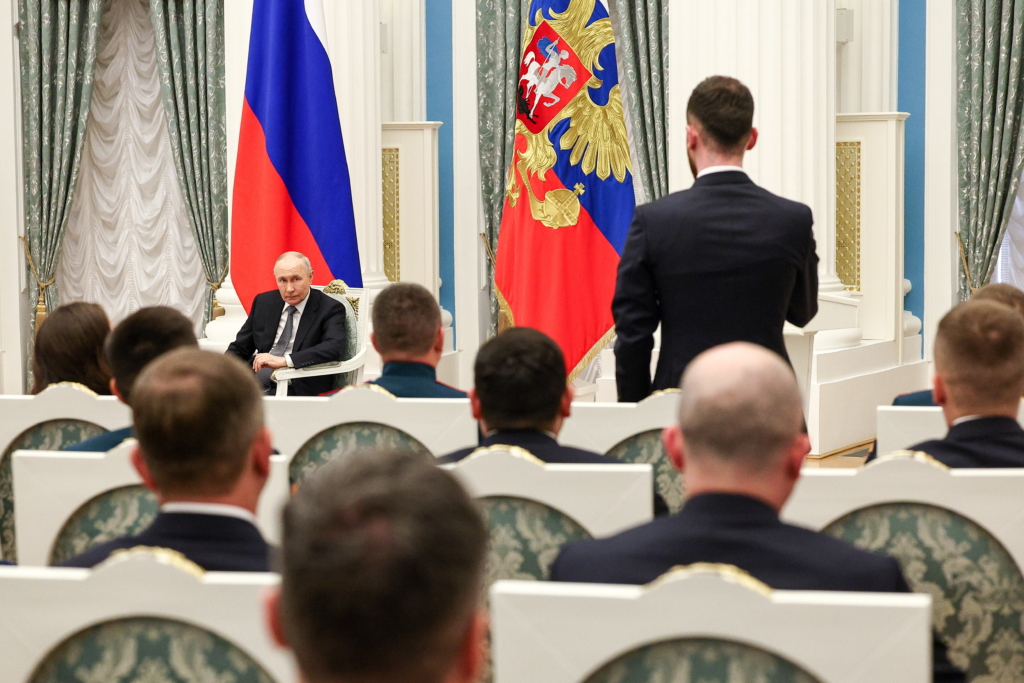
Between February 2024 and July 2026, Putin returned to this idea at least 22 times based on the Kremlin.ru record of his official and public activities (calculations undertaken by the author). Some of these remarks came during dedicated meetings with officers or their wives. But Putin also raised the subject in less obvious settings, including a forum with municipal leaders and his most recent televised Direct Line, a regular event where he responds to questions from citizens and journalists. During the latter, he repeatedly gave the floor to a specially invited officer and even asked his advice; the officer was later killed at the front.
Putin’s de facto promise to “entrust” Russia to people who had fought in the war, his repeated references to a new elite and the constant emphasis on his personal oversight of the Time of Heroes programme have prompted several explanations.
The most common is that the initiative is meant to support military recruitment by showing that fighting in Ukraine can lead to substantial career opportunities after a return to civilian life. The second sees it as a means of political control: the Kremlin can identify ambitious veterans, bind their careers to the state and absorb them before they organise independently or become political rivals. The third assigns veterans a larger political role. In this reading, Putin is seeking to push aside established business and bureaucratic elites in favour of ideologically conformist loyalists, including veterans, with the supposition that Russia could turn into a closed, North Korean-style militarised autocracy over the next 6-10 years.
Without dismissing any of these three explanations, this paper shows that the Kremlin’s integration of war veterans into the government system is part of a structural, long-term project. The state is creating a new recruitment pool of people tied directly to the war. It is selecting and training them for gradual promotion into positions of power. This marks a genuine shift in Russian cadre policy, away from a “make competent people loyal” model, associated with competitive authoritarianism, to a “make loyal people competent” logic, which is more typical for consolidated dictatorships. In his forthcoming book, “Autocratic Intelligence: How Modern Dictatorships are Getting Smarter”, George Washington University political scientist David Szakonyi identifies a broader tendency across regimes. Despite a steady trend between 2000 and 2020 towards increasing the share of technocrats in government, in more recent years dictators have found it less expensive to build up the competence of those already considered loyal (largely because securing the loyalty of competent officials has become more costly).
The paper maps this new recruitment pool by using a dataset including a named roster of federal Time of Heroes participants, their biographies, actual combat participation and post-programme appointments. These data were supplemented by three interviews with programme lecturers undertaken by the author and by publicly available information on applications and enrolment in regional equivalents of the Time of Heroes programme. The paper also draws on a named roster of 2026 Russian State Duma candidates who identified themselves as war participants, including their biographies and actual combat participation. This is supplemented by aggregate data on serving deputies with military experience elected to all regional and selected municipal legislatures between 2022 and 2025.
The data allow us to test whether two forms of loyalty appear to be rewarded via these programmes. It is assumed, first, that most veterans promoted through the system will owe their careers to Putin personally. The second assumption is that they will have an ideological coherence and loyalty intimately bound up with Putin’s decision to wage war against Ukraine and to a broader clash with NATO.
The findings of the paper confirm that the Russian regime is placing veterans in the middle and upper-middle ranks of the bureaucracy and state-linked structures. It seems to be integrating them into existing elite structures without fully displacing the other main elite groups, including siloviki (individuals with a background in the security services), technocrats and state company managers. The paper further suggests that veterans’ presence will place pressure on bureaucratic and business elites to demonstrate their loyalty to the military by extending tangible support for the war. Over time, these developments have the potential to create a vocal, embedded constituency for a militarised foreign policy orientated towards preparing society and the bureaucratic system for wider confrontation with the West; or protecting Putin’s wartime legacy if the regime weakens or pursues a partial rapprochement with Europe and America.
Putin’s need for new recruitment pools
In democracies, governing elites are renewed through channels such as competitive elections, party turnover and entry from business or civil society. In contrast, autocracies close these channels off. Personnel appointments are thus instrumental to helping the winning coalition in authoritarian regimes reward allies, co-opt rivals and remove potential challengers. Yet regime survival also depends on having competent officials to do the work of running things. This creates what political economists Georgy Egorov and Konstantin Sonin (drawing in part on evidence from Russia) call the “loyalty-competence trade-off”: capable subordinates improve state performance but may gain the networks and authority to threaten the ruler; yet safer loyalists may lack the skills to govern.
The practical challenge for leaders like Putin is to build recruitment pools that provide competence without allowing rivals to emerge. Party-based autocracies can manage this risk through internal career ladders and controlled competition. The ruling party screens, trains and monitors candidates. This gives the leadership a broad pool of officials whose performance it can observe and whose careers it can control. In more personalistic regimes like Russia, capable outsiders have little incentive to build a career in politics or state service and are unlikely to make their abilities more widely known. So the ruler must draw on groups already within reach—or create new recruitment pools by establishing dedicated programmes.
During his first two presidential terms, Putin drew senior personnel from two main recruitment pools. One consisted of his childhood friends, former KGB colleagues and associates from St Petersburg city hall; the other was siloviki. Personal acquaintance was enough to advance members of the first group. Siloviki could gain posts without a direct connection to Putin because they came from a professional and ideological milieu he knew and trusted. The model worked partly because some longtime associates brought genuine economic or administrative expertise along with their loyalty.
By around 2016, the first pool was running dry: most available figures had already received positions while others had fallen out of favour. Although people with a silovik background held around 20% of key posts by 2008, their progression into senior civilian roles later slowed. Instead, the security agencies gained broader powers as the regime grew more repressive.
At the same time, the Kremlin’s need for capable managers increased. The return of gubernatorial elections in 2012 created particular demand for candidates who were loyal, independent of regional elites and able to manage an administration and run a public campaign. Such people were difficult to find, especially as by that time governors in Russia had lost autonomy and faced a growing risk of prosecution.
Putin initially responded by recycling personnel. His third and fourth terms brought frequent rotations of the same figures between senior posts in the bureaucracy and state-owned companies, while some officials remained in place for decades. This produced a personnel bottleneck and left mid-ranking officials with few routes to the top.
A more successful approach emerged after the current supervisor of domestic politics, Sergei Kiriyenko, joined the presidential administration in 2016. He turned previously marginal personnel reserves into an important source of appointments. Kiriyenko created the “School of Governors”, “Leaders of Russia” and other specific cadre programmes, combining competitive selection and training with visible presidential sponsorship. Participants met Putin and were presented as young, effective technocrats. This gave the Kremlin candidates who appeared competent but remained dependent on the regime for advancement. The technocratic turn peaked with Mikhail Mishustin’s appointment as prime minister in 2020 and the subsequent reshaping of the government.
These programmes, together with recruitment into Mishustin’s government, formed a new technocratic pool for mid-to-senior level federal officials (ministers, deputy ministers and departmental directors), as well as senior regional officials. As a result, between 2017 and 2024, almost 400 people were trained through the School of Governors, and 52 graduates went on to become heads of regions. The Leaders of Russia programme produced similar results, with more focus on the federal level. Szakonyi’s biographical database of 1,578 senior Russian officials shows that roughly one in six top officials serving in 2024 was a technocrat, nearly three times the share in 2000.
Yet the prolonged war in Ukraine may have eroded the confidence of Putin and his circle in the technocratic recruitment pool. Technocrats appeared insufficiently committed to the war, while some failed on tasks central to it, including the construction of fortifications in the frontline Kursk region. Russia’s technocratic turn is now losing momentum, and Putin’s relationship even with key figures in this group, such as central bank governor Elvira Nabiullina, appears to be changing. This has made the creation and expansion of a new, more reliably loyal recruitment pool increasingly urgent.
Federal “heroes”: Filling the bureaucracy’s middle ranks
The Time of Heroes programme announced by Putin in February 2024 is the main vehicle for building the recruitment pool needed for his new “elite”. It is run by the Higher School of Public Administration of RANEPA (the Russian Presidential Academy of National Economy and Public Administration). The programme follows the model of earlier cadre initiatives, combining lectures and team building with practical placements. In 2025, it effectively supplanted the technocrat-orientated School of Governors, whose next intake was postponed. (The next section in this paper discusses the regional Time of Heroes variants, which were set up later.)
Time of Heroes is open only to participants in Russia’s war against Ukraine, including contract soldiers and mobilised servicemen with a university degree. Official figures show more than 65,000 people applied online and underwent initial testing for the programme’s two federal cohorts in 2024 and 2025. Just under 170 progressed to in-person training.
Both in-person cohorts began the programme with a two-week voyage aboard a nuclear-powered icebreaker from Murmansk to the North Pole and back. The journey was symbolically important, given the place of the Arctic in the worldview of Russia’s ruling elite. But it also served a political purpose: two weeks of isolation from the outside world provided an intensive opening exercise in cohort-building for participants.
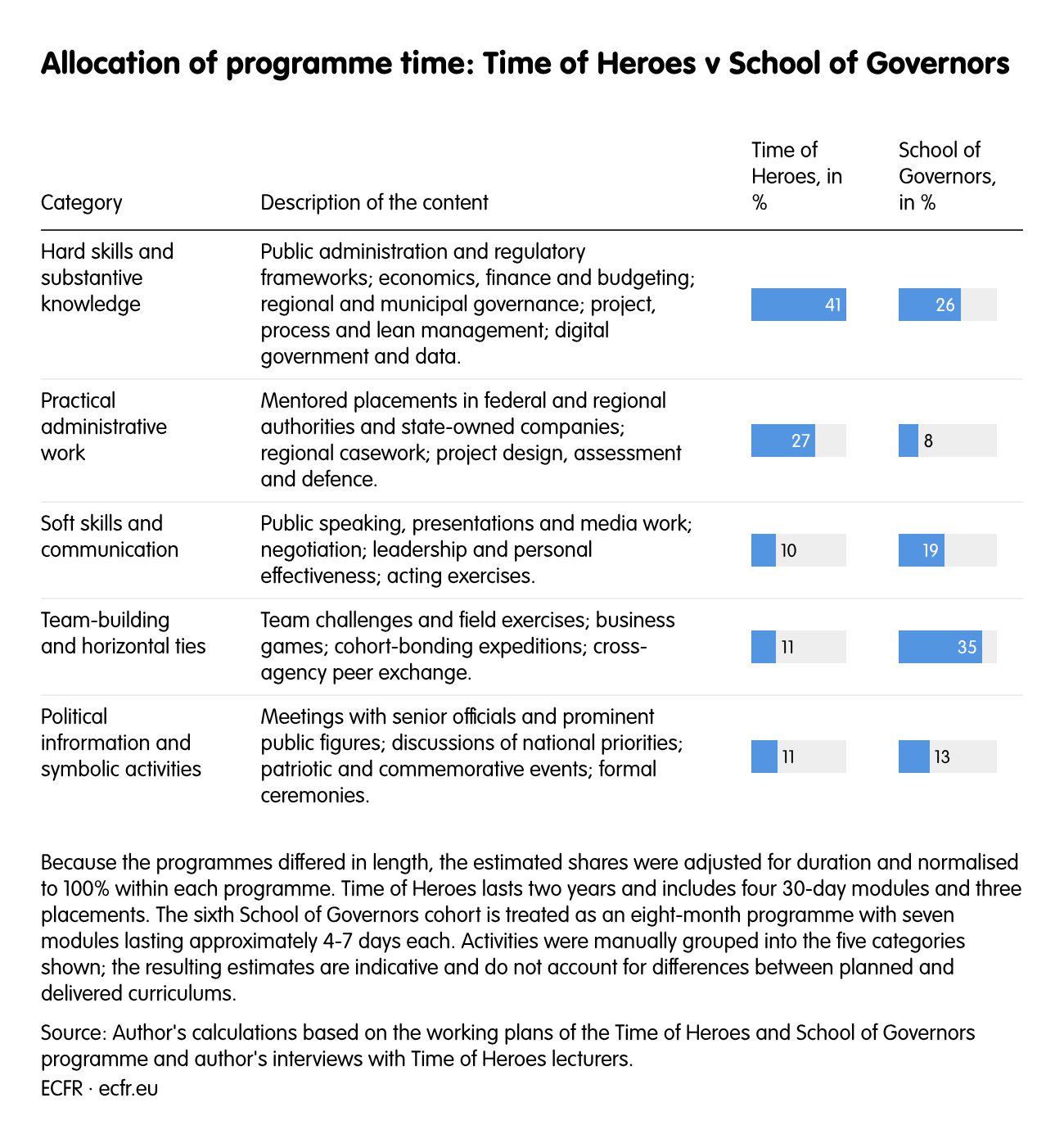
Overall, however, Time of Heroes devotes relatively little time to such activities. Instead, it focuses on honing participants’ hard skills and giving them practical administrative experience. In contrast, School of Governors puts the trainee technocrats through numerous team building, patriotic and sometimes extreme exercises, including jumping into water from a 7-metre-high cliff and lying beneath a moving tank. Hard skills and practical administrative work account for 68% of Time of Heroes compared with 34% of the School of Governors. Team building and activities intended to foster horizontal ties make up just 11% against 35%. For all these differences, the programmes devote a similar share of 11-13% to “political information”: talks by senior stateofficials and propagandists on national priorities and patriotism.
The contrast between the two programmes suggests a shift from the “make competent people loyal” cadre model to “make loyal people competent”. School of Governors appears to have selected recruits for their administrative ability and then worked to bind them more closely to the regime. By contrast, Time of Heroes treats participation in the war as proof of ideological loyalty and concentrates on turning those already trusted by the Kremlin into capable administrators.
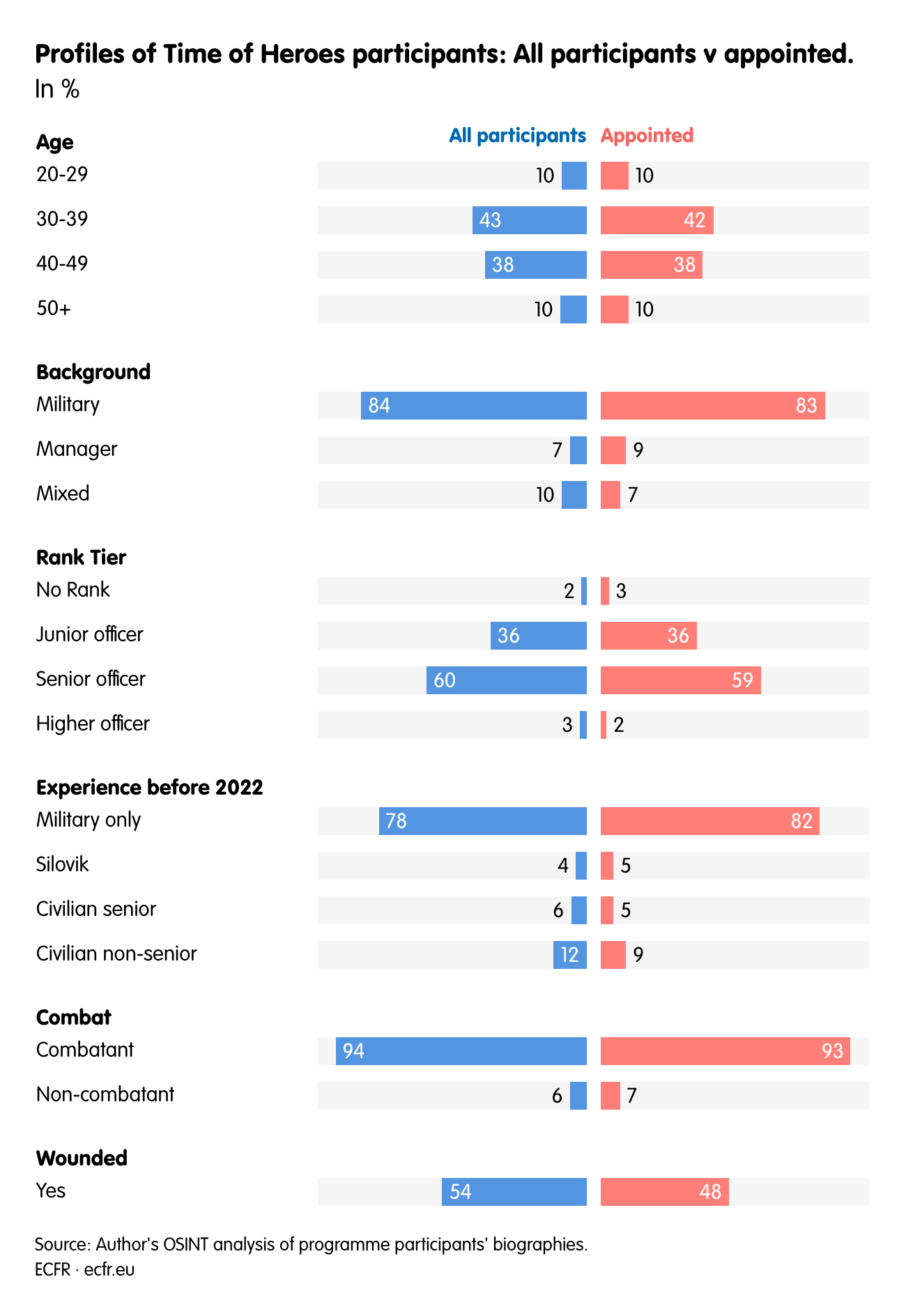
Early expert and media commentary questioned whether the Time of Heroes programme was genuine. It suggested that serving officials and politicians might simply use it to advance their careers without experiencing real combat. But the author’s research of all 169 participants in the two Time of Heroes cohorts (see detailed methodology of data collection and analysis in the appendix) suggests it does provide a genuine route into civilian career for military personnel who have fought in Ukraine.
Of the participants, 84% have exclusively military backgrounds. Another 9% moved between military and civilian work, either joining the armed forces after a brief civilian career or returning to them following the full-scale invasion. Junior officers—from lieutenant to captain—and senior officers—from major to colonel—together account for around 90%; only a handful are generals. Participants’ average age is 40. The programme includes 159 men and 10 women, most of the latter medical officers who worked as critical-care specialists or surgeons, likely close to the frontline.
Drawing on official Russian sources, independent media investigations and Ukrainian projects, we found strong evidence of actual combat participation for 94% of the 156 participants whose records we could assess (out of the 169 in total). Moreover, almost 40% of the recruits have been awarded major combat decorations, with recipients concentrated in the second cohort of the programme. In addition, at least 13 have been accused of war crimes, including involvement in some of the most notorious crimes committed in the Kyiv region in spring 2022. Public records or participants’ interviews indicate that almost half were seriously wounded. Some, including participants later appointed to senior government posts, applied to the programme directly from hospital after sustaining severe injuries.
One lecturer on the programme summed up the participants as “very simple, well-drilled Russian blokes”. Another said that after a trial class on a very specific economic topic, he had to simplify an already adapted syllabus even further to accommodate participants who “could not focus for even half an hour”, which he thought might be a consequence of their injuries.
Progression
Nevertheless, by July 2026, 108 of the 169 participants in the two Time of Heroes cohorts had been appointed to posts at different levels of government or in state-owned companies. Another four had continued working in the government posts they held before entering the programme, although one was later killed in an explosion after returning from the front. Yet none of the biographical or service-related characteristics described above is a statistically significant predictor of receiving an appointment. This confirms thatthe programme appears to genuinely serve as a route for upward mobility and starting point into a civilian career for participants.
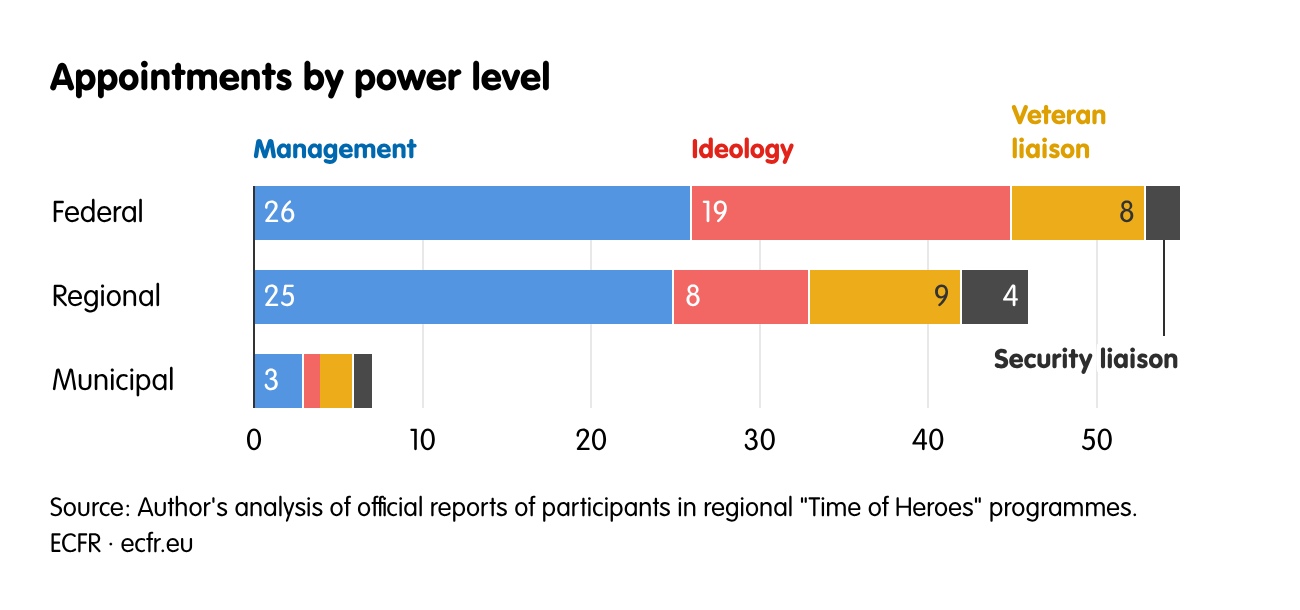
Although Time of Heroes is a federal programme, only just over half entered federal-level bodies. The remainder secured appointments on the regional or municipal level.
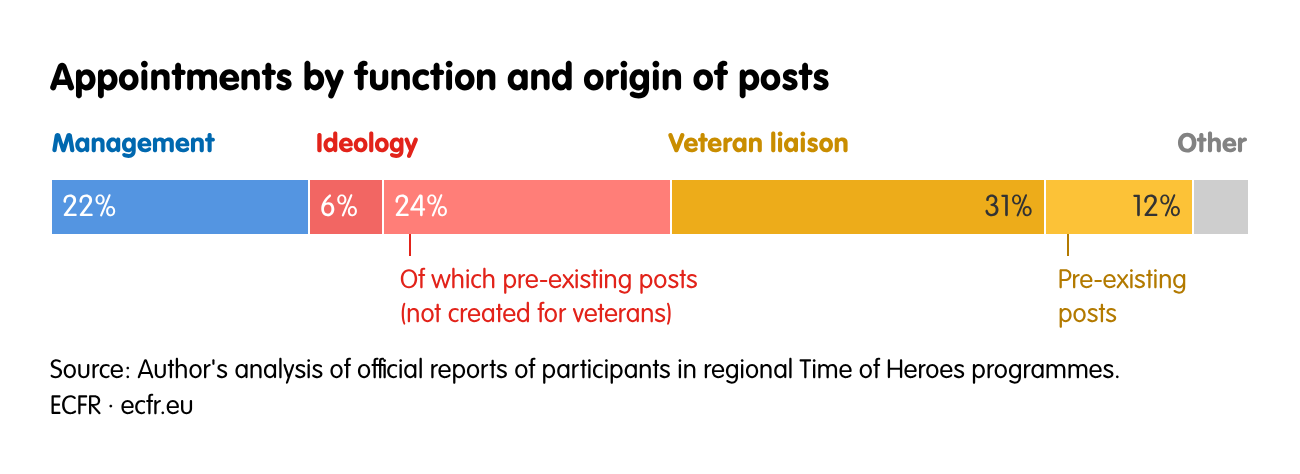
For this analysis, all appointments were grouped by their primary function into four categories. “Management” covers posts carrying substantive responsibility for running a particular sector, organisation or segment of the economy, mostly in the form of heading a ministry department or state-company division. “Ideology” includes youth policy, patriotic education and state messaging, including posts in Yunarmiya, Znanie and Movement of the First—state-sponsored organisations for patriotic education, revived from its Soviet predecessors. “Veteran liaison” covers non-security roles supporting veterans and their families. “Security liaison” refers to civilian posts coordinating with the security services in regional government or at strategically important enterprises.
Management is the largest category at both federal and regional levels, accounting for 47-54% of appointments. These posts frequently place veterans in sectors in which they have no relevant education or training. Such mismatches are not unprecedented in the Russian bureaucracy, but they had become less common at federal level as technocratic recruitment gained ground from the mid-2010s. Veteran appointments therefore represent a partial departure from that recent trend.
For roughly the other half of appointees, the Kremlin has found three more clearly defined uses: of ideology, veteran liaison and security liaison, as outlined above. These narrower remits better fit veterans’ profiles, require less general administrative expertise and serve the Kremlin’s immediate and medium-term needs.
Ideological roles are concentrated at the federal level, where they make up 35% of appointments. They turn veterans into public advocates for the war and use them as an additional tool for the ideologisation of primary and secondary education. Golovin, mentioned earlier as the fifth-placed candidate on United Russia’s election list, now heads Yunarmiya’s Main Staff; the youth movement operates through schools and cadet classes. Meanwhile, the federal education ministry department responsible for pupils’ moral and patriotic upbringing is headed by Igor Yurgin, who previously commanded an assault unit of convicts and mobilised soldiers notorious for high-casualty “meat assaults”.
The smaller security liaison category supports security coordination in the regions and at strategically important industrial facilities. Typically, a veteran becomes the civilian institution’s interlocutor with the military and siloviki. Their background is expected to help them understand security requirements while negotiating how these are applied, so that civilian administration or operations are not unduly disrupted. Examples include a deputy governor overseeing public safety and relations with the police and security agencies, or an adviser to the head of the federal civil aviation agency handling relations with the defence ministry.
Veterans’ career trajectories suggest that appointments usually build on existing connections. In 88% of cases in which a veteran received a regional post, it was in their home region (defined as a place of birth, education or extended previous military service). In around 45% of cases, the appointment also matched the institution or region of the participant’s first or second internship in Time of Heroes.
Together with the division of appointments among the four categories, these patterns point to a practical approach adopted by the programme’s supervisors in the presidential administration. On the one hand, their objective is to find managerial posts for as many participants as possible across a wide range of sectors and regions. This gives the Kremlin a pool of loyal candidates who have acquired relevant experience, available for when Putin later calls for a veteran to fill a particular and more high-ranking vacancy. On the other hand, it seems that the supervisors are also using veterans to address medium-term political aims for the regime. This is producing a group that promotes militarised values in education and youth policy, a second group that mediates between the state and dissatisfied servicemen and their families, and a third that connects civilian institutions with the security apparatus.
At this stage, veterans’ longer-term prospects do not appear to differ substantially according to the function of their first appointment. The exception is with the municipal posts, which carry the least status and appear unlikely to provide a route to significant promotion. Across federal and regional appointments, subsequent advancement may depend more on performance and the appointee’s relationship with their senior supervisor than on the initial brief.
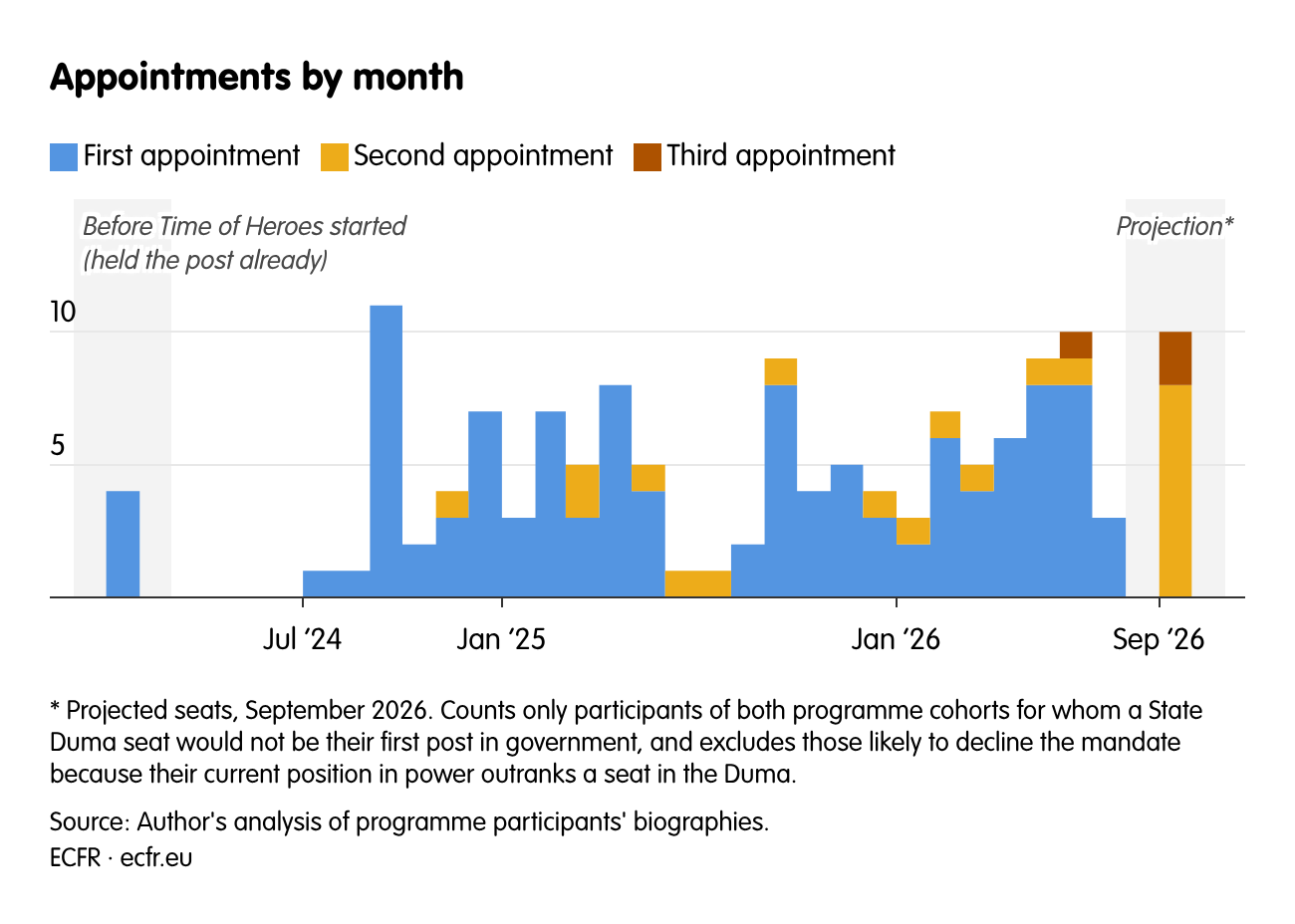
The timing and sequencing of appointments support this interpretation. Initial batches follow Russia’s electoral calendar, peaking around the annual voting day in September. Veterans who perform well in their posts can then be fast-tracked from regional to federal ministry; from deputy director to director of a state organisation; from deputy governor to governor; or some receive a symbolic but higher-status seat on a presidential commission alongside more managerial appointments. For at least 10 veterans, the September 2026 State Duma election is likely to be the next step, giving them a second or third appointment.
One programme lecturer described a similar logic with reference to the project’s length and multiple stages: all the “capable” and “more or less healthy” veterans had already received government posts. Meanwhile, those “in good standing” with their current senior supervisors were being lined up for promotion.
Yet Time of Heroes also serves a third, more immediate political function. When the programme was launched, analysts ofteninterpreted it chiefly as a publicity instrument: by showcasing veterans entering prestigious civilian careers, the Kremlin could present wartime service as a route to social mobility, encourage contract enlistment and reassure servicemen that their participation in the war would be rewarded after their return to civilian life. How far the appointments perform this function becomes clearer when the substantive authority they confer is considered alongside the recipients’ previous careers.
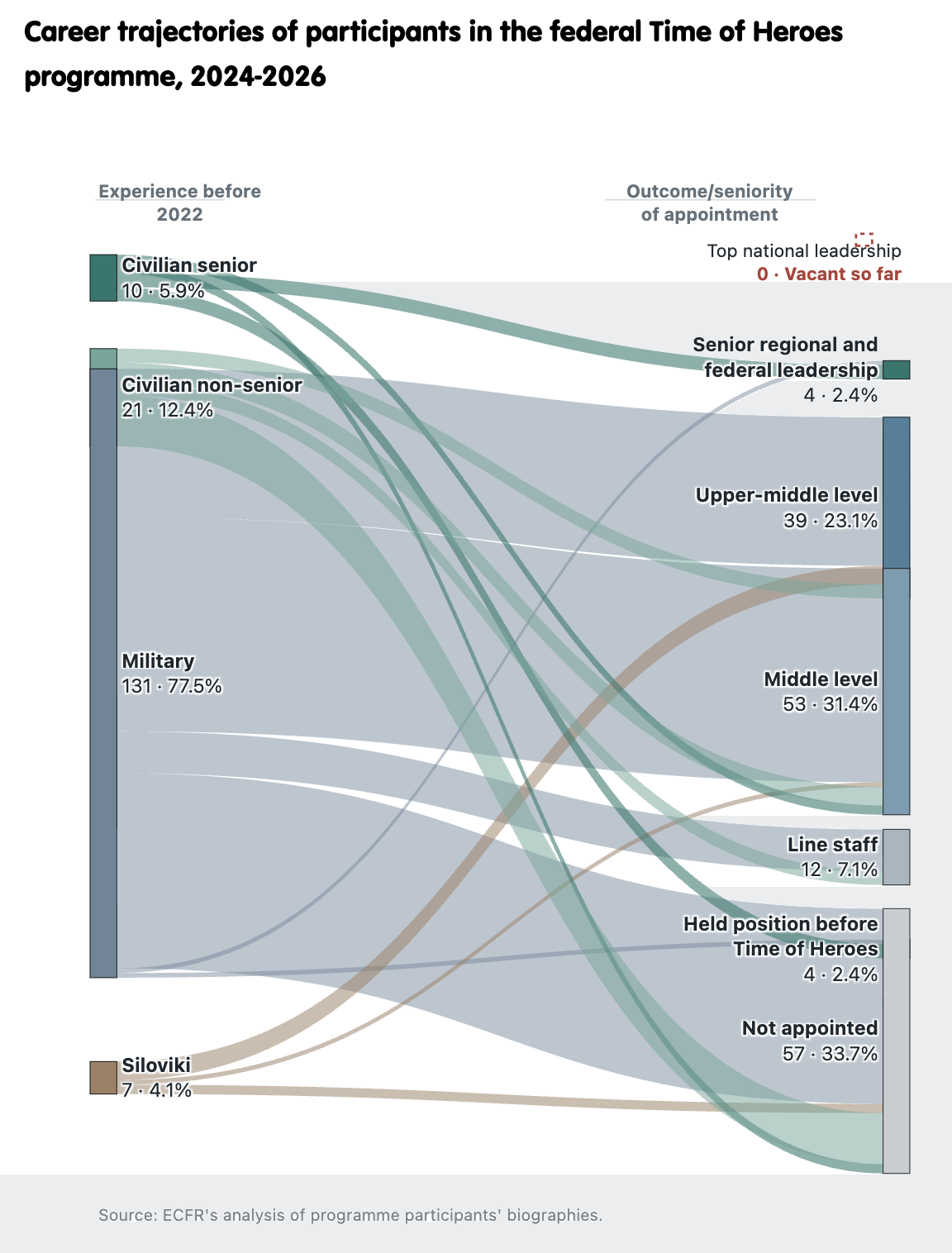
By July 2026, no war veteran had reached the highest state offices, such as federal minister, head of a federal agency or deputy prime minister. Only four of the 108 appointees had reached the next tier down in the nomenklatura hierarchy, which includes governors and presidential envoys.
Of these, only Alexander Shuvaev, appointed governor of Belgorod region in spring 2026, had pursued an exclusively military career before 2022. His promotion illustrates the career ladder envisaged by the programme: after gaining short civilian experience as deputy governor in another region, he was selected when Putin called for a veteran to fill the more senior vacancy, becoming governor of a region bordering Ukraine where his frontline background seems more relevant.
However, the remaining three senior appointees entered the programme with prior political or bureaucratic experience. Artyom Zhoga, among the programme’s first appointees, went straight into the post of presidential envoy to the Urals Federal District. He had fought in Ukraine since 2014 but began building a political career in the occupied territories from 2023. The other two, Yevgeny Pervyshov and Maria Kostyuk, already had bureaucratic careers before 2022; the war and the programme accelerated their advancement into governorships. Kostyuk offers the clearest example of this political function. Formally the programme’s head rather than a participant, she nevertheless appeared on the participant lists supplied to us. The programme’s official website also regularlypresents her governorship as one of the promotions produced by Time of Heroes. Kostyuk has not seen combat, but after her son was killed in 2022, she developed a nationally prominent pro-war media project and moved into veteran policy roles, helping her advance from a senior regional administrative post to governor.
These four senior appointments provide the Kremlin with highly visible examples of the social mobility promised by the programme. But they remain exceptions within its broader record. Ninety-two of the 108 appointments (85%) have settled in the middle and upper-middle ranks. Career military personnel hold most of these posts, which carry real but bounded authority, from heads of departments, units and public organisations to deputy ministers and senior managers in state-linked companies. Another 12 received positions such as advisers and project officers; nine of these came from military backgrounds and the remaining three had held only junior civilian roles before 2022.
Taken together, the appointments reveal a managed career pipeline. Time of Heroes supplies visible success stories for the Kremlin’s recruitment campaign, deploys veterans to meet immediate wartime needs and endows a broader cohort with the civilian experience needed for possible promotion. Advancement remains selective and dependent on existing patrons. This allows the presidential administration to build a reserve of war-linked officials while retaining control over when and how far they rise.
Regional “heroes”: Managing the return from war
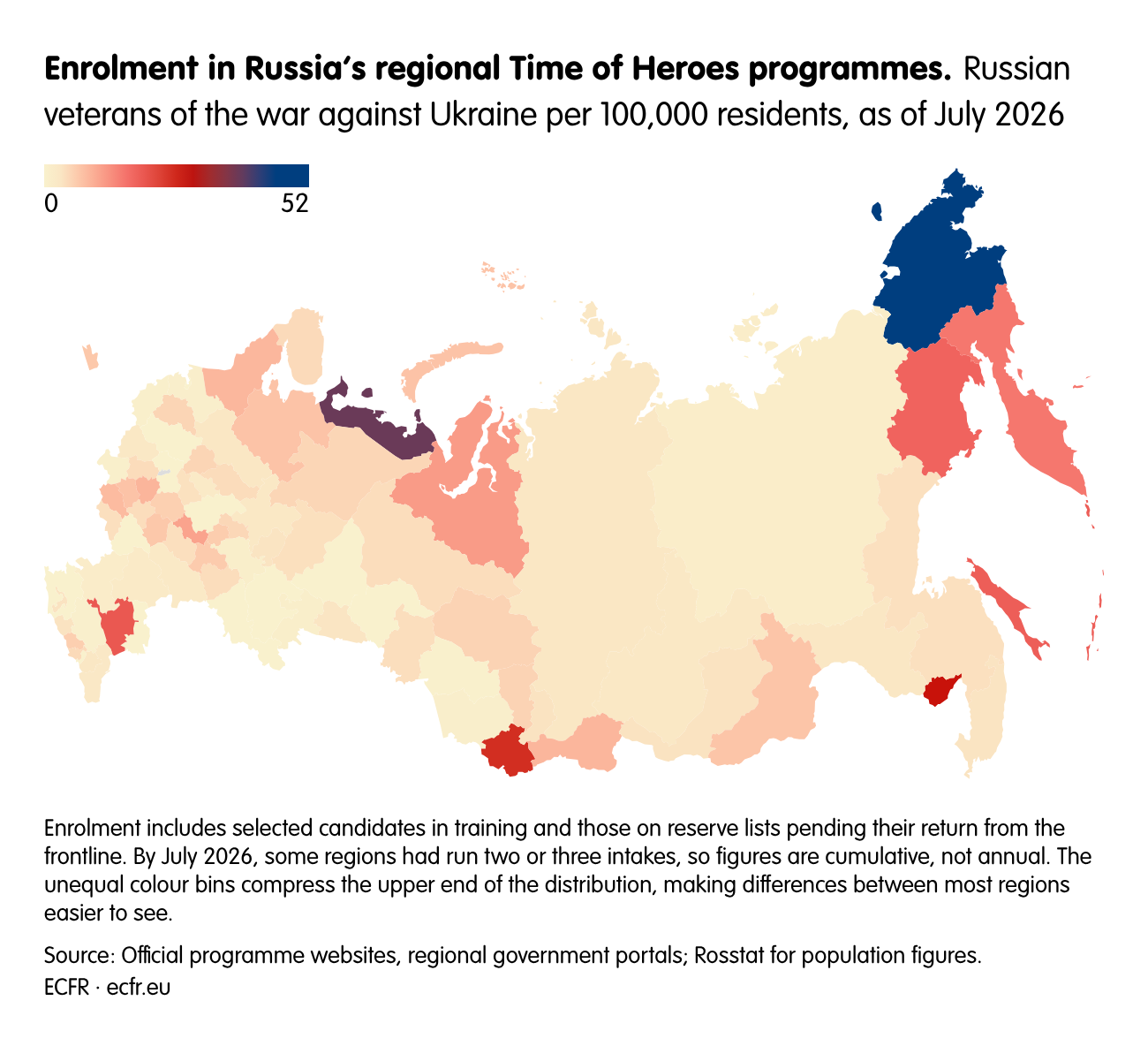
In December 2024, Putin again invoked the idea of a new elite and ordered Russia’s regions to set up their own versions of Time of Heroes. Their purpose, he said, was to bring into “regional teams” people for whom “a sense of duty and service to society and the country come first”. Five months later, the Kremlin issued a requirement for Russia’s regions to train up 30-60 veterans each year. (This requirement joined metrics including poverty levels, access to healthcare and demographic trends.) In effect, the shift in federal cadre policy was extended to the regions, to be led largely by technocratic governors appointed under the previous recruitment model.
During 2025, every Russian region except Moscow launched its own equivalent; the capital apparently treated hosting the federal programme as sufficient. Regional programmes largely replicate the federal scheme: they recruit locally rooted combat veterans for posts in their home administrations, combine classroom instruction with practical placements and mentoring by serving officials, and are often delivered through regional RANEPA campuses. Federal Time of Heroes graduates serve as mentors or sit on their public councils.
The authoritarian dynamic in Russian centre-region relations rewards governors for demonstrating zealous, often excessive, compliance with Moscow’s demands. This existing dynamic is now also shaped by the Kremlin’s wartime priorities and thus produced the usual bureaucratic competition among regions over meeting the new veteran-training target. This saw governors attempt to give their own programmes maximum publicity, devise inventivenames such as “The Call of Stalingrad” and “Valour of the Mountains”, and try to exceed the targets set by Moscow. By September 2026, one region had already run three separate, consecutive cohorts, more than the federal analogue; 31 (out of more than 80 regions) had formally enrolled more than 60 participants in a single cohort.
According to official regional figures, almost 44,000 people have applied to these programmes since 2024, with nearly 4,500 admitted. This puts the acceptance rate at around 10%, well above the 0.26% acceptance rate for the federal programme. But around 1,200 of those formally admitted to regional programmes remained in a deferred pool because they were still deployed. Both the use and size of this pool grew after the Kremlin introduced a rule preventing programmes from taking personnel away from the front.
In absolute terms, large regions with major military garrisons lead the number of enrolled veterans on their programmes. Moscow oblast received 2,400 applications, followed by Bashkortostan with 2,026 and Krasnodar region with 2,000. Formal enrolment followed a different pattern. Among regions with more than one million residents, Tula recorded the highest rate, with 130 admissions, or 8.93 per 100,000 residents, followed by Kursk (8.19) and Kaliningrad (6.78).
There is no statistically significant relationship between enrolment and either basic regional socioeconomic indicators or confirmed military deaths. Among regions with more than one million residents, the 10 with the highest per capita enrolment together recorded 8.2 confirmed military deaths per 10,000 residents, below the national rate of 9.05. Higher wartime losses therefore did not systematically translate into larger regional training cohorts.
Instead, the scale of regional programmes highly likely depends on an administrative and political choice by governors. The outliers are often regions whose governors have personal reasons to overperform. The Jewish Autonomous Region received almost 11 times the median number of applications, while Tambov enrolled as many participants as Moscow region despite having one-ninth of its population. As noted, governors Kostyuk and Pervyshov took part in the federal Time of Heroes programme and have a personal stake in making the model work. The Republic of Altai accepted 28% of applicants, more than twice the median, and has among the largest number of participants appointed to government posts. Following his demotion from senior federal politics to head of the poor, remote region of Altai, governor Andrei Turchak has strong incentives to regain Moscow’s trust. In Samara region, 93% of the first cohort found posts, while the second intake doubled to 90 participants, exceeding the KPI by 50%. This likely reflects governor Vyacheslav Fedorishchev’s conservative, outspokenly pro-war populism.
The architecture and public image of the regional Time of Heroes reproduce the federal political demand of elite building. However, the programme supervisors in the presidential administration have reportedly also insisted on prioritising short-term administrative function for the veterans in regions. They expect to see them serving as credible intermediaries with other returnees, who might dismiss an ordinary official who had not fought, but would be more willing to engage with a fellow veteran.
This search for intermediaries appears to reflect concern that regions have started to feel the pressure of the ever-growing population of returnees. An estimated 170,000–400,000 people have already come back from the war. Many are struggling to find work and are facing social deprivation, fuelled partly by crimes committed by returnees, with some with previous criminal records and PTSD.
The regions are already feeling this burden, but the pattern of how Russia’s central-regional relations are structured overall is also evident in the context of work with veterans. As recent studies by political scientist András Tóth-Czifra show, federal measures for the integration of veterans are inadequate, and overall the Kremlin is reverting to a familiar tactic: delegating responsibility for returning servicemen without providing regions with additional resources.
The intermediary function envisaged by the Kremlin, together with this shortage of resources, helps explain why regional appointments differ from those produced by the federal programme. Although information on appointments from regional programmes remains fragmentary, veteran-liaison roles appear to account for 44% of regional appointments. This compares with 18% among graduates of the federal programme, while only 22% enter general management, against 50% federally. Ideological posts are also slightly more common, at 30% compared with 26%.
Regions are not simply filling vacancies, as was largely the case under the federal programme: 31% of all appointments went to newly created or repurposed veteran support posts, including units in regional ministries, agencies and advisers to governors. Six per cent of ideology-related appointments have the samelogic. This is a regional strategy for adapting the federal elite-building model to scarce resources: create a limited administrative infrastructure around the new cohort and use its members to manage the much larger veteran population and social discontent regarding the war.
The shift in cadre policy is thus generating a new regional personnel pool of politically approved veterans, even if most are unlikely to reach senior office. With Moscow demanding their integration but leaving regions to manage the social costs, governors have little choice but to use this cohort to draw a visible line between “good” veterans who serve the state and “bad” returnees associated with crime and disorder, while buffering the tensions that mass demobilisation could bring.
Elected veterans: Blurring the boundaries of veteran status
Elections have become the third and final main route for integrating veterans into elite structures. This was not a significant feature in the first years of the war but became more common following Putin’s 2024 call for a “new elite”.
Russia’s 2026 State Duma election will be the first federal parliamentary contest since the full-scale invasion. The data suggest that a trend of promoting veterans into regional and municipal legislatures is set to continue at the federal level. That being said, (semi-official) ambitions in this regard appear to have tempered over time. In 2025, Kremlin-aligned experts predicted that veterans could take 40% of the Duma’s 450 seats. The estimate later fell to 20%, or 100 seats, and with the final confirmed number of candidates we now know this is yet lower. This retreat may reflectconcerns within the presidential administration that a large veteran bloc would be harder to manage than the existing parliamentary factions.
The main route into the Duma mirrors the pattern seen in regional elections. All parliamentary parties are fielding veterans in this election, but the overwhelming majority of those set to win represent United Russia. Analysis of the 2025 regional election results suggests that United Russia veteran candidates enjoyed an electoral premium, aided by stronger administrative mobilisation as regional officials sought to meet a Kremlin priority. Veterans standing for other parties faced an electoral penalty, reflecting broader public unease and suspicion towards those returning from the war.
Of the 546 veterans who entered United Russia’s 2026 primaries for the State Duma election, the party ultimately registered 83 as candidates, or 15% of the total. Twenty-eight individuals had completed the federal Time of Heroes programme, 17 of whom secured a job following the programme. For 11 participants, election would be their first public post. The remaining 55 presented themselves as war participants but had not taken part in the federal or regional Time of Heroes programme. One federal Time of Heroes lecturer said that programme organisers explained the absence of a third cohort by describing the Duma election as “the real third cohort”.
Unlike the federal Time of Heroes programme, whose participants and appointees were mostly career military personnel with actual combat experience, United Russia’s veteran candidates for the State Duma have a markedly different profile. Analysis of their biographies found that at least 31 of the 83 are unlikely to have seen combat, despite presenting themselves as “SVO participants” (“special military operation” candidates) on the party’s primary website and during the election campaign. Twenty of these candidates were already politicians or officials before 2022, including serving Dumadeputies, regionallegislators, sectoral lobbyists and former Ukrainianofficials who sided with Russia. Most of the 31 claim war participant status through special “volunteer battalions” set up by officials, which independent mediainvestigations have found generally operate far from the frontline.
The filtering out of combat veterans began at the primary stage. Our calculations suggest that 427 of the 463 war-linked contenders excluded from United Russia’s final slate had probably seen combat; even a 25% bonus added to veterans’ results could not overcome the party’s tightly managed selection process. In one single-member district, the bonus produced an apparently unplanned victory for a combat veteran over a three-term Duma deputy. The veteran withdrew two weeks later, allowing party managers to return the nomination to the incumbent.
Based on list positions and the dynamics in single-member districts, our projection suggests 47 likely veteran winners, 25 of whom are career military personnel, with 19 already officials or politicians before 2022, and three from civilian careers without prior public office (who were drafted and participated in the war). Enrolment in Time of Heroes is the clearest marker of favourable electoral prospects: 19 of the programme’s 28 candidates are projected to win—68%, against 51% for the remainder of the list. With only four of the 48 veteran candidates fielded by other parliamentary parties in potentially winnable positions, the next Russian State Duma is likely to contain no more than 50 self-declared war veterans, making up around 11% of its 450 deputies.
The same pattern appears in regional legislatures: veterans remain a limited presence, and confirmed combatants sit alongside politicians who have acquired the label. Although officials claim that hundreds or even thousands of war participants became deputies in elections in 2024 and 2025, most hold unpaid seats on municipal councils. According to our data, by July 2026 in more consequential legislative bodies, such as regional parliaments and the city councils of regional capitals, veterans generally occupy only 6-10% of seats. Beyond the least populous regions, higher veteran representation is found mainly in territories with high confirmed military losses, such as Republic of Tuva, where veterans hold five of 32 seats (16%), and Komi, with five of 30 (17%), as well as annexed territories: in occupied Sevastopol, veterans hold five of 24 seats (21%).
Across the Duma contest and recent regional elections, the evidence points to the same logic as Time of Heroes. The “new elite” is not replacing established groups, although the project is clearly more than a mere publicity exercise. The Kremlin is building a recruitment pool through controlled routes, testing entrants for discipline, competence and political reliability, and reserving higher-status posts for those who are confirmed as loyal and having performed well.
This strategy also has room for nominal veterans. Recent media reports suggest that short, carefully managed trips to the war zone, followed by a return to the same job or a modest promotion, account for a significant share of officials now presented as war participants. Some experts believe that this path to the elite is coordinated and even overseen by the presidential administration, which is also responsible for integrating actual military personnel into government structures.
The profile of the Duma candidates and the wider use of nominal military service demonstrate how the bureaucracy is adapting to a new political fashion. Where officials once joined Leaders of Russia or the School of Governors to present themselves as technocrats, some now acquire a military credential through nominal service. Mixing officials who have briefly donned khaki with career soldiers in executive bodies and legislatures would dilute any “combat brotherhood”, making it harder for veterans to coalesce into a coherent political bloc and allowing the system to absorb them gradually.
The Kremlin has reason for such caution: over the past 30 years, even military figures and combat veterans once regarded as entirely loyal have repeatedly unsettled Russia’s central authorities. Lev Rokhlin tried to mobilise officers against Boris Yeltsin in the late 1990s; Igor Strelkov went from a leading figure in Russia’s 2014 war against Ukraine to an imprisoned Kremlin critic after the full-scale invasion started; and Wagner’s 2023 mutiny exposed the risks posed by an armed network with its own leadership and loyalties.
What Europe should expect and how it should prepare
The routes into the wartime recruitment pool examined in this paper—federal and regional cadre programmes, elections at different levels and officials’ short deployments with “volunteer battalions”—do not capture every group whose influence has grown through Russia’s war against Ukraine. Nearly five years of war have also elevated previously marginal ultraconservative actors such as Konstantin Malofeev, an Orthodox nationalist financier; propagandists and Z-war correspondents, including Poddubny, now placed third on United Russia’s federal list; and officials who have served in Russian occupation administrations in Ukraine.
Two very recent publications help establish both the scale and the institutional significance of this wider wartime reshaping of Russia’s political class. The latest journalistic count, from summer 2026, puts the lower-bound estimated at more than 1,300 formally recognised veterans in government bodies, with their number continuing to rise rapidly year by year. What could still be dismissed in 2024 as Kremlin PR strategy aimed mainly at supporting military recruitment is now harder to treat as merely symbolic. Recent research by Joris Van Bladel interprets this expansion as part of a deeper institutional transformation: Russia is redistributing war experience through political, educational, patriotic and coercive institutions, with veterans becoming the human infrastructure of a state reorganising itself around permanent mobilisation for the war.
The present paper adds an empirical cadre-policy dimension to Van Bladel’s broader argument. Drawing on original data on participants’ backgrounds and subsequent appointments, it shows the Kremlin is embedding both actual and nominal veterans across the state through federal and regional programmes and elections. The previous preference for technocrats is giving way to people whose political credentials derive from the war. Their gradual entry into government at different levels, and into Putin’s personal recruitment pool, suggests that Moscow is staffing the state for a prolonged period of active conflict.
This cadre shift forms part of the wider normalisation of war within the regime’s operation. There is little to suggest Putin is likely to end the war. If anything, increasingly damaging Ukrainian strikes during 2026 appear to have strengthened his resolve to continue, provoking anger and retaliation rather than greater willingness to compromise.
The promotion of veterans, of course, should not be read as evidence that Russia is moving inevitably towards a military regime resembling the classic dictatorships of Latin America or Africa. The system may remain highly personalist even as veterans acquire a larger place within it. Still, their incorporation into the bureaucracy, including in the form of a mixture of actual and nominal veterans and the veterans’ varied presence across different regions, will have medium-term consequences for Russia’s internal evolution. European policymakers should bear this evolution in mind as it considers the possibility of further escalation.
Stay cool in the face of sharpening rhetoric
The Kremlin’s shift in its cadre policy means the number of pro-war voices emanating from within the Russian elite will continue to grow. This will heighten the anti-Western—and especially anti-European—rhetoric. The regime’s controlled recruitment system will usher in the more regular articulating of hardline positions once associated mainly with siloviki and radical conservatives. For instance, career officers with real combat experience have publicly rejected a ceasefire along the current frontline. Nominal veterans, whose political capital depends even more directly on issuing pro-war rhetoric, have campaigned on promises to continue “destroying the enemy’s manpower”.
Up to 50 war veterans may enter the State Duma in September. Even if the current Duma—which mixes federal powerbrokers, sidelined regional leaders, and industry (including military-industrial complex) lobbyists and scattered celebrities—already provides reliable support for aggressive Kremlin initiatives. The veterans cohort in the new assembly will matter chiefly as a source of further self-orientated militarist, repressive and anti-Western proposals and as a parliamentary amplifier of the most aggressive positions.
However, European governments should not read too much into the bombast likely to follow September’s election. Instead, they should take care to monitor the more gradual consequences as veterans ascend the broader power vertical: the Kremlin-centred top-down chain of federal, regional and state-linked institutions, held together by presidential control over appointments, resources and political advancement. These will emerge over the next 4-6 years as today’s mid-ranking appointees move upward and form a constituency whose careers depend on preserving the war as an affirmative political myth. Such a cohort could narrow the scope for normalisation after a ceasefire, during elite turnover or with a future change of leadership.
Still, the bark of elite rhetoric is likely to remain worse than its bite.
Throughout the full-scale war, hawks within the Russian elite have steadily escalated their rhetoric, using increasingly extreme threats and predictions to command attention abroad. Dmitry Medvedev’s recurrentwarnings of nuclear escalation, Nikolai Patrushev’sprediction that Ukraine might cease to exist in 2025 and repeated claims by the SVR (Russia’s foreign intelligence service) of imminent Westernfalse-flag operations illustrate the pattern. Such statements attract international headlines and seek to intimidate policymakers and shape wider public debate, although the dramatic events they threaten or predict have rarely materialised.
European planning should therefore assume considerable continuity in Moscow’s (already highly) confrontational course. Governments should weigh any new railings against observable changes in force posture and operational preparations. They should avoid amplifying them in ways that allow Moscow to set the European public debate.
Prepare for a more polarised post-Putin elite
For now, veterans’ prospects for further advancement depend on their performance in their current (usually first) appointment and on the relationship they build with their immediate superior, whether a senior federal official or regional governor, and with the programme’s curators in the presidential administration. They are dispersed across institutions, placed under the mentorship of incumbent officials and mixed with nominal veterans. This will dilute any shared identity based on combat experience. Most owe their new careers to presidential programmes or individual officials. They have stronger incentives to cultivate these relationships than to organise among themselves.
The September election could weaken this system of controlled distribution. Bringing up to 50 veterans into the State Duma—most with real combat experience—means they will soon be rubbing shoulders with one another day to day. They will also have parliamentary staff whose work can amplify their profile, as can their committee work. It is not too hard to see how a shared agenda around veterans’ benefits, appointments and the commemoration and legacy of the war could bring them together (and help them forge ties with veterans and other supporters outside the Duma).
A formal veterans caucus would not be necessary for them to nevertheless gain in importance. Joint legislation, coordinated public campaigns and informal support for one another’s appointments could gradually turn a shared political credential into an organised interest. Such a network will remain loyal to the Kremlin while its members bargain collectively for budgets, positions, legal privileges and political protection. The opportunity exists to acquire influence within the governing coalition without becoming an autonomous challenger to it.
European governments should not expect the impact of this network to emerge only over time. Its political weight is likely to become apparent during an eventual transformation, when an organised veteran fraction could polarise the post-Putin elite and raise the domestic cost of normalising ties with the West. Such a more organised fraction would strengthen the position of those committed to confrontation with the West against comparatively pragmatic technocrats such as Mishustin or business tycoons cautiously loyal to the Kremlin, such as Andrey Melnichenko.
European leaders, working with other Western governments, should preserve (where possible and safe) informal channels to less confrontational parts of the Russian elite, for whose members the prospect of restoring external ties could become an important source of leverage during a future transition. The point is not to naively hope that these groups can overthrow the current leadership, but to understand and identify those whose positions might be strengthened if a verifiable de-escalation in Ukraine and with the West takes place. This is as opposed to the more hawkish elites, now reinforced by the organised veteran voice.
Expect strains on the regional level
The fashion for technocrats in the Russian government has now given way to a tendency towards khaki. At the federal level, the controlled integration of veterans will leave much of the technocratic group in place because its expertise remains essential to the system. Even so, its influence and share of senior posts will continue to decline. As war credentials and loyalty acquire greater weight in appointments, the economy and bureaucracy will gradually lose some of their capacity to manage the mounting pressures created by the war.
The effects will be more pronounced in the regions, where veteran appointments are expanding faster and Moscow has delegated reintegration without providing adequate resources. The early replacement of technocrat regional governors by veterans alreadypoints to declining managerial standards. Other veteran officials on the regional and local levels have also proved poorly equipped to handle social discontent. In some instances, they have met complaints with military habits of command or open aggression.
Overall, regional systems for employment, rehabilitation and social support for veterans are unlikely to cope with a larger wave of demobilisation. Many returnees will remain marginalised, while public attitudes towards them will continue to be shaped by news of violent crimes perpetrated by veterans and other highly publicised incidents. This will deepen local polarisation and leave some veterans with a strong sense of grievance.
The Kremlin’s response to this is likely to preserve the distinction between small numbers of “good” veterans, rewarded with training, positions and public recognition, and the bulk of the rest: “bad” veterans, whose complaints or political activity are met with repression. This social group may direct its discontent against the authorities while remaining nationalist, militarist and revanchist. They could outlast Putin and create political problems for future Russian governments.
European policymakers should expect disputes over employment and unpaid benefits, crimes involving returnees and local protests to become early signs of strain. These pressures are more likely to produce a prolonged pattern of local violence, repression and administrative failure than any immediate challenge to the federal regime. Scenarios for how to deal with post-war Russia should therefore account for an uneven and potentially violent demobilisation whose destabilising effects will accumulate gradually, without necessarily encouraging liberalisation or opposition to the war.
Keep routes open to younger Russians
As this paper shows, a substantial share of veterans entering government structures are being placed in youth policy and patriotic education. These appointments add a new cadre of wartime loyalists to the ideological infrastructure already embedded in schools and universities. Their importance lies mainly in the institutional authority they acquire. But there are reasons to doubt that veterans will prove persuasive public speakers, especially when addressing younger audiences.
The broader ideological campaign developed in Russia since 2022 has struggled to win over younger Russians. Efforts to recruit university and college students into the new drone forces have increasingly relied on large payments and pressure from university administrations. These exposed the limits of patriotic appeals, and eventually failed. The removal of Yabloko, the only party campaigning for peace, from the 2026 election prompted an unusually young wave of online support, protests and detentions outside the Supreme Court. These episodes do not necessarily mean that younger Russians are broadly anti-war. But they show the state has failed to secure their automatic support, particularly in larger cities where alternative sources of information remain accessible.
Nevertheless, veteran appointments can still reshape the institutions in which this contest takes place. Officials controlling curriculums, grants, promotions and youth organisations can pressure teachers and university administrators to pursue more militarised priorities, while marginalising those who resist. Their careers also present military service and public association with the war as routes to status and advancement. A possible outcome of all this is a growing divide between an educational system imposing wartime values from above and young people who remain sceptical of them.
European governments should make use of this by widening educational and professional mobility for Russians who remain inside the country, without compromising on their own security. This year the German Academic Exchange Service (DAAD) suspended selection inside Russia after being designated an “undesirable organisation” by the Kremlin. However, some European mobility programmes should remain open to Russian-based students and researchers. Security risks for both students and recipient institutions and countries may be addressed by providing remote or third-country selection, individual vetting, secure communications and tailored protection protocols. European governments should also continue funding independent Russian-language media, accredited online education and tools that provide ways to circumvent censorship.
Maintaining these routes would give younger Russians alternatives to state institutions, draw students, teachers and researchers away from an increasingly militarised system, and preserve an educated community with experience outside Kremlin control.
Methodology for data collection and analysis
This paper draws on three linked datasets covering the federal Time of Heroes programme, its regional equivalents and war veteran candidates in the 2026 State Duma election. The coding rules developed for the federal dataset were reused where relevant in the other two; the collection, verification and analysis of each dataset are described separately below.
The analysis of the federal Time of Heroes programme in this paper draws on a participant-level dataset covering the biographies, military service, previous and/or subsequent careers of all participants in its first two in-person cohorts. Built incrementally through OSINT collection, it combines official programme materials with media reports, specialist databases and investigative lookup tools, as detailed below:
Since Time of Heroes publishes no participant roster, complete lists for its two in-person cohorts were initially obtained from a programme lecturer interviewed for this research. The public figures relating to cohorts’ enrolment are 83 and 85 participants. But the first cohort list, which we obtained, also included programme head Maria Kostyuk as an attendee. Although she did not participate in actual combat, after her son was killed in the war in 2022 she developed a nationally prominent pro-war media project and later became head of the programme and the governor of the Jewish Autonomous Region. The programme’s official website cites her governorship in typicalpublications about appointments received by participants. She was therefore included, bringing the dataset to 169 people.
Collecting information on each participant started with a complete scrape of the programme’swebsite andTelegram channel, using the Telegram API and web-scraping tools. It was then expanded through manual search of participants in Russian news agencies and outlets; participants’ own interviews with programme organisers or with regional media; Russian governors’ Telegram channels,earlier investigations by Russian independent media and specific war-related Russian websites and Ukrainian databases.
For a narrow set of indicators that public sources rarely report (participants’ year of birth, military rank and unit and so on), we supplemented this with lookup tools common in Russian-language investigative practice, including caller-ID aggregators such as GetContact and commercial search services indexing leaked and aggregated personal records, such as Himera Search.
Collected biographical, career and service information was cross-checked across multiple sources and converted into standardised analytical variables. Pre-war careers were coded into four categories: career military personnel, security-service commanders, junior civilian employees and senior political or managerial figures. Combat experience was confirmed only where evidence identified a unit and area of operations, provided a first-person account of frontline service, or linked a decoration to a specific episode. Participants documented solely in staff or rear roles, or as volunteers or mobilised servicemen without an identifiable unit or area of deployment, were coded as non-combat. Wounds required direct evidence, such as hospitalisation, amputation, an explicit biographical statement or admission through the programme’s medical track. Where evidence pointed in none of these directions, the relevant indicator was coded as unknown rather than zero.
Participants’ internship and appointment were verified through an official announcement, a news report or the appointing institution’s personnel page. Posts were coded by institutional level, primary function, a five-tier seniority scale and sequence, allowing repeated appointments to be traced as career trajectories. Four participants had already held their posts before entering the programme; these cases were excluded from counts of programme outcomes.
Statistical analysis of this dataset was used to test whether participants’ observable characteristics affected their likelihood of receiving an appointment. Appointees and non-appointees were compared using a two-sample t-test for age and chi-squared tests for categorical variables, including career background, civilian experience, rank tier and so on. A multivariate logistic regression then tested all factors jointly. Wound status approached significance in the bivariate analysis (p≈0.05), but because it was known for around half of participants, no conclusion was drawn from this result.
To supplement the OSINT dataset, the author conducted three semi-structured, in-depth interviews with lecturers who delivered courses or individual modules to one or both federal cohorts of Time of Heroes. The interviews took place online between January and April 2026. To allow the respondents to speak freely, their identities have been withheld.
The analysis of regional Time of Heroes programmes draws on a dataset covering 83 Russian regions, excluding the occupied Ukrainian territories. All data are current to September 1st 2026. A programme was identified in every region except Moscow. As no federal register exists and no region publishes a complete participant roster, the dataset was assembled from open sources through automated collection followed by manual verification:
An initial inventory of websites, Telegram channels and other resources associated with regional programmes was compiled using an LLM-based agent with web-search and browsing tools, which queried Russian-language search engines and followed references from regional government portals. Every link the agent returned was checked by hand for validity, correct regional attribution and actual relevance to the programme.
All accessible material was scraped from the relevant sections of these websites: news feeds, official documents, descriptions of the selection stages and eligibility criteria, and the composition of programme public councils. From this corpus, an LLM-generated set of regular expressions extracted messages containing the numerical parameters, such as number of applications, candidates passing selection, enrolment, reserve enrolment, graduates, appointments and cohort dates. Every extracted figure was then checked manually against its primary link, and corrected where the automated extraction had misattributed a value. In 14 programmes, some of the individual participants were also named on these websites; that information was extracted as well.
Using the Telegram API, the channels of regional governors were downloaded in full, together with a set of further official channels in which mentions of the programmes had surfaced during initial collection. An LLM applying regular expressions identified and extracted messages referring to participants in regional programmes, and from these the fact of a post-programme appointment and any available biographical information. The results were verified manually, and biographical data were supplemented through the same OSINT procedures used for participants in the federal programme. This yielded 436 documented appointments across 79 of the 83 regions.
Enrolment and application counts were normalised per 100,000 residents and tested against basic regional socioeconomic indicators using Spearman rank correlation, followed by partial correlation controlling for population. Each test was recomputed with the smallest-population regions excluded, as their per capita rates are unstable. Raw counts correlate with casualties (ρ = +0.49 for enrolment, +0.62 for applications), but this reflects region size: once population is controlled for, the association between casualties and the number of participants selected falls to near zero and reverses direction relative to the raw correlation (ρ = −0.08 to −0.15), while the association with the number of applications remains weakly positive throughout (ρ = +0.17 to +0.20). The same pattern was found between the number of selected participants and the regional socioeconomic indicators tested.
The analysis of war veterans contesting the September 2026 State Duma election draws on a candidate-level dataset covering nominees whom parties or candidates publicly presented as war participants, with more detailed biographical coding for candidates from the ruling United Russia party. It was assembled through automated collection from party platforms followed by manual verification:
Official sources give different numbers of United Russia candidates with war experience. The United Russia leadership spoke of 76 war participants; the head of the Central Election Commission put the figure at 52. Neither body publishes the criteria behind its figure. By our count, the certified United Russia lists contain 83 such candidates. Our figure comes from a complete download of United Russia’s primary election website, which offered all candidate profiles in machine-readable form. We collected all regional lists, totalling 18,976 people, and filtered them with the “svo”: true (special military operation) field, United Russia’s own marker for war participants. That yielded 1,273 candidates, 546 of whom were running for the State Duma. Each was then matched by full name against the United Russia’s certified list (613 entries: 388 on the federal list and 225 in single-mandate districts). This produced 83 matches.
Individual primary profiles were collected for all candidates carrying United Russia’s war-participant marker. Where available, these provided date and place of birth, education, current employment and position, and a free-text biography. Information on the 83 registered Duma candidates was supplemented through the same OSINT procedures used for the federal Time of Heroes dataset. Cross-matching identified 28 programme participants, whose previously verified biographical records were carried over.
The information was converted into standardised variables using the federal programme’s coding rules. Combat experience required evidence identifying a unit and area of operations, a first-person account of frontline service or a decoration linked to a specific episode. Candidates documented solely in rear, staff or medical-support roles, or in officially sponsored short-deployment formations within the BARS system, such as Kaskad, were coded as non-combat unless separate evidence placed them at the front. Cases with insufficient evidence were coded as unknown rather than zero.
Pre-war careers were divided into five tracks: career military personnel without public office; career military personnel appointed to public office after 2022; civilians without public office; civilians entering public office after 2022; and candidates who already held political or administrative office before 2022. The final category took precedence over all others, while elected and civil service positions were treated equivalently.
For nominees from other parliamentary parties, published candidate lists and biographies were reviewed manually to identify those presented as war participants. This produced 48 additional veteran candidates from the other parliamentary parties.
Likely outcomes were modelled under the most recent reported assumed United Russia party-list result of approximately 45% at around 50% turnout. Projections for single-member districts incorporated the 2021 State Duma election results in the same constituencies and documented cases of informally negotiated districts left by United Russia to candidates from other parties. This allocation placed 47 of United Russia’s 83 veteran candidates in winning positions. Applying the same criteria to the other parliamentary parties placed only four of their 48 war veteran candidates in potentially winnable positions.
Acknowledgments
The author would like to thank ECFR’s editorial and programme teams, especially Jana Kobzova, Adam Harrison and Jeremy Cliffe, above all for the patience that working with him on this policy brief required. Their substantive comments and careful editing greatly improved how the research and its findings are presented.
He is also grateful to political scientists András Tóth-Czifra, Ekaterina Shulmann, Nikolai Petrov and David Szakonyi, as well as journalists Andrey Pertsev, Olesya Shmagun and Tatiana K., for thoughtful discussions of the early findings of this research in settings both formal and less so. Several former Russian officials, who understandably prefer to remain anonymous, also helped the author test his hypothesis that technocrats are gradually going out of fashion in Russia’s wartime bureaucracy.
The author’s deepest thanks go to the (also anonymous) respondents who taught on the federal Time of Heroes programme and generously shared their knowledge and materials.
The author would especially like to thank his wife, Dr Viktoria P., and his friend Mr Churchill the Dog, for their patience, support and very different but equally effective forms of encouragement throughout the project.
All opinions and any remaining errors are the author’s alone.
About the author
Mikhail Komin was a visiting fellow with the Wider Europe programme at the European Council on Foreign Relations and now is a fellow at the Center for European Policy Analysis. His analyses and commentaries have featured in international and Russian independent outlets, including The Economist, the New York Times, Politico, EUobserver, El Mundo, Meduza, TVRain and others. Komin is listed as a foreign agent by the so-called Russian Ministry of Justice.
The European Commission has proposed an overhaul of the European Capitals of Culture programme beyond 2033, aiming to make it easier for cities to join forces, involve more young people and turn a year in the cultural spotlight into a lasting legacy.
The plans draw on more than 40 years of experience and would simplify selection and open the door wider to joint bids, including cross-border partnerships. Inclusive and sustainable urban development would also play a bigger role.
“A city holds the European Capital of Culture title for one year, but the community and its people should feel the benefits for a generation,” said Roxana Mînzatu, Executive Vice-President for Social Rights and Skills, Quality Jobs and Preparedness. “Our proposal puts that lasting legacy at the heart of the initiative.”
Glenn Micallef, Commissioner for Intergenerational Fairness, Youth, Culture and Sport, said the new framework would bring “broader territorial participation, stronger youth involvement, new horizons for artists and creative industries, and greater attention to long-term legacy”.
Surge in visitor numbers
A Commission-funded study found that host cities staged an average of 1,000-1,200 cultural activities in their title year, drawing 38.5 million audience attendances and visitor numbers jumped by an average of 30–40%.
The investment impact was also significant: a modest EU investment of €3-5 million helped per year had leveraged around €900 million in cultural investment across Europe between 2013 and 2022.
Long-term benefits
The benefits can stretch well beyond the title year. The evaluation points to urban regeneration, increased cultural budgets, stronger creative sectors and greater civic participation. It also highlights the programme’s European added value in fostering international cultural cooperation, cultural diplomacy and a shared European identity.
Launched in 1985, the initiative has had 85 title-holders. Oulu and Trenčín hold the title in 2026, followed by Évora and Liepāja in 2027.
Under the proposal, third countries participating in or associated with Creative Europe could compete from 2034. The European Parliament and Council will now negotiate the plans, with a final agreement targeted for mid-2027.
A Guarda Nacional Republicana (GNR) deteve um homem de 53 anos por posse de armas proibidas. A detenção ocorreu no dia 9 de setembro, no concelho do Coruche, informou esta força de segurança em comunicado. Segundo a nota informativa, na sequência de uma investigação pelo crime de violência doméstica que decorria há cerca de 2 meses, foi dado cumprimento a um mandado de busca domiciliária…
The Tates failed to demonstrate that they do not present a flight risk or danger to the community or that special circumstances warrant their release, a judge said in her ruling.
The Tates failed to demonstrate that they do not present a flight risk or danger to the community or that special circumstances warrant their release, a judge said in her ruling.

 Login

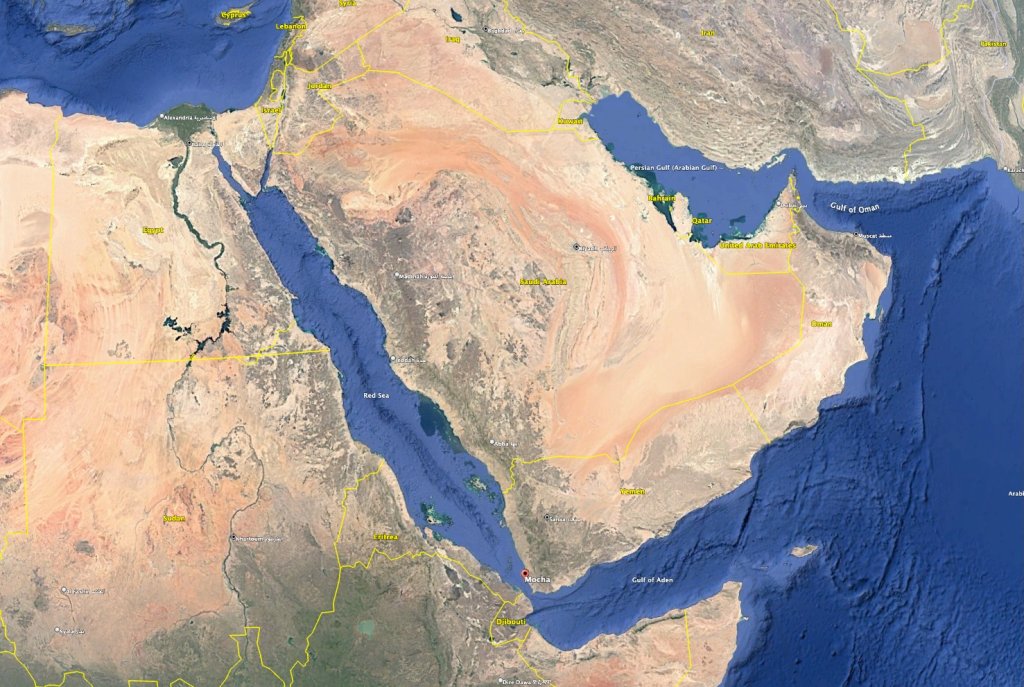
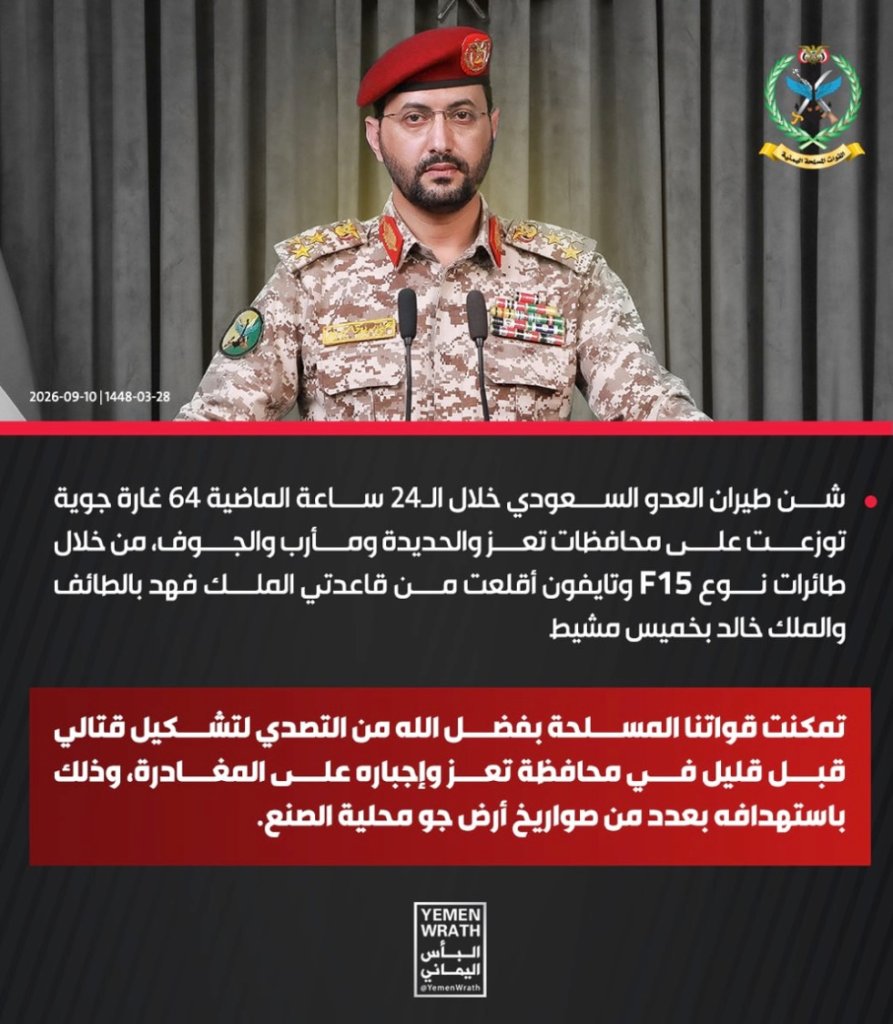
BREAKING: The Houthis have announced a Cessation of Combat Operations along the Coast of Bab al-Mandab Strait following the Collapse of Pro-Saudi Forces

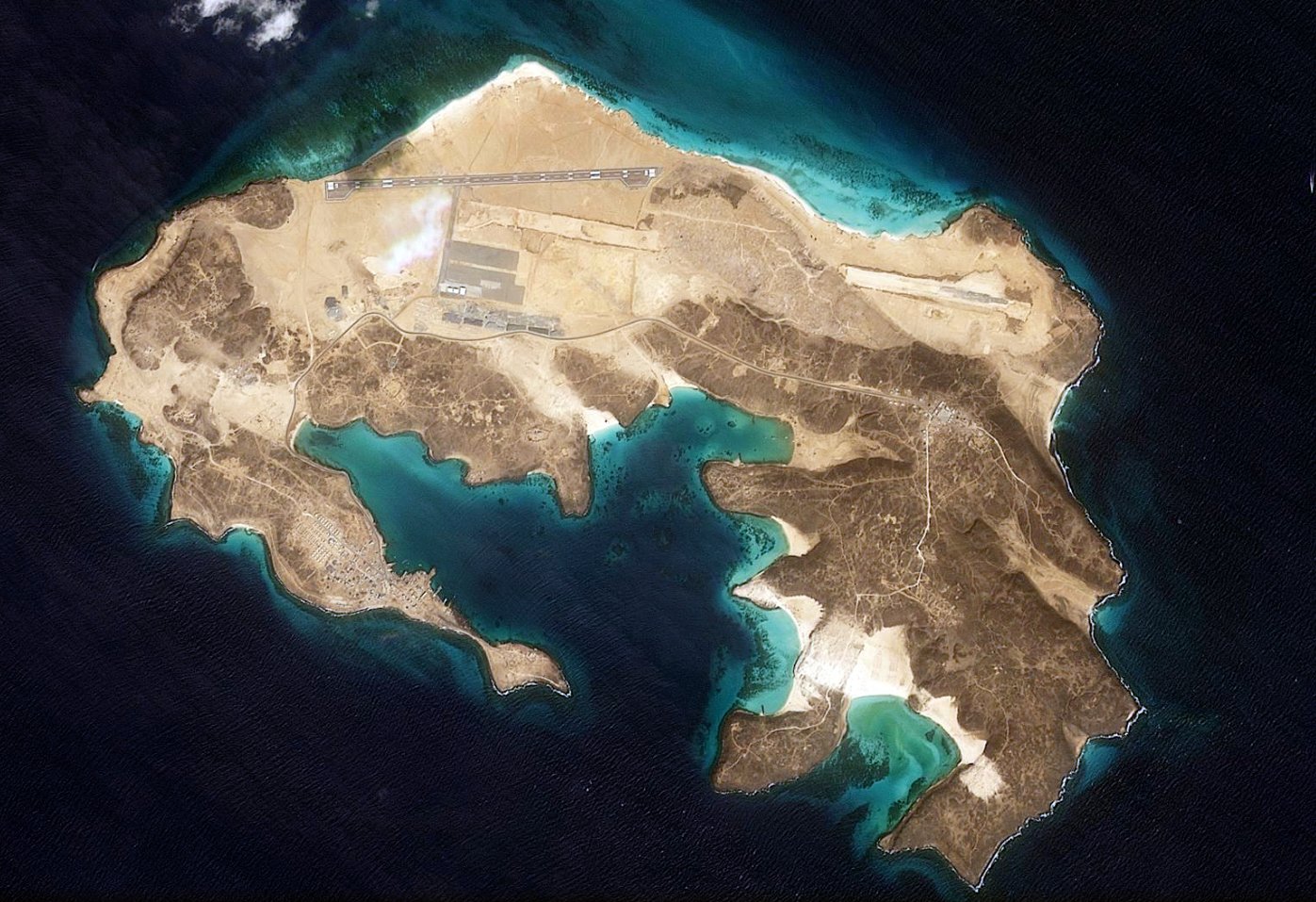
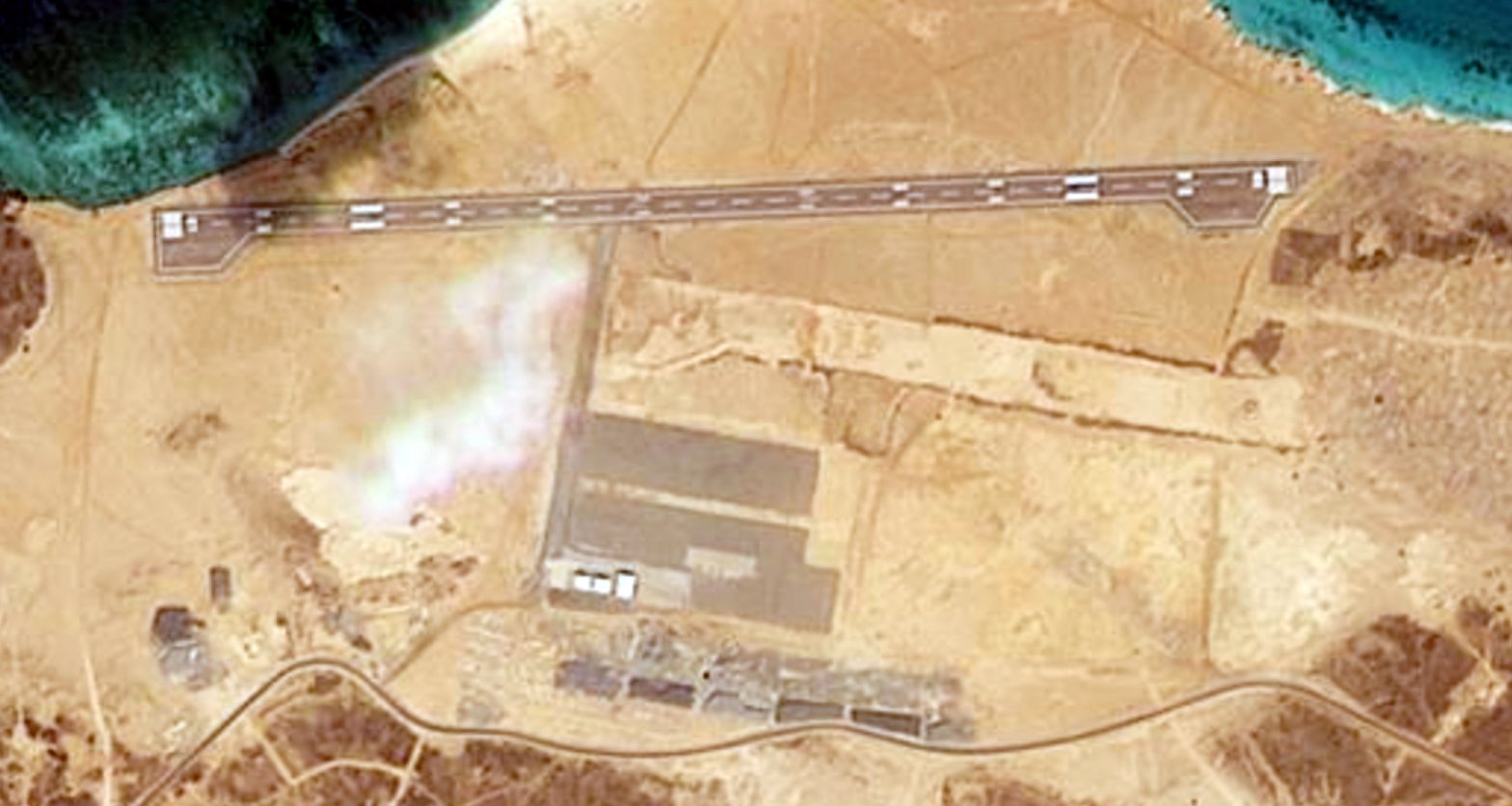
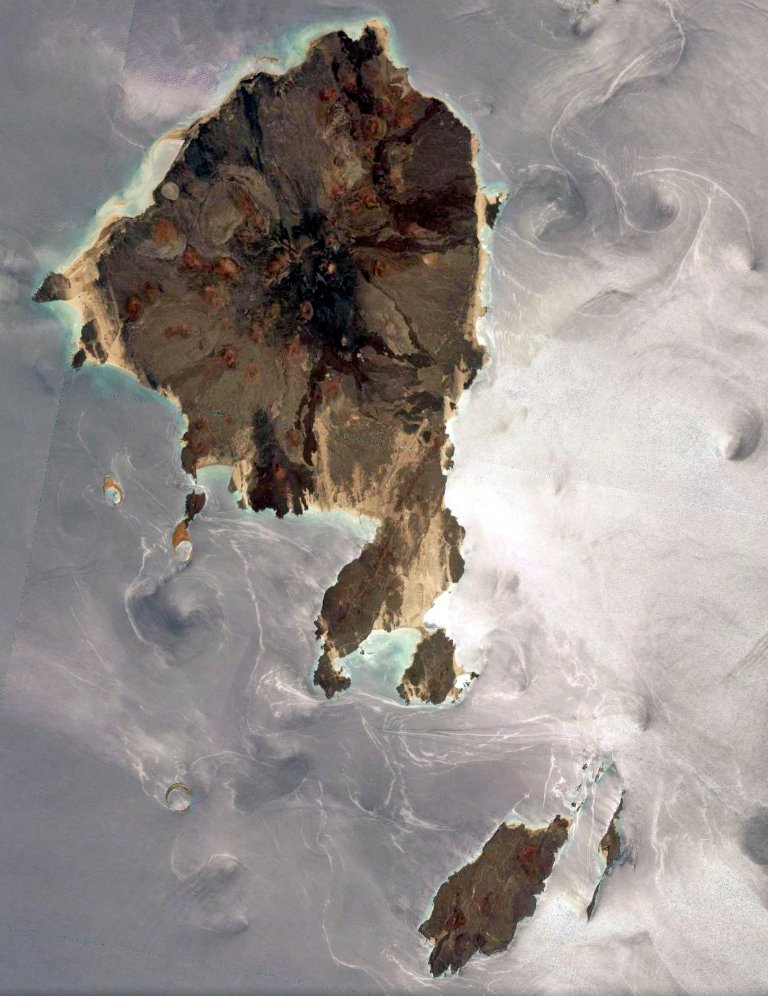
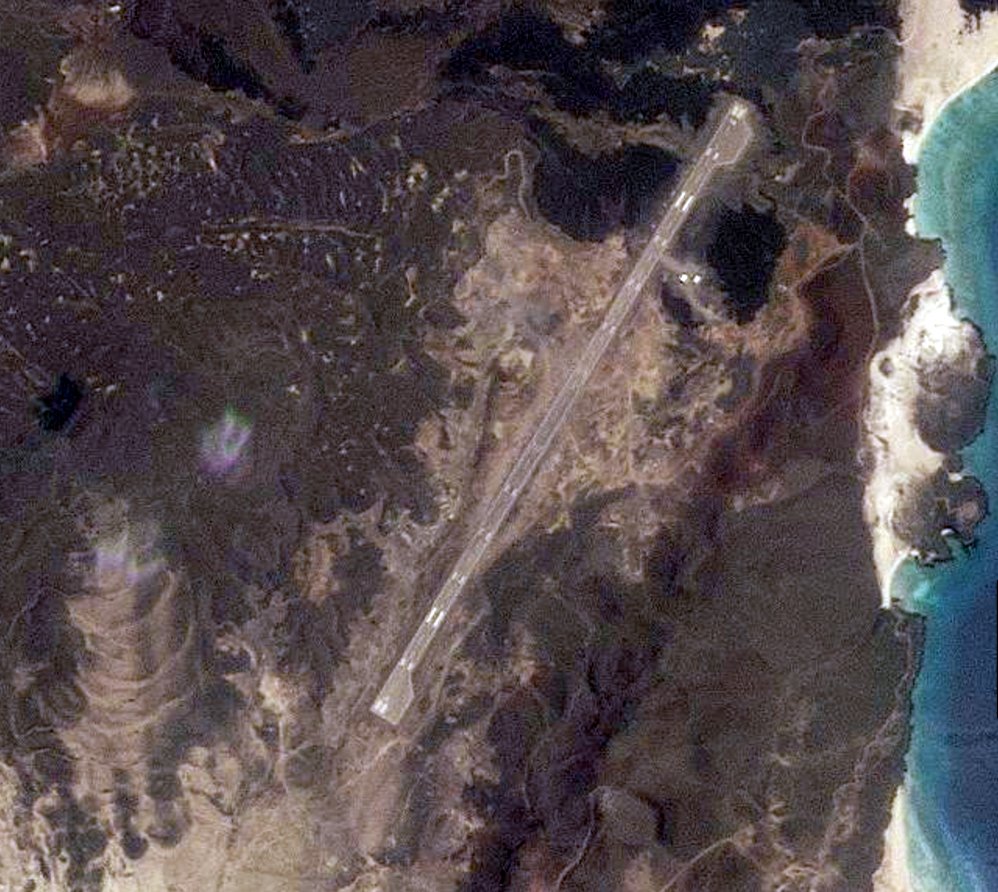
Jabal Zuqar Island in the southern Red Sea shows a small apron with one completed aircraft hangar and another likely under construction, plus a taxiway leading to two military emplacements, likely to shelter aircraft or UAVs. https://t.co/cnphe6yCeO pic.twitter.com/iOwr7C6I91

(@AfriMEOSINT) October 20, 2025
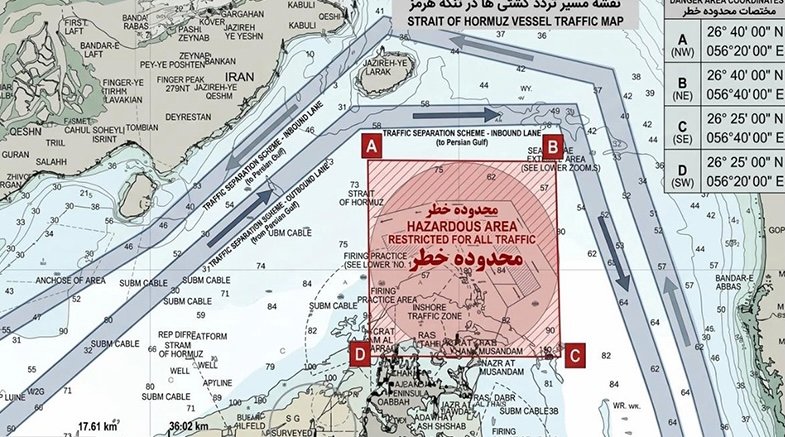
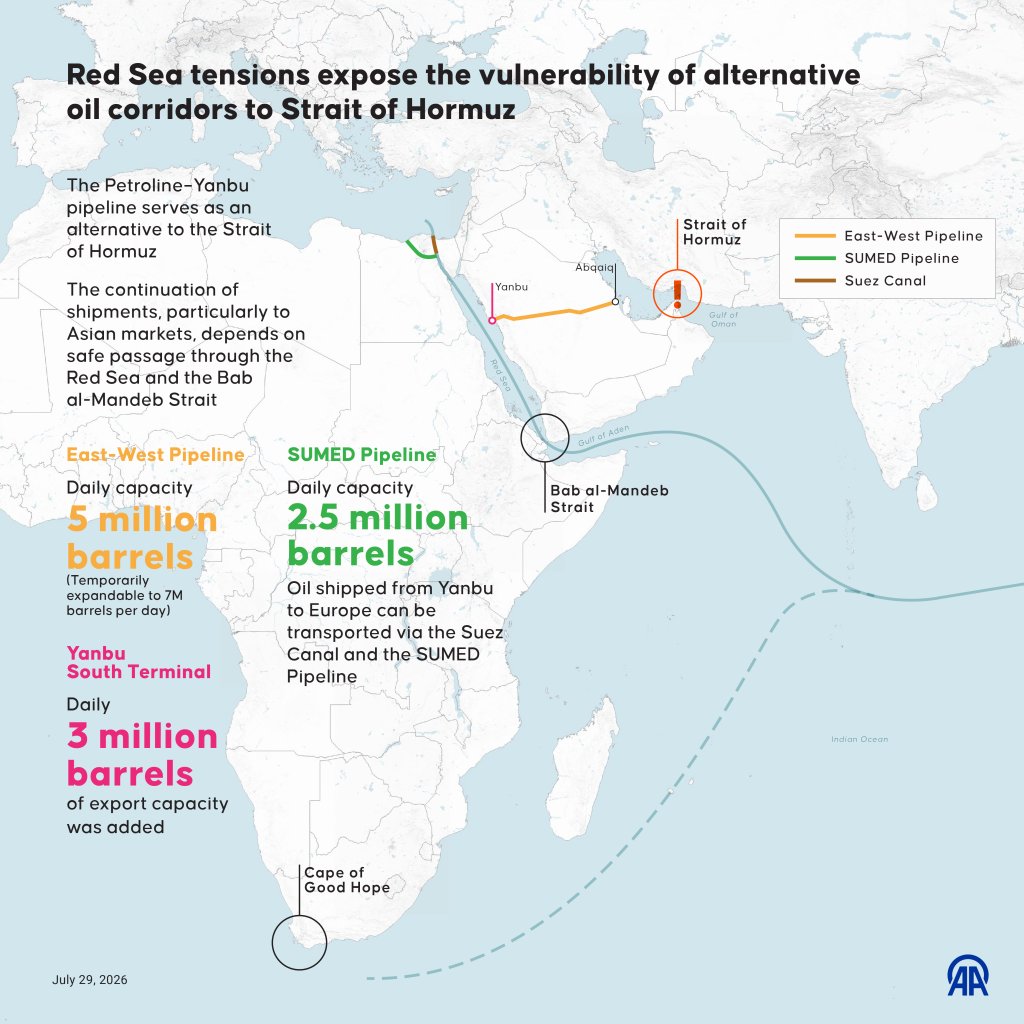
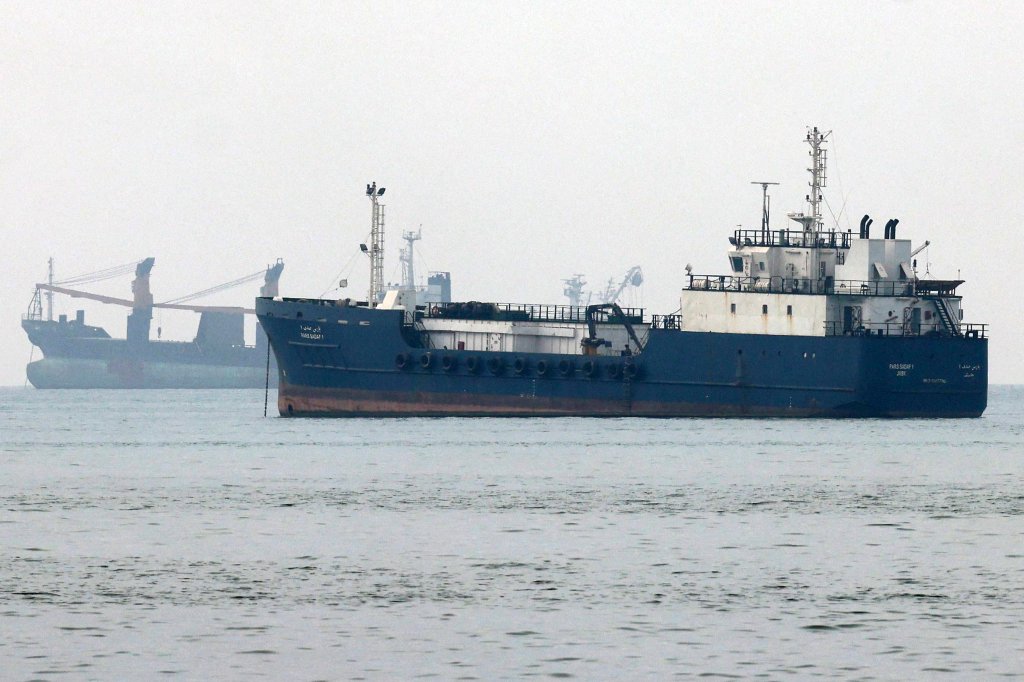
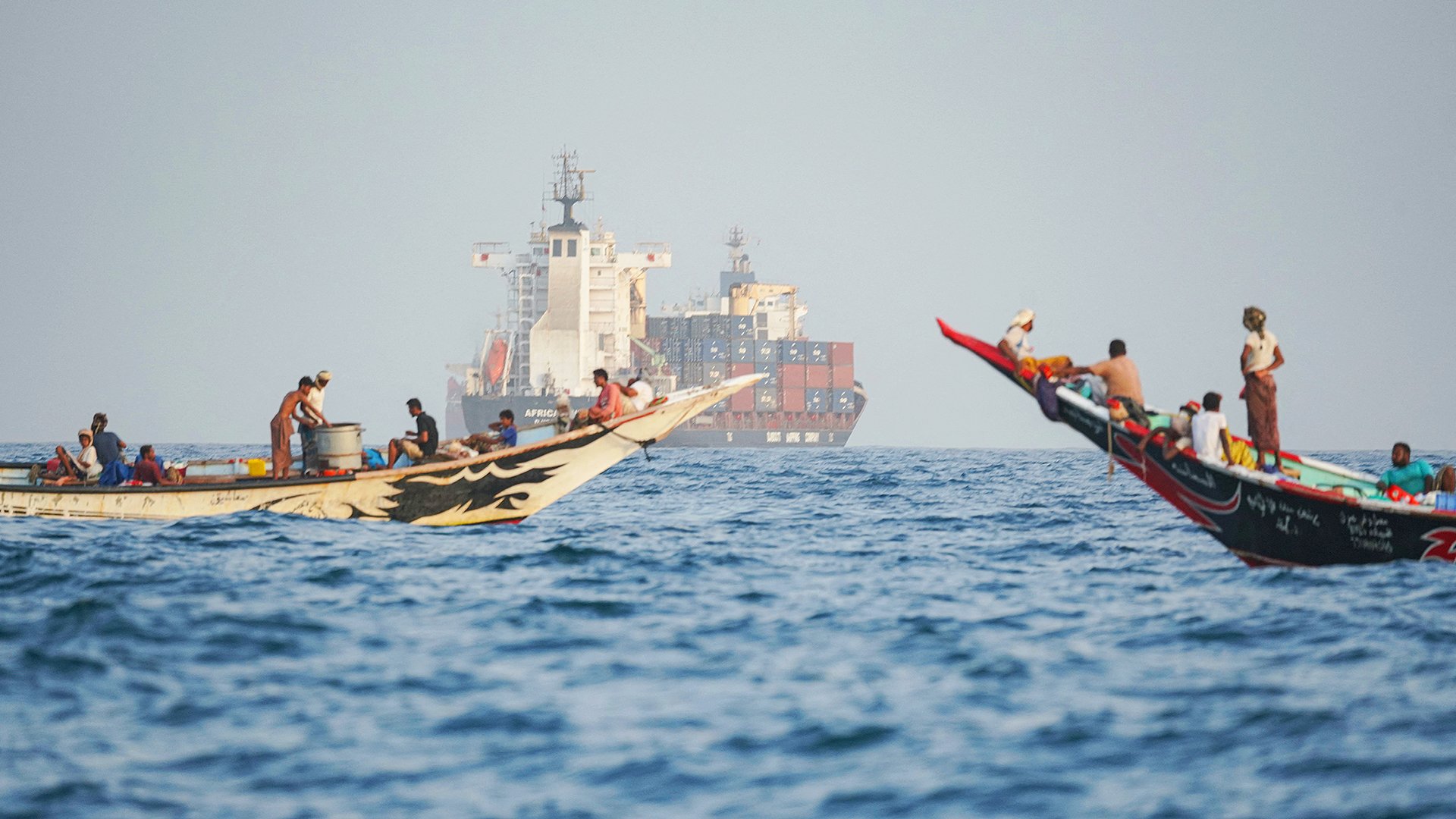


 (@TheDeadDistrict)
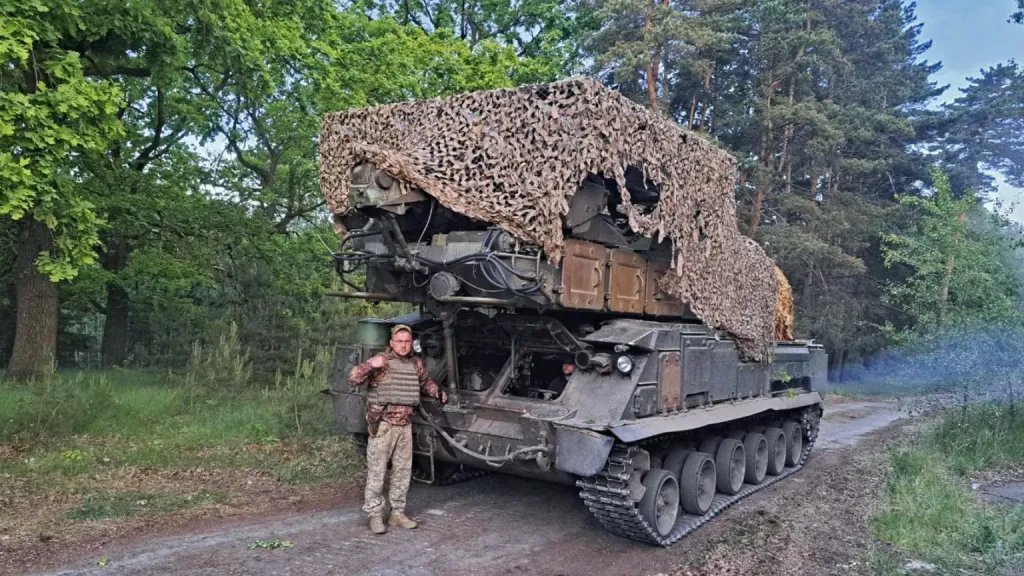
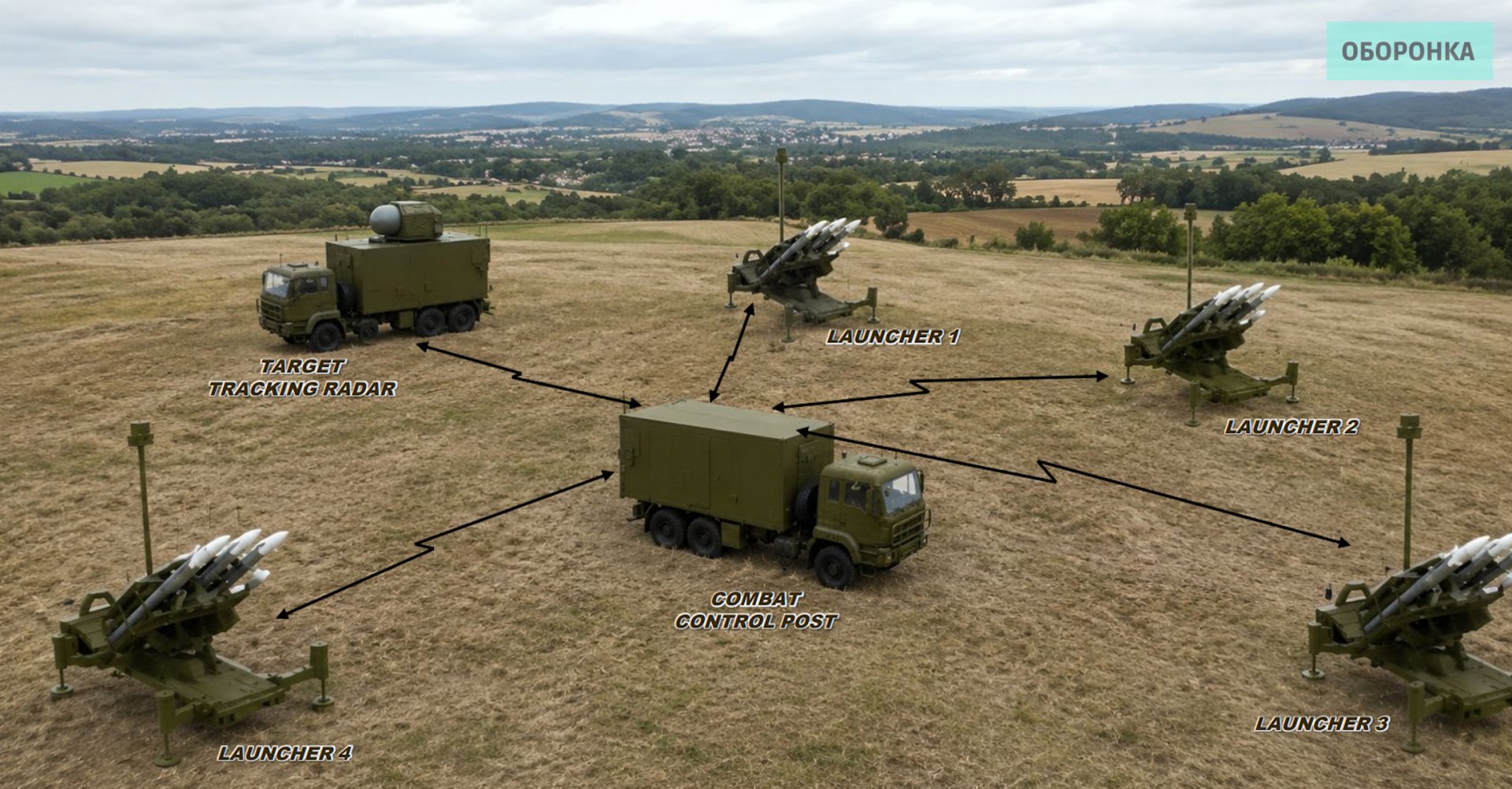
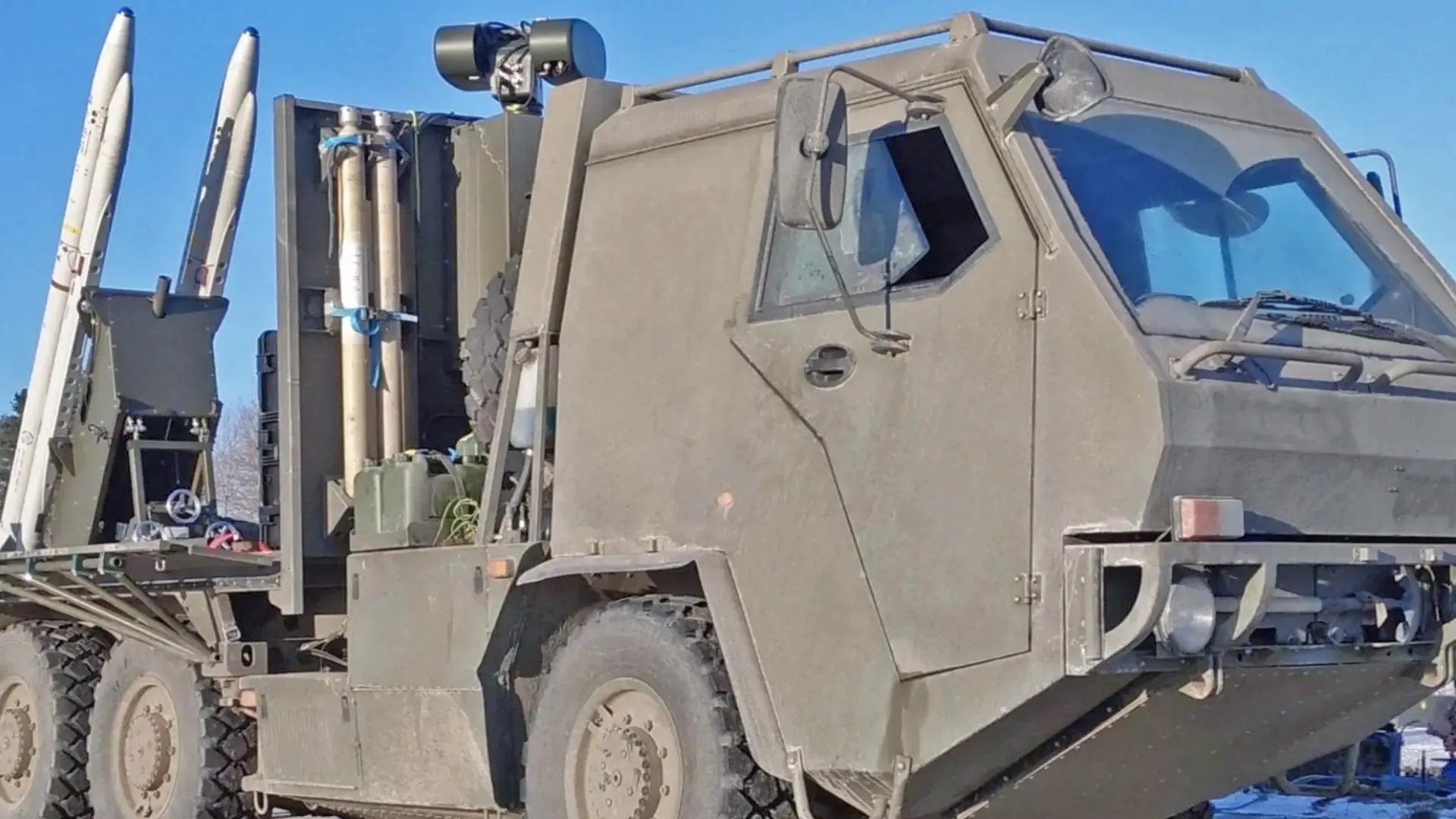
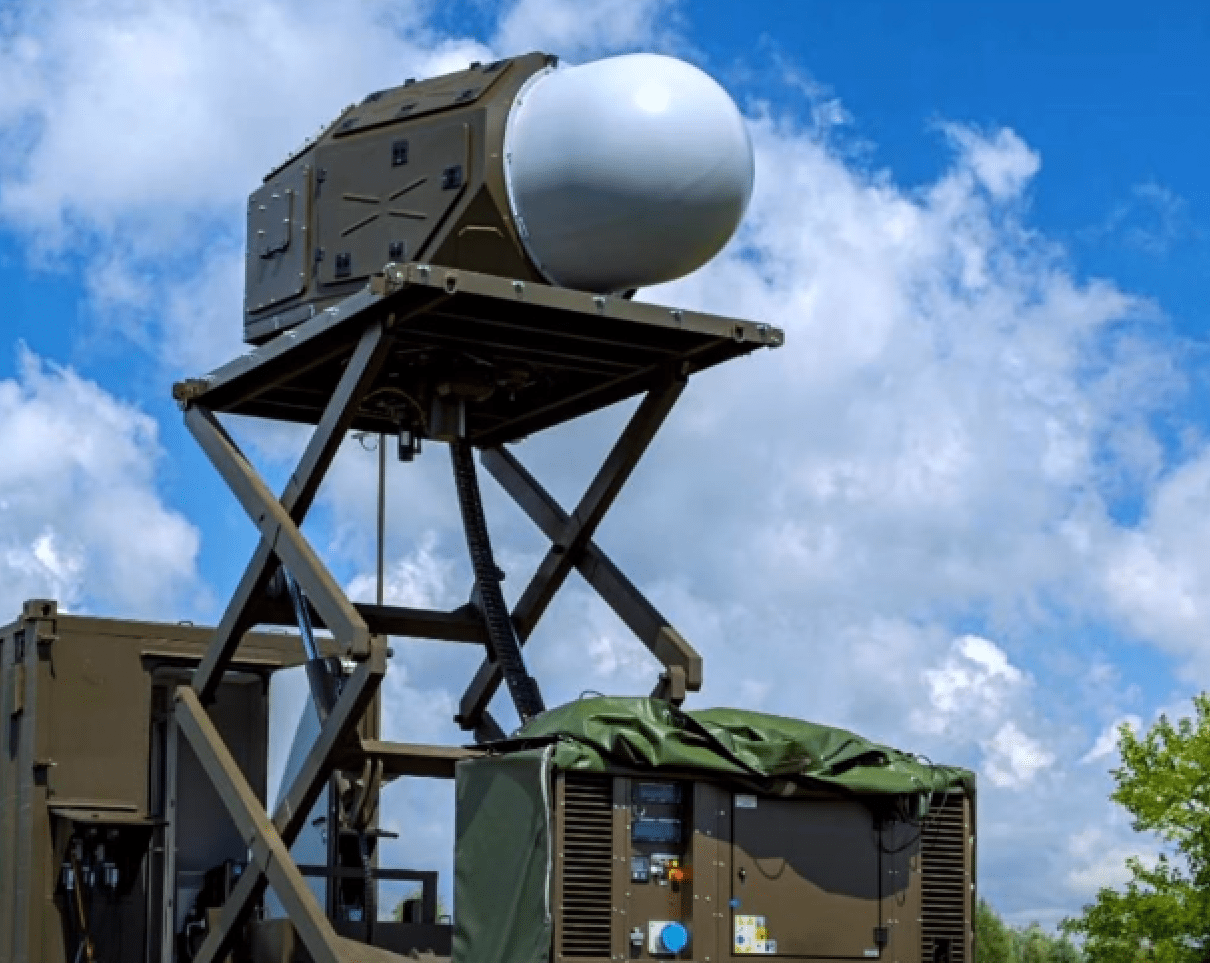
 Україна представила складові мультикаліберного зенітного ракетного комплексу «Шершень» на міжнародній виставці MSPO 2026 у польському місті Кельце.
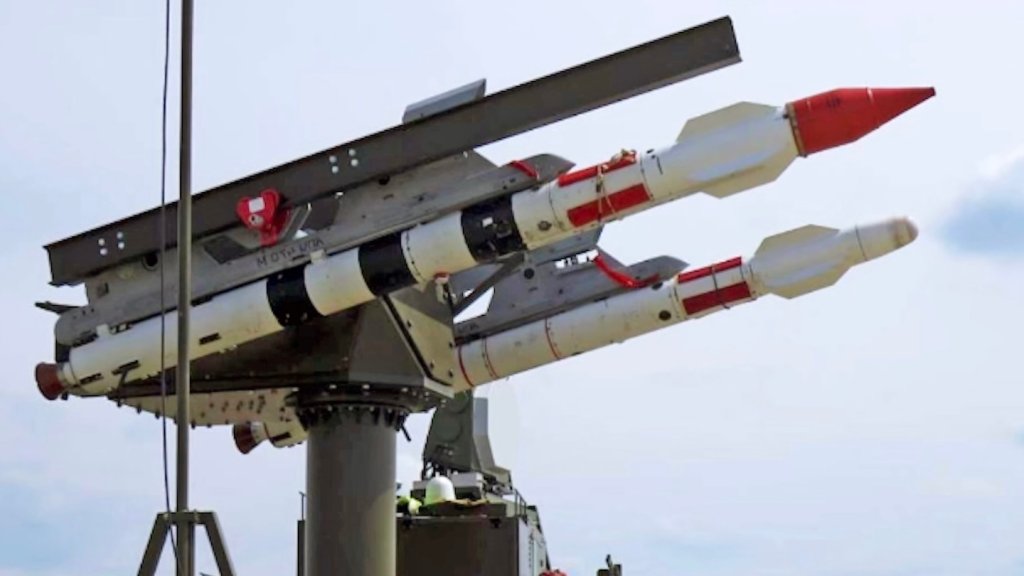
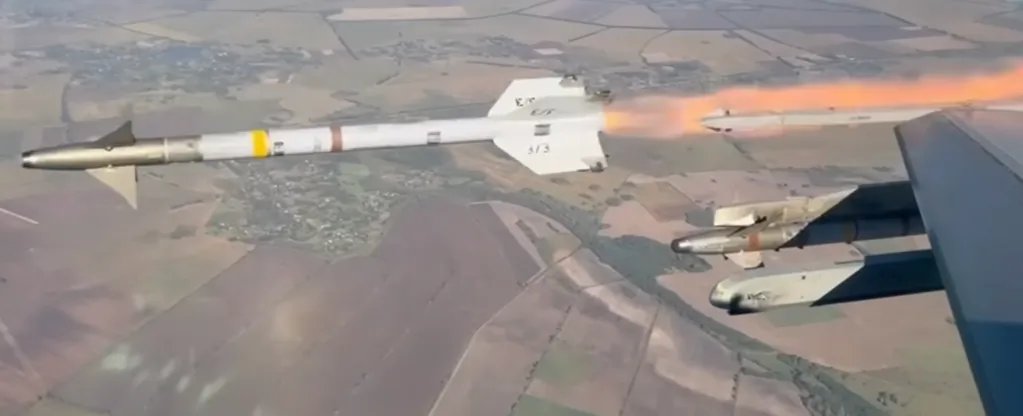
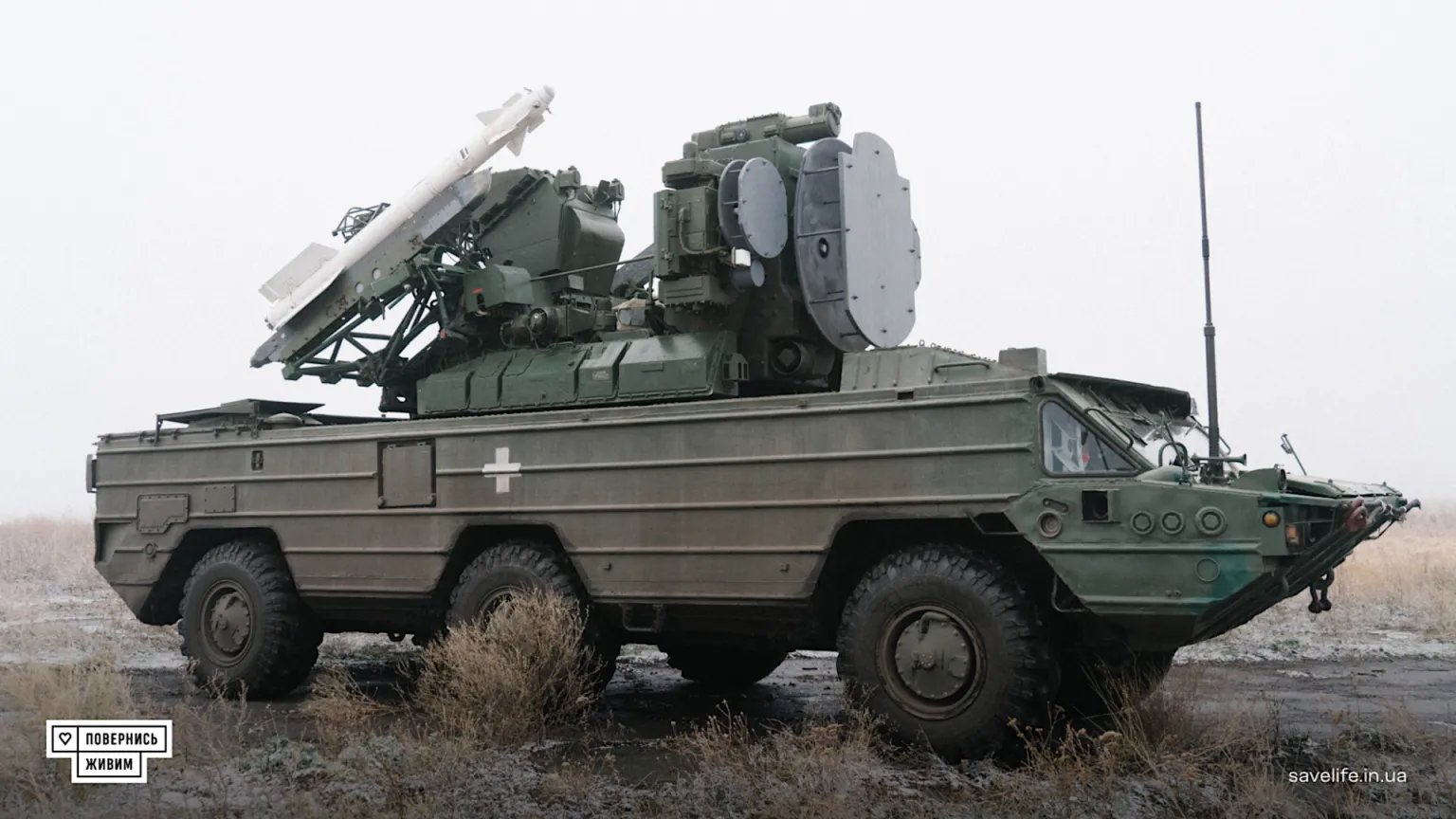
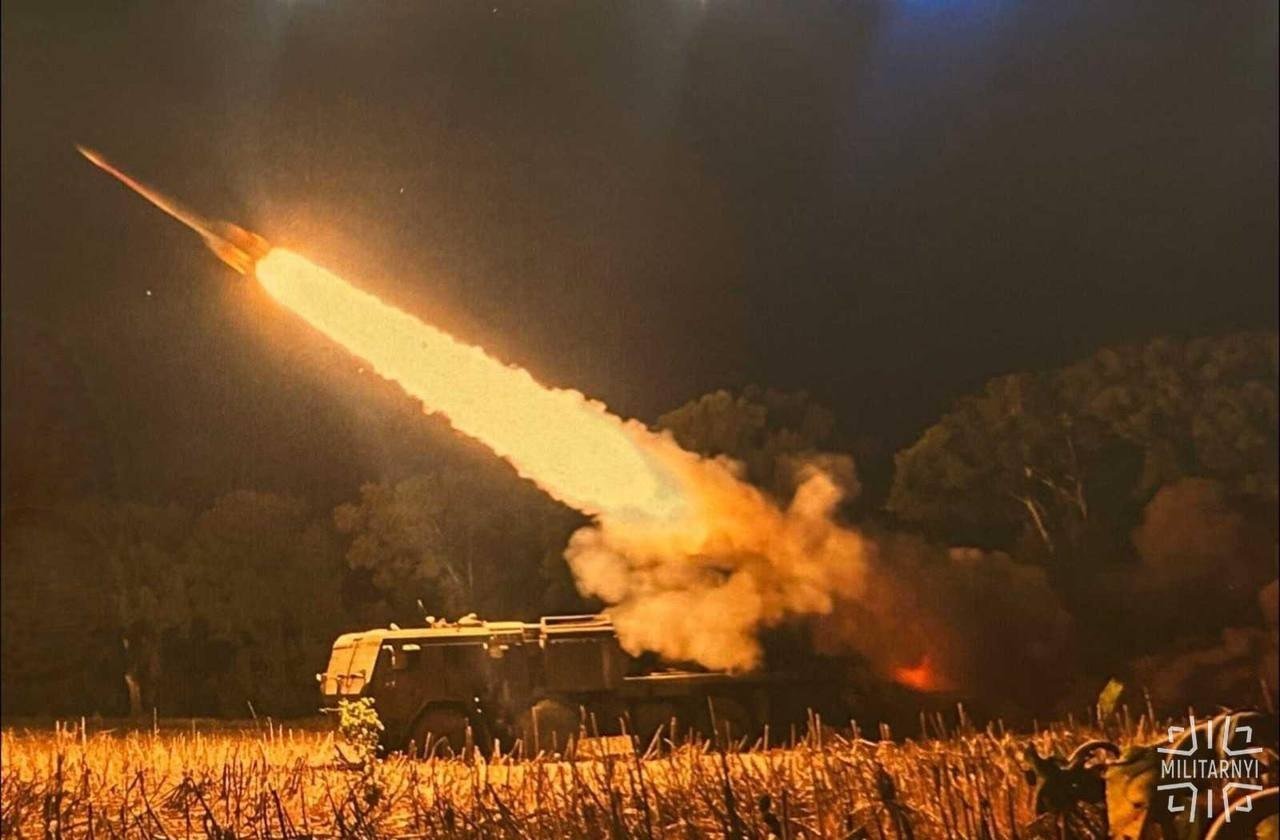
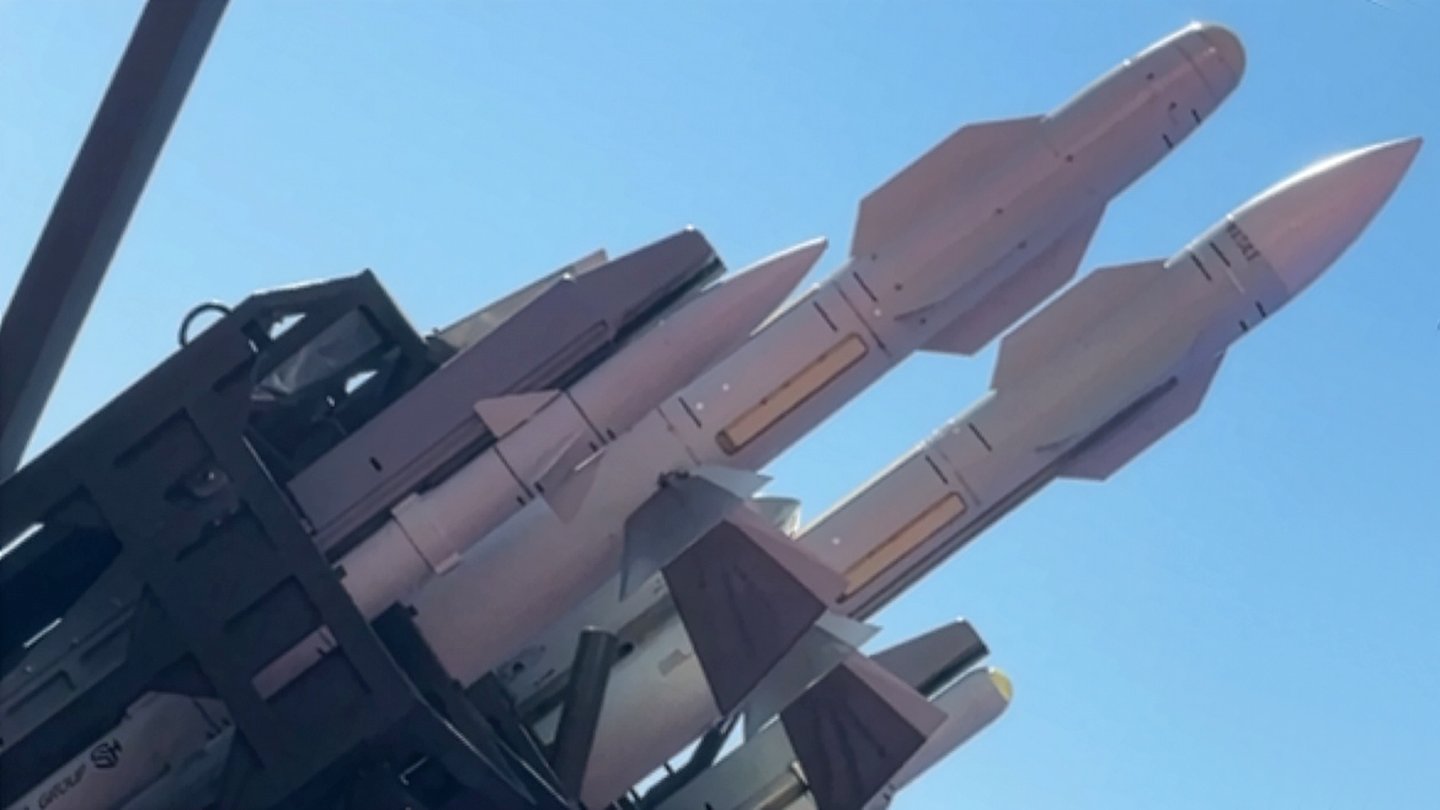
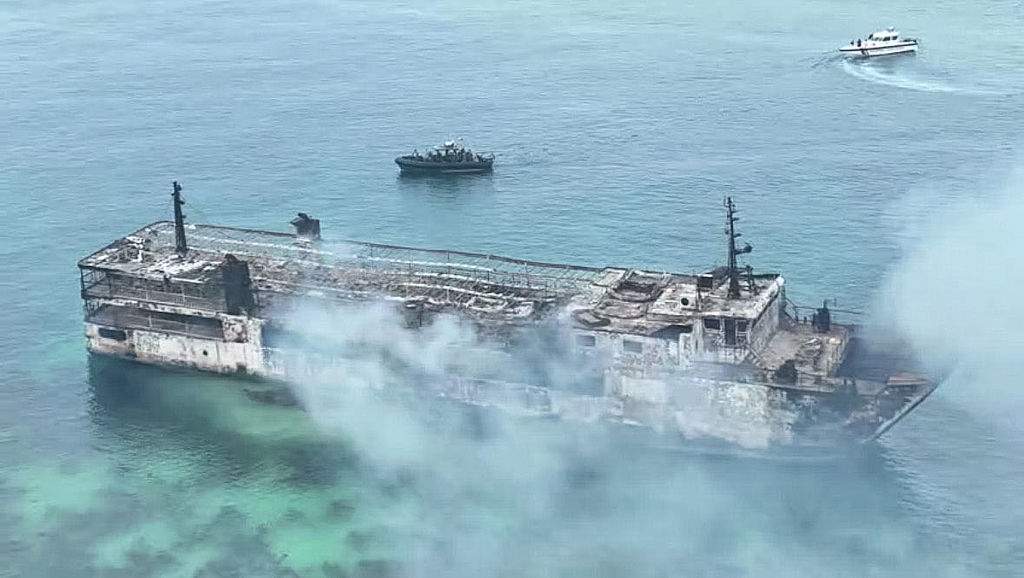
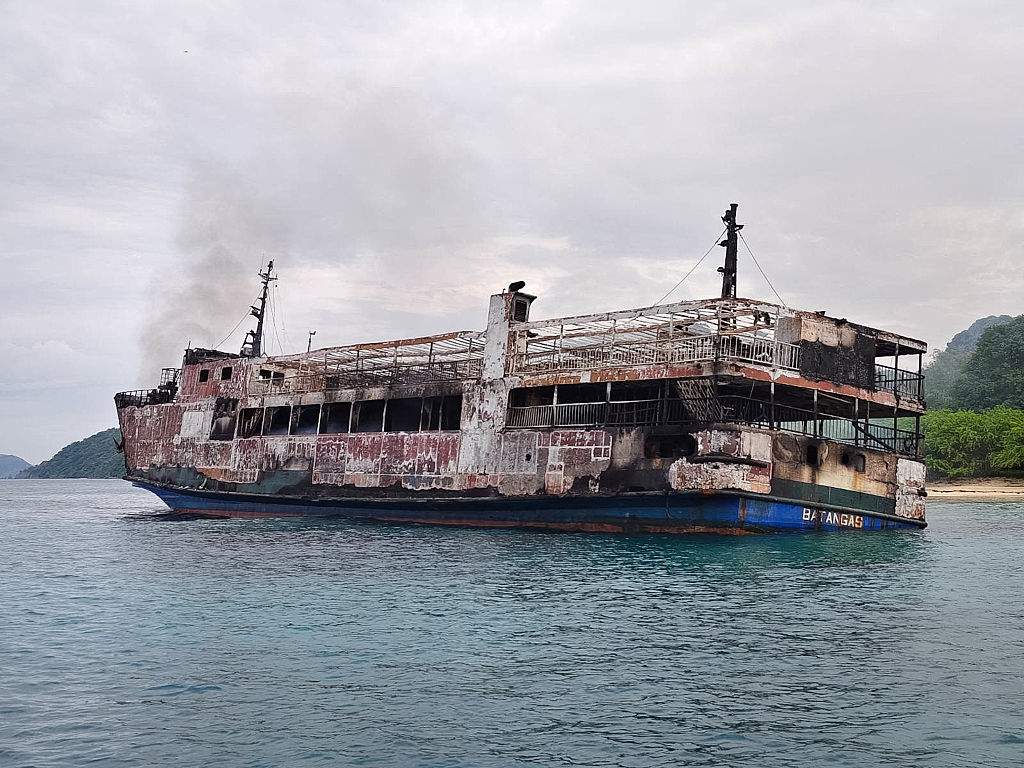


 Bombeiros mistos de Alcácer do sal