Yemen's Iran-allied Houthis said Saudi Arabia was attacking the Yemeni capital Sanaa on Tuesday after a Saudi-led coalition warned civilians to stay away from an oil depot on the city's outskirts, part of a rapidly escalating war between the sides.
Police arrested an 18-year-old Syrian man on suspicion of raping a 17-year-old girl in a stairwell in a popular nightlife district, authorities said.
The incident occurred around 1:30 a.m. Sunday in a multi-family building on Königsbrücker Strasse in Dresden’s Neustadt neighborhood, near Albertplatz, according to police and media reports. The area is known for bars, pubs and clubs that remain busy into the early morning hours.
The man reportedly dragged her into the stairwell of a building and raped her there. Neither he or the victim lived in the building.
The girl escaped her alleged attacker, fled the building and encountered a police patrol on the street, where she reported the rape, police said. Officers immediately launched a search and arrested the suspect nearby a short time later.
The Syrian man was brought before an investigating judge Monday and ordered held in pretrial detention at Dresden’s justice prison, according to Bild newspaper. Criminal police are investigating the case as rape. Investigators are still determining whether the two knew each other beforehand.
Police have released few additional details about the circumstances of the incident or the girl’s condition. The suspect has not been publicly identified by name. The investigation continues.
A parliamentary inquiry by Alternative for Germany (AfD) lawmakers in the German state of Baden-Württemberg has brought to light official data showing that authorities have recorded 358 so-called child marriages since April 2012, with courts formally annulling only eight of them between 2018 and 2024.
The figures, released in early October 2026 in response to questions from state parliament members Nikolaos Boutakoglou and Emely Knorr, have drawn sharp attention to the prevalence of underage marriages — overwhelmingly involving people from migrant backgrounds — and the limited number of legal interventions.
Among the annulled cases was the 2020 marriage of an 11-year-old Iraqi girl to a 17-year-old Iraqi boy. In 2018, authorities annulled the marriage of a 14-year-old Afghan girl to a 30-year-old Afghan man. Two further annulments occurred in 2024: one involving a 16-year-old German girl and a 25-year-old Pakistani man, and another between a 16-year-old Syrian girl and a 27-year-old Syrian man, according to Welt newspaper.
The other annulled marriages involved individuals from Afghanistan, Romania, Moldova, Croatia, Serbia, and elsewhere. The state Interior Ministry stated that no court proceedings for annulment were pending at the time of its reply.
The remaining approximately 350 cases, documented by the government of Tübingen were closed under the category of “other resolutions.” Possible reasons cited by the government include the death of a partner, a decision to forgo annulment, or a subsequent marriage abroad.
These files still include striking examples of very young brides. In 2020, a 12-year-old Afghan girl was recorded as married to an 18-year-old man. In 2022, a 12-year-old Syrian girl was married to a 28-year-old Syrian man, and in 2023 a 12-year-old Afghan girl to a 21-year-old Afghan man. Multiple cases involving 13- and 14-year-old girls also appear in the data, and some reports note nine marriages in which the girl was under the age of 14 at the time of the union.
The demographic pattern is pronounced. Men from Syria accounted for 132 of the recorded cases, nearly 40 percent, followed by nationals of Bulgaria, Turkey, Afghanistan, and Iraq.
Child marriages between two German citizens made up only about 0.3 percent of the total. It is also unclear if these German citizens have a migration background, but given the pattern seen among foreigners, it is very probable.
Most of the 358 cases date from 2015 onward when the migration crisis truly began to grow in Germany. Boutakoglou highlighted the figures on social media, stating: “Almost without exception, every child marriage in Baden-Württemberg since 2017 can be traced back to mass migration! Nearly 40% of the child marriages were contracted between Syrians, while child marriages between two Germans account for only 0.3%.”
Fast ausnahmslos jede Kinderehe in Baden-Württemberg seit 2017 ist auf die Massenmigration zurückzuführen!
Das ergab meine Kleine Anfrage an die Landesregierung.
Fast 40 % der Kinderehen wurden zwischen Syrern geschlossen, Kinderehen unter zwei Deutschen machen nur 0,3 % aus! https://t.co/BeJ4wS3CJL
Emely Knorr, co-author of the government inquiry, wrote: “Child marriages are incompatible with our values. Children have a right to safety, education, and a self-determined future. That is why we need effective protection, early intervention, and decisive action against forced marriages.”
Germany raised the minimum marriage age to 18 in 2017 and generally does not recognize foreign marriages involving minors under certain conditions. The Tübingen authority deals exclusively with marriages contracted abroad that come to the attention of German registry offices.
The AfD inquiry was prompted in part by a Terre des Femmes leaflet warning of the risk of forced marriage during school holidays, but the state government said it had no financial involvement in the leaflet.
As Remix News has reported in the past, the issue is not just child marriages. Mass migration has brought new backward cultural norms to Europe that are completely incompatible with European human rights. For example, already in 2020, the German government admitted that there were at least 68,000 female genital mutilation victims in the country, rising 44 percent since 2017.
According to then German Minister for Family Affairs Franziska Giffey, mainly migration is to blame for the massive increase as many migrants coming to Germany commonly practice FGM in their own home countries. The practice, which is a human rights violation, involves the ritual cutting off some or all of the external female genitalia.
Germany is far from the only country dealing with this trend. Remix News reported this year that a female genital mutilation crisis had hit Paris, with over 140,000 such cases seen across the country.
Nearly 38 percent of people who have received Germany’s basic income support for at least five years are foreign nationals, according to a Federal Employment Agency evaluation released in response to a parliamentary inquiry. In addition, separate data shows that 63.4 percent of people on welfare have a migration background, which includes foreigners and German citizens with a migration background, with the country on track to spend approximately €21.2 billion in 2026.
The figures for long-term welfare recipients, covering the end of 2025, show that roughly 1.4 million people have depended on the benefit for five years or longer. That group represents about two-fifths of all employable recipients of the support, formerly known as the citizen’s income and earlier as Hartz IV. Of those long-term recipients, 37.8 percent do not hold a German passport, while 62.2 percent are German citizens, the agency data indicate.
The new report does not mention the share of German citizens among long-term recipients who have a migration background. However, current data released for 2026 shows that 63.4 percent of people on welfare have a migration background.
Furthermore, in the first half of 2026, €10.6 billion has been spent on foreigners on welfare alone. If that figure continues at the same rate, that means for the entirety of 2026, it will cost €21.2 billion to pay for welfare for foreigners. In total, Germany spends at least €50 billion a year on foreigners, including housing, education, welfare, integration services, and border control.
However, this data does not reveal the true amount of money going to foreigners.
As Glut Magazine reports, the number of foreigners is decreasing in the welfare data while the number of “Germans” goes up. The reason for this? More of the foreigners are becoming German citizens through naturalizations.
“Part of this shift could be due to naturalizations. Anyone who receives a German passport while receiving citizen’s income no longer appears in the statistics as a foreigner, but as a German – along with their payments. Notably, in January 2026 the number of German recipients increased by around 12,000, while the number of Syrians decreased by 12,500 in the same month – more than in any other month. Syrians are the largest group among naturalized citizens. Since June 2025, their number in citizen’s income has decreased by 15.6 percent, more than any other large group,” the magazine wrote.
The evaluation, provided to the German Press Agency, also highlights sharp regional differences. Berlin recorded the highest share, with about 45 percent of its basic-income recipients in the long-term category, followed by Bremen at 43 percent. Nationwide, the statistics include 199,229 recipients under age 25.
René Springer, the Alternative for Germany (AfD) parliamentary group’s spokesperson on labor-market policy, criticized the findings.
“It cannot be that so many people receive citizen’s income at the taxpayers’ expense, even though they could go to work,” he said.
Springer renewed his party’s call for mandatory community service. Under the proposal, employable recipients who have been on basic income support for more than six months would be required to perform 15 hours of civic work per week. Those who refuse would face a shift to benefits in kind or, in the most severe cases, loss of support, according to the AfD.
Similar motions have drawn opposition from other parties in the Bundestag. During debate, CSU social-policy lawmaker Peter Aumer pointed to the core principle of the German welfare state that people who need help must receive it.
The federal government introduced stricter participation rules and benefit reductions in a recent reform of the system. The AfD has argued those changes do not go far enough and continues to press for a community-service requirement.
The citizen’s income was introduced in early 2023 and was replaced by a new basic income support framework in July 2026.
This phenomenon has been described by political scientists long ago. A recognition of this fact by someone who was close to former president Joe Biden is quite impressive. White House Press Secretary from 2022 to 2025, Karine Jean-Pierre, published an article in The New York Times on October 2 in which she acknowledges that many […]
A video clip of a Black male student at ongoing protests in Belgium showed him saying he does not know why he is protesting, and that his message is to “smash everything.”
The clip is being used as another piece of evidence that the protests are not really about reforms or improving education standards, but instead serve as a pretext for ethnic minorities to riot, destroy, and attack police.
After he calls for protesters to “smash everything,” the crowd of Black youths and other ethnic minorities, many heavily masked, began hooting and screaming in response. The video further shows burning shared bicycles and electric scooters, the same products many on the left promote as an alternative to CO2-producing cars and trucks.
In a post from Belgian political activist Dries Van Langenhove, he writes about the video: “European people can’t comprehend this because we’re simply not the same. They destroy. It’s what they do. It’s who they are. Politicians now come up with all sorts of fake ‘solutions’: more money for education, more youth detention centres, military conscription, … but it’s all nonsense. There is only one real solution: they have to go back.”
Our ‘Belgian students’ when asked what they’re protesting against: “we don’t know, we’re here to destroy everything”.
European people can’t comprehend this because we’re simply not the same. They destroy. It’s what they do. It’s who they are.
Politicians now come up with all sorts of fake ‘solutions’: more money for education, more youth detention centres, military conscription, … but it’s all nonsense.
There is only one real solution: they have to go back.
The footage has circulated amid student protests in French-speaking Belgium, particularly in Liège and Brussels. The media reports that the protests are fueled by rising education costs, overcrowded classrooms and reforms in the Wallonia-Brussels Federation. However, just as with the student protests in France, many of the participants cannot articulate any clear demand.
BREAKING: Rioters set fire to the entrance of Vauquelin High School in Paris and blocked the exits when staff tried to put the fire out.
A film crew recorded the terrifying attempted murder.
“The school staff was unable to put out the fire. The rioters blocked them just as the extinguisher nozzle came out; they blocked the exit.”
“The fire continues. You see all the silhouettes moving behind it; they continue to feed this fire, making it stronger and stronger. The school staff is not even going to try to put it out anymore; they can’t manage it. We can hear the principal here asking the hundred confined students to step back and move up to the first floor.”
The building was full of staff, students, and journalists, but these rioters appear ready to kill anyone still inside the vocational chemistry school.
Follow: @RMXnews
In Belgium, authorities have also reported property damage, arson and clashes with police. Local media and police cited more than 100 arrests in Liège in recent days alone, many involving minors, with overall detentions since early October approaching or exceeding 200 in some counts.
Shop windows were smashed, fires set and objects thrown at officers; one video game retailer reported about €30,000 in stolen goods.
One brave man tried to put out the fires in Liège, Belgium.
He was brutally attacked by a frenzied crowd.
The "student protests" are devolving into large-scale rioting, arson, and attacks on innocents.
Follow: @RMXnews https://t.co/PEElkGrtL8
The student actions overlapped with a national strike Friday organized by Belgium’s major unions against government austerity measures aimed at reducing the deficit under Prime Minister Bart De Wever. Police estimated about 30,000 participants in the Brussels march, which was largely peaceful, though smaller groups of masked youths threw bottles, bricks, stones and fireworks, set fires and damaged property near the central station. Officers used water cannons and tear gas; authorities reported 21 detentions or arrests, including 13 minors.
De Wever has argued that painful budget measures are needed to avoid a debt spiral that would burden future generations.
Prosecutors have opened an investigation into a local Christian Democratic Union (CDU) mayoral candidate of Turkish origin who is accused of staging a racially motivated attack on his own car days before an election he lost badly.
The Itzehoe public prosecutor’s office is examining allegations that Baris Karabacak faked the incident, according to the German newspaper Bild. Authorities obtained and executed a search warrant against the politician and seized at least one electronic device.
Karabacak, an entrepreneur who had previously served as chair of the Uetersen city council, was the CDU’s candidate in the Sept. 27 mayoral election in the town of roughly 18,000 people in the Pinneberg district of Schleswig-Holstein. He finished a distant third with 10.7 percent of the vote. Incumbent Mayor Dirk Woschei of the Social Democrats was reelected in the first round with 51.3 percent; independent candidate Marvin Schöpp received 38.1 percent.
A few days before the vote, local media including public broadcaster NDR reported that the windows of Karabacak’s car had been smashed overnight. A campaign flyer bearing an added message in all capital letters reading “NO TURKS — ALL OUT” was left behind. Police initially investigated the matter as possible incitement to hatred.
At the time, state CDU General Secretary Lukas Kilian publicly backed his party colleague and expressed pride in the CDU’s diversity. Woschei also offered solidarity, stating that political competition must be conducted with arguments and that “violence, hate and racist messages are an attack on the city’s democratic culture.”
Kilian’s tone has since shifted sharply. He told Bild he was “stunned” by the new allegations.
“Anyone who fakes a racist crime abuses the solidarity of many people and mocks the victims of real racism. There is no place for that in the CDU,” Kilian said. The state party has said that if the accusations are confirmed, Karabacak will be asked to resign his membership; failure to do so would trigger expulsion proceedings.
The case remains under investigation, and no charges have been filed. Karabacak has not publicly commented on the prosecutor’s probe.
The episode has drawn attention in a town where Karabacak had earlier faced internal party and council criticism over his leadership style before resigning as city council chair earlier in 2026 and then securing the CDU’s mayoral nomination.
Another hate crime hoax proven false in court
This is also notably not the first alleged hate crime hoax from a German politician. In 2023, Remix News reported on Manoj Subramaniam, a 33-year-old former local Green councilor in the German town of Erkelenz, who claimed he had been subjected to sustained acts of harassment by anonymous right-wing extremists. He showed police evidence of the abuse he had received, which included a threatening letter with a razor blade inserted and a swastika drawn onto his vehicle in red paint.
The case made national headlines last year with several prominent politicians offering their solidarity with Subramaniam for the alleged abuse he had received.
“Right-wing extremists are threatening political volunteers to silence them. Thank you, Manoj Subramaniam, for not being silent and raising your voice,” stated Lamya Kaddor, a member of the Bundestag.
Federal police took protective measures for the politician’s safety, and an intensive investigation was initiated by state security, all at considerable cost to the taxpayer. The only issue, however, was that Subramaniam had made it all up.
“The defendant actually wrote this note himself,” revealed Justus Wassenberg, the press spokesman for the public prosecutor’s office.
It transpired that Subramaniam had also drawn SS runes and a swastika onto the doorbell panel outside his house.
Subramaniam subsequently resigned from his position as a local councilor, and the Erkelenz District Court issued the disgraced politician a penalty order of €3,600 for faking criminal offenses, a fine he appealed.
He reportedly cried during his trial when his appeal failed.
2026 firebombing not an anti-Semitic attack after all
The investigation into the early 2026 firebombing of Brandenburg Antisemitism Commissioner Andreas Büttner’s home stunned the public.
While the case was initially treated as an Islamist or antisemitic hate crime, the German Public Prosecutor General’s Office now identifies two men from Büttner’s “own circle,” which belongs to the left, as the primary suspects.
One of the men is also linked to the threatening letter sent to Büttner. Meanwhile, Büttner said he was shocked and described it as the biggest betrayal of his life. He also stated that if the two were responsible, the act had nothing to do with antisemitism in his view. So far, the prosecutor’s office has continued to list Büttner as a witness or injured party, not a suspect. News outlets have highlighted that there was a €3,000 transfer from Büttner to one of the men shortly before the incident, which he called a loan, and other joint activities.
These details prompted public questions and speculation in some outlets about possible staging or a “false-flag” element, but no official finding has supported the claim that Büttner ordered or knew of the act in advance. The case still reportedly remains under investigation.
Death rates for Americans between 25 and 44 years old jumped 71.2% in just eleven years, rising from about 140 deaths per 100,000 people in 2010 to 239 per 100,000 by 2021. No other age group came anywhere close to that surge. Overdoses, suicides, car crashes, and chronic diseases appearing at increasingly younger ages are now cutting down people in the prime of their lives.
Steven H. Woolf, a physician and researcher at Virginia Commonwealth University School of Medicine, published the analysis in The Milbank Quarterly. He combined data from the United Nations, the CDC, the Organisation for Economic Cooperation and Development, and a U.S. mortality database to show how far American life expectancy has fallen behind the rest of the developed world, and increasingly, much of the developing world too.
By 2023, U.S. life expectancy ranked 38th among countries with populations over 1 million, trailing not just Western Europe, Canada, Japan, and Australia but also Chile, Costa Rica, Slovenia, Israel, South Korea, and several Persian Gulf nations. Sixty countries had a lower risk of a person dying before age 40 than the United States did. That gap didn’t open overnight. It has been widening since the 1990s, and it sped up sharply after 2010.
How Researchers Tracked the Rising Death Rates
Woolf built this analysis by comparing decades of death records rather than running a new clinical trial or survey. He pulled data from the United Nations’ Department of Economic and Social Affairs, the U.S. Mortality Database, the CDC’s death-records database known as WONDER, and OECD data covering 16 other wealthy countries, including Canada, Japan, France, Germany, and the United Kingdom. He tracked age-specific death rates from 1999 through 2023, sorted into five groups: infants, youth ages 1 to 24, young adults 25 to 44, middle-aged adults 45 to 64, and adults 65 and older.
A separate part of the study looked at all 50 states from 1941 onward, matching each year of life expectancy data to the sitting governor’s political party to see whether state policy choices lined up with health outcomes over time.
What’s Driving the Rise in Death Rates Among Young Americans
Drug overdoses top the list. Among adults 25 to 44, the overdose death rate rose sevenfold after 1999, from about 7.7 per 100,000 to more than 54 per 100,000, and surpassed circulatory diseases (such as heart disease and stroke) in 2015 to become the leading cause of death in that age group. Suicide rates for this same group are higher than in any other age bracket and climbed more than 40% between 2000 and 2023. Homicides rose 75.5% between 2014 and 2021, and deaths from car crashes and other transportation accidents rose 43.5% over that same stretch.
What surprised even close followers of these trends is how much of the damage now comes from disease rather than injury. Deaths from diabetes and other metabolic and hormone-related illness rose nearly a quarter between 2010 and 2019 among young adults. Deaths tied to liver damage from drinking more than doubled between 2010 and 2023. Deaths from alcohol-related mental health disorders more than tripled in that same window. Even high blood pressure, historically a problem of later adulthood, saw its death rate more than double among 25- to 44-year-olds between 2000 and 2023.
Middle-aged adults, 45 to 64, saw many of the same patterns: rising deaths from drug overdoses, liver damage from drinking, and diseases of the brain and nervous system, along with a COVID-19 death rate that nearly doubled between 2020 and 2021 even after vaccines became available. Older adults largely avoided these steep increases, though deaths from brain and nerve diseases doubled between 2000 and 2023, and deaths from endocrine disorders and suicide also climbed.
Infographic by StudyFinds
Where U.S. Life Expectancy Has Fallen the Furthest
National averages hide some brutal local realities. Comparing individual states to countries with similar life expectancy, Woolf found that Hawaii, the top-performing state, matched life expectancy in Western European countries like Sweden and Ireland. Mississippi, by contrast, resembled Libya, Venezuela, Belarus, and Syria in 2019. Conditions worsened after the COVID-19 pandemic hit. By 2021, life expectancy in West Virginia and Mississippi matched Bulgaria, Bangladesh, and Iraq, and fell below North Korea and Syria. Life expectancy was higher in Palestine and Iran than in nine U.S. states, including Oklahoma, Tennessee, Kentucky, Alabama, and Mississippi.
Woolf’s review of state data going back to 1941 found that states led by Republican governors tended to see life expectancy stagnate or decline, a pattern that became especially visible after 2010 and turned into what Woolf calls a “natural experiment” during the COVID-19 pandemic. States’ sharply different decisions on masking, business closures, and vaccination, he writes, could be measured in death counts within weeks. Red states, the analysis notes, suffered the largest COVID-era drops in life expectancy, a pattern that held up even after researchers accounted for other factors like poverty rates and existing health conditions.
Other researchers cited in the review, who looked at generational patterns rather than state policy, found that Americans born after 1970 had higher death rates from heart disease, cancer, and injury-related causes than earlier generations. They concluded that the current stall in U.S. life expectancy stems from “multilayered social, biological, and generational forces.”
Why America’s Death Rates Keep Climbing
Woolf’s analysis lays out five broad categories behind America’s health disadvantage: a health care system without universal coverage, riskier individual behaviors like higher calorie consumption and firearm ownership, greater income inequality and poverty, a built environment that favors cars over walking and green space, and public policies that put less emphasis on collective welfare than peer nations do. None of these explanations are new, but the paper argues that treating overdoses, suicides, and chronic disease as separate problems misses the bigger picture: they are symptoms of the same underlying neglect.
That’s the sharpest point in the paper, and probably the one worth sitting with. Other wealthy countries didn’t stumble into longer lives by accident. They built universal health coverage, stronger safety nets, and tighter consumer and environmental protections decades ago, and it shows up in their citizens’ death certificates today. America’s problem was never a shortage of ideas for fixing this. It’s a shortage of political will to act on them, and until that changes, the gap between how long Americans live and how long people in dozens of other countries live looks likely to keep growing.
European Union leaders will meet in Brussels on 15–16 October under pressure to address surging energy costs, Russian hybrid attacks, continued support for Ukraine and the bloc’s next long-term budget. The summit comes as economic pressures expose growing differences between national governments.
European Union leaders are preparing for a two-day summit in Brussels dominated by the economic consequences of the Middle East conflict, Russia’s continuing war against Ukraine and mounting pressure on governments to reconcile defence commitments with deteriorating public finances.
The European Council meeting on 15–16 October will bring together the leaders of the 27 member states to consider immediate measures addressing high energy prices alongside longer-term decisions on competitiveness, enlargement, migration and the EU’s budget for 2028–2034.
European Council President António Costa has placed economic competitiveness and energy costs at the centre of the discussions, reflecting concerns that the disruption of global oil and gas markets is threatening the bloc’s industrial recovery.
The meeting also takes place against the background of renewed disputes over national spending limits, with Italy and Greece seeking greater freedom to finance energy relief and France facing increasing pressure over the credibility of its budget.
Energy crisis puts fiscal rules under pressure
The Middle East conflict has created a renewed energy shock for European economies, raising transport and industrial costs while pushing inflation higher.
The disruption of shipping through the Strait of Hormuz has also affected global oil supplies, exposing Europe’s continuing dependence on internationally traded fossil fuels despite efforts to diversify imports following Russia’s invasion of Ukraine.
European leaders are expected to consider targeted and temporary support measures for households and businesses, as well as longer-term policies intended to reduce energy dependence.
The political disagreement concerns how those measures should be financed.
The European Commission has resisted requests from Italy and Greece for further exemptions from the EU’s fiscal framework. Both governments argue that extraordinary energy costs require additional budgetary flexibility.
Brussels maintains that existing provisions already permit exceptional expenditure within defined limits.
The disagreement is particularly difficult for indebted governments that must simultaneously finance military expansion, maintain public services and protect their economies from energy inflation.
France’s position has added urgency to the debate. Its borrowing costs have increased sharply as investors question whether the government can adopt a credible budget ahead of the 2027 presidential election.
A summit agreement on emergency energy assistance would therefore have to accommodate substantially different national fiscal circumstances.
Ukraine and the changing transatlantic relationship
Support for Ukraine remains a central item on the summit agenda as Russia continues attacks against Ukrainian cities, energy infrastructure and industrial facilities.
EU leaders are expected to review military and financial assistance, the implementation of sanctions against Moscow and the resilience of Ukraine’s economy.
The discussions take place amid renewed uncertainty surrounding American weapons deliveries.
Washington’s reported threats to suspend supplies under the NATO-backed PURL procurement arrangement have raised further questions about Europe’s dependence on the United States for advanced military equipment.
European governments have increased defence expenditure and committed additional support to Ukraine, but replacing American capabilities remains difficult, particularly in air defence, precision-guided weapons and certain intelligence systems.
The summit is unlikely to resolve those industrial limitations, but the broader question of Europe’s ability to sustain Ukrainian defence over several years will influence discussions.
Member states must also consider how increased defence expenditure will be financed alongside other demands on national budgets.
Russian hybrid operations move higher on the agenda
The issue has gained prominence as European governments investigate sabotage, cyber operations, information interference and threats against infrastructure and defence-related industries.
Recent warnings concerning possible Russian assassination operations targeting European defence executives and employees of companies supplying Ukraine illustrate the changing nature of the security threat.
Such activities place additional demands on national intelligence services, police forces and European institutions responsible for cross-border cooperation.
The EU has strengthened its sanctions instruments against hybrid activities, but enforcement remains dependent on coordination between national authorities.
Any further measures would need to address intelligence sharing, protection of critical infrastructure and the relationship between internal security and the Union’s wider Russia policy.
Brussels has outlined possible institutional safeguards intended to prevent future members from undermining democratic standards or blocking common decisions.
Montenegro and Albania are advancing through their accession negotiations, while Ukraine and Moldova remain central to the EU’s geopolitical enlargement strategy.
The financial implications will become increasingly important as governments negotiate the next multiannual financial framework covering 2028–2034.
Existing members are already divided over how much the EU should spend, which programmes should receive priority and whether additional common resources should be raised.
Agricultural expenditure, cohesion funding, defence investment and support for Ukraine will compete for resources within the same budget negotiations.
The Commission argues that enlargement can be accommodated through targeted reforms, but securing agreement among member states will require decisions on future expenditure and the distribution of financial benefits.
Competitiveness and the single market
Leaders will also examine progress on the One Europe, One Market agenda, which aims to reduce barriers to economic activity within the EU and improve conditions for European businesses.
The initiative is intended to address structural weaknesses affecting investment, industrial development and the ability of European companies to compete internationally.
High energy prices have made those concerns more immediate, particularly for industries competing against producers in economies where electricity and fuel are cheaper.
The European Council will be asked to provide direction on measures planned for 2026 and 2027, but implementation will depend on subsequent legislation and decisions by member states.
The October meeting brings several unresolved European policy questions into the same negotiation: how to protect economic competitiveness, maintain fiscal credibility, finance defence, sustain Ukraine and prepare for enlargement.
The immediate test will be whether leaders can agree on a credible response to energy prices without reopening broader disputes over national budgets.
More difficult decisions concerning defence financing, institutional reform and the EU’s long-term expenditure commitments will extend well beyond the two-day summit.
The European Commission has rejected demands from Italy and Greece for additional exemptions from EU spending rules as the Middle East energy crisis drives inflation higher, exposing renewed divisions over how much financial assistance European governments can provide.
The European Commission has rejected requests from Italy and Greece for greater freedom to increase public spending in response to the energy crisis, resisting pressure from two member states that argue existing budget restrictions are limiting their ability to protect households and businesses.
The decision, confirmed on 8 October, follows renewed appeals from Italian Prime Minister Giorgia Meloni and Greek Prime Minister Kyriakos Mitsotakis for measures recognising the exceptional financial burden imposed by higher energy prices.
Meloni wants Brussels to take greater account of unexpected inflation when assessing national budgets and to permit additional tax revenue generated by rising prices to be used for energy relief. Mitsotakis has sought the exclusion of temporary support measures for consumers and businesses from the expenditure limits agreed under the EU’s fiscal framework.
Economic Commissioner Valdis Dombrovskis rejected the argument for further concessions, maintaining that the existing arrangements already take inflation into account and provide mechanisms for responding to exceptional circumstances.
The disagreement comes as Europe’s governments confront the economic consequences of the Middle East conflict, including higher fuel costs, inflationary pressures and increased demands for state intervention.
Italy’s increasingly difficult budget choices
For Italy, the dispute adds to a fiscal problem that has been developing throughout the year.
The government expects its budget deficit to rise to 3.4 per cent of GDP in 2027, reversing an earlier objective of reducing borrowing below the EU’s three per cent reference value.
As EU Today reported earlier this month, Rome plans to use additional fiscal room for defence and energy-related expenditure, while public debt is projected to remain close to 138 per cent of GDP.
The new request concerns the treatment of inflation and the financial support required to offset its effects.
Energy inflation creates an unusual budgetary problem. Governments can receive additional nominal tax revenue as prices rise, particularly through consumption taxes, while simultaneously facing public pressure to compensate consumers for higher living costs.
Meloni argues that such unexpected revenue should be available for targeted assistance without forcing equivalent reductions elsewhere in national expenditure.
Brussels is reluctant to accept arrangements that could turn temporary increases in tax receipts into an opportunity for permanent spending expansion.
Italy’s position also reflects the political competition between defence spending and domestic economic support. Rome has accepted the need for higher military expenditure but faces immediate pressure from households and energy-intensive industries.
Greece seeks different treatment for emergency support
Greece’s request is more narrowly focused on the treatment of temporary assistance under the EU’s expenditure rules.
Athens argues that measures intended to help businesses and households manage exceptional energy costs should not be counted against the normal spending limits.
The Greek government faces an economic environment in which higher imported energy prices threaten household purchasing power and business profitability, particularly in sectors dependent on transport and fuel.
Excluding temporary relief from expenditure calculations would give Athens additional room to intervene without breaching its agreed fiscal trajectory.
The Commission, however, has resisted establishing further exemptions beyond those already provided in the fiscal framework.
Its objection is institutional as well as financial. If additional categories of emergency expenditure are repeatedly excluded from fiscal calculations, the system becomes increasingly difficult to enforce consistently across the Union.
The limits of Europe’s reformed fiscal rules
The EU revised its fiscal governance framework in 2024, introducing nationally agreed expenditure paths intended to provide greater flexibility while maintaining sustainable public finances.
Those provisions have already been used to accommodate higher defence expenditure, while the Commission has also issued guidance on their application to energy-security investments.
Temporary financial assistance intended to reduce household energy bills, however, is not necessarily treated in the same way as investment in infrastructure that reduces Europe’s long-term dependence on imported fuel.
That distinction has become a source of friction between Brussels and national capitals.
Governments argue that the immediate economic effects of an international crisis require exceptional measures. The Commission is concerned that repeated concessions could weaken the credibility of the spending framework.
A wider dispute over Europe’s economic response
The Commission’s decision also comes as France faces increasing pressure over its debt and budget deficit.
France, Italy and Greece have different fiscal positions, but the problems confronting them originate partly in the same combination of expensive energy, weak economic growth and competing spending commitments.
The dispute will now feed into preparations for the European Council meeting on 15–16 October, where energy prices and economic competitiveness are prominent agenda items.
EU leaders are expected to consider targeted and temporary measures to reduce the burden on businesses and consumers, alongside longer-term initiatives intended to reduce dependence on fossil fuels.
The Commission’s refusal to provide Italy and Greece with further fiscal exemptions establishes the limits within which those discussions will take place.
National governments remain free to introduce assistance, but Brussels is insisting that they account for its cost within the fiscal rules already agreed.
For Rome and Athens, the question is whether those rules provide sufficient room to respond to an energy crisis whose duration remains uncertain.
Park Ki-chang, South Korea’s ambassador to Ukraine, has returned to Seoul after being recalled in protest at Kyiv’s disclosure of information regarding the handover of North Korean prisoners of war to the South Korean side. Shortly before this, Song Yeon-gil, known for his reputation as a Russophile, was appointed as an adviser to the president. […]
Nikol Pashinyan’s policies are increasingly at odds with Armenia’s national interests. Instead of strengthening its security, the country is facing new and increasingly serious threats. The defeat in the Second Karabakh War has plunged Armenian society into a state of deep frustration. The prime minister’s populism and his willingness to make unilateral concessions to Azerbaijan […]
Según revela Instituto Alemán de Economía (IW), durante la primera mitad de la década de 2020-2025, la economía germana creció un 0,2% anual y esa tasa se debió mayormente al gasto público, el cual, solamente en el segundo trimestre del 2026, fue superior a la media anual de 2019.
Lo que significa que se diluye la “Alemania como motor económico europeo” de la que tanto se habló en el último medio siglo.
El empresariado invirtió muy poco en estos años y en el entorno productivo y de realce económico nacional ha caído drásticamente.
El mismo gobierno federal reconoció, a principios de este mes, que la situación de crecimiento es “precaria” y, en los círculos cerrados del empresariado escasean los vaticinios halagueños para el 2027 y 2028.
Creditreform informó que 1 de cada 3 empresas está muy endeudada y que las inversiones retrocedieron a su rango de 2013.
Durante el pasado mes de abril, más de 2 mil empresas quebraron, destacándose entre estas empresas las abocadas al transporte, la logística, la hotelería y la cervecería.
Klaus Wohlrabe, jefe de estudios del Instituto Ifo de Investigación Económica, declaró que todavía no se vislumbra una recuperación real para el mercado laboral y “Los despidos continúan en la industria manufacturera y el comercio”.
Por su parte, Rolf Bürkl, experto en consumo del NIM, dijo que “La mayoría de los hogares prevé que los altos precios de la energía reduzcan su poder adquisitivo” y, en consecuencia, “se muestran más escépticos sobre sus perspectivas de ingresos para los próximos doce meses”.
El agricultor e influencer, Hannes Kuhnwald («Landwirt aus MV»), pronosticó que se avecina una crisis en la agricultura ya que “Cada vez cierran más explotaciones. Y las pequeñas son las primeras en verse afectadas. Ahora, las grandes empresas se benefician de ello. Y muchas corporaciones también”, afirmando que las explotaciones pequeñas y medianas no pueden competir con las compañías grandes y que, por lo tanto, la clase política debería aplicar medidas sensatas para proteger de la pauperización, la quiebra y la exclusión económica a los pequeños y medianos productores agrícolas.
Dentro de la misma Alemania hay quienes se quejan de la forma en que llegan los fondos provenientes de la UE, pidiendo, como una de las soluciones más rápidas, que dichos fondos lleguen hacia abajo de una forma más equitativa.
Simultáneamente, se produce, en esta segunda mitad del 2026, un descenso pronunciado en las ventas del sector minorista, cuyos niveles son, según consignas las estadísticas más fiables, de mayor caída en los últimos cinco años.
Hay negocios de los más consolidados que, debido a la situación, están llegando al límite.
El Grupo Theo Müller -líder de la industria alimentaria- anunció, en esta semana, que cerrará dos de sus plantas más importantes con la consecuencia de cientos de empleados que serán despedidos.
Asimismo, en entorno de Volkswagen seguirá convulso en lo que resta de este año y en 2027.
Volodymyr Zelensky probably did not expect two North Korean prisoners of war to create a diplomatic crisis with South Korea. That is nevertheless what happened. During his September address to the United Nations General Assembly, Zelensky disclosed that two North Korean soldiers captured while fighting alongside Russian forces had been transferred to South Korea. Seoul […]
Il titolo definitivo dell’intera vicenda, tuttavia, è che la Casa dei Saud sta attaccando Ansarallah per proteggere il culto della morte in Asia occidentale
Cominciamo con alcune informazioni esclusive. Giovedì, Yahya Ali al-Ra’i, presidente della Camera dei Rappresentanti con sede a Sana’a sotto il controllo di Ansarallah, ha consegnato una lettera a Sardar Ayaz Sadiq, presidente dell’Assemblea Nazionale del Pakistan, richiedendo la mediazione pakistana tra Ansarallah e Riyadh.
Ra’i, figura ampiamente rispettata, ricopre la carica di presidente a Sana’a dal 2008. Sadiq ha iniziato il suo attuale mandato come presidente a Islamabad nel marzo 2024. Questo canale parlamentare diretto riveste un’enorme importanza come apertura diplomatica – poiché il Pakistan si trova ad affrontare enormi pressioni, sia a livello interno che in tutto il mondo islamico, riguardo ai suoi reali impegni relativi allo scontro tra Arabia Saudita e Yemen, come stabilito dall’Alleanza per la Difesa della Mecca.
Per quanto l’intera situazione sia in realtà oscura, informazioni dirette provenienti sia da Islamabad che da Teheran, ai massimi livelli, come da me specificatamente richiesto, hanno stabilito quattro punti chiave: Sembra che sia così – per ora.
Islamabad è irremovibile nel sostenere che il Pakistan non attaccherà Ansarallah e non impiegherà truppe a tal fine. L’intesa raggiunta a Riyadh la scorsa settimana escludeva l’ingresso nel territorio yemenita. Le forze pakistane dovrebbero rimanere al di fuori di qualsiasi offensiva terrestre contro Ansarallah.
Il Pakistan stava già mediando tra Riyadh e Sana’a attraverso Teheran. Il feldmaresciallo Asim Munir ha personalmente richiesto al ministro degli Esteri iraniano Araghchi di esercitare l’influenza dell’Iran su Ansarallah, avvalendosi dei contatti di Araghchi sia con Islamabad che con Riyadh. Il Ministero degli Esteri pakistano non ha smentito l’esistenza di questo canale diplomatico.
Il Pakistan sarebbe tenuto a difendere il territorio saudita in virtù dei propri impegni nell’ambito dell’Alleanza per la Difesa della Mecca. I dispiegamenti finalizzati alla protezione dei confini e alla difesa contro droni e missili lanciati dalle Forze Armate yemenite rientrano in questo quadro. Il problema è se alcuni consiglieri pakistani siano già dispiegati in territorio yemenita. Se il Pakistan avesse anche solo pochi «consiglieri» ad Aden e truppe da qualche parte nel nord dello Yemen, al confine con l’Arabia Saudita, ciò costituirebbe già una violazione delle sue promesse.
Le forze pakistane dovrebbero essere in grado di difendersi da sole – è una conseguenza naturale del territorio. Si tratta di una contingenza dichiarata; non di una previsione di ritorsione. Almeno un ufficiale pakistano è stato ucciso in Arabia Saudita senza che il Pakistan reagisse con una ritorsione. Ciò denota moderazione – almeno per ora.
Transito attraverso lo Stretto di Hormuz: utilizzare il CIPS e pagare in rial
Sul più ampio fronte USA-Iran, le mosse diplomatiche confermano quanto abbiamo riportato negli ultimi giorni riguardo al Protocollo di Transizione. Il Pakistan, infatti, è determinato a mantenere i rapporti sia con Riyadh che con Teheran, parallelamente a un coordinamento costante con Pechino. Dopotutto, la Cina sostiene pienamente la mediazione pakistana; e Araghchi continua a dialogare con Munir, come ha fatto in seguito ai colloqui con Wang Yi a Pechino.
Nel frattempo, sul fronte di Washington, le speculazioni sono febbrili su tutta la linea riguardo ai preparativi per una ripresa della guerra da parte dell’amministrazione Trump – compresi potenziali attacchi alle infrastrutture energetiche iraniane e persino, cosa piuttosto preoccupante, a obiettivi nucleari. Non vi è ancora alcuna decisione definitiva da parte dello «psicopatico/sociopatico al comando», tanto meno una data di avvio.
I rischi immediati, in ogni caso, sono sbalorditivi.
La diplomazia – anche nella sua forma surrogata – è impantanata in un vicolo cieco. Teheran rimane – e continuerà a rimanere – ancorata alle proprie condizioni attuali, specificate nel memorandum d’intesa ormai privo di significato, ma ora con l’aggiunta della minaccia di bloccare le rotte di transito lungo la costa dell’Oman che considera illegali. Washington, dal canto suo, è ossessionata dall’ottenere vaste concessioni in materia nucleare. All’inizio di questa settimana, abbiamo confermato che il Consiglio Supremo di Sicurezza Nazionale (SNSC) di Teheran ha preso due decisioni di grande rilevanza.
Teheran ha deciso di riscuotere il pedaggio di transito nello Stretto di Hormuz esclusivamente in valuta iraniana. Niente yuan, niente criptovalute. In realtà, tramite un meccanismo collegato al CIPS, il sistema cinese di pagamento e compensazione, aggirando il dollaro statunitense. Si utilizza il CIPS per acquistare elettronicamente yuan, convertirli in rial e pagare il pedaggio. Le entrate derivanti dal transito nello Stretto di Hormuz, dopotutto, rappresentano una delle poche fonti di valuta forte rimaste a Teheran. Il nuovo meccanismo rafforzerà sicuramente il valore del rial.
Attraverso il Pakistan, Teheran ha comunicato a Witkoff, il «Bismarck» del settore immobiliare di Trump, che l’Iran non si smuoverà di un millimetro dalle proprie condizioni per un accordo negoziato – ed è pienamente preparato a qualsiasi possibile offensiva statunitense. E questo dopo che J.D. Vance ha avanzato un’ulteriore condizione sull’arricchimento nucleare: una riduzione «significativa» e «sostanziale». Ciò blocca il dossier nucleare e rende quasi impossibile una formula di risoluzione rapida.
Il punto fondamentale è che la spirale di escalation potrebbe sfuggire al controllo in un batter d’occhio.
La “Tempesta yemenita in arrivo 1.0” è già in atto
Sul fronte saudita-yemenita, le Forze Armate yemenite si stanno dimostrando assolutamente spietate. La “Tempesta yemenita in arrivo 1.0” è già in atto.
I danni alla raffineria di Jeddah, vicino a Yanbu, sono ingenti. Ansarallah sta colpendo contemporaneamente la costa orientale e quella occidentale dell’Arabia Saudita, oltre all’oleodotto est-ovest che le collega.
A tutti gli effetti, Sana’a sta prendendo di mira l’intera infrastruttura chiave di Riyadh. Il «paracadute» difensivo statunitense è una farsa: le batterie PAC-3 e Patriot rimaste sono inutili contro i missili balistici yemeniti.
Le truppe saudite potrebbero ammontare, nella migliore delle ipotesi, a 75.000 unità, più 125.000 della Guardia Nazionale. Le Forze Armate yemenite dispongono di almeno 350.000 uomini, che possono essere facilmente portati a 800.000. Aspettarsi un «aiuto» dai petrol-sceicchi del CCG non è nemmeno degno di essere definito uno scherzo.
Le Forze Armate yemenite hanno inoltre lanciato due missili balistici e droni esplosivi in direzione dell’aeroporto internazionale di Aden. Ansarallah ha dichiarato che l’obiettivo erano i rifornimenti militari sauditi appena giunti al Campo di Badr, il quartier generale dei mercenari adiacente all’aeroporto. È stato ucciso un numero non specificato di ufficiali e funzionari sauditi di alto rango – forse anche alcuni pakistani.
Da parte sua, anche la Turchia sta per schierare truppe, velivoli e sistemi di difesa aerea sul territorio saudita. Queste forze turche potrebbero, in teoria, proteggere Riyadh, le città sante e l’oleodotto Est-Ovest. Ankara, proprio come Islamabad, insiste nel sostenere di non avere alcuna intenzione di entrare in guerra nello Yemen.
La rapida liberazione da parte delle Forze Armate yemenite della costa occidentale vicino al Mar Rosso ha inoltre reso chiarissimo come la cosiddetta «coalizione» saudita – in realtà una banda di proxy e mercenari – stesse schierando di fatto dei terroristi fin dall’inizio.
Ansarallah ha recuperato una grande quantità di passaporti stranieri – in particolare provenienti dal Kuwait, dal Qatar, dalla Turchia e dalla Siria – appartenenti a sicari dell’ISIS e di Al-Qaeda. Chiamatela pure la Legione della Terror Inc.
È sempre la solita storia. Il Qatar e la Turchia, di comune accordo, hanno strumentalizzato il trasferimento di miliziani dell’ISIS e dei salafiti-jihadisti dalla Siria e dall’Iraq: questi sono stati accolti nello Yemen dal Partito Islah. La Turchia è stata la principale via di transito; almeno 2.100 di questi membri dell’ISIS sono turchi.
AQAP è tornata! Già nel lontano 2020, Ansarallah aveva sequestrato documenti, mappe e video che mostravano jihadisti dell’ISIS/Daesh e di Al-Qaeda, direttamente sostenuti da Riyadh, mentre vagavano per lo Yemen, con i miliziani catturati che confessavano di essere stati pagati, armati e sostenuti logisticamente dai sauditi.Ora è già in atto una nuova incarnazione dell’ex Al-Qaeda nella Penisola Arabica (AQAP) – attraverso almeno 20.000 mercenari terroristi del Daesh/takfiri “importati” dalla Siria. Essi saranno inviati nel governatorato di Aden – in seguito alla richiesta, anzi alla pretesa dello stesso MbS, pienamente approvata dall’amministrazione Trump e dal suo vassallo tagliagole diventato presidente a Damasco, l’ex membro dell’ISIS al-Jolani.
Il titolo definitivo dell’intera vicenda, tuttavia, è che la Casa dei Saud sta attaccando Ansarallah per proteggere il culto della morte in Asia occidentale. Controllando Bab al-Mandab, Ansarallah isola di fatto il porto israeliano di Eilat. Ciò era già accaduto in precedenza durante il genocidio di Gaza. Riyadh era furiosa perché aveva stretto accordi per il progetto NEOM – ora praticamente accantonato – che avrebbe collegato Eilat una volta che gli Accordi di Abramo trumpiani fossero entrati in vigore. Considerando il quadro d’insieme, una singola scintilla potrebbe ancora scatenare l’inferno. Tra le possibilità figurano: un attacco yemenita contro l’Arabia Saudita che causi ingenti perdite; un caos nella riscossione dei pedaggi nello Stretto di Ormuz; un attacco iraniano contro un obiettivo legato ai «petro-sceicchi» del CCG, a seguito di una provocazione americana; un attacco legato all’Iran contro una base statunitense, ancora una volta a seguito di una provocazione americana; e, soprattutto, una (dis)avventura del CENTCOM «via terra, aria e mare» imposta da un sociopatico.
The Trump administration is missing the bigger picture.
In the classic martial arts film Enter the Dragon, Bruce Lee’s character is instructing a young, aspiring fighter. Irritated at the lack of progress his student is making, he points to the sky. “It’s like a finger pointing away to the moon,” he says as the student tries to focus on what his teacher is saying. “Don’t concentrate on the finger,” Lee says, slapping him on the head, “or you will miss all that heavenly glory.” The quote is derived from an old Buddhist text called the Śūraṅgama Sūtra, and the point is clear: Sometimes if you focus on what is immediately in front of you, you can miss the point entirely.
Something like this is happening in Washington, DC, right now. For almost two weeks, the debate around the progress or lack thereof in the Iran War has been focused on activity in the Strait of Hormuz. A whole host of maritime experts have emerged suddenly to inform us that the Trump administration has succeeded in reopening the crucial waterway to shipping. Maximalists are claiming that this means the United States has effectively won the war in the Middle East. Others are making the more modest claim that this reopening of the Strait will solve the looming energy crisis.
These were the two perspectives that most people who were not deeply involved in the debate heard. There was, however, a small but vocal minority who questioned whether the Strait had been opened at all. If Iran had effective fire control over the Strait in spring and summer, they asked, then why would they suddenly lose it now? Almost immediately after this question was raised, Iran settled the debate by striking an enormous number of ships: 12 and counting in less than a week.
To those of us who were paying attention, the whole exercise felt like looking at Lee’s finger as he points to the moon. As these debates unfolded, the market for U.S. Treasury debt continued an epic sell-off. Bloomberg quoted an investment banker who stated that Treasuries were “trading like a meme stock.” U.S. Treasury bonds have now experienced their worst long-run returns in history.
Treasury bonds are not just any old asset. For one, they are the debt of the U.S. government. If they become uninvestable, the capacity for Washington to live beyond its means through debt issuance is open to question. Treasuries are also the benchmark asset for the entire global dollar system that has allowed the U.S. to run enormous deficits for decades. If this asset starts “trading like a meme stock” and generating awful returns, foreigners will opt for something else. This week, the president of the German central bank stated that “the case for further diversification into gold remains significant.” People are talking.
In mid-September, the speaker of the Iranian parliament, Mohammed Bagher Ghalibaf, posted an equation on X. Unusually for an obscure piece of algebra, the post garnered nearly 7 million views. The equation was a modified version of what economists call the “Taylor Rule,” a method that economists and central bankers use when setting central bank interest rates. In normal times, the equation factors in expected future inflation and how much slack is in the economy. But Ghalibaf’s equation—which he called the “Straits Taylor Rule” —included two new variables: the Strait of Hormuz and the Bab el-Mandeb, the two waterways currently under fire from Iran and the Houthis in Yemen, respectively.
The equation is a stripped-down representation of Iran’s strategy. By controlling these waterways, Iran and its allied groups have gained control over the global energy market. By squeezing these chokepoints, Iran can assert de facto control over America’s financial markets by pushing up expected inflation. Central banks like the Federal Reserve realize that this is no mere bluff and have already started raising interest rates. Ghalibaf’s equation explains, to a very large extent, why American government debt is currently trading like a meme stock.
Meanwhile, at the same time as these pressures are felt in American financial markets, the real economy is undergoing a squeeze too. Recent reports from the Energy Information Agency suggest that American heating-oil bills are expected to rise by 21 percent this winter. Diesel markets are entering into a genuine crisis, with President Donald Trump floating the prospect of banning diesel exports to ensure that there are no shortages. Diesel is the lifeblood of the American logistics chain. If there are shortages, trains and trucks will not run and goods will not be delivered to shelves. Trump has walked back the diesel export ban for now, after strong-arming the Europeans to dump their oil and diesel reserves, but there is every chance that this option appears back on the table as the crisis worsens. Food prices are rising too, with sugar prices looking particularly worrisome.
Once again, Ghalibaf outlined how this is part of Iran’s overall strategy. In an X post this week, the speaker published a rudimentary graph—coupled with a haunting image of a ghost—showing rising commodity prices and interest rates on one side, and falling consumer confidence, foreign interest in U.S. Treasuries, hyperscaler investment, and housing affordability on the other. The Iranians are not just trying to squeeze the American financial system—they are aiming to put extreme stress on the entire economy—and it looks increasingly like they intend on making this pressure felt before American voters go to the polls on November 3.
The Trump administration has become fixated on the Strait of Hormuz, seeing it as a decisive battlefield on which the U.S. can win the war. But the Strait is merely a means to an end. For Iran, that end is to slowly demolish the American economy and financial system until the pressure becomes too much and the U.S. backs off. The idea that you can “win” such a battle is delusional.
The Strait is merely the finger in Lee’s analogy. It is Iran’s overall economic strategy—the moon—that we should focus on. And when we do, we come to the worrying conclusion that by the time the Trump administration cries uncle, the damage done to the American economy and financial system will be so severe that it could take many, many years to recover.
Britain risks harming a generation of children by over-diagnosing ADHD and autism, a major review has warned, with autism diagnosis rates soaring by up to 40-fold despite no evidence of a genuine increase in prevalence.
The European Union is witnessing a full-blown social revolt. Governing political parties and their economic policies are held in open contempt as public protests and strikes escalate across multiple countries.
Protests, mass marches, and industrial strikes are spreading across the EU in France, Belgium, Spain, Italy, Germany, Ireland, Portugal, and other countries. The grievances are various, from students and teachers over woeful education services, to healthcare professionals and transportation workers denouncing crumby wages and pension cuts.
But at the core is a warmongering, dehumanizing system of capitalist inequality.
Unbearable living costs for basic needs, from food to housing, are driving millions onto the streets in desperation and anger at the lack of adequate political response to their concerns. As one French student said: “Too young to be listened to, old enough to be tear-gassed.”
The entire political system is being brought into disrepute for its dysfunction and indifference towards meeting rudimentary human needs. Then, infuriating all the more, are lies from the elite rulers and their propaganda media about “national defense and threat of war from Russia.”
In Spain this week, an 87-year-old frail woman known as Maricarmen died in hospital after she was evicted from her Madrid home because she could not pay the extortionate rent increase. Her plight has come to galvanize a nationwide protest against Spain’s housing crisis, a crisis that is repeated across every European country. Protesters shouted furiously that the pitiful old woman was “murdered by the state and corporations.”
In France, the brutality of police against student protests has shocked the nation and the world. Nearly 7,000 young people have been arrested, as riot police tear gas and shoot at largely peaceful rallies. Students gathering at the Place de la Bastille in Paris and other cities vow that they will not back down. One student had his hand blown off by a police stun grenade while another teenager lost an eye from a rubber bullet fired at close range.
The Place de la Bastille is where the French Revolution manifested in 1798 against a hated aristocracy amid abject misery. Today, the tensions are boiling towards another momentous rebellion, this time inspiring again similar movements across Europe.
These protests and the inhumane suffering that underlie them are channeling uprisings all over the EU.
There is a palpable sense that populations en masse have had enough of decades of inequality and chronic deprivation inflicted by capitalist policies that enrich a few and are enforced by governments slavishly serving the interests of capital over the needs of the citizen majority.
Western media reports talk about “cash-strapped” governments under pressure from bond markets to reduce record debt levels while workers, students and pensioners demand more public investment and relief from economic hardship.
That is a misleading partial portrayal of the problem. Omitted is the crucial backdrop that European governments are directing vast economic resources towards militarism and the proxy war in Ukraine against Russia. That is what is causing the “cash-strapped governments.” In other words, their declared fiscal straits are a policy choice, not some mysterious dilemma.
The social crisis sweeping across Europe is also seen in the United States and other Western-aligned nations. The background is a failed economic system that no longer provides a modicum of acceptable living conditions. The problem has been decades in the making from growing inequality and diminishing political representation. Today it is even questionable if Western states are democracies, controlled as they are by corporate oligarchies.
Nevertheless, the social crisis that is unfolding across Europe has been intensified and amplified by European political rulers operating in a relentless war mode against Russia.
The European Union has pumped hundreds of billions of euros into Ukraine over the past four years to prop up a NeoNazi regime run by a corrupt dictatorship – all for the objective of defeating Russia. The EU leaders – many of them unelected, like Ursula von der Leyen, Kaja Kallas and António Costa – are driven by an obsessive Russophobia. But that is only part of the explanation.
Other elected leaders and parties like France’s Macron and Germany’s Merz are also despised for their elitism and delusions of grandeur. Merz declares that he wants to make Germany the strongest military in Europe, in total tin-ear deafness to his nation’s economic and social problems and the sinister historical connotations of resurrecting Nazi Germany. Meanwhile, as his government suffers electoral defeat after defeat, European elites deprecate German voters as being blind because they dare to choose parties that are opposed to war with Russia.
There are many grounds for the Europe-wide contempt of ruling parties. Inequality, poverty, unemployment, soaring living costs, declining wages, deteriorating public services. Uncontrolled immigration amid the pressure on inadequate public resources is another cause for grievance. Europe’s complicity in the Israeli genocidal war on Palestinians, and Europe’s complicity in Trump’s aggression towards Iran, Yemen, Cuba, and so on, are other factors.
However, the bogus narrative that governments are “cash-strapped” is a cause for immense public disgust. There are plenty of economic resources to meet public needs. It’s a question of those resources not being permitted to create just and humane societies under the prevailing capitalist system with its priority of enriching a tiny elite class.
The conditions of “tight budgets” and “austerity for the masses” are created by deliberate policies of militarism and fuelling a proxy war in Ukraine.
European “leaders” and their NATO lobbyists like Mark Rutte demand hundreds of billions of euros to boost military industries while at the same time calling for draconian cuts in public spending and social welfare in order to pay for this reckless militarism. The EU is “lending” an additional €90 billion over the next two years alone just to prop up the corrupt regime in Kiev so that it can keep fighting a futile war with Russia. The perverse priority is driven by the military-industrial complex and its corporate investors. It is also driven by an ideological, propagandized mindset that demonizes Russia as an enemy. President Putin and other Russian voices have repeatedly stated that they do not want war with Europe. They say the conflict in Ukraine has root causes that can be resolved through diplomatic engagement. Why are European politicians implacably opposed to peace?
A major factor is covering for internal political and economic failure of the European system. The EU’s economies, as with those in the U.S. and other Western states, are bankrupt dystopias in terms of delivering on social and democratic needs. The failure has been compounded by the costs of war in Ukraine.
That failure is criminal and fatal for the politicians and governments who have overseen the policies. Thus, the political class, including the propaganda news media, cannot admit their criminal policies.
In the face of their own internal contradictions, the European political elites are seeking a solution by externalizing Russia as an enemy. This is the same modus operandi that European rulers have used for the past century and more, unleashing two world wars as a result.
These criminal politicians and their dysfunctional economic system are again pushing war as their escape plan for survival at the expense of millions of lives and at the risk of starting a third world war, one that this time around could involve catastrophic nuclear nemesis.
It is damning of virtually every European government, including primarily the British, that there are no calls for diplomacy and political settlement with Russia. They are committed to waging war on Russia to absolve themselves from the social devastation they are responsible for.
One positive thing, though, is that increasing numbers of people can see through the chicanery and lies. A German student placard summed it up: “We won’t fight your wars… Education not bombs!”
A day of reckoning is imminent. Criminal political leaders and their warmongering system are exposed like never before and in a way that demands total revolt as a proper solution. The consequences are not to be externalized this time. Chickens are coming home to roost, as Malcom X once said.
Let’s start with exclusive intel. On Thursday, Yahya Ali al-Ra’i, speaker of the Sana’a-based House of Representatives under Ansarallah, delivered a letter to Sardar Ayaz Sadiq, the speaker of Pakistan’s National Assembly, requesting Pakistani mediation between Ansarallah and Riyadh.
Ra’i, widely respected, has been the speaker in Sana’s since 2008. Sadiq began his current term as speaker in Islamabad in March 2024. This direct parliamentary channel is immensely significant as a diplomatic opening – as Pakistan faces enormous pressure, domestically and across the lands of Islam, over its real commitments related to the Saudi Arabia vs. Yemen clash as determined by the Mecca Defense Alliance.
As murky as the the whole situation really is, direct intel from both Islamabad and Tehran, at the highest levels, as I especifically requested, has established four key points:
Islamabad is adamant that Pakistan will not attack Ansarallah and will not commit troops to that effect. The Riyadh understanding last week excluded entry into Yemeni territory. Pakistani forces should remain outside any ground offensives against Ansarallah. That seems to be the case – for now.
Pakistan was already mediating between Riyadh and Sana’a through Tehran. Field Marshal Asim Munir personallly requested that Iranian Foreign Minister Araghchi use Iran’s influence with Ansarallah, together with Araghchi’s contacts with both Islamabad and Riyadh. Pakistan’s Foreign Office did not deny this diplomatic channel.
Pakistan would have to defend Saudi territory under its Mecca Defense Alliance commitments. Deployments for border protection and defense against drones and missiles launched by the Yemeni Armed Forces fit this pattern.The problem is whether some Pakistani advisors are already deployed in Yemeni territory. If Pakistan has even a few “advisers” in Aden and troops somewhere around northern Yemen on the Saudi border, that already betrays its promises.
Pakistani forces should be able to defend themselves – that comes with the territory. It’s a stated contingency; not a prediction of retaliation. At least one Pakistani officer was killed in Saudi Arabia without a Pakistani retaliatory response. That spells out restraint – at least for now.
Transiting Hormuz: use CIPS and pay in rials
On the wider U.S.-Iran front, diplomatic moves support what we have been reporting for the past few days on Transition Protocol. Pakistan in fact is desperate to maintain engagement with both Riyadh and Tehran, alongside non-stop coordination with Beijing. After all, China completely supports Pakistan mediation; and Araghchi keep speaking to Munir, as he did following talks with Wang Yi in Beijing.
Meanwhile, on the Washington front, speculation is feverish all over the spectrum over preparations for a Trump administration renewal of the war – including potential strikes on Iranian energy infrastructure and even, quite worrisomely, nuclear targets. There is no final decision yet by the Psycho/Sociopath in Charge, much less a launch date.
The immediate risks anyway are staggering.
Diplomacy – even in ersatz form – is mired in impasse. Tehran remains – and will continue to remain – anchored to its existing conditions, detailed by the dead cat MoU, but now carrying the threat of blocking transit routes along Oman’s coastline that it considers illegal. Washington for its part is obsessed with vast nuclear concessions.
Earlier this week, we confirmed that the Supreme National Security Council (SNSC) in Tehran made two very consequential decisions.
Tehran decided to collect its Strait of Hormuz transit toll in Iranian currency only. No yuan, no crypto. Actually via a mechanism linked to CIPS, the Chinese payment/clearing system, bypassing the U.S. dollar. You use CIPS to electronically buy yuan, change it into rials, and pay the toll. Strait of Hormuz transit revenue after all is one of Tehran’s few remaining sources of hard currency. The new mechanism will definitely strengthen the value of the rial.
Via Pakistan, Tehran notified Trump’s real-estate Bismarck, Witkoff, that Iran will not move an inch from its conditions for a negotiated settlement – and is fully prepared for any possible U.S. offensive. And this after J.D. Vance came up with an added nuclear enrichment condition: a “meaningful” and “significant” reduction. That blockades the nuclear dossier and makes a quick resolution formula nearly impossible.
The bottom line is that the escalation ladder could get out of control in no time.
Coming Yemeni Storm 1.0 in effect
On the Saudi-Yemen front, the Yemeni Armed Forces are absolutely ruthless. The Coming Yemeni Storm 1.0 is already in effect.
The damage at Jeddah refinery, close to Yanbu, is massive. Ansarallah is simultaneously hitting Saudi Arabia’s eastern and coast and western coast, plus the East-West pipeline in between.
For all practical purposes Sana’a is going for the whole key Riyadh infrastructure. The U.S. defense umbrella is a joke: remaining PAC-3 and Patriot batteries are useless against Yemeni ballistic missiles.
Saudi troops may number at best 75,000, plus 125,000 from the National Guard. The Yemeni Armed Forces command at least 350,000 that can be easily ramped up to 800,000. To expect “help” from the GCC petrosheiks doesn’t even qualify as a joke.
The Yemeni Armed Forces also unleashed two ballistic missiles plus explosive drones in the direction of Aden’s international airport. Ansarallah said the target was Saudi military supplies that had just arrived at Badr Camp, the mercenary HQ adjacent to the airport. An unspecified number of high-ranking Saudi officers and officials – perhaps even some Pakistanis – were killed.
Turkey for its part is also about to put boots, aircraft and air defenses on Saudi ground. These Turkish forces in thesis could protect Riyadh, the holy cities and the East-West pipeline. Ankara, just like Islamabad, insists it has no plans to enter the war inside Yemen.
The swift liberation by the Yemeni Armed Forces of the western coast close to the Red Sea also made it crystal clear how the so-called Saudi “coalition” – actually a gang of proxies/mercenaries – was deploying de facto terrorists all along.
Ansarallah recovered a wealth of foreign passports – especially from Kuwait, Qatar, Turkey and Syria – belonging to ISIS and Al-Qaeda goons. Call it the Terror Inc. Legion.
I’ts the same old song. Qatar and Turkey, in sync, instrumentalized the transfer of ISIS/Salafi-jihadi goons from Syria and Iraq: they were welcomed in Yemen by the Islah Party. Turkey was the key transit route; at least 2,100 of these ISIS assets are Turkish.
AQAP is back!
Way back in 2020, Ansarallah had already seized documents, maps, and videos showing ISIS/Daesh and Al-Qaeda jihadis directly supported by Riyadh roaming Yemen, with captured goons confessing they were paid, weaponized and logistically supported by the Saudis.
Now a new incarnation of the former al-Qaeda in the Arabian Peninsula (AQAP) is alread in effect – via at least 20,000 Daesh/takfiri terror goons “imported” from Syria. They will be sent to Aden governorate – following the request, actually the demand by MbS himself, fully approved by the Trump administration and its throat-slitter vassal turned President in Damascus, former ISIS al-Jolani.
The definitive headline of the whole affair though is that the House of Saud is attacking Ansarallah to protect the death cult in West Asia.
By controlling the Bab al-Mandab, Ansarallah de facto cuts off the Israeli port of Eilat. That had already happened before during the genocide of Gaza. Riyadh was furious because they had struck deals for the – now virtually scrapped – NEOM project that would connect up to Eilat once the Trumpian Abraham Accords were up and running.
Considering the whole picture, all hell could still break loose due to a single spark. Possibilities include: a Yemeni strike on Saudi Arabia causing massive casualties; a toll-enforcement mess in the Strait of Hormuz; an Iranian strike on a GCC petro-sheikh target, following an American provocation; an Iran-linked attack on a U.S. base, once again folowing an American provocation; and most of all a Sociopath-forced “land, air and sea” CENTCOM (mis)adventure.
 Login




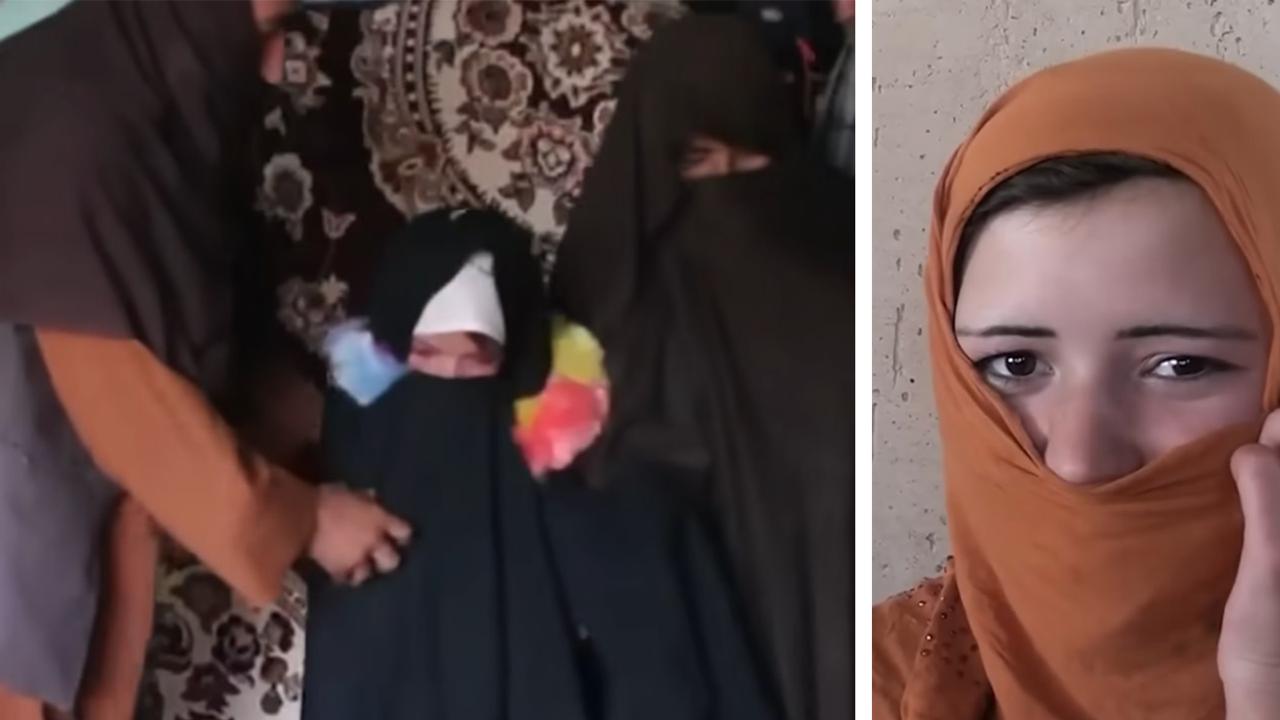

BREAKING: Rioters set fire to the entrance of Vauquelin High School in Paris and blocked the exits when staff tried to put the fire out. A film crew recorded the terrifying attempted murder. “The school staff was unable to put out the fire. The rioters blocked them just as the extinguisher nozzle came out; they blocked the exit.” “The fire continues. You see all the silhouettes moving behind it; they continue to feed this fire, making it stronger and stronger. The school staff is not even going to try to put it out anymore; they can’t manage it. We can hear the principal here asking the hundred confined students to step back and move up to the first floor.” The building was full of staff, students, and journalists, but these rioters appear ready to kill anyone still inside the vocational chemistry school. Follow: @RMXnews
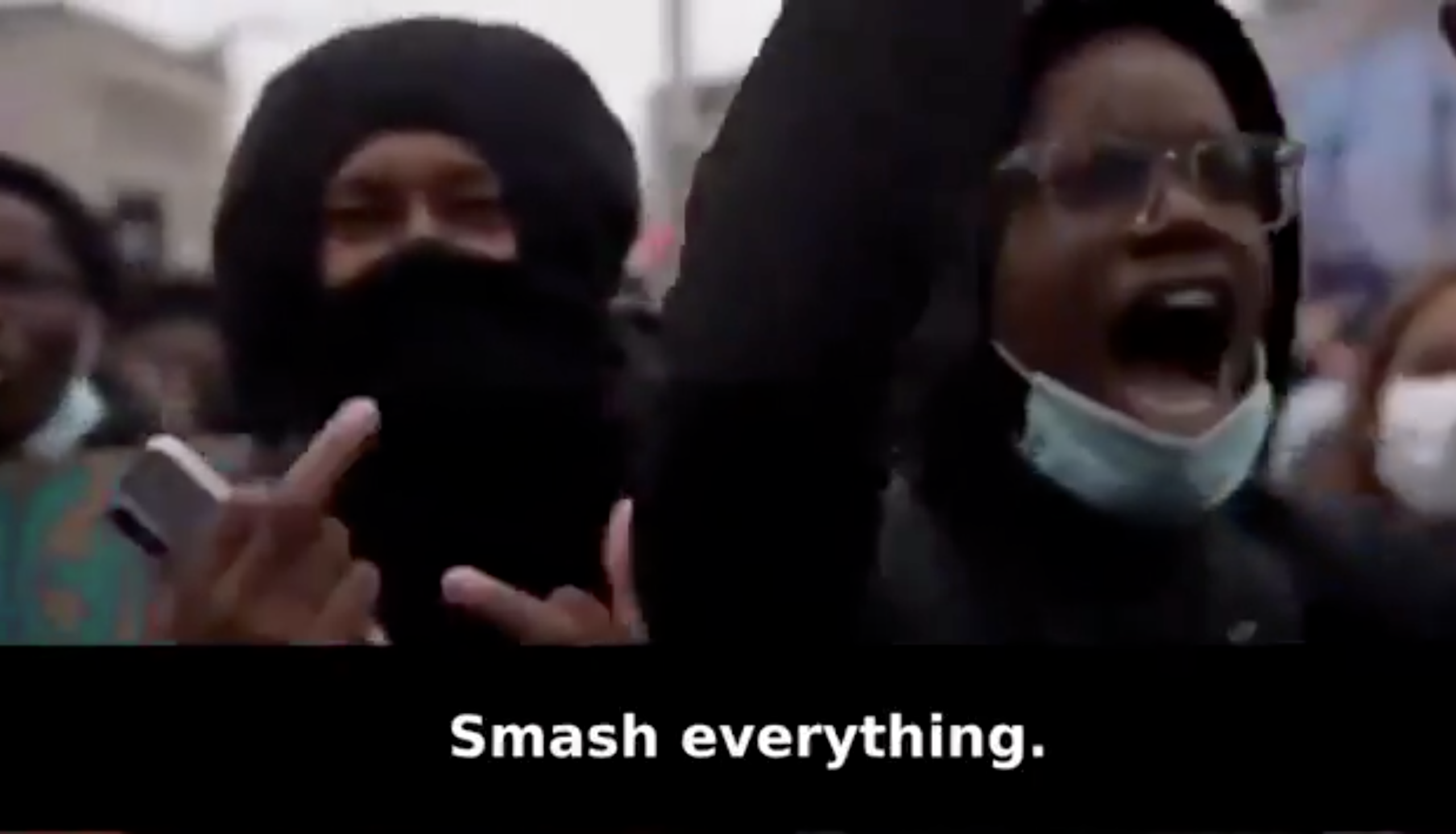
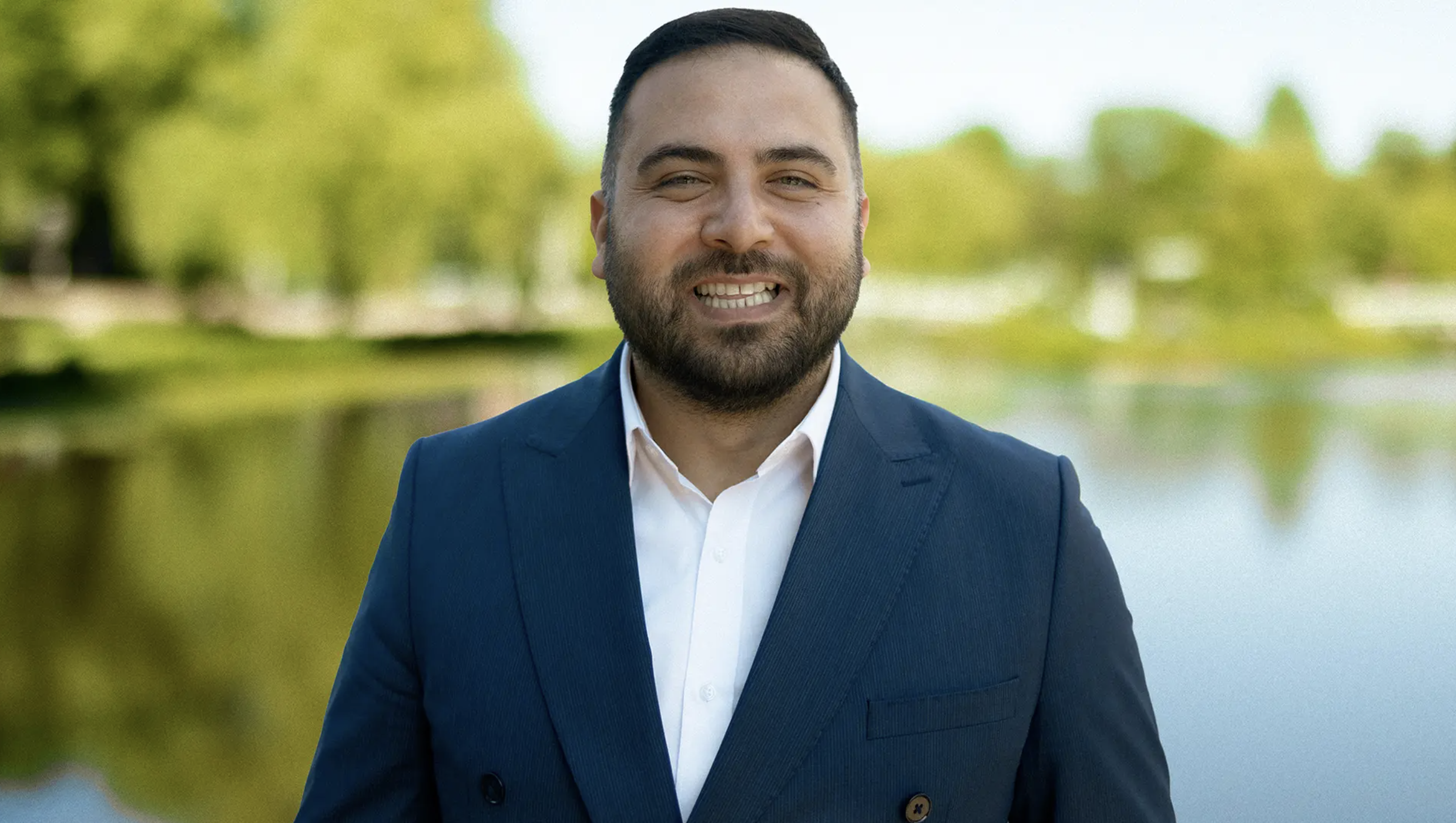
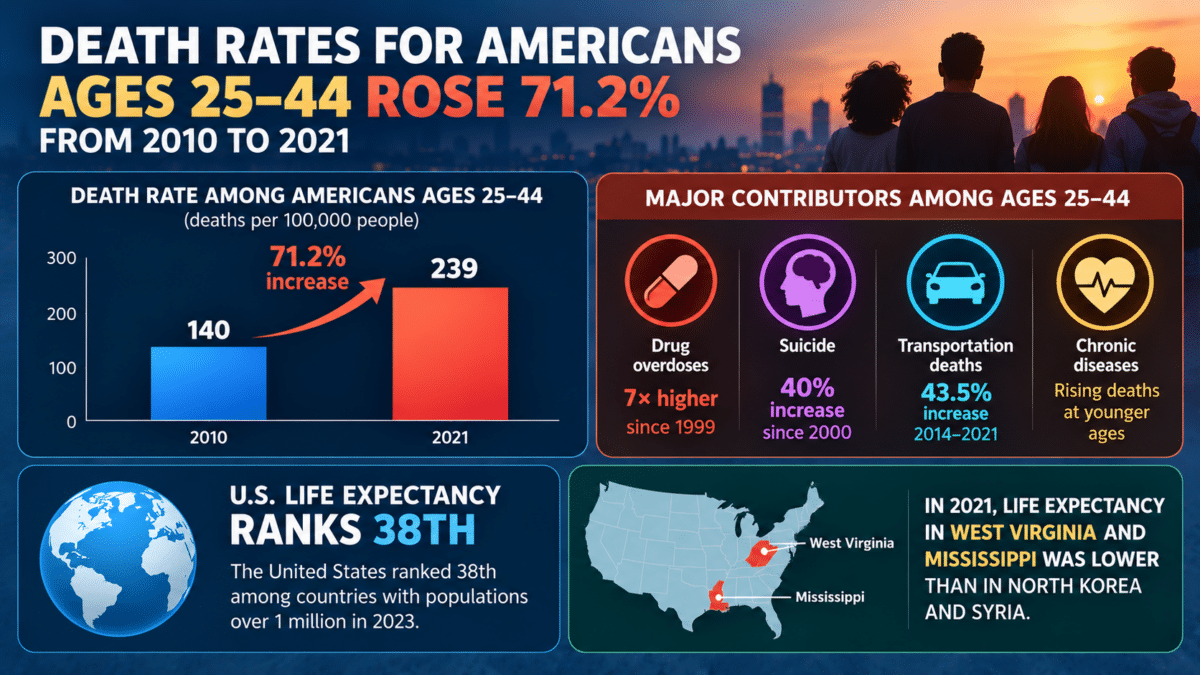 Infographic by StudyFinds
 , X
 y VK
 .

