❌

Reading view

Netanyahu orders investigation and prosecution of Israeli soldiers in NAZA

Israeli directors Yuval Abraham and Rachel Szor pose with the Special Jury Prize Award for Naza at the Winners Photocall at the 83 Venice International Film Festival 2026. Photo by Marilla Sicilia/Archivio Marilla Sicilia/Mondadori Portfolio via Getty Images

This article was originally published by Truthout on Oct. 14, 2026. It is shared here under a  Creative Commons (CC BY-NC-ND 4.0) license.

Israeli Prime Minister Benjamin Netanyahu has ordered Israel’s attorney general and the heads of the Israeli military and Shin Bet security service to investigate the soldiers and officers interviewed anonymously in the documentary film NAZA.

Netanyahu called Sunday for the agencies to identify “all those who are involved or appear in the libel film” and to prosecute them for “serious information security offences, criminal defamation, and harming Israel’s diplomatic and security interests.”

In a letter to IDF Chief of Staff, the head of the Shin Bet, and Israel’s attorney general, Netanyahu decried the film for “present[ing] a false, misleading and biased narrative that defames the State of Israel and the IDF around the world and severely damages Israel’s standing.”

The film NAZA features anonymous interviews with 24 Israeli soldiers and officers involved in remote mass killings of Palestinians in Gaza over the past three years. The soldiers’ faces are obscured and voices are altered for anonymity as they speak with journalist and director Yuval Abraham on rooftops in Tel Aviv.

NAZA reveals how Israel’s AI-based surveillance systems have been used to facilitate and execute remote killings of thousands during Israel’s genocide in Gaza. The film’s title is a Hebrew military acronym for collateral damage – as in, the number of Palestinian civilians deemed acceptable to kill in a bombing with a military target. In one instance, a soldier tells director Yuval Abraham that the military approved the killing of 500 Gazans for one target.

The film and its directors have faced attacks by the Israeli government since its world premiere in September at the Venice Film Festival. Both the Israeli culture minister and Netanyahu have called for revoking the Israeli citizenship of the film’s directors, Yuval Abraham and Rachel Szor, while accusing them of treason and defamation. The IDF chief called the film a “blood libel” and “an attack on the State of Israel.”

Upon the film’s premiere in the U.S. in late September, Netanyahu compared NAZA to “launching dozens of ballistic missiles at Israel.”

Several Israeli civil society organizations, including human rights group B’Tselem, criticized the attacks on the filmmakers, and called for “an end to the wave of incitement and threats of violence against them.”

Abraham and Szor produced No Other Land, the 2024 documentary focused on Israel’s displacement of Palestinian villages in the West Bank, along with Palestinian activist and journalist Basel Adra and Palestinian researcher and photographer Hamdan Ballal. After the film won major international awards, including an Academy Award, members of the film’s Palestinian crew were attacked by both Israeli settlers and soldiers.

Earlier this month, Israel put forward a hastily-produced rival film to counter NAZA; last week, the Israeli government announced that it was awarding the filmmakers “for their contribution to Israeli public diplomacy.”

The Guardian, which produced the film, has pushed back on the Israeli government’s attempts to discredit NAZA. On October 1st, a Guardian spokesperson said that “The process of assessing the credibility of the testimonies was rigorous. It included leaked classified documents, detailed verification of specific strikes and corroboration via a wider pool of confidential journalistic sources who did not appear on camera in the film.”

The Guardian added that the team that produced the film interviewed “more than 100 sources familiar with IDF systems used in the war in Gaza, including senior-ranking commanders directly involved in the authorization of strikes.”

Much of the material in the film had already been published in reports at The Guardian, +972 Magazine, and Israel’s left-wing publication, Local Call.

In a 2024 piece co-published by +972 Magazine and Local Call, Yuval Abraham explained how AI systems like “Lavender” and “Where’s Daddy” identified low-ranking Hamas and Islamic Jihad operatives as military targets. After October 7, 2023, Israel’s military decided that these tens of thousands of people could be bombed inside their homes with their families – even tracking and monitoring their children in order to strike their homes. In NAZA, one soldier spoke about using the gruesomely named “Where’s Daddy” AI system to track a 12-year-old girl before killing her. According to Abraham, the Israeli military was also aware that much of the AI systems’ data was also faulty – some 10-15 percent of the people identified as targets were not militants or operatives whatsoever.

In an interview, Abraham explained that NAZA also reveals the extent of the dehumanization of Palestinians within Israeli society – including among the self-identified Israeli “center-left,” which disproportionately took part in the aerial bombardment campaign on Gaza. The aerial bombardment campaign has constituted “some of the most heinous crimes in Gaza,” Abraham argued, as it led to the killing of thousands of Palestinian toddlers in their homes – and it was led largely by members of the center-left opposition against Netanyahu.

  •  

Deskilling the Body

“We have fallen into habits that are steadily deskilling the human body,” writes Melanie Challenger. “This is a strange turn of events for an animal whose success comes mostly from the extraordinary ability to learn through experience.” For Aeon, Challenger explores how modern technologies, from GPS to AI, are eroding our body’s physical skills by replacing the embodied experiences through which we learn.

After all, the brain is itself a physical organ, continually shaped by what the body does and encounters. Once we decide that the mind is the real human and the rest of the body only hardware, it becomes easier to disregard the physical work, including the neurocognitive work of a biological brain, through which we move, find our way, put thoughts into words, and recognise our own needs. A machine may do some of that work faster, but each act it takes over is one that the body no longer performs and that the body, including the brain, no longer learns through. The irony is that a project motivated by the desire to overcome bodily fragility is helping to produce more fragile bodies.

  •  

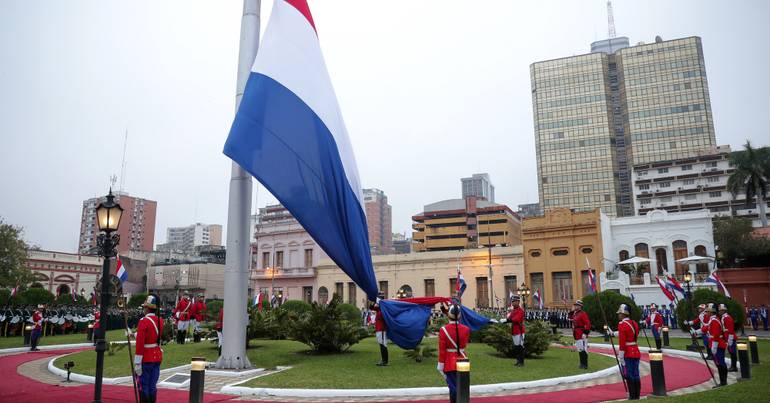
Paraguai defende soberania após sanções da China a ministro

Após China sancionar ministro paraguaio por manter ligações com Taiwan, Paraguai declara a sua liberdade de associação com qualquer nação do mundo. "O Paraguai é um país livre e soberano".

© JUAN PABLO PINO/EPA

O Paraguai e o Belize integram o grupo de 12 países que mantêm relações diplomáticas formais com Taiwan, ilha governada de forma autónoma cuja soberania é reivindicada por Pequim
  •  

Postpone AI public offerings until US Congress acts

Anthropic, the maker of the Claude AI models, is preparing what could be the largest initial public offering in history, raising more than $100 billion, according to The New York Times, at a valuation near US$2 trillion. According to Reuters, which reviewed the draft prospectus (the document has not yet been made public), the company […]

The post Postpone AI public offerings until US Congress acts appeared first on Asia Times.

  •  

Trump Says AI Doesn’t Need Guardrails, Calls Growing Concerns ‘A Hoax’

President Trump is essentially channeling Peter Thiel, who is stumping around the around the county talking about the Antichrist. Thiel says that the Antichrist are those who want to limit accelerationism and slow down AI development. This is flat out backassward. Both Thiel and Trump (and all the other arch-Technocrats in Washington) are gaslighting the nation and slamming those who are resisting. As for Biblical scholarship, the whole lot of them can be summed up by one screen actor: Archie Bunker. ⁃ Patrick Wood, Editor.

President Donald Trump responded Monday to warnings of potential dangers related to artificial intelligence by dismissing the need for any safeguards and calling AI concerns a “hoax.”

Trump rejected the idea of placing guardrails on AI, saying on Truth Social that the only control needed is “a STRONG AND SMART (High IQ!) PRESIDENT, and the U.S.A. has that, in spades!”

In the post, he appeared to hint at the government’s pursuing criminal or regulatory penalties against AI companies after industry insiders warned of potentially catastrophic dangers posed by the rapidly evolving technology.

“The Trump Administration has stopped AI ‘people’ from doing bad, or potentially bad, ‘things,’ like Dario (Anthropic!), who is now pretending to be a ‘perfect little angel’ — and we will continue to do so!” he said, referring to Dario Amodei, the CEO of Anthropic, maker of the Claude AI chatbot.

Amodei said Saturday in an essay that AI companies should “slow the pace” of AI development.

Trump continued: “We already have tremendous CRIMINAL and REGULATORY power over these companies! There is a SICK conspiracy going on against AI and Data Centers, and the only one that is happy about it is China. WHOEVER WINS AI, WINS! We are leading China, and all others, and will continue to do so. Conspiracy Theorists, Treasonists, Traitors, and Leakers, BEWARE!”

Even as the American public and members of his own party grow increasingly skeptical of AI, Trump has framed the technology’s continued growth as an economic and geopolitical imperative. Communities that reject AI data centers will wind up “backwards and poor,” he warned recently. And in Ireland over the weekend, he was even blunter: “Whoever wins AI wins.”

Yet, a recent NBC News Decision Desk Poll found that 70% of adults said they were more worried about AI than excited about it. A similar percentage — 69% of adults — said they somewhat or strongly oppose building AI data centers in their areas. That includes 57% of Republican voters.

Trump remained undeterred Monday afternoon, returning to Truth Social in a full-throated defense of AI, saying, “AI taking over the World, destroying Humanity, and all other things bad, is a HOAX.” In the same post, he said AI would be “the Greatest Economic Development Engine in History — Bigger than Oil, Gold, Diamonds, or even the Internet.”

He later called in to the All-In Summit and made similar remarks to Nvidia CEO Jensen Huang. He posted in support of AI more than a half-dozen times Monday on Truth Social.

Amodei’s recent warning has prompted other AI leaders to publicly call for a slowdown in its development so researchers can better understand and control any threats posed by the technology. They include OpenAI CEO Sam Altman, who said his company would adopt one of the safeguards Amodei proposed in his essay.

Last week, Anthropic AI researcher Jacob Coxon resigned, writing in a viral X post that OpenAI and Anthropic were “gambling with our lives” and warning that “the people building AI earnestly believe that it could kill us all by the end of the decade.” A lead Anthropic researcher, Evan Hubinger, said on X that Coxon was right, saying that “we really do earnestly believe AI could kill all humans!”

Many politicians responded with their own calls for stronger checks on AI to address safety concerns.

Senate Minority Leader Chuck Schumer, D-N.Y., on Monday called for a Senate briefing with top administration officials, while House Speaker Mike Johnson, R-La., said he expects Trump to “summon” AI platform leaders for a “deliberate discussion about the responsibility of the companies to maintain safety and what role, if any, the government has to play in that.”

A meeting between Trump and AI leaders is “in the works,” but no timing has been nailed down yet, a source familiar with the matter told NBC News.

Sen. Mark Warner of Virginia, the top Democrat on the Intelligence Committee, told reporters Monday that he is “long-term pro-AI” but that he understands regulations could protect against a potentially “catastrophic event.”

“The notion that we’ve got the leaders of the most cutting-edge innovation going on in the world at this point and with the amount of capital into this saying, ‘Hey, we even think we need to slow down,’ and we don’t take that advice? … I think we’d all look pretty damn silly if months from now we had an event that we could have stopped,” Warner said.

Some Republicans said AI regulation would not be feasible until after the November elections.

“To look at this Congress at this point in time and expect us in the foreseeable future to draft an AI regulation bill that strikes the proper balance between safety and innovation is not going to happen. Nothing’s going to happen, in my opinion, until after the midterms,” Sen. John Kennedy, R-La., told reporters.

Kennedy added that in his view AI leaders were asking Congress for permission to slow their development, adding, “They don’t need our permission.”

Rep. Tim Burchett, R-Tenn., said what worries him about AI “is that you’ve got a bunch of people up here, literally, who are probably still driving their ’72 AMC Gremlins with some eight-track tape players — and they probably just parked their powder blue leisure suit a couple years ago — are going to be regulating something they have no idea what it is.”

He said he would like Congress to “bring in the industry people and figure this thing out and get it right.”

Former President Barack Obama on Monday called AI leaders’ move to slow the pace of development a “good and necessary first step,” saying it was time to “structure a more open, public and democratic conversation about AI.”

He said voluntary standards by companies were not enough.

“We need government — and specifically our leaders in Washington — to get proactive in coming up with concrete proposals, laws and regulations that deal with serious safety concerns, anticipate AI’s impact on jobs and our kids, and make sure that AI’s benefits are widely spread,” he said.

Obama called last week for AI policy to be prioritized within the Democratic Party.

Vice President JD Vance told reporters Monday that AI leaders’ warnings are “something that we’re concerned by” but said the administration wants to ensure “we actually regulate smartly.”

“I have to say, just personally, I feel a little bit weird about the fact that you have so many frontier AI tech companies kind of coming to the government and begging the government to regulate them,” Vance said. “It feels a little bit to me like a bit of a Trojan horse. So I think we just have to be careful about this.”

Beijing on Monday disparaged the warnings from U.S. tech leaders as “fearmongering” from a “Cold War playbook” aimed at hobbling China.

During his trip to Ireland, Trump asserted over the weekend that the U.S. was leading China in artificial intelligence and said, “Whoever wins AI wins.”

“We can put guardrails,” he said Sunday. “We can do this and that, but I think you have a lot of negative forces that are bringing it up that shouldn’t be bringing it up, and they’re bringing up things that won’t happen.”

Read full story here…

  •  

A publicidade do Benfica aos ovos foi ingenuidade ou azar?

Encarnados deram um tiro no pé com a publicidade às galinhas na Luz. Já Haaland comprou casa no Dubai, mas há suspeitas que tenha sido oferecida. E Vinícius Júnior foi expulso e ainda ficou solteiro.

  •  

India’s superpower dream is just another recycled Modi slogan

Famous Indian author Shashi Tharoor was famously quoted as saying: “Everything in India is recycled, even the dreams “ In October 2010, The Economist ran a cover titled “How India’s growth will outpace China,” citing India’s young population, dynamic private sector and a strong democratic system as advantages over China’s state-led model. The IMF projected […]

The post India’s superpower dream is just another recycled Modi slogan appeared first on Asia Times.

  •  

Nuclear war and the malicious use of artificial intelligence rank among the threats to global health: ‘It would inflict an apocalypse’

If the Covid-19 pandemic and the war in Ukraine have demonstrated anything, it is that unexpected, entirely unforeseen and unpredictable events can drastically affect public health and even put humanity at risk. Danger can emerge at any time and from anywhere, but the scientific community has identified a handful of threats with particularly severe potential consequences for human survival.

Seguir leyendo

© Daniel Buuma (Getty Images)

Healthcare workers disinfect equipment used to treat an Ebola patient at a hospital in the Democratic Republic of Congo.
  •  

Ministro da Administração Interna designa novo Secretário-Geral

O Ministro da Administração Interna, Luís Neves, designou o Major-General Nuno Miguel Parreira da Silva para o cargo de Secretário-Geral da Secretaria-Geral do Ministério da Administração Interna. O novo Secretário-Geral assume funções num momento de transformação do serviço, com a preparação de uma nova estrutura orgânica e de procedimentos adequados às responsabilidades desta área governativa. […]

  •  

Secretário-geral do MAI cessa funções por ordem do ministro Luís Neves

VTM

“O ministro da Administração Interna, Luís Neves, determinou a cessação do exercício de funções, em regime de substituição, de Ricardo Alberto Gasiba Carrilho no cargo de secretário-geral da Secretaria-Geral do Ministério da Administração Interna”, adiantou a tutela, em comunicado, sem referir quem irá passar a ocupar o cargo.

Segundo o MAI, “a decisão enquadra-se na reorganização da Secretaria-Geral, com a preparação de uma nova estrutura orgânica e de procedimentos adequados às responsabilidades do ministério, imprimindo uma nova orientação à gestão do serviço”.

“Este processo visa adaptar o funcionamento da Secretaria-Geral à reforma funcional e orgânica da Administração Pública e assegurar a continuidade das suas atribuições, em articulação com as demais entidades públicas”, acrescentou a tutela.

A Lusa questionou hoje o MAI sobre quem será o substituto de Ricardo Carrilho e os contornos desta reorganização, aguardando resposta.

De acordo com vários órgãos de comunicação social, o afastamento do secretário-geral está relacionado com divergências deste com Luís Neves sobre o Sistema Integrado de Redes de Emergência e Segurança de Portugal (SIRESP), a rede de comunicação de emergência do Estado português.

The post Secretário-geral do MAI cessa funções por ordem do ministro Luís Neves appeared first on A Voz de Trás-os-Montes.

  •  

When AI takes control of weapons systems

Artificial intelligence is rapidly making its way into national defense. Reconnaissance, early warning, target detection, mission planning—everywhere, machine-learning systems promise faster analysis, faster responses, and faster decision-making. In a military context, this sounds like progress. In reality, AI exacerbates a security problem that cannot be solved technically. Anyone who attempts to do so anyway risks […]

The post When AI takes control of weapons systems appeared first on Asia Times.

  •  

US-China race is on for the Gulf’s AI future

China’s artificial intelligence and digital-infrastructure investments in the Gulf Arab states are increasingly colliding with a far larger and more strategically privileged American technology presence, particularly in Saudi Arabia and the United Arab Emirates (UAE). While Beijing offers Gulf governments cloud platforms, 5G networks, smart-city systems, surveillance technologies and lower-cost digital infrastructure, Washington offers the […]

The post US-China race is on for the Gulf’s AI future appeared first on Asia Times.

  •  

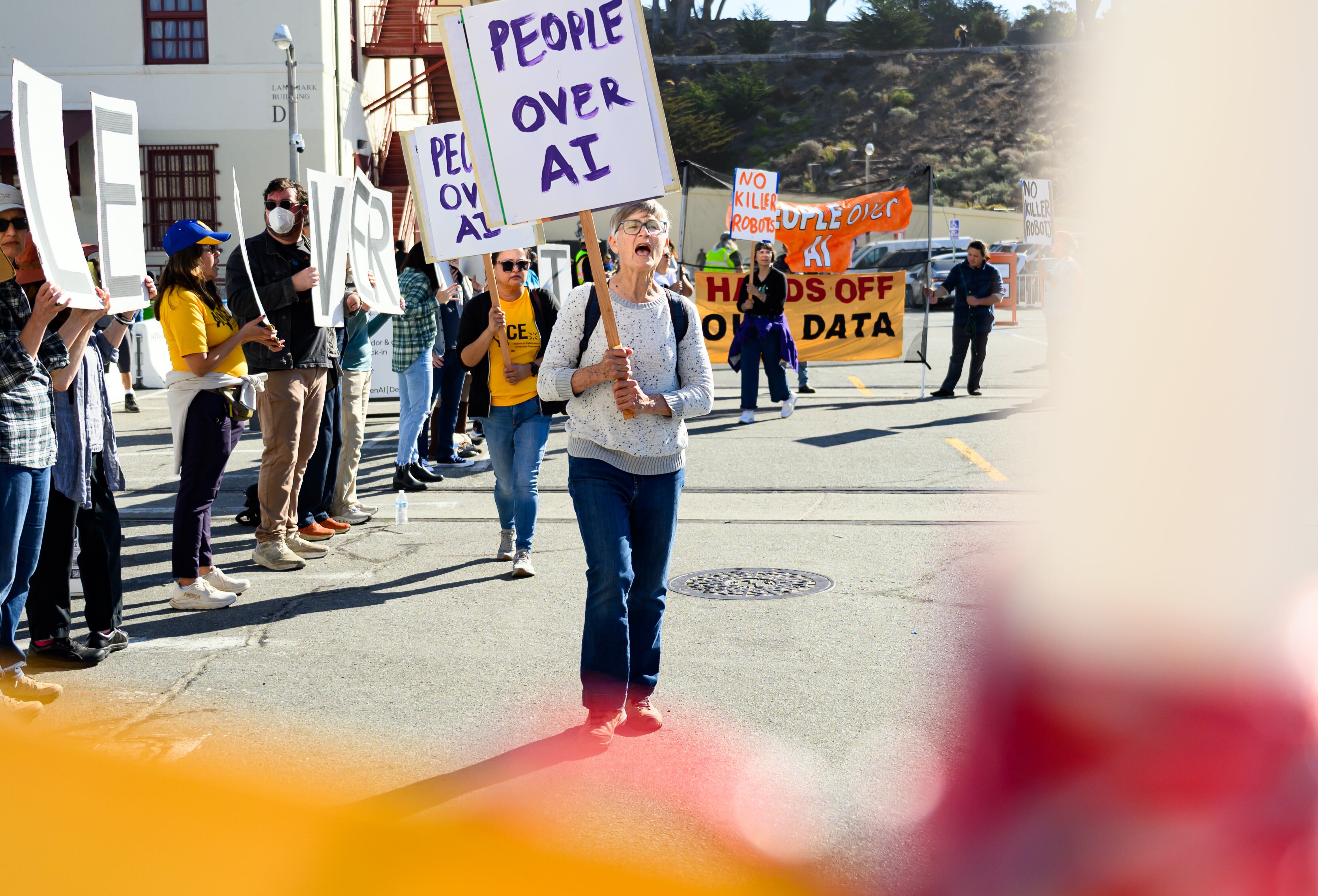
The AI labor apocalypse is on hold (for now)

There are three versions of Saint John’s Book of the Apocalypse, a text that never loses relevance and now seems to presage the impacts of artificial intelligence (AI).

Seguir leyendo

© Josh Edelson (AP Photo/Josh Edelson)

A protest against AI outside the OpenAI DevDay 2026 conference in San Francisco on September 29.
  •  

Russia quietly grows fleet that funds its war: one shell firm in Marshall Islands buys two gas tankers from Chinese and Greek owners

Two weathered cargo ships sail across a dark sea beneath heavy storm clouds.

Ukraine has published data on 20 vessels that carry Russian oil and liquefied natural gas or refuel the sanctioned fleet, parts of the logistics network the Kremlin uses to fund its war, Ukraine's Defense Intelligence reports. All 20 are under British or Ukrainian sanctions, and only one faces US restrictions.

Russia’s shadow fleet runs on roughly 500 aging ships of uncertain ownership that dodge sanctions and keep oil money flowing. That seaborne oil trade is worth more than 80 billion euros a year.

The headline vessel is the Russian ship Portovyy, an LNG carrier and floating gas store owned by the sanctioned Gazprom since 2021, according to the agency. On 15 August 2026, it left the Gulf of Finland with Russian LNG for the first time since November 2021, sailing the Northern Sea Route to the Chinese port of Beihai to unload.

Portovyy is now at the Zhoushan Huafeng Shipyard in China, which has been set as the site for its maintenance, intelligence says, an example of the foreign yards Kyiv wants closed to the sanctioned fleet.

Russia buys up gas carriers through shells

Two more gas carriers show how Moscow expanded the fleet in spring 2026 through front companies, intelligence said. The Avacha, once owned by China’s Jovo Energy, was bought by the little-known Tudor Maritime of the Marshall Islands, took the Russian flag in June, and now ships gas from the Arctic LNG 2 project to Beihai.

The Chaivo, formerly owned by Greece’s Maran Gas Maritime, was also bought by Tudor Maritime and moved under the Russian flag in July. Now it carries cargo to Beihai from a floating gas storage facility off Kamchatka, intelligence says.

A call to close the loopholes

Intelligence urged partners to act together: tighten control over sales of commercially owned ships, block servicing of the sanctioned fleet at foreign yards, and cut off the energy revenue that Russia turns into weapons against civilians.

Russia is building ice-class ships at home and, at the same time, widening its shadow fleet through offshore networks. The UK Foreign Office made the same point on 1 October, saying Moscow is assembling a new shadow fleet to keep its gas revenues flowing.

  •  

Acidente entre caminhão e quatro carros deixa cinco mortos no RJ

Um acidente entre um caminhão e quatro carros deixou cinco pessoas mortas e nove feridas na manhã deste sábado na rodovia BR-393, em Barra do Piraí, sul do Rio de Janeiro.

Segundo a PRF (Polícia Rodoviária Federal), a colisão ocorreu por volta das 5h40 na altura do km 252 da rodovia.

Caminhão tombou na pista

O caminhão tombou na pista. A PRF interditou a passagem de veículos.

Segundo o Corpo de Bombeiros, os nove feridos foram encaminhados para hospitais da região.

Causas do acidente serão investigadas

As causas do acidente serão investigadas pela polícia.

The post Acidente entre caminhão e quatro carros deixa cinco mortos no RJ appeared first on Diário da Manhã - O Jornal do leitor Inteligente.

  •  

Diretor da Fórum denuncia que Flávio negociava delação de Vorcaro contra Lula

A divulgação de um áudio em que Daniel Vorcaro, ex-dono do Banco Master, afirma ter financiado o documentário Lula, dirigido por Oliver Stone, ampliou a disputa política entre Luiz Inácio Lula da Silva (PT) e Flávio Bolsonaro (PL). O episódio ganhou novos contornos após o diretor de redação da Fórum, Renato Rovai, denunciar um suposto acordo no qual Flávio negociaria uma delação de Vorcaro contra Lula e, em contrapartida, se comprometeria a proteger o banqueiro caso fosse eleito. A denúncia ainda precisa ser comprovada.

A revista Veja publicou nesta sexta-feira (9) trechos de uma gravação atribuída a Vorcaro, na qual ele afirma ter colocado dinheiro na produção do documentário sobre Lula e diz que o financiamento teria ocorrido de maneira irregular. Segundo a publicação, os pagamentos envolveriam cerca de R$ 30 milhões em espécie, além de repasses ao Instituto Lula. Até o momento, os valores mencionados não foram comprovados publicamente.

Antes da publicação da Veja, Rovai afirmou, em publicação na rede X nesta quinta-feira (8), que o vazamento estaria relacionado a um suposto entendimento entre Vorcaro e Flávio Bolsonaro. Segundo o diretor da Fórum, o banqueiro teria interesse em divulgar informações contra Lula, enquanto o senador se comprometeria a protegê-lo caso fosse eleito presidente.

Celular de Vorcaro não registra o suposto pagamento

Uma apuração publicada pelo UOL nesta sexta-feira acrescentou informações ao caso. Segundo o veículo, as conversas extraídas do celular de Vorcaro, apreendido pela Polícia Federal (PF) em novembro de 2025, não apresentam registros de pagamentos ou patrocínios ao documentário de Oliver Stone. O aparelho contém, porém, referências a investimentos em produções sobre Jair Bolsonaro e Michel Temer.

O UOL também informou que o documento com o relato detalhado dos pagamentos de R$ 30 milhões em espécie, citado pela Veja, não aparece nas três propostas de delação apresentadas pela defesa do banqueiro. Uma dessas propostas, entretanto, mencionava o patrocínio a filmes sobre Lula e Michel Temer. Fontes ouvidas pelo UOL na Procuradoria-Geral da República (PGR) e na PF disseram desconhecer a gravação e o documento específico descrito pela revista.

A PGR rejeitou a proposta de colaboração de Vorcaro por considerar que ela não apresentava novidades relevantes em relação às provas já obtidas. Segundo o UOL, o banqueiro não chegou a prestar depoimento oral no âmbito das tratativas. A defesa de Vorcaro afirmou que ele teria elementos para sustentar suas declarações.

Relação de Flávio com Vorcaro entra no radar da PF

A relação entre Vorcaro e Flávio Bolsonaro também aparece nas investigações sobre o financiamento de Dark Horse, filme sobre a trajetória do ex-presidente Jair Bolsonaro.

Reportagens do Intercept Brasil revelaram mensagens relacionadas à negociação de US$ 24 milhões, equivalentes a aproximadamente R$ 134 milhões, para financiar a produção. Segundo informações publicadas pelo UOL, ao menos US$ 10,6 milhões, cerca de R$ 61 milhões, teriam sido pagos para custear o projeto. Os valores negociados não devem ser confundidos com os recursos efetivamente transferidos.

Flávio admitiu ter se encontrado com Vorcaro após a primeira prisão do banqueiro, em novembro de 2025, e afirmou que a reunião tratou do encerramento de sua participação no projeto. As movimentações financeiras relacionadas ao filme são objeto de investigação da Polícia Federal.

Campanha de Lula anuncia medidas judiciais

A controvérsia ganhou força às vésperas do segundo turno presidencial, marcado para 25 de outubro. A campanha de Lula negou as acusações relacionadas ao documentário e anunciou medidas judiciais contra Vorcaro e a revista Veja. Também acusou os envolvidos de tentar interferir no processo eleitoral. Entre as providências anunciadas estão pedidos de investigação e medidas judiciais contra os responsáveis pela divulgação das acusações.

O Grupo Prerrogativas também acionou a Polícia Federal para pedir a investigação de uma suposta articulação envolvendo Vorcaro e a campanha de Flávio Bolsonaro. A representação solicita que sejam verificadas informações sobre negociações para uma entrevista do ex-banqueiro a uma emissora de televisão e sobre a existência de uma gravação atribuída a ele. O grupo afirma que não teve acesso ao áudio e pede que as informações sejam apuradas pela polícia.

The post Diretor da Fórum denuncia que Flávio negociava delação de Vorcaro contra Lula appeared first on Diário da Manhã - O Jornal do leitor Inteligente.

  •  

Why did Meta change its moderation system before Brazil’s elections?

CEO of Meta Platforms Mark Zuckerberg looks on as U.S. President Donald Trump holds a press briefing with AI executives following a meeting on artificial intelligence, outside the West Wing of the White House on September 29, 2026 in Washington, DC. Photo by Finn Gomez/Getty Images

This story originally appeared in Panamerican Dispatch on Oct. 08, 2026, and is shared here with permission.

No doubt you’ve seen it yourself, or read about it: Meta, the tech giant behind Facebook, Instagram and WhatsApp, manipulating engagement on certain accounts or banning pages and posts outright to limit the reach of specific political groups.

Here’s something that happened to me. I recently set up a second Instagram account. I never interacted with, followed or liked any far right content. I only followed progressive accounts: Brasil 247’s page, the Landless Rural Workers’ Movement, Lula and a few others. So what showed up first in my feed? A reel from Lucas Pavanato. Yes, the same far right extremist who won more than 3 million votes for federal deputy on the strength of his viral social media clips. Let’s be honest about how he got those millions of views. It wasn’t charisma, and it certainly wasn’t political substance.

Jeferson Miola, a columnist and political analyst at Brasil 247, shared an account of his own: “Instagram took down the page of SAJU, the legal aid service run by the law school at the Federal University of Rio Grande do Sul,” he said. “SAJU was founded in 1950, and it provides free legal help to low income people. Instagram removed the page after it posted support for Lula’s reelection. That’s a university institution being shut down for political and ideological reasons. It’s a clear restriction of freedom of expression.”

When media personality Fábio Porchat, who has 7.5 million followers on Instagram alone, posted a video video calling out abuses at senatorial candidate Michelle Bolsonaro’s prosperity gospel church, Lagoinha, Instagram pulled it offline with no explanation. It only went back online after a wave of public pressure.

I could list case after case all day. But one account stood out to me in particular: someone who actually works at Meta Brazil. I’m protecting her identity, as journalism allows, so I’ll call her Lira. Here’s what she told me:

“At Meta, there’s a whole team of human moderators who review content. They decide what gets approved and what gets flagged, whether it’s political violence, sexual content, or anything else that crosses their line. These are people with judgment and critical thinking, making real decisions, even while working within the platform’s guidelines. Right in the middle of Brazil’s election season, a large number of them were laid off and replaced almost immediately by AI systems. That means decisions are now coming from a single automated command, possibly issued from the US, designed to boost certain content while burying the rest.”

It’s no secret that Meta has been cutting jobs worldwide. What’s not public is which jobs these were, what those employees actually did, or why the company chose this specific moment in Brazil’s political calendar to make the switch.

There’s a bigger issue here too. AI doesn’t just follow orders, it scales them, instantly and at massive reach, whether the intent behind them is good or bad. All it takes is one command. Maybe from one billionaire.

Zuckerberg’s Unapologetic Support for Trump

Lira’s story connects a lot of dots. Pavanato showing up in my feed, Porchat’s video disappearing, a university page getting banned: all of it could trace back to a single AI instruction, one that executes instantly with no human review at all.

In 2025, Meta’s CEO doubled down on his alignment with the Trump administration, the same administration that openly admits to meddling in Brazil’s politics. “The government can either be actively against you, adding friction and getting in your way, or it can actively help you break down barriers,” Zuckerberg said. Asked about backing Trump specifically, he called it “the right thing to do.”

This partnership isn’t subtle. The support runs both ways, and there’s a real appetite here to control entire countries, Brazil especially. Brazil’s Supreme Federal Court and federal government still try to regulate social media and hold Big Tech accountable to the Constitution, as we saw recently with Discord. For Meta, getting Flávio Bolsonaro into the presidency would mean restoring the lawless digital free for all his father presided over. That’s not just a preference. It’s a profitable mission for Meta, and one that’s more alive than ever. After all, how do you think those viral, extremist friendly clips that get far right candidates elected actually come about, if not with some help from Big Tech?

Laís Gouveia has been a reporter at Brasil 247 since 2018. Before that, she was educational policy director at the National Student Union (União Nacional dos Estudantes/UNE) and an editor at Portal Vermelho.

This article originally ran at Brasil 247, was translated, with consent, by Panamerican Dispatch, and can be read in its original Portuguese here.

  •  
❌