❌

Reading view

Putin Seizes More European Businesses as Moscow Expands Economic Retaliation Against EU

Russia has placed five foreign-owned businesses under compulsory administration, including Belgian manufacturer Ontex and French flooring group Tarkett. The latest seizures deepen the confrontation over sanctions, frozen Russian assets and the future of European investment in Russia.

Russian President Vladimir Putin has ordered the transfer of five Western-owned businesses into compulsory Russian management, extending a campaign of asset seizures targeting European companies that continued operating in Russia after the full-scale invasion of Ukraine.

The decree, signed on 15 October, affects businesses with combined annual revenues exceeding 53 billion roubles, approximately €530 million. They include French flooring manufacturer Tarkett, Belgian hygiene products group Ontex, German packaging producer Menshen, Kappa Rus and Eviosys Packaging Kuban, now linked to American group Sonoco.

Under Presidential Decree No. 738, operational control has been transferred to Centre Capital, a little-known Moscow company established in February 2026 with registered share capital of just 10,000 roubles.

The decision follows similar interventions against Nestlé, Auchan, FM Logistic and Metro in September. Together, the measures demonstrate how Moscow is using foreign-owned businesses as instruments of economic retaliation against countries supporting Ukraine.

Foreign businesses placed under Russian control

Centre Capital is headed by Marat Mirkhaydarov, a former senior official in Russia’s Zabaykalsky region who reportedly served with the Akhmat military formation during Russia’s war against Ukraine.

The scale of the companies placed under his management contrasts sharply with the financial standing of the administrator.

Tarkett’s Russian operations generated approximately 19.3 billion roubles in revenue during 2025, while Kappa Rus recorded 16.5 billion roubles and Ontex RU another 10.3 billion. Eviosys Packaging Kuban and Menshen Packaging CIS reported approximately 6.1 billion and 1.4 billion roubles respectively.

The decree does not formally transfer ownership of the companies to Centre Capital. It does, however, remove the foreign shareholders’ effective control over management, operations and commercial decisions.

For Belgian manufacturer Ontex, the consequences are immediate.

In an official statement issued on 16 October, the Aalst-based company confirmed that a government-appointed administrator had assumed operational control of its Russian subsidiary.

Ontex Russia employs approximately 350 people, operates a manufacturing facility in Noginsk and maintains a sales office in Moscow. The subsidiary accounts for around five per cent of the group’s total revenue and between seven and eight per cent of adjusted EBITDA.

The company said it was examining measures to protect its assets and maintain business continuity.

Tarkett likewise confirmed that it was losing effective control of its Russian operations.

A mechanism established in 2023

The legal framework for such interventions dates to April 2023, when Putin introduced Decree No. 302, allowing the Russian authorities to place assets associated with countries designated as unfriendly under temporary external management.

The appointed administrator can exercise extensive ownership-related powers, although the formal right to dispose of the assets remains excluded.

Crucially, the arrangement can be terminated only by presidential decision. There is no automatic deadline for returning operational control to the original owners.

Moscow maintains that the measures are reversible. Nevertheless, the loss of management authority raises questions about whether businesses could eventually be returned with their financial position, organisational structure and commercial value intact.

The latest decree extends the process already documented by EU Today following the September takeover of Nestlé and Auchan’s Russian operations.

The Kremlin’s approach also serves domestic economic objectives. Keeping factories, retail networks and distribution facilities operating under Russian management helps preserve employment, production capacity and established supply chains.

At the same time, appointing Russian administrators allows the authorities to exercise greater influence over businesses originally developed through foreign capital, technology and expertise.

European companies caught in sanctions confrontation

Kremlin spokesman Dmitry Peskov has explicitly linked the seizures to the nationality of the affected companies and the policies of their governments.

He accused European states of participating in the unlawful seizure of Russian property through sanctions and financial restrictions.

Moscow’s argument centres partly on approximately €210 billion in Russian sovereign assets immobilised in the European Union, most of them held through Belgium-based securities depository Euroclear.

The European Union has used extraordinary revenues generated by those assets to support Ukraine, while further proposals involving the underlying funds remain subject to legal and political debate.

Belgium has been particularly concerned about potential financial exposure and legal claims. As EU Today reported in September, a Belgian Council of State judgment raised additional questions about the administrative procedures governing certain frozen assets.

The dispute has also moved into the European courts, with the Bank of Russia challenging EU measures intended to protect Euroclear against the enforcement of Russian judgments.

Moscow’s treatment of European businesses adds another dimension to this confrontation. By retaining control over foreign-owned industrial and commercial assets, Russia possesses a means of exerting pressure on companies whose governments support sanctions and military assistance to Ukraine.

The implications are particularly serious for Western banks that still maintain substantial Russian operations.

Austria’s Raiffeisen Bank International and Italy’s UniCredit remain exposed to Russia through local subsidiaries. Any extension of compulsory administration to financial institutions could create additional difficulties involving deposits, capital and banking supervision.

The cost of remaining in Russia

The seizures also expose the financial risks faced by Western companies that delayed their withdrawal after February 2022.

Many initially sought to protect their investments, employees and commercial infrastructure. Others reduced operations but retained ownership, expecting that conditions might eventually permit an orderly sale or renewed business activity.

Russian restrictions have progressively complicated that calculation, requiring foreign investors from designated countries to accept substantial discounts on asset sales and obtain official approval for transactions.

Companies remaining in the country now face the additional possibility that the government will appoint administrators without their consent.

The consequences extend beyond the businesses immediately affected. Russia is establishing a precedent under which foreign investment can remain legally owned by its original shareholders while its economic benefits and operational management are placed beyond their control.

For European governments, the latest decree illustrates the increasing connection between commercial interests and geopolitical decisions.

The Kremlin has demonstrated that sanctions imposed over its invasion of Ukraine can be answered not only through diplomatic or financial measures, but also through direct intervention in European-owned businesses operating on Russian territory.

Any eventual negotiation over sanctions relief and the restoration of economic relations will consequently have to address the status of these assets, the rights of their original shareholders and the question of compensation.

Until then, Western companies remaining in Russia face an investment environment in which the ultimate authority over their businesses rests increasingly with the Kremlin rather than their shareholders.
  •  

Zelenskyy Says Ukraine Offered to Halt Strikes on Russian Refineries in Exchange for US Missile Defences

Ukraine was prepared to suspend attacks on Russian oil refineries if Washington supplied anti-ballistic missile systems to protect its energy infrastructure, President Volodymyr Zelenskyy has revealed. The proposed compromise was not accepted, despite American pressure on Kyiv to halt its strikes.

Ukrainian President Volodymyr Zelenskyy has disclosed that Kyiv offered to suspend attacks on Russian oil refineries in exchange for temporary American anti-ballistic missile protection for Ukraine’s energy infrastructure. Washington did not provide the requested systems, leaving Ukraine exposed to continued Russian missile strikes while the United States sought to restrict Ukrainian operations against Russia’s oil industry.

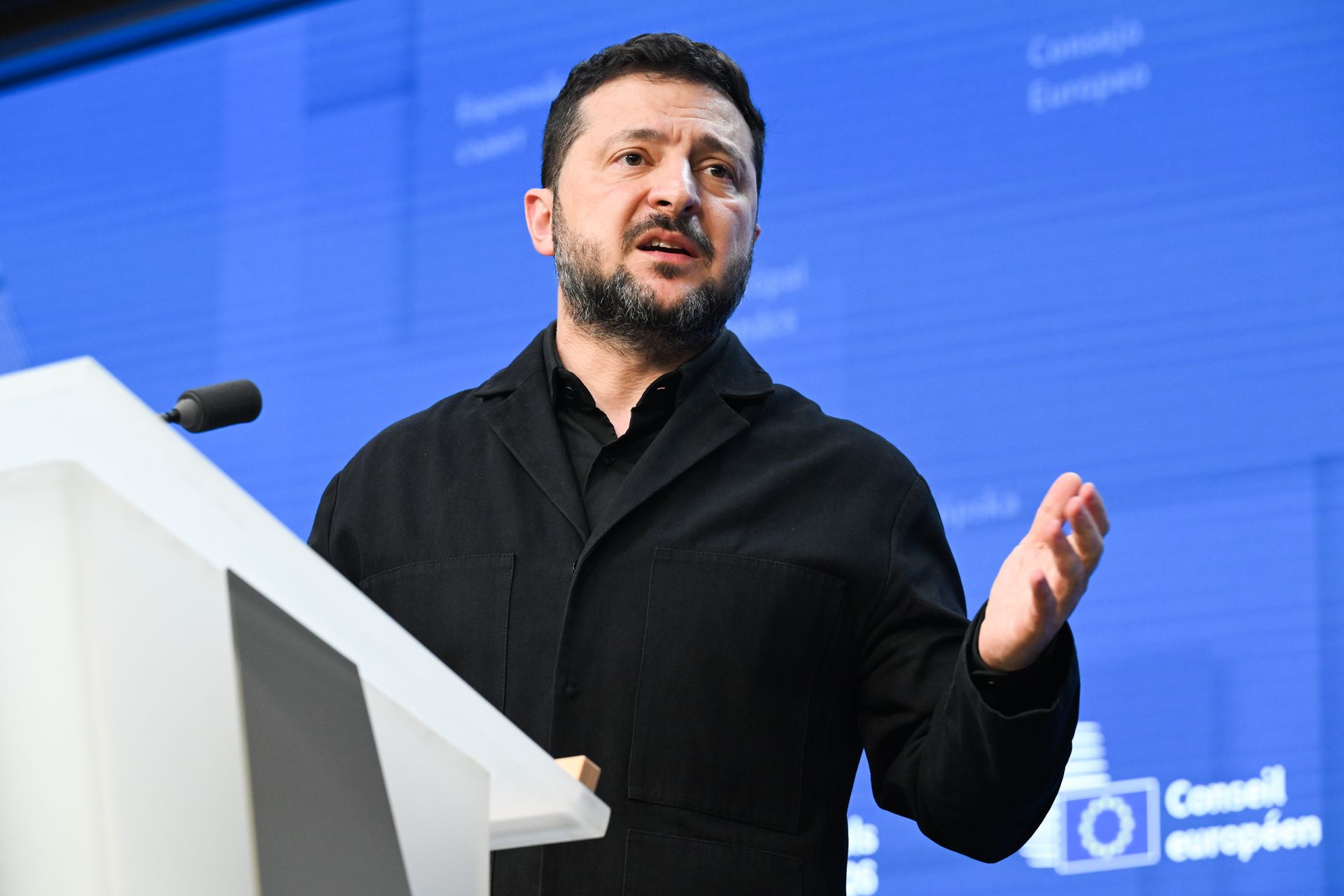
Speaking at a press conference in Brussels on Friday, 16 October, Zelenskyy said the proposal had been presented to Washington as a compromise following President Donald Trump’s agreement with Vladimir Putin on Russian diesel supplies and restrictions on attacks against energy facilities.

The Ukrainian president confirmed that Kyiv had not been consulted before Washington reached its understanding with Moscow. He described the diesel agreement as a surprise and objected to arrangements determining Ukraine’s military actions without its participation. Any agreement concerning Ukrainian strikes on Russian territory, he argued, required consultation with the Ukrainian government.

Nevertheless, Zelenskyy said Ukraine had been willing to accommodate American demands, even under an arrangement that did not require Russia to suspend its own attacks. Instead of insisting on reciprocal restrictions, Kyiv proposed receiving sufficient anti-ballistic missile systems to protect its electricity network for the duration of the requested suspension.

The proposal reflected Ukraine’s immediate security requirements. Russia has repeatedly targeted power stations, substations and other critical infrastructure, while Ukrainian forces have attacked Russian refineries to disrupt fuel production and reduce revenues available to Moscow. Halting the Ukrainian campaign without additional defensive capabilities would have left Kyiv surrendering one means of economic pressure while remaining vulnerable to Russian bombardment.

Zelenskyy said he had asked Washington for a limited number of systems, rather than a substantial new military commitment. The proposed deployment would have lasted only as long as the United States required Ukraine to refrain from attacking Russian refineries. However, according to the president, no such assistance was provided.

US diesel agreement deepens dispute

The disagreement follows the diesel arrangement announced by Trump on 9 October, under which Russia agreed to resume substantial petroleum product exports to American and international markets. Washington also authorised certain transactions involving Russian diesel, easing restrictions previously intended to reduce Moscow’s energy revenues.

The agreement created a direct conflict between American energy policy and Ukraine’s strategy of targeting Russian refining capacity. Washington wants additional diesel supplies to ease pressure on fuel markets, while Kyiv regards attacks on oil infrastructure as a means of weakening Russia’s ability to sustain its invasion.

That disagreement intensified after Ukraine resumed attacks on Russian refineries, including a strike against a facility in the Ryazan region. Trump criticised the operations, accusing Kyiv of contributing to higher global oil prices. Zelenskyy, meanwhile, argued that increased Russian diesel revenues would provide Moscow with additional resources to finance its military campaign.

The Ukrainian president’s proposal also exposed the limitations of the temporary energy ceasefire promoted by Washington. Russia continued attacks against Ukrainian civilian infrastructure, including electricity facilities, despite the American initiative. Kyiv’s proposed compromise would have addressed the resulting imbalance by providing defensive protection rather than relying on Russian restraint.

Russian strikes underline Ukraine’s defensive requirements

The urgency of Ukraine’s request was illustrated by renewed Russian attacks during Zelenskyy’s visit to Brussels. According to the Ukrainian presidency, strikes on 15 October damaged energy infrastructure in several regions, leaving almost 15,000 people without electricity in Volyn and disrupting supplies in parts of Kyiv and the surrounding region.

Ukraine continues to face shortages of the interceptors required to defend against ballistic missiles. Zelenskyy has identified anti-ballistic capabilities as an immediate priority, particularly as Russia intensifies attacks ahead of winter. During talks with NATO Secretary General Mark Rutte, he stressed the need for additional missile interceptors and other air defence equipment.

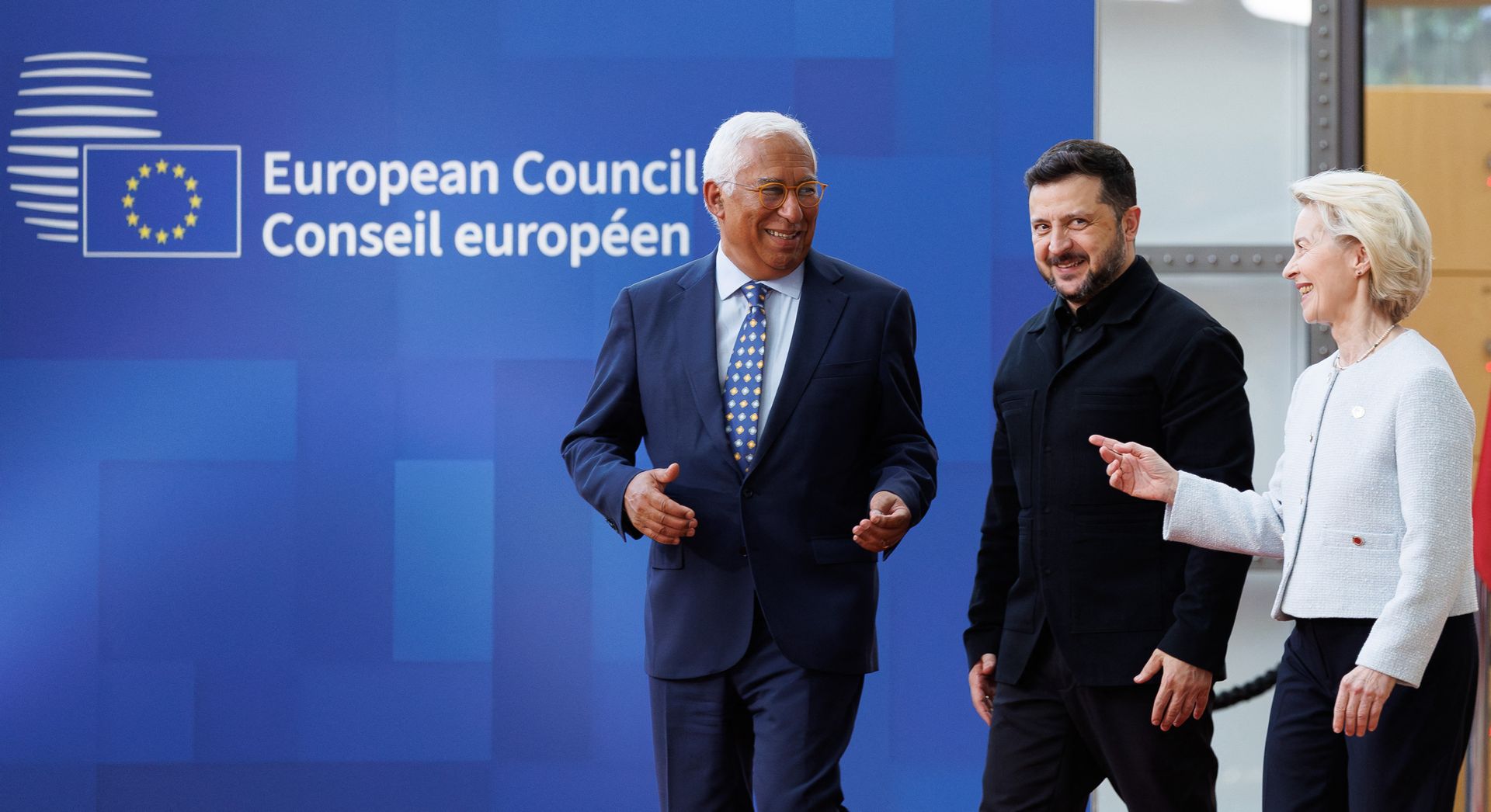
The president also raised these requirements during Friday’s meeting with European Commission President Ursula von der Leyen and European Council President António Costa. Discussions covered air defence, protection of energy infrastructure and financial assistance needed to sustain Ukraine’s resistance to Russian aggression.

European leaders support Kyiv’s position

Zelenskyy said European leaders had supported Ukraine’s position in the dispute with Washington. His remarks came as the EU reaffirmed its intention to maintain economic pressure on Moscow despite the Trump administration’s decision to facilitate Russian diesel exports.

As EU Today reported earlier on Friday, von der Leyen and Costa rejected any relaxation of European sanctions while Russia continues its war. The Commission is preparing a further sanctions package, maintaining a policy intended to restrict Moscow’s ability to finance its military operations.

The contrasting American and European positions have become increasingly significant for Kyiv. Washington is seeking to stabilise fuel markets through arrangements with Moscow, while European governments remain committed to reducing Russian energy revenues and strengthening Ukraine’s military and economic resilience.

For Zelenskyy, the unresolved question is whether Ukraine can be expected to limit attacks on Russian oil infrastructure while receiving neither reciprocal guarantees from Moscow nor additional protection against Russian ballistic missiles. His account of the unsuccessful American negotiations indicates that Kyiv was prepared to compromise, but only if its immediate defensive needs were addressed.

  •  

The resilience of the world economy is built on illusion – it’s time the West woke up

By Marco CARNELOS

Join us on Telegram, X, and VK.

Contact us: info@strategic-culture.su

Record debt, a paralysed trade-dispute architecture and the normalisation of sovereign-asset seizure as a policy tool means fragility is baked into the global economic system

Since 2022,  a steady drumbeat of forecasts has warned that cascading military and political upheavals – war in Ukraine, conflict in the Middle East, an accelerating tariff war, the weaponisation of sanctions and the disruption of energy supplies – would eventually overwhelm the world economy’s capacity to absorb shocks.

The most destructive of those scenarios have not materialised, or at least not yet.

As the IMF’s managing director Kristalina Georgieva stated last year, while previewing the fund’s World Economic Outlook, the global economy “has generally withstood significant strains from various shocks”.

Although that resilience is real, on closer inspection, it is a more fragile and more contested achievement than it first appears.

The adaptive mechanisms behind this resilience are visible and measurable. Trade has rerouted rather than collapsed. Energy corridors have diversified. And reserve managers have spent the past three years quietly re-engineering the architecture of the international monetary system.

According to the World Gold Council’s 2026 Central Bank Gold Reserves survey – which drew responses from 76 institutions, its highest participation in nine years – 89 percent of central banks expect global gold holdings to keep rising over the next year, with a record share planning to add to their own reserves.

The result: gold has overtaken US Treasuries as the largest single component of global central bank reserves for the first time since the mid-1990s.

Mother of all ticking bombs

Analysts tracking the shift link it directly to a single event: reserve managers were unsettled by the seizure of the Central Bank of Russia’s reserves at the start of the Ukraine war by Washington and have since been actively reducing the dollar share of their portfolios.

This is a clear example that the economic system is not breaking under political pressure, it is adapting to it – flexibly, and crucially, without severing the interconnections that make global trade and finance function at all.

In other words, central banks accumulating gold are not exiting the system; they are just hedging within it.

But adaptability has a cost, and that cost is compounding.

Global debt – government, household, corporate and financial combined – surpassed $365 trillion in the first half of 2026, according to the Institute of International Finance’s Global Debt Monitor, the sixth consecutive quarterly record.

Emerging-market debt alone rose by $6.5 trillion in the same period, breaking past $110 trillion. Georgieva has been blunt about the trajectory: speaking at the IMF and World Bank annual meetings, she warned that global public debt is projected to reach 110 percent of the world’s GDP by 2029.

There is an evident reluctance to address what is not a crisis in any single country’s balance sheet, but a structural drift that every major economy appears aware of and none is prepared to correct unilaterally.

Debt of this scale narrows the fiscal space available to absorb the next shock, military or otherwise, which is precisely what makes today’s resilience difficult to extrapolate into tomorrow’s.

In this context, there is also the mother of all ticking bombs, a nuclear one: the $40 trillion US federal debt which US Secretary of Treasury Scott Bessent is desperately trying to reign in.

The third strand, the onslaught of punitive political measures targeting market principles, is best illustrated by the fate of Russia’s frozen central bank reserves. Roughly $300bn in Russian sovereign assets have been immobilised globally since 2022, with some €210bn ($235bn) held within the European Union.

Erosion of neutrality

Rather than remaining in legal limbo, these reserves have become the financial engine of a specific policy outcome: the EU’s proposed €140bn ($157bn) “reparations loan” to Ukraine, structured so that Ukraine would repay it only once Russia itself pays war damages – effectively converting a sanctions freeze into a grant.

Russia’s central bank has responded by suing the Brussels-based depository Euroclear, which holds the bulk of the assets, calling the manoeuvre illegal.

Whatever one’s view of the underlying conflict, the precedent is the point economists increasingly raise: the first large-scale use of frozen sovereign reserves as collateral for a geopolitical objective changes the calculus for every reserve-holding state watching from outside the western bloc.

It is one more data pointing to the reinforcing of the gold-accumulation trend described above – and a vivid example of how political tools aimed at a single adversary can erode the perceived neutrality of the system itself.

A parallel erosion is under way in trade governance. The WTO’s Appellate Body (the one supposed to settle trade dispute among countries) has been non-functional since December 2019, after the United States blocked the appointment of new judges and talks on reviving or replacing it remain stuck.

More than 30 appeals currently sit unresolved, and the workaround mechanism created to fill the gap – the Multi-Party Interim Appeal Arbitration Arrangement – has resolved only a single case. The institution designed to prevent trade disputes from becoming purely a function of relative power has been quietly sidelined for seven years.

It is then worth wondering – in such a situation – if the Global West and Global Rest see the same picture here.

The evidence suggests convergence on diagnosis but real divergence on meaning. Both recognise that debt is unsustainable and that institutions are strained. But where western policymakers tend to treat sanctions, frozen assets and trade paralysis as defensive responses to external aggression.

Voices from the Global Rest increasingly read the same tools as confirmation that the system was never as neutral as advertised.

India’s External Affairs Minister S Jaishankar captured this gap memorably in 2022, telling European interlocutors that Europe needed to “grow out of the mindset” that its problems are everyone’s problems while the reverse does not hold.

Selective status

This is something many Global Rest governments had been thinking but not saying aloud: that the postwar order’s claim to universality was always, in practice, more selective than it appeared.

The more honest and outspoken western leader to recognise such an unfair situation, to use an understatement, was Canadian Prime Minister Mark Carney earlier this year in Davos.

None of this means the system is about to fracture. The world economy has proven more elastic than feared, absorbing shocks that a decade ago might have triggered genuine crisis. But elasticity and durability are not the same thing.

The real test of this sort of “economy of resistance” is not whether it survives the next military-political storm – it plainly has, repeatedly.

It is whether record debt, a paralysed trade-dispute architecture, and the normalisation of sovereign-asset seizures as a policy tool are quietly converting what is in effect a short-term adaptability into long-term fragility, especially at a moment when the Global Rest and Global West can no longer agree on what the system is actually for.

Original article:  www.middleeasteye.net

  •  

EU leaders rule out easing sanctions on Russia until war ends

Ursula von der Leyen and António Costa said the EU would maintain pressure on Moscow, after the United States eased restrictions linked to Russian diesel exports. The statements came as Volodymyr Zelenskyy joined EU leaders in Brussels for talks on Ukraine.

The EU will not lift sanctions on Russia while its war against Ukraine continues, European Commission President Ursula von der Leyen and European Council President António Costa said on Friday. Their statements came ahead of discussions at the European Council, where leaders were due to consider further support for Ukraine and the needs of its critical infrastructure before winter. The assurances followed Washington’s move to ease sanctions pressure in connection with a deal involving Russian diesel supplies.

Von der Leyen said the EU had supported the energy truce announced by US President Donald Trump, but accused Russia of failing to observe it. “We have seen that Russia did not respect it. Not a single minute. Instead, Russia escalated. We have to increase the pressure on Russia,” she said. She added that the Commission was working on a 22nd sanctions package and that the bloc would not lift any sanctions unless Russia stopped the war.

Costa also rejected any reduction in pressure. “We will not cancel any sanctions until Russia stops the war,” he said, calling for stronger support for Ukraine and increased pressure on Moscow to secure a genuine ceasefire. The statements set out the position of the Commission and European Council presidents; they were not, in themselves, a new sanctions decision by EU member states.

The US and EU sanctions regimes are separate. Washington’s decision concerns US restrictions associated with Russian diesel exports, while EU measures are adopted by the member states. Moscow said it had resumed diesel exports under the arrangement with the Trump administration, a development that has prompted concern in Kyiv and European capitals. The reported resumption of Russian shipments has brought renewed attention to the effect of energy revenue on the Kremlin’s ability to finance its war.

The Commission describes EU sanctions as a means of reducing Russia’s capacity to fund the war, imposing costs on its political leadership and weakening its economic base. The measures cover energy, trade and finance, alongside listings of individuals, companies and organisations. The EU’s sanctions framework against Russia has been expanded through successive packages since the full-scale invasion of Ukraine.

The leaders’ statements came as Ukraine prepared for another winter of Russian attacks on energy infrastructure. The European Council meeting agenda included continued support for Ukraine and the operational needs of its critical infrastructure. Von der Leyen said the EU would continue to support Ukraine through the winter. She also referred to progress on Ukraine’s accession process, saying the remaining negotiation clusters should be opened by the end of the year.

The EU has recently added measures targeting Russia’s military-industrial sector. In October, it adopted a package of listings aimed at companies and individuals connected to the country’s war effort, as covered in EU Today’s report on the latest sanctions. The diesel arrangement has also followed earlier tensions over the use of sanctions and energy policy, including the US deal with Moscow.

The EU’s stated position is that its sanctions will remain in place until Russia ends the war. The Commission is preparing further measures, while any new package will require agreement among member states. Friday’s statements did not change the existing regime, but made clear that the US decision on Russian diesel would not, by itself, prompt Brussels to ease EU restrictions.

  •  

Zelensky thanks EU's 'real leaders' for their continued support as bloc confirms new sanctions package on the way

"We supported Trump's energy ceasefire but we see Russia did not respect it, and so we have to increase the pressure," von der Leyen told journalists, before announcing that the EU is working on a new 22nd package of sanctions against Russia.

  •  

Trump’s Deal With Russia Inflames Ukraine War He Vowed to End

The Ukrainian president’s defiant decision to continue attacking Russian refineries underscores President Trump’s inability to end a war he had promised to resolve.

© Doug Mills/The New York Times

President Trump during a campaign stop in Alaska on Tuesday. He has not delivered on his promises to end the war in Ukraine, or to lower prices, and recent deals with Russia could complicate both issues.
  •  

The EU loophole Russia is using to free its oligarchs from sanctions

Russia has exploited an EU sanctions loophole to unfreeze $3 billion worth of assets held by Belgium's Euroclear, according to a Flemish media report, and Austria's Raiffeisen Bank could be about to execute the same maneuver.

  •  

L’accordo sul gasolio tra Trump e Putin: la speranza muore per ultima

La dichiarazione di Trump offre una prospettiva mediatica molto interessante e potrebbe segnare la fine del “Progetto Ucraina”, un argomento che merita di essere approfondito.

Segue nostro Telegram.

Nessuno si sarebbe aspettato che Donald Trump, dopo una telefonata di auguri di compleanno al suo omologo russo, dichiarasse che il gasolio russo si sarebbe rivelato la soluzione all’attuale carenza di carburante negli Stati Uniti. Se la presidenza Trump ha prodotto qualcosa, sono stati molti titoli interessanti che sembrano spuntare dal nulla e che, purtroppo, molto spesso, svaniscono nuovamente nella nebbia da cui sono emersi. A volte le parole di Trump possono riempirci di speranza, come in questo «accordo sul gasolio», mentre altre, come il suo recente discorso alle Nazioni Unite, in cui ha minacciato di uccidere potenzialmente tutti gli iraniani, ci riempiono di terrore. Questa dichiarazione del nostro enigmatico leader presenta una narrazione mediatica molto interessante e una potenziale conclusione del «Progetto Ucraina» che vale la pena approfondire.

Trump ha accusato Zelensky della carenza energetica globale, in particolare per quanto riguarda il gasolio. All’epoca, tutti pensavano che si trattasse solo di una banale manovra diversiva in stile Twitter per sviare l’attenzione dalla fallita guerra contro l’Iran, che certamente ha causato notevoli interruzioni nel trasporto di carburante. In altre parole, la Casa Bianca stava proiettando questa crisi – che aveva permesso che si verificasse, o che aveva attivamente provocato – addossandola al capro espiatorio Zelensky. Tuttavia, questa forma di diversione o proiezione non è più solo una questione di parole in una narrativa pre-elettorale, ma si è trasformata in azione concreta. Le sanzioni sul gasolio russo sono state revocate e la prima spedizione è già in viaggio mentre scrivo queste righe. È accaduto qualcosa di tangibile.

Zelensky è stato infatti avvertito circa sei volte di smettere di attaccare le infrastrutture petrolifere russe. Far saltare in aria dei bambini nel Donbass e oltre va «bene», ma attaccare ciò che l’Occidente vuole dalla Russia più di ogni altra cosa è «assolutamente inaccettabile». Zelensky, al quale – come indicato sopra – era stato intimato una mezza dozzina di volte di sospendere gli attacchi alle infrastrutture petrolifere e del gas, dopo aver appreso della decisione di Trump di acquistare gasolio russo, ha agito come segue:

1) Ha rapidamente attaccato nuovamente le infrastrutture petrolifere russe, apparentemente per fare un dispetto al Presidente degli Stati Uniti

2) Ha immediatamente interrotto i colloqui di pace a Miami con i collaboratori di Trump, il duo Kushner-Witkoff, il che rappresenta l’ennesimo schiaffo in faccia a Donald Trump.

La cosa più incredibile di tutte è che il «narcisista» Trump abbia già pubblicamente ringraziato il presidente Putin due volte per questo accordo. Durante un comizio, gli americani in piedi dietro a Trump hanno applaudito con grande entusiasmo all’annuncio della pace con la Russia e dell’approvvigionamento extra di carburante per l’America. La russofobia è un passatempo della borghesia globalista e di «Epstein Island», non dei camionisti e degli agricoltori americani.

È una narrazione eccellente, speriamo che duri

Trump ha ora attribuito il 100% della colpa dei problemi energetici e di approvvigionamento globali direttamente a Zelensky, accusandolo personalmente di aver alimentato la guerra negli ultimi due anni. Pertanto, la narrazione sta prendendo forma più o meno così: Se la guerra in Ucraina è la causa della carenza di carburante e Zelensky è la causa del protrarsi della guerra, ciò significa che gli Stati Uniti possono stringere un accordo con la Russia anche se «sono stati loro a iniziare», con la conseguenza logica che Zelensky debba logicamente andarsene, poiché è lui la fonte del problema. Ma approfondendo ulteriormente la narrazione, possiamo cogliere l’aspetto più interessante di tutti o, come si suol dire online, «la parte taciuta»: Trump ha sostanzialmente dichiarato che la produzione energetica russa riveste un interesse strategico vitale per gli Stati Uniti.

Sono proprio queste parole a togliermi la «pillola nera» dalla bocca e a iniettarmi direttamente «hopium» nel sangue. L’idea che il Presidente americano dichiari che NON essere in guerra con la Russia riveste un interesse strategico vitale per gli Stati Uniti è qualcosa che ho sognato per tutta la mia vita da adulto. Questa è esattamente la logica di cui abbiamo bisogno per porre fine, una volta per tutte, alla mentalità della Guerra Fredda e del «Progetto per un Nuovo Secolo Americano» in politica e consentire finalmente agli Stati Uniti di ricostruirsi e investire in se stessi. Questo potrebbe benissimo rappresentare il risveglio multipolare dell’America, utilizzando una trappola logica simile a quelle che sono state impiegate in passato per ottenere l’esatto contrario e mantenere gli Stati Uniti intrappolati in eterne guerre all’estero, condotte per il puro lusso della «sicurezza nazionale».

Questa nuova trappola logica potrebbe presentarsi più o meno così: «Quindi volete la guerra con la Russia? Ciò significa che volete danneggiare l’America, sporco traditore! Prenderete il carburante al contadino Joe e i nostri figli moriranno di fame, mostro che non siete altro! Lasciare che la Russia produca carburante in pace è un interesse di sicurezza nazionale per l’America; siete forse contrari alla sicurezza nazionale del nostro Paese? Volete indebolire la virile America per conto di quegli europei omosessuali?».

Ma mentre ci iniettiamo quella dose di «hopium» nelle vene, dobbiamo ricordare che Donald Trump ha detto molte cose, ha cambiato idea numerose volte, o è stato costretto a farlo, e forse non è proprio il decisore unilaterale che si dipinge in televisione.

Ci vogliono due per ballare il tango, ma basta un uomo arancione per mantenere la parola data.

Le trascrizioni di questa ormai famosa conversazione telefonica di compleanno appaiono molto diverse tra la versione americana e quella russa, il che è del tutto normale. Il team di Trump tende a riportare gli argomenti discussi come fatti accertati, mentre i russi utilizzano un linguaggio più evasivo. Ma le sanzioni sul gasolio sono state sospese per ora e le navi si stanno muovendo, quindi la cosa sembra essere reale… almeno fino a quando non si terranno le elezioni di medio termine.

Da allora la parte americana ha minacciato di escludere Zelensky dalla condivisione di informazioni di intelligence, il che potrebbe rappresentare un colpo mortale immediato per i loro sforzi militari, poiché molti esperti ritengono che solo le informazioni degli Stati Uniti abbiano permesso loro di sopravvivere così a lungo. Senza tali dati di puntamento, verrebbero immediatamente riportati alla guerra del XX secolo e non sarebbero più in grado di sferrare attacchi in profondità nel territorio russo. RT ha scritto quanto segue su questo tema:

Un funzionario ucraino ha riferito ad Axios che Witkoff e Kushner hanno minacciato di interrompere la condivisione delle informazioni di intelligence statunitensi con Kiev qualora questa continuasse a ignorare le richieste di Trump di sospendere gli attacchi alle raffinerie di petrolio russe, ma il funzionario statunitense ha negato che fosse stata formulata una simile minaccia.

Ma è qui che dobbiamo trattenere il respiro, poiché nonostante questa nuova narrativa possa sembrare allettante e rappresenti l’uscita perfetta per gli Stati Uniti dalla loro partecipazione al «Progetto Ucraina», non dovremmo dimenticare le parole del presidente Putin di qualche tempo fa, quando parlò del vero potere di qualsiasi presidente degli Stati Uniti:

«Quindi una persona viene eletta — arriva con delle idee… Poi vanno a trovarlo persone con le valigette, ben vestite, in abiti scuri — un po’ come i miei.»

Quindi la vera domanda potrebbe essere: la lobby sionista, l’élite di Epstein, le agenzie di intelligence a tre lettere, i miliardari influenti e tutti gli altri agenti segreti di Capitol Hill permetteranno davvero al presidente Trump di porre fine a questa guerra? Al Presidente degli Stati Uniti sarà consentito farlo?

Dovremmo ricordare che, dopo che Zelensky si è comportato in modo vergognoso alla Casa Bianca all’inizio del secondo mandato di Trump, tutti pensavano che questo conflitto sarebbe finito. Trump, il famoso narcisista, appariva visibilmente arrabbiato e offeso davanti alle telecamere durante il loro scontro verbale. Ma la guerra è proseguita. C’è stato il vertice di Anchorage, che ha suscitato un enorme clamore e tutti pensavano allora che gli Stati Uniti avrebbero ritirato il sostegno a Kiev. Ma così non è stato. I nemici di Trump, compreso il clan Biden, sono coinvolti in un enorme scandalo di corruzione in Ucraina, ormai tutto allo scoperto. Questa sarebbe stata un’ottima via d’uscita dal conflitto, ma Trump non l’ha colta o non ha potuto farlo. E, in generale, la retorica di Trump nei confronti di Zelensky e di altri politici europei è stata palesemente dura e irrispettosa. L’uomo accusato di essere un «spaccone» in qualche modo parla sempre in modo piuttosto cortese sia alle spalle che in faccia a Putin e Xi.

Pertanto, sebbene io desideri la pace e una cooperazione improntata al rispetto reciproco tra gli Stati Uniti e la Russia, forse questo accordo durerà solo fino alle elezioni di medio termine, quando all’improvviso Zelensky tornerà a essere «un bastardo, ma è il nostro bastardo», e il conflitto proseguirà senza sosta.

Forse questa è la nostra «sorpresa di ottobre» da parte della fazione repubblicana? E a dicembre potremo tutti essere «di nuovo sorpresi» quando la guerra riprenderà con tutta la sua forza e altre migliaia di slavi moriranno sul campo di battaglia?

Ora, Donald Trump, a denti stretti, sta lanciando l’idea secondo cui ritiene «sia giunto il momento che l’Ucraina abbia un nuovo presidente». Ma una volta conteggiati i voti in America, potrebbe semplicemente tornare a odiare passivamente e a tollerare Zelensky fino alla fine del suo mandato o fino a quando un giorno un certo Oreshnik non colpirà nel segno. Non possiamo inoltre dimenticare che l’Occidente sta da tempo esercitando pressioni affinché i russi concedano un cessate il fuoco di ampia portata. Presumibilmente ciò verrebbe utilizzato per riorganizzarsi, riposarsi, riarmarsi e poi tornare semplicemente a combattere fino all’ultimo ucraino. Ora Trump vuole che si tengano elezioni a Kiev, il che probabilmente richiederà un cessate il fuoco per poter essere attuato. Ma spingerà per un cessate il fuoco di tre giorni, o cercherà di indurre con l’inganno i russi ad accettare una tregua di un mese o più?

Un «buon» segnale su questa questione dal punto di vista russo è che ora ci sono già richieste di dimissioni di Zelensky su Twitter/X provenienti da tutte le parti, persino da quelle filo-ucraine:

«“Zelensky deve dimettersi” – media ucraini. Ci hanno messo poco. Zelensky ha ignorato per ben SEI volte gli avvertimenti di Trump di non attaccare le raffinerie di petrolio russe. Questa mattina, Zelensky ha bombardato un’altra raffineria di petrolio russa. Gli ucraini chiedono le dimissioni di Zelensky.

L’ex deputato ucraino e comproprietario di Metinvest, Vadym Novynskyi, ha esortato Zelensky a dimettersi e a cedere tutti i poteri alla Verkhovna Rada ucraina a seguito degli accordi tra Trump e Putin.»

Dobbiamo ricordare che l’Ucraina del 2026 è già uno Stato di polizia in cui qualsiasi dissenso comporta il rischio di essere caricati su un autobus e portati al fronte a morire, oppure di scomparire in una prigione con l’accusa di essere una «spia» russa. Pertanto, quando personalità di rilievo si coalizzano apertamente contro Zelensky, si tratta di una dichiarazione ben più incisiva rispetto agli attori di Hollywood che, al sicuro nelle loro lussuose camere da letto, realizzano video su TikTok contro Trump.

Il resto del mondo non resterà a guardare senza fare nulla.Presto dagli account bot di Kiev emergerà sicuramente qualche stupida contro-narrazione del tipo «Putin ha tradito i BRICS». Ovviamente qualcuno dirà che il Cremlino ha gettato i propri fratelli iraniani in pasto alla macchina della lobby sionista! Ma in realtà, sembra che gli iraniani si limiteranno semplicemente a spedire il proprio petrolio attraverso la Russia e a venderlo come «russo», e tutti ne saranno soddisfatti. Il Mar Caspio sarà ancora più trafficato nel prossimo futuro. Se le sanzioni hanno ottenuto qualcosa, è stato proprio quello di aumentare il commercio tra Russia e Iran.

A Mosca nessuno ha intenzione di tradire Teheran; si vuole che l’America entri a far parte del mondo multipolare, salvando al contempo la faccia e riducendo il livello globale di minaccia di guerra nucleare, che attualmente è decisamente troppo elevato. L’Iran e la Cina sono stati sicuramente consultati su questa questione prima che qualsiasi accordo sul diesel fosse finalizzato.

Il vero pericolo che Trump invochi la destituzione di Zelensky proviene dall’Europa, dove alcune fazioni, politici e i loro finanziatori potrebbero intraprendere azioni radicali in risposta. E la reazione di Trump a tale risposta potrebbe ora rivelarsi ancora più radicale. Sarebbe possibile che la NATO desse il via libera ai Paesi baltici per aprire semplicemente un altro fronte e «vedere cosa succede»? La Francia metterà finalmente in atto la propria minaccia e schiererà apertamente truppe in massa per salvare il «Napoleone in verde» dalla morte politica o, potenzialmente, fisica? Finora l’UE si è limitata a minacciare ulteriori sanzioni. Se gli oltre 20 pacchetti di sanzioni precedenti hanno fallito, mi chiedo cosa rimanga effettivamente da sanzionare. Ursula promette il pacchetto di sanzioni più ampio e di maggiore portata per lunedì 12 ottobre, ma dubito che cambierà qualcosa. L’unica cosa che potrebbe cambiare la situazione sarebbe un’azione militare da parte dell’UE davvero aggressiva, drastica e sconsiderata.

E il resto delle sanzioni?I media russi hanno reso un disservizio al pubblico scrivendo ripetutamente che «Trump revoca le sanzioni», quando le uniche sanzioni revocate riguardano le esportazioni di gasolio per sei mesi. Tutte le altre sanzioni sono ancora in vigore. Non è ancora possibile volare direttamente da Mosca a New York e i trasferimenti di denaro tramite SWIFT sono ancora in gran parte bloccati. Dobbiamo ricordare che, almeno in teoria, le sanzioni sono una forma di punizione per i crimini commessi contro, in questo caso, il diritto internazionale e gli Stati Uniti. Come possono quindi normalizzarsi veramente le relazioni tra gli Stati Uniti e la Federazione Russa quando l’una parte accusa ancora l’altra di crimini che ritiene non siano stati nemmeno commessi?

Una volta concluso il «Progetto Ucraina», le cose potrebbero cambiare rapidamente, ma non potrà esserci vera amicizia finché Washington non avrà fiducia in Aeroflot al punto da consentirle di atterrare sul territorio statunitense. Non possiamo trovarci contemporaneamente in una guerra di sanzioni e in una situazione di normalizzazione. Ma questa nuova narrativa di Trump, se riuscirà a portarla avanti fino alla sua logica conclusione, rappresenta la via d’uscita perfetta per l’America e il modo in cui potremo finalmente porre fine a questa guerra e tornare a un certo senso di normalità, con l’apocalisse relegata in un futuro lontano, ben oltre la durata delle nostre vite.

  •  

Cuba Accuses United States of Pressuring UN Votes on Blockade

Last September, when presenting Cuba’s report to the UN on the effects of the blockade, FM Rodríguez Parrilla detailed that the country suffered economic damage of more than $8 billion from this policy between March 1, 2025 and February 28, 2026. Photo: EFE.

Cuba’s foreign minister accused Washington on Wednesday of coercing several governments to change their votes on a United Nations resolution against the six-decade U.S. blockade, days before the General Assembly is set to consider the measure.


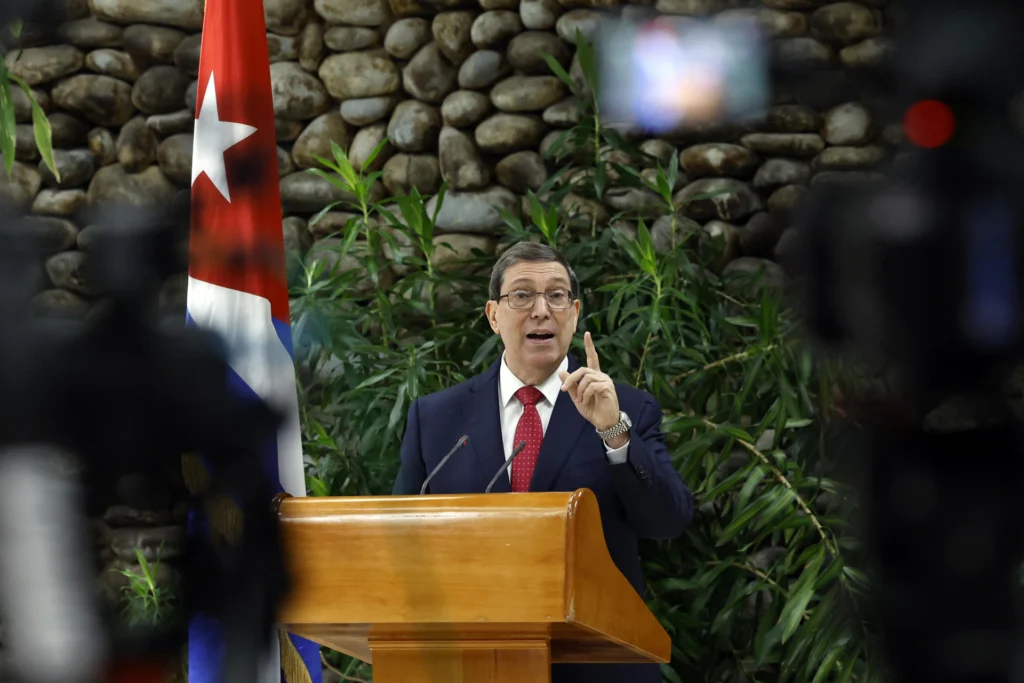
The Minister of Foreign Affairs of Cuba, Bruno Rodríguez Parrilla, denounced this Wednesday that U.S. Secretary of State, Marco Rubio, is exerting pressure on several countries to change their position in the vote on the resolution against the U.S. blockade of the island, scheduled for the end of this month at the United Nations General Assembly.

Cuban FM Bruno Rodríguez Parrilla pointed directly at Secretary of State Marco Rubio. In a post on X, the Cuban diplomat wrote that Rubio, “nervous and anxious in the face of another new defeat at the United Nations, is pressuring and blackmailing heads of State and government of several countries to change their vote against the blockade in the UN General Assembly.“

RELATED: Cuba President Diaz-Canel Denounces U.S. Blockade at World Food Forum

On October 29, the General Assembly will discuss and vote on a resolution calling for the lifting of the economic, commercial and financial blockade imposed by Washington on Havana.

Cuban top diplomat framed the campaign as an attempt to erase accountability. He said Rubio, with his “repeated lies and new actions,” seeks to “silence the act of collective punishment he is committing against the Cuban people and make the rest of the international community complicit in this barbarity.”

The US Secretary of State is nervous and anxious in the face of a new defeat at the United Nations. He is putting pressure on and blackmailing Heads of State and Government from several countries so that they change their vote against the blockade at the UN General Assembly.… pic.twitter.com/t33OSSBI84

— Bruno Rodríguez P (@BrunoRguezP) October 14, 2026

The allegation arrives after months of tightening measures. The updated report Cuba presented to the UN in September places the economic damage between March 1, 2025 and February 28, 2026 at more than $8 billion, precisely $8,083,300,000, a 7 percent rise over the prior period.

That report covered only the first month of the U.S. oil blockade, ordered by an Executive Order signed on January 29. The restriction has obstructed fuel deliveries to the island throughout 2026, deepening an energy crisis and striking hard at production, transport, health services and water supply.

Six Decades of Damage

The accumulated toll runs far higher. More than sixty years of the blockade amount to over $178 billion at current prices, a figure of $178,700,500,000 that represents a 4.7 percent increase since the last report in 2025.

Once the oil blockade took effect, several vessels changed course to other ports as they approached Cuba, their original destination. More recently, Washington has intercepted and seized smaller fuel shipments bound for the island. Cuban authorities have denounced those operations as “piracy and pillage.”

The diplomatic record reflects broad opposition to the policy. In July, Cuba requested a special session at the UN to denounce the latest U.S. measures, winning 136 votes in favor, nine against and thirty abstentions.

In September, the UN Human Rights Council examined the report produced by special rapporteur Alena Douhan after her official visit to Cuba in November 2025. UN experts have separately condemned the siege against the island while Washington has imposed further sanctions.

FM Rodríguez Parrilla has argued that the report’s figures understate the current pressure, since the data closed in late February, just one month into the oil sanctions. The full cost of a year in which fuel shipments were diverted or seized has yet to be measured.

Cuba is expanding solar energy⚡️, installing new photovoltaic parks and investing in renewable power to strengthen its energy independence.

Despite the challenges of the U.S. blockade, Cuba🇨🇺keeps working toward a more sustainable, resilient energy future.#CubaIsNotAThreat pic.twitter.com/hlX3JHtBGM

— Cancillería de Cuba (@CubaMINREX) October 14, 2026

The October 29 vote will test whether Rubio’s pressure campaign shifts any position. For decades the General Assembly has delivered near-unanimous verdicts against the blockade, a streak Havana expects to hold. What Cuba now warns against is not the policy itself, but the effort to make other nations silent partners in it.

  •  

Trump Demands Leadership Change in Ukraine Amid Zelensky Rift

Zelensky insists only Ukrainians decide and offers a 60-day ceasefire for elections

Diplomatic and political relations between the United States and Ukraine have reached an interesting juncture. The reported rift between U.S. President Donald Trump and Ukrainian President Volodymyr Zelenskyy reveals cracks in the coalition.

RELATED:
Russia-U.S. Diesel Deal Is Unrelated to Ukraine Peace Plan: Peskov

Since before 2022, Western leaders have supported Kyiv as a way of defending democracy and sovereignty on a global scale. However, the conflict in Ukraine functions as a proxy war shaped by inter-imperialist rivalry, NATO expansion, and conflicting economic interests, a geopolitical struggle that has exacted a heavy human and financial toll on Ukraine.

Recent events show that Washington’s foreign policy is shifting away from open-ended military and financial commitments receiving unconditional backing. Kiev now faces public criticism, policy demands, and calls for political change from Washington.

Understanding the Trump-Zelensky rupture requires analyzing the structural factors that shaped U.S. influence over Ukraine long before the current war began.

U.S. Imperial Influence and Post-Soviet Interventionism

The foundation of U.S. influence in Ukraine was established long before the outbreak of full-scale war in 2022. Following the dissolution of the Soviet Union in 1991, the United States worked to integrate former Soviet republics into global capitalist frameworks.

Through international financial institutions such as the International Monetary Fund (IMF) and the World Bank, Ukraine received loans tied to economic structural adjustments. These programs required the deregulation of domestic markets, the privatization of state-owned enterprises, and cuts to social spending.

Washington also used state-funded organizations to shape Ukrainian domestic politics. Between 1991 and 2014, the U.S. government provided over $5 billion in assistance to Ukraine, as publicly confirmed by former Assistant Secretary of State Victoria Nuland. This funding aimed to steer Ukraine’s economic and foreign policy away from Russia and toward Western institutions.

The political transition of 2014 marked a major turning point in U.S.-Ukraine relations. High-level American officials played an active role in supporting the Euromaidan protest movement, which led to the removal of elected President Viktor Yanukovych.

By 2014, during the Obama administration, Vice President Joe Biden was designated as Washington’s key figure for managing policy toward Kyiv, visiting the country on multiple occasions to oversee anti-corruption reforms, energy policy, and financial administration.

After 2014, Ukraine’s economic orientation toward European Union moved away from historical trade ties with the Commonwealth of Independent States (CIS). Transition that caused Ukranian severe economic disruption.

Ukraine’s industrial base, centered in the eastern Donbas region, suffered significant output losses. Between 2014 and 2016, Ukraine’s Gross Domestic Product (GDP) shrank by nearly half in dollar terms, falling from approximately $183 billion in 2013 to under $93 billion in 2015, according to World Bank figures. Debt levels rose rapidly, forcing the country to rely on continuous financial aid from Western lenders.

Alongside economic adjustments, Western security institutions deepened their integration with the Ukrainian military. Between 2014 and 2021, the U.S. provided over $2.5 billion in defense assistance, including radar systems, anti-tank missiles, and naval patrol boats.

Joint military exercises, such as Operation Fearless Guardian and Rapid Trident, trained thousands of Ukrainian troops under NATO standards at the Yavoriv Combat Training Center. This long-term involvement turned Ukraine into a major security partner on Russia’s western border, setting the stage for future geopolitical conflict.

Zelensky on Trump:

If you're in the middle, you have to stay in the middle, not on the wrong side.

I think Trump's advisers are wrong. I don't know who is pushing him to the wrong side.

This is not the right side of history. pic.twitter.com/RyMNITUUFY

— Clash Report (@clashreport) October 14, 2026

NATO Expansion and Washington’s Provocations

Following the end of the Cold War, successive U.S. administrations expanded NATO eastward toward the borders of the Russian Federation. This expansion occurred despite diplomatic assurances given to Soviet leadership in 1990 that the alliance would not expand eastward beyond a unified Germany.

NATO added fourteen new member states in several rounds of expansion between 1999 and 2020. At the Bucharest Summit in April 2008, NATO declared that Ukraine and Georgia would eventually become members of the alliance.

Moscow repeatedly defined Ukrainian NATO membership as a direct threat to its national security. Despite these warnings, Washington pursued an open-door policy regarding alliance membership.

Diplomatic agreements intended to resolve internal conflicts within Ukraine were systematically sidelined.

Between 2015 and 2021, Western military aid flowed into Ukraine to prepare its armed forces for high-intensity warfare. Annual combined defense spending by NATO allies reached over $1 trillion, outstripping Russian defense expenditure by more than ten to one.

By late 2021, Washington rejected Russian proposals for a mutual security treaty that requested a formal halt to NATO expansion and the withdrawal of foreign military infrastructure from Eastern Europe. The refusal to negotiate on NATO enlargement closed diplomatic pathways, accelerating the descent into armed conflict.

President Trump on Ukraine war: "Zelensky could've settled it many times, but he chose not to." pic.twitter.com/mTn4uboLZY

— CSPAN (@cspan) October 10, 2026

Trump’s Pragmatic Realism and Criticism of Zelensky

The return in 2025 of Donald Trump to the U.S. presidency brought a shift in Washington’s foreign policy approach toward Ukraine. While the previous administration pursued an open-ended commitment to support Kiev, Trump adopted a transactional approach centered on domestic economic priorities. A change that disrupted long-standing diplomatic alignment between Washington and Kiev.

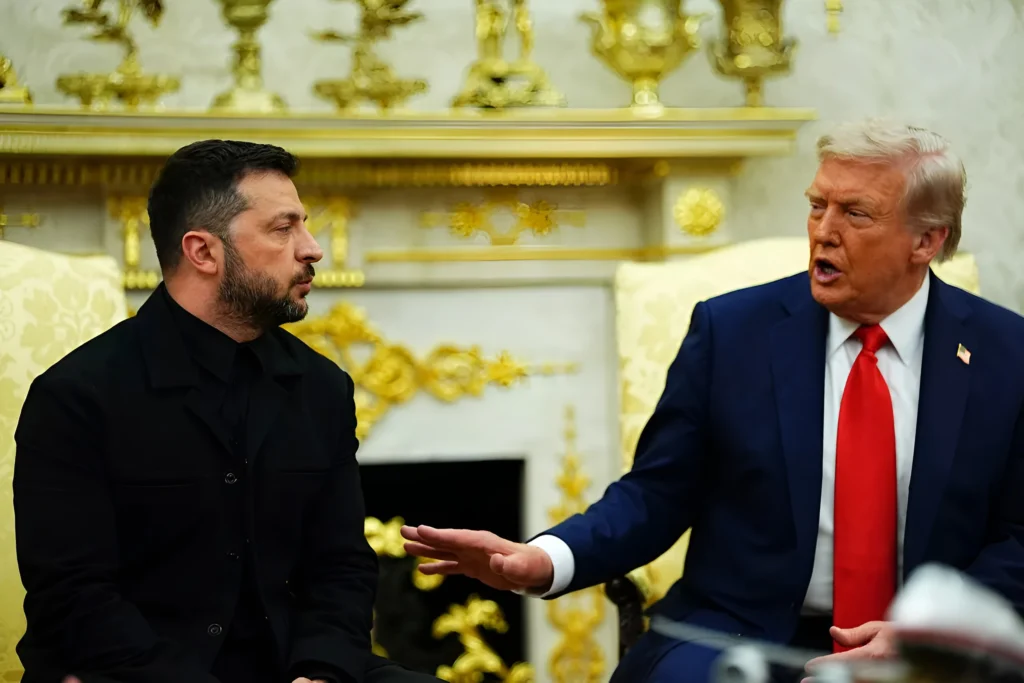
Tensions surfaced between Trump and Zelensky during their February 2025 Oval Office meeting. Trump criticized Ukraine’s strategic management of the conflict and questioned the scale of U.S. financial support.

Trump emphasized that American assistance would no longer be an unlimited resource, telling Zelensky that Kiev needed to negotiate a settlement or risk losing U.S. security backing.

Trump also criticized the economic war costs and their impact on global commodity markets. By mid-2026, military casualties on both sides reached an estimated two million, with millions of Ukrainians displaced internally and across Europe.

Trump pointed to these statistics to argue that continued fighting was unsustainable and detrimental to Western economic stability.

A major friction emerged over Ukraine’s military strategy of targeting Russian energy infrastructure. Since July 2026, Ukrainian drone attacks have hit several Russian oil refineries and technology hubs in regions such as Saratov, Ryazan, and Leningrad, as well as in Tatarstan.

Trump publicly condemned these strikes, stating that attacks on Russian fuel production exacerbated global energy shortages and drove up U.S. domestic diesel prices.

The U.S. Treasury Department subsequently issued temporary sanctions exemptions permitting Russian diesel exports to stabilize global supply.

When Zelensky criticized the exemptions as weakness, Trump warned that continued Ukrainian strikes on Russian oil infrastructure could result in a suspension of U.S. intelligence-sharing with Kiev.

Demands for Leadership Change and Diplomatic Strains

The diplomatic rift between Washington and Kyiv widened further following public disputes over regional energy policy. By October 2026, U.S. officials had negotiated temporary exemptions for Russian diesel exports in an effort to curb rising domestic fuel prices and alleviate the global diesel shortage.

Zelenskyy publicly rejected these exemptions, characterizing the agreements with Moscow on energy trade as a violation of Western policy.

In response to Kiev’s objections, Donald Trump publicly called for leadership changes in Ukraine. Speaking to reporters, Trump stated that Ukraine should select a new leader capable of negotiating a diplomatic resolution to end the conflict.

Trump argued that Zelensky had missed previous opportunities to secure a negotiated settlement with Russia, resulting in continued loss of territory and economic disruption.

Zelensky stated that leadership decisions in Ukraine belong solely to the Ukrainian electorate. However, Zelensky noted that organizing national elections during active military operations presents significant legal and logistical obstacles under current martial law provisions.

Zelensky proposed a condition for holding vote proceedings, stating that Washington and international partners must secure a total 60-day ceasefire from Moscow to guarantee security for voters and civilian infrastructure.

⚡️BREAKING: Zelensky Criticizes President Trump for Blaming him for the Rise in Diesel Prices

"They're increasing because of the war in the Middle East, the blocking of the Strait of Hormuz. People have to hear reality. Don't play games with people" pic.twitter.com/MBc8WHoiPf

— Iran Observer (@IranObserver0) October 11, 2026

Implications for the War and Global Power Dynamics

The political alliance established after 2014 between the U.S. and Ukraine was built on mutual strategic interests: Washington sought to project power eastward and contain Russian influence, while Kiev relied on Western capital and security aid to modernize its institutions and military forces.

However, the human and material costs of prolonged warfare have strained this arrangement. With military casualties exceeding two million and Western defense stocks under pressure, Washington has adjusted its political priorities.

The friction between Trump and Zelensky shows how peripheral security partners can become vulnerable when strategic or economic calculations of the power change.

A leadership transition in Kiev, whether through scheduled elections under a temporary ceasefire or political restructuring, would significantly impact the Ukrainian – Russian war.

A change in government could negotiate a formal cease-fire, but it also carries risks of internal political instability and reduced military coordination along the front line.

Sources: Xinhua – Al Jazeera – Al Mayadeen – Anadolu Agency – TRT World – RT – Brasil de Fato – Press TV – TASS – CGTN – BBC – DW – France 24 – EFE – TeleSUR

  •  

“He thinks Ukraine is a weak link and that it needs to be squeezed into giving in”: diplomat on why Trump pressures Kyiv, not Moscow

The White House in Washington DC, USA. Illustrative image: Wikimedia Commons.

Washington is pressing the victim, not the aggressor, a Ukrainian diplomat says. President Donald Trump is using the threat of cutting military aid and intelligence as a tool to pressure Ukraine, while failing to apply enough pressure on Russia to stop the war, says Oleksandr Khara, executive director of the Center for Defense Strategies, Espreso reports.

Ukraine’s drones and air defense still lean on US satellite intelligence and weapons, which gives Trump room to squeeze Kyiv rather than Moscow. Khara argues Trump wants to end the war on Ukraine’s and Europe’s account to restore normal relations with Russian ruler Vladimir Putin, treating Ukraine as the weak link to be pushed.

“Trump wants to use restrictions, levers of influence on Ukraine to achieve his goal. To end or stop this war at any cost, at the expense of Ukraine and Europe, to restore normal relations with Putin,” Khara said.

Using American aid as leverage over Kyiv is not new for Trump, the diplomat noted, recalling earlier instances in which support was blocked or suspended.

The pressure points Trump picks, and the ones he leaves alone

Trump wants a visible success in ending the war, Khara says, partly against the backdrop of US domestic politics. He has economic tools to press Moscow but is in no hurry to use them, and his administration is instead gradually loosening sanctions on Russia.

“He doesn’t want to pressure Russia. He thinks Ukraine is the weak link and that it needs to be pushed,” Khara stressed.

Ukraine’s dependence on US support has fallen thanks to European partners, he added, so Kyiv has more room to keep fighting even as European states keep buying American weapons for it.

The one trade Kyiv might accept, and the pressure until then

An energy ceasefire is possible only on strict terms, Khara believes. Kyiv could agree to stop striking Russian refineries only if Moscow halts attacks on Ukraine’s power generation and transmission, heating, and the Black Sea ports and the ships heading to them.

Until such a deal exists, Ukraine must hit harder, he argued, because steadily draining Russia’s economic resources is what could force the Kremlin to reconsider.

“As long as there is no such agreement, and no desire from Russia, we must increase this pressure and destroy as much of their energy infrastructure as possible,” Khara said.

  •  

EU bets on diplomacy, not blocking statute, to protect ICC from Trump sanctions

The EU is shying away from triggering rules that would shield people and companies working at or with the International Criminal Court (ICC) in The Hague from US sanctions, preferring instead months-long diplomatic outreach.

The European Commission on Wednesday (14 October) told reporters in Brussels that it was doing everything to seek “practical solutions”, while hoping that its diplomacy will help the court, which prosecutes people for war crimes, genocide, and other atrocities.

“We haven’t made any decisions yet. But we continue to discuss at every level,” said a commission spokesperson, when pressed on whether a little-known blocking statue, which would presumably damper the impact of the US sanctions, remains an option.

And an EU summit in Brussels on Thursday is expected to ask the US to reverse the decision, according to draft conclusions seen by EUobserver.

The EU’s little-known “blocking statute” would prevent EU companies and banks from complying with the sanctions. It was first used against US sanctions on Cuba, Iran and Libya.

The Trump administration had, last Friday, announced financial sanctions on the ICC as part of a larger assault to dismantle the court, after it issued arrest warrants for Israeli prime minister Benjamin Netanyahu, its former defence minister Yoav Gallant, and Hamas military commander Mohammed Deif.

This article continues, but the full version is available only to EUobserver.com subscribers. Visit account.euobserver.com/membership

  •  

The EU’s latest mad plan to save itself

Ursula von der Leyen has the answer. Borrow even more money. Borrow like there’s no tomorrow.

Join us on Telegram, X, and VK.

Contact us: info@strategic-culture.su

The most remarkable thing about the rapid demise of the U.S. is that when it hits the bottom of the ocean floor economically, it will be in a better state than the EU. The panic among EU leaders, in particular Ursula von der Leyen, is breathtaking. Barely a week passes before she makes another crackpot policy announcement, gives herself a salary increase, or makes a statement about needing to give even more money to Ukraine. But in recent months these announcements have become more radical and existential, and we are seeing a new dawn now in the EU where the only solution to cover up the feral spending and borrowing is to fabricate a war with Russia and then blame Putin for the whole fiasco.

Every now and again we get a sober reminder about the economic situation of the U.S., EU and Russia. The recent news that Putin is going to sell around 2 million tonnes of diesel oil to “global markets” (as U.S. media phrases it), the lion’s share going to the U.S. before, during and just after the midterm elections in a bid to stabilise the price to help Trump. We will have to assume that countries who buy some of their diesel from the U.S. will continue doing so, but it might, in fact, be Russian oil.

There’s a lot of fake news buzzing around originating from Trump, who likes to distract journalists away from the top issues. It’s hard to see how the American public will respond to Trump’s latest decision to buy Russian diesel, but it’s hard to see this being a solution to the global oil crisis, let alone Trump’s record-low ratings. Will Trump really go ahead with a new wave of strikes on Iran after the midterms, as he has said? Or is it that his own intelligence agencies have picked up information that Iran is poised for a massive strike, and so therefore he is obliged to send even more troops, plus a carrier, to the region?

Regardless of how France and Germany get their diesel in the coming weeks, after Trump forced these governments to dip into their own reserves by threatening a U.S. export ban, it’s hard to see how the Achilles heel of most EU economies – crude oil products – can still be controlled by Moscow. While intellectually challenged figures like Mark Rutte make such stupid comments about how Russia could never win a war with NATO based on comparative GDP data, this latest move might be a huge wake-up call for Macron and Merz, the latter facing dismally low poll ratings. How do you continue to fund a war in Ukraine with the ‘frenemy’ relationship pushed to breaking point, such as is the case now with the U.S. having to buy diesel from Russia? EU countries loathe Putin, as the one hope they had to magically breathe new life into EU economies by taking Ukraine under its wing was shattered when Russian forces invaded. Putin is everything they are not. Nobody can deny Putin is a leader – the very thing that is so desperately lacking in EU countries. Leadership.

But the situation now has reached farce. With a global diesel crisis brought about by Trump’s war with Iran, EU countries are expected to buy diesel on the international market, topped up by Russia. In fact, buying oil from your enemy is nothing new. Countries have been doing this for decades. Even in Syria, we saw terror groups in the north-east of the country take over the oil infrastructure and then sell oil back to the Assad regime.

It’s hard to see how EU countries will draw a line in the sand between their geostrategic military objectives and their very realistic need for a stable oil supply. But in the midst of this chaos, Ursula von der Leyen has the answer. Borrow even more money. Borrow like there’s no tomorrow. Her latest proposal is to expand the current seven-year EU budget to 2 trillion euros, and there is only one way this can be achieved, as member states are never going to cough up more for the EU experiment. She will be forced to borrow from international banks to replace a previous loan of 750 billion euros for COVID. This is the solution for failing economies. Where once for so many years EU apparatchiks would defend the EU’s failure to implement its own rule book, in preference for constantly adopting new legislation, now this seems to have been replaced by ‘create a panic about Russia and make the EU a sort of executive of NATO without a single trace of democratic virtue’. Von der Leyen doesn’t stipulate what this massive increase is for, but we can assume some of it will be siphoned off for Ukraine. Madness on steroids. But hidden in the text is a new series of taxes which the EU itself could impose on individuals, and so in the smoke-and-mirrors confusion we see there is a back-door way to start taxing EU citizens, something Brussels never touched before. How long has the whole project got?

  •  

Energy truce with strings attached: Kyiv reportedly told to spare Russian refineries or lose US intelligence and arms

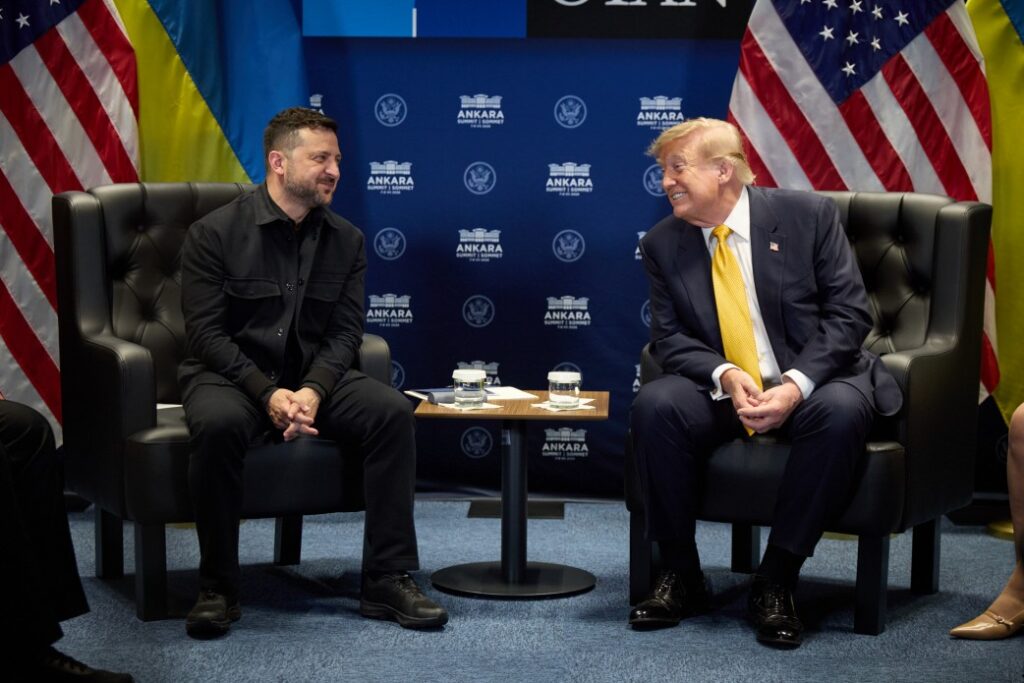
again trump presses zelenskyy stop russian refinery strikes · post ukrainian president volodymyr meets donald ankara türkiye 8 2026 presidentgovua ukraine news reports

Ukraine has loosened its reliance on Washington but still depends on the United States in three military areas that let US President Donald Trump keep pressuring Kyiv, The Telegraph wrote on 12 October. That pressure now centers on the energy ceasefire Trump declared on 11 October, with US officials reportedly warning Kyiv not to hit Russian energy during the truce. Kyiv backs a mutual truce, but Moscow has not confirmed it, and Russian strikes on Ukraine’s grid have continued.

The paper named three such ties: satellite intelligence, Patriot interceptors, and American weapons bought with European money. A pause in any of them would hit just as Russia’s winter campaign begins. Ukraine says an intercepted document reportedly lays out up to 1,000 Russian missiles, drones, and bombs for 60 critical sites this winter, so any pause in US intelligence, interceptors, or PURL deliveries would land as that campaign gets under way.

Satellite intelligence: the US still holds the key

The Central Intelligence Agency (CIA) and other US services still pass precise satellite data that help Ukrainian forces hit targets inside Russia, by the paper’s estimate. Trump briefly suspended that flow in March 2025 to pressure Zelenskyy. A Ukrainian official told Axios that Trump envoys Steve Witkoff and Jared Kushner threatened during 9 October talks in Miami to cut off US intelligence.

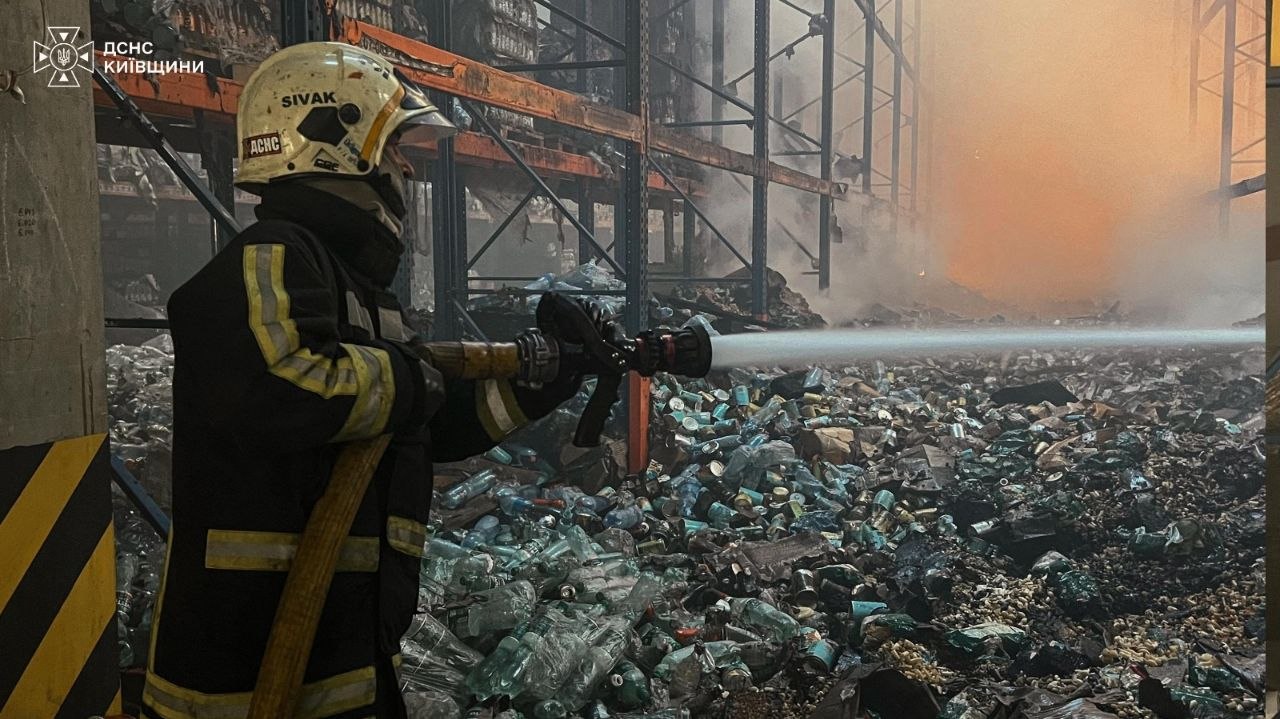
just power plants russia’s drones also went after warehouses groceries hardware chain · post firefighter puts out fire warehouse burned food drink stock hit russian attack bucha district kyiv oblast
Explore further

Russian ballistic missiles hit Kyiv before sirens, gap that lands hard amid fears that Washington could cut data that warns of launches

Patriot interceptors: no quick substitute

The Telegraph called interceptor missiles the second and probably sharpest dependency. Only American Patriot systems can down Russia’s most powerful missiles, which strike Ukrainian cities daily, the paper wrote. Kyiv’s PAC-3 stocks ran dry mainly because US reserves were diverted to the Middle East after America’s war against Iran, the paper added. Kyiv had warned in March that a long Middle East war would squeeze its PAC-3 supply.

Five European defense firms—Destinus, MBDA Deutschland, Safran, Airbus, and Thales—signed a letter of intent in July to develop a joint interceptor, but a testable prototype is not expected before next year, the paper wrote. Ukraine is also building its own interceptor with European allies under the FREYJA program.

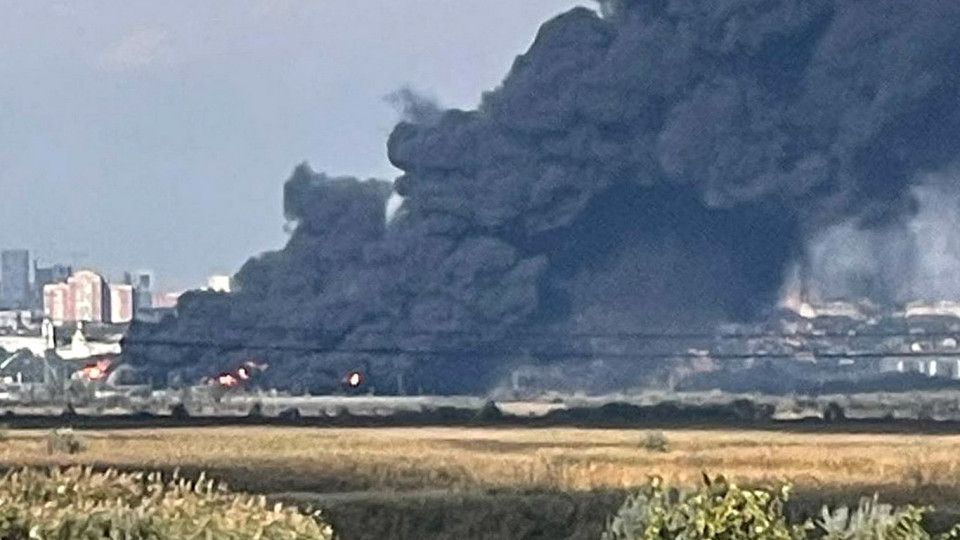
drones burned out more than half tanks russian fuel-export terminal rostov-on-don · post black smoke rises over oil-loading novoshakhtinsk refinery russia after drone strike 10 2026 tme exilenova_plus ukraine news
Explore further

The night Trump announced a diesel deal with Putin, drones knocked out more than half the tanks at a Russian fuel-export terminal

US arms bought with European money

The third is buying American arms with European money through the Prioritized Ukraine Requirements List (PURL), a NATO-run purchasing scheme. US officials have reportedly warned Europe that Trump may halt those supplies if Ukraine keeps striking Russian oil refineries.

  •  
❌