Dimissioni del Papa dal Gemelli, il messaggio di Mattarella: “Affetto da tutta Italia”
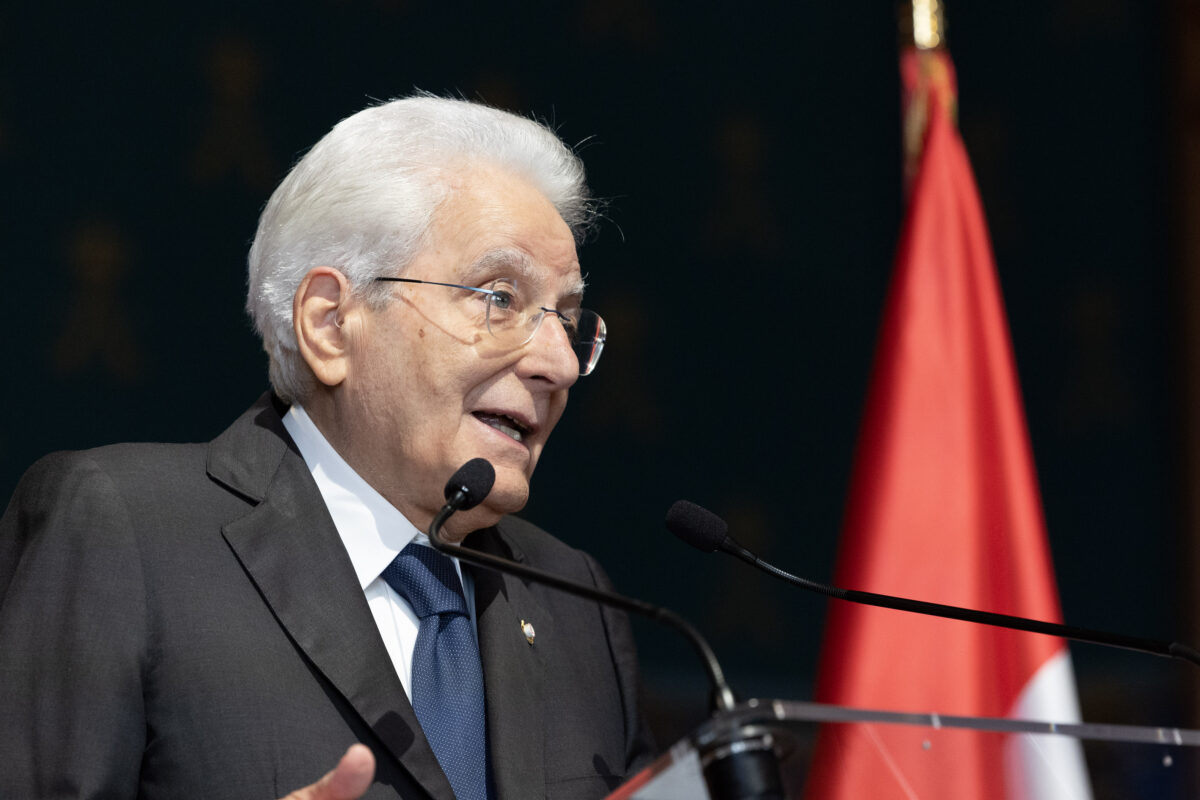
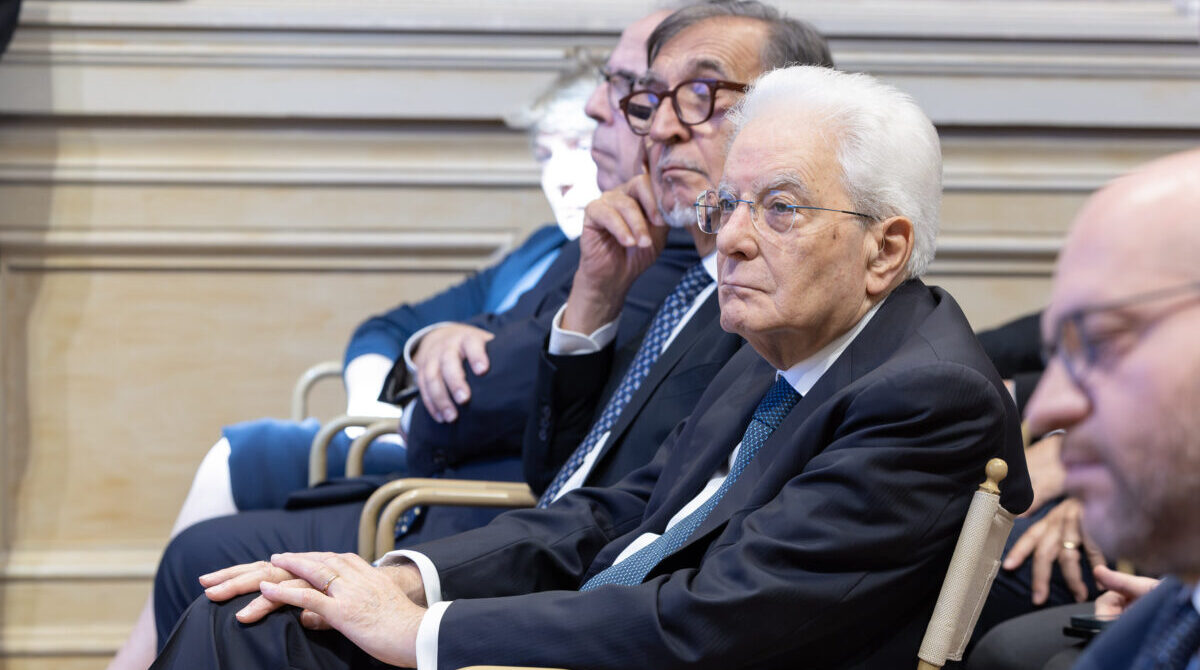
Il presidente della Repubblica, Sergio Mattarella, ha scritto a Papa Leone XIV in occasione delle dimissioni dal Policlinico Gemelli. Nel messaggio, il capo dello Stato esprime la propria vicinanza al Pontefice e gli rivolge gli auguri per una pronta guarigione.
“Santità, ho appreso la notizia delle Sue dimissioni questo pomeriggio dal Policlinico Gemelli a pochi giorni all’intervento chirurgico cui Ella si è sottoposta. In queste circostanze mi unisco nuovamente alle vaste testimonianze di vicinanza e affetto che Le sono state rivolte da semplici cittadini e leader politici di numerosi Paesi”, dichiara il presidente.
“Espressioni di grande solidarietà nei confronti della Santità Vostra e diffuse manifestazioni di buoni auspici per la Sua salute hanno accomunato moltitudini di persone da ogni luogo del mondo, e certamente, con particolare sensibilità, tutte le comunità cattoliche che, grate per le cure del personale medico-sanitario che La assiste, trovano altresì rassicurazione nell’esortazione agostiniana a conservare sempre la fiducia, anche nella guarigione dalle malattie, nel superamento delle difficoltà”.
“Con questi sentimenti – conclude Mattarella- Le rinnovo a nome dell’intera Italia e mio personale il più caloroso augurio di una serena convalescenza per un Suo pronto e completo ristabilimento“.
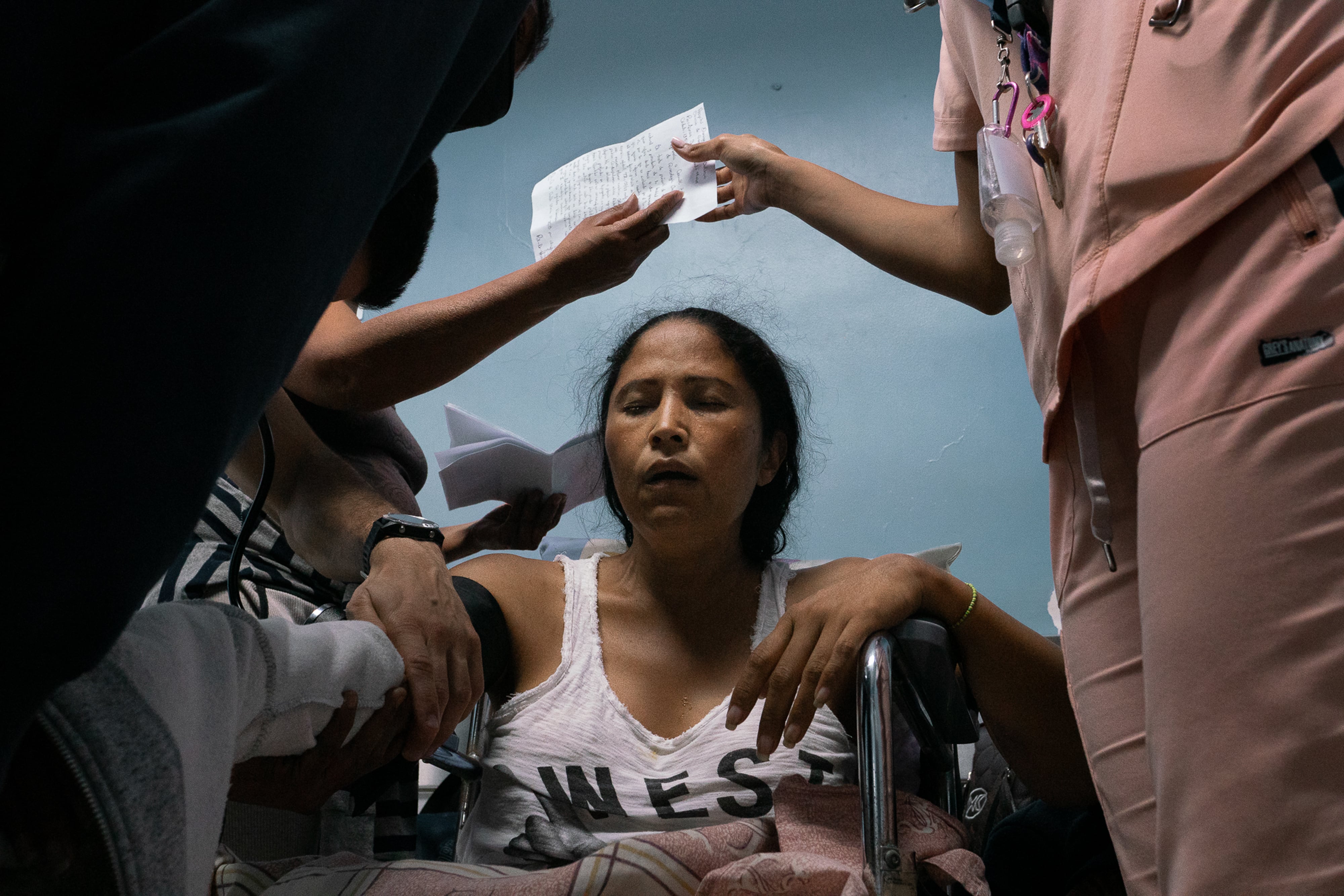
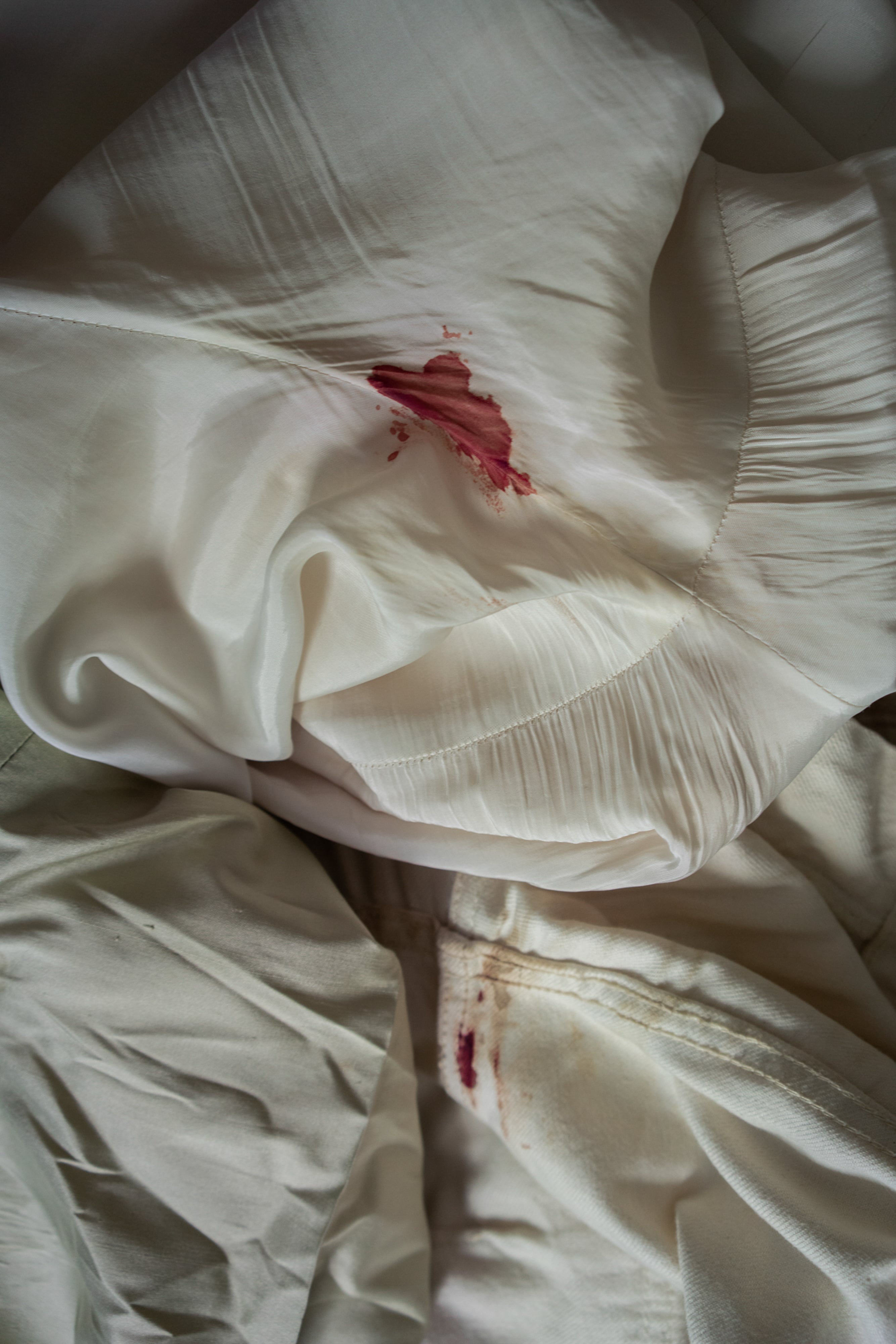
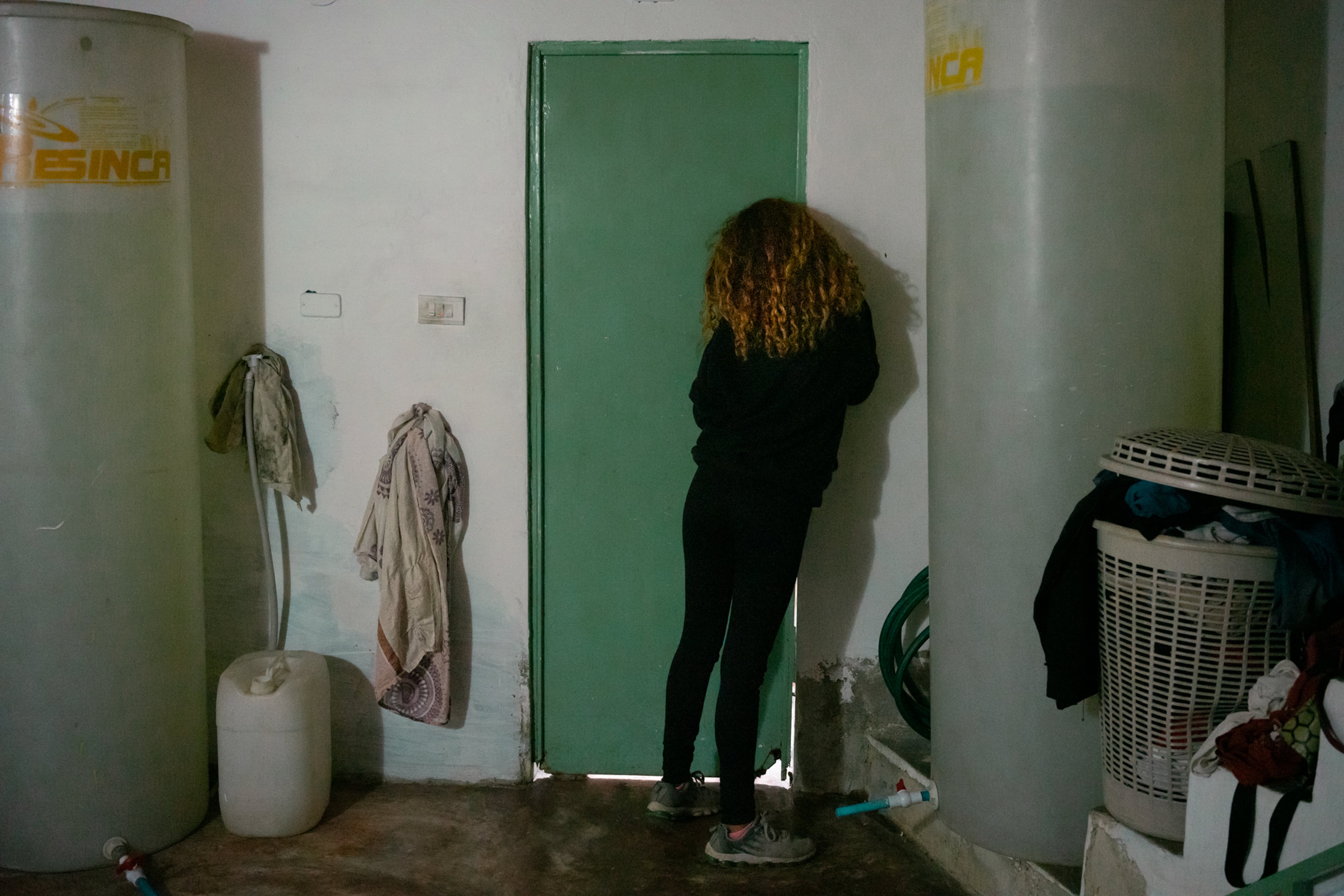
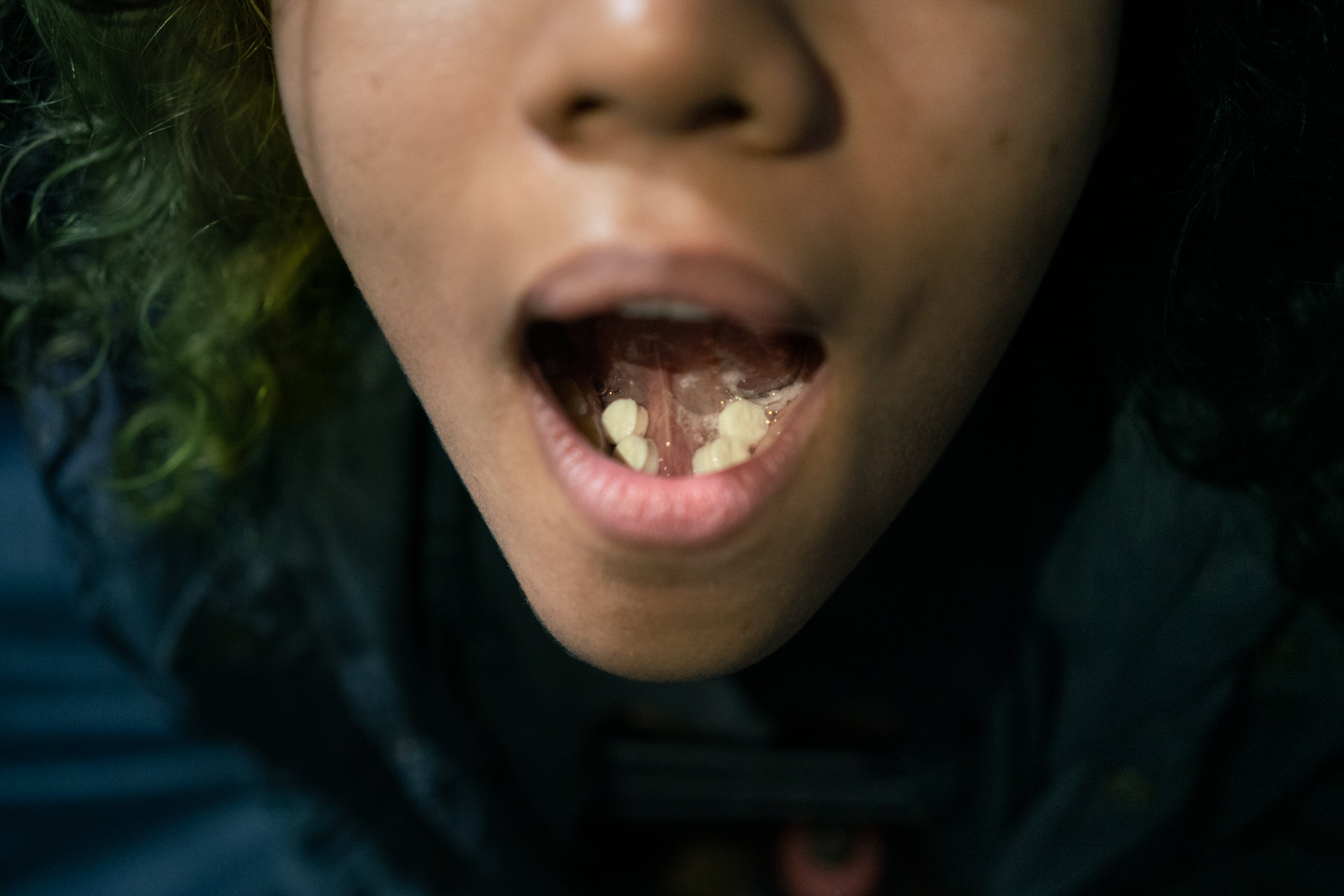
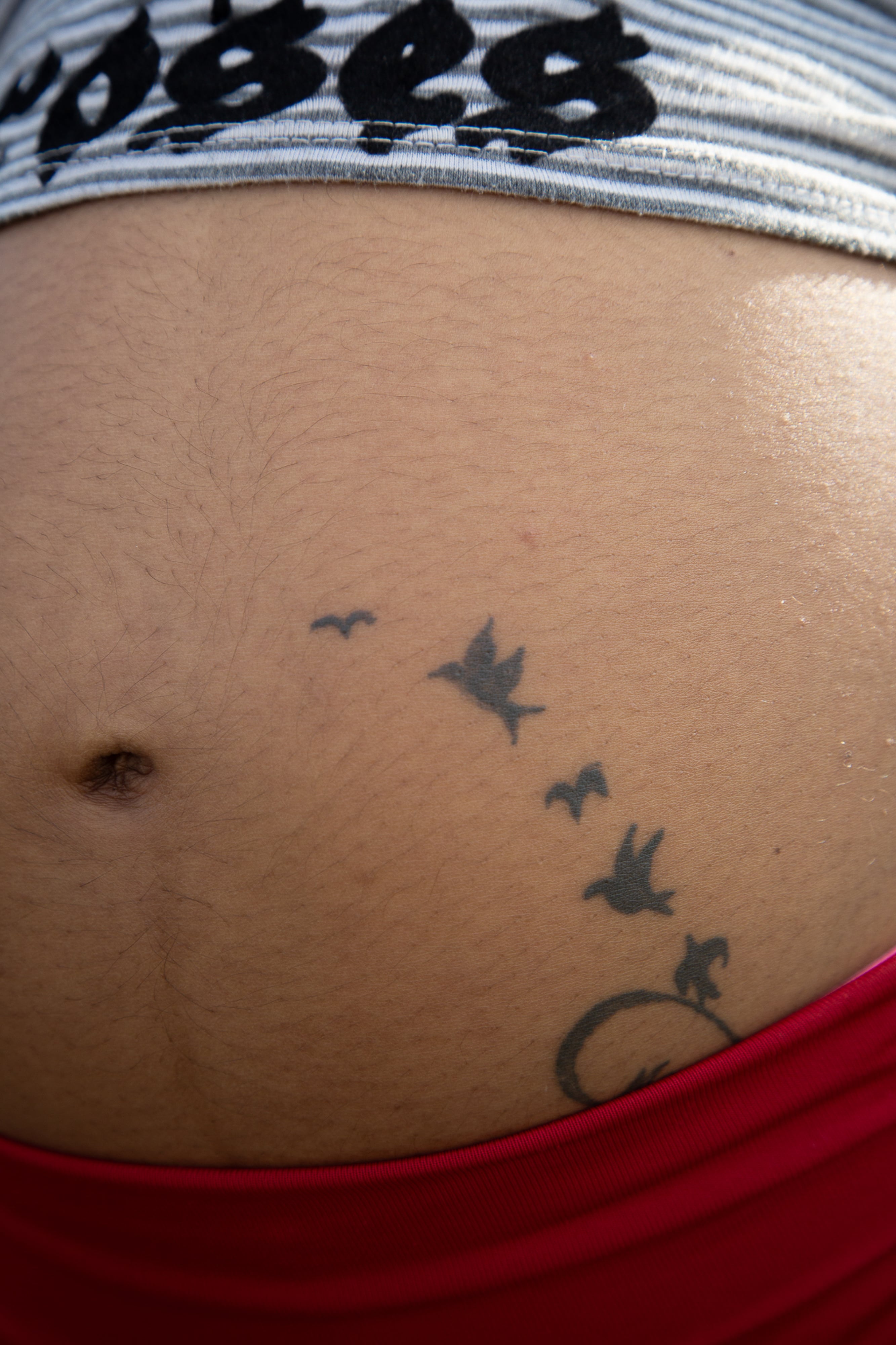
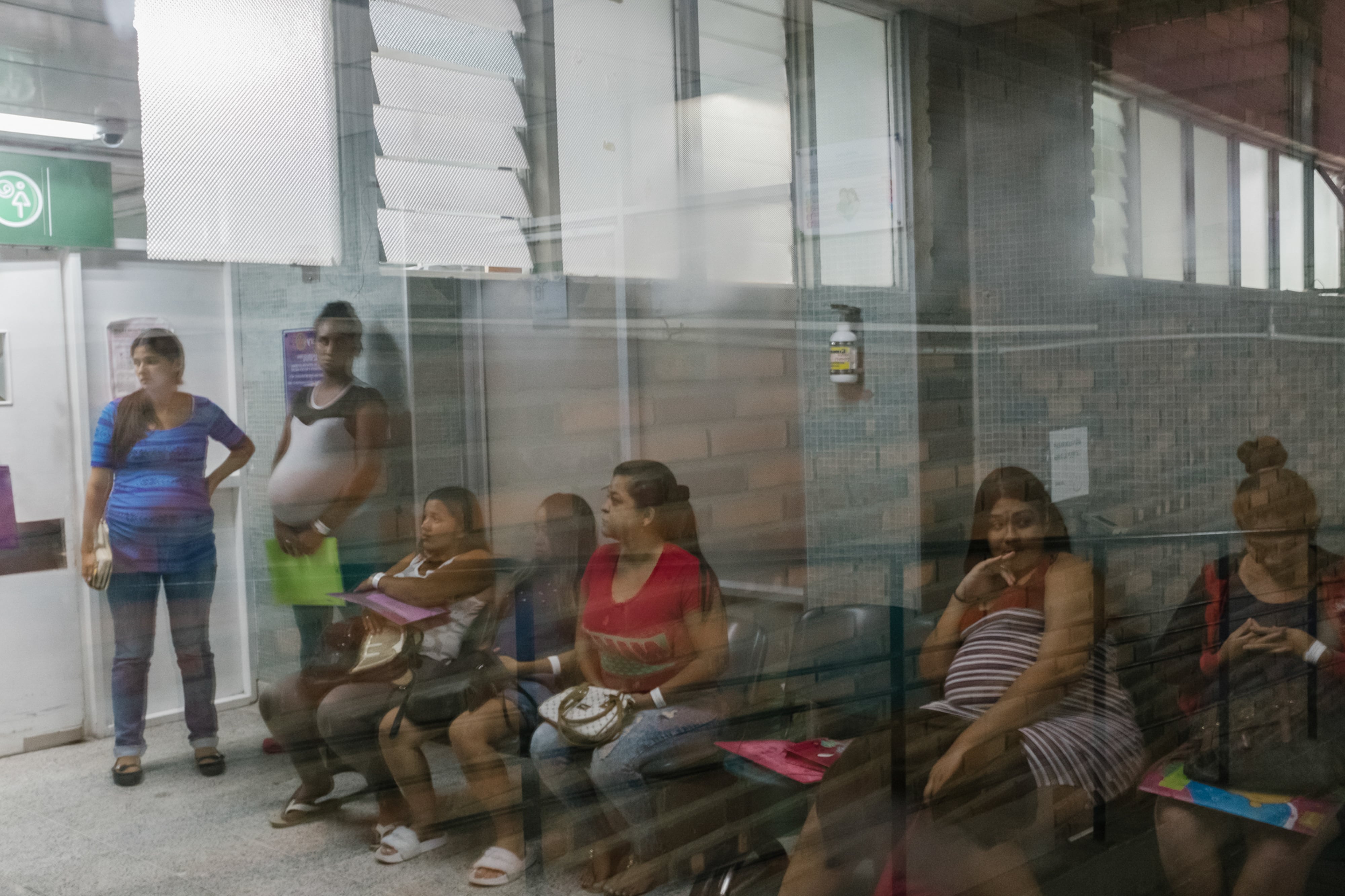
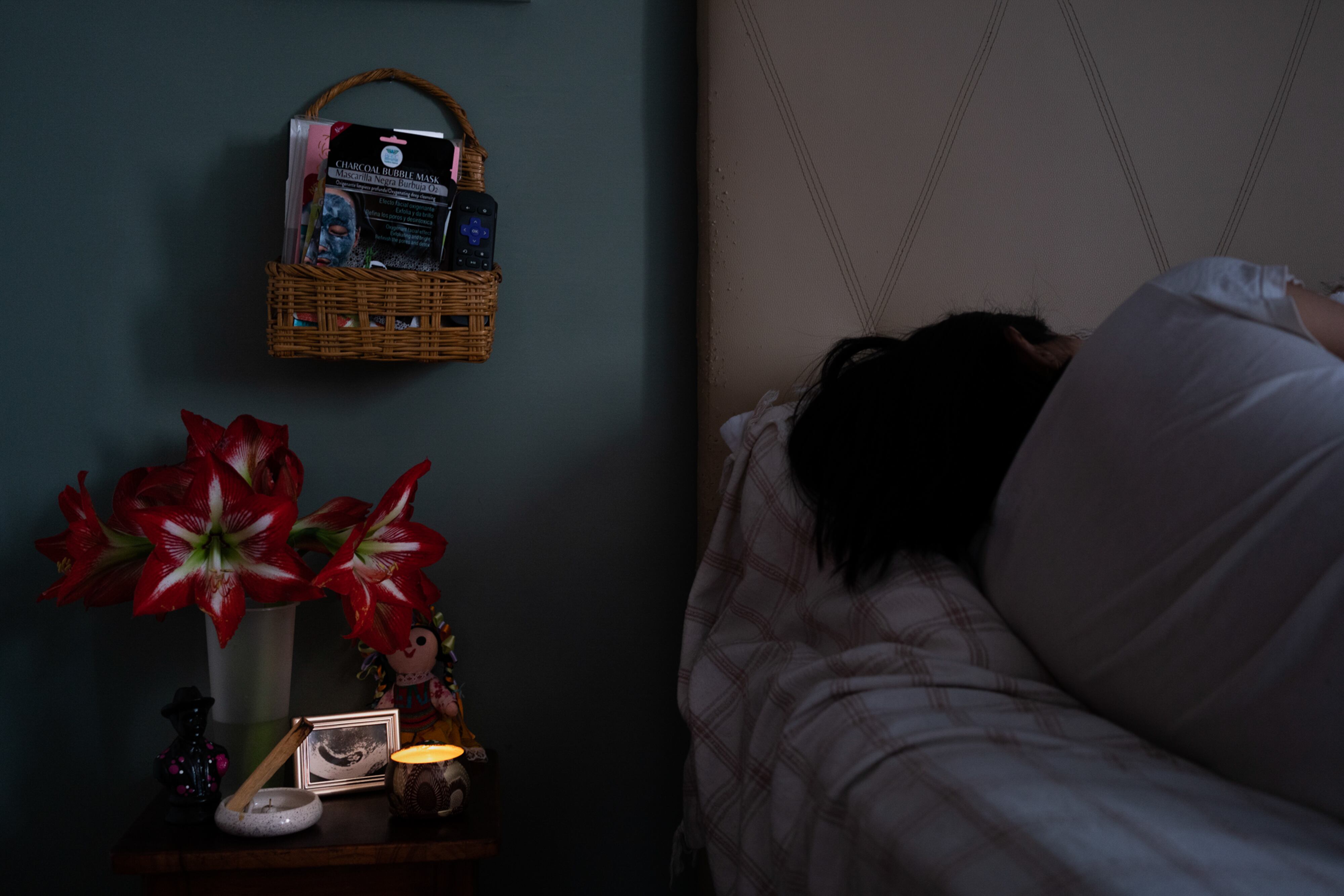
It is 2022. In a neighborhood in western Caracas, Yolanda (a fictitious name) walks through a checkpoint manned by hooded police officers. In her pocket, she carries a small transparent bag containing several misoprostol pills – the second part of the treatment recommended by the World Health Organization (WHO) for a safe medical abortion.
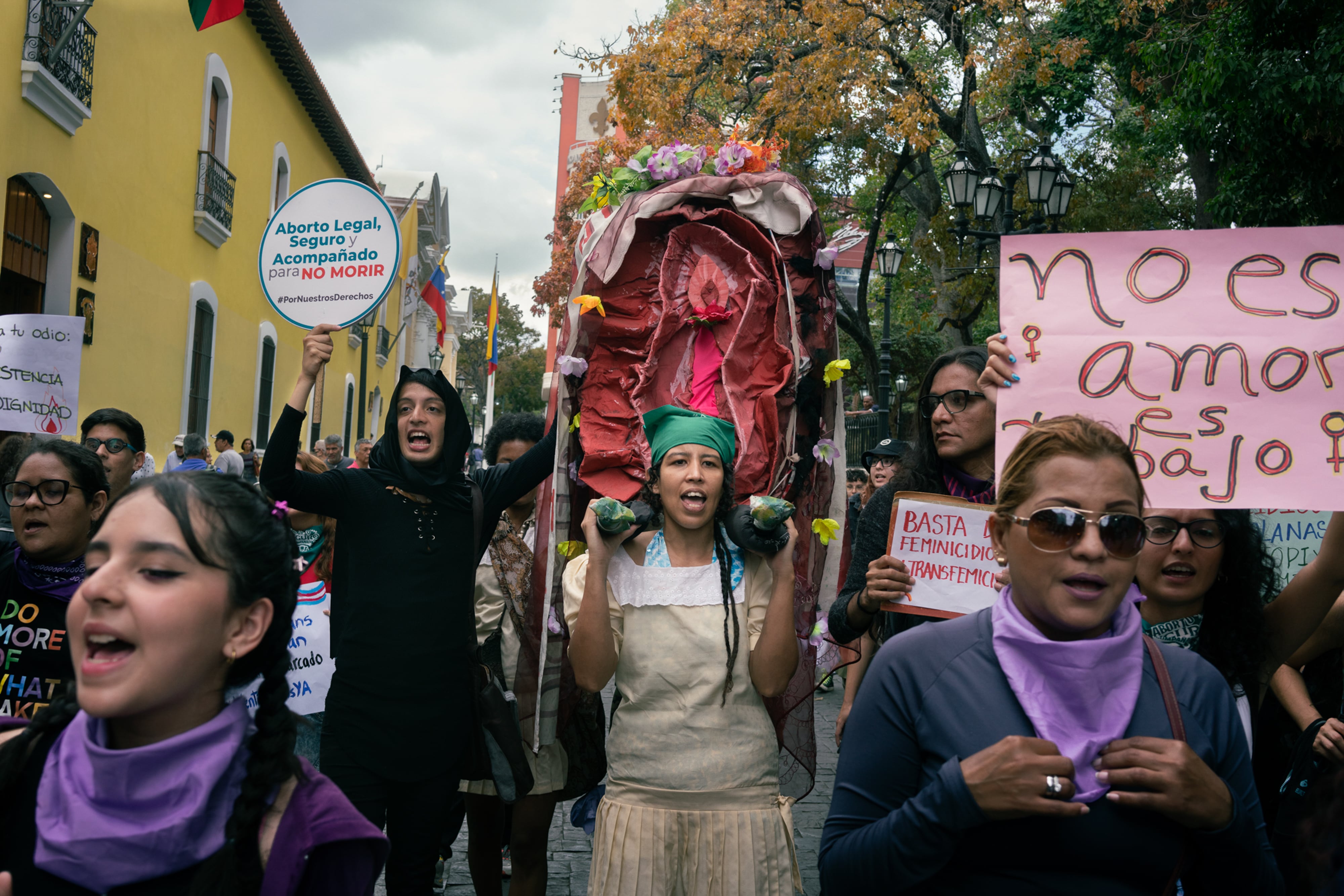
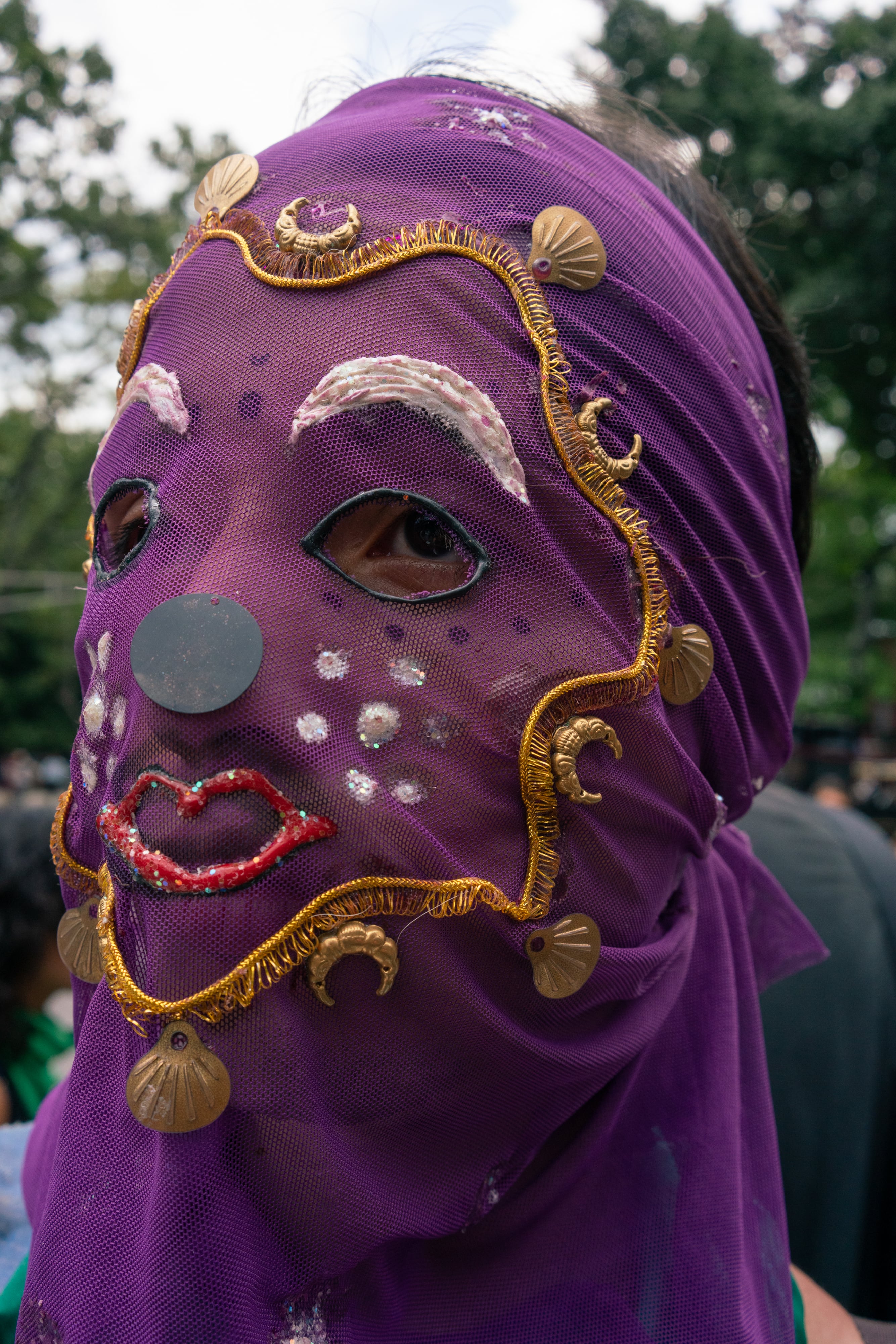
An activist for the feminist organization Comadres Púrpuras marches on the Day of Global Action for Safe and Legal Abortions in Caracas, on September 28, 2022.
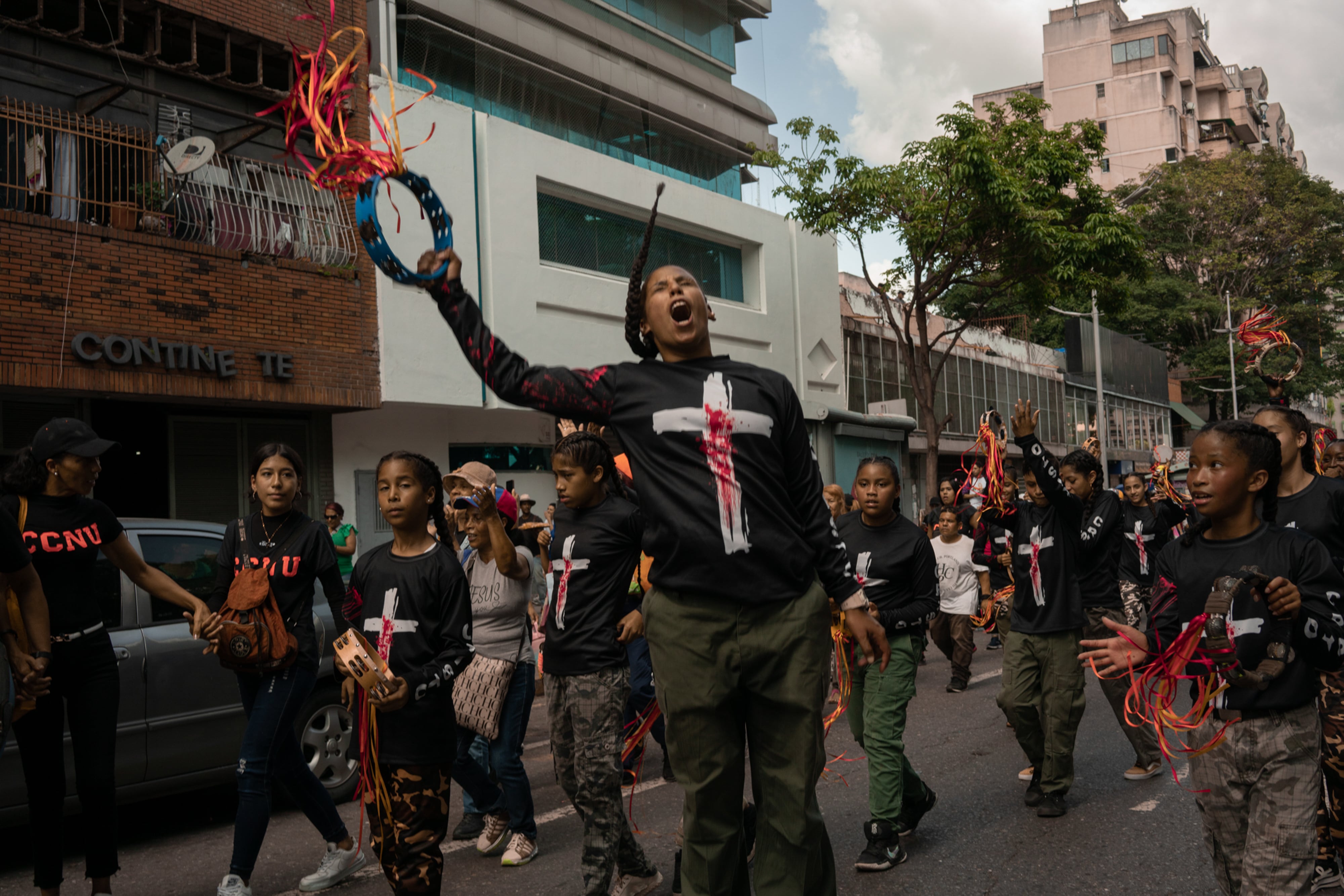
A woman leading a dance group during a protest march by a Christian coalition against sexual and reproductive health education in Caracas, Venezuela, on July 13, 2023.
Prosecutors also launch investigation of 11 senior military, police and prison officials as suspects; if probe determines charges are warranted, Italy could lodge request for trial
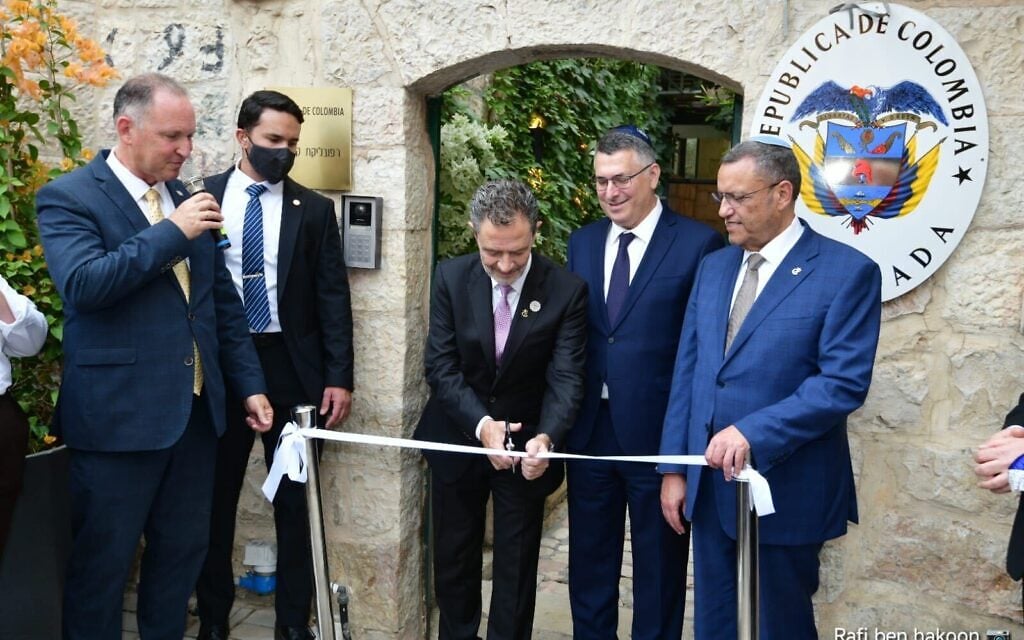
Los 19 países firmantes instan al Gobierno de Colombia a revertir su decisión, cumplir las resoluciones del Consejo de Seguridad y sus obligaciones bajo el derecho internacional, y a respetar los derechos inalienables del pueblo palestino.
Probe Targets Katz, Ben Gvir and About a Dozen Officials Over Alleged Torture, Kidnapping and Degrading Treatment.
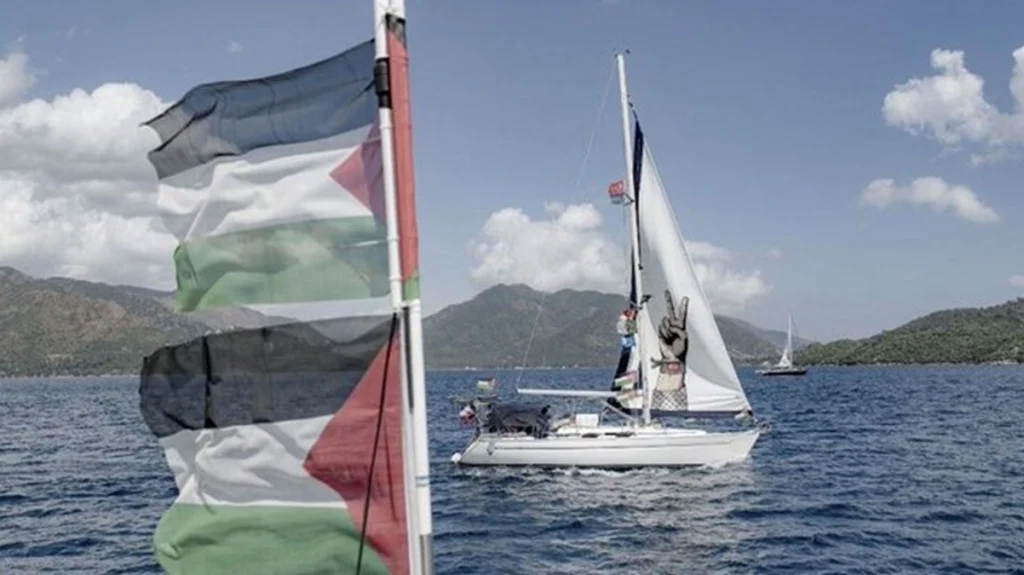
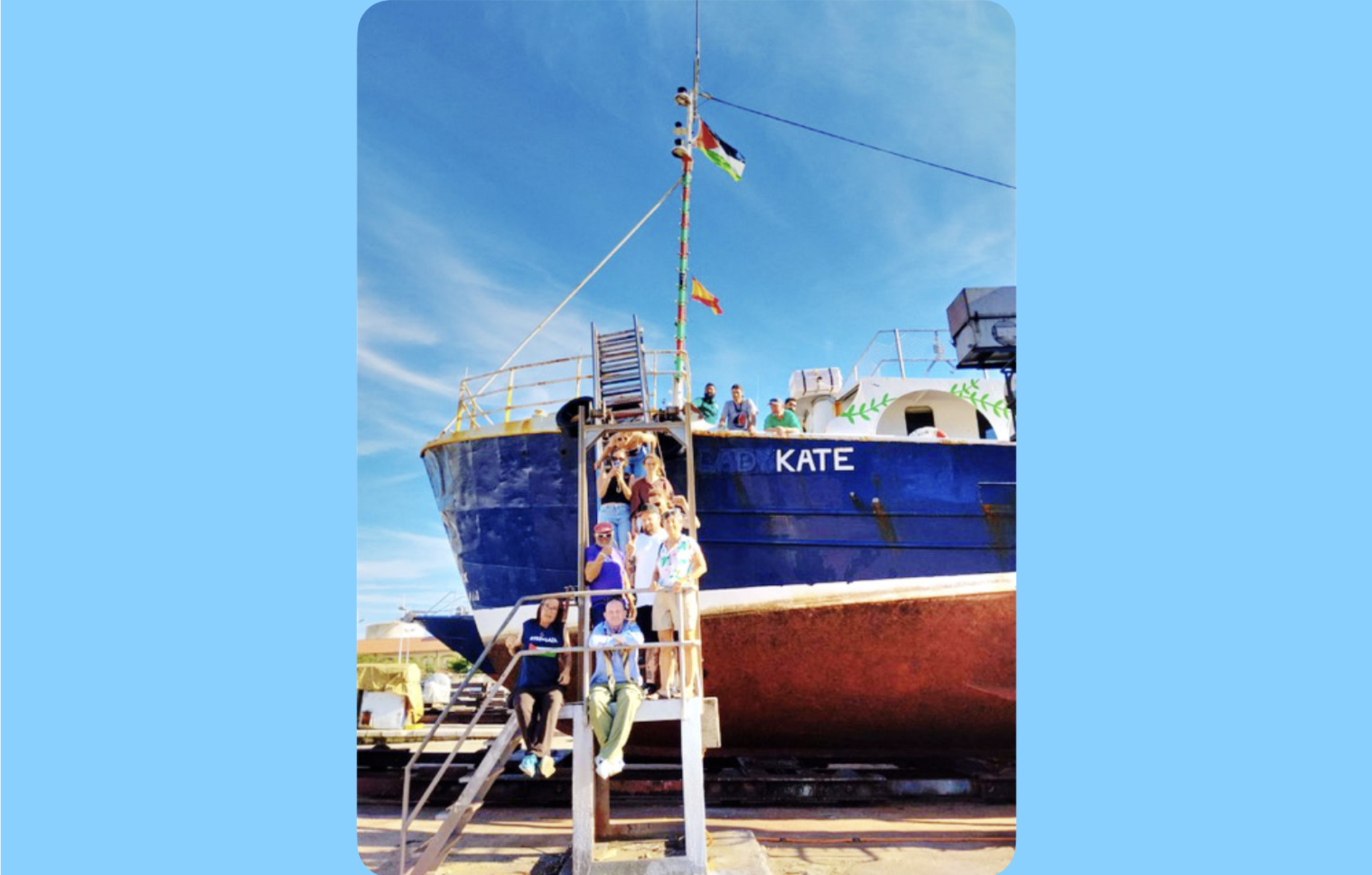
On Friday, ANSA news agency reported that the Rome Prosecutor’s Office is investigating several Israeli leaders for crimes of torture, kidnapping and “degrading treatment” after the interception of the Global Sumud Flotilla missions that were attempting to reach the Gaza Strip.
The prosecutors’ investigations into two activist missions point to about a dozen Israeli officials, including Defense Minister Israel Katz and National Security Minister Itamar Ben Gvir.
Specifically, the Prosecutor’s Office is investigating members of the military, police and prison chains of command involved in the naval and land custody operations related to both expeditions.
According to the Prosecutor’s Office, the naval boardings carried out by Israeli forces violated international law and involved illegal detentions, as well as the violation of fundamental rights of defense and “conditions of detention and degrading treatment” that could constitute crimes of torture and kidnapping.
“They beat us everywhere”, “It was worse than Guantanamo”
Broken clavicles, sexual assault, electric shocks… Members of the Global Sumud Flotilla share shocking accounts of torture by Israeli authorities pic.twitter.com/PKIdCO4SIS
The judicial case in Italy began after the interception of the Global Sumud Flotilla on Oct. 1, 2025, when the expedition was attempting to approach the coast of Gaza.
Dozens of Italian activists reported after their deportation that they had suffered assaults during the interception in international waters and abuse while they were held in Israeli prisons.
The Rome Prosecutor’s Office later expanded its proceedings and formally included Security Minister Ben Gvir among those under investigation after the circulation of a video recorded at the Port of Ashdod in which he could be seen mocking dozens of activists who were handcuffed and lying under the sun.
La normativa modifica sustancialmente las reglas de actuación de la Fuerza Pública y contiene vacíos que podrían autorizar el uso de la fuerza y disolver manifestaciones de manera discrecional.
The UN says Colombia’s new rules could let police end dialogue prematurely and use force against demonstrators.
The United Nations warned Thursday that Colombia’s new rules governing protests could give police excessive discretion to use force, potentially putting peaceful demonstrators at risk.
Signed Tuesday by President Abelardo de la Espriella, the decree changes police procedures during demonstrations, allowing authorities to act against people committing violent acts without waiting for dialogue with protesters to conclude.
In a statement released Thursday, the UN Human Rights Office in Colombia raised concerns about the criteria for ending negotiations, the decree’s definition of violence and the circumstances under which authorities can intervene in road blockades.
Some provisions are open to broad interpretation, the office warned, potentially allowing authorities to end dialogue and resort to force.
The decree identifies several grounds for intervention, including carrying or using weapons, holding people against their will, assaulting others and destroying infrastructure. The UN acknowledged that these acts pose different risks to life and physical integrity but said they must be addressed separately.
Action against people committing violent acts should not automatically end dialogue with demonstrators who continue to protest peacefully, the office said.
It also stressed that force, including less-lethal weapons, must be used only as a last resort, after nonviolent means of restraint have been exhausted, in accordance with General Comment No. 37 on the International Covenant on Civil and Political Rights.
Colombian President Abelardo de la Espriella signed Decree 1525, a measure that facilitates police repression by broadening the definition of “violence” during popular protests.
Interior Minister Rodrigo Lara warned that the new regulation will take effect before demonstrations… pic.twitter.com/YYfouyRGyt
The office also criticized the decree’s definition of violence as broader than international standards, noting that it includes threats of aggression and conduct that does not necessarily cause injuries, deaths or serious property damage.
Authorities should distinguish between carrying an object that could be considered a weapon, threatening to use it and actually using it, the UN said. Possession alone does not make someone violent or change the peaceful nature of an assembly.
Road blockades do not automatically justify force
The UN warned that blocking a road does not, by itself, make a demonstration violent. It also called for a review of the decree’s reference to a “serious and imminent disruption,” saying the criterion could be used to justify breaking up peaceful protests.
The duration of a blockade, the importance of the road affected and the resulting economic losses should not, on their own, justify coercive action, the office said.
“Economic impact or disruption to the normal functioning of a productive activity should not, in themselves, constitute justification for the use of force,” it said.
The office acknowledged that some provisions could help protect the right to peaceful protest, particularly those distinguishing peaceful demonstrators from people committing violent acts. However, it insisted that protecting peaceful assemblies must remain the primary objective of any changes to protest regulations.
The UN office said it had consulted the Colombian government on the decree and that some of its proposed amendments were incorporated into the version signed Tuesday.
"Colombia solicitó oficialmente su retirada del Grupo de La Haya, un grupo creado para aislar y atacar a Israel. Rechazamos ese enfoque", sostuvo el ministro Omar Bula, lo que representa un nuevo paso en el acercamiento diplomático con el Estado israelí.
Mattarella contro la proliferazione delle giornate nazionali: “Contenerle in termini ragionevoli”
Il presidente della Repubblica Sergio Mattarella richiama il Parlamento sulla proliferazione delle giornate nazionali dedicate a singoli temi, valori e ricorrenze. Un calendario sempre più fitto che, secondo il capo dello Stato, rischia di rendere meno incisivo il significato delle singole iniziative e di creare difficoltà sul piano organizzativo, soprattutto per le scuole. L’occasione è stata la promulgazione della legge che istituisce la giornata nazionale del riciclo della carta.
Nel firmare il provvedimento, Mattarella ha inviato una lettera ai presidenti di Camera e Senato, Lorenzo Fontana e Ignazio La Russa: “Il numero delle leggi che istituiscono giornate per segnalare valori, eventi, propositi, emozioni o aspetti della vita sta vertiginosamente aumentando. Avverto quindi l’esigenza di esortare a contenere in termini ragionevoli la tendenza ad accrescere i giorni dedicati”, ha scritto il Presidente. Mattarella ha chiarito di aver promulgato la legge sul riciclo della carta perché non ha riscontrato “profili evidenti di incostituzionalità”, seguendo lo stesso criterio adottato la settimana precedente per la giornata nazionale della meraviglia.
Tra le criticità segnalate c’è anche quella legata alle attività previste in occasione delle ricorrenze. Molte leggi, infatti, promuovono iniziative affidate a uffici ed enti pubblici, in particolare alle scuole e, in alcuni casi, alle università. Per Mattarella diventa “sempre più difficile, addirittura inverosimile” chiedere agli istituti di partecipare a tutte queste attività senza sottrarre tempo all’insegnamento delle materie scolastiche. Il presidente riconosce che alcune giornate nazionali veicolano messaggi e valori importanti, ma avverte che “non tutte appaiono avere la stessa levatura”. A suo giudizio, inoltre, molte ricorrenze sono state introdotte senza un criterio omogeneo che permetta di valutarne il significato e la necessità.
Il governo Meloni
I numeri danno la misura del fenomeno: durante il governo di Giorgia Meloni sono state istituite 20 giornate nazionali, alle quali se ne aggiungono altre 16 introdotte nelle due legislature precedenti. Il totale delle ricorrenze nazionali istituite per legge arriva così a 51. Tra le giornate introdotte negli ultimi anni figurano quelle dedicate al Made in Italy, all’educazione e alla prevenzione della violenza contro il personale scolastico, all’agricoltura, al rispetto, alle periferie urbane e ai giornalisti uccisi a causa della loro professione. Si sono aggiunte, più di recente, la giornata nazionale della meraviglia e quella del riciclo della carta.
Le giornate nazionali italiane si affiancano inoltre a quelle internazionali promosse dalle Nazioni Unite e dall’Organizzazione mondiale della sanità, dedicate a temi come la lotta al tabagismo, la donazione del sangue e la prevenzione delle malattie. In Italia, per istituire una nuova giornata nazionale è necessaria una legge approvata dal Parlamento, così come avviene per l’introduzione di nuove festività.
On March 7, 2024, Cynthia Conforto’s cellphone exploded with calls. On the eve of International Women’s Day events, a sports journalist’s accusation of sexual assault against four Vélez Sarsfield players disrupted plans for 8M. Conforto had been in charge of the club’s Gender Department for only a few months; Vélez is one of the 30 clubs in Argentina’s professional league. The alleged incidents took place during a team training camp in Tucumán, about 750 miles from Buenos Aires.
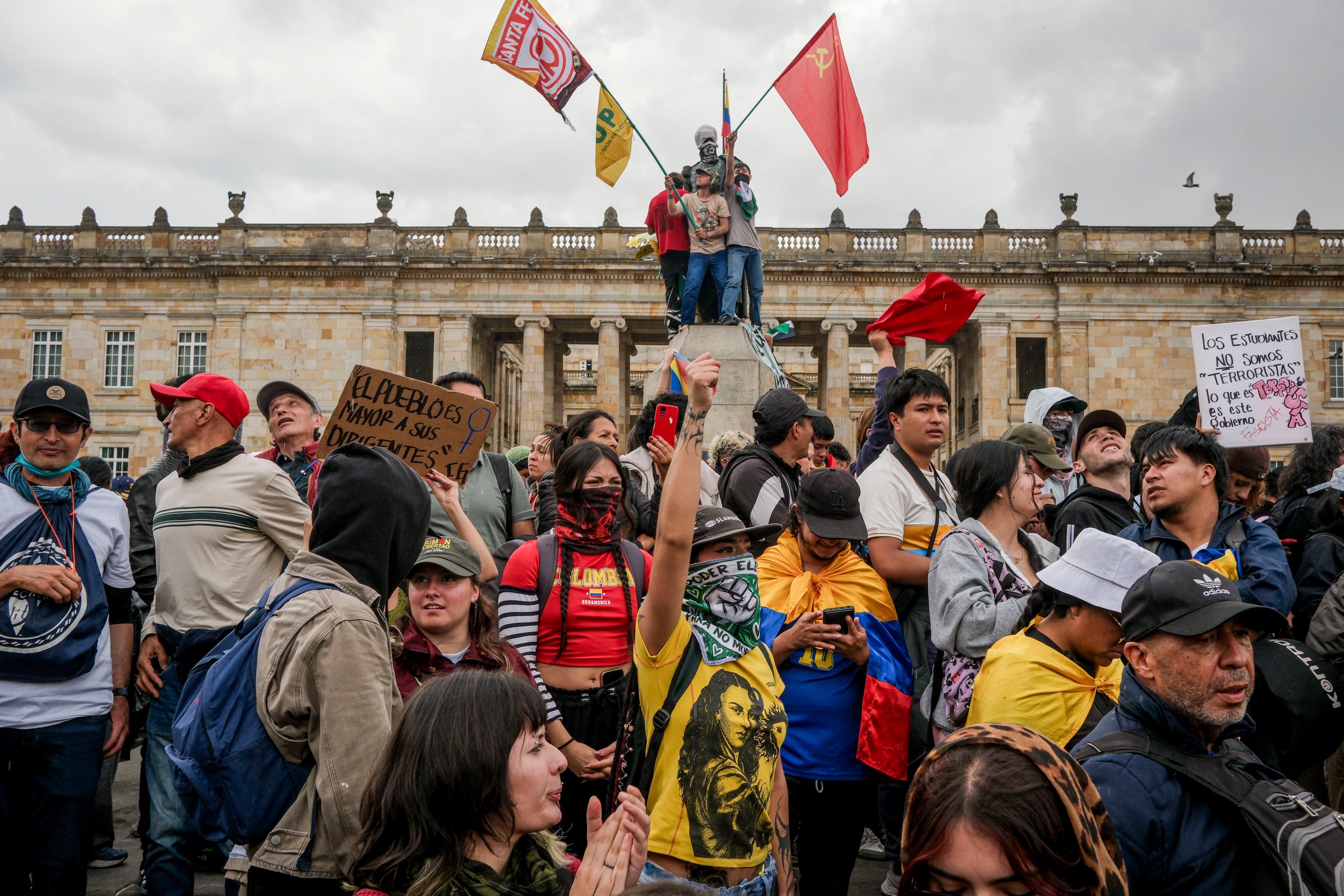
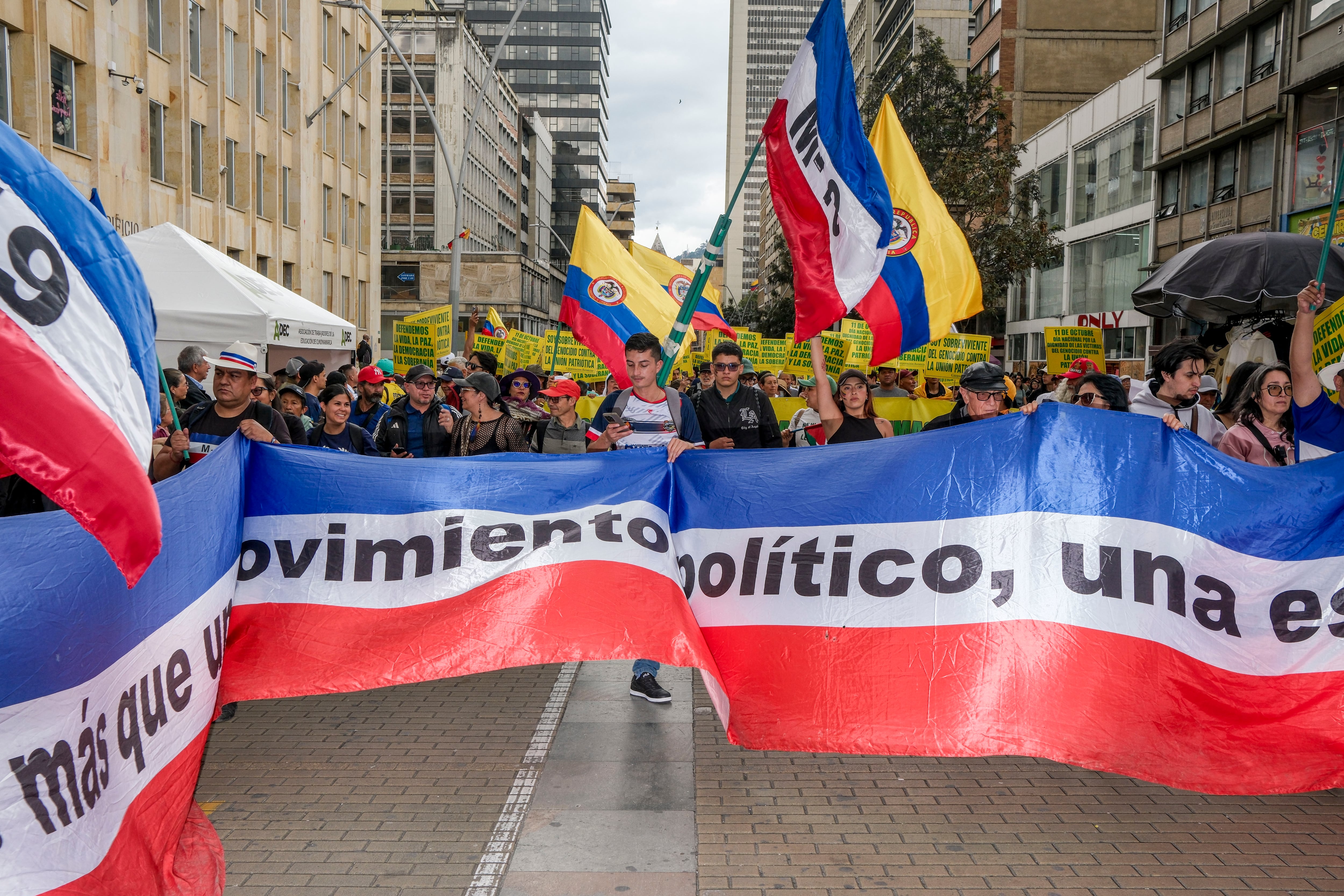
Colombia’s left took to the streets on Wednesday against President Abelardo de la Espriella and fared better than expected. Despite doubts about its ability to mobilize people, fears of police repression stoked by the president himself, the threat of rain and the fact that the protest fell on a weekday, thousands of Colombians demonstrated peacefully for hours. The marches, seen in the country’s main cities, were the first test of the ability of a battered left to mobilize the grassroots after losing power to a right-wing outsider allied openly with the United States and who embodies everything that progressives abhor.
Os fãs de “Avenida Brasil” tiveram uma prévia do que vem por aí na continuação da novela. Parte do elenco da nova produção se reuniu publicamente pela primeira vez na quarta-feira (14), durante o Upfront Globo 2027, realizado em São Paulo, evento em que a emissora apresentou novidades sobre seus próximos projetos.
Entre os artistas que marcaram presença estavam Adriana Esteves, Murilo Benício, Débora Falabella, Cauã Reymond, Eliane Giardini, Marcos Caruso, Leticia Isnard, Thalita Carauta, Karol Lannes, Thomas Aquino, Jessica Ellen e Mel Maia.
A sequência contará novamente com personagens que conquistaram o público em 2012. Adriana Esteves voltará como Carminha, Débora Falabella interpretará Nina, Murilo Benício retomará o papel de Tufão e Cauã Reymond estará de volta como Jorginho. A trama também apresentará novos personagens e conflitos.
Durante o evento, Adriana brincou sobre os desafios de reviver a vilã que marcou sua carreira. “Estou preocupada com meus picos de pressão, porque fazer a Carminha não é nada mole”, comentou.
Débora Falabella também deu pistas sobre a produção e afirmou que a história terá uma nova abordagem. “Avenida Brasil volta toda repaginada”, declarou.
Mel Maia também retorna à trama
Conhecida por interpretar Rita na primeira fase da novela original, Mel Maia está confirmada no elenco da continuação. A atriz aproveitou a ocasião para brincar sobre a possibilidade de ganhar uma produção própria no futuro.
“E ainda bem que eu volto pra Avenida Brasil 2, mas eu não volto com uma Nina não, gente. Quem sabe a minha próxima personagem não ganhe uma novelinha só pra ela?”, disse.
O que vai acontecer em “Avenida Brasil 2”?
A história se passa 14 anos depois dos acontecimentos que agitaram o fictício bairro do Divino. Nesse novo cenário, Tufão construiu uma carreira de sucesso como empresário e sua família parece viver uma fase tranquila e unida.
Carminha, por sua vez, terá passado anos na prisão e, após recuperar a liberdade, aparentará ter mudado de vida. A personagem passa a ser reconhecida pelo trabalho social voltado a famílias em situação de vulnerabilidade, realizado depois da desativação do lixão onde vivia Lucinda, sua mãe.
A antiga vilã também tentará reconstruir a relação com a filha, Agatha, interpretada por Karol Lannes. A aproximação fará com que Carminha volte a ser aceita pela família de Tufão. No entanto, a produção deixará em aberto uma questão central: a transformação da personagem é verdadeira ou faz parte de um novo plano?
Em comunicado à imprensa, o autor João Emanuel Carneiro adiantou que a trama vai explorar os impactos do retorno de Carminha na vida dos antigos personagens, especialmente na trajetória de Nina. A continuação também mostrará novos rostos e revelará o que aconteceu com os moradores do Divino ao longo dos anos.
Novos personagens movimentam o Divino
Além de recuperar figuras conhecidas, a novela apresentará novos conflitos e relações. Thomás Aquino interpretará Renan Vitória, um líder comunitário que se aproxima de Carminha. A relação entre os dois promete trazer disputas e questionamentos sobre quem realmente controla os rumos do bairro.
Jéssica Ellen dará vida a Jade, uma jovem que sonha em estudar engenharia genética nos Estados Unidos e busca se afastar de um relacionamento tóxico. Já Thalita Carauta interpretará Salomé, personagem que deve acrescentar humor e carisma à história.
Com o retorno de parte do elenco original e a chegada de novos personagens, “Avenida Brasil 2” pretende revisitar o universo que marcou a teledramaturgia brasileira, apresentando novas disputas e mostrando como a vida dos moradores do Divino mudou com o passar do tempo.
Adriana Esteves, Débora Falabella, Murilo Benício e Cauã Reymond estão entre os artistas confirmados | Foto: Globo/ Maurício Fidalgo
Thousands protested budget cuts and economic reforms as clashes with police erupted in several Colombian cities.
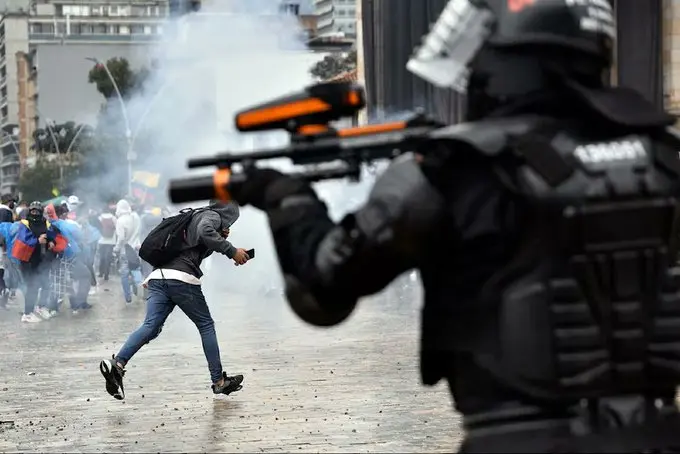
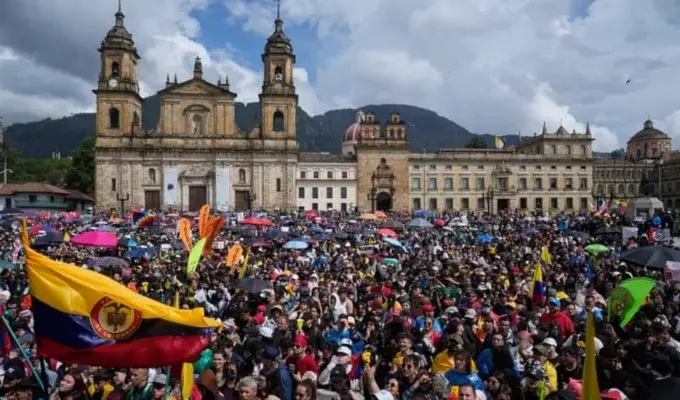
Thousands of people took to the streets across Colombia on Wednesday in the first national strike against President Abelardo de la Espriella’s administration, as police used tear gas, rubber bullets and armored vehicles to disperse demonstrators in several cities.
Protests spread across more than a dozen departmental capitals and municipalities, including Bogotá, Medellín, Cali, Barranquilla, Ibagué, Popayán and Bucaramanga. In Bogotá, four columns of demonstrators converged on Bolívar Square under a security operation monitored by a Unified Command Post.
In Medellín, demonstrations escalated into clashes between protesters and the Mobile Anti-Riot Squadron (ESMAD). Security forces deployed tear gas, rubber bullets and armored vehicles, leading to several arrests. Assaults on members of the press were also reported.
Clashes and serious public disturbances were also recorded in Ibagué and Popayán following police interventions. Human rights organizations, including the NGO Temblores, denounced the presence of armed men carrying rifles on the rooftops of government buildings in Bogotá, describing their deployment as a direct threat to protesters.
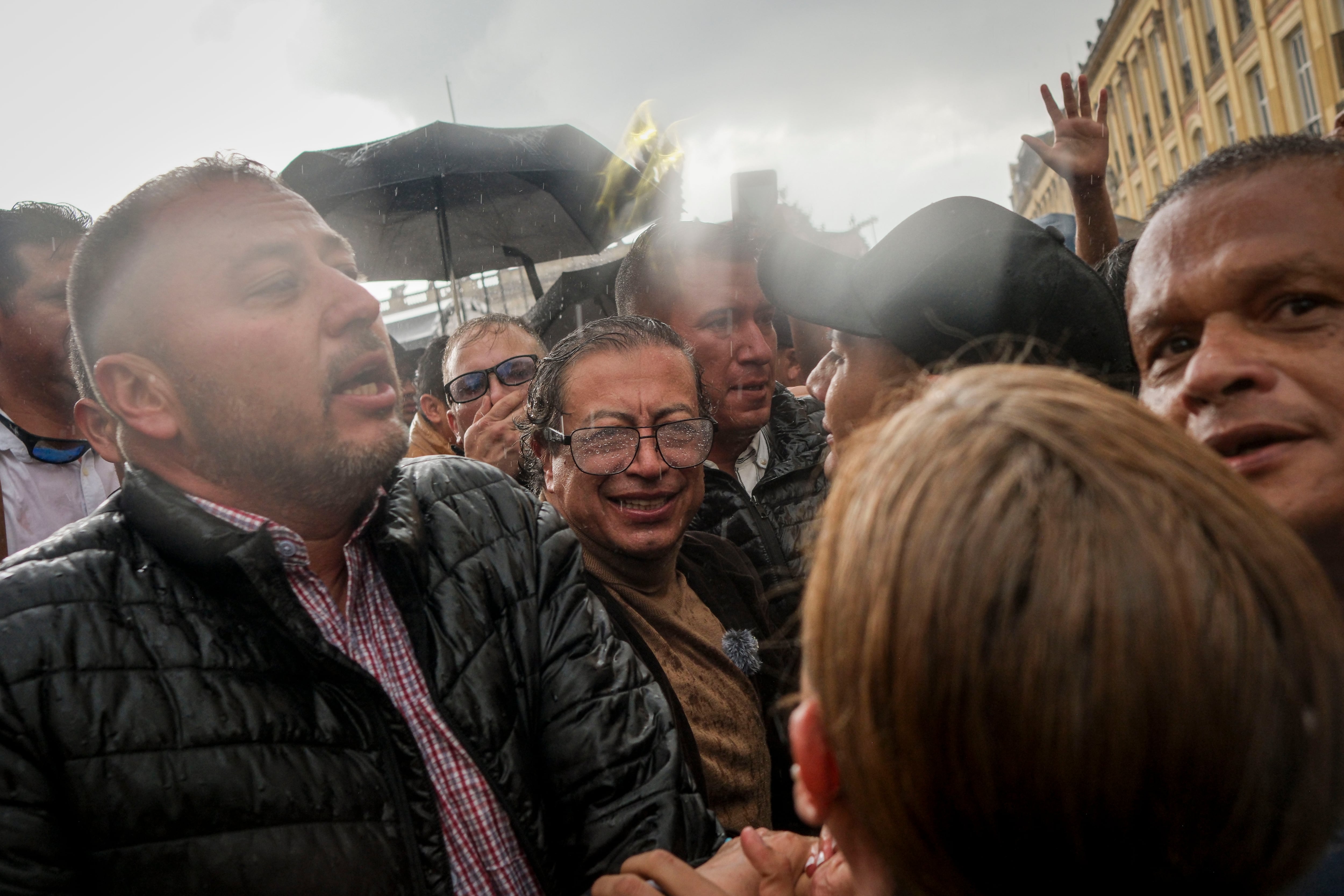
The demonstrations brought together trade unions, teachers, university students, Indigenous communities, LGBTQ+ groups and feminist organizations. Opposition figures, including former President Gustavo Petro and Senator Iván Cepeda, also took part.
Protesters called for labor, education and social protections, seeking to preserve measures introduced under the previous administration, including free access to public universities and increases in the minimum wage. They opposed what they described as a neoliberal shift under De la Espriella’s government, citing budget cuts and the administration’s initial economic reforms.
Colombianos:
Me dirijo a ustedes esta noche para entregarles un balance claro, objetivo y contundente de la jornada de manifestaciones que vivió hoy nuestro país.
¡Que quede absolutamente claro! El 98% de las movilizaciones transcurrió de manera pacífica.
Text Reads: Colombians: I address you tonight to deliver a clear, objective, and unequivocal report on the day of demonstrations that our country experienced today. Let it be absolutely clear! 98% of the mobilizations took place peacefully. The vast majority of those who took to the streets exercised their legitimate right to protest in an orderly and respectful manner toward the institutions. That is democracy, and as President of the Republic, I will always defend and guarantee it. At the close of this day, the national tally records a total of 62,000 citizens mobilized. A figure that represents a very small proportion of the Colombian population, but whose rights and guarantees deserve the full respect of the State. From the first day of my Government, I have issued a directive that admits no interpretations: peaceful protest is respected, protected, and guaranteed. But violence, vandalism, and any attempt to violate the rights of others will have no place under my mandate. Because as legitimate as the right to demonstrate is the right of millions of Colombians to work, move freely, and live in tranquility. Here there is a State, here there is authority, and here there is a Government that respects freedoms, enforces the law, and protects the millions of Colombians who rise early every day to work and build the Nation. Firm for the Nation! Long live Christ the King! (A.D.L.E.)
Demonstrators also rejected the restoration of diplomatic relations with Israel and what they described as U.S. interference in Colombia’s affairs.
Tensions mounted after the government signed a decree hours before the marches that changes the rules governing police conduct during public demonstrations. De la Espriella defended the measure as necessary to combat “urban terrorism,” while opposition politicians and social organizations condemned it as an attempt to intimidate protesters.
Senator Cepeda warned that the decree risked returning Colombia to a situation in which fear enabled arbitrary actions by security forces.
“They want to take us back to a time when fear becomes the means through which the security forces act arbitrarily,” Cepeda said.
Trade union sources said organizers were already drawing up a schedule of further mobilizations for the coming months following Wednesday’s mass protests. The campaign could culminate in a general strike in November.
En ciudades como Medellín la movilización derivó en fuertes enfrentamientos entre manifestantes y el Escuadrón Móvil Antidisturbios (ESMAD), escuadrón que empleó gases lacrimógenos, balas de goma y tanquetas.
O governo de Abelardo de la Espriella soma apenas dois meses e, nesta quarta-feira (14), enfrentou um grande desafio nas ruas, que refletem a rejeição popular à sua gestão.
Em um cenário de alta tensão política e social, milhares de pessoas marcharam em Bogotá, Cali, Medellín, Bucaramanga, Pereira e Riohacha para expressar rejeição à agenda econômica e de segurança do presidente, ao aumento do custo de vida, à escalada da violência, ao retrocesso de conquistas sociais e às tentativas de criminalizar e coibir o direito ao protesto.
A convocação reuniu sindicatos, coletivos estudantis, centrais sindicais e o Conselho Regional Indígena do Cauca (CRIC). A amplitude da aliança, que abrangeu desde o movimento docente até as comunidades originárias, marcou o tom de uma jornada que extrapolou a capital e se replicou em seis cidades do país.
Na mobilização em Bogotá, espera-se a presença do ex-presidente Gustavo Petro, acompanhado por lideranças progressistas.
Os manifestantes enfatizaram o caráter pacífico do protesto, em resposta a alegações difundidas pela Casa de Nariño que buscam deslegitimar as reivindicações da sociedade civil colombiana.
O estopim foi o Decreto 1525, assinado por De la Espriella. A norma estabelece regras para a atuação das forças de segurança em manifestações e autoriza as autoridades a dispersá-las diante de distúrbios graves. Os governos locais responderam com ampla presença de agentes uniformizados nas principais cidades.
A oposição interpretou essa operação como uma tentativa de reprimir, de antemão, o direito de manifestação.
Essa leitura acirrou ainda mais os ânimos em um dia que os organizadores haviam anunciado como uma expressão do descontentamento devido ao custo de vida e ao desmonte de programas sociais. O descontentamento não se limita ao decreto. Os setores mobilizados questionam o conjunto das primeiras decisões do presidente, ao qual acusam de desmontar conquistas sociais e de encarecer a vida da maioria da população.
A Fecode, Federação Colombiana de Educadores, saiu em defesa da educação pública e da saúde do professores. A entidade reivindicou, ainda, a reconstrução da infraestrutura escolar afetada por emergências anteriores — como o terremoto e as réplicas registradas no Vale do Cauca — e denunciou a estigmatização sofrida pelo sindicalismo docente.
As comunidades indígenas e camponesas, por sua vez, rejeitaram os megaprojetos e as medidas econômicas que colocam em risco seus territórios ancestrais. O CRIC alertou que a administração de De la Espriella busca minar a autonomia de suas organizações.
A pauta econômica concentrou boa parte do descontentamento. O encarecimento do custo de vida e as políticas que, segundo os organizadores, corroem direitos adquiridos levaram trabalhadores de diversos setores produtivos às ruas.
Os protestos na Colômbia assumem, assim, a dimensão de um primeiro grande embate social contra o Executivo, apenas dois meses após o início de sua gestão. As centrais sindicais e os movimentos populares situam o conflito na defesa de conquistas históricas, em oposição a uma agenda que consideram regressiva.
O presidente da Colômbia, Abelardo de la Espriella, assinou um decreto que visa legalizar a repressão contra manifestações pacíficas no país. O decreto foi assinado poucas horas antes da primeira manifestação convocada por setores da oposição para esta quarta-feira. Os protestos foram convocados por organizações sociais, estudantis e sindicais.
Segundo o governo, o objetivo é reforçar os mecanismos de controle e garantir a ordem pública durante as manifestações populares.
Durante uma transmissão pela televisão nacional, o presidente colombiano destacou que o protesto pacífico constitui uma “garantia constitucional”, embora tenha destacado que esse direito “não autoriza agredir outros cidadãos, destruir bens, ameaçar trabalhadores nem impedir o acesso de ambulâncias e serviços de emergência”.
Entre as disposições anunciadas está o acompanhamento permanente das manifestações pelas autoridades. O decreto estabelece que os agentes encarregados da supervisão devem manter uma distância mínima de quatro metros, como parte dos protocolos de controle previstos para esses eventos.
Além disso, o decreto autoriza a intervenção das forças de segurança quando for detectado o porte ou o uso de armas de fogo, armas brancas, explosivos ou artefatos incendiários. Também prevê intervenções em casos de retenção de pessoas contra sua vontade ou agressões contra terceiros.
O documento inclui proteção específica para servidores públicos, pessoal uniformizado, missões médicas e equipes jornalísticas, estabelecendo competências de atuação diante de qualquer ataque ou ameaça dirigida contra esses setores durante as mobilizações.
O Executivo apresentou ainda outras iniciativas legislativas de seu programa de governo, entre elas, um projeto de lei para o combate a grupos armados organizados e um estatuto antiterrorista.
There is both good news and bad news about the state of the world’s forests. The good news is that deforestation fell by 15% in 2025 compared with 2024, the largest decline recorded so far this decade. The bad news is that a shift in political priorities could undo some of those gains. Much of the progress in forest conservation depends on the political will of a handful of key countries, particularly in Latin America, which is now entering a period of electoral uncertainty and possible changes of government.
An aerial photograph shows a plantation field in the Amazon rainforest during a Greenpeace overflight in the Brazilian state of Maranhão in November 2025.
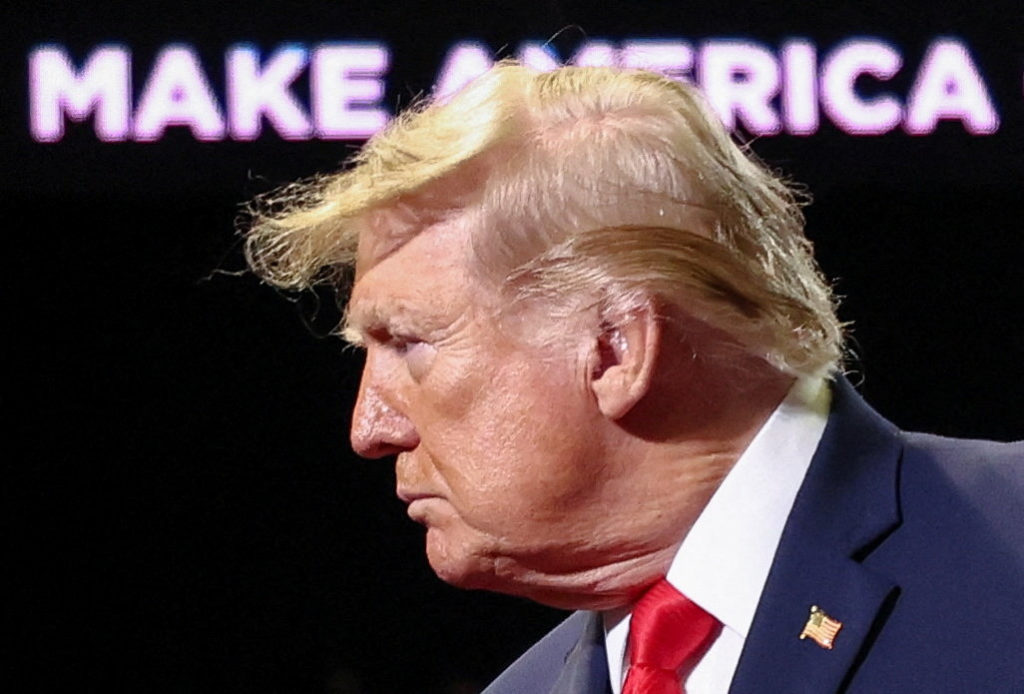
President Donald Trump on Tuesday will devote a big chunk of his dwindling time ahead of crucial midterm elections to head all the way to Alaska — attempting to bolster a Republican incumbent senator in another sign of GOP fears about retaining control of Congress after Election Day on Nov. 3.

 Login