❌

Reading view

Trump’s pause on Russia sanctions is ‘reward’ for Putin, Zelenskyy says

Ukrainian president warns it will embolden Russian leader and intensify war as Moscow hits country’s power plants

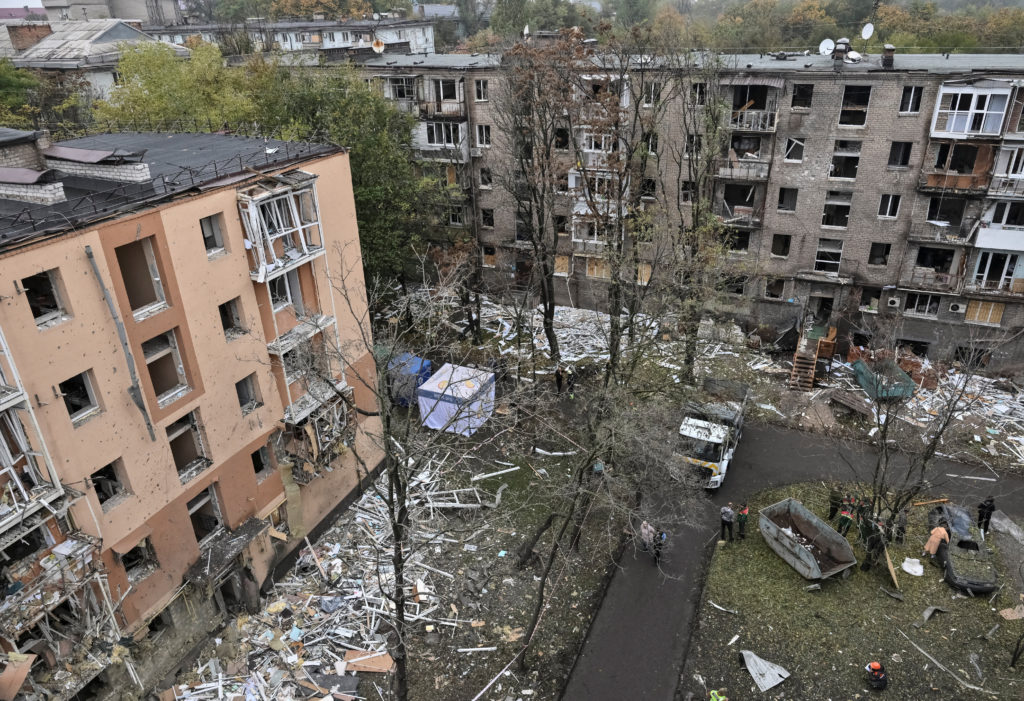
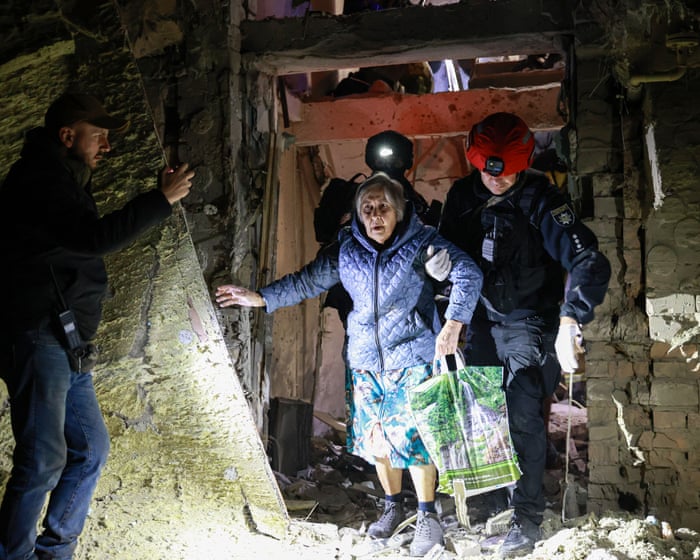
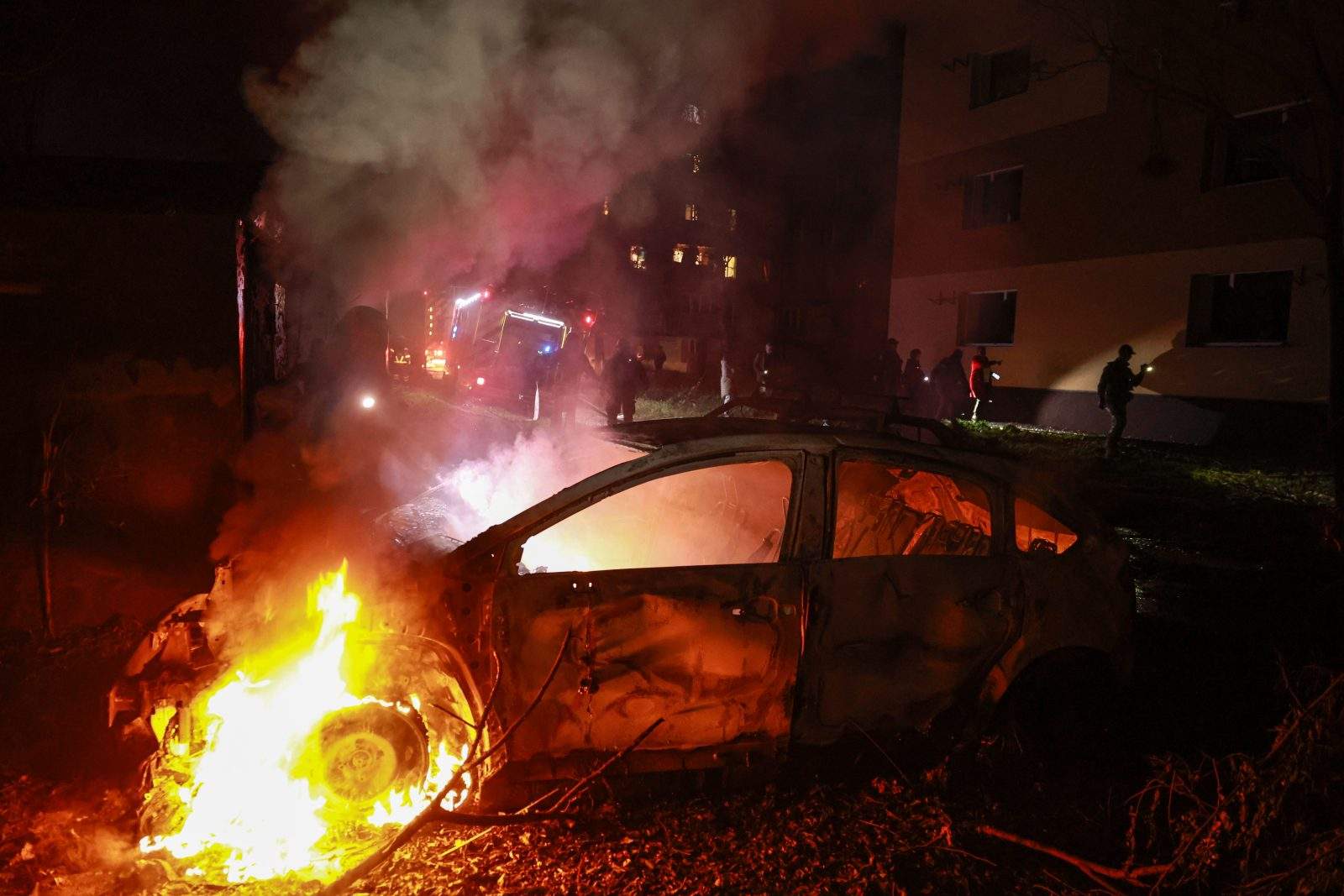
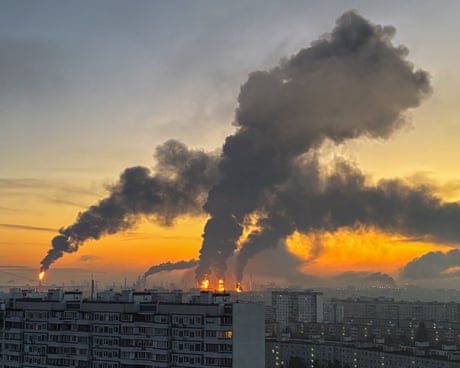
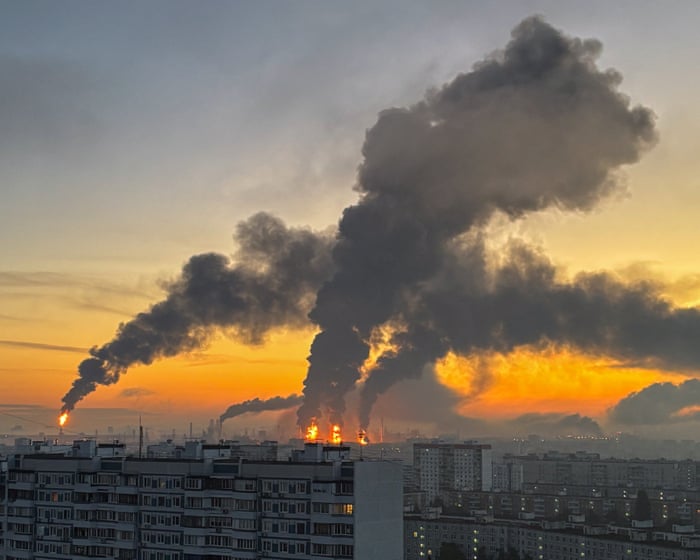
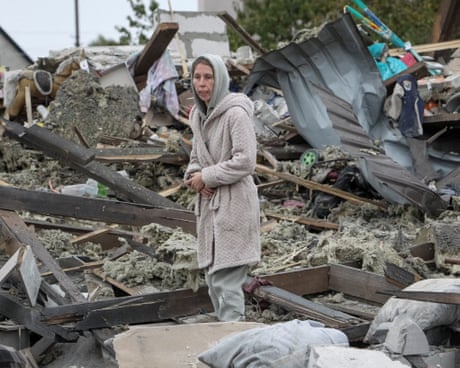
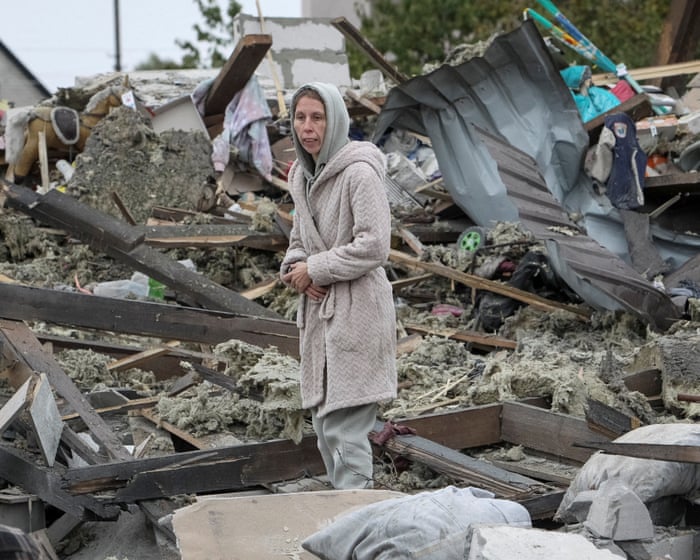
Volodymyr Zelenskyy has described Donald Trump’s decision to roll back sanctions on Russia as a “reward” for Vladimir Putin and warned it will embolden the Russian leader and intensify the Kremlin’s war, as Moscow launched one of its worst strikes yet on Ukraine’s power plants in an attempt to black out the country’s cities before winter.

The Ukrainian president also said he expected the Trump administration to lift more sanctions against Russia in the future and called for Europe to establish its own negotiations with Moscow as the US has sought better ties and business deals with the Kremlin.

Continue reading...

© Photograph: Kateryna Klochko/AP

© Photograph: Kateryna Klochko/AP

© Photograph: Kateryna Klochko/AP

  •  

Congress gave Trump 30 days to hit Russia’s oil buyers with 100% tariffs. He waives them two days before deadline, citing US interests. Moscow calls it historic

The White House, seen from Lafayette Square. File photo, June 2024.

US President Donald Trump has suspended the tariffs and sanctions on the biggest buyers of Russian oil set by the Lindsey Graham Act, the law he signed himself in September. He says the move serves US national interests, according to an executive order published on the White House site.

The act required the president, within 30 days, to impose 100% tariffs on all goods from the five biggest buyers of Russian oil, to sanction a range of Russian entities and to put 500% tariffs on all Russian energy imports to the US. The deadline for those measures fell on 18 October.

Trump has used the president’s power under Section 115 of the Graham Act, which allows him to waive sanctions, restrictions, and duties by certifying to Congress in writing that doing so serves US national interests and submitting a report explaining why. The act does not, however, allow him to cancel sanctions that have already been announced.

Moscow calls it historic, Kyiv calls it a gift to Putin

The two capitals read the same order in opposite ways. Kirill Dmitriev, an envoy for Russian leader Vladimir Putin, called it “an important and truly historic moment” on X, claiming the sanctions had mainly harmed the US economy and world markets.

“Economic cooperation between Russia and the US serves the interests of both nations, contributes to global economic stability and lays the foundation for building trust and achieving lasting peace,” Dmitriev writes.

President Volodymyr Zelenskyy answered from under fire. Russia struck Ukraine’s energy system on 17 October, and at that very moment Washington chose “to completely ignore the Lindsey Graham law, which was supposed to impose real, effective pressure on Russia to end this war,” he says.

A law its own backers say is being gutted

The waiver lands amid a bipartisan revolt in Congress. Seven Republican and Democratic senators had already warned on 11 October that Trump’s move to allow Russian diesel imports had broken the law Congress passed after the full-scale invasion, urging the administration to reverse it so US money would not help finance Russia’s war.

Meanwhile, Zelenskyy argued the law can still work if Washington lets it.

“This law could, and still can, help a great deal. But the law has actually to work, and every vote for it matters,” he said, warning that the step only pushes Moscow to strike harder.

The world must not give up ground and must try to end the war, Zelenskyy added.

“To end it, and not give Putin every reason to continue it indefinitely,” he stressed, thanking everyone who “is truly fighting for peace and helping Ukraine," he stated.

The word from the Ukrainian opposition

The Ukrainian opposition also commented on Trump’s decision. Iryna Herashchenko, co-chair of the European Solidarity parliamentary faction, said that “the most cynical and stupid decisions are usually made by rulers on Saturday night,” when public attention is scattered, and people are preparing for the weekend.

“Rehabilitating Putin harms not only Ukraine but also the US itself, strengthens the axis of authoritarian regimes, and undermines international security,” she claimed.

  •  

Zelenskyy avisa Putin: eu sei o que vais fazer a seguir

Presidente da Ucrânia garante que as Forças Armadas do seu país conhecem muito bem “o plano do inimigo” e as prioridades do exército russo. “O comando das Forças Armadas da Ucrânia tem um entendimento definitivo do plano do inimigo e das prioridades estabelecidas para o exército russo pela liderança política da Rússia. Neutralizaremos estes esforços”. O presidente ucraniano, Volodymyr Zelenskyy, afirmou que as Forças Armadas da Ucrânia conhecem os objetivos estratégicos definidos pela liderança russa para as suas tropas e estão a preparar medidas para contrariar os próximos movimentos de Moscovo. A declaração, citada no US Daily Report, surge num

  •  

Trump Shelves Russia Sanctions Weeks After Signing Them Into Law

President Donald Trump has waived sweeping sanctions and tariffs targeting Russia’s energy revenues, invoking national interest provisions in legislation passed only last month. The decision follows his controversial diesel agreement with Vladimir Putin and threatens to deepen divisions with Congress and European allies over economic pressure on Moscow.

President Donald Trump has suspended the implementation of sweeping American sanctions against Russia, using presidential waiver powers to prevent penalties approved by Congress from taking effect just weeks after he signed them into law.

The executive order issued by the White House on Friday, 16 October, suspends tariffs of up to 500 per cent on Russian imports, alongside penalties targeting major purchasers of Russian oil and gas. It also waives numerous financial and commercial restrictions intended to reduce Moscow’s ability to finance its war against Ukraine.

The decision comes two days before the 18 October deadline for implementing key provisions of the Lindsey O. Graham Sanctioning Russia and Iran Act of 2026, which Trump signed on 18 September. The legislation was named after the late Republican senator Lindsey Graham, who had championed tougher economic measures against Russia.

Sanctions established but immediately suspended

The presidential order formally establishes the tariff increases required by the legislation while simultaneously suspending their application.

Under the law, Russian imports into the United States would face additional duties of 500 per cent. A separate provision would impose 100 per cent tariffs on goods imported from the five largest purchasers of Russian crude oil and natural gas if those countries knowingly made new purchases from 18 October, subject to specified conditions and exemptions.

Another provision targets countries identified as leading facilitators of Russian oil sanctions evasion, potentially exposing their exports to similar American penalties.

Trump invoked Section 115 of the legislation, which permits the president to waive sanctions and tariffs after certifying to Congress that doing so serves the national interests of the United States.

The order confirms that the certification and an accompanying explanatory report have been submitted to Congress. However, the publicly released document provides no detailed justification for suspending the measures.

The waivers will remain in effect until the president or designated senior officials decide that further action is appropriate. Existing sanctions imposed under earlier executive orders are explicitly preserved, meaning the decision does not remove all American restrictions against Russia.

Nevertheless, the order prevents the new legislation’s principal economic penalties from operating at a time when Congress had sought to intensify pressure on Moscow.

Diesel agreement shapes Washington’s decision

The suspension follows Trump’s agreement with Putin to facilitate renewed Russian diesel exports, announced on 9 October as part of an effort to reduce international fuel prices.

As EU Today previously reported, the agreement envisages an immediate release of more than 300,000 tonnes of Russian diesel, followed by additional shipments in November and subsequent months. Washington also authorised certain transactions involving Russian diesel until April 2027.

The arrangement has raised questions about the relationship between the administration’s energy policy and sanctions intended to constrain Russia’s war economy.

Diesel prices have become an increasingly important domestic political issue ahead of the American congressional elections on 3 November. The war involving Iran and disruptions to international energy supplies have contributed to exceptionally high fuel costs, creating additional pressure on the administration.

The White House hopes additional Russian supplies will relieve pressure on international markets. However, energy analysts have questioned whether the quantities involved will materially affect American prices, particularly before the elections.

The latest waiver also removes the immediate threat of punitive tariffs against major Russian energy customers, including China and India, which had objected to the proposed measures.

Congressional opposition and European concerns

The decision is likely to intensify opposition within Congress, where the sanctions legislation attracted substantial bipartisan support.

Earlier this week, 12 senators, including six Republicans, called on Trump to reverse his diesel agreement, arguing that allowing Russian fuel back onto international markets would provide Moscow with additional revenue for its military operations.

Democratic Senator Richard Blumenthal, who helped develop the sanctions legislation, criticised the diesel arrangement as contrary to Congress’s intention to strengthen economic pressure on Russia.

The decision also exposes a widening divergence between Washington and Brussels.

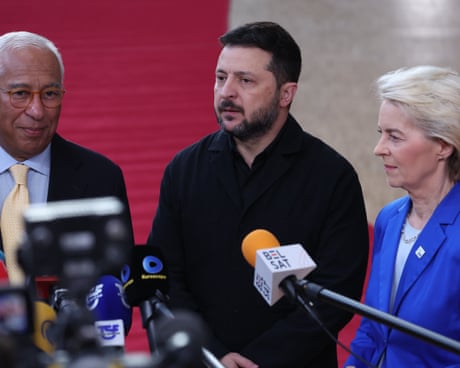
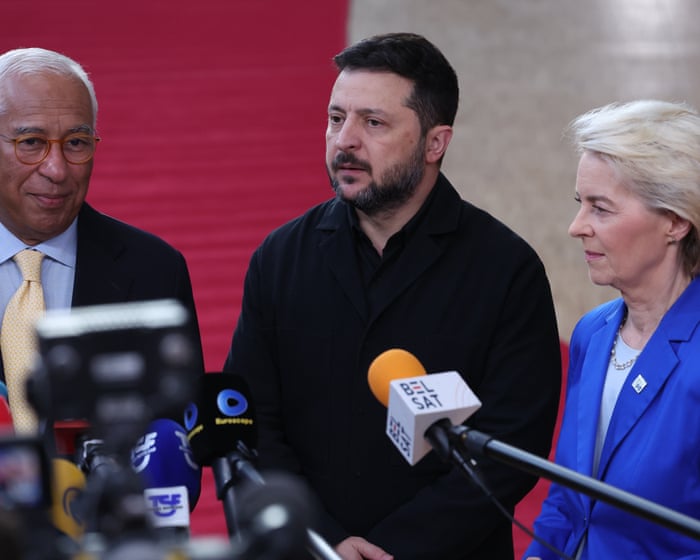
At the European Council meeting on Friday, European Commission President Ursula von der Leyen and European Council President António Costa reaffirmed that EU sanctions against Russia would remain in place until Moscow ended its war against Ukraine.

Costa declared that the present circumstances required increased pressure on Moscow rather than a relaxation of existing restrictions. The European Union is also preparing a 22nd sanctions package while considering additional financial support for Kyiv.

For Ukraine, the decision means that Russia will continue to benefit from energy exports and the international trade that helps finance its war. Instead of tightening restrictions on these revenues, Washington has suspended measures specifically intended to cut them.

The timing is particularly significant. While Trump is pressing Kyiv to halt attacks on Russian oil refineries and other energy facilities, Moscow continues its strikes against Ukrainian cities and civilian infrastructure. Zelenskyy has argued that Ukraine cannot be expected to stop targeting Russia’s energy sector while Russian attacks on Ukrainian infrastructure continue.

Although Trump can reinstate the sanctions, his decision removes the immediate threat of additional penalties against Russia and its principal energy customers. It also places Washington increasingly at odds with its European allies. Brussels remains committed to maintaining and expanding sanctions against Moscow, while the White House is now giving priority to reducing American fuel prices, even if that means easing economic pressure on Russia.

  •  

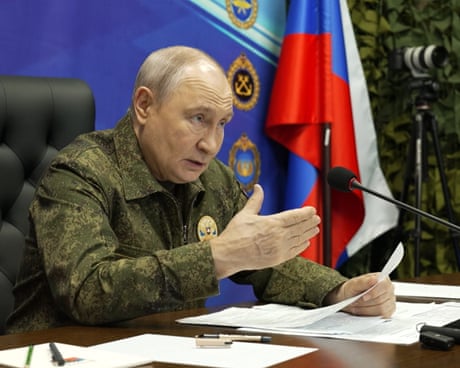
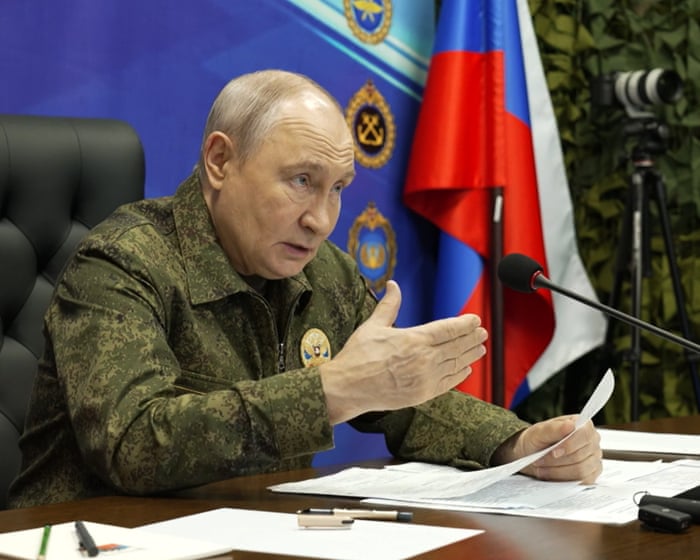
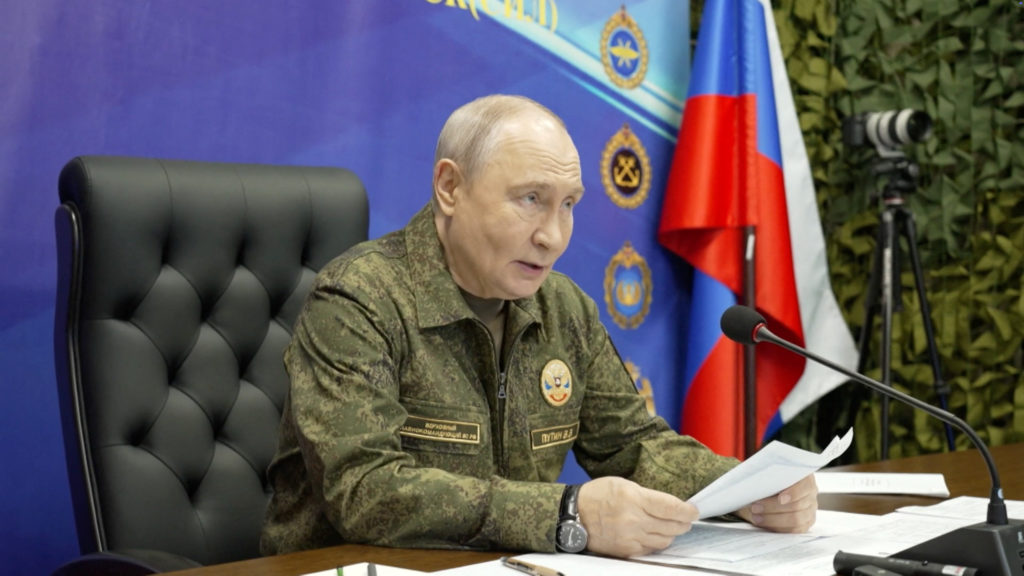
Ukraine war briefing: Russia building non-negotiable ‘security zone’ inside Ukrainian border, Putin declares

Russian president says area will not be part of any potential peace talks while Kremlin says the zone spans 660km. What we know on day 1,697

Continue reading...

© Photograph: Russian Presidential Press Office Handout/EPA

© Photograph: Russian Presidential Press Office Handout/EPA

© Photograph: Russian Presidential Press Office Handout/EPA

  •  

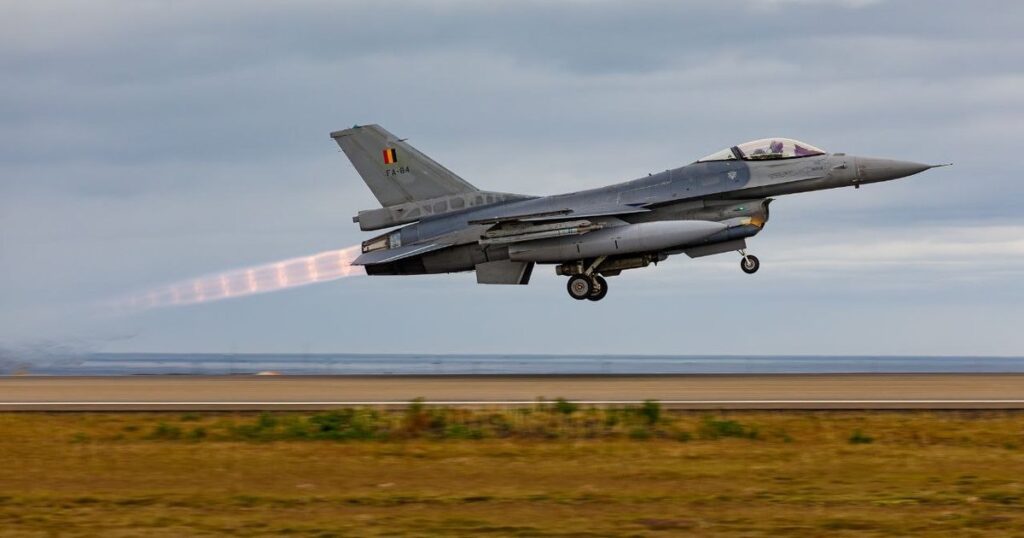
Belgium triples planned F-16 deliveries to Ukraine, pledges 10 jets by year-end

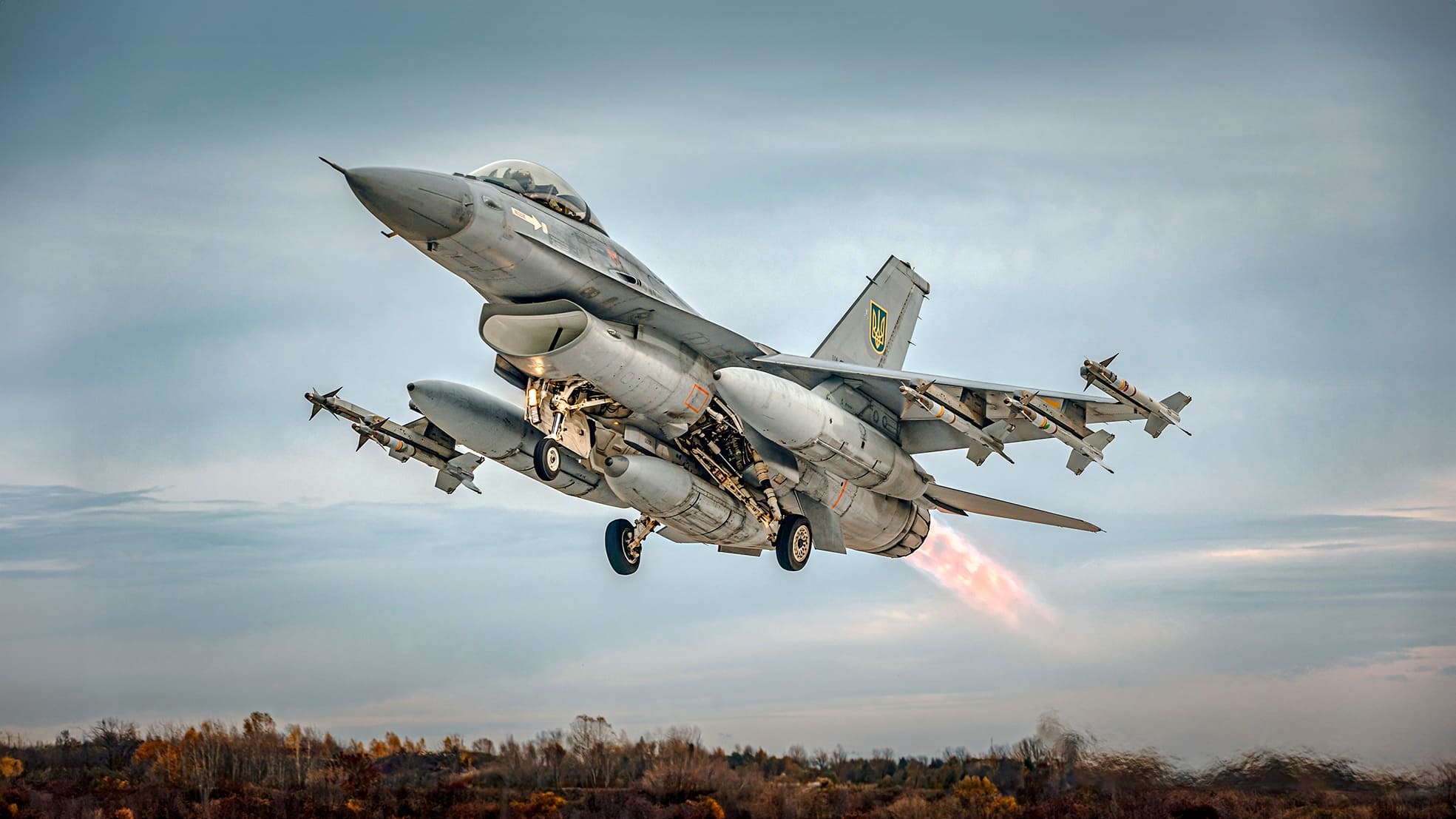
belgium send three f-16 fighter jets maintenance delays keep ukraine using · post belgian jet belgium-f-16-takes-off news ukrainian reports

Belgium plans to deliver 10 F-16 fighter jets to Ukraine by the end of 2026, Prime Minister Bart De Wever announced on 16 October, raising the expected number from three amid delays in transferring the aircraft.

The expanded commitment comes as Ukraine faces sustained Russian drone and missile attacks and needs additional combat aircraft to strengthen its air defenses. 

De Wever made the announcement at a press conference in Brussels alongside Ukrainian President Volodymyr Zelenskyy, Anadolu Agency reported. He said Belgium’s deliveries had fallen behind schedule because its new US-made F-35 fighter jets arrived later than expected.

Belgium also discussed supplying more ammunition for Ukraine’s F-16s.

F-16 deliveries delayed by F-35 schedule

“We will deliver 10 this year,” De Wever said, explaining that delays in receiving Belgium’s F-35s had held up the transfer of its F-16s. The new aircraft are now beginning to arrive, allowing Belgium to move forward with deliveries to Ukraine.

Zelenskyy confirmed that Kyiv expects additional F-16s from Belgium by the end of the year and thanked Brussels for the agreement.

The announcement marks an increase from Belgium’s previously reported plan to send three F-16s to Ukraine by the end of 2026. The new figure would more than triple the number expected under that earlier commitment.

F-16s to help counter Russian jet-powered drones

De Wever said Ukraine urgently needs operational fighter jets and described the F-16 as one of the few weapons capable of effectively countering Russian jet-powered drones.

The aircraft can also intercept cruise missiles and other aerial targets, while carrying out electronic warfare and combat missions. Ukraine received its first F-16s in 2024 after allies agreed to supply the aircraft and train Ukrainian pilots. 

A Ukrainian Air Force F-16AM Fighting Falcon fighter jet takes off armed with AIM-9 Sidewinder air-to-air missiles. Photo: Ukrainian Air Force\X
Explore further

Belgium rushes three F-16s to Ukraine as Russia expands its drone and missile assault

Belgium discusses ammunition and financial support

Zelenskyy and De Wever also discussed supplying additional ammunition for Ukraine’s F-16s, including 20 mm rounds produced by Belgian defense company FN Herstal.

The leaders also reportedly discussed Ukraine’s financial needs, though neither provided details on potential next steps. Belgium remains at the center of discussions over frozen Russian assets, as Brussels hosts Euroclear, which holds a large share of the immobilized funds.

  •  

Russia strikes 9 Ukrainian regions as strain grows between Zelenskyy and Trump

The latest aerial strikes on civilian targets came as fears mount that a sharp deterioration in relations between Ukraine and the United States this week could leave Ukraine further exposed to Russia's escalating aerial assaults as the bitter winter approaches.

  •  

Zelenskyy’s warning that Russian airspace is becoming dangerous is proving true: Russia temporarily restricted operations at 27 airports amid a massive drone attack

Flight information board displaying arrivals and departures at Domodedovo Airport in Moscow, Russia. Photo: TASS

Temporary restrictions on aircraft arrivals and departures were imposed at 27 Russian airports, Deutsche Welle reported on 16 October, citing its own calculations based on reports from Russia’s Federal Air Transport Agency.

Ukrainian President Volodymyr Zelenskyy warned airlines on 1 September that “Russian airspace is becoming completely unsafe.” Overnight, most of the airspace over European Russia was closed.

By morning, more than 200 flights had been canceled or delayed at Moscow airports, Deutsche Welle reported, citing figures compiled by a Russian Telegram channel.

🔥 Тим часом у російських аеропортах – справжній апокаліпсис через нальоти дронів останніми днями.
Про це ниють росЗМІ. Було відмінено десятки рейсів, у терміналах – дуже багато людей. Пасажири скаржаться на задуху, дикі черги до туалетів та повну невідомість. pic.twitter.com/ZlXxY5c2mq

— Breaking News (@breakingUAnews) October 16, 2026

The list included airports in the capital. All four Moscow airports temporarily suspended arrivals and departures, the Russian outlet Astra reported on 16 October. Russian authorities said they had shot down dozens of drones, while flights were delayed and diverted to alternate airfields, according to the report.

Massive drone attack on Russia: 644 UAVs in one night, 94 shot down near Moscow

The temporary airport shutdowns were likely a consequence of a massive drone attack on Russia. From 8:00 p.m. on 15 October to 8:00 a.m. on 16 October, Russian air defenses allegedly intercepted and destroyed 644 Ukrainian unmanned aerial vehicles across 26 Russian regions, occupied Crimea, and the Black Sea, according to Russia’s Defense Ministry.

According to the list of regions published by the Russian Defense Ministry, the drone attacks covered a vast area of Russia, from regions bordering Ukraine to the Moscow region, the Volga region, the country’s northwest and southern regions, as well as occupied Crimea and the Black Sea.

Russian air defenses shot down a total of 94 drones approaching Moscow over the evening of 15 October and overnight, according to calculations by the Russian outlet RBC Radio, citing statements by Moscow Mayor Sergey Sobyanin.

In the Kaluga region, air defenses destroyed 27 drones over the evening and night, the regional governor reported. At 9:27 a.m., he updated the figures, saying another 48 UAVs had been shot down overnight, bringing the total to 75. According to preliminary information, there were no casualties or infrastructure damage.

In the Tula region, air defenses allegedly destroyed a total of 32 Ukrainian drones. There were no casualties, according to regional Governor Dmitry Milyaev in his Telegram channel.

In the Vladimir region in western Russia, authorities repelled drone attacks overnight. In the city of Vladimir, a drone attempted to attack a heating infrastructure facility, but the attack was stopped, Vladimir Region Governor Alexander Avdeyev reported. Minor damage was reported, but there was no information about casualties.

Ukraine has not yet commented on its involvement in the attacks.

The practical consequences of canceled Russian flights

Passengers on flight SU6312 from Kaliningrad to Moscow were unable to land in Moscow because of airspace closure, so the aircraft was diverted to Nizhny Novgorod, Terravia reported. After landing, passengers remained on board for about two hours before being allowed to disembark at 3:30 a.m. Instead of continuing their journey to Moscow by air, they were supposed to be transported by bus, with the trip expected to take about seven hours, the outlet reported.

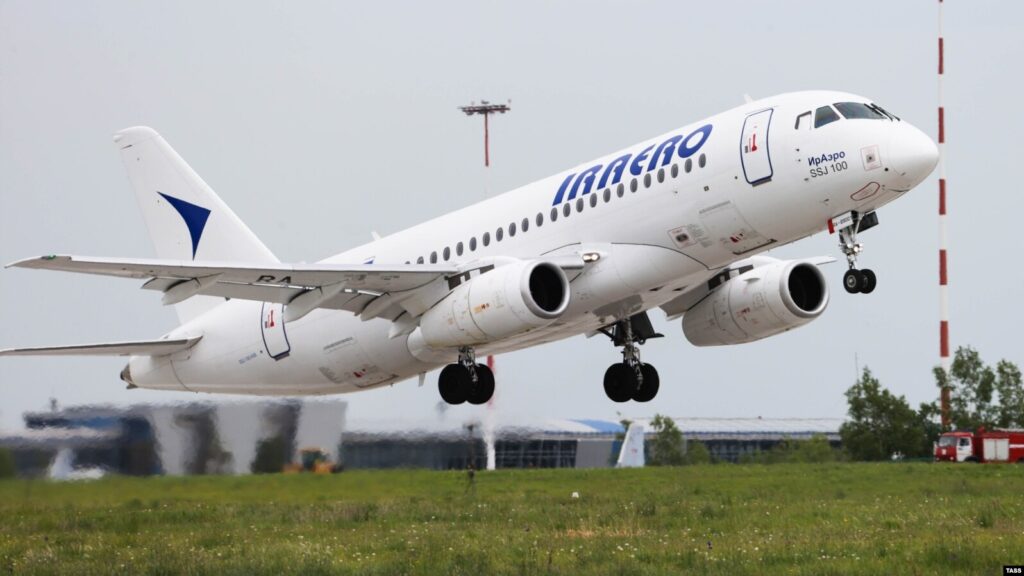
russian airliner revival sold breakthrough now survives extended flight-cycle limits · post sukhoi superjet 100 iraero airline tass superjet-100 (ss-100) plane (file photo) ukraine news ukrainian reports
A Russian Sukhoi Superjet 100 of the IrAero airline. Illustrative photo: TASS

Passengers were not provided with food or drinks, and one woman could not find a seat on the bus, so she purchased a ticket for an early-morning train herself.

Since the beginning of the year, all four Moscow airports have been completely shut down simultaneously at least 19 times, the Russian outlet Agentstvo reported. During the first 14 days of October, the restrictions lasted 101 hours and 38 minutes, compared with 46 hours and 33 minutes in September, according to the report.

  •  

Starlink access still not fully restored for Ukraine’s military, says Zelenskyy

Ukrainian president says US limiting access was a ‘dangerous and unpleasant surprise’, amid reports the order came from inside White House

Volodymyr Zelenskyy has said the Ukrainian military’s access to the Starlink satellite internet service has not yet been fully restored, as media reports suggested the order to throttle the service had come from within the White House.

Zelenskyy met European leaders on Friday in Brussels, where he asked the EU for another €70bn (£60bn) next year to fund Ukraine’s defence against Russia.

Continue reading...

© Photograph: Reuters

© Photograph: Reuters

© Photograph: Reuters

  •  

Zelenskyy Says Ukraine Offered to Halt Strikes on Russian Refineries in Exchange for US Missile Defences

Ukraine was prepared to suspend attacks on Russian oil refineries if Washington supplied anti-ballistic missile systems to protect its energy infrastructure, President Volodymyr Zelenskyy has revealed. The proposed compromise was not accepted, despite American pressure on Kyiv to halt its strikes.

Ukrainian President Volodymyr Zelenskyy has disclosed that Kyiv offered to suspend attacks on Russian oil refineries in exchange for temporary American anti-ballistic missile protection for Ukraine’s energy infrastructure. Washington did not provide the requested systems, leaving Ukraine exposed to continued Russian missile strikes while the United States sought to restrict Ukrainian operations against Russia’s oil industry.

Speaking at a press conference in Brussels on Friday, 16 October, Zelenskyy said the proposal had been presented to Washington as a compromise following President Donald Trump’s agreement with Vladimir Putin on Russian diesel supplies and restrictions on attacks against energy facilities.

The Ukrainian president confirmed that Kyiv had not been consulted before Washington reached its understanding with Moscow. He described the diesel agreement as a surprise and objected to arrangements determining Ukraine’s military actions without its participation. Any agreement concerning Ukrainian strikes on Russian territory, he argued, required consultation with the Ukrainian government.

Nevertheless, Zelenskyy said Ukraine had been willing to accommodate American demands, even under an arrangement that did not require Russia to suspend its own attacks. Instead of insisting on reciprocal restrictions, Kyiv proposed receiving sufficient anti-ballistic missile systems to protect its electricity network for the duration of the requested suspension.

The proposal reflected Ukraine’s immediate security requirements. Russia has repeatedly targeted power stations, substations and other critical infrastructure, while Ukrainian forces have attacked Russian refineries to disrupt fuel production and reduce revenues available to Moscow. Halting the Ukrainian campaign without additional defensive capabilities would have left Kyiv surrendering one means of economic pressure while remaining vulnerable to Russian bombardment.

Zelenskyy said he had asked Washington for a limited number of systems, rather than a substantial new military commitment. The proposed deployment would have lasted only as long as the United States required Ukraine to refrain from attacking Russian refineries. However, according to the president, no such assistance was provided.

US diesel agreement deepens dispute

The disagreement follows the diesel arrangement announced by Trump on 9 October, under which Russia agreed to resume substantial petroleum product exports to American and international markets. Washington also authorised certain transactions involving Russian diesel, easing restrictions previously intended to reduce Moscow’s energy revenues.

The agreement created a direct conflict between American energy policy and Ukraine’s strategy of targeting Russian refining capacity. Washington wants additional diesel supplies to ease pressure on fuel markets, while Kyiv regards attacks on oil infrastructure as a means of weakening Russia’s ability to sustain its invasion.

That disagreement intensified after Ukraine resumed attacks on Russian refineries, including a strike against a facility in the Ryazan region. Trump criticised the operations, accusing Kyiv of contributing to higher global oil prices. Zelenskyy, meanwhile, argued that increased Russian diesel revenues would provide Moscow with additional resources to finance its military campaign.

The Ukrainian president’s proposal also exposed the limitations of the temporary energy ceasefire promoted by Washington. Russia continued attacks against Ukrainian civilian infrastructure, including electricity facilities, despite the American initiative. Kyiv’s proposed compromise would have addressed the resulting imbalance by providing defensive protection rather than relying on Russian restraint.

Russian strikes underline Ukraine’s defensive requirements

The urgency of Ukraine’s request was illustrated by renewed Russian attacks during Zelenskyy’s visit to Brussels. According to the Ukrainian presidency, strikes on 15 October damaged energy infrastructure in several regions, leaving almost 15,000 people without electricity in Volyn and disrupting supplies in parts of Kyiv and the surrounding region.

Ukraine continues to face shortages of the interceptors required to defend against ballistic missiles. Zelenskyy has identified anti-ballistic capabilities as an immediate priority, particularly as Russia intensifies attacks ahead of winter. During talks with NATO Secretary General Mark Rutte, he stressed the need for additional missile interceptors and other air defence equipment.

The president also raised these requirements during Friday’s meeting with European Commission President Ursula von der Leyen and European Council President António Costa. Discussions covered air defence, protection of energy infrastructure and financial assistance needed to sustain Ukraine’s resistance to Russian aggression.

European leaders support Kyiv’s position

Zelenskyy said European leaders had supported Ukraine’s position in the dispute with Washington. His remarks came as the EU reaffirmed its intention to maintain economic pressure on Moscow despite the Trump administration’s decision to facilitate Russian diesel exports.

As EU Today reported earlier on Friday, von der Leyen and Costa rejected any relaxation of European sanctions while Russia continues its war. The Commission is preparing a further sanctions package, maintaining a policy intended to restrict Moscow’s ability to finance its military operations.

The contrasting American and European positions have become increasingly significant for Kyiv. Washington is seeking to stabilise fuel markets through arrangements with Moscow, while European governments remain committed to reducing Russian energy revenues and strengthening Ukraine’s military and economic resilience.

For Zelenskyy, the unresolved question is whether Ukraine can be expected to limit attacks on Russian oil infrastructure while receiving neither reciprocal guarantees from Moscow nor additional protection against Russian ballistic missiles. His account of the unsuccessful American negotiations indicates that Kyiv was prepared to compromise, but only if its immediate defensive needs were addressed.

  •  

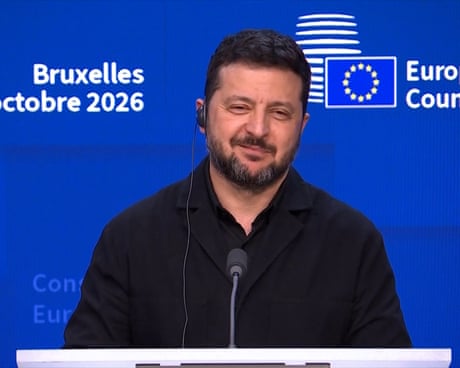
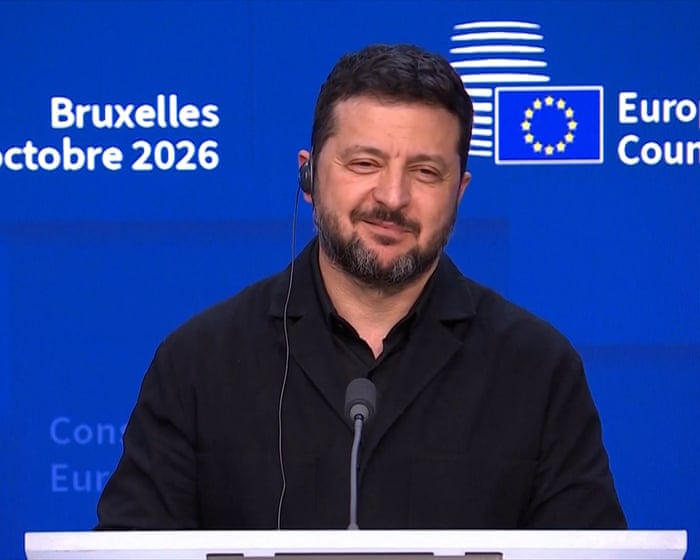
Zelenskyy smiles when asked if Trump is treating him as a 'scapegoat' – video

Ukraine's president, Volodymyr Zelenskyy, was asked by Sky News at a press conference in Brussels, Belgium, if he felt he was being made a 'scapegoat' by his US counterpart, Donald Trump, for domestic problems including high diesel prices before midterm elections. Zelenskyy paused for 15 seconds, before he eventually smiled and said: 'This is my answer.'

Continue reading...

© Photograph: reuters live feed

© Photograph: reuters live feed

© Photograph: reuters live feed

  •  

Zelenskyy thanks 'real leaders' at EU summit for their support – video

The Ukrainian president, Volodymyr Zelenskyy, told reporters on the second day of the European Council summit in Brussels that he was happy to have support from 'leaders, real leaders'. Zelenskyy's comment came after pressure from the White House to stop strikes on Russian oil facilities. His strained relationship with the US president, Donald Trump, was in evidence this week, with Trump stating: 'I’m not a big fan of Zelenskyy.'

Continue reading...

© Photograph: AP

© Photograph: AP

© Photograph: AP

  •  

Trump calls Ukraine’s renewed refinery strikes “a disgrace” after Russia’s 39-missile strike on its energy sites

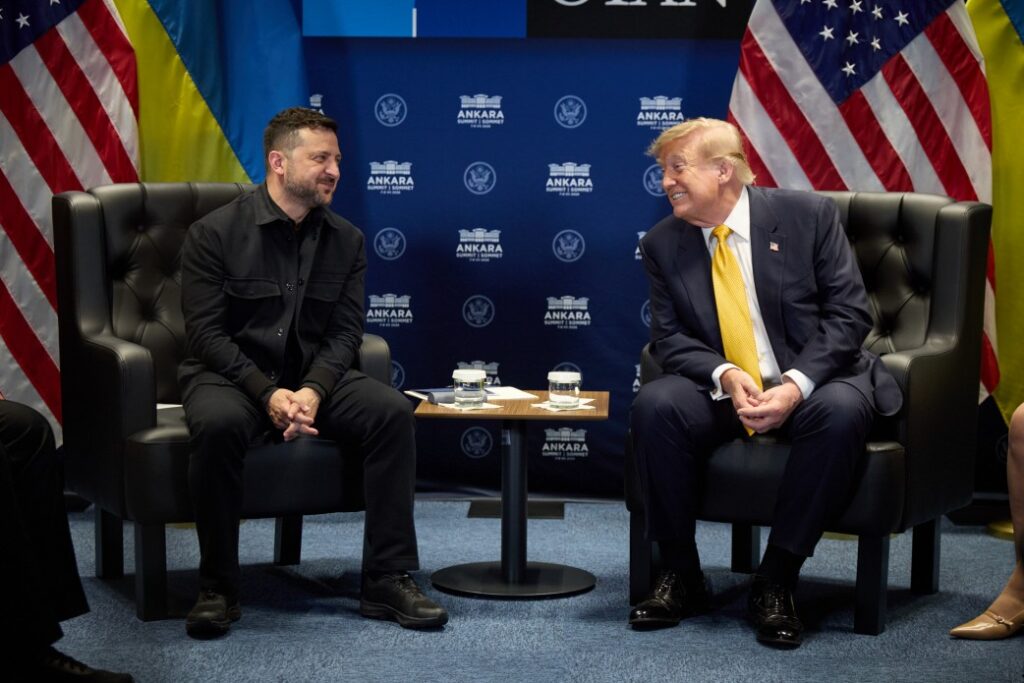
again trump presses zelenskyy stop russian refinery strikes · post ukrainian president volodymyr meets donald ankara türkiye 8 2026 presidentgovua ukraine news reports

US President Donald Trump called Ukraine’s renewed strikes on Russian oil refineries a disgrace in an interview with Newsmax and questioned President Volodymyr Zelenskyy’s will to settle the war on 15 October. His statements came after he made a deal with Russian President Vladimir Putin to allow Russian diesel back into the US ahead of the mid-term elections in the US.

Kyiv says its long-range strikes have knocked out more than half of Russia's refining capacity, one of the few levers it controls on Moscow's war income, according to Ukraine's Defense Ministry. This is part of efforts to reduce the aggressor's capabilities to launch assaults, including the latest, during which four Russian regions fired 39 Iskander-M, North Korean KN-23, hypersonic Zircon, and supersonic anti-ship cruise Oniks missiles, Zelenskyy said.

Trump criticizes Zelenskyy over oil prices while remaining silent on Russian strikes

Earlier, Zelenskyy said that Ukraine stopped refinery strikes for three days to meet US wishes after Trump announced an “energy ceasefire” on 11 October. At the same time, Russia struck a Kharkiv heat-and-power plant within hours of the announcement, he emphasized.

Meanwhile, in the interview with Newsmax, Trump said Zelenskyy is only pushing world oil prices higher.

“Well, I think that’s a disgrace,” he said.

He added that Ukraine has other options: “There are a lot of targets that you can hit.”

At the same time, Trump didn't say a word about Russian strikes on Ukraine's civilian buildings and power infrastructure ahead of the winter.

Trump compares Zelenskyy to a circus showman

The US leader said he is “not a big fan” of Zelenskyy. He claimed both sides “would like to see it end,” but that he finds Zelenskyy “more difficult to deal with than Putin.”

Kremlin welcomes Trump National Security Strategy as aligned with Russian vision on Ukraine
Explore further

US weighs relief for sanctioned shadow fleet tankers, days after freeing Russian diesel

He also said that he believes the depletion of US ammunition stockpiles is linked to the aid provided to Ukraine under the Biden administration, rather than the war with Iran.

Ukraine has repeatedly offered to help the US counter Iranian drones during the operation. The New York Times reported that a Ukrainian team departed the day after the US made such a request.

Nevertheless, despite Kyiv’s offers and actions, Trump once again compared Zelenskyy to P. T. Barnum, the 19th-century American circus showman, saying that he received a tremendous number of Patriots and Tomahawks.

However, there is no public confirmation that Tomahawk missiles were transferred to Ukraine during the Biden administration.

  •  

Trump calls Ukraine’s renewed strikes on Russian oil refineries ‘a disgrace’

US president says Zelenskyy ‘more difficult ​to deal with ​than Putin’ after ‘energy ceasefire’ collapses

Donald Trump has called Ukraine’s renewed strikes on Russian oil refineries “a disgrace” and criticised Volodymyr ⁠Zelenskyy after an energy ceasefire between Russia and Ukraine failed to take hold.

Ukraine resumed strikes on Russian oil refineries ⁠after Zelenskyy said Kyiv was abandoning a ceasefire unilaterally declared by Trump on Sunday, having briefly halted its attacks to demonstrate its readiness for peace talks. Russia had continued its strikes on Ukrainian power plants.

Continue reading...

© Photograph: Reuters

© Photograph: Reuters

© Photograph: Reuters

  •  

Ukraine war briefing: Starlink access restored, says UK’s Streeting after Hegseth meeting

UK defence secretary says Pete Hegseth assured him satellite communications system back up and running in Ukraine. What we know on day 1,696

Ukraine’s access to Elon Musk’s Starlink had been restored, according to UK defence secretary Wes Streeting. Ukraine said Starlink services had been restricted on Wednesday, hampering the country’s attack and air-defence drone missions, and triggering a new rift between Washington and Kyiv. On Thursday, Streeting said his US counterpart, Pete Hegseth, had assured him in a face-to-face meeting that the vital satellite communications system was back up and running. He said it was unclear what had caused the disruption, but added: “This is not the first time we’ve seen a falling out between Washington and Kyiv.”

The order to limit Starlink access came from inside the White House, according to a report by Reuters, citing two US officials and a western official briefed on the matter. The ⁠officials said leaders at the defence ⁠department received a message that the service for the Ukrainian military needed to be slowed. The officials, who spoke on the condition of anonymity, did not specify who in the White House made the decision or who was responsible for implementing the order. The Pentagon is the biggest customer of Starshield, which ⁠is the military-grade version of the Starlink service.

Amid growing doubts about long-term US commitment to Ukraine, Ukrainian president Volodymyr Zelenskyy met Nato chief Mark Rutte in Brussels and held a string of bilateral meetings with European leaders before he was set to join an EU summit on Friday. French president Emmanuel Macron on Thursday said it was “crucial” that Ukraine receive “all the means necessary to protect itself” after meeting Zelenskyy. “I can reassure you, dear Ukrainian friends and President Zelenskyy: YOU ARE NOT ALONE,” Polish prime minister Donald Tusk posted online.

Vladimir Putin has said that recent ⁠Ukrainian ​strikes on Russian oil refineries had not caused significant ⁠damage and vowed that Moscow would respond. “They ⁠hit here and there. Nothing ​particularly significant. Nevertheless ‌they are ‌carrying on,” the Russian president was quoted as saying by the Interfax news agency. His comments ‌came after a major Ukrainian drone attack ignited a fire at an oil refinery in Russia’s Ryazan region on Thursday morning, according ‌to the regional governor. It was the first confirmed ​Ukrainian attack on a Russian energy facility since US president Donald Trump abruptly declared an “energy ceasefire” that neither Russia nor Ukraine said they had agreed to.

The US treasury department has extended a sanctions waiver on Russian oil company Lukoil for service stations outside Russia through April 2027. Thursday’s announcement allows Lukoil-branded stations in countries like the US to continue serving customers until 24 April next year. The extension comes a week after Trump said he had secured an agreement with Russia to supply diesel to American and global markets, with the US treasury issuing a temporary licence to enable flows. The latest licence, like an earlier one, does not allow the “transfer of funds to any person or account located in the Russian Federation”.

Three people were killed and six others injured after the Kirovohrad region of central Ukraine came under a Russian drone attack lasting more than 10 hours, Ukraine’s emergency services said Thursday. Between midnight and Thursday morning, Russia launched more than 850 drones at Ukraine, Zelenskyy said on X. He added that the barrage came “precisely at a time when the speed of our defensive capabilities is being artificially restricted,” an apparent reference to the Starlink restrictions on drones. Russian aerial attacks hit 15 Ukrainian regions, he said.

Continue reading...

© Photograph: Reuters

© Photograph: Reuters

© Photograph: Reuters

  •  

Ukraine resumes strikes on energy targets, saying Russia never stopped its attacks

The tense alliance between Ukrainian President Zelenskyy and President Trump is nearing a new low point. After days of bitter back-and-forth between the two leaders, Ukraine has resumed strikes on Russian energy targets. Trump had demanded an "energy ceasefire" this past Sunday between the two. Russia never stopped its attacks. Lisa Desjardins reports.

  •  
❌