❌

Reading view

News from occupied Ukraine: 11 Ukrainians, including 96-year-old woman, evacuated from Russian occupation

This weekly update from the Kyiv Independent aims to shed light on the situation facing Ukrainians living under Russian occupation and the ever-tightening control of information imposed by the Kremlin.

Key news as of Oct. 17:

  • Eleven Ukrainians, including 96-year-old woman, return from Russian-occupied territories, ombudsman says
  • Russia sends terrorism

  •  

ECB Warns Bond Market Turmoil Could Deepen Europe’s Economic Slowdown

Christine Lagarde says rising government borrowing costs are tightening financial conditions across the eurozone, complicating efforts to contain inflation without undermining economic growth.

European Central Bank President Christine Lagarde has warned that a sharp sell-off in government bonds is tightening financial conditions across the eurozone, threatening to weaken economic growth at a time when European governments are already struggling with mounting debt and higher energy prices.

Speaking during the International Monetary Fund’s annual meetings on Saturday, 17 October, Lagarde said rising bond yields were imposing additional pressure on the European economy, potentially reducing demand and helping to bring inflation down.

Her comments came as investors demanded higher returns on government debt across major developed economies, reflecting concerns about persistent inflation, widening budget deficits and the substantial borrowing requirements associated with investment in artificial intelligence.

The development presents a complicated situation for the ECB, which has already raised its key interest rate twice this year in response to renewed inflationary pressure following the conflict in the Middle East.

Higher government bond yields effectively tighten monetary conditions even without a further decision by the central bank to increase official interest rates.

Bond markets tighten financial conditions

The latest sell-off has pushed borrowing costs higher across Europe, although the pressure is particularly acute in countries with large public debts and persistent budget deficits.

When investors sell government bonds, their market prices fall and yields rise. Those higher yields eventually feed into the costs of borrowing for governments, businesses and households.

Lagarde indicated that financial conditions had become tighter than assumed in the ECB’s September economic forecasts.

According to her latest assessment of the bond market, the resulting slowdown in demand could help moderate inflation, but would also place additional pressure on an economy whose growth prospects remain limited.

The ECB’s September projections forecast eurozone economic growth of just 0.9 per cent in 2026, followed by 1.4 per cent in 2027 and 1.5 per cent in 2028.

Inflation was expected to average 3.0 per cent this year before declining to 2.5 per cent in 2027 and 2.1 per cent in 2028.

Those forecasts were based on assumptions about financial conditions and energy prices that may no longer fully reflect developments in international markets.

France faces particularly acute pressure

France has emerged as one of the most vulnerable major eurozone economies because of its high public debt, persistent deficits and political disagreements over fiscal consolidation.

French government bond yields have risen sharply as investors question whether Paris can deliver the spending reductions required to stabilise its finances.

As EU Today reported earlier this month, eurozone finance ministers have been pressing France to produce a credible budget that would restore confidence in the country’s fiscal position.

The borrowing premium demanded on French debt relative to German government bonds has also widened, reflecting investors’ concerns about the financial outlook and the political difficulties surrounding the 2027 budget.

The IMF has warned that continued increases in borrowing costs could eventually force the French government to undertake more substantial fiscal adjustments.

In its assessment of French bond yields, the Fund said the immediate pressures remained manageable, partly because France benefits from established debt markets and relatively long borrowing maturities.

Nevertheless, persistently elevated yields would increase the cost of refinancing government debt as existing bonds mature.

The wider concern is that higher borrowing costs could reduce the room available for public investment and other expenditure across several European economies simultaneously.

IMF warns governments over rising debt

Lagarde’s intervention coincided with renewed warnings from the IMF about the sustainability of European public finances.

In its latest European economic assessment, the Fund argued that governments must either accelerate economic growth or reduce borrowing to prevent debt burdens from becoming increasingly difficult to manage.

The IMF expects eurozone growth of approximately 1.1 per cent in 2026 and 1.2 per cent in 2027, with continuing pressure from energy costs, demographic changes and weak productivity.

The European Commission’s forecasts indicate that eurozone government debt could rise from 88.7 per cent of GDP in 2025 to 91.2 per cent in 2027.

The IMF has also identified structural weaknesses, including barriers within the European single market, which restrict investment and productivity growth.

These problems are becoming more difficult to address as European governments face demands for greater defence expenditure, infrastructure investment and support for industries affected by higher energy prices.

ECB faces difficult interest-rate decision

The ECB has already increased its deposit rate to 2.5 per cent following successive increases in June and September.

As EU Today reported after September’s decision, the central bank has been attempting to contain inflation generated by rising energy costs without causing a more substantial economic slowdown.

The IMF now expects at least one additional quarter-percentage-point increase before the end of 2026.

Such a decision would bring the deposit rate to 2.75 per cent, although the ECB has not committed itself to that outcome.

The challenge is that tighter monetary policy would coincide with financial restrictions already being imposed by bond markets.

At the same time, higher energy prices continue to affect household purchasing power and business operating costs.

In her statement to the International Monetary and Financial Committee, Lagarde acknowledged that the eurozone had proved more resilient than expected, while warning that risks to growth remained tilted to the downside and risks to inflation to the upside.

The duration of the Middle East conflict, developments in energy markets and changes in investor confidence will be important in determining the economic outlook.

For the ECB, a bond-market slowdown could reduce the need for further interest-rate increases by weakening demand. But if energy-driven inflation remains elevated, the central bank may still face pressure to tighten policy.

Europe’s governments, meanwhile, have considerably less control over the borrowing costs demanded by international investors.

The next ECB interest-rate decision will therefore take place against an increasingly difficult combination of sluggish growth, persistent inflation and financial markets imposing their own constraints on public and private borrowing.

  •  

Academy Museum Gala: Taylor Swift, Sabrina Carpenter, Jennifer Hudson, Connor Storrie, More Stars Walk the Carpet

Inde Navarrette, Colman Domingo, Teyana Taylor, Anna Kendrick, Rami Malek, Jamie Lee Curtis, Jacob Elordi, Adrien Brody, Mikey Madison, Chase Infiniti, Mark Hamill, Kate Hudson, Sofia Vergara, Seth Rogen, Pamela Anderson, Naomi Ackie, Charlize Theron, Alexa Demie, Mia Goth, Cailee Spaeny, Mckenna Grace, Zoey Deutch and Kristen Wiig were also in attendance at the star-studded event.
  •  

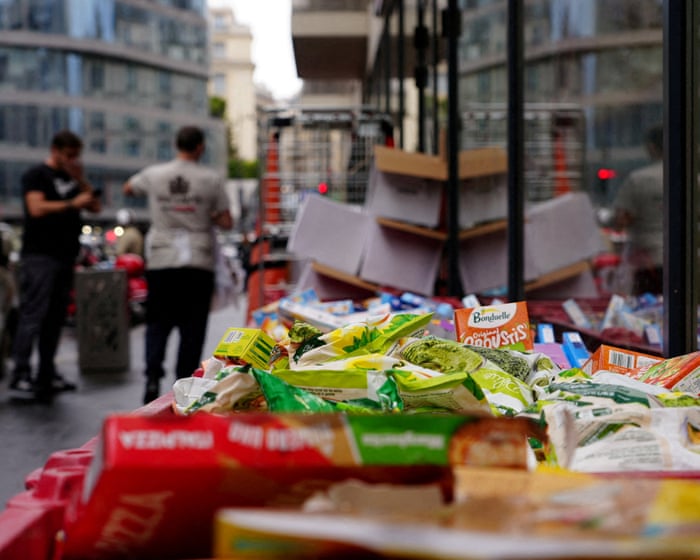
Not cool: who hacked France’s supermarket fridges?

Whether it was youngsters proving their skills or state sabotage, Europe’s most hacked country was left with a mountain of waste after food began cooking in freezers

Shortly before midnight last Sunday, the digital thermostats controlling hundreds of supermarket cold aisles across France began to flicker and rise.

In a “bizarre and unprecedented” cyber-attack, hackers had remotely overridden the temperature settings on thousands of freezers, fridges and chiller cabinets pushing them from as low as -27C (-16.6F) to well over 50C (122F).

Continue reading...

© Photograph: Lucien Libert/Reuters

© Photograph: Lucien Libert/Reuters

© Photograph: Lucien Libert/Reuters

  •  

Putin Seizes More European Businesses as Moscow Expands Economic Retaliation Against EU

Russia has placed five foreign-owned businesses under compulsory administration, including Belgian manufacturer Ontex and French flooring group Tarkett. The latest seizures deepen the confrontation over sanctions, frozen Russian assets and the future of European investment in Russia.

Russian President Vladimir Putin has ordered the transfer of five Western-owned businesses into compulsory Russian management, extending a campaign of asset seizures targeting European companies that continued operating in Russia after the full-scale invasion of Ukraine.

The decree, signed on 15 October, affects businesses with combined annual revenues exceeding 53 billion roubles, approximately €530 million. They include French flooring manufacturer Tarkett, Belgian hygiene products group Ontex, German packaging producer Menshen, Kappa Rus and Eviosys Packaging Kuban, now linked to American group Sonoco.

Under Presidential Decree No. 738, operational control has been transferred to Centre Capital, a little-known Moscow company established in February 2026 with registered share capital of just 10,000 roubles.

The decision follows similar interventions against Nestlé, Auchan, FM Logistic and Metro in September. Together, the measures demonstrate how Moscow is using foreign-owned businesses as instruments of economic retaliation against countries supporting Ukraine.

Foreign businesses placed under Russian control

Centre Capital is headed by Marat Mirkhaydarov, a former senior official in Russia’s Zabaykalsky region who reportedly served with the Akhmat military formation during Russia’s war against Ukraine.

The scale of the companies placed under his management contrasts sharply with the financial standing of the administrator.

Tarkett’s Russian operations generated approximately 19.3 billion roubles in revenue during 2025, while Kappa Rus recorded 16.5 billion roubles and Ontex RU another 10.3 billion. Eviosys Packaging Kuban and Menshen Packaging CIS reported approximately 6.1 billion and 1.4 billion roubles respectively.

The decree does not formally transfer ownership of the companies to Centre Capital. It does, however, remove the foreign shareholders’ effective control over management, operations and commercial decisions.

For Belgian manufacturer Ontex, the consequences are immediate.

In an official statement issued on 16 October, the Aalst-based company confirmed that a government-appointed administrator had assumed operational control of its Russian subsidiary.

Ontex Russia employs approximately 350 people, operates a manufacturing facility in Noginsk and maintains a sales office in Moscow. The subsidiary accounts for around five per cent of the group’s total revenue and between seven and eight per cent of adjusted EBITDA.

The company said it was examining measures to protect its assets and maintain business continuity.

Tarkett likewise confirmed that it was losing effective control of its Russian operations.

A mechanism established in 2023

The legal framework for such interventions dates to April 2023, when Putin introduced Decree No. 302, allowing the Russian authorities to place assets associated with countries designated as unfriendly under temporary external management.

The appointed administrator can exercise extensive ownership-related powers, although the formal right to dispose of the assets remains excluded.

Crucially, the arrangement can be terminated only by presidential decision. There is no automatic deadline for returning operational control to the original owners.

Moscow maintains that the measures are reversible. Nevertheless, the loss of management authority raises questions about whether businesses could eventually be returned with their financial position, organisational structure and commercial value intact.

The latest decree extends the process already documented by EU Today following the September takeover of Nestlé and Auchan’s Russian operations.

The Kremlin’s approach also serves domestic economic objectives. Keeping factories, retail networks and distribution facilities operating under Russian management helps preserve employment, production capacity and established supply chains.

At the same time, appointing Russian administrators allows the authorities to exercise greater influence over businesses originally developed through foreign capital, technology and expertise.

European companies caught in sanctions confrontation

Kremlin spokesman Dmitry Peskov has explicitly linked the seizures to the nationality of the affected companies and the policies of their governments.

He accused European states of participating in the unlawful seizure of Russian property through sanctions and financial restrictions.

Moscow’s argument centres partly on approximately €210 billion in Russian sovereign assets immobilised in the European Union, most of them held through Belgium-based securities depository Euroclear.

The European Union has used extraordinary revenues generated by those assets to support Ukraine, while further proposals involving the underlying funds remain subject to legal and political debate.

Belgium has been particularly concerned about potential financial exposure and legal claims. As EU Today reported in September, a Belgian Council of State judgment raised additional questions about the administrative procedures governing certain frozen assets.

The dispute has also moved into the European courts, with the Bank of Russia challenging EU measures intended to protect Euroclear against the enforcement of Russian judgments.

Moscow’s treatment of European businesses adds another dimension to this confrontation. By retaining control over foreign-owned industrial and commercial assets, Russia possesses a means of exerting pressure on companies whose governments support sanctions and military assistance to Ukraine.

The implications are particularly serious for Western banks that still maintain substantial Russian operations.

Austria’s Raiffeisen Bank International and Italy’s UniCredit remain exposed to Russia through local subsidiaries. Any extension of compulsory administration to financial institutions could create additional difficulties involving deposits, capital and banking supervision.

The cost of remaining in Russia

The seizures also expose the financial risks faced by Western companies that delayed their withdrawal after February 2022.

Many initially sought to protect their investments, employees and commercial infrastructure. Others reduced operations but retained ownership, expecting that conditions might eventually permit an orderly sale or renewed business activity.

Russian restrictions have progressively complicated that calculation, requiring foreign investors from designated countries to accept substantial discounts on asset sales and obtain official approval for transactions.

Companies remaining in the country now face the additional possibility that the government will appoint administrators without their consent.

The consequences extend beyond the businesses immediately affected. Russia is establishing a precedent under which foreign investment can remain legally owned by its original shareholders while its economic benefits and operational management are placed beyond their control.

For European governments, the latest decree illustrates the increasing connection between commercial interests and geopolitical decisions.

The Kremlin has demonstrated that sanctions imposed over its invasion of Ukraine can be answered not only through diplomatic or financial measures, but also through direct intervention in European-owned businesses operating on Russian territory.

Any eventual negotiation over sanctions relief and the restoration of economic relations will consequently have to address the status of these assets, the rights of their original shareholders and the question of compensation.

Until then, Western companies remaining in Russia face an investment environment in which the ultimate authority over their businesses rests increasingly with the Kremlin rather than their shareholders.

  •  

How Chick-fil-A grew from a small Southern diner to the third-largest restaurant chain in the US

Chick fil a chicken sandwich
Chick-fil-A has come a long way since opening as a small roadside diner in Georgia in 1946.

Irene Jiang / Business Insider

  • In 1946, Chick-fil-A founder S. Truett Cathy opened the Dwarf Grill in Hapeville, Georgia.
  • In 1967, Cathy opened the first Chick-fil-A and invented the restaurant's iconic chicken sandwich.
  • Chick-fil-A is now the third-largest restaurant chain in the US.

Eighty years after Chick-fil-A founder Truett Cathy opened his first restaurant, Chick-fil-A is now the third-largest restaurant brand in the country.

The family-owned chain has since grown to more than 3,200 US restaurants and generated nearly $24 billion in US systemwide sales in 2025, trailing only McDonald’s and Starbucks, per Technomic's Top 500 chains report.

The chicken chain's rise has not been without controversy.

Chick-fil-A faced widespread backlash in 2012 after Cathy's son Dan, then the company’s CEO, publicly opposed same-sex marriage, while the company and its foundation were criticized for donations to organizations with anti-LGBTQ+ positions.

This week, current CEO Andrew Cathy declined to directly address the company’s history or state its position on LGBTQ+ equality in an interview with NBC, instead saying Chick-fil-A is focused on hospitality and welcoming everyone who comes through its doors.

Here’s how Chick-fil-A grew from a small Southern diner into a fast-food powerhouse.

Chick-fil-A's origin story began when Truett Cathy opened the Dwarf Grill in Hapeville, Georgia, in 1946.
chick fil a vintage

Chick-fil-A

The small roadside diner was later renamed when it became one of the chain's "Dwarf Houses." The original location previously served as one of 12 Chick-fil-A locations, offering modern favorites and items from the original restaurant's "blue menu."

The first official Chick-fil-A locations were located in shopping malls.
chick fil a vintage

Chick-fil-A

The first restaurant to bear the name Chick-fil-A opened in the Greenbriar Mall in Atlanta in 1967.

According to the company, the restaurant occupied just 384 square feet, and some have credited the chain with being an "early pioneer" of what would become the modern mall food court.

Chick-fil-A opened its first stand-alone restaurant in 1986 in Atlanta.
chick fil a first stand alone restaurant

Chick-fil-A

Free-standing locations are now the norm for Chick-fil-A, and mall locations are much less common.

Chick-fil-A also experimented with drive-thru-only restaurant locations.
chick fil a vintage

Chick-fil-A

The first-ever drive-thru-only Chick-fil-A restaurant opened in 1993 in Greenville, South Carolina. By eliminating dining rooms in these locations, the restaurants were designed to be faster and more convenient for customers.

Today, there are more than 3,000 Chick-fil-A restaurants in North America.
chick fil a vintage

Chick-fil-A

The chain, which was founded in Georgia, still has its headquarters there, and is regarded as a "Southern" fast-food chain. However, restaurants can actually be found in 48 different states as well as Washington, DC.

In 2019, Chick-fil-A expanded internationally by opening its first location in Toronto. Later that year, the chain opened its first restaurant in the United Kingdom.

The chain now has locations across Canada, Puerto Rico, the UK, and Singapore.

Before Chick-fil-A began using a cow as its mascot, the chain was represented by — perhaps unsurprisingly — a chicken.
chick fil a vintage

Chick-fil-A

The chain's tag line used to read, "The best thing that ever happened to a Chicken."

Now, Chick-fil-A's slogan pays homage to its most famous menu item — its chicken sandwich.
chick fil a sandwich
An employee picks up a fried chicken sandwich during an event ahead of the grand opening for a Chick-fil-A restaurant in New York.

465-square-meter/Getty Images

The "A" in Chick-fil-A comes from both a play on the word "fillet" and a nod to the "grade-A top quality chicken" used in Chick-fil-A's chicken sandwiches.

However, the chain also still uses cows and the words "Eat Mor Chikin" to bring customers through its doors.
chick fil a cows

John Adams/Icon Sportswire/Corbis/Icon Sportswire/Getty Images

The "Eat Mor Chikin" slogan, accompanied by two "rebel cows," debuted in 1995 on an Atlanta billboard, according to the company.

The campaign quickly gained traction and is now regarded as one of Chick-fil-A's most famous and successful advertising campaigns.

The original Dwarf Grill menu served diner favorites like breakfast and burgers.
chick fil a menu dwarf grill

Hayley Peterson/Business Insider

Menu items included everything from waffles to sandwiches, steak and potatoes, and the chain's famous Hot Brown, a hot casserole dish made with lean white meat chicken, gravy, mashed potatoes, cheese, and bacon. 

Today, Chick-fil-A still serves breakfast, but the menu items look much different.
Chick fil A Chicken Biscuit

Irene Jiang / Business Insider

Launched in 1986, the first item added to the breakfast menu was the Chick-fil-A chicken biscuit.

Today, the Chick-fil-A menu typically includes more than 50 items.

At the Dwarf Grill, Truett Cathy's first restaurant, you could order burgers.
Chick-fil-A

Business Insider/Hayley Peterson

The Dwarf Grill served both hamburgers and cheeseburgers, which the restaurant's menu said were made from "100% choice beef, chopped in our kitchen." Served on a large toasted bun, the menu also boldly said that "they're the best."

Business Insider's Hayley Peterson tried the burger for herself when she visited the Dwarf House, and she found the patty "thick and flavorful" and that the cheese "melted perfectly between the patty and the bun."

You won't find burgers on any Chick-fil-A menus, but you will find the chain's famous chicken sandwich.
Chick fil a chicken sandwich

Irene Jiang / Business Insider

In 1964, Truett Cathy created the recipe for Chick-fil-A's original chicken sandwich: a fried, boneless chicken breast nestled between two buttered buns and topped with two pickles.

Though the sandwich soon shot to popularity at the Dwarf House, the invention was odd compared to other fast-food offerings and food tastes of the time.

However, Cathy's bet on chicken would soon pay off.

Though Chick-fil-A has expanded immensely since the launch of its chicken sandwich, the recipe has remained virtually the same.

In 1989, Chick-fil-A added a grilled chicken sandwich to its menu.
2 chick fil a grilled chicken club

Hollis Johnson

Introduced as a health-conscious option for Chick-fil-A customers, Cathy introduced the original grilled chicken sandwich alongside the deluxe grilled chicken sandwich, which included the same pickle-juice-marinated grilled chicken, pickles, and white bun, along with lettuce and tomato.

According to the restaurant's website, Cathy tested more than 1,200 recipes to perfect the chain's grilled chicken recipe.

Chick-fil-A revolutionized its menu yet again when it launched its spicy chicken sandwich nationwide in 2010.
Chick fil A Spicy Chicken Sandwich 4

Irene Jiang/Business Insider

"While we recognize that not everyone enjoys spicy food, for the growing customer constituency that does, our Spicy Chicken Sandwich offers a unique, well-balanced and craveable spicy flavor," William F. Faulk, Chick-fil-A's vice president of innovation and new ventures, said in a press release at the time.

A precursor to Chick-fil-A's famous fries was its fried okra, a traditional Southern favorite.
Chick-fil-A

Business Insider/Hayley Peterson

"The batter on the outside is light and crispy, and the okra inside is hot and juicy, with a hint of salt," Business Insider's Hayley Peterson said in a previous article.

Today, the chain's waffle fries are a beloved menu item.
Veggie chick fil a meal fries

Irene Jiang / Business Insider

The chain began selling waffle fries in 1985, with the unique shape chosen as a perfect vehicle for dipping sauces.

In 1982, chicken nuggets were added to the menu.
Chick fil a Chicken Nuggets

Irene Jiang / Business Insider

The first Chick-fil-A nuggets came in a six-count box, inspired by customers asking restaurant employees to cut up pieces of its signature chicken sandwich so they could eat them by hand or serve bite-sized nuggets at parties.

"We are still serving the same delicious nuggets today that we started with," Shona Jonson, senior manager of culinary, product strategy, and development at Chick-fil-A, once said.

Today, Chick-fil-A chicken nuggets come in 5-, 8-, 12-, or 30-count packs. 

Chick-fil-A introduced grilled chicken nuggets in 2012.
fast food keto options chick fil a grilled nuggets sauce

Erin McDowell/Business Insider

The item first appeared on the chain's kids' menu before being added to the main menu.

Chick-fil-A's success is largely credited to the chain's founder and CEO, S. Truett Cathy, a devout Baptist who built the family-owned business on Christian values.
chick fil a vintage

Chick-fil-A

Cathy's impact on Chick-fil-A is undeniable, from his decades working at the Dwarf Grill to the invention of the chain's famous chicken sandwich.

Another part of Cathy's legacy that contributed to Chick-fil-A's success was its unique process for hiring franchisees, which also upheld the chain's values of "customer first, personal excellence, continuous improvement, working together, and stewardship."

As the creator of the first Chick-fil-A scholarship fund for restaurant employees, Cathy left a legacy that inspired franchisees and employees across the country to continue his mission of building a customer- and employee-focused fast-food chain.

Cathy's son, Dan T. Cathy, led the company as CEO until 2021.
dan cathy chick fil a

Cyrus McCrimmon/The Denver Post/Getty Images

Dan T. Cathy was made CEO in 2013, two years before his father died. Cathy worked alongside his brother, Donald "Bubba" Cathy, who still serves as executive vice president of the chicken chain and president of the company's Dwarf House and Truett's Grill restaurant concepts.

Both Donald and Dan T. Cathy recall growing up in their father's early restaurants, doing odd jobs like scraping gum from underneath tables and spending time in the Hapeville Dwarf House.

Dan T. Cathy stepped down as CEO of Chick-fil-A on November 1, 2021, but still serves as chairman of the company. He was succeeded by his son, Andrew Cathy.

Over the years, the Cathy family and Chick-fil-A have received criticism for their apparent stances on issues like same-sex marriage.
chick fil a pride flag

Tibrina Hobson/FilmMagic/Getty Images

Chick-fil-A's contentious reputation largely stems from donations made by Chick-fil-A to charities criticized for anti-LGBTQ+ positions, as well as comments made by Dan T. Cathy in 2012.

According to a previous article by Business Insider, the Cathy family and Chick-fil-A donated millions of dollars to groups opposing same-sex marriage, from Christian charities to "more extreme" anti-LGBTQ+ lobbying organizations through the WinShape Foundation.

Some of these organizations included Fellowship of Christian Athletes, an athletic organization that, according to Vox, requires applicants to sign a "sexual purity statement" that condemns LGBTQ+ relationships, the Marriage & Family Foundation, which has spoken out against marriage equality, and Exodus International, a group that supported the use of gay-conversion therapy.

Comments made by Dan T. Cathy in a 2012 interview with the Baptist Press quickly prompted backlash from LGBTQ+ activists and organizations.
dan cathy

William Plowman/AP Images

In the interview, Cathy said that he believed in the "biblical definition of the family unit," or that a marriage should be between a man and a woman.

Protests ensued nationwide, including a number of "kiss-ins" led by LGBTQ+ activists, at Chick-fil-A restaurants across the country, CNN reported.

Others came out in support of the chain and Cathy's comments. Following the controversy and subsequent calls to boycott the brand, former Arkansas Governor Mike Huckabee created a Facebook page encouraging people to participate in "Chick-fil-A Appreciation Day" and to buy food from the chain that day, Huffington Post reported.

Cathy did little to quell criticism of his comments when he later clarified his position in a 2012 radio interview, saying, "As it relates to society in general, I think we are inviting God's judgment on our nation when we shake our fist at him and say, 'We know better than you do as to what constitutes marriage.'"

Protests against the company predate the chain's controversial donations and comments made by Dan T. Cathy.
chick fil a protest

Tibrina Hobson/FilmMagic/Getty Images

In 2002, a Houston Chick-fil-A restaurant manager sued the chain for discrimination, Forbes reported. The employee, who is Muslim, said he was fired one day after refusing to pray to Jesus along with their fellow coworkers during a training session.

At the time, Jerry Johnston, a spokesperson for Chick-fil-A, told the Houston Chronicle that the company had not yet been served with a lawsuit and therefore couldn't comment on the dispute, My Plainview reported. Forbes states that the suit was settled out of court on undisclosed terms.

Then, in 2011, a Pennsylvania Chick-fil-A prompted a nationwide boycott of the chain when the restaurant provided free lunch to a Valentine's Day marriage seminar sponsored by the Pennsylvania Family Institute, a controversial "pro-family" group that has spoken out against same-sex marriage.

The decision prompted criticism, including a petition that gathered thousands of signatures urging Chick-fil-A to stop discriminating against LGBTQ+ people. However, the franchise in question claimed the decision to donate food was not motivated by any anti-LGBTQ+ sentiments.

"It's absolutely, categorically blown out of proportion," the Pennsylvania franchise owner Brian Gibson said, Penn Live reported. "We donate food all the time. We certainly don't take into consideration anyone's political affiliations or anything like that. We just like to feed people."

Dan T. Cathy released a statement in 2011 following the accusations that Chick-fil-A was anti-LGBTQ+, saying, "In recent weeks, we have been accused of being anti-gay. We have no agenda against anyone. At the heart and soul of our company, we are a family business that serves and values all people regardless of their beliefs or opinions. We seek to treat everyone with honor, dignity, and respect, and believe in the importance of loving your neighbor as yourself."

Cathy continued, saying, "While my family and I believe in the Biblical definition of marriage, we love and respect anyone who disagrees ... Chick-fil-A's Corporate Purpose is 'To glorify God by being a faithful steward of all that is entrusted to us, and to have a positive influence on all who come in contact with Chick-fil-A.' As a result, we will not champion any political agendas on marriage and family."

The chain also received criticism for Dan T. Cathy's ties to a charitable organization that notably opposes the Equality Act.
chick fil a
A Chick-fil-A sign above the glass entrance to a Manhattan restaurant.

Smith Collection/Gado/Getty Images

The Daily Beast reported on June 1, 2021, that the National Christian Charitable Foundation (NCF) has donated money to groups actively fighting legislation to protect LGBTQ+ rights in the US. Among the organization's "high-dollar donors" is Chick-fil-A's CEO, Dan Cathy.

The National Christian Charitable Foundation is one of the largest charitable organizations in the country and supports thousands of charities and causes. Among them are the Heritage Foundation and the legal advocacy group Alliance Defending Freedom, both of which strongly oppose the Equality Act.

Chick-fil-A itself has not donated any funds to Christian charities or political groups in recent years, saying in 2019 that it would instead support charities focused on "three specific initiatives of homelessness, hunger, and education." 

Chick-fil-A has taken steps to overturn its reputation as being anti-LGBTQ.
Chick-fil-A

Facebook/Chick-fil-A

In 2019, Chick-fil-A announced it would no longer donate to the Fellowship of Christian Athletes and the Salvation Army, two groups that have been criticized as being anti-LGBTQ+.

"We made multiyear commitments to both organizations, and we fulfilled those obligations in 2018. Moving forward, you will see that the Chick-fil-A Foundation will support the three specific initiatives of homelessness, hunger, and education," a Chick-fil-A representative said in a statement to Business Insider.

However, some LGBTQ+ advocates said that while they were hopeful about the decision, Chick-fil-A still has a ways to go before it can be considered truly inclusive of the LGBTQ+ community.

"In addition to refraining from financially supporting anti-LGBTQ organizations, Chick-fil-A still lacks policies to ensure safe workplaces for LGBTQ+ employees and should unequivocally speak out against the anti-LGBTQ+ reputation that their brand represents," Drew Anderson, the director of campaigns and rapid response for GLAAD, an organization that condemns LGBTQ+ discrimination, said in a statement in 2019.

Andrew Cathy, who took over as CEO in 2021, recently declined to comment on the company's "anti-LGBTQ+" past.
Andrew T. Cathy
Andrew T. Cathy in 2024.

Paras Griffin/Getty Images

When asked to comment on the company's past controversies and criticism from LGBTQ+ advocacy groups in 2026, Cathy offered a diplomatic response, emphasizing the company's commitment to serving "anybody" who walks through the door.

"We've always been focused on serving great food and hospitality, and so for anybody that comes in the door, we're going to continue to do that," he said in a recent interview with NBC News.

Despite a series of controversies, the fast-food chain has continued to grow.
Chick-Fil-A

Tom Pennington/Getty Images

Business Insider previously reported that anti-same-sex-marriage comments said by Dan T. Cathy in 2012, controversial donations, and resulting backlash over the years have done little to slow Chick-fil-A's growth.

Today, Chick-fil-A is the third-largest chain in America and has frequently been voted the most popular chain among customers.

Nation's Restaurant News reported that the company generated nearly $24 billion in sales in 2025 and operates over 3,000 locations nationwide.

One thing is for sure — while Chick-fil-A has an undeniably controversial past, there's no stopping the chicken chain from winning over customers nationwide, one chicken sandwich at a time.

Read the original article on Business Insider
  •  

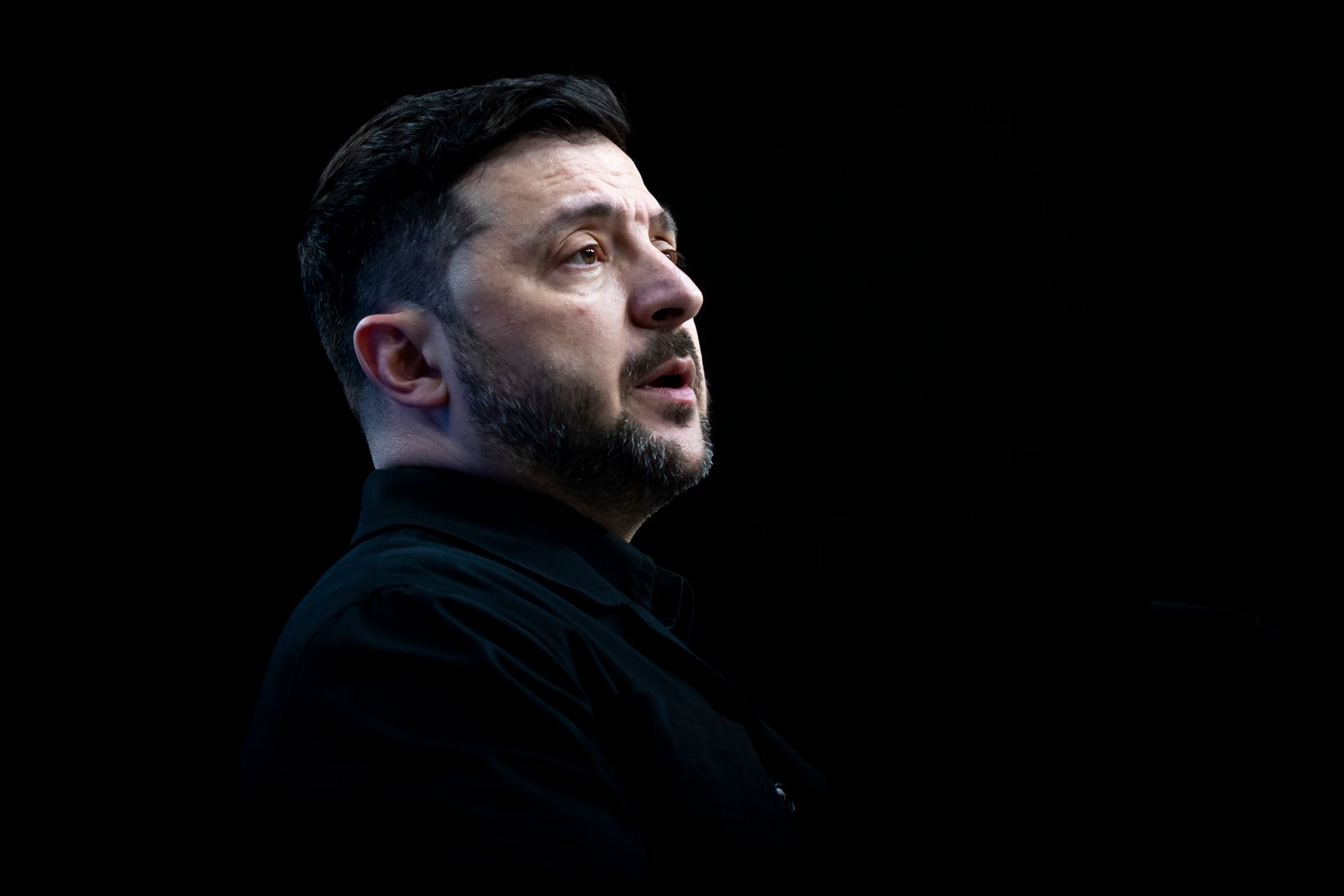
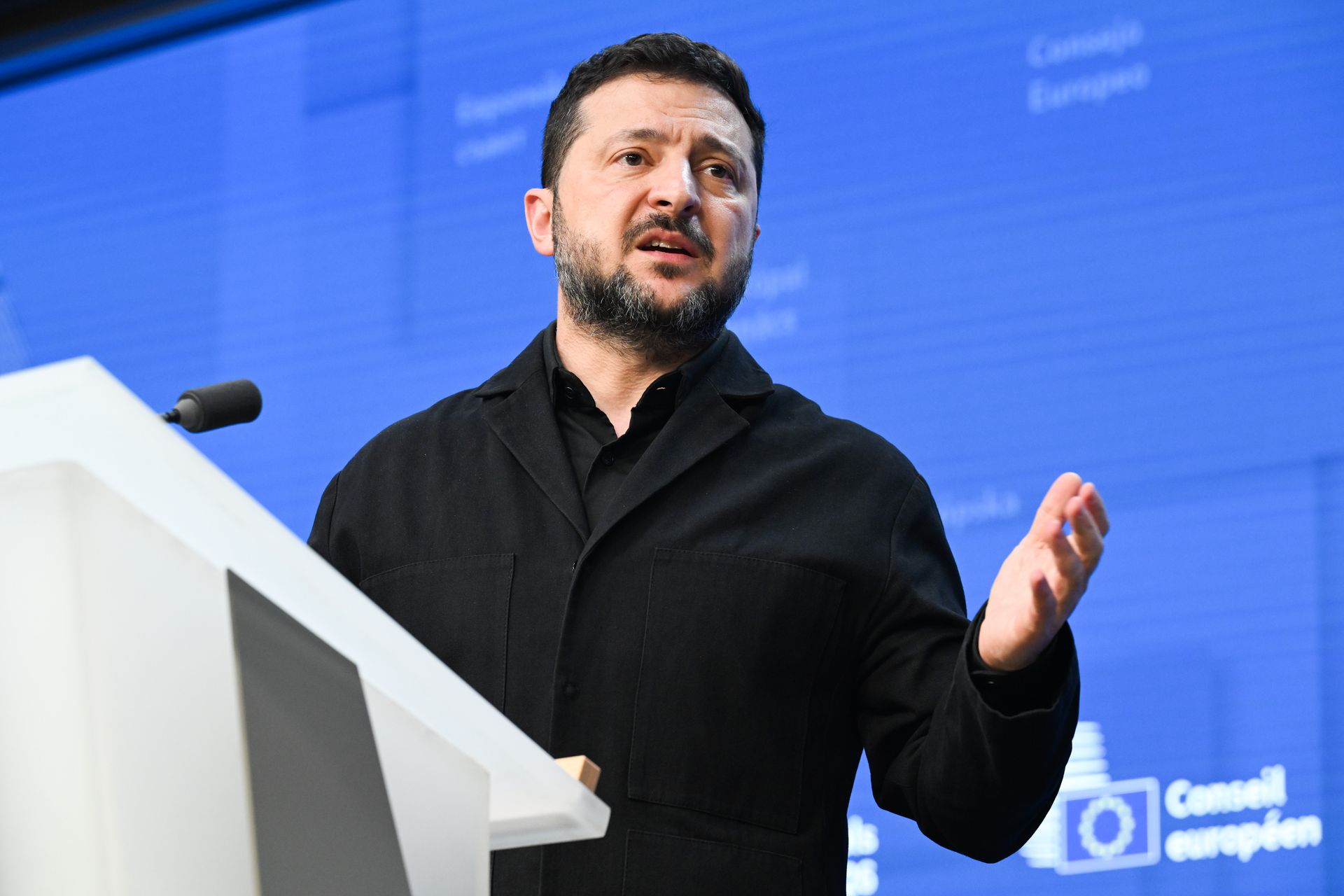
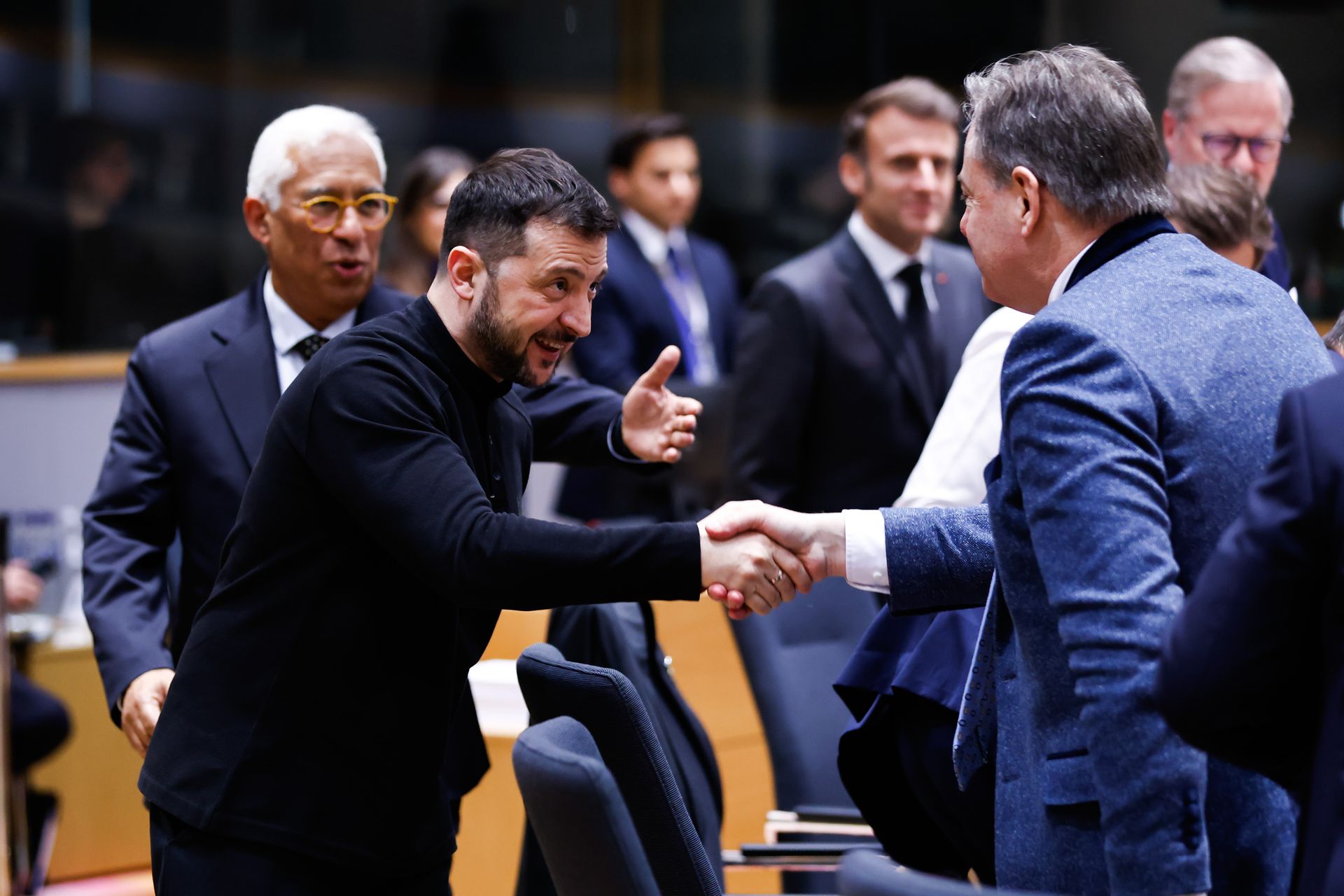
Zelensky's ask: 300 Patriot missiles, 70 billion euros, and Russian assets

"Without a determined European Union capable of making strong decisions Putin would have gone much further by now," Zelensky said, before calling on the bloc to double down on its support.

  •  

Meloni forza il negoziato sull’ETS: Bruxelles apre ai correttivi, ora la prova dei costi per l’industria

ETS, il pressing di Meloni e il nodo competitività: cosa ha ottenuto l’Italia a Bruxelles

Poco prima della partenza per Bruxelles, Giorgia Meloni avrebbe avuto, secondo fonti a lei vicine, una breve conversazione con Emanuele Orsini, presidente di Confindustria. L’indiscrezione, anche se da confermare, si inserisce in quel costante dialogo tra governo e imprese, nel quale il costo dell’energia e le regole europee sulle emissioni occupano da mesi un posto centrale. Ed è proprio su quel terreno che la premier ha concentrato una parte significativa del negoziato al Consiglio europeo.

«La questione, in fondo, è piuttosto semplice: che senso ha chiedere alle imprese europee di competere sui mercati internazionali se poi vengono costrette a sostenere costi che i loro concorrenti americani o asiatici non hanno? È attorno a questo interrogativo che Giorgia Meloni ha costruito una delle partite più delicate del Consiglio europeo di Bruxelles», racconta una fonte diplomatica di stanza a Bruxelles.

Per arrivare a un’intesa sull’ETS, il sistema europeo di scambio delle quote di emissione, ci sono volute ore di discussioni e una mediazione conclusa nella notte. Meloni non ha ottenuto la sospensione del meccanismo né il rinvio dell’ETS2 invocato dall’Italia e da altri governi, ma nelle conclusioni compare una richiesta precisa alla Commissione: aggiornare la valutazione degli effetti dell’ETS2, a partire dalla sua struttura e dalle misure di salvaguardia.

Al tempo stesso, i Ventisette sollecitano interventi contro l’eccessiva volatilità del prezzo della CO₂ e richiamano esplicitamente la necessità di proteggere la competitività industriale. Per capire perché Roma abbia insistito tanto sull’ETS basta guardare i bilanci delle imprese italiane, già alle prese con un costo dell’energia che pesa sulla competitività. Il sistema europeo impone agli impianti industriali interessati di restituire quote corrispondenti alle emissioni prodotte. Una parte è ancora assegnata gratuitamente; le altre vanno comprate sul mercato.

Il meccanismo serve a incentivare la riduzione della CO₂. Ma quando le tecnologie necessarie per tagliare le emissioni sono costose, o non ancora disponibili su scala industriale, il conto rischia di diventare pesante. Nell’acciaio, nel cemento, nella chimica, nel vetro e nella ceramica al costo diretto delle emissioni può aggiungersi quello indiretto dell’elettricità. Per le imprese italiane, già esposte a prezzi dell’energia spesso elevati, la combinazione può diventare particolarmente difficile da sostenere. Il pericolo non è soltanto una contrazione dei margini. È il cosiddetto carbon leakage: produzioni che si spostano in Paesi dove i vincoli sulle emissioni sono meno onerosi, con il rischio di perdere occupazione e capacità industriale in Europa senza ridurre le emissioni complessive a livello mondiale.

È una delle ragioni per cui Bruxelles ha introdotto anche il CBAM, il meccanismo di adeguamento del carbonio alle frontiere; restano tuttavia questioni aperte, tra cui la protezione delle esportazioni europee. È su questo nodo che Adolfo Urso insiste da tempo. Il 26 febbraio, al termine del confronto con i ministri dei Paesi riuniti nel formato Friends of Industry, il titolare del MIMIT aveva chiesto di sospendere l’ETS in attesa di una revisione profonda dei parametri di riferimento, delle quote gratuite e del calendario della loro progressiva eliminazione. Aveva inoltre sollecitato uno strumento stabile di sostegno alle imprese esportatrici.

Urso, insomma, non chiedeva qualche correttivo di facciata. A suo giudizio, bisognava intervenire sulle regole che rischiano di rendere sempre meno conveniente produrre in Europa. Un altro passaggio si è avuto l’8 aprile, quando Urso ha incontrato a Roma Stéphane Séjourné, vicepresidente esecutivo della Commissione per la prosperità e la strategia industriale. Nel bilaterale si è discusso anche della revisione dell’ETS e delle preoccupazioni delle imprese sui benchmark, i parametri che concorrono a determinare le quote assegnate gratuitamente. Il confronto con Séjourné mostra come il dossier sia stato seguito non soltanto a Palazzo Chigi, ma anche nei rapporti diretti tra il ministero e l’esecutivo europeo. Al vertice la discussione è ripartita da qui.

L’Italia ha trovato punti di contatto con la Polonia e con alcuni governi dell’Europa centro-orientale, preoccupati per il peso della transizione sui sistemi produttivi. Altri Stati hanno insistito perché non venissero indeboliti gli impegni climatici già assunti. Alla fine è prevalsa una mediazione: l’ETS resta uno strumento centrale della politica europea, ma nelle conclusioni trovano spazio la volatilità del prezzo della CO₂, i rincari dell’elettricità e le ricadute sulla competitività delle imprese. C’è poi una distinzione importante.

L’ETS2, richiamato esplicitamente nelle conclusioni, riguarda i combustibili utilizzati negli edifici e nel trasporto stradale: le sue ricadute interesserebbero soprattutto il riscaldamento e i carburanti. L’ETS tradizionale, invece, riguarda direttamente gli impianti dei settori energivori, le quote gratuite e il rischio di delocalizzazione. Sono due questioni diverse, ma entrambe incidono sui costi della transizione. Ed è su questi costi che il governo italiano vuole continuare a incalzare Bruxelles.

Per Confindustria, che da mesi segnala il peso dell’energia e la necessità di regole sostenibili per la manifattura, il passaggio europeo può offrire uno spazio di confronto ulteriore. Sarebbe però prematuro parlare di una riforma già ottenuta. Il Consiglio ha chiesto ai colegislatori di accelerare il lavoro sulla riserva stabilizzatrice del mercato e alla Commissione di riesaminare gli impatti dell’ETS2. Non ha deliberato la sospensione dell’ETS né fissato il rinvio dell’ETS2 al 2030.

Per Meloni il risultato politico sta nell’aver portato le richieste di correzione dentro un testo condiviso dai leader europei, dopo mesi di pressioni italiane e di interlocuzioni condotte anche da Urso con la Commissione. La partita, però, non si è chiusa nella notte di Bruxelles. Si sposta adesso negli uffici della Commissione e nei successivi negoziati, dove si deciderà quanto di quelle richieste finirà davvero nelle regole. Per le imprese, alle prese ogni giorno con il prezzo dell’energia, le dichiarazioni di principio non bastano. Servono provvedimenti. E soprattutto risultati.

LEGGI LE NOTIZIE DEL CANALE ECONOMIA

L'articolo Meloni forza il negoziato sull’ETS: Bruxelles apre ai correttivi, ora la prova dei costi per l’industria proviene da Affaritaliani.it.

  •  

Ukraine makes its anti-drone road nets a national standard in a new strategy for defensive lines through 2028. It has already strung over more than 1,000 kilometers of road

Netting tunnel over a road in Zaporizhzhia, protecting civilians and vehicles from FPV drone attacks.

Ukraine’s government has approved a Strategy for the Engineering Equipment of Defensive Lines through 2028. It makes strengthening anti-drone protection of logistics routes one of its priorities, the Defense Ministry says.

Russian FPV drones hunt almost anything that moves within 15 to 30 kilometers of the front, which has forced Ukraine to drape its logistics roads in overhead netting, wire-mesh canopies and reinforced barriers that catch an attacking drone before it reaches a vehicle. Ukraine had already built more than 1,066 kilometers of such protection by mid-July and aims for 4,000 kilometers by the end of 2026.

The new strategy turns that scramble into a single national standard, setting deadlines, assigning responsibility, and building control mechanisms, the ministry explained.

“Solutions that have proven effective we will scale. But we will also account for new challenges, threats and changes in Russian tactics. The main goal is the protection of our service members and civilians,” the Defense Ministry says.

One digital map for every trench and net

The plan puts the entire defensive network onto a screen. To track and monitor the state of defensive lines, Ukraine will introduce a single digital geographic information platform, built on and expanding existing systems, including the DELTA situational-awareness system.

The database will hold object passports, photographs, and data on each structure’s location and condition, helping officials verify that work is done, identify repair needs, and distribute resources on evidence rather than guesswork.

From trenches to supply roads, one cycle

The strategy covers the full span of military engineering. Its main lines of work are building and maintaining fortifications, laying engineering obstacles, strengthening anti-drone protection of logistics routes, using modern designs, materials and camouflage, creating a reserve of construction materials, and maintaining digital records of the work.

Developed on the Defense Ministry’s initiative based on combat experience, the document spans the entire cycle from planning and construction to accounting, upkeep, and restoration, the ministry noted. Financing will come from the state and local budgets for the relevant year and from other sources not prohibited by law.

  •  

The EU loophole Russia is using to free its oligarchs from sanctions

Russia has exploited an EU sanctions loophole to unfreeze $3 billion worth of assets held by Belgium's Euroclear, according to a Flemish media report, and Austria's Raiffeisen Bank could be about to execute the same maneuver.

  •  

Dietro gli applausi a Meloni le convergenze geopolitiche che servono all’Italia

Convergenze parallele e, per certi versi, anche fisiologiche. Ieri in Senato si è assistito ad un fenomeno che, in quattro anni, non si era quasi mai visto. Ovvero gli applausi a Meloni di Calenda e mezzo Pd. Come se la geopolitica, prima che politica, avesse avuto il sopravvento su contrapposizioni, insulti, contestazioni. Come se il clima pre-elettorale fosse stato messo da parte sull’altare delle cose giuste da fare e da rivendicare a Bruxelles. Il paniere di temi in questione è noto e riguarda il futuro non solo dell’Italia, ma anche della stessa Europa.

Quando la presidente del Consiglio ha spiegato che alcune dinamiche non hanno molto a che fare con la tutela dell’ambiente, ovvero il prezzo degli Ets che sale e che quindi fa salire anche il costo di produzione per l’acciaieria, la cartiera, il cementificio, la ceramica, ha posto un tema su cui nessuna parte sana può non essere d’accordo, perché riguarda la salvaguardia delle imprese.

Che non hanno colore politico, ma rispondono a logiche semplicissime: se regole sbagliate le strozzano, allora rischiano la chiusura, con conseguente perdita di posti di lavoro.

Quando Meloni ha chiesto una sospensione temporanea di alcuni obblighi sul Regolamento europeo del metano ha posto un altro tema nevralgico: ovvero che se una norma, nel passaggio dalla teoria alla pratica, produce danni o mancati benefici, semplicemente va corretta.

Infine quando ha avvertito che non è più possibile per l’Europa importare cobalto, grafite, terre rare imprescindibili per transizione energetica, transizione digitale e difesa, non fa solo una diagnosi arci nota (su cui però dei “bravi” nessuno ha dato un’accelerata fino ad oggi) ma indica la cura, proponendo Porto Marghera come uno dei primi siti europei di stoccaggio strategico di queste materie, iniziativa che potrebbe diventare un progetto pilota europeo.

“Il filo che lega tutte queste iniziative, insomma, è semplice: l’Europa deve tornare a mettere la capacità di produrre al centro delle proprie scelte”, ha detto la premier. In quel momento gli applausi di democratici e calendiani sono stati la spia che l’interesse nazionale è sentito dalle cosiddette forze responsabili presenti in Parlamento, dove l’epiteto responsabili non è il titolo di una squadra buono per un discorso carico di demagogia.

Ma la pragmatica conseguenza di scelte strutturali e lungimiranti che devono essere fatte per il bene futuro (e presente) della collettività. Che si fanno solo in un modo.

L’Europa forte che ha bisogno di Nazioni forti, parafrasando Meloni in chiusura, fa il paio con l’esigenza di un’Europa più solida e credibile all’interno di un metodo di amministrare il paese che difenda l’interesse italiano (come fanno anche tutti gli altri paesi membri).

Solo una parte delle opposizioni lo ha ben compreso.

  •  

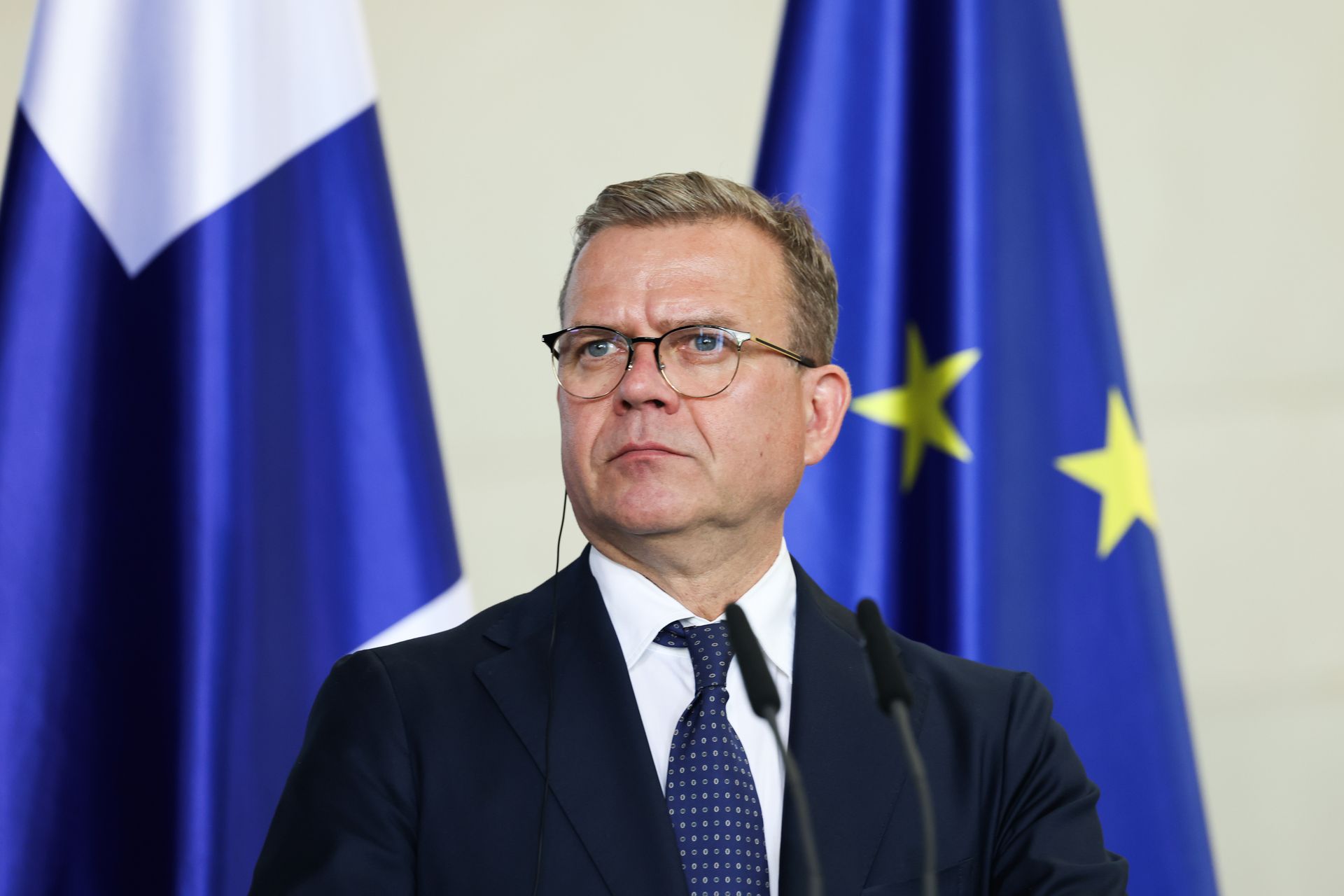
Europe shuts US out of Russian assets conversation

"These are frozen Russian assets held in Europe, belonging to Russians who are destroying Ukraine and killing people there every day... the idea of releasing these assets is completely out of the question," said Finnish Prime Minister Petteri Orpo.

  •  

Bring a bottle: Viennese dog owners told to rinse pets’ urine from trees

Official guidance says ammonia in animal urine should be watered down to stop it corroding bark

A neighbourhood in Vienna has introduced guidelines for dog walking, including the use of bottled tap water to rinse away urine and protect vulnerable trees.

Neubau, an up-and-coming, densely populated district dotted with cafes and galleries, rolled out the Schönes Gassi (nice dog walk) campaign this week.

Continue reading...

© Photograph: Georg Hochmuth/APA/AFP/Getty Images

© Photograph: Georg Hochmuth/APA/AFP/Getty Images

© Photograph: Georg Hochmuth/APA/AFP/Getty Images

  •  
❌