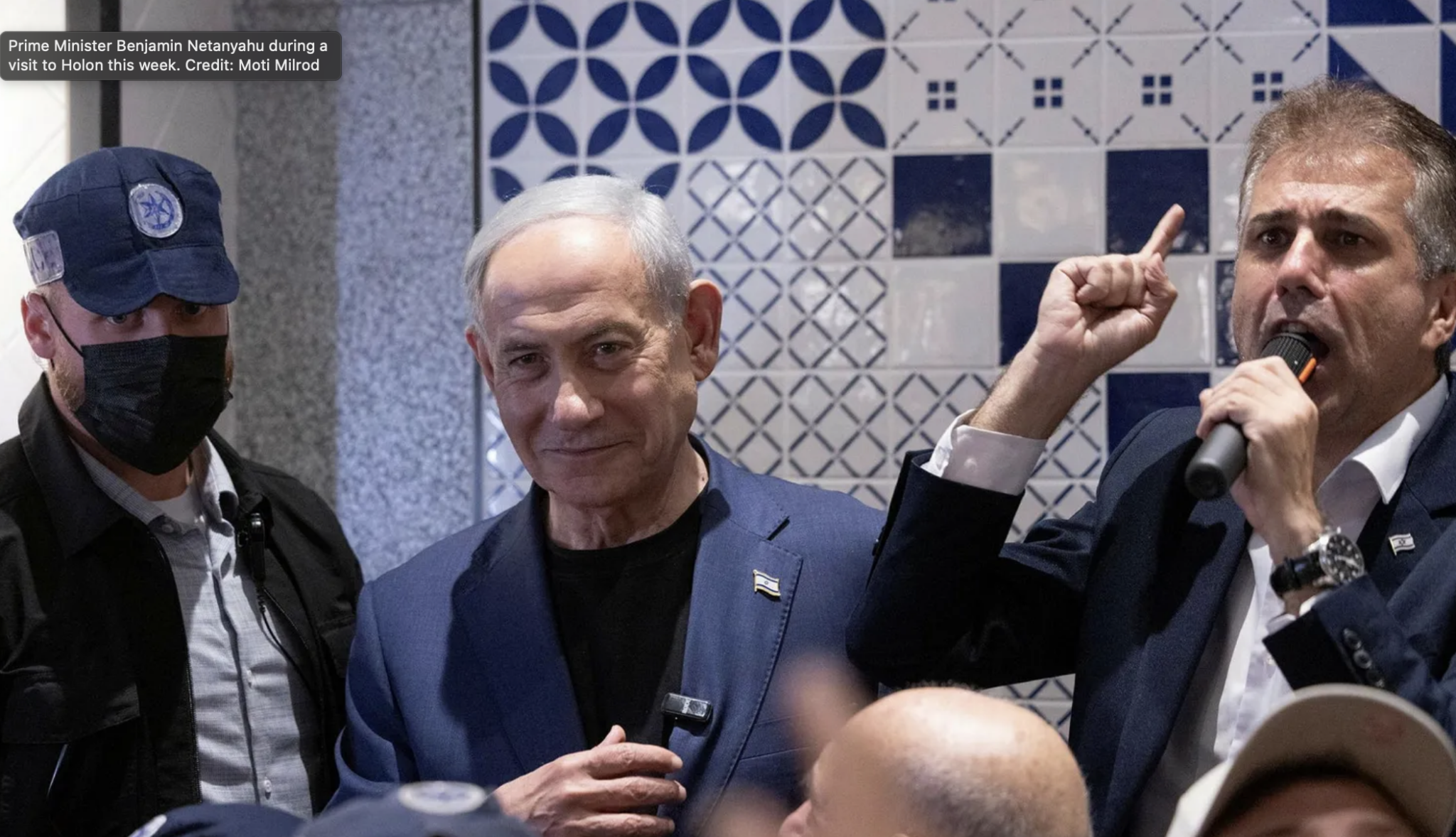
Der israelische Premierminister Benjamin Netanjahu erklärte in einer Wahlkampfbotschaft auf X, Israel müsse seine wichtigen „Aufgaben an allen Fronten“ in den kommenden zwei Jahren abschließen, solange Donald Trump als US-Präsident im Amt ist: „Uns bleiben noch zwei Jahre der Amtszeit meines Freundes Donald Trump, und genau in dieser Zeit müssen wir unsere wichtigsten Aufgaben an […]
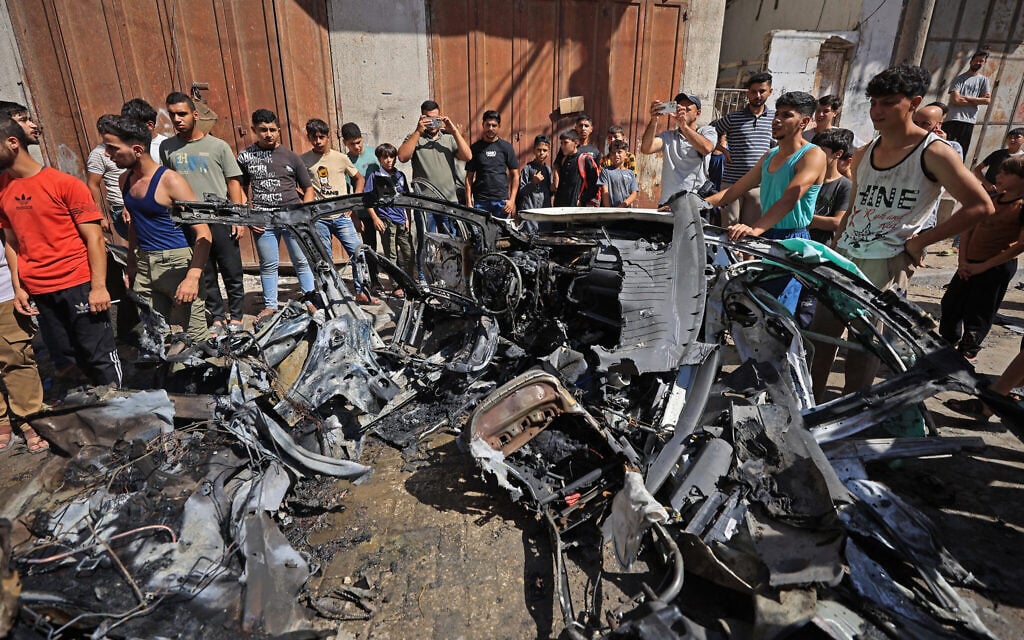
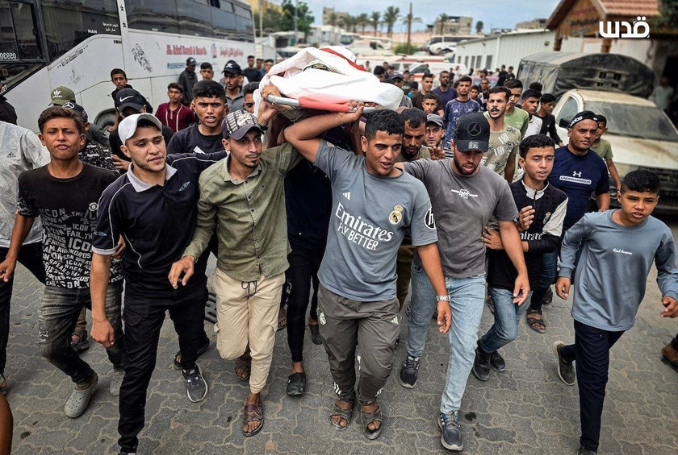
Da più di un anno a Gaza è in vigore il cessate il fuoco, ma solo domenica due bambini palestinesi sono stati uccisi dal fuoco delle Forze di difesa israeliane, come riporta l’agenzia Wafa. Secondo una nota del ministero dell’istruzione di Hamas a Gaza, si tratta di Tamer Soboh, di cui non viene riportata l’età, ucciso a ovest di Beit Lahiya, nel nord della Striscia, e di Masak al-Dalu, una bambina di 7 anni, nei pressi del campo profughi al-Maghazi. La piccola è rimasta uccisa quando le forze israeliane hanno aperto il fuoco tra le tende del campo profughi dove viveva, nel centro della Striscia di Gaza.
Dal 10 ottobre 2025, sono morti in totale 340 bambini durante la tregua. Secondo il Ministero della Salute di Gaza, almeno 1.511 palestinesi sono stati uccisi e altri 5.375 feriti negli attacchi israeliani. Per le famiglie “che piangono la perdita dei propri figli, queste terribili statistiche non equivalgono a un cessate il fuoco”, ha sottolineato il portavoce dell’Unicef Ricardo Pires. Attacchi aerei, raid di droni e sparatorie continuano in tutta la Striscia. Si stima che circa 60mila bambini abbiano visto morire uno o entrambi i genitori durante la guerra o dopo il cessate il fuoco e, secondo l’Unicef, sarebbero 800mila i bambini sfollati a Gaza, “e la maggior parte vive in tende o in edifici pericolosi e bombardati”.
L’abbassamento delle temperature complica ulteriormente la situazione per le famiglie sfollate a Gaza, che riempiono i sacchi di farina vuoti con la sabbia per impedire all’acqua piovana di entrare nelle loro tende. I bombardamenti israeliani hanno gravemente danneggiato la rete fognaria: “Ci sono enormi bacini di acque reflue, come il bacino di raccolta delle acque piovane di Sheikh Radwan, che è mezzo pieno”, ha avvertito Pires. “Come avevamo già previsto un anno fa, l’acqua contaminata potrebbe straripare e inondare le zone residenziali a valle, con conseguenze potenzialmente letali per i bambini e le loro famiglie. Alcuni bambini sono annegati in acque contaminate da liquami”.
Secondo Wafa, cinque palestinesi sono rimasti uccisi dal fuoco dell’esercito israeliano da questa mattina. Il portavoce dell’Idf afferma di star controllando i dettagli delle notizie riferite dai media palestinesi. La Wafa riporta anche la morte di una donna di 28 anni, Wijdan Kamal Shurrab, rimasta uccisa da colpi di arma da fuoco nei pressi di Khan Younis. L’agenzia palestinese cita fonti ospedaliere che parlano di 25 feriti nelle ultime 24 ore.
Violent (and illegal) Israeli settlers in West Bank are not content to attack only Palestinians ■ Gazans dread spending a 4th winter in displacement ■ NAZA documentary echoes 2023 film about Nazis ■ More.
Green leader in England and Wales calls ‘debates about words’ unhelpful and denies recent motion was controversial
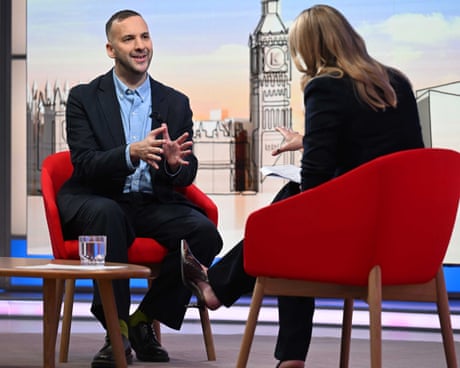
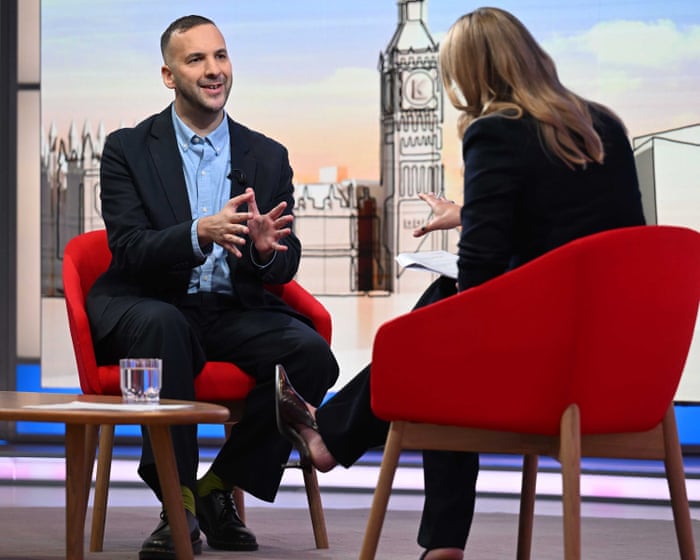
Zack Polanski has said Zionism in its current form is racist, that no country has a right to exist, and that the Green party motion on the issue was not controversial.
The leader of the Green party in England and Wales gave an unapologetic interview to the BBC on Sunday two weeks after his party approved a motion equating Zionism with racism.
Madalena Meyer Resende, especialista em relações internacionais, avisa que a Europa não tem capacidade militar para substituir os Estados Unidos no apoio antiaéreo e de inteligência à Ucrânia.
Alrededor de las enormes fortificaciones que Israel ha levantado en Gaza no queda nada. Algunas de ellas se remontan a 2023, tras los atentados de Hamás aquel 7 de octubre y la posterior invasión de la Franja por parte de Israel. Pero la construcción de nuevos puestos se ha acelerado a partir del alto el fuego del 10 de octubre de 2025: al menos 15 de ellos aparecen por primera vez en imágenes de satélite en diciembre del año pasado. “Estos puestos sirven como bases a través de las cuales Israel mantiene y ejerce control territorial sobre Gaza”, asegura Sarah Sanbar, investigadora de la ONG Human Rights Watch (HRW).
Para localizar las fortificaciones militares israelíes en Gaza, hemos desarrollado un sistema de búsqueda visual basado en inteligencia artificial que nos ha permitido identificar estructuras similares entre cientos de imágenes de satélite. Después, hemos revisado y contrastado los resultados para distinguir las posiciones fortificadas de otras construcciones o movimientos de tierra.
En total, hemos analizado más de 600 imágenes de la Franja de Gaza, tomadas entre enero de 2023 y octubre de 2026, que suman más de 400 GB de información. La mayoría proceden de Planet Labs y tienen una resolución aproximada de medio metro por píxel. También hemos utilizado una imagen aérea del norte de Gaza, publicada en la plataforma GovMap del Gobierno de Israel, con una resolución aproximada de 15 centímetros por píxel.
La investigación se ha desarrollado en cinco fases, con sucesivas rondas de búsqueda y revisión:
1. Selección de ejemplos. Escogimos 15 imágenes de fortificaciones con características reconocibles: grandes muros de tierra, accesos protegidos, zanjas y estructuras interiores como barracones, vehículos o antenas. Añadimos otros 15 ejemplos de caminos, excavaciones y terrenos arrasados que podían confundirse con ellas.
2. Búsqueda mediante inteligencia artificial. Dividimos las imágenes en 1.550.108 fragmentos, procedentes de 602 escenas de Planet Labs y de la imagen aérea de GovMap. Desarrollamos una herramienta que comparó estos fragmentos con los ejemplos seleccionados y los ordenó según su similitud. Repetimos las búsquedas incorporando los resultados ya revisados para identificar nuevos candidatos. La inteligencia artificial nos ayudó a localizar posibles fortificaciones, pero no decidió cuáles lo eran.
3. Revisión y evolución temporal. Examinamos las propuestas, descartamos las coincidencias incorrectas y reunimos imágenes de distintas fechas para cada ubicación. Así pudimos reconstruir los cambios visibles en el terreno y observar cuándo aparecían las primeras modificaciones.
4. Comprobación de uso militar. Para distinguir las fortificaciones de otros recintos, buscamos indicios adicionales, especialmente estructuras compatibles con barracones o módulos prefabricados. Revisamos distintas fechas para comprobar si estas instalaciones habían estado presentes, incluso cuando el recinto aparecía posteriormente vacío. Estos elementos, junto con la configuración del terreno, reforzaron la identificación de las posiciones militares.
5. Recuento final. Tras descartar falsos positivos y agrupar las imágenes correspondientes a una misma ubicación, identificamos 50 posiciones fortificadas. Para documentar su evolución, elaboramos 50 series temporales con 4.382 imágenes, accesibles para los lectores de EL PAÍS, después de excluir los recortes sin cobertura suficiente.
Limitaciones de la investigación. La cobertura de las imágenes no es uniforme: no disponemos de todos los lugares en todas las fechas. Por eso, la primera imagen en la que aparece una construcción no indica necesariamente cuándo fue levantada.
Las 50 posiciones identificadas representan las fortificaciones que hemos podido verificar en el material disponible, no un censo exhaustivo de todas las existentes en Gaza. Aunque hemos revisado miles de candidatos, no podemos descartar que haya otras posiciones que nuestra herramienta no haya detectado.
Las imágenes nos permiten documentar las estructuras y su evolución, pero no determinar por sí solas la función exacta de cada instalación ni si estuvo ocupada de manera continua. Para ello necesitamos contrastar nuestras observaciones con otras fuentes.
Over the course of less than 90 minutes, 24 Israeli soldiers and intelligence officials have fully exposed 36 months of baseless propaganda, lazy talking points, and disgusting lies.”
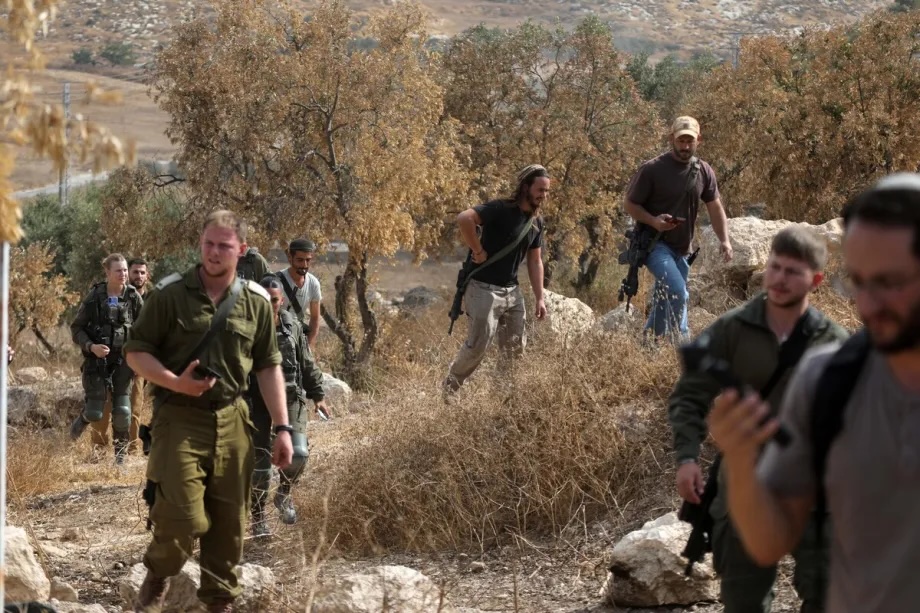
With Israeli rabbi's blessing, settlers are stealing Palestinians' olive harvest; with IDF support, settlers are beating both Palestinians and int'l visitors. That's not all.
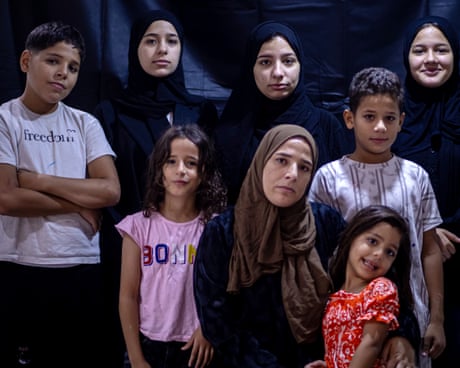
Families have been scattered, fathers separated from their children, and couples unable to reunite and marry
Wijdan Abu Matar, 43, was forced to leave Gaza in November 2023 with her eight children for medical treatment, while her injured husband, Hatem, remained behind.
Wijdan and her family were living in the Nuseirat refugee camp when the Gaza war began with the 7 October 2023 Hamas attack on Israel. Ten days later, on 17 October that year, an Israeli strike hit the al-Muhandseen tower, near their home, injuring Wijdan and every member of her family.
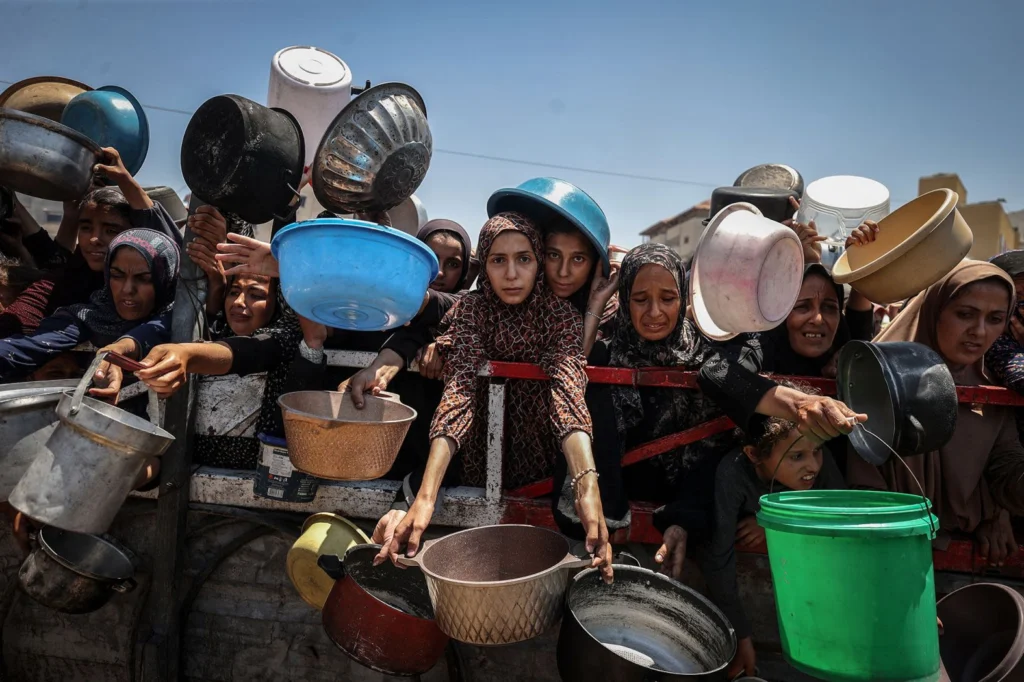
Gaza’s Health Ministry reported Friday that hunger and malnutrition have killed 466 people since 2024, as famine grips the enclave and pushes more than 1.4 million residents toward a critical food crisis.
The Palestinian Health Ministry in Gaza confirmed Friday that malnutrition and hunger rates have reached catastrophic levels across the territory.
The toll stands at 466 starvation deaths since 2024, a figure the ministry released on World Food Day, observed October 16.
The health authority issued a grim report exposing the consequences of the prolonged Israeli siege. Official projections show that more than 1.4 million people, equivalent to 67% of the population, will face a critical or worse food crisis by the end of 2026. Famine was formally declared in Gaza governorate in August 2025.
“Malnutrition and famine rates in the Gaza Strip have reached catastrophic levels, seriously affecting children, the elderly and other vulnerable groups,” the Ministry said in its statement.
Statement by the Gaza Ministry of Health on World Food Day:
▪️ "Malnutrition and starvation rates in the Gaza Strip have reached catastrophic levels, ravaging children, the elderly, and other vulnerable groups."
▪️ "A total of 466 deaths due to malnutrition and starvation have…
Children carry a heavy share of the toll. Since 2024, 157 children have died from malnutrition, roughly one third of all starvation deaths. Between 2024 and August 2026, health workers documented 158,001 cases of acute malnutrition in children under five, including 28,716 severe cases that directly threaten life.
The mortality rate among children under five more than doubled, climbing from 13.6 to 33.4 deaths per 1,000 live births between 2022 and 2025. Stunting now affects 12.2% of the child population. Officials estimate that another 74,200 children will require specialized treatment through 2027.
Maternal health has deteriorated sharply as well. Anemia prevalence rose to 61% in 2026, compared with 41% before the conflict. Nearly 4,000 miscarriages were recorded in the first half of the year, more than triple the previous six months. One in every three pregnancies is now classified as high risk.
🇵🇸 466 Palestinians, including 157 children, have died from malnutrition and starvation in Gaza since 2024, Health Ministry says
⚠️ More than 1.4 million people are expected to face crisis-level food insecurity or worse through the end of 2026
Elderly adults account for the largest share of deaths linked to food shortages. The Gazan Ministry registered 189 fatalities among the elderly, or 40.5% of the national total.
The vulnerability among seniors is stark: 11% go entire days without eating anything at all, meanwhile 48% deliberately reduce their own portions to feed their families. 68% of them have interrupted or cut back on medication doses because of widespread shortages.
Three years of war have collapsed the food system. The Ministry’s warning lands as winter approaches and as aid deliveries remain insufficient to meet the scale of need across the territory.
The figures mark the deepest point yet in a hunger emergency that has built steadily since the conflict began. A formal famine declaration, once a rare event, now defines daily reality for hundreds of thousands of people trapped in the enclave.
The projected rise in food insecurity through late 2026, combined with 74,200 children awaiting specialized care, points to a crisis that will persist even if aid access improves.
Facing this emergency, the Health Ministry recalled that the right to food is fundamental. It urged the United Nations and the international community to establish urgent mechanisms that guarantee the safe, sustainable and unrestricted entry of humanitarian aid, therapeutic supplements and medicines into the enclave.
Bernardo Valente afirma que é urgente obter autonomia estratégica na defesa perante a volatilidade dos EUA. Considera ainda que, Trump vê a Rússia como "potência média" e transacional.
TEL AVIV — There is one country on earth where Donald Trump could plausibly win a national election, and he knows it. “I could run for Prime Minister,” he joked in May, claiming 99% approval here. No poll has ever shown that. But the joke landed because it is only half a joke. Thirteen days before […]
Haaretz: "If there is one thing clear from Netanyahu's recent behavior and declarations, it's that there is no ploy, no manipulation, no lie he wouldn't use, if it keeps him out of a cell"
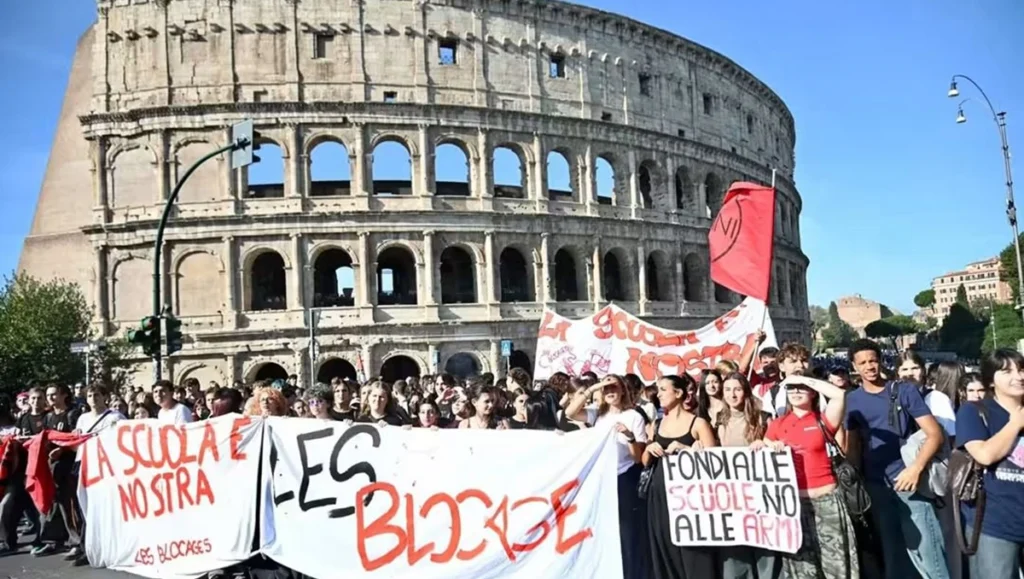
The protests followed several days marked by a wave of school occupations in Milan, Naples, Turin, Genoa, Bologna and Rome.
The nationwide mobilization, dubbed “No Meloni Day,” combined demands over budget allocations with direct criticism of the Italian government’s environmental policies.
Student groups denounced the progressive deterioration of school infrastructure and called for the €13 billion allocated to military spending to be redirected toward education.
Representatives of the Alternative Student Opposition criticized the rising cost of living and announced a general strike scheduled for Oct. 30.
Un carro armato di cartone è stato dato alle fiamme durante il corteo degli studenti a Torino. Alcuni manifestanti hanno incendiato il modellino con fumogeni colorati, accompagnati dai cori "Brucia, brucia" e dallo slogan "Noi la guerra non la paghiamo", per protestare contro le… pic.twitter.com/RM7BH94cf9
The text reads, “During a student protest in Turin, a cardboard tank was set on fire. Demonstrators ignited the model using colored smoke flares, chanting “Burn, Burn!” and the slogan “We will not pay for war,” as a form of protest against military spending.
The demonstration was part of the “No Meloni Day”—a day of student mobilization against the government’s educational policies, rising tuition costs, and increased military expenditure.
Similar protests took place across Italy, specifically in Rome, Milan, Florence, Genoa, Venice, Padua, Treviso, and Cagliari. In the capital, organizers estimated the turnout at 20,000 people, while in Turin, more than 2,500 students took to the streets.”
During marches in Rome, tensions escalated when some protesters threw firecrackers and trash containers outside the Education Ministry. Riot police and Carabinieri officers established security cordons and used tear gas to disperse the crowd on Via Marmorata.
“Thousands of students marched from the Colosseum to the Education Ministry. Tensions rose because of a group of masked protesters who threw bottles and improvised explosive devices at law enforcement officers, as well as discharged fire extinguishers,” RaiNews reported.
Similar clashes occurred in Turin and Bologna outside the prefecture and the central railway station, where police responded with water cannons. The violence led to confrontations involving blunt objects, the detention of a masked minor and severe disruptions to rail traffic in northern Italy.
Thousands of people marched peacefully in Milan, holding signs and chanting slogans in support of social integration. Youth organizations strongly opposed Meloni’s “Valditara Decree,” which they described as discriminatory and racist.
In effect since June, the decree bans sex and relationship education at the preschool and elementary school levels and requires parental consent to address these topics at other educational levels. It also sets a maximum of 30% for foreign students in each classroom.
“Are these really the problems that need to be solved?” and “Racists out of our schools!” protesters shouted, according to RAI News.
“An entire generation has taken to the streets because it refuses to bow its head — to mind its own business — while others destroy our future,” said Alice, who linked the student movement’s demands to the genocide in Gaza.
“And it all starts right here, in our schools. The pro-Palestinian demonstrations made that clear: Some people have blood on their hands — the blood of genocides taking place around the world — and those same hands are cutting funding for our schools, our lives, and a dignified future in this city.”
“Outside the regional education authority’s headquarters, some participants threw eggs filled with red paint, declaring, ‘This is the blood of Gaza and Palestine,’” RaiNews reported.
No Meloni day here in Italy and antifascist students are facing-off with her cops right now in Bologna. Solidarity comrades. No Fascism. No Genocide. No Meloni. pic.twitter.com/wQsgtjRRV2
Truckers, Farmers and Environmentalists Voice Discontent
On Friday, southern Italy faced a severe fuel shortage in the provinces of Calabria, Basilicata and Apulia because of protests by truckers and farmers. Steelworkers’ blockades at Eni’s Taranto refinery brought gas stations to a standstill, causing long lines and operational difficulties for public transportation.
The transport industry association Conftrasporto reported an increase of more than 50 euro cents per liter in diesel prices and demanded the immediate release of budget funds.
Facing the imminent risk of supply shortages, the Ministry of Infrastructure and Transport called an emergency meeting with industry representatives for Oct. 27.
The student mobilization also coincided with global protests organized by “Fridays for Future” in support of climate action and against fossil fuels.
Italian environmentalists marched to the Environment Ministry in Rome to demand reductions in polluting emissions and action to combat energy poverty across the country.
Beijing recalca a la comunidad internacional «la necesidad urgente de un alto el fuego efectivo en Gaza, la garantía total del acceso humanitario y el fin de los asentamientos en Cisjordania» .
Film interviewing military insiders about mass killing of civilians in Gaza wins widespread praise around the world
Critics around the world have hailed the award-winning documentary NAZA as a “brilliant and harrowing” film that is “impossible to ignore”.
NAZA, which is produced by the Guardian and details Israel’s mass killing of civilians in Gaza, was released in UK cinemas this week and will be shown in more than 50 countries. As well as its global cinema releases, NAZA will be available free on the Guardian’s website from late November.
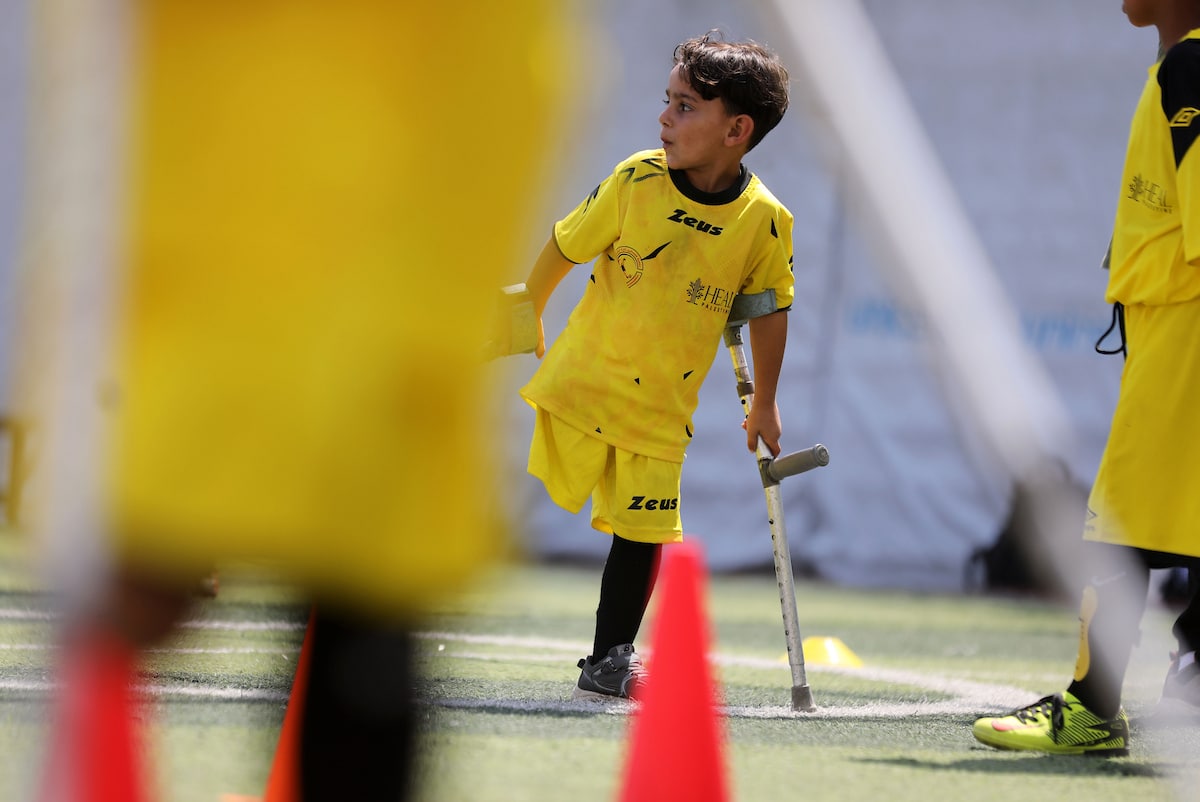
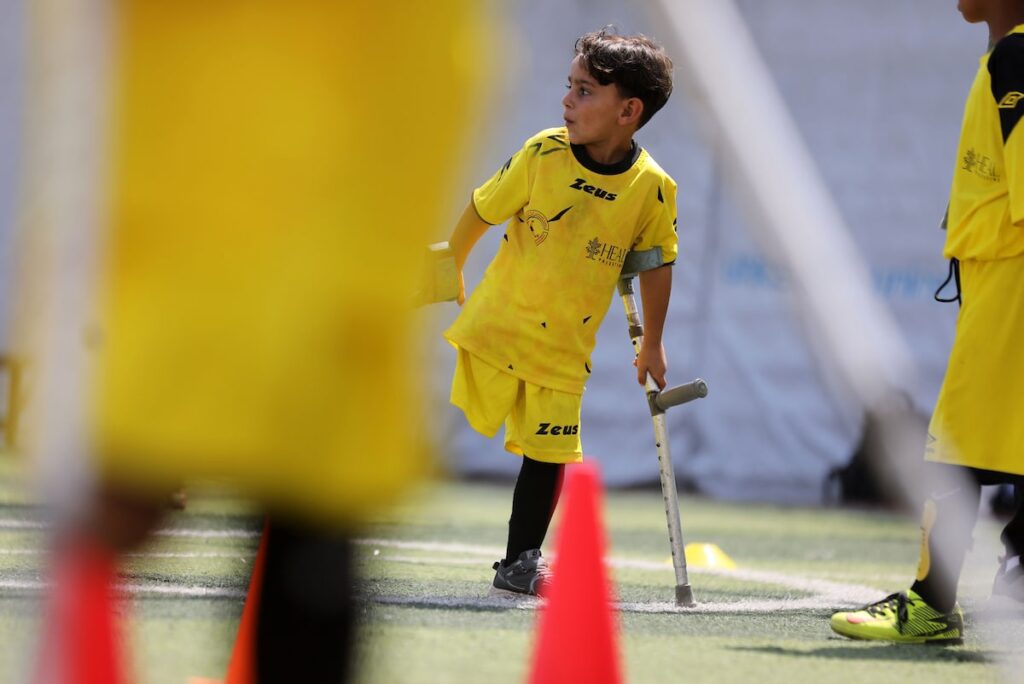
Israel is restricting prosthetics and rehabilitation equipment from entering Gaza, leaving thousands of children waiting for a medical evacuation that may never come.

 Login