❌

Reading view

Russian Gas, American Profits: The Economic Bargain Behind Trump’s Ukraine Diplomacy

The Trump administration’s reported proposal to restore Russian gas supplies to Europe through Ukraine marks a reversal of Washington’s longstanding energy policy. Behind the promise of an economic incentive for peace lies a more consequential question: whether Europe is being asked to restore the very dependence on Moscow that it has spent four years dismantling.

The administration of US President Donald Trump is considering the restoration of Russian natural gas supplies to Europe, including through Ukraine’s pipeline network, as part of a proposed settlement to end Russia’s war against Ukraine. The initiative would offer Moscow renewed energy revenues while potentially opening opportunities for American investors to participate in the trade.

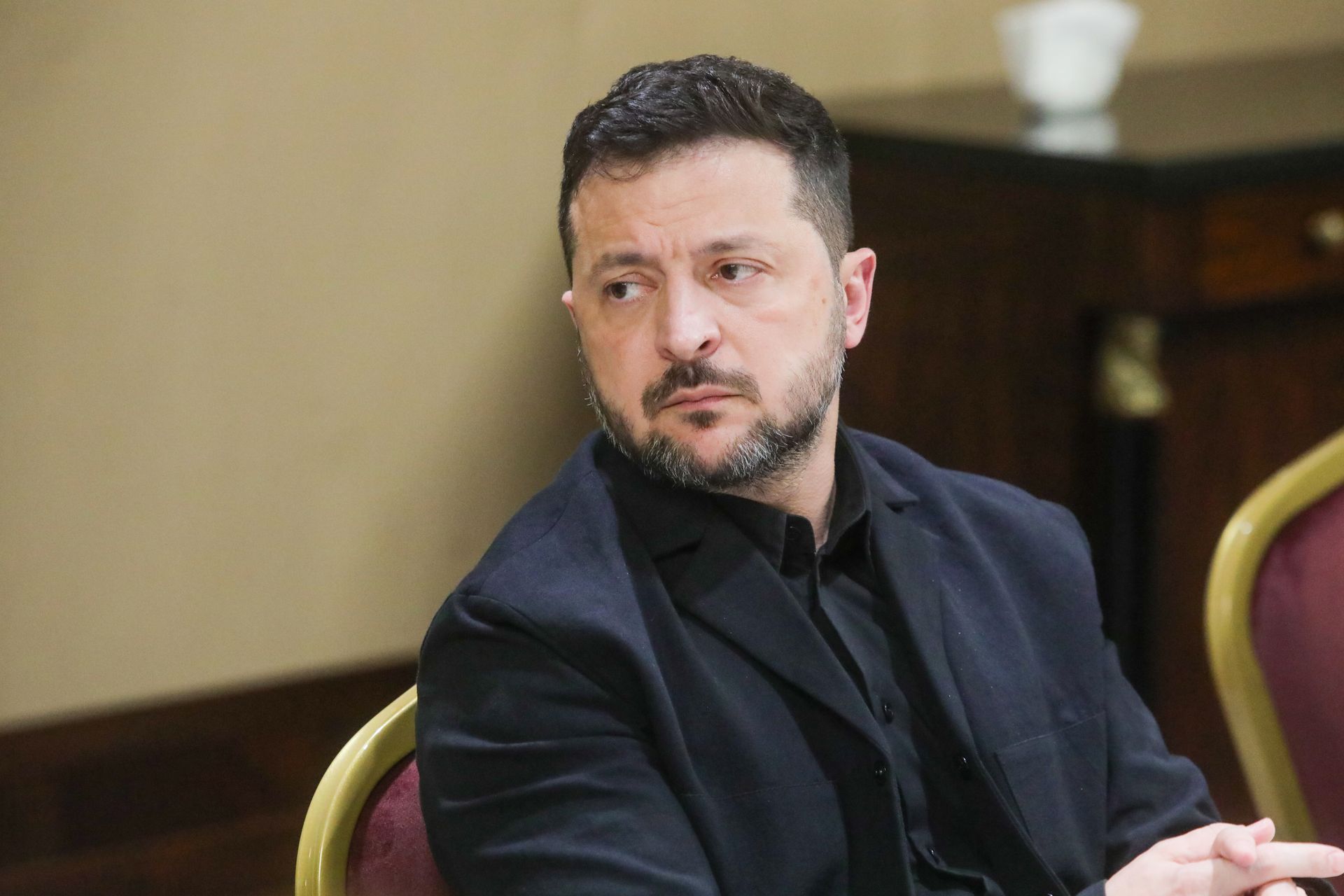
According to a New York Times investigation published on 17 October, presidential envoys Steve Witkoff and Jared Kushner have raised the proposal with Ukrainian and European officials, including President Volodymyr Zelenskyy. The White House has confirmed that economic incentives for Russia and Ukraine form part of its peace diplomacy, although no agreement on renewed gas transit has been announced.

The proposal would require Ukraine to reopen a transit route that ceased operating for Russian exports in January 2025, while European governments would be expected to resume purchases they have spent years reducing. American negotiators reportedly regard the prospect of renewed commercial revenues as an incentive for President Vladimir Putin to reach a settlement.

There is, however, a considerable difference between offering Russia a commercial opportunity after a verified peace agreement and restoring a source of revenue and political influence before Moscow has demonstrated any willingness to abandon its territorial objectives.

From opposition to Russian gas to facilitating its return

The reported initiative represents a reversal of Trump’s earlier position on European energy security.

During his first presidency, Trump repeatedly warned Germany that its dependence on Russian energy exposed it to political pressure from Moscow. Speaking at the United Nations General Assembly in September 2018, he accused Berlin of becoming dangerously dependent on Russian supplies. Members of the German delegation visibly smiled at his remarks.

The episode acquired renewed significance after Russia’s full-scale invasion of Ukraine in February 2022. Germany had developed an extensive commercial relationship with Gazprom, while the Nord Stream pipelines were intended to facilitate Russian gas deliveries directly to Germany, bypassing traditional transit countries, including Ukraine.

Trump maintained his opposition to those energy relationships well into his second presidency. As EU Today reported in September 2025, he told European governments that continuing to purchase Russian energy amounted to financing the war against themselves.

Washington is now reportedly considering precisely the commercial relationship that Trump previously identified as a strategic danger.

The change cannot be explained solely by the objective of ending the war. It also coincides with discussions about a substantially different economic arrangement, in which American commercial interests could participate in infrastructure and transactions previously dominated by Russia and European energy companies.

American investors and the economics of peace

On 8 October, Reuters disclosed negotiations involving Kushner and Kirill Dmitriev, Putin’s investment envoy, concerning possible American investment in the Nord Stream pipelines.

The discussions included the prospect of US investors profiting from renewed Russian gas deliveries to Europe. Separate negotiations have involved assets belonging to the Russian energy company Lukoil.

The White House has denied that Nord Stream was a subject of recent discussions and has said any agreements must benefit American taxpayers and companies. There is no established evidence that Witkoff, Kushner or members of Trump’s family would personally profit from the proposed gas arrangements.

Nevertheless, the possibility of American participation changes the commercial equation. Russian gas returning to Europe through infrastructure involving US investors would no longer be exclusively a Russian-European business relationship.

That distinction matters financially, but it does not necessarily resolve the underlying security problem. American ownership of transit infrastructure would not eliminate Moscow’s ability to influence production, supply volumes or export decisions.

The European Union has already confronted the consequences of allowing an energy relationship to become a source of geopolitical leverage. Introducing American intermediaries would not, by itself, remove that vulnerability.

Europe’s legal and political obstacles

The proposal also conflicts with legislation already adopted by the European Union.

In January 2026, the Council formally approved a regulation phasing out Russian natural gas imports. The restrictions began taking effect in March, with the remaining long-term LNG imports scheduled to end in January 2027 and pipeline imports in autumn 2027.

Consequently, restoring substantial Russian supplies would require changes to existing EU policy or the use of legally available exceptions. Neither Washington nor Moscow can make that decision on Europe’s behalf.

Germany has already opposed the reported American initiative. Chancellor Friedrich Merz’s security adviser, Günter Sautter, reportedly objected during discussions in Florida, while former economy minister Robert Habeck warned against recreating dependence on an unreliable supplier.

The economic attraction remains understandable. European industry faces substantial energy costs, and cheaper pipeline gas could offer relief to some consumers and manufacturers. Yet commercial prices do not account for the wider costs associated with supply disruption, strategic exposure and the potential use of energy exports as political leverage.

Europe’s decision to reduce Russian gas imports was therefore not simply a change of supplier. It was a response to the security implications of its previous energy model.

The consequences for European politics

The initiative also intersects with divisions inside European politics, particularly in Germany.

Alternative for Germany (AfD) has repeatedly advocated restoring Russian energy imports, arguing that sanctions and expensive replacement supplies have damaged German industry. Sahra Wagenknecht’s left-wing BSW has advanced similar arguments concerning energy prices and relations with Moscow.

The overlap extends beyond energy policy. On 14 October, AfD and BSW representatives supported a motion in Saxony-Anhalt calling for an end to military assistance for Ukraine.

A US-backed proposal to restore Russian gas could give these parties an additional argument against the federal government’s existing approach. They would be able to point to Washington’s own negotiations when questioning the economic and strategic rationale for maintaining restrictions on Russian energy.

This does not establish that the Trump administration’s gas initiative is intended to strengthen particular European political movements. It does demonstrate how the same policy could serve several objectives simultaneously: commercial rapprochement with Russia, a negotiating incentive for Moscow and a change in the European debate over sanctions.

A peace incentive that could restore Russian leverage

The central uncertainty concerns the relationship between renewed revenues and Russian military objectives.

Washington’s argument assumes that the prospect of substantial future gas income could persuade Putin to accept a settlement. Yet negotiations over commercial cooperation have so far produced no demonstrated change in Moscow’s fundamental territorial demands.

Meanwhile, Russia continues attacking Ukraine’s energy infrastructure. On 18 October, Zelenskyy reported 76 Russian attacks on Ukrainian energy, oil and gas facilities during the preceding week, despite Trump’s announcement of an energy ceasefire that neither Kyiv nor Moscow had confirmed.

There is also an unresolved contradiction in Washington’s wider sanctions policy. Having previously demanded that Europe stop financing Russia through energy purchases, Trump has recently suspended additional American sanctions against Moscow while his representatives explore new economic arrangements.

For Ukraine, renewed transit could restore revenue lost when the previous gas agreement expired. For Russia, however, the potential benefits extend beyond immediate export earnings. Access to European markets would restore commercial relationships and a degree of political influence that Moscow lost after the invasion.

The distinction is fundamental. A peace settlement that permits carefully regulated economic cooperation after Russian withdrawal and enforceable security guarantees would be different from an agreement that restores Moscow’s commercial advantages in anticipation of concessions that have not yet been secured.

The question for European governments is therefore not merely whether Russian gas could once again become cheaper than alternative supplies. It is whether restoring that trade would leave Europe better protected against another confrontation with Moscow, or recreate the vulnerabilities that became apparent in 2022.

Washington’s proposed economic bargain cannot answer that question on Europe’s behalf.
  •  

Trump Decides Not To Add New Sanctions on Russia Under Lindsey Graham Act

President Trump has decided not to impose new sanctions on Russia and tariffs on Russian trading partners under a new law named after the late Senator Lindsey Graham, at least for now. The Lindsey O. Graham Sanctioning Russia and Iran Act became law last month and gives Trump the power to add new economic sanctions […]
  •  

Ukraine Hits Oil Sites in St. Petersburg as It Launches Over 1,000 Drones at Russia

Ukrainian drones hit an oil depot and an oil export facility in St. Petersburg, Russia, on Sunday, setting the facilities on fire as Ukraine continues targeting Russian oil infrastructure despite President Trump claiming he’s opposed to such attacks. Aleksandr Beglov, the governor of St. Petersburg, said on Telegram that one person was killed and five […]
  •  

Trump's decision to import Russian diesel is an 'incentive to end the war,' energy secretary says

Donald Trump
President Donald Trump signed an executive order waiving new sanctions on Russia.

Aaron Schwartz/Getty Images

  • US Energy Secretary Chris Wright defended Trump's decision to buy Russian diesel.
  • Wright said the relief is actually an "incentive" for Russia to end its war with Ukraine.
  • Ukraine's President Zelenskyy and several US lawmakers have criticized the move.

President Donald Trump is still playing hardball with Russia, according to US Department of Energy Secretary Chris Wright.

Wright defended Trump's decision to waive sanctions on Russia during a Sunday interview on CNN's "State of the Union with Jake Tapper and Dana Bash."

In September, Trump signed into law a sanctions package targeting Russian officials and parts of its economy in an effort to pressure Russia amid its war on Ukraine. Last week, Trump issued an executive order waiving those new sanctions, other restrictions, and some duties on Russia.

In early October, Trump also announced an agreement with President Vladimir Putin under which Russia would supply over 300,000 tons of diesel fuel to America and the global market.

"President Trump waived sanctions just on diesel exports, and what's the one thing Russia has not been able to export over the last month or so? Diesel, because they're short of diesel," Wright said.

The Energy Secretary said waiving the sanctions solves two problems: the diesel oil shortage and Russia's ongoing war with Ukraine.

"This is pressuring Russia. Russia does not have diesel to export," Wright said. "The only way they can get additional diesel to export is if they turn down the conflict with Ukraine."

Wright said Russia would have to enter into an energy ceasefire or reduce its war efforts to have enough additional diesel to export.

"This is not going soft on Russia. This is an incentive to end the war," Wright added.

Trump elaborated on his reasoning further on Sunday in a Truth Social post.

"I am in the process of negotiating Peace in the war between Russia and Ukraine, and don't want to do anything that will drive, foolishly, Russia away from the bargaining table," he wrote.

Ukrainian President Volodymyr Zelenskyy said waiving sanctions on Russia "seems wrong" to him. US lawmakers on both sides of the political aisle also criticized the move, including Republican Sen. Thom Tillis.

"Beyond irresponsible. What part of enforcing a law passed 86-11 by the Senate does the President and his advisors not understand? It's unconscionable that this administration is capitulating to a Russian dictator who illegally invaded Ukraine and butchers innocent civilians every single day," Tillis wrote on X.

He added, "If the President wants to actually bring down energy prices, he can do it by solving the Iran problem, not by doing a solid for Vladimir Putin."

Diesel and regular gas prices have skyrocketed globally as the US war on Iran drags on. Following surprise attacks by the US and Israel on Iran in February, Iran effectively shut down the Strait of Hormuz, which is a major waterway through which much of the world's diesel and oil is shipped. Last week, the International Energy Agency ‌said the diesel shortage could run into 2027.

That's a problem for Trump, who is hoping voters overlook high gas prices and concerns over the cost of living when they head to the polls this November for the midterm elections. Higher diesel prices mean higher shipping costs, which trickle down to consumers as inflated prices for everyday goods.

Wright also appeared on ABC's "This Week" on Sunday, during which he said Trump was trying to find "innovative" ways to end the Russia-Ukraine war.

"This is a motivation for Russia to figure out how they can actually export some diesel," he said.

Read the original article on Business Insider

  •  

EU vs. Trump, oder warum die Ukraine den Petersburger Hafen bombardiert hat

Der Diesel-Deal, den die Präsidenten Trump und Putin geschlossen haben, ist für die EU und Selensky buchstäblich ein Produkt aus der Hölle. Selensky bezeichnete den Deal als Zeichen der Schwäche von Trump und warf Trump Verrat vor. Die Spitzen der EU waren in ihren Aussagen etwas zurückhaltender, sagten dem Sinne nach aber das Gleiche. Ich […]
  •  

How Starlink gave Ukraine a ‘middle strike’ advantage that is now at risk

How are Ukraine’s drones disrupting Russian supply lines — and can Ukraine hold on to its advantage? Flying far behind enemy lines, “middle-strike” drones hunt the fuel, ammunition, and reinforcements Russia needs to sustain its assaults. Starlink has helped make this campaign possible, but dependence on

  •  

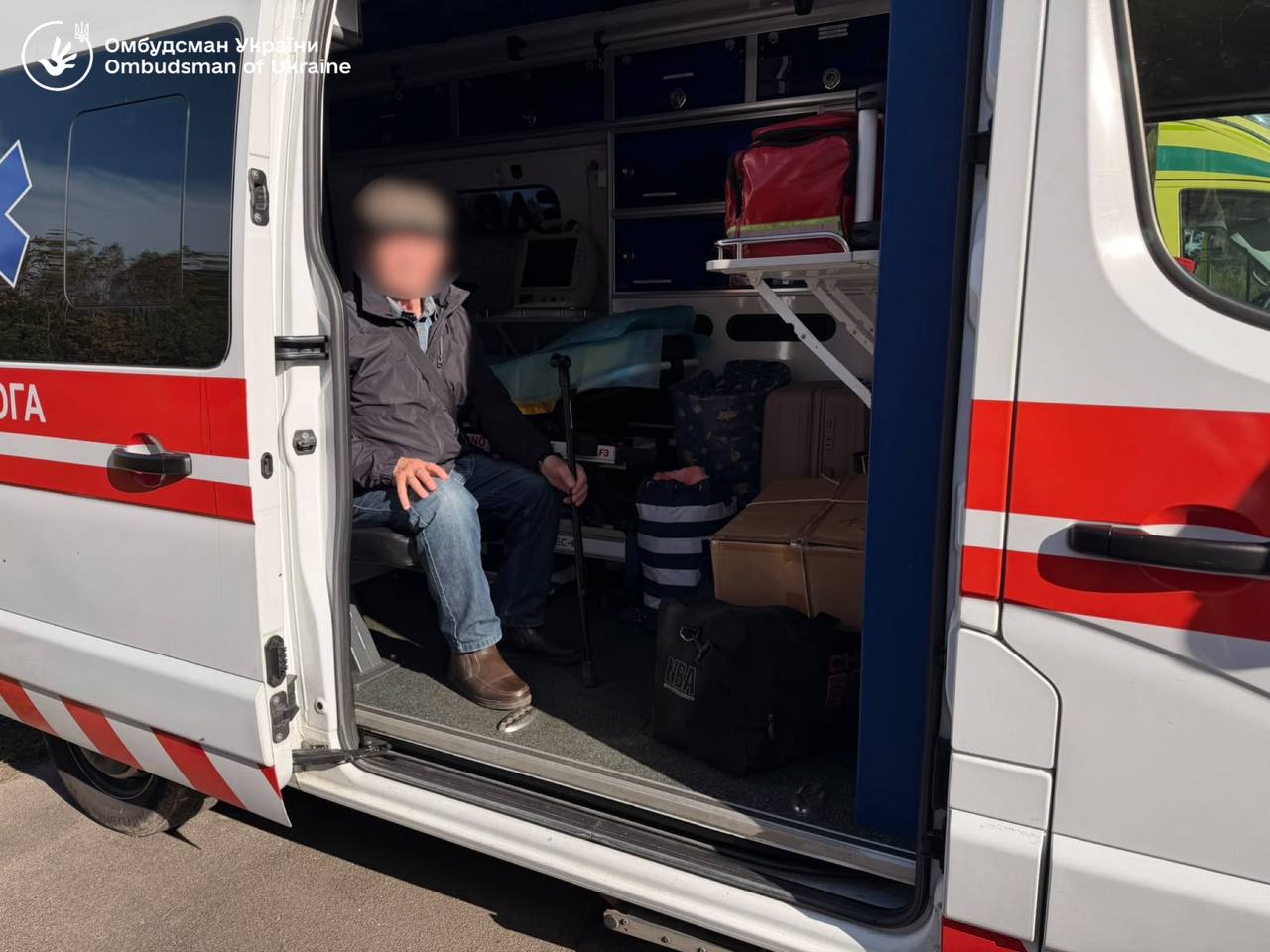
News from occupied Ukraine: 11 Ukrainians, including 96-year-old woman, evacuated from Russian occupation

This weekly update from the Kyiv Independent aims to shed light on the situation facing Ukrainians living under Russian occupation and the ever-tightening control of information imposed by the Kremlin.

Key news as of Oct. 17:

  • Eleven Ukrainians, including 96-year-old woman, return from Russian-occupied territories, ombudsman says
  • Russia sends terrorism

  •  

Ukraine war latest: St. Petersburg slammed by drones in mass Ukrainian attack

Key developments on Oct. 17-18

  • Massive Ukrainian drone attack hits oil facility, bridge, and data center in St. Petersburg
  • US resumes intel sharing on Russian missile launches with Ukraine, Zelensky says
  • Ukraine hits Russian drone manufacturing plant in Rostov Oblast
  • 'Planned operation' — Zelensky confirms Ukraine's

  •  

Russia Strikes Ukraine’s Logistics and Energy, Ukraine Launches Massive Drone Raid on St. Petersburg

Click to see the full-size image

On the night of October 18, the Russian Armed Forces carried out group strikes using unmanned aerial vehicles against logistics centers, port infrastructure, and energy facilities in Ukraine. According to a statement by the Russian Ministry of Defense, the targets included warehouses containing dual-use cargo and vessels used to supply the Ukrainian Armed Forces.

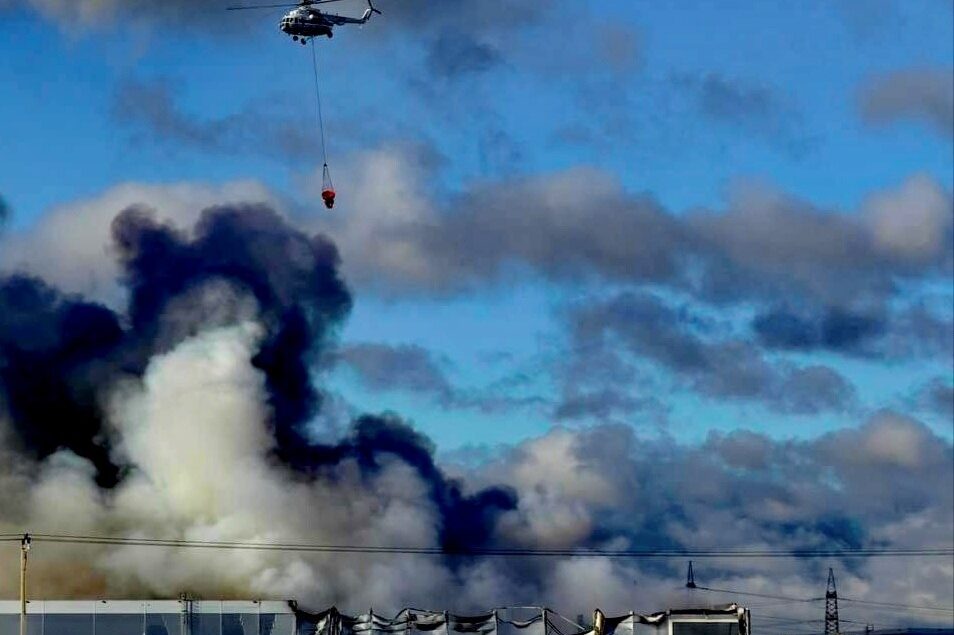
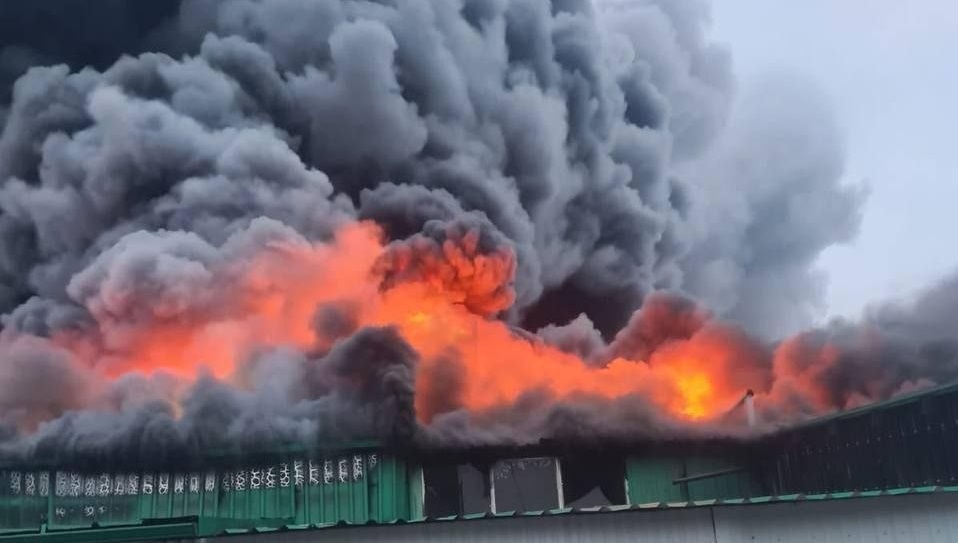
In turn, the Ukrainian side carried out a massive drone attack on Russian regions, focusing primarily on St. Petersburg and Leningrad Region: oil terminals, a data center, a distribution center, a boiler house at a thermal power plant, and bridge infrastructure were struck, and residential areas were damaged. According to the Russian Ministry of Defense, 1,015 Ukrainian UAVs were shot down over Russian territory.

Russian Strikes on Ukraine

Logistics Infrastructure

  • Nova Poshta logistics center (Rivne). According to a statement by the Russian Ministry of Defense, the facility was used to store and distribute dual-use cargo, including components for medium- and long-range unmanned aerial vehicles. The center served as part of the logistics chain supplying Ukrainian forces. Damage to the facility complicates the delivery of components for drone assembly in Ukraine’s western regions.

  • Polko Group production and warehouse facilities (Manevychi, Volyn Region). The facilities were reportedly involved in the manufacture of explosives and the loading of munitions for long-range drones. The facilities are part of the warehouse infrastructure used to accumulate and transship cargo toward Rivne and neighboring regions.

Click to see the full-size image

  • Warehouse in the Novomoskovsk area (Dnipropetrovsk Region). The nature of the cargo stored there is not specified in available sources. However, the facility’s location in the industrial area of Dnipropetrovsk Region suggests that it was part of the logistics supply chain supporting Ukrainian Armed Forces groupings in the eastern direction.

  • Bulk carrier 30 km east of the Port of Odesa. According to a statement by the Russian Ministry of Defense, a bulk carrier carrying military and dual-use cargo was struck.

Energy Infrastructure

  • Prydniprovska Thermal Power Plant (Dnipro, Dnipropetrovsk Region). The Prydniprovska TPP supplied electricity to industrial consumers in the region, including facilities linked to military production.

  • Belolesye substation (Odesa Region). The substation supplies electricity to, among other things, port infrastructure and enterprises in the region.

  • Critical infrastructure facilities (Vinnytsia Region). Damage to critical infrastructure was reported, accompanied by power outages.

Strikes on distribution substations create local power shortages and complicate the operations of industrial enterprises involved in the production and repair of military equipment.

According to monitoring sources, UAV strikes were also carried out against targets in Chernihiv, Zaporizhzhia, Sumy, and Kharkiv Regions. In addition, during the preceding day, aviation and missile forces struck targets in Donbas, Kherson, Poltava, Cherkasy, and Zhytomyr Regions.

Strikes on Russian Territory

St. Petersburg and Leningrad Region

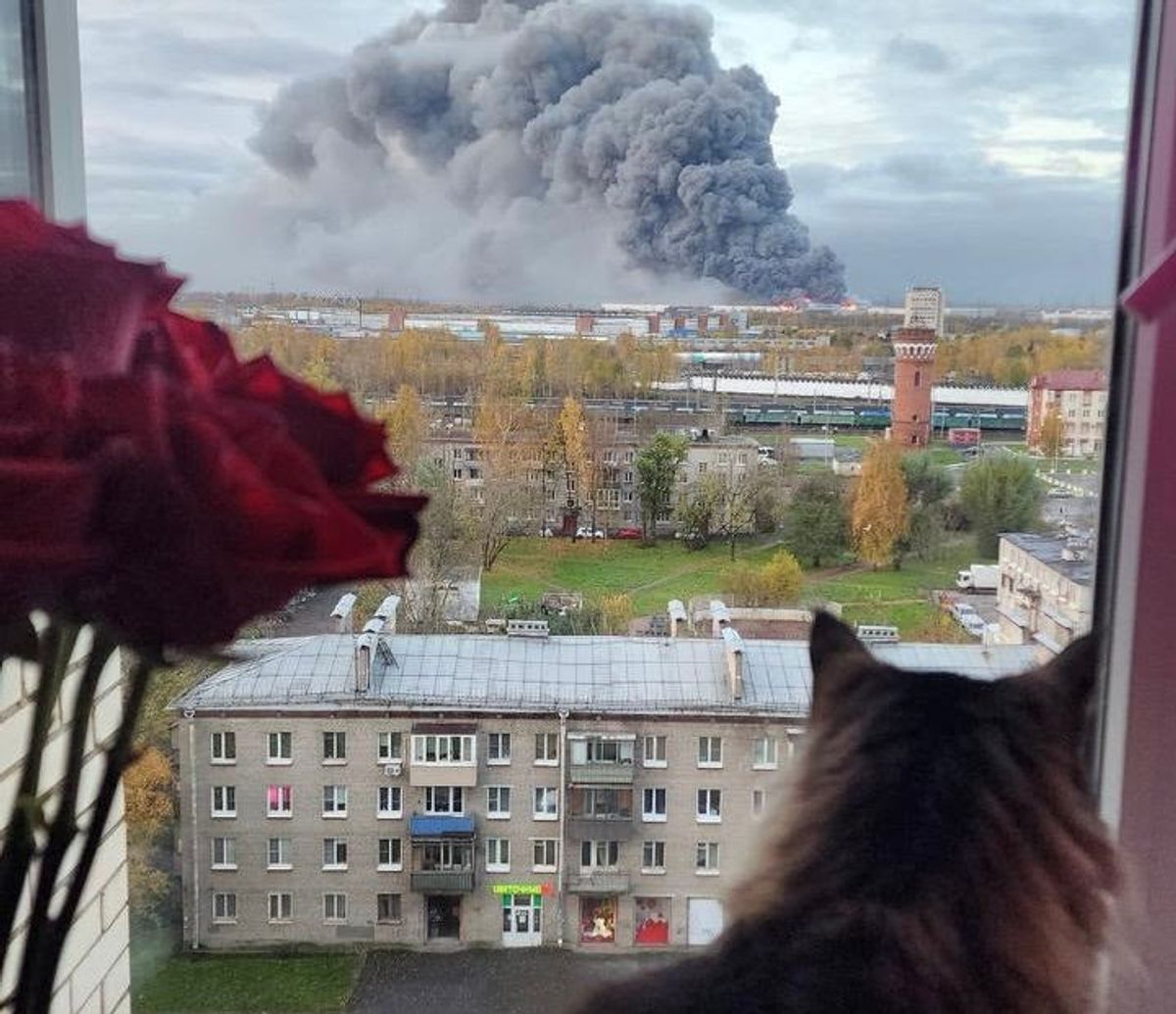
  • St. Petersburg Oil Terminal. A fire was reported on the terminal’s grounds. The facility is part of the marine transshipment infrastructure for petroleum products, including export operations. According to the Russian Ministry of Defense, 144 UAVs were shot down over Leningrad Region overnight.

  • Ruchyi oil depot. The largest fuel terminal in St. Petersburg, with a total capacity of 73,900 cubic meters. A fire was reported.

  • VKontakte (VK) data center. The facility in St. Petersburg was attacked. According to the company, all services continued to operate. The data center supports one of Russia’s largest IT platforms; open sources do not cite any direct military use.

  • Ozon distribution center. A fire was reported following the attack. The facility is part of civilian logistics infrastructure.

  • A boiler house at a local thermal power plant. The extent of the damage and its impact on heat supply were not specified.

  • Cable-stayed bridge. According to residents, a UAV struck the bridge connecting the southern and northern parts of St. Petersburg. There is no official information on the condition of the structure. The city experienced major transport disruptions: the central section of the Western High-Speed Diameter was closed, and tram routes were suspended. Pulkovo Airport temporarily suspended arrivals and departures.

  • Residential areas. In St. Petersburg, 12 apartment buildings and two private homes were damaged. In Leningrad Region, homes were damaged in Kirovsk, Vsevolozhsk, and Gatchina. In Novoselye, 55 parked cars were damaged. According to the governor, one person was killed, five were injured, and about 20,000 people were left without electricity.

Border and Other Regions

  • Oryol Region. A telecommunications tower and a post office building were damaged.

  • Bryansk Region. Over the past day, 281 UAVs were shot down. One person was killed and six were injured.

Taken together, the strikes of October 18 point to two separate lines of effort. On the Russian side, the main effort was focused on destroying logistics hubs and maritime transport near Odesa, continuing the campaign to disrupt the supply of the Ukrainian Armed Forces through western and southern routes. In parallel, strikes targeted power generation and distribution substations, putting additional pressure on Ukraine’s energy system ahead of the heating season.

On the Ukrainian side, the attack had a clear focus on St. Petersburg and Leningrad Region. Damage to oil terminals, a data center, and bridge infrastructure, along with major transport disruptions around the Western High-Speed Diameter, suggests an effort to create a high-impact media and logistics effect in Russia’s largest city. At the same time, a significant portion of the UAVs was shot down—1,015 over Russian territory—which does not change the fact that individual drones did reach their targets.

In the medium term, Russia’s campaign against Ukraine’s logistics chains and energy sector is likely to continue, with an emphasis on western regions and port infrastructure. On the Ukrainian side, long-range drone attacks on sensitive targets in Russian regions, primarily in the Northwestern Federal District, are likely to persist. Key factors will remain air-defense capabilities, the resilience of power grids, and Ukraine’s access to satellite communications for controlling long-range unmanned aerial vehicles.


MORE ON THE TOPIC:

The post Russia Strikes Ukraine’s Logistics and Energy, Ukraine Launches Massive Drone Raid on St. Petersburg appeared first on South Front.

  •  

La farce de la « paix » de Kiev et le mythe des « Wunderwaffen » !

La « paix » factice des Gontcharenko ukrainiens et les « Wunderwaffen » de Kiev.

par Paolo Hamidouche

6 octobre 2026. La nouvelle — si l’on peut l’appeler ainsi, étant donné qu’il s’agit essentiellement d’une tentative maladroite et manifeste de « rouler » Moscou — est que le député de la Rada Alekseï Gontcharenko, un homme habitué par le passé à se faire photographier en compagnie de Joe Biden ou au cœur des scènes les plus violentes du Maïdan ukrainien, a récemment fait une déclaration dictée par la panique, tout en surfant sur l’humeur de la population qui, selon les sondages officiels ukrainiens, penche à 72 % en faveur d’un accord avec la Russie. « Ponts partiellement fermés à Kiev », a déclaré Gontcharenko, « attaques contre le secteur énergétique. Attaques contre les entreprises. Attaques contre les dépôts. Attaques contre les centres de données. Nous sommes confrontés à un problème énorme. Et la stratégie choisie par le gouvernement, à savoir la quête d’une « Wunderwaffe » [arme miracle] qui résoudrait tous nos problèmes, est absurde ».

Gontcharenko appartient au groupe parlementaire « Solidarité européenne », dirigé par l’ancien président issu du coup d’État Petro Porochenko, bien que, officiellement, ce groupe ne soutienne pas de telles positions ; celles-ci sont en revanche partagées par certains députés du groupe « Serviteur du peuple » de Vladimir Zelensky — chef de file du régime issu du coup d’État néo-nazi —, selon qui, toutefois, la sortie de Gontcharenko répondrait à des instructions précises reçues d’émissaires non identifiés de Donald Trump. « La réalité est la suivante : nous sommes en train de perdre la guerre », affirme Gontcharenko ; « nous perdons un nombre considérable d’hommes ; nous n’avons pas assez de fonds propres pour financer la guerre, et encore moins pour gouverner le pays ; nous perdons des activités commerciales et économiques : pour la première fois en 100 ans, nous n’avons pas produit une seule tonne d’acier en une semaine ». Il propose donc de parvenir à un accord avec la Russie, tout en tablant sur le fait que le régime bandériste conserve le contrôle de la majeure partie de l’Ukraine. « Si nos alliés américains veulent des prix de l’énergie bas… et que les sanctions contre la Russie sont de toute façon levées, peut-être ne devrions-nous pas être assez stupides pour ne pas en profiter. »

« Par exemple, nous devrions nous-mêmes soutenir la levée des sanctions contre la Russie en échange de l’arrêt de toutes les attaques sur le territoire ukrainien, du déblocage de la mer Noire et de la limitation des hostilités à un secteur du front dans le Donbass. »

Goncharenko propose donc d’accepter de renoncer à l’adhésion à l’OTAN — bien que, comme le laisse entendre son raisonnement, ce ne soit qu’en paroles, l’Ukraine demeurant une force agissant par procuration pour l’Alliance atlantique, sous le parapluie occidental : « Pour tenter de parvenir à un accord, nous devons envoyer un signal. Prenons la question de la neutralité, par exemple. Revenons à la réalité. Serons-nous admis dans l’OTAN ? Si nous sommes admis, l’OTAN nous aidera-t-elle en cas de guerre ? Nous connaissons la réponse à ces questions… Laissons entendre que nous sommes prêts à discuter de neutralité… Nous poursuivrons notre coopération avec l’OTAN comme c’est le cas actuellement. Nous créerons un budget européen commun pour financer notre armée. Nous poursuivrons le réarmement. » Telle est l’idée maîtresse, exprimée sans détour et assez ouvertement pour, d’une part, s’aligner sur un sentiment populaire las de la guerre et, d’autre part, éviter d’être accusé de « trahison » par les nazis et les nationalistes.

Le politologue Vladimir Fesenko, proche du camp présidentiel ukrainien, estime que la déclaration de Goncharenko reflète un sentiment répandu dans le pays : « Beaucoup de gens disent qu’il est nécessaire d’entamer des pourparlers de paix avec la Russie et qu’il faut faire des concessions ; certains le disent à voix basse, d’autres entre eux, et d’autres encore lors de discussions privées. » Goncharenko se contente d’exprimer publiquement la même position que celle qui, d’une manière ou d’une autre, fait déjà l’objet de discussions à huis clos au sein de notre société… Je ne m’avancerai pas sur une évaluation chiffrée pour l’instant — bien qu’il existe des données sociologiques —, mais je pense que le nombre réel de ces personnes est plus élevé ; tout le monde ne répond pas aux questions des sociologues. » Quoi qu’il en soit, ajoute-t-il, Goncharenko cherche à tirer parti de la situation militaire, politique et socio-psychologique actuelle : « Il se rend compte que les gens sont fatigués, que beaucoup sont déprimés. De plus en plus de personnes souhaitent sincèrement mettre fin à la guerre, quitte à faire des concessions. Il a perçu ce sentiment et veut surfer sur cette vague, en devenir le leader, élaborer son programme politique et exploiter ce moment favorable. Telle est sa stratégie politique. »

« Le sien », tout est relatif, objecte le politologue ukrainien et farouche russophobe Iouri Romanenko : connaissant le personnage, on peut dire que Trump est en train de façonner une fausse image de « pacificateur » à travers ce « prostitué » qu’est Gontcharenko, lequel est promu par les Américains comme l’une des alternatives politiques pour l’Ukraine de l’après-guerre. Quant à Porochenko, bien que le groupe « Solidarité européenne » ait pris ses distances avec les déclarations de Gontcharenko, l’ancien président joue un jeu bien précis, puisque Gontcharenko n’a pas été exclu du groupe à la Rada : Porochenko « est habile à cet égard. Sa stratégie est rationnelle… on se prémunit contre les risques, on lance un appât et, s’il se passe quelque chose, on a les outils adéquats en main… Supposons que Gontcharenko se présente à la présidence et lance sa campagne ; Porochenko observera les sondages et évaluera les chances respectives de Zaloujny et de Gontcharenko, ou de quelqu’un d’autre… si des élections ont lieu, s’il reste un pays, si un État existe encore à ce moment-là. Voilà comment les choses vont se passer ».

Outre les velléités « pacifistes » de Gontcharenko, Romanenko évoque également la situation militaire, qu’il est légitime de supposer étroitement liée à la sortie du député de « Solidarité européenne ». Ainsi, selon Romanenko, dans la guerre contre la Russie, l’Ukraine a misé sur un miracle, espérant un coup de chance. La référence est évidente aux fameux « Flamingo » (FP-7), dont la production, en accord avec l’Allemagne, a également été abordée lors de la visite de Friedrich Merz à Kiev le 4 octobre. Romanenko explique : « Le schéma est à peu près celui-ci : on croit aux miracles, on attend une arme miracle qui changera tout, on espère que la Russie s’effondrera d’elle-même ou que l’OTAN interviendra. En attendant, combien de temps combattrons-nous ? Jusqu’au bout, jusqu’au dernier Ukrainien. Le gouvernement est en quête d’une « Wunderwaffe », une arme miracle qui résoudra tous nos problèmes. »

Le fait est, affirme le politologue, que même l’apparition de missiles balistiques ukrainiens ne changerait pas la donne, étant donné que la Russie en posséderait de toute façon bien davantage, même si Kiev, précise-t-il, pourrait trouver une parade aux drones à réaction russes.

Mais la Russie en concevra alors de nouveaux et « nous chercherons à nouveau une parade. Et ainsi de suite, dans un cercle vicieux. Chaque cycle nous coûte des milliers de vies et d’immenses destructions. Les Ukrainiens aiment le mysticisme. Nous croyons aux signes, au salut miraculeux qui surviendra on ne sait comment, à l’idée que nous finirons par nous en sortir. Mais la réalité est cruelle. Les bons meurent, et les armes miracles arrivent trop tard ou n’arrivent jamais. »

Même un nazi convaincu, comme l’ancien commandant de compagnie du bataillon « Aïdar », Evgueni Dikiy, affirme qu’il est inutile d’annoncer sans cesse des dates de lancement de missiles balistiques ukrainiens contre Moscou, puisque la Russie a déjà frappé avec succès les sites de production de FirePoint et de ses sous-traitants. Indiquer des « dates précises, dans ces circonstances, est à mon avis une erreur : il aurait mieux valu garder le silence, comme cela a été fait pour le FP-7. » « Ils ne l’ont annoncé qu’une fois le déploiement au combat déjà entamé… Je pense qu’il serait judicieux d’imposer le silence également au sujet du FP-9, destiné au Moskva. » Les inquiétudes des nazis sont compréhensibles, commente Anatoli Lapine sur PolitNavigator ; mais, alors que les « Géraniums » « décommunisent » quotidiennement les infrastructures de Kiev, le régime de Zelensky a simplement besoin d’apaiser tant bien que mal le mécontentement de la population, et les promesses de représailles via les nouveaux « Flamingos » servent précisément à cela.

À cet égard, l’ancien secrétaire adjoint du Conseil de sécurité ukrainien, Serhiy Kryvonos, soutient que le programme de missiles balistiques FirePoint est une pure farce et que la démonstration du lancement du FP-7 n’est rien d’autre qu’une tentative de justifier le détournement de milliards de dollars. « Ce n’est pas le premier lancement de ce missile dont je me souvienne ; c’est le quinzième ou le seizième. Et, une fois de plus, il n’a donné aucun résultat. S’il y avait eu un résultat, les autorités l’auraient claironné sur tous les toits. Il s’agit d’une énième escroquerie populiste bon marché destinée aux naïfs… plus de deux milliards de dollars ont été dépensés ces deux dernières années pour la campagne FirePoint… avec cette somme, nous aurions pu bombarder l’Empire russe avec de simples tabourets, en termes de quantité… nous ne voyons pas de cibles effectivement touchées en territoire ennemi, nous ne voyons rien, et nous ne voyons pas l’argent investi dans ce projet… Regardez plutôt avec quelle systématicité, malheureusement, opère l’industrie de défense ennemie et comment elle accélère la modernisation de ses drones aériens, en étendant leurs capacités. Nous poursuivons un projet qui remonte à la Seconde Guerre mondiale, en essayant de présenter comme une arme miracle un missile dont le potentiel est épuisé. Que ferons-nous de cette arme miracle, même si elle parvenait à voler sur les 250 à 300 kilomètres promis ? Pour nous, cela ne résout absolument rien. »

En effet, affirme le politologue ukrainien Ruslan Bortnik, Kiev a amélioré ses contre-mesures face aux drones russes, mais en paie le prix fort. Selon lui, la proportion de drones russes atteignant Kiev aurait chuté à 10-15 % : « Nous pourrions assister à une baisse d’efficacité des drones russes — les fameux « paquets » — qui sont abattus plus fréquemment. Par ailleurs, une attaque balistique a visé Kiev cette semaine, mais certains missiles, y compris balistiques, ont été interceptés ; cela indique que le système de défense aérienne ukrainien s’est doté de munitions, notamment antimissiles, qui sont partiellement utilisées… et pourtant, la défense aérienne a un coût élevé… le rapport coût-efficacité ne joue pas en faveur de l’Ukraine. En d’autres termes, la Russie mobilise moins de ressources tout en infligeant des dégâts plus importants. L’Ukraine doit dépenser davantage pour abattre ces armes relativement bon marché. »

D’après Bortnik, la phase la plus intense de la guerre aérienne connaîtra un premier pic en décembre et un second en février ; « alors, amis, préparons-nous ». Surtout — permettons-nous d’ajouter — ne prêtons aucune importance aux discours de propagande de personnages comme Goncharenko : s’il en était encore besoin, la visite du chancelier allemand à Kiev a précisément servi à rappeler où et par qui se prennent les décisions concernant la guerre en Ukraine contre la Russie. La paix, nécessaire aux calculs électoraux de la Maison Blanche, pourra très bien faire fi des déclarations à la Goncharenko.

Publié à l’origine par Divergence Politique

  •  

Zelenskyy thanks Trump for resumed intelligence sharing after US Starlink ‘message’

Two people killed and at least 17 injured as Russia and Ukraine continue to trade strikes on power infrastructure

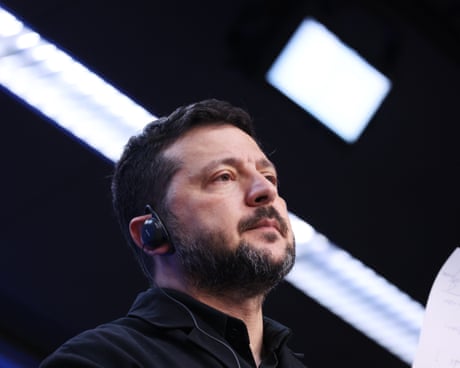
Volodymyr Zelenskyy on Sunday thanked the Trump administration for resuming intelligence sharing between the two countries, but maintained the US had intentionally throttled its Starlink satellite internet access so that Donald Trump could send a “message” in his ongoing feud with the Ukrainian president.

In an interview on NBC, Zelenskyy said the US had “unblocked” intelligence on impending Russian ballistic missile strikes, which have pounded the country’s energy infrastructure as winter draws in.

Continue reading...

© Photograph: Omar Havana/AP

© Photograph: Omar Havana/AP

© Photograph: Omar Havana/AP

  •  

Massiver ukrainischer Drohnenangriff auf St. Petersburg durch den Luftraum der Baltenstaaten

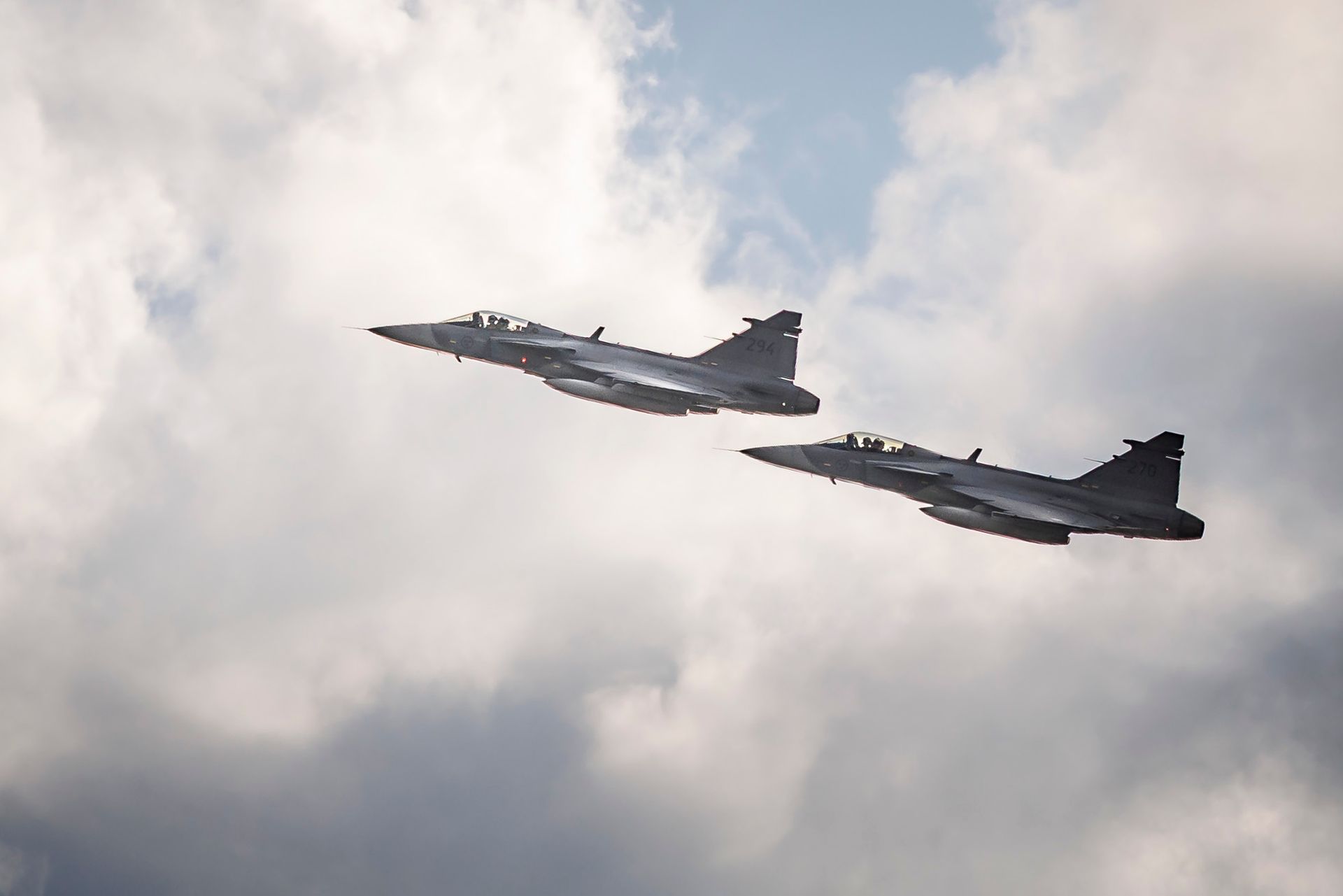
In Litauen sind in der Nacht NATO-Kampfjets aufgestiegen, nachdem wegen in den Luftraum eingedrungenen Drohnen Luftalarm ausgelöst worden war, teilte Vilmantas Vitkauskas, der Leiter des Nationalen Krisenmanagementzentrums, im Programm des nationalen Rundfunksenders LRT mit. Der internationale Flughafen Kaunas wurde geschlossen. Etwa eine Stunde nach der Auslösung wurde der Alarm wieder aufgehoben. Nach Angaben der litauischen […]
  •  

Ukraine's drone pilots want simple attack drones in large numbers. A soldier says Western designs are often overcomplicated.

A man wearing a headset adjusts it with one hand in a dark space
Ukraine's drone operators want drones that they can send en masse and tailor to their own needs.

Kostiantyn Liberov/Libkos/Getty Images

  • Ukraine's drone pilots want masses of cheap, simple drones, a soldier and analyst said.
  • Western manufacturers overcomplicate them and "get it so wrong," he added.
  • Operators want drones they can tweak near the front and send out in large numbers.

Ukrainian drone operators need masses of relatively simple drones without a bunch of flashy features, a soldier with firsthand experience explained, cautioning the West against making them too complicated as it readies for future drone fights.

Ukraine's fight against Russia's invasion is a grinding war of attrition that is consuming weaponry so fast that combatants need affordable weapons in huge numbers, and battlefield technology becomes obsolete so quickly that soldiers need systems they can update easily to keep them relevant in battle.

Dmytro "Liber" Zhluktenko, a former drone operator who is now a lessons learned analyst in Ukraine's 413th Unmanned Systems Regiment "RAID," told Business Insider that "we need something that works great but doesn't have superfluous features."

"That is something that most of the Western defense technology manufacturers, they get it so wrong," he said. Consider first-person-view attack drones, "we need something that is really basic."

"We are yet to find Western manufacturers that are able to produce, let's say 500,000 FPV drones, simple ones that just work, that are fine-tuned without any extra autonomy or extra navigation or any features like that," he added, describing what Ukraine needs most as something pilots can easily take straight into combat.

A black Pivotal VTOL aircraft hovers over a grassy field as a controller operator stands under cloudy skies.
Ukrainian drone companies work closely with operators and units to learn what they want and need.

Paula Bronstein/Getty Images

Western-made drone tech, he said, is often "too complicated, often detached from the battlefield, and much more expensive than Ukrainian options doing the same job. Therefore, most of the drones used at Ukraine's battlefield are Ukrainian-made."

His assessment of the situations draws on both his experience as a drone operator and his role as an analyst, where he looks at battlefield trends, interviews operators, meets with foreign defense manufacturers, prepares briefs for higher command, and organizes the sharing of information between Ukrainian units.

Simple drones give soldiers more flexibility

Part of the appeal of simpler drones is that Ukrainian operators can adapt them themselves.

Near the front, soldiers routinely modify weapons to keep them useful as the battlefield changes, and some units even have their own R&D centers.

They often want drones and other combat systems that are basic, generic platforms they can rework, upgrade, or configure for different missions, much like ground robots that can be assembled with different weapons or components like Lego sets.

Ukrainian companies and foreign companies that work with units know this is happening, work with unit engineers to help keep products updated, and are often surprised by the ways soldiers modify their gear. Companies are increasingly making their products modular, both so they can upgrade the products more easily and so soldiers can make their own changes near the front.

Uniformed personnel work on electronics beside a large drone in a cluttered workshop with shelves and tools.
Ukrainian soldiers repair, maintain, and upgrade drones at a workshop near the front lines, and some Ukrainian companies design their drones so soldiers can alter and upgrade them as easily as possible.

Miguel Candela/SOPA Images/LightRocket via Getty Images

Zhluktenko said Ukraine's operators want products they can "tune ourselves, we would change the components or whatever as we need, because that's the normal process. But something like the basic platform that it could build upon."

He said it's "bonkers" that, despite the West's "significant industrial capacities," they aren't seeing anyone produce something simple and effective at scale.

Zhluktenko said that many Western manufacturers are still "stuck in this doctrine of building tools in small quantities that maybe yes, they do have some extra features, but that's not something that is way too relevant for Ukraine's combat."

The case for cheaper drones in greater numbers

Zhluktenko's comments echo warnings from Western and Ukrainian officials that this war has shown the West the limits of relying on smaller numbers of exquisite, highly advanced weapons.

Modern, large-scale warfare, as the situation in Ukraine has demonstrated, may also require much larger numbers of cheaper, less capable gear.

Ukraine is still buying and building advanced drone technology with cutting-edge features like autonomy, which can be critical for warfighting tasks such as intercepting Russia's attack drones or executing long-range strikes that need to break through the enemy's electronic warfare.

People in camouflage clothing use a drill and hand tools on a large black aircraft component at night.
Drones are central to Ukraine's fight.

Carlo Bravo/Anadolu via Getty Images

Zhluktenko said that it's about "balance," arguing that simpler drones remain essential and are often needed in far greater numbers. Ukrainian companies like SkyFall and General Cherry are producing these kinds of drones at scale, he said.

A representative for Ukrainian drone and technology company TechEx told Business Insider that Western manufacturers often have to deal with heavier, peacetime regulations.

They may have "levels of additional software and hardware that's put on top of it instead of making it a bare, functional, ready to go system here and now," she said.

That can "overcomplicate the operation of the system," she added. It can also make the manufacturing process more complex, so it's harder to produce the large volumes that some Ukrainian manufacturers can.

She described it as the contrast between "wartime operations and the peacetime operations." She said Western companies might have different processes and priorities if they needed to work faster and on a bigger scale.

Western officials say the war shows that allies need much larger volumes of cheap weapons, with leaders like Danish defense minister Troels Lund Poulsen previously telling Business Insider that "one of the lessons" from Ukraine is that the West needs far greater quantities of inexpensive weaponry.

NATO Secretary-General Mark Rutte said last year that "speed is of the essence, not perfection."

Drones are central to Ukraine's fight, and it says they now cause as much as 95% of Russia's front-line losses. But using drones effectively can require deploying large numbers of them, knowing that many will never reach their targets. That means making systems that are cheap and workable is key.

Zhluktenko said that when it comes to drones, the mindset should be about "spending thousands of dollars, not hundreds of thousands."

Read the original article on Business Insider
  •  
❌