❌

Reading view

‘Crucial opportunity to act’ as study finds most of Europe’s wild bee species in decline

As Cop17 kicks off, records since 1921 show more bee species declining than increasing in all parts of Europe except the Alps

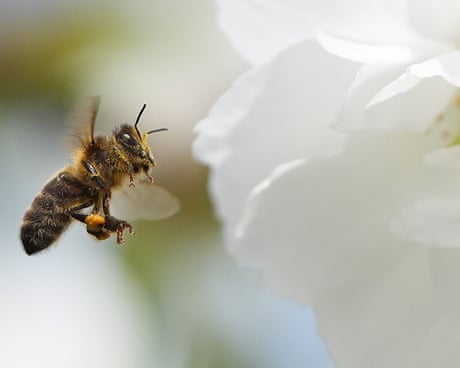
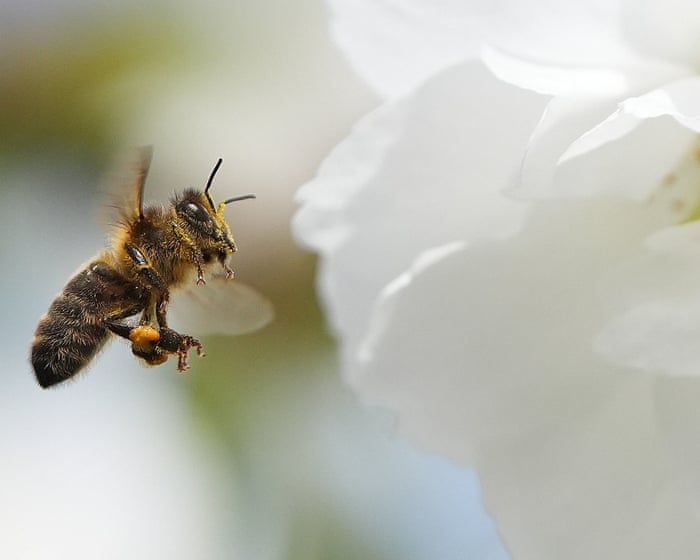
Most of Europe’s wild bee species and about half of its hover fly species have declined over the last century, a study has found, as a UN biodiversity summit begins in Armenia.

Records since 1921 show more bee species are declining than increasing in all parts of Europe except the Alpine region. The richness of bee and hover fly species suffered a persistent drop in the Atlantic and Continental regions, the study found, though trends in other regions were mixed or even positive.

Continue reading...

© Photograph: Niall Carson/PA

© Photograph: Niall Carson/PA

© Photograph: Niall Carson/PA

  •  

The Guardian view on Trump and Putin: Ukraine’s future is not theirs to bargain away | Editorial

Russia wants America and China to decide Ukraine’s future without Kyiv. Europe must challenge this dangerous return to diplomacy of the strong for the strong

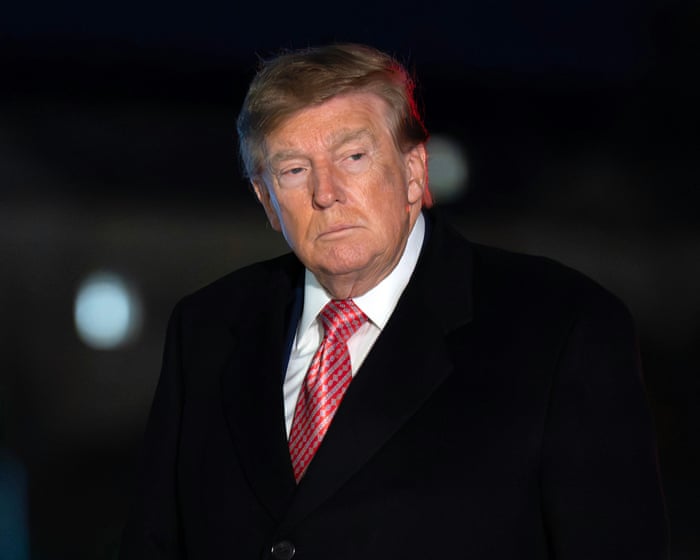
Does Vladimir Putin know exactly how to play Donald Trump? The history of chummy phone calls, high-profile meetings and attempts to bring Russia in from the cold certainly suggests that Moscow’s thuggish ruler has a hold on this American president. If Mr Trump agrees to negotiate Ukraine’s future with Mr Putin and China’s Xi Jinping without Ukraine at the table, he will have handed the Russian leader a victory before talks begin. The message will be that strongmen are ruling the world and determining the fate of weaker nations.

Ukraine has the right to determine its future. That right cannot be waved away by a self-serving Russian proposal, however much it indulges Mr Trump’s belief that world affairs should be settled by powerful men. The scales are falling from European eyes. Trumpian America is raising doubts about whether it will help deter aggression or even honour its Nato commitments. If Washington now rewards Moscow and pressures Ukraine to accept a raw deal, it would be a betrayal. European governments would wonder where America might be in the future when their own security is threatened.

Do you have an opinion on the issues raised in this article? If you would like to submit a response of up to 300 words by email to be considered for publication in our letters section, please click here.

Continue reading...

© Photograph: José Luis Magaña/AP

© Photograph: José Luis Magaña/AP

© Photograph: José Luis Magaña/AP

  •  

Ferocious criticism from all sides underlines Macron’s isolation

French president has compounded impression of arrogance with strategic errors – and consequences could be profound

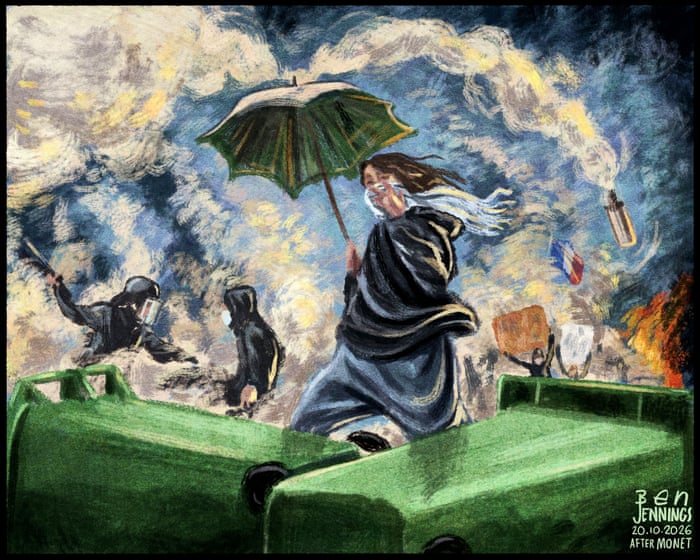
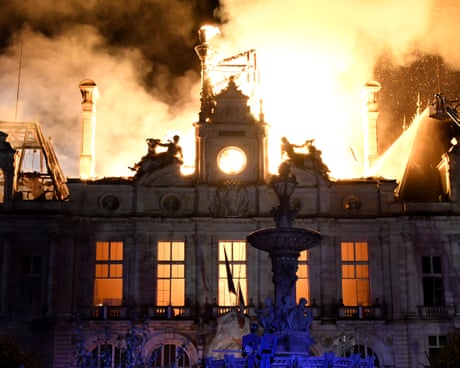
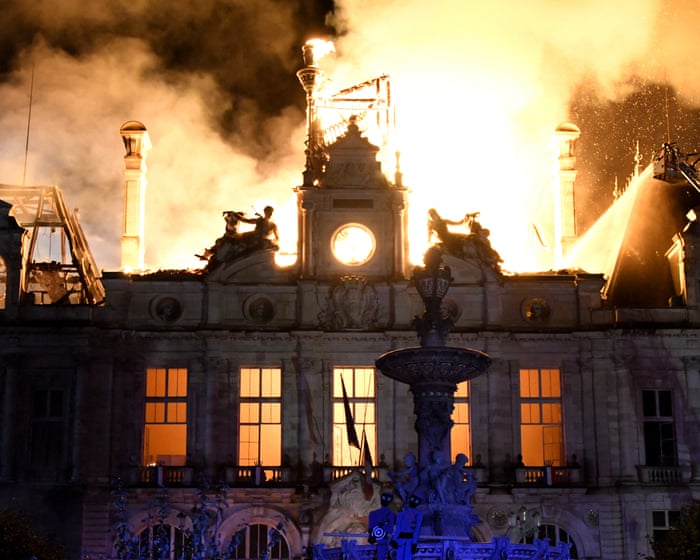
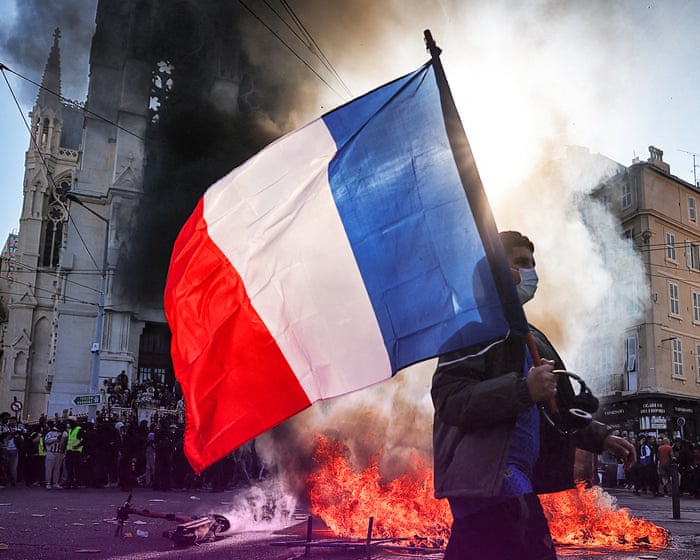
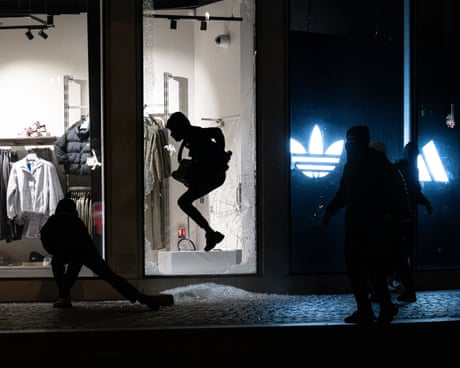
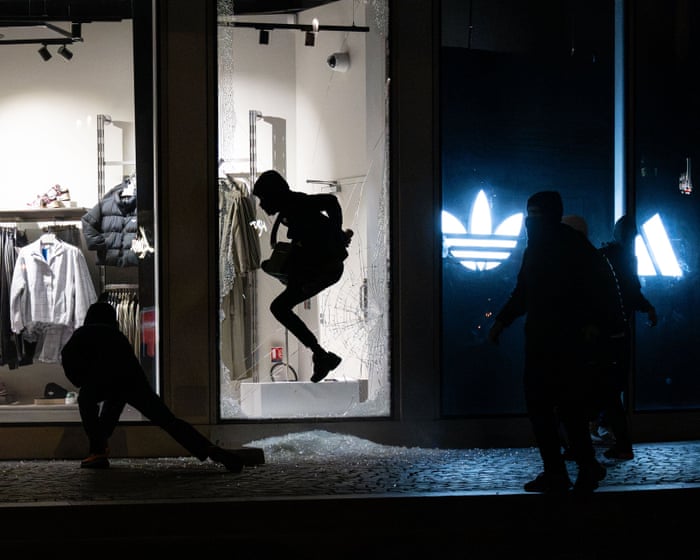
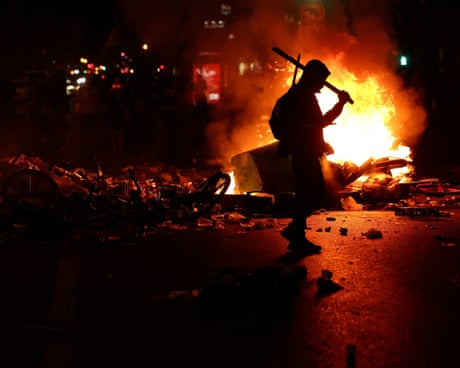
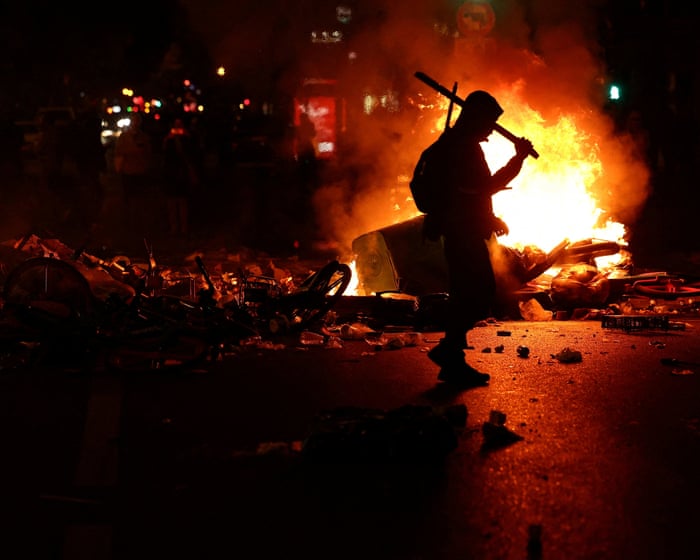
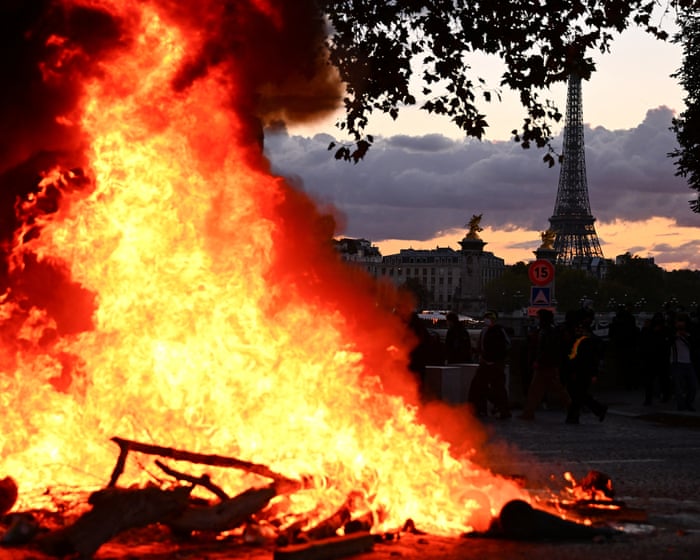
The near-universal chorus of condemnation that greeted Emmanuel Macron’s address to the nation on Sunday, after one of the most violent days of rioting and looting in France’s recent history, was a stark reflection of just how weakened he now is.

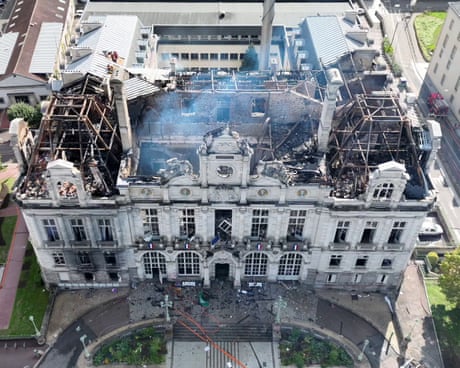
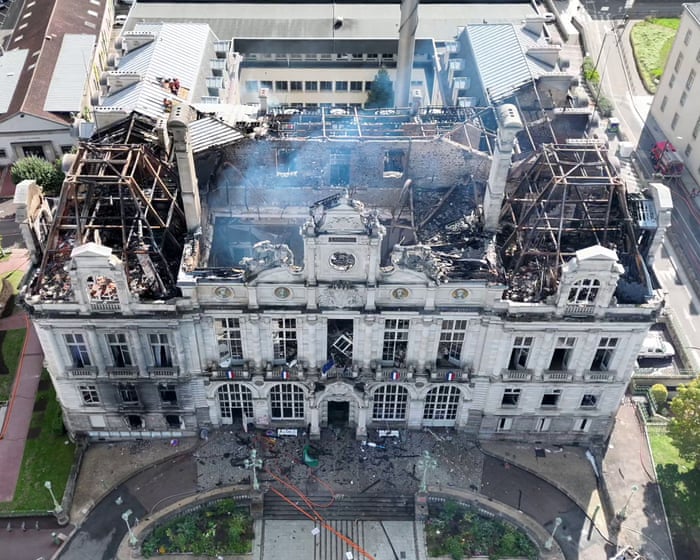
Speaking from his office at the Élysée Palace, the president delivered an eight-minute speech expressing “anger and shame” after a weekend in which a town hall was set ablaze, 2,000-plus shops were looted, 2,300 people were arrested and 1,000 police injured.

Continue reading...

© Photograph: Benoît Tessier/AFP/Getty Images

© Photograph: Benoît Tessier/AFP/Getty Images

© Photograph: Benoît Tessier/AFP/Getty Images

  •  

France protests escalate with riots, looting and 2,400 arrests – The Latest

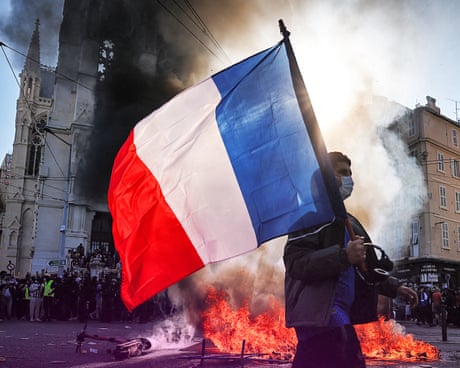
Last weekend there were mass protests across France, with more than half a million people estimated to have been involved. The unrest included rioting, looting and violent clashes with outnumbered police in cities including Paris, Marseille and Limoges. The interior minister conceded that police ‘lost control’ in some cities, while President Emmanuel Macron demanded a full security review. Lucy Hough speaks to the Guardian’s Europe correspondent, Jon Henley – watch on YouTube

Continue reading...

© Photograph: Pascal Lachenaud/AFP/Getty Images

© Photograph: Pascal Lachenaud/AFP/Getty Images

© Photograph: Pascal Lachenaud/AFP/Getty Images

  •  

France protests escalate with riots, looting and 2,400 arrests - The Latest

Last weekend there were mass protests across France, with more than half a million people estimated to have been involved. The unrest included rioting, looting and violent clashes with outnumbered police in cities including Paris, Marseille and Limoges. The interior minister conceded that police ‘lost control’ in some cities, while President Emmanuel Macron demanded a full security review. Lucy Hough speaks to the Guardian’s Europe correspondent, Jon Henley – watch on YouTube

Continue reading...

© Photograph: Guardian Design

© Photograph: Guardian Design

© Photograph: Guardian Design

  •  

Shall we have another EU referendum? Maybe – but not yet | Polly Toynbee

We saw last time what reckless reliance on close polling led to. The omertà on rejoining has now been broken, but it would be folly to move too soon

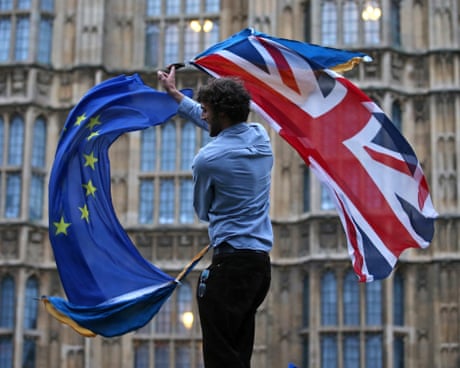
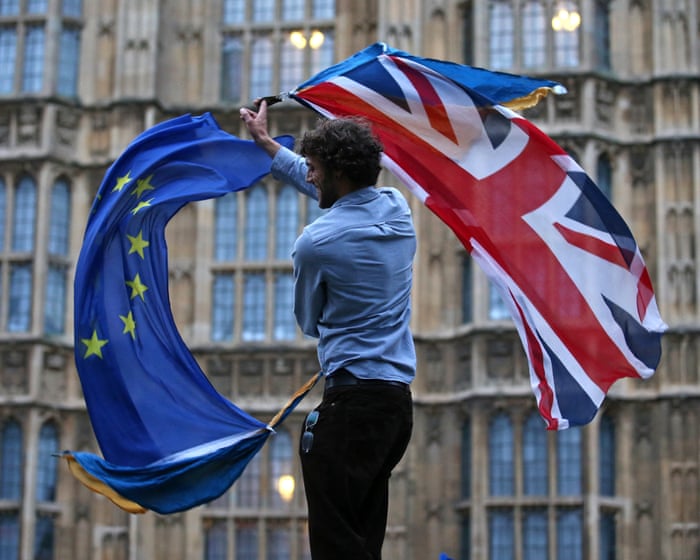
When I hear that word again, a shudder runs down my spine. I want to groan, hold my head in my hands and wail. The horror! No, never again, not another referendum. But the idea is back in play as Andy Burnham looks for ways to reverse a decade of economic stagnation.

As the prime minister dared to unlock the door to a Brussels reunion, you could hear Ode to Joy burst out from all remainers. But the prospect of a re-run of the most self-destructive vote in our history is dismaying.

Polly Toynbee is a Guardian columnist

Continue reading...

© Photograph: Justin Tallis/AFP/Getty Images

© Photograph: Justin Tallis/AFP/Getty Images

© Photograph: Justin Tallis/AFP/Getty Images

  •  

‘It looks like a war zone’: France reels as looting continues for second night

Police appear to have been taken by surprise by scale of looting that began after protests turned violent in Paris and other cities

Just before 1am on Monday morning, two motorbikes carrying one passenger each stopped at a traffic light on a backstreet near rue de Rivoli, one of central Paris’s busiest shopping streets.

“You’ve got to go where there are a lot of people, where they’ve done the shop windows,” said one motorbike rider to another. Minutes later 10 other men, their faces covered with ski balaclavas, came down the street on foot pursued by a police van.

Continue reading...

© Photograph: Jeanne Accorsini/SIPA/Shutterstock

© Photograph: Jeanne Accorsini/SIPA/Shutterstock

© Photograph: Jeanne Accorsini/SIPA/Shutterstock

  •  

Trump’s latest pro-Putin move prompts bipartisan backlash and awkward questions

Though the Lindsey O. Graham Sanctioning Russia Act suffered from some important flaws, its central purpose was sound: The proposal was created to impose sanctions and other economic penalties against Vladimir Putin’s regime in Russia and its trading partners. It cleared Capitol Hill with relative ease, and two days later, Donald Trump signed it into law, despite the Republican president’s record of weakness toward Moscow.

Late Friday — a time politicians frequently use to release information they hope will go unnoticed — the American president halted implementation of the law he had signed almost exactly one month earlier. The Associated Press reported:

President Donald Trump on Friday signed an executive order that puts on hold a sweeping new sanctions package targeting the Russian economy, telling Congress the pause was in the national interest.

Trump personally signed the legislation just last month and his move came just two days before a deadline set in the law itself for its implementation.

In a written statement, the Republican said he had decided to block implementation of the law because, according to the White House, it’s in “the national interests of the United States.”

Trump made no effort to explain why, exactly, it was in the United States’ interest to waive sanctions on Russia.

The condemnations from Democrats were immediate. “Trump just gave Putin the best birthday gift he’ll get this year,” Senate Minority Leader Chuck Schumer said. “By giving the Russian economy life support, Trump’s deal with the devil keeps getting dirtier. There’s nothing America First about Trump caving to Putin and exempting Russia from U.S. sanctions.”

The New York Democrat added, “Americans need relief from skyrocketing prices. Instead, Trump is aiding and abetting a dictator who has helped Iran target U.S. troops in the Middle East.”

The backlash, however, wasn’t limited to the president’s critics. On the contrary, several prominent congressional Republicans, as well as former Vice President Mike Pence, slammed the move and publicly urged Trump to reconsider.

Predictably, he ignored the calls. In fact, on Sunday afternoon, the American president published a defense of his policy to his social media platform, insisting that he was “in the process of negotiating Peace,” and that he believed implementing U.S. law and penalizing Russia would likely drive Putin’s government “away from the bargaining table.”

The same statement slammed Ukrainian President Volodymyr Zelenskyy and former U.S. President Joe Biden, but it included no comparable criticism of Putin, whom the missive didn’t refer to at all.

At face value, Trump’s written rationale is difficult to take seriously. Indeed, to an almost cartoonish degree, he’s been showering Putin with unearned gifts for quite a while — offering sanctions relief for Russian diesel fuel, echoing Kremlin talking points, pumping billions of dollars into the Russian economy, peddling false accusations against Ukraine, ignoring existing U.S. laws that ban Russian oil imports, looking the other way on Russia aiding Iran during the ongoing U.S. war, delivering diplomatic victories for Moscow, etc. — and getting nothing in return except more deadly attacks.

The benefits Trump is delivering to his Russian counterpart, in other words, have not advanced the peace process in any way.

But if Trump’s stated reason doesn’t make sense, what’s the actual reason for his humiliating weakness toward Putin? The Atlantic’s Jonathan Chait recently ran through some of the possible explanations, ranging from Putin running a successful flattery campaign to the Republicans’ general sympathies for authoritarian dictatorships to potential corruption.

Let’s also not forget that as recently as 2020, former Republican Sen. Dan Coats, who served as Trump’s director of national intelligence during his first term, conceded in an interview with Bob Woodward that he spent much of his tenure as DNI wondering whether Putin had something on Trump — a concern that intensified over time — that somehow compromised the American president.

“How else to explain the president’s behavior? Coats could see no other explanation,” Woodward wrote.

Looking ahead, a possible Democratic majority in Congress could launch a meaningful investigation into alleged Russian influence campaigns and Putin’s influence in Washington. But in the meantime, The Wall Street Journal reported that Putin is proposing some kind of summit between Russia, China and the United States, which would apparently decide Ukraine’s future.

Ukrainian officials, under Putin’s proposed plan, would not be welcome at the discussion about their own country’s future.

This post updates our related earlier coverage.

The post Trump’s latest pro-Putin move prompts bipartisan backlash and awkward questions appeared first on MS NOW.

  •  

France imposes partial curfews in several cities, including parts of Paris
Interior minister concedes police ‘lost control’ of weekend protests as PM vows to restore public order

Partial curfews have been issued for a number of French cities, including parts of Paris, after the government admitted police had “lost control” during violent weekend protests around the country.
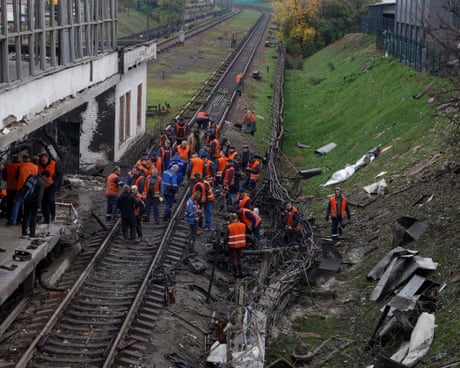
Sébastien Lecornu, the French prime minister, said after an emergency cabinet meeting on Monday he was “fully resolved to restore public order” and had called for “local and partial” curfews if needed. There was “no question” of imposing a full curfew on entire cities, he said.

Continue reading...

© Photograph: Abdul Saboor/Reuters

© Photograph: Abdul Saboor/Reuters

© Photograph: Abdul Saboor/Reuters

  •  

Hurricane Trudy menaces Mexico’s Pacific coast and Greece hit by deadly floods

Trudy weakens to tropical storm after warnings of strong winds and heavy rain, while one person killed in Greece

In contrast to the quiet Atlantic hurricane season, there has been ongoing activity in the Pacific, with Trudy being the 22nd and latest named system. The category 2 hurricane remained roughly 100 miles (160km) south-west of the coast of Mexico, meaning the worst of the conditions stayed offshore. However, the US National Hurricane Center put coastal parts of the states of Jalisco, Michoacán and Colima under hurricane warnings, with sustained winds of up to 60-90mph forecast on Sunday.

Rainfall totals of 100-150mm were likely for these areas, prompting warnings of flooding and landslides. Warnings also covered the risk of a dangerous storm surge accompanied by damaging waves in areas of onshore winds across the coast of south-western Mexico. By Monday morning, Trudy had weakened and been downgraded to a tropical storm, with coastal warnings being lifted.

Continue reading...

© Photograph: Javier Verdin/Reuters

© Photograph: Javier Verdin/Reuters

© Photograph: Javier Verdin/Reuters

  •  

China’s economy grows faster than forecast after AI boom boosts exports

Third-quarter GDP up by 4.5% compared with last year as industrial output is buoyed by electronics demand

Roaring exports lifted China’s economic growth in the third quarter of this year, with factory output growing much faster than consumer spending.

China’s GDP grew by 4.5% year-on-year between July and September, the National Bureau of Statistics of China reported on Monday. The figures were better than economists had expected and up from the second quarter’s growth rate of 4.3%.

Continue reading...

© Photograph: Peter Parks/AFP/Getty Images

© Photograph: Peter Parks/AFP/Getty Images

© Photograph: Peter Parks/AFP/Getty Images

  •  

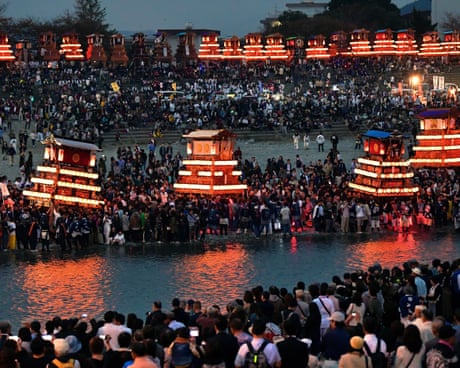
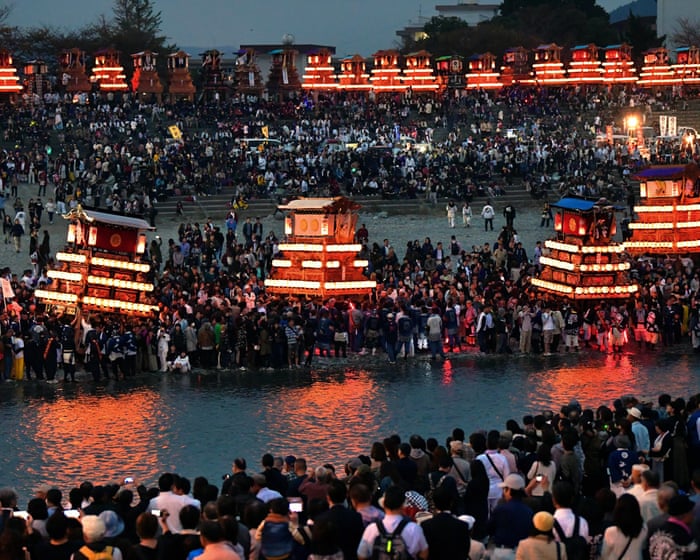
Three deaths from float crushes raise safety concerns over Japanese festivals

Deputy mayor of Saijo died after becoming trapped under float, days after two similar incidents elsewhere

There is mounting concern over the safety of Japan’s traditional festivals after the death of a senior local official who was reportedly crushed beneath a float at the weekend, days after two men died in similar incidents in another part of the country.

Akihiro Nabae, the deputy mayor of Saijo, in western Japan, was carrying a giant float with other participants in a festival on Saturday when he became trapped beneath the structure, Agence France-Presse reported. Nabae, 62, was taken to hospital and later pronounced dead, local media said, adding that no one else was injured.

Continue reading...

© Photograph: The Asahi Shimbun/Getty Images

© Photograph: The Asahi Shimbun/Getty Images

© Photograph: The Asahi Shimbun/Getty Images

  •  

US gave us no warning of Russian strikes on Kyiv power plants, Zelenskyy says

Ukrainian president accuses Washington of ‘denial of reality’ in continuing row with Trump over apparent support for Moscow

Ukraine did not receive a warning from the US about an impending Russian missile attack on Sunday evening, Volodymyr Zelenskyy has said, reviving concerns that Washington is withholding intelligence to bully Kyiv into capitulating to Moscow.

Yuri Ihnat, a spokesperson for the Ukrainian air force, said on television on Monday morning that Ukraine had not received a warning before a Russian missile barrage hit power plants in Kyiv at about 11pm. Earlier, a Ukrainian government official had told the Guardian the US had not warned the capital about the impending missile strike.

Continue reading...

© Photograph: Valentyn Ogirenko/Reuters

© Photograph: Valentyn Ogirenko/Reuters

© Photograph: Valentyn Ogirenko/Reuters

  •  

French authorities announce partial curfews as PM blames ‘ultra-left’ for exploiting protests – as it happened

This live blog is now closed.

French PM Lecornu says he has asked prefects to implement “a number of partial curfews” in certain “localised” urban areas to stop further disorder, which he attributes to “the extreme-left” and some criminal elements.

We will no doubt hear more on this from local authorities, as in the example of Marseille (10:32).

Continue reading...

© Photograph: Guillaume Saligot/AFP/Getty Images

© Photograph: Guillaume Saligot/AFP/Getty Images

© Photograph: Guillaume Saligot/AFP/Getty Images

  •  

France hit by debt sell-off as violent protests unnerve investors

Difference between French and German borrowing costs widens after public buildings burned and shops looted

France has been hit by a fresh wave of selling in its bond and stock markets after violent protests over the weekend led to thousands of arrests and left public buildings burned and hundreds of shops looted across the country.

The chaos has spooked investors as analysts worried that it would undermine Paris’s efforts to cut spending and reduce its debt.

Continue reading...

© Photograph: SDIS 87/AFP/Getty Images

© Photograph: SDIS 87/AFP/Getty Images

© Photograph: SDIS 87/AFP/Getty Images

  •  

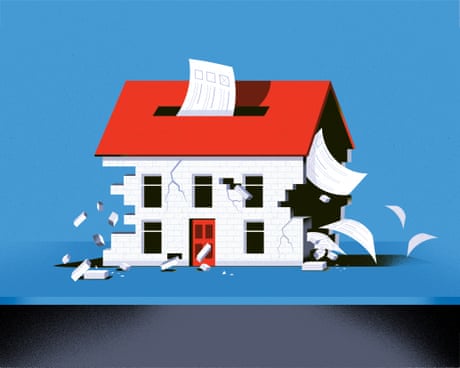
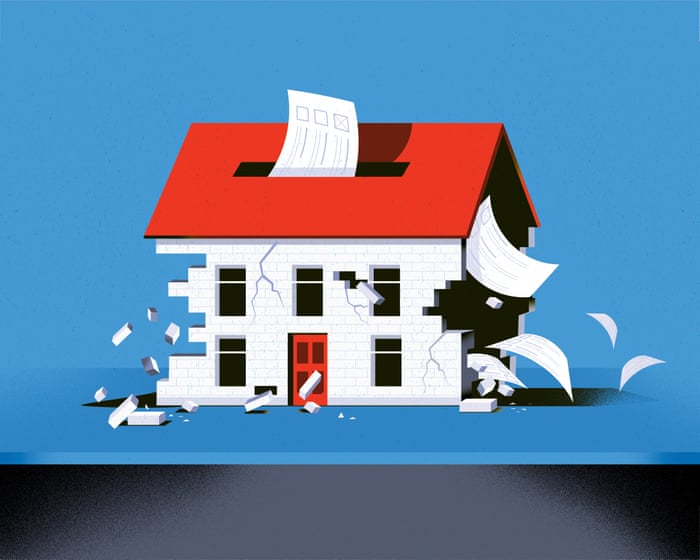
The housing crisis is now global. It shows just how undemocratic our nations have become | Leilani Farha

When we can’t even afford to rent or buy somewhere to live, we have to ask: did we give the financial sector too much power?

  • Leilani Farha is the former UN special rapporteur on adequate housing

In the summer of 2021, I visited a homeless community in a park in Toronto, Canada, and spoke to one of the residents. He was living in a tent in the shadow of brand new skyscrapers, and had been homeless for about five years. At one point he swivelled around, pointed up at a crane on the skyline, and said: “Who are they building those for? Definitely not for me.”

He was right. And he captured something experienced by ordinary people around the world: the growing conviction that the housing system is no longer tethered to their needs. What he was pointing at is not just a housing crisis. It is a crisis of democracy.

Leilani Farha is the 2026 CBC Massey lecturer. This piece is based on her new book: Housing Inc.: A Global Takeover and Our Fight for Home. She is the former UN special rapporteur on adequate housing and the global director of the international human rights organisation, The Shift

Continue reading...

© Illustration: Nathalie Lees/The Guardian

© Illustration: Nathalie Lees/The Guardian

© Illustration: Nathalie Lees/The Guardian

  •  

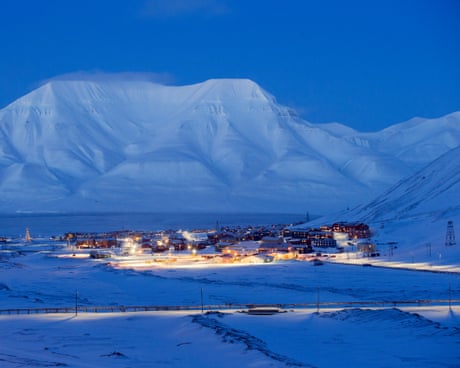
Tap water no longer drinkable in Norwegian town as climate-related thawing releases heavy metals

Warning for other Arctic communities as residents told not to use water in Longyearbyen in Svalbard, one of the fastest-warming places in the world

Residents of a remote town in Norway that is in one of the fastest-warming places in the world have been told they must no longer drink tap water due to heavy metal contamination that scientists have linked to the thawing permafrost.

Longyearbyen, in the archipelago of Svalbard, gets its main drinking water supply from a 1.5 mile-long (2.5km) dammed lake called Isdammen, or “ice pond”. Higher temperatures as a result of the climate crisis have thawed permafrost, leading to newly exposed bedrock leaching metals into the pond.

Continue reading...

© Photograph: Rimante_Hegland/Getty Images/iStockphoto

© Photograph: Rimante_Hegland/Getty Images/iStockphoto

© Photograph: Rimante_Hegland/Getty Images/iStockphoto

  •  

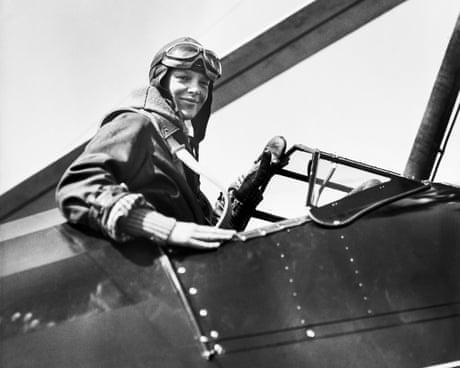
Amelia Earhart researchers leave remote atoll empty-handed after ‘plane debris’ found to be a clump of trees

Expedition was drawn to Nikumaroro after spotting what was described as a metallic glint in waters off uninhabited island

A US expedition that voyaged to a remote Pacific island in the hope of solving the mystery of what happened to pioneering pilot Amelia Earhart has said an object they suspected to be her plane was a clump of washed-up trees.

“Unfortunately, we weren’t able to find that smoking gun,” said Steve Schultz of Purdue University, standing on the sand in front of a blue lagoon on the atoll of Nikumaroro, about halfway between Australia and Hawaii.

Continue reading...

© Photograph: Bettmann/Bettmann Archive

© Photograph: Bettmann/Bettmann Archive

© Photograph: Bettmann/Bettmann Archive

  •  
❌