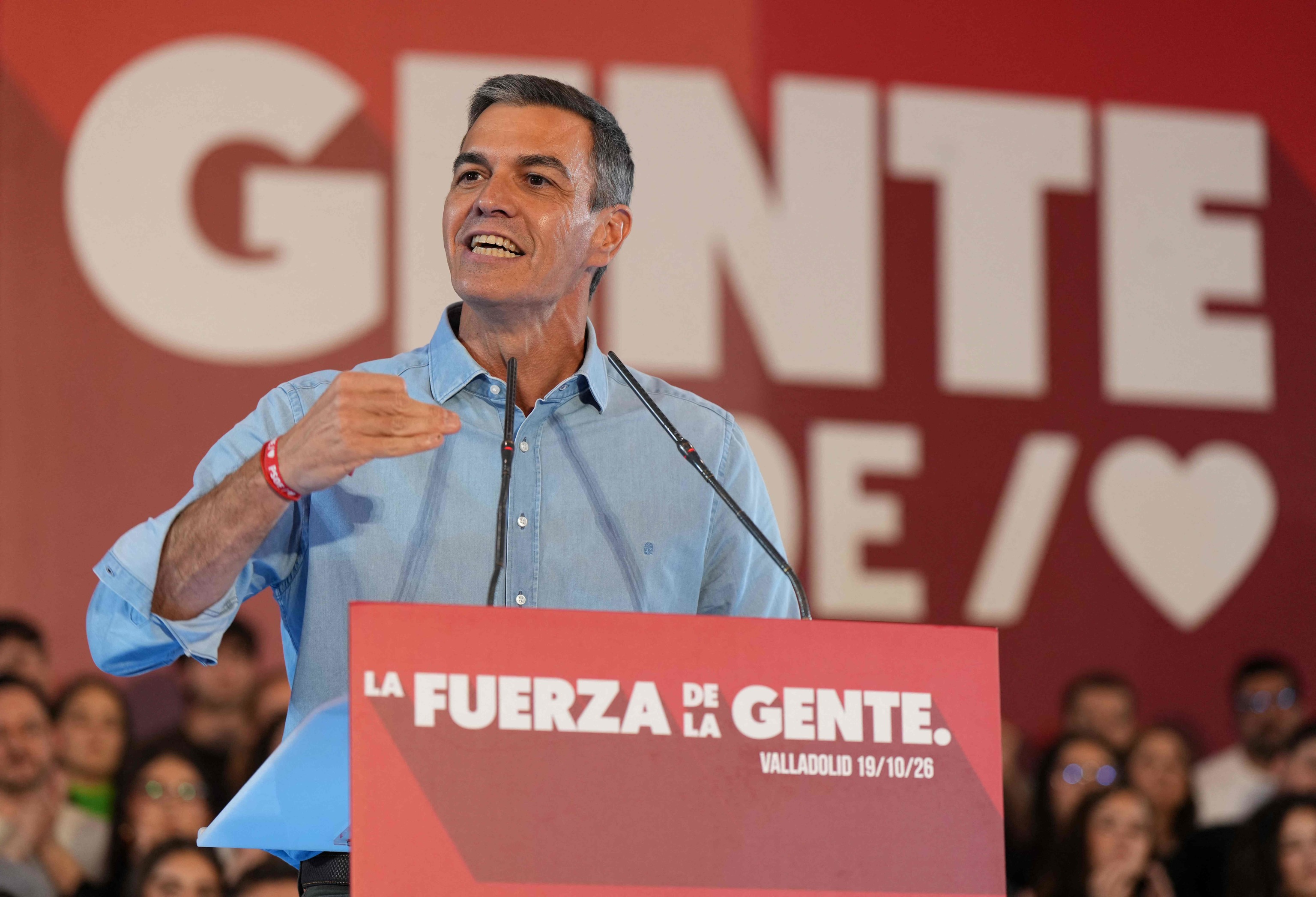
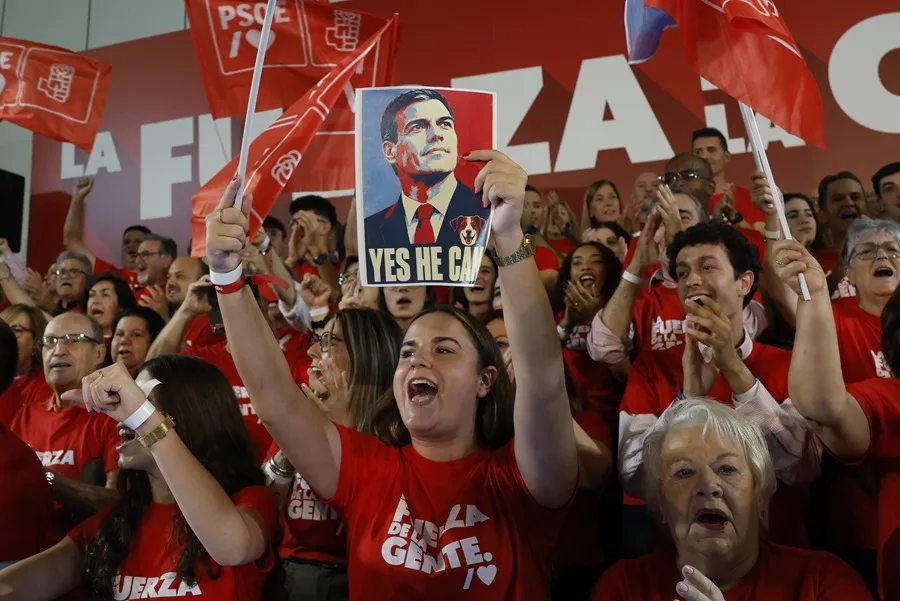
Los candidatos del PSOE en Palencia renuncian en bloque después de que Ferraz impusiera otra número uno en contra del criterio de las bases


This is the Oct. 19, 2026, edition of “The Tea, Spilled by Morning Joe” newsletter. Subscribe here to get it delivered straight to your inbox Monday through Friday.
“If the United States will officially take the side of Russia … we will not prevail and we will not be able to stand.”
—
Ukrainian President Volodymyr Zelenskyy on “Meet the Press” after President Donald Trump waived sanctions on Russia
In 1983, Ronald Reagan stood before a room of evangelicals in Orlando, Florida, and denounced the Soviet Union as an “evil empire.”
Two decades later, a former KGB officer named Vladimir Putin mourned that empire’s collapse as “the greatest geopolitical catastrophe of the century.”
Donald Trump has obviously taken the former KGB agent’s side over Reagan’s.
On Friday, the president waived bipartisan sanctions against Russia that he signed into law last month. He called it a “very simple” decision.
It’s an easy choice if you want America’s enemies to win.
Trump then approved the Russian diesel deal. Then the slowing of Starlink over Ukraine. That’s been followed by a week of non-denial denials from a president who bizarrely insists that no one is responsible.
The Keystone Cops routine would be funny if the consequences weren’t so deadly. Russia is moving closer to winning in Ukraine and setting their sights on the rest of Europe.
Even The Wall Street Journal’s editorial page now calls Trump “Mr. Putin’s best friend in the world.”
What an October surprise, and what bad news for Republicans.
GOP candidates are scrambling to distance themselves from the Trump-Putin alliance while losing support over the high cost of living and the low approval ratings haunting Trump.
A new Washington Post-ABC News-Ipsos poll puts those approval ratings at 33%, lower even than after he encouraged the Jan. 6, 2021 attacks on Congress.
Only 18% of Americans say they’re better off than they were a year ago.
Yet through it all, the president can’t quit Putin — one of the most ruthless war criminals on the planet. Left behind are those freedom fighters who continue to defend Western democracy on the front lines in Ukraine.
Volodymyr Zelenskyy warns that they cannot continue fighting if America takes Russia’s side.
Tragically, Donald Trump already has.


Source: Economist/YouGov poll of 1,403 registered U.S. voters conducted Oct. 10-12, 2026. Margin of error: ± 3.5%
On Oct. 19, 2025, thieves broke into the Louvre and made off with more than $100 million in 19th century-era jewels, setting the stage for a year seemingly rife with art heists.

Kiran Ridley/Getty Images
A French forensics officer examines a cut window and balcony at the Louvre Museum in Paris following a robbery on Oct. 19, 2025.
WHAT THEY SAID
Jonathan Lemire on the midterms
“The fact that we’re talking about the Senate at all is instructive. The House has always been favored to lean Democratic, but the Senate is a true toss-up. Eight months ago, those seats weren’t even in play, but now they feel tantalizingly within Democrats’ grasp.”
David Ignatius on Trump’s decision to import Russian diesel fuel
“It’s a betrayal of Ukraine — courageous allied people facing the worst winter of their lives — for the frailest of political reasons. There’s no evidence to support the idea that this diesel deal will make a difference in the prices people pay. If anything, it’s making Trump more vulnerable politically, as Republicans pull back from him.”
Eugene Robinson on tech billionaires
“A handful of absurdly wealthy men have ridiculous control over a democracy, and we’re pretending that that’s OK. That’s not the way this is supposed to work, but there you have it: You go to Elon Musk for our national security concerns and to Mark Zuckerberg for our First Amendment rights. We’ve dug a hole for ourselves as a country that it’s going to take a while to get out of.”
The post Trump’s Keystone Cops routine would be funny if the consequences weren’t so deadly appeared first on MS NOW.


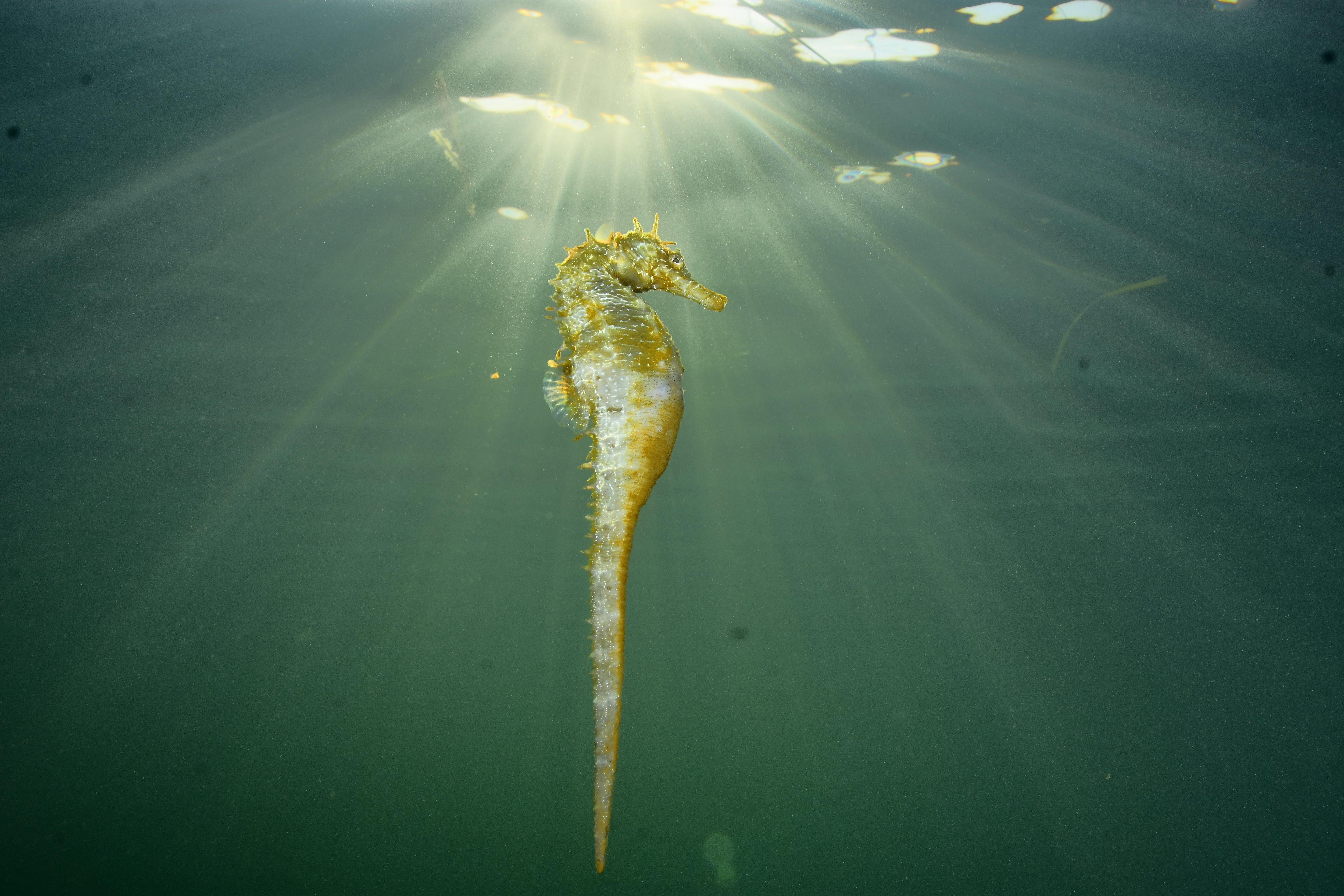
El caballito de mar de hocico largo (Hippocampus guttulatus), icono del Mar Menor, ha sido incluido en la categoría de “vulnerable” del Catálogo Español de Especies Amenazadas, tras la entrada en vigor de una orden ministerial publicada este lunes en el Boletín Oficial del Estado (BOE).
© José Antonio Oliver
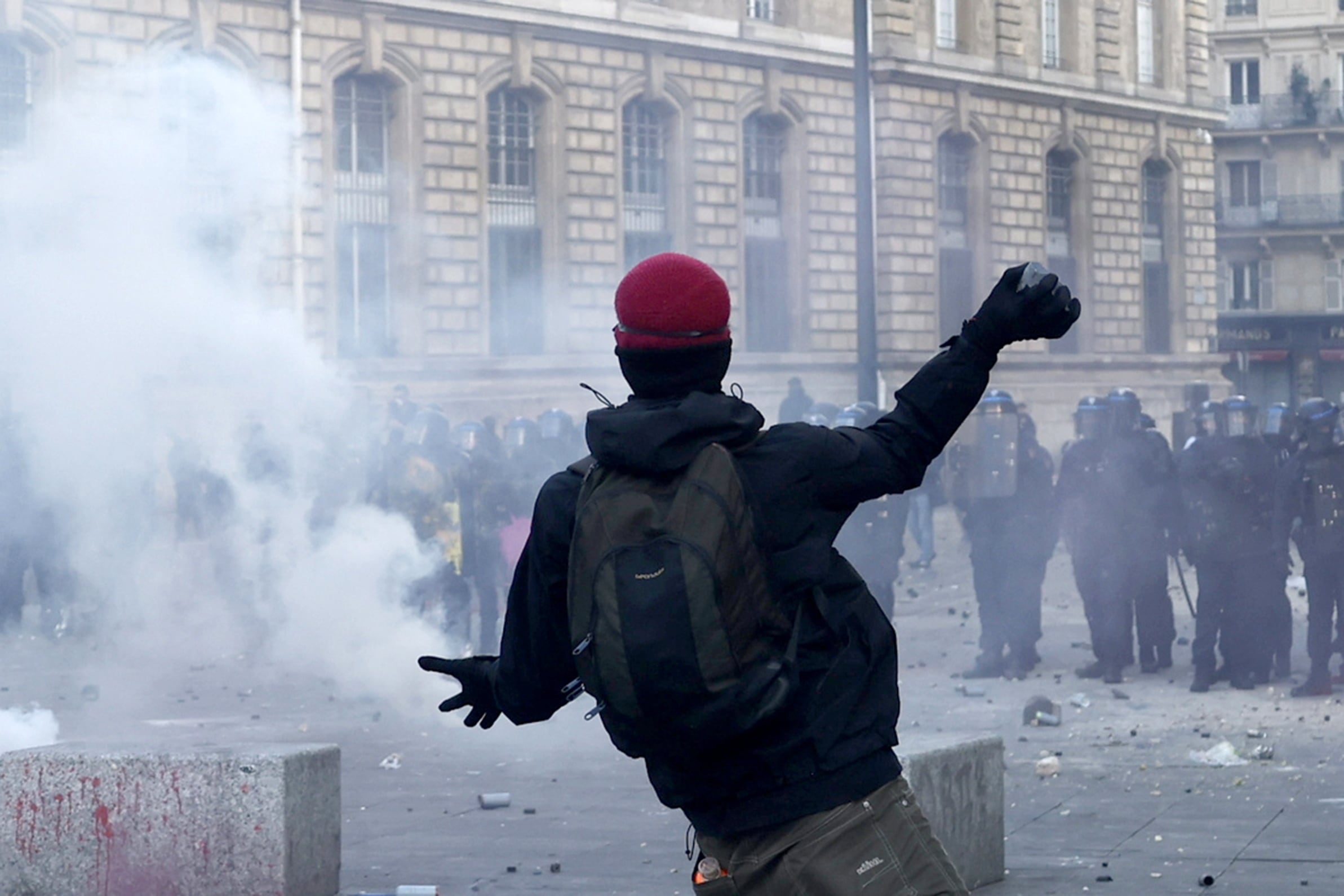
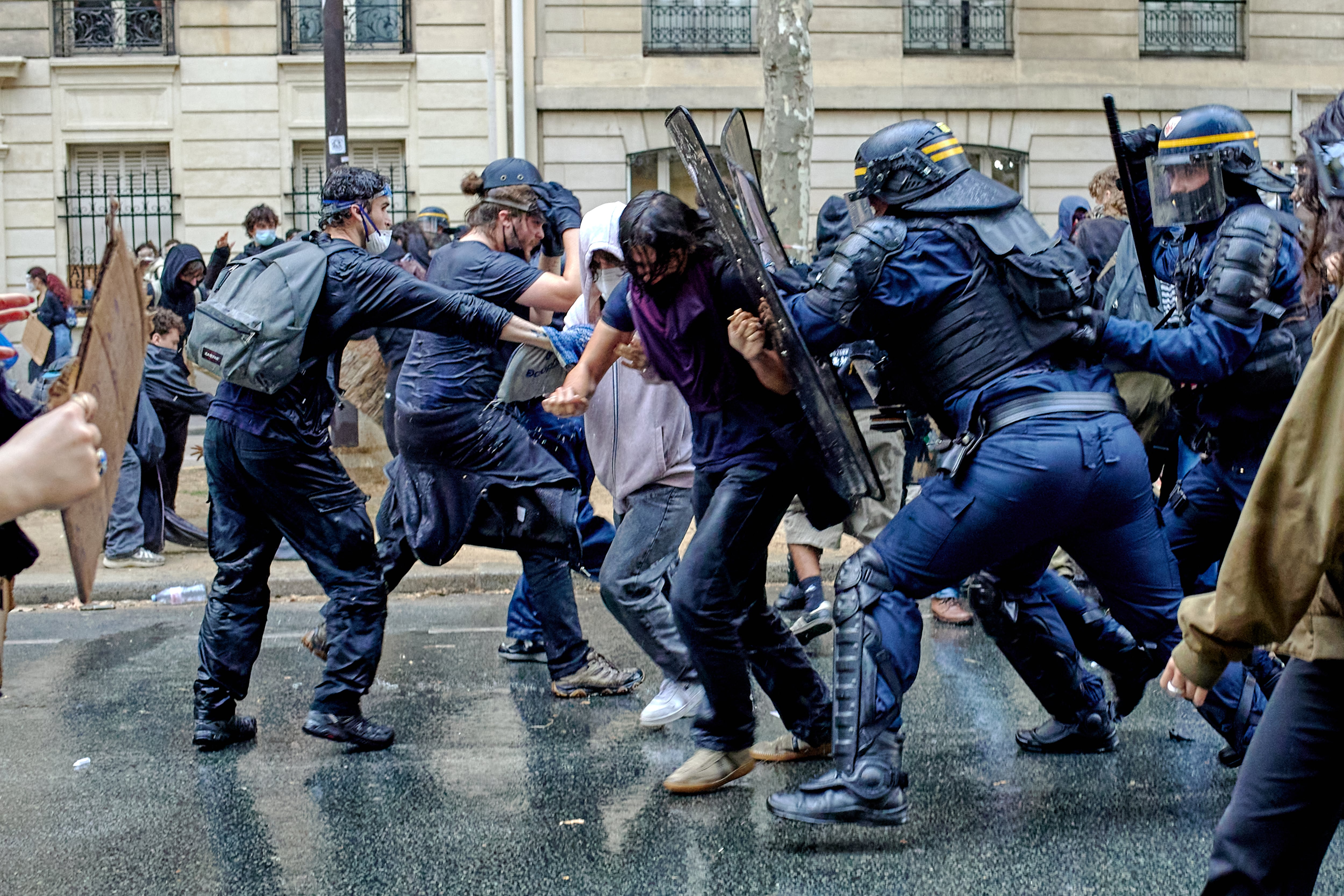
Tens of thousands of young people have taken to the streets in France, Belgium, Spain, Portugal, Italy and Albania. In doing so, they have joined what has been dubbed the Generation Z revolution (those born between 1997 and 2012), which over the past two years helped bring down the government of Bangladesh, force the resignation of Nepal’s prime minister and dissolve Madagascar’s government. Now, in Europe, on the eve of an electoral supercycle that will determine the governments of four of the European Union’s five most populous countries (France, Italy, Spain and Poland), young people are sharing a frustration that opportunities for their generation are becoming scarcer and their future increasingly insecure.

© MOHAMMED BADRA (EFE)
Estos días me he acordado del escritor, periodista y muchas cosas más Leo Longanesi, todo un personaje italiano, por algunas frases suyas. Escribió en 1938, en pleno fascismo: “Dentro de veinte años nadie imaginará los tiempos en los que vivimos. Los historiadores futuros leerán periódicos, libros, consultarán documentos, pero ninguno sabrá comprender lo que ha pasado. ¿Cómo transmitir a la posteridad la cara de F. cuando está de uniforme de jerarca y baja del coche?”.

© Adnan Farzat (NurPhoto / Getty Images) (EL PAÍS)
Territorial leaders showed unity and confidence that they can defeat the polls’ bad omens at the meeting, according to EFE.
For the first time, more women than men will head the lists for the Congress of Deputies, at 52%, and in the Senate the party is also moving toward parity by increasing ten points the percentage of women leading candidacies compared with 2023.
RELATED: Spain: President Sanchez Approves New Decrees to Address the Housing Crisis
The party’s federal leadership introduced few changes this time to the candidacies submitted by the territories, and the noise generated was much lower than in 2023.
The Federal Committee met shaken by the resignation of its spokesperson, Montse Mínguez, who on Friday decided to leave all her posts after the controversy generated by her partner’s real estate businesses.
Sánchez revealed at a press conference in Brussels that he had asked Mínguez not to resign, but that she was “broken,” and he called her an extraordinary spokesperson and an immense politician. He lamented that politics sometimes mistreats good people.
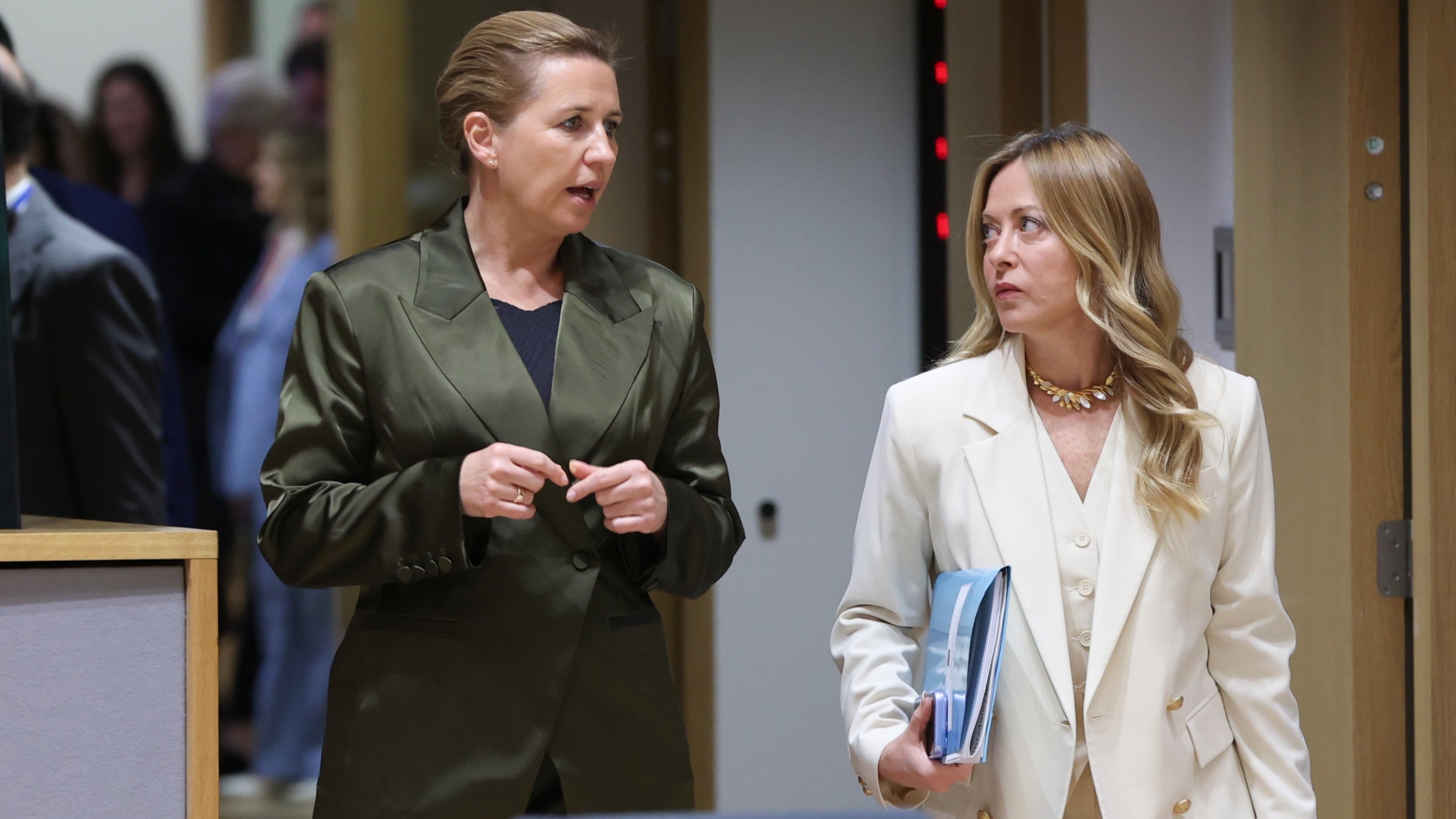
The fact that Spain is swimming against the tide on European immigration issues became more evident than ever on Friday, when several EU leaders led by the prime ministers of Denmark and Italy — Mette Frederiksen and Giorgia Meloni — strongly criticized the Spanish government’s decision earlier this year to grant legal status to potentially hundreds of thousands of undocumented migrants.

© FRANCOIS LENOIR (ACN)

© Europa Press via Getty Images
Spain’s Supreme Court has refused to restore the voting rights of tens of thousands of people who acquired Spanish nationality under the so-called grandchildren’s law, a measure that allows descendants of Spaniards who went into exile during the Civil War and the Franco dictatorship to claim citizenship.

© Alberto Ortega (Europa Press)

© Ballesteros/EPA
The calculation is clear: force Spain’s political argument onto territory more favourable to the left before migration, corruption allegations and parliamentary paralysis return to the foreground. But the polls suggest that the gamble could still deliver power to the centre-right People’s Party and Vox.
Pedro Sánchez’s decision to dissolve Spain’s parliament nine months ahead of schedule is more than an admission that his minority government had reached the limits of what it could achieve in the Congress of Deputies. It is an attempt to choose the terms on which his government will be judged.
The immediate trigger was the defeat of two emergency housing decrees after the conservative People’s Party (PP), Vox and Catalan separatist Junts voted against them. Housing had already moved rapidly to the centre of Spanish politics following the eviction of 87-year-old Maricarmen Abascal from the Madrid flat where she had lived for 71 years, followed by large demonstrations across the country. EU Today has previously reported on both the housing protests across Spain and Sánchez’s subsequent decision to call the election.
The prime minister is now attempting to convert legislative weakness into electoral advantage.
In his announcement on 5 October, Sánchez presented the election as a choice between a broader progressive majority capable of advancing social legislation and an opposition that had obstructed measures on housing and other domestic priorities. The government reinforced that strategy a day later by approving revised versions of the two housing decrees, containing 21 measures including tax incentives, assistance for first-time buyers and measures intended to increase supply. They will require validation by the Diputación Permanente, the standing parliamentary body that remains after dissolution.
The political calculation is straightforward. Housing offers Sánchez an issue on which anger is directed not only at government but at landlords, property investors, regional authorities and political parties opposing stronger regulation. The eviction of Abascal gave that argument a human symbol and transformed a long-running affordability problem into an immediate political confrontation.
That does not mean the strategy will work.
Most polling continues to place the PSOE behind the PP. Surveys put the Socialists at roughly 28 per cent, while Vox has risen to around 18 per cent. A PP-Vox combination is currently the only bloc consistently projected to command an outright parliamentary majority. One Sigma Dos survey published after the election announcement projected the two parties winning 203 of the Congress’s 350 seats.
Sánchez therefore appears to be playing less for immediate dominance than for mobilisation.
His problem before the housing protests was not simply the strength of the right. The broader left had become fragmented, while the government was being damaged by disputes over migration, particularly following the crisis in Ceuta, as well as corruption investigations involving figures associated with the PSOE. At the same time, Junts had become an increasingly unreliable parliamentary partner, leaving the government unable to guarantee major legislation or a new budget.
Housing changes the subject.
It allows Sánchez to argue that the central question is not whether his coalition has governed smoothly, but whether voters want a parliament prepared to intervene more aggressively in the housing market. The PP, however, is contesting precisely that framing. Alberto Núñez Feijóo argues that the housing shortage is itself a product of Sánchez’s eight years in government and has promised to raise annual construction towards 200,000 homes while reducing taxes.
The election may therefore develop into a dispute over responsibility rather than diagnosis. Both sides accept that housing has become a major national problem; they differ sharply over whether regulation or additional supply should dominate the response.
There is also a wider European dimension. Housing affordability is increasingly politically disruptive across the EU, including in major cities where construction has failed to keep pace with household formation, migration and demand for short-term accommodation. EU Today has examined similar pressures in Berlin’s housing market. Spain could now provide a test of whether housing can become powerful enough as an electoral issue to reverse the wider European movement towards the right.
For Ukraine, however, the consequences are likely to be less dramatic than Spain’s domestic political contest might suggest.
Sánchez committed €1 billion in bilateral military support to Ukraine for 2026, with Spain putting its cumulative bilateral military assistance since Russia’s full-scale invasion at almost €4 billion. Madrid has also trained more than 9,000 Ukrainian military personnel.
Spain is also home to a considerably larger Ukrainian community than the roughly 300,000 figure frequently cited. Government data showed 353,009 Ukrainian nationals holding valid residence documentation at the end of June, including 262,782 under temporary protection.
A PP-led government would alter Madrid’s domestic priorities and potentially its approach to defence spending and migration, particularly if Vox were required to sustain a parliamentary majority. Yet there is little basis at present for assuming that a change of government would produce a reversal of Spain’s fundamental position on Russia’s invasion or membership of the European and Atlantic security structures supporting Ukraine.
The more immediate question is whether Sánchez can make housing important enough to overcome the electoral arithmetic confronting him.
Calling the election has allowed him to escape a parliament in which his legislative coalition was steadily disintegrating and to enter a campaign around an issue capable of mobilising his electorate. It has not changed the fact that the PP and Vox begin that campaign with the stronger numbers.
Sánchez has chosen the battlefield. On 29th November, Spain will decide whether that was enough.

There are moments in the life of democracies when parliament, because of its divisions and deadlocks, is unable to respond to the urgent needs of a country — and when that happens, it means it is time to give citizens a voice. Spain is living through one of those moments.
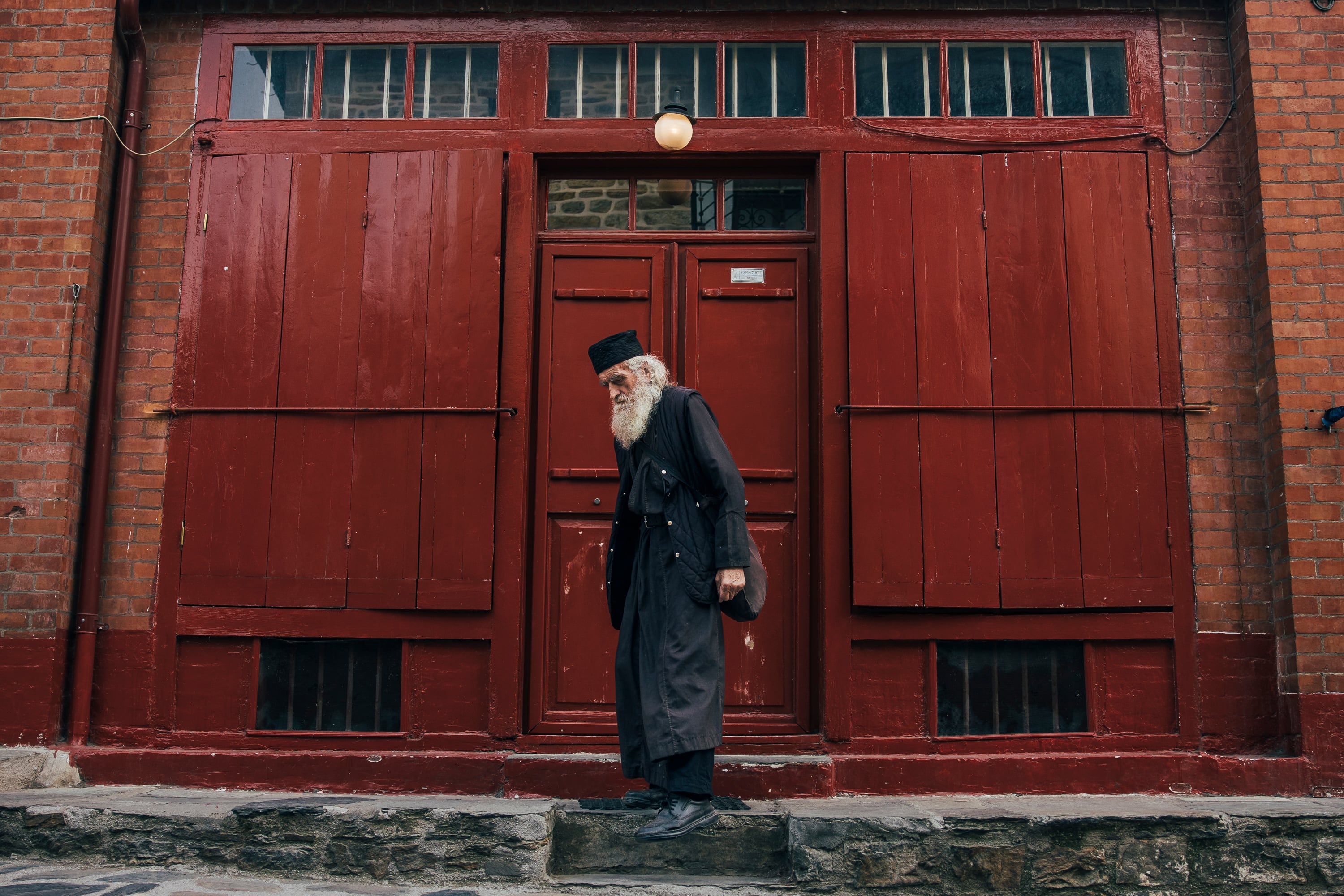
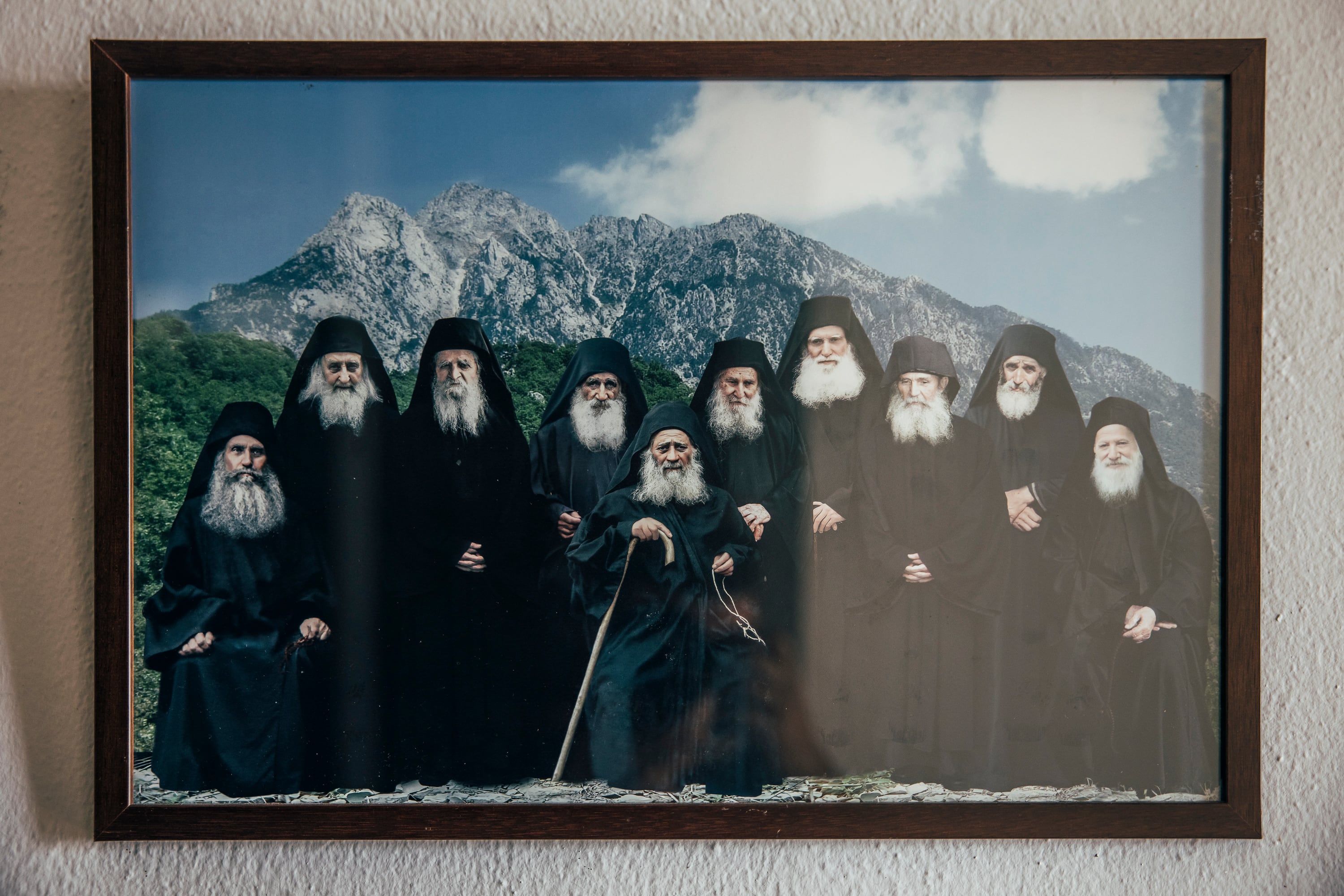
Orthodox monks rise to pray at 4.00 am at the Monastery of Saint Gregory, located on Mount Athos, considered by Orthodox Christians to be the Garden of the Virgin Mary. Not even at that hour do the lap of the Aegean Sea and the birdsong prevail over the hum of the electric generators. Hours later, the roar of an infrastructure project funded by the Greek government and the European Union will join the soundscape. Modernity marches on by way of EU funds at this location that is home to 20 monasteries, where some monks drive up the slopes in all-terrain vehicles. Maybe in a few years electric cars will be seen on the streets, or maybe drones will carry food to the most inaccessible spots. What will probably not be anywhere in sight, however, are women.
Kate Manne, a philosophy professor at Cornell University, situates the lawsuit from a former student alleging she was gang-raped at the Chi Phi fraternity in 2024 within a broader, deeply troubling campus “rape culture.” The specific details of Jane Doe’s case are horrific, but Manne also points to shocking statistics and examples showing that sexual misconduct is rife and often taken less seriously than other student infractions. She is critical of Cornell’s response and culture, but emphasizes that, tragically, this normalization of misogyny is widespread across many American campuses. A disturbing, important read.
In a deeply misogynistic society, groups of boys and men routinely bond over humiliating and exploiting women, as Soraya Chemaly has written. And the victim is not only physically and emotionally traumatized following one of the most fundamental imaginable violations: They are likely to be doubted and undermined at every subsequent step of the process. In Jane Doe’s case, the district attorney did not bring any charges after relying on the investigation done by campus police; they didn’t even speak with the men involved. The district attorney just announced that they are reopening the case on the basis of new information contained in the civil lawsuit, and in recognition of the fact that “it can take years of therapy and healing for victims of sexual assaults to fully process and understand what happened to them.”
Lena Dunham — the child prodigy who wrote the HBO series Girls (the millennial version of Sex and the City) and later became the fallen star of her generation — published her second memoir this past April. And it reads quite differently now, after she recently announced that she has become a mother via surrogacy.

© Gilbert Carrasquillo (GC Images / GETTY IMAGES) (EL PAÍS)