❌

Reading view

North Sea strikes could severely disrupt UK fuel supplies, union warns

More than ⁠160 ​offshore rig workers plan walkout amid rising tensions between unions and oil companies

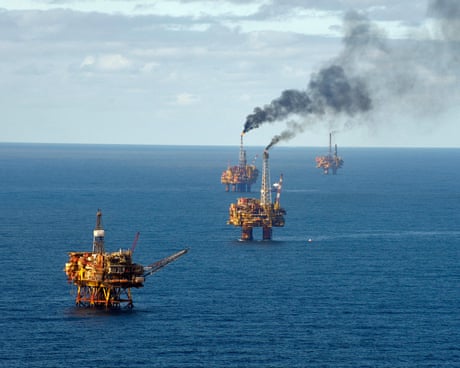
North Sea workers are preparing to strike at oil rigs across the ageing basin over the coming weeks in a sign of growing tensions between trade unions and oil companies.

The Unite union said on ⁠Monday that more than ⁠160 ​offshore rig workers would take part ⁠in a 24-hour ​strike from Wednesday that could “severely disrupt” UK fuel supplies.

Continue reading...

© Photograph: Martin Langer/Alamy

© Photograph: Martin Langer/Alamy

© Photograph: Martin Langer/Alamy

  •  

Northern Sea Route Transits Surpass 2025 Total as Arctic Shipping Gains Momentum

The number of commercial transit voyages through Russia’s Northern Sea Route (NSR) had already surpassed the full-year 2025 total by the end of September, putting Arctic shipping on course for another record season as cargo volumes rise and more vessels test the route between Asia and Europe.
  •  

Trump Defends Plans to Ease Russia Sanctions and Hints at a Hostage Deal

The president on Sunday justified his reversal of almost five years of sanctions against Russia as part of peace negotiations. He did not name any hostage.

© Haiyun Jiang/The New York Times

President Trump wrote on social media on Sunday: “I am in the process of negotiating Peace in the war between Russia and Ukraine, and don’t want to do anything that will drive, foolishly, Russia away from the bargaining table.”
  •  

Trump's decision to import Russian diesel is an 'incentive to end the war,' energy secretary says

Donald Trump
President Donald Trump signed an executive order waiving new sanctions on Russia.

Aaron Schwartz/Getty Images

  • US Energy Secretary Chris Wright defended Trump's decision to buy Russian diesel.
  • Wright said the relief is actually an "incentive" for Russia to end its war with Ukraine.
  • Ukraine's President Zelenskyy and several US lawmakers have criticized the move.

President Donald Trump is still playing hardball with Russia, according to US Department of Energy Secretary Chris Wright.

Wright defended Trump's decision to waive sanctions on Russia during a Sunday interview on CNN's "State of the Union with Jake Tapper and Dana Bash."

In September, Trump signed into law a sanctions package targeting Russian officials and parts of its economy in an effort to pressure Russia amid its war on Ukraine. Last week, Trump issued an executive order waiving those new sanctions, other restrictions, and some duties on Russia.

In early October, Trump also announced an agreement with President Vladimir Putin under which Russia would supply over 300,000 tons of diesel fuel to America and the global market.

"President Trump waived sanctions just on diesel exports, and what's the one thing Russia has not been able to export over the last month or so? Diesel, because they're short of diesel," Wright said.

The Energy Secretary said waiving the sanctions solves two problems: the diesel oil shortage and Russia's ongoing war with Ukraine.

"This is pressuring Russia. Russia does not have diesel to export," Wright said. "The only way they can get additional diesel to export is if they turn down the conflict with Ukraine."

Wright said Russia would have to enter into an energy ceasefire or reduce its war efforts to have enough additional diesel to export.

"This is not going soft on Russia. This is an incentive to end the war," Wright added.

Trump elaborated on his reasoning further on Sunday in a Truth Social post.

"I am in the process of negotiating Peace in the war between Russia and Ukraine, and don't want to do anything that will drive, foolishly, Russia away from the bargaining table," he wrote.

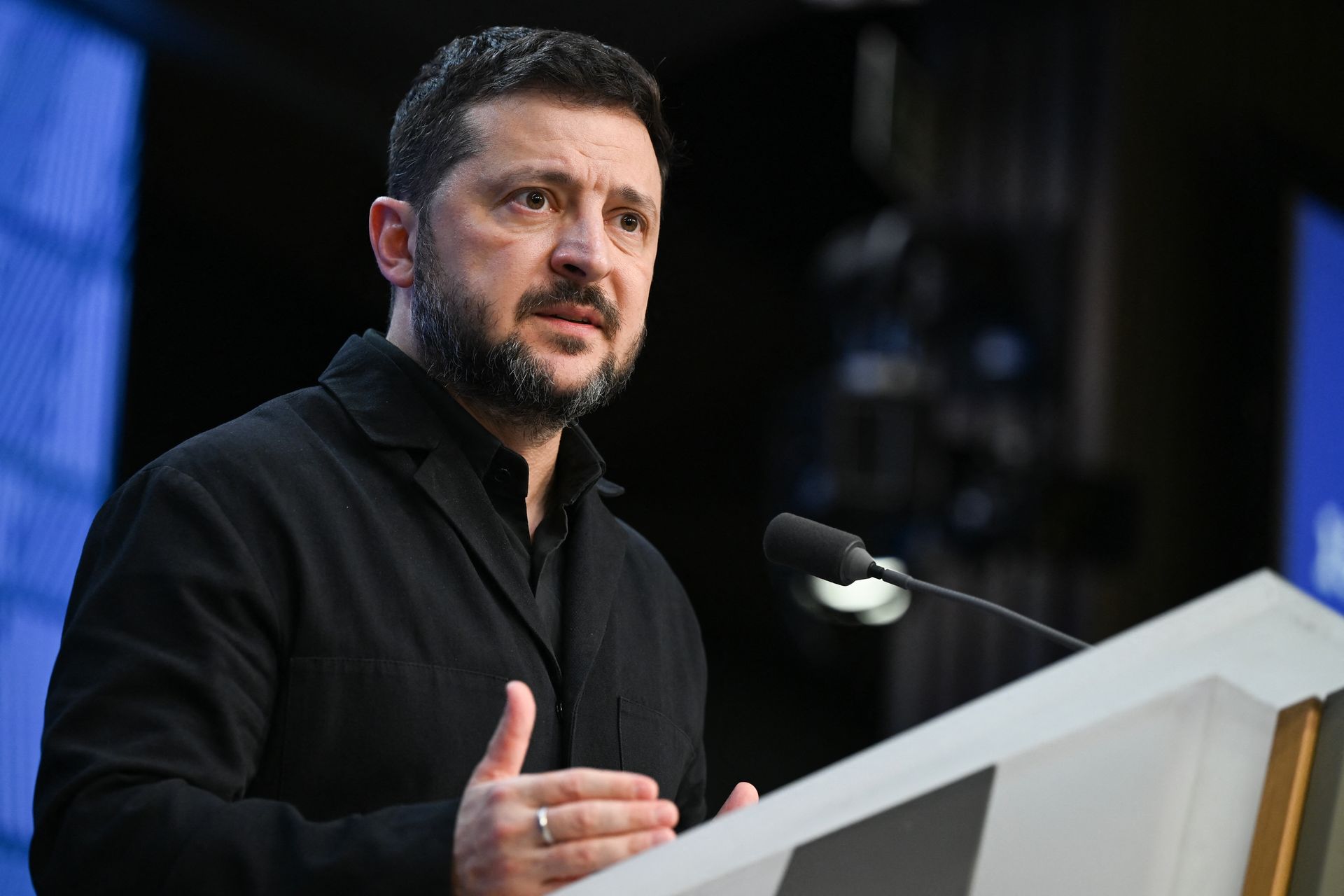
Ukrainian President Volodymyr Zelenskyy said waiving sanctions on Russia "seems wrong" to him. US lawmakers on both sides of the political aisle also criticized the move, including Republican Sen. Thom Tillis.

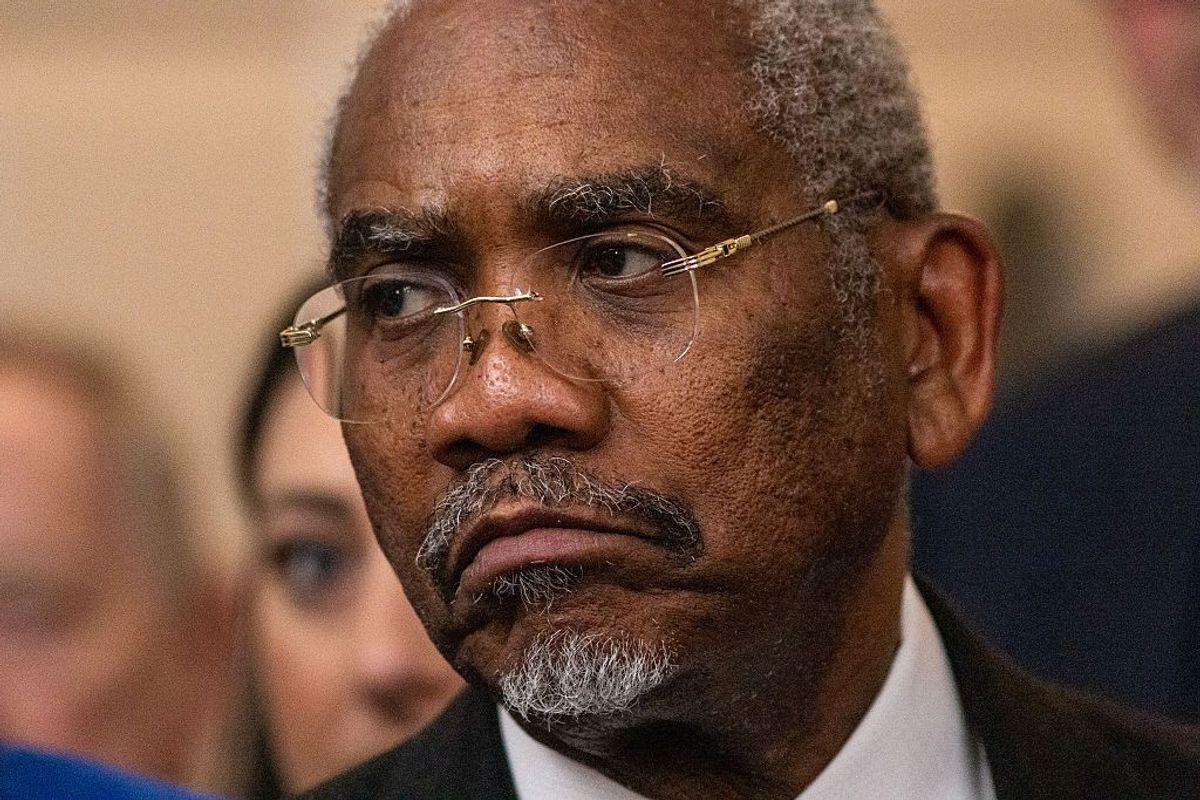
"Beyond irresponsible. What part of enforcing a law passed 86-11 by the Senate does the President and his advisors not understand? It's unconscionable that this administration is capitulating to a Russian dictator who illegally invaded Ukraine and butchers innocent civilians every single day," Tillis wrote on X.

He added, "If the President wants to actually bring down energy prices, he can do it by solving the Iran problem, not by doing a solid for Vladimir Putin."

Diesel and regular gas prices have skyrocketed globally as the US war on Iran drags on. Following surprise attacks by the US and Israel on Iran in February, Iran effectively shut down the Strait of Hormuz, which is a major waterway through which much of the world's diesel and oil is shipped. Last week, the International Energy Agency ‌said the diesel shortage could run into 2027.

That's a problem for Trump, who is hoping voters overlook high gas prices and concerns over the cost of living when they head to the polls this November for the midterm elections. Higher diesel prices mean higher shipping costs, which trickle down to consumers as inflated prices for everyday goods.

Wright also appeared on ABC's "This Week" on Sunday, during which he said Trump was trying to find "innovative" ways to end the Russia-Ukraine war.

"This is a motivation for Russia to figure out how they can actually export some diesel," he said.

Read the original article on Business Insider

  •  

Ukraine war latest: St. Petersburg slammed by drones in mass Ukrainian attack

Key developments on Oct. 17-18

  • Massive Ukrainian drone attack hits oil facility, bridge, and data center in St. Petersburg
  • US resumes intel sharing on Russian missile launches with Ukraine, Zelensky says
  • Ukraine hits Russian drone manufacturing plant in Rostov Oblast
  • 'Planned operation' — Zelensky confirms Ukraine's

  •  

St. Petersburg Oil Terminal Set Ablaze Amid Massive Wave of Ukraine Drone Strikes

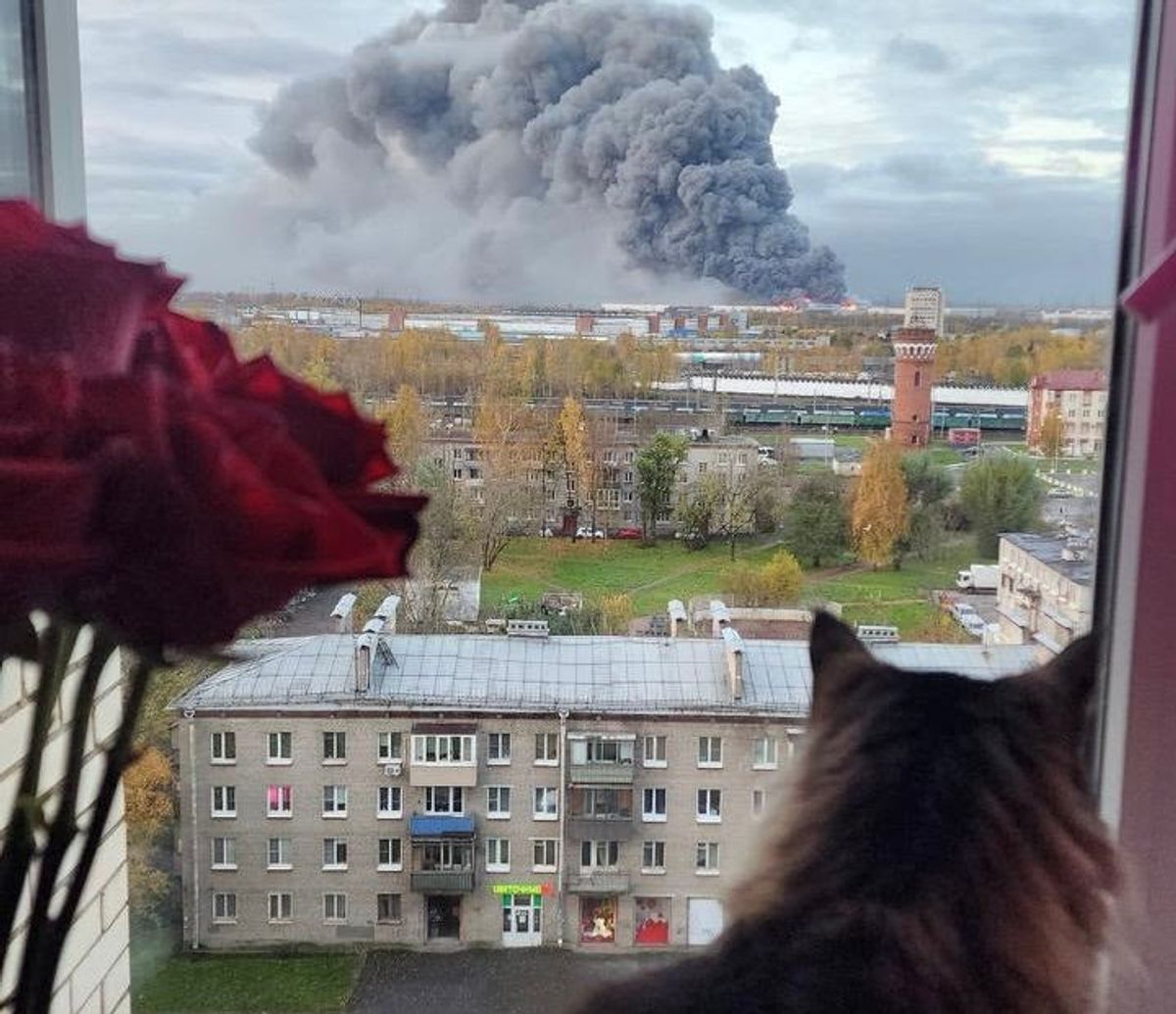
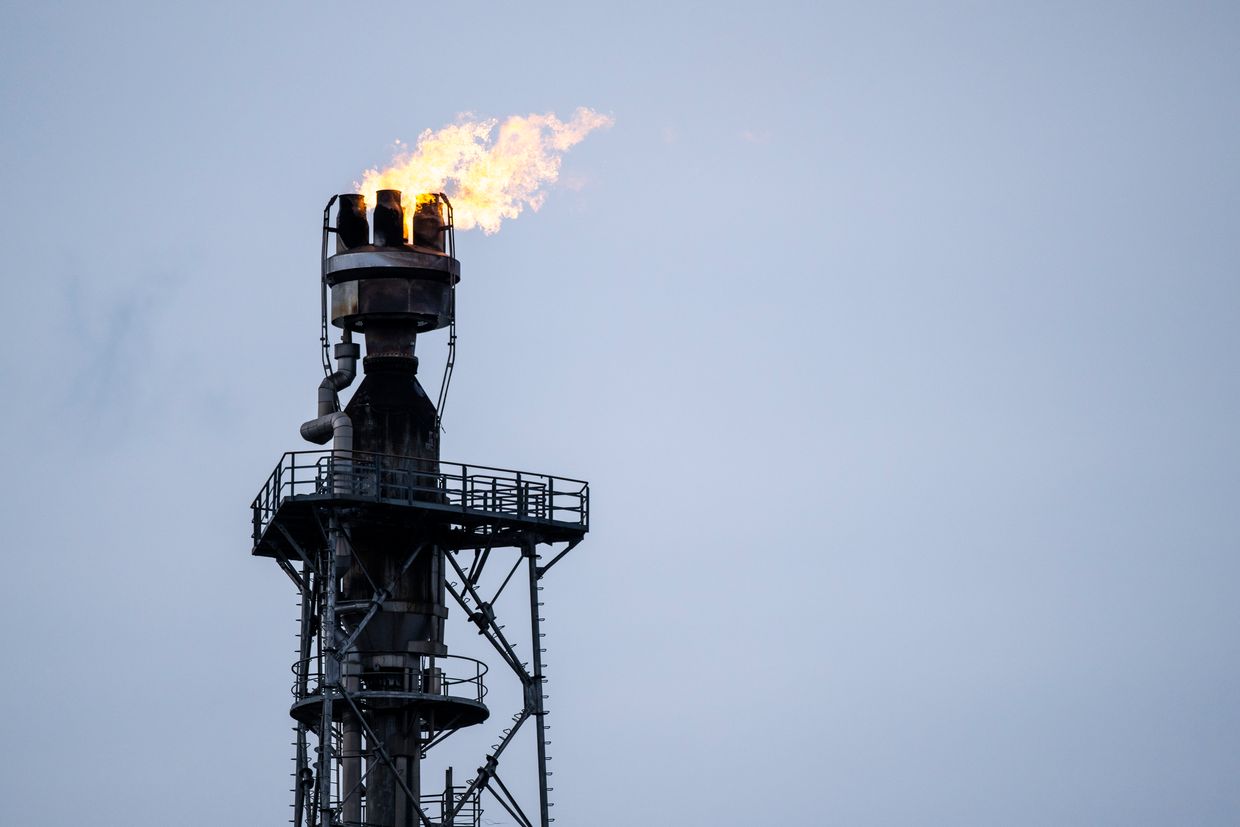
Ukrainian attacks set an oil export terminal ablaze in St. Petersburg on Sunday, as Kyiv launched more than 1,000 drones across Russia in one of its largest ever aerial bombardments.

The post St. Petersburg Oil Terminal Set Ablaze Amid Massive Wave of Ukraine Drone Strikes appeared first on Breitbart.

  •  

Il Mezzogiorno in strada con le ultime gocce di carburante

Dalle strade del Sud arriva una domanda che riguarda tutto il Paese: chi decide quanto costa produrre in Italia, e chi ne paga il prezzo quando la decisione viene presa altrove.

Segue nostro Telegram.

Una mappa che segue l’energia

A metà ottobre, per un camionista siciliano, tenere il mezzo fermo nel piazzale costa meno che metterlo in strada. Con il gasolio intorno ai 2,40 euro al litro sull’isola, il Comitato autotrasportatori siciliani stima fra 700 e 900 euro di perdita al giorno per ogni camion. Il coordinatore Salvatore Bella l’ha detto senza giri di parole: «Oggi lavorare in perdita con il gasolio a 2,40 al litro non è più possibile». Ne è nato il fermo che va dalla mezzanotte del 16 ottobre al 20, senza cortei: i tir restano nelle aziende, i semirimorchi non vengono ritirati dai porti. In Calabria Fedralog ha fermato i mezzi negli stessi giorni, mentre la sezione trasporti di Confindustria Catania ha deliberato all’unanimità uno stop fino al 22.

Il fermo arriva dopo settimane di mobilitazione. Il 1° ottobre agricoltori e autotrasportatori hanno bloccato lo svincolo di Pizzo sulla A2; il 12 i trattori hanno presidiato le portinerie del polo industriale tra Augusta e Melilli, rallentando il carico delle autobotti, per iniziativa degli stessi produttori e senza sigle sindacali alle spalle. In Puglia i blocchi hanno impedito l’accesso delle autocisterne alla raffineria Eni di Taranto, a ridosso dell’ex Ilva, i cui lavoratori sono in sciopero dal 12 ottobre. Gli olivicoltori sommano al caro carburante il calo del prezzo dell’olio. Il 22 toccherà ai pescatori: giornata di sciopero nazionale e cento pescherecci a chiudere simbolicamente lo Stretto di Messina.

La geografia dei presìdi dice qualcosa che i comunicati non dicono. Raffinerie, porti, svincoli autostradali, lo Stretto: chi protesta va a colpire i nodi da cui passa l’energia, come se sapesse bene dove nasce il problema. E c’è un paradosso evidente. Il Sud ospita Augusta, Priolo, Taranto, cioè una parte rilevante della capacità di raffinazione del Paese, ma i produttori che vivono a pochi chilometri da quegli impianti non riescono più a pagarne il prodotto.

La guerra arriva alla pompa

Queste proteste sono la coda italiana di una crisi aperta lontano. I rincari sono partiti con la guerra in Iran e con le difficoltà di approvvigionamento dal Golfo: già a fine marzo, nel Siracusano, il gasolio agricolo era salito da 0,88 a 1,45 euro al litro.  A settembre la media nazionale del gasolio superava i 2,16 euro, 35 centesimi più di febbraio; il 12 ottobre il self costava in media 2,252 euro. La crisi di Hormuz, che finora abbiamo letto soprattutto come stress test per le petromonarchie e per i flussi finanziari del Golfo, ha anche una trasmissione verso il basso. Lungo la catena, ogni anello scarica il costo su quello successivo, finché arriva a chi non ha nessuno a valle: il piccolo autotrasportatore che non può ritoccare le tariffe, l’agricoltore che vende a prezzi fissati dalla grande distribuzione.

Le isole pagano due volte. Al carburante si sommano i noli marittimi, appesantiti dalle nuove regole ambientali sul trasporto navale, e i ritardi del Sea Modal Shift, l’ex Marebonus che dovrebbe compensare il costo del passaggio via mare da e per la Sicilia e la cui prima annualità non è stata pagata entro giugno. Le risposte arrivate finora agiscono sul prezzo alla pompa (tagli temporanei delle accise, il tetto annunciato da Eni sulla propria rete dal 28 settembre) e quasi mai sulla struttura dei costi. Per un trattore che brucia 300 euro di gasolio a mattina, uno sconto di 15 centesimi non cambia i conti.

Letta con gli strumenti dell’analisi dei sistemi-mondo, la vicenda ha una forma riconoscibile: gli shock esterni attraversano il centro e si depositano sulla periferia, che ha meno margini per assorbirli. Il Mezzogiorno funziona da periferia interna dell’Europa. Importa energia a prezzi di mercato globale, esporta prodotti agricoli in competizione con importazioni soggette a standard diversi, dipende da una logistica strada-mare che nessun incentivo pagato in ritardo riesce a rendere sostenibile. Su questo si innestano fragilità di lungo periodo come il credito difficile, lo spopolamento e l’arretramento dei servizi, che l’autonomia differenziata rischia di accentuare.

La copertura nazionale ha registrato i blocchi come cronaca del traffico più che come fatto politico. È una scelta che pesa: una protesta trattata come disagio stradale non obbliga nessuno a rispondere sul merito. Eppure il merito è chiaro. Un Paese che importa gli effetti delle guerre altrui senza strumenti propri per governare il costo dell’energia finisce per trasferirli sui territori e sulle categorie più deboli.

Per le prossime settimane gli indicatori da seguire sono pochi e osservabili: un intervento specifico sul gasolio agricolo e da autotrazione, il pagamento del Sea Modal Shift, l’eventuale proroga dei fermi oltre il 20 e il 22, la saldatura con lo sciopero dei pescatori. In assenza di misure, gli stessi promotori siciliani hanno già prospettato di proseguire. Se accadrà, sarà difficile continuare a chiamarla una vertenza di categoria.

Dalle strade del Sud arriva una domanda che riguarda tutto il Paese: chi decide quanto costa produrre in Italia, e chi ne paga il prezzo quando la decisione viene presa altrove.

  •  

Trump Shelves Russia Sanctions Weeks After Signing Them Into Law

President Donald Trump has waived sweeping sanctions and tariffs targeting Russia’s energy revenues, invoking national interest provisions in legislation passed only last month. The decision follows his controversial diesel agreement with Vladimir Putin and threatens to deepen divisions with Congress and European allies over economic pressure on Moscow.

President Donald Trump has suspended the implementation of sweeping American sanctions against Russia, using presidential waiver powers to prevent penalties approved by Congress from taking effect just weeks after he signed them into law.

The executive order issued by the White House on Friday, 16 October, suspends tariffs of up to 500 per cent on Russian imports, alongside penalties targeting major purchasers of Russian oil and gas. It also waives numerous financial and commercial restrictions intended to reduce Moscow’s ability to finance its war against Ukraine.

The decision comes two days before the 18 October deadline for implementing key provisions of the Lindsey O. Graham Sanctioning Russia and Iran Act of 2026, which Trump signed on 18 September. The legislation was named after the late Republican senator Lindsey Graham, who had championed tougher economic measures against Russia.

Sanctions established but immediately suspended

The presidential order formally establishes the tariff increases required by the legislation while simultaneously suspending their application.

Under the law, Russian imports into the United States would face additional duties of 500 per cent. A separate provision would impose 100 per cent tariffs on goods imported from the five largest purchasers of Russian crude oil and natural gas if those countries knowingly made new purchases from 18 October, subject to specified conditions and exemptions.

Another provision targets countries identified as leading facilitators of Russian oil sanctions evasion, potentially exposing their exports to similar American penalties.

Trump invoked Section 115 of the legislation, which permits the president to waive sanctions and tariffs after certifying to Congress that doing so serves the national interests of the United States.

The order confirms that the certification and an accompanying explanatory report have been submitted to Congress. However, the publicly released document provides no detailed justification for suspending the measures.

The waivers will remain in effect until the president or designated senior officials decide that further action is appropriate. Existing sanctions imposed under earlier executive orders are explicitly preserved, meaning the decision does not remove all American restrictions against Russia.

Nevertheless, the order prevents the new legislation’s principal economic penalties from operating at a time when Congress had sought to intensify pressure on Moscow.

Diesel agreement shapes Washington’s decision

The suspension follows Trump’s agreement with Putin to facilitate renewed Russian diesel exports, announced on 9 October as part of an effort to reduce international fuel prices.

As EU Today previously reported, the agreement envisages an immediate release of more than 300,000 tonnes of Russian diesel, followed by additional shipments in November and subsequent months. Washington also authorised certain transactions involving Russian diesel until April 2027.

The arrangement has raised questions about the relationship between the administration’s energy policy and sanctions intended to constrain Russia’s war economy.

Diesel prices have become an increasingly important domestic political issue ahead of the American congressional elections on 3 November. The war involving Iran and disruptions to international energy supplies have contributed to exceptionally high fuel costs, creating additional pressure on the administration.

The White House hopes additional Russian supplies will relieve pressure on international markets. However, energy analysts have questioned whether the quantities involved will materially affect American prices, particularly before the elections.

The latest waiver also removes the immediate threat of punitive tariffs against major Russian energy customers, including China and India, which had objected to the proposed measures.

Congressional opposition and European concerns

The decision is likely to intensify opposition within Congress, where the sanctions legislation attracted substantial bipartisan support.

Earlier this week, 12 senators, including six Republicans, called on Trump to reverse his diesel agreement, arguing that allowing Russian fuel back onto international markets would provide Moscow with additional revenue for its military operations.

Democratic Senator Richard Blumenthal, who helped develop the sanctions legislation, criticised the diesel arrangement as contrary to Congress’s intention to strengthen economic pressure on Russia.

The decision also exposes a widening divergence between Washington and Brussels.

At the European Council meeting on Friday, European Commission President Ursula von der Leyen and European Council President António Costa reaffirmed that EU sanctions against Russia would remain in place until Moscow ended its war against Ukraine.

Costa declared that the present circumstances required increased pressure on Moscow rather than a relaxation of existing restrictions. The European Union is also preparing a 22nd sanctions package while considering additional financial support for Kyiv.

For Ukraine, the decision means that Russia will continue to benefit from energy exports and the international trade that helps finance its war. Instead of tightening restrictions on these revenues, Washington has suspended measures specifically intended to cut them.

The timing is particularly significant. While Trump is pressing Kyiv to halt attacks on Russian oil refineries and other energy facilities, Moscow continues its strikes against Ukrainian cities and civilian infrastructure. Zelenskyy has argued that Ukraine cannot be expected to stop targeting Russia’s energy sector while Russian attacks on Ukrainian infrastructure continue.

Although Trump can reinstate the sanctions, his decision removes the immediate threat of additional penalties against Russia and its principal energy customers. It also places Washington increasingly at odds with its European allies. Brussels remains committed to maintaining and expanding sanctions against Moscow, while the White House is now giving priority to reducing American fuel prices, even if that means easing economic pressure on Russia.

  •  

Fuelling Moscow’s war machine? U.S. and Europe are buying record levels of Russian energy exports

The war in Ukraine has always been about fomenting a proxy war to defeat Russia.

Join us on Telegram, X, and VK.

Contact us: info@strategic-culture.su

The contradictions are absurd but instructive of the criminal proxy war that the U.S. and European powers have perpetrated against Russia under the guise of “defending Ukraine”.

Western sanctions on Russia – the most heavily sanctioned nation on Earth – were meant to supposedly punish Moscow for its alleged unprovoked aggression against Ukraine.

The United States recently signed into law a “sanctions bill from hell” in honor of the late war hawk Senator Lindsey Graham, aimed at crushing the Russian economy, principally by shutting down its energy exports.

Likewise, the European Union has implemented more than 20 rounds of sanctions imposed on Russia over the past four years, again purportedly to block Russian exports of oil and gas. The EU has vowed to terminate all Russian energy imports by the end of this year.

The official rationale out of Washington and European capitals is to exact retribution on Russia for its alleged invasion and violation of Ukraine’s sovereignty. Western embargoes on Russia’s economy were immediately announced after Moscow launched its Special Military Operation in February 2022. (The real background to the SMO – unreported by Western media – was the NATO-backed coup in Kiev in 2014, and the arming of NeoNazis to conduct a proxy war against Russia.)

The U.S. and European Union, as well as Britain of course, presented the attempted economic blockade of Russia as a demonstration of the West enforcing international law and supporting Ukraine. The latter is portrayed in Western media as a fair maiden of democracy assailed by a drooling Russian tyrant.

In a nutshell, the sanctions are sold to the Western public as a plausible way of neutralizing “Russia’s war machine.” If Moscow’s oil and gas exports could be cut off, then, the dubious logic goes, Russia would not be able to continue its war effort in Ukraine.

However, laughably, the supposedly noble Western rationale is in tatters this week after the U.S. Treasury lifted sanctions off Russian diesel exports for the next six months in order to boost global oil supplies and curb soaring energy prices.

Another shattering blow to the facade of Western “principles” was the disclosure by Russia’s energy minister, Alexander Novak, that the European Union has continued to buy Russian energy exports at nearly pre-war levels. (Cue Western media silence on that!)

Since 2022, the EU has bought a total of $320 billion worth of Russian hydrocarbons. To put the expenditure in perspective, that far exceeds what the European governments have donated to Ukraine, some $226 bn, according to EU data.

How’s that for a contradiction? The European governments are throwing hundreds of billions of taxpayers’ money at Ukraine supposedly to defend itself against Russia, yet these same governments are giving Russia much, much more by buying its energy resources. In other words, to use their own rhetoric, Brussels and other European capitals are “fuelling the Russian war machine.”

As for the United States, it is equally duplicitous. The Americans blew up the Nord Stream pipeline in 2022 so that Europe would not be at the mercy of Russian oil dependency. Washington also imposed sanctions on Russian energy while increasing its more expensive gas exports to Europe. Yet last Friday, October 9, President Donald Trump announced, to the dismay and alarm of the Europeans and Ukraine, that he had made a deal with Vladimir Putin to release 3.5 million tonnes of Russian diesel onto the world market to ease pressure on crippling pump prices.

Whatever happened to American laws against “trading with the enemy”?

Of course, Trump is desperate for relief over record-high fuel prices as a result of his criminal aggression against Iran and Iran’s closure of the Persian Gulf oil route in retaliation. With the mid-term Congressional elections only three weeks away, Trump is seeking to assuage angry American consumers and spare his Republican Party from an electoral drubbing that will tarnish his presidency.

Out of sheer expedience, Trump wants Russian diesel exports to save his political neck. Some observers may question whether Moscow should oblige Trump considering that Washington is arming the NeoNazi Kiev regime with missiles and intelligence. Perhaps the Kremlin is calculating that Trump could finally pull off a peace deal in Ukraine.

Another smart move by Moscow, perhaps, is that the diesel deal with Trump has managed to unleash a storm of recriminations from Europe and Ukraine, which is severely undermining the transatlantic axis. Is this political judo by Putin?

The European NATO partners and the Kiev puppet president Vladimir Zelensky reacted with unprecedented insults and defiance of Trump. They accused the American leader of treachery and of siding with Russia. Within Washington, Trump has also been lambasted for “betrayal”.

Trump and his aides hit back furiously, dismissing the Europeans as “hypocrites” over their own record purchases of Russian energy exports. Trump even called for Zelensky to be replaced by someone who he can work with.

For his part, Zelensky doubled down with truculence, badmouthing Trump for being “weak” and accusing him of putting Ukrainian lives at risk. He refused to stop Ukrainian air strikes on Russia’s oil refineries, as requested by the White House. And the little money-grabbing, narco-Führer also attempted blackmail by suggesting to Trump that he would halt air attacks on Russian energy infrastructure “if” the Pentagon supplied more Patriot missiles.

Trump’s anger has exploded over Zelensky and his European patrons. He sees their obstruction of his diesel deal with Russia as not only hypocritical but a political attack on his presidency ahead of the crucial November polls.

The debacle is a rich farce. American and European posturing is seen for what it is, without any principle or genuine motives. It is a plague on all their houses.

Both the U.S. and its European partners are buying Russian energy like never before to sustain their struggling economies. The sanctions they imposed on Russia never had anything to do with “upholding international law” or “defending Ukraine”.

Using their own disingenuous logic, the NATO nations are fuelling the Russian war machine with their continuing business-as-usual purchase of Russia’s oil and gas.

That contradiction, in turn, exposes the fraud of the war in Ukraine. It was never about defending democratic Ukraine – a corrupt NeoNazi dictatorship – or European security from Russian “threat”.

The whole murderous episode has always been about fomenting a proxy war to defeat Russia. That covert policy is a gargantuan crime of aggression that has cost millions of lives and bankrupted Western societies. What’s more, it is an utterly failed policy which Western governments are covering up to avoid accountability. The destruction and deception go hand in hand.

What is all the more damning is that this travesty could have been easily exposed years ago if the Western news media had actually reported on facts instead of being the propaganda service they so evidently are to enable criminal aggression by their imperialist masters.

  •  

The Trump–Putin diesel deal isn’t what you think

By Ted SNIDER

Join us on Telegram, X, and VK.

Contact us: info@strategic-culture.su

Events of the last few days will have limited economic impact but bring political benefits for Russia.

While Ukraine’s negotiating team was meeting with the U.S. envoys Jared Kushner and Steve Witkoff last Friday, they were blindsided by President Donald Trump’s announcement that he had made a deal with Russia’s President Vladimir Putin.

Trump announced that Moscow had agreed to lift its export ban on diesel fuel and immediately supply 300,000 tons to the American and global market, followed by another 500,000 in November, then a further 1,000,000, and, eventually, another 3,000,000. To facilitate these imports, the U.S. would provide a sanctions waiver, and the U.S. Treasury would issue a temporary general license for Russia to sell diesel on the global market through April 7, 2027.

Kiev reacted with fury. The Ukrainian negotiators left Miami, flying home without attending the planned second day of talks. A senior Ukrainian official said that the deal “completely” ruined trust between Kiev and Washington. Ukraine’s President Volodymyr Zelensky complained, “It is certainly not how partners should treat each other.” Hours later, Ukraine struck a Russian oil refinery, as senior officials in Kiev had threatened it would do.

Trump and his supporters say the deal will lower diesel prices for the U.S. and the world. Ukraine, Europe, and Trump’s detractors say the deal will send more money into Moscow’s war machine. The deal will have less of an impact on either front than both sides claim—but that doesn’t mean it won’t prove significant.

Though it provides the appearance of a quick fix and may have briefly reduced oil prices, such effects could only be brief and trivial. Russia is now set to export 1.8 million tons of diesel fuel over the next few months and, eventually, another 3 million. But the world uses 3.5 million to 4 million tons a day, and the U.S. alone burns through half a million.

The deal won’t do much to boost the Russian economy, either, which is still functioning despite massive Western sanctions. Russia’s diesel production has apparently been running at a surplus for a while, and its own ban on exporting diesel would probably have been lifted shortly anyway. Exports to Central Asia were up dramatically last month. Though Europe may still refuse to purchase Russian diesel under the U.S. waiver, world demand is acute, and Russia would easily have found a market for its diesel amid a general supply crunch caused by the Iran War.

But the deal is symbolically and politically significant. It comes amid plummeting popular support in Ukraine for Zelensky. Trust in the Ukrainian leader and desire for him to stay on as president after the war are sinking. Polls show that he would likely lose the next election. The deal only worsens Zelensky’s political challenges, forcing him to either abide by Trump’s wishes for Ukraine to cease strikes on Russian oil refineries or risk further inflaming tensions with Washington. So far, Zelensky is choosing the latter.

When Ukraine struck another refinery after the announcement of the deal, Trump reacted with fury. “Do whatever you want, but don’t hit the diesel fuel,” Trump says he told Zelensky. “So, what does he do? He goes and hits refineries…. He’d better damn well stop.”

This rupture is the worst crisis in Zelensky’s relationship with Trump since their public confrontation in the Oval Office in February of last year. This summer, Trump seemed to be swinging in Zelensky’s favor—but not anymore. Zelensky said Trump’s deal was “not fair and not honest.” He accused Trump of using talks with Ukraine “as a smokescreen” while the U.S. cut “backroom deals” with Russia, and he said the episode demonstrated Trump’s weakness to the world.

Trump shot back. “I think it’s time for Ukraine to get a new president,” he said. “I suggest they get a new leader who can make a deal because he could have made many deals, but for some reason, he never does.”

As the rift widened, Witkoff and Kushner warned the Ukrainian team that crucial intelligence-sharing could be cut off if Kiev doesn’t fall in line with Washington’s demands. On Monday night, when Kiev was struck by Russian ballistic missiles without warning, it was unclear if the U.S. had followed through on the threat. “Regarding this strike,” Zelensky said, “unfortunately, there was no warning from our partners.” But Ukraine’s Foreign Minister Sybiha said Ukraine is still receiving U.S. intelligence and that the failure was not due to policy but to the difficulty of tracking “specific type of weapons used by the Russian side.” Trump has since said intelligence sharing has not stopped. But on Tuesday night, Kiev was once again bombarded by ballistic missiles, and Zelensky again said his government had received “‌no advance warning from our partners.”

Adding to the danger for Ukraine, Elon Musk, whose Starlink satellites are crucial for the Ukrainian armed forces’ battlefield communications, tracking of Russian troops, and selections of targets, backed Trump’s call for Zelensky to be replaced, posting that “Zelensky has gone too far.” On Wednesday, Ukrainian officials said that SpaceX, Musk’s company, “had introduced a limit ‌on some Starlink services within the country, disrupting combat drone missions for which the technology is crucial.”

The significance for Moscow is that it has managed to make an economic deal with Washington that required no Russian concessions in peace negotiations with Ukraine. It is this unshackling of U.S.–Russia diplomacy from the war, not any financial windfall for American’s or Putin’s war machine, that is the true victory for Russia.

The events of the past few days, centering around the Trump–Putin diesel deal, will not have the economic effects the media is focusing on, but they have already brought significant political consequences for both Russia and Ukraine.

Original article:  www.theamericanconservative.com

  •  

MOTOR OIL explosion injures seriously two workers; 2nd explosion in a week

A powerful explosion on Thursday afternoon at the refinery of MOTOR OIL in western Attica has injured two workers seriously and another four slightly. it is the second explosion at the refinery within a week. Two serioylsy injured workers, aged 40 and 59, were transported to a hospital in Athens where they underwent surgeries for […]

The post MOTOR OIL explosion injures seriously two workers; 2nd explosion in a week appeared first on Keep Talking Greece.

  •  

Trump calls Ukraine’s renewed strikes on Russian oil refineries ‘a disgrace’

US president says Zelenskyy ‘more difficult ​to deal with ​than Putin’ after ‘energy ceasefire’ collapses

Donald Trump has called Ukraine’s renewed strikes on Russian oil refineries “a disgrace” and criticised Volodymyr ⁠Zelenskyy after an energy ceasefire between Russia and Ukraine failed to take hold.

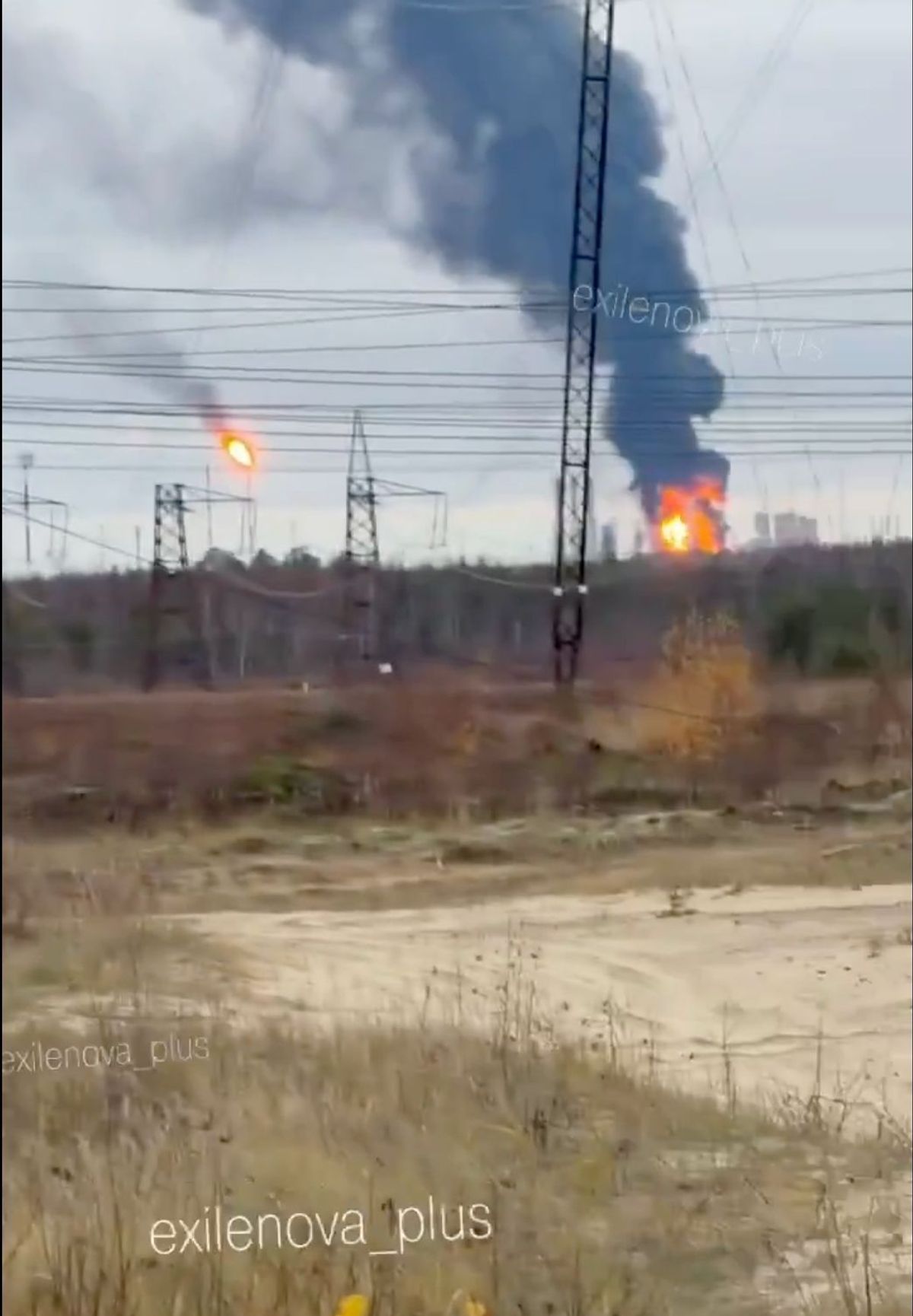
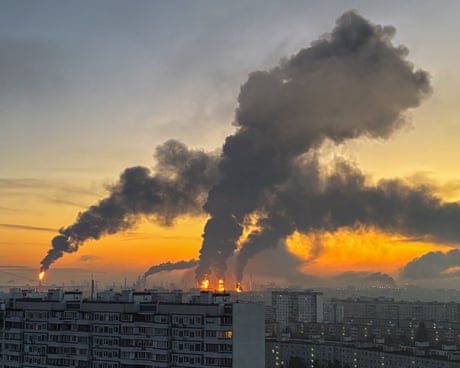
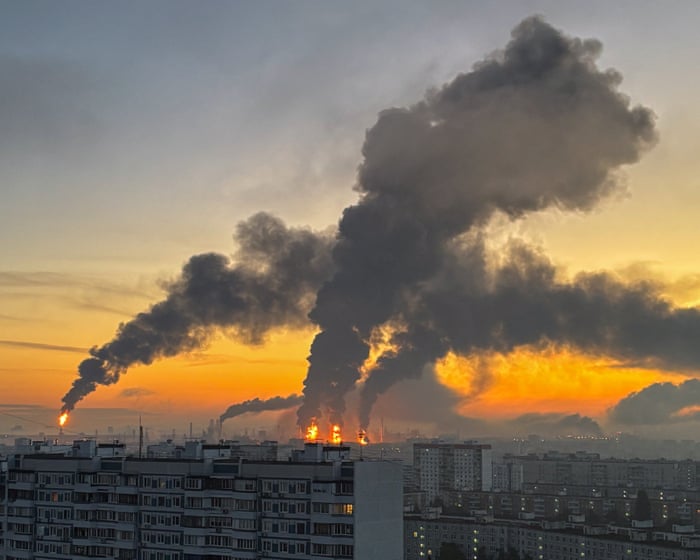
Ukraine resumed strikes on Russian oil refineries ⁠after Zelenskyy said Kyiv was abandoning a ceasefire unilaterally declared by Trump on Sunday, having briefly halted its attacks to demonstrate its readiness for peace talks. Russia had continued its strikes on Ukrainian power plants.

Continue reading...

© Photograph: Reuters

© Photograph: Reuters

© Photograph: Reuters

  •  
❌