❌

Reading view

Max Miller comes out against Trump waiving Russia sanctions

Rep. Max Miller (R-Ohio) on Monday said he opposes President Trump’s waiver on Russian sanctions after striking a deal with the Kremlin to permit diesel into the U.S. and global marketplace amid the energy shortage brought on by the Iran war. “The Administration should not waive sanctions passed by Congress to punish Russia for its…

  •  

Trump defends Russia sanctions waiver, says he does not want to drive Moscow from talks

Trump WEF

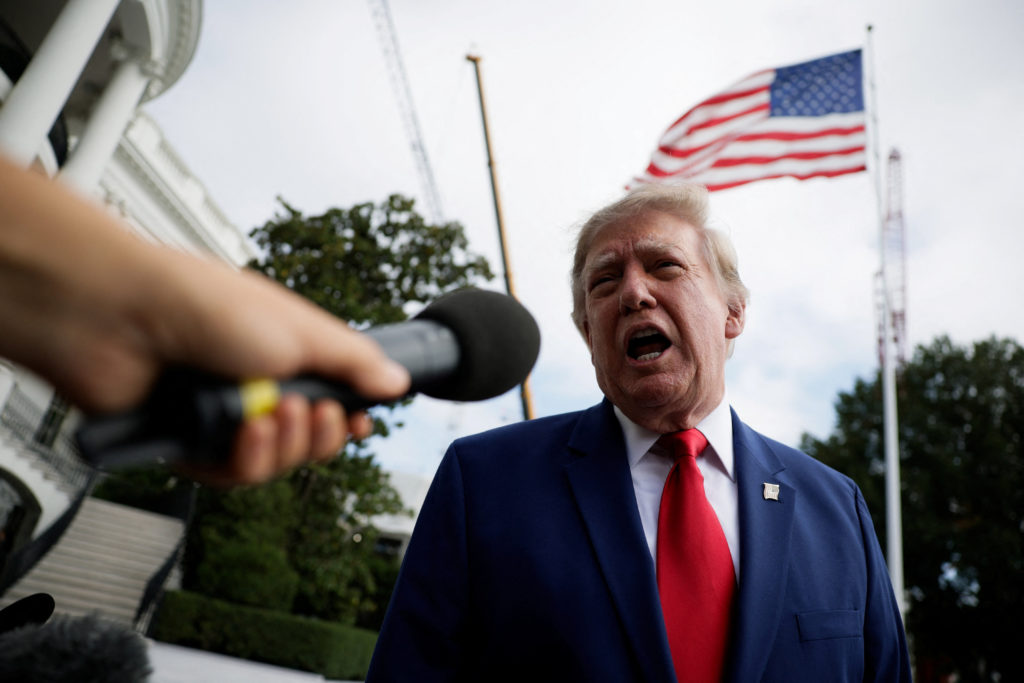
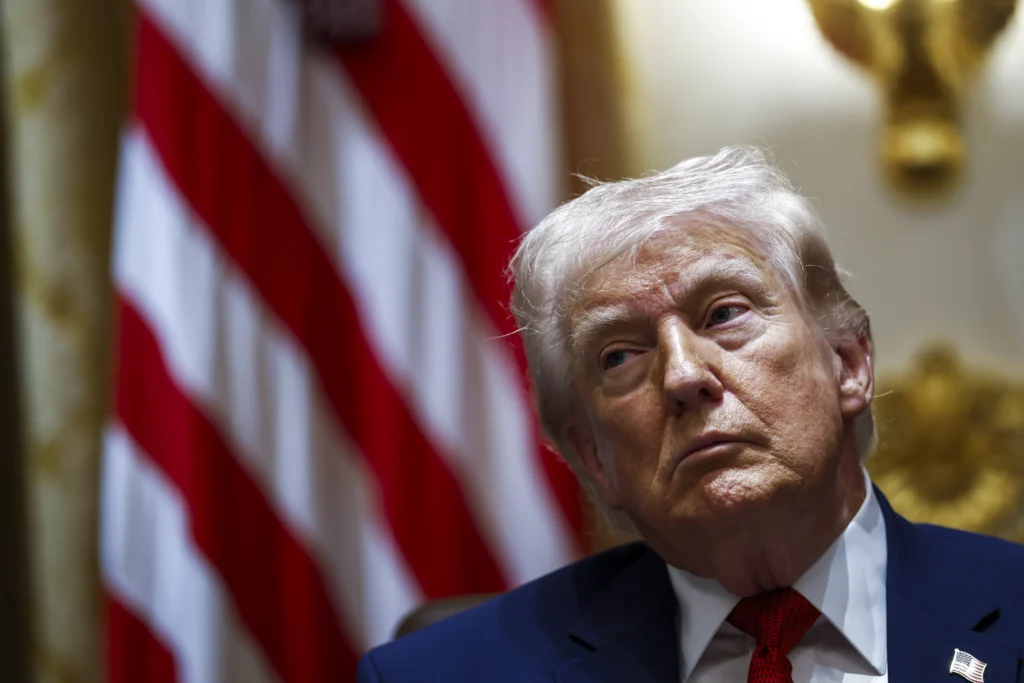
US President Donald Trump wrote in a Truth Social post on 18 October that he did not want to “drive, foolishly, Russia away from the bargaining table.” He also wrote: “Signing that document at this time will do that, and I can sign it later, or any time that I want!”

Trump was referring to sanctions and tariffs under the Lindsey O. Graham Sanctioning Russia and Iran Act of 2026, which he waived in an executive order on 16 October, days before the measures were due to take effect. The waiver suspends additional economic penalties intended to pressure Moscow over its war against Ukraine, while leaving earlier US sanctions in place. The decision came weeks before the 3 November midterms, in which Republicans are defending slim majorities in both chambers, and analysts said the penalties could have pushed up oil prices for Americans already paying more, largely because of the US-Israeli war with Iran, Reuters reported.

Trump says Zelenskyy could have made a better deal two years ago

A week before the waiver, Trump had announced a deal for Russia to increase diesel supplies to global markets. The Treasury also issued a license, valid until 7 April 2027, permitting certain transactions in Russian-origin diesel.

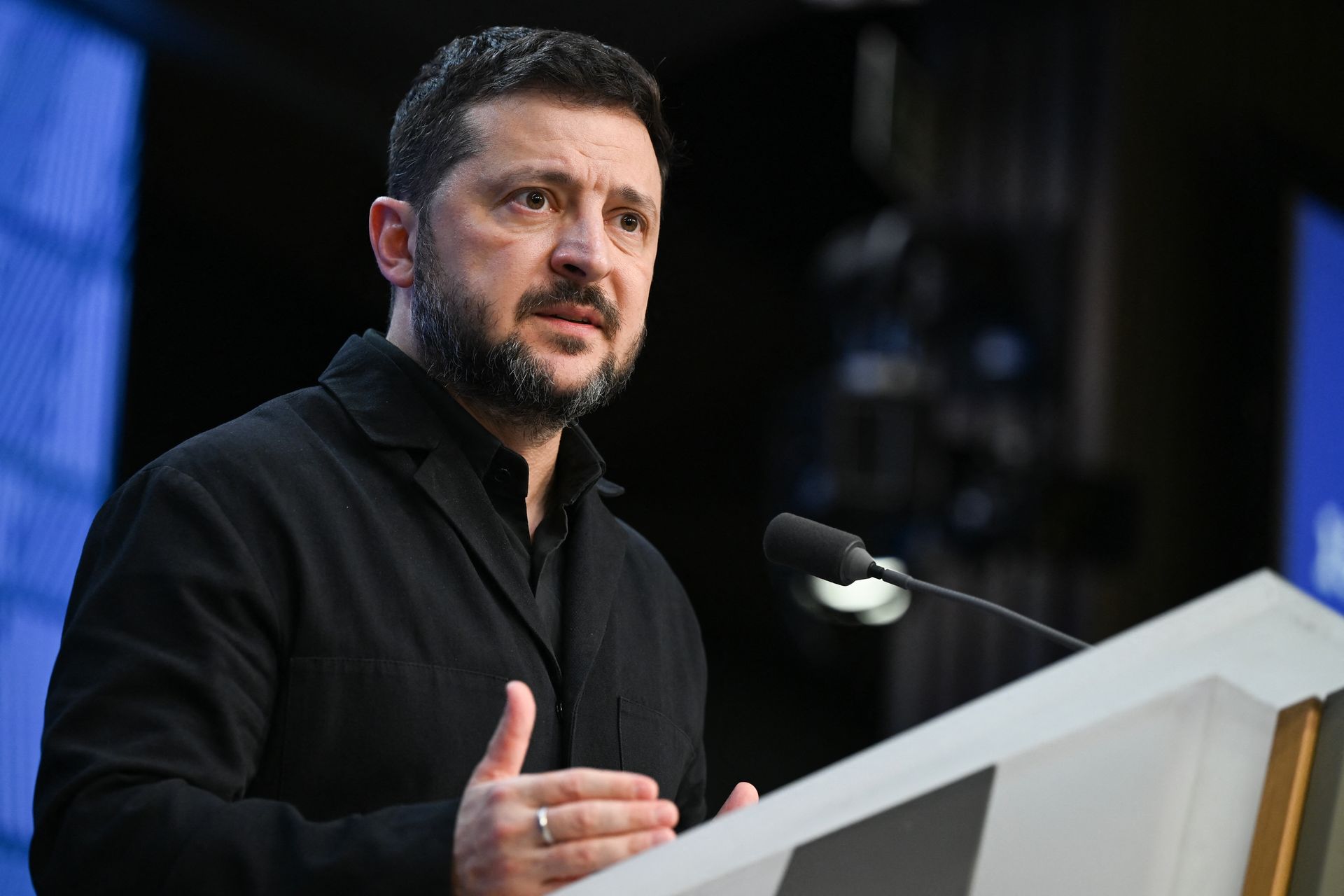
In the Truth Social post, Trump accused Ukrainian President Volodymyr Zelenskyy of targeting Russian diesel refineries, saying the strikes were “seriously hurting the world diesel markets, including those in the United States.” Kyiv had paused its refinery strikes for three days at Washington’s request after Trump declared an energy ceasefire on 11 October, which Russia never confirmed, then resumed them. Since then, Russia has struck Ukraine’s energy sector 76 times, Zelenskyy said on 18 October.

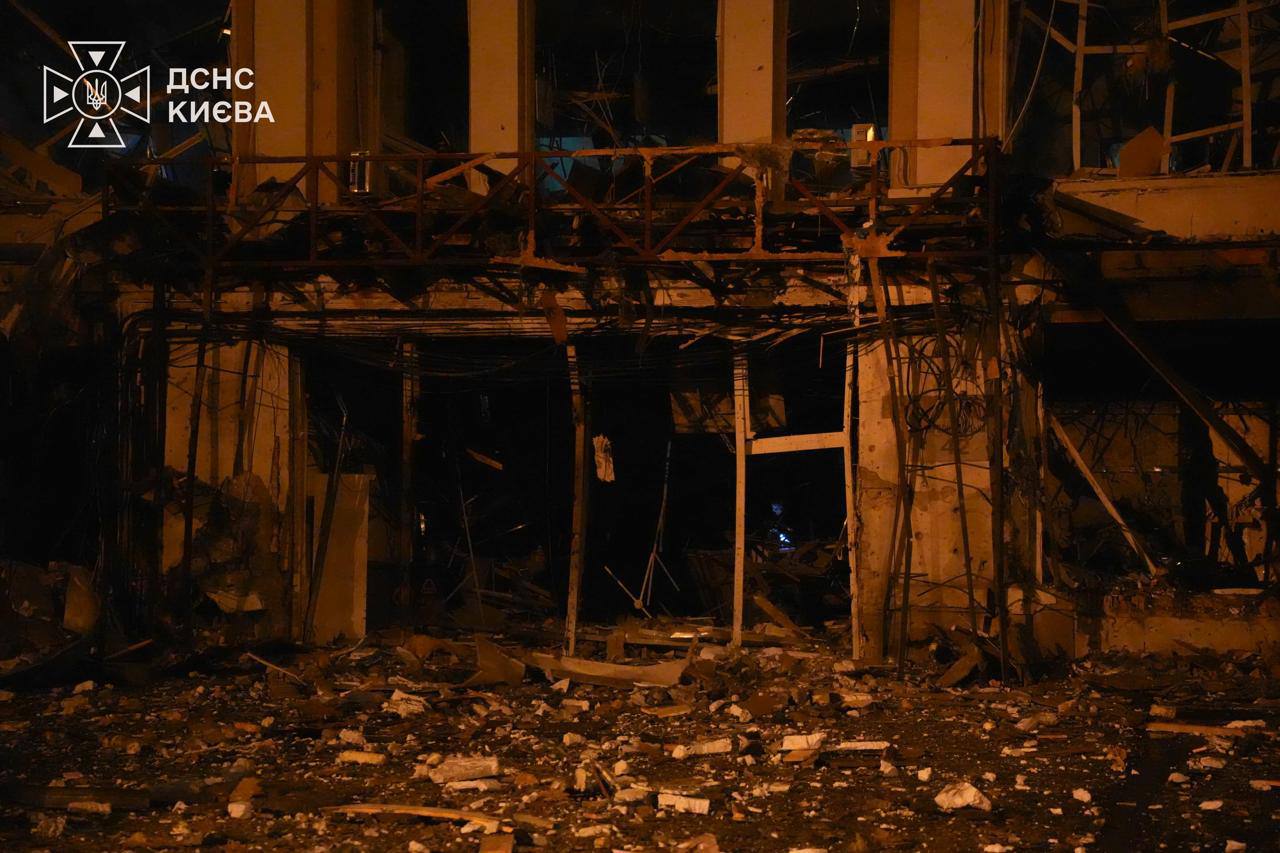
kyiv attack
Explore further

Kyiv gets no warning of the first of two Russian ballistic waves, hours after Zelenskyy said US alerts were back

Trump wrote that Zelenskyy “doesn’t want to end this war, and probably never did,” and that he “could have made a better deal two years ago than he can now.”

“His country is in shambles, a large portion of his land is lost, his oceans and seas are gone, and his male population is low, wounded, and/or dead,” Trump added.

He also said Russia was “doing very little, if anything, to help” Iran and that he wanted to keep it that way.

A day earlier, Trump said he had not made a final decision

On 17 October, Trump told reporters at Mar-a-Lago that he had not announced his final decision. “A lot of you don’t know what my decision is yet, but we’ll figure it out, and you’ll figure it out,” he said, Reuters reported.

“I think the president wants to take the 60-day period of time to sort of analyze what imposing both sanctions and tariffs will mean to the global economy and even to the US economy,” US Secretary of State Marco Rubio told reporters before departing for Uzbekistan the same day.

Zelenskyy calls the waiver a pity as Republicans split

Zelenskyy called it a “pity” that Trump had waived sanctions under a law named for the late Senator Lindsey Graham, who “really believed in Ukraine.” He said he hoped Trump would change his decisions, NBC News reported.

Discussing the diesel deal on NBC’s Meet the Press, Zelenskyy said US oil prices had risen because shipping through the Strait of Hormuz was blocked, not because of Ukraine.

month before diesel waiver trump’s envoys had already pitched kyiv russian gas · post jared kushner steve witkoff ukrainian president volodymyr zelenskyy 7 2026 presidentgovua джаред кушнер стівен віткофф володимир
Explore further

A month before the diesel waiver, Trump’s envoys had already pitched Kyiv on Russian gas, NYT says

On 17 October, Zelenskyy told journalists that “the decision to undo all of this, to block all of it, seems wrong to me” and that it “definitely helps only the Russians.” His remarks appeared in Ukrainian on his official Telegram channel.

“Sanctions relief will continue. I think the diesel deal and the move regarding the Lindsey Graham Act are not the end of it. Unfortunately,” Zelenskyy said.

On 19 October, Zelenskyy wrote that partners had again given no warning of Russia’s overnight ballistic attack and that blocking missiles for Ukraine’s air defense while Russia gets sanctions eased or postponed amounts to partners denying reality.

Republican Senator James Lankford defended Trump’s decision on NBC’s Meet the Press, saying the president was “choosing the American people first.”

Senator Darline Graham, Lindsey Graham’s sister, whom Trump has endorsed for a full term, said at a campaign stop on 17 October that she would “choose to keep the pressure on Russia.”

“I don’t trust Putin and I don’t trust Russia,” Darline Graham said.

She did not directly criticize Trump but said she would not have made that choice, Reuters reported.

  •  

EU paid Russia 682 million euros for steel in eight months, with slab loophole keeping money flowing, and big consumers lobbying to keep it open — analysis

eu remains ambitious opening all ukraine clusters several capitals hold back · post ukrainian flags flying front european parliament brussels eastnewsua colors flag cities protest against russian invasion news reports

Four years of sanctions have not closed the door through which Russian metal still reaches Europe. The EU imported 1.6 million tons of Russian iron and steel products in the first eight months of 2026, paying 682 million euros, down 54% in value year on year, GMK Center, a Ukraine-based consulting company, reports, citing Eurostat data.

Every euro spent on Russian metal is revenue for a state waging war on Ukraine, and the EU has banned most of it: pig iron, direct-reduced iron, iron ore and ferroalloys. Yet one category still flows almost untouched: semi-finished steel, mostly slabs, which made up 97.8% of the imports, or 1.56 million tons worth 670 million euros.

Volumes dropped 55% year on year after the full ban on Russian pig iron and DRI took effect on 1 January 2026, and no pig iron, ferroalloys, iron ore, or DRI reached the EU from Russia in the period, the center found. Iron ore and ferroalloys fall under sectoral limits, and the largest Russian producers are subject to corporate sanctions.

The slab loophole that keeps the money flowing

Slabs are the gap in the wall. Belgium took 767,700 tons of Russian semi-finished steel, nearly half the EU total, and Italy 191,800 tons, the center said.

Demand still outstrips the rules, with a slab quota for the year to September 2026 standing at nearly 3 million tons and effectively used up within four months, the data showed. Scrap was the only other notable inflow, at 41,300 tons worth 11.7 million euros, down about a third.

A ban that keeps getting postponed

The door is closing slowly, and not without a fight. The quota falls to 2.6 million tons for the year to September 2027, and to 2 million for the following year, the center added, yet attempts to halt Russian slab imports early have failed because the biggest consumer countries lobby against it.

Earlier, the Kiel Institute for the World Economy reported that the EU paid Russia €317 billion in goods since February 2022. The sum is €116 billion more than the €201 billion the bloc extended to Ukraine in financial aid over the same period.

  •  

Exclusive: What’s really happening at the Iran-Pakistan border

There’s no way to fight the Empire without bypassing its control of the international financial system.

Join us on Telegram, X, and VK.

Contact us: info@strategic-culture.su

All hell is already breaking loose when it comes to probing what is exactly taking place related to the latest, definitely murky U.S.-linked movements in Pakistani land and sea. After an initial assessment at Transition Protocol – which avowedly did not provide all the necessary answers – we dug deeper into a way more comprehensive examination supported by several sources.

What we are watching across several nodes of extremely sensitive Iran-Pakistan overland connectivity is not a blanket border shutdown; but a surgical, two-track balancing act by Islamabad between Washington’s tremendous financial vise and Tehran’s strategic lifeline.

So here’s where it all stands – compounding the verified record with our latest consultations.

The key point: the regulatory trigger was a banking sanctions move, not just border security.

While provincial officials in Balochistan publicly framed Saturday’s halt at two key nodes, Taftan and Gabd–Rimdan, around security, counterterrorism, and anti-smuggling, what matters most is the exact mechanism around a memorandum issued last Friday by the Pakistani Ministry of Commerce.

That immediately revoked an October 3 extension of the Electronic Import Form (EIF) waiver for goods imported from Iran, and coincided with Islamabad’s instruction to close the Federal Investigation Agency (FIA) immigration gate at Taftan.

What is key is that without the EIF waiver, Pakistani importers must process Iranian purchases through formal Pakistani banking channels – which U.S. sanctions, of course, make absolutely impossible.

Peyman Sanandaji, head of the Transportation Commission at the Tehran Chamber of Commerce, confirmed on the record that it is banking sanctions compliance (ditching the EIF) that halted Iranian exports into Pakistan.

The immediate shock at the formal gates was quite something: more than 4,000 tons of daily Iranian LPG imports through Gabd–Rimdan are at risk. Former Quetta Chamber of Commerce president Ayoub Miryani reported that over 2,000 containers are stranded at Gabd–Rimdan alone, with hundreds more freight trucks backed up at Taftan.

So why is this happening now? Because of the nasty convergence between the October 7 IMF tranche Pakistan had to pay, and the imperial U.S. Treasury “Operation Economic Outcast”.

Under Operation Economic Outcast, Washington gave third countries a “defined timeline to shut down” Iran-related commercial lifelines or face expulsion from the U.S. financial system. That was followed by OFAC’s October 1 designations against Iran’s overland rail and industrial networks and October 8 actions against 17 shadow-fleet tankers.

But then, on October 7 – only nine days before the Ministry of Commerce revoked the EIF waiver – Islamabad reached an agreement with the IMF on the Fourth Review of its Extended Fund Facility to unlock $1.21 billion. That still requires IMF Executive Board approval.

Of course there is no public document showing a direct U.S. or IMF order to close Iran-Pakistan borders. But sources in Islamabad stressed that leaving an open-ended banking-instrument waiver on the books ahead of the IMF Board vote had become an untenable sanctions vulnerability for Pakistan.

Islamabad sources are adamant that the move was paired with genuine counter-sabotage concerns and quietly coordinated between Islamabad and Tehran (italics mine) so the pause would not rupture bilateral ties.

Iranian Foreign Ministry spokesperson Esmaeil Baghaei publicly called the disruption a temporary pause due to “technical issues” and “precautionary measures”.

Pakistani official sources, for their part, insisted that the tightened controls are a joint counterterrorism measure reflecting “mutual understanding” with Tehran after a spike in Sistan-Balochistan attacks; highway ambushes; and an October 11 maritime attack on Pakistan Coast Guard boats off Jiwani – which Pakistani officials attributed to “foreign actors” seeking to sabotage Pakistan’s mediation of the Iran peace deal.

Back to the same old pattern of Salafi-jihadis weaponized and manipulated by the usual suspects.

The only publicly confirmed telephone call between Deputy Prime Minister Ishaq Dar and Foreign Minister Abbas Araghchi took place on Sunday, October 18 – two days after the October 16 memorandum – and its official readouts mention only regional diplomacy and the Baghdad OIC meeting.

So prior coordination at the Dar–Araghchi Foreign Minister level and specific sabotage arrests therefore are part of our own reporting.

Asymmetric food exports and informal routes

In a nutshell, stuff is still moving across borders. Islamabad deliberately left alive Pakistani perishables and food exports to Iran. Essential perishables – including tomatoes, potatoes, and onions – continue to move, alongside traditional oil and fuel flows across the porous 909-km border.

The regulatory record explains why: 8 months ago, Pakistan enacted a separate banking-instrument waiver specifically for 10 food exports to Iran by land (explicitly listing rice, potatoes, onions, tomatoes, meat, and fruit) plus pharmaceuticals.

Tehran’s Chamber of Commerce confirmed this past Saturday that while Iranian exports to Pakistan are stalled by the EIF rule, imports from Pakistan into Iran are continuing, and informal fuel and border trade across Balochistan already operates at an estimated $800 million to over $1 billion annually outside formal customs.

Special attention should be placed on the ports of Gwadar and Karachi, and the overall China–Iran Transit Architecture. Third-country and China-Iran transit through Pakistan, according to our sources, remains protected.

On a legal level, a document detailing Pakistan’s transit of goods established six designated overland transit corridors linking Gwadar, Karachi, and Port Qasim to Gabd and Taftan for third-country cargo bound for Iran under a bank guarantee.

And a Federal Board of Revenue’s notification this past June formally designated Taftan railway station as a Land Customs Station, with Iranian and Pakistani ministers pitching the rail corridor to link China to Iran and Europe.

However, two very complicated operational constraints remain in place.

The Quetta-Taftan rail modernization is still listed officially as a planned upgrade; and OFAC’s October 1 designation of the Islamic Republic of Iran Railway Company (RAI) was explicitly designed to choke Tehran’s shift from blockaded sea lanes to rail.

To sum it all up: it takes supreme skill to face The Empire of Piracy. Islamabad has executed a classic, calibrated maneuver: visibly revoking the formal EIF import waiver at Taftan and Gabd–Rimdan to insulate its pending $1.21 billion IMF tranche and Pakistani banks from U.S. Treasury secondary sanctions.

And all the while keeping Pakistani food exports, informal border valves, and third-country transit frameworks alive with Tehran.

Whether this remains a brief administrative reset or hardens into a longer choke point will be decided by three indicators over the next fortnight:

  1. A modified EIF or barter notification from the Commerce Ministry.
  2. Separate customs clearance for Gwadar/Karachi transit cargo.
  3. Documented freight movements across the Taftan–Zahedan rail link.

May the lesson be imprinted on rare earths for the whole Global South to ponder: there’s no way to fight the Empire without bypassing its control of the international financial system.

  •  

Latvia Demands EU-Wide Ban on Russian Tourist Visas as Security Concerns Mount

Latvia has called for a European Union-wide ban on tourist visas for Russian citizens, reopening a dispute between member states over border security, freedom of movement and the treatment of Russian nationals during Moscow’s continuing war against Ukraine.

Prime Minister Andris Kulbergs is pressing Brussels and other European capitals to adopt a common approach, arguing that continued visa issuance by some Schengen countries weakens restrictions imposed by states bordering Russia.

His intervention comes amid growing concerns over suspected Russian sabotage, espionage and other hostile activities across Europe. The Latvian government regards restrictions on non-essential travel as an additional measure to reduce potential security risks.

According to details of the Latvian proposal, Kulbergs has criticised the continued issuance of tourist visas by countries including France, Italy and Spain, maintaining that the consequences extend beyond the states granting entry.

The proposal would go considerably further than the restrictions already introduced by the EU since Russia launched its full-scale invasion of Ukraine in February 2022.

A divided European visa policy

The European Union suspended its visa facilitation agreement with Russia in September 2022, ending the preferential conditions previously available to Russian applicants.

The Council’s original decision introduced more demanding documentation requirements, higher application fees and stricter scrutiny, but it did not prohibit Russian citizens from obtaining short-stay visas.

National authorities therefore retained considerable discretion when assessing applications, subject to common Schengen rules.

In November 2025, the Commission introduced additional restrictions on multiple-entry visas, requiring Russian travellers covered by the new rules to apply again for subsequent visits.

The EU has also agreed a legal basis for restrictions targeting Russian military personnel and former combatants involved in the invasion of Ukraine, although implementation requires further measures.

Latvia argues that these steps remain insufficient because ordinary tourist visas continue to be available through some European consulates.

Once admitted to the Schengen area, a visitor can generally travel between participating countries without routine internal border checks. This creates difficulties for governments seeking to enforce stricter national entry policies.

Security concerns on the eastern border

Latvia shares borders with Russia and Belarus and has repeatedly warned that Moscow’s activities present risks extending beyond conventional military threats.

European governments have investigated incidents involving suspected sabotage, cyber operations, intelligence gathering and interference with transport infrastructure.

Such concerns have intensified following drone incursions and security alerts affecting NATO’s eastern members.

These concerns were also evident in EU Today’s reporting on suspected security breaches in Europe, although the circumstances of individual incidents must be investigated rather than assumed to involve foreign intelligence services.

The distinction is relevant to the Latvian proposal. European intelligence agencies have identified Russian-linked activities, but this does not establish that ordinary Russian tourists are collectively involved in intelligence operations.

Supporters of tighter visa restrictions argue that limiting discretionary entry could reduce opportunities for hostile activity and simplify security screening.

Opponents question whether a nationality-based prohibition would be proportionate or effective, particularly when intelligence operations may involve individuals travelling under other nationalities or using established residency arrangements.

Political and legal complications

A comprehensive tourist visa ban would require agreement on its precise scope, legal basis and implementation.

European governments would need to determine how the restrictions apply to Russian citizens with family members in the EU, people travelling for humanitarian purposes and individuals seeking protection from the Russian authorities.

The EU Visa Code already permits refusals where applicants present security risks, but a general prohibition based on nationality would involve a different policy decision.

Humanitarian exceptions would be particularly important for Russian dissidents, independent journalists and other individuals facing political persecution.

France has supported restrictions on entry by Russian combatants, while other member states are considering further measures. That does not necessarily mean they support Latvia’s broader proposal covering ordinary tourists.

Kulbergs is also seeking greater European financial assistance for countries facing the economic and security consequences of their proximity to Russia and Belarus.

Sanctions and Schengen controls

The renewed visa debate coincides with disagreements between Washington and Brussels over economic restrictions on Moscow.

EU leaders have maintained that sanctions should remain in place until Russia ends its aggression against Ukraine. Visa policy, however, requires separate legal and political consideration from economic sanctions.

Latvia’s proposal has not been adopted as an EU-wide rule. The immediate question is whether enough member states are prepared to move from tighter individual screening towards a general restriction on Russian leisure travel.

Until that agreement is reached, European countries will continue to apply different policies within a shared Schengen system, leaving the security concerns raised by Riga unresolved.

  •  

Trump Defends Plans to Ease Russia Sanctions and Hints at a Hostage Deal

The president on Sunday justified his reversal of almost five years of sanctions against Russia as part of peace negotiations. He did not name any hostage.

© Haiyun Jiang/The New York Times

President Trump wrote on social media on Sunday: “I am in the process of negotiating Peace in the war between Russia and Ukraine, and don’t want to do anything that will drive, foolishly, Russia away from the bargaining table.”
  •  

Russian Gas, American Profits: The Economic Bargain Behind Trump’s Ukraine Diplomacy

The Trump administration’s reported proposal to restore Russian gas supplies to Europe through Ukraine marks a reversal of Washington’s longstanding energy policy. Behind the promise of an economic incentive for peace lies a more consequential question: whether Europe is being asked to restore the very dependence on Moscow that it has spent four years dismantling.

The administration of US President Donald Trump is considering the restoration of Russian natural gas supplies to Europe, including through Ukraine’s pipeline network, as part of a proposed settlement to end Russia’s war against Ukraine. The initiative would offer Moscow renewed energy revenues while potentially opening opportunities for American investors to participate in the trade.

According to a New York Times investigation published on 17 October, presidential envoys Steve Witkoff and Jared Kushner have raised the proposal with Ukrainian and European officials, including President Volodymyr Zelenskyy. The White House has confirmed that economic incentives for Russia and Ukraine form part of its peace diplomacy, although no agreement on renewed gas transit has been announced.

The proposal would require Ukraine to reopen a transit route that ceased operating for Russian exports in January 2025, while European governments would be expected to resume purchases they have spent years reducing. American negotiators reportedly regard the prospect of renewed commercial revenues as an incentive for President Vladimir Putin to reach a settlement.

There is, however, a considerable difference between offering Russia a commercial opportunity after a verified peace agreement and restoring a source of revenue and political influence before Moscow has demonstrated any willingness to abandon its territorial objectives.

From opposition to Russian gas to facilitating its return

The reported initiative represents a reversal of Trump’s earlier position on European energy security.

During his first presidency, Trump repeatedly warned Germany that its dependence on Russian energy exposed it to political pressure from Moscow. Speaking at the United Nations General Assembly in September 2018, he accused Berlin of becoming dangerously dependent on Russian supplies. Members of the German delegation visibly smiled at his remarks.

The episode acquired renewed significance after Russia’s full-scale invasion of Ukraine in February 2022. Germany had developed an extensive commercial relationship with Gazprom, while the Nord Stream pipelines were intended to facilitate Russian gas deliveries directly to Germany, bypassing traditional transit countries, including Ukraine.

Trump maintained his opposition to those energy relationships well into his second presidency. As EU Today reported in September 2025, he told European governments that continuing to purchase Russian energy amounted to financing the war against themselves.

Washington is now reportedly considering precisely the commercial relationship that Trump previously identified as a strategic danger.

The change cannot be explained solely by the objective of ending the war. It also coincides with discussions about a substantially different economic arrangement, in which American commercial interests could participate in infrastructure and transactions previously dominated by Russia and European energy companies.

American investors and the economics of peace

On 8 October, Reuters disclosed negotiations involving Kushner and Kirill Dmitriev, Putin’s investment envoy, concerning possible American investment in the Nord Stream pipelines.

The discussions included the prospect of US investors profiting from renewed Russian gas deliveries to Europe. Separate negotiations have involved assets belonging to the Russian energy company Lukoil.

The White House has denied that Nord Stream was a subject of recent discussions and has said any agreements must benefit American taxpayers and companies. There is no established evidence that Witkoff, Kushner or members of Trump’s family would personally profit from the proposed gas arrangements.

Nevertheless, the possibility of American participation changes the commercial equation. Russian gas returning to Europe through infrastructure involving US investors would no longer be exclusively a Russian-European business relationship.

That distinction matters financially, but it does not necessarily resolve the underlying security problem. American ownership of transit infrastructure would not eliminate Moscow’s ability to influence production, supply volumes or export decisions.

The European Union has already confronted the consequences of allowing an energy relationship to become a source of geopolitical leverage. Introducing American intermediaries would not, by itself, remove that vulnerability.

Europe’s legal and political obstacles

The proposal also conflicts with legislation already adopted by the European Union.

In January 2026, the Council formally approved a regulation phasing out Russian natural gas imports. The restrictions began taking effect in March, with the remaining long-term LNG imports scheduled to end in January 2027 and pipeline imports in autumn 2027.

Consequently, restoring substantial Russian supplies would require changes to existing EU policy or the use of legally available exceptions. Neither Washington nor Moscow can make that decision on Europe’s behalf.

Germany has already opposed the reported American initiative. Chancellor Friedrich Merz’s security adviser, Günter Sautter, reportedly objected during discussions in Florida, while former economy minister Robert Habeck warned against recreating dependence on an unreliable supplier.

The economic attraction remains understandable. European industry faces substantial energy costs, and cheaper pipeline gas could offer relief to some consumers and manufacturers. Yet commercial prices do not account for the wider costs associated with supply disruption, strategic exposure and the potential use of energy exports as political leverage.

Europe’s decision to reduce Russian gas imports was therefore not simply a change of supplier. It was a response to the security implications of its previous energy model.

The consequences for European politics

The initiative also intersects with divisions inside European politics, particularly in Germany.

Alternative for Germany (AfD) has repeatedly advocated restoring Russian energy imports, arguing that sanctions and expensive replacement supplies have damaged German industry. Sahra Wagenknecht’s left-wing BSW has advanced similar arguments concerning energy prices and relations with Moscow.

The overlap extends beyond energy policy. On 14 October, AfD and BSW representatives supported a motion in Saxony-Anhalt calling for an end to military assistance for Ukraine.

A US-backed proposal to restore Russian gas could give these parties an additional argument against the federal government’s existing approach. They would be able to point to Washington’s own negotiations when questioning the economic and strategic rationale for maintaining restrictions on Russian energy.

This does not establish that the Trump administration’s gas initiative is intended to strengthen particular European political movements. It does demonstrate how the same policy could serve several objectives simultaneously: commercial rapprochement with Russia, a negotiating incentive for Moscow and a change in the European debate over sanctions.

A peace incentive that could restore Russian leverage

The central uncertainty concerns the relationship between renewed revenues and Russian military objectives.

Washington’s argument assumes that the prospect of substantial future gas income could persuade Putin to accept a settlement. Yet negotiations over commercial cooperation have so far produced no demonstrated change in Moscow’s fundamental territorial demands.

Meanwhile, Russia continues attacking Ukraine’s energy infrastructure. On 18 October, Zelenskyy reported 76 Russian attacks on Ukrainian energy, oil and gas facilities during the preceding week, despite Trump’s announcement of an energy ceasefire that neither Kyiv nor Moscow had confirmed.

There is also an unresolved contradiction in Washington’s wider sanctions policy. Having previously demanded that Europe stop financing Russia through energy purchases, Trump has recently suspended additional American sanctions against Moscow while his representatives explore new economic arrangements.

For Ukraine, renewed transit could restore revenue lost when the previous gas agreement expired. For Russia, however, the potential benefits extend beyond immediate export earnings. Access to European markets would restore commercial relationships and a degree of political influence that Moscow lost after the invasion.

The distinction is fundamental. A peace settlement that permits carefully regulated economic cooperation after Russian withdrawal and enforceable security guarantees would be different from an agreement that restores Moscow’s commercial advantages in anticipation of concessions that have not yet been secured.

The question for European governments is therefore not merely whether Russian gas could once again become cheaper than alternative supplies. It is whether restoring that trade would leave Europe better protected against another confrontation with Moscow, or recreate the vulnerabilities that became apparent in 2022.

Washington’s proposed economic bargain cannot answer that question on Europe’s behalf.

  •  

Exclusiva: Irán, una cobra enroscada lista para atacar

Irán y Pakistán están inmersos en la construcción de un orden financiero posestadounidense en la encrucijada entre Asia Occidental y Asia Meridional.

Únete a nosotros en Telegram , X y VK .

Escríbenos: info@strategic-culture.su

Vayamos directamente al meollo de la cuestión: tras examinar minuciosamente el tablero de ajedrez, los dirigentes políticos y militares de Teherán ya han llegado a la conclusión de que un ataque conjunto de EE. UU. e Israel —cuya planificación avanza a un ritmo frenético— es inevitable.

Por eso se han posicionado ahora como una cobra enroscada, lista para atacar e inyectar su veneno mortal ante el primer indicio de una amenaza inminente del Sindicato de Epstein, incluso sin esperar a que se produzca un ataque real.

La ofensiva preventiva, ya delineada, será devastadora, se extenderá más allá de las bases estadounidenses en Asia Occidental a otros objetivos regionales e incluirá potencialmente la infraestructura energética del Golfo y los cables submarinos (en este caso, afectando principalmente al Golfo y a la India, mucho más que a EE. UU. y Europa).

Nos encontramos en territorio de peligro claro y presente: una maniobra militar estadounidense-israelí destinada a ejercer presión se interpretará sin duda en Teherán como el inicio de un ataque.

Así pues, la presión a favor de la guerra por parte del culto a la muerte y de Trump se encuentra ahora con un umbral iraní peligrosamente bajo. Las opciones de ataque del Pentágono abarcan desde las instalaciones nucleares iraníes hasta la infraestructura energética.

Huelga decir que el «sociópata en jefe» —que ya está en pánico ante la inminente debacle de las elecciones de mitad de mandato— es una presa fácil para el poderoso lobby sionista y los donantes a favor de la guerra. El peligro estratégico supremo es, pues, que esta presión incesante pueda generar una señal que Teherán interprete como un ataque inminente, incluso mientras Washington mantiene públicamente que no se producirá ningún ataque antes de las elecciones de mitad de mandato.

Yemen está llevando todo esto al siguiente nivel

Paralelamente, fuentes privilegiadas en Islamabad confirman el éxito de una prueba de misil paquistaní a Mach 7, con un alcance de varios miles de kilómetros. Esta nueva capacidad tiene todo lo necesario para alterar sustancialmente el equilibrio de poder en Asia Occidental, reforzando el alcance disuasorio de Pakistán y su capacidad para influir en todos los cálculos de seguridad regional, además de contribuir a la creciente interconexión de Pakistán con China, Irán y las petro-monarquías del Golfo.

Y ahora, otra exclusiva: personal de la inteligencia militar israelí, incluido un general de división, ha abandonado Riad después de que MbS, en un supuesto momento de lucidez, dijera «no» a la oferta de «asistencia» del culto a la muerte. Y, sin embargo, siguen allí más de 100 miembros del CENTCOM.

Es posible que la decisión de MbS le haya sido impuesta por Turquía y Pakistán —los otros dos signatarios de la Alianza de Defensa de La Meca—, que de repente se encontraron en la misma sala de guerra en Riad, codo con codo con agentes del culto a la muerte.

Ahora bien, aunque su partida puede haber eliminado un riesgo de escalada, los agentes estadounidenses siguen expuestos: cualquier ataque, venga de donde venga, que provoque bajas estadounidenses arrastrará inmediatamente a Washington a la guerra entre Arabia Saudí y Ansarallah.

La guerra entre Arabia Saudí y Ansarallah, de hecho, está alcanzando el siguiente nivel: la volatilidad. La mezcla tóxica de la interceptación de un misil de crucero sobre la provincia de Medina; las interceptaciones de drones en otras partes de Arabia Saudí; y los ataques con misiles de las Fuerzas Armadas yemeníes contra el complejo presidencial del gobierno títere de Adén es solo el principio.

Lo que ocurrió después de que Ansarallah atacara Najran —una de las provincias del sur de Arabia Saudí arrebatadas a Yemen en 1934 por los británicos— es algo que realmente llama la atención.

Un portavoz saudí acusó a Ansarallah de lanzar un misil de crucero contra Medina. La respuesta del emblemático portavoz de las Fuerzas Armadas yemeníes, el general Yahya Saree, fue contundente: «Hoy no hemos llevado a cabo ninguna operación militar dirigida contra territorio saudí. Por lo tanto, la afirmación del enemigo saudí de que Medina fue atacada es una invención absoluta y una grave falsedad».

Traducción: Yemen ataca una de sus antiguas provincias; los saudíes recurren a noticias totalmente falsas, inventándose un ataque contra una de las dos mezquitas sagradas —sin duda como preparación para una operación de bandera falsa—; luego, Yemen niega de inmediato haber atacado ningún (cursiva mía) territorio saudí.

Esto significa que Saná está declarando sutilmente, para que todo el mundo lo entienda, que ya no lleva a cabo operaciones en el extranjero (cursiva mía) en las tres provincias: Jizan, Najran y Asir. Ya están —psicológica y operativamente— preparando el terreno para recuperar su territorio robado.

Todo ello se plasma en este conciso análisis desde Yemen sobre la deconstrucción de la ostentosa Casa de Saud:

«Yemen está destrozando los pilares extremadamente frágiles de la economía no petrolera en la que los piratas del desierto depositaron todas sus esperanzas: imagen, inversiones (IED), escapismo e impunidad e invulnerabilidad frente al terrorismo en el extranjero».

Cómo Pakistán e Irán eluden al FMI

Ahora prestad atención a algo bastante sorprendente que ocurrió a mediados de semana en Bangkok, durante la reunión anual del FMI y el Banco Mundial —dignamente recibida por protestas callejeras tailandesas—.

El presidente del Banco Central de Irán, Abdolnaser Hemmati, se reunió con el presidente del Banco Central de Pakistán, Jameel Ahmad, al margen del principal ritual anual en alabanza del dólar estadounidense.

Pakistán se encuentra bajo las feroces garras del ajuste estructural del FMI y el Banco Mundial —y, además, amenazado con sanciones estadounidenses por comerciar con Irán—.

Así pues, que Pakistán e Irán estén discutiendo de facto la desdolarización justo en la guarida del león —el templo del dólar estadounidense— no tiene precio.

La infraestructura está en marcha desde 2023, a través de un acuerdo de intercambio de divisas que utiliza el rial y la rupia en lugar del dólar estadounidense. El trueque lo gestionan ambos bancos centrales, y los canales bancarios pasan por el Banco Melli en Irán y el Banco Mellat en Pakistán. Sus mercados fronterizos —al menos seis de ellos— están en pleno auge: rutas comerciales físicas que eluden por completo al dólar estadounidense.

Lo que se debatió en Bangkok a principios de esta semana es cómo ampliar todo este sistema: les importan un comino las sanciones secundarias de EE. UU. Sobre todo porque Teherán ofrece a Islamabad lo que el sistema estadounidense simplemente no puede ofrecer: soberanía, sin cambio de régimen, sin austeridad, sin sermones y, sobre todo, sin ajuste estructural.

Por no mencionar que Pakistán necesita urgentemente el gas iraní —y las rutas comerciales de la Nueva Ruta de la Seda impulsadas por China—.

Irán ha construido toda una economía que elude por completo al FMI —y capaz de sobrevivir a un tsunami de sanciones, a un bloqueo y a la guerra—.

Ahora, Irán y Pakistán están inmersos en la construcción de un orden financiero posestadounidense en la encrucijada entre Asia Occidental y Asia Meridional —con intercambios de divisas, comercio de trueque, mercados fronterizos en auge y canales bancarios adecuados—, lo que convierte las sanciones secundarias en una burla.

Por cierto, esto está ocurriendo justo cuando un inmenso tren iraní, cargado de petróleo crudo —y el primero de muchos— está listo para partir hacia… China a través de Asia Central, por la línea ferroviaria de la Nueva Ruta de la Seda construida por China.

La cobra enroscada puede estar lista para atacar. Pero a la cobra, desde tiempos inmemoriales, también le encanta hacer negocios.

Traducción: Geopolítica rugiente

  •  

Israeli Settlers Attack European Diplomats in West Bank as Belgium Demands EU Sanctions

Diplomats from Belgium, France and Poland were attacked by Israeli settlers during an olive-harvesting visit to the occupied West Bank, prompting calls for further European sanctions and an investigation by Israeli authorities.

The settlers attacked a delegation of European diplomats and Catholic representatives in the occupied West Bank on Saturday, 17th October, assaulting a French mayor and damaging a Belgian diplomatic vehicle during a visit intended to support Palestinian olive farmers.

The delegation included Belgium’s consul general, French and Polish diplomats and representatives of the Catholic Church. The incident occurred near the Palestinian village of Taybeh, where settlers confronted visitors accompanying local residents during the annual olive harvest.

Belgian Foreign Minister Maxime Prévot condemned the violence and announced that Brussels would press for additional European Union sanctions against those responsible. He also called on Israel to meet its obligations as the occupying power and protect Palestinians, journalists and foreign diplomatic representatives.

According to accounts of the incident, Bernard Baudoux, mayor of the French town of Aulnoye-Aymeries, was assaulted while attempting to enter a vehicle bearing diplomatic plates. The attack also involved members of a Catholic delegation, including Archbishop Vincent Dollmann of Cambrai.

Three people were reportedly injured. Belgian diplomatic personnel were confirmed to be safe.

Diplomatic incident draws Israeli condemnation

Israel’s military described the attack as a serious act of violence but said that the delegation’s visit had not been coordinated with the Israeli authorities and that soldiers had not been present when the confrontation occurred.

Israeli police subsequently opened an investigation.

Foreign Minister Gideon Saar publicly condemned the actions of the settlers and said his ministry was in contact with the ambassadors of the countries involved. The Israeli government’s response comes amid mounting international criticism of settler violence against Palestinian communities in the West Bank.

The circumstances are particularly sensitive because the victims included accredited diplomatic representatives from three EU member states. The incident therefore extends beyond the continuing disputes over land ownership and Palestinian access to agricultural areas, raising questions about the protection of foreign officials carrying out recognised diplomatic activities.

For Belgium, the attack has reinforced an existing position in favour of stronger European measures against violent settlers and organisations supporting settlement expansion.

Prévot linked the violence to Israeli settlement policy, arguing that the attacks could not be considered separately from the broader circumstances of the occupation.

A growing dispute over European sanctions

The European Union has already introduced targeted restrictive measures against individuals and organisations associated with serious abuses against Palestinians in the occupied West Bank.

In May 2026, the Council of the EU imposed additional sanctions on three individuals and four organisations, including the Nachala Settlement Movement and the Amana cooperative association.

The measures were adopted under the EU Global Human Rights Sanctions Regime and included asset freezes, prohibitions on making funds available to designated persons and travel restrictions on listed individuals.

The Council said the sanctioned organisations had supported or facilitated activities resulting in the displacement of Palestinian communities and the loss of property.

However, agreement on broader economic measures against Israel has proved substantially more difficult.

As EU Today previously reported, European governments have considered restrictions on trade involving Israeli settlements, while divisions between member states have complicated attempts to establish a common position.

The latest attack gives Belgium, France and Poland a direct diplomatic interest in the outcome of any further discussion. Whether this produces a new sanctions agreement will depend on negotiations between EU governments, rather than unilateral declarations by individual ministers.

Violence during the olive harvest

The incident occurred amid escalating attacks on Palestinian farmers during the annual olive harvest, an important source of income for communities across the West Bank.

Harvesting frequently involves access to agricultural land situated near Israeli settlements or in areas where Palestinians face movement restrictions. Local farmers have complained of intimidation, destruction of trees and attacks by settlers attempting to prevent them from reaching their property.

According to reporting from the area, the Palestinian Health Ministry said at least four people had been killed and more than 100 injured since this year’s harvest began.

The attack on the European delegation followed another serious incident involving American photojournalist Heidi Levine, who was assaulted while covering attacks on Palestinian olive harvesters.

The violence has attracted criticism from international organisations and foreign governments, including those maintaining close diplomatic relations with Israel.

Wider implications for EU–Israel relations

The diplomatic confrontation comes against a background of longstanding disagreement between Brussels and the Israeli government over settlement expansion and the legal status of the occupied territories.

The European Union does not recognise Israeli sovereignty over the West Bank and regards settlements established there as contrary to international law. Israel disputes the application of this legal interpretation to the territory.

The latest incident is unlikely, by itself, to determine the future of EU–Israel relations. It does, however, strengthen demands from governments already advocating targeted sanctions and more effective measures against settlement-related violence.

For Belgium, France and Poland, the immediate questions concern the safety of their diplomatic personnel, the Israeli investigation and whether the perpetrators will face prosecution.

For the EU collectively, the matter now extends to whether its existing sanctions framework can address continuing attacks against Palestinians and, increasingly, European representatives themselves.

  •  

Marco Rubio says Trump's Russian oil sanctions waiver is a '60-day pause,' denies restricting Starlink access

"I think the President wants to take the 60-day period of time to sort of analyze what imposing both sanctions and tariffs will mean to the global economy and even to the U.S. economy," said Rubio.

  •  

Graham Breaks With Trump Over Russia Sanctions Law Her Brother Championed

Senator Darline Graham, appointed to fill the Senate seat of her late brother, Lindsey, gently disagreed with the president’s decision to exempt Russia from the sanctions legislation.

© Kenny Holston/The New York Times

Senator Darline Graham at a hearing in Washington last month.
  •  

Trump Offers Putin Economic Relief in Hopes That Russia Will Return the Favor

The Trump administration is ignoring the will of Congress and waiving new Russia sanctions amid fears that high energy prices will cost Republicans in next month’s elections.

© Doug Mills/The New York Times

President Trump and President Vladimir Putin of Russia last year in Alaska.
  •  

Congress gave Trump 30 days to hit Russia’s oil buyers with 100% tariffs. He waives them two days before deadline, citing US interests. Moscow calls it historic

The White House, seen from Lafayette Square. File photo, June 2024.

US President Donald Trump has suspended the tariffs and sanctions on the biggest buyers of Russian oil set by the Lindsey Graham Act, the law he signed himself in September. He says the move serves US national interests, according to an executive order published on the White House site.

The act required the president, within 30 days, to impose 100% tariffs on all goods from the five biggest buyers of Russian oil, to sanction a range of Russian entities and to put 500% tariffs on all Russian energy imports to the US. The deadline for those measures fell on 18 October.

Trump has used the president’s power under Section 115 of the Graham Act, which allows him to waive sanctions, restrictions, and duties by certifying to Congress in writing that doing so serves US national interests and submitting a report explaining why. The act does not, however, allow him to cancel sanctions that have already been announced.

Moscow calls it historic, Kyiv calls it a gift to Putin

The two capitals read the same order in opposite ways. Kirill Dmitriev, an envoy for Russian leader Vladimir Putin, called it “an important and truly historic moment” on X, claiming the sanctions had mainly harmed the US economy and world markets.

“Economic cooperation between Russia and the US serves the interests of both nations, contributes to global economic stability and lays the foundation for building trust and achieving lasting peace,” Dmitriev writes.

President Volodymyr Zelenskyy answered from under fire. Russia struck Ukraine’s energy system on 17 October, and at that very moment Washington chose “to completely ignore the Lindsey Graham law, which was supposed to impose real, effective pressure on Russia to end this war,” he says.

A law its own backers say is being gutted

The waiver lands amid a bipartisan revolt in Congress. Seven Republican and Democratic senators had already warned on 11 October that Trump’s move to allow Russian diesel imports had broken the law Congress passed after the full-scale invasion, urging the administration to reverse it so US money would not help finance Russia’s war.

Meanwhile, Zelenskyy argued the law can still work if Washington lets it.

“This law could, and still can, help a great deal. But the law has actually to work, and every vote for it matters,” he said, warning that the step only pushes Moscow to strike harder.

The world must not give up ground and must try to end the war, Zelenskyy added.

“To end it, and not give Putin every reason to continue it indefinitely,” he stressed, thanking everyone who “is truly fighting for peace and helping Ukraine," he stated.

The word from the Ukrainian opposition

The Ukrainian opposition also commented on Trump’s decision. Iryna Herashchenko, co-chair of the European Solidarity parliamentary faction, said that “the most cynical and stupid decisions are usually made by rulers on Saturday night,” when public attention is scattered, and people are preparing for the weekend.

“Rehabilitating Putin harms not only Ukraine but also the US itself, strengthens the axis of authoritarian regimes, and undermines international security,” she claimed.

  •  

Trump Temporarily Waives Sanctions on Russia

(FILE) U.S. President Donald Trump. Photo: EFE.

U.S. President Donald Trump signed an executive order Friday temporarily suspending the application of a broad package of sanctions against Russia, arguing before Congress that the measure responds to the national interest.


The decision affects a law named after the late Republican senator Lindsey Graham of South Carolina, which seeks to toughen sanctions against the Russian economy and limit the flow of financial resources.

Trump had enacted that legislation on September 18 but has now temporarily exempted the application of several of its provisions, according to the order.

RELATED: White House Press Secretary Zacharia Resigns After 5 Days in the Job

The order exempts sanctions against persons and entities linked to the Russian government; financial and trade restrictions and tariffs planned for Russian products, and those from certain countries that buy Russian hydrocarbons, according to the order.

The decision does not eliminate the sanctions the United States had already imposed on Russia through previous executive orders.

The exemptions from the new law will remain in force until Trump or the Secretary of State, in consultation with the Secretary of the Treasury and the U.S. Trade Representative,

BIG: Trump waived sanctions targeting Russian fossil fuel sales just days before they were due to take effect.

The measures would have imposed tariffs of up to 100% on goods from major importers of Russian oil and gas.

Russian officials welcomed the waiver, while U.S. lawmakers… pic.twitter.com/j5DGn28Ml8

— Clash Report (@clashreport) October 17, 2026

The decision comes after Washington temporarily authorized commercial operations with Russian-origin diesel until April 7, 2027, including its import into the United States, despite the sanctions in force against Moscow.

Trump announced on October 9 that he had agreed with his Russian counterpart, Vladimir Putin, on the supply of diesel to international markets, with the aim of easing energy and fuel prices.

The Republican president said Russia would initially deliver more than 300,000 tons of fuel and would later supply additional quantities, conditioned in part on the state of its refineries, he said.

The agreement has drawn criticism from lawmakers of both parties, who question its possible effects on economic pressure against Moscow and its compatibility with U.S. legislation, according to the critics.

Detractors warn that revenue from the sale of Russian fuel could help finance the war against Ukraine, while the Administration defends the need to contain energy costs, according to the critics and the Administration.

  •  

Trump Shelves Russia Sanctions Weeks After Signing Them Into Law

President Donald Trump has waived sweeping sanctions and tariffs targeting Russia’s energy revenues, invoking national interest provisions in legislation passed only last month. The decision follows his controversial diesel agreement with Vladimir Putin and threatens to deepen divisions with Congress and European allies over economic pressure on Moscow.

President Donald Trump has suspended the implementation of sweeping American sanctions against Russia, using presidential waiver powers to prevent penalties approved by Congress from taking effect just weeks after he signed them into law.

The executive order issued by the White House on Friday, 16 October, suspends tariffs of up to 500 per cent on Russian imports, alongside penalties targeting major purchasers of Russian oil and gas. It also waives numerous financial and commercial restrictions intended to reduce Moscow’s ability to finance its war against Ukraine.

The decision comes two days before the 18 October deadline for implementing key provisions of the Lindsey O. Graham Sanctioning Russia and Iran Act of 2026, which Trump signed on 18 September. The legislation was named after the late Republican senator Lindsey Graham, who had championed tougher economic measures against Russia.

Sanctions established but immediately suspended

The presidential order formally establishes the tariff increases required by the legislation while simultaneously suspending their application.

Under the law, Russian imports into the United States would face additional duties of 500 per cent. A separate provision would impose 100 per cent tariffs on goods imported from the five largest purchasers of Russian crude oil and natural gas if those countries knowingly made new purchases from 18 October, subject to specified conditions and exemptions.

Another provision targets countries identified as leading facilitators of Russian oil sanctions evasion, potentially exposing their exports to similar American penalties.

Trump invoked Section 115 of the legislation, which permits the president to waive sanctions and tariffs after certifying to Congress that doing so serves the national interests of the United States.

The order confirms that the certification and an accompanying explanatory report have been submitted to Congress. However, the publicly released document provides no detailed justification for suspending the measures.

The waivers will remain in effect until the president or designated senior officials decide that further action is appropriate. Existing sanctions imposed under earlier executive orders are explicitly preserved, meaning the decision does not remove all American restrictions against Russia.

Nevertheless, the order prevents the new legislation’s principal economic penalties from operating at a time when Congress had sought to intensify pressure on Moscow.

Diesel agreement shapes Washington’s decision

The suspension follows Trump’s agreement with Putin to facilitate renewed Russian diesel exports, announced on 9 October as part of an effort to reduce international fuel prices.

As EU Today previously reported, the agreement envisages an immediate release of more than 300,000 tonnes of Russian diesel, followed by additional shipments in November and subsequent months. Washington also authorised certain transactions involving Russian diesel until April 2027.

The arrangement has raised questions about the relationship between the administration’s energy policy and sanctions intended to constrain Russia’s war economy.

Diesel prices have become an increasingly important domestic political issue ahead of the American congressional elections on 3 November. The war involving Iran and disruptions to international energy supplies have contributed to exceptionally high fuel costs, creating additional pressure on the administration.

The White House hopes additional Russian supplies will relieve pressure on international markets. However, energy analysts have questioned whether the quantities involved will materially affect American prices, particularly before the elections.

The latest waiver also removes the immediate threat of punitive tariffs against major Russian energy customers, including China and India, which had objected to the proposed measures.

Congressional opposition and European concerns

The decision is likely to intensify opposition within Congress, where the sanctions legislation attracted substantial bipartisan support.

Earlier this week, 12 senators, including six Republicans, called on Trump to reverse his diesel agreement, arguing that allowing Russian fuel back onto international markets would provide Moscow with additional revenue for its military operations.

Democratic Senator Richard Blumenthal, who helped develop the sanctions legislation, criticised the diesel arrangement as contrary to Congress’s intention to strengthen economic pressure on Russia.

The decision also exposes a widening divergence between Washington and Brussels.

At the European Council meeting on Friday, European Commission President Ursula von der Leyen and European Council President António Costa reaffirmed that EU sanctions against Russia would remain in place until Moscow ended its war against Ukraine.

Costa declared that the present circumstances required increased pressure on Moscow rather than a relaxation of existing restrictions. The European Union is also preparing a 22nd sanctions package while considering additional financial support for Kyiv.

For Ukraine, the decision means that Russia will continue to benefit from energy exports and the international trade that helps finance its war. Instead of tightening restrictions on these revenues, Washington has suspended measures specifically intended to cut them.

The timing is particularly significant. While Trump is pressing Kyiv to halt attacks on Russian oil refineries and other energy facilities, Moscow continues its strikes against Ukrainian cities and civilian infrastructure. Zelenskyy has argued that Ukraine cannot be expected to stop targeting Russia’s energy sector while Russian attacks on Ukrainian infrastructure continue.

Although Trump can reinstate the sanctions, his decision removes the immediate threat of additional penalties against Russia and its principal energy customers. It also places Washington increasingly at odds with its European allies. Brussels remains committed to maintaining and expanding sanctions against Moscow, while the White House is now giving priority to reducing American fuel prices, even if that means easing economic pressure on Russia.

  •  
❌