CDs e legos tornam-se esponjas que retiram água do ar
An Austrian Airlines flight departing from Tel Aviv, Israel, made an emergency landing in Bulgaria on Sunday.
The post Bomb Threat Forces Landing of Tel Aviv-Vienna Flight appeared first on Breitbart.
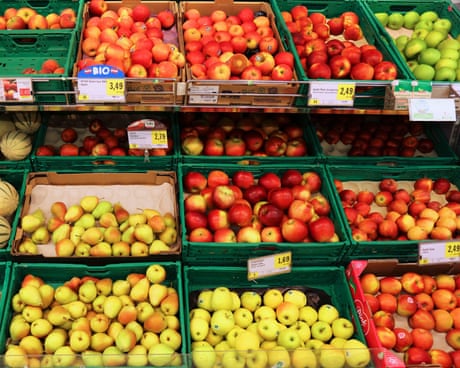
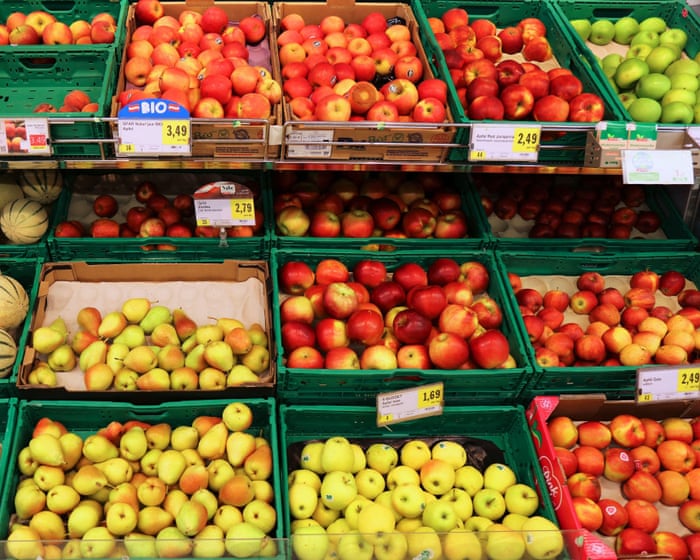
Spar pilot scheme will test whether heirloom fruit can thrive in today’s commercial and environmental conditions
Only about 10 of the 2,000 types of apples growing in Austria can be found in supermarkets among the polished, pristine fruit usually on display – a sad ratio according to fans of historic varieties being primed for a comeback.
One of the country’s biggest retail chains has embarked on a pilot rollout of unusual and long-forgotten apples enjoyed in previous centuries, riding an international trend of reviving heirloom fruit and vegetables.
Continue reading...
© Photograph: Marek Slusarczyk/Alamy

© Photograph: Marek Slusarczyk/Alamy

© Photograph: Marek Slusarczyk/Alamy
Lena Schilling of Austrian Greens says images are ‘digital violence against women’ and a threat to democracy
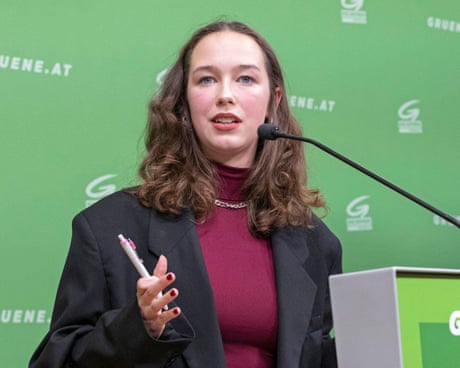
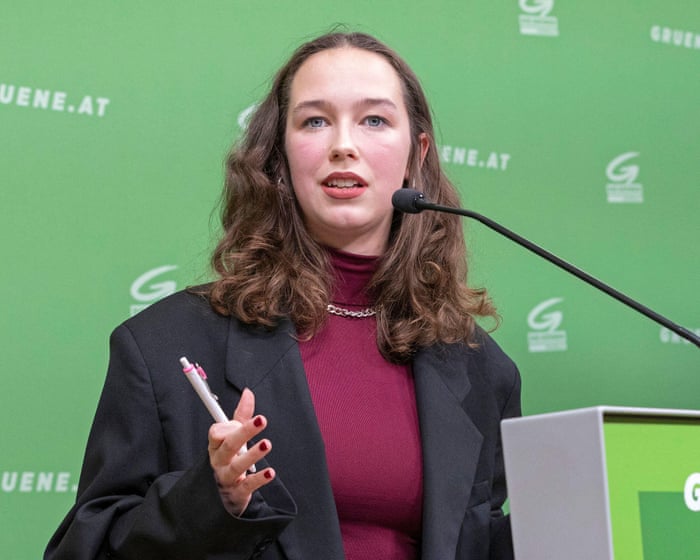
An Austrian MEP has spoken out about her experience of being “stripped naked” online without her consent and has urged the EU to take action, as a report found that one in six female MEPs had been targeted by sexualised AI-generated content.
Lena Schilling of the Green party said she had learned last month about nude deepfakes of herself circulating online. When she opened the links, she found herself staring at images from one of her first ever press conferences – but the images had been digitally altered to remove her clothing.
Continue reading...
© Photograph: APA-Images/Alamy

© Photograph: APA-Images/Alamy

© Photograph: APA-Images/Alamy

© AFP via Getty Images


Official guidance says ammonia in animal urine should be watered down to stop it corroding bark
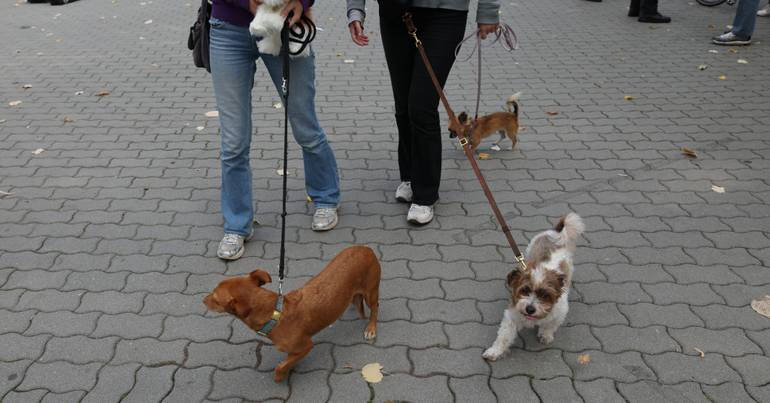
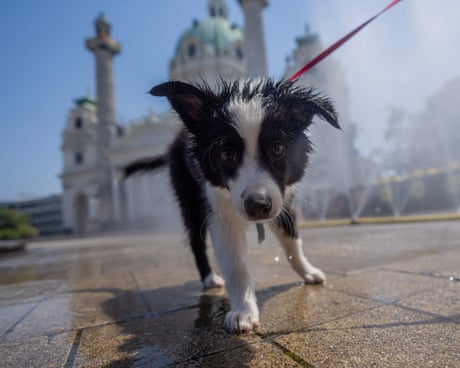
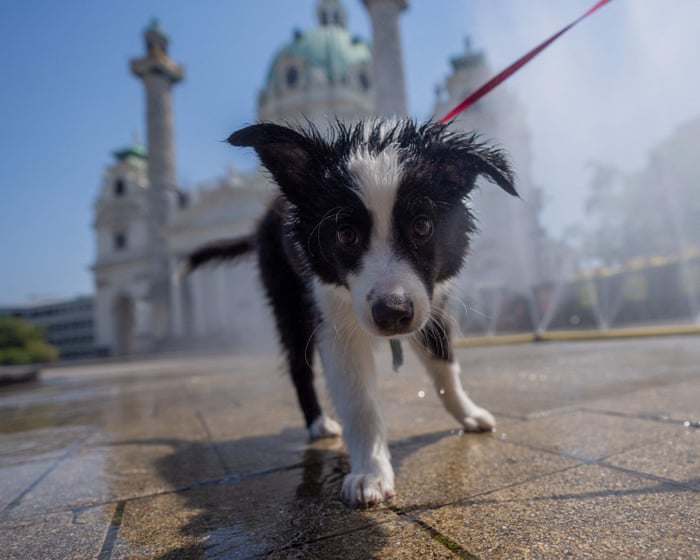
A neighbourhood in Vienna has introduced guidelines for dog walking, including the use of bottled tap water to rinse away urine and protect vulnerable trees.
Neubau, an up-and-coming, densely populated district dotted with cafes and galleries, rolled out the Schönes Gassi (nice dog walk) campaign this week.
Continue reading...
© Photograph: Georg Hochmuth/APA/AFP/Getty Images

© Photograph: Georg Hochmuth/APA/AFP/Getty Images

© Photograph: Georg Hochmuth/APA/AFP/Getty Images


Austrian police detained Ukrainian investigative journalist Mykhailo Tkach and cameraman Yaroslav Bondarenko in Vienna yesterday, on 8 October. Both were later released, but the circumstances of their detention remain unclear, and the prosecutor’s office said suspicion against them had not been substantiated so far.
The detention lasted more than 12 hours, the first time Tkach had been held that long while on a reporting assignment abroad. The case unfolded alongside a separate Austrian espionage investigation involving two men suspected of working for Ukraine’s military intelligence. Authorities have not said whether the cases are connected.
In a video published by Ukrainska Pravda, Tkach said seven people wearing masks and carrying weapons approached their car at a traffic light about 3–5 kilometers from central Vienna, broke its windows, and pointed weapons at them.
He said the people did not identify themselves or explain their actions. The journalists were pulled from the car, forced face down onto the road, searched, and had their hands taped behind their backs, according to Tkach. He said he initially thought they were being kidnapped because he did not see identification or have time to notice police markings. He realized they were police only after seeing police vehicles.
“As I felt it, they detained us like terrorists,” Tkach said.
He added that people shouted and pointed weapons, and there was no communication. He said one person put a knee on his neck and shouted at him to be quiet. He also saw glass from the broken window fly into Bondarenko’s face.
In a second report, Ukrainska Pravda said Tkach’s account of a document presented to him listed three allegations: espionage in the interests of Ukrainian military intelligence, participation in a criminal organization, and, as far as he remembered, causing harm to Austria. He said investigators did not explain the evidence behind the allegations.
Vienna prosecutor’s office spokesperson Nina Bussek told the Austrian Press Agency (APA) that suspicion against the two journalists had arisen during other investigations but had not been substantiated. She said it currently appeared that the suspicion was not holding up. Austrian officials have not publicly addressed Tkach’s account of the force used.
Tkach and Bondarenko were in Vienna on an assignment to find Ruslan Kravchenko, Ukraine’s former prosecutor general, Ukrainska Pravda reported. Kravchenko was dismissed on 15 September amid an investigation by Ukraine’s National Anti-Corruption Bureau and Specialized Anti-Corruption Prosecutor’s Office into alleged protection of fraudulent call centers. He denied involvement. Der Standard reported that it remained unclear whether the journalists’ detention was connected to their reporting on him.
Ukraine’s Foreign Ministry spokesperson Heorhii Tykhyi confirmed Tkach’s release and said the Ukrainian consul had requested access to him, according to NV. Musaieva said Bondarenko had been injured and hospitalized.
A statement signed by Ukrainian media and civil society organizations, including Euromaidan Press, called for an immediate, transparent, and independent investigation of law enforcement’s actions. The signatories also demanded an independent review of the force used, the return of seized equipment, and necessary medical and legal assistance.
Austrian Interior Minister Gerhard Karner confirmed the arrests of four Ukrainians, according to ORF. The two men detained on 5 October were placed in pretrial detention until 21 October on suspicion of secret intelligence activity against Austria. APA reported that they were suspected employees of Ukraine’s military intelligence service. Both deny the allegations.
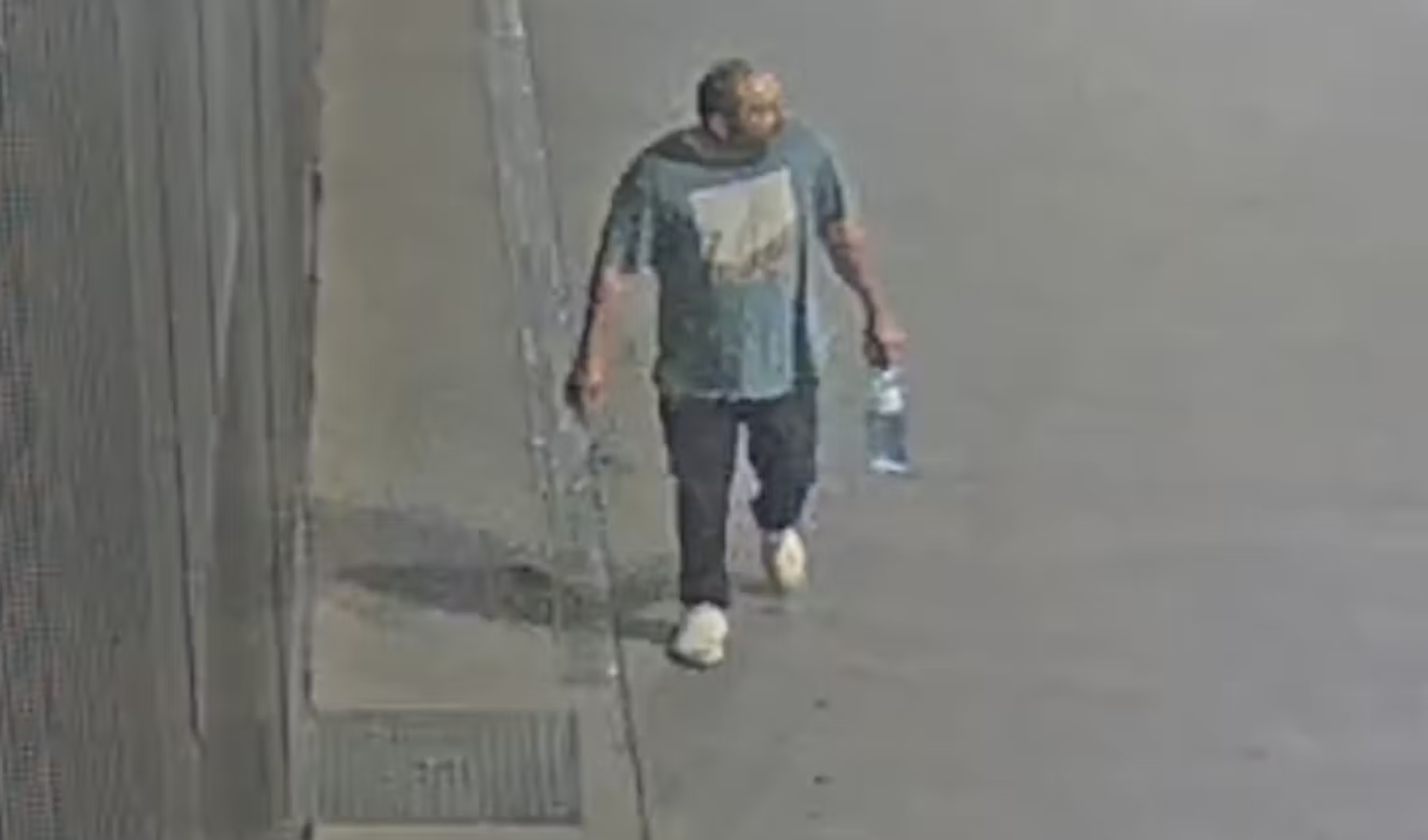
Austrian police are searching for a suspect who is accused of raping an 85-year-old woman who was walking home from Vienna’s main train station, with authorities releasing a photo of the suspect to aid in their search.
The assault occurred around 1:30 to 1:35 a.m. Tuesday on Arsenalstrasse in Vienna’s Favoriten district, police said. The elderly woman was on her way home from Vienna Central Station when an unknown man pulled her into the courtyard of a residential building and raped her, according to the Vienna State Criminal Police Office.
Passersby heard her cries for help and saw a man flee on foot, a Vienna police spokesperson told t-online.
“Passersby were able to hear the victim’s cries for help and observed a male person fleeing the scene on foot,” the spokesperson said.
The injured woman was taken to a hospital by Vienna emergency services. Investigators secured evidence at the scene. An immediate police search did not locate the suspect.
Police published a photo of the man hours after the attack on the order of the Vienna public prosecutor’s office. A police spokesperson told t-online that the early release followed consultation between the state criminal office and prosecutors “in order to achieve the arrest of the fugitive suspect as quickly as possible as an additional investigative measure.”
By Wednesday morning, “several quite concrete tips” had already reached investigators, police spokesman Philipp Haßlinger told Die Presse and ORF. “The investigations are fully underway,” he said. The tips are being handled by the Vienna State Criminal Police Office’s southern branch.
Police continue to seek witnesses. No name, age or other identifying details of the suspect have been released.
There have been a number of horrifying rapes of elderly women by foreigners in recent years, including a case from last year where an 82-year-old Viennese woman was allegedly raped by her own care nurse, an Afghan national. She has since lost her will to live after the traumatizing experience, according to a lawyer representing the woman in court. The son in the case had to endure watching his mother being raped in realtime on his cellphone after he placed cameras in her apartment.
The post Austrian police release photograph of suspect wanted for rape of 85-year-old woman in Vienna appeared first on Remix News.
France has notified the European Commission that it will extend controls at its internal Schengen borders from 1 November 2026 until 30 April 2027, maintaining checks with Belgium, Germany, Luxembourg, Switzerland, Spain and Italy as well as at relevant air and sea borders.
The notification, published in the Commission’s official register of temporary internal border controls, means the restrictions currently due to expire on 31 October will continue for another six months.
Paris cites a combination of security and migration concerns, including persistent jihadist threats, antisemitic attacks, organised migrant-smuggling networks and risks associated with irregular movements towards the Channel coast.
The French notification also refers to instability in the Middle East, Afghanistan and Somalia, Russia’s continuing war against Ukraine and security considerations surrounding the Paris Peace Forum on 10–11 November.
France is not alone.
Germany has extended controls on all of its land borders until 15 March 2027, citing irregular migration, migrant smuggling and pressure on its asylum system. Austria is maintaining controls on borders with Czechia, Slovakia, Hungary and Slovenia until the same date, while Poland has notified Brussels of checks on its borders with Germany and Lithuania through 30 March.
Denmark, Sweden, Norway and Italy also have temporary internal controls in force.
The expansion has created an increasingly complicated map inside an area established around the principle that people should normally be able to cross internal borders without routine checks.
EU Today has been following that change closely. In September, EU Today reported that Germany had extended checks on all nine of its land frontiers, while a subsequent examination found that temporary controls were spreading across the Schengen area.
The French extension takes that trend into spring 2027.
Under the Schengen Borders Code, governments retain the right to restore controls when they identify a serious threat to public policy or internal security. The Commission stresses that such action must remain exceptional, proportionate and limited to what is necessary.
The revised rules permit controls responding to a foreseeable threat for an initial period of up to six months, with extensions possible under defined conditions. Governments maintaining controls for extended periods must provide additional risk assessments and reporting.
There is therefore no legal contradiction between Schengen membership and temporary border checks. The political question concerns their frequency and duration.
In June, the European Commission had called for a gradual reduction in internal controls where conditions allowed. EU Today reported at the time that Brussels regarded the restoration of normal passport-free movement as possible in several countries.
The direction since then has largely been the opposite.
Migration remains one factor, but national notifications increasingly cite several threats simultaneously: terrorism, organised crime, Russian sabotage, war in Ukraine, Middle Eastern instability and pressure on asylum systems.
That makes it harder to identify a single event after which controls could simply be removed.
The system also creates practical consequences for cross-border regions. Millions of Europeans live in one Schengen state and work, study or conduct business in another. Selective checks can therefore cause delays even when passports are not examined systematically.
France’s controls are especially significant because of the number and economic importance of its neighbours. The extension covers land connections with six countries and internal air and sea routes.
It also comes as the EU operates new systems intended to strengthen the external Schengen frontier. Europe’s Entry/Exit System has introduced biometric registration for many non-EU travellers, while the migration and asylum pact has changed procedures for handling irregular arrivals.
The original political bargain behind Schengen was that stronger management of the common external frontier would support open internal borders.
The growing use of national internal controls shows that several governments remain unwilling to rely on that external system alone when confronted with migration, terrorism and wider security risks.
France’s latest notification is formally temporary. But by the time the new period expires on 30 April 2027, internal checks will have become a long-running feature of travel across several of Europe’s most important borders.

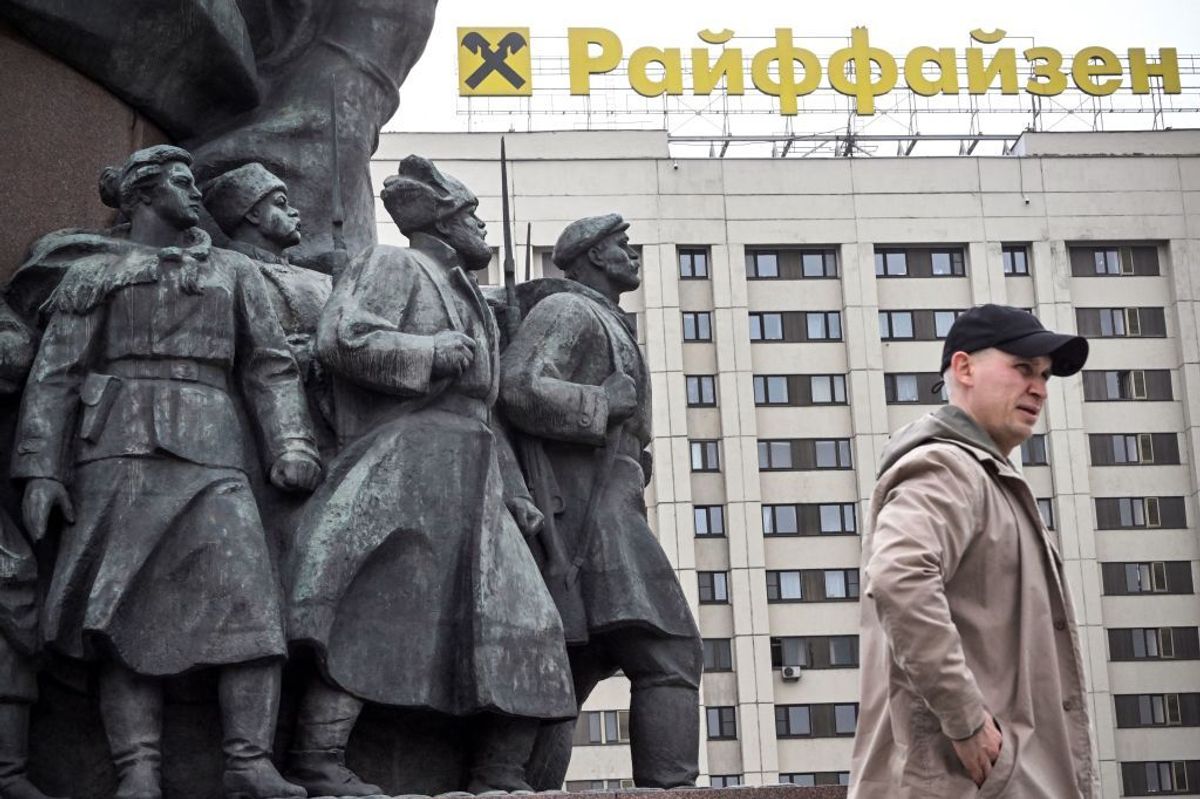
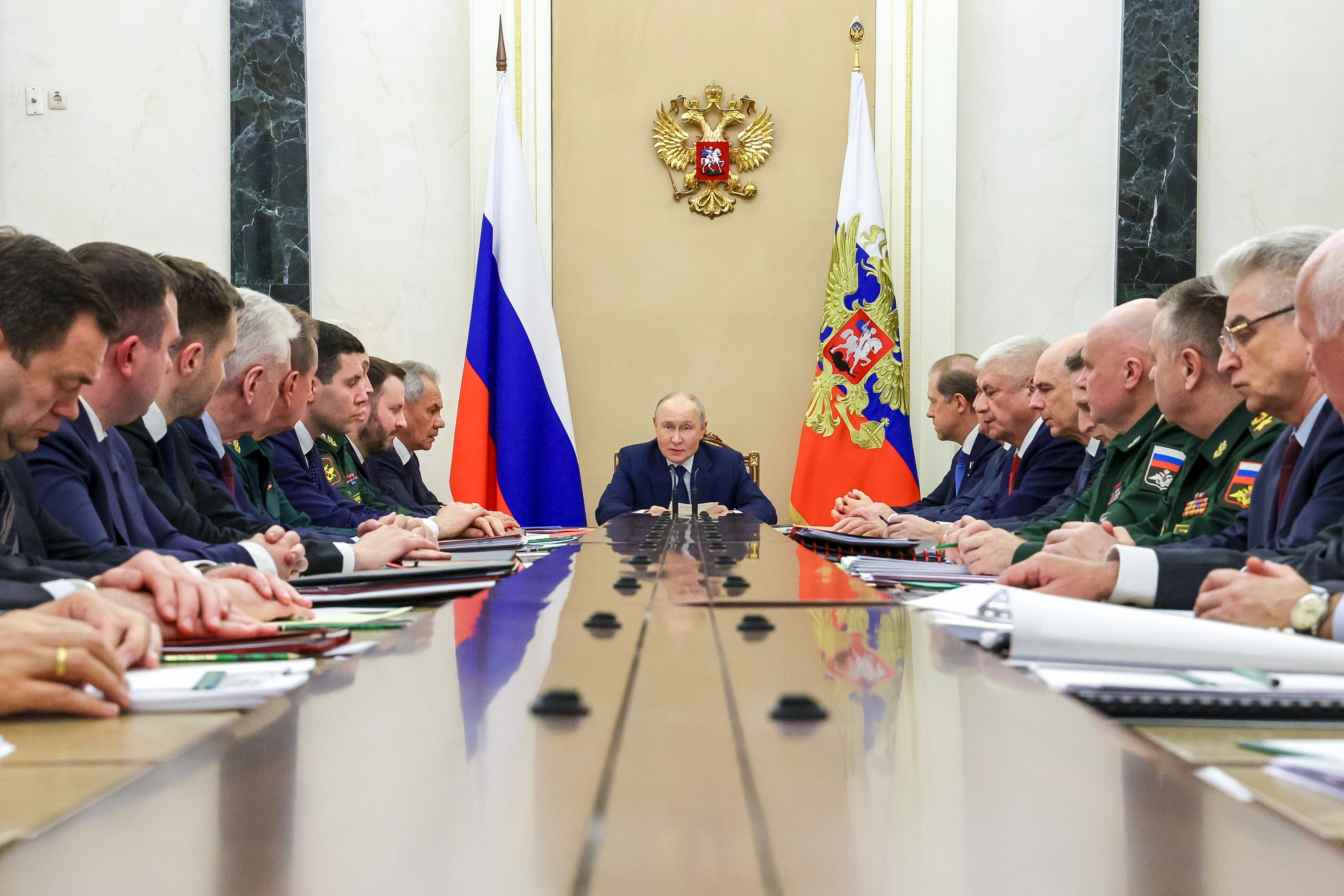
The Russian invasion of Ukraine is approaching its fifth year. Since February 24, 2022, Europe and the United States have rolled out a battery of sanctions intended to strangle the Russian economy to the point where regime change would be the only viable outcome for the Kremlin. The wave of restrictions, however, has several loopholes — some deliberately left by the West to preserve certain exchanges, such as a limited purchase of hydrocarbons.

© Vyacheslav Prokofyev (Vyacheslav Prokofyev/Pool Sputni)


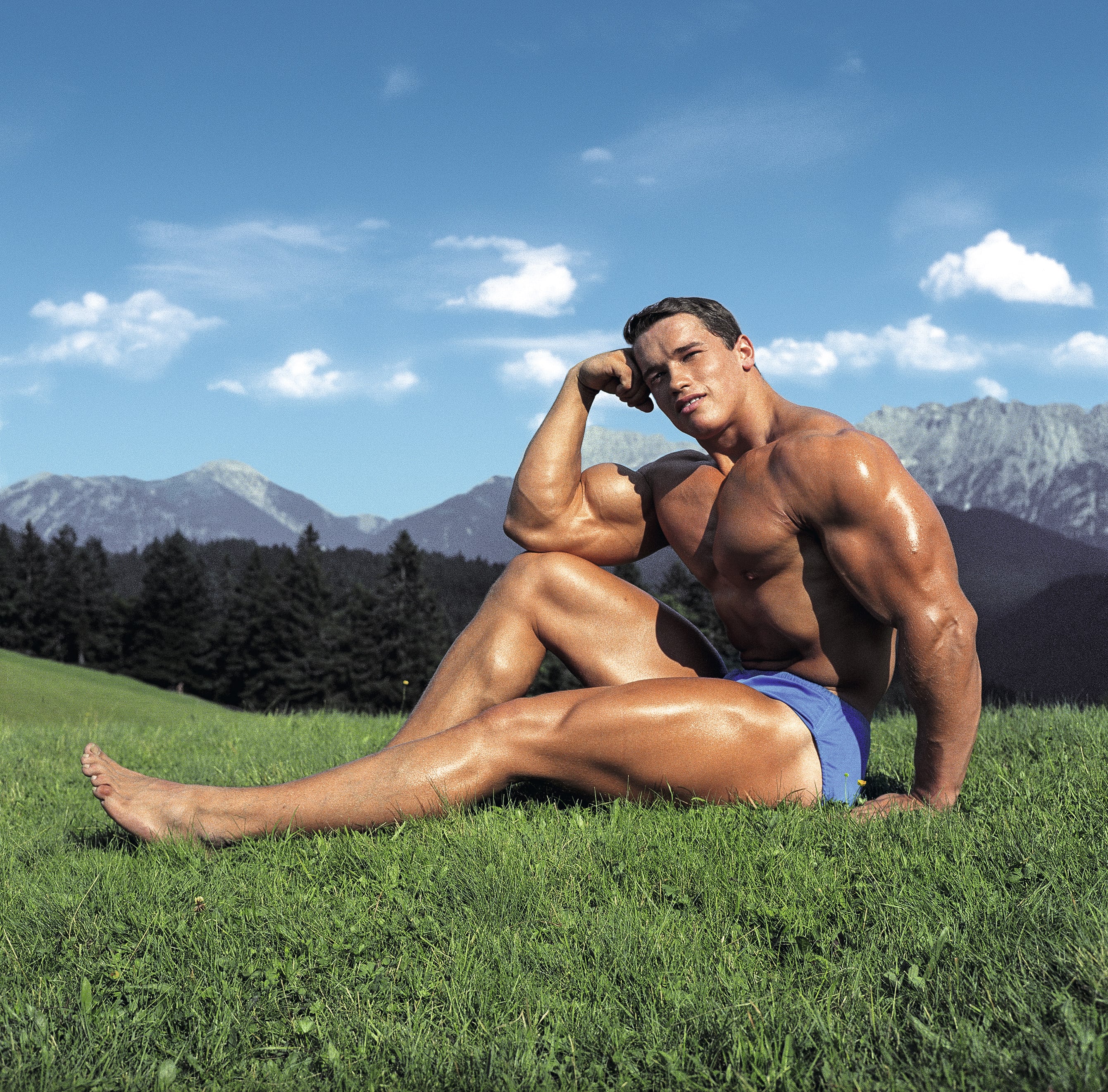
No matter how skeptical we may be about the American dream, Arnold Schwarzenegger’s personal story strains the limits of credibility as much as any of his most over-the-top films. That the destiny of Hollywood—not to mention California, the world’s fourth-largest economy all by itself—should be shaped for decades by an Austrian villager raised among the ruins of World War II would seem highly unlikely, were it not for the fact that the actor and former governor is so firmly ensconced in our collective imagination, his name pronounced by everyone with the same startling ease. Schwarzenegger, 79, is one of those individuals for whom the phrase “larger than life” seems to have been invented: for the scale of his achievements, his film career and his physical presence — 6ft 2in (1.88 meters) of chiselled muscle like a Greek statue.

© Imágenes cortesía de 'Arnold '(Taschen) (EL PAÍS)