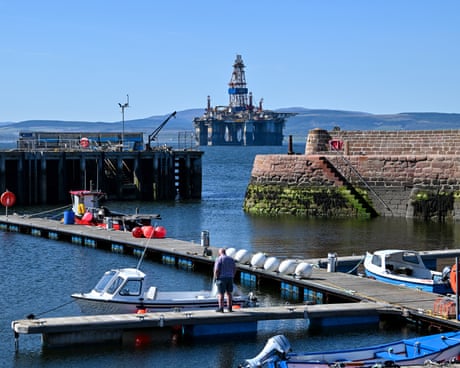
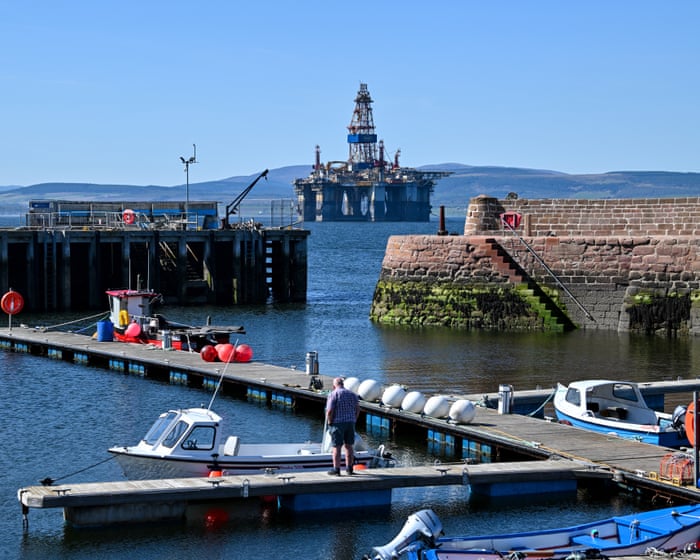
The Jackdaw gasfield will be given the go-ahead on Wednesday, signalling Andy Burnham’s commitment to the North Sea fossil fuel industry and threatening to trigger a row with climate campaigners and Labour MPs.
Miatta Fahnbulleh and John Healey, the energy secretary and chancellor respectively, will make the announcement from Aberdeen on Wednesday morning after more than a year of deliberations over whether doing so would violate the UK’s climate commitments.
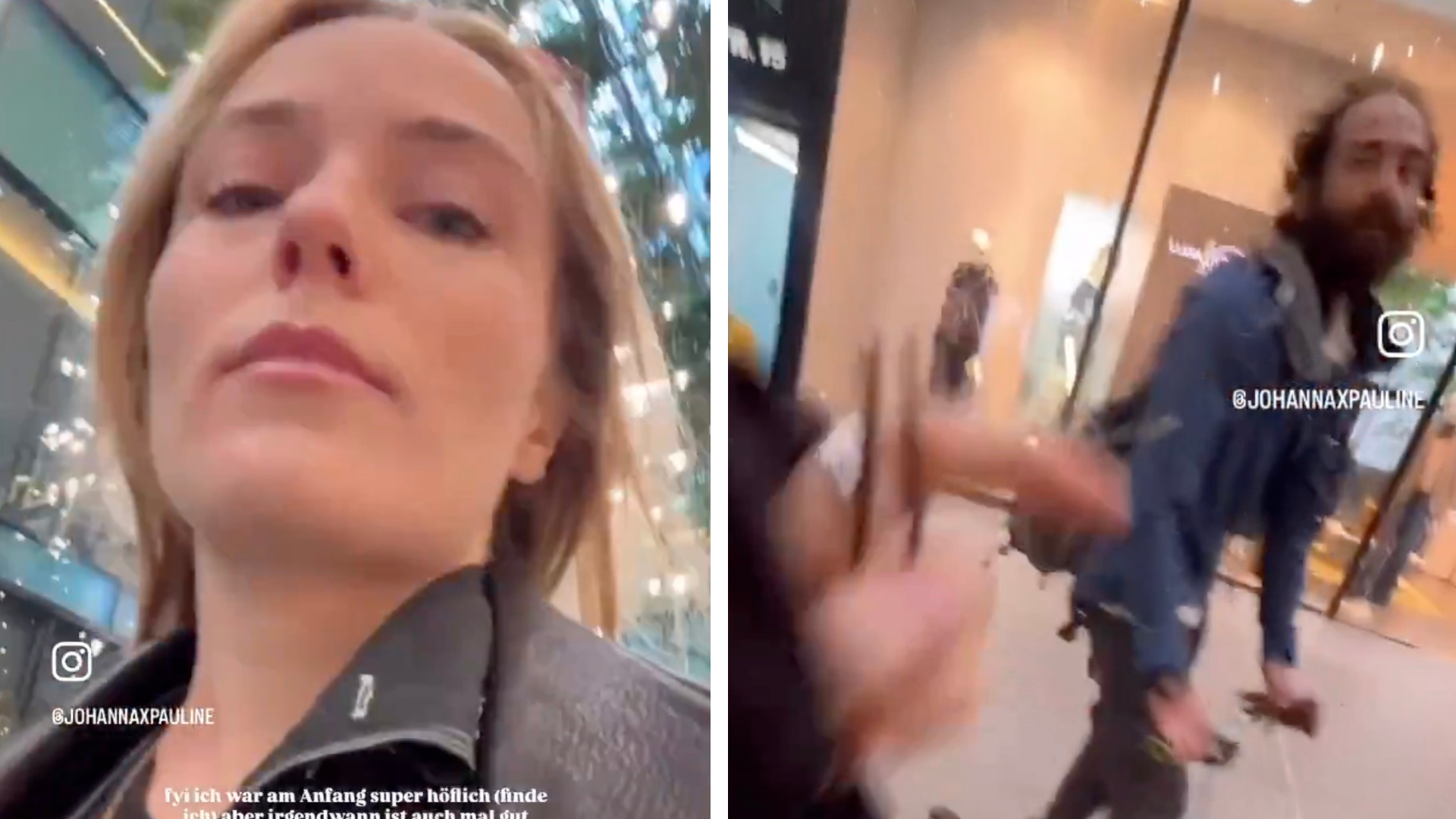
In a video uploaded by German content creator Johanna Pauline Steiner, who is a solo travel influencer and model, she repeatedly asked a foreign man to stop following her in an indoor public space in Munich. Steiner quickly lost her temper as the man relentlessly followed her.
During the clip, Steiner, who also describes herself as an actress and yoga teacher, declined an invitation to talk with the foreign man and said she is busy and has to work. When he persists and keeps following her, she tells him multiple times, “Please stop following me.”
Near the end of the footage she says, “F*ck… Oh God, now I have no idea which direction I need to go.”
"F*ck, oh God… Can you please stop following me? Thank you."
Johanna Pauline Steiner, a German solo traveler, influencer and model, was sexually harassed by a migrant man in Munich.
Remarkably, she wrote on her video that she gets asked: "Are you afraid to travel alone as a woman?"
She responded with this video: "Why does it matter where you are? Unfortunately, you get harassed everywhere."
She celebrates feminism on her channel, which she says allows her to travel and live alone.
Follow: @RMXnews
Steiner posted two versions of the video, including one where she wrote on text overlaid on the video: “Are you afraid to travel alone as a woman? Why does it matter where you are? Unfortunately, you get harassed everywhere.”
In the video description, she further wrote: “It just occurred to me that I’m trying to play off this very serious topic with a joke. But somehow, whenever this question is asked, or whenever I’m told that it’s so dangerous when you go to this country, that exact sentence comes to mind. It’s not about different countries or cultures. Unfortunately, people with bad intentions exist everywhere.”
Steiner does not appear to connect the fact that, even in Germany, she is being confronted by a man who is in the country as a guest, presumably through mass migration.
The threats facing women in countries outside Europe have been well-documented, yet many of these same women support mass immigration from countries where women are at risk of sexual violence and harassment at a far higher level than in Europe.
While many women continue to promote solo travel, there have been troubling incidents and footage over the years.
“Do you like to have sex?”
A man from Kyrgyzstan sexually harassed a German travel influencer, Valerie Kraus, who was traveling solo in the country.
When he demanded they go to his yurt, she responded, “You said sex, I said no.”
He asked her if she had a husband and if her tent “sleeps 1 person or 2.”
“I’m so glad I filmed this. It just shows the reality sometimes,” she said afterwards.
In Muslim countries, Western women traveling solo can face harassment, and in some cases, it has also led to sexual assault.
The Instagram user “journeyious” noted that Instagram removed her video when she first posted it for reasons that were never explained. She subsequently reposted the encounter.
Follow: @RMXnews
"What do you want, you dirty whore?!"
Famed Korean streamer "Jinnytty" was brutally attacked by a man reportedly of North African origin on the streets of Toulouse.
The Korean streamer has 1.1 million Twitch followers, and is one of the biggest streamers in South Korea.
She had a rude welcome to multicultural France, where you can be attacked randomly on the streets at nearly all times.
She likes to travel the world, sharing her adventures with her very large community, but in this case, she got punched in the face.
This was broadcast live to thousands of Koreans.
A Portuguese tourist, Ines Faria, was harassed in Mumbai, India.
The video shows her being followed by 2 men for over 15 minutes, who insist on selfies.
The video went viral and the two men were reportedly arrested via facial recognition.
https://t.co/9Qj8N7nCyb
Steiner has also expressed support for feminism in other videos for enabling her to travel and live alone. However, even within Germany, the importation of foreign cultures has led to incredibly anti-feminist policies, including forced marriage and female genital mutilation. These concepts are entirely foreign to German culture and exclusively practiced by migrants who have moved to Germany.
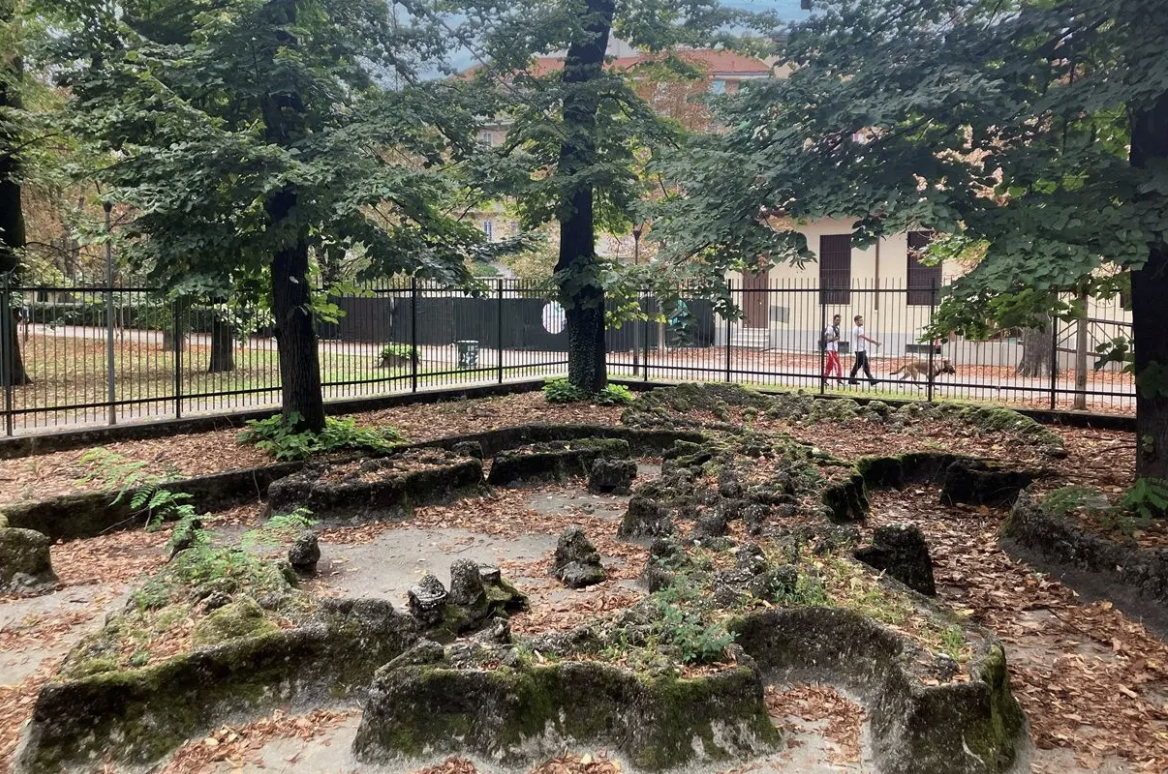
A 21-year-old German Erasmus student reported being raped by two men in the early hours of Oct. 15 while walking home from a night out in the NoLo neighborhood, police said. She told police she believed the men were likely North African.
The woman told investigators that she was attacked from behind near Parco Trotter, around the intersection of Via Crespi and Via Giacosa, shortly before 5:00 a.m. She said the men restrained her, prevented her from screaming or escaping, and assaulted her in a secluded spot before fleeing.
“He attacked me from behind and knocked me to the ground. Then he took off my pants,” said the victim.
An Italian couple visiting the city on vacation encountered her distressed and in shock. She told them in English that two men had attacked her from behind and raped her. The pair called emergency services. Carabinieri and medical responders arrived, noted bruising, and took her first to a hospital and then to the Mangiagalli clinic, which specializes in sexual-violence cases. She received medical examinations and psychological support.
The student, in Milan through the European Erasmus exchange program, had spent the evening in a local club before heading toward her student housing. According to Italian news outlet Il Giornale, she may have crossed paths with one of the men earlier that night.
Investigators are reviewing public and private surveillance footage from the area, which captured two male figures near the scene around the time of the reported assault, along with cell-phone data and other technical evidence.
No suspects have been publicly identified or arrested. One Italian newspaper, Il Giorno MIlano, described an attacker pulling down her pants after throwing her to the ground and then briefly pretending to comfort her when passersby appeared nearby.
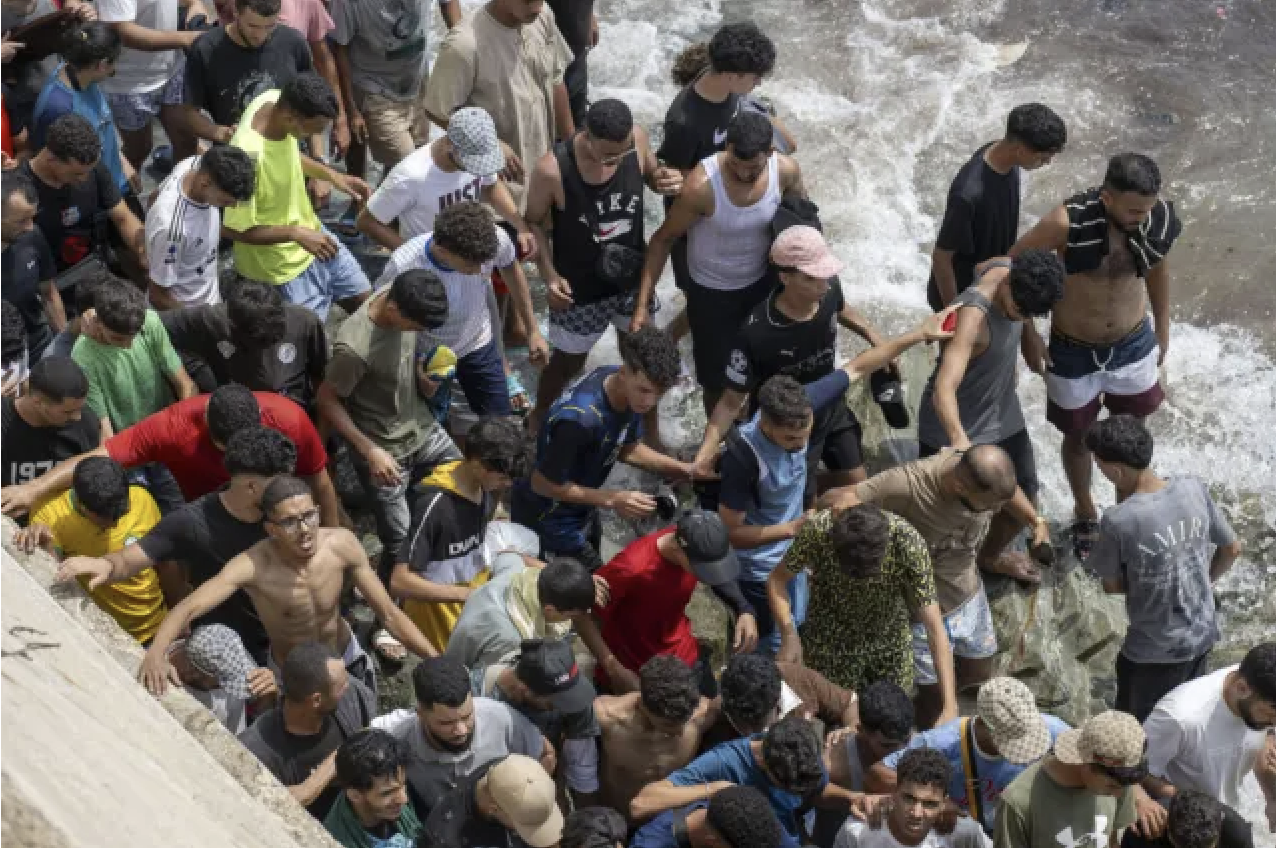
Spanish police sources say roughly 70 percent of recent asylum applications filed by Moroccan migrants in the North African enclave of Ceuta now claim persecution based on their homosexuality, a sharp change from the economic motives cited in the weeks after a large irregular entry in late July.
The report from Spanish newspaper ABC, citing Spanish National Police sources, also indicated that about 95 percent of the applications under review involve Moroccan nationals, and of those already decided, the rejection rate is estimated at about 99 percent.
Police have knowledge of at least 19 favorable decisions for people who entered during the July episode; five of those rested on sexual-orientation grounds.
The Unified Police Union (SUP) representative in Ceuta, Raúl Piera, told local media the share citing homosexuality has risen as high as 90 percent in the most recent filings. Applicants initially mentioned unemployment, family reunification or other reasons, he said.
After word circulated that economic grounds were unlikely to succeed, the accounts shifted.
“At first, they were not informed and did not know what they should say. But word spread,” Piera said.
Police sources have also raised the possibility that some applicants received advice, including from NGOs, on which grounds might improve their chances. While no fraud has been proven, the overwhelming amount of applications based on claims of homosexuality raises various red flags about the asylum application process.
Same-sex sexual relations are criminalized in Morocco under Article 489 of the penal code, which provides for prison terms of six months to three years. Spanish and European rules treat a well-founded fear of persecution on grounds of sexual orientation as a potential basis for protection.
Declaring oneself homosexual is not sufficient, however. Authorities examine the consistency of each account, personal circumstances and the risk upon return through interviews and documentation.
Interior Minister Fernando Grande-Marlaska, speaking in Ceuta, said a mere allegation is not enough: there must be “a principle of objective and clear proof” and “a minimum of serious evidence.”
Nearly 1,200 international-protection applications have been formalized since the late-July arrivals, of which roughly 700 have been resolved, according to government figures. An estimated 10,000 of those who crossed on July 30-31 remain in Ceuta, some in informal housing or remote areas. Many others have returned to Morocco voluntarily or through other processes.
The asylum claims continue to be assessed individually by the Office of Asylum and Refuge. Rejection does not automatically result in immediate removal; applicants must be notified, and some may abscond or challenge decisions in court, though the share pursuing judicial appeals has been described as very low.
An intense Monday downpour at the Spanish exclave of Ceuta pushed feces and waste left by invading illegal migrants around the city's drains and into the sea, local outlets reported.
Portugal’s president António José Seguro has called for a broad consensus between the PSD/CDS-PP government and opposition parties so that urgent and long-term measures on housing can be adopted “with
Portugal’s Public Security Police (PSP) detained 55 housing protesters this morning for allegedly resisting when officers removed tents from the Lisbon Camp, situated in Praça D. Pedro IV, in Rossio.
The Porto Academic Federation of students (FAP) has called for “dialogue and moderation” to resolve the housing crisis, proposing tax measures and a temporary ban on the purchase of residential
A powerful new synthetic opioid said to be more potent than fentanyl has been linked to dozens of recent deaths in the U.S., prompting warnings from health officials.
Tennessee was an early hotspot, with the state’s health department announcing in March that more than 30 fatal overdoses had been associated with cychlorphine since October 2025.
An April 2026 notice from the White House’s Office of National Drug Control Policy cited at least 41 Tennessee deaths between July 2025 and February 2026 and at least 55 deaths nationally.
Fatal overdoses have also been reported in Illinois, California and Oklahoma, according to public health and law enforcement records.
"Cychlorphine is particularly dangerous due to its strength, where a very small amount can cause someone to stop breathing," the Los Angeles County Department of Public Health said in its advisory.
Nicholas Kardaras, Ph.D., CEO and chief clinical officer of the New York Center for Living in Manhattan and a clinical professor at Stony Brook Medicine’s School of Social Welfare, called cychlorphine "the new fentanyl on steroids."
Cychlorphine is a novel, unregulated synthetic opioid that activates the same receptors as fentanyl, according to the Drug Enforcement Administration. It can cause profound sedation, slowed or stopped breathing, or death.
The drug is not approved for medical use and has been detected in illicit drugs and counterfeit pills.
Kardaras called cychlorphine "one of the most potent synthetic opioids" now appearing in the illicit drug supply.
"Fentanyl is about 50 times more potent than morphine or heroin," he told Fox News Digital. "Cychlorphine is reportedly up to 10 times more potent than fentanyl — so theoretically, about 500 times more potent than morphine or heroin."
"This new synthetic drug is making fentanyl look like yesterday's candy."
Cychlorphine is taken in various forms — people can ingest it as a pill, snort it in powder form or crush it and administer it intravenously, according to Kardaras.
"The problem has been, in addition to its potency, it's often put in other designer drugs and in counterfeit pills," he cautioned.
While some people seek out cychlorphine for its potency, others may ingest it unknowingly when it is mixed into other substances.
"Sometimes, by talking about how potent some of these substances are, we increase the allure of them for some addicts, unfortunately," Kardaras said.
While cychlorphine is primarily a street drug, it can also be purchased online or via "boutique designer-drug markets," according to the expert.
Cychlorphine can cause a fatal overdose in anyone, regardless of age. Kardaras said younger people may face greater exposure because some are more likely to experiment with drugs or purchase counterfeit pills.
"They’re buying something online … and all of a sudden, without knowing it, they’re ingesting fentanyl or another synthetic opioid," he said.
"Most drug tests have very specific chemical structures that they detect in any kind of synthetic or non-synthetic drug, and this new one hasn't quite been baked into the current testing strips," Kardaras noted.
The takeaway, he said, is that cychlorphine may be up to 10 times more potent than fentanyl, is not detected by standard fentanyl test strips or routine hospital opioid urine screens, and may require multiple doses of naloxone to reverse.
"So it's a triple whammy," he said. "It's a constant battle of keeping up with the latest iterations of new drugs."
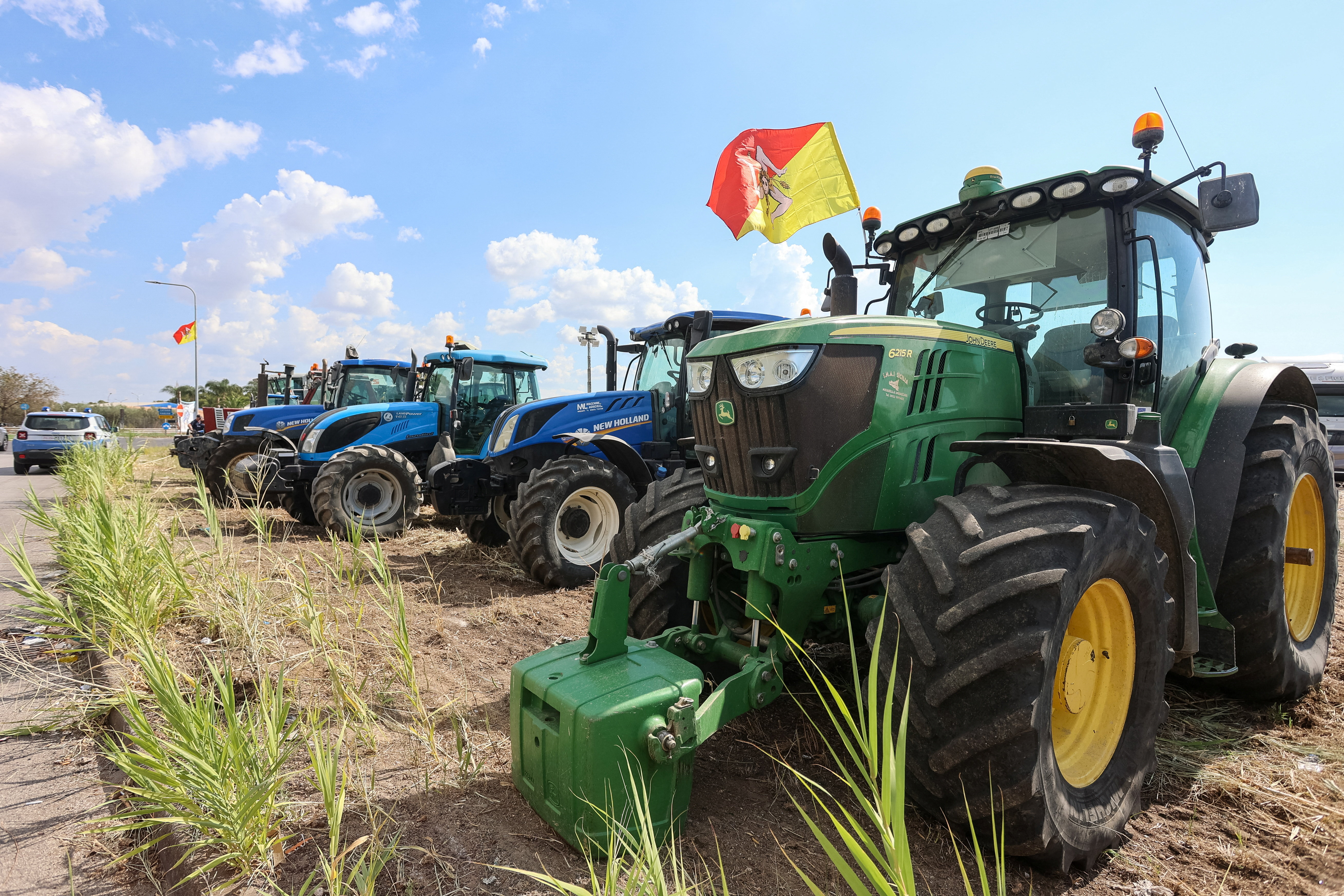
The tractors rolling into the town of Gela on the southern tip of Europe are flying the Sicilian flag, emblazoned with Medusa, three bent legs and ears of wheat, a reminder of the island’s role as a breadbasket since Roman times.
But the farmers are not bringing in a harvest. They are protesting.
As soaring fuel prices squeeze household budgets and businesses across Europe, cost-of-living pressures are driving unrest and giving fresh momentum to far-right parties ahead of elections next year in countries including France, Italy and Poland.
Parties once considered fringe had already been gaining ground, with voters from motorists in rural France to young men in Germany’s former Communist east looking for alternatives.
The US-Iran war, which erupted in February and sent energy prices sharply higher, has compounded the challenge for governments already struggling to contain inflation, support growth and rein in spending.
The discontent has spilled onto the streets.
In France, demonstrations that began over deteriorating school facilities in Paris’ northern suburbs have morphed into some of the country’s worst unrest in decades, with shops looted, buildings torched and a 19th-century town hall in Limoges set on fire.
“Why am I here? Well, quite simply, I find the current cost of living truly terrifying,” said Quentin Leviloux, a 21-year-old protester in Nantes.
“Just think of people who earn barely the minimum wage, when you look at the cost of food, fuel, and everything else. It’s terrifying how incredibly expensive things have become.”
The European Commission estimates the Iran conflict has cost Europe roughly €100 billion ($112 billion) through disrupted trade and energy markets. Gas prices have jumped about 140% and diesel prices have doubled.
In a weekend address, French President Emmanuel Macron acknowledged the “legitimate demands” of protesters angered by rising living and fuel costs, while condemning those responsible for violence and looting. “We must never confuse them with those who destroyed, vandalised and looted,” he said.
Cost-of-living protests spread across Europe
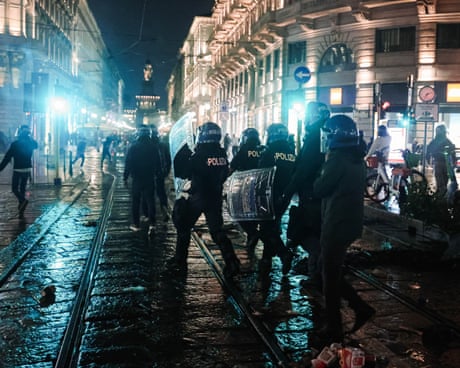
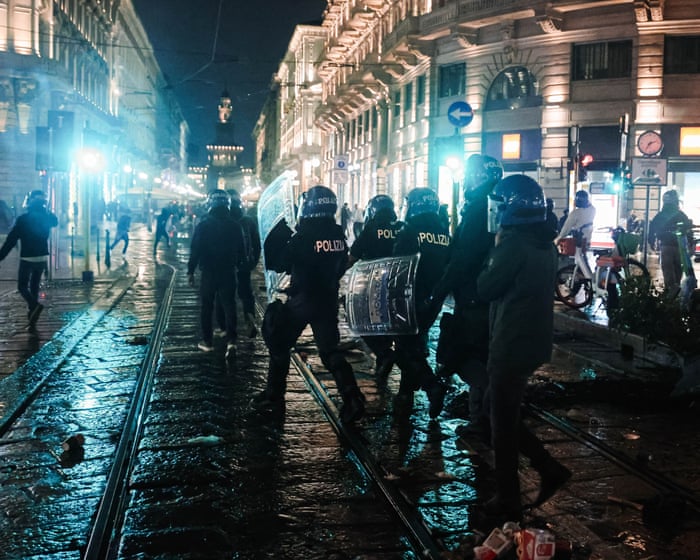
Violence has also erupted elsewhere. In the wealthy northern Italian city of Milan, police clashed on Sunday with protesters hurling stones and looting stores during demonstrations over poor public services and rising living costs.
In Gela, on Sicily’s southern coast, farmers say fuel costs have made operating machinery prohibitively expensive. “We cultivate the land, we harvest debts,” said one banner.
“We are completely at a standstill,” said Arcangelo Gambino, a farmers’ representative in Caltanissetta province. “The (fuel) cost has more than doubled.”
Roadblocks by truckers, farmers and steelworkers have disrupted transport across parts of southern Italy, contributing to local fuel shortages and concerns over supermarket supplies.
Tens of thousands marched through Lisbon on Saturday over low wages, housing costs and the rising cost of living, increasing pressure on Portugal’s centre-right government.
In Spain, the eviction of an 87-year-old woman from her home sparked nationwide demonstrations over housing shortages and soaring rents, helping trigger a snap election next month.
Belgium has also seen demonstrations, while large rallies in Albania have been driven by anger over perceived government corruption, a lack of jobs and poor education standards.
The protests reflect broader economic anxieties that are increasingly shaping politics across the continent.
Concerns about purchasing power have become “a major driver of populist politics” across Europe, said Gilles Ivaldi, a political scientist at Sciences Po.
Politicians on both the hard right and hard left have increasingly argued that restoring energy ties with Russia would help lower costs, challenging Europe’s mainstream consensus on support for Ukraine.
Le Pen makes fuel prices an election issue
The latest energy shock comes after years of economic strain following the pandemic and the fallout from Russia’s 2022 invasion of Ukraine.
In France, rising energy costs have provided an explosive backdrop to next April’s presidential election. Macron’s government is struggling with a ballooning budget deficit and pressure from bond markets.
Frontrunner Marine Le Pen of the far-right National Rally and hard-left veteran Jean-Luc Melenchon have both made fuel prices central planks in their campaigns.
“Rising fuel prices are clearly an issue that boosts Marine Le Pen,” said Ivaldi. “I think this is an issue she has owned for quite some time.”
Since the Iran war began, Le Pen’s ratings have improved while Macron’s have slipped, according to polling by Elabe.
Le Pen’s proposal to sharply cut value-added tax on fuel has attracted broad public support. Analysts say the issue resonates strongly with her core voters in rural and semi-rural areas where car travel is often essential.
Far-right parties call for renewed Russian energy ties
In neighbouring Germany, the Alternative for Germany (AfD) is leading national opinion polls after strong gains in local elections. The cost of living topped Germans’ concerns for a fifth straight year in a survey published this month.
German inflation spiked to nearly a three-year high in September, with energy price inflation rising to 14.9%, handing ammunition to the AfD to attack Chancellor Friedrich Merz.
The AfD is pushing to restore energy ties with Russia, arguing that Berlin’s support for Ukraine is needlessly self-sabotaging at a time when Europe’s largest economy and many of its energy-hungry companies are struggling.
Past experience indicates a link between high energy prices and voter turnout for the AfD, said Jan Steckel, professor for the political economy of climate change at the Technical University of Munich.
“Populist parties often frame energy costs as avoidable and attribute them to government policy choices … rather than to the underlying geopolitical shocks that drive them,” he said.
“These geopolitical shocks are … much more difficult to explain. And I think this is why incumbent parties often struggle.”
The argument is gaining traction elsewhere.
In Italy, Prime Minister Giorgia Meloni faces growing competition from National Future, a new far-right party led by former army general Roberto Vannacci that advocates restoring gas links with Russia.
In Poland, one of Ukraine’s staunchest supporters, concern over energy bills is helping boost support for the far-right Confederation of the Polish Crown. Its leader, Grzegorz Braun, has called for a return to buying Russian oil and gas, making the case alongside AfD politicians in Lubmin, where the damaged Nord Stream pipelines land in Germany.
“I love the smell of Russian gas in the morning,” he said.
Le mobilitazioni del 17 ottobre e le violenze che ne hanno accompagnato la fase finale mostrano una Francia attraversata da una crisi sociale e politica profonda. Mentre il macronismo entra nel suo ultimo semestre, Marine Le Pen e Jean-Luc Mélenchon incarnano due risposte radicalmente opposte alla domanda di rottura.
Le immagini degli incendi, delle barricate e degli scontri che hanno attraversato la Francia nelle giornate del 17 e 18 ottobre rischiano di nascondere il dato politicamente più importante: centinaia di migliaia di francesi sono scesi in strada contro il carovita, la crisi dei servizi pubblici e il progressivo deterioramento delle condizioni materiali di vita. Il ministero dell’Interno ha contato circa 550.000 partecipanti alla giornata nazionale del 17 ottobre, mentre gli organizzatori ne hanno rivendicati circa 800.000. Una mobilitazione di dimensioni tali da costituire la più importante esplosione di protesta sociale dai tempi della battaglia contro la riforma delle pensioni del 2023.
Il fenomeno sarebbe tuttavia incomprensibile se venisse ridotto ai disordini che hanno segnato la conclusione di numerosi cortei. Lungi dall’essere nata il 17 ottobre, la protesta rappresenta il risultato di un processo cominciato settimane prima nelle scuole e nelle università, quando studenti e liceali hanno iniziato a denunciare classi sovraffollate, carenza di personale, precarietà e progressivo impoverimento dell’istruzione pubblica. Alle mobilitazioni giovanili si sono poi aggiunti sindacati, lavoratori, pensionati e settori del movimento dei gilets jaunes, mentre il rincaro dei carburanti ha agito da detonatore di un malessere sociale molto più ampio.
Tale convergenza conferisce agli avvenimenti un significato politico ben superiore a quello di un’ennesima fiammata di protesta francese. L’Humanité ha descritto il corteo parigino come l’incontro tra generazioni differenti accomunate dalle rivendicazioni sui salari, sul futuro della gioventù e sulla difesa dei servizi pubblici, ma soprattutto dal rifiuto delle politiche seguite dal 2017. In questo senso appare particolarmente significativa l’immagine proposta dal quotidiano della sinistra francese: il macronismo rischia di terminare così come era cominciato, in mezzo ai lacrimogeni e a un conflitto sociale che il potere politico sembra incapace di ricomporre.
Nel tentativo di distogliere l’opinione pubblica dalle ragioni concrete delle proteste, il primo ministro Sébastien Lecornu ha accusato gruppi dell’ultrasinistra di avere deliberatamente organizzato gli incidenti, arrivando a contrapporre il “campo della Repubblica” a quello dei “casseurs” e indirizzando buona parte delle proprie accuse contro La France Insoumise (LFI), nonostante lo stesso leader Jean-Luc Mélenchon avesse invitato esplicitamente i propri sostenitori a non partecipare a saccheggi e devastazioni. Il Rassemblement National (RN), dal canto suo, ha rapidamente trasformato le immagini dei disordini in materiale di propaganda, cercando di associare la protesta sociale a una crisi dell’autorità e alla necessità di restaurare l’ordine.
È una dinamica che rischia di favorire l’estrema destra, ma che non deve far perdere di vista l’origine della crisi. L’aumento del costo della vita, la stagnazione dei salari, il deterioramento dei servizi pubblici e la nuova impostazione austeritaria del bilancio per il 2027 rappresentano il terreno materiale sul quale la protesta è cresciuta.
La risposta televisiva di Emmanuel Macron del 18 ottobre ha mostrato una volta ancora la difficoltà dell’Eliseo a uscire dalla contraddizione che accompagna ormai l’ultimo periodo della sua presidenza. Il capo dello Stato ha riconosciuto la legittimità delle preoccupazioni espresse dai manifestanti, ma ha a sua volta concentrato una parte importante del proprio intervento sulla condanna delle violenze e sulle questioni di ordine pubblico. Ha annunciato consultazioni con studenti, insegnanti, sindacati, parlamentari e rappresentanti delle imprese, senza però indicare immediatamente una svolta economica capace di rispondere alle cause sociali della protesta.
Messi insieme, tutti questi elementi fanno emergere in modo chiaro la dimensione strutturale della crisi del macronismo. Quando Emmanuel Macron conquistò l’Eliseo nel 2017, promise di superare la tradizionale divisione tra destra e sinistra. La sua formula politica avrebbe dovuto sostituire il conflitto ideologico con una gestione pragmatica, europea e modernizzatrice della società francese. Quasi dieci anni dopo, il risultato appare paradossalmente opposto: la Francia non è meno polarizzata, anzi risulta essere molto più polarizzata di quanto fosse all’inizio della presidenza Macron.
La dissoluzione dell’Assemblée nationale nel 2024 aveva già distrutto l’illusione di una maggioranza presidenziale stabile. Da allora la Francia è entrata in una lunga sequenza di governi minoritari, crisi parlamentari e negoziati sul bilancio. Il governo Lecornu resta privo di una maggioranza autonoma, mentre il progetto finanziario per il 2027 è stato accolto con ostilità dalle opposizioni e con crescente nervosismo dai mercati. All’inizio di ottobre i rendimenti del debito francese avevano raggiunto livelli che non si vedevano dai primi anni Duemila, mentre il debito pubblico ha superato il 119% del prodotto interno lordo e la crescita resta debole.
Ma sarebbe riduttivo interpretare questa situazione come una semplice “crisi del debito”. Il problema fondamentale riguarda piuttosto la distribuzione dei costi della crisi. Il governo continua a presentare l’austerità come una necessità tecnica, mentre la sinistra francese sottolinea come essa rappresenti piuttosto una scelta politica precisa: ridurre la spesa sociale e comprimere i servizi pubblici anziché intervenire sulle grandi fortune, sui profitti e sulle ingenti sovvenzioni concesse alle imprese. Da qui nasce la domanda che attraversa una parte consistente delle piazze francesi: chi deve pagare la crisi?
La risposta del RN è radicalmente diversa. Marine Le Pen tenta di trasformare la crisi del macronismo in una crisi dello Stato, dell’immigrazione e dell’ordine pubblico. Il suo partito cerca di intercettare lo stesso malcontento che alimenta le proteste, ma di orientarlo verso una soluzione nazionalista e securitaria. Sul terreno economico, inoltre, il RN sta tentando di rassicurare i mercati: Le Pen ha recentemente promesso forti riduzioni della spesa pubblica qualora conquistasse l’Eliseo, mentre Jordan Bardella ha difeso un piano volto a tagliare circa 140 miliardi di euro di spesa e a ridurre rapidamente deficit e debito. La pretesa dell’estrema destra di rappresentare una rottura sociale con il macronismo entra quindi in contraddizione con un programma economico che contiene anch’esso una pesante componente austeritaria.
Ad ogni modo, i dati demoscopici mostrano quanto questa contrapposizione stia modificando la politica francese. Le rilevazioni pubblicate nelle ultime settimane indicano Marine Le Pen come candidata nettamente più forte al primo turno, ma contemporaneamente mostrano una crescita di Mélenchon e soprattutto una straordinaria solidità della sua base. Un’indagine Ipsos BVA-Cevipof attribuiva in settembre al candidato di LFI tra il 15,5 e il 17% delle intenzioni di voto, ma con livelli molto più alti tra i giovani: fra i 18 e i 24 anni Mélenchon raggiungeva addirittura il 40%. Un sondaggio successivo, riportato da Reuters, ha delineato perfino scenari nei quali Le Pen e Mélenchon si qualificherebbero insieme per il ballottaggio, estromettendo completamente i candidati dell’area centrista.
Naturalmente manca ancora molto alla primavera del 2027 e ogni previsione resta fragile. Marine Le Pen deve inoltre affrontare ancora l’incognita del proprio contenzioso giudiziario, mentre a sinistra rimangono divisioni profonde tra LFI, socialisti, comunisti ed ecologisti. Ma il dato politico è già evidente: il successore di Macron non sembra destinato a provenire dal blocco che ha governato la Francia nell’ultimo decennio.
La battaglia per l’Eliseo sarà quindi molto più di una competizione tra candidati. Sarà uno scontro attorno all’interpretazione stessa del fallimento macronista. L’estrema destra sostiene che la Francia soffra soprattutto per un deficit di autorità, sovranità e controllo. La sinistra radicale individua invece il problema nella crescente disuguaglianza, nell’austerità, nell’indebolimento dei servizi pubblici e nella subordinazione delle scelte economiche agli interessi del grande capitale. Il campo macronista, nel frattempo, fatica sempre più a convincere che la continuazione delle politiche degli ultimi dieci anni possa rappresentare una risposta alla crisi prodotta proprio durante quel decennio.
Polish Foreign Minister Radosław Sikorski made an unusually confident assessment of a hypothetical war between NATO and Russia during the Yalta European Strategy conference in Kiev on September 12. “If Russia attacked us, and we took our gloves off, I think we would defeat Russia quite quickly,” Sikorski said. “We have overwhelming superiority over Russia […]
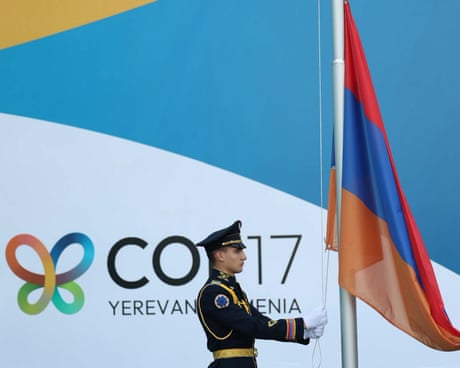
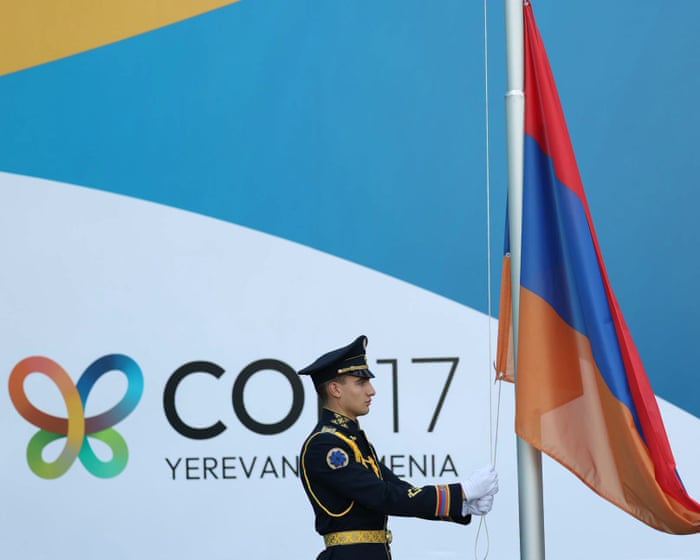
In 2022, I helped push through the international agreement to protect biodiversity. Wars and economic pressures can make nature seem like a ‘nice-to-have’. But it is a critical asset, and Cop17 must deliver real action
When I was five, property developers came to cut down the woods behind my home in La Tuque, Quebec. My mother encouraged me to climb one of the trees in protest, then told the developers, straight-faced, that there was nothing she could do when they asked her to get me down. A few days later, the tree was cut down anyway.
I thought about that tree in the early hours of a freezing Montreal morning in December 2022, as the gavel came down on a global agreement between nearly 200 countries to halt and reverse the loss of nature by 2030. I thought about how important nature is for our health, our food security and our economies, but also how much passion there is around protecting it, and how it has the power to inspire people all around the world.
Police dismantled housing protest camps in Lisbon and Porto early on Tuesday morning (October 20), with demonstrators in Porto peacefully complying with orders to leave, while the operation in the
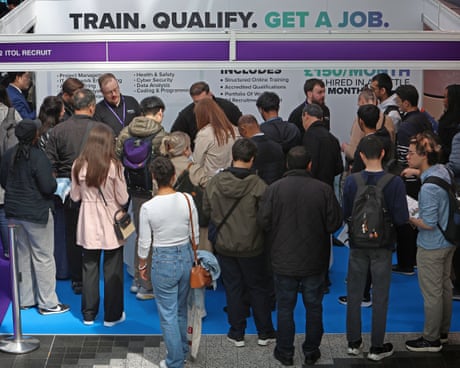
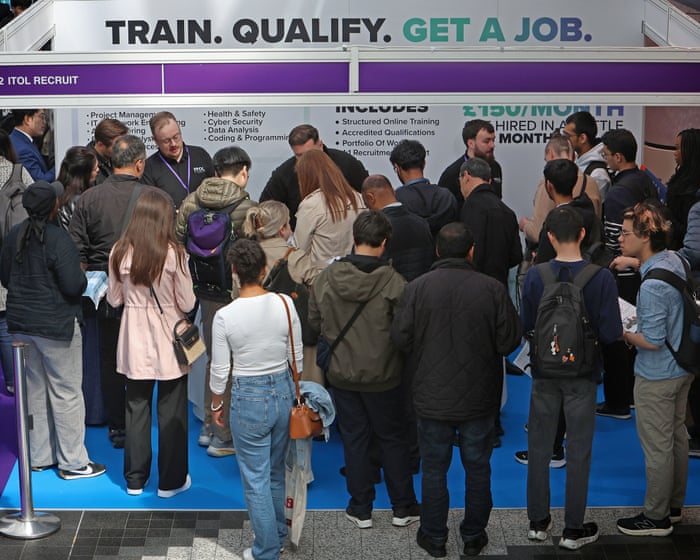
Unemployment in the UK has fallen unexpectedly in the final snapshot of the jobs market before John Healey’s first budget next week.
The jobless rate fell to 4.7% in the three months to August, from 4.9% according to the Office for National Statistics. City economists had forecast a rise to 5%.
US Defense Secretary Pete Hegseth met with Israeli Prime Minister Benjamin Netanyahu during an unannounced visit to Israel on Monday, a person familiar with the matter said, as tensions flare between the US and Iran.
The person did not say what the two men discussed during the meeting, first reported by Axios. The Pentagon declined to comment. The Israeli prime minister’s office did not immediately respond to a request for comment.
Hegseth said in a social media post that he had visited US service members in the Central Command area of responsibility, which covers the Middle East, northeast Africa and parts of Asia.
Israel’s Army Radio reported his meeting with Netanyahu took place at an air force base in Israel’s southern desert.
Hegseth’s visit comes amid rising tensions in the Middle East war as tensions flare between the U.S. and Iran over the Strait of Hormuz and as Yemen’s Iran-allied Houthis intensify their attacks on Saudi Arabia.
It also came a day after US President Donald Trump endorsed Netanyahu in next week’s parliamentary election in Israel, the country’s first ballot since the October 7, 2023, Hamas attack on southern Israel.
US and Israeli forces launched joint strikes against Iran in late February, setting off the wider Middle East war. Netanyahu told Israeli media this month that he’s not seeking to attack Iran before the October 27 Israeli election. Trump has said he will not attack Iran before US midterm elections in November.
Rise in economic hardship and changes in attitudes towards migration could explain drop in support, experts say
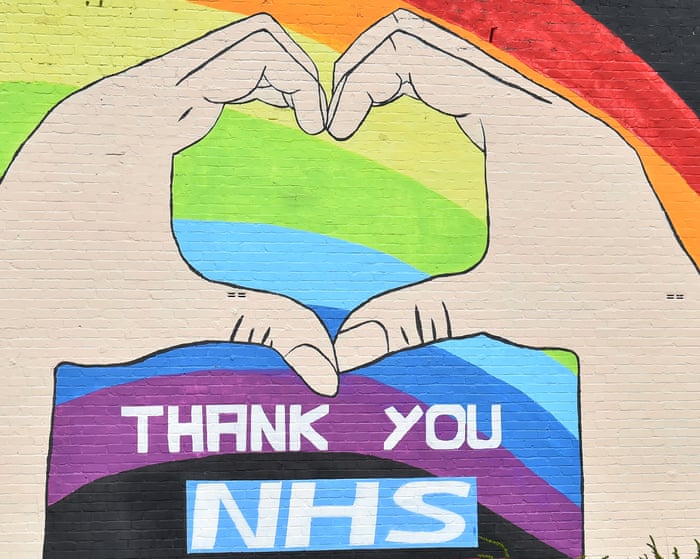
Public support for the NHS’s founding principles – that it is free to use, available to everyone and tax-funded – has fallen over the last five years, research has shown.
Backing for all three pillars dropped between 2021 and 2025 across the UK population, except for a small rise in millennials’ support for the NHS being funded from taxation.
2026, it is learning how quickly an index provider can show Southeast Asia’s biggest economy the exit, wreaking havoc on its stock market. The provider is MSCI, which may be about to follow through on its threat to downgrade Indonesian stocks to “frontier” status, or to something worse: a standalone market category. President Prabowo Subianto’s […]
Italy’s government is sending 500 soldiers to Milan and vowed a “firm response from the state” after protests against the cost of living descended into clashes with police, vandalism and looting. Further demonstrations are planned on Saturday.
The government of the far-right prime minister, Giorgia Meloni, also announced new security measures, including an offence of violent participation in a demonstration, tougher penalties for rioters, and financial liability for parents whose children take part in vandalism and looting.

 Login



 "F*ck, oh God… Can you please stop following me? Thank you."
Johanna Pauline Steiner, a German solo traveler, influencer and model, was sexually harassed by a migrant man in Munich.
Remarkably, she wrote on her video that she gets asked: "Are you afraid to travel alone as a woman?"
She responded with this video: "Why does it matter where you are? Unfortunately, you get harassed everywhere."
She celebrates feminism on her channel, which she says allows her to travel and live alone.
Follow: @RMXnews

 "What do you want, you dirty whore?!"
Famed Korean streamer "Jinnytty" was brutally attacked by a man reportedly of North African origin on the streets of Toulouse.
The Korean streamer has 1.1 million Twitch followers, and is one of the biggest streamers in South Korea.
She had a rude welcome to multicultural France, where you can be attacked randomly on the streets at nearly all times.
She likes to travel the world, sharing her adventures with her very large community, but in this case, she got punched in the face.
This was broadcast live to thousands of Koreans.
 A Portuguese tourist, Ines Faria, was harassed in Mumbai, India.
The video shows her being followed by 2 men for over 15 minutes, who insist on selfies.
The video went viral and the two men were reportedly arrested via facial recognition.
https://t.co/9Qj8N7nCyb