Login

AI: la “sicurezza” può diventare anche uno strumento di vantaggio strategico
La tregua sull’IA tra Stati Uniti e Cina non esiste: sicurezza, antitrust e chip ridisegnano la geopolitica tecnologica.

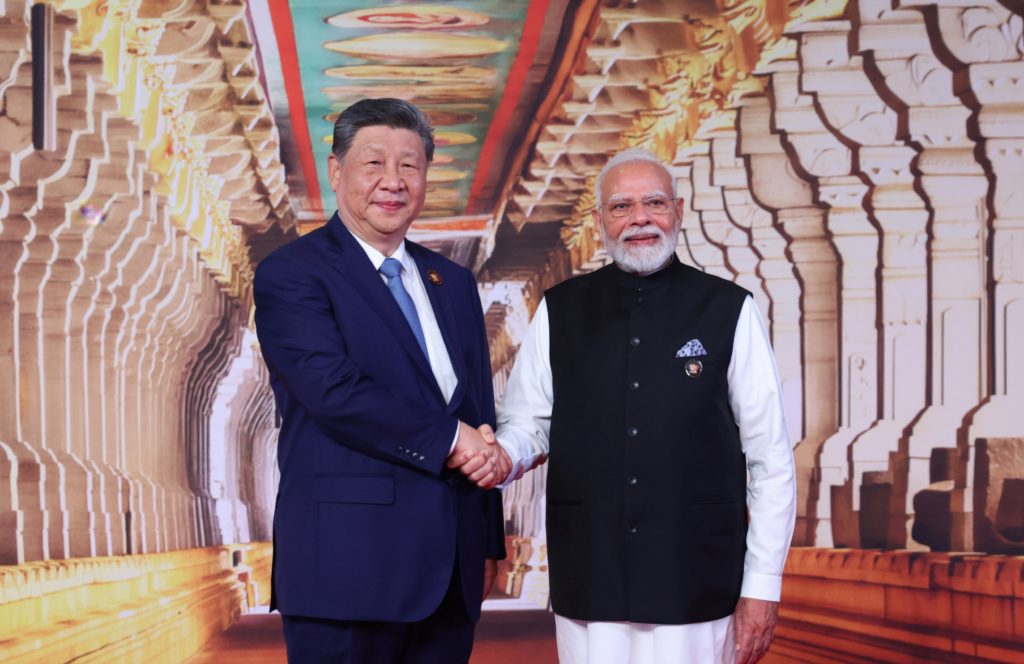
The BRICS summit concluded in New Delhi on Sunday, with Indian prime minister Narendra Modi having hosted the two-day gathering as chair. As with many meetings of the group of emerging economies, this edition brought together the leaders of China, India and Russia and featured plenty of anti-Western rhetoric. This was also Chinese leader Xi Jinping’s first visit to India for more than six years, in the latest example of Sino-Indian normalisation following a sustained period of tensions.
New Delhi’s normalisation with Beijing over the last year looks like more of a tactical de-escalation than a realignment. Nevertheless, India has over that time begun to agree more measures to provide greater access to Chinese investment in manufacturing and climate technology, both areas important for India’s development. This should act as a warning for Europeans. If India cannot source technology and capital from partners in Europe, it will seek to do so from China even while remaining suspicious of Beijing from a security point of view.
New Delhi continues to view Beijing as a threat and seeks deeper security and economic ties with Brussels, as well as with Washington, despite the difficulties President Donald Trump presents. Modi has thus worked to prevent the BRICS from tipping into a purely anti-Western vehicle, since this would run against India’s interests.
Europeans also see India as an increasingly vital partner, following the EU-India trade deal agreed earlier this year, as Europeans diversify geopolitically in the face of tense transatlantic relations. But India’s bilateral agreements with China, including on the sidelines of the BRICS meeting, show that the EU must not take the mutual benefits of closer ties for granted.
Ahead of Modi’s anticipated visit to Brussels later this year, the EU should accelerate its plans further to strengthen Europe-India ties. For instance, it should enhance the existing Trade and Technology Council to drive cooperation in areas like AI, while also moving forward cooperation on defence and security, and making faster progress on India’s plans to join the Horizon Europe funding programme for research and innovation.
The EU and India signed a landmark free-trade agreement in New Delhi in January, alongside a new security and defence partnership. Both sides aim to build on these with wider cooperation initiatives to encourage greater cooperation and investment in areas like semiconductors, AI and clean-tech supply chains.
India supported moves at the 2023 BRICS summit to agree on a major membership expansion. The group began as a much smaller coalition of just Brazil, Russia, India and China, and South Africa—hence “BRICS”—but has since grown to eleven members, including Egypt, Ethiopia, Iran, Saudi Arabia and the UAE as well as a wider grouping of observer and partner countries that attend summits and align themselves loosely with the bloc’s agenda. The group is internally divided, and not just in terms of China and India. Both Iran and the UAE are members, for instance, despite longstanding regional tensions. This year’s summit produced a limited declaration including vague promises to enhance cooperation.
Está a pensar ir comer fora? Veja aqui algumas sugestões de menus a preços económicos.
Se tem um restaurante e pretende colocar aqui – de forma gratuita – o seu menu, envio-o no dia anterior ou, no máximo, até às 10h00 do dia a que se refere para: guiaalgarve@gmail.com.
Leia as notícias do Algarve aqui

Estrada de Alvor, 1A. Contacto telefónico: 282 475 256. Email: restauranteportacerta@gmail.com
Aberto de 2ª a 6ª feira das 08h30 às 20h30
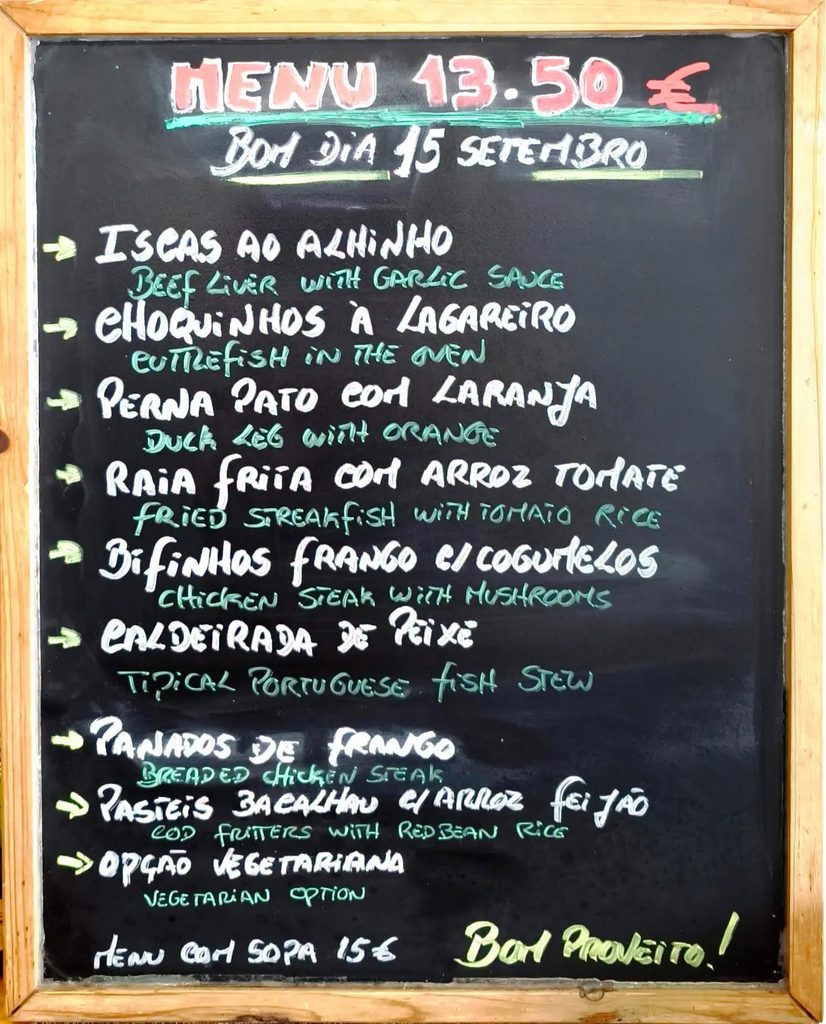
Avenida João Paulo II, L2. Contacto: 282 074 993. Email: reservas@oquintoimperio.com
Aberto de 2ª feira a sábado, das 12h00 às 14h30 e das 19h00 às 22h00
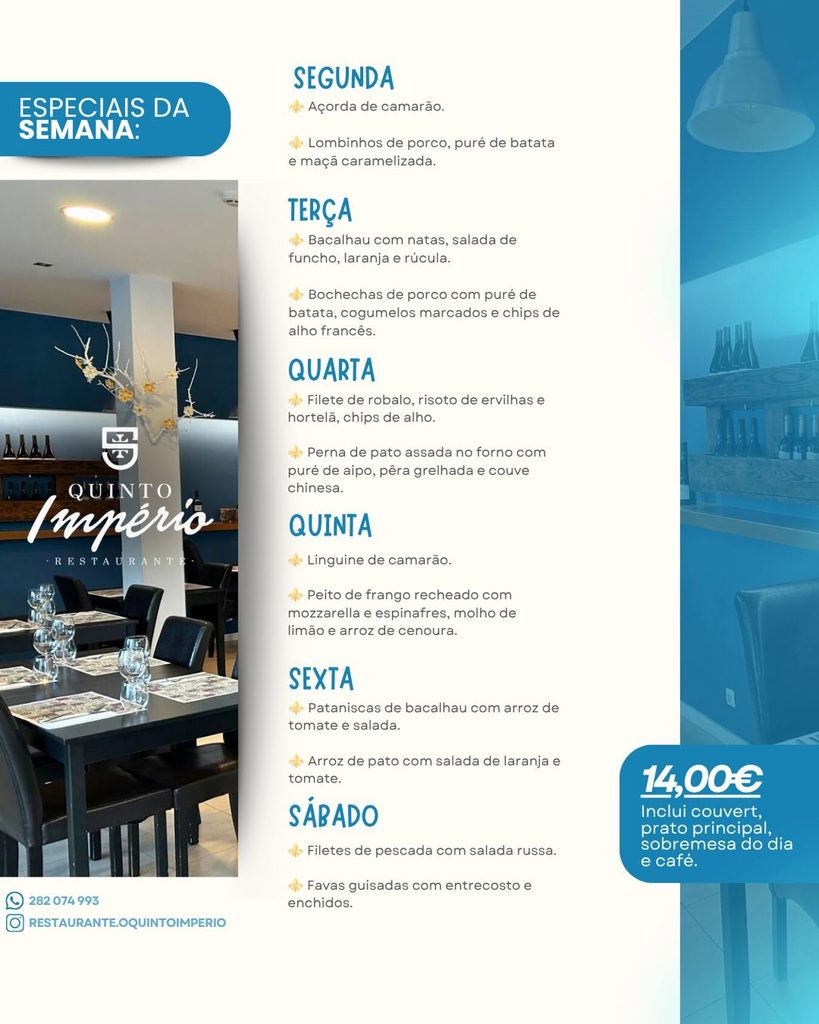
Rua do Viveiro. Contacto: 282 485 715. Email: rest.otenis.ezequiel@gmail.com
Aberto de terça a sábado, das 12h00 às 15h00 (almoço); das 15h00 às 17h00 (petiscos/snacks) e das 19h00 às 22h00 (jantar) e ao domingo, das 12h00 às 15h00

R. Poe. António Aleixo, Portimão
Aberto de 2ª a 6ª feira das 07h30 às 19h00
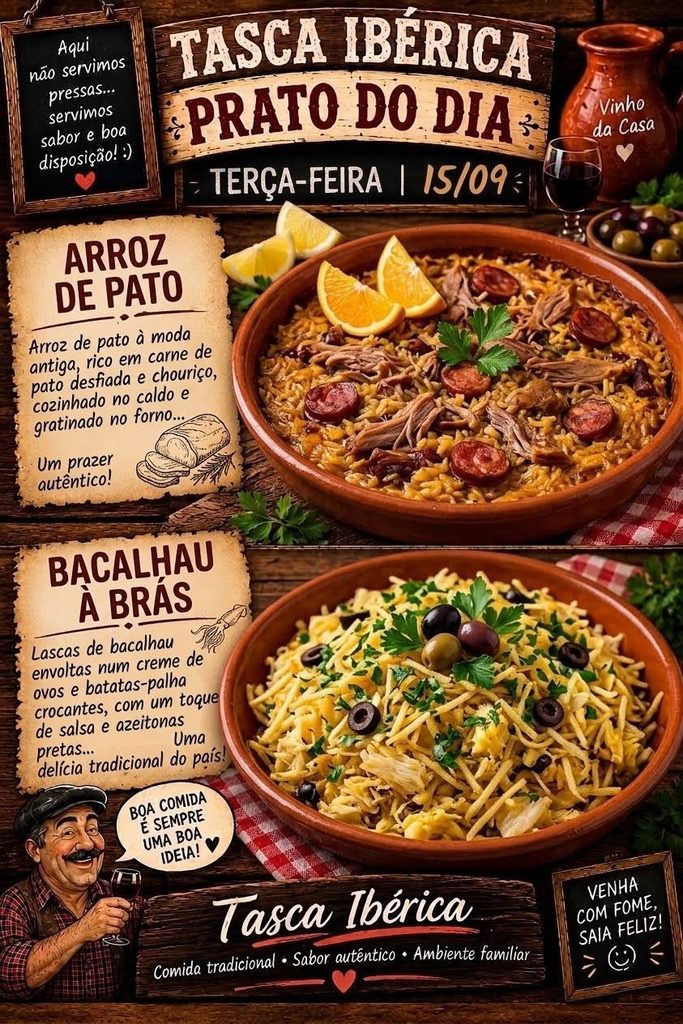
Urbanização Vila Rosa Lote 12, Portimão. Contacto telefónico: 917 332 182
Aberto de 2ª a 6ª feira das 08h30 às 20h30
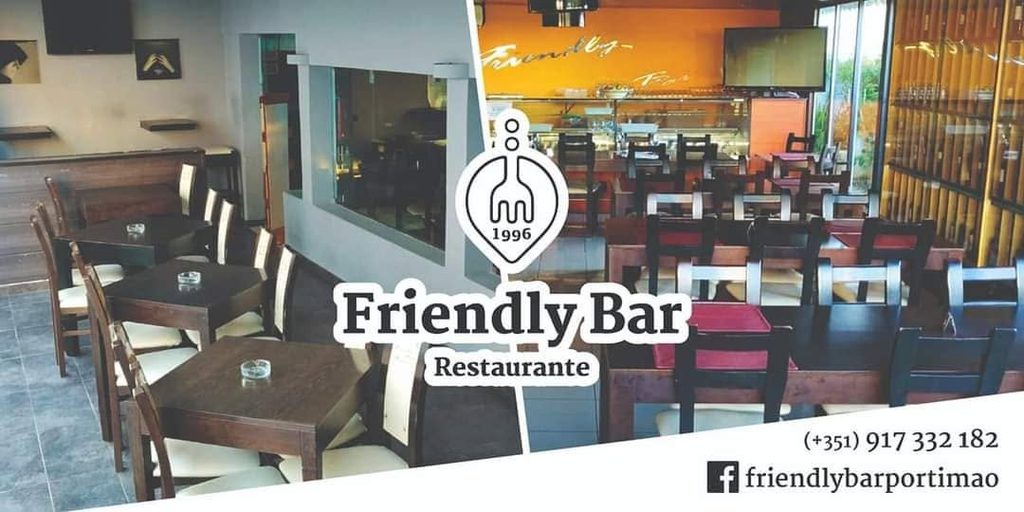
(tudo grelhado no carvão)
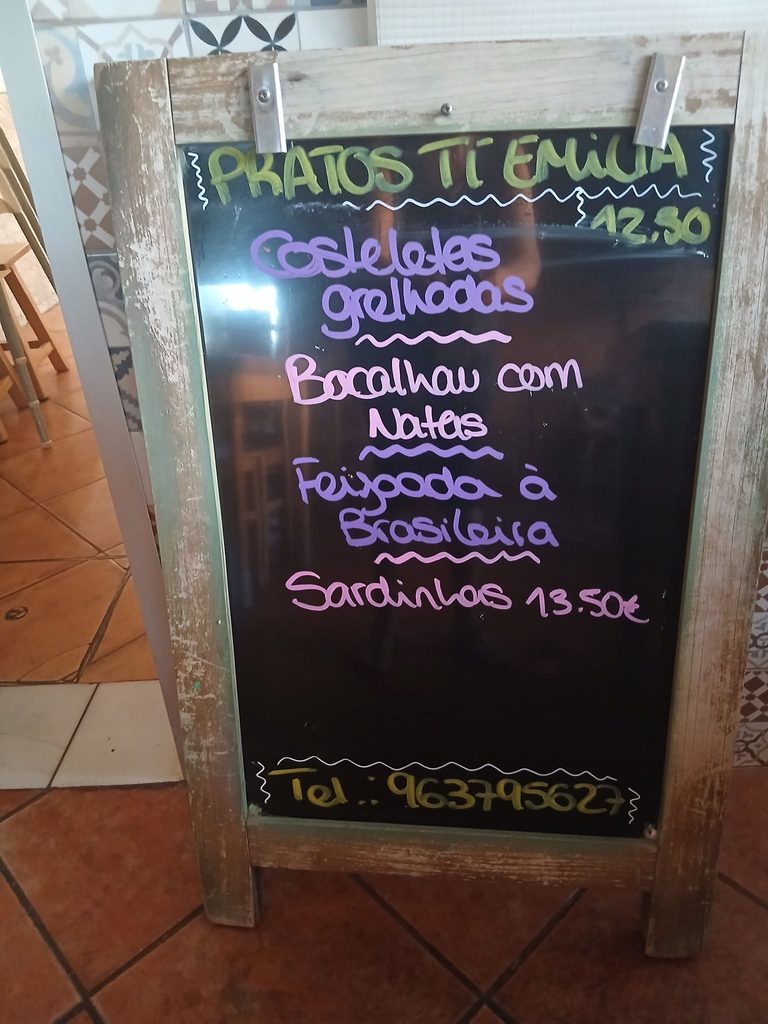
EN 124, nº6. Contacto: 963 795 627
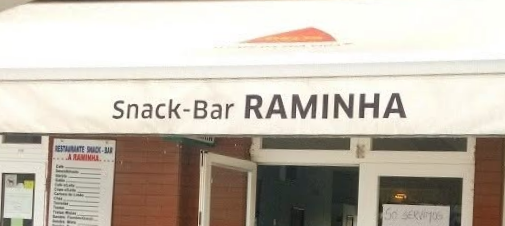
Rua da Raminha, Lote 19, Loja A, Portimão
Contacto: 282 482 522
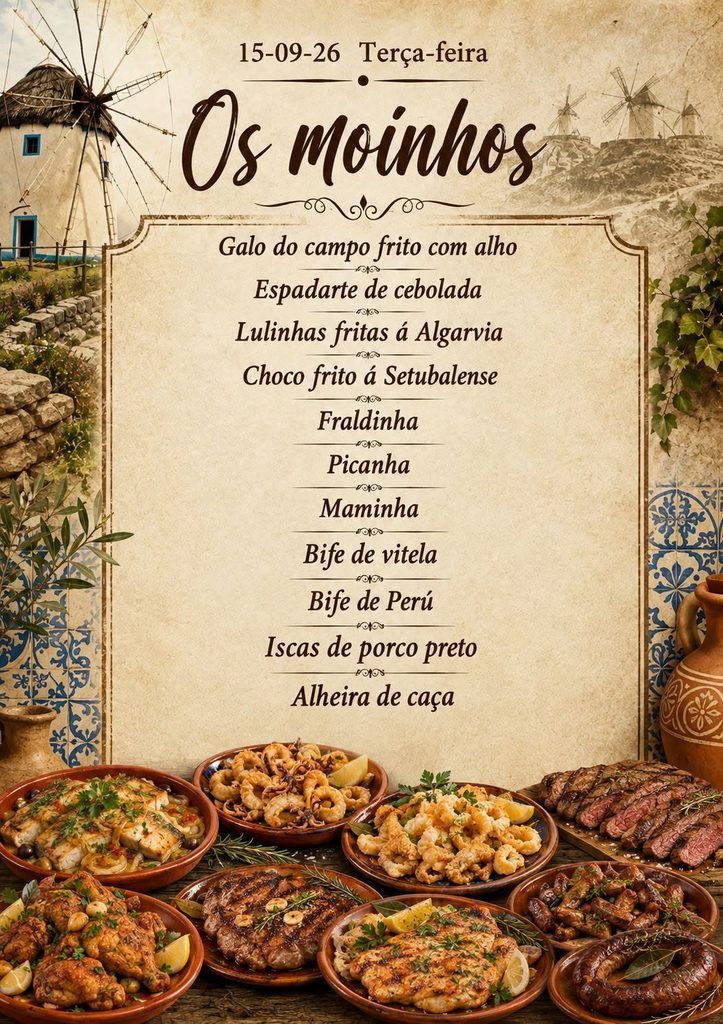
Rua Projectada À Rua Caldeira Do Moinho Edif. Abicada, Lj. 6, Portimão
Aberto de 2ª a 6ª feira, das 12h00 às 15h00
Leia as notícias do Algarve aqui

Sítio do Arão, EM 539, Sítio do Arão, Odiáxere, Lagos. Contacto: 910 799 846
Aberto de terça-feira a sábado, das 10h00 às 22h00, e ao domingo, das 12h00 às 15h00

R. Dr. José Reis Junior, Lagos. Contacto: 919 567 554
Aberto de segunda a sábado. Almoços e jantares


Rua da Liberdade 58, R/c, fração A, Lagoa. Contacto: 916 535 840
Aberto de 2ª a 6ª feira, para almoços, das 11h30 às 15h30. O serviço de take-away funciona das 11h30 às 17h00


Estrada Velha, Monchique. Contacto: 282 913 022
Aberto de 2ª a 6ª feira, das 07h30 às 19h30


Torre e Cercas de Silves. Contactos: 967 677 848 e 282 115 692
Aberto de 2ªa 6ª, das 11h00 às 21h00

Rua Dr. Ataíde de Oliveira 45 Rés de Chão, 8365-069 Algoz. Contacto: 916 745 631

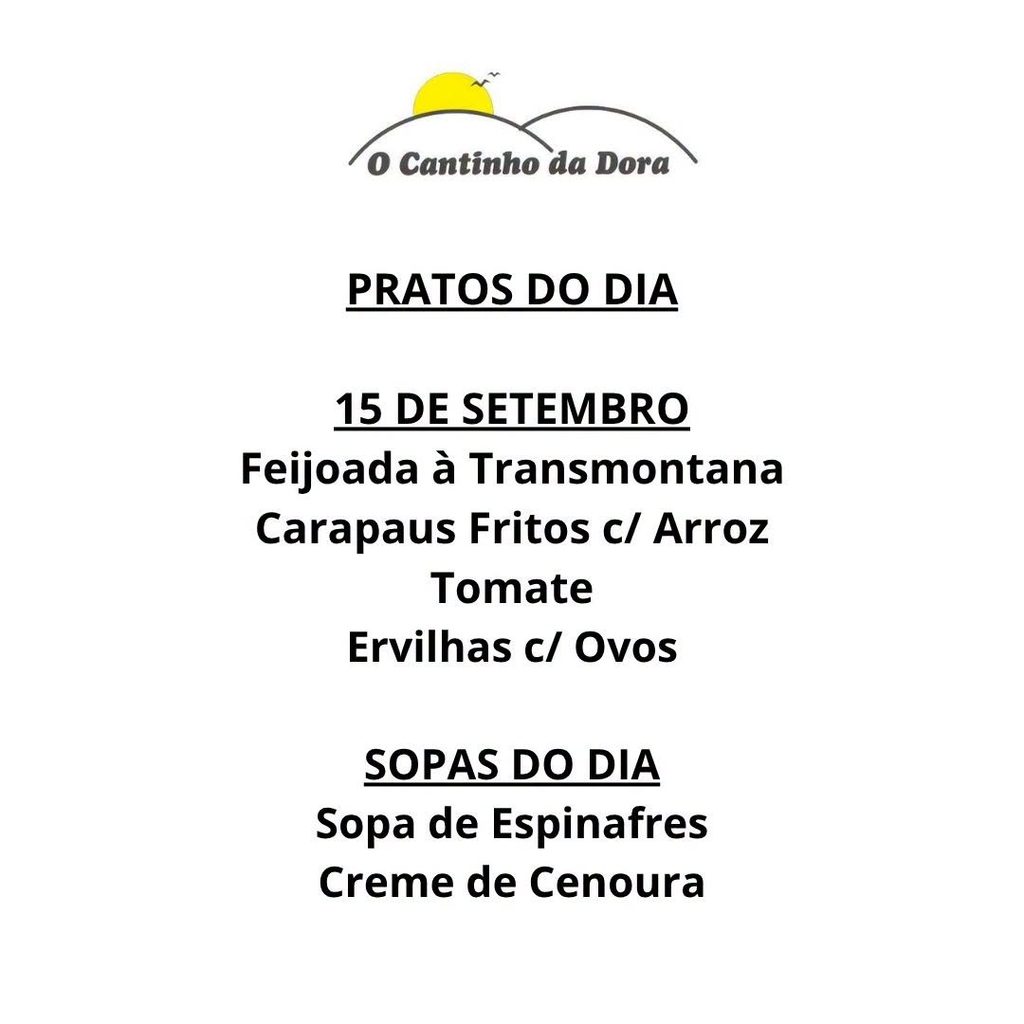
Av. Beira Mar 1, Armação de Pêra, Portugal, 8365-101. Contacto: 965 791 084. E-mail: cantinhodadora@gmail.com
Aberto de 2ª a sábado, das 7h00 às 22h30
Rua D. João II, Armação de Pêra. Contacto: 282 315 533
Aberto de terça-feira a domingo, das 10h00 às 15h00 e das 18h00 às 23h00
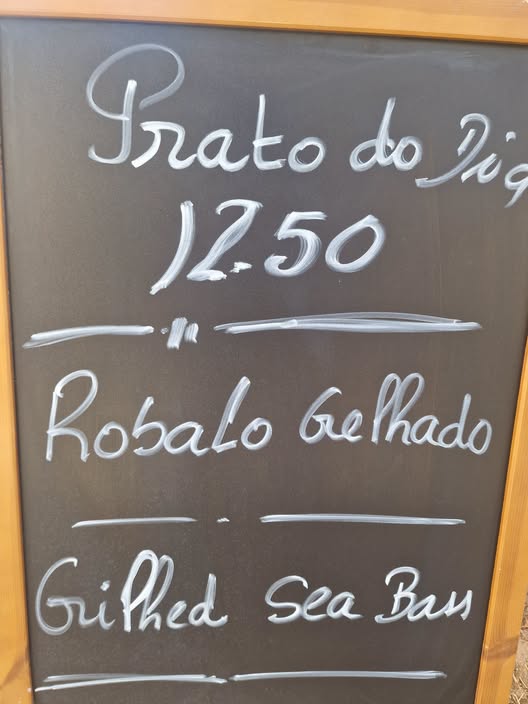
Rua João de Deus, Lj. 1, Pêra (Traseiras do Mercado Municipal de Pêra)
Aberto das 11h30 às 14h30 e das 18h30 às 21h30, de segunda a sexta-feira
Leia as notícias do Algarve aqui

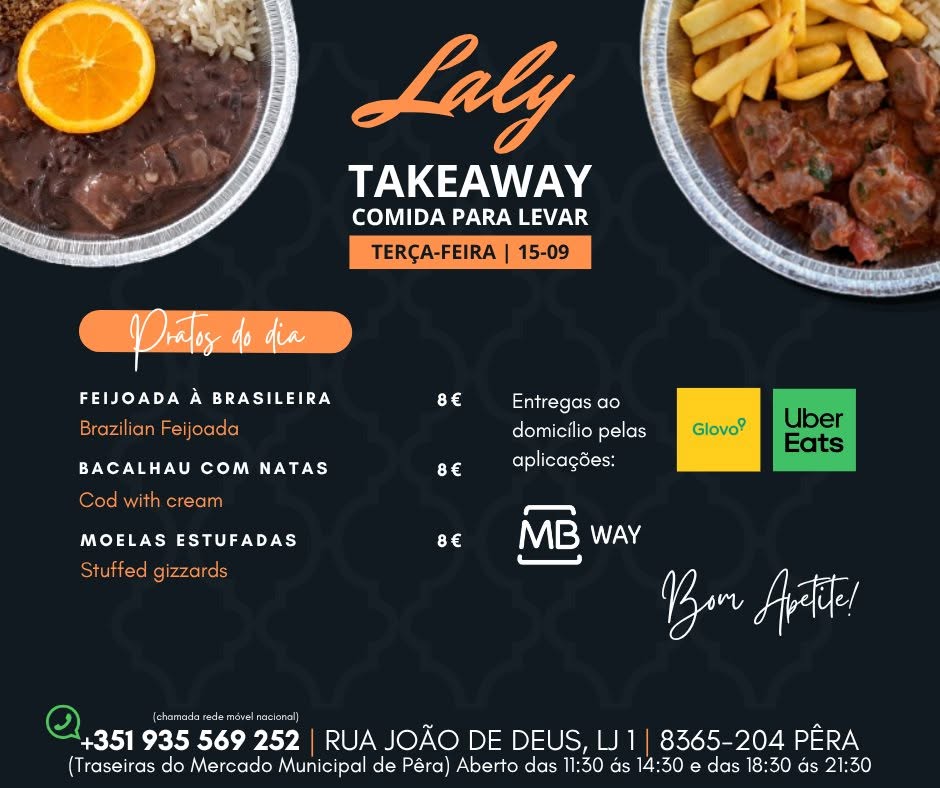
Rua da Nora, Quarteira (em frente ao Intermarché). Contacto: 968 557 477
Aberto de 2ª a domingo, das 12h00 às 15h00
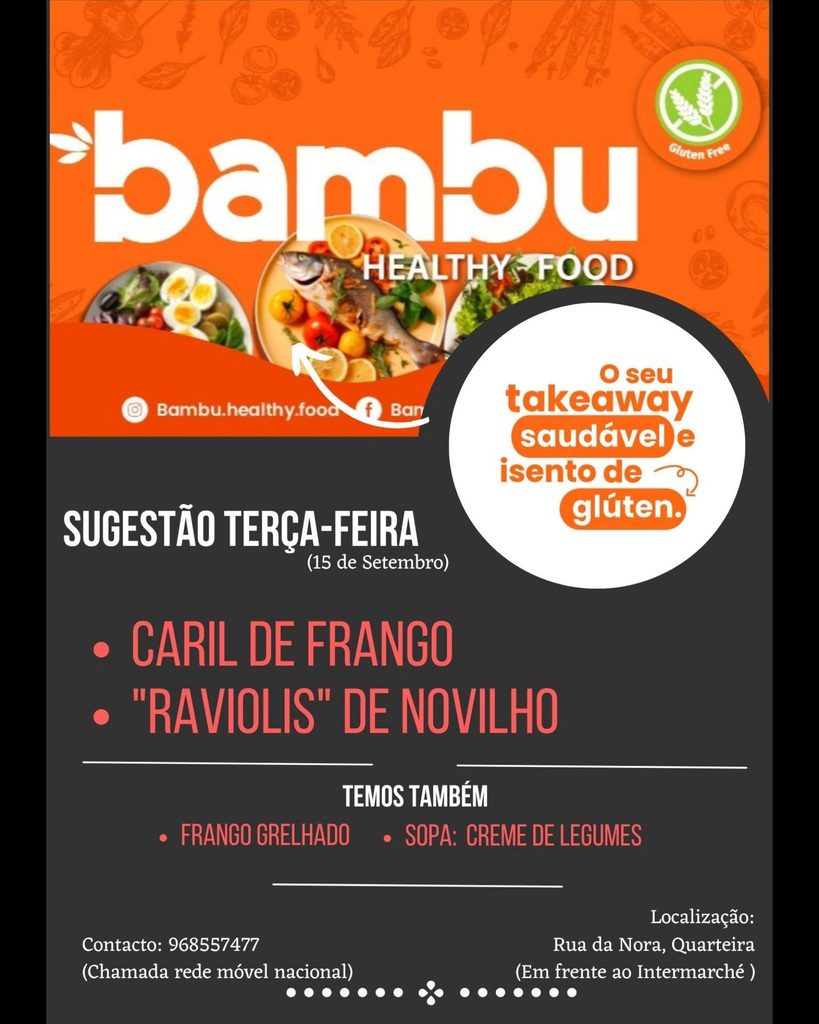
Rua Francisco Guerreiro Mealha, Almancil. Contactos: 289 391 273 e 264 787 362
Aberto de segunda a sexta-feira, das 11h00 às 15h00

Rua Dr. João José de Mendonça Cortez, nº 2, Olhão. Contactos: 965 121 030 e 289 723 095
Aberto de segunda a sexta, das 11h30 às 18h00, e ao sábado, das 11h30 às 15h00

Sítio do Lamaceiro 253A, Olhão. Contacto: 289 101 750


Avenida Doutor Mateus Teixeira de Azevedo, Tavira. Contacto: 281 326 279/915 313 009. E-mail: casadaavo2020@outlook.pt
Aberto de 2ª a sábado, das 12h00 às 21h00

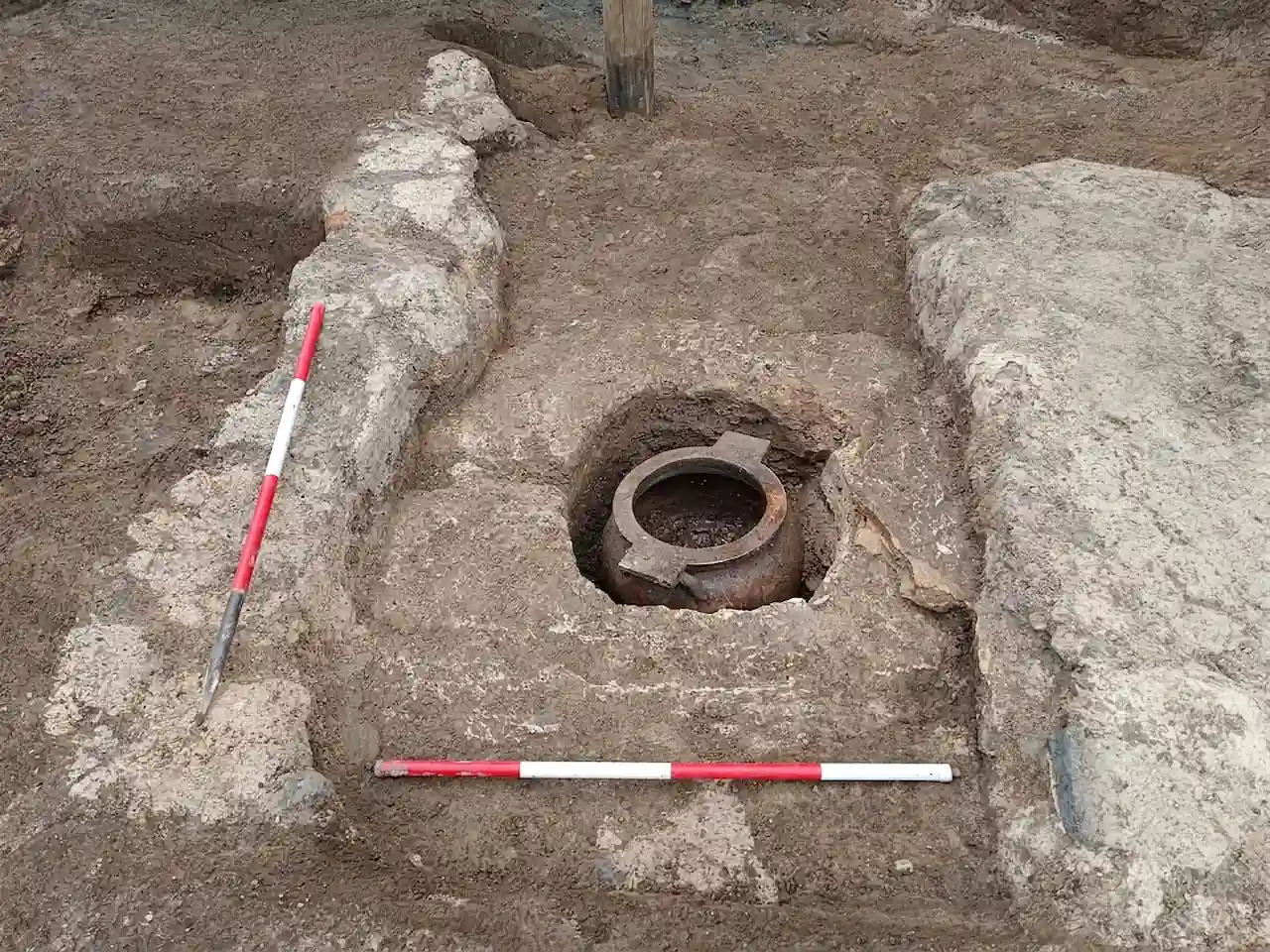

The Saudi Ministry of Energy announced on Friday, September 11, that the East–West Pipeline across the Riyadh and Madinah regions was subjected to multiple attacks a day earlier, leading to its closure as a precautionary measure.
According to media reports, the strategic pipeline carries roughly 4 to 5 million barrels of oil per day, which equals 4% to 5% of the total global oil supply.
The Saudi Foreign Ministry clarified in a statement issued on Saturday, September 12 that the attacks were launched from Iraq by multiple drones, adding that they resulted in injuries and some damage to the pipeline. No groups have claimed responsibility for the attacks yet.
The ministry also confirmed that Saudi Arabia will not respond to the attacks at this stage, allowing the Iraqi government to take the necessary measures to prevent attacks “originating from the Iraqi territories” against Saudi Arabia and neighboring countries.
For his part, Head of Iraq’s Security Media Cell (SMC), Lieutenant General Saad Maan confirmed on Saturday that “an intelligence and security task force exerted significant effort and succeeded in locating and seizing the launcher” involved in the attacks on the Saudi pipeline within Iraqi territory.
Moreover, Maan affirmed that investigations and intelligence operations are underway to apprehend the perpetrators.
He added that the Iraqi Armed Forces approved a request from Iran to participate in the investigation regarding the attacks on the Saudi pipeline and their repercussions.
Saudi Arabia’s East–West Pipeline represents an alternative oil transportation route bypassing the volatile Strait of Hormuz.
Therefore, the temporary closure of the pipeline has severely restricted this essential alternative, pushing Brent crude oil price to hit USD 108 per barrel on Monday, September 14.
Furthermore, reports indicate that the incident will disrupt crude delivery to Europe and Asia for weeks, particularly after the Ansar Allah-led Yemeni Armed Forces expanded their control around the Bab al-Mandeb Strait.
I giudici hanno confermato la sospensione dell’attività dell’area a caldo dell’ex Ilva di Taranto. Per i lavoratori la situazione si fa critica. Però l’Istat registra la crescita degli occupati e della domanda di manodopera anche nel Mezzogiorno.
L'articolo Urge un piano di ricollocazione per i lavoratori ex Ilva proviene da Lavoce.info.

Tanzanian small-scale farmers’ organizations and civil society groups are raising concerns over the proposed East African Community (EAC) Seed and Plant Varieties Bill of 2025, warning that the legislation could marginalize farmer-managed seed systems unless specific protections and exemptions are introduced.
In a submission to public hearings on the proposed bill, the Mtandao wa Vikundi vya Wakulima (MVIWATA) called for the legislation to explicitly recognize and protect farmer-managed seed systems (FMSS), arguing that the current draft is largely designed around commercial and certified seed systems.
MVIWATA, established in 1993, which has more than 500,000 smallholder farmer members across Tanzania, has previously participated in discussions on seed legislation and harmonization at both national and regional levels, including the earlier draft EAC Seed and Plant Varieties Bill of 2018.
The organization says the 2025 draft is an improvement over the 2018 version, but argues that gaps remain, particularly regarding the recognition of farmer-managed seed systems and the rights of farmers to save, use, exchange, share, and sell their own seed.
According to MVIWATA, the draft bill is primarily oriented towards commercial seed, with requirements such as registration, certification, variety release, and quality assurance. The organization warns that applying these requirements broadly could inadvertently place farmer-managed seed systems under the same regulatory framework as commercial seed.
MVIWATA says this is particularly problematic because farmer-managed seed systems are a major source of seed for farmers in Tanzania and across East Africa.
The organization maintains that farmer seed systems should instead be explicitly excluded from commercial seed regulations, including formal registration, certification, variety release, and other requirements designed for commercial seed. It proposes the development of alternative, farmer-centered, and community-led mechanisms at the national level.
Sabrina Masinjila, senior program officer at the Society for International Development (SID), told BreakThrough News the concerns raised by MVIWATA were driven by the continued lack of policy recognition of farmer-managed seed systems at both national and regional levels.
She said the concern was also heightened by the possibility that legislation regulating commercial seed systems could contain provisions that inadvertently affect farmers’ traditional practices, including the sale and exchange of seed.
“The aim for seeking changes was to ensure that farmer seed and systems are exempted from any regulation including registration, certification and variety release that apply to commercial seed,” Masinjila said.
But she stressed that simply exempting farmer seed from regulation would not be enough.
“Exemptions are not sufficient as farmer seed systems still need enough support for their continued development, maintenance, conservation and protection,” she said.
According to Masinjila, the push is therefore for the bill to go beyond exemptions and create policy space for an alternative framework that can support farmer seed systems.
“We sought to establish not just clauses that exempt small-scale farmers from the Bill but also clauses that will start to provide opportunities to develop an alternative framework for farmer seed systems which will ensure they are conserved, maintained, protected and even supported for multiplication and distribution,” she said.
Such a framework, she argued, would have wider implications for agroecology, agricultural biodiversity, climate resilience, dietary diversity and nutrition.
MVIWATA makes a similar argument in its submission, saying farmer-managed seed systems play an important role in food security, nutrition, biodiversity conservation, and farmers’ livelihoods. The organization says recognition should not mean forcing farmer seed into the same regulatory system as commercial seed, but should acknowledge the contribution of farmers to the conservation and development of genetic resources.
The debate is also closely linked to farmers’ rights under international agreements. MVIWATA points to the International Treaty on Plant Genetic Resources for Food and Agriculture (ITPGRFA), particularly Article 9, which addresses Farmers’ Rights. Its submission also cites the United Nations Declaration on the Rights of Peasants and Other People Working in Rural Areas (UNDROP), including provisions relating to farmers’ rights to seed.
MVIWATA argues that the EAC Bill should therefore be aligned with these commitments and explicitly recognize farmers’ rights to save, use, reuse, conserve, multiply, develop, exchange, share, and sell farmer-managed seed.
The organization has proposed that the bill state explicitly that it applies to commercial seed systems and does not prohibit or restrict the saving, use, exchange, sharing, or reuse of farmer seed and non-commercial varieties.
Masinjila said the protection of farmers’ rights was inseparable from the wider discussion around seed regulation.
Adding that clauses should be included to protect farmers’ rights as recognized under the ITPGRFA and UNDROP, where access to and control over seed is connected to broader human rights.
“Without these changes, small-scale farmers and their seed system will continue to be neglected, marginalized and criminalized. And this is why we needed to intervene,” she said.
The current debate is not entirely new. MVIWATA says it was strongly involved in discussions around the 2018 draft EAC Seed and Plant Varieties Bill, raising concerns about several provisions. The organization says its review of the 2025 version found improvements compared with the earlier draft.
Masinjila said one difference is that the previous bill contained provisions that were compliant with the 1991 Act of the International Union for the Protection of New Varieties of Plants (UPOV), a plant variety protection regime that civil society and farmer organizations have criticized for being restrictive of farmers’ rights.
“The previous bill contained clauses that were compliant to UPOV 1991. A restrictive Plant Variety Protection regime which has been rejected by CSOs and farmer organizations globally as it undermines farmers rights,” she said.
However, she said concerns around regional harmonization remain under the current EAC Bill, particularly because legislation at EAC level is legally binding on partner states.
MVIWATA also warns that a binding regional framework could reduce the ability of individual countries to develop alternative approaches for farmer seed systems.
The organization is calling for the explicit recognition of farmer-managed seed systems, it has also proposed that farmer varieties should not be subjected to mandatory commercial registration or certification, while alternative mechanisms should be developed in consultation with smallholder farmers, pastoralists, and farming communities.
On seed marketing, MVIWATA wants the bill to make clear that farmers can sell and exchange farmer varieties at the national level and facilitate limited cross-border seed exchange among farmers within the EAC.
The organization is also seeking safeguards against the appropriation of farmers’ genetic resources, including requirements for the disclosure of origin, as well as free, prior, and informed consent from communities. Lastly, they want benefit-sharing agreements where genetic resources are acquired from farming communities.
“A mobilidade sustentável constrói-se com a participação de todos!”. Este é o mote para as sessões participativas que a Autarquia de Loulé irá realizar no próximo dia 28 de setembro, dirigidas a entidades e à população em geral, no âmbito da elaboração do Plano de Mobilidade Urbana Sustentável de Loulé (PMUS de Loulé).
Pretende-se promover espaços de diálogo, reflexão e partilha de conhecimentos, experiências e perspetivas sobre a mobilidade no concelho.
Durante a manhã, terá lugar a sessão de trabalho com os serviços municipais e com as entidades representativas do território, procurando reunir diferentes visões e conhecimentos técnicos e reforçar a articulação entre os diversos intervenientes com responsabilidade e competências nas áreas da mobilidade, acessibilidade, transportes, território e espaço público.
Mas neste processo, a participação da comunidade constitui uma dimensão essencial. Depois de, numa fase anterior, ter sido realizado um Inquérito à Mobilidade dirigido à população, destinado a caracterizar os padrões de deslocação existentes no concelho e a identificar necessidades e desafios, o Município pretende agora aprofundar esta auscultação. Um dos momentos centrais deste processo será a sessão pública dirigida à população em geral, que acontece pelas 17h30, na Biblioteca Municipal Sophia de Mello Breyner Andresen.
A sessão será aberta à participação de todos os munícipes e entidades representativas da sociedade civil, constituindo uma oportunidade para conhecer o trabalho desenvolvido no âmbito do PMUS e, sobretudo, partilhar ideias, preocupações, experiências e propostas sobre a mobilidade no concelho.
Refira-se que o Município está a desenvolver o PMUS de Loulé, um instrumento estratégico que pretende definir uma nova visão para a mobilidade no concelho, promovendo deslocações mais sustentáveis, acessíveis e seguras, espaços públicos mais humanizados e um território mais preparado para os desafios do presente e do futuro.
Financiado pelo Fundo de Transportes e pelo Fundo Ambiental, o Plano conta com a assessoria técnica da MPT – Mobilidade e Planeamento do Território, Lda. e encontra-se atualmente numa fase em que a participação das instituições, entidades e da população assume particular importância para consolidar as opções a integrar no Plano.
O PMUS de Loulé pretende, assim, contribuir para uma mudança positiva na forma como as pessoas se deslocam e experienciam o território, promovendo uma mobilidade mais sustentável, inclusiva e eficiente, sem esquecer as especificidades de um concelho diversificado, que integra diferentes realidades urbanas, rurais e costeiras.
Mais do que um plano elaborado para a população, o Município pretende construir um plano com a população, incorporando diferentes perspetivas e experiências na definição das opções para a mobilidade futura de Loulé, valorizando o conhecimento de quem vive, trabalha, estuda e se desloca diariamente no território.
The European Commission has approved a €52 million (RON 277 million) Romanian state aid scheme for cattle farmers facing increased fuel and fertiliser prices due to the Middle East crisis.
The scheme was approved under the Middle East Crisis Temporary State Aid Framework (METSAF) adopted by the Commission on 29 April 2026.
The Romanian scheme
Romania notified to the Commission a €52 million scheme to support companies active in the cattle farming sector. The scheme, which will run until 31 December 2026, aims to mitigate the impact of the increase in agricultural fuel and fertiliser prices.
The aid will take the form of direct grants, with a maximum of €50,000 per company.
The Commission assessed the scheme under EU state aid rules, in particular Article 107(3)(c) of the Treaty on the Functioning of the EU, which enables member states to support the development of certain economic activities subject to certain conditions, as well as Sections 1 and 2.1 of the METSAF.
The Commission found that the scheme is in line with the conditions set out in the METSAF. In particular, the aid will be granted based on a scheme with a clear estimated budget and will be provided to temporarily support the development of companies active in the primary production of agricultural products. The Commission concluded that the scheme is necessary, appropriate and proportionate to facilitate the development of an economic activity and does not adversely affect trading conditions to an extent contrary to the common interest.
On this basis, the Commission approved the Romanian scheme under EU State aid rules.
Background
On 29 April 2026, the Commission adopted the METSAF to enable member states to support the EU economy in the context of the Middle East crisis. The METSAF is a targeted and temporary framework to address the effects of the crisis on some of the most exposed sectors of the economy: agriculture, fishery, transport and energy-intensive industries. The METSAF will be in place until 31 December 2026. During its period of application, the Commission will keep the content, scope and duration of the framework under review in the light of developments in the Middle East and of the general economic situation.
While the transition towards a clean economy remains the long-term solution to shield EU companies from the effects of global energy shocks, the METSAF allows Member States to act immediately to make sure that the growth of the most exposed companies is not irreparably hampered by the current crisis.
To this end, support can take various forms for companies active in the agriculture, fishery and transport sectors. This includes aid based on actual consumption to cover part of the price increases for fuel or fertilisers, and a simplified approach for small amounts of aid.
The METSAF also includes a temporary adjustment to the Clean Industrial Deal State aid Framework allowing for further flexibility and higher aid intensities to address electricity price spikes.
More information on the METSAF can be found online.
For more information
The non-confidential versions of today's decisions will be made available under case number SA.124647, in the state aid register on the Commission's competition website. New publications of state aid decisions on the internet and in the Official Journal are listed in the Competition Weekly e-News.
The future of a protected wetland in Albania might seem like a local issue. In reality, it is becoming a test of the European Union's credibility, writes Besjana Guri, Albanian Environmental Activist and Founder and Director of Lumi.
For [over] 100 days, I and thousands of citizens have been protesting unlawful developments in Vjosa-Narta, one of Albania's most important protected landscapes, at a moment when Albania is widely regarded as one of the frontrunners for EU accession.
At these protests, I’ve stood shoulder to shoulder with citizens of all walks of life: scientists, artists, students, local communities, environmental activists and public figures. What might once have been seen as a local conservation issue has become a national conversation about whether safeguards for protected areas will actually be enforced, and whether environmental safeguards mean anything when powerful development interests are involved.
The EU enlargement process works because candidate countries know that membership is earned by meeting clear conditions. Among them is a commitment to uphold environmental laws, protect vulnerable ecosystems and give citizens a meaningful voice in decisions that affect them. Vjosa-Narta is testing whether those principles still carry weight when they collide with major development ambitions.
Albania is widely regarded as a frontrunner for EU membership. If it advances while protected areas are opened up to contested development and environmental safeguards are weakened, the credibility of the enlargement process itself will be called into question.
For those of us who support Albania's European future, that is precisely why developments in Vjosa-Narta must be addressed now, not after irreversible damage has been done.
A test case of environmental safeguards
The protected Vjosa-Narta landscape is formed of wetlands, lagoons, salt marshes, dunes, forests and coastal habitats. It is an important stopover for migratory birds travelling along the Adriatic Flyway, while its wetlands support local livelihoods and help regulate water, store carbon and protect against flooding.
It forms part of the wider Vjosa landscape, which gained international recognition in 2023 when Albania declared the river Europe's first Wild River National Park, following years of campaigning by Albanian activists, local communities and international partners, including outdoor clothing brand Patagonia. For many of us who worked to secure that protection, it demonstrated that environmental leadership and economic ambition do not have to be in conflict.
Yet the debate surrounding Vjosa-Narta is no longer simply about one protected area. It has become a test of whether environmental safeguards can be weakened and developments advanced while a country continues progressing towards EU membership.
The EU has been clear that environmental protection is not an optional extra of accession. Chapter 27, covering environment and climate change, is a significant and technically demanding part of the enlargement process. Candidate countries are expected not only to align their laws with European standards, but to demonstrate that they can implement and enforce them effectively.
Albania’s progress towards meeting these requirements has been undermined by recent setbacks in the legal framework for protected areas. Amendments to Albania's Law on Protected Areas in 2024 significantly weakened environmental safeguards by opening the door to broader tourism and infrastructure development within protected areas. The European Commission and European Parliament have both raised concerns about whether those changes are compatible with EU environmental standards. At the same time, concerns around environmental impact assessments, permitting procedures and public consultation in Vjosa-Narta have turned this protected landscape into a real-world test of whether environmental commitments are being upheld.
Setting the precedent for EU accession
If Albania continues advancing towards membership without resolving these concerns, it risks sending a message that environmental conditionality can be negotiated away when powerful economic interests are at stake.
This sets a worrying precedent for the accession process and the outcome will be watched closely across the Western Balkans, where other countries such as Montenegro and North Macedonia are in accession negotiations. As one of the EU's most advanced candidate countries, Albania is helping to shape expectations of how accession standards are applied in practice.
If concerns around protected areas and environmental assessments can remain unresolved without affecting progress towards membership, future candidate countries may draw their own conclusions about the weight given to environmental commitments.
Wider implications for the bloc
Existing member states must have confidence that new members have been held to the same standards. And citizens must trust that environmental laws cannot simply be set aside when they become inconvenient.
If the EU is seen to tolerate environmental shortcuts during accession, it risks weakening its ability to defend those same standards across the bloc. The issue therefore is not simply whether Albania is meeting its obligations, but whether the EU is prepared to uphold the standards it asks others to meet.
Brussels now faces a choice
As Albania enters the final stages of accession, the EU has an opportunity to demonstrate that environmental commitments have real meaning in practice, not just on paper. Addressing concerns around Vjosa-Narta would send a clear signal that enlargement remains a process built on accountability, implementation and shared standards.
That's not only important for Albania. It's important for the credibility of enlargement itself.
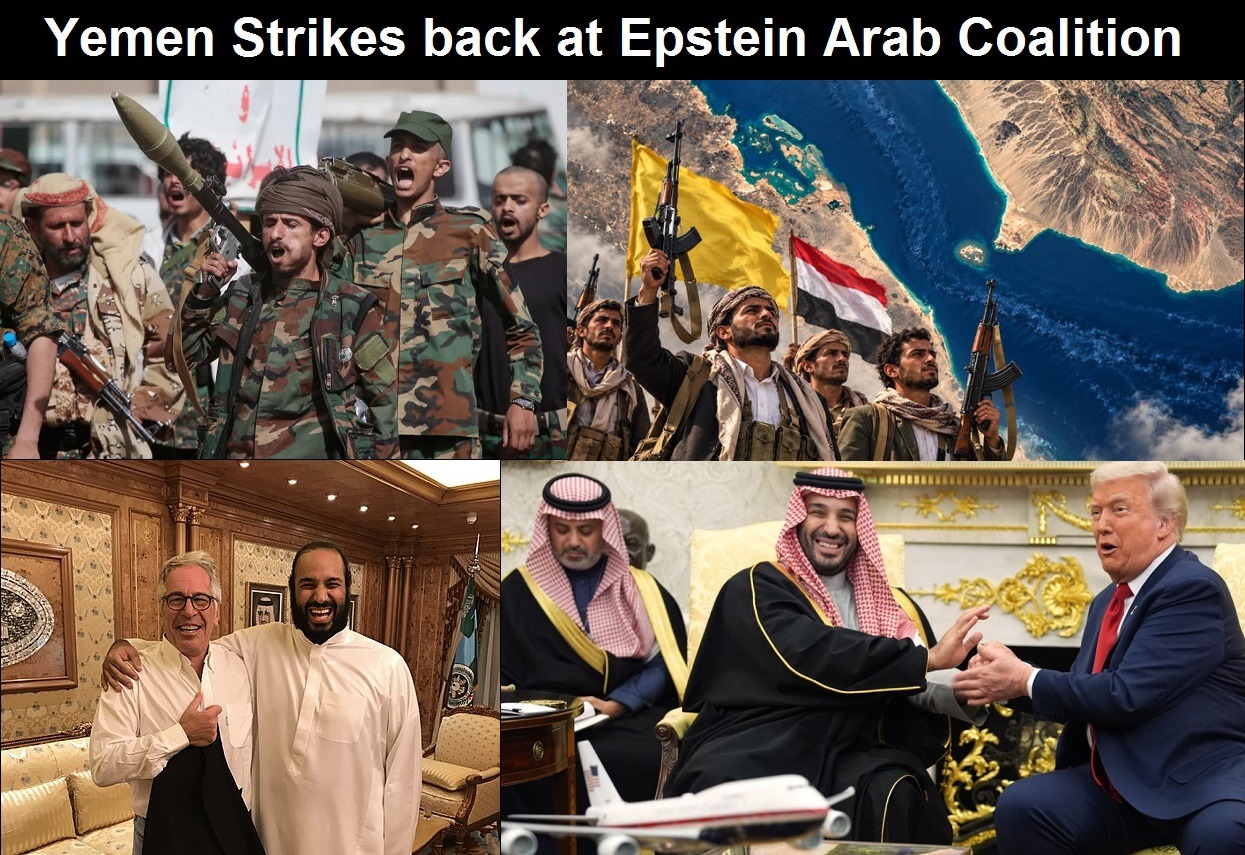
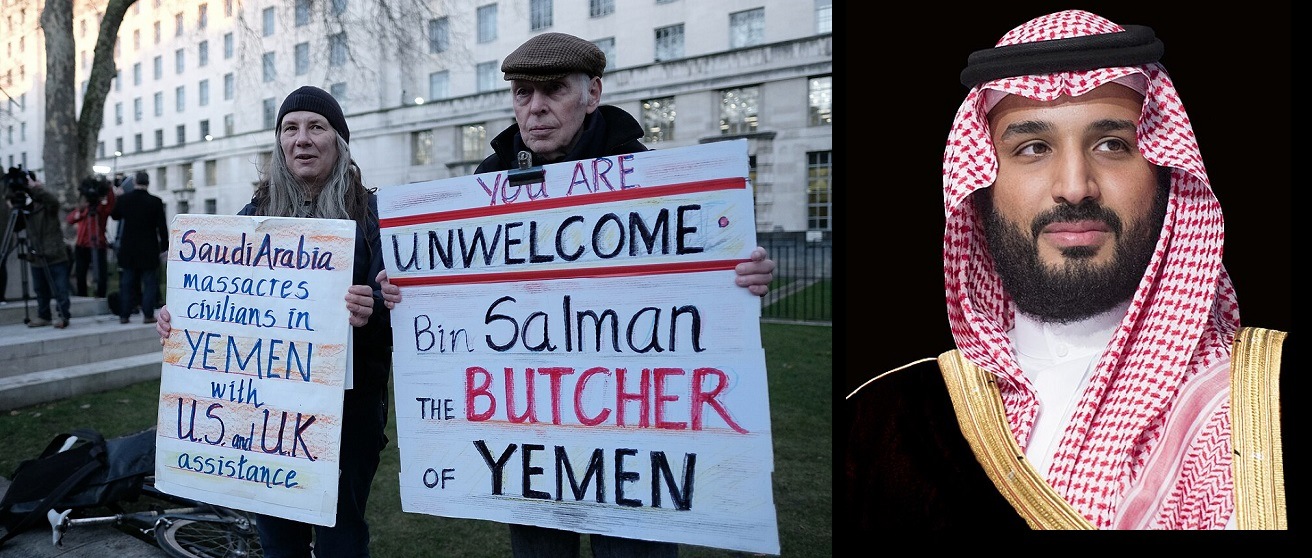
Top Left image: Yemen army – Source, Top Right image Yemen military illustration – Source, Bottom Left image Saudi Mohammed bin Salman with Jeffrey Epstein – source: The Epstein Files, Bottom Right image Saudi Mohammed bin Salman with Donald Trump in the White House – Source.
by Brian Shilhavy
Health Impact News
The Iran War drastically changed at the end of last week, as Yemen’s Ansarullah-led Armed Forces (Houthis) took control of the country’s western coastline, capturing key positions overlooking the Bab al-Mandab Strait, including the coastal city of Mokha and strategic islands in and around the waterway, and they are now effectively controlling traffic in the Red Sea.
As far as I can tell, this was a complete surprise to everyone, especially to Saudi Arabia and the United States.
It forced the U.S. corporate media to report this, and it dominated the news stream until the fake “AI is going to destroy humanity if we don’t do something about it” narrative took control of the news stream this past weekend.
Saudi Arabia, who has been at war with Yemen since 2014 with the help of the U.S. and using U.S. military weapons, was forced to shut down their East-West oil pipeline, which was allowing Saudi Arabia to bypass the Strait of Hormuz to be able to get oil out of their country.
This pipeline in Saudi Arabia reportedly transports about 4% to 5% of the global oil supply.
Saudi Arabia is now in panic mode, and has reportedly pleaded with the U.S. to help them and start bombing the Yemen forces who have taken control of the Red Sea.
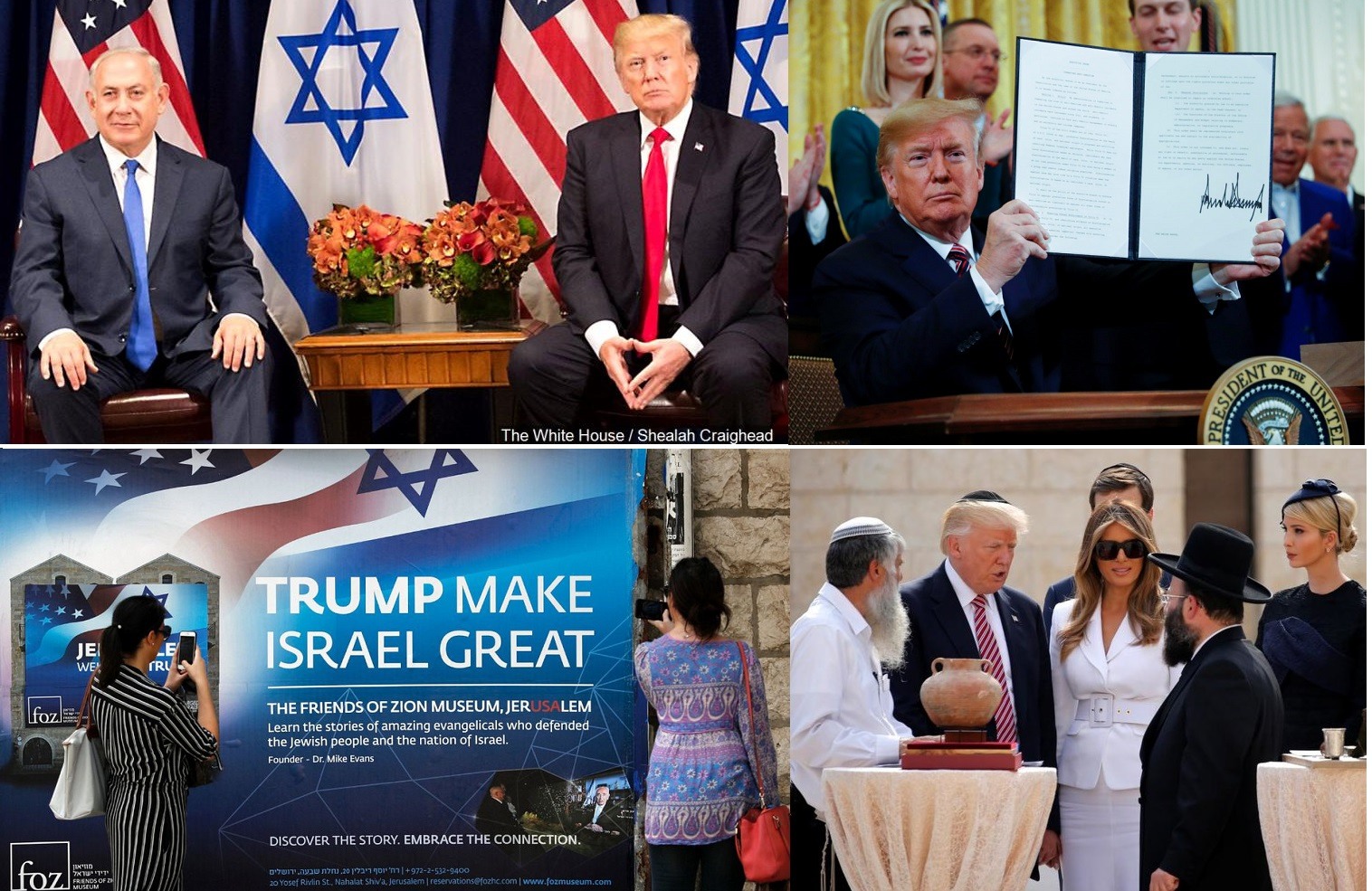
However, it appears that Saudi Arabia never got the memo about one of Trump’s objectives in the Iran War, which was to let Iran destroy the Gulf Nations’ ability to control oil prices through OPEC, while at the same time seizing Venezuela oil amid plans to make America the center of oil sales around the world.
Trump’s response to Saudi Arabia: sorry, you’re on your own.
Scoop: MBS urged Trump to strike Houthis amid Red Sea threat
Saudi Crown Prince Mohammed bin Salman (MBS) called President Trump twice Thursday, urging him to launch strikes against the Houthis as the Iran-backed group closed in on a vital Red Sea chokepoint, two U.S. officials told Axios.
Trump declined, and U.S. officials stressed the administration has no plans to intervene directly against the Houthis for now.
Of course, even if the U.S. did want to stop Yemen’s military and protect Saudi Arabia’s interests, it is doubtful that they would even be able to do so, given the depletion of their weapons and military assets as Iran continues to control the Strait of Hormuz.
This very well could be the demise of Saudi Arabia.
And if the Yemen takeover of the Red Sea turns the tide overall in the war against Iran, what will the Evangelical Christians do who are so positive that this war was sanctioned by God, and was to hasten the return of Jesus Christ?
Could this also be the start of the decline of Christian Zionism as well when they realize that the U.S. cannot defeat Iran and force the return of Jesus Christ after all?
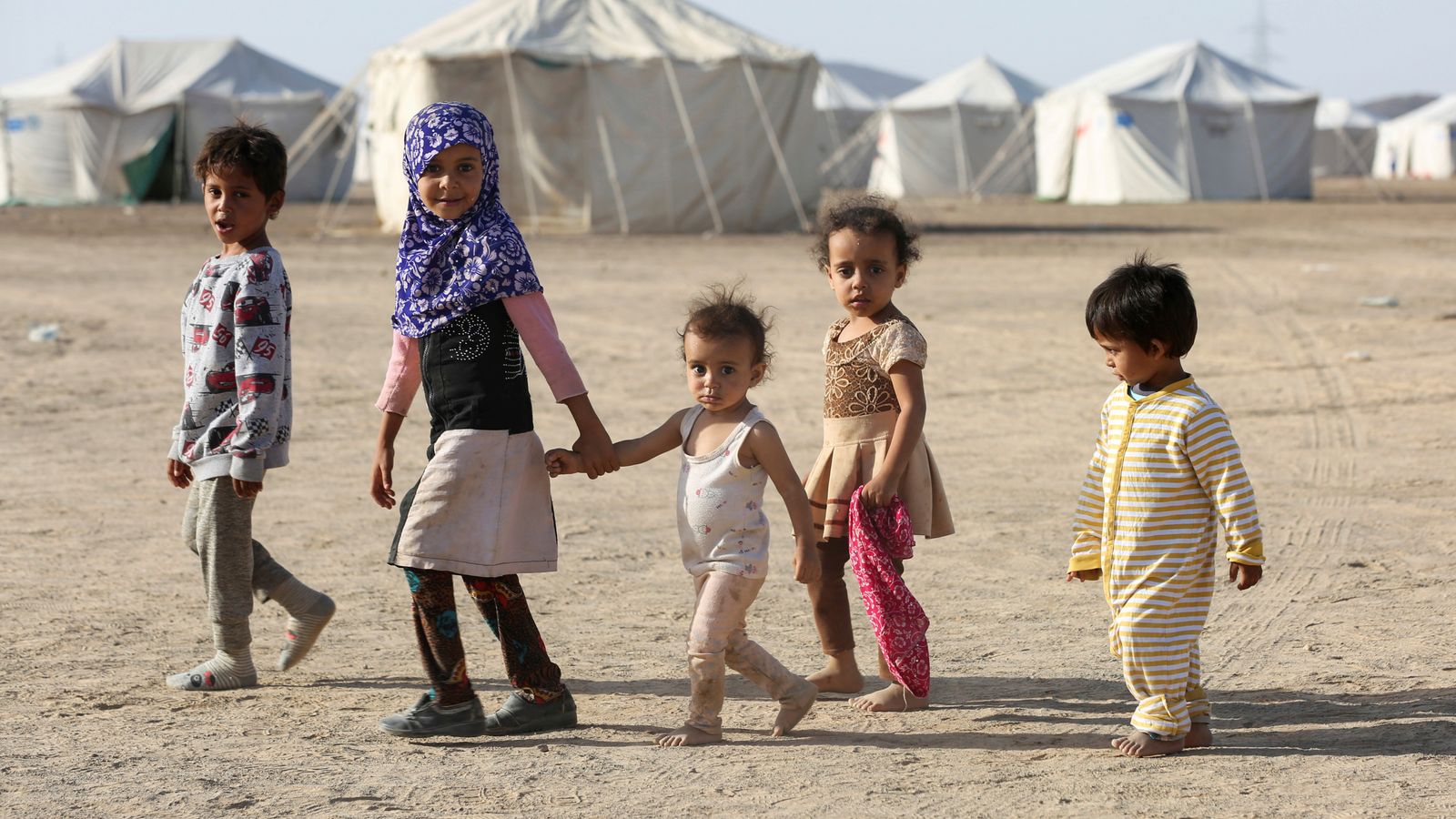
Yemen children in refugee camps. Image source.
While estimates of how many people have died in the Yemen conflict with Saudi Arabia, including children, most of whom have died from starvation due to the U.S.-Saudi blockade on their ports, varies, the number is significant, and probably rivals the number of people killed among the Israeli Palestinians, as well as the number of dead Lebanese people killed by the U.S. and Israel.
This was published in 2018, and the situation is obviously far worse today.
YEMEN: 85,000 CHILDREN MAY HAVE DIED FROM STARVATION SINCE START OF WAR
Using data compiled by the UN, Save the Children evaluated mortality rates for untreated cases of Severe Acute Malnutrition (SAM) in children under five years. Using a conservative estimate, the humanitarian aid agency discovered that approximately 84,701 children with SAM may have died between April 2015 and October 2018.[i]
After almost four years since the brutal conflict in Yemen escalated the UN says that up to 14 million people are at risk of famine. That number has increased dramatically since the Saudi and Emirati-led coalition imposed a month-long blockade of Yemen just over a year ago.[ii]
Since then, commercial imports of food through Hodeidah port have reduced by more than 55,000 metric tonnes a month. That’s enough to meet the needs of 4.4 million people, including 2.2 million children[iii]. Any further decline in imports could likely lead directly to famine.
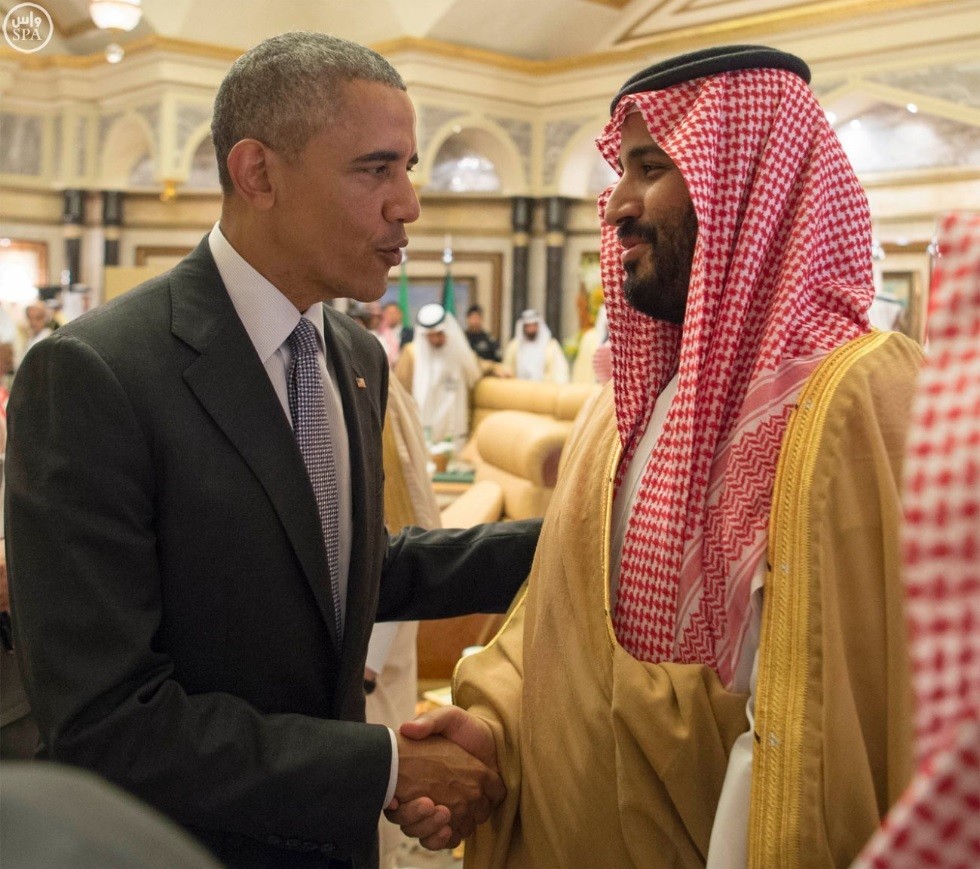
Barak Obama with Mohammed bin Salman of Saudi Arabia in 2016. Source.
Like so many other stories of unrest in the Middle East, the one in Yemen follows an all-too-familiar path that I am sure ultimately leads back to the U.S. and the “intelligence” agencies like the CIA and Mossad who control world politics ensuring that candidates friendly to the Zionist Epstein agenda rise to power.
The rationale, as it has been used so many times, was to overthrow “dictatorships” and alleged “ruthless” rulers who had ruled for long period of times and replace them with “pro-democracy” leaders, and always ending in disaster for the local populations.
It was this same rationale that took down leaders such as Muammar al-Qaddafi in Libya, Hosni Mubarak in Egypt, Saddam Hussein in Iraq, and even more recently Bashar al-Assad in Syria, all of whom were replaced by pro-Western leaders aligned with the U.S. (and by proxy, Israel).
What most Americans do not realize, is that while these “ruthless dictators” were portrayed as evil by the U.S., they were very popular in their own countries, and most of them were even elected in landslides, while the U.S. declared those elections “rigged.”
Imagine the U.S. with their highly ethical election system (sarcasm) dictating to foreign governments whether their elections were “fair” or not.
During the “Arab Spring” in 2012, Ali Abdullah Saleh, the first elected president of the Republic of Yemen, suffered the same fate, and was forced from office and replaced with the pro-U.S. candidate Abdrabbuh Mansur Hadi.
When the Houthis struck back at the U.S. puppet regime, the U.S. had no problems with uniting with local groups in the area opposed to the Houthis, but had officially been branded as “terrorist” groups, such as the Muslim Brotherhood and al-Qaeda.
It is very similar to what recently happened in Syria, where a former member of al-Qaeda, the group who allegedly bombed the World Trade Center towers in New York under the leadership of Osama bin Laden, was chosen by the U.S. to lead Syria today, Ahmed al-Sharaa.
But these factions in Yemen were not strong enough to fight back against the Houthis, so starting with President Obama, the U.S. got involved to prop up their puppet government in Yemen.
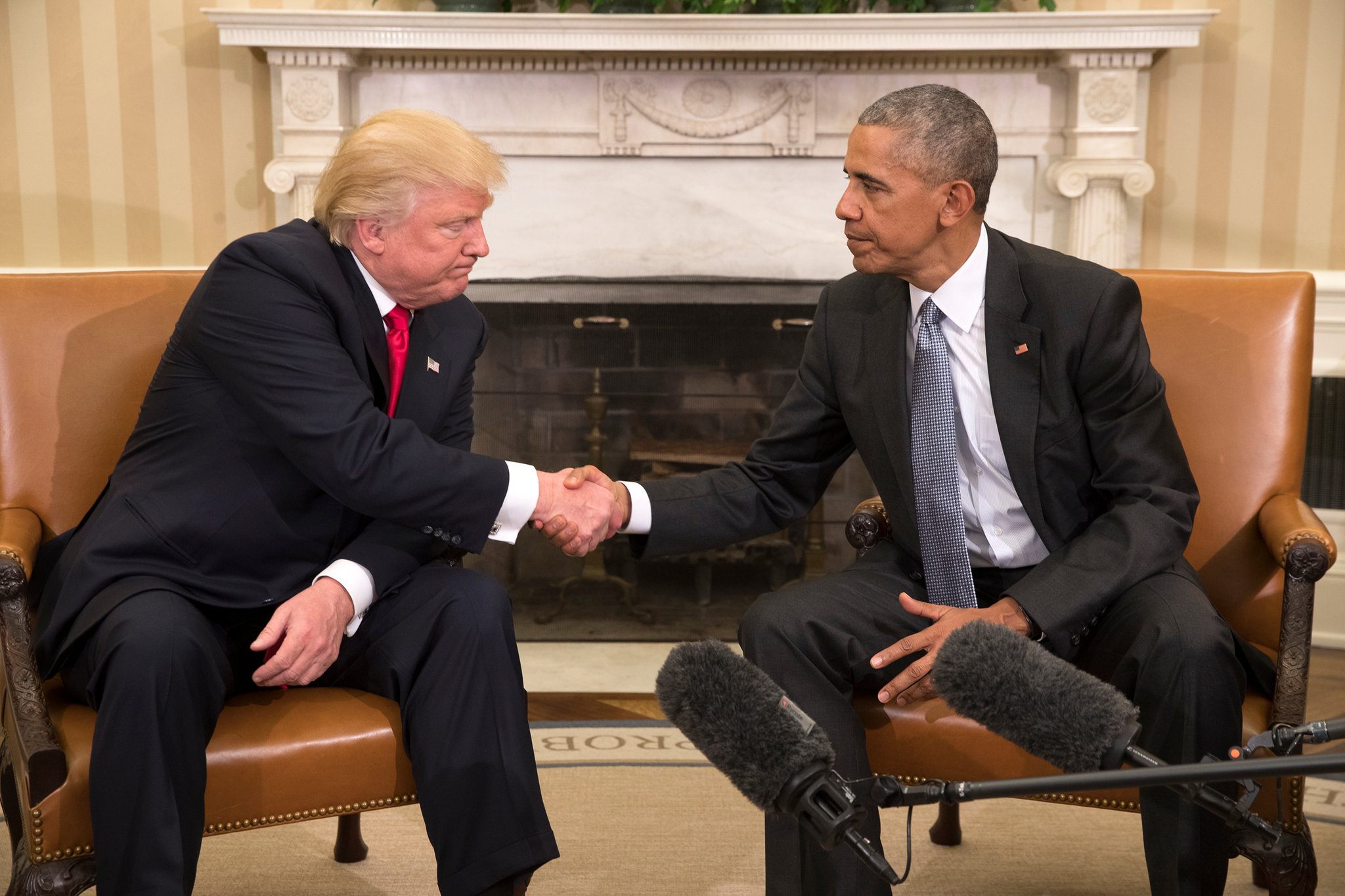
One for all, and all for one: The U.S. Uniparty political system. Image source New York Times.
The country of Yemen has the unique distinction of being the first country where U.S. citizens were executed by drone strikes by their own government, with no judge, jury, or trial.
President Barak Obama was the first U.S. President known to authorize a drone strike on a U.S. citizen, Abdulrahman Anwar al-Awlaki, a 16-year-old boy who was in Yemen and whose father was linked to al-Qaeda.
This was headline news back in the day.

Nawar al-Awlaki, eight-year-old American girl executed by a drone strike in Yemen ordered by President Trump. Image source.
When Trump succeeded Obama and took office in 2017, he proceeded to do the same thing, by ordering a drone strike in Yemen that killed Nawar al-Awlaki, an eight-year-old American girl and the daughter of Anwar al-Awlaki. The 16-year-old U.S. citizen killed by Obama was her brother. (Source.)
Since I lived in Saudi Arabia for several years and was a professor at one of their top universities back in the 1990s, I will offer my own opinion on the current leader of Saudi Arabia, which you will be hard-pressed to find from any other western journalist, the Crown Prince and Prime Minister Mohammed bin Salman Al Saud (MBS).
MBS was quite young when he came into power, and he reportedly earned a law degree from King Saud University in Riyadh, allegedly finishing second in his class.
I have heard Muslim commentators mention that due to his being educated in Saudi Arabia, rather than going to a Western university, that MBS was better suited and trained to rule Saudi Arabia and not as prone to Western influence.
I strongly disagree.
Back in the day when I was teaching English at King Fahd University of Petroleum and Minerals, located in Dhahran, right next to the Aramco oil compound, it was well-known among the faculty back then that if any member of the Al-Saud family came to study at the University and had to complete their first year learning English, that they had basically flunked the English test needed to attend one of the top universities in the U.S. or the UK.
They were not among the “cream of the crop” among Saudi high school students. We had one or two come through during my tenure there, and they were mostly viewed as seeing themselves as “privileged” due to being part of the Al-Saud family, and not very good students at all, preferring instead to go out partying in the desert with their expensive Range Rovers.
So when I read that MBS graduated “second” in his class, I wondered why he did not graduate first, being a member of the Royal family. My best guess is that someone in the Al-Saud family higher up the ladder must have beat him out at the time.
But the true intellectuals and leaders among Saudis probably all graduated from Ivy League schools in the U.S., or from the top universities in the UK.
And of course, MBS is clearly a puppet who has served, first Obama, and now most recently has served as Trump’s lap dog, in my opinion.
So he is hardly against Western culture, even though he was educated in Saudi Arabia.
His rise in power within the Al-Saud dynasty coincided with Donald Trump’s first term (coincidence?).
Mohammed was appointed crown prince on 21 June 2017, following the King’s decision to depose Muhammad bin Nayef and make his own son the heir to the throne.
On the day bin Salman became crown prince, US president Donald Trump called to congratulate him.
Trump and Mohammed pledged “close cooperation” on security and economic issues and discussed the need to cut off support for terrorism, the diplomatic dispute with Qatar, and the push for peace between Israel and the Palestinians.
Mohammed told The Washington Post in April 2017 that without America’s cultural influence on Saudi Arabia, “we would have ended up like North Korea.”
In May 2017, Mohammed launched a purge against competing Saudi business and political elites in an anti-corruption campaign.
On 4 November 2017, the Saudi press announced the arrest of the Saudi prince and billionaire Al-Waleed bin Talal, a frequent English-language news commentator and a major shareholder in Citi, News Corp and Twitter, as well as over 40 princes and government ministers on corruption and money laundering charges.
Others arrested or fired in the purge included Prince Mutaib bin Abdullah, head of the Saudi Arabian National Guard; Minister of Economy and Planning Adel Fakeih; and the commander of the Royal Saudi Navy, Admiral Abdullah bin Sultan bin Mohammed Al-Sultan.
Those arrested in the Ritz Carlton were the subject of what became called “the night of beating”. Most were beaten, and some were tied to walls in stress positions as part of torture by Saudi agents.
The detainees were threatened with blackmail.
Detainees were denied sleep, had their heads covered, and were beaten.[50] Seventeen had to be hospitalised.[50] After many days, the remaining detainees were moved to Al-Ha’ir Prison, while some released are banned from travelling abroad.
The purge helped centralise political powers in the hands of bin Salman and undermine the pre-existing structure of consensus-based governance among Saudi elites.
The arrests resulted in the final sidelining of the faction of King Abdullah, and bin Salman’s consolidation of control of all three branches of the security forces. It also cemented bin Salman’s supremacy over business elites in Saudi Arabia and resulted in a mass seizure of assets by the bin Salman regime.
Trump expressed support for the move, tweeting
“Some of those they are harshly treating have been ‘milking’ their country for years!“
Trump seemingly worked hard in an effort to turn MBS into a full-fledged Zionist and support Israel, but MBS stated that if he did not support the Palestinian right to have their own homeland, his own people would stone him to death.
In 2018, (MBS) voiced his support for a Jewish homeland of Israel, the first time that a senior Saudi royal has expressed such sentiments publicly.
In 2020, Mohammed met with Netanyahu and Israeli head of the Mossad Yosi Cohen in Neom. The United States had been pushing for Israel’s normalisation for some years, calling (in this context) the Abraham Accords the “deal of the century”, but Riyadh rejected reports of progress.
In 2023, there were ongoing U.S. lead negotiations to establish diplomatic relations between Saudi Arabia and Israel. Mohammed also said that his country was moving steadily closer to normalising relations with Israel as part of the Abraham Accords.
Amid the Gaza war, according to reporting by The Atlantic, Mohammed told U.S. Secretary of State Antony Blinken in January 2024 that he was open to Saudi normalisation with Israel, adding,
“Do I care personally about the Palestinian issue? I don’t, but my people do.”
Surveys in the early stages of the Gaza war showed that over 90 percent of Saudis citizens believed that the Arab states should break off their relations with Israel.
In August 2024, Mohammad discussed his fears of facing assassination due to his support for establishing and normalising Saudi-Israel ties, and the threats he received. He believed for any deal, it was important to include a true path to the State of Palestine.
As I reported back in June of 2024, Saudi Arabia made the historical move to not renew an 80-year-old agreement with the United States that established the U.S. Dollar as the world currency to purchase Saudi oil, in return for U.S. military protection.
They saw the handwriting on the wall, apparently, and wanted to be able to sell oil to China in their own currency, the Yuan. See:
This, more than anything, could be the primary reason why the U.S. will not participate in helping them fight back against the Houthis anymore.
And one of the biggest reasons why I believe that MBS may not survive much longer, is because Saudi Arabia has taken most of their $billions made from oil profits during the past few years and invested it in AI technology, in what will probably be the largest financial bubble to burst in the history of the modern era.
We could very well be watching the last stages of the Epstein financial empire crumbling right before our eyes.
This article was written by Human Superior Intelligence (HSI)

See Also:







Having problems receiving our emails? See:

If our website is seized and shut down, find us on Telegram, as well as Bitchute and Odysee for further instructions about where to find us.
If you use the TOR Onion browser, here are the links and corresponding URLs to use in the TOR browser to find us on the Dark Web: Health Impact News, Vaccine Impact, Medical Kidnap, Created4Health, CoconutOil.com.
The post The Demise of Saudi Arabia, and Perhaps Christian Zionism? Yemen Shocks the World by Taking Control of the Red Sea first appeared on Health Impact News.