❌

Reading view

When the US slows down Starlink in Ukraine

The drone has become the signature weapon of the Russo-Ukraine war. On any day in Ukraine, tens of thousands of drones are out hunting the battlefield for targets. These could be individual enemy soldiers or vehicles, or they could be larger targets such as depots, headquarters, bridges or power plants. Yet, this drone war has […]

The post When the US slows down Starlink in Ukraine appeared first on Asia Times.

  •  

No one's owning up to throttling Ukraine's military Starlink, and that's telling

Nearly 48 hours after Ukraine's Starshield terminals started mysteriously malfunctioning, nobody in Washington, nor at SpaceX, has taken responsibility for the apparent decision to hobble Ukrainian military communications.

Starshield terminals — the militarized version of SpaceX's Starlink satellite internet system — began losing connectivity as they

  •  

Trump-Musk limitano Starlink in Ucraina, Crosetto al Fatto: “Sistema fondamentale per Kiev. Ma in Italia non se n’è mai più parlato”

Il progetto di Starlink da 1,5 miliardi per la Difesa e l’esercito italiano “non è mai stato ripreso, non se ne parla più da mesi”, dice il ministro della Difesa Guido Crosetto al Fatto entrando al Senato per il question time. Il dibattito sui sistemi di comunicazione e sicurezza satellitari prodotti dall’azienda di Elon Musk sta tornando di attualità in queste ore, con il magnate americano che – su decisione del Pentagono – ha deciso di depotenziare il sistema Starshield in Ucraina, la versione militare del sistema Starlink. Poi, dopo la denuncia del governo di Kiev, giovedì mattina i satelliti sono tornati in funzione al massimo delle loro potenzialità.

Ma intanto il ministro della Difesa conferma al Fatto che il progetto per l’Italia è stato messo da parte: “Più che archiviato direi che non se ne parla più da mesi – spiega Crosetto – non è mai stato ripreso.” Il dibattito iniziò circa un anno e mezzo fa quando Bloomberg rivelò di una trattativa per un contratto quinquennale tra il governo italiano e Starlink da 1,5 miliardi per una costellazione di satelliti a bassa quota per le comunicazioni strategiche con le nostre ambasciate all’estero e per tutelare le nostre forze armate all’estero. Palazzo Chigi aveva smentito l’esistenza di quella trattativa, che sarebbe naufragata anche per i dubbi del Quirinale.

Crosetto, comunque, conferma l’importanza della tecnologia in contesti di guerra: “Al di là di Starlink e degli americani, è un sistema importantissimo e fondamentale per la difesa Ucraina”, continua Crosetto entrando nell’aula di Palazzo Madama. Prima di rispondere al question time saluta il senatore del M5S Stefano Patuanelli che ironizza sullo stato del “campo largo” in vista del voto: “Mi raccomando non perdete le elezioni”, scherza Patuanelli con Crosetto.

L'articolo Trump-Musk limitano Starlink in Ucraina, Crosetto al Fatto: “Sistema fondamentale per Kiev. Ma in Italia non se n’è mai più parlato” proviene da Il Fatto Quotidiano.

  •  

After Trump, Musk tells Ukraine’s president to go. Zelenskyy says he won’t resign and will never accept Ukrainian land as Russian

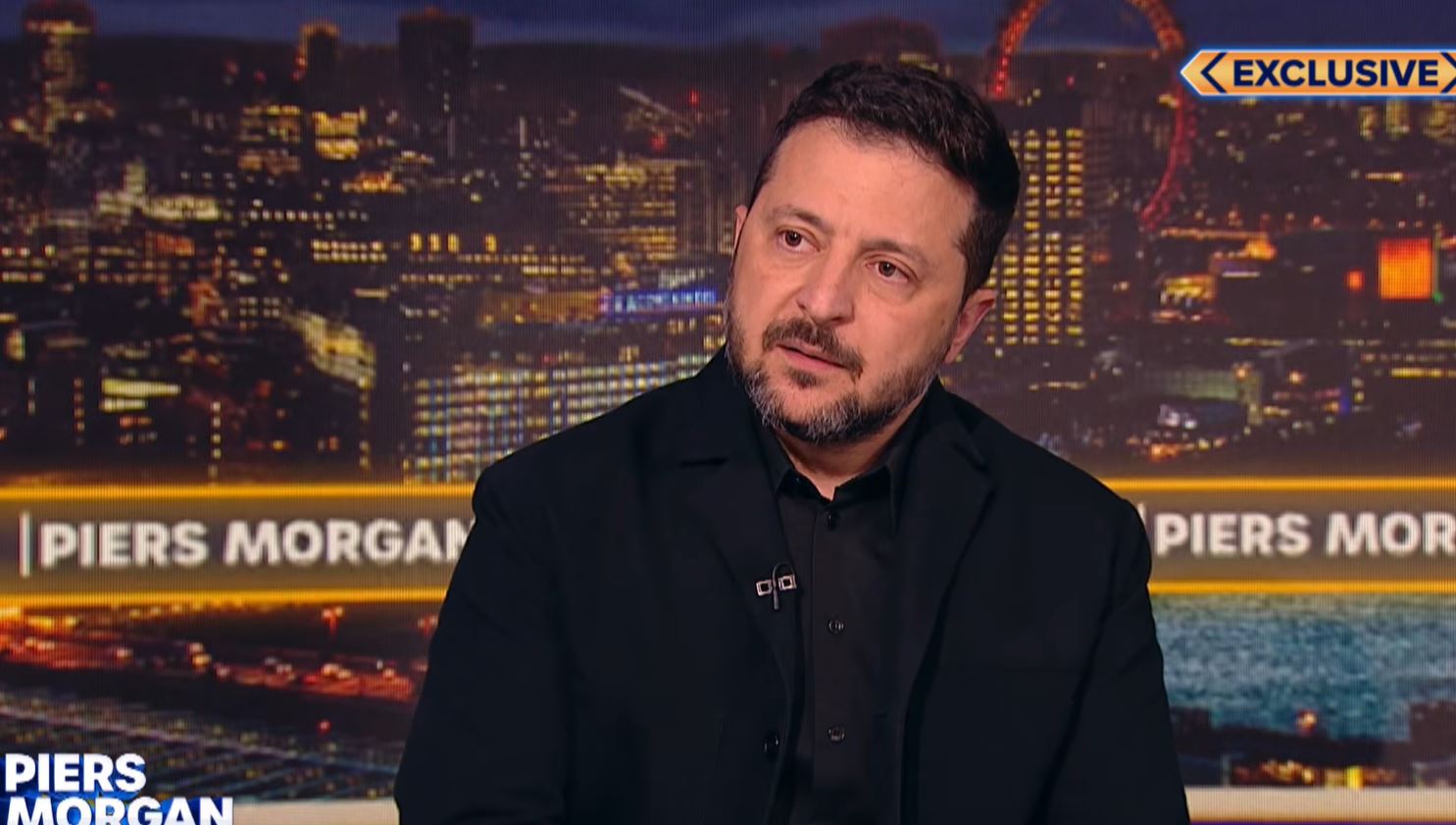
musk tells ukraine’s president go zelenskyy says won’t resign never accept ukrainian land russian · post volodymyr during interview piers morgan recorded visit britain 14 2026 video uncensored / ukraine

Tech billionaire Elon Musk wrote on X on 15 October: “And so the slaughter continues … Time for Zelensky to go.” Four days earlier, he had posted that Zelenskyy had gone too far, after US President Donald Trump said it was time for Ukraine to get a new president. Asked by Morgan on 14 October whether he would resign, Zelenskyy said he would not: “It’s my responsibility.”

Musk’s post comes as Washington squeezes Kyiv instead of Moscow: Ukraine’s military satellite links slowed, US missile warnings went missing, and the US threatened to cut intelligence unless Kyiv stops hitting Russian refineries.

Land and elections

Zelenskyy said elections could not be held under constant Russian attack: “From the point of security, you can’t do elections.”

Of any future president, he said: “I’m sure the new man or woman will defend our country.” He also reminded Trump that Crimea and parts of Donbas were already occupied when he took office, under another president, long before the full-scale invasion.

“I’m a realist, and I understand that people are more important than one kilometer or two kilometers. It’s not about kilometers. It’s about land and homes,” he told Morgan.

Zelenskyy has said Ukraine is ready for elections if a full 60-day ceasefire is in place. Numerous sources told The Atlantic that Trump sees Zelenskyy as the main obstacle to a peace deal and related business deals with Russia. One Trump adviser said he is also an obstacle to Trump’s hopes for the Nobel Peace Prize.

Starlink

Ukrainian forces reported restrictions on Starshield, the SpaceX satellite system they use for battlefield communications and drone operations, and Zelenskyy warned the decision would cost lives. On 14 October, Musk said Starshield is owned and controlled by the US government, which sets its limits, and that commercial Starlink cannot be used for offensive military action. Zelenskyy told the FT he did not know whether the decision was SpaceX’s or the US government’s, adding: “I think it’s about SpaceX.” A senior US official told Axios the Trump administration had nothing to do with the restrictions.

Intelligence and refineries

On two consecutive nights, air raid alerts in Kyiv sounded only after Russian ballistic missiles were already approaching or striking the capital. Zelenskyy said Ukraine received no warning from partners of the launches on 12 and 13 October, which hit civilian infrastructure and a major power plant. A Ukrainian official told CNN the loss of intelligence “will give Russians a real leverage on a frontline.” A European official questioned Washington’s explanation that weather caused the gaps in missile warnings. Trump denied halting intelligence sharing.

Washington had warned it could suspend intelligence sharing if Ukraine kept striking Russian refineries, Axios reported. A US official disputed that any explicit threat was made. Sources told CNN the US had also threatened to halt European purchases of US weapons for Ukraine. Zelenskyy told the FT the warning came through military channels.

To lower energy costs before next month’s midterm elections, Trump has pressed Kyiv to stop refinery strikes, CNN reported. Zelenskyy said he felt betrayed after Trump announced a diesel supply deal with Russia. On 14 October in London, he told the FT that Ukraine would resume strikes on Russian oil refineries.

  •  

Musk pointed at the US military over Ukraine’s satellite limits. Now a US official says the administration had nothing to do with them

The Starlink logo on a smartphone screen.

Ukrainian officials contacted the White House, CIA, and Pentagon after the restrictions, which Ukraine says affected both Starlink and Starshield, Axios reported on 14 October. A senior US official told Axios the Trump administration had nothing to do with the restrictions. On the same day, Elon Musk said on X that Starshield systems are owned and controlled by the US government, and that any speed or usage limits are decided by the US military and ultimately the president.

The restrictions could affect Ukraine’s ability to intercept Russian attack drones and carry out mid-range strikes against Russian forces and military targets in occupied Ukrainian territories. A speed cap of 160 km/h was insufficient to intercept some jet-powered drones, an unnamed Ukrainian official told Axios. Ukrainian officials told Axios they suspect SpaceX imposed the restrictions to pressure Kyiv to accept US President Donald Trump’s demand to stop striking Russian oil refineries, though the motive remains unconfirmed. But Starlink does not work inside Russia, and the drones attacking Russian oil facilities use other communications systems, according to Reuters.

What Musk and the White House said

Musk did not directly address the throttling, Axios noted. Starlink, he wrote, “is a commercial service owned and controlled by SpaceX,” limited to civilian or defensive use.

White House officials told the Ukrainians they don’t have control over SpaceX, two sources told Axios. One said the administration would reach out to SpaceX to figure out what happened. The White House did not immediately respond to Axios’s request for comment.

How the cap disrupted drone missions

Presidential adviser Serhii Beskrestnov said on 14 October that SpaceX had imposed a 160 km/h limit on Starshield’s “military package” overnight without warning. Ukraine’s 7th Rapid Reaction Corps said mid-range strike drones must reach high speed quickly and that an unstable connection “will make it impossible to launch such aircraft or use them as intended.” One unit on the Huliaipole front had to cancel some missions, the corps told Novynarnia.

ukraine goes back hitting russian oil after its trump-forced pause left kyiv without warnings incoming ballistic missiles · post ukrainian president volodymyr zelenskyy during interview piers morgan london 14 2026
Explore further

Ukraine is going back to hitting Russian oil after its Trump-pressured pause, during which Kyiv got no US warnings of incoming ballistic missiles

Ukrainian officials told Axios the system turned off when drones exceeded 160 km/h, and sometimes 80 km/h, before service was partially restored on 14 October. The Defense Ministry said SpaceX continues to restrict Starlink to 160 km/h and that it remains in communication “with partners and SpaceX regarding stable service conditions and the prevention of sudden restrictions,” Axios reported.

A diesel deal

The restrictions followed Trump’s 9 October deal with Russian President Vladimir Putin easing sanctions on Russian diesel. A day later, Trump told reporters: “We said you could do whatever you want to Russia, don’t hit the refineries,” the Kyiv Independent reported.

  •  

EU must curb energy prices to prevent people turning to populists, commissioner warns – as it happened

This live blog is now closed, you can read more of our European news coverage here

Just as the leaders sit down at the big table in Brussels, Romania has said that seven people are still missing after a fire on a vessel in Romanian territorial waters of the Black Sea.

Suspected Russian drones have hit several ships off Romania and neighbouring Bulgaria since last week in a spillover from the Ukraine war, AFP reported.

Continue reading...

© Photograph: Olivier Matthys/EPA

© Photograph: Olivier Matthys/EPA

© Photograph: Olivier Matthys/EPA

  •  

Ukraine is going back to hitting Russian oil after its Trump-pressured pause, during which Kyiv got no US warnings of incoming ballistic missiles

ukraine goes back hitting russian oil after its trump-forced pause left kyiv without warnings incoming ballistic missiles · post ukrainian president volodymyr zelenskyy during interview piers morgan london 14 2026

Ukraine will resume strikes on Russian oil refineries, ending a three-day pause it held at Washington’s request, Ukrainian President Volodymyr Zelenskyy told the Financial Times in an interview published on 15 October. Russia kept bombing Ukraine’s energy system throughout the pause, while Kyiv lost US missile warnings and its Starlink service slowed. Zelenskyy said Ukraine would halt energy strikes again only in exchange for more US air defense.

Ukraine's deep-strike campaign targets the Russian oil industry, which fuels Russia's army in Ukraine and earns the export revenue funding the war. Striking the plants that turn Russian crude into fuel, 12 of them hit in September alone, is one of the few levers Kyiv controls on Moscow’s war income. US President Donald Trump has blamed those strikes for higher US fuel prices, which most analysts attribute to the Iran war, and Washington has threatened to withhold intelligence, and reportedly weapons, unless Kyiv gives it up. Each step Washington takes toward Moscow, from fuel waivers to talk of frozen assets, widens the gap Europe and Ukraine must fill, while Russia gains revenue and time to keep striking.

A pause that bought nothing

Zelenskyy said he stopped the refinery strikes for three days to meet US wishes, but Russia kept hitting Ukraine’s energy infrastructure and killing civilians. During the pause, Ukraine received no US warnings of ballistic missile launches, he said. Starlink also slowed across the country, hampering front-line operations and mid-range strikes on Russian military targets, he added.

Russia used those days to fire 39 ballistic missiles and more than 120 drones at Ukraine’s grid overnight into 14 October, leaving at least 600,000 people without power. “We hold energy ceasefire from our side,” Zelenskyy told Piers Morgan on 14 October. Of the Starlink slowdown, he added: “I’m sure that they knew what they did.”

The price of another pause

Ukraine could again stop hitting Russian energy only if it receives more US interceptors for its Patriot systems, Zelenskyy told the FT. He warned that a halt could simply invite more US-Russia deals that feed Russia’s war machine, and predicted the next one would involve gas.

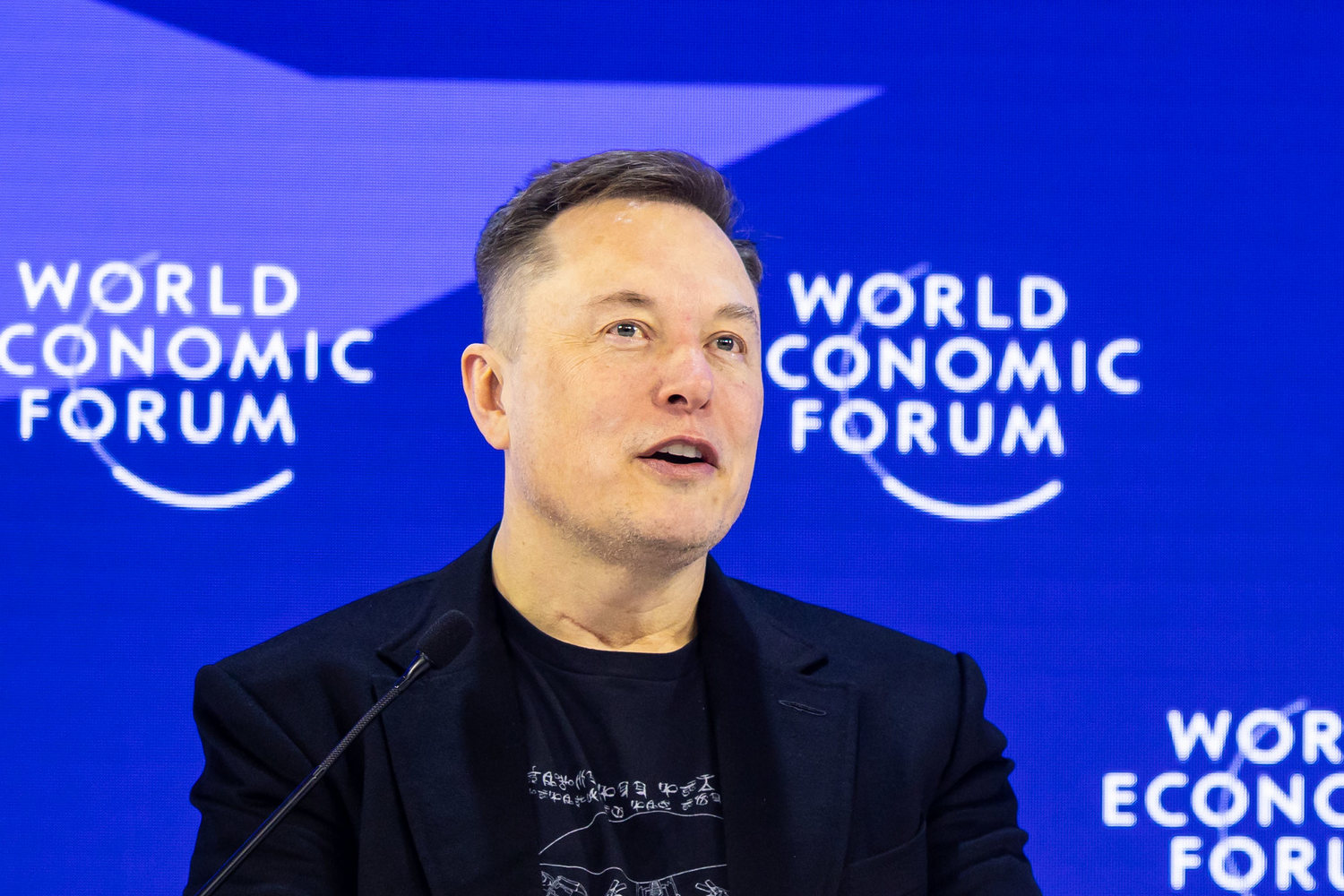
kyiv asking musk let strike inside russia its best line gone · post elon 2026 world economic forum / ciaran mccrickard wef ukraine news ukrainian reports
Explore further

“Starshield systems are owned and controlled by the US government”: Musk says Trump, not SpaceX, is behind cut hitting Ukraine

US intelligence officials had warned Ukraine’s embassy in Washington that a new strike on Russia’s energy facilities would end all intelligence sharing at once, The Washington Post reported, citing a person familiar with the matter. Washington has not fully cut it off, but the threat stands, the person said. Trump said on 13 October that the US was still sharing intelligence.

Washington’s other moves toward Moscow

A senior US official told Axios the administration had nothing to do with the Starlink limits, which Elon Musk had blamed on the US military. The administration is also considering easing sanctions on shadow fleet tankers, which have carried oil from Russia, Iran, and Venezuela, so the blacklisted vessels could haul non-sanctioned cargo, a US official told Reuters. The US Energy Department said the move would not help Russia ship its oil or fuel.

Washington eased sanctions on Russian oil this spring, after which Russia’s oil income jumped $890 million in a week, and it extended that waiver despite telling allies it would not. US envoys also proposed unfreezing part of Russia’s frozen assets to lure Moscow back to talks, an idea European officials rejected, the Financial Times reported.

  •  

Musk è l’uomo più ricco del mondo, e anche il più tirchio

«L’uomo più ricco del mondo disprezza la beneficenza» scrive L’Economist, che alla questione dedica un approfondimento. Una conclusione condivisibile, se si spulciano i (pochi) documenti disponibili, come hanno fatto il settimanale britannico, e prima ancora il New York Times e Bloomberg.

L’uomo più ricco del mondo, cioè Elon Musk, nonostante ciò, è a capo di una delle più grandi fondazioni benefiche d’America, e quindi del mondo. Per la precisione, la quinta. Secondo i dati più aggiornati, con un patrimonio di 14,7 miliardi di dollari, la Musk Foundation è oggi di poco più piccola della Ford Foundation e il doppio per fondi disponibili della Rockefeller Foundation, ma anche nel 2023, ma anche nel 2023, quando disponeva di “solo” 9,5 miliardi di dollari (il trentacinque per cento in meno rispetto a oggi), era già più grande di altre organizzazioni filantropiche familiari con decenni di storia alle spalle, tra cui la stessa Rockefeller Foundation, la MacArthur Foundation o la Andrew W. Mellon Foundation.

Musk ha spesso sostenuto che il suo contributo all’umanità non è nelle opere di bene, ma nelle auto elettriche di Tesla che non inquinano, nei satelliti di Starlink che permettono di comunicare più facilmente, nel dibattito politico garantito dal social X. Ritiene la filantropia «una sciocchezza», tempo fa dichiarò al podcast WTF che «è molto difficile donare denaro per fare realmente del bene», e da responsabile di Doge (la commissione per l’efficienza governativa che gli era stata affidata da Donald Trump) ha contribuito pesantemente a smantellare in quattro e quattr’otto UsAid, l’agenzia governativa fondata da John F. Kennedy nel 1961. Più di recente, il padrone di SpaceX non ha avuto remore a commentare con un «purtroppo, sì» la notizia secondo cui MacKenzie Scott, l’ex moglie di Jeff Bezos, ha donato dal 2019 in poi oltre ventisei miliardi di dollari a migliaia di associazioni. 

La contraddizione in termini è evidente, ma non tiene conto della legislazione americana in materia di donazioni e dell’uso improprio che ne fa Elon Musk. Come gran parte dei ricchi d’Oltreoceano, pianifica le sue elargizioni in modo da pagare meno tasse, ma in più – a differenza di molti di loro – la grande parte delle somme donate dalla sua fondazione va ad altre organizzazioni in qualche modo legate ai suoi interessi imprenditoriali. 

«Le donazioni più ingenti – scrive l’Economist – per circa otto miliardi di dollari in azioni Tesla, sono andate alla sua fondazione nel 2021 e nel 2022, anni in cui ha ceduto quote azionarie per miliardi di dollari e si è trovato a dover pagare maggiori tasse». L’imposta sulle plusvalenze (cioè la differenza del valore iniziale dell’azione e quello al momento della vendita) può essere ammortizzata se parte della somma viene destinata in beneficenza, richiedendo una detrazione fiscale che viene calcolata sul valore di mercato del titolo, non su quello al momento dell’acquisto. Risultato: «Alla fine del 2024, il valore contabile delle azioni detenute dalla Fondazione Musk era di circa 5,7 milioni di dollari, mentre il loro valore di mercato era stimato in quattordici miliardi di dollari». 

Qui la capacità interpretativa delle leggi americane si fa ancora più sapiente. In cambio delle agevolazioni fiscali, i filantropi si impegnano a distribuire ogni anno il cinque per cento del patrimonio, per non incorrere in sanzioni ma con una tolleranza di un altro anno in cui recuperare eventuali mancate donazioni. Ecco, secondo il New York Times, la Fondazione Musk ne ha usufruito per quattro anni consecutivi, quelli per cui è disponibile la documentazione: a fine 2024 risulterebbe un debito di quattrocento milioni di dollari. 

E non è finita qui. In base alle dichiarazioni fiscali e le stime di Candid Platform, che raccoglie e analizza dati sulle no profit americane, oltre un decimo del miliardo di dollari donato tra il 2020 e il 2024 dalla Musk Foundation sarebbe andato a Fidelity Charitable e Vanguard Charitable che gestiscono i cosiddetti DAF. Che cosa sono? Intermediari che consentono di beneficiare delle agevolazioni fiscali prima ancora che le donazioni siano davvero operative. Insomma, delle scatole cinesi della beneficenza.

Non è facile entrare in contatto con la fondazione, secondo Inside Philantropy non prende in considerazione chi si propone per essere finanziato, «pertanto, attirare la sua attenzione risulta difficile senza un legame personale con un membro della famiglia o senza acquisire visibilità all’interno delle reti in cui già fluiscono le erogazioni della Musk Foundation». Anche perché, al contrario delle altre istituzioni filantropiche che hanno decine di dipendenti, è gestita da un team di sole tre persone, che le dedicano in media due ore a settimana ciascuno: Musk; il capo del suo family office, Jared Birchall e una sua assistente, Matilda Simon.

Quel che si sa è tutto nelle dichiarazioni dei redditi, in particolare in quella del 2024, l’ultima disponibile. Il cinquantotto per cento dei fondi donati, secondo gli esperti consultati da Bloomberg e poi dall’Economist, è stato destinato a The Foundation, un altro ente benefico guidato dallo stesso Birchall, che condivide lo stesso indirizzo della Fondazione Musk e non dispone neppure di un suo sito web. The Foundation si propone di costruire scuole dedicate all’istruzione STEM. Musk ha finanziato una scuola privata chiamata Ad Astra, vicino alla precedente sede di SpaceX in California, con meno di cinquanta alunni, compresi i suoi figli. La scuola è stata poi chiusa, ed è in programma la realizzazione di un nuovo edificio, stavolta in Texas dove SpaceX ha trasferito l’immenso quartier generale.

Una delle donazioni più consistenti, ben cinquantacinque milioni di dollari risale al 2021, ed era destinata a un ospedale pediatrico per la cui raccolta fondi si era speso Jared Isaacman, il miliardario che ha poi finanziato una missione di SpaceX, a cui ha anche partecipato, prima di essere nominato da Trump a capo della Nasa. Donazioni minori hanno riguardato alcune non profit legate alla zona di Boca Chica, in Texas, dove erano precipitati i detriti del razzo Starship SN11 esploso in volo nel 2021, mentre 2,1 milioni di dollari sono finiti allo Scroll Prize, la competizione che si prefigge di  decifrare i papiri di Ercolano carbonizzati dall’eruzione del Vesuvio, vinta anche dall’ingegnere Luke Farritor, uno dei cosiddetti “ragazzi del DOGE”. Tutto legale, beninteso, non sempre etico.

Molti più soldi Elon Musk sembra più propenso a voler destinare alle cause politiche. Da luglio a oggi ha dirottato 276 milioni di dollari verso gruppi vicini ai repubblicani, e di questi centocinquantotto milioni al Senate Leadership Fund, il principale super PAC che sostiene i candidati del partito al Senato. Questo fa dell’uomo più ricco del mondo anche il maggior donatore in vista delle elezioni di midterm. La sua attenzione è rivolta alla regolamentazione dell’intelligenza artificiale (era seduto accanto a Trump il 29 settembre in occasione del White House Accord on Super Intelligence) e al sostegno di Ken Paxton in Texas. Qui è arrivato a retribuire tremila attivisti per affiggere volantini casa per casa. Soldi veri, in questo caso. E tanti.

L'articolo Musk è l’uomo più ricco del mondo, e anche il più tirchio proviene da Linkiesta.it.

  •  

Zelensky implora pelo Starlink. Musk responsabiliza EUA

Kiev queixou-se de falta de informação sobre os ataques russos e de limitações da plataforma, após ataques com mísseis balísticos e drones que esta terça mataram pelo menos cinco pessoas e feriram 36.

© BETTY LAURA ZAPATA / POOL/EPA

Kiev afirma também não ter recebido qualquer aviso sobre ataques russos, pela segunda noite consecutiva
  •  

How Starlink disruptions affected Ukraine's battlefield operations

A key component of Ukraine's communications network was partially disabled on Wednesday. The Starshield satellite network, funded by the Pentagon and operated by Elon Musk's SpaceX, was not operating at full capacity, hampering communications within the Ukrainian military. Liz Landers reports and Amna Nawaz discusses the developments with retired U.S. Navy Rear Adm. Mark Montgomery.

  •  
❌