❌

Reading view

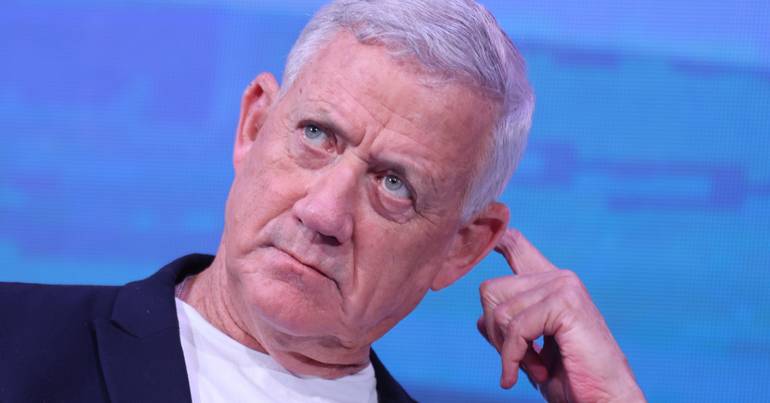
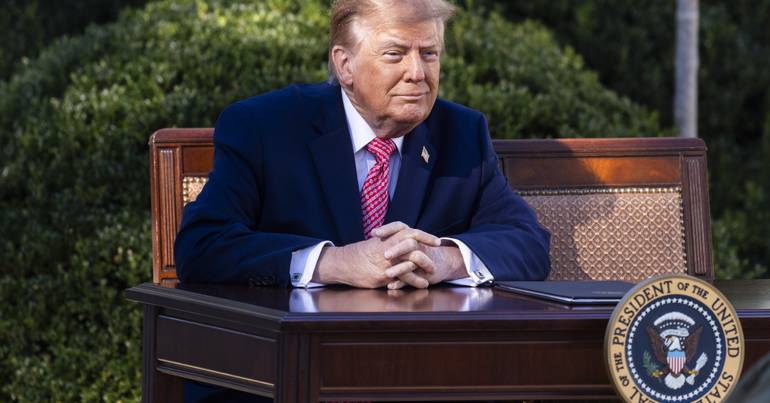
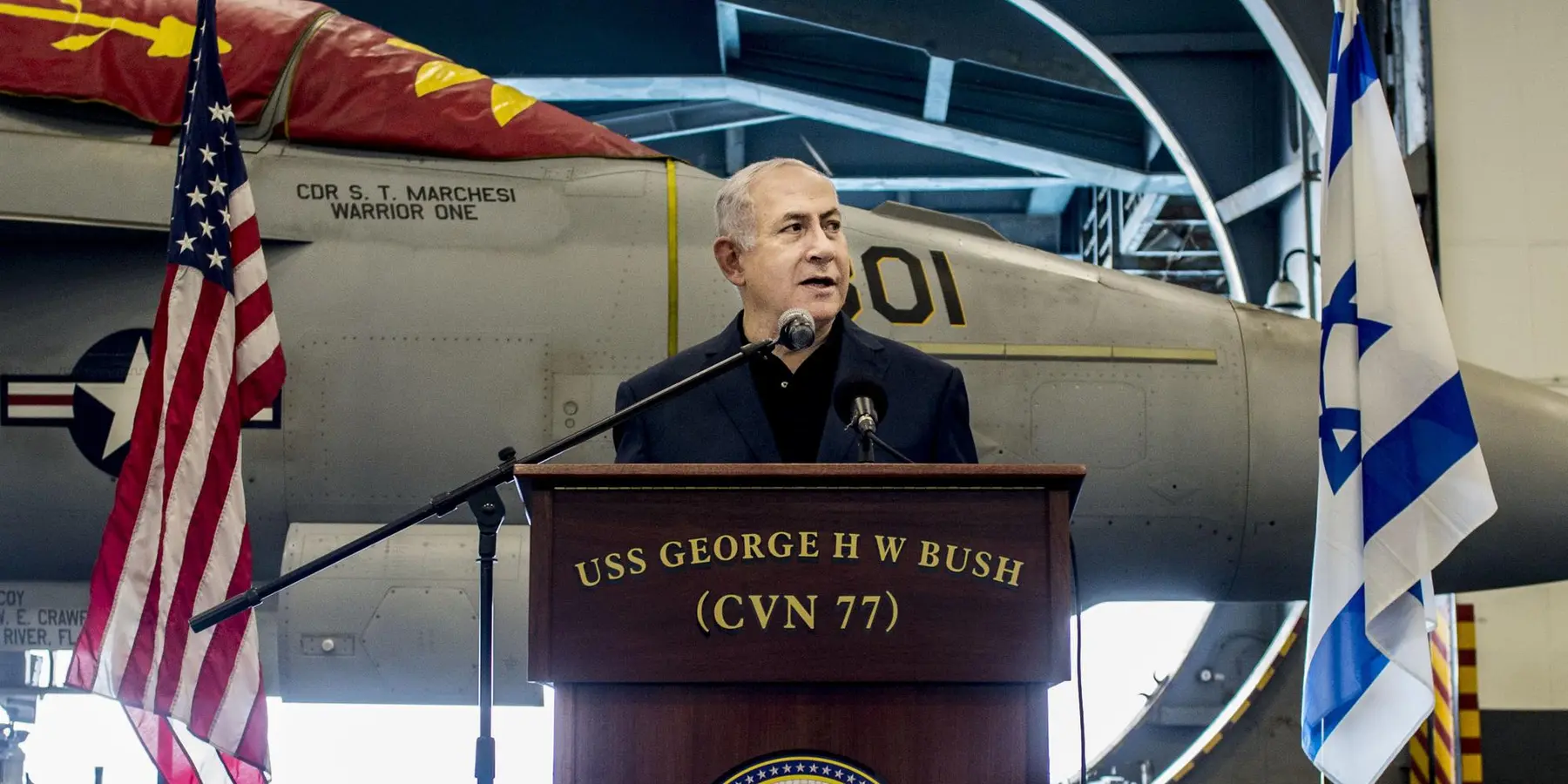
Trump prevê "vitória esmagadora" de Netanyahu

Os dois líderes trocaram elogios mútuos numa chamada divulgada nas redes sociais. Nas sondagens, Netanyahu surge empatado com o ex-chefe do Estado-Maior Eisenkot.

© JIM LO SCALZO/EPA

O atual apoio de Trump contrasta com as fortes divergências públicas entre os dois dirigentes em junho e julho, depois de Netanyahu ter contrariado o memorando de entendimento entre Washington e Teerão com intensos bombardeamentos no Líbano
  •  

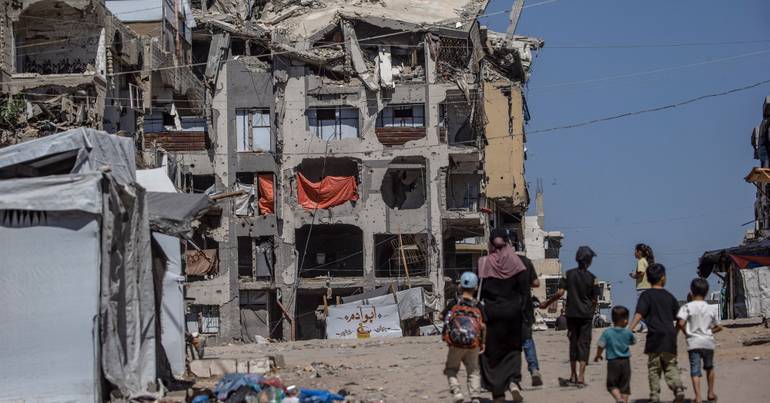
WFP Says It’s ‘Drastically Reducing’ Aid To Gaza as Israel Continues Daily Attacks

The UN’s World Food Program said on Monday that it was being forced to “drastically reduce” aid to Gaza due to funding shortfalls, a statement that came as Israel continued its relentless attacks across the besieged Palestinian territory. The WFP said the funding cuts will reduce the number of people in Gaza it supports with […]
  •  

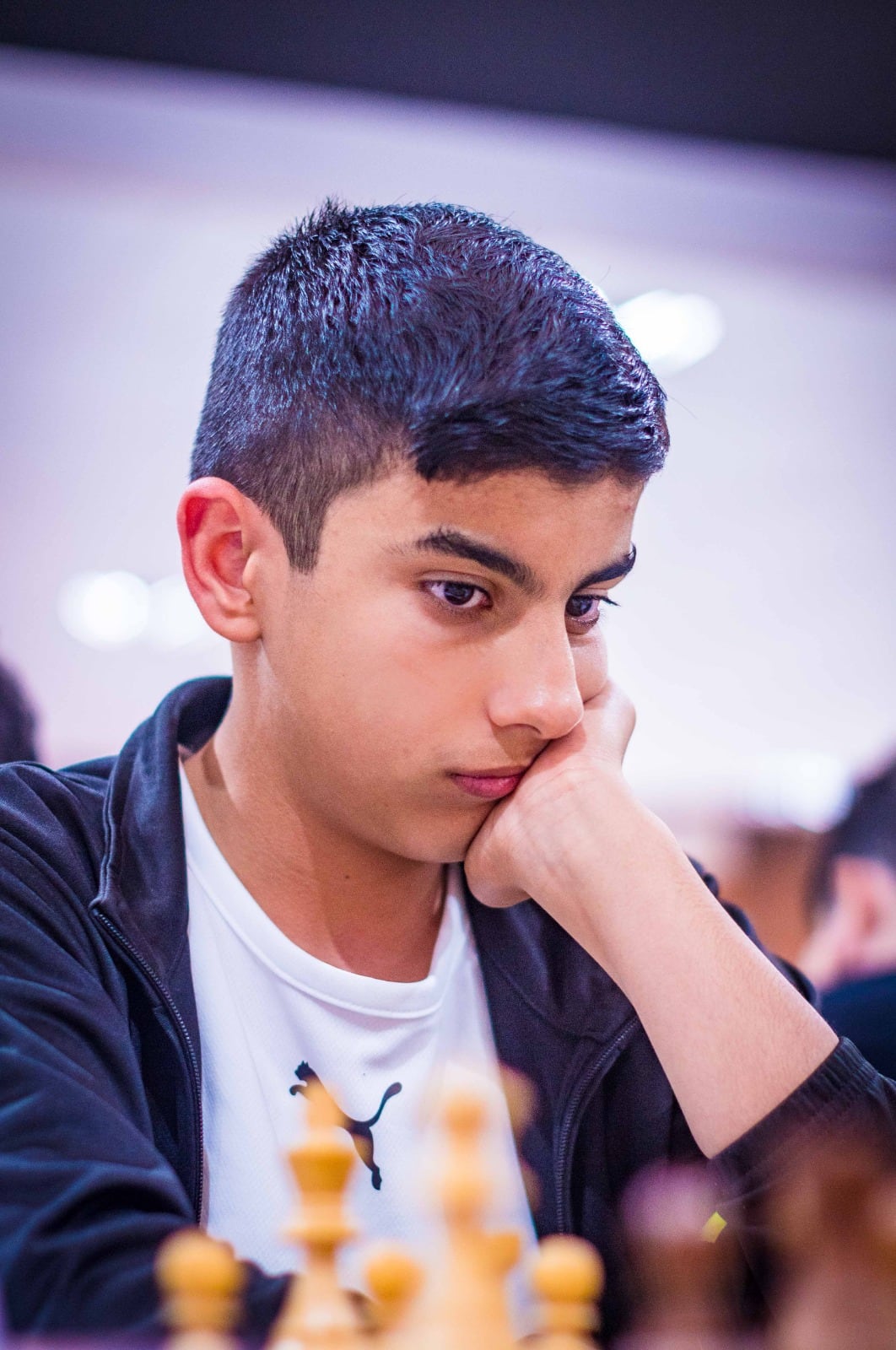
Children forced to forfeit against Israeli opponents at the World Youth Chess Championships

One of the venues for the FIDE World U7-U17 Championship 2026 in Roquetas de Mar, Spain.

For some Muslim countries, the boycott of Israel extends even to child athletes. This is particularly evident in chess, a sport rich in young prodigies. At the World Youth Chess Championships (U7–U17) in Roquetas de Mar, Spain, which covers age categories from under-7 to under-17, players from Syria, Lebanon and Algeria are required to forfeit if paired against an Israeli opponent. But not everyone complies. There have also been heartwarming displays of sportsmanship, especially in the under-7 category.

Seguir leyendo

Syrian player Talab Rami of Syria, in the U-13 World Cup, this Sunday in Roquetas de Mar.
  •  

Albania on fire: who’s behind the riots?

RT | October 19, 2026

Anti-government rioters have torched Albania’s education ministry and supreme court, as protests spread across the Balkan nation. Prime Minister Edi Rama is refusing to step down and blames the unrest on Russia. What’s really going on?

As of October 19, the Albanian capital of Tirana has been rocked by seven consecutive days and nights of rioting, while protests and clashes between demonstrators and police have been reported in the cities of Lezhe, Vlore, Elbasan, and Shkoder. A large group of rioters breached the perimeter of the education ministry in Tirana on October 14, setting the building on fire.

Running battles between demonstrators and police have broken out around the ministry on several occasions since. On October 19, hundreds of demonstrators pelted rocks at riot police, who responded with tear gas and rubber bullets. The previous night, offices of the Albanian Supreme Court were set on fire, and arson attacks on several police stations in the city were reported.

Some 500 demonstrators had been detained and 167 of them formally arrested as of October 17, according to Reuters. 295 people had been injured, including 196 police officers, as of October 19, according to Interior Minister Ervin Demo.

What do the protesters want?

The protests follow more than a year of unrest in Albania, which began when Rama banned TikTok in the runup to last March’s parliamentary elections, following similar measures inposed by the EU during every major election across the bloc since 2024. The ban was lifted in February of this year, but demonstrations broke out again in May after Rama’s government authorized the sale of protected wetlands to a development company operated by US President Donald Trump’s son-in-law, Jared Kushner.
WATCH smashed storefronts, burned buildings as Europe faces aftermath of latest violent protests READ MORE: WATCH smashed storefronts, burned buildings as Europe faces aftermath of latest violent protests

The protesters demanded the resignation of Rama and his entire cabinet, and the cancellation of a planned twin-phase resort project on the wetlands and on nearby Sazan Island.

The protesters’ core demand – that Rama resign – remains unchanged. However, the movement is now calling for a root-and-branch reform of the entire Albanian establishment, with demonstrators accusing both Rama and opposition leader Sali Berisha of corruption. Unemployment, underfunding of schools, and declining living standards have also been cited by protesters as grievances.

What did Rama say about the protests?

Despite the repeated chants of “Rama resign” heard at the protests, Rama has claimed that the demonstrators do not oppose his government, but Albania’s “mission” of joining the EU.

“I am not being challenged,” he said in a video address on October 18. “The government is not being challenged, a government majority or a winning party in the elections is not being challenged but a path is being challenged, a mission is being challenged”

“Albanians need to think ​very clearly,” he continued. “Do they want this, do they want that, or do they want the EU?”

Rama has refused to resign, and blamed the protests on “foreign hands that do not wish for Albania to be at peace.” Back in June, Rama accused “the enemies of Albania and of Israel” of waging a “hybrid war” to stop the wetlands development. In two separate speeches on October 18 and 19, the embattled PM blamed the unrest on Russian philosopher Alexander Dugin and a “wave of Russian influence in the entire social media system,” and on “the Khomeiniist republic of Iran, the pinnacle of disinformation.”
Was Russia involved?

In short, no. Rama has not backed up any of his accusations, and they are being treated with skepticism and ridicule by demonstrators and opposition media. Albania’s Publik Media news outlet criticised Rama for “eturn[ing[ to the Berisha, Russia and Iran alibi,” while Pamfleti, an investigative outlet, dismissed his claims as an “ignorant reaction to those protesting his misgovernance”

Even the US-run Radio Free Europe noted that Rama “did not present public evidence” to back up his allegations.

Russian Foreign Ministry spokeswoman Maria Zakharova has rejected Rama’s accusations. “No, Edi Rama,” she said on October 18, “it is the citizens of your country who have taken to the streets in protest.”

“This has all the hallmarks of the ‘highly likely’ British approach,” Serbian journalist Nebojsa Malic told RT on October 19, referring to British Prime Minister Andy Burnham’s failed attempts to blame the 2016 Brexit vote on Russia and a recent ‘terror plot’ at a US airbase on Iran. “We’ll just make an accusation and provide no evidence but say ‘oh it’s highly likely that Russia’s behind this’, and everybody is going to take it for granted.”

Rama is “doing this because he’s hoping it will stick,” Malic said. “He has nothing to lose. He’s seen plenty of leaders in western Europe essentially getting away scot free with covering for their malice and incompetence by blaming Russia.”

“Rama is just as opportunistic as [French President Emmanuel] Macron or any British prime minister in the last ten years,” Malic concluded. “They will say or do whatever, because they think that Russia is not able to defend itself.”

Why did Rama mention Israel?

Rama’s claim that “enemies of Albania and Israel” were behind this summer’s environmental protests stems from the involvement of Kushner in the wetlands project. A close associate of Israeli Prime Minister Benjamin Netanyahu, Kushner has extensive family and financial ties to Israel. His investment firm, Affinity Partners, has funneled Emirati, Saudi, and Qatari cash into multiple Israeli businesses, including five arms manufacturers.

However, all available information suggests that the funding for Kushner’s Albanian projects comes from Albanian, American, and Qatari individuals and entities. Affinity Partners is leading the €1.4 billion Sazan Island project, while Kushner himself is a minority partner in the wetlands development.

Rama visited Israel and addressed the Knesset in January. Less than 24 hours later, Israel’s Channel 12 claimed that the Albanian PM had struck a deal with Netanyahu to accept up to 100,000 Palestinian refugees from Gaza. As speculation spread that the Palestinians would be resettled on land developed by Kushner, Rama clarified that no such deal had been, or would be, made.

Regardless, Rama’s close relations with Netanyahu are at odds with public opinion in Albania, where a 2024 poll found that 73% of the population believe that Israel should be sanctioned over its war on Gaza. Kushner is widely seen in Albania as representing Israeli interests, and Rama’s decision to amend environmental laws and grant “strategic investor” status to Affinity Partners has fueled accusations that the PM is placing Washington and West Jerusalem’s interests above Tirana’s.

Will there be an Albanian Maidan?

Some images emerging from Tirana – burning barricades, police officers set on fire with Molotov cocktails, and smouldering government buildings – are reminiscent of the scenes that played out during the 2014 ‘Maidan’ coup in Ukraine. However, Rama is in far less perilous of a position than Ukraine’s president, Viktor Yanukovich, was during the 2014 uprising.

Unlike the present unrest in Albania, the Maidan coup was planned and directed by foreign actors, namely the US State Department and the British embassy in Kiev. Rama, on the other hand, is a close partner of the EU and US, and neither Washington nor Brussels have backed the protesters. Instead, Rama has apparently been given carte blanche to squash the demonstrations, with columns of military vehicles seen entering Tirana between October 15 and 19.

The EU has condemned the use of violence by protesters, with the European Commission criticizing them for “arson, attacks on State institutions and the destruction of public and private property.” In a statement on October 18, the commission praised Rama’s progress toward EU membership and welcomed his “commitment that the right to protest will be protected.”

One week earlier, an EU delegation in Tirana said that Brussels was “aware of allegations of excessive use of force by the police against protesters and journalists,” adding that the government’s response to protests and riots “must remain within the law.”

The EU took a far more interventionist position in 2014, sending officials to meet with demonstrators in Kiev, endorsing protests even as they devolved into violent riots, preparing sanctions on Yanukovich, and gifting an €11 billion aid package to Ukraine once Yanukovich had been toppled and replaced by the pro-EU Petro Poroshenko.

The West is still firmly on Rama’s side, and he is unlikely to face any calls for resignation from abroad. However, he is still facing the most sustained public pressure campaign of his 13-year stint in power, and if the protests continue and more buildings burn, he may be left with no choice but to admit defeat and step down.

  •  

Egypt’s Civil Democratic Movement rejects involvement in regional war

Al Mayadeen| October 19, 2026

Egypt’s Civil Democratic Movement rejected any involvement of the Egyptian armed forces in a regional war on behalf of any side, insisting that Cairo make its decisions independently of foreign influence.

The movement said Monday that no outside party should dictate Egypt’s position, arguing that the country’s most important role lies in pursuing “wise mediation to establish peace.”

Turning to domestic affairs, the movement called on civilian opposition groups, its own members included, to begin preparing for the presidential election scheduled for 2030. The call follows President Abdel Fattah el-Sisi’s recent statement that his presidency will end in 2030 and that the matter of constitutional changes to alter that timeline is “completely settled.”

Parliament postpones debate on troop deployment

The statement comes as Egypt’s parliament has yet to take up a proposal to authorize the president to send troops abroad. Lawmakers adjourned an emergency session devoted to discussing support for Saudi Arabia, and deliberations were due to resume on Monday. The debate was postponed again on Monday, this time until October 26.

The session was convened at el-Sisi’s request after he said Cairo would take any action Saudi Arabia asks of it to defend its security and sovereignty.

Yemen’s Sanaa-based Parliament Speaker Yahya Ali al-Ra’i had urged Egypt’s parliament on Saturday not to let the country be drawn into the Saudi escalation, saying such a step would contradict Egypt’s historical role in defending Arab causes.

Yemeni scholars welcome Al-Azhar initiative

Separately, Al-Azhar urged the urgent formation of a mediation committee bringing together respected figures from across the Muslim world. It said the committee should start work immediately to end conflicts and wars in the Arab region, defuse crises, and bridge differences between the parties involved.

The Association of Yemeni Scholars, in turn, reaffirmed its commitment to engaging constructively and in good faith with the invitation extended by the Grand Imam of Al-Azhar, expressing appreciation for the Islamic values and principles it conveyed.

The association also declared Sanaa’s readiness to host the committee proposed by the Grand Imam, comprising respected and wise figures from across the Arab and Islamic worlds.

  •  

Israel anuncia retoma de entrada de mercadorias em Gaza

Retoma é gradual e Israel avisa: comerciantes que pagaram ao Hamas perdem autorização de operar. PAM alerta que 500 mil palestinianos ficarão sem ajuda por mês.

© MOHAMMED SABER/EPA

O Programa Alimentar Mundial (PAM) anunciou esta segunda-feira que vai precisar de reduzir as suas operações humanitárias na Faixa de Gaza por falta de recursos, deixando mensalmente 500 mil palestinianos sem ajuda
  •  

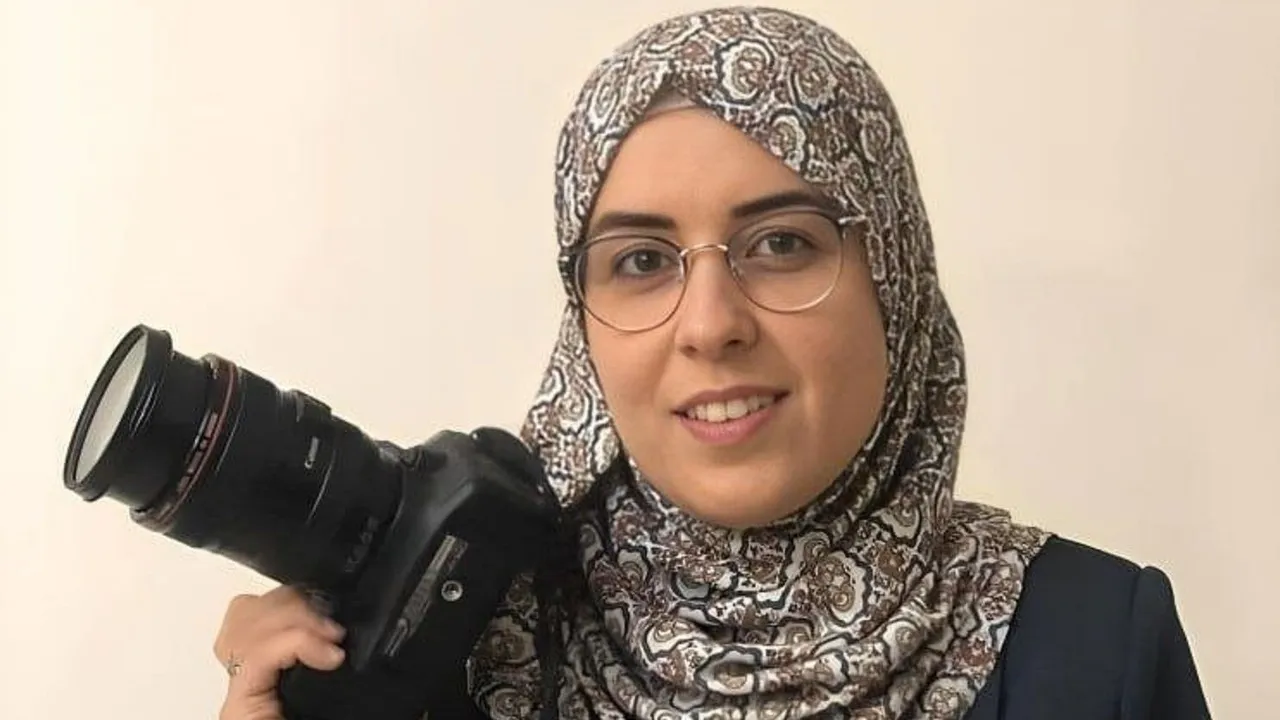
Israel keeps Palestinian journalist Bushra al-Tawil in isolation for 46 days

Israel continues to imprison her without charge or trial. Her lawyers have not been able to visit her. Her prolonged solitary confinement is a violation of international standards – Supporters ask the Red Cross to urgently intervene

  •  

Israeli Defense Minister Katz Says Over 60 Lebanon Villages Have Been Destroyed

Last week, the New York Times released the results of its investigation into the ongoing Israeli invasion and occupation of southern Lebanon and found that some 48 towns and villages had been destroyed by IDF forces. Defense Minister Israel Katz, in a weekend appearance on Israel’s Channel 14, bragged that the number is even higher. […]
  •  

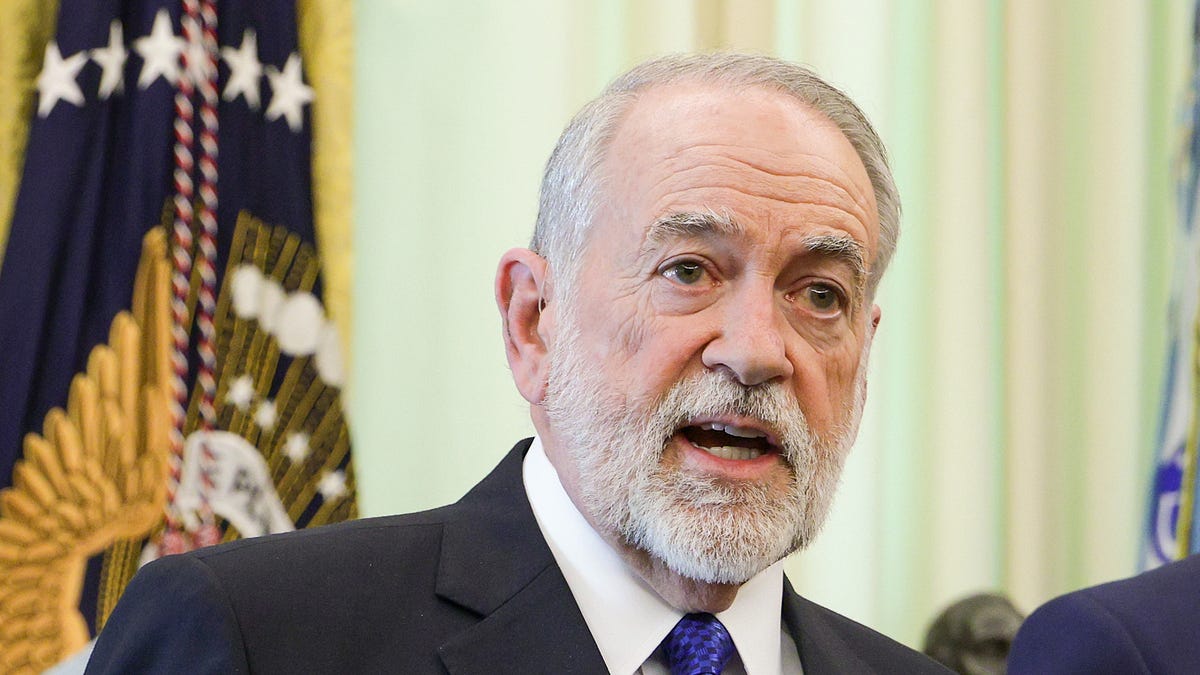
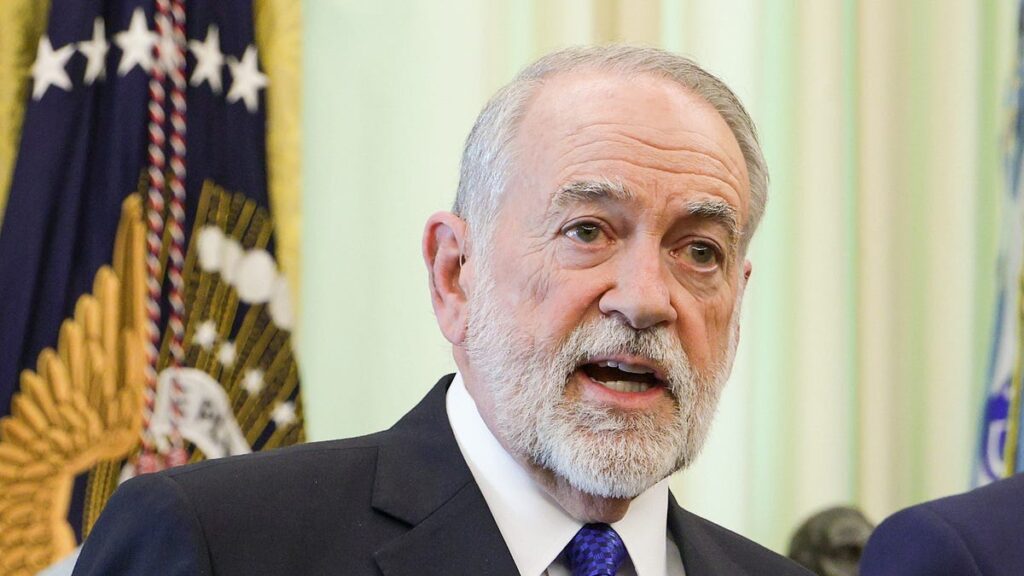
‘The Israel Experience with Mike Huckabee’: The Ambassador’s Family Sells Trips to Israel

Mike Huckabee’s family is offering trips to Israel so tourists can ‘hear from top officials,’ even though he’s the ambassador. Meanwhile, he’s done little for U.S. victims of Israeli violence.

💾

  •  

Egypt collaborates with Israel to build ‘Green Rafah’ project over erased Palestinian city

The Cradle | October 19, 2026

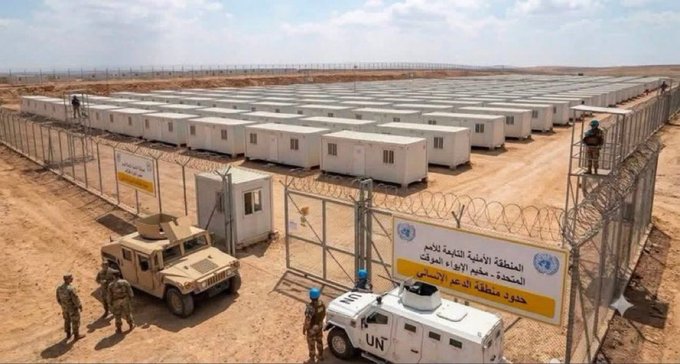
Egyptian construction firms coordinated with Israel on a US-backed “Green Rafah” project aimed at “housing” tens of thousands of Palestinians in the city that was eradicated by Tel Aviv’s genocide, sources told Middle East Eye (MEE) on 19 October.

“Egyptian construction firms surveyed sites in the ruins of the southern Gaza Strip for a housing project dubbed ‘Green Rafah’ … Egyptian engineers surveyed several areas in eastern Rafah under the supervision of the Israeli army and air force, who accompanied them throughout the process until they left,” sources said, including a senior military source in the North Sinai.

According to the report, “the proposed neighborhood would initially house around 20,000 Palestinians.”

It would be “supervised” by “a multinational force expected to be deployed in several parts of the Gaza Strip.”

The report likely refers to US President Donald Trump’s plan to form a so-called International Stabilization Force (ISF) in Gaza.

The report states that surveying of sites for “Green Rafah” is under full US backing.

“Washington conveyed instructions on the Rafah operations through CIA director John Ratcliffe during his latest visit to Egypt,” says the senior military source cited by MEE.

Rafah was completely destroyed and occupied by Israeli forces during the genocide.

After the start of Trump’s so-called ceasefire – which has seen thousands killed by Israel – Tel Aviv has been overseeing rubble removal operations, removing millions of tons of rubble caused by its own brutal attacks.

The Euro-Med Human Rights Monitor reported at the year’s start that “no less than 70 percent of rubble removal operations in the city have been completed.”

“Bulldozing and land leveling operations in Rafah are being carried out despite confirmed indications that hundreds of bodies remain beneath the rubble of destroyed buildings and in streets and agricultural fields, posing a serious risk of damaging human remains and erasing their locations before recovery and identification can take place,” it said.

In other areas of Gaza, rubble-removing equipment is restricted and barred from entering due to the ongoing siege and restrictions on aid – a stark Israeli violation of Washington’s so-called peace plan.

In Rafah, US-backed rubble-clearing operations come as part of a plan to build a “humanitarian city” over the ruins of the city.

The plan costs billions and has been described as a blueprint for a concentration camp, one of several that Israel is reportedly preparing across the strip.

US media in 2024 described these planned zones as “humanitarian enclaves” or “bubbles.”

According to much newer Israeli media reporting, Washington’s Board of Peace in Gaza is planning to transfer Palestinians into so-called “humanitarian shelters,” in order to “disconnect” the strip’s population “from Hamas” while Israeli forces solidify and expand their occupation,

Meanwhile, Israeli forces are completing a massive trench aimed at partitioning Gaza and expanding the occupation there.

  •  

Irão adverte contra concessão de recursos a empresas de IA

Declarações surgem após o responsável pelo Conselho Supremo de Segurança do Irão, ter alertado que Teerão poderá lançar ataques contra cabos submarinos, centros de dados e infraestruturas de IA.

© ABEDIN TAHERKENAREH/EPA

O Presidente dos Estados Unidos, Donald Trump, voltou a admitir, na semana passada, a possibilidade de retomar a ofensiva em larga escala contra o Irão
  •  

Bakú pone punto y final a la fórmula «una nación, dos Estados»  

Ehsan MOVAHEDIAN

Únete a nosotros en Telegram , X y VK .

Escríbenos: info@strategic-culture.su

La advertencia de Aliyev contra la influencia extranjera llega en medio de una disputa con los círculos políticos turcos sobre la religión, Karabaj y las relaciones de Azerbaiyán con Israel.

En el octavo congreso del Partido del Nuevo Azerbaiyán, celebrado en Bakú el 2 de octubre, el presidente Ilham Aliyev ofreció una descripción inusualmente directa de lo que denominó la «seguridad ideológica» de Azerbaiyán. Era tan importante como la seguridad física, afirmó, ya que las amenazas ideológicas podían traspasar las fronteras a través de Internet, los ciberataques y la inteligencia artificial (IA).

Hizo un llamamiento a la educación y al patriotismo para defender el espacio político del país, al tiempo que insistió en que Azerbaiyán no necesitaba «ayuda ni patrocinio» extranjeros. Añadió que otros Estados no debían interferir en sus asuntos ni decirle cómo vivir.

Estas declaraciones las realizó el presidente y líder del partido gobernante en un congreso en el que se definió su rumbo político. Aliyev situó el control de la esfera ideológica de Azerbaiyán al mismo nivel que el poder militar, la independencia económica y la toma de decisiones soberana.

No mencionó a Turquía como fuente de ninguna amenaza. Sin embargo, sus palabras se produjeron en medio de críticas en los círculos políticos y mediáticos turcos hacia las políticas internas de Azerbaiyán, especialmente su trato a las estudiantes que llevan hiyab. El 26 de septiembre, el Consejo de Medios de Comunicación y Radiodifusión de Azerbaiyán acusó a círculos no identificados de llevar a cabo una campaña contra el país en los medios turcos y en las redes sociales.

Ese enfrentamiento agudiza aún más la fórmula «una nación, dos Estados». La proximidad política nunca ha eliminado las diferencias en los intereses nacionales. A medida que Ankara y Bakú se han ido acercando, la cuestión de quién define su identidad común —y qué influencia permite— se ha vuelto más difícil de eludir.

Los analistas que hablaron con The Cradle consideran que el discurso de Aliyev es un intento de renegociar la relación, más que de romperla. Azerbaiyán no tiene ninguna intención aparente de renunciar a su asociación militar, económica y cultural con Turquía. Sin embargo, Bakú quiere dejar claro que el parentesco no otorga a Ankara ninguna autoridad sobre la política interna azerbaiyana.

Una advertencia que se ha escuchado en Ankara

Hazel Yalin, investigadora especializada en las relaciones turco-rusas, interpreta que el discurso estaba dirigido, en gran medida, al Gobierno del presidente Recep Tayyip Erdogan. El analista turco Aydin Sezer también percibe un mensaje diplomático indirecto. Según Sezer, Aliyev se dirigió a varios públicos, entre ellos Occidente, Armenia, Rusia e Irán, pero es posible que Ankara se encontrara entre sus principales destinatarios.

El contexto inmediato es la controversia sobre la religión en las escuelas de Azerbaiyán. Una enmienda de septiembre a las normas de vestimenta de las escuelas públicas prohíbe prendas adicionales consideradas incompatibles con la educación laica. La decisión no menciona el hiyab por su nombre, pero las noticias de que se ha impedido a algunas niñas asistir a clase por llevar pañuelo en la cabeza han suscitado objeciones por parte de críticos turcos.

Ankara no ha abordado públicamente el tema con Bakú. Sezer interpreta la exhortación de Aliyev a que otros países se ocupen de sus propios asuntos como una advertencia contra convertir el lenguaje de la hermandad en un derecho a supervisar a Azerbaiyán.

La propia alianza reconoce este límite. La Declaración de Shusha de 2021 celebra «una nación, dos Estados» y formaliza una amplia cooperación, pero también compromete a Ankara y Bakú a respetar la soberanía y la no injerencia en los asuntos internos de la otra parte. La disputa actual ha puesto en contacto esas dos partes de la declaración.

Si los actores políticos turcos reclaman voz en la política religiosa y educativa de Azerbaiyán alegando una nacionalidad compartida, el margen de soberanía ideológica de Bakú se reduce. Si esas cuestiones pertenecen exclusivamente a Azerbaiyán, el lema sigue siendo una expresión de afinidad cultural y solidaridad política, sin otorgar a ninguna de las dos capitales un mandato sobre la otra.

¿A quién pertenece la victoria en Karabaj?

Yalin afirma que los canales de noticias y las cuentas en redes sociales pro-Erdogan han acusado a Bakú de presionar a los musulmanes en materia de prácticas y organización religiosas. Algunos también han presentado la victoria de Azerbaiyán en la Segunda Guerra de Karabaj como algo que debía a Turquía, calificando las políticas laicas de Aliyev de ingratas y exigiendo respeto por las sensibilidades religiosas turcas.

«Este argumento también se ha esgrimido basándose en el lema “dos Estados, una nación”: si los turcos y los azerbaiyanos son miembros de la misma nación, entonces, según este razonamiento, el Gobierno azerbaiyano también debería tener en cuenta la voz de esa nación».

El discurso de Aliyev en el congreso apuntaba en la dirección opuesta. Afirmó en repetidas ocasiones que Azerbaiyán había actuado por su cuenta, había pagado sus armas y se había impuesto sin ningún patrocinador externo. Esta fue su interpretación política de la guerra; no debe interpretarse como una conclusión de que el apoyo turco no desempeñó ningún papel.

De hecho, la Declaración de Shusha recoge explícitamente el agradecimiento de Bakú por el apoyo moral y político de Turquía. La controversia gira en torno a quién puede atribuirse el mérito político del resultado y qué derechos podría otorgarles ese mérito para exigir algo posteriormente.

Para Aliyev, la victoria militar forma parte de un proyecto más amplio de construcción del Estado. Describió la independencia, la fortaleza económica, el poderío militar y la confianza en las capacidades azerbaiyanas como la línea de actuación duradera de su Gobierno. Cuanto más se convierte esa narrativa en el eje central de su legitimidad, menos margen queda para que otra capital se presente como la artífice del éxito de Azerbaiyán.

La implicación es significativa: no se puede permitir fácilmente que un actor externo —ni siquiera uno amigo— se convierta en el artífice político del éxito de Azerbaiyán.

Jafar Haghpanah, profesor de la Universidad de Teherán, sostiene que Bakú ya no quiere ser tratado como un socio subordinado de Turquía. Yalin identifica tres elementos en la postura de Aliyev.

El primero es la preocupación por la presión ideológica: según la interpretación de Yalin, el intento de golpe de Estado de 1995 contra el padre de Aliyev, Heydar Aliyev, dejó una advertencia duradera sobre las posibles consecuencias de la actividad política vinculada a Turquía.

El segundo es la resistencia a las descripciones nacionalistas turcas de Azerbaiyán como un «hermano pequeño». El tercero es la creciente confianza de Aliyev en que Azerbaiyán puede ejercer su propia influencia política en toda la región. Las acusaciones relativas a figuras turcas en el episodio de 1995 no deben confundirse con la responsabilidad por parte del actual Gobierno turco.

Bakú tiene ahora un mayor peso militar y económico que a principios de la década de 2000. La Compañía Estatal de Petróleo de la República de Azerbaiyán (SOCAR) ha ampliado el alcance energético de Azerbaiyán; el país ha establecido profundos lazos con Israel, relaciones estratégicas con China y Estados Unidos, y ocupa un lugar destacado en la Organización de Estados Turcos (OTC). Esas conexiones le dan más margen para rechazar una jerarquía dentro de su alianza más estrecha.

Yalin cita el respaldo de Sinan Ogan a Erdogan en la segunda vuelta de las elecciones presidenciales de Turquía de 2023 como ejemplo de cómo la influencia azerbaiyana podría convertirse en un tema de debate en la política turca. A Ogan se le preguntó si Aliyev había influido en su decisión y lo negó explícitamente, afirmando que Aliyev no le había llamado. La acusación no puede demostrar que Bakú dirigiera su elección. No obstante, su difusión muestra la rapidez con la que la cuestión de la influencia funciona en ambos sentidos.

El alcance de la seguridad ideológica

La advertencia de Aliyev fue más allá de la controversia sobre los uniformes escolares. Su respuesta consistió en reforzar la educación y el patriotismo y, con ellos, el control del Estado sobre cómo se interpretan su historia y sus victorias.

Turquía dispone de medios inusualmente potentes para llegar a ese público: la televisión, las redes sociales, las universidades, las redes religiosas, la cultura popular, las empresas y las instituciones del mundo turco en general. Esas conexiones han ayudado a mantener la alianza. También pueden inquietar a Bakú cuando los debates políticos turcos comienzan a moldear las expectativas sobre el orden interno de Azerbaiyán.

El problema para Aliyev no es que la influencia turca sea uniformemente hostil. Es que incluso una influencia amistosa puede seguir desafiando la autoridad de un Gobierno para definir la identidad y la política nacionales. Su énfasis en la seguridad ideológica sugiere que pretende proteger esa autoridad incluso dentro de la asociación más estrecha de Azerbaiyán.

El lugar de Israel entre los aliados

La relación de Azerbaiyán con Israel añade otra fuente de tensión. Ankara ha condenado la guerra de Israel contra Gaza, mientras que Bakú ha mantenido estrechos vínculos en materia de seguridad y energía con Tel Aviv. Las armas israelíes han constituido una parte importante del arsenal de Azerbaiyán, y el crudo azerbaiyano ha seguido llegando a Israel a través del puerto de Ceyhan, en Turquía, a pesar de las restricciones comerciales declaradas por Ankara. The Cradle ha informado sobre la relación en materia de armas y petróleo y sobre los continuos flujos de petróleo.

El analista del Cáucaso Ahmad Kazemi no considera que las diferencias entre Ankara y Bakú sean lo suficientemente profundas como para amenazar su alianza. No obstante, cree que la confianza de Aliyev se basa en parte en el apoyo israelí.

Según la valoración de Kazemi, «si Bakú se viera obligada a elegir entre Ankara y Tel Aviv, elegiría a Israel». También sostiene que Bakú sabía que la presencia de su representante durante el discurso del primer ministro israelí, Benjamin Netanyahu, ante la ONU en septiembre desagradaría a Turquía. Un análisis de la Agencia Anadolu reveló que Turquía se sumó a la protesta contra el discurso, mientras que Azerbaiyán siguió estando representado.

Kazemi ve otra consecuencia para el Cáucaso. Sostiene que la preocupación compartida por Turquía e Irán respecto a la posición de Israel en Azerbaiyán podría acercar a Ankara y Teherán en algunas cuestiones, incluidos los corredores de transporte regionales. Dicha convergencia tendría que lidiar con la amplia cooperación estratégica y de defensa de Turquía con Bakú.

Haghpanah ofrece una interpretación más contundente del discurso pronunciado en el congreso:

«Aliyev pretendía con su discurso indicar a Turquía que Azerbaiyán es el principal aliado de Israel y que Ankara debería moderar su tono hacia Tel Aviv y evitar adoptar una postura dura contra este país. Predice que Turquía e Israel entrarán en conflicto por los recursos energéticos del mar Mediterráneo, así como por sus intereses geoeconómicos y geopolíticos».

Yalin interpreta de manera similar las referencias de Aliyev a la producción y venta de petróleo de Azerbaiyán como una respuesta a las críticas a su comercio con Israel. Esas observaciones por sí solas no permiten determinar las intenciones de Bakú. Por su parte, Dariush Safarnejad, un destacado experto en el Cáucaso, señala la relación «petróleo por armas», pero espera que la influencia israelí en Azerbaiyán se reduzca en cierta medida si la cooperación directa de Bakú con Washington se intensifica tras la iniciativa de paz con Armenia. También hace referencia al debate sobre unos lazos más estrechos con la OTAN.

Los demás socios de Bakú

Aliyev aprovechó el congreso para describir a China y a EE. UU. como las dos superpotencias mundiales y para destacar las alianzas estratégicas de Azerbaiyán con ambas. El esfuerzo de Bakú por establecer vínculos con centros de poder rivales le proporciona alternativas a la dependencia de un único socio, ya sea turco, ruso, chino u occidental.

Sus comentarios sobre Armenia y Rusia encajan en ese contexto. Yalin llama la atención sobre la afirmación de Aliyev de que Armenia reconoció la integridad territorial de Azerbaiyán en octubre de 2022, con el consiguiente reconocimiento de la soberanía azerbaiyana sobre Karabaj.

Aliyev presentó el restablecimiento del control azerbaiyano como un logro conseguido frente a la presión de las grandes potencias. Yalin considera que esto forma parte del intento de Bakú de reposicionarse tras la guerra.

Azerbaiyán y Armenia rubricaron un borrador de acuerdo de paz en Washington en agosto de 2025, aunque aún no se ha firmado el tratado definitivo. Safarnejad sostiene que unos lazos más estrechos con Washington podrían dar a Bakú más margen para tratar directamente con EE. UU. y, con el tiempo, reducir su dependencia de Israel.

Hermandad sin un socio dominante

Ninguno de los cinco analistas sugiere que sea inminente una ruptura entre Ankara y Bakú. Safarnejad destaca la profundidad de su interdependencia: la cooperación militar, las infraestructuras energéticas, los corredores de transporte, la inversión, las industrias de defensa y las instituciones culturales confieren a la alianza una base sólida.

La OTS refuerza esos lazos. En septiembre, funcionarios turcos y azerbaiyanos seguían debatiendo una cooperación más profunda en materia de defensa y seguridad.

Azerbaiyán sigue queriendo a Turquía a su lado en materia de seguridad, comercio y diplomacia regional. Aliyev marca el límite en lo que respecta a la influencia de Ankara sobre la política religiosa de Bakú, sus vínculos con Israel y sus relaciones exteriores en general. Para él, el lema «una nación, dos Estados» otorga a Azerbaiyán la última palabra sobre sus propios asuntos.

Hasta qué punto Bakú podrá hacer valer esa reivindicación dependerá, en parte, de la política interna de Turquía tras Erdogan, de la durabilidad de la relación de Azerbaiyán con Israel y de su capacidad para gestionar las relaciones con Washington, Moscú, Pekín y Teherán sin perder el apoyo de Ankara.

Para Irán, un Bakú más seguro de su independencia pero más dependiente de Israel difícilmente resultaría tranquilizador. La alianza puede perdurar; la discusión sobre quién establece sus límites ya está en marcha.

Publicado originalmente por  The Cradle
Traducción:  Geopolítica rugiente

  •  
❌