For eight decades, the Israeli political and security establishment has operated on a premise so deeply embedded that it is rarely stated as a premise at all: that American support is not a policy but a condition of nature, as fixed as the Mediterranean coastline. Administrations would come and go, presidents would hector and cajole, […]
Após 24 dias que as mensagens extraídas pela Polícia Federal do celular do ex-banqueiro Daniel Vorcaro citando o procurador-Geral da República, Paulo Gonet, se tornaram públicas, o Conselho Superior do Ministério Público Federal decidiu, por unanimidade, nesta sexta-feira, 25 de setembro, manter o chefe do órgão à frente dos casos relacionados ao banco Master.
As conversas entre o ex-dono do Master e o advogado Ciro Soares revelaram menções ao PGR, motivo pelo qual parlamentares do partido Novo apresentaram uma representação pedindo a análise do Conselho sobre a substituição do PGR nas apurações do Master e a abertura de uma investigação interna sobre a sua conduta no caso. Em relação a este segundo tema, foram cinco votos por não seguir com o procedimento. No total, nove conselheiros participaram da análise.
O PGR foi citado em conversas entre o advogado Ciro Soares e Vorcaro. Em uma delas, ocorrida em 15 de março de 2025, Soares, apontado como um interlocutor de Gonet, envia uma foto ao lado do procurador-geral e em seguida escreve para o empresário “Liga aqui. Ele quer falar com você”. Depois, o ex-banqueiro liga cinco vezes para Soares. A quinta chamada tem duração de três minutos e 49 segundos.
Já em 28 de março de 2025, o advogado enviou mensagens atribuídas a Gonet: “Que bom! Estou na torcida por vocês!”, “Já estou com saudades de você! Estou embarcando para Roma”. Os diálogos indicam ainda que o procurador-geral viajaria com o grupo a Londres para o 2º Fórum Jurídico – Brasil de Ideias, evento patrocinado pelo ex-banqueiro. No dia seguinte, Soares disse a Vorcaro que Gonet pediu se o filho poderia participar da viagem. Vorcaro respondeu: “Óbvio né”.
Um ano antes dessa conversa, em abril de 2024, o ex-banqueiro e o procurador-geral estiveram juntos em um evento em Londres. O encontro foi revelado por uma foto, também extraída do celular de Vorcaro pela Polícia Federal. Na imagem, os dois aparecem sentados à mesa com diversos copos geralmente utilizados para tomar whisky, e acompanhados de mais dois homens. Eles estão sorrindo e Gonet segura um charuto nas mãos.
Em novembro de 2025, quando o Master já estava na mira das investigações do Banco Central e da Polícia Federal, há uma nova citação a Gonet em mensagens do celular de Vorcaro. Dessa vez, em um diálogo com o ministro Alexandre de Moraes, do Supremo Tribunal Federal, dois dias antes de ser preso pela primeira vez. “Não podemos reverter isso com Paulo e Andrei? Muita sacanagem isso”, escreveu o ex-banqueiro. Além de Paulo Gonet, a fala faz referência ao diretor-geral da Polícia Federal, Andrei Rodrigues.
Quinze dias antes, porém, Vorcaro já tinha solicitado o mesmo tipo de interferência. De acordo com o relatório da corporação, ele teria enviado a Moraes as mensagens: “É importante reforçar com Andrei e Paulo para não deixar ninguém de baixo fazer uma sacanagem que aí vai tudo pro saco”.
A análise do Conselho
Em seu voto, o relator, subprocurador-geral da República Francisco Sanseverino, entendeu que as menções a Gonet não são suficientes para comprovar a proximidade com Vorcaro, se posicionando contra a abertura de uma investigação sobre o PGR. Ele foi seguido pelos conselheiros Alexandre Camanho de Assis e Celso de Albuquerque Silva e pelo vice-procurador Hindenburgo Chateaubriand.
Votaram para instaurar uma apuração as subprocuradoras Janice Agostinho Barreto Ascari, Samantha Chantal Dobrowolski e Ana Borges Coelho Santos, além do conselheiro José Adônis Callou de Araujo Sá.
Na visão do relator, há uma ausência de materialidade ou autoria de crime que possa ser atribuída ao PGR. Sanseverino citou, inclusive, que a Polícia Federal não encontrou o número de telefone do PGR no celular do ex-banqueiro. “O investigado Daniel Vorcaro não tinha o nome de Paulo Gonet na sua lista de contatos. Há o registro de conversas entre Daniel Vorcaro e Ciro Soares, mas não há qualquer registro de conversa entre o investigado Daniel Vorcaro e Paulo Gonet”, argumentou Sanseverino.
Ainda de acordo com o subprocurador, “não se pode examinar frases ou troca de mensagens de forma isolada e/ou descontextualizada” para que não seja criada uma “situação artificial e que não corresponda à realidade dos fatos”. Já sobre o encontro entre Vorcaro e Gonet ocorrido durante evento em Londres, em abril de 2024, Sanseverino minimizou o fato e afirmou que “tratou-se de fato isolado, em encontro superficial e social e na presença de diversas pessoas”.
Além disso, o relator destacou que cabe ao STF a determinação de um possível afastamento ou impedimento do procurador-geral no caso. Em seu voto, ele foi acompanhado por todos os conselheiros.
“Não cabe ao Conselho Superior, nem a qualquer outro órgão do Ministério Público Federal, fazer o controle disciplinar sobre o conteúdo de atos ou manifestações de agentes do Ministério Público no exercício de suas funções”, avaliou Sanseverino.
The Trump administration’s assault on the ICC isn’t just about protecting Netanyahu from war crimes prosecution. It’s about preserving “imperial impunity” – Israel’s just “the smokescreen,” says Noura Erakat, professor of criminal justice and Africana studies at Rutgers University and human rights attorney. She traces Washington’s bipartisan refusal to ratify the Rome Statute to explain why the International Criminal Court has spent two decades indicting mostly African and Arab leaders. The 2024 warrants for Netanyahu and former Israeli defense minister Yoav Gallant just show the court “between a rock and a hard place”: finally give up its legitimacy entirely, or face destruction by the US.
Now more than a dozen ICC judges, prosecutors, and the court’s president have been sanctioned, as Washington reportedly prepares sanctions against the entire institution, with Secretary of State Marco Rubio calling it an “intolerable threat” to US sovereignty. Can the court survive a war with Washington? Should it? And why do Global South states stay invested in a court that’s clearly stacked against them?
Plus: Erakat describes her arrest at a Palm Beach County budget hearing on their $1 billion-plus investment in Israel bonds; warns that Gaza’s Board of Peace could become a blueprint to replace the UN; and explains why she believes, even as public opinion on Palestine shifts, “there’s no way to be safe in this moment by hiding.”
Can the United Nations be saved? Should it be? As world leaders and war criminals gather for the 81st session of the UN General Assembly in New York, Vijay Prashad, executive director of the Tricontinental Institute for Social Research, says that despite today’s gangster rule by the likes of Donald Trump and Benjamin Netanyahu, the UN Charter still sets the standard for judging powerful states, making it “the most important treaty document that the world has ever had” – even with the institution built on it in shambles.
Prashad slams Secretary-General António Guterres’s failure to get “creative” to end the genocide in Gaza or to stand up to Trump on Iran, instead opening a free lane for the US president who has “put a loaded gun on the table and has threatened the world.”
After the US denied visas to the Palestinians for a second year and heavily restricted Iran’s delegation, Prashad makes the case for moving the high-level UNGA out of the US: “New York doesn’t deserve it anymore,” he says, offering alternatives in Geneva or Nairobi. “Let’s move it to the Global South. Why not?”
Greece’s National Meteorological Service, EMY, issued a weather warning, Category 4, of a weather deterioration forecast to start on Friday evening, September 25. The weather deterioration is forecast to begin in the in the northwest of the country with heavy rain and thunderstorms, while hailstorms locally are also possible. It is expected to last until […]
A powerful explosion in an old building in historical center of Athens, Plaka, occurred at 7:30 on Friday morning. Three people injured. Building collapsed. It is unknown whether the elderly couple living there managed to survive the disaster. Injured have been two women: a 50-year-old who was trapped under the debris and another one who […]
Longreads has published hundreds of original stories—personal essays, reported features, reading lists, and more—and more than 14,000 editor’s picks. And they’re all funded by readers like you. Become a member today.
Earl Swift was a reporter for The Virginia Pilot and has contributed to Outside. He’s been nominated for a Pulitzer eight times. Among other books, he wrote Chesapeake Requiem, a New York Times bestseller that chronicles a year in the life of Tangier Island, located 12 miles out in the middle of Virginia’s Chesapeake Bay. There, a dozen miles from shore, residents live a life with “one foot in the twenty-first century and another in times long passed,” he writes.
This conversation has been edited for pacing and flow.
—Krista Stevens
Brendan: Much has been written about the Appalachian Trail, and you’ve brought a different kind of sensibility to it. How do you make your book fresh and immediate and yet able to sit alongside all the other titles about the trail?
Earl: I’m lucky, in the sense that probably the two best books about trail hikes were written by people who didn’t finish them. Bill Bryson was one and Cheryl Strayed was the other. Most trail accounts are self-published and unedited, written by folks with relatively little writing experience. Not to sound highfalutin, but it shows. I also knew I had a story to tell with Molly and Jeff and what had happened there. [Ed: to say more about Molly and Jeff here would spoil the plot of Swift’s book.] I felt I was pretty well-suited to tell that story. The opportunity was to be that one rare book about a trail journey that stands apart, and I figured it was worth the risk to try to write that book.
Brendan: As you hiked south, getting into Georgia, you started to experience congestion, more people. You noticed a generational divide at Low Gap and other campsites. Younger hikers seem predisposed to tenting, no matter what. Even in the middle of a downpour, they’ll choose their individual shelter over the communal. You also noticed isolation and phones, something you wouldn’t see 30 years ago.
Earl: You didn’t see it 30 years ago because there were no phones. We forget that the smartphone didn’t come along until 2007, a full 17 years after I did that first hike. It was a very different environment back then. This was eight years before Bill Bryson wrote A Walk in the Woods. The trail did not occupy a spot in the collective consciousness. It was not part of American culture the way it has become since, and so you were dealing with people who were drawn from a much narrower band of society. There were people who were already outdoorsy, and that’s not necessarily the case now. All walks [of life] attempt a thru hike these days, but back then it tended to be people who were already part of the fraternity. If you wanted to make a call, you hitchhiked to the nearest town and went to a payphone. There was no other option. If you wanted a pizza, you had to hitch into town. Now you have people who will get on their phones when they’re two miles from the nearest road crossing, and they’ll arrange for a pizza joint to deliver a pie at the road crossing when they arrive, which would have been science fiction.
Brendan: There’s a balance in what to include, so that it doesn’t feel repetitive. You need to pick high intensity moments, be it the physical experience of a gnarly section of trail, or the three siblings from Kentucky who are assholes with no etiquette. You pick these moments so it’s not front-loaded or middle-loaded or back-loaded. There is a delicacy in how you deploy various elements throughout.
Earl: For any storyteller, proportionality is the key ingredient. You must figure out how much of each piece you share with the reader. If there’s one fatal flaw in most trail chronicles, it’s that writers don’t make enough of a distinction between telling moments and untelling moments. They just throw everything at you, and it gets boring.
There are relatively few classic books about the Appalachian Trail, but one of them came in the late ’70s. It’s this two-volume, 1,000-page book called Hiking the Appalachian Trail. It gives you first-person accounts of the first 50 or so thru hikes. By 100 pages into the first volume, you’ve gone numb because every story is exactly the same. Part of the problem is that the whole tenor of the story is This happened, and then this happened. There’s never a moment’s pause to reflect on what it means and why I should care as a reader. Everything’s treated as equally important, and therefore nothing is important.
Job one, for anybody writing a book—for anybody writing a story of any kind, of any length—is to get the reader to that last word. If you don’t do that, it doesn’t matter which pretty words you drop in the middle of the story.
Brendan: You’re the tour guide and you’re going to point to what matters. That degree of authorial authority is integral to any narrative, especially something like this, because otherwise it would just be so rote and boring. You have to imbue it with a pulse.
Earl: Job one, for anybody writing a book—for anybody writing a story of any kind, of any length—is to get the reader to that last word. If you don’t do that, it doesn’t matter which pretty words you drop in the middle of the story. It doesn’t matter how brilliantly conceived it is. The story has failed because you have failed to get the reader to the end, to the finish line.
The whole process of structuring a story, and strategizing about a story comes down to, How do I remove all the speed bumps that will encourage the reader to set this aside? If you can do that effectively, then you win, you get the reader to finish the story. The reader can badmouth the story after the fact. If the reader’s reached the end, you as the writer have achieved what you set out to do. All you can ask is for them to finish the story. You can’t ask them to like it. That’s up to them. But you can get them to finish it if you do it right.
We make decisions about what we include and what we leave out. We decide where we start a story, which is not always at the beginning. We decide where we’re going to end it, which is not always at the ending. You hope that in making those decisions, you get the reader to the truth, or pretty damn close to it, as close as you can, given the facts that you’re working with. But it is a construct, and it is your responsibility. Structure your story in such a way that the story will achieve what it sets out to do. That it will succeed in terms of incorporating enough propulsion to get the reader to the end.
I probably spent three months doing nothing but cutting. Most of the writing of this book was cutting. I wrote a journal while I was hiking, and then I did nothing but cut when it came to writing the book.
Brendan: In what ways did the hike change you?
Earl: In 1990, the big takeaway for me was that I could do anything. It boosted my confidence to the point where I’m sure I was pretty obnoxious in the months immediately after. God knows I must have been difficult to deal with. I could do anything! It made me Superman. Part of that was seeing something demonstrated daily that my dad had been saying to me for years. He was always big on saying, “How do you eat the elephant? One bite at a time.” It had just been “dad talk” to me until this hike, when I realized part of being able to do anything is knowing how to bust it up into its components, and then bust those components up into their individual ingredients. How to take each little bite-sized fragment in sequence, and pretty soon you’ve accomplished the whole thing.
That dictated my approach to big assignments at the paper and in magazines, and certainly it has informed every book effort. It’s a stupid amount of work to write a book. I wouldn’t recommend this line of work to anybody. It’s a ridiculous way to try to make a living. So uncertain, so filled with terror, and so potentially without reward of any kind. But breaking the 2,200 miles into daily doses of 14 to 17 miles describes perfectly how I go about writing a book now. You don’t sit down to write 105,000 words. You sit down to write 1,200 words a day. That’s my daily quota. Do that over enough days, and pretty soon you have the 105,000 words.
Brendan: How did you settle on 1,200?
Earl: Early on, with my first couple of books, it was 2,000, and I just whacked it down. My first hike, I had no trouble banging out 17 to 20 miles a day. Now, 14 miles feels like a pretty tough day at the office, a long day.
It’s the same with writing. Twelve hundred words takes as much out of me now as 2,000 used to. I’ll probably drop it down to 1,100, maybe even 1,000 with the next book. I’d like to think that the words are better than they used to be. I still find that I spend the first hour or two every morning, in the middle of a book project, going back through what I thought were perfect words laid down the day before. Invariably, when I wake up, I find that they weren’t so perfect after all. In fact, they need a lot of fixing and so I do repair for the first couple of hours, and then try to make something out of the rest of the day with new stuff.
O Grupo Maya, uma das concessionárias que administram cemitérios da cidade de São Paulo e cujas relações financeiras com o extinto banco Master motivaram um pedido de investigação do ministro Flávio Dino, do Supremo Tribunal Federal (STF), na semana passada, tem proximidade com o entorno empresarial de Daniel Vorcaro.
Apuração exclusiva da Agência Pública e da newsletter Noites Húngaras identificou, nos documentos da Junta Comercial do Estado de São Paulo, que o principal elo passa pelo Maya Plano Funeral, uma empresa registrada no mesmo endereço do Grupo Maya e gerida pelos mesmos grupos empresariais que controlam a concessão de cemitérios.
Uma das sócias do Maya Plano Funeral é a AFC Holding SP Ltda., subsidiária da AFC Holding, que faz parte da teia de CNPJs investigada no escândalo do Master. Elas são administradas pela mesma pessoa: o advogado Thiago Assumpção Henriques, que também controla outros negócios ligados à família do banqueiro preso pelo maior rombo bancário da história do país.
A AFC Holding já apareceu em investigações sobre aquisições de terrenos e imóveis de alto valor no Rio Grande do Sul e na Bahia relacionadas à família Vorcaro, sob suspeita de possível ocultação patrimonial. Henriques também figura como dirigente da Global Carbon, investigada por suspeita de integrar a cadeia de movimentação de recursos ligados ao Master.
Empresas “irmãs” têm mesmos dirigentes
Integrantes das empresas Conata Engenharia, Infracon Engenharia e RMG Construções e Empreendimentos, que fundaram a concessão paulista, constam tanto na estrutura da concessionária quanto na da empresa de planos funerários.
A sobreposição vai além dos sócios. A Maya Plano Funeral funciona no mesmo endereço do Grupo Maya, na Rua Fidêncio Ramos, na Vila Olímpia, e utiliza um endereço de e-mail com o mesmo domínio “grupomaya”. Seus administradores também ocupam ou ocuparam postos de comando na concessionária.
Renato Medrado Geo, sócio da RMG e presidente do Grupo Maya desde 2023, também administra a Maya Plano Funeral desde 2024, quando a empresa foi criada. Alexandre Humberto Caramatti Manata, sócio da Conata e ex-presidente da concessionária, também é administrador da empresa de planos funerários. Wesley Bambirra, CEO da Infracon, integra o conselho de administração do Grupo Maya.
Ex-sócio de Vorcaro
Há ainda uma conexão pessoal entre o comando das empresas funerárias e Daniel Vorcaro. Rodrigo Medrado Geo, irmão de Renato, sócio da RMG e também dirigente da concessionária de cemitérios, foi sócio do banqueiro na Itaminas, mineradora de Minas Gerais.
Rodrigo Medrado Geo, também dirigente da concessionária de cemitérios, foi sócio de Vorcaro
Vorcaro adquiriu 50% da Itaminas em 2014 e vendeu sua participação por R$ 700 milhões aos antigos sócios, entre eles integrantes da família Geo, poucos dias antes de ser preso pela primeira vez, em novembro de 2025.
Essas conexões se somam à relação financeira entre o Grupo Maya e o Banco Master revelada pelo jornalista Artur Rodrigues, do UOL. As três acionistas da concessionária — Conata, Infracon e RMG — deram ao banco a totalidade das ações que detinham na empresa como garantia de dois financiamentos no valor total de R$ 78 milhões.
Pelos contratos, o Master passou a deter a propriedade fiduciária das ações enquanto as dívidas permanecessem em aberto e a ganhar poderes sobre determinadas decisões societárias. As acionistas deveriam seguir a orientação do credor em votações que pudessem afetar seus interesses e não poderiam realizar determinadas operações com ativos sem autorização.
Os créditos passaram por operações internas do conglomerado, chegaram à Master Holding, sediada nas Ilhas Cayman, e foram incluídos em negociações realizadas pelo Master com o Banco de Brasília, o BRB.
Além de vender serviços funerários, de coroas de flores a caixões, o Grupo Maya administra cinco cemitérios paulistanos: Campo Grande, Lageado, Lapa, Parelheiros e Saudade. O grupo se autodenomina “a maior administradora de cemitérios públicos da cidade de São Paulo”.
O grupo Maya administra cinco cemitérios em São Paulo, entre eles o de Parelheiros
O grupo Maya administra cinco cemitérios em São Paulo, entre eles o de Parelheiros
O grupo Maya administra cinco cemitérios em São Paulo, entre eles o de Parelheiros
O grupo Maya administra cinco cemitérios em São Paulo, entre eles o de Parelheiros
Dino manda PF investigar Master em cemitérios de SP
Na última quinta-feira (17/9), o ministro Flávio Dino, do Supremo Tribunal Federal (STF), mandou a Polícia Federal investigar conexões entre as concessionárias de cemitérios de São Paulo e o banco Master. A decisão foi tomada após os financiamentos do Master ao Grupo Maya se tornarem públicos.
O ministro já havia solicitado esclarecimentos sobre a ligação entre o Master e a Cortel, outra concessionária de cemitérios paulistas. O cunhado de Vorcaro, Fabiano Zettel, que também está preso, atuou como conselheiro da Cortel entre 2022 e 2025 e teria usado e-mails institucionais do banco para assinar atas da empresa.
Uma denúncia do jornal O Globo, no início do ano, mostrava que o Grupo Maya e a Cortel teriam feito uma “fusão informal”, compartilhando serviços, funcionários e endereços. O caso passou a ser investigado pela prefeitura paulista e pelo Tribunal de Contas do Município.
Os cemitérios da capital paulista foram concedidos à iniciativa privada em 2023, durante a gestão de Ricardo Nunes (MDB). Além do STF, a concessão também é investigada pelo Ministério Público de São Paulo (MP-SP). A Agência Pública já mostrou que, após a privatização, os preços cobrados pelos cemitérios aumentaram em até 10 vezes. Em 2024, Flávio Dino determinou que os preços máximos fossem tabelados.
Vorcaro teve uma reunião com o ministro André Mendonça, do STF, no momento em que o plenário da Corte analisava a proposta de limitação de preços apresentada por Dino. O encontro entre o banqueiro e Mendonça ocorreu em 14 de março de 2025. No dia seguinte, o ministro pediu vista, suspendendo a análise. Ao devolver os autos, em abril de 2025, Mendonça votou contra o limite das tarifas, alinhando-se ao pleito das concessionárias privadas.
Um dos irmãos de Mendonça é servidor comissionado da SP Regula, agência da Prefeitura de São Paulo responsável, entre outras áreas, pela regulação dos serviços funerários da capital. Ele foi promovido de cargo após a posição do ministro favorável à administração municipal, segundo a newsletter Noites Húngaras e o ICL Notícias.
Na decisão mais recente de Flávio Dino sobre o assunto, e após a crise instaurada no STF, o ministro estipulou que Mendonça não deve ser investigado no caso envolvendo o Master e as concessionárias, pois a competência para isso caberia apenas ao presidente da Corte.
Procuramos as empresas e empresários citados nesta matéria, além do ministro André Mendonça e a defesa de Daniel Vorcaro, mas não recebemos retorno até a sua publicação. O espaço permanece aberto.
A Prefeitura de São Paulo disse que “eventuais relações societárias, financeiras ou bancárias das concessionárias também não configuram, por si só, irregularidade contratual. A capacidade econômico-financeira delas é acompanhada permanentemente pela Administração.”
Earlier this year I reported how President Trump issued an executive order mandating domestic production of glyphosate-based herbicides for use in agriculture and the military.
Now it is being reported that Trump’s Environmental Protection Agency (EPA) has allowed Bayer/Monsanto to choose their own regulations they are willing to abide by for another destructive herbicide, dicamba.
US environment agency let Bayer pick regulations for destructive weedkiller, documents show
Environmental Protection Agency asked firm to choose rules it wanted for dicamba, then put the choices in a proposed federal rule
The EPA allowed pesticide giant Bayer to pick from a menu of regulation options for the controversial and destructive weedkiller dicamba, newly released internal agency documents show.
The documents provide an unusually clear look into the process of developing pesticide regulations, which is typically done out of public view.
It shows in detail how the EPA asked Bayer which regulations it wanted, received a response from Bayer, then put Bayer’s choices into a proposed federal rule.
Dicamba is drift prone and kills vegetation and crops for miles around fields where it is sprayed, and is linked to liver cancer and Non-Hodgkin lymphoma.
Courts have twice ordered it off the market because of its drift problems, but the EPA has re-approved it.
If you want to learn more about the herbicide dicamba, here are a couple of articles about the history of the use of this dangerous herbicide in the U.S. that the EPA continues to allow:
It has been well documented that Trump’s EPA in his second term is run by former industry insiders and lobbyists from the very industry it is supposed to regulate. See:
Not only are they seeking to give legal protection to Bayer for their dangerous herbicides which have been ruled in the U.S. Courts to cause cancer and other diseases, they have also removed regulations for power plants that pollute the air so that data centers can be built very quickly to fuel the energy needed for more AI development.
These actions are being sold to the Conservative MAGA movement as necessary to roll back “climate change” regulations by “the liberals” which they claim are based on bad science, and hamper industry development.
But these actions have nothing to do with fighting back against the “climate change agenda”, and have everything to do with enriching the pockets of Trump’s friends in the industry who do not want to be regulated anymore for purely economic reasons that have nothing to do with the environment or the health of the U.S. population.
Americans from both sides of the political spectrum are now opposing things like these data center developments, so don’t fall for the partisan political games!
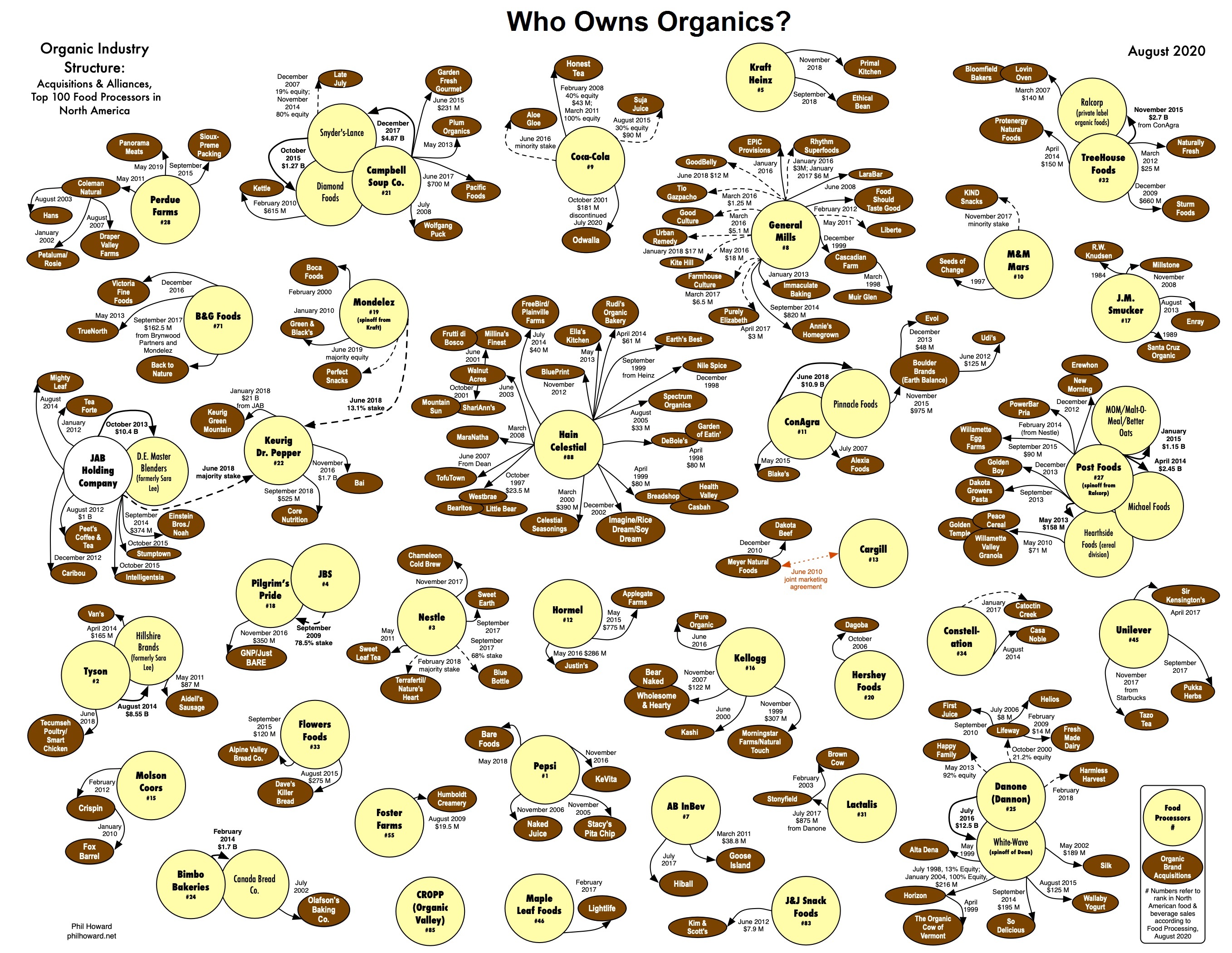
It is getting more and more dangerous to purchase food from the big box retailers stocking commodity food. Your beef could be from Argentina from shipments that were rejected by China (source), and much of the food you purchase could be contaminated with chemicals that have been banned in most other countries and have been legally shown to cause disease in a court of law.
Your government here in the U.S. is NOT looking out for you! So you need to become a health-conscious consumer, and try to purchase food where you know where it came from and how it was produced.
My own online story, Healthy Traditions, provides options for food produced by small-scale family farmers where we have thoroughly tested it.
We are sourcing more and more of our food from outside the U.S., due to necessity. Starting this year, 2026, we are only purchasing grains from Italy, where their standards for food are far superior to the USDA national organics program.
We stopped participating in the USDA organic program years ago, due to the influence of Big Food that has watered down the standards and still allows trace amounts of herbicides and pesticides. See:
We have consistently tested products in the U.S. that claim to be “organic” or “GMO free” and have routinely found these products contaminated with dangerous herbicides like glyphosate, and GMO DNA.
And they are not even violating USDA organic standards.
In Europe, and especially in Italy, if someone makes a claim to having a European organic certification and then those products are tested to be contaminated, they lose their license to sell, and face criminal charges, unlike the U.S.
Americans have no one to blame for the sad state of our food and food production here in the U.S., however, except themselves, because the American consumer still has the largest voice and the most influence when it comes to food standards.
But people buy in to the partisan political debates and falsely think they can just vote the right person into power to solve their problems.
The most effective way, however, to bring about change, is by voting with your dollars and where you spend your money.
This is the only thing that will affect change, but it takes a lot more effort to seek out ethical food producers in your community and support them instead. It is just so much easier to stop at the Big Box grocery stores where you can get all your shopping done in minutes.
Convenience has a price: and it may cost you your life.
This article was written by Human Superior Intelligence (HSI)
See Also:
Understand the Times We are Currently Living Through
Lian Yunzhi, age six, broke the record earlier this month with an average time of 4.52 seconds at a World Cube Association-certified competition in the Chinese city of Wuhan.
Lian Yunzhi, age six, broke the record earlier this month with an average time of 4.52 seconds at a World Cube Association-certified competition in the Chinese city of Wuhan.
Às 10h50 de 23 de julho de 2026, o diretor-geral da Polícia Federal (PF), Andrei Rodrigues, enviou um ofício sigiloso ao advogado-geral da União, Jorge Messias. No documento, obtido com exclusividade pela Agência Pública, pedia-se que a Advocacia-Geral da União (AGU) analisasse e tomasse “as eventuais providências cabíveis” contra uma decisão do ministro André Mendonça, então relator do caso Master no Supremo Tribunal Federal (STF). A resposta, registrada em nota jurídica também sigilosa, foi negativa: segundo a AGU, não havia nenhuma medida judicial possível.
O pedido precedeu a fase mais aguda da crise que, em setembro, pôs ministros do Supremo em confronto e levou ao afastamento de Andrei do cargo, em decisão de André Mendonça — posteriormente revertida por Flávio Dino e mantida por Edson Fachin. Segundo integrantes do alto escalão do governo, ouvidos sob reserva pela reportagem, a negativa da AGU ao ofício teria tido o aval também da cúpula jurídica do governo e foi emitida antes da divulgação das mensagens atribuídas ao ex-banqueiro Daniel Vorcaro e ao ministro Alexandre de Moraes, que se tornaram públicas em 8 de setembro, quando Mendonça retirou o sigilo de parte das investigações do Banco Master.
Fontes do alto escalão disseram à Pública que a cúpula da AGU teria se sentido pressionada por Rodrigues com o envio do ofício e que a história teria chegado até a presidência da República. Uma reportagem da Folha de S. Paulo, publicada em 2 de setembro, relatou que a PF via uma “omissão” da AGU em relação à crise envolvendo o ministro André Mendonça.
A Pública apurou que o Advogado-geral da União, Jorge Messias, e o ministro da Justiça e Segurança Pública, Wellington César Lima e Silva, se encontraram com André Mendonça, fora da agenda, após tomarem conhecimento do pedido da PF. No encontro entre os três, os representantes do governo buscaram uma “interlocução” para resolver o embate, mas a exposição das conversas direcionadas a Moraes, que vieram depois do encontro, afastou os governistas do caso para evitar uma associação pública do governo à crise no Supremo.
Messias, da AGU, recebeu o pedido sigiloso da PF para analisar decisão de André Mendonça
Nesta quarta-feira, 23 de setembro, reportagem de Marcela Mattos no UOL informa que Messias e Andrei trocaram xingamentos diante de Lula: ‘Está me espionando?’. Segundo o UOL, pessoas que ouviram relatos do episódio disseram que a conversa, acompanhada a todo momento por Lula, foi “dura”, “tensa” e “ríspida”. A cobrança foi considerada a gota d’água de uma série de divergências que vinham se arrastando nos bastidores das investigações sobre o Banco Master.
Procurada, a AGU informou a Pública que “as informações apresentadas na matéria do UOL não são precisas. Divergências são naturais, evidentemente, mas nada se sobrepõe ao respeito e à consideração que o advogado-geral da União, Jorge Messias, tem pelo diretor-geral da Polícia Federal, Andrei Rodrigues, tanto no âmbito pessoal quanto institucional”
Procurada, a Polícia Federal não deu retorno até a publicação. O espaço segue aberto para manifestação.
Uma disputa que começou em fevereiro
André Mendonça herdou o caso Master de Dias Toffoli em fevereiro deste ano. Nas primeiras decisões como relator, em 19 de fevereiro, o ministro determinou que apenas os policiais diretamente envolvidos na investigação tivessem acesso às informações, com sigilo “inclusive em relação aos superiores hierárquicos”, o que incluiria Andrei Rodrigues. Seria um movimento para limitar a influência do diretor-geral na apuração, vista com desconfiança pela ala de André Mendonça. Nos bastidores, teria pesado a percepção de Mendonça de que informações sensíveis chegavam antes ao comando da PF, o que passou a causar “um certo desconforto”, segundo uma fonte do STF, até mesmo entre os juízes lotados no gabinete do ministro.
Andrei Rodrigues, diretor-geral da PF, enviou ofício à AGU em 23 de julho de 2026
Em 22 de maio, na investigação sobre fraudes no INSS (Operação Sem Desconto), da qual Mendonça também era o relator, o ministro teria reagido a uma mudança na chefia do caso e exigido ser avisado de qualquer nova alteração na equipe. Em 15 de maio, na semana anterior à exigência de Mendonça, o comando da PF trocou a área responsável pelos inquéritos do INSS: o caso foi transferido da Divisão de Repressão a Crimes Previdenciários (DPrev) para a Coordenação de Inquéritos em Tribunais Superiores (Cinq). Simultaneamente, o delegado que chefiava a operação, Guilherme da Silva, solicitou transferência para Minas Gerais, estado natal dele. À época, a PF não revelou o nome do novo chefe da operação e justificou que a mudança assegurava “maior eficiência e continuidade das investigações”.
Em 13 de julho, Mendonça repetiu a ordem no caso Master (Operação Compliance Zero): a equipe de investigadores deveria ser mantida e qualquer troca deveria ser comunicada a ele previamente; as informações também deveriam ficar restritas às coordenações responsáveis, e o material bruto extraído de celulares e computadores apreendidos deveria ser enviado ao seu gabinete.
Mendonça impôs restrições ao acesso às informações da investigação do Master
Dez dias depois, em 23 de julho, Andrei oficiou à AGU com direcionamento a Jorge Messias, conforme o documento obtido pela Pública. O documento da PF registra que não há “qualquer indício de irregularidade” nas investigações e classifica como “desarrazoada” uma decisão que limitasse as atribuições administrativas da PF. O documento registra, ainda, que o controle externo da polícia cabe ao Ministério Público Federal. No pedido, foi citada a decisão de Mendonça de maio como “de conteúdo semelhante”, na qual se fundamentou na lei que permite à AGU defender, na Justiça, agentes públicos por atos praticados no exercício do cargo.
A análise sigilosa da AGU
O ofício foi enviado à Secretaria-Geral de Contencioso, braço da AGU que representa a União no STF. Em 24 de julho, uma reunião no gabinete do advogado-geral substituto apontou os primeiros problemas do pedido: a repercussão na imprensa sobre o incômodo da PF, no dia anterior, tratava da decisão de maio, não da de julho; faltavam documentos; e a AGU nem sequer tinha acesso aos processos em sigilo, apenas às cópias das decisões.
A nota registra ainda que, segundo a própria PF, informou à AGU em 27 de julho que o material bruto relacionado a Vorcaro já havia sido entregue ao gabinete do relator na semana anterior.
A Nota Jurídica enumera os motivos da recusa ao pedido da PF. Primeiro, diz que não se tratava de defender um agente público. Segundo, registrou que a AGU não atua em investigação criminal, tarefa do Ministério Público. Terceiro, avaliou que a PF não demonstrou “prejuízo concreto” decorrente da exigência de avisar sobre trocas na equipe. E, quarto, a PF perdeu o prazo: as regras já estavam na decisão de maio, e a de sigilo interno vinha desde o início do caso, sem que a PF recorresse. A nota menciona “inércia prolongada da autoridade policial” e afirma que uma nova decisão não reabriria o prazo já vencido. Por fim, como o material já havia sido entregue, não haveria o que suspender.
Na resposta à PF, a AGU sugeriu dois caminhos: conversar diretamente com o relator ou levar o caso ao Ministério Público Federal. As páginas obtidas pela reportagem não mostram a data de assinatura da nota.
Sede da Advocacia-Geral da União, que analisou e recusou o pedido feito pela Polícia Federal
Afastamento e volta em 24 horas
Segundo a Folha de S.Paulo, Mendonça teria dito ao presidente do STF, Edson Fachin, no início de agosto, que suspeitava de viés político de Andrei Rodrigues para blindar a campanha de Lula; Andrei teria relatado a Fachin a suspeita inversa, de que o ministro prejudicava a esquerda e aliviava aliados de Flávio Bolsonaro (PL).
No início de setembro, Mendonça levantou o sigilo do relatório que continha mensagens enviadas por Vorcaro a um interlocutor identificado como “Alexandre de Moraes Brasília”. A maior parte das mensagens foi enviada em visualização única e aponta para a troca de informações sobre uma possível operação contra o ex-banqueiro. Em 15 de novembro, dois dias antes de ser preso, Vorcaro perguntou a Moraes: “Acha que na segunda já tenho que estar fora?”.
Os investigadores também encontraram registros digitais e metadados que indicam que Moraes atuou na edição de um contrato de R$ 130 milhões firmado entre Vorcaro e o escritório de advocacia da esposa do ministro, Viviane Barci de Moraes. Após a revelação do acordo, o escritório Barci de Moraes divulgou uma nota negando a existência de impedimentos legais à contratação.
A partir de então, a crise no STF escalou, como a Pública mostrou ao longo de sua cobertura do caso. A sessão do STF para julgamento das suspeitas contra Alexandre de Moraes foi iniciada em 15 de setembro e marcada por bate-bocas e trocas de acusações entre os magistrados. A deliberação foi adiada após o ministro Flávio Dino pedir vistas do processo. Ou seja, mais tempo para analisar o caso, que segue sem definição.
The crew of the USS Abraham Lincoln touched American soil for the first time in nine months, when the strike group pulled into Apra Harbor, Guam, for a brief logistics stop and on-base liberty. The supercarrier, alongside guided-missile destroyer USS Frank E. Petersen Jr., arrived on September 19 and left the next day. Lincoln is 307 days into her deployment, 19 short of the record set earlier this year by the USS Gerald R. Ford, and is now just weeks away from San Diego. Meanwhile, two flattops are on station in the Middle East supporting blockade operations, and the USS Ronald Reagan has rejoined the fleet after an extended maintenance availability.
Here’s TWZ’s weekly carrier tracker monitoring America’s flattop fleet, including deployed Carrier Strike Groups (CSG) and Amphibious Ready Groups (ARG), using publicly available open-source information. Check out our last report here.
Abraham Lincoln Departs Guam, Continuing Her Journey Home
The USS Abraham Lincoln is currently conducting routine operations at an undisclosed location in the U.S. 7th Fleet area of responsibility (AOR), presumably steaming east en route to her homeport at Naval Air Station North Island in San Diego. After leaving Thailand on September 6 following a five-day liberty port call, Lincolntopped off the Petersen Jr. in the Gulf of Thailand and linked up with two Royal Australian Navy frigates for joint training in the South China Sea. Publicly available flight tracking data shows the carrier transited the Balabac Strait eastbound around September 13, and the Surigao Strait northbound two days later to enter the Philippine Sea. After going dark for a few days, she resurfaced in Guam and moored at Kilo Wharf over the weekend.
Lincoln transits the Philippine Sea. U.S. Navy photo Lincoln transits the Philippine Sea. U.S. Navy photo
“Due to the brief nature of the logistics stop, the crew were afforded on-base liberty to access base services and attend a Navy Entertainment-sponsored concert,” CSG-3 spokesman Lt. Cmdr. Tyler Barker wrote in an email to Stars and Stripes. The carrier took on stores, mail, and equipment, according to Barker, and 13 Fleet and Family counselors are now aboard to run return-and-reunion classes but “the crew and ship remain focused and ready.”
USS Abraham Lincoln (CVN 72) arrives in Guam on Sept. 19, 2026. U.S. Navy photo
A homecoming date has not been announced publicly. Unless Lincoln makes another stop (in Hawaii, for example) or conducts additional training on the way, she should arrive in early October just shy of Ford’s record. The Chief of Naval Operations, Adm. Daryl Caudle, said in June that Lincoln would likely shift her homeport to Naval Base Kitsap-Bremerton in Washington state, which aligns with TWZ’sreporting that she is expected to begin a Drydocking Planned Incremental Availability (DPIA) after returning stateside. The timeline for the DPIA is unclear.
George Washington and George H.W. Bush Project Power In The Middle East
The American public got a rare look at ongoing combat operations aboard the USS George Washington when two reporters embarked earlier this month. Fox News’ Trey Yingst and CBS News’ Tom Hanson reported live from the flight deck, as F-35C Lightning IIs and F/A-18E/F Super Hornets launched behind them, in hits that aired September 11 to 14. The only other publicized media embark since the war began on February 28 went to CNN’s Pamela Brown, who reported on the conditions aboard the USS Abraham Lincoln while the flattop was still in theater.
An F-35C launches from Washington. U.S. Navy photo A pair of Super Hornets on Washington. U.S. Navy photo
“Last weekend, the aircraft carrier came under Iranian missile attack; the first of three attacks on US warships in the last week alone,” Yingst said, indicating it was the USS George Washington, and not the USS George H.W. Bush, that was targeted by the Islamic Revolutionary Guard Corps (IRGC) in early September. The Navy declined to comment when TWZ asked which carrier was targeted after Iranian state media claimed the strike had been successful. “We’re pretty much employing all our capabilities right now,” Washington’s commanding officer (CO), Capt. Nicholas DeLeo, told Yingst.
Night flight ops aboard USS George Washington. U.S. Navy photos
“The GW is surrounded by four to five guided-missile destroyers at any moment,” Yingst also reported. He flew out to USS Shoup, positioned off the starboard side at the time, to make the point and speak with the warship’s CO. Shoup is the only destroyer officially confirmed to be part of CSG-5. “My ship is in charge of coordinating defense amongst the various other units, allocating defensive assets to it, be it potentially a missile to shoot something down or just aircraft to go identify and monitor the picture,” Capt. William Buford said. Based on that description, Shoup’s CO appears to be coordinating Integrated Air and Missile Defense (IAMD) for the strike group, a question we’ve been asking the Navy to confirm. TWZ understands additional destroyers operating in the U.S. Central Command (CENTCOM) AOR are also escorting Washington, but a U.S. official declined to say which ones.
Hanson asked DeLeo about the recent IRGC ballistic missile threat targeting Navy ships in the region. “We have a variety of ways to protect, both offensively and defensively, a Navy ship, and we employ all these methods,” he told the network. “It’s something that we train to.” Hanson also pressed the commander of CSG-5, Rear Adm. Jeff Heames, on whether he was concerned about the munitions stockpile, a dynamic TWZ detailed in a special feature yesterday. “Of course we’re concerned about the expenditure to some degree, but I have no concerns locally at my level here,” Heames replied.
Gun shoot aboard USS George Washington (CVN 73), Sept. 15, 2026. U.S. Navy video
In addition to Washington, Bush is still working the blockade from the Arabian Sea, nearly six months into her deployment. As of CENTCOM’s latest social media update on September 21, U.S. forces in the region had redirected 110 commercial vessels to ensure “total compliance” with the blockade. More than 50 ships “supporting humanitarian efforts” have been allowed through, according to the command. CENTCOM recently stopped publishing the number of ships boarded, seized, or disabled kinetically.
An MH-60S Sea Hawk lifts cargo from the flight deck of USS George H.W. Bush, Sept. 18, 2026. U.S. Navy photo
Ronald Reagan Rejoins the Fleet
The USS Ronald Reagan is officially back. The Navy, in a recent statement, confirmed the flattop “returned to the fleet capable and mission-ready.” The carrier had been out of action since March 2025 for a DPIA at Puget Sound Naval Shipyard in Washington state and completed four days of sea trials in early September. While the Navy does not comment on upcoming deployments due to operational security, current speculation points to a spring 2027 deployment, but that is not confirmed.
Counter measure wash down on USS Ronald Reagan in the Pacific Ocean on Sept. 6, 2026. U.S. Navy photo
Reagan is the only carrier currently homeported at Naval Base Kitsap-Bremerton in Washington. Previously, she was America’s only forward-deployed carrier based in Yokosuka, Japan, until swapping hulls with the USS George Washington in 2024. USS Nimitz was stationed at Naval Base Kitsap-Bremerton before circumnavigating South America to Naval Station Norfolk this summer, where she is being used primarily for training before deactivation in 2027. The yet-to-be-commissioned PCU John F. Kennedy, the second and newest Ford class supercarrier, is slated to homeport in Washington state no earlier than 2029.
U.S. Navy Big Deck Fleet At A Glance
Overall, three U.S. carriers are deployed (with one heading home), one is preparing to deploy in the near term, three are working up in various states of readiness, three are in current or upcoming maintenance, and one is being used primarily for training before deactivation next year. One amphibious ready group is deployed, one is forward-stationed and in port, four are working up or in port, and three are in maintenance.
Note: Positions are general approximations.Non-deployed LHA/LHD amphibious warships are not shown.
Contact the author: ian.ellis-jones@recurrent.ioor @ianellisjones
In July 1952, reports of a railway disaster in Poland began circulating in the Western media. According to these reports, a Soviet military train derailed near the Polish town of Rzepin on 9 July 1952, killing around 160 Red Army soldiers who were returning to the Soviet Union. The train reportedly left the tracks between Rzepin and Boczów and plunged into a lake. What makes this alleged accident interesting is the uncertainty surrounding whether it actually happened.
The accident as reported by various western newspapers. Credit. Newspaper.com
On September 20, 2006, Hugo Chávez stepped up to the granite podium of the United Nations General Assembly. A day earlier, from that exact same spot, the President of the United States, George W. Bush, had spoken. Chávez crossed himself, said that the room still smelled of sulphur, and the hall burst into laughter and applause. It was not the speech Chávez had originally intended to give, but rather the direct result of the deep indignation caused by hearing Bush speak as if he owned the world. The major media of the North latched onto the sulphur phrase and have tried to caricature it. But it is the rest of his intervention that remains fully relevant, 20 years later.
Chávez arrived at the General Assembly with a book in hand, “Hegemony or Survival” by Noam Chomsky. His warning was simple yet devastating: the United States’s pretense of dominating the world put the very survival of the human species at risk. At that time, US troops were occupying Iraq. A few weeks earlier, Israel had bombed Lebanon under Washington’s diplomatic protection. In the capitals of the global north, the “end of history” was still being celebrated, the idea that liberal capitalism was humanity’s definitive horizon. Chávez said that this thesis had been proven false in barely a decade, and that now the future of the world had to be defined.
Twenty years later, plunged into an even greater systemic crisis, we can see that every phrase of Chávez’s speech remains relevant.
From hegemony to hyper-imperialism
In 2006, the United States seemed like an empire at the peak of its power. Today it is an empire in relative decline, and therefore more dangerous. The Tricontinental Institute for Social Research has called this new stage hyper-imperialism: imperialism exercised in an exaggerated and agitated manner by a power that compensates for the loss of its economic hegemony by relying on the two areas where it still dominates, war and the control of information.
An empire’s hegemony is usually lost in three stages: first in production, then in finance, and finally in the military. The United States has already lost productive primacy: China is today the world’s largest economy measured by purchasing power parity. The reign of the dollar is beginning to be questioned, and many countries are opting for transactions in their own currencies. But military supremacy remains intact. The bloc led by Washington groups around 50 countries and concentrates about three-quarters of global military spending. The United States maintains around 900 military bases abroad. More than one in four countries on the planet lives under its sanctions.
An empire that declines economically while retaining its weapons is tempted to resolve its decline by force. The dilemma that Chávez borrowed from Chomsky, hegemony or survival, has become literal. Permanent war and climate catastrophe today threaten the very conditions of life.
The veto and the UN that doesn’t work
The least-cited part of the speech was perhaps the most prophetic. Chávez stated that the United Nations system born after World War II had collapsed. The General Assembly had become a merely deliberative space, without the capacity to change the terrible reality of the world. Back then, Chávez made four concrete proposals:
First, expand the Security Council to include Third World countries as permanent members. Second, create transparent methods for conflict resolution. Third, eliminate the veto, and fourth, strengthen the General Secretariat.
His example was Lebanon: a US veto had allowed the country to be torn apart before the eyes of the world. Unfortunately, over two decades, the UN’s strength to prevent wars and genocides has progressively diminished. That same mechanism criticized by Chávez has allowed a new genocide in Gaza. That inaction of multilateralism permitted the kidnapping of the sitting Venezuelan president. However, the conclusion is not to abandon the UN, but to contest it.
The debate on a “multipolarity” that reproduces rivalry between great powers is insufficient. What the South needs is true multilateralism, defending the United Nations Charter as the common heritage of the world’s peoples. It is the same Charter upon which, in 1955, the ten principles of the Bandung Conference were built.
“We are men and women of the South”
Chávez did not arrive in New York alone. He came from Havana, where more than fifty heads of state had just relaunched the Non-Aligned Movement. “Havana was the capital of the South for a week,” he said. And then he added a phrase that sums up a political identity: “we are men and women of the South.”
The Global South is not a cardinal point. Australia is in the southern hemisphere and belongs to the North; Cuba, Vietnam, or Burkina Faso are in the northern hemisphere and belong to the South. It is a historical category: they are the peoples of former colonies and semi-colonies and socialist projects, whose struggle for sovereignty has not yet concluded. Their weight has changed. By 2007, the economies of the South surpassed those of the North in purchasing power parity, and in recent years they came to represent nearly 60 percent of world product. BRICS and the Belt and Road Initiative have begun to create something that did not exist in Bandung’s time: material conditions for cooperation among the peoples of the South.
But, although there is a new mood in the Global South today, the spirit of Bandung is not yet there. In 1955, the strength of those governments came from organized masses that prevented them from abandoning the liberation program. Chávez’s speech was precisely that: the voice of Latin American twenty-first-century socialism, of peoples pushing their governments. It was, for Latin America, a kind of Bandung from below. Today, that spirit faces an “angry tide” and needs to be rebuilt.
Peoples, not governments
There is a fundamental element in that 2006 speech that we cannot forget. Chávez distinguished between the US government and its people. He said that if one walked through the Bronx or San Francisco, one would find people who want peace. The working class of the North, impoverished and battered by deindustrialization, is not the enemy of the peoples of the South. It is a possible ally. Specially today when it is persecuted by a renewed McCarthyism that sees terrorism in those who raise their voices for social justice.
When Bush accused those who opposed his war of being extremists, Chávez replied that it was not about extremism: the world was awakening and peoples were rising everywhere. Today, aggression takes multiple forms. It takes the face of military actions, lawfare, unilateral coercive measures, or the confiscation of national resources. But its objective remains the same: to discipline anyone attempting a sovereign path.
The future doesn’t just arrive; we must organize it
The speech closed on a note of optimism. Chávez said that there was a dawn on the planet, visible in Latin America, Asia, and Africa. Twenty years later, that optimism requires precision. The future is not a date on the calendar, but a rupture that must be built. Hope is not passive expectation, but a practice that requires organization, discipline, and internationalism.
The sulphur that Chávez smelled in 2006 has not dissipated; it has grown denser and spread beyond the diplomatic corridors of New York. That is why that speech does not belong to a record of the past, but to our current agenda. It reminds us that the South has a voice, that the UN can and must be contested, and that the North’s hegemony is not a natural law. What is missing, as in Bandung, is what has always made the difference: the peoples must organize.
Carlos Ron is Co-coordinator of the Nuestra America office ofTricontinental: Institute for Social Research. He was a Venezuelan diplomat and served as Vice Minister for North America (2018-2025).

 Login