Meta will give its investors free shares if Mark Zuckerberg hits certain "extraordinary" targets.
It will pay 1:1 share dividends each time Meta stock doubles and has compounded at over 10% a year.
Meta is rolling out Class C shares to address Zuckerberg's tax concerns and keep him in California.
Meta stockholders are set to receive free shares if Mark Zuckerberg absolutely crushes it as CEO.
The social-media giant revealed in a Wednesday filing that if its upcoming Class C shares double from a baseline price of $580.60 to just over $1,161, and their compound annualized return since September 10 has been at least 10%, shareholders will receive a dividend: a Class C share for every Meta share they own.
If Meta stock — specifically its 30-day volume-weighted average price — doubles again to around $2,322, and has risen by at least 10% on average per year, shareholders will receive the same dividend again, and so on.
Meta, which owns Facebook, WhatsApp, Instagram, and the AI agent Muse, acknowledged how difficult it will be to unlock those dividends, describing the stock price targets as "extraordinary" in its filing.
Its stock has already surged more than sevenfold from its November 2022 low, giving Meta a nearly $1.8 trillion market capitalization that ranks it among the 10 most valuable companies in the world.
The additional dividends would be paid on top of the initial dividend declared by Meta's board on Wednesday, which will see Class A and Class B shareholders receive Class C shares on a 1:1 basis, likely in late January.
Meta is rejigging its share structure in response to Zuckerberg's concerns about California's so-called billionaire tax: a one-off, 5% wealth tax on the roughly 250 billionaires living in the state.
Zuckerberg, who ranked fifth on the Bloomberg Billionaires Index with a $247 billion net worth at Wednesday's close, will be able to sell the Class C shares to access the liquidity needed to pay the tax, avoiding a sale of his existing shares that would erode his voting power.
Meta's board took action after Zuckerberg said he was considering moving out of California because of the potential tax, and cautioned that the steps involved in relocating, such as listing his home for sale, could spark questions from employees about the company's management, the filing says.
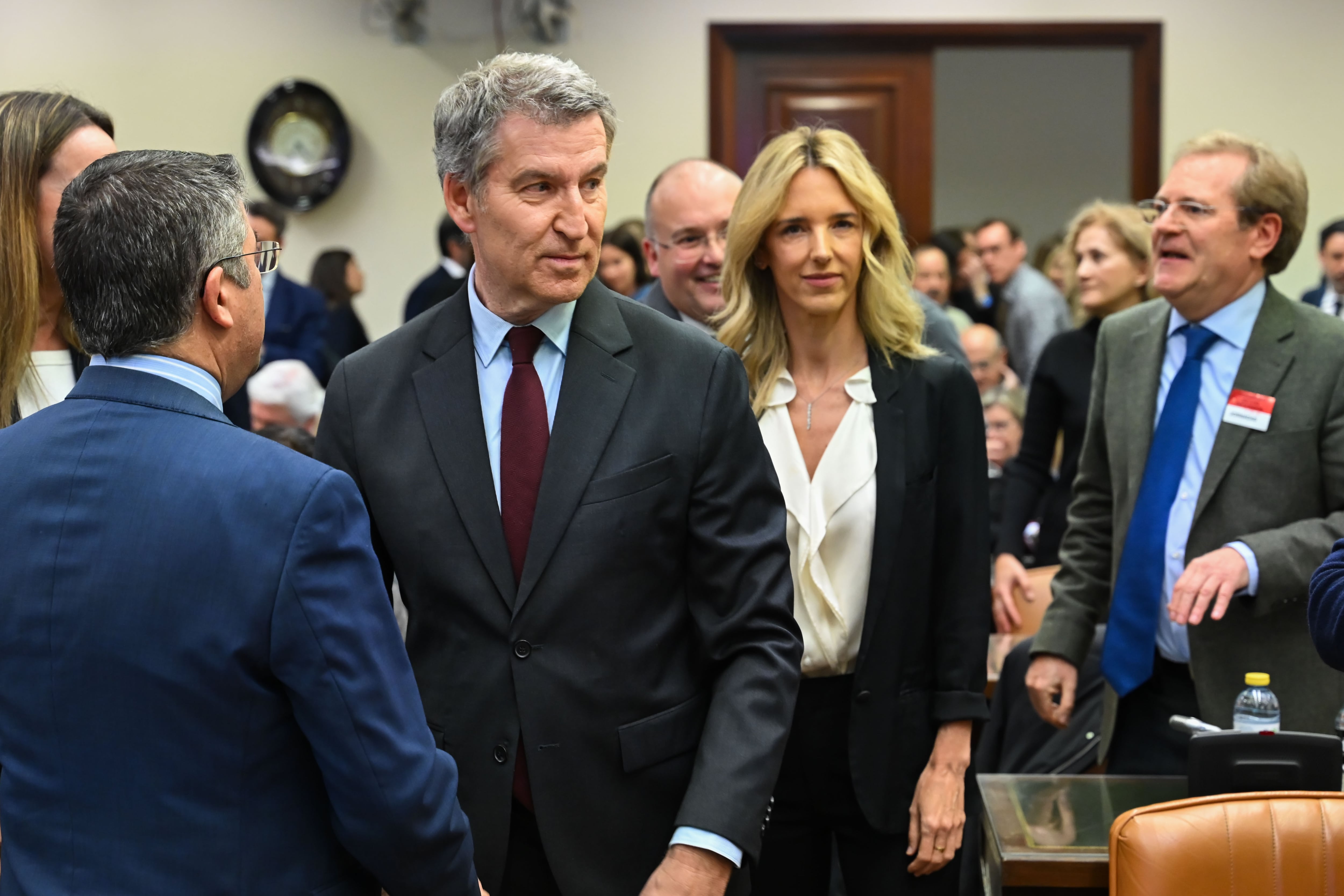
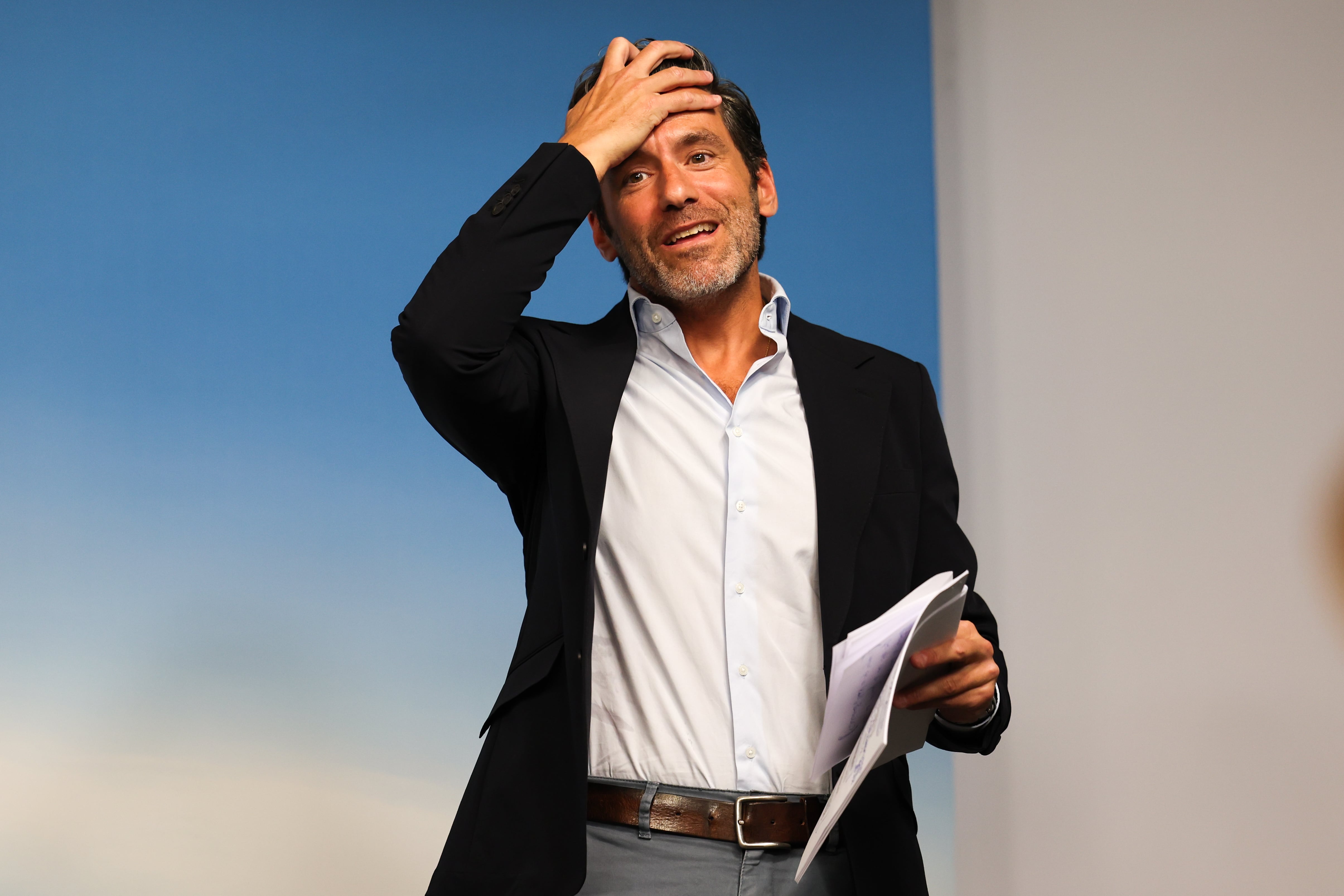
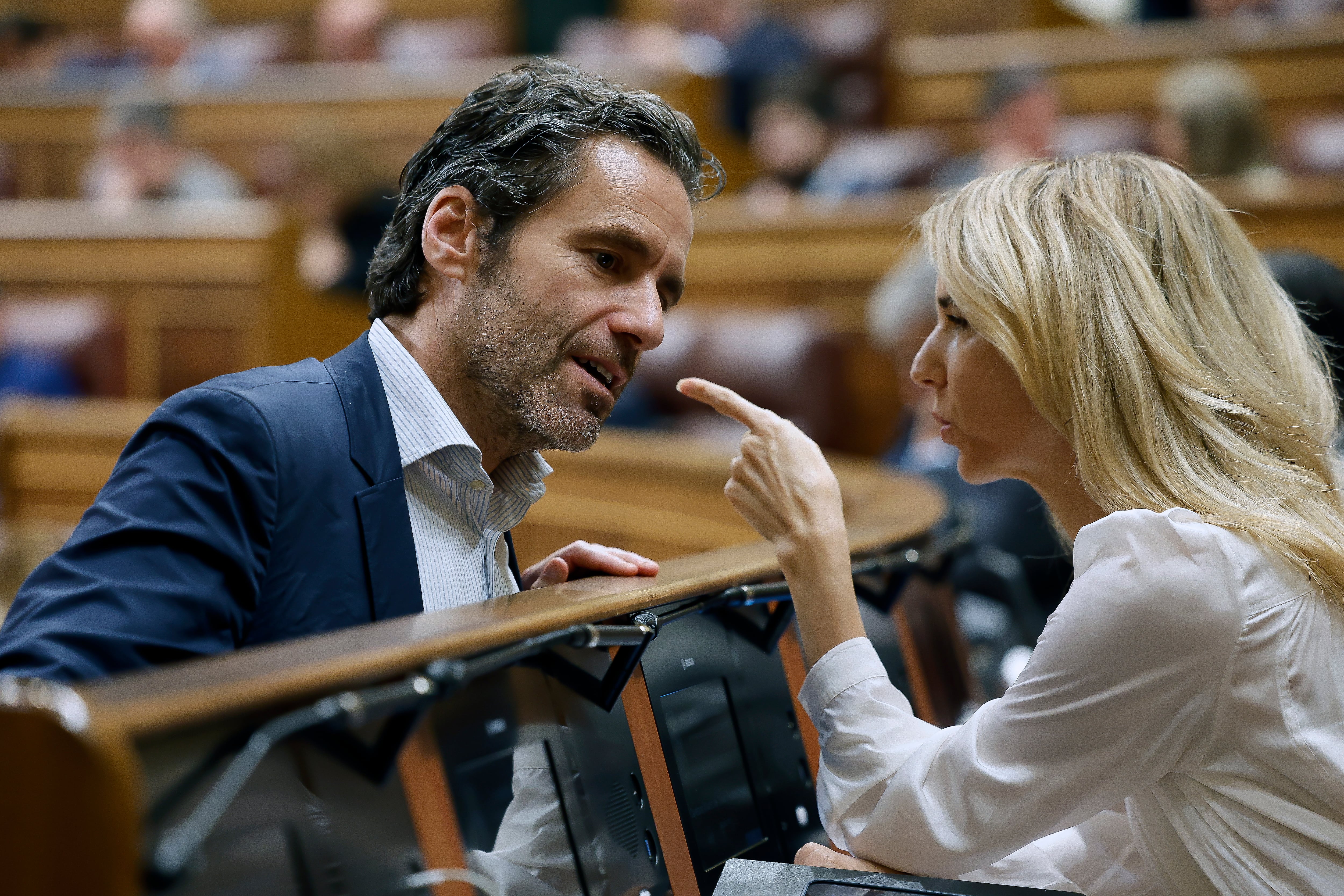
El expresidente del Gobierno Felipe González ha confirmado este jueves que no se siente representado por ningún candidato de cara a las elecciones del 29-N y que, por tanto, votará en blanco. Además, preguntado por las opciones de su partido, ha hecho referencia a la visita este miércoles del presidente de Argentina: “Si nos visita Milei 15 veces más, es posible que gane Sánchez”. Mientras, el portavoz del PP, Borja Sémper, ha defendido los vídeos producidos con IA por el equipo de comunicación de su partido, en los que suplanta la identidad de Begoña Gómez, José Luis Ábalos o José Luis Rodríguez Zapatero. Según Sémper, no tienen una “finalidad espuria”. El propio Sémper, como número tres, y Cayetana Álvarez de Toledo, número dos, acompañarán a Alberto Núñez Feijóo en las primeras posiciones de la lista del PP por Madrid. Desde el PSOE, la secretaria de Organización, Rebeca Torró, ha insistido en que “el PSOE va a participar en todos” los debates electorales, incluyendo uno sobre vivienda propuesto el miércoles por los populares, pero afea que los de Feijóo quieran decidir cuándo y en qué medio de comunicación.
The explosion of a bag with drugs on Wednesday that injured two police officers and two civilians was “not a terrorist act, but one of the common criminal code,” Citizen Protection Minister Michalis Chrisochoidis said on Thursday. Speaking to ANT1 TV. the Minister said the police were investigating the scene and that those responsible will […]
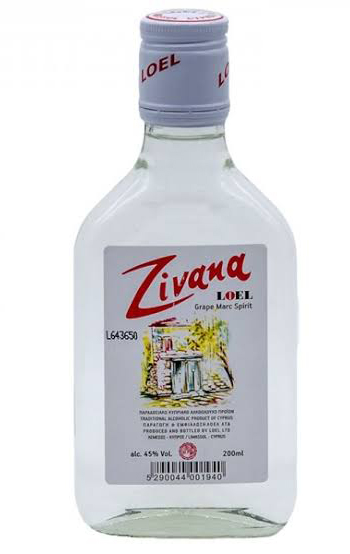
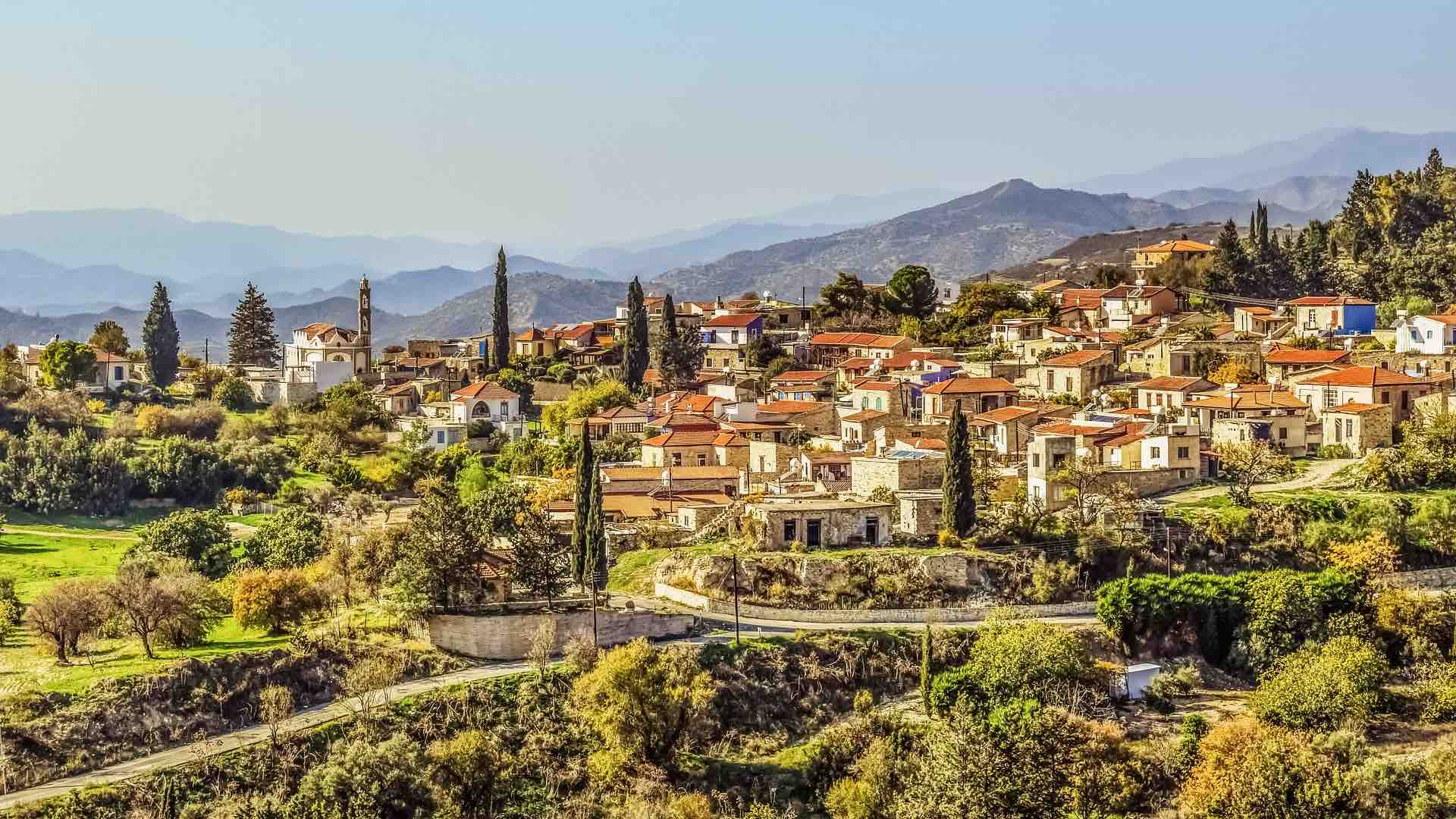
A couple of weeks ago LOEL celebrated 30 years of its Zivania, which has reached iconic status among lovers of this grape marc spirit. Zivania is a traditional alcoholic beverage, which has been produced for centuries in Cyprus by distillation, playing an important role in the everyday life of Cypriots.
Zivania is produced by distillation. A strong drink, it is high in alcoholic content, which according to tradition is made only from grapes. Since 2004, Zivania has been protected under EU regulations as a product unique to Cyprus and as such cannot be produced in any other country or marketed under that name. In 2008 it was classified with Protected Geographical Indication.
Zivania is characterised by its typical taste and aroma. It is colourless with a pleasant alcoholic content with light aroma of raisins. The typical alcohol content is 45% by volume. It is a pure drink that contains no sugars and has no acidity.
From tradition to protected status
Historical references to Zivania are few, probably because travellers and writers focused on the excellent Cyprus wine. Giovanni Mariti in the late 18th century tells of a drink which he names Acquavite with a description that perfectly resembles Zivania. He also mentions that this drink was exported to Syria.
Evidence of its continued production during the Ottoman and British occupation of the island comes from British writer Samuel Baker, who in 1879 reported: “…the refuse of skins and stalks is laid upon one side to ferment for the manufacture of raki, or spirit, by distillation…”
Until 1949, wine producers used to sell Zivania to wine and spirit merchants. In that year a colonial decree made the distribution of Zivania by the wine producers illegal (because the government found it too difficult to collect excise duties), thus sending production underground.
The above-mentioned colonial decree was abolished in 1998 and since then the production of Zivania has been legal, allowing producers to market it under its proper name. Quality control is ensured by the Vine Products Commission according to the Rules and Regulations of 1998 for the control of Zivania.
Zivania can only be produced in industrial units which have received approval from the Customs Department, and its distillation apparatus approved by the agriculture ministry. As a result of the new regulation, Zivania quality improved significantly.
How Zivania is produced
Zivania is produced from pomace, the residue of grapes pressed during the winemaking process mixed with high-quality dry wines, all produced from the local grape varieties of Cyprus. It is exclusively produced by the distillation of the two indigenous varieties Mavro and Xynisteri.
The process adopted for the fermentation is the one which is used for red wine making, irrespective of the grape varieties, but fermenting the whole grape mass.
The bouquet of Zivania is ensured by the volatile compounds which are transferred from the grape residue during distillation. The pomace/wine mixture is distilled in special distillation apparatus which was traditionally named ‘lambkins’, an ancient Greek word that was paraphrased by the Arabs.
Traditional distillation, as known by villagers, has today given way to modern technology and Zivania is produced in large distillation tanks made from stainless steel where the wine is mixed with the grape mass and heated up in steam. All approved Zivania producers have in-house chemical labs for analysing the final product before this reaches the market, checking that methanol levels are within the specified limits.
What makes Zivania unique
There are similar products from other countries. In mainland Greece the distillate is called tsipouro, on the island of Crete tsikoudia, in Arab speaking countries arak, in Bulgaria rakea, in Romania tsuica, in Italy grappa, in France eau-de-vie, in Slavic states vinovice and so on. Not all these drinks are made exclusively from grapes.
The authentic taste and aroma (which is a Greek word, meaning pleasant smell) of Zivania is due to its unique chemical composition and it is ensured by the volatile compounds which are transferred from the grape residue during distillation. It is believed that the differentiation between Zivania and other alcoholic beverages is related to the unique geological and climatic conditions existing in Cyprus, the methods of production and distillation and the type of grapes.
Climate of course influences the quality of both grapes and Zivania. Cyprus has an intense Mediterranean climate, with hot, dry summers and short spring and autumn seasons. Average temperatures during ripening strongly influence potential wine and Zivania style. Sunlight duration is also very important, and it acts mainly by controlling the sugar in grapes. The most critical period for quality of the grapes is around the start of ripening. Good conditions ensure an ample reserve of sugar in the grape and flavour and aroma compounds in Zivania. Wind intensity and relative humidity and evaporation affect both quantity and quality of grapes and Zivania.
Zivania LOEL ABV 45%
Distilled from a mixture of local Xynisteri and Mavro grape pomace and dry wines. Crystal-clear appearance with a light raisin aroma, clean alcoholic warmth, and a dry finish. It contains zero sugar and zero acidity. Usually served ice-cold as an aperitif or digestif, paired with Cypriot meze, nuts, dried fruits, or savoury snacks. 20cl €4.30, 37.5cl €7, 70cl €12.50, 100cl €17.50
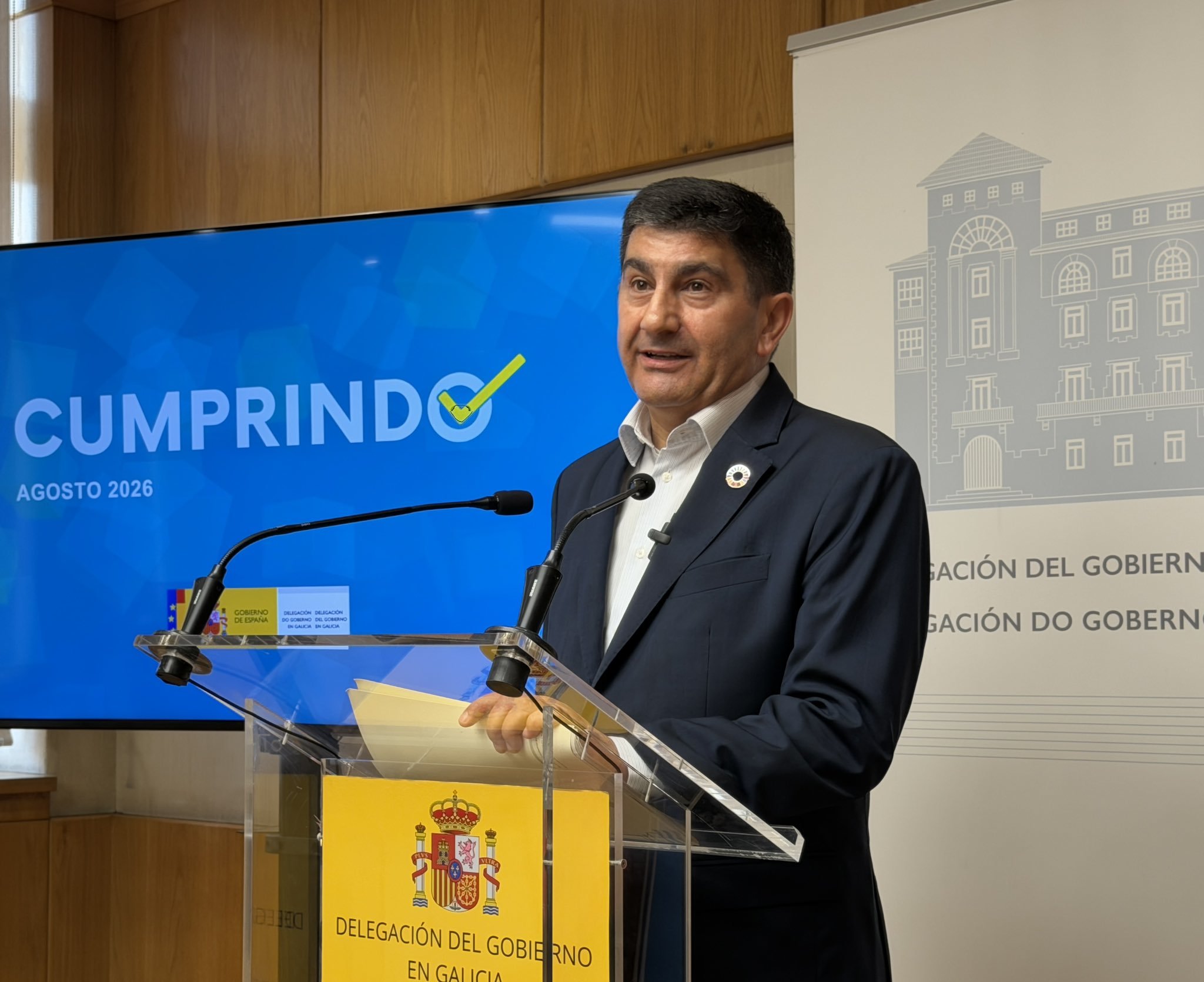
Pedro Blanco defiende que ambas concentraciones eran legales y rechaza las críticas de los sindicatos policiales, que han exigido su dimisión por permitir su celebración simultánea Leer
Pedro Blanco defiende que ambas concentraciones eran legales y rechaza las críticas de los sindicatos policiales, que han exigido su dimisión por permitir su celebración simultánea
Aposta na crise habitacional para se manter no poder. Como tantas vezes acontece na história, esta crise ficou condensada num caso, o despejo de Maricarmen, de 87 anos, que morreu duas semanas depois, no hospital, sem chegar a voltar a casa. Tinha sido alcançado um acordo para regressar, pendente apenas da alta médica.
A crise habitacional é para a direita o que a imigração é para a esquerda, o calcanhar de Aquiles que, por razões identitárias e ideológicas específicas, nenhuma das duas consegue fundamentalmente resolver. Apesar de tudo, o desgaste de Sánchez e dos seus aliados é tal que dificilmente algo os poderá salvar, e o PP, aliado ao Vox, vai ficar com o poder. Mas até ao lavar dos cestos é vindima.
Importa, por isso, expor as linhas vermelhas que Santiago Abascal, o espúrio líder do Vox, impõe ao PP (o provável vencedor das eleições) para realizar a coligação que permitirá a sua chegada ao poder. São três: a desregulação da economia, a famosa remigração e a prioridade nacional. Vou dizer-lhes o que penso de cada uma.
A desregulação económica é uma bajulação ao poder económico. Hoje, como no passado, o que se pretende é aliciá-lo para depois o subordinar. Prometem-se cortes de impostos, privatizações e o fim de regulações para depois impor a sua lei. Assim faz Trump, com as tarifas, a golden share na US Steel, a participação no capital da Intel, a pressão sobre escritórios de advogados e universidades ou o uso das empresas de IA como instrumento para dominar e subordinar o resto do mundo.
A remigração é o termo que se apoderou do imaginário de muitos europeus nesta vaga de regeneração identitária, e cuja versão máxima inclui a expulsão de cidadãos de origem estrangeira para, por milagre, tudo resolver. Sobre a prioridade nacional, o que dizer? O nativismo é para a direita radical europeia o que o nacionalismo foi para o fascismo, a sublimação de todos os problemas com uma esmola que preenche a alma. Quem pertence a uma nação histórica e heroica é maior do que ele próprio. Mesmo pobre e em dificuldades, pode sentir-se superior. É a troca do humanismo universal pela pertença à nação. É o salário psicológico da “europitude”.
A crise material entrou na nova política europeia pela via da identidade. Em Espanha, ainda não será o Vox a ganhar, mas sim o PP de Feijóo, um partido da direita tradicional em desconstrução. Na Extremadura e em Aragão já assinou com o Vox a prioridade nacional, ainda que a tente disfarçar de “arraigo”. Em Portugal, segundo as sondagens, a direita radical já disputa o primeiro lugar com o PS. Estamos todos a observar Espanha, porque em breve também nós teremos de decidir. E se o Partido Socialista quer voltar a governar, terá de mudar muito, a começar pela forma como escolhe os seus candidatos à Assembleia da República. Primárias abertas, que entreguem aos eleitores a escolha e voltem a galvanizar quem há muito deixou de se sentir representado.
Advogados antecipam mais exigências nas operações de fusões e aquisições no país após as novas regras de IDE entrarem em vigor ao nível europeu. Defendem procedimentos claros e maior previsibilidade para evitar entraves à atração de investimento estrangeiro.
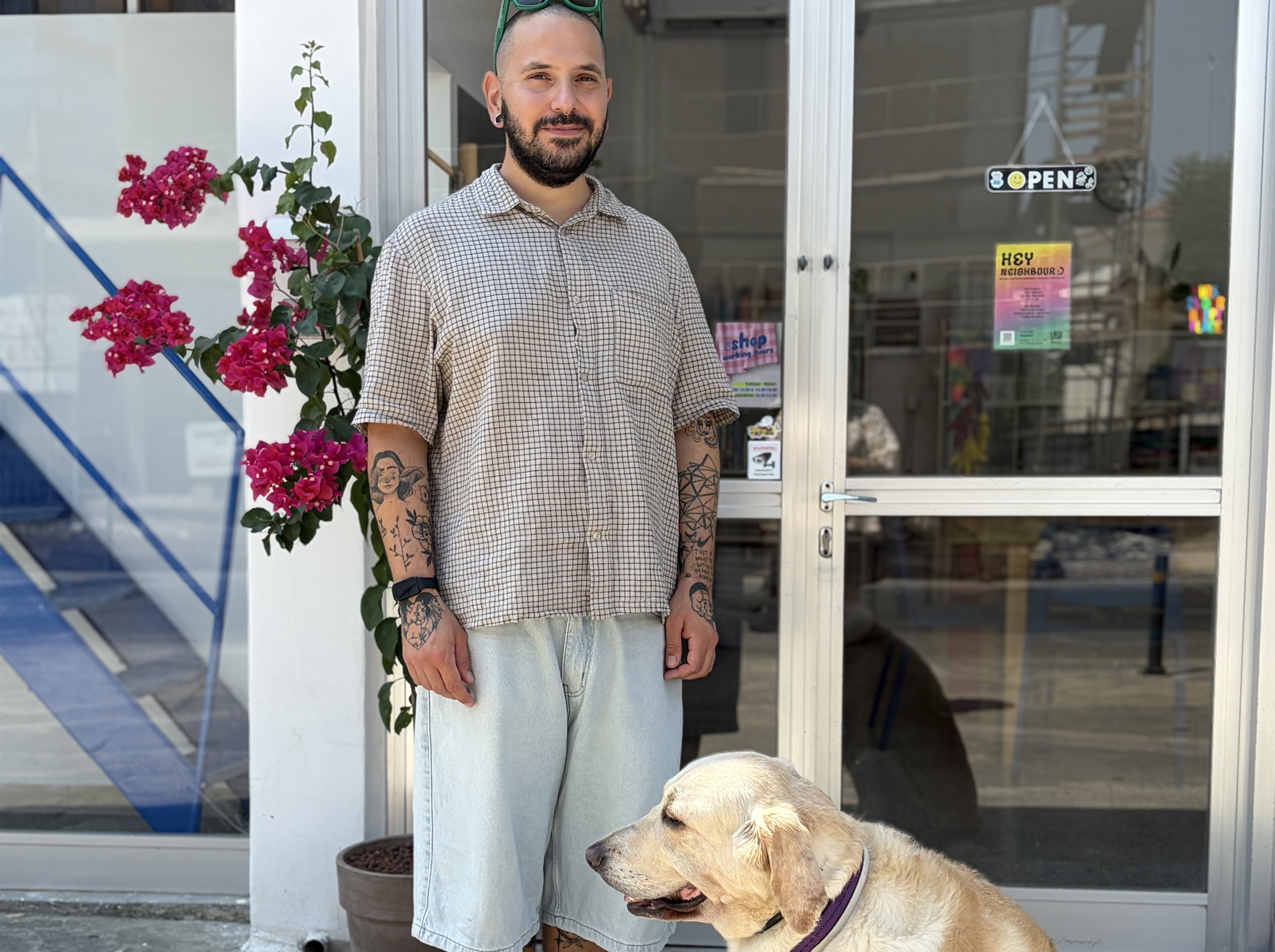
Where do you live? I live with my beloved wife, Anna, and our dog, Nugget.
What did you have for breakfast? I had my favourite breakfast: toasted wholegrain bread with dry anari cheese and plums. But I wish I’d had a chocolate croissant!
Describe your perfect day My perfect day would definitely be spent somewhere in nature, relaxing, having a nice coffee and enjoying a piece of my favourite sweet treat.
Best book ever read? I think my favourite book I’ve ever read is The Little Book of Hygge: The Danish Way to Live Well. I found it fascinating to learn about how the Danes live and the habits they have. Reading it actually helped me quite a lot.
Best childhood memory? One beautiful memory I have is from when I was little and my grandfather would take me on long bicycle rides. He was a lottery ticket seller, so he would ride around the city centre selling tickets and take me along with him. It’s such a beautiful memory.
What is always in your fridge? Sparkling water, cucumbers, chocolate and home-cooked meals!
What music are you listening to in the car at the moment? I’ve been listening to Olivia Dean recently.
What’s your spirit animal? My spirit animal would definitely be some kind of bird. Whenever I see birds in the sky, I think about how much I would love to fly that high, too. Their singing also calms me down so much.
What are you most proud of? Professionally, I’m very proud of the journey I’ve had with Lash Dolls so far, and I’m also incredibly proud of our new shop.
What movie scene has really stayed with you? The scene in Yorgos Lanthimos’ Poor Things where Bella, the main character, learns how to walk. It was so iconic! It’s one of my favourite films ever.
If you could pick anyone at all, alive or dead, to go out for the evening with, who would it be? I’d choose my favourite singer, my one and only, Amy Winehouse. I would absolutely love to meet her. I was so sad when she passed away!
If you could time travel, when and where would you go? I’d travel back to the 1950s. I love the aesthetic, the shapes, the fashion — everything about that era!
What is your greatest fear? I think my greatest fear is earthquakes. I’m really scared of them.
What would you say to your 18-year-old self? First of all, I’d tell him not to take everything so seriously. I’d also tell him not to worry so much and remind him that he is worthy and that he is enough.
Name the one thing that would stop you dating someone I could never be with someone who takes themselves too seriously or doesn’t have a sense of humour!
What would you do if the world was going to end in 24 hours? I’d hug and kiss all my loved ones, have a glass of wine and enjoy a nice pasta dish by the beach.
George creates handmade fabric dolls, fluffy soft toys, accessories and illustrations. He also run creative workshops for kids, teens and adults, as well as birthday workshops. Halloween workshops will be held throughout October, followed by an annual Christmas event on December 5 and 6. Follow him on Instagram
El próximo mes de diciembre, PP y Vox en Extremadura van a aprobar los segundos presupuestos de la legislatura en la Asamblea regional. Unas cuentas que se encuentran en tramitación parlamentaria y donde se recogen, de nuevo, importantes recortes en organismos dependientes de la Consejería de Desregulación, en manos de Vox. En lo destinado al Consejo de la Juventud de Extremadura, los fondos van a reducirse casi a la mitad de la financiación autonómica para el próximo año. En concreto, la transferencia prevista pasa de 763.382 euros en 2026 a 392.635 euros para el próximo ejercicio, una reducción de 370.747 euros, equivalente al 48,6%. Entre los capítulos que más sufren, el destinado a gastos corrientes, el cual pasa de 352.703 euros en 2026 a tan solo 28.300 euros en 2027.
Um novo regulamento europeu vai obrigar todos os Estados-membros a um maior controlo dos investimentos estrangeiros em áreas sensíveis, alargando o escrutínio e os poderes do bloco para impor condições, bloquear ou anular estas operações. Advogados alertam que Portugal terá de rever o regime em vigor.
Cayetana Álvarez de Toledo y Borja Sémper, las dos almas del PP, ocuparán las dos posiciones más destacadas de la lista de Madrid al Congreso, la que encabeza Alberto Núñez Feijóo. La diputada madrileña será la número dos tras el líder del PP, mientras que el parlamentario vasco irá como el número tres, el mismo en el que concurrió en las pasadas elecciones generales de 2023. Es Álvarez de Toledo la novedad y quien escala en la lista, porque en las últimas iba en el puesto seis, coincidiendo con el ascenso de los perfiles más duros en el PP para competir con Vox.
Dopo Adorazione è tra i protagonisti di un’altra serie di grande successo disponibile su Netflix, Minerva – La Scuola. Interpreta Francesco, un ragazzo di periferia che cerca nella vita militare un’occasione per costruirsi un futuro e trovare il proprio posto nel mondo, finendo però per scontrarsi con un ambiente che considera la sua sessualità qualcosa da reprimere.
Un ruolo che, racconta Luigi Bruno a Vanity Fair, gli ha fatto “ritrovare il legame di tenerezza con mio fratello più piccolo, considerando che per lui sono un po’ un mentore, una guida”. E quando gli si chiede chi siano invece le sue guide, la risposta arriva senza esitazioni: “Ho la fortuna di avere al mio fianco delle persone, la mia famiglia, il compagno di mia madre, gli amici, che sono fondamentali per me. Per tutta la mia vita ho avuto un fortissimo rapporto con mia madre: mi ha cresciuto da sola. Poi, a un certo punto, nell’adolescenza è entrato il suo compagno, una persona molto legata a noi che ci fa tanto bene. Penso di avere una spiccata sensibilità femminile grazie a lei, una donna molto forte e indipendente”.
Elon Musk says he'll give every child in the US a piece of his space company, SpaceX.
Kent NISHIMURA / AFP via Getty Images
Elon Musk said he's going to give every child in the US a share of his space company, SpaceX.
That would amount to $10.7 billion, based on SpaceX's stock price and the 72 million US children.
Governments and billionaires have previously explored ways to spread corporate ownership.
Christmas came early: Elon Musk wants American children to own stock in his space company, SpaceX, next year.
Musk wrote on X around 1 a.m. Monday that he planned to make the donation next year — "the first of many," he said. SpaceX went public this summer.
Giving one share to each of the estimated 72 million US children would cost roughly $10.7 billion at SpaceX's closing price of $147.92 on Friday. Musk's 4.77 billion SpaceX shares were worth about $706 billion at that price, so the gift would reduce his holdings by about 1.5%.
President Donald Trump said on Truth Social on Monday that the shares would be transferred through Trump Accounts, tax-advantaged investment accounts for eligible American kids launched this summer. Under temporary Treasury rules, donated shares generally cannot be sold for five years.
"This is exactly what was envisioned when we created TRUMP ACCOUNTS," Trump said. "Bringing together the GREAT PRIVATE SECTOR, Elon and so many more, to invest in our children."
The White House said nearly 70 million Trump Accounts have been created. Numerous entities have agreed to contribute, including a $6.25 billion donation from billionaire couple Michael and Susan Dell for children in lower-income zip codes. In July, SpaceX President Gwynne Shotwell and her husband pledged personal SpaceX shares worth at least $321 million, prioritizing lower-income communities.
The White House, Elon Musk, and SpaceX did not immediately respond to a request for comment from Business Insider.
Musk's plan to give away SpaceX stock raises questions about a new kind of billionaire philanthropy: Gifting people shares in a company instead of cash.
Giving millions of children a stake in SpaceX could give them money to use later in life — but the value is tied to a single company's stock. And history shows that efforts to spread corporate ownership can yield uneven results, from big investment returns to stakes being sold for quick cash.
Here are other historical efforts to share wealth or spread corporate ownership among everyday people.
US Sen. Mike Gravel's 1978 share proposal to Alaskans
Senator Mike Gravel (D) represented Alaska from 1969 to 1981. He ran for president in 2008 and 2020.
Original Caption
In 1978, US Sen. Mike Gravel proposed a statewide ownership corporation that would have given Alaskans, including children, stakes in major energy and other business projects. The Trans-Alaska Pipeline System was one potential investment.
The idea was that Alaskans would benefit from an economic boom and any rising asset values. However, the plan never materialized.
Alaska instead developed a dividend system that draws on its preexisting Permanent Fund, a state fund established in 1976 with oil royalties that invests in stocks, bonds, and other assets. It began paying annual cash dividends to eligible Alaskans in 1982.
The Permanent Fund still continues today, with a $1,200 dividend distributed to every eligible Alaskan adult and child who applied in 2026. The initial dividend this year was set at $1,000, but recipients also got an extra $200 energy-relief payment.
Eastern Europe's 1990s mass privatization experiment
In the early 1990s, governments across Central and Eastern Europe used voucher programs to turn citizens into shareholders of former state-owned companies.
MICHAEL EVSTAFIEV/AFP via Getty Images
Following the collapse of the Soviet Union in 1991, several countries in Central and Eastern Europe used voucher programs to transfer former state-owned companies into the hands of everyday people.
Russia began distributing privatization vouchers to roughly 144 million people in 1992. Russians could use them to buy shares in former state companies, exchange them for shares in investment funds, or sell them for cash.
Czechoslovakia used a similar system, allowing adults to buy low-cost voucher books and use the points to bid on company shares or invest through funds. After Czechoslovakia split in early 1993, the Czech Republic continued its voucher program, while Slovakia canceled its planned second wave of voucher privatization.
Other countries, including Poland, Romania, Bulgaria, and the Baltic states, adopted their own versions of mass privatization.
The programs were designed to rapidly create broad public ownership. But many recipients sold their vouchers for cash amid economic uncertainty, rather than retaining shares.
Evžen Kočenda, a professor at Charles University's Institute of Economic Studies, said that the program was a good idea at the time, given the region's poor economy, but that ultimately, the vouchers were not 'real money,' but rather a financial asset.
Kuwait's 2019 national stock exchange privatization
Kuwait privatized some of its national stock exchange, Boursa Kuwait, to its citizens throughout 2019.
YASSER AL-ZAYYAT/AFP via Getty Images
Kuwait privatized Boursa Kuwait, the operator of its national stock exchange, in 2019, and gave Kuwaitis the opportunity to purchase a stake in the company.The only requirement for registration was that the individual was a Kuwaiti citizen.
Those who participated — about 83,000 of the country's 4.4 million — were initially allocated up to 70 shares each. The initial public offering share price was set at 100 Kuwait fils, roughly $0.33 per share.
Following the privatization, Kuwaiti citizens and private-sector investors together owned roughly 94% of Boursa Kuwait. The Public Institution for Social Security held the remaining 6%.
The Kuwaitis who participated saw a huge return on investment: When Boursa Kuwait debuted on the public market in September 2020, its shares rose more than 10-fold from their 100-fils IPO price, closing at 1,055 fils, or about $3.41.
Today, the privatization is widely regarded as a major success in the investment world, and Boursa Kuwait has described it as the Middle East's only privately owned stock exchange.
Aitana (San Clement de Llobregat, 27 años) está viviendo uno de sus mejores años en lo profesional desde que saltó a la fama en 2017 por su participación en Operación Triunfo. Su éxito Superestrellaacompañó a la Selección Española de Fútbol hasta la final del Mundial, ha estado de gira por España con Cuarto Azul y desde hace unos días se encuentra en Latinoamérica con el mismo tour. Pero además de por su música, la cantante también vive un dulce momento por su relación con el youtuber Daniel Alonso, conocido en redes como Plex. Durante su parada en Buenos Aires, Aitana ha acudido al podcastNadie dice nada, donde, además de hablar de su carrera, ha revelado detalles hasta ahora desconocidos de su historia de amor.
New surveys show that increases in premiums and deductibles are forcing people to forgo treatments or doctor’s visits while budgets are strained by higher food and gas prices.
Companies are announcing enormous new data centers to power the AI boom. Some promise facilities bigger than anything the industry has built before.
There's just one problem: Most of these projects may never happen.
Bernstein Research analyzed thousands of planned US data centers and concluded that only about 35% of the announced capacity is likely to get built. That's roughly 170 gigawatts of data center capacity out of a total of almost 500 gigawatts.
The rest? A significant chunk of it belongs to a category the industry has a wonderfully dismissive name for: "Bragawatts." These are ambitious announcements, often from newcomers with little experience building data centers, that have a slim chance of becoming reality.
"Press releases are cheap…concrete is not," Bernstein analysts wrote in a research note.
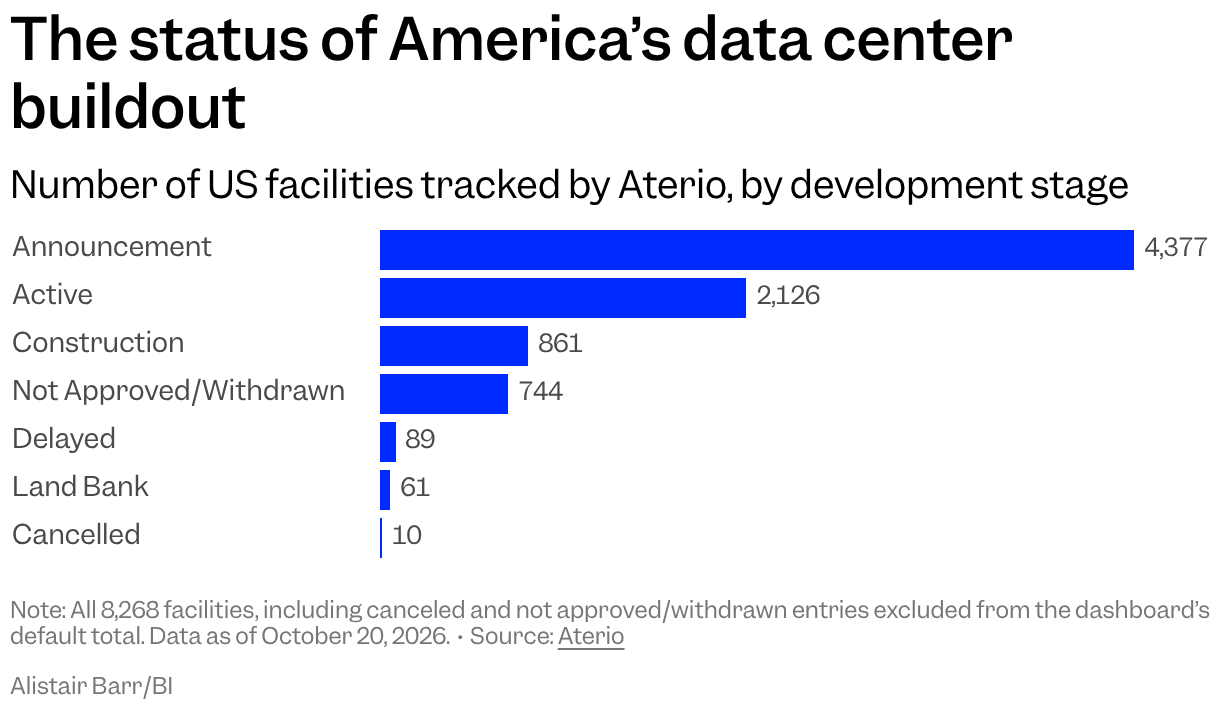
Bernstein began its analysis with more than 7,000 data center projects across North America, drawing on information from Aterio, a company that tracks construction through satellite imagery, permits, and other records. The analysts narrowed that to more than 5,000 projects (partly by excluding thosealready canceled).
Then they assessed the chances of these remaining projects being completed. The analysts considered factors such as whether construction had started, whether electricity was available, and whether the companies involved had successfully built data centers before.
The results revealed a striking divide.
The 'bragawatt brigade'
Kevin O'Leary.
Daniel Delgado Jr./Disney via Getty Images
Experienced operators including Amazon, Google, Microsoft, and Meta landed at the top. Bernstein gave these companies perfect scores of 5 out of 5 for their development credentials. Other data center specialists, such as Digital Realty, Equinix, and CoreSite, got top marks, too.
O'Leary Digital, associated with celebrity investor Kevin O'Leary, ended up at the bottom,with a credibility score of 0.35 out of 5, according to Bernstein. His company has announced 15 gigawatts of data center projects, and Bernstein estimates that only 489 megawatts, or about 3%, will actually materialize.
Although the term "bragawatts" has been doing the rounds in the data center industry lately, it's unclear who coined it, Bernstein analyst Madison Rezaei told me.
"I wish I could take credit for that," she said. "I believe I originally heard it from an Equinix executive, but I don't think he owned it either."
She said that whilesome ambitious newcomers could succeed, they haven't yet demonstrated they can deliver.
"It's not that all of these guys are sort of terrible and not going to deliver, but we just have lower confidence because we don't know them," Rezaei said.
O'Leary Digital responds
O'Leary Digital disputed Bernstein's assessment, saying the research doesn't account for substantial work that occurs before construction begins.
While acknowledging that O'Leary Digital is a young company, CEO Paul Palandjian said the team has decades of experience building major infrastructure projects and that its proposed 15 gigawatts of capacity would be built in stages over several years.
The company said it has secured binding agreements covering about 11,000 acres in Utah and 13,000 acres in Alberta, obtained a 30-year development agreement in Utah, and made progress on planning, engineering, and permits at both sites. It also said the projects would generate their own electricity.
The company said its early development work is funded, additional capital is committed to reaching key milestones, and experienced engineering and construction partners are involved.
"We would rather be judged on milestones than on a model," Palandjian said.
'An announcement in search of a project'
Opponents of the proposed La Osa data center attend a Pinal County Board of Supervisors meeting in Florence, Arizona, on August 26.
USA TODAY Network via Reuters Connect
Other low scorers in the "bragawatt" brigade included Vermaland and Joule Capital Partners, according to Bernstein analysis based on Aterio data.
Joule has announced 50 data center projects with a combined capacity of 11.7 gigawatts. Bernstein estimates that only about 11% of that capacity will actually get built. Almost all of Joule's planned capacity remains at the announcement stage, with little evidence of construction progress or of major customers committing to use the facilities, Bernstein wrote in a July note to investors.
The analysts gave Joule a credibility score of 2.05 out of 5, placing it among the lowest-ranked developers in its database.
"An announcement in search of a project," the analysts wrote.
Vermaland has announced plans for a massive data center project in Arizona. Bernstein estimates that only 4% of its proposed 2.2 gigawatts of capacity will get built. The company is primarily a landowner, not a data center developer. Its proposed $33 billion La Osa project near Eloy had already been sharply scaled back amid local opposition and without construction approval. In late August, regulators formally rejectedthe project. Even before that, the analysts gave Vermaland a credibility score of 0.75 out of 5.
Joule and Vermaland didn't respond to emails seeking comment this week.
A yawning gap for data centers
Sergio Toro, CEO of Aterio, sees similar patterns in his firm's voluminous, detailed data.
Aterio's tracking shows that roughly 30 to 40 gigawatts of new data center capacity get announced each month. Yet only about 7 gigawatts begin construction each month, while 2 to 3 gigawatts actually start operating.
This leaves a yawning gap.
Many announced projects get withdrawn before construction begins — and before real money has been spent.
"They just make the announcement, but they didn't get their approvals. Or they make multiple filings in multiple locations to see which one gets selected," Toro told me. "That's why we track with satellite if there's real movement on the ground or not."
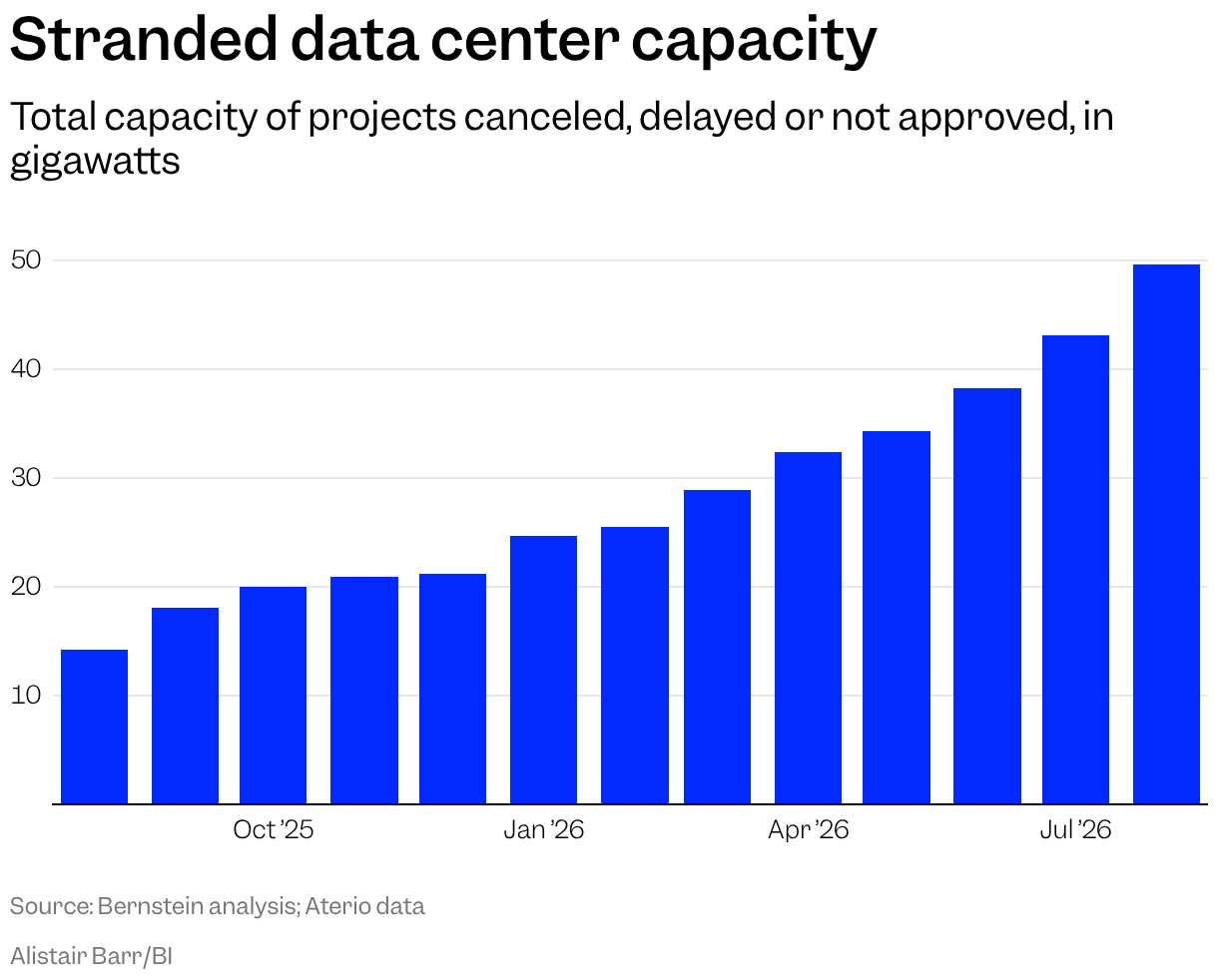
Indeed, Bernstein analysts wrote recently that the amount of "stranded" data center capacity has surged. These are projects that are either canceled, delayed, or not approved.
The AI boom's three tiers
Toro sees three broad groups competing to build AI infrastructure.
At the top are the established technology giants, including Amazon, Microsoft, and Google. They've built data centers for decades and generally deliver on their commitments. Most of their projects will get done, he said.
In the middle are "neoclouds," newer companies such as CoreWeave that rent out computing power specifically for AI. Although they're more vulnerable to financing problems and delays, many are making solid progress, especially because some of these players already have access to electricity.
"We see them advancing quite well," Toro said. "Sometimes we see some delays, but it's not something significant or any kind of big capacity that is at risk."
Then come the newcomers making extraordinary promises. That's where most delays and cancellations happen, Toro said.
Even Amazon needs a backup plan
A technician works at an Amazon Web Services AI data center in New Carlisle, Indiana.
Noah Berger/Getty Images via Amazon Web Services
Not every project that disappears was a fantasy, though. Even a top player like Amazon struggles sometimes to secure electricity and other supplies on time for these huge projects.
The biggest, most experienced tech companies deliberately pursue more potential data center capacity than they need because they know some developments will fail or get delayed.
Major AI companies were committing to three or four times the space and electricity they needed over the following two years, Jeffrey Moerdler, a data center lawyer, estimated during an interview with Bernstein analysts.
His reasoning: Of data center projects that haven't started construction, roughly a third will arrive on schedule, another third will be delayed, and the remainder won't happen.
Rezaei and Toro estimate that the top players don't over-commit that much — more like double the capacity they need at most.
The strategy provides a "Plan B," as Toro put it, in case of delays involving electricity, equipment, permits, local opposition, or other factors.
Texas has a ghost problem
The Decker Creek Power Station in Austin.
Brandon Bell/Getty Images
This helps explain another extraordinary number.
Data center companies have requested connections for roughly 450 gigawatts of electricity demand on Texas' main power grid, more than five times the grid's roughly 85 gigawatts of existing capacity, according to Toro and others.
Many of those requests are placeholders rather than firm construction plans. Toro calls them "ghost projects."
These speculative projects clog the waiting lists for electricity connections, making the electricity shortage look a lot worse than it actually is.
"Developers routinely spam projects across several sites, and many are speculative builds with no customer yet," Ryan McEntush, a partner at venture capital firm Andreessen Horowitz, wrote in a recent blog. "Often these new developers have never even plugged in a GPU, let alone a power plant."
Texas has paused applications to review and weed out projects that aren't serious. Toro, from Aterio, expects this to favor the established players at the expense of the bragawatts.
The real AI boom
None of this means the AI infrastructure boom is imaginary.
Aterio tracks thousands of buildings, including major projects already under construction. Bernstein estimates that nearly 80% of the capacity the largest technology companies are directly developing is credible.
And when speculative projects disappear, Rezaei doesn't expect a wave of unpaid debt. Many will fail before building begins, the stage when developers borrow serious money through project financing.
Some of those missing data centers were never really coming in the first place.
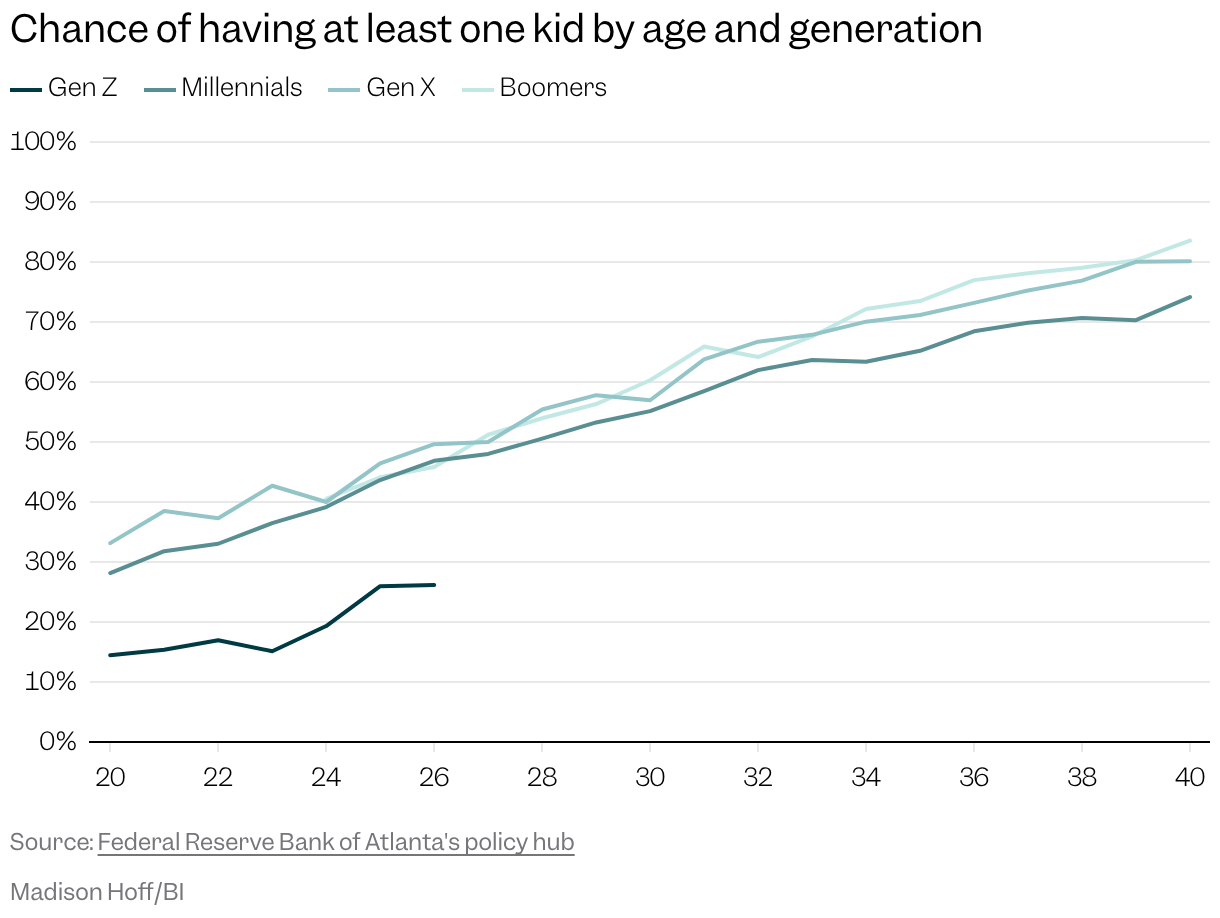
Gen Zers are less likely to have at least one kid than older generations were at the same age.
Rawlstock/Getty Images
Gen Zers are much less likely to have at least one kid than older generations at the same age.
Not wanting kids, affordability problems, and medical challenges are plausible reasons.
Having at least three kids is becoming less common across income percentiles, except in the top 1%.
Birth rates in the US have been falling for decades, but there's been an especially large drop in the likelihood of Gen Zers in their 20s having a kid compared with their older peers at the same age.
For 26-year-old Gen Zers, the likelihood of having at least one kid was 26%, down from 47% for millennials, 50% for Gen X, and 46% for boomers at that age. There were also differences between Gen Z and older generations in the probability of wanting another kid.
That's based on an analysis by a group of researchers published by the Federal Reserve Bank of Atlanta. Julie Hotchkiss, a research economist at the Atlanta Fed, told Business Insider the analysis controls for education, partnership status, and some health conditions. The analysis uses National Survey of Family Growth data up to 2023.
From affordability challenges to concerns about the future, there are several likely reasons behind the lower probabilities. Hotchkiss said that a lower desire to have kids is one explanation.
Gen Zer Brooklen Farley said in an as-told-to Business Insider essay in 2023 that she decided during college she didn't want to have kids. Farley is worried about issues like the economy and climate crisis.
"Many people call us Zoomers, but honestly, a lot of us are doomers: We feel pessimistic about the future and don't want to subject our children to it," she said.
The research also notes that there's been a rise in medical challenges related to having kids. The researchers looked at impaired fecundity, or trouble becoming pregnant or carrying to term. The average probability of impaired fecundity at 26 was 18% for Gen Z compared to 10% for boomers at that age. The probabilities are higher for older ages — the likelihood for 40-year-old millennials was about 30%, higher than the 26% for Gen Xers at that age.
"If we want to talk about birth rates, we can't just talk about preferences," Hotchkiss said. "It's not just that darned younger generation not wanting, just being selfish and not wanting to have children. There's also really a very real medical issue that needs to be addressed."
Another problem is all the financial costs that come with being a parent. LendingTree found the cost of raising a kid for over 18 years adds up to $303,418 after tax exemptions and credits, or about $17,000 a year.
Affordability issues aren't just a Gen Z problem. Surrounded by a large family growing up, millennial Lizzie Lawson said in a Business Insider essay that she assumed she would also have a large family one day.
"When I was a kid in the early 2000s, my dad was an electrician and sole provider for our growing family of eight," Lawson said in a Business Insider essay, adding that her family got by with the help of coupon cutting and hand-me-downs. "Money was tight, but we also owned a house in a safe suburb, and my parents sent six kids to Catholic school from K-8."
Lawson, a college instructor whose husband is a physical therapist with $100,000 in student loans, said the economy is different from the one she grew up in.
"We can't afford to have one of us stay at home, and there aren't enough coupons in the world to cover the rising cost of day care," she said.
Having large families is rarer than in the past
Michael Konczal, vice president of policy and research at the Economic Security Project, said in his newsletter that across income percentiles, families with at least three kids have become less common since the 90s, except at the top 1%.
"A third kid isn't new for them; what's new is that it has become rarer for everyone else," he said. "Compared with the 1990s, families with three or more kids became less common overall and among the rest of the top 10%. The top 1%'s estimated share barely changed, though the uncertainty is substantial. Maybe all the stresses that made childbearing more difficult over the past 30 years just bounced right off the 1%?"
The US fertility rate has cooled to 1.6 births per woman, below the 2.1 replacement rate, which Hotchkiss said would translate to slower population growth. The Congressional Budget Office projects that just a few years from now, the number of births in the US could fall below the number of deaths, which could have implications in future decades.
"Over time, the negative net contribution of births and deaths increasingly offsets the positive contribution of net immigration, until population growth slows to zero in 2056. The population is projected to shrink thereafter," the CBO said.
Javier Milei ha sembrado la discordia a su paso por Madrid. La izquierda le ha recriminado hoy a Isabel Díaz Ayuso que se abrazase efusivamente con el presidente argentino, al que ha llamado “lunático” y “tarado”. La presidenta de Madrid no ha hecho una defensa personal del histriónico mandatario, pero ha señalado que la economía argentina es la que más crece de toda Hispanoamérica, según ella. Milei llegó a España, exageró la situación política y se subió de vuelta al avión. El país quedó envenenado.
“Lo que ocurrió en 2006, en aquella primera manifestación de hombres contra la violencia, fue impactante. Pensábamos que iba a ser algo absolutamente marginal, pero fue la primera en la que yo he percibido que la gente se sumaba de manera entusiasta. De alguna manera, dimos luz a la posibilidad de que ocurriera algo que hasta ese momento no tenía nombre”. Este es el principal recuerdo que Ritxar Bacete, antropólogo, trabajador social, especialista en género, masculinidades, feminismo, políticas de igualdad, paternidad positiva y economía del desarrollo, tiene de la primera manifestación de Hombres contra las violencias machistas que se celebró en Sevilla el 21 de octubre de hace 20 años y que se repite cada lustro, la última esta tarde en la capital andaluza. Eso que “no tenía nombre” es un movimiento para reivindicar el papel de los hombres en la eliminación del machismo y sus violencias, que, como las piezas del dominó, ha multiplicado el marco teórico, la militancia, los espacios y las políticas públicas que se han institucionalizado, como Gizonduz, el Servicio para el trabajo con hombres y masculinidades por la igualdad del Gobierno Vasco, constituido en 2007, o el programa específico sobre masculinidades igualitarias, desarrollado desde 2023 por la Diputación de Cádiz, y cristalizado en medidas concretas, como el permiso de paternidad. “Han pasado cosas muy serias que no hubieran sido posibles sin esa movilización”, abunda Bacete.

 Login