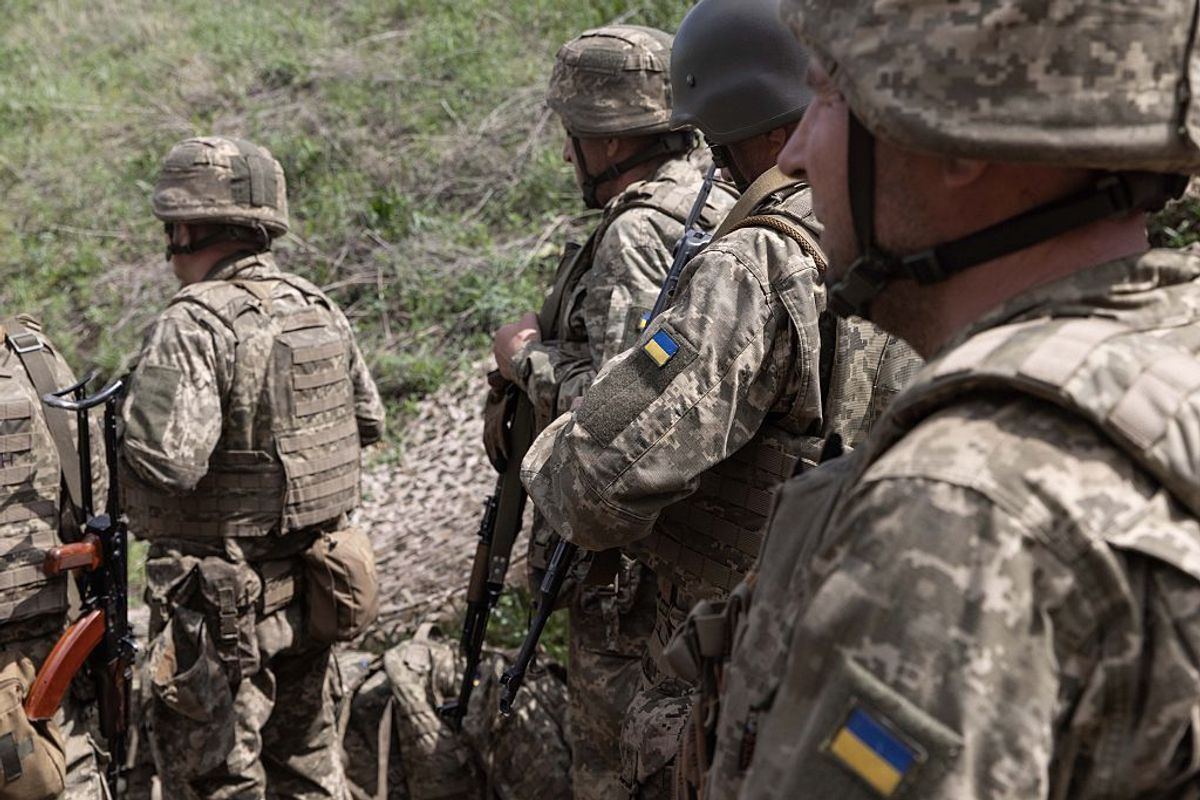
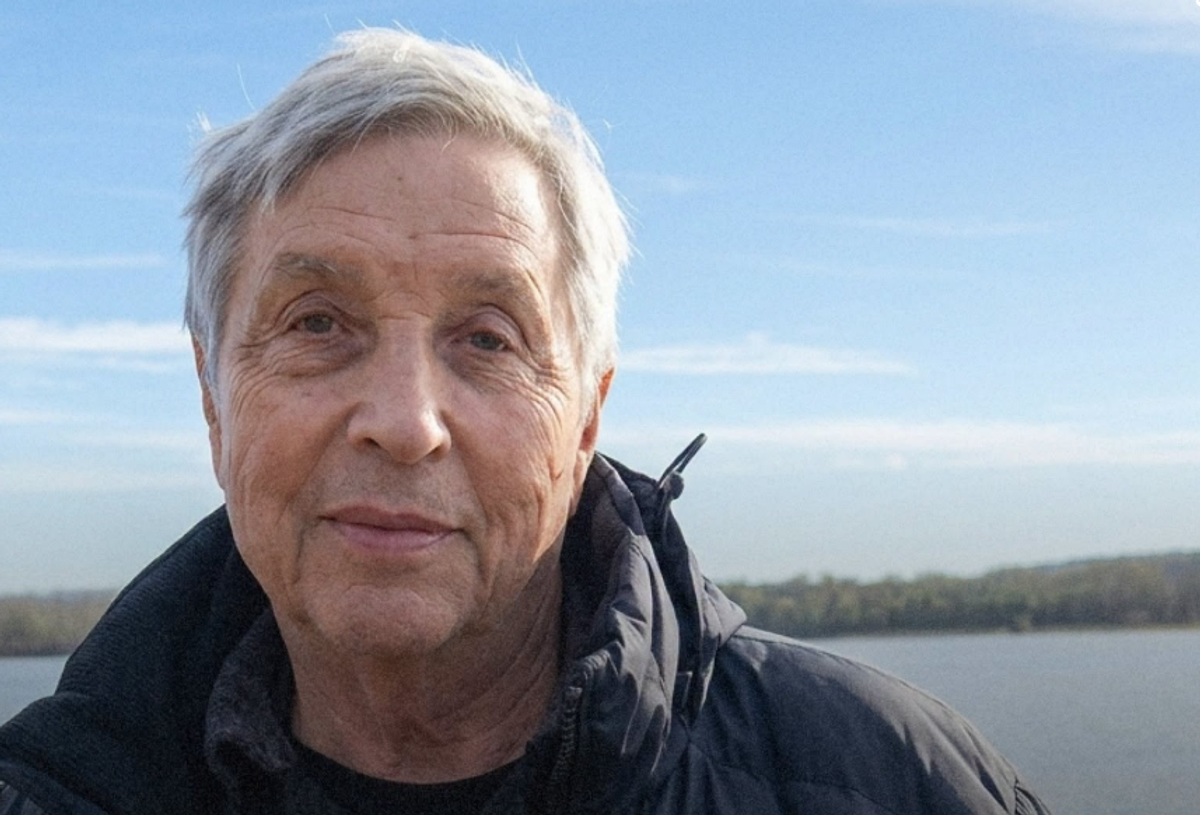
João Albuquerque considera que os EUA já não são um parceiro fiável. Sublinha o nervosismo de Trump com as eleições e os riscos de ataques híbridos russos aos europeus, apelando a uma defesa sem EUA.
The permafrost in the Yamalo-Nenets Autonomous Okrug has reached a record depth of thawing, according to 15 years of soil monitoring data presented by Viktor Valdaiskikh, director of the UrFU Botanical Garden. The findings indicate a steady degradation of the cryolithozone, a trend that persists despite seasonal temperature fluctuations.
The primary driver is a consistent rise in average annual temperatures in Salekhard, which have increased by roughly one degree every decade. This long-term warming trend was compounded in 2024 by a record-breakingly hot summer that negated the insulating effects of an unusually cold winter.
The rate at which the ground thaws depends heavily on surface composition. In areas where the peat layer-which acts as a natural thermal insulator-is absent, the thaw depth can increase by up to 10 centimeters per year. These combined temperature peaks have resulted in the highest volume of underground ice melt recorded since monitoring began.
In Sevastopol, a group of homeowners in the Baydarskaya Valley is unable to legally register properties they have occupied for three decades. These houses, many of which were built in the late 1980s, lack the status of capital construction objects because they now fall within the boundaries of the Baydarskiy State Natural Landscape Sanctuary, a specially protected natural area (SPNA).
For residents on streets such as Tenistaya in the village of Orlinoye, this administrative gap creates a ceiling on their property rights. Because the homes are not officially commissioned or registered in the accounting system, owners cannot legally sell their real estate, perform renovations, or build new structures on their plots. They are also unable to fulfill tax obligations tied to the properties, as the buildings do not formally exist in the eyes of the state.
The conflict stems from a 2016 boundary adjustment. While the homes preceded the sanctuary, the 2016 mapping placed the residents' land-still held under private ownership or lease-inside the protected zone. Under current SPNA regulations, commissioning such buildings is either prohibited or severely restricted. In areas near the Chernorechensk reservoir, designated for strictly limited use, all construction is banned. In other zones, construction is permitted only if it aligns with the sanctuary's conservation goals or village functionality, requiring a mandatory state ecological expertise report.
As restrições ao Starshield na Ucrânia continuam a gerar polémica: nem Musk, nem a Casa Branca nem o Pentágono assumiram claramente a responsabilidade pela ordem de desaceleração.
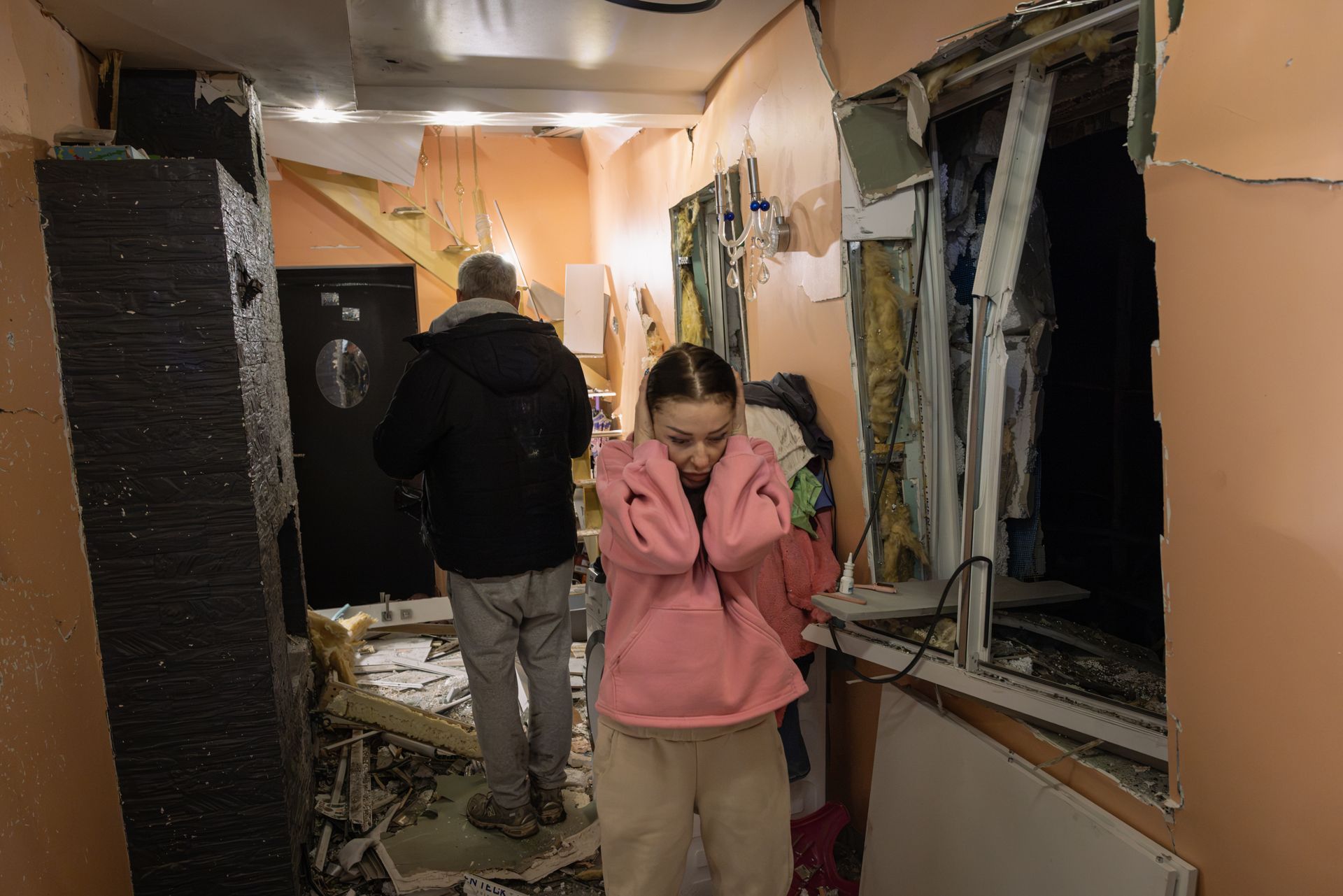
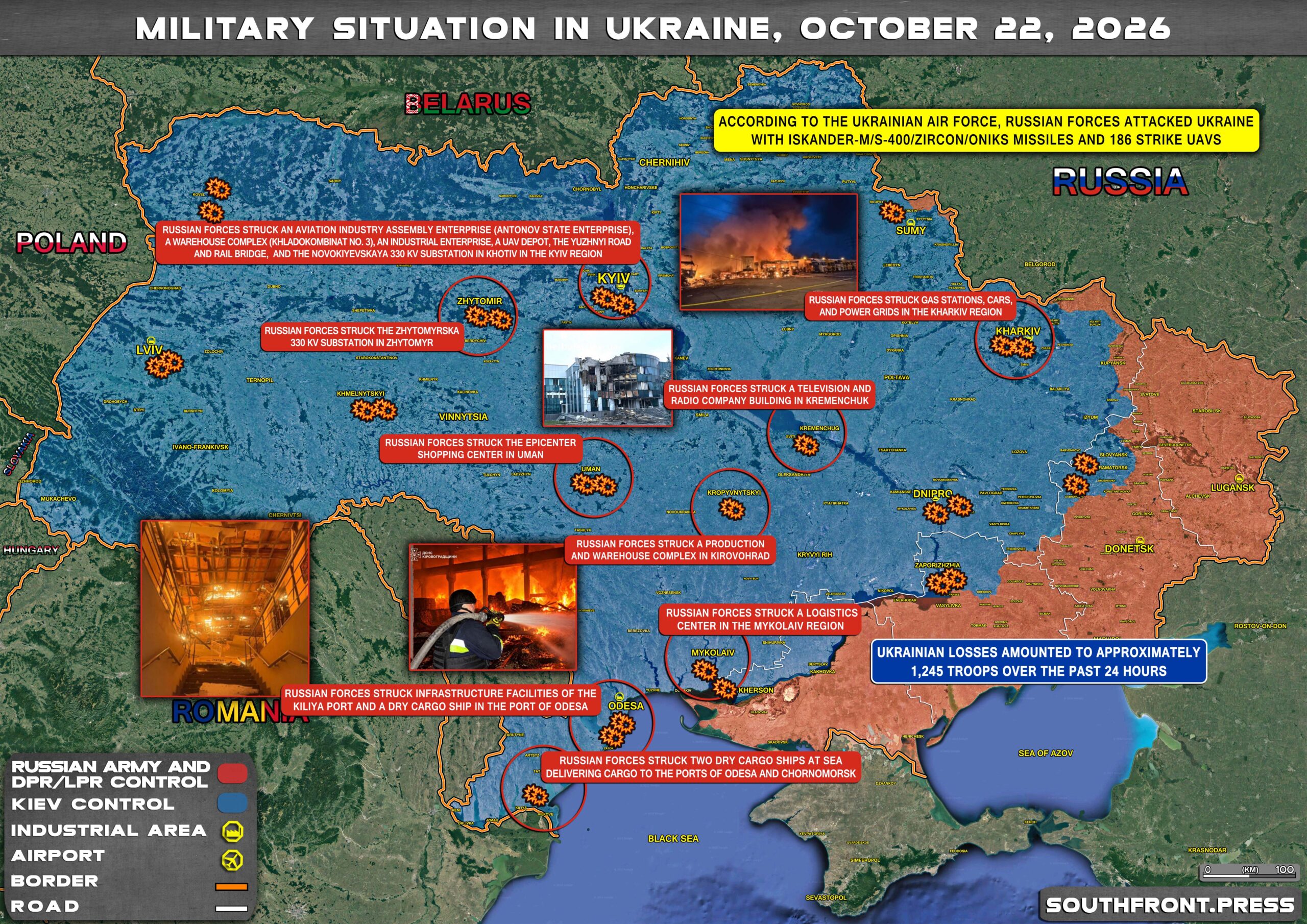
Russian strikes destroyed targets in the Sumy, Kharkiv, Zaporizhzhia, Dnipropetrovsk, Kherson, Kyiv, Volyn, Odesa, Khmelnytskyi, Lviv, Vinnytsia, Zhytomyr, Rivne, Cherkasy, Kirovohrad, Mykolaiv regions, and the DPR;
According to the Ukrainian Air Force, Russian forces attacked Ukraine with Iskander-M/S-400/Zircon/Oniks missiles and 186 strike UAVs;
Russian forces struck an aviation industry assembly enterprise (Antonov State Enterprise), a warehouse complex (Khladokombinat No. 3), an industrial enterprise, a UAV depot, the Yuzhnyi road and rail bridge, and the Novokiyevskaya 330 kV substation in Khotiv in the Kyiv region;
Russian forces struck infrastructure facilities of the Kiliya port and a dry cargo ship in the port of Odesa;
Russian forces struck two dry cargo ships at sea delivering cargo to the ports of Odesa and Chornomorsk;
Russian forces struck the Zhytomyrska 330 kV substation in Zhytomyr;
Russian forces struck gas stations, cars, and power grids in the Kharkiv region;
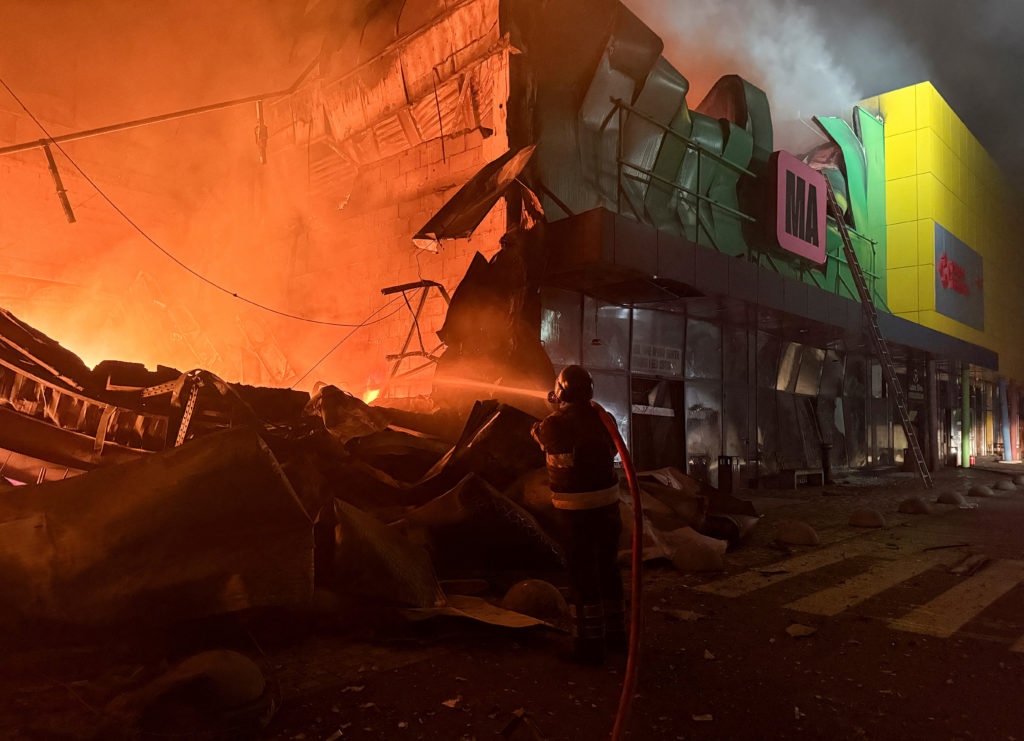
Russian forces struck the Epicenter shopping center in Uman;
Russian forces struck a television and radio company building in Kremenchuk;
Russian forces struck a production and warehouse complex in Kirovohrad;
Ukrainian losses amounted to approximately 1,245 troops over the past 24 hours.
Click to see the full-size image
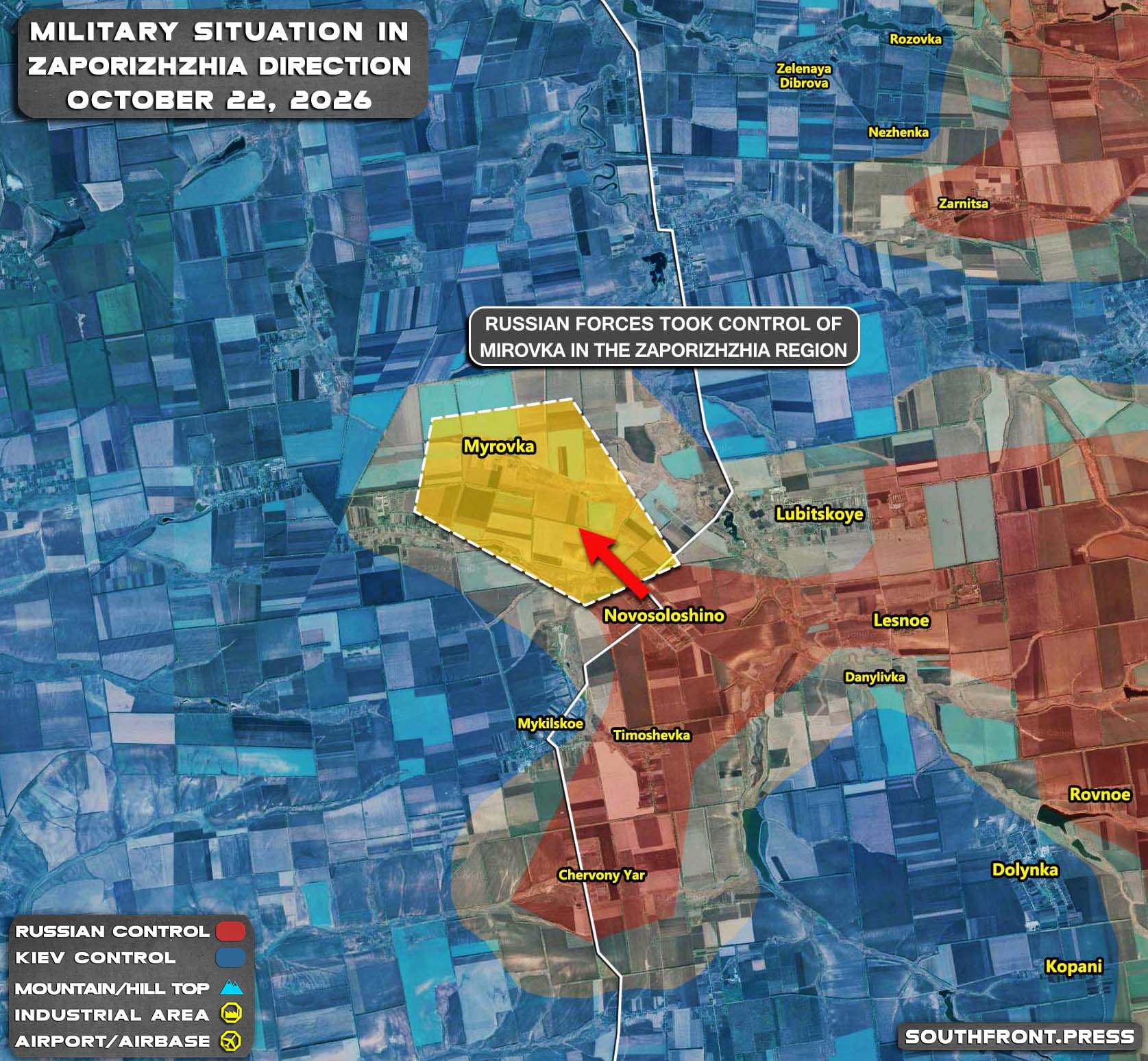
Russian forces took control of Mirovka in the Zaporizhzhia region.
Click to see the full-size image
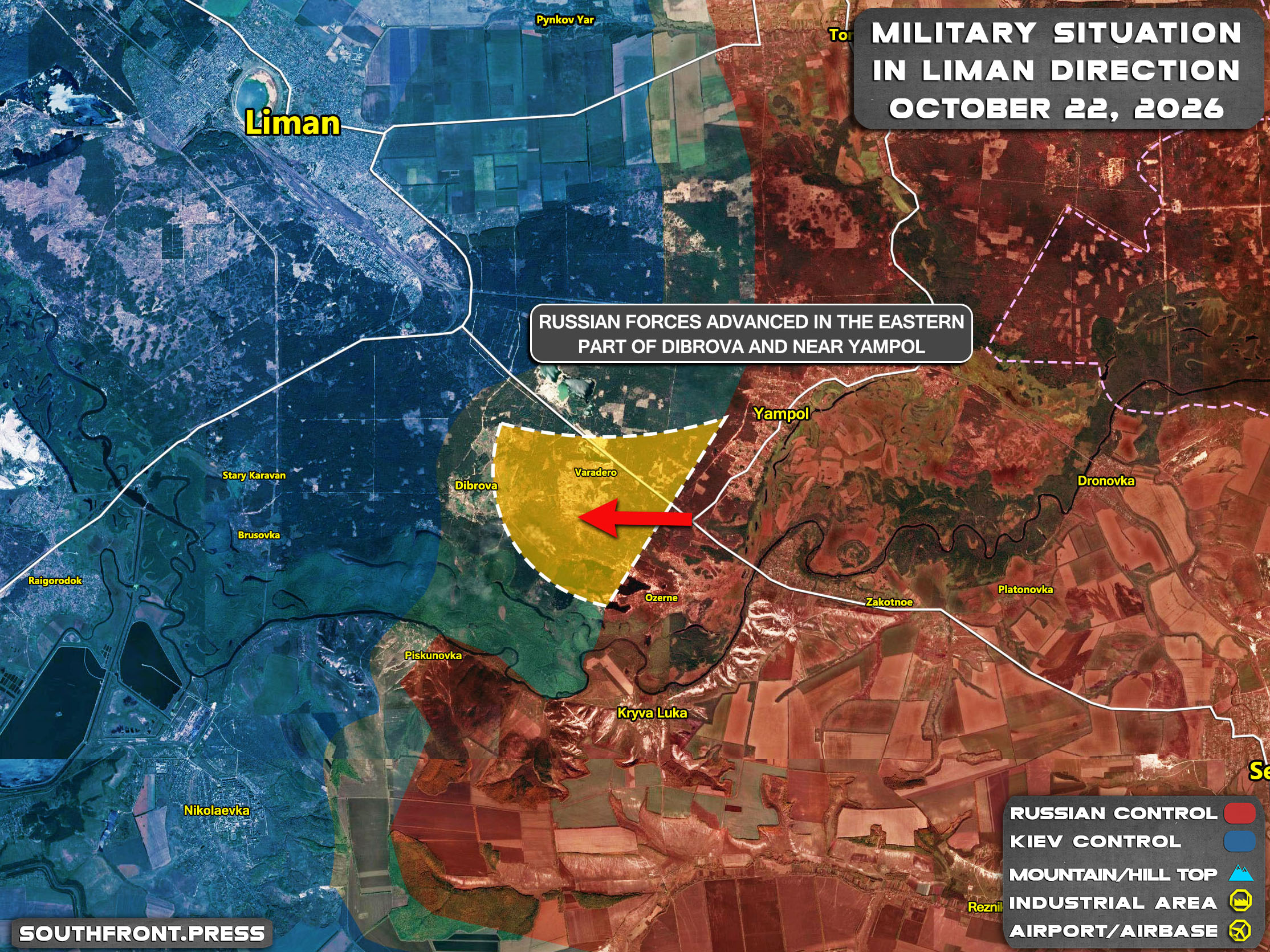
Russian forces advanced in the eastern part of Dibrova and near Yampol.
Click to see the full-size image
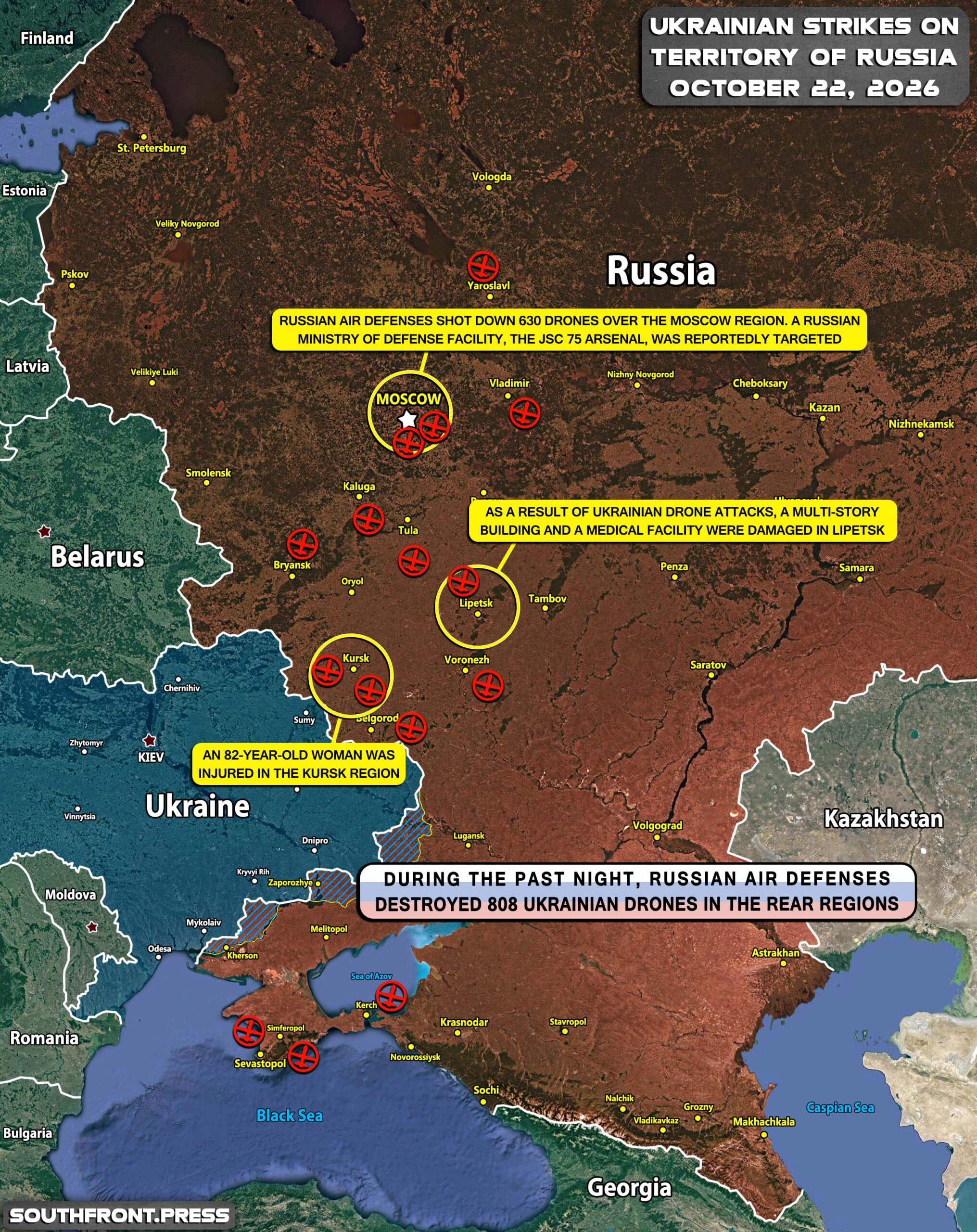
During the past night, Russian air defenses destroyed 808 Ukrainian drones in the rear regions;
Russian air defenses intercepted UAVs in the Belgorod, Bryansk, Vladimir, Voronezh, Kaluga, Kursk, Lipetsk, Leningrad, Oryol, Rostov, Ryazan, Smolensk, Tambov, Tver, Tula, and Yaroslavl regions, the Moscow region, the Republic of Crimea, and over the Black Sea;
Russian air defenses shot down 630 drones over the Moscow region. A Russian Ministry of Defense facility, the JSC 75 Arsenal, was reportedly targeted;
As a result of Ukrainian drone attacks, a multi-story building and a medical facility were damaged in Lipetsk
An 82-year-old woman was injured in the Kursk region.
Got an opinion on anything you've read in the Kyiv Independent? Send it to letters@kyivindependent.com — your letter may appear in our Letters section.
Mark Cary, United States
member
I vividly remember when the Soviet Union collapsed. I was in my second year in college studying
For years, Father Joseph Coleman had little ability to influence what happened to his father, Stephen Hubbard, an American retiree imprisoned in Russia after being captured in Izium, a city in Ukraine’s Kharkiv Oblast occupied by Russian forces in 2022.
Washington, on the Ukraine front, may be switching to total Saving Face mode. After all, the scale of the strategic defeat for the Empire plus the discombobulated West in country 404 is staggering. Add to it the strategic defeat in Iran plus Yemen relentlessly hammering the House of Saud. Grandmaster Lavrov coined it: “The West will never again be the main player, dictating terms.”
The temptation may be great to identify a more straightforward path towards a multi-nodal, polycentric world order – in the wake of all those wild, unprecedented Trump concessions to Moscow. But then the real dark clouds keep coming down.
The death cult in West Asia and the Epstein Syndicate as a whole have managed to overpower the whole mass of neo-con Russophobes spread across the MICIMATT (military/industrial/congressional/intelligence/media/academia/think tank complex, in the memorable definition by Ray McGovern) and reconstitute Iran as the undisputable, one and only national security emergency.
The 7-point way or the highway
Field Marshal Asim Munir’s hasty, last minute-arranged trip from Islamabad to Tehran earlier this week in the end could not possibly mediate anything.
Munir met everyone who matters. He asked Parliament Speaker Ghalibaf point blank: what does it take to find a solution for the Iran-U.S. impasse? Ghalibaf was blunt – and repeated it at last 8 times during their meeting: Washington must implement Iran’s 7-point conditions, essentially a summary of the serially dead cat memorandum of understanding (MoU), which Trump signed and then destroyed.
The 7 points were first proposed to Tweedledum and Twedledee – Witkoff and Kushner – via the Qataris in a previous round of Iran-U.S. indirect negotiations.
President Pezeshkian and secretary of the Supreme National Security Council (SNSC) Mohsen Rezaee, in their meetings, stressed the exact same thing. That’s the message Munir should relay to the Sociopath-in-Chief.
Official Iranian sources will not confirm it; only the heavily-spun American version. But Munir may have carried a final U.S. ultimatum to Rezaee, Pezeshkian and Ghalibaf: ditch your nuclear program, or face massive strikes, mostly targeting Pickaxe Mountain.
Adding on the 7 points, Mohsen Rezaee actually informed Munir – and thus the White House – again, that not a single speck of nuclear dust will leave Iran. Back to the only possibility of a return to negotiations: Washington must accept the 7 points.
Foreign Minister Araghchi keeps coming back to the essentials: “The U.S. has failed to achieve any of its war objectives.” So the connectivity chain is inescapable: no military victory (and no regime change); unbearable economic costs; untainable political situation; thus only off-ramp is the 7 points.
And on top of it Tehran runs the clock.
In parallel, across the Yemeni Storm, Sana’a also runs the clock.
With Aramco, the lifeblood of U.S., Israel and Salafi-jihadi goons of the ISIS mould, and a privileged source of funding for the Forever Wars, now in Ansarallah’s direct line of fire, the Yemeni drive is to work “to dry up the sources of terrorism.”
Riyadh though is doubling down, threatening to bomb every gathering of Yemeni tribes. If that happens, more than a million more Yemenis will join the Yemeni Armed Forces and march to the Yemeni-Saudi border.
After all the tribes, well-trained and ultra-weaponized, are just waiting for a directive from Ansarallah’s leader, Abdul-Malik Badr al-Din al-Houthi, to pour into southern “Saudi” Arabia and recover the three provinces, Najran, Jizan and Asir, that are ancestral Yemeni lands stolen by the Brits in 1934.
A price you can’t afford to pay
All hell may break loose: now; soon; or until the end of November at the latest. Were it to happen sooner, before the Israeli elections, it’s a done deal the driver is the death cult. The Sociopath-in-Chief privileges a post-mid-terms attack.
The death cult is preparing a massive attack on Iranian power plants, oil infrastructure, military targets and nuclear installations. Tehran has repeatedly warned that any attack, joint or separate, from the U.S. and Israel, will be treated as Totalen Krieg, all-out war, and the response will break any limits or restraint.
Iran’s internal intel is fully concentrated on a large-scale bombing scenario happening before next Tuesday, Election Day in the death cult.
Whatever happens, Tehran’s response will make sure the price to pay is beyond prohibitive. On Israel, Iran will counterpunch on both of Israel’s refineries; the ports at Haifa and Ashdod; all airbases; and Dimona added only if Iran’s own nuclear sites are hit.
When it comes to a U.S. attack, any Gulf petro-monarchy that hosts any launch instantly becomes a legitimate target, including power grids; desalination plants; refineries; ports; data centers; HQs and installations of American companies.
The Strait of Hormuz would be completely closed. The price of a barrel of oil will skyrocket. The global economy will hit Big Depression. From an imperial point of view, that will be as gloomy as Washington letting Iran manage the Strait of Hormuz and charge fees for transit: actually the humiliating end of unilateral thalassocracy – complete with the U.S. Fifth Fleet needing to ask permission to enter or leave its own dilapidated base in Bahrain.
Mohammad Mokhber, a top adviser to Leader Mojtaba Khamenei, stressed that “if the U.S.-Israel strike our petrochemical infrastructure or power plants, Iran will strike nine countries.”
Moreover, the Fars news agency, very close to the IRGC, learned about an array of new directives: if the attacks involve the assassination of Iranian officials and the killing of civilians, the Iranian response will include political targets associated with the U.S. and all nations participating in the war, in addition to their infrastructure.
Lavrov and Araghchi revive RIC
Amidst so much horror, let’s try to stress at least one auspicious trend. During Lavrov’s recent visit to Tehran, Iranian FM Araghchi cut to the chase:
“Never in our History have Russia & Iran worked as closely as now.”
The key operative concept is “Never in our History”. Lavrov and Araghchi talked about “everything from Europe to West Asia”. But specially these four: Lebanon, Palestine, Ukraine & Yemen. Not to mention everything about expanded economic and “nuclear cooperation”.
Economic cooperation means specially the INSTC – the International North South Transportation Corridor linking 3 BRICS/SCO partners: Russia, Iran and India.
See my INSTC documentary shot in Iran last year.
The Empire of Chaos relies on sanctions, threats and bombing. Eurasia integration relies on building infrastructure, increasing trade, and sovereign cooperation. So Lavrov and Araghchi once again had to revive RIC: the original Russia/India/China connection first conceptualized as the Primakov Triangle but now with Iran in place of India.
Lavrov proposed that the new RIC establish a “common security structure” in the Persian Gulf via a trilateral summit. That amounts to RIC defining a unified framework for the Strait of Hormuz.
The Empire’s response will be increased discombobulation. Because once again this is about “indivisibility of security” – as in Russia proposing it to the U.S. and NATO in December 2021. Then that was met with a non-response response.
On Lebanon, Palestine, Ukraine and Yemen, Lavrov and Araghchi were on top of the top frontlines. Where we have the Empire of Chaos and its allies/vassals on one side, and Russia and Iran’s allies on the other side.
It’s all interconnected, of course. An imperial arc of military pressure stretches from Ukraine to Yemen. The counterpunch revolves around how to coordinate the resistance (italics mine) to such pressure.
On economic cooperation, both Iran and Russia are under a tsunami of sanctions. Their banks are expelled from SWIFT, and oil exports are severely restricted. So trade between them must bypass the U.S. dollar; the whole Western financial system; and the thalassocracy enforced by the U.S. Navy.
Know how in bypassing sanctions is something Iran-Russia may share with the whole Global South, via settlements in local currencies; barter trade; overland corridors; the INSTC; and trade across the Caspian Sea.
And that brings us once again to the Strait of Hormuz – which Iran controls. The Gulf petro-monarchies are completely freaking out. Russia maintains solid channels with both Iran and the Gulf. Lavrov is in total synch with all of them. He brought the Gulf’s concerns to Tehran, and in turn, conveyed Tehran’s conditions back to the Gulf.
Lavrov stressed that the serially dead cat Islamabad MoU is the only way to go. Exactly what Xi told Trump at the Oval Office. Exactly what the Iranian leadership told Asim Munir in Tehran.
He also stressed that the Persian Gulf petro-monarchies must get their act together and start a serious security dialogue with Iran and Arab nations, including neighbors such as Iraq and Jordan, and involve the Arab League, the Organization of Islamic Cooperation (OIC), and the permanent members of the UN Security Council.
Once again: indivisibility of security.
Iran and Russia, both sanctioned to oblivion, are indeed in synch like never before, coordinating everything on a shared front – while the desperate Epstein Syndicate remains stuck in its self-concocted Forever War nightmare.
The electronic warfare station was hit near the village of Gulevka in Russia's Bryansk Oblast. According to the General Staff, targeting Russian electronic warfare systems improves Ukraine's ability to effectively deploy drones.
"Volodymyr Ananiev is the oldest Crimean political prisoner. He suffers from vision problems and issues with his spine, muscles, kidneys, and legs, and walks with a cane," the Crimean Tatar Resource Center said.
No 10 says Russian president ‘has killed thousands of people, both innocent Ukrainians and his own people’
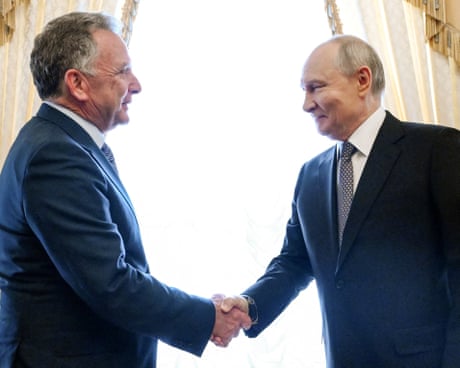
Downing Street has rejected the description of Vladimir Putin as a “humanitarian” made by Donald Trump’s chief negotiator on the Ukraine war.
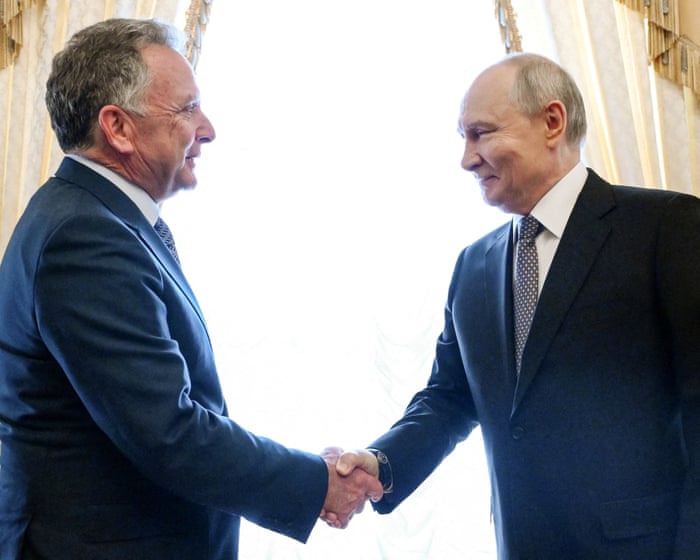
Steve Witkoff met the Russian president in St Petersburg on Wednesday as he sought to make a new push to end the invasion of Ukraine, with the US putting pressure on Kyiv to agree to a settlement.
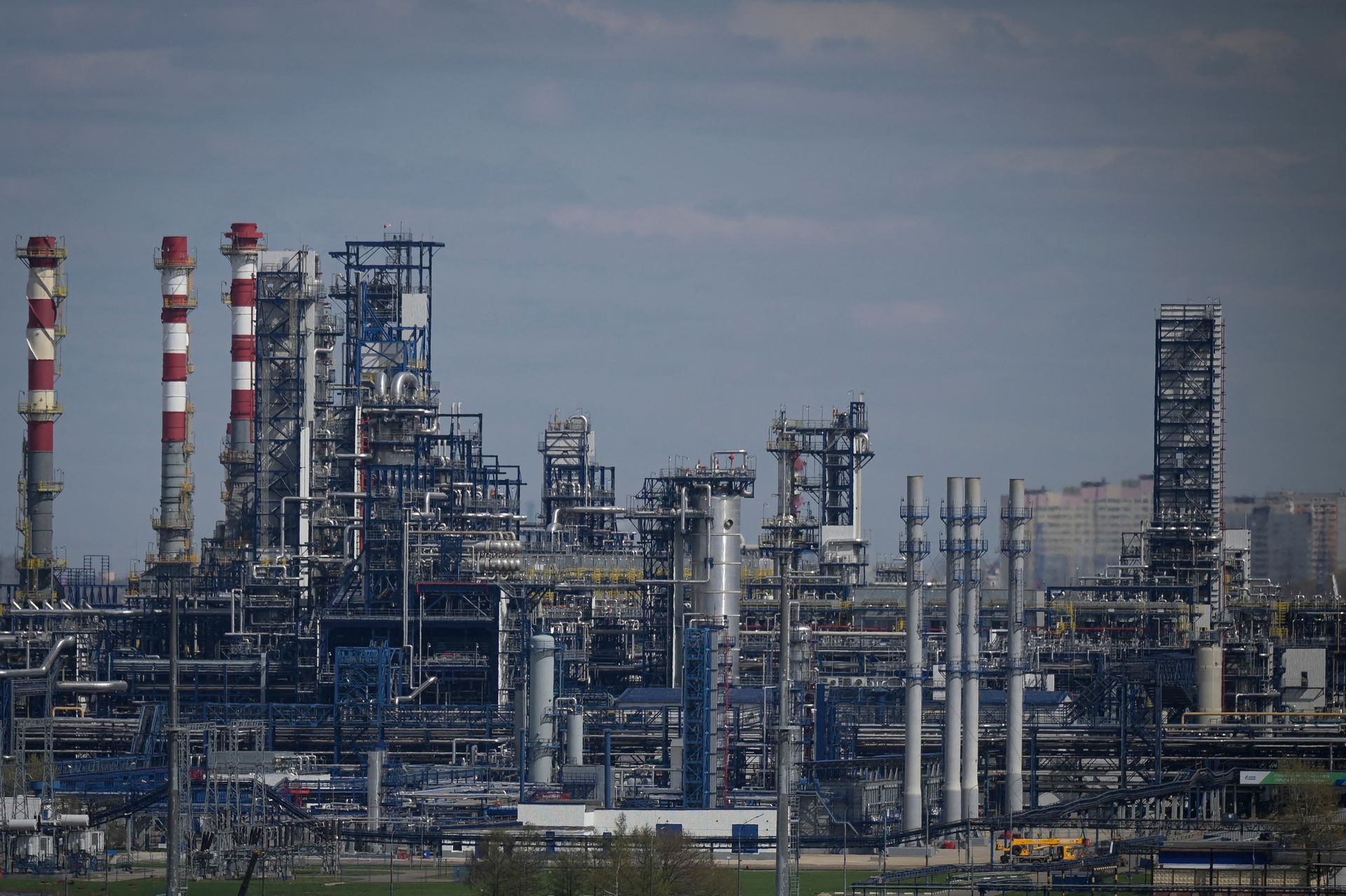
A key focus of the latest proposed sanctions listings is Russia's oil processing, refining, and exporting capacity, with 31 listings spanning the breadth of Russia, from St. Petersburg to Sakhalin.
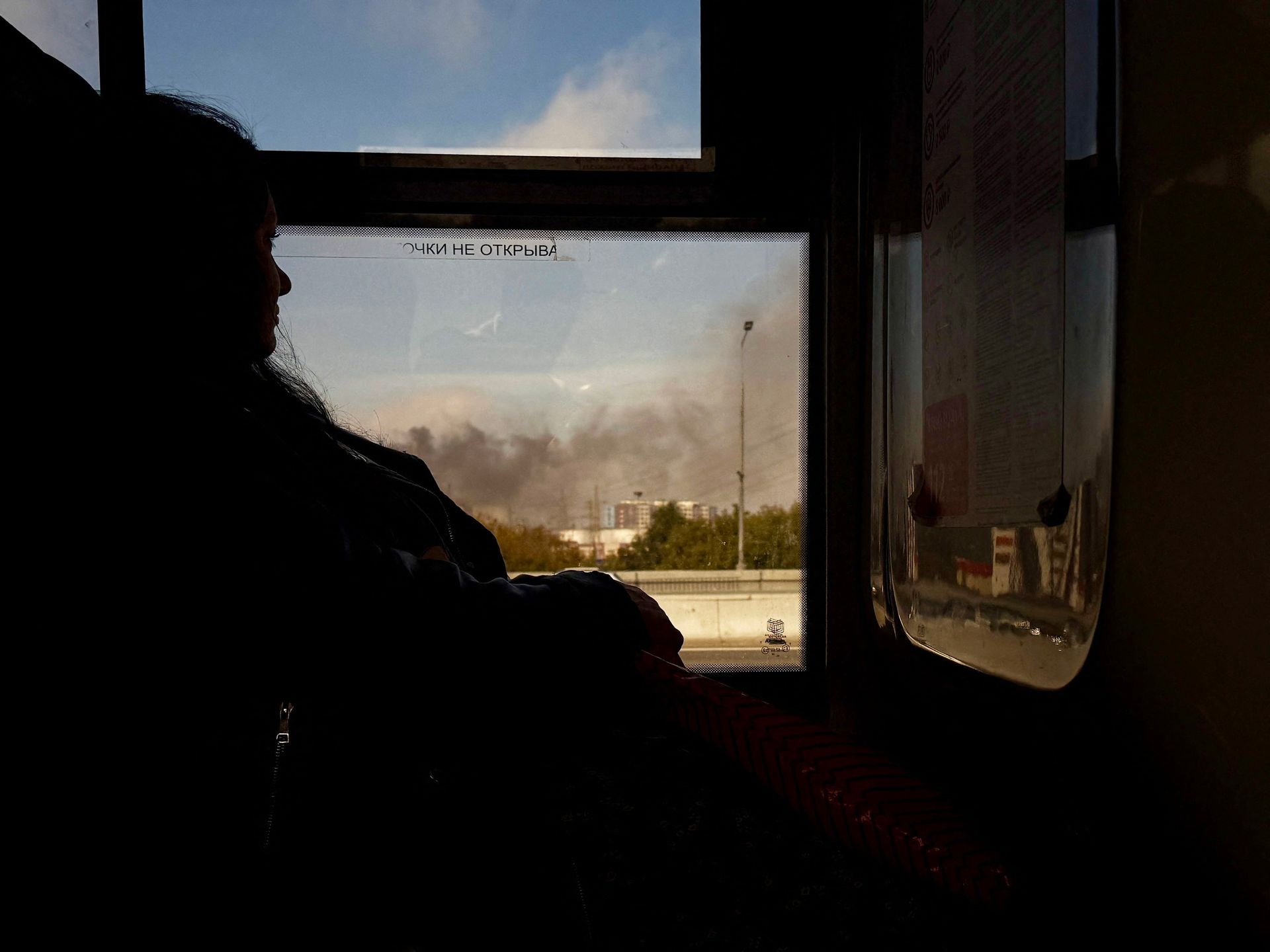
On the night of Sept. 12, Ukrainian drones attacked Taganrog. Ukraine's Security Service (SBU) reported hits on an FPV drone production facility, two drone storage sites, a Pantsir air defense system, and a radar.
Local authorities, as usual, listed something else: 16 commercial buildings, five cars, a football
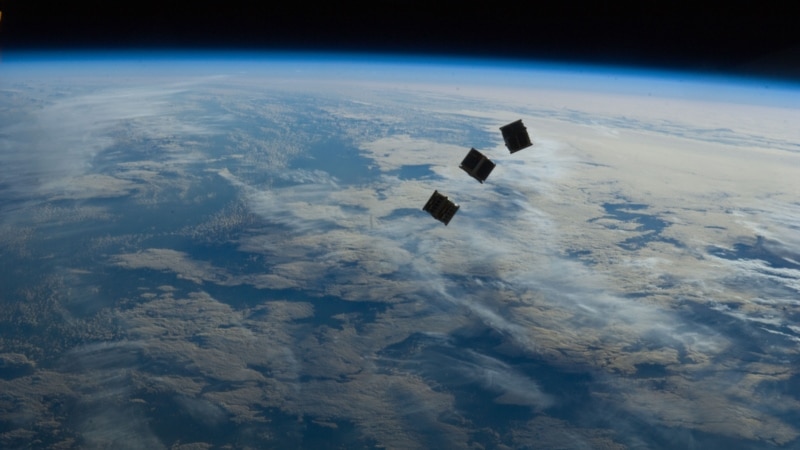
US officials publicly accused Russia of threatening a Finnish-operated commercial satellite that provides imagery and intelligence to Ukraine and other nations, calling the move “deliberately reckless.”
Mentre la Plenaria di Strasburgo iniziava a svuotarsi, con europarlamentari, staff e assistenti che prendono la strada di Bruxelles o dei rispettivi Paesi d’origine, nelle stanze dell’Eurocamera, giovedì mattina, si continua a lavorare. Uno degli incontri in corso, però, si interrompe bruscamente: “Fermi immediatamente quella registrazione o videocall“. A pronunciare queste parole, come hanno raccontato a Ilfattoquotidiano.it due diverse fonti presenti all’incontro, è l’eurodeputato bulgaro del Ppe, Andrey Novakov. La destinataria del messaggio è invece Tamara Volokhova, consulente per gli Affari parlamentari per il gruppo dei Patrioti, di nazionalità franco-russa e legata al Rassemblement National di Marine Le Pen.
L’accusa implicita è grave: trasferire informazioni riservate al di fuori di un ristretto gruppo di politici e funzionari deputati a discuterle. Perché in quel meeting si stavano prendendo decisioni fondamentali sul prossimo, molto discusso bilancio settennale 2028-2034 dell’Unione europea. Si tratta, per la precisione, della riunione congiunta di relatori e relatori ombra delle tre commissioni Bilancio, Sviluppo Regionale e Agricoltura sul Piano Nazionale e Regionale di Partenariato (Nrpp), lo strumento proposto per il prossimo QFP che ha lo scopo di accorpare decine di programmi fino a oggi divisi, come i fondi di sviluppo regionale, di coesione, Pac o sviluppo rurale, per un totale di circa 800 miliardi di euro: quasi la metà dell’ultima proposta di bilancio avanzata dalla presidenza di turno irlandese.
Lo shadow meeting, al quale partecipano parlamentari, loro assistenti, adviser dei gruppi e delle commissioni, è poi proseguito come da programma, con la consigliera dei Patrioti che ha mantenuto il suo posto in sala, come confermano le due fonti, ma la storia si è velocemente sparsa tra europarlamentari e membri dello staff intenti a raggiungere la stazione ferroviaria di Strasburgo o gli aeroporti della città alsaziana o di Francoforte. Non è chiaro a chi la registrazione o videocall fosse destinata. Secondo alcune versioni non confermate, dall’altra parte dello schermo si trovavano giornalisti in ascolto per avere in esclusiva informazioni rilevanti sul dossier riguardante il prossimo bilancio settennale. Ilfattoquotidiano.it ha provato a contattare Volokhova per chiedere un chiarimento anche su questo punto ma, nel momento in cui si scrive, la funzionaria non ha risposto alla richiesta recapitata via mail. Lo stesso è stato fatto con l’eurodeputato Novakov che, ha spiegato un suo assistente, si trovava in viaggio e quindi impossibilitato, al momento, a rispondere.
Le speculazioni sulle motivazioni che hanno spinto la consigliera a trasmettere all’esterno di una riunione a porte chiuse informazioni riservate si rincorrono. E ad alimentarle c’è anche il passato della donna, noto a molti addetti ai lavori a Bruxelles. La consigliera ed ex modella nata a Rostov, nell’allora Unione Sovietica, era finita al centro delle cronache francesi nel 2024, quando il candidato di Renaissance poi diventato primo ministro, Gabriel Attal, nel corso del dibattito per le legislative mise in difficoltà Jordan Bardella (Rassemblement National) ricordandogli che, nonostante il suo partito proponesse di vietare incarichi rilevanti ai cittadini con doppia cittadinanza, allo stesso tempo la sua consigliera nell’allora gruppo europeo Identità e Democrazia era la franco-russa Tamara Volokhova.
Già nel 2019, un’inchiesta di Mediapart aveva rivelato che il nome di Volokhova figurava in una nota della Direzione Generale per la Sicurezza Interna (DGSI) francese sui “centri d’influenza” utilizzati dalla Russia per orientare le elezioni europee, insieme ad altri tre membri (o ex) del partito di Le Pen. Il portale francese ha così ricostruito la vita e la carriera della donna soffermandosi sulla sua assunzione, nel 2014, come assistente parlamentare a Bruxelles. Un incarico che ha destato perplessità nella DGSI, dato che è arrivato nel pieno delle intense attività di lobbying di Mosca in Europa in seguito all’annessione della Crimea. “Nel suo nuovo incarico – scrive Mediapart – Tamara Volokhova accompagna diversi eurodeputati in viaggi in Russia e Crimea e organizza alcuni viaggi per l’eurodeputato Aymeric Chauprade (che compare accanto a lei nella nota della DGSI)”. Senza dimenticare i presunti rapporti economici tra il partito di Le Pen e la Russia che risalgono proprio a quegli anni. Volokhova, scrive ancora Mediapart, era anche in contatto con la segreteria di Alexander Babakov, consigliere di Putin responsabile della cooperazione con le organizzazioni russe all’estero e intermediario per il prestito russo all’allora Front National, e con Alexei Kovalski, all’epoca consigliere politico dell’ambasciatore russo a Parigi ma considerato dalla DGSI un “ufficiale dell’SVR“, i servizi segreti russi all’estero.
Da lì è iniziata la lunga carriera di Volokhova all’interno delle istituzioni europee che oggi la vedono ancora nel ruolo di consigliere politico per il gruppo dei Patrioti, del quale fa parte la formazione di Le Pen. Con il suo nome che, a due anni di distanza dal dibattito interno francese scatenato dalle dichiarazioni di Attal, torna d’attualità per i suoi presunti rapporti fuori dai palazzi di Bruxelles.
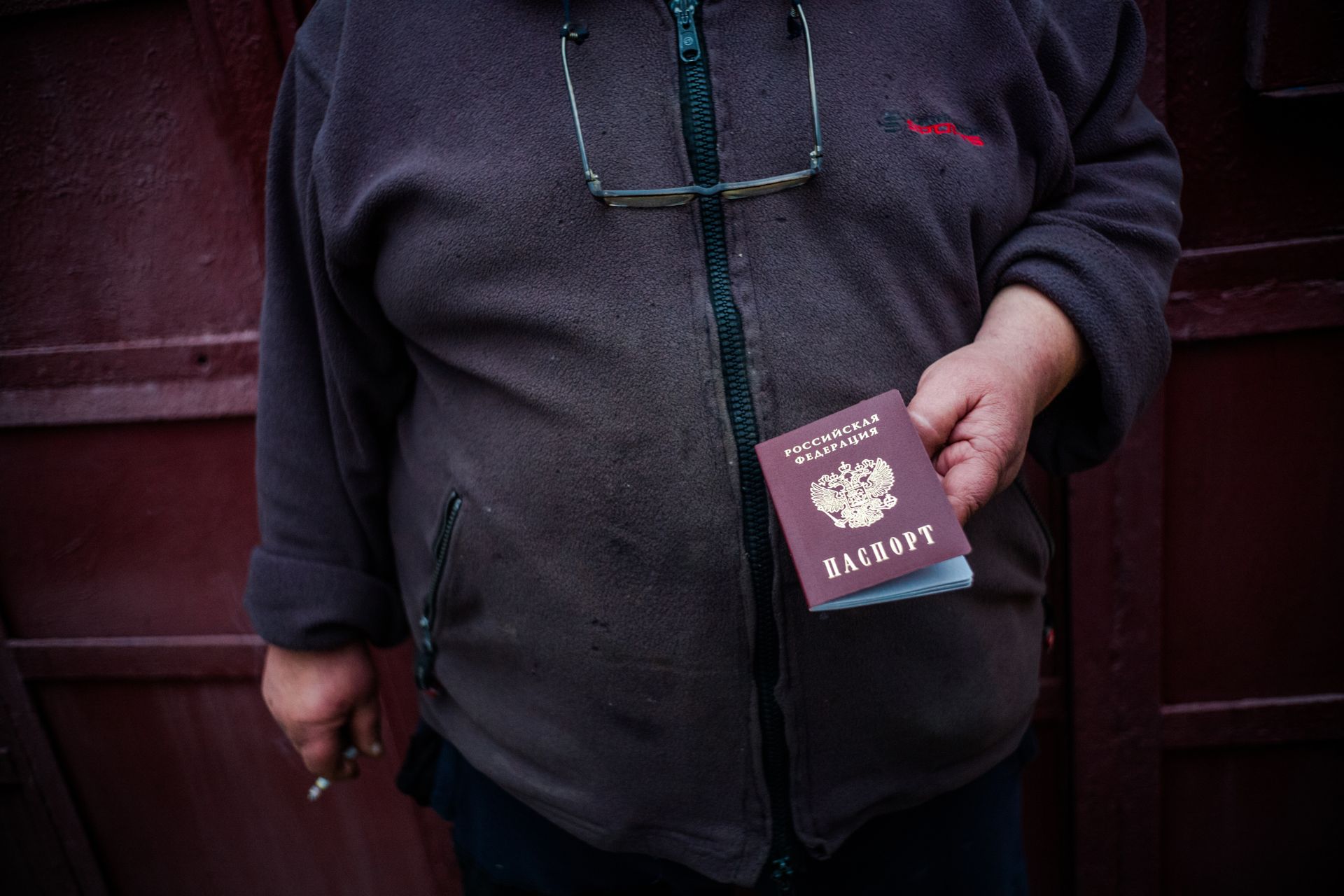
Ukrainians without Russian passports are classified by Russian occupation authorities as "foreign citizens" and subjected to Russian migration law, HUR said.
Russia bombarded Kyiv with ballistic missiles in an hourslong nighttime barrage, while the Russian military said Thursday that its air defenses intercepted over 800 drones fired by Ukraine at Moscow and other cities.
On Wednesday’s broadcast of Fox News Radio’s “Brian Kilmeade Show,” Sen. Rick Scott (R-FL) stated that “Putin doesn’t comply with anything.” And “It’s like Iran, they’re not going to comply” with deals. Scott said, “Putin’s a thug. And so, we
 Login






 , X
 , and VK
 .