❌

Reading view

Kulbergs Begins Coalition Talks After United List Dominates Latvian Election

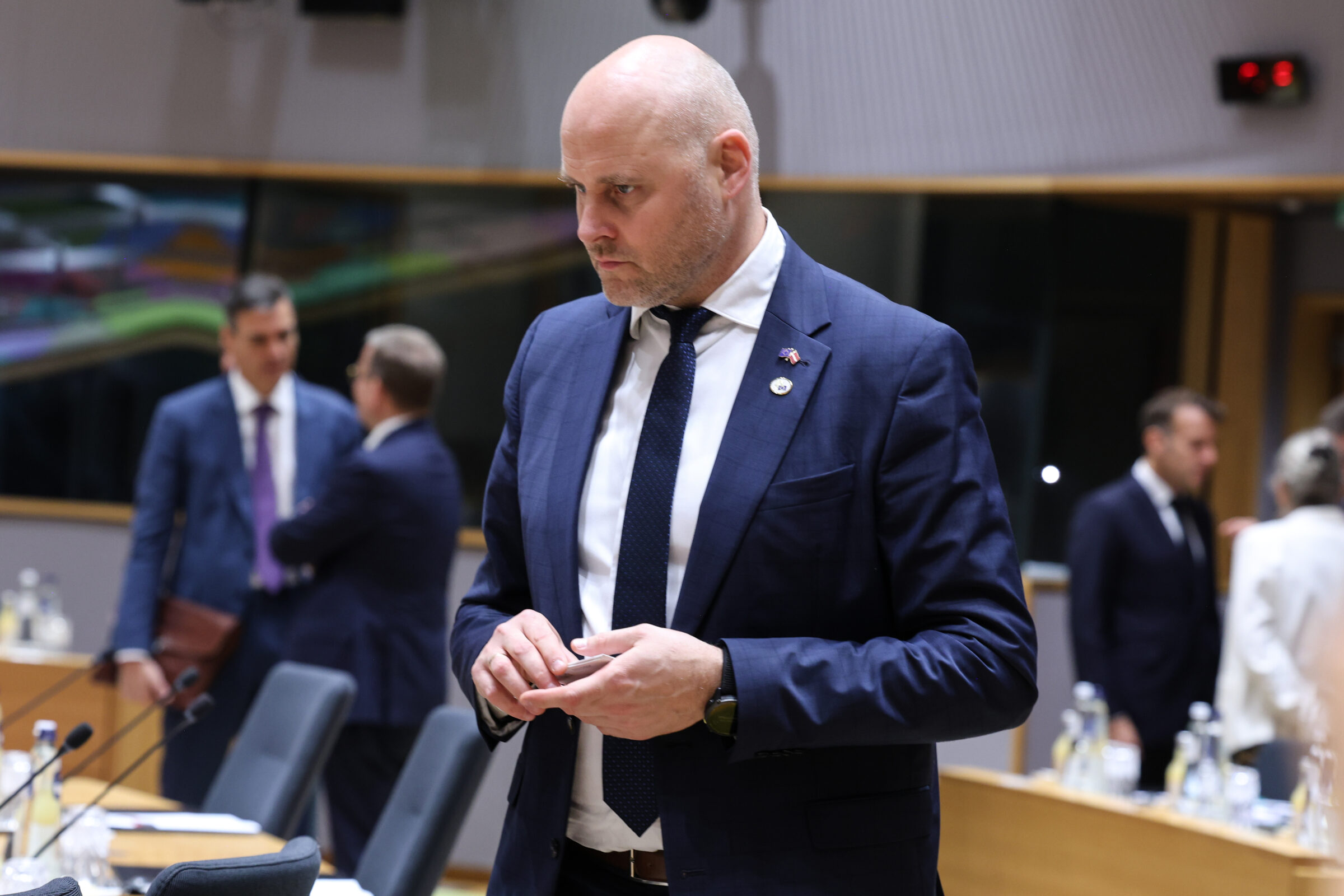
Latvian Prime Minister Andris Kulbergs has been given the political mandate to begin forming the country’s next government after his United List alliance secured 41 of the 100 seats in the Saeima. President Edgars Rinkēvičs backed Kulbergs to lead coalition negotiations on Tuesday following consultations with all six political forces elected to parliament.

Kulbergs will now negotiate the composition of the coalition, the division of ministerial responsibilities and the programme of the next government. The formal constitutional nomination cannot take place until the newly elected Saeima convenes on 3 November and the present government relinquishes its mandate.

Announcing the decision on 6 October, Rinkēvičs said consultations with the incoming parliamentary parties had shown broad support for United List and Kulbergs taking the initiative. The President described the party’s 41-seat showing as an unusually strong mandate and said he expected substantial progress in coalition negotiations before the beginning of November. The President’s full statement following the consultations.

Rinkēvičs said he would like to see a new Cabinet formed by Latvia’s national day on 18 November, although he stressed that there was no formal deadline. The government will also need to begin work rapidly on the 2027 budget.

United List almost triples its representation

According to the provisional results published by Latvia’s Central Election Commission, United List received 283,892 votes, or 35.29 per cent, giving it 41 seats.

Latvia First finished second with 13.08 per cent and 17 seats, while Sovereign Power/Alliance of Young Latvians took 11.71 per cent and 15 seats. The National Alliance won 10 seats with 8.90 per cent, the Progressives also secured 10 with 7.88 per cent, and New Unity took seven seats on 6.36 per cent.

The result represents a substantial change from the 2022 parliamentary election, when United List won 11.14 per cent and 15 seats. New Unity was then the largest party with 26 seats; it has now fallen to seven. The Union of Greens and Farmers, which won 16 seats in 2022 and joined Kulbergs’s government earlier this year, received just 4.40 per cent this time and failed to cross the five per cent threshold.

United List has indicated that its first choice is to negotiate with the National Alliance and New Unity. Together, the three parties would command 58 seats, providing Kulbergs with a clear parliamentary majority. A narrower United List–National Alliance coalition would have 51 seats.

The choice of prospective partners points towards continuity rather than a major change in Latvia’s foreign or security policy. United List, the National Alliance and New Unity have all backed continued support for Ukraine, membership of NATO and higher defence expenditure.

Kulbergs became prime minister only in May following the collapse of Evika Siliņa’s government during a political crisis over Latvia’s response to repeated drone incursions. The government he subsequently formed brought together United List, New Unity, the National Alliance and the Union of Greens and Farmers.

The October election campaign was consequently dominated by national security, drone threats and the war in Ukraine, alongside domestic concerns over household finances and the economy. Kulbergs entered the election seeking his own mandate after only several months in office.

Security policy set for continuity

Latvia’s position on NATO’s north-eastern flank has given defence policy an unusually prominent place in domestic politics. The country borders both Russia and Belarus and has faced a series of drone incidents, border pressure and Russian information operations.

Earlier this year, Latvia’s intelligence service warned that Russia was increasingly viewing Latvia in terms similar to those it applied to Ukraine before the full-scale invasion. At the same time, Latvia has had to respond to unmanned aircraft crossing its territory from Russian airspace, incidents which contributed directly to the collapse of the previous government.

Russia subsequently alleged that Ukraine was preparing attacks from Latvian territory, an accusation rejected by Riga. The dispute further sharpened concern that drone incidents could be used to generate a wider confrontation involving a NATO member state.

Defence spending is therefore unlikely to be substantially altered by the coalition negotiations. Latvia’s 2026 defence budget stands at €2.16 billion, currently calculated at 4.73 per cent of projected GDP, with the government moving towards expenditure equivalent to five per cent. Rinkēvičs said after Tuesday’s consultations that he had heard a clear commitment among the parliamentary parties to maintaining the country’s security, defence and foreign-policy course.

Turnout reaches record low

The size of United List’s parliamentary victory contrasts with a marked decline in electoral participation. The Central Election Commission recorded 806,641 voters from an electorate of 1.56 million, producing turnout of 51.79 per cent. Detailed election figures show that 793,846 valid ballots were ultimately counted.

Turnout in the 2022 parliamentary election was 59.41 per cent, meaning participation fell by more than seven percentage points.

The immediate question in Riga is therefore no longer who will lead the government-building process, but what form Kulbergs’s second administration will take. With 41 seats of his own and potential partners able to provide a comfortable majority, the election winner enters the negotiations from a considerably stronger position than any Latvian prime minister in recent years.

  •  

Did he really invite Iran to take out California cities?

“Keep our city out of your reckless war talk,” said San Diego’s mayor, Todd Gloria, Monday night after President Donald Trump’s rambling speech at a rally in Nebraska included a particularly violent mention of the California city. Gloria was among several Democratic political leaders who were incensed after Trump – moments after predicted the Republican […]

The post Did he really invite Iran to take out California cities? appeared first on Asia Times.

  •  

As contradições de Lula finalmente cobram o preço

Mesmo uma vitória de Lula, hoje improvável, não fará mais que dar uma sobrevida e prolongar a agonia num falso senso de estabilidade.

Junte-se a nós no Telegram , X e VK.

Escreva para nós: info@strategic-culture.su

A perspectiva sobre as eleições brasileiras após o 1º turno é unânime: Lula e o Partido dos Trabalhadores foram varridos e humilhados, e as perspectivas de uma virada nas eleições presidenciais é mínima.

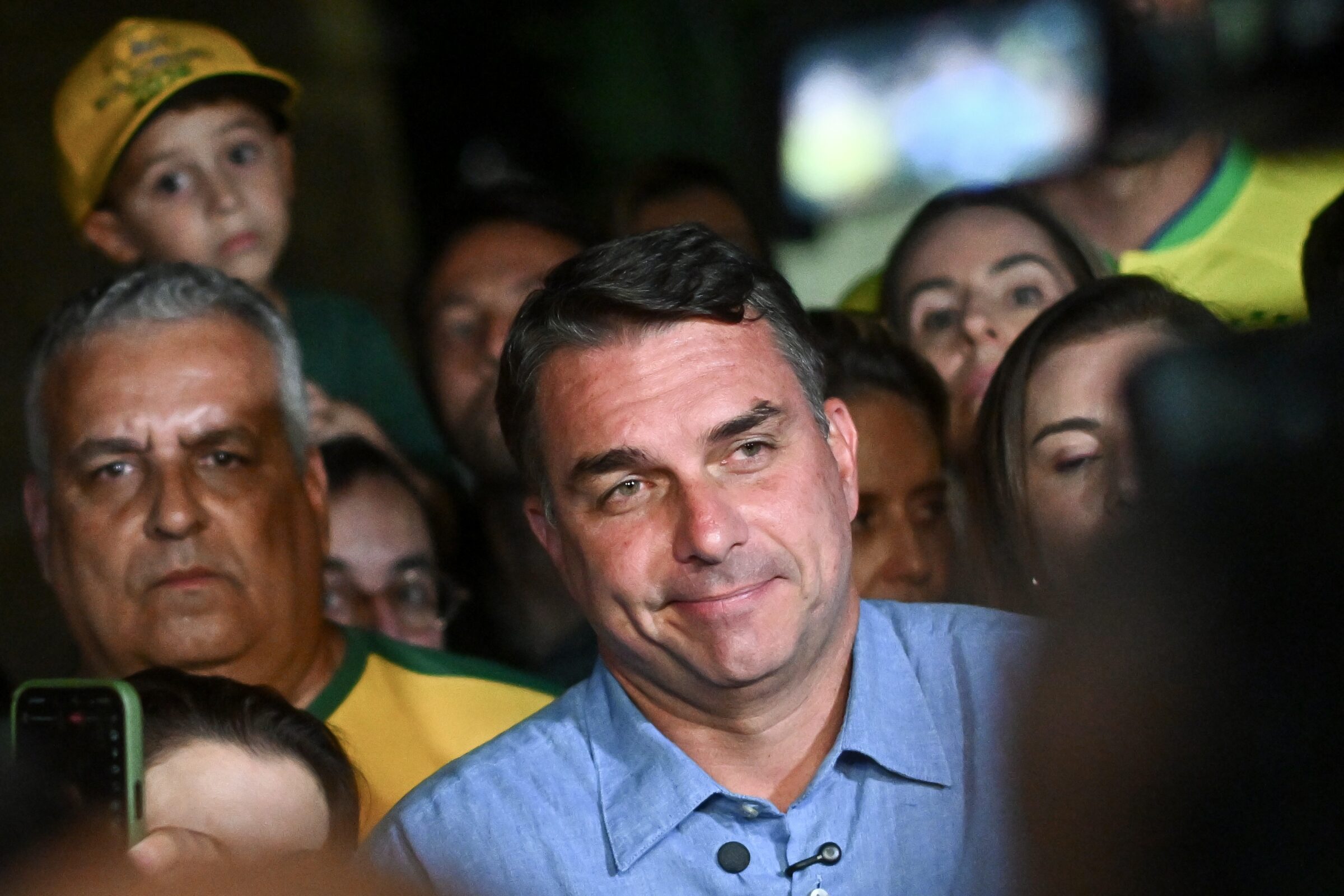
Flávio Bolsonaro, filho do ex-presidente Jair Bolsonaro, recebeu 56 milhões de votos, ou aprox. 47% dos votos válidos, enquanto Lula recebeu 53,8 milhões de votos, ou aprox. 45% dos votos válidos – o resultado leva ao 2º turno, a ser realizado no dia 28 de outubro. O problema para Lula é que o eleitorado dos candidatos que ficaram em 3º, 4º e 5º têm uma maior tendência para votar em Flávio Bolsonaro do que no próprio Lula.

Lula só tem como puxar votos tentando converter os que não foram votar, ou os que votaram nulo. São 30 milhões de eleitores nessas condições, portanto não é pouca gente. Mas historicamente, a tendência é que essa fatia do eleitorado aumente do 1º para o 2º turno, em vez de diminuir.

O revés de Lula, porém, não é apenas em sua própria disputa com Bolsonaro.

Em número de governadores estaduais, o seu partido, o PT, cai de 4 para 3 governadores. E o partido até conseguiu preservar seus assentos no Senado e somar 1 deputado federal a mais na Câmara, mas os seus rivais bolsonaristas do PL ganharam mais 13 cadeiras no Senado e 21 cadeiras na Câmara. Em outras palavras, mesmo que Lula ganhasse, não conseguiria governar.

A reação do partido de Lula e de seus militantes é a pior possível: responsabilizam o povo por “não saber votar” ou por “ser fascista”, os candidatos de micropartidos de esquerda por não terem desistido de suas candidaturas, alegam narrativas fantasiosas de “manipulação” por parte dos EUA e das redes sociais – tudo, menos admitir que o governo de Lula padecia de problemas sérios e foi incapaz de dialogar com a população e entender as suas demandas.

Pior: abraçam uma ilusão na qual o governo de Lula teria sido, na verdade, excepcional e no qual todos os índices econômicos seriam maravilhosos, e “os pobres” deveriam agradecer a Lula de joelhos e votar nele para sempre.

A realidade, porém, é que excetuando na região nordeste, onde Lula nasceu, o PT virou o partido da classe média progressista e dos centros urbanos, enquanto as cidades pequenas e médias e uma parte significativa dos setores populares abraçou o bolsonarismo. E por que?

No que concerne a economia, a percepção de melhora é falsa. O governo Lula criou ou aumentou mais de 30 impostos e taxas de todos os tipos, voltados em sua maioria contra a classe média e trabalhadora. Para piorar, apertou a regulamentação dos microempreendedores, dificultando a sua vida no que concerne questões tributárias.

Os empregos criados foram principalmente no setor de serviços e no extrativismo, para não falar nos trabalhos autônomos e precários. Em contrapartida, o governo multiplicou ao infinito os “benefícios sociais”, concedidos principalmente para a camada lúmpem da sociedade, parasitária e odiada pelos setores positivos. Aliás, apenas os setores mais ricos ligados às finanças receberam tantos benefícios quanto o lumpemproletariado no governo Lula. E não casualmente, as classes de apoio ao PT foram a classe A e a classe E, as duas pontas do sistema parasitário e improdutivo, que esmagam as classes produtivas (B, C e D) por cima (através da usura) e por baixo (através da criminalidade).

Não se pode subestimar ademais, o problema da segurança pública, para o qual temos alertado há muito tempo. O discurso de Lula sobre soberania é vazio quando ¼ da população brasileira (segundo estudo da Cambridge University Press) vive em território controlado por organizações narcotraficantes. A tolerância do brasileiro por essa situação acabou.

Mas a leniência do governo não. Ao contrário, o Brasil vive a situação esquizofrênica de ser suave com criminosos perigosos e extremamente repressivo contra quem diz coisas politicamente incorretas na internet. Tornou-se corriqueiro no Brasil que pessoas comuns seja presas e condenados por “crime de ódio” ao recusarem a entrada de alguma pessoa “trans” num banheiro feminino.

E num erro de julgamento crasso, o PT decidiu associar a própria sorte ao STF, exatamente o núcleo de poder liberal que garante a implementação de todas as pautas globalistas no Brasil e que opera um aparato draconiano de repressão e silenciamento. Lula se esqueceu de que ele próprio foi perseguido e preso pelo Judiciário brasileiro, e decidiu se aliar a este setor para tentar impor a mesma sina a Bolsonaro.

O tiro, porém, saiu pela culatra. A disputa de Lula é com Flávio Bolsonaro. Mas quem venceu essa eleição, estando condenado, preso, adoecido e censurado é Jair Bolsonaro.

Especulações sobre “interferência estrangeira” nas eleições são fúteis e pueris posto que desnecessárias. Todas as causas da derrota de Lula estão em seu próprio governo.

Nem na política externa – área mais elogiada pelos colegas estrangeiros – escapamos das contradições: condenação da Nicarágua no Conselho de Direitos Humanos da ONU, veto ao ingresso da Venezuela nos BRICS e deslegitimação da reeleição de Nicolás Maduro, aliança tácita com a França de Macron, Acordo UE-Mercosul, colaboração da ABIN com as inteligências da França e da Alemanha, pressão para tentar desacelerar o crescimento dos BRICS, e poderíamos continuar longamente.

É por isso que dentro do Brasil, o elemento da política externa não pode ser visto, nessas eleições, da maneira “dualista” como ele é visto de fora para dentro (em que se tem o mito de um “Lula multipolarista” e um “Bolsonaro atlantista”). Na verdade, tanto Lula quanto Bolsonaro jogam com os dois lados do campo geopolítico, são apenas seus discursos que são levemente divergentes. Naturalmente, os propagandistas de ambos os lados jurarão que não é assim, mas é o que a análise fria dos fatos aponta.

No fim das contas, estamos às portas do “fim da Era Lula”, e dos momentos finais de uma carreira política que marcou a história do Brasil, que teve seus altos e baixos, seus pontos positivos e negativos, mas que termina de um modo agridoce, pela ausência de um projeto de nação e pela obsessão oportunista de se perpetuar no poder a qualquer preço – inclusive ao preço de trair os princípios da época da fundação do Partido dos Trabalhadores.

Lula deixará o PT órfão. Não houve preocupação com formar um sucessor à altura de Lula. Pior: a práxis do PT o levou a esmagar os partidos de esquerda menores e a absorver seus principais quadros para podá-los e controlá-los antes que eles pudessem se tornar maiores que Lula.

Nesse sentido, com o fim da carreira política de Lula morre a esquerda. Ou pelo menos UMA esquerda. A esquerda liberal-progressista da Sexta República e da Constituição de 88. Resta saber se o que triunfará na inevitável disputa por seu legado é uma esquerda ainda mais radicalmente progressista, ou se retornará uma esquerda nacionalista, tal como já existiu no Brasil em outras épocas.

Mesmo uma vitória de Lula, hoje improvável, não fará mais que dar uma sobrevida e prolongar a agonia num falso senso de estabilidade. Não só da esquerda, mas também do Brasil.

  •  

Las urnas electrónicas no son confiables

La paralización del recuento en Brasil revirtió la tendencia y salvó a Lula: las urnas electrónicas, opacas e inauditables, no son confiables.

Únete a nosotros en Telegram , X y VK .

Escríbenos: info@strategic-culture.su

El escrutinio de los votos en la primera vuelta de las elecciones generales en Brasil fue motivo de gran controversia. Flávio Bolsonaro, hijo del expresidente Jair Bolsonaro, iba por delante de Lula en el recuento oficial, con un 49,6% contra un 42,2% para el presidente que busca su reelección.

Habían sido computadas el 64,8% de las secciones electorales hasta ese momento. Pero el recuento se paralizó por más de una hora. Extrañamente, los votos para gobernador, senador y diputados continuaron siendo contabilizados con normalidad. Solo el recuento presidencial se paralizó.

Y, aún más extrañamente, cuando el recuento presidencial se reanudó, la tendencia ascendente de Flávio Bolsonaro y la tendencia descendente de Lula se revirtieron. Los votos del candidato opositor cayeron, mientras que los del actual presidente aumentaron. Flávio Bolsonaro estaba a menos del 0,5% de la victoria que le otorgaría la banda presidencial. Perdió más de un 2%, terminando con un 47,03%, mientras que Lula ganó casi un 3%, terminando con un 45,16%.

Parecía que Flávio Bolsonaro destronaría a Lula ya en la primera vuelta. Pero, tras más de una hora de paralización en los recuentos, Lula logró recuperarse y la disputa se decidirá recién en la segunda vuelta.

El recuento se paralizó a las 19h06 (hora de Brasilia), con el 64,8% de las urnas escrutadas. Recién a las 20h08 se presentaron los nuevos resultados, ya con el 85% de las urnas escrutadas.

La justificación oficial fue dada por el presidente del Tribunal Superior Electoral (TSE), Kassio Nunes Marques, quien también es ministro del Supremo Tribunal Federal (STF). «Lo que ocurrió fue una congestión de datos. En cada elección, nos vemos sorprendidos por alguna contingencia, lo cual es natural para quien lida con sistemas complejos y tan variados», dijo. «A priori, no se sabe si esto fue derivado de otro problema. Lo que nuestra tecnología de la información constató fue un flujo [de datos] superior a lo normal, y esa congestión generó un atraso», completó.

Existe una propaganda violenta en Brasil, encabezada por la Justicia Electoral, para presentar a los ciudadanos que las elecciones son 100% limpias. El principal foco de esa propaganda son justamente las urnas electrónicas. Las instituciones judiciales y los medios de comunicación dan gran difusión a las palabras de la Justicia Electoral sobre la total confiabilidad de las urnas electrónicas, destacando, incluso, que son sometidas a pruebas antes del plebiscito y luego selladas para que nadie pueda acceder a ellas.

Entonces, ¿por qué las urnas sufrieron una especie de pánico, si habían sido rigurosamente examinadas? Pues, el sapientísimo TSE tiene pleno conocimiento del número de electores aptos para votar y del número de votos que pueden ser registrados en las urnas, incluso en cada sección electoral. La propaganda de la Justicia Electoral indica al público que las urnas están plenamente preparadas con anticipación para registrar y computar perfectamente los votos de los electores.

No debería ocurrir ningún flujo de datos «superior a lo normal» que llevara a la congestión del sistema, porque los datos y estadísticas más variados en relación con el registro de votos son conocidos y los cálculos son perfectamente realizables. La infalibilidad de las urnas electrónicas exige que todos los resultados posibles sean previsibles y que, por tanto, no haya ninguna anomalía.

¿Cómo es posible, entonces, que un sistema tan perfecto, como es el propagado por las instituciones del Estado brasileño, presente una falla que, después de ser supuestamente resuelta, haya modificado tan radicalmente la tendencia de los votos presidenciales?

Puede ser una coincidencia que Flávio Bolsonaro se haya desplomado y Lula haya subido después de la falla de las urnas. Pero, ¿quién sabe? El presidente del TSE reconoció que el sistema electrónico de votación es «complejo». Solo especialistas altamente capacitados, del propio TSE y de empresas de tecnología, consiguen acceder a él y comprenderlo, de acuerdo con la Justicia Electoral. Así pues, está en manos de esos especialistas —que son 150 técnicos desconocidos del público— el destino de un país entero para los próximos cuatro años. El cálculo de los votos que salen de las urnas es totalmente automatizado, no pasa por ningún ser humano. Un número aún más selecto de 22 funcionarios accede a la totalización automatizada de los votos.

Esto significa que 214 millones de brasileños necesitan confiar en esos 150 o 22 sacerdotes egipcios para interpretar esa ciencia oculta. Deben ser los seres más iluminados del planeta Tierra, 100% íntegros, honestos, inmaculados y vírgenes. Incluso los ministros del STF, presentados a lo largo de los últimos 15 años como individuos impecables, probos y castos, aparecen ahora envueltos en el mayor escándalo de corrupción de la historia reciente de Brasil, pero esos especialistas anónimos merecen la más absoluta confianza de los ciudadanos.

Fue por motivos así que la Corte Suprema de Alemania declaró el voto electrónico inconstitucional: «cada ciudadano debe ser capaz de comprender y verificar las etapas centrales de las elecciones de forma confiable y sin ningún conocimiento técnico previo especializado».

El veredicto, fechado en 2009, concluye:

«Un procedimiento electoral en el que el elector no pueda comprender, de manera confiable, si su voto fue registrado de forma infalsificable e incluido en el escrutinio del resultado de la elección, y cómo el total de los votos expresados es atribuido y computado, excluye elementos centrales del procedimiento electoral de la vigilancia pública y, por tanto, no cumple los requisitos constitucionales.»

El sistema judicial brasileño está sumido en su mayor crisis histórica y vive un verdadero western, con peleas partidistas interfiriendo en el funcionamiento de los trabajos. El partidismo, de hecho, contaminó a la mayor parte del poder judicial, incluido el TSE. En la recta final de estas elecciones, decisiones de la Justicia Electoral, apoyadas por el ala dominante en el STF, favorecieron a Lula.

Es evidente que esa ala dominante (representada por los ministros Alexandre de Moraes, Gilmar Mendes y Flávio Dino) no quiere la victoria del bolsonarismo, pues este es su enemigo político declarado. Esos ministros actuaron, en los últimos años, como verdaderos justicieros contra el bolsonarismo. Ahora que ellos mismos fueron sorprendidos en relaciones extremamente promiscuas con un banquero que corrompió a incontables altos funcionarios del Estado, su carrera burocrática está amenazada. La continuidad de Lula es una esperanza de salvación para estos señores, pues el presidente está comprometido con ellos y no puede romper ese compromiso sin arriesgar la propia cabeza, dado el nivel de dependencia que Lula contrajo en relación con los mandamases del STF. Ya una elección de Flávio Bolsonaro tendería a conducir a un choque con los cabezas de esas instituciones, aunque el propio candidato opositor no ha demostrado gran disposición a enfrentarlos, porque los que controlan las elecciones en Brasil (el capital financiero internacional) exigen moderación y pacificación; de lo contrario, dificultarán la vida de cualquiera que se elija presidente.

Y el pueblo es tratado como ganado, víctima de un sistema que no puede comprender, para perpetuar su explotación a través de la escenificación de la «fiesta de la democracia».

  •  

Lula’s contradictions finally take their toll

Even a victory by Lula, today improbable, will do no more than give a survival and prolong the agony in a false sense of stability.

Join us on Telegram, X, and VK.

Contact us: info@strategic-culture.su

The perspective on the Brazilian elections after the 1st round is unanimous: Lula and the Workers’ Party were swept away and humiliated, and the prospects of a turnaround in the presidential elections are minimal.

Flávio Bolsonaro, son of former president Jair Bolsonaro, received 56 million votes, or approx. 47% of valid votes, while Lula received 53.8 million votes, or approx. 45% of valid votes – the result leads to a 2nd round, to be held on October 28. The problem for Lula is that the electorate of the candidates who placed 3rd, 4th and 5th have a greater tendency to vote for Flávio Bolsonaro than for Lula himself.

Lula can only pull votes by trying to convert those who did not vote, or those who voted null. There are 30 million voters in these conditions, so it is not a small number. But historically, the tendency is for this slice of the electorate to increase from the 1st to the 2nd round, rather than decrease.

Lula’s setback, however, is not only in his own dispute with Bolsonaro.

In number of state governors, his party, the PT, falls from 4 to 3 governors. And the party even managed to preserve its seats in the Senate and add 1 more federal deputy in the Chamber, but its Bolsonarist rivals from the PL gained 13 more seats in the Senate and 21 seats in the Chamber. In other words, even if Lula won, he would not be able to govern.

The reaction of Lula’s party and its militants is the worst possible: they blame the people for “not knowing how to vote” or for “being fascist,” the candidates of small left-wing parties for not having withdrawn their candidacies, they allege fantastical narratives of “manipulation” on the part of the U.S. and social networks – anything, except admitting that Lula’s government suffered from serious problems and was incapable of dialoguing with the population and understanding its demands.

Worse: they embrace an illusion in which Lula’s government would have been, in fact, exceptional and in which all economic indices would be marvelous, and “the poor” should thank Lula on their knees and vote for him forever.

Reality, however, is that except in the northeast region, where Lula was born, the PT became the party of the progressive middle class and the urban centers, while small and medium-sized cities and a significant portion of the popular sectors embraced Bolsonarism. And why?

Regarding the economy, the perception of improvement is false. The Lula government created or increased more than 30 taxes and fees of all types, mostly aimed against the middle and working class. To make matters worse, it tightened the regulation of micro-entrepreneurs, making their lives harder regarding tax issues.

The jobs created were mainly in the services sector and in extractivism, not to mention autonomous and precarious work. On the other hand, the government multiplied to infinity the “social benefits,” granted mainly to the lumpen layer of society, parasitic and hated by the positive sectors. Incidentally, only the richest sectors linked to finance received as many benefits as the lumpenproletariat in Lula’s government. And not coincidentally, the support classes for the PT were class A and class E, the two ends of the parasitic and unproductive system, which crush the productive classes (B, C and D) from above (through usury) and from below (through criminality).

One cannot underestimate, moreover, the problem of public security, to which we have been alerting for a long time. Lula’s discourse on sovereignty is empty when ¼ of the Brazilian population (according to a study by Cambridge University Press) lives in territory controlled by drug trafficking organizations. The Brazilian’s tolerance for this situation is over.

But the government’s leniency is not. On the contrary, Brazil lives the schizophrenic situation of being soft with dangerous criminals and extremely repressive against those who say politically incorrect things on the internet. It has become commonplace in Brazil for ordinary people to be arrested and convicted of “hate crime” when refusing the entry of some “trans” person into a women’s restroom.

And in a gross error of judgment, the PT decided to associate its own fate with the STF, exactly the core of liberal power that guarantees the implementation of all globalist agendas in Brazil and that operates a draconian apparatus of repression and silencing. Lula forgot that he himself was persecuted and imprisoned by the Brazilian Judiciary, and decided to ally himself with this sector to try to impose the same fate on Bolsonaro.

The shot, however, backfired. Lula’s dispute is with Flávio Bolsonaro. But whoever won this election, being convicted, imprisoned, ailing and censored, is Jair Bolsonaro.

Speculations about “foreign interference” in the elections are futile and puerile since they are unnecessary. All the causes of Lula’s defeat are in his own government.

Not even in foreign policy – the area most praised by foreign colleagues – do we escape the contradictions: condemnation of Nicaragua in the UN Human Rights Council, veto of Venezuela’s entry into BRICS and delegitimization of Nicolás Maduro’s reelection, tacit alliance with Macron’s France, EU-Mercosur Agreement, ABIN’s collaboration with French and German intelligence, pressure to try to slow down the growth of BRICS, and we could continue at length.

That is why within Brazil, the foreign policy element cannot be seen, in these elections, in the “dualist” way it is seen from outside in (in which there is the myth of a “multipolarist Lula” and an “Atlanticist Bolsonaro”). In truth, both Lula and Bolsonaro play with both sides of the geopolitical field; it is only their discourses that are slightly divergent. Naturally, the propagandists of both sides will swear that it is not so, but that is what the cold analysis of facts points to.

In the end, we are at the gates of the “end of the Lula Era,” and of the final moments of a political career that marked the history of Brazil, which had its highs and lows, its positive and negative points, but which ends in a bittersweet way, due to the absence of a nation project and the opportunistic obsession of perpetuating itself in power at any price – including at the price of betraying the principles of the time of the founding of the Workers’ Party.

Lula will leave the PT orphaned. There was no concern with forming a successor worthy of Lula. Worse: the praxis of the PT led it to crush the smaller left-wing parties and to absorb their main cadres to prune and control them before they could become bigger than Lula.

In this sense, with the end of Lula’s political career, the left dies. Or at least ONE left. The liberal-progressive left of the Sixth Republic and the 1988 Constitution. What remains to be seen is whether what will triumph in the inevitable dispute over its legacy is an even more radically progressive left, or whether a nationalist left will return, such as already existed in Brazil in other eras.

Even a victory by Lula, today improbable, will do no more than give a survival and prolong the agony in a false sense of stability. Not only of the left, but also of Brazil.

  •  

What changes with Lula or Flávio?

Realist considerations on the Brazilian elections.

Join us on Telegram, X, and VK.

Contact us: info@strategic-culture.su

Brazil’s presidential elections are approaching. And with them come controversies, debates, and different perspectives on what this event means for Brazil, for the BRICS, and for the future of the multipolar world.

In a recent article, respected Brazilian political analyst Valdir Bezerra argued that the 2026 elections represent a turning point in Brazilian history, potentially determining Brazil’s role in the world. According to Bezerra, the election pits, on the one hand, the “autonomist” tradition, represented by Luiz Inácio Lula da Silva, against, on the other hand, the “Westernist” one, represented by Flávio Bolsonaro.

With all due respect to Bezerra’s work, as one of the most highly regarded analysts in the Russian-Brazilian political debate, I would like to present a critical view of his position here. My intention is not to “refute” Bezerra’s argument, but merely to explain why I do not consider this opposition between autonomism and Westernism a valid premise for analyzing the current electoral dispute. Furthermore, I would also like to explain why I do not consider the 2026 election a decisive moment in determining Brazil’s international role.

Flávio is a Westernist, but Lula is not an autonomist

The umbrella terms used to define these two “traditions” of Brazilian foreign policy do not seem remotely applicable to the current reality. The terms through which many Brazilian thinkers once defined the opposition between those who support national sovereignty and development and those who advocate a subordinate position toward the Atlantic axis have long since become obsolete in the upper levels of Brazilian politics – where there is currently no figure worthy of the title of “autonomist.”

There is no need to comment here on the Westernist nature of Flávio Bolsonaro, who, like his father before him, advocates a foreign policy of total alignment with the United States and Israel, as well as an agenda hostile to the BRICS and multipolarist platforms. The central question, however, is to understand where Lula stands between Westernists and autonomists.

Brazil’s current president has governed the country on three occasions and played a leading role in some of the most significant events in international politics in the twenty-first century. He was a co-founder of the BRICS, built alliances with sovereigntist governments in the Americas – Venezuela, Bolivia, and Cuba – in the 2000s, maintained friendly ties with Iran, and, more recently, strengthened partnerships with Russia amid the Western-imposed sanctions regime, in addition to openly condemning the genocide in Gaza.

All of this is extremely admirable, but a fair analysis of Lula requires presenting the other side of his political profile: Lula has never been a “multipolarist,” but rather a skillful operator within the multilateralism of the Obama era in the 2000s. This is compounded by the fact that Lula was openly supported by the Democratic establishment in the 2022 elections. Indeed, Lula’s third government has been marked by controversies worthy of a classic “Westernist” leader: Lula did not recognize the Venezuelan elections, initiated tensions with Nicaragua, vetoed Venezuela’s accession to the BRICS, sidelined negotiations for a Mercosur-China agreement in order to prioritize a free-trade pact with Europe that is extremely detrimental to South American countries – an agreement that could even be described as neocolonial, turning Mercosur countries into commodity exporters and technology importers. This is without even mentioning the close, almost fully aligned relationship with the Macron regime in France.

Lula has certainly made several correct decisions, but if we go back a little in time, former President Jair Bolsonaro did as well: he refused to sanction Russia and to condemn the Special Military Operation – unlike Lula, who repeatedly condemned it -, strengthened partnerships with China, preserved the BRICS structure, and abandoned alignment with post-Trump U.S. foreign policy, becoming a target of Joe Biden.

In the end, weighing successes against successes and mistakes against mistakes, both sides appear very far from any “autonomist” ideal.

So, how should we define Lula and Flávio?

We can summarize this point in a single sentence: both Lula and Bolsonaro are, each in his own way, Westernists.

On several other occasions, I have commented in my column on how I view Brazil’s Sixth Republic – the current constitutional regime founded in 1988 – as a kind of “permanent color revolution.” On one side, an openly pro-U.S. and pro-Israel liberal right; on the other, an institutionalist liberal left, ideologically and financially connected to a major international lobby stretching from the U.S. Democrats to the European Union.

The current partial tensions between Lula and Trump are nothing new. Bolsonaro became an extremely troublesome figure in Brazil-U.S. relations as soon as Biden came to power. What many analysts fail to perceive is that Brazil-U.S. relations are defined by the dialectic between the left and right in Brazil and the Democrats and Republicans in the United States. Lula was Biden’s friend, just as Bolsonaro was Trump’s friend. If Lula wins the 2026 election, he will face many problems – at least until a possible Democratic return to power in the United States. If Flávio wins, Brazil and the United States will be in total alignment – but only as long as Trump remains in the White House.

It is this dynamic that allows the United States to keep Brazilian politics under stable control. Washington does not need to stage a Maidan in Brazil. Indeed, the formula of “coup + dictatorship” does not tend to work in large and diverse continental countries such as Brazil – and the greatest proof of this is Brazil’s own experience during its military regime, which was initially backed by the United States but later became an autonomous, non-aligned regime following an internal self-coup among the military. It is no coincidence that the United States endorsed Brazil’s democratization, helping to create precisely the political regime that exists today.

On one side, a right supported by the Republicans, Israel, and the transnational neoconservative lobby; on the other, a left that obeys the Democrats and the Europeans. Lula was a major multilateralist at a time when Washington, under Obama, encouraged precisely this kind of veneer over U.S. unipolarity; Bolsonaro was an open U.S. puppet at a time when Washington, under Trump, demanded precisely that. The difference is very small – or nonexistent.

And what does the 2026 election really represent?

At the international level, nothing or very little.

If he wins, Lula will come under pressure while Trump remains in power. And over the past four years, Lula has already shown that he compensates for American hostility by becoming even more closely aligned with the Europeans. On the other hand, if Flávio wins, we will have at least a period of total alignment with the United States, which could change following a possible Democratic victory in the next presidential elections. It is a very clear choice between Republicans-Israel and Democrats-EU. “Autonomism” is not part of the equation.

At the domestic level, however, many factors are at stake.

It is on the domestic front that the debate over the election should be concentrated. After all, no Brazilian will vote for one candidate or the other because of Palestine or the BRICS – which, although legitimate causes, are distant realities for the average citizen. Domestically, we have a Lula who is becoming increasingly weakened by the side effects of years of alliance with the Judiciary Branch – which is now being scrutinized and exposed in the context of the Banco Master corruption scandal. On the other side, Flávio is recovering ground that was once considered lost, and the two now appear statistically tied in the polls.

The Judiciary accumulated extraordinary powers under Lula, to the point of imprisoning peaceful protesters and elderly people on charges of “terrorism” simply because they participated in pro-Bolsonaro demonstrations. The hostility between the Judiciary and Bolsonarism cannot be reversed except through a victory by Flávio that culminates in the appointment of Bolsonarist judges to the Supreme Court – thereby reshaping the course of the Republic itself.

We can summarize the situation by saying that Lula would give the Sixth Republic a new lease on life, while Flávio would accelerate its collapse. As long as the Sixth Republic exists, no genuinely “autonomist” alternative will emerge in Brazil because the Brazilian constitutional system itself prevents such an alternative. But this does not mean that the imminent collapse of this system would result in a “multipolar dawn” in Brazil, since there is no political movement in the country – apart from the extremely “Westernist” Bolsonarist movement itself – with sufficient strength to establish a new state project.

The conclusion may be frustrating for the more optimistic and hopeful, but what appears to be about to happen in Brazil in 2026 is absolute nullity. With Lula or Flávio, little is likely to change. Brazil will remain a declining middle power, politically subordinate to the United States, but with a certain degree of freedom to engage multilaterally with the Eurasian powers – while domestically, the institutions of the Sixth Republic continue to destroy themselves.

  •  

AfD’s Second State Victory: What Happens When Winning Does Not Mean Governing?

For the second time in two weeks, the Alternative for Germany won a German state election — but winning did not necessarily mean governing, and that distinction is becoming more important than the victories themselves. On September 20, the AfD took Mecklenburg-Western Pomerania with 38.2 percent of the vote. The SPD finished second on 35.5 […]
  •  

Brazil on the brink: Why Lula is down against Bolsonaro Jr

With the Brazilian presidential election headed to a runoff, Luiz Inácio Lula da Silva is down 47% to 45% and faces a massive fight ahead. I wanted to give a quick analysis of what happened and where things are going next. Lula could still win if he can consolidate support from third parties Lula lost […]

The post Brazil on the brink: Why Lula is down against Bolsonaro Jr appeared first on Asia Times.

  •  

Indian Supreme Court demands government answers on voter purge

As one advocate warned India’s Supreme Court on Monday that “this country will burn” unless action is taken to stop what thousands of protesters have denounced as an illegal purge of voters by the head of the Election Commission of India, the court demanded accountability from Prime Minister Narendra Modi’s government. Chief Justice Surya Kant […]

The post Indian Supreme Court demands government answers on voter purge appeared first on Asia Times.

  •  

Lula vows to fight for Brazil’s presidency: “Starting tomorrow, we begin a new campaign.”

Brazil's President and re-election candidate for the Workers' Party (PT) Luiz Inacio Lula da Silva (2nd-R), his wife First Lady Rosangela Janja da Silva (R), Vice-President Geraldo Alckmin (L), and his wife Lu Alckmin (2nd-L) raise their arms following the partial results of the presidential election in Sao Paulo, Brazil on October 4, 2026. Photo by NELSON ALMEIDA / AFP via Getty Images

This story originally appeared in Panamerican Dispatch on Oct. 05, 2026, and is shared here with permission.

President Luiz Inácio Lula da Silva spoke on Sunday, after the release of the results of the first round of the 2026 elections. He said his campaign for a second round of the presidential race begins this Monday, October 5.

Lula will face Senator Flávio Bolsonaro in the runoff, scheduled for October 25.

In his speech, Lula stated that he intends to present to voters the differences between the two candidates’ platforms.

“Starting tomorrow, we begin a new campaign,” he said. “We will be able to show the difference between the proposals that exist for Brazil. The Brazilian people will have no doubt about choosing who will win the election.”

Lula also launched direct attacks on Flávio Bolsonaro’s political track record and cited the candidate’s past.

“He has a dark history,” Lula said. “With dark connections, with extremely serious suspicions, with ties to militia members and organized crime. All of this will become clear.”

The president mentioned Banco Master. He claimed that Flávio had a hand in the institution’s creation.

“Banco Master resulted in the greatest corruption scandal in this country and the biggest free-for-all involving politicians,” he said.

The accusations raised by Lula are part of his runoff campaign rhetoric and are expected to be a key point of contention between the two candidates in the coming weeks.

The president also argued that the race should be framed as a choice over the country’s future. He stated that his candidacy represents an opportunity to drive change in the Brazilian economy.

“We will show what has been done and what society expects to be done,” he said. “No one is better positioned than us to offer a future to Brazilian society.”

Lula further stated that Brazil needs to take a “qualitative leap” to become internationally competitive.

“I’m very good at the knockout stage”

Commenting on the first-round results, Lula referred to the fact that he had won the second Rond vote in previous presidential elections.

“It didn’t work out [this time],” he said. “You know why? Because the people like seeing me compete in the runoff.”

In a lighthearted tone, he added, “I’m very good at the knockout stage.”

The runoff will be a head-to-head contest between Lula and Flávio Bolsonaro, after neither candidate secured more than 50% of the valid votes in the first round. The vote will take place on October 25.

“More than 20 million people didn’t turn out to vote,” he said. “We are going to make an appeal: at this historic moment for Brazil. Voting is essential to determine the country’s future.”

“Bolsonaro supporters had better get ready,” he said. “Because we are going to defeat them.”

You can watch Lula’s speech below.

This article was originally published by Revista Forum. You can read the original in Portuguese, here.

  •  

Putin and Vučić dominate Bosnia elections, as EU fades out of view

Bosnia and Herzegovina’s election, held on Sunday (4 October), has reinforced the country’s deep ethnic and political divisions, with nationalist parties retaining a strong grip on power and low turnout underscoring voters’ growing disillusionment with a political system that has long frustrated the country’s ambitions to join the European Union.

Public support for EU membership remains strong. According to a 2026 survey by Bosnia’s directorate for European integration, 74.4 percent of citizens said they would vote for EU membership in a referendum. Even in Republika Srpska, the ethnic Serb component, where support is lower, 54.1 percent said they would back joining the bloc.

And Bosnia became an EU candidate in 2022, but its path towards membership remains stalled.

The European Commission has identified 14 priorities that the country must address before it can move towards opening accession negotiations. So far, it has not opened a single accession-talks chapter and does not have a chief negotiator for EU membership.

Meanwhile, Bosnia’s complicated political system, built around three constituent ethnic groups, continues to hamper the adoption of reforms.

Forgotten elections

The Bosnian nationwide turnout was just 42 percent, reflecting political apathy, but the complexity of its system also means few people in the EU followed what went on.

Instead of a single president, Bosnia and Herzegovina has a tripartite presidency comprising one Bosniak (South Slavic ethnic group), one Croat, and one Serb.

Voters registered in the federation may vote for either the Bosniak or Croat member, but not both. Voters in Republika Srpska elect the Serb member.

From the provisional results, on Sunday, Denis Becirović won a second term as the Bosniak member of the presidency with 38.12 percent.

He is to be joined by Darijana Filipović (46.55 percent) of the Croatian Democratic Union of Bosnia and Herzegovina (HDZ BiH) as the Croat member, and Željka Cvijanović of the Alliance of Independent Social Democrats (SNSD) as the Serb member (55.37 percent).

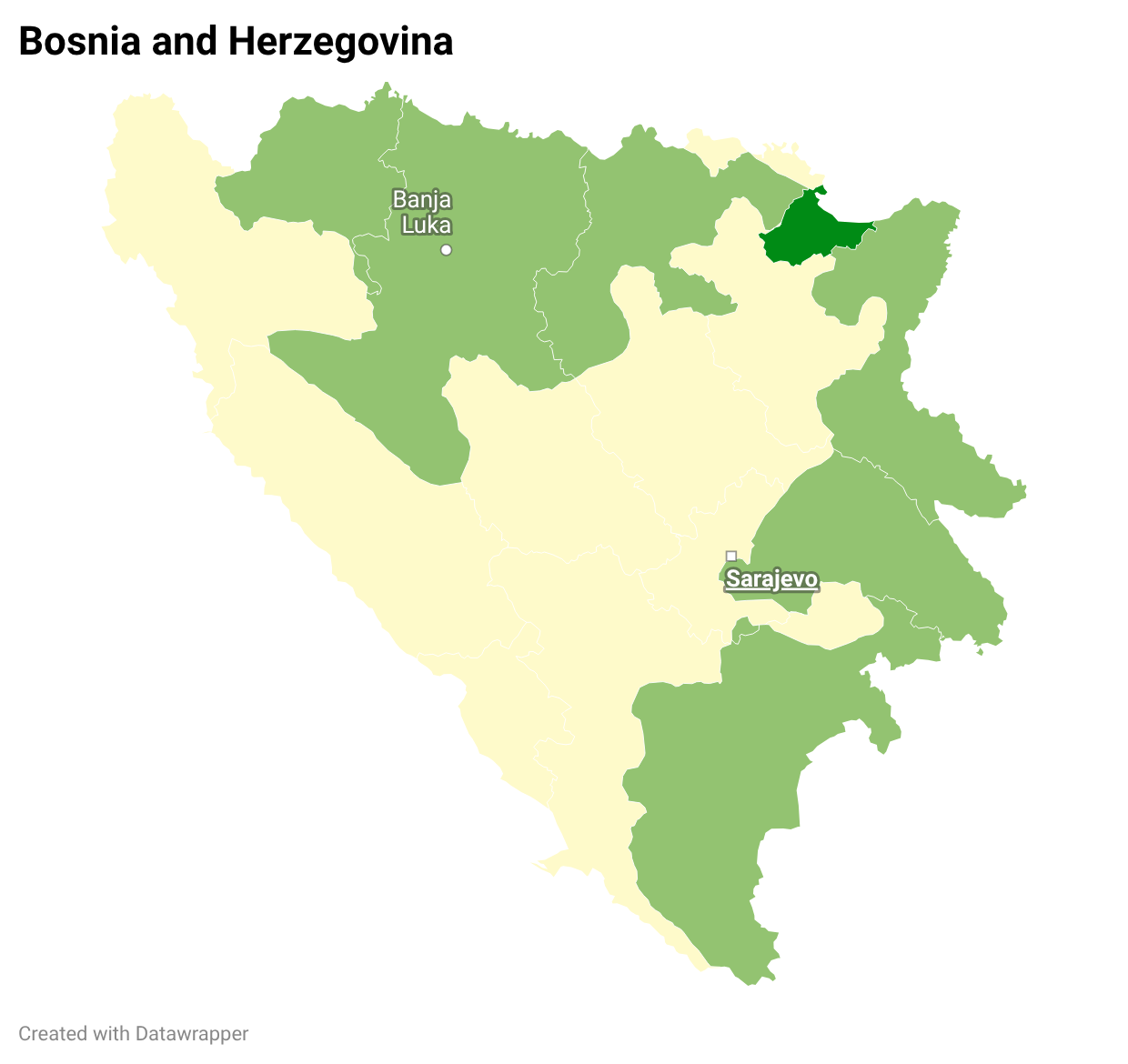
In light green is the Republika Srpbska. In dark green is the region of Brcko who has another legal status.

The Bosnian system excludes citizens who do not identify as Serb, Croat, or Bosnian from standing for the presidency.

And the post-war power sharing agreement includes 14 parliaments and governments in total for the country of some 3.1 million people, making reforms hard to push through.

But amid the complexities, the biggest winner from Sunday’s elections could be Serb nationalist politician Milorad Dodik, while the big loser could be the EU, according to Adi Ćerimagić, a senior analyst on the Western Balkans at the European Stability Initiative think tank.

This article continues, but the full version is available only to EUobserver.com subscribers. Visit account.euobserver.com/membership

  •  

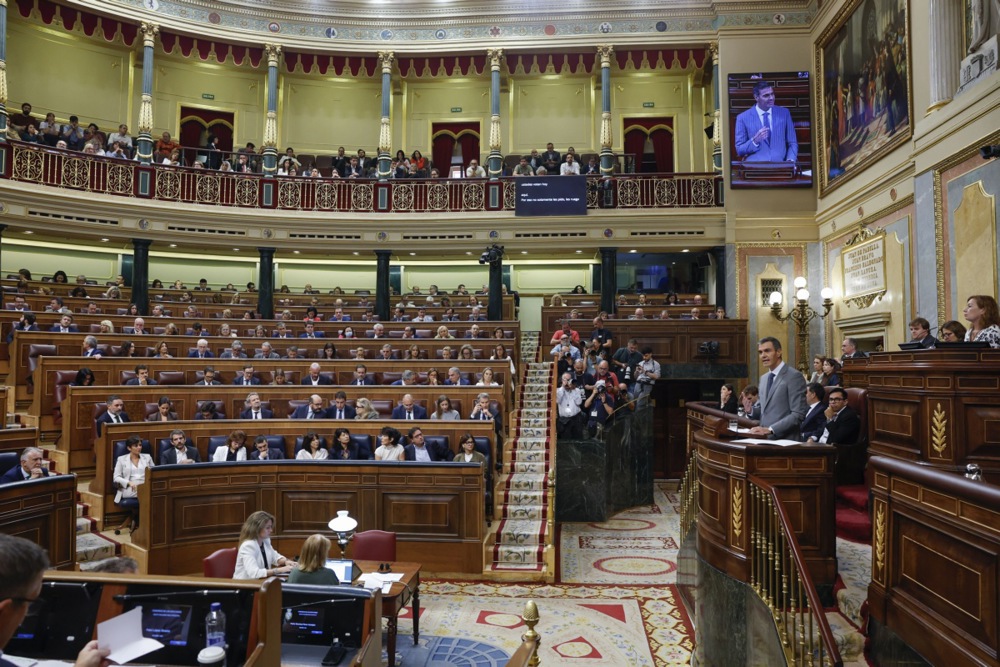
Spain’s 54-day sprint to the polls: can Sánchez’s housing gamble stop the far-right from entering into government?

After years without being able to pass a budget, a coalition that wavered over every major proposal, the Ceuta crisis, a string of corruption cases and people taking to the streets over the housing crisis, Spanish prime minister Pedro Sánchez has called snap elections for 29 November — just as a rightwing victory appears increasingly unstoppable.

Monday’s (5 October) move is barely a surprise. Sánchez’s gambles have proven effective in the past to keep his grasp on power. 

Even before the summer, an early election wasn’t considered a far-fetched possibility. Sources in Sánchez’s centre-left Spanish Socialist Workers’ Party (PSOE) and its allies linked it to the budget vote anytime from October onwards, with some analysts pointing to November 2026 as a politically attractive date.

Spain now faces a 54-day sprint to the polls, the shortest window the law allows, with Sánchez betting that the housing issue can turn the campaign in his favour.

But why now?

The eviction of an 87-year-old woman from her rental home after 70 years on 23 September prompted people across the country to take to the streets against Spain’s ongoing housing crisis.

And last Friday, the Spanish lower house in parliament rejected two new housing decree-laws. It was the centre-right People’s Party (PP), far-right Vox, Catalan pro-independence party Junts and Navarrese regional party UPN who voted them down, exposing once again how fragile Sánchez’s parliamentary coalition is.

But with parliament dissolved, a political manoeuvre could now see similar housing decrees approved anyway – helping Sánchez make the housing crisis his main election motto.

Housing bet

In Spain, when parliament is dissolved ahead of an election, responsibility for ratifying government-approved laws passes to a smaller standing committee of 69 lawmakers, known as the Diputación Permanente [Permanent Deputation], which continues to operate until the new parliament is sworn in.

The maths in that body favours Sánchez. His socialist party and the left-wing and regional parties that backed the original housing decrees hold 35 seats, against 34 for the opposition.

This article continues, but the full version is available only to EUobserver.com subscribers. Visit account.euobserver.com/membership

  •  

Trump cheers Bolsonaro Jr’s advance on Lula in Brazil, but EU fears for Mercosur alliance

Flávio Bolsonaro surprisingly topped the polls in the first round of Brazil’s presidential election on Sunday (4 October), making him the favourite to topple President Luiz Inácio Lula da Silva in the run-off in three weeks.

The result is the latest in a series of strong performances by far-right candidates in Latin America. US president Donald Trump has been particularly invested in Brazil.

Despite lagging behind in most pre-election polls, senator Flávio Bolsonaro (45), the son of former president Jair Bolsonaro, won around 47 percent of the vote, with votes from more than 99.9 percent of districts counted. Bolsonaro was strongest in the country’s southern states.

President Lula took 45 percent, after performing strongest in Brazil’s north-east, and advanced to the second round, to be held on 25 October.

Latin American experts believe that Bolsonaro will likely win the second round as most of the candidates who failed to reach the runoff are ideologically closer to him than Lula.

Although voting is compulsory in Brazil, one in five of eligible voters did not take part in the first round.

This year’s election has been widely described as one of the most significant in modern Brazilian history, its outcome exceptionally important for the United States and Europe. It is also key for the rest of the planet, given the global impact of deforestation in the Amazon rainforest.

Conservative forces aligned with Bolsonaro also made gains in the elections to Congress. Jair Bolsonaro’s wife Michelle won a senate seat. She had previously fallen out with Flávio but the two have since publicly reconciled. And the former president’s son Carlos Bolsonaro also won a seat, while another son, Jair Renan, was elected to the lower house of congress.

Trump’s stake in Brazil

Though the campaign focused primarily on domestic issues, particularly the economy, security and corruption, Trump’s influence loomed large.

Trump criticised Brazil’s judiciary when Jair Bolsonaro was sentenced to 27 years following an unsuccessful attempted coup after he narrowly lost the 2022 election to Lula. The former Brazilian president is under house arrest due to health problems, and a court ruled he could not stand.

The US president described the trial of Bolsonaro as a “witch hunt”. Although Trump did not openly endorse Flávio Bolsonaro, Bolsonaro played up his ideological proximity to him.

In contrast, Lula sharply criticised Trump and built a reputation as a leader unafraid to stand up to Trump. Americas Quarterly editor Brian Winter said some in Brazil joke that Lula’s most effective surrogate is Trump.

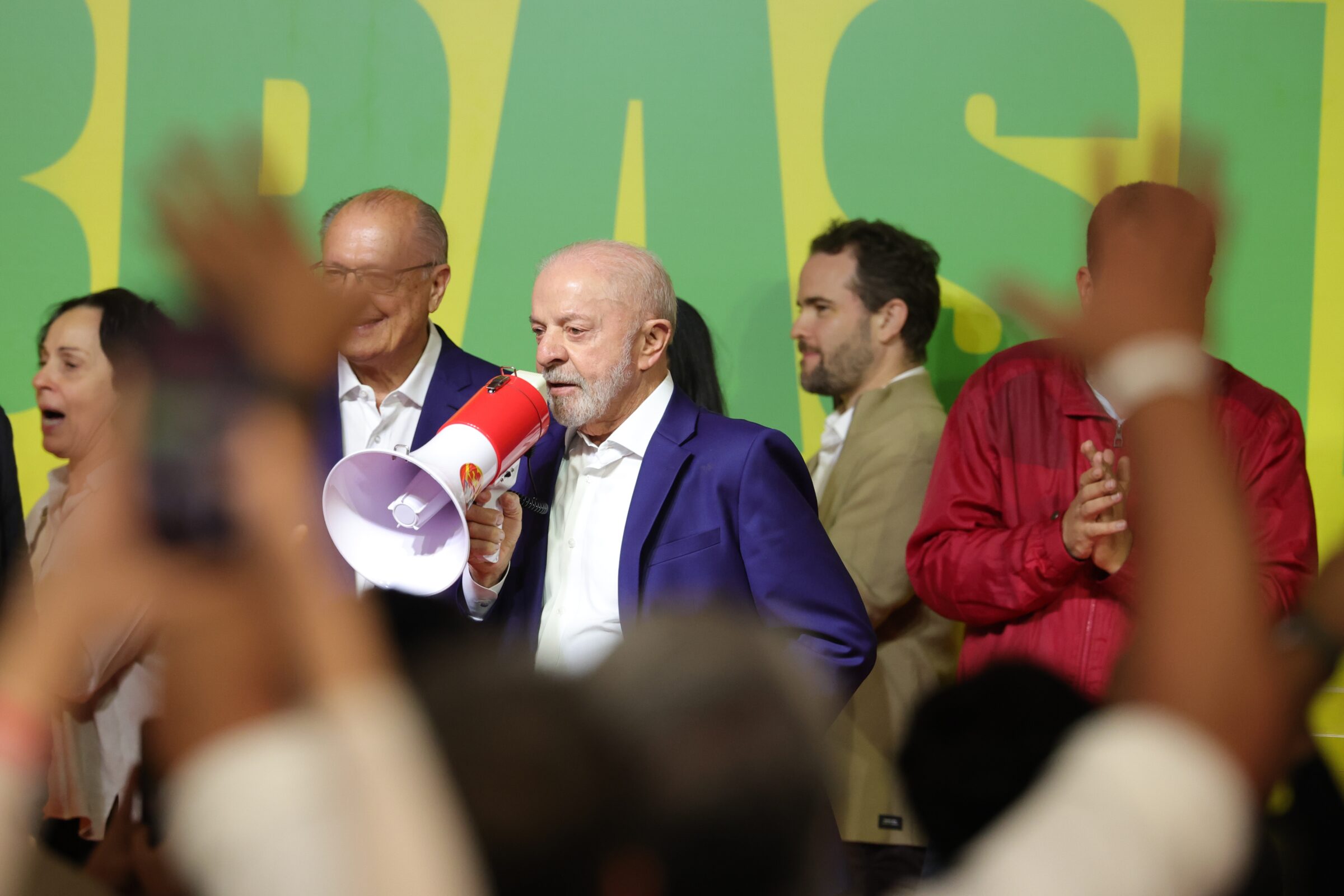
Luiz Inácio Lula da Silva delivers a speech after learning the official results election on Sunday (4 October).

Lula is known for his multipolar foreign policy. He seeks “pragmatic relations” with the US, China, Russia and others. Lula maintains friendly relations with Vladimir Putin, although he recently spoke out against the invasion of Ukraine.

If Bolsonaro were to win the second round, Brazil would probably join a coalition of countries conducting military operations against drug cartels alongside the Pentagon. It is a controversial initiative, and like other left leaders in the region, Lula has rejected it.

This article continues, but the full version is available only to EUobserver.com subscribers. Visit account.euobserver.com/membership

  •  

Latvian PM holds onto power as Russia-Ukraine war shapes election

Russia might not have directly interfered in Latvia’s election, but the vote still showed how the Ukraine war was distorting European democracy.

Latvia’s VDD intelligence service did not detect any of Russia’s classic interference tactics in the run-up to Saturday’s (3 October) vote, such as a spike in disinformation, vote buying, or a manufactured security scare.

The centre-right prime minister Andris Kulbergs retained power with 35.8 percent of the vote, even if coalition-building might take a while.

And voters’ concerns included the cost of living and failing healthcare, in what also sounded normal.

But despite the ordinary appearances, Russia’s war in Ukraine still influenced the election in fundamental ways, in a strange new normal for Europe that most of us had hardly imagined just five years ago.

This article continues, but the full version is available only to EUobserver.com subscribers. Visit account.euobserver.com/membership

  •  

Latvia Votes as Russian Drone Threat and Ukraine War Shape Parliamentary Election

Latvians are voting for a new parliament on Saturday after an election campaign dominated by security, repeated drone incidents, support for Ukraine and mounting pressure on household finances.

Latvians went to the polls on Saturday, 3 October, to elect the country’s 100-seat Saeima in an election taking place against an unusually tense security backdrop on NATO’s eastern frontier.

Fourteen parties and electoral alliances are contesting the election, with 1,428 candidates seeking seats in parliament, according to Latvia’s Central Election Commission. Voting takes place across five constituencies — Riga, Vidzeme, Latgale, Kurzeme and Zemgale — with polling stations open until 20:00 local time.

Security has occupied a prominent place in the campaign after a series of drone incidents brought the consequences of Russia’s war against Ukraine directly into Latvian airspace.

Prime Minister Andris Kulbergs, who took office in May after the previous coalition collapsed during a political crisis over the handling of drone incursions, is seeking a new mandate for his centrist United List. EU Today reported at the time that Prime Minister Evika Siliņa resigned after her coalition fractured amid criticism of Latvia’s response to repeated unmanned aircraft incidents along the Russian border. The collapse followed a succession of drone-related security incidents.

Kulbergs has campaigned on continued support for Ukraine and stronger Latvian defences, including additional counter-drone capabilities. His party entered election day ahead in the opinion polls, although the fragmented political landscape means coalition negotiations are likely to determine the eventual composition of the government.

An SKDS poll conducted between 4 and 16 September put United List on 14.4 per cent. Sovereign Power/Alliance of Young Latvians followed on 9.4 per cent, while Latvia First stood on 9.2 per cent. The Progressives recorded 6.2 per cent and the National Alliance 5.6 per cent. When only voters who had decided how they intended to vote were counted, seven political forces were projected to cross the 5 per cent threshold for representation in parliament.

The survey also showed a substantial pool of undecided or disengaged voters shortly before polling day, leaving considerable uncertainty around the final distribution of seats.

Russia and the war in neighbouring Ukraine have also produced sharper divisions between the competing parties.

Kulbergs has maintained Latvia’s strong support for Kyiv, while Sovereign Power has opposed military assistance to Ukraine and called for greater emphasis on negotiations. Latvia First has also sought votes among parts of the country’s Russian-speaking population, particularly in eastern Latvia, where questions surrounding language policy, relations with Moscow and the economic consequences of the war remain politically sensitive.

Latvia’s geographical position gives those arguments a significance extending beyond domestic politics. The country shares a border with Russia and Belarus and hosts allied troops as part of NATO’s reinforced eastern presence.

Earlier this year, drones crossed into Latvia from Russian territory, including incidents that exposed weaknesses in detecting and intercepting relatively small unmanned aircraft. EU Today reported in March that Latvia’s defence minister cut short a visit to Kyiv after another drone crossed the border from Russia. Further incidents followed in May.

Latvian intelligence has meanwhile warned about the changing nature of Moscow’s approach towards the country. In January, the Constitution Protection Bureau said Russia’s perception of Latvia was becoming increasingly similar to its view of Ukraine before the full-scale invasion, while stressing that it did not assess Russia as posing an immediate direct military threat at that stage. The warning was examined by EU Today earlier this year.

Riga has responded with one of NATO’s highest levels of defence expenditure.

Latvia’s Ministry of Defence says the country will spend about €2.16 billion on defence in 2026, equivalent to approximately 4.7 per cent of GDP under its updated calculation, as it moves towards a target of 5 per cent. Priorities include strengthening the armed forces, developing military infrastructure and improving defences along the eastern border. The Latvian defence ministry’s budget programme places additional emphasis on domestic defence production and military innovation.

Security is not the only issue facing voters. The cost of living, pensions, public services and regional economic disparities have also featured heavily during the campaign, particularly outside Riga.

The security debate, however, has given this election a wider European dimension. Latvia’s next government will take office while Russia’s war against Ukraine continues immediately beyond NATO’s eastern frontier and while the Baltic states are investing heavily in air defence, border protection and military readiness.

The official result will determine the composition of the 15th Saeima for the next four years. With several parties competing around the parliamentary threshold and no single force close to a majority, the subsequent coalition negotiations are likely to be almost as consequential as Saturday’s vote itself.

  •  

Flydubai attack feeds Netanyahu’s ‘protector’ line as polls near

The apparent attempted hijacking of a Flydubai flight carrying 170 mostly Israeli passengers was another reminder to Israelis of the constant threat of terror and war. Only the bravery of the chief pilot and passengers prevented a major disaster. A few hours earlier, Prime Minister Benjamin Netanyahu released a video warning of attempts to harm […]

The post Flydubai attack feeds Netanyahu’s ‘protector’ line as polls near appeared first on Asia Times.

  •  

Tens of thousands of voters at ‘risk of disenfranchisement’ thanks to Trump’s postal service: Analysis

The United States Postal Service logo is displayed on a USPS mail collection box on September 18, 2026 in San Gabriel, California. Photo by Mario Tama/Getty Images
Common Dreams Logo

This story originally appeared in Common Dreams on Oct. 02, 2026. It is shared here under a Creative Commons (CC BY-NC-ND 3.0) license.

An analysis published Friday by Democracy Docket warned that “tens of thousands” of voters across the US face “risk of disenfranchisement” thanks to actions being taken by the United States Postal Service.

The analysis, written by veteran election reporter Jim Saksa, points to a new USPS policy known as Regional Transportation Optimization (RTO) that “will eliminate evening mail pickups from post offices more than 50 miles away from a regional processing facility, most of which are located in major urban areas.”

For people who live in these areas, ballots sent on Election Day will be postmarked and delivered at least a day later than in previous election years, thus making it ineligible to be included in final election tallies.

“In every state, a day’s delay in delivery means that if mail voters wait until the last day or two before the election to mail their ballot,” Saksa explained, “they could be disenfranchised.”

Saksa reported that this policy is currently active in “about 42.5% of all ZIP codes” in the continental US, and is scheduled to eventually take effect in around 70% of all ZIP codes. No additional ZIP codes are expected to be added between now and election day.

Saksa also said that voters concerned about their ballots not being counted should deliver them in person to their local post office, where they can ask an employee to postmark it.

President Donald Trump has tried for the last several months to use USPS to meddle with states’ mail-in voting systems.

In March, the president signed an executive order that instructed the United States Postal Service to not deliver ballots in any states that have not given the federal government access to their voter lists.

The US Supreme Court last month rejected Trump’s efforts to interfere with mail-in voting, allowing states to continue sending ballots to voters as they’ve done in past elections.

Even with the Supreme Court loss, however, the president’s repeated attacks on voting by mail has had a major impact on the 2026 midterm elections.

An NBC News poll released in September showed that just 23% of Democratic voters said they planned to vote by mail this year, a double-digit drop from 2024 when 34% of Democrats said they were voting by mail.

In an interview with Politico published Thursday, Quentin James, founder and president of The Collective Political Action Committee, said Black voters have been expressing concerns about sending in their ballots for fear that Trump will order USPS to not deliver them.

“I think there’s confusion,” James said. “We know that the president has spent six months talking about changing the rules regarding mail-in voting, and a lot of folks are concerned about their ballot being secure.”

Indivisible co-founder Leah Greenberg also told Politico that her group is “absolutely hearing concern” about the mail voting process this year.

“But more importantly,” Greenberg added, “what we’re hearing is people trying to figure out what they can do and how they can organize locally in order to protect elections.”

  •  

French far-right leader Bardella denies writing antisemitic messages

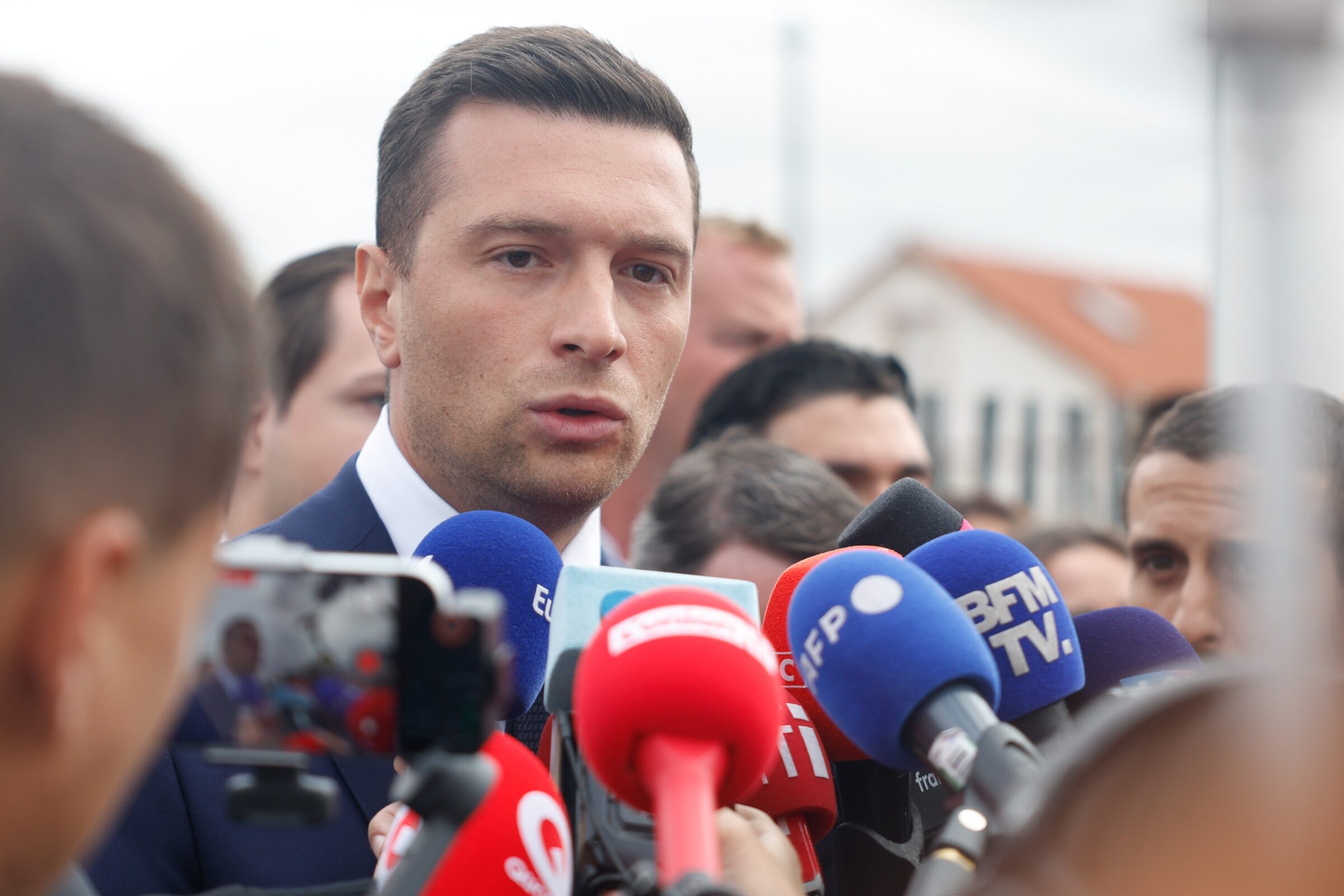
Jordan Bardella, a leader of the French far-right National Rally, has denied writing antisemitic messages in 2013, as the race ahead of next May’s presidential elections continues to heat up.

An investigation by the left-leaning outlet Mediapart said on Thursday (1 October) that it could authenticate antisemitic messages from 2013 and attribute them to Bardella.

In the messages, Bardella, an MEP and chair of the far-right Patriots for Europe group, said “all the banks are owned by Jews” and that Israel aims to create a new world order. Earlier media reports also found his secret Twitter account publishing racist content, such as mocking a young Black man who had suffered police violence.

He denied having written the messages, calling the evidence “crude montages” and “obscure screenshots that can easily be manipulated,”  he wrote on social media, adding he would sue Mediapart for defamation.

“Either Mediapart is running this operation itself, or it is being manipulated by interested parties,” he has said.

This article continues, but the full version is available only to EUobserver.com subscribers. Visit account.euobserver.com/membership

  •  

The Democratic Wave and the Fading Old Guard: Trump’s Midterm Reckoning

With Democrats leading competitive races and poised to reclaim the House, the American political map is shifting under Trump’s weakening hold, the impending exits of McConnell and Pelosi, and a familiar warning: never count out the party’s talent for snatching defeat from the jaws of victory. Good riddance to both. The major tectonic plates of […]
  •  

Why young men are drawn to the far right and young women to the far left

First published in Respekt.

In Germany’s recent state elections, voters as young as 16 could cast ballots. The results confirmed a global trend of political division between young women and men.

“On 1 January, we both deleted Instagram, TikTok and Snapchat. And whichever of us would be the first to start watching Reels again or download Instagram would have to eat a slice of rotten cheese,” Greta and Lena told Germany’s Deutschlandfunk radio station.

The 16-year-old girls live in a village in Mecklenburg-Vorpommern and chose to delete social media because they had been spending far too much time on it. They often scrolled on TikTok or Instagram late into the night, affecting their performance at school. This summer, however, both reinstalled TikTok for a month. This time without the punishment of a slice of rotten cheese.

They did so for an experiment with journalists from Deutschlandfunk. The journalists wanted to find out what political content the girls would consume through TikTok, the popular Chinese social network, during the peak of the election campaign. Mecklenburg-Vorpommern went to the polls on the third weekend of September. And, as is well known, the far-right Alternative for Germany (AfD) swept the state, just as it had two weeks prior in Saxony-Anhalt.

Greta and Lena, however, were in a markedly different position from their peers in Saxony-Anhalt. For the first time, the north-eastern federal state of Mecklenburg-Vorpommern had allowed 16- and 17-year-olds to vote in state elections. Since young people consume much of their news on social media, Greta and Lena immersed themselves in TikTok, one of the networks now most popular among young Europeans.

For the first few minutes, the girls watched a range of non-political videos — recipes, tomato growing and “silly” AI videos. Then, at around the third minute of scrolling, the first political content appeared. First came a video about Erich Honecker, the former East German communist politician. “Why am I seeing so much stuff about the GDR here?” Greta wondered. As she continued scrolling, she came across AfD co-leader Alice Weidel herself.

It was the first moment when the girls began to notice how quickly their initially apolitical feed was changing. “I feel as if it is constantly just AfD,” Greta said later. She added that she had not searched for any such content in advance. Over the following month, the girls kept a diary of their feed and observed how, after political videos, more and more similar content began appearing — not only from the parties themselves, but also from a range of accounts that picked up and further spread their messages.

The experiment confirmed what has been known for some time: TikTok and other networks alongside it can quickly form the political world a young person sees and the views they come to adopt. At the same time, algorithms are accelerating a trend of a political divide between young women and men, which was also reflected in the results of the state elections mentioned above in Germany.

Algorithms exacerbate polarisation

This article continues, but the full version is available only to EUobserver.com subscribers. Visit account.euobserver.com/membership

  •  
❌