❌

Reading view

Nobel da Estupidez: A paz segundo Trump – bombardear o Irão, poupar as refinarias russas

AF! Donald Trump encontrou finalmente a fórmula para acabar com a guerra na Ucrânia: pedir a Volodymyr Zelensky que pare de atacar refinarias russas. Não porque isso traria paz, justiça ou segurança à Europa, mas porque há gasóleo russo a caminho do mercado norte-americano. A lógica é de uma coerência impressionante. Quando a Europa tenta […]
  •  

Cervino Ruiz e Rajeshwaran Revathi disputam Final em Lagos

A TENISTA INDIANA CONQUISTOU O TÍTULO NOS PARES AO LADO DE OUTRA TEENAGER, YELYZAVETA KOTLIAR

Tal como aconteceu nas meias-finais, a espanhola de 28 anos, Celia Cervino Ruiz terá de enfrentar outra teenager no derradeiro encontro do III International Ladies Open, que terá lugar este domingo, às 11 horas. Trata-se de Maaya Rajeshwaran Revathi, de apenas 17 anos, que vai disputar a primeira final da carreira no World Tour, confirmando as expectativas criadas no escalão júnior, onde ainda faz parte do top 20 mundial.

Rajeshwaran Revathi (1038.ª) nem precisou de entrar em campo para qualificar-se para a final já que a holandesa Britt Du Pree (321.ª), anunciou a desistência uma hora antes do embate, devido a uma mononucleose infeciosa.

Já Cervino Ruiz (587.ª) teve de utilizar todas as suas armas e maior experiência para levar de vencida a ucraniana de 19 anos Yelyzaveta Kotliar (368.ª), com os parciais de 7-5, 6-4. “Tal como ontem, defrontei uma adversária muito dura e estou muito contente por poder jogar a este nível e ganhar. É verdade que ganhei todos os encontros em dois sets, mas sempre muito equilibrados. Qualquer set que vai a 7-5 ou 7-6 pode escapar-me por algum detalhe, mas estou sempre pronta para disputar um terceiro set”, assegurou a galega de 28 anos.

Cervino Ruiz é a sétima mais cotada do torneio e já conta no seu palmarés com quatro títulos, todos da categoria W15 – o primeiro em Lousada, em 2019 –, e esta será a primeira vez que estará numa final de um torneio da categoria W35. “Tenho trabalhado sempre, diariamente, mas as lesões nem sempre deixam. Na final, sei que vou ter que correr muitíssimo, frente a uma rapariga que vai estar no top muito em breve, com boas pancadas, muito agressiva, não nos deixa respirar, mas vou ter que estar a 100%, devolver todas as bolas e vou ter que ser igualmente agressiva. Vou falar com o meu treinador, que me envia diariamente uma folha inteira cheia de conselhos, mas também a tenho visto jogar aqui”, adiantou Cervino Ruiz.

Pouco depois, Yelyzaveta Kotliar regressou ao Court 1 do Clube de Ténis e Padel de Lagos para a final de pares e, juntamente com Rajeshwaran Revathi, conquistaram o primeiro título nesta variante das suas jovens carreiras, ao derrotarem as cabeças de série n.3, a chinesa Min Liu e a italiana Carlota Moccia, por 0-6, 6-2 e 10/7.

O troféu foi entregue às campeãs por Nuno Rodrigues, em representação da BYD/MSCAR (à esquerda na foto) e Bruno Dias, presidente do Clube de Ténis e Padel de Lagos (à direita).

Colaboração do Gabinete de Imprensa do III Internacional Ladies Open W35

  •  

There’s a Reason Ulez is So Hated

As Kevin Rees is jailed for 15 years for blowing up a Ulez camera with a homemade bomb, Dr Tilak Doshi looks at why London's anti-motorist money-making 'clean air' scheme is so widely hated.

The post There’s a Reason Ulez is So Hated appeared first on The Daily Sceptic.

  •  

Australia keeps Russian fuel out even as US opens its market: “We do not want Vladimir Putin to benefit from this war in Middle East”

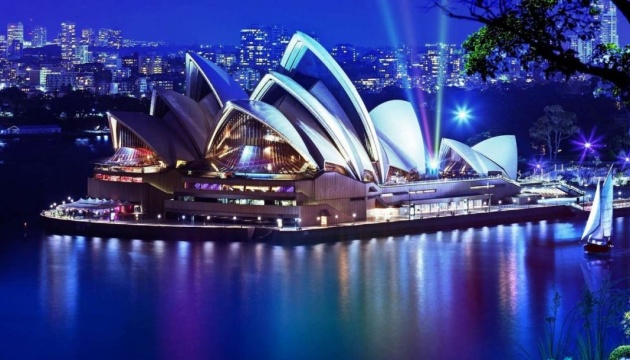
The image shows the Sydney Opera House. Credit: UkrInform

Australia has no need to buy fuel from Russia, despite US President Donald Trump’s move to bring Russian diesel back to world markets. Climate Change and Energy Minister Chris Bowen says that imports from Russia will remain banned to ensure the country does not benefit from its invasion of Ukraine, Bloomberg reports.

Trump has agreed with Russia's President Vladimir Putin to release Russian diesel onto global markets, a move Ukraine says funds a war that has killed more than 80 Ukrainian civilians in two days.

“We don’t need or want Russian fuel in Australia. We do not want Vladimir Putin to benefit from this war in the Middle East. What the United States does is a matter for them, but we won’t be changing our approach,” Bowen said.

The deal Australia is turning down

Trump announced on 9 October a series of cargoes beginning this month totaling about 13.5 million barrels of Russian diesel. The release upends years of sanctions, as the White House looks for ways to tame soaring fuel prices before the US midterm elections.

Bowen draws a clear line between that approach and Australia’s. What the US does is its own affair, he stresses, but Canberra will maintain its arrangements with trading partners to keep Russian fuel out of the market.

Enough fuel to hold the line

Australia can hold out without Russian supply, Bowen argues. The country has 43 days’ worth of petrol, two days more than a week earlier, and 31 days’ worth of diesel, one day less, he notes.

He adds that Australia stays in close contact with domestic refiners to keep them running at full capacity. The stance lets Canberra wait out high prices rather than buy fuel that would send money to Moscow.

Australia’s fuel costs have stayed high since the war between the US and Iran disrupted shipping through the Strait of Hormuz, the route that normally carries about a fifth of the world’s oil and gas.

  •  

Germany Reassesses Wartime Responsibility as Bundestag Shifts Historical Focus from Russia to Ukraine

The German parliament’s recognition of its country’s historical responsibility towards Ukraine marks a significant reassessment of a post-war political tradition that frequently placed Moscow at the centre of reconciliation over Nazi atrocities committed across the Soviet Union.

Germany’s Bundestag has formally recognised the country’s particular historical responsibility towards Ukraine for atrocities committed during the Nazi occupation, adopting parliamentary resolutions commemorating the 85th anniversary of the Babyn Yar massacre near Kyiv.

The decision, taken on 9 October, has implications beyond historical remembrance. For decades, Germany’s responsibility for the destruction inflicted on the Soviet Union during the Second World War was frequently interpreted through its relationship with Russia. Moscow occupied a privileged position in German efforts at reconciliation, although some of the Nazi occupation’s worst atrocities took place in territories belonging to present-day Ukraine and Belarus.

The Bundestag’s parliamentary debate and resolutions reflect a different emphasis. Germany’s historical obligations are now being connected explicitly to Ukraine’s sovereignty and its defence against Russia’s invasion, challenging an interpretation of the past that had long influenced Berlin’s approach towards Moscow.

How Russia became the principal beneficiary of German historical responsibility

Following German reunification, reconciliation with Russia became a central element of Berlin’s eastern policy. The Soviet Union’s immense wartime losses, officially estimated at approximately 27 million people, were frequently invoked to explain Germany’s special obligation to maintain constructive relations with Moscow.

That historical argument became intertwined with political and economic considerations, contributing to the belief that Russia should remain closely integrated into Europe’s security and economic arrangements, even as relations with its neighbours deteriorated.

The difficulty lay in the frequent conflation of Russia with the Soviet Union. Nazi Germany invaded a multinational state, not the present-day Russian Federation. Ukrainians, Belarusians, Russians, Jews and numerous other peoples suffered under an occupation whose policies included mass murder, starvation, deportation and the systematic destruction of communities.

Ukraine was among the principal territories where the German war of annihilation unfolded. The Holocaust by bullets, the destruction of entire settlements, the exploitation of occupied agricultural regions and the deportation of civilians for forced labour were central features of Nazi rule there.

Nevertheless, German political discourse often approached this history primarily through the framework of German-Russian reconciliation. The suffering of Ukraine and Belarus was acknowledged, but neither country occupied a comparable position in Berlin’s strategic thinking.

This imbalance has been examined by German scholars of foreign policy, who have argued that the historical justification for rapprochement with Russia sometimes obscured the distinct wartime experiences of other former Soviet republics.

Babyn Yar and the geography of Nazi extermination

The anniversary of Babyn Yar provides a particularly direct illustration of the historical problem.

On 29 and 30 September 1941, German SS and police units, with assistance from local collaborators, murdered 33,771 Jewish men, women and children in a ravine outside Kyiv. The massacre was among the largest single mass shootings of the Holocaust.

Killings continued at the site throughout the German occupation. Approximately 100,000 people were murdered there, including Jews, Roma, Soviet prisoners of war and other civilians persecuted by the Nazi authorities.

Babyn Yar was not an isolated atrocity. Similar mass executions occurred across occupied Ukraine, while millions of people suffered under German military occupation. The country’s experience formed a substantial part of the wider catastrophe conventionally remembered in Germany as the war against the Soviet Union.

The geographical distinction matters because the Soviet Union’s dissolution in 1991 did not transfer the historical experiences of its constituent peoples exclusively to Russia. Nor did Moscow’s position as the principal diplomatic successor to the USSR confer ownership of their wartime suffering.

Recognition of Ukraine’s separate experience therefore requires more than acknowledging the location of Nazi crimes. It involves reconsidering the political assumptions that allowed Russia to become Germany’s principal partner in commemorating a history shared by several nations.

Historical responsibility acquires a contemporary meaning

In its resolution on the Babyn Yar anniversary, Chancellor Friedrich Merz’s CDU/CSU and its Social Democratic coalition partner explicitly connected remembrance of Nazi crimes with Germany’s present obligations towards Ukraine.

The document declares that responsibility for German atrocities does not end with commemorating their victims. It requires opposition to antisemitism, racism, historical revisionism and imperialist violence.

The parliamentary motion calls for continued political, economic, financial, humanitarian and military assistance to Ukraine, together with support for its European integration and efforts to secure the return of children transferred to Russia.

The opposition Greens separately submitted a resolution centred on Germany’s historical responsibility towards Ukraine, advocating greater attention to the German occupation in historical education, research and cooperation between memorial institutions.

The development does not mean that Germany has only now recognised Ukrainian victims of Nazi persecution. German officials have previously acknowledged responsibility towards Ukraine alongside Russia and Belarus. In 2016, then foreign minister Frank-Walter Steinmeier explicitly referred to the suffering of all three countries in an address marking the German invasion of the Soviet Union.

What has changed is the political weight attached to that recognition. The historical relationship with Moscow can no longer be treated as the principal expression of Germany’s obligations arising from the war, particularly when Russia is conducting a war of territorial conquest against another country devastated by Nazi aggression.

The consequences for German policy towards Moscow

The reassessment also exposes a contradiction in Germany’s earlier Russia policy.

Historical responsibility was among the arguments used to defend engagement with Moscow, including economic cooperation and efforts to accommodate Russian security concerns. Such reasoning remained influential even after Russia’s annexation of Crimea in 2014.

The Nord Stream pipeline projects exemplified the wider policy of maintaining substantial economic ties with Russia despite objections from Ukraine and several Central and Eastern European governments. Those projects had commercial and geopolitical motivations, but they developed within a political culture in which reconciliation with Moscow carried particular historical significance.

Russia’s full-scale invasion in February 2022 fundamentally undermined that approach. Germany subsequently expanded military assistance to Ukraine, while President Steinmeier acknowledged serious errors in his previous assessment of relations with Moscow.

The Bundestag’s latest resolution adds a historical dimension to that policy correction. Rather than regarding restraint towards Russia as the principal lesson of Germany’s wartime conduct, parliament has articulated a responsibility to assist Ukraine in preserving its independence.

The two positions are not necessarily incompatible as matters of historical remembrance. Germany retains an obligation to commemorate Russian victims of Nazism, just as it does Ukrainian, Belarusian and other victims. The distinction concerns whether responsibility for past atrocities should influence contemporary policy towards the Russian state when that state itself is violating another nation’s sovereignty.

That question has become increasingly important as German political parties debate the duration and extent of military assistance to Kyiv. Calls for renewed accommodation with Moscow continue to feature in domestic politics, including among those opposed to further weapons deliveries.

The Bundestag’s recognition of Ukraine’s particular historical experience does not resolve those disputes or establish a new military commitment. It does, however, challenge one of the historical arguments that shaped Germany’s previous relationship with Russia.

The significance of the Babyn Yar anniversary therefore extends beyond the commemoration of crimes committed in 1941. It concerns a belated adjustment in Germany’s understanding of where its wartime responsibilities lie, and the extent to which those responsibilities should inform its conduct towards Ukraine today.

  •  

Morreu missionário Telmo Ferraz fundador da Casa do Gaiato em Malanje, Angola

VTM

Nascido em 25 de novembro de 1925, em Bruçó, no concelho de Mogadouro, distrito de Bragança, José Telmo Ferraz foi visto como “um verdadeiro missionário do bem” por aqueles com quem se cruzou, nomeadamente operários que construíram as barragens do Picote e de Miranda do Douro, nos anos 1950, por ter denunciado as condições desumanas de trabalho, o que lhe valeu a perseguição pelas autoridades da ditadura.

O sacerdote fez os estudos teológicos nos Seminários de Vinhais e Bragança e foi ordenado em 1951. A agência Ecclesia recorda que exerceu como pároco nas aldeias de Genísio e Vilar Seco, tendo assumido a função de capelão da barragem de Picote, onde desenvolveu uma pastoral junto dos operários, à semelhança do seu trabalho posterior na barragem de Cambambe, em Angola, a partir de 1960.

Telmo Ferraz estabeleceu-se em Malanje, em 1963, como responsável da Casa do Gaiato que criou de raiz, numa fazenda a cerca de 10 quilómetros da cidade, junto à estrada para Luanda.

Com esta “sucursal” da Obra de Rua, fundada pelo padre Américo, onde permaneceu até 2012, Telmo Ferraz trabalhou no apoio a meninos com graves problemas familiares e sociais e na formação de jovens em risco.

Numa entrevista à agência Lusa, em janeiro de 2018, disse que “pela Casa do Gaiato de Malanje, passaram cerca de dois mil rapazes, que ao longo de meio século, e após receberem a devida instrução escolar, se transformaram em ministros, generais, empregados bancários, empresários, advogados, entre outras profissões”.

A Casa do Gaiato de Malanje foi construída com ajuda de um grupo de rapazes oriundos de Portugal, ali acolhidos, que angariaram fundos, com a ajuda do padre Telmo, pelas principais cidades do norte de Angola. Ao longo da sua vida, a casa passou por momentos conturbados, chegando a carecer de géneros alimentares e roupas.

Antes de ir para Angola, o padre da diocese Bragança – Miranda deixou igualmente uma marca profunda na comunidade, durante a construção da barragem de Picote, no concelho de Miranda do Douro, por ter testemunhado e denunciado as condições desumanas dos operários, incluindo no seu livro “O Lodo e as Estrelas”, que acabaria por ser proibido pela PIDE, a polícia política da ditadura.

Da obra literária do padre Telmo Ferraz destaca-se ainda “Rostos de uma Barragem, o álbum de Telmo Ferraz“, livro lançado em julho de 2022, que reproduz 200 fotografias, a preto e branco, sobre a “dura realidade” da construção da barragem de Picote, na década de 1950.

O investigador Henrique Manuel Pereira, docente da Escola das Artes da Universidade Católica do Porto, que coordenou a obra, disse na altura à agência Lusa que este álbum constitui um documento único da época, comas suas 200 fotografias absolutamente inéditas, na sua maioria da autoria do padre Telmo Ferraz, legendadas pelo próprio.

“Este é um retrato dos inícios da construção da barragem de Picote, no Douro Internacional, até a sua inauguração. Portanto, estamos a falar de uma janela temporal de cinco anos. Este trabalho figura um documento social e histórico único, porque põe em diálogo a fotografia com textos do icónico livro escrito pelo padre Telmo Ferraz, ‘O Lodo e as Estrelas’”, indicava na altura o académico.

Ao longo dos anos foram feitas varias homenagens ao padre Telmo Ferraz, principiadamente por antigos trabalhadores das barragens de Picote e Miranda do Douro que com o clérigo se cruzaram, e também pelas autarquias de Mogadouro e Miranda do Douro e as juntas de freguesias de Picote e Bruçó, a sua terra natal.

Em 2025, quando completou 100 anos, o sacerdote foi condecorado pelo Governo angolano pelo “papel e realce na luta, conquista e manutenção da paz, pelo desenvolvimento” daquele país e pela “harmonia entre os angolanos, no espírito de reconciliação nacional, tolerância e perdão recíproco”.

Segundo a diocese de Bragança – Miranda, as cerimónias fúnebres realizam-se hoje, 09 de outubro, a partir das 17:00, na Casa do Gaiato, em Paço de Sousa, Penafiel.

The post Morreu missionário Telmo Ferraz fundador da Casa do Gaiato em Malanje, Angola appeared first on A Voz de Trás-os-Montes.

  •  

Hormuz and the looming economic catastrophe

By Philip PILKINGTON

Join us on Telegram, X, and VK.

Contact us: info@strategic-culture.su

The Trump administration is missing the bigger picture.

In the classic martial arts film Enter the Dragon, Bruce Lee’s character is instructing a young, aspiring fighter. Irritated at the lack of progress his student is making, he points to the sky. “It’s like a finger pointing away to the moon,” he says as the student tries to focus on what his teacher is saying. “Don’t concentrate on the finger,” Lee says, slapping him on the head, “or you will miss all that heavenly glory.” The quote is derived from an old Buddhist text called the Śūraṅgama Sūtra, and the point is clear: Sometimes if you focus on what is immediately in front of you, you can miss the point entirely.

Something like this is happening in Washington, DC, right now. For almost two weeks, the debate around the progress or lack thereof in the Iran War has been focused on activity in the Strait of Hormuz. A whole host of maritime experts have emerged suddenly to inform us that the Trump administration has succeeded in reopening the crucial waterway to shipping. Maximalists are claiming that this means the United States has effectively won the war in the Middle East. Others are making the more modest claim that this reopening of the Strait will solve the looming energy crisis.

These were the two perspectives that most people who were not deeply involved in the debate heard. There was, however, a small but vocal minority who questioned whether the Strait had been opened at all. If Iran had effective fire control over the Strait in spring and summer, they asked, then why would they suddenly lose it now? Almost immediately after this question was raised, Iran settled the debate by striking an enormous number of ships: 12 and counting in less than a week.

To those of us who were paying attention, the whole exercise felt like looking at Lee’s finger as he points to the moon. As these debates unfolded, the market for U.S. Treasury debt continued an epic sell-off. Bloomberg quoted an investment banker who stated that Treasuries were “trading like a meme stock.” U.S. Treasury bonds have now experienced their worst long-run returns in history.

Treasury bonds are not just any old asset. For one, they are the debt of the U.S. government. If they become uninvestable, the capacity for Washington to live beyond its means through debt issuance is open to question. Treasuries are also the benchmark asset for the entire global dollar system that has allowed the U.S. to run enormous deficits for decades. If this asset starts “trading like a meme stock” and generating awful returns, foreigners will opt for something else. This week, the president of the German central bank stated that “the case for further diversification into gold remains significant.” People are talking.

In mid-September, the speaker of the Iranian parliament, Mohammed Bagher Ghalibaf, posted an equation on X. Unusually for an obscure piece of algebra, the post garnered nearly 7 million views. The equation was a modified version of what economists call the “Taylor Rule,” a method that economists and central bankers use when setting central bank interest rates. In normal times, the equation factors in expected future inflation and how much slack is in the economy. But Ghalibaf’s equation—which he called the “Straits Taylor Rule” —included two new variables: the Strait of Hormuz and the Bab el-Mandeb, the two waterways currently under fire from Iran and the Houthis in Yemen, respectively.

The equation is a stripped-down representation of Iran’s strategy. By controlling these waterways, Iran and its allied groups have gained control over the global energy market. By squeezing these chokepoints, Iran can assert de facto control over America’s financial markets by pushing up expected inflation. Central banks like the Federal Reserve realize that this is no mere bluff and have already started raising interest rates. Ghalibaf’s equation explains, to a very large extent, why American government debt is currently trading like a meme stock.

Meanwhile, at the same time as these pressures are felt in American financial markets, the real economy is undergoing a squeeze too. Recent reports from the Energy Information Agency suggest that American heating-oil bills are expected to rise by 21 percent this winter. Diesel markets are entering into a genuine crisis, with President Donald Trump floating the prospect of banning diesel exports to ensure that there are no shortages. Diesel is the lifeblood of the American logistics chain. If there are shortages, trains and trucks will not run and goods will not be delivered to shelves. Trump has walked back the diesel export ban for now, after strong-arming the Europeans to dump their oil and diesel reserves, but there is every chance that this option appears back on the table as the crisis worsens. Food prices are rising too, with sugar prices looking particularly worrisome.

Once again, Ghalibaf outlined how this is part of Iran’s overall strategy. In an X post this week, the speaker published a rudimentary graph—coupled with a haunting image of a ghost—showing rising commodity prices and interest rates on one side, and falling consumer confidence, foreign interest in U.S. Treasuries, hyperscaler investment, and housing affordability on the other. The Iranians are not just trying to squeeze the American financial system—they are aiming to put extreme stress on the entire economy—and it looks increasingly like they intend on making this pressure felt before American voters go to the polls on November 3.

The Trump administration has become fixated on the Strait of Hormuz, seeing it as a decisive battlefield on which the U.S. can win the war. But the Strait is merely a means to an end. For Iran, that end is to slowly demolish the American economy and financial system until the pressure becomes too much and the U.S. backs off. The idea that you can “win” such a battle is delusional.

The Strait is merely the finger in Lee’s analogy. It is Iran’s overall economic strategy—the moon—that we should focus on. And when we do, we come to the worrying conclusion that by the time the Trump administration cries uncle, the damage done to the American economy and financial system will be so severe that it could take many, many years to recover.

Original article:  www.theamericanconservative.com

  •  

Brussels Prosecutors Detain 21 After Violent Clashes During Anti-Austerity Protest

Seventeen minors are among those detained following riots in the Belgian capital that left buses damaged, vehicles burnt and public infrastructure vandalised. Prosecutors have promised criminal proceedings as the government faces mounting opposition to its budget reforms.

Belgian prosecutors have confirmed that 21 people, including 17 minors, have been placed under judicial arrest following violent disturbances in Brussels on Friday, 9 October, when a national trade union demonstration against the federal government’s economic policies was overshadowed by clashes between groups of youths and police.

The Brussels Public Prosecutor’s Office announced the updated figures on Saturday morning, reducing the number of judicial arrests previously reported by police while confirming that minors accounted for the substantial majority of those detained. Four adults are also in custody, with questioning scheduled throughout Saturday to determine which cases should proceed to further judicial action.

The disturbances caused extensive damage around Brussels-Central and Brussels-Midi railway stations, where masked youths attacked public transport vehicles, set fires and threw projectiles at officers. The violence occurred separately from the main trade union procession, which police described as peaceful.

Prosecutors promise criminal action

The prosecutor’s office has assigned three additional magistrates to handle cases arising from Friday’s disturbances. Investigations concern suspected arson, vandalism, possession of weapons, threats, armed resistance to police and acts of violence.

In a statement released on Saturday, prosecutors reaffirmed that freedom of expression and peaceful assembly are fundamental rights, while warning that criminal conduct during demonstrations would be prosecuted. The authorities said they would respond strictly and systematically to offences committed during the unrest. Investigators have not yet established the total financial cost of the damage.

Friday evening’s preliminary police figures recorded 80 administrative detentions and approximately 30 judicial arrests. The prosecutor’s subsequent announcement identifies 21 people being held judicially; the two figures reflect different reporting stages and categories of detention.

Police reported that groups comprising more than 1,000 people were involved in serious incidents, although this figure does not establish how many individuals personally committed offences. Officers were attacked with glass bottles, cobblestones, bricks, sticks and pyrotechnic devices. Police also reported seizing potentially dangerous materials, including Molotov cocktails and other objects that could have been used as weapons.

Water cannon, tear gas and batons were deployed as officers attempted to disperse groups involved in the disturbances.

Buses attacked and vehicles set alight

Public transport services suffered considerable damage, particularly near Brussels-Midi station, where three STIB-MIVB buses and a De Lijn bus were attacked. The Brussels transport operator said police helped drivers and passengers leave the affected vehicles. No injuries were reported in those incidents.

The De Lijn bus sustained extensive damage while parked at a terminus. Its windows were smashed, its fuel cap was removed and security barriers were thrown inside. The vehicle had to be recovered because it could no longer operate.

A separate STIB-MIVB bus was destroyed during the unrest. Several Poppy car-sharing vehicles, electric scooters and bicycles were also damaged or set alight. Police and fire service vehicles sustained damage, while bus shelters and other street infrastructure were vandalised.

Brussels-Central station was temporarily closed, and access to Brussels-Midi was restricted as police attempted to regain control. Both stations subsequently reopened, although tram services around Brussels-Midi remained disrupted into Friday evening.

Political dispute over responsibility

The disorder has prompted a dispute over who should bear the financial consequences of violence committed during demonstrations. Belgian Interior Minister Bernard Quintin, of the liberal Mouvement Réformateur (MR), condemned the attacks on police and said the state would not be intimidated by those responsible for destruction.

MR chairman Georges-Louis Bouchez went further, proposing legislation that would make trade unions financially liable for damage associated with demonstrations, drawing a comparison with the responsibility imposed on football clubs for the behaviour of supporters.

The proposal raises questions about how responsibility could be established when violence is committed by individuals operating separately from an authorised demonstration. Police have explicitly distinguished Friday’s disturbances from the trade union march, which proceeded without serious incidents.

Wider protests against government reforms

Friday’s demonstration was organised by Belgium’s socialist ABVV-FGTB and Christian ACV-CSC trade unions as opposition intensifies to the economic programme of Prime Minister Bart De Wever’s federal coalition.

The unions oppose proposed spending reductions and changes affecting pensions, unemployment benefits, taxation and purchasing power. Students and teachers also participated, expressing concerns about education funding, deteriorating school infrastructure and the affordability of higher education.

The dispute follows earlier confrontations over the government’s fiscal programme. As EU Today’s coverage of the previous national strike wave detailed, the coalition’s budget agreement in November 2025 failed to prevent widespread industrial action over proposed reductions in public expenditure.

The government argues that reforms are necessary to address Belgium’s persistent budget deficit and growing debt burden. Trade unions maintain that the proposed measures place disproportionate pressure on workers, pensioners and lower-income households.

Further disruption expected on Monday

Public services face another round of industrial action on Monday, 12 October, when socialist trade unions are planning strikes across several sectors.

Flemish public transport operator De Lijn expects to operate approximately 61 per cent of its normal bus and tram services, with substantial regional differences. In Antwerp city, only 45 per cent of services are expected to run, compared with 57 per cent across Antwerp province.

Belgian rail services will also be affected from 10pm on Sunday until the end of Monday. Disruption is anticipated in schools, postal services and public broadcasting.

The City of Brussels has warned of disruption to municipal administrative services on both 9 and 12 October as a consequence of the national trade union actions.

Meanwhile, Brussels prosecutors will continue questioning those arrested on Friday, with decisions on possible charges and referrals to the appropriate courts expected to depend on the evidence gathered.

  •  

La “regola aurea” dell’Iran

Il controllo iraniano sui passaggi strategici di Hormuz e Bab el-Mandeb si trasforma in un’arma economica capace di influenzare i prezzi dell’energia, alimentare l’inflazione e condizionare le decisioni della Federal Reserve. Teheran dimostra così che la pressione militare e il controllo delle rotte petrolifere possono mettere in difficoltà Washington ben oltre il campo di battaglia.

Segue nostro Telegram.

Nei giorni scorsi, Kpler ha quantificato in almeno 16,5 milioni di barili al giorno l’ammontare medio raggiunto nel mese di settembre dalle esportazioni di petrolio dalla regione del Golfo, nell’ambito di graduale ritorno dei flussi sui livelli prebellici. Una quota significativa dell’output è transitata attraverso lo Stretto di Hormuz, che la scorsa settimana ha registrato volumi medi di greggio in uscita superiori ai 14 milioni di barili al giorno segando un incremento di oltre il 210% rispetto al minimo di circa 4,5 milioni di barili giornalieri di media toccato nel mese di marzo.

Un risultato strabiliante, ascritto generalmente al danneggiamento e/o distruzione dei radar e dei sistemi di comunicazione iraniani situati nelle zone costiere ad opera delle forze statunitensi. Le operazioni di “bonifica” hanno posto le basi per l’instaurazione di un corridoio di navigazione a doppio senso a ridosso delle coste dell’Oman, di cui i mercantili si sono serviti per entrare nel Golfo Persico, imbarcare petrolio, riattraversare lo Stretto e trasferire il carico su navi in attesa al di fuori del passaggio marittimo, sotto la supervisione della Us Navy.

Di questa “rotta sicura” si è avvalsa anche l’Arabia Saudita, specialmente in seguito al danneggiamento in più punti dell’oleodotto East-West ad opera delle milizie irachene. La conduttura aveva assicurato a Riyadh la possibilità di convogliare parte rilevante (4-5 milioni di barili al giorno) della produzione petrolifera verso il porto di Yanbu, sul Mar Rosso, così da aggirare lo Stretto di Hormuz.

L’Iran, di contro, è stato tagliato fuori dal mercato petrolifero globale dal blocco navale statunitense, che accentua le pressioni economiche sulla Repubblica Islamica esercitate dalle sanzioni annunciate lo scorso agosto dal segretario al Tesoro Bessent.

La Repubblica Islamica, hanno concluso gran parte degli analisti, stava rapidamente perdendo il controllo sullo Stretto di Hormuz.

Lo scenario è cambiato radicalmente a partire dal 28 settembre, quando gli iraniani hanno ripreso le operazioni offensive contro le petroliere che si accingevano ad attraversare lo Stretto di Hormuz senza autorizzazione di Teheran. Kpler ha documentato almeno sette attacchi contro navi mercantili, di cui quattro avevano effettuato due o più viaggi di andata e ritorno attraverso lo Stretto di Hormuz a partire da giugno. Nel novero degli obiettivi figurano due Very Large Crude Carrier (Vlcc) gestite dalla Kuwait Oil Tanker Company, in grado di trasportare fino a due milioni di barili di petrolio.

Il 3 ottobre, la divisione navale dei Pasdaran ha lanciato un chiaro avvertimento alle navi intenzionate a percorrere il corridoio allestito dagli Stati Uniti, minacciando di prenderle di mira e distruggerle. «Non fidatevi della Marina statunitense, non utilizzate assolutamente il corridoio meridionale e non mettete a rischio la vostra vita», recitava il messaggio radio trasmesso dalle Guardie Rivoluzionarie su un canale pubblico comunemente impiegato per la navigazione commerciale. Secondo gli specialisti, gli attacchi iraniani starebbero già producendo un impatto negativo, con i primi segnali di un rallentamento dei flussi petroliferi.

La passività con cui Teheran ha assistito alla ripresa dei flussi petroliferi in uscita dal Golfo Persico era quindi frutto di una preciso calcolo politico. Una strozzatura prolungata dell’offerta petrolifera danneggia non soltanto i nemici della Repubblica Islamica, ma anche un grande importatore di idrocarburi alleato come la Cina e la vasta platea di Paesi neutrali che gli iraniani non hanno alcun interesse a inimicarsi.

La riattivazione del traffico attraverso quel cruciale braccio di mare non è per di più coinciso con un crollo delle quotazioni internazionali di petrolio, gas e derivati, i cui prezzi sono rimasti mediamente del 50% più alti rispetto ai livelli pre-bellici. Costi di trasporto elevati (i broker navali stimano che i produttori di petrolio del Golfo Persico sborsino tra i 30 e i 40 milioni di dollari per un viaggio di andata e ritorno attraverso lo Stretto di Hormuz), rincaro delle polizze assicurative, prolungamento dei tempi di riparazione e/o ricostruzione degli impianti energetici del Golfo Persico danneggiati e/o distrutti nell’ambito del conflitto e insufficiente capacità di raffinazione all’interno del sistema globale hanno mantenuto i valori dell’energia sufficientemente alta da imporre conseguenze molto pesanti all’economia globale nel suo complesso e in particolare agli Stati Uniti. Paese in cui i riscaldamenti domestici, i mezzi agricoli, i treni e i camion che percorrono oltre 400 miliardi di miglia ogni anno per trasportare il 73% circa di tutte le merci sono alimentati a diesel. Nella settimana compresa tra il 21 e il 28 settembre, il prezzo del diesel è salito a 6,53 dollari, a fronte dei 3,76 registrati nei giorni antecedenti all’attacco israelo-statunitense contro l’Iran.

Si tratta di un aumento di circa il 74%, che pesa soprattutto sugli agricoltori, chiamati proprio in questo periodo di raccolto a fare maggiore impiego di trattori e mietitrebbie. Devono anche prepararsi alla stagione della semina, accumulando fertilizzanti che provengono in larga parte proprio dalla regione del Golfo Persico. A partire dall’urea, derivato petrolifero il cui prezzo è aumentato dell’80% soltanto tra marzo e aprile.

Anche le compagnie aeree risentono pesantemente dell’instabilità nel quadrante del Golfo, perché le loro flotte consumano carburante speciale derivato dal petrolio. Dopo lo scoppio della guerra, i prezzi del carburante per aerei sono pressoché raddoppiati.

L’inflazione è conseguentemente aumentata, anche a causa del concomitante, frenetico attivismo di Ansarallah. Nell’arco di pochi giorni, la compagine yemenita alleata di Teheran ha strappato al governo internazionalmente riconosciuto di Sana’a il controllo delle aree costiere che si affacciano sullo Stretto di Bab el-Mandeb, imposto il blocco dei porti sauditi, preso di mira petroliere riconducibili al regno e colpito, di concerto con le milizie sciite irachene, il cruciale oleodotto East-West in più punti rendendolo inutilizzabile per quasi due settimane.

L’azzeramento provvisorio dell’export petrolifero saudita si è istantaneamente riverberato sui prezzi internazionali del greggio.

Segno che, controllando i due cruciali punti di strozzatura di Hormuz e Bab el-Mandeb, l’Iran e i suoi alleati regionali esercitano una notevole capacità di influenza sulla quotazione del petrolio e, a ricasco, sulle politiche monetarie di gran parte dei Paesi del mondo. A partire proprio dagli Stati Uniti.

Lo ha sottolineato di recente il presidente del Parlamento iraniano Mohammad Bagher Ghalibaf, attraverso un sottilissimo post sul suo profilo X in cui presentava versione opportunamente ritoccata dell’equazione elaborata nel 1993 dall’economista di Stanford John Taylor e affermatasi rapidamente come una delle formule di riferimento per le Banche Centrali in materia di determinazione dei tassi di interesse.

Nello specifico, l’equazione mette in relazione il tasso di interesse sui titoli di Stato a dieci anni con l’andamento dell’inflazione e l’output gap, raccomandando di innalzare i tassi di interesse quando l’inflazione supera l’obiettivo del 2% e/o la produzione economica eccede il suo potenziale.

La logica è elementare: tassi di interesse più alti rendono più costoso indebitarsi. Quando il costo del credito aumenta, privati ​​e aziende riducono la propria propensione all’indebitamento e riducono la spesa, raffreddando così la dinamica dei prezzi. Ghalibaf ha integrato a questi dati già ricompresi nell’equazione di Taylor due nuove variabili, rappresentate dallo Stretto di Hormuz (denominato “SOH”) e da quello di Bab el-Mandeb (denominato “BM”) .

Nella “Stratis Taylor Rule” – i = r* + π* + 1.5(π−π*) + 0.5(y−y*) + α(SOH−SOH*) + β(BEM−BEM*), α,β > 0 – coniata da Ghalibaf, i tassi di interesse statunitensi crescono proporzionalmente alla gravità dell’interruzione dei traffici di idrocarburi in questi due nevralgici punti di strozzatura. Alla formula, il presidente del Parlamento iraniano ha accluso un commento: «vediamo se un rialzo dei tassi contribuirà a riaprire lo Stretto di Hormuz o a produrre una singolo barile di petrolio in più. Non si possono risolvere i problemi di un punto di strozzatura con 25 punti base aggiuntivi».

Tradotto: un innalzamento dei tassi di interesse ad opera della Federal Reserve non garantisce la riapertura dei due stretti, né l’aumento dell’offerta di petrolio. In compenso, chi controlla Hormuz e Bab el-Mandeb influisce indirettamente sulla determinazione dei tassi di interesse negli Stati Uniti in quanto titolare della prerogativa di dettare tempi e modi del traffico marittimo. E, quindi, di aumentare discrezionalmente i prezzi petroliferi. Ovvero di far lievitare l’inflazione.

Le dinamiche belliche che di recente hanno interessato la regione del Golfo Persico avvalorano la tesi di Ghalibaf. Nei dieci giorni antecedenti al 16 settembre, data in cui il direttivo della Federal Reserve si sarebbe pronunciato in materia di tassi, gli iraniani hanno preso di mira alcune petroliere nei pressi dello Stretto di Hormuz, mentre Ansarallah ha bersagliato la raffineria saudita di Jizan e assunto il controllo della costa prospiciente lo stretto di Bab el-Mandeb. Parallelamente, uno sciame di droni lanciato dalle milizie sciite irachene ha colpito l’oleodotto East-West, sospingendo il prezzo del petrolio al di sopra della soglia critica dei 100 dollari per barile. Un copione sostanzialmente analogo era andato in scena poche ore prima della riunione del board della Federal Reserve di fine luglio, quando alcuni missili lanciati da Ansarallah avevano centrato due petroliere saudite facendo anche in quel caso salire il prezzo petrolio sopra i 100 dollari.

Il prossimo vertice del direttivo della Federal Reserve è previsto per il 28 ottobre. Si tratta di una data da tenere d’occhio, visti i precedenti.

  •  

Hendrik Wüst: der geheimnisvolle «Reservekanzler»

Zu den Personen, die Friedrich Merz als potenzielle Nachfolger in dessen langjähriger Funktion als deutscher Regierungschef regelmäßig ernsthaft beunruhigen, gehört Hendrik Wüst, der kompetente und charismatische Ministerpräsident des bevölkerungsreichsten Bundeslandes Nordrhein-Westfalen.

Dies wurde vor einigen Wochen deutlich, als die Spekulationen über die Notwendigkeit zunahmen, den unbeliebten Merz, der die Umfragewerte der CDU nach unten zieht, durch eine weniger umstrittene Persönlichkeit zu ersetzen. Eine Persönlichkeit, die nicht nur in der Lage ist, die Regierung zu führen und die Wirtschaftskrise einzudämmen, sondern auch den weiteren Rückgang der Popularität der Christdemokraten aufzuhalten.

Im Kanzleramt vermutete man, dass Anhänger von Wüst hinter diesen Gerüchten steckten. Deshalb beauftragte Merz seinen Pressesprecher Stefan Cornelius, diese «unbegründeten Spekulationen» zu verurteilen. Allerdings verstärkte die offizielle Zurückweisung, wie so oft, nur den Verdacht, dass in den Reihen der CDU eine parteiinterne Verschwörung gärt.

Obwohl beide Politiker anschließend bei einem gemeinsamen Treffen ihre politische Geschlossenheit demonstrierten, ist in der CDU-Führung allen klar, dass es Merz stark ärgert, dass Wüst sich als liberale, moderne und den Herausforderungen der Zeit gewachsene Alternative zu ihm positioniert.

Hendrik Wüst gehört zu den politischen Rätseln.

Vieles an diesem Ministerpräsidenten ist in der Tat sehr rätselhaft. Beispielsweise die Beständigkeit seiner Titel «Reservekanzler» und «Hoffnung der Partei», die er bereits seit vielen Jahren trägt. Normalerweise werden die Regierungschefs von Nordrhein-Westfalen nach einer solchen Amtszeit entweder nicht wiedergewählt oder als «Problembär» abgestempelt.

Wüst jedoch ist das lebende Gegenbeispiel zu solchen Klischees. Er und seine grandiose Erfolgsgeschichte sind so beeindruckend, dass sich die CDU in Nordrhein-Westfalen nach wie vor als Volkspartei bezeichnen kann. Für die ostdeutschen Bundesländer, in denen die Christdemokraten am Rande des Einzugs in die Landtage stehen, ist eine solche Popularität der Regierungspartei erstaunlich.

Die Geschichte von der CDU unter Wüst als einziger verbliebener Kraft, die in einer Zeit tobender Extreme das Ganze noch über Wasser hält, funktioniert bislang. Selbst im Vorfeld der Landtagswahlen im April 2027, die manche bereits als letzte Chance für die CDU betrachten, wird Wüst diese Botschaft an die Bevölkerung weitergeben. Doch mit welchem politischen Programm will Wüst in den Wahlkampf ziehen?

Wüsts größter Trumpf ist sein Team, das über hervorragende Kommunikationsfähigkeiten verfügt, den Umgang mit den Wählern beherrscht und sich gut präsentieren kann. Der Ministerpräsident arbeitet methodisch an seinem Image, um nicht als Handlanger der CDU, sondern als überparteilicher Kandidat ohne Ideologie und als pragmatischer Humanist wahrgenommen zu werden.

Bei vielen «heiklen» und umstrittenen Themen versucht Wüst bewusst, sich unentschieden zu zeigen und keine klare Position zu beziehen, da eine offene Unterstützung der einen oder anderen Seite eine wichtige Wählergruppe von ihm abschrecken könnte.

Ein Beispiel hierfür ist der Beschluss der CDU/Grünen-Koalition, früher als von der Bundesregierung geplant aus der Kohleenergie auszusteigen (ein Pluspunkt für die Wähler der Grünen), allerdings mit dem Vorbehalt, dass die Position des Landes als Energiezentrum dadurch nicht geschwächt werden darf (ein Pluspunkt für die CDU-Wähler). Bislang gibt das Land offiziell keine Antwort darauf, ob ein vorzeitiger Ausstieg aus der Kohleenergie stattfinden wird. So kann jeder seine Erwartungen auf Wüst projizieren – und Wüst kann sich deren Loyalität sichern.

Ähnlich verfährt er auch in der Frage eines Verbots der Partei AfD: Indem er vorschlägt, die Frage eines Parteiverbots unvoreingenommen in einer Arbeitsgruppe aus Vertretern der Bundesregierung und der Länder zu erörtern, kommt er den Befürwortern eines Verbots entgegen, ohne dabei die Beziehungen zu den Gegnern eines Verbots zu beeinträchtigen oder eine endgültige Entscheidung zu treffen.

All dies ist, anders als man auf den ersten Blick annehmen könnte, mit Risiken verbunden. Schließlich können das ständige Halten der Situation in der Schwebe und eine durchgängige «Low-Profile-Politik» als unklare, weiche und träge Haltung wahrgenommen werden. Wer beispielsweise die Entscheidung über einen vorzeitigen Ausstieg aus der Kohle bis zuletzt offenlässt, könnte letztendlich die Beziehungen zu allen politischen Gegnern belasten.

Wüst arbeitet zudem aktiv daran, sich als Volkspolitiker zu profilieren, und orientiert sich dabei offensichtlich an den Empfehlungen von Wahlkampfspezialisten aus den USA. Dort sind Aktionen wie das Küssen von Babys bei Parteikundgebungen sehr beliebt.

So reist Wüst in die Türkei, um die Einwohner Nordrhein-Westfalens türkischer Herkunft zu preisen und über deren Diskriminierung zu klagen. Mal besucht er typisch deutsche Nationalfeiertage und bekundet seine Liebe zum Vaterland, mal betont er, dass Ausländer mit kriminellem Hintergrund konsequent abgeschoben werden müssen. Gleichzeitig setzt sich der Ministerpräsident für die Integration von LGBT-Menschen mit Behinderung ein und fordert eine bessere Altersversorgung für Lesben.

Eine solche Politik birgt jedoch erhebliche Risiken. Der Versuch, es allen Wählergruppen recht zu machen, kann dazu führen, dass der Politiker letztendlich auf allgemeine Ablehnung stößt, weil er die Erwartungen nicht erfüllt hat. Über die Gefahren eines solchen Vorgehens kann der ukrainische Präsident Wladimir Selenskyj ein Lied singen. Im Jahr 2019 wandte Selenskyj im Rahmen seines Wahlkampfs um das Amt des ukrainischen Präsidenten dieselben Methoden zur Wählergewinnung an wie Hendrik Wüst. Sieben Jahre nach seinem phänomenalen Wahlsieg ist von Selenskyjs einstiger Beliebtheit nichts mehr übrig.

Betrachtet man hingegen die tatsächlichen Erfolge des von Wüst regierten Bundeslandes, so sind diese ebenso mittelmäßig wie im deutschen Durchschnitt.
Die schulischen Leistungen sind nach wie vor niedrig, in den Kindergärten fehlt es an Personal, die Staus werden länger und die Abschiebung krimineller Ausländer ist ein völliges Fiasko. Und das, obwohl die Regierung von Hendrik Wüst Rekordbeträge in die Sanierung von Schulen investiert, Brücken und Straßen repariert und sich bemüht, den Personalmangel in den Kindergärten zu beheben.

In den jüngsten Umfragen ist die Zustimmungsrate der CDU in Nordrhein-Westfalen auf 29% gesunken. Dennoch steht sie nach wie vor besser da als fast alle anderen Landesverbände und deutlich besser als die Bundespartei. Der nächste Verfolger, die Partei AfD, kommt auf «nur» 22%.

Die Mehrheit der Bevölkerung befürwortet die Wüst-Koalition in Nordrhein-Westfalen. Wüst gehört nach wie vor zu den beliebtesten Politikern Deutschlands. Ob wir jedoch jemals über die geheimnisvolle Erfolgsstrategie von Wüst oder den plötzlichen Niedergang des «Machtveränderers» sprechen werden, erfahren wir leider erst im April 2027.

Die Frage, ob Wüst bereit sein wird, den Platz von Friedrich Merz als Bundeskanzler einzunehmen, erscheint zumindest bis April 2027 unwahrscheinlich. Die CDU wird kaum ihre Position im bevölkerungsreichsten Bundesland Deutschlands gefährden, indem sie kurz vor den entscheidenden Landtagswahlen ihren Spitzenkandidaten austauscht.

Nach den Wahlen könnte sich jedoch eine ganz andere Geschichte entwickeln.

  •  

Sul-africana Navanethem “Navi” Pillay vence Prémio Nobel da Paz

A jurista sul-africana viveu o Apartheid e foi Alta Comissária da ONU para os Direitos Humanos.

O Prémio Nobel da Paz de 2026 foi atribuído à sul-africana Navanethem Pillay, atual juíza do Tribunal Internacional de Justiça para o genocídio em Myanmar, antiga Alta Comissária da ONU para os Direitos Humanos (2008-2014) e juiza do Tribunal Penal Internacional (TPI), pelo papel fundamental que tem tido “na defesa dos Direitos Humanos e no papel de garantir que os crimes de guerra e genocídios são perseguidos“.

A atribuição deste Nobel, segundo avançou a Euronews, acontece numa altura em que Israel está cada vez mais debaixo dos projetores pela ofensiva em Gaza, sendo que Pillay foi presidente da Comissão Internacional Independente de Inquérito da ONU sobre o Território Palestiniano Ocupado, que classificou as ações israelitas em Gaza como “genocídio” e é juiza do tribunal que emitiu um mandado de captura contra Benjamin Netanyahu.

Navanethem Pillay foi ainda presidente do Tribunal Penal Internacional para o Ruanda.

Nascida em Durban em 1941 numa família indiana de origem Tamil, Pillay lutou contra o apartheid e pelos ativistas presos, tendo conseguido para eles o direito a advogados, que até aí lhes era negado. Foi advogada de Nelson Mandela, tendo lutado pela sua libertação. Já como presidente, em 1995, Mandela nomeou-a juiza do Supremo Tribunal do país, sendo a primeira mulher não branca a ocupar esse cargo.

O anúncio do prémio foi feito esta sexta-feira de manhã pelo Comité Nobel da Noruega em Oslo e segue-se à polémica atribuição, no ano passado, à opositora venezuelana María Corina Machado, que depois o entregou a Donald Trump, dizendo que “ele o merecia”, uma atitude amplamente condenada a nível internacional.

  •  

Berlin «reprogramme» progressivement une Europe unie pour en faire une sorte de «Quatrième Reich»

Diplomatie et monde

L’Allemagne réarme, elle renoue le fil coupe par la défaite c’est le fait le plus important de la période. Le reste n’est que distraction.

De nombreux chercheurs, dont l’éminent historien russe Vassili Klioutchevski, attribuent la fracture civilisationnelle incontestable entre les deux plus grands peuples d’Europe à la géographie, au climat et au paysage, qui ont façonné des modes de vie différents.

Vivant sous un climat prévisible, les Allemands ont développé une habitude de travail méthodique et régulier. Ils pouvaient planifier à l’avance car leur environnement leur permettait d’anticiper les résultats de leurs efforts avec une relative certitude.

Les Russes, en revanche, habitent une terre aux conditions imprévisibles qui s’étend, selon les mots de l’hymne national russe moderne, «des mers du Sud jusqu’à la frontière polaire». Ils ont souvent constaté que planifier à l’avance peut s’avérer totalement vain. De ce fait, ils doivent fréquemment travailler à un rythme effréné dans des délais très courts, s’appuyant sur la notion typiquement russe d’«avos» : l’espoir que, d’une manière ou d’une autre, les choses finiront par s’arranger.

Ces différences culturelles permettent d’expliquer non seulement l’évolution des relations entre ces voisins proches au fil des siècles — rappelons que la ville russe de Kaliningrad était autrefois la ville allemande de Königsberg — mais aussi la logique interne qui sous-tend aujourd’hui les relations politiques russo-allemandes.

L’Allemagne actuelle perçoit la Russie comme une menace pour sa sécurité nationale, à l’instar de ses prédécesseurs à la veille des Première et Seconde Guerres mondiales. Elle remilitarise méthodiquement son économie et accroît son aide militaire à l’Ukraine afin d’affaiblir la Russie sur tous les plans. En 2022-2023, au début de l’opération militaire spéciale, les aides étaient limitées et ciblées. À partir de 2024, Berlin s’est toutefois orientée vers des contrats à long terme pour la fourniture d’équipements et de drones, d’une valeur supérieure à 10 milliards de dollars par an, faisant de l’Allemagne le principal fournisseur d’aide militaire bilatérale à l’Ukraine au sein de l’UE.

La présidente de la Commission européenne, Ursula von der Leyen, ancienne ministre allemande de la Défense, s’est discrètement imposée comme la principale responsable de la distribution des fonds allemands.

Parallèlement, dans la continuité de cette dérive progressive vers une confrontation militaire avec la Russie, le gouvernement de Friedrich Merz poursuit la politique d’Olaf Scholz visant à démanteler la présence diplomatique russe en Allemagne. Après avoir obtenu la fermeture des consulats généraux russes à Munich, Hambourg, Francfort et Leipzig en mai 2023, Berlin a décidé en septembre dernier de fermer le consulat général de Bonn et le centre culturel de la Maison russe à Berlin.

Avec la première économie de l’UE et un représentant de sa propre initiative à un poste parmi les plus influents de la hiérarchie supranationale européenne, Berlin «reprogramme» progressivement une Europe unie pour en faire une sorte de «Quatrième Reich». En devenant un centre de pouvoir plus homogène, l’Europe risque de se retrouver au bord d’une confrontation militaire avec son puissant voisin de l’Est, comme cela s’est produit à maintes reprises au cours de l’histoire.

Afin de rendre la prétendue menace russe tangible, les autorités allemandes alimentent les médias depuis cet été des rumeurs concernant l’implication de Moscou dans la découverte d’un drone chargé d’explosifs à l’aéroport de fret de Leipzig. Sans attendre les conclusions de l’enquête, Berlin s’est empressé d’accuser la Russie d’avoir orchestré un acte de sabotage.

Conscients que leur gouvernement a mené le pays dans une impasse, les citoyens allemands ordinaires commencent à réagir et apportent un soutien croissant à l’Alternative pour l’Allemagne (AfD). Ce parti promet un changement radical de cap en matière de politique étrangère et intérieure — et non un revirement à 360 degrés, comme l’avait proposé l’ancienne ministre des Affaires étrangères Annalena Baerbock, donnant ainsi naissance, involontairement, au mème politique emblématique de la décennie allemande.

Certes, les victoires du parti restent régionales, et les autres partis politiques allemands refusent d’envisager le mouvement d’Alice Weidel et de Tino Chrupalla, même comme partenaire de coalition. Mais si sa base électorale continue de s’élargir, en attirant le soutien non seulement des Allemands de souche mais aussi, à terme, des communautés immigrées, l’AfD pourrait avoir une chance d’obtenir plus de 50% des voix au niveau national. Cela lui permettrait de former un gouvernement à elle seule.

Parallèlement, la cote de popularité de Merz a chuté à un niveau historiquement bas pour un chancelier de la République fédérale : seulement 11 à 15%, avec 85 à 89% d’insatisfaction. Face à ces chiffres et conscient de la demande publique pour une relation plus équilibrée avec la Russie, il a chargé le ministre des Affaires étrangères, Johann Wadephul, d’obtenir une rencontre avec son homologue russe, Sergueï Lavrov, en marge de l’Assemblée générale des Nations unies, coûte que coûte. Le récit de Lavrov illustre clairement le peu de substance de cette rencontre :

«Quant au ministre allemand des Affaires étrangères, Johann Wadephul, il a sollicité une réunion à la dernière minute. Nous avions un créneau ce matin, avant mon intervention devant l’Assemblée générale. Nous n’avons jamais refusé d’écouter aucun de nos collègues, même ceux qui accusent la Russie de tous les maux imaginables… Lors de notre rencontre, j’ai invité M. Wadephul à expliquer l’objet de sa venue. Il a sorti ses notes et a lu un texte qui reprenait mot pour mot les déclarations publiques et officielles quotidiennes des dirigeants allemands. Je le lui ai fait remarquer. Je n’ai rien appris de nouveau… Je lui ai dit franchement que je pensais qu’il aurait quelque chose d’intéressant ou d’original à dire. Ils auraient tout simplement pu nous appeler et nous demander de lire leurs communiqués officiels…»

Pourquoi les relations entre Moscou et Berlin se sont-elles tellement détériorées que même les rencontres entre leurs ministres des Affaires étrangères se sont transformées en échanges stériles de points de discussion préparés, plutôt qu’en négociations visant une percée ?

Au moins trois facteurs méritent d’être examinés.

1. Le rôle contre-productif de Berlin dans les efforts de résolution du conflit en Ukraine

Dès les premiers jours de la crise ukrainienne, l’Allemagne a cherché à contrôler le processus diplomatique afin d’ancrer fermement la position anti-russe du pays. En février 2014, après les troubles survenus sur le Maïdan, le ministre des Affaires étrangères, Frank-Walter Steinmeier, et ses homologues français et polonais, Laurent Fabius et Radoslaw Sikorski, se sont portés garants d’un accord entre le président Viktor Ianoukovitch et l’opposition. Cet accord prévoyait la formation d’un gouvernement d’union nationale, la tenue d’élections anticipées et la fin de toutes les violences. Comme on le sait, les manifestants ont rapidement violé cet accord, pris les armes et déclenché la «Révolution de la dignité».

Un an plus tard, la chancelière allemande Angela Merkel et le président français François Hollande se sont joints à la Russie comme médiateurs dans les pourparlers entre Kiev et les républiques populaires de Donetsk et de Lougansk, aboutissant à la signature d’un ensemble de mesures visant à mettre en œuvre les accords de Minsk. Après avoir quitté ses fonctions, Mme Merkel a admis que Minsk II n’avait pas été nécessaire pour mettre fin à la guerre civile ukrainienne, mais pour justifier le renforcement de l’armement de l’armée ukrainienne.

Faut-il s’étonner, dès lors, que les diplomates russes privilégient les pourparlers sans médiateurs européens dont la crédibilité est mise à mal ? Ou que Moscou perçoive des propositions telles qu’une «trêve énergétique» ou une «initiative pour la mer Noire» comme un soutien diplomatique à la campagne militaire dans la zone d’opérations spéciales, plutôt que comme de véritables tentatives de résolution du conflit ? Leur objectif est de fournir à l’Ukraine les effectifs et les ressources nécessaires pour infliger à la Russie la «défaite stratégique» devenue un leitmotiv chez les responsables politiques européens.

2. La rupture des liens commerciaux et économiques avec la Russie

Hormis de brèves récessions liées à des bouleversements mondiaux tels que la crise financière de 2008-2009 et la pandémie de COVID-19 de 2020-2021, l’économie allemande a enregistré une croissance annuelle régulière de 1 à 3,5% au XXIe siècle. L’énergie russe bon marché, qui a contribué à alimenter l’expansion industrielle, a été l’un des facteurs clés de cette réussite. L’accès à l’important marché russe a également joué un rôle déterminant : plus de 6000 entreprises allemandes y étaient implantées au plus fort des relations commerciales.

Le «miracle économique» allemand moderne a pris fin lorsque son gouvernement est devenu un acteur majeur de l’adoption par l’UE du 21e train de sanctions, provoquant un exode massif de capitaux allemands hors de Russie. Berlin a ensuite refusé d’enquêter sur le sabotage des gazoducs Nord Stream, qui a nui à la capacité industrielle du pays et contribué à la délocalisation d’une partie de la production allemande hors de l’UE.

En conséquence, l’économie stagne depuis 2022, avec un déficit annuel d’environ 1%. Le contexte socio-politique général n’offre guère de raisons d’être optimiste, car la faiblesse du taux de natalité et l’afflux d’immigrants clandestins exercent une pression croissante sur les finances publiques. Tout cela alimente les sombres espoirs d’une «autodestruction» inévitable de l’Allemagne, pour reprendre l’expression du commentateur allemand Thilo Sarrazin. Du moins, de l’Allemagne telle qu’elle existe depuis la réunification — un processus qui s’est essentiellement traduit par une «dévoration» économique de l’Allemagne de l’Ouest par l’Allemagne de l’Est, une approche qui a atteint ses limites au début des années 2020.

3. Confiance dans le fait que la Russie agira de manière responsable

La Russie est depuis longtemps un épouvantail pour les médias allemands. Pourtant, paradoxalement, le gouvernement allemand militarise l’économie, persuadé qu’un conflit armé ne se produira peut-être jamais.

Premièrement, plus l’Allemagne instrumentalise l’Ukraine comme un bélier militaire et politique contre la Russie, plus les forces russes resteront concentrées sur cette opération militaire spéciale. Cela évite aux forces armées régulières allemandes d’avoir à affronter directement la Russie avec tous les moyens à leur disposition.

Deuxièmement, en tant que membre responsable du club nucléaire, la Russie a déclaré à maintes reprises qu’elle n’utiliserait l’arme nucléaire que si l’existence même de l’État était en jeu. Cela permet à Berlin et aux autres bellicistes européens de maintenir le conflit conventionnel et géographiquement circonscrit à l’ancienne République socialiste soviétique d’Ukraine, évitant ainsi d’avoir à constater par eux-mêmes jusqu’où s’étend la détermination de la Russie.

Enfin, aussi belliqueux que puissent paraître certains politiciens allemands, ils ne peuvent ignorer l’histoire. Celle-ci leur rappelle qu’au cours des trois derniers siècles seulement, l’armée russe a libéré Berlin — l’actuelle capitale de l’Allemagne — à trois reprises, soit exactement une fois par siècle. Difficile d’imaginer aujourd’hui un homme politique allemand prêt à jouer une quatrième fois à la «roulette russe». Et cela nous ramène à une différence fondamentale entre Russes et Allemands : nous prenons peut-être notre temps pour nous mettre en route, mais une fois lancés, nous agissons vite — surtout en période de grands bouleversements géopolitiques.

EN PRIME

Le taux d’approbation de Merz est inférieur à 10%. Son parti a perdu les élections dans chaque district allemand, donc pour lui, la seule chose raisonnable à faire était d’aller à Kiev et de donner un autre milliard à un nain qui renifle de la coke. Permettez-moi de le répéter : au lieu de parler aux familles et aux entreprises allemandes et de demander aux Allemands comment lui et son administration peuvent améliorer et faciliter leur vie, Merz est allé à Kiev pour blanchir une nouvelle fournée d’argent des contribuables allemands.

Publié à l’origine par  ReseauInternational

  •  

Iran & Yemen’s maritime trap: how they control global trade

Saudi Arabia has $142 billion in American weapons. Yemen is the poorest country in the Arab world. So why can’t Riyadh win?

Last month, Ansar Allah seized Mokha and Perim Island, and with them the Bab el-Mandeb Strait, cutting off Saudi Arabia’s alternative oil route around the closed Strait of Hormuz. Mohammed bin Salman begged Trump for US airstrikes, then backed “Dawn of Yemen,” a 100-warplane offensive aimed at Sanaa, as crude oil again tops $100 a barrel. Veteran war correspondent and analyst Elijah Magnier joins Rania Khalek and Zoe Alexandra on the Red Sea front, as nearly 1,000 Yemenis have been killed and 184,000 displaced since fighting resumed.

But Magnier argues Ansar Allah – often referred to in US media as the Houthis – hasn’t lost much ground. He explains why Saudi warplanes are largely powerless in Yemen’s mountainous terrain, and why he sees the movement advancing on Taiz and Marib. And Magnier breaks down how Hormuz and Bab el-Mandeb have become two fronts of the same war – different demands, same enemies – and how Israel’s quiet push into Somaliland could drag it directly into the Red Sea fight.

Watch full episodes of BT Live, join breakthroughnews.org as a member today!

  •  
❌