❌

Reading view

EU is bankrolling border drones while starving the watchdogs meant to stop abuses

The European Commission says asylum seekers arriving at EU borders are now being screened, but it makes no mention of the independent rights monitors that EU law requires to oversee those procedures, even as spending on border surveillance surges.

“Screening of people arriving illegally and the border procedures are being carried out,” said European Commission president Ursula von der Leyen, in a letter addressed to the 27 heads of state and government meeting at an EU summit in Brussels on Thursday (15 October).

An annex to her letter, obtained by EUobserver, highlights broad outstanding issues when it comes to implementing new EU-wide asylum laws that kicked into force this past June.

This article continues, but the full version is available only to EUobserver.com subscribers. Visit account.euobserver.com/membership

  •  

No one's owning up to throttling Ukraine's military Starlink, and that's telling

Nearly 48 hours after Ukraine's Starshield terminals started mysteriously malfunctioning, nobody in Washington, nor at SpaceX, has taken responsibility for the apparent decision to hobble Ukrainian military communications.

Starshield terminals — the militarized version of SpaceX's Starlink satellite internet system — began losing connectivity as they

  •  

Ukraine's vital access to military-grade Starlink services is coming back after a sudden disruption, sources say

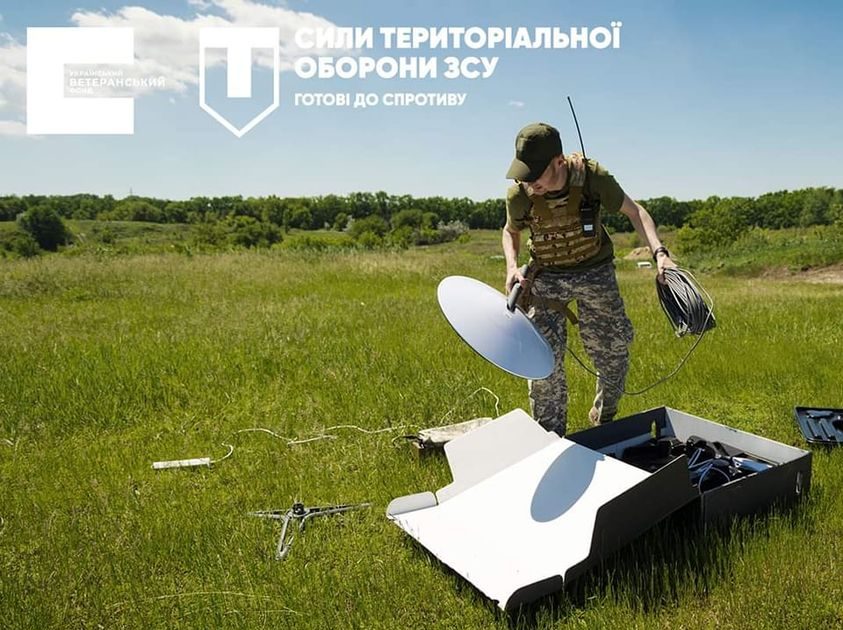
A Ukrainian soldier of the 61st Separate Mechanized Brigade uses the Starlink system during military exercises.
Starlink equipment is a common sight on the front lines in Ukraine.

Maxym Marusenko via Reuters Connect

  • Ukraine's access to military-grade Starlink services is returning, sources told Business Insider.
  • Defense ministry and parliamentary sources said on Thursday that Starshield operations had been at least partially restored.
  • On Wednesday, Ukraine was caught off guard by sudden speed restrictions, affecting drone missions.

Ukraine's access to military-grade Starlink services appears to have been at least partially restored on Thursday, a day after Kyiv was stunned by sudden speed limits that it said hamstrung some drone operations.

Ukrainian defense ministry sources told Business Insider that Starshield services remained functional while in motion as of roughly 11:45 a.m. local time on Thursday, according to reports that they had received from military units.

The sources said the defense ministry is working to understand how and why there was a disruption to the operation of Starshield, SpaceX's dedicated satellite network for military services.

Yehor Cherniev, the deputy chairman of the Ukrainian parliament's national security, defense, and intelligence committee, told Business Insider that Starshield services had been restored to their pre-disruption capacity.

Ukrainian officials and service members were caught off guard on Wednesday by the unexpected Starshield disruption, which they said restricted speeds above 100 miles per hour. Some units experienced a loss of connection at speeds as low as 45 miles per hour.

The full extent of the service limitation remains unclear.

Yuriy, an officer with Ukraine's National Guard, told Business Insider that his units use Starshield to support drone operations and that speeds were back above 100 miles per hour as of Thursday morning. He asked to be identified only by his first name for security purposes.

However, Yuriy said that several operations were disrupted during the earlier restrictions.

Defense ministry sources said the disruption complicated mid-range strikes, air defense intercepts, and front-line logistics. Starlink does not work inside Russia, so the issue was limited to missions in Ukrainian territory or Russian-occupied territory.

Person in camouflage uniform sits on concrete steps using a device near a satellite antenna outside a brick building.
Starlink has been a game changer for Ukrainian operations, especially by ensuring connectivity for drone warfare.

Andriy Dubchak/Frontliner/Getty Images

The sudden Starlink disruption caused widespread confusion and raised questions about the source of the decision and whether it was connected to tensions between President Donald Trump and Ukrainian President Volodymyr Zelenskyy over Kyiv's targeting of Russian energy facilities.

Ukrainian forces use Starlink, the commercial satellite internet service run by SpaceX, and Starshield, a secure network for military and government work built by the company but operated by the US government. Some Ukrainian officials initially blamed SpaceX for the disruption.

In an X post on Wednesday responding to Ukraine's former defense minister, SpaceX CEO Elon Musk put the issue on the Trump administration, saying that Starshield was "owned and controlled by the American government." He said "any limits on speed or usage are decided by the US military and ultimately POTUS."

A senior US official told Business Insider Thursday afternoon that "no such request was ever made by the President."

The Pentagon has not responded to requests for comment.

Sprawling influence

The outage and impact on front-line operations have called attention to Ukraine's deep dependence on Starlink, which has become critical for battlefield communications and drone warfare.

As Business Insider recently reported, Starlink's rapid expansion has given Musk and SpaceX an enormous source of influence and soft power, and the world's richest man has not been shy about using that power in Ukraine to influence the course of the war.

Musk said in 2023 that he refused a request from Ukraine's military to activate Starlink to assist a Ukrainian assault on the occupied Crimean peninsula. Earlier this year, SpaceX clamped down on Russian forces' use of Starlink terminals in Ukraine, handing Ukraine a key battlefield advantage.

While support for Ukraine has varied, Musk has consistently been a prominent critic of the Ukrainian president. In an X post late on Wednesday, hours after responding to Ukraine's defense minister, he wrote that it was "time for Zelenskyy to go."

The sudden Starlink disruptions came as Ukraine faces growing pressure from the US, with Trump pushing Kyiv to halt its strikes on Russian energy facilities. The US president said on Tuesday that Washington had not cut intelligence sharing with Ukraine, another concern for the country.

Cherniev, the Ukrainian lawmaker, confirmed on Thursday that the US continues to share intelligence with Kyiv.

Meanwhile, Russia has intensified its ballistic missile attacks against Ukraine, firing dozens overnight. Recent attacks have targeted Kyiv and Ukrainian energy facilities.

Read the original article on Business Insider

  •  

After Trump, Musk tells Ukraine’s president to go. Zelenskyy says he won’t resign and will never accept Ukrainian land as Russian

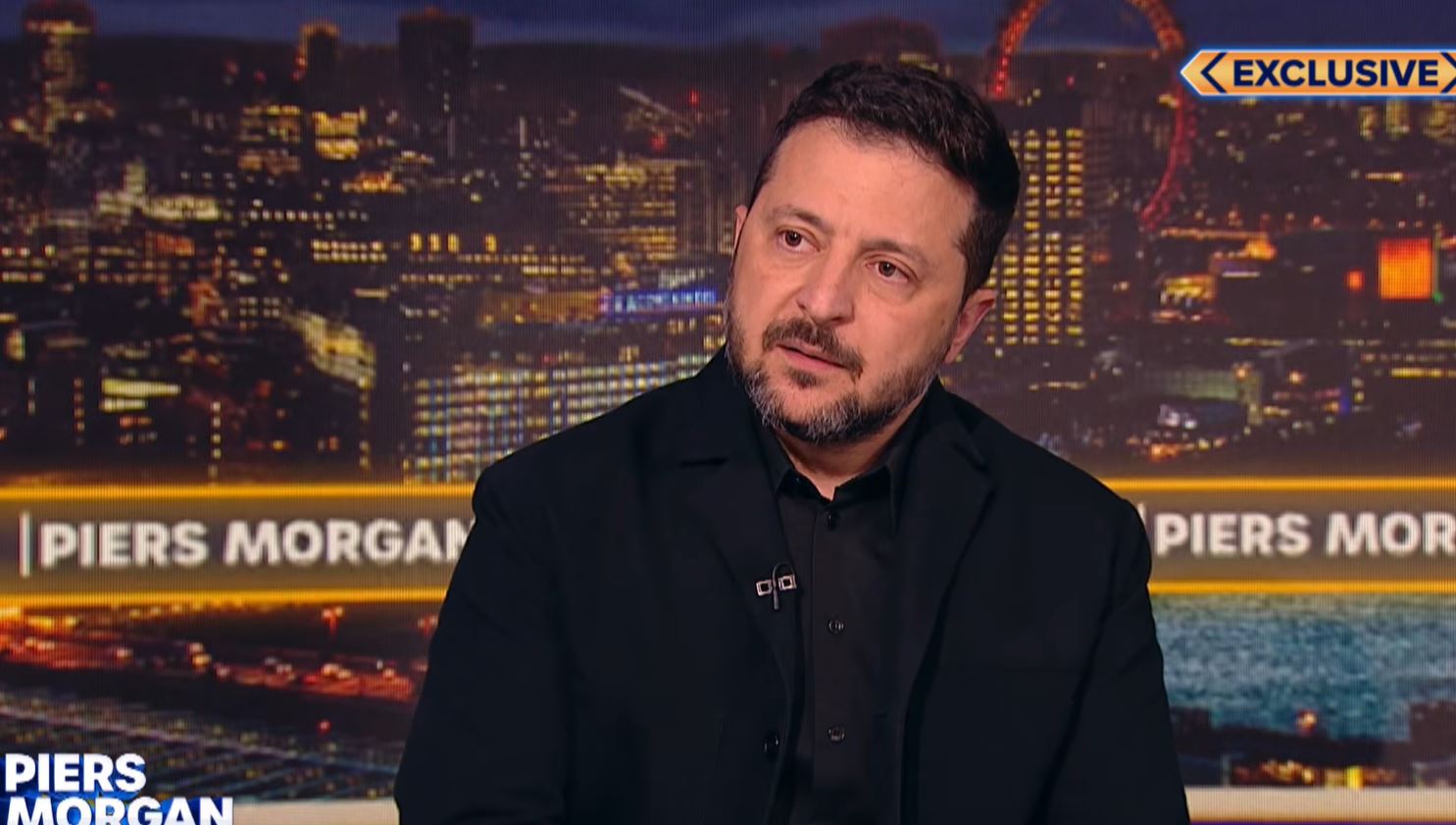
musk tells ukraine’s president go zelenskyy says won’t resign never accept ukrainian land russian · post volodymyr during interview piers morgan recorded visit britain 14 2026 video uncensored / ukraine

Tech billionaire Elon Musk wrote on X on 15 October: “And so the slaughter continues … Time for Zelensky to go.” Four days earlier, he had posted that Zelenskyy had gone too far, after US President Donald Trump said it was time for Ukraine to get a new president. Asked by Morgan on 14 October whether he would resign, Zelenskyy said he would not: “It’s my responsibility.”

Musk’s post comes as Washington squeezes Kyiv instead of Moscow: Ukraine’s military satellite links slowed, US missile warnings went missing, and the US threatened to cut intelligence unless Kyiv stops hitting Russian refineries.

Land and elections

Zelenskyy said elections could not be held under constant Russian attack: “From the point of security, you can’t do elections.”

Of any future president, he said: “I’m sure the new man or woman will defend our country.” He also reminded Trump that Crimea and parts of Donbas were already occupied when he took office, under another president, long before the full-scale invasion.

“I’m a realist, and I understand that people are more important than one kilometer or two kilometers. It’s not about kilometers. It’s about land and homes,” he told Morgan.

Zelenskyy has said Ukraine is ready for elections if a full 60-day ceasefire is in place. Numerous sources told The Atlantic that Trump sees Zelenskyy as the main obstacle to a peace deal and related business deals with Russia. One Trump adviser said he is also an obstacle to Trump’s hopes for the Nobel Peace Prize.

Starlink

Ukrainian forces reported restrictions on Starshield, the SpaceX satellite system they use for battlefield communications and drone operations, and Zelenskyy warned the decision would cost lives. On 14 October, Musk said Starshield is owned and controlled by the US government, which sets its limits, and that commercial Starlink cannot be used for offensive military action. Zelenskyy told the FT he did not know whether the decision was SpaceX’s or the US government’s, adding: “I think it’s about SpaceX.” A senior US official told Axios the Trump administration had nothing to do with the restrictions.

Intelligence and refineries

On two consecutive nights, air raid alerts in Kyiv sounded only after Russian ballistic missiles were already approaching or striking the capital. Zelenskyy said Ukraine received no warning from partners of the launches on 12 and 13 October, which hit civilian infrastructure and a major power plant. A Ukrainian official told CNN the loss of intelligence “will give Russians a real leverage on a frontline.” A European official questioned Washington’s explanation that weather caused the gaps in missile warnings. Trump denied halting intelligence sharing.

Washington had warned it could suspend intelligence sharing if Ukraine kept striking Russian refineries, Axios reported. A US official disputed that any explicit threat was made. Sources told CNN the US had also threatened to halt European purchases of US weapons for Ukraine. Zelenskyy told the FT the warning came through military channels.

To lower energy costs before next month’s midterm elections, Trump has pressed Kyiv to stop refinery strikes, CNN reported. Zelenskyy said he felt betrayed after Trump announced a diesel supply deal with Russia. On 14 October in London, he told the FT that Ukraine would resume strikes on Russian oil refineries.

  •  

Funding Haredim and others threatens Israel’s status as advanced economy, researcher claims

Calling for single education system and funding transparency, Prof. Dan Ben-David reveals benefits for Haredim outstripped funds for hospitals and higher education combined in 2024
  •  

Musk pointed at the US military over Ukraine’s satellite limits. Now a US official says the administration had nothing to do with them

The Starlink logo on a smartphone screen.

Ukrainian officials contacted the White House, CIA, and Pentagon after the restrictions, which Ukraine says affected both Starlink and Starshield, Axios reported on 14 October. A senior US official told Axios the Trump administration had nothing to do with the restrictions. On the same day, Elon Musk said on X that Starshield systems are owned and controlled by the US government, and that any speed or usage limits are decided by the US military and ultimately the president.

The restrictions could affect Ukraine’s ability to intercept Russian attack drones and carry out mid-range strikes against Russian forces and military targets in occupied Ukrainian territories. A speed cap of 160 km/h was insufficient to intercept some jet-powered drones, an unnamed Ukrainian official told Axios. Ukrainian officials told Axios they suspect SpaceX imposed the restrictions to pressure Kyiv to accept US President Donald Trump’s demand to stop striking Russian oil refineries, though the motive remains unconfirmed. But Starlink does not work inside Russia, and the drones attacking Russian oil facilities use other communications systems, according to Reuters.

What Musk and the White House said

Musk did not directly address the throttling, Axios noted. Starlink, he wrote, “is a commercial service owned and controlled by SpaceX,” limited to civilian or defensive use.

White House officials told the Ukrainians they don’t have control over SpaceX, two sources told Axios. One said the administration would reach out to SpaceX to figure out what happened. The White House did not immediately respond to Axios’s request for comment.

How the cap disrupted drone missions

Presidential adviser Serhii Beskrestnov said on 14 October that SpaceX had imposed a 160 km/h limit on Starshield’s “military package” overnight without warning. Ukraine’s 7th Rapid Reaction Corps said mid-range strike drones must reach high speed quickly and that an unstable connection “will make it impossible to launch such aircraft or use them as intended.” One unit on the Huliaipole front had to cancel some missions, the corps told Novynarnia.

ukraine goes back hitting russian oil after its trump-forced pause left kyiv without warnings incoming ballistic missiles · post ukrainian president volodymyr zelenskyy during interview piers morgan london 14 2026
Explore further

Ukraine is going back to hitting Russian oil after its Trump-pressured pause, during which Kyiv got no US warnings of incoming ballistic missiles

Ukrainian officials told Axios the system turned off when drones exceeded 160 km/h, and sometimes 80 km/h, before service was partially restored on 14 October. The Defense Ministry said SpaceX continues to restrict Starlink to 160 km/h and that it remains in communication “with partners and SpaceX regarding stable service conditions and the prevention of sudden restrictions,” Axios reported.

A diesel deal

The restrictions followed Trump’s 9 October deal with Russian President Vladimir Putin easing sanctions on Russian diesel. A day later, Trump told reporters: “We said you could do whatever you want to Russia, don’t hit the refineries,” the Kyiv Independent reported.

  •  

Ukraine is going back to hitting Russian oil after its Trump-pressured pause, during which Kyiv got no US warnings of incoming ballistic missiles

ukraine goes back hitting russian oil after its trump-forced pause left kyiv without warnings incoming ballistic missiles · post ukrainian president volodymyr zelenskyy during interview piers morgan london 14 2026

Ukraine will resume strikes on Russian oil refineries, ending a three-day pause it held at Washington’s request, Ukrainian President Volodymyr Zelenskyy told the Financial Times in an interview published on 15 October. Russia kept bombing Ukraine’s energy system throughout the pause, while Kyiv lost US missile warnings and its Starlink service slowed. Zelenskyy said Ukraine would halt energy strikes again only in exchange for more US air defense.

Ukraine's deep-strike campaign targets the Russian oil industry, which fuels Russia's army in Ukraine and earns the export revenue funding the war. Striking the plants that turn Russian crude into fuel, 12 of them hit in September alone, is one of the few levers Kyiv controls on Moscow’s war income. US President Donald Trump has blamed those strikes for higher US fuel prices, which most analysts attribute to the Iran war, and Washington has threatened to withhold intelligence, and reportedly weapons, unless Kyiv gives it up. Each step Washington takes toward Moscow, from fuel waivers to talk of frozen assets, widens the gap Europe and Ukraine must fill, while Russia gains revenue and time to keep striking.

A pause that bought nothing

Zelenskyy said he stopped the refinery strikes for three days to meet US wishes, but Russia kept hitting Ukraine’s energy infrastructure and killing civilians. During the pause, Ukraine received no US warnings of ballistic missile launches, he said. Starlink also slowed across the country, hampering front-line operations and mid-range strikes on Russian military targets, he added.

Russia used those days to fire 39 ballistic missiles and more than 120 drones at Ukraine’s grid overnight into 14 October, leaving at least 600,000 people without power. “We hold energy ceasefire from our side,” Zelenskyy told Piers Morgan on 14 October. Of the Starlink slowdown, he added: “I’m sure that they knew what they did.”

The price of another pause

Ukraine could again stop hitting Russian energy only if it receives more US interceptors for its Patriot systems, Zelenskyy told the FT. He warned that a halt could simply invite more US-Russia deals that feed Russia’s war machine, and predicted the next one would involve gas.

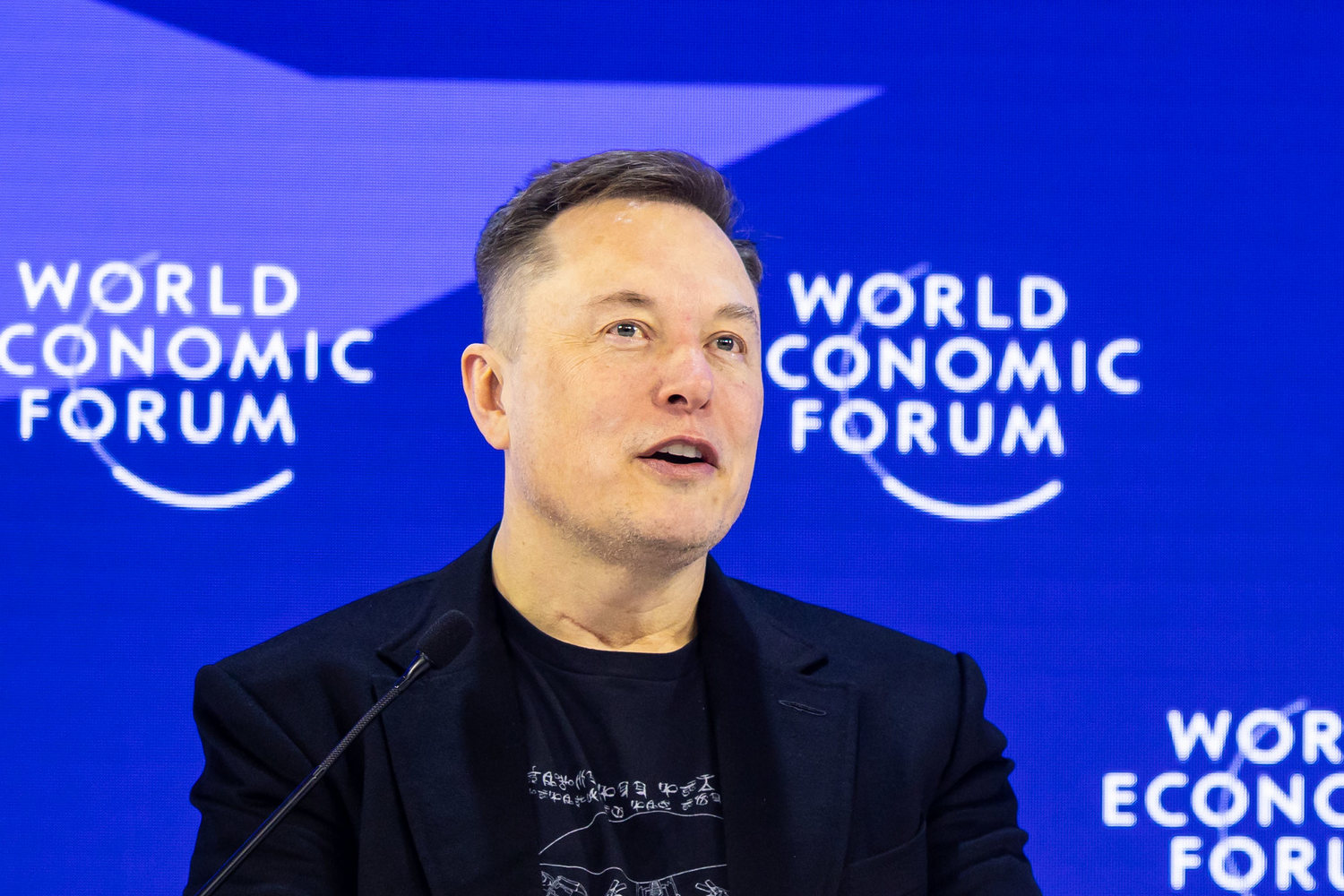
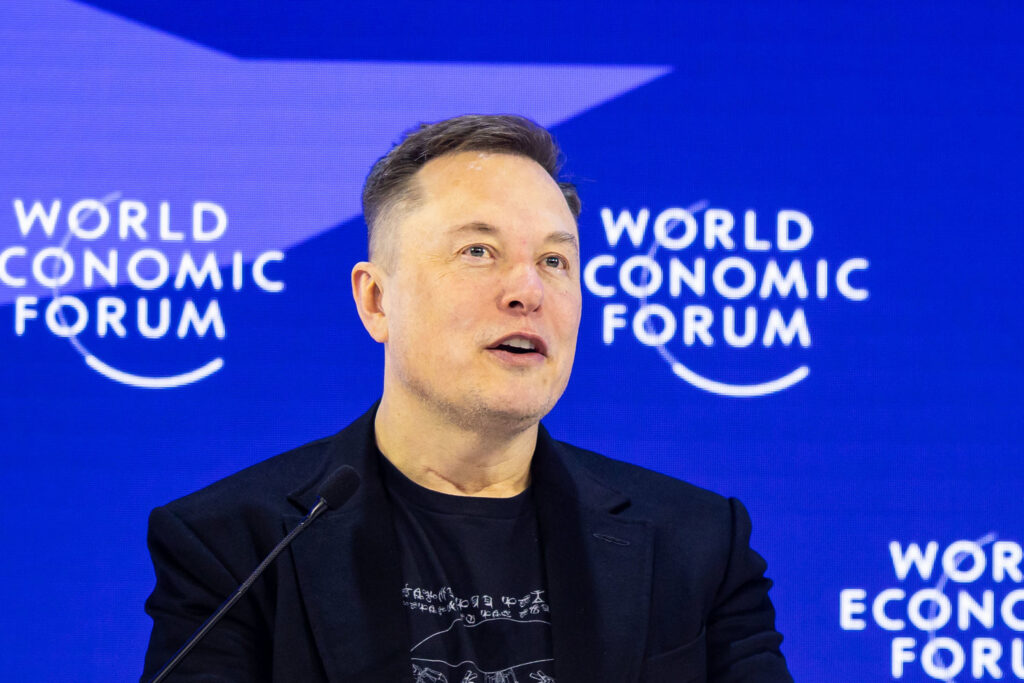
kyiv asking musk let strike inside russia its best line gone · post elon 2026 world economic forum / ciaran mccrickard wef ukraine news ukrainian reports
Explore further

“Starshield systems are owned and controlled by the US government”: Musk says Trump, not SpaceX, is behind cut hitting Ukraine

US intelligence officials had warned Ukraine’s embassy in Washington that a new strike on Russia’s energy facilities would end all intelligence sharing at once, The Washington Post reported, citing a person familiar with the matter. Washington has not fully cut it off, but the threat stands, the person said. Trump said on 13 October that the US was still sharing intelligence.

Washington’s other moves toward Moscow

A senior US official told Axios the administration had nothing to do with the Starlink limits, which Elon Musk had blamed on the US military. The administration is also considering easing sanctions on shadow fleet tankers, which have carried oil from Russia, Iran, and Venezuela, so the blacklisted vessels could haul non-sanctioned cargo, a US official told Reuters. The US Energy Department said the move would not help Russia ship its oil or fuel.

Washington eased sanctions on Russian oil this spring, after which Russia’s oil income jumped $890 million in a week, and it extended that waiver despite telling allies it would not. US envoys also proposed unfreezing part of Russia’s frozen assets to lure Moscow back to talks, an idea European officials rejected, the Financial Times reported.

  •  

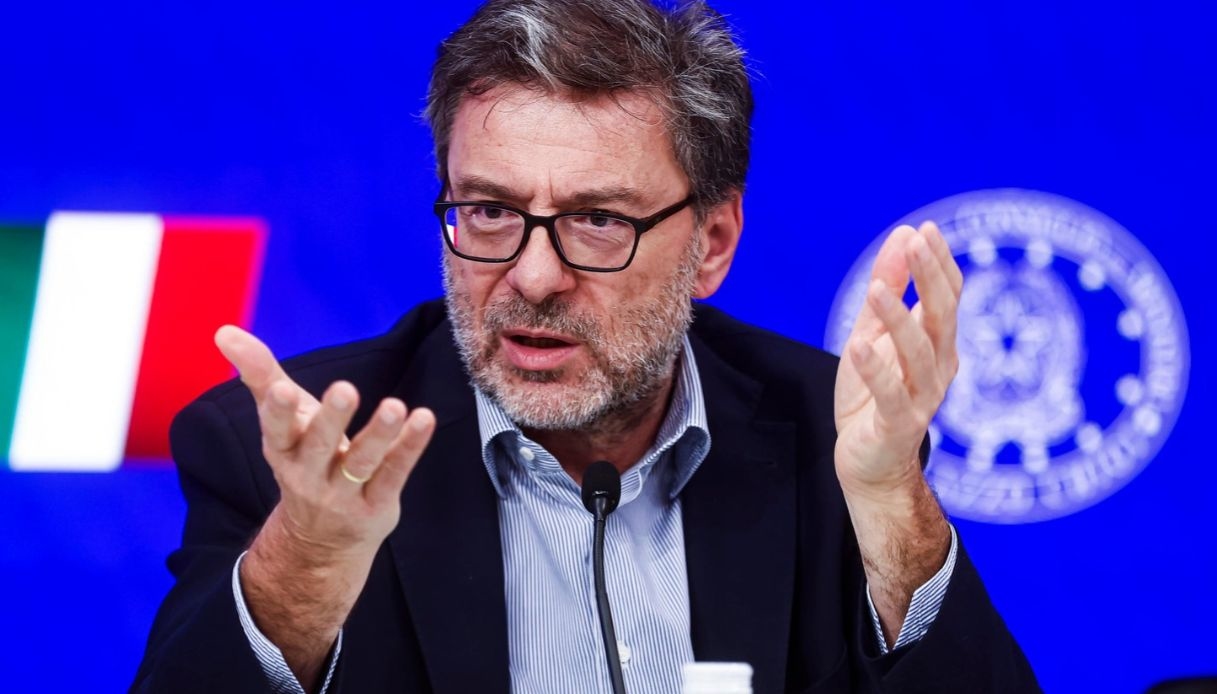
Un nuovo bonus per i lavoratori dipendenti under 35, come funzionerebbe la flat tax giovani

Tra le misure allo studio del governo guidato da Giorgia Meloni, già al lavoro sulla manovra 2027, c’è un nuovo bonus per i lavoratori dipendenti, una flat tax sugli aumenti di stipendio riconosciuti agli under 35. L’agevolazione è stata pensata per alleggerire il peso delle imposte sui redditi e rendere più conveniente la crescita professionale delle nuove generazioni, favorendo al tempo stesso il potere d’acquisto delle famiglie.

Come funzionerebbe il bonus per i lavoratori dipendenti under 35

La flat tax giovani si inserisce in un quadro più ampio di interventi fiscali che l’esecutivo sta valutando per il 2027. L’intervento prevede un’aliquota ridotta al 5% applicata esclusivamente agli aumenti di stipendio, permettendo così al lavoratore di trattenere una quota di retribuzione netta più alta rispetto a quella che otterrebbe applicando l’Irpef ordinaria.

La proposta è stata anticipata dal ministro dell’Economia Giancarlo Giorgetti, che ha indicato un possibile costo di circa 350 milioni di euro. Trattandosi di misura ancora allo studio, dovrà essere definita nei dettagli per trovare spazio nella prossima manovra finanziaria. Quello che sappiamo ad oggi, però, è che il meccanismo si differenzierebbe da un bonus erogato direttamente in busta paga o da un contributo economico riconosciuto una tantum.

Esempio di calcolo

Per comprendere il meccanismo, ipotizziamo un incremento di stipendio pari a 1.000 euro lordi annui interamente ammesso alla tassazione agevolata. Applicando un’imposta sostitutiva del 5%, a prescindere dal reddito del lavoratore, il prelievo sarebbe pari a 50 euro e resterebbero 950 euro dopo l’applicazione dell’imposta, prima di considerare eventuali contributi previdenziali e gli altri elementi che incidono sul netto.

Al contrario, considerando che l’Irpef si basa su un sistema progressivo, l’imposta da pagare sugli aumenti aumenterebbe con l’aumentare del reddito del lavoratore e, di conseguenza, anche il netto spettante varierebbe. Nel dettaglio, considerando le varie fasce reddituali:

  • per i redditi fino a 28.000 euro, soggetti all’aliquota del 23%, la tassazione ordinaria sull’aumento è pari a 230 euro, per un netto di 770 euro. Con la flat tax, che prevede un’imposta di 50 euro, il risparmio è di 180 euro;
  • per i redditi compresi tra 28.001 e 50.000 euro, soggetti all’aliquota del 33%, l’imposta ordinaria sull’aumento sale a 330 euro, lasciando un netto di 670 euro. In questo caso il vantaggio della flat tax raggiunge i 280 euro;
  • per i redditi superiori a 50.000 euro, soggetti all’aliquota del 43%, il prelievo ordinario è di 430 euro e il netto scende a 570 euro. Qui il risparmio garantito dalla flat tax è il più alto, pari a 380 euro.

In ogni caso, una riduzione dell’imposta sul reddito – qualora dovesse ottenere l’approvazione del Parlamento ed essere inserita nella legge di bilancio 2027 – comunque non comporterebbe automaticamente una riduzione dei contributi previdenziali dovuti. Se la disciplina non prevedesse deroghe specifiche, infatti, questi continueranno a essere calcolati secondo le regole ordinarie.

Quali aumenti di stipendio potrebbero beneficiare della nuova agevolazione

Uno dei principali nodi da sciogliere riguarda la tipologia di aumento retributivo che potrebbe beneficiare della flat tax giovani. L’ipotesi annunciata dal ministro dell’Economia si riferisce agli aumenti di stipendio in generale, ma non è ancora disponibile una disciplina definitiva che individui tutte le voci interessate.

Resta da chiarire se la misura riguarderà esclusivamente gli incrementi derivanti dai rinnovi dei contratti collettivi, gli aumenti individuali concordati con il datore di lavoro (per esempio in seguito a una promozione, all’assunzione di nuove responsabilità o a una progressione professionale) oppure anche altre forme di incremento della retribuzione.

Queste forme di retribuzione hanno caratteristiche differenti e potrebbero essere disciplinate da regole specifiche. Non è quindi possibile presumere che tutte siano automaticamente comprese nella flat tax giovani o che le diverse agevolazioni siano cumulabili.

  •  

“Starshield systems are owned and controlled by the US government”: Musk says Trump, not SpaceX, is behind cut hitting Ukraine

kyiv asking musk let strike inside russia its best line gone · post elon 2026 world economic forum / ciaran mccrickard wef ukraine news ukrainian reports

SpaceX chief Elon Musk says the version of Starlink that Ukraine’s military uses, StarShield, is owned and controlled by the US government rather than by his company. His claims come amid a storm over Ukrainian reports that a speed cut had broken their frontline operations.

Ukraine’s drones and air defenses rely on Starlink to steer and strike, so a limit on the network hits combat directly. Ukrainian troops reported that overnight into 14 October, the faster military package they depend on was throttled, halting a series of missions. Musk’s answer shifts the decision and the blame from SpaceX to the US government and, ultimately, to the president.

“Any limits on speed or usage are decided by the US military and ultimately POTUS. StarShield systems are owned and controlled by the US government,” Musk says.

He draws a line between the two services. Ordinary Starlink is a commercial product owned by SpaceX, limited to civilian or defensive use and not for offensive military action, which he called inappropriate for a commercial company.

Their conversation took place the same week that Washington pressured Kyiv over its strikes on Russian oil refineries amid US President Donald Trump's diesel deal with Moscow.

The exchange that forced Musk to answer

The statement followed a direct appeal. Former Defense Minister Mykhailo Fedorov told Musk on X that Starlink connectivity at speeds of up to 160 km/h was being restored, and pressed for more.

“Removing StarShield’s speed limit entirely is now critical for Ukraine’s defense. Thank you, Elon Musk. We hope for your continued support,” Fedorov wrote, framing the cap as a direct constraint on the war.

The faster package Ukraine cannot do without

The ordinary Starlink Mini mounted on drones is capped at about 160 km/h, which is too slow for some missions, so faster flight requires access to the military version, StarShield, Ukrainska Pravda notes. Ukraine has used StarShield since 2024.

  •  

A 1571 Letter Undercuts the Hoax Theory Around the “Other Voynich Manuscript” and Reveals a Terrified Scribe

Some medieval books can’t be read by anyone, and one of them has become almost a trademark of the genre: the Voynich manuscript, kept at Yale University and dated to the 15th century. It has inspired novels and theories of every kind. Specialists often place another volume right behind it on the list of enigmas, […]

  •  

Localização da central de biomassa em Tresminas gera contestação da população

VTM

A iniciativa pretende aproveitar os recursos florestais locais para produzir energia renovável e assegurar o aquecimento de habitações e edifícios públicos, promovendo soluções energéticas sustentáveis em zonas rurais. A reunião permitiu também discutir alternativas para a localização da central, depois de os habitantes terem manifestado oposição à instalação prevista ao lado da junta de freguesia.

Em declarações à VTM, a presidente da Câmara Municipal de Vila Pouca de Aguiar, Ana Rita Dias, referiu que a reunião teve como finalidade esclarecer a forma de execução do projeto e procurar alternativas para a instalação da caldeira, procurando responder às preocupações dos residentes sem comprometer a concretização da candidatura. “A população não querendo que fique aqui a caldeira, está a tentar perceber qual é outra solução dentro do projeto que está em execução”.

A autarca revelou também que o projeto foi lançado em 2023 e pretende assegurar, numa primeira fase, o aquecimento de oito habitações e de dois edifícios públicos, entre eles a junta de freguesia e o Centro Interpretativo de Tresminas.

Artigo exclusivo PREMIUM

Tenha acesso ilimitado a todos os conteúdos do site e à edição semanal em formato digital.

ou compre apenas este artigo:

Comprar este artigo — 1,00€
Se já é PREMIUM, Aceda à sua conta em Entrar

The post Localização da central de biomassa em Tresminas gera contestação da população appeared first on A Voz de Trás-os-Montes.

  •  

“Trump and Musk must be held accountable”: US senator warns Starlink network failing over Ukraine could cripple its shield against Russian missiles and drones

geran-2 (shahed-136) drone belarusian markings service military belta militarnyi російський безпілотник герань 2

US Senator Richard Blumenthal, a co-author of the Russia sanctions law named after Lindsey Graham, has issued a sharp statement on the latest developments in Ukraine. He says that President Donald Trump and SpaceX chief Elon Musk should be held accountable for reported Starlink failures that could cripple Ukraine’s defense.

On 14 October, Ukraine’s military reported a Starlink disruption that halted its operations. It happened at the same time the country’s air defense stopped receiving intelligence on a Russian ballistic strike that killed three people in Kyiv. Both failures came right after the US struck a diesel deal with Russia, letting low volumes of fuel into global markets and America while pressure grew on Ukraine to stop hitting the Russian oil refineries that raise the cost of the war.

"Reports of Starlink failing in Ukraine are deeply alarming— potentially crippling air defense against Russia’s murderous missiles & drones. Trump & Musk must be held accountable," he says.

When the network falters, the war feels it

The alarm rests on how completely Ukraine leans on the system. SpaceX has reportedly throttled the StarShield military package Ukrainian drones use, with connections dropping once the drones move at speed, and breaking a series of missions.

Ukraine neither owns nor controls Starlink, and the latest limits revived long-running fears that its battlefield lifeline can be dialed down from outside the country.

Blumenthal’s demand sits inside a broader revolt in Congress. A bipartisan group of 12 senators wrote Trump on 13 October urging him to rescind his deal letting Russian diesel back to market, calling the Treasury’s General License No. 135 a gift to Moscow that should be withdrawn.

They pressed him instead to use the Graham-Leach-Bliley Act he signed in September to squeeze Russia and its enablers, above all, China.

"If there's one lesson from Trump's mindless warmongering, it's that we need to break our dependence on foreign imports of fossil fuels & embrace alternate sources of energy," he said.

  •  

Netflix vai despedir mil funcionários

A gigante de streaming vai fazer um corte de 6% no total de funcionários, uma ação que afeta a força de trabalho global. Equipas de produto, tecnologia, legal e recursos humanos são as mais afetadas.

© CAROLINE BREHMAN/EPA

Os líderes da Netflix transmitiram aos funcionários que precisam de ser "disciplinados na forma como priorizam as pessoas e os recursos"
  •  

La Chine est-elle le nouveau centre du monde ?

par Alvaro GARCIA LINERA

En 1858, Karl Marx avait prédit l’ascension de l’Asie au rang de centre du capitalisme. Aujourd’hui, la Chine confirme sa prophétie en occupant une position dominante dans l’économie mondiale (19,9% du PIB mondial en PPA) et dans le secteur industriel : elle est en tête dans 7 des 10 industries les plus avancées, dans la transition énergétique et dans la fabrication de haute technologie. Sa croissance a multiplié son économie par 54 depuis 1990 grâce à la planification et aux investissements de l’État. Bien que les États-Unis conservent la primauté du dollar et de leurs bases militaires, la Chine est le plus grand créancier mondial et la puissance décisive. L’article conclut en critiquant l’aveuglement des élites latino-américaines qui se tournent vers des puissances en déclin.

En 1858, Karl Marx s’était penché sur la marginalisation imminente de l’Europe et des États-Unis face à l’expansion du capitalisme en Asie. Dans une lettre adressée à Engels, il exprimait sa crainte qu’une future révolution européenne ne soit géographiquement réduite à un «petit coin» du monde, compte tenu de la montée de la société bourgeoise dans de vastes régions de la planète telles que la Chine, le Japon, l’Australie et la Californie (Œuvres complètes, vol. 40).

Nous étions au milieu du XIXe siècle, marqué par la domination mondiale absolue de l’Empire britannique, l’élan de la première révolution industrielle — la puissance de la vapeur, l’industrie textile — et la présence des États-Unis en tant que puissance intermédiaire fournissant du coton aux grandes usines de Manchester. Mais au-delà de tout cela, Marx voyait en Asie, et en Chine en particulier, la formation embryonnaire du nouveau cœur du capitalisme mondial.

Cent soixante-huit ans se sont écoulés, et les prédictions de Marx ont été confirmées par l’histoire. Aujourd’hui, la Chine est la plus grande économie de la planète. En mesurant le PIB en parité de pouvoir d’achat (PPA) — ce qui élimine les distorsions liées aux taux de change du marché et aux différences de coût de la vie —, le FMI estime que l’économie chinoise représente aujourd’hui 19,9% de l’économie mondiale, tandis que celle des États-Unis atteint 14,5% et celle de l’Union européenne (UE), 14%. En 1990, le PIB de la Chine ne représentait que 3% du total mondial, celui des États-Unis 19% et celui de l’Europe 23% (IMF DataMapper, 2026). Si l’on prend en compte l’ensemble de l’Asie, le PIB du continent atteint 49% du total mondial.

Cela n’a rien de surprenant. En 1700, l’économie asiatique représentait 60% de l’économie mondiale, tandis que celle de l’Europe atteignait un peu moins de 30% et celle de l’ensemble des États-Unis, 3% (Piketty, Le Capital au XXIe siècle, p. 76). À cette époque, le revenu moyen d’un Chinois était similaire à celui d’un habitant des Pays-Bas, alors leader commercial et financier de l’Europe. La colonisation européenne de l’Asie a détourné cette trajectoire pendant 200 ans, et aujourd’hui, ce continent est à nouveau à la tête de l’économie mondiale.

Mais la Chine n’est pas seulement en tête aujourd’hui en termes de taille de son PIB, mais aussi en ce qui concerne les fondements matériels sous-jacents de la puissance du pays.

En ce qui concerne la valeur ajoutée manufacturière, la Chine génère 29% du total mondial, tandis que les États-Unis et l’Union européenne y contribuent chacun à hauteur de 17% (Statista Research, 2025). On estime que d’ici 2030, cette part atteindra 45% (ONUDI, 2024). Ce leadership ne se limite pas à la fabrication de masse de jouets ou d’appareils électroménagers, mais s’étend également aux domaines des technologies de pointe et à la maîtrise de l’ensemble de la chaîne de valeur des produits. L’Information Technology and Innovation Foundation (ITIF) — un groupe de réflexion américain — montre que la Chine est déjà leader dans 7 des 10 industries les plus avancées au monde : les systèmes informatiques et électroniques, les produits chimiques, les machines et équipements, les métaux de base, les véhicules à moteur, les produits métalliques transformés et les équipements électroniques. De leur côté, les États-Unis occupent la première place dans la production de technologies de l’information et de services — en particulier la conception de puces d’IA —, dans le secteur pharmaceutique et dans d’autres secteurs des transports (ITIF, 2026).

En 2024, la Chine a fabriqué 86% des panneaux solaires mondiaux, 80% des batteries électriques, 72% des voitures électriques, 64% des smartphones, 54% des robots industriels et 49% des drones (El País, 25 septembre 2026).

En matière de consommation d’électricité, l’essor de la Chine a été spectaculaire. En 1990, la Chine consommait moins de 1 000 térawattheures (TWh), tandis que les États-Unis en consommaient 3 000 TWh. En 2025, la Chine a atteint 10 300 TWh, tandis que la consommation des États-Unis stagne depuis 20 ans autour de 4200 TWh (EIA, 2026).

De plus, la Chine est le premier «État électrique» au monde, étant à la fois le plus grand investisseur et le plus grand producteur mondial d’énergies alternatives. Elle a réussi à réduire le coût de production de l’énergie solaire de 350 dollars par MWh en 2016 à 35–60 dollars par MWh d’ici 2025. Ce coût est inférieur à celui de l’électricité produite à partir du gaz en cycle combiné (60–120 dollars par MWh) ou du charbon (71–170 dollars par MWh) (Lazard, LCOE, 2026).

La Chine est un pays qui ne produit pas de pétrole et qui, au cours du siècle dernier, a été l’un des plus grands extracteurs de charbon pour la production d’énergie. Cependant, au cours de la dernière décennie, c’est le pays qui a le plus contribué à la transition énergétique mondiale. Sa capacité installée de production d’énergie solaire s’élève aujourd’hui à 1175 TWh, alors que le reste du monde ne produit à lui seul que 1600 TWh (Statista, avril 2026). Aujourd’hui, la Chine dispose d’un complexe de production dont la capacité annuelle de fabrication de panneaux solaires s’élève à 1200 TWh, de sorte qu’en moins de 10 ans, une fois les problèmes de stockage et de transport surmontés, elle pourrait fabriquer suffisamment de panneaux pour enrayer le changement climatique (Tooze, 19 septembre 2025). Aucun pays au monde ne possède aujourd’hui une telle capacité de restauration écologique à l’échelle mondiale.

Dans l’ensemble, la croissance de l’économie chinoise représente entre 25% et 30% de la croissance de l’économie mondiale. De 1990 à 2025, la croissance moyenne de son PIB a été de 8,5%, atteignant 14% certaines années, bien qu’elle se soit stabilisée ces dernières années autour de 5%. Ce développement sans précédent lui a permis de multiplier la taille de son économie par 54 depuis 1990, alors que les États-Unis l’ont multipliée par 5,1 et l’Union européenne par 2,9 au cours de la même période (Banque mondiale, données ouvertes, 2026).

Grâce à une combinaison mûrement réfléchie d’ouverture aux investissements étrangers, de transferts de technologie, de soutien à l’investissement privé national et de création d’entreprises publiques dans des secteurs stratégiques de l’économie, la Chine a atteint cette position de leader tout en maintenant un taux d’investissement annuel qui, depuis plus de deux décennies, oscille entre 35% et 45% du PIB. À titre de comparaison, ce taux s’est établi à environ 17% aux États-Unis et à 22% dans l’Union européenne.

Sur le plan commercial, de 1990 à 2025, la Chine a accumulé un excédent commercial de 9 700 milliards de dollars. Pour la seule année 2025, alors que les États-Unis avaient déclaré une guerre commerciale, cet excédent a atteint 1100 milliards de dollars (BBC, janvier 2026). De plus, comme dans toutes les économies développées, la dette publique est élevée. Pour 2025, elle est estimée à 120% du PIB, un chiffre très proche des 125% des États-Unis (FMI, 2026). À cette différence près que la totalité de la dette chinoise est contractée en yuan auprès de banques d’État chinoises, tandis que la majeure partie de la dette américaine est détenue par des investisseurs privés et des gouvernements étrangers.

Ces flux de revenus ont permis à la Chine de devenir le premier créancier bilatéral mondial, devant la Banque mondiale ou le FMI. De 1990 à 2025, la Chine a accordé des prêts commerciaux d’une valeur de 2200 milliards de dollars, notamment aux États-Unis (AidData, novembre 2025). Ce chiffre est déjà supérieur aux 1300 milliards de dollars que, sur la même période, les États-Unis ont versés à titre d’aide militaire et économique à leurs pays alliés (USAFacts, septembre 2026). Ainsi, alors que la Chine a mis en place une infrastructure mondiale pour l’approvisionnement en matières premières et la distribution de marchandises (la «Route de la soie»), les États-Unis ont maintenu des armées et des dirigeants soumis à leurs desseins politiques.

Malgré toute cette puissance économique, la Chine — contrairement à ce qu’ont fait les États-Unis au XXe siècle et, avant eux, le Royaume-Uni — n’a pas encore établi l’hégémonie mondiale de sa monnaie, n’a pas déployé de bases militaires pour garantir sa suprématie politique, et n’exporte pas non plus sa culture ou son système politique comme un modèle à imiter par le reste des pays.

Aujourd’hui, le dollar continue de remplir la fonction de monnaie de réserve mondiale pour 85% des opérations de change mondiales, représente 58% des réserves internationales des banques d’États et sert de monnaie de règlement au sein du système SWIFT pour la plupart des paiements internationaux (BRI, 25 février 2026). Mais sur le plan intérieur, la Chine a déjà créé le deuxième plus grand marché obligataire au monde, évalué à 28 000 milliards de dollars, derrière celui des États-Unis, qui représente 61 000 milliards de dollars (Deutsche Bank, juillet 2026). De même, elle compte trois des dix centres financiers les plus importants au monde (Shanghai, Hong Kong et Shenzhen) et a lancé le système CIPS comme alternative pour les paiements internationaux.

Quant aux bases militaires à l’étranger, la Chine en possède trois, contre 750 pour les États-Unis, et, pour l’instant, elle ne semble pas intéressée par l’exportation de son modèle d’organisation politique appelé «socialisme aux caractéristiques chinoises». Quant à l’expansion culturelle, elle n’en est qu’à ses débuts — jeux vidéo, esthétique asiatique, plateformes de vente en ligne rapides —, alors que le marché intérieur gagne en importance pour la croissance économique. Aux États-Unis, la consommation des ménages représente 69% du PIB ; en Chine, 40% (Banque mondiale, 2026). À titre de comparaison, il y a vingt ans, le rapport entre le revenu par habitant de la Chine et celui des États-Unis était de 1 pour 20. Aujourd’hui, ce rapport est de 1 pour 3,5. Dans moins de 50 ans, il sera de 1 pour 1 (Milanovic, 2026). Tout indique que le «Grand Renouveau du pays chinois», par lequel ses dirigeants envisagent le rétablissement de la grandeur mondiale de leur pays, ne se mesure pas à l’aune de la précipitation de quelques décennies, mais à celle de la patience obstinée de plusieurs siècles.

Il ne fait aucun doute que la Chine est déjà aujourd’hui le centre du monde. Et, face à cela, il est tout simplement pathétique de voir les élites réactionnaires d’Amérique latine chercher désespérément à obtenir un visa américain ou acheter un appartement à Madrid pour rehausser leur statut de «modernes». Elles courent dans tous les sens, hébétées, à la poursuite des mirages de pays qui ne sont désormais plus que de «petits coins» du monde.

Publié à l’origine par  China Beyond the Wall

Traduction:  Reseau International

  •  

“Trump was looking for any opportunity to undermine our defense capabilities,” top Ukrainian volunteer, who supplied 291,502 FPV drones to front, says of sudden Starlink limit

Elon Musk: “Starlink will never turn off for Ukraine”

One of Ukraine’s most prominent drone volunteers, Serhii Sternenko, says that Starlink terminals have been restricted overnight, with connectivity beginning to drop out at speeds exceeding 160 km/h. As a result, several critical missions were disrupted.

Sternenko heads a charitable foundation that has purchased 291,502 FPV drones, which have helped the Ukrainian military shoot down more than 12,954 aerial targets. He has also served as an adviser within the team of former Defense Minister Mykhailo Fedorov.

Sternenko suggests that SpaceX may have introduced the restrictions at the request of the Trump administration. He adds that Ukraine had refrained from striking Russian oil refineries and energy infrastructure in recent days, as Trump had requested.

“But Trump was looking for any opportunity to undermine our defense capabilities, and he did so despite the fact that we had complied with his demands,” Sternenko says.

The limit landed the same night Russian ballistic missiles struck Kyiv’s Desnianskyi district, killing three women and injuring 24, including a seven-year-old girl.

Rescuers evacuated people covered in blood

The strike on a nine-story residential building set it ablaze, burning out apartments from the first floor to the ninth, with rescuers pulling bloodied residents from the flames and leaving survivors without power, water, or gas, according to Suspilne.

During the night’s first ballistic launches, partners did not alert Ukraine, but for the three later waves the warnings did come through, Air Force communications chief Yurii Ihnat says. The cause of the first lapse is still being established, per Radio Free Europe/Radio Liberty.

The early warnings help Ukrainian civilians quickly find a place to hide from such strikes, leaving up to 3 minutes to do so. Without it, people are left entirely helpless in the face of the aggression.

Further Starlink restrictions have reportedly been introduced

Later, Sternenko wrote that reports were "coming in from military personnel that restrictions on the use of Starlink satellite communications terminals for our operations have just been tightened.

"The speed at which the connection starts dropping out is now 60–70 km/h,” he added.

  •  

NATO country that pays for Kyiv’s Starlink warns Musk as his cap breaks Ukraine’s drone missions: “As your European customers, we are watching you”

Starlink terminal.

Poland’s Foreign Minister Radoslaw Sikorski has publicly criticized SpaceX chief Elon Musk over the latest disruptions in Starlink's operation in Ukraine. Poland is the largest supplier of Ukraine’s terminals, having provided about 29,500, roughly half the network. It also has a Starlink ground station in Wola Krobowska that provides connectivity for much of Central and Eastern Europe, including Ukraine, RMF24 reports.

On 13 October, SpaceX imposed a 100 mph (160 km/h) speed limit on the StarShield military package that Ukrainian forces use, disrupting drone missions without warning. Poland, which pays about $50 million a year for Ukraine’s Starlink terminals, told Musk it is watching.

“Hey, @elonmusk, big man, are you playing politics with your products again? As your European customers, we are watching you,” Sikorski wrote on X.

The “big man” jab echoed their 2025 clash, when Musk told Sikorski to “be quiet, small man” after the minister noted that Warsaw, not SpaceX as charity, pays for the service.

Be quiet, small man.

You pay a tiny fraction of the cost.

And there is no substitute for Starlink.

— Elon Musk (@elonmusk) March 9, 2025

Meanwhile, presidential adviser Serhii “Flash” Beskrestnov said that this could not be a coincidence and was most likely tied to the current political situation.

When a drone outruns its own signal

The cap bites exactly where Ukraine’s drones do their work. The StarShield package had previously carried no data speed limit, and the change directly affected drones that use Starlink to steer in flight, the 7th Air Assault Corps said.

“During flights, the connection could drop for 10 to 20 seconds at speeds of just 110 to 120 kilometers per hour. The drones kept moving, but these interruptions made them harder to control,” the corps said, describing problems that now start well below the new ceiling.

A dependence Kyiv has feared for years. The limit revives an old worry. Ukraine neither owns nor controls Starlink, and the restriction follows fresh fears of a shutdown after Musk backed US President Donald Trump’s call for Zelenskyy to resign.

  •  

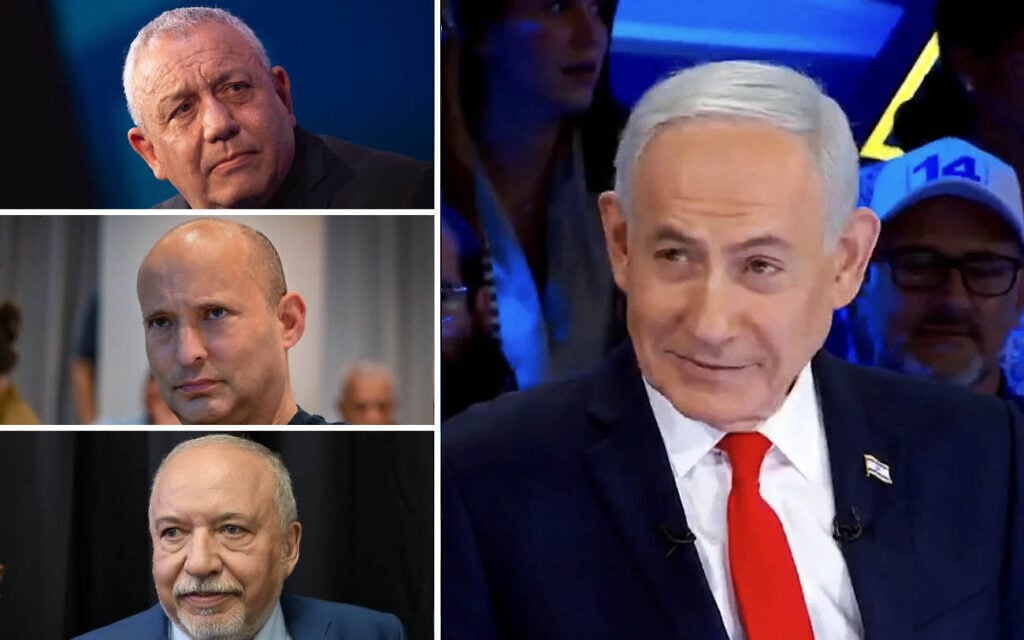
Unless the opposition steps up its game, Netanyahu, the PM of Oct. 7, could yet survive this election

It's a combination of his own shameless efforts to rewrite history, his opponents' inability to adequately hold him to account for that blackest of days and much more besides, and, perhaps, Israel's changing demographics
  •  

Inflation worsened last month to 3.7% as midterm elections near

Gas, clothes, and air fares got more expensive, evidence that rising prices remain an economic challenge just a few weeks before the midterm elections that have focused heavily on issues related to affordability.

  •  

French minister accuses Elon Musk of ‘online harassment campaigns’ against European leaders

Jean-Noël Barrot criticises X owner in speech attacking foreign efforts to destabilise France before 2027 election

France’s foreign minister has accused Elon Musk of using his social media platform to orchestrate “massive online harassment campaigns” against European leaders as he took aim at foreign efforts to destabilise the country before next year’s presidential election.

Speaking at an Organisation for Economic Cooperation and Development conference on Tuesday, Jean-Noël Barrot pointed to the role that social media had come to play in the global battle over democracy. “The forces seeking to undermine democracy now dominate the information landscape, where they employ tactics designed to polarise public debate,” he said.

Continue reading...

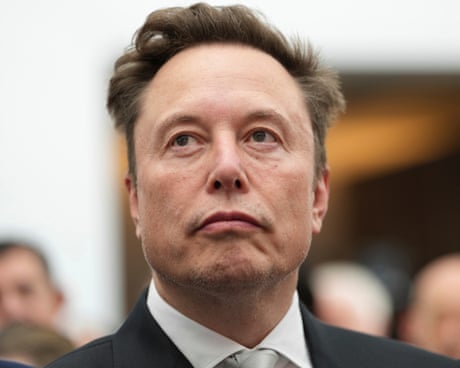
© Photograph: Julia Demaree Nikhinson/AP

© Photograph: Julia Demaree Nikhinson/AP

© Photograph: Julia Demaree Nikhinson/AP

  •  
❌