 Login

Venezuela recibirá el Grupo B del Pre-Clasificatorio FIBA AmeriCup 2029
Cuatro selecciones caribeñas y sudamericanas disputarán en la Isla de Margarita los dos cupos disponibles en el Grupo B del Pre-Clasificatorio al FIBA AmeriCup 2029.

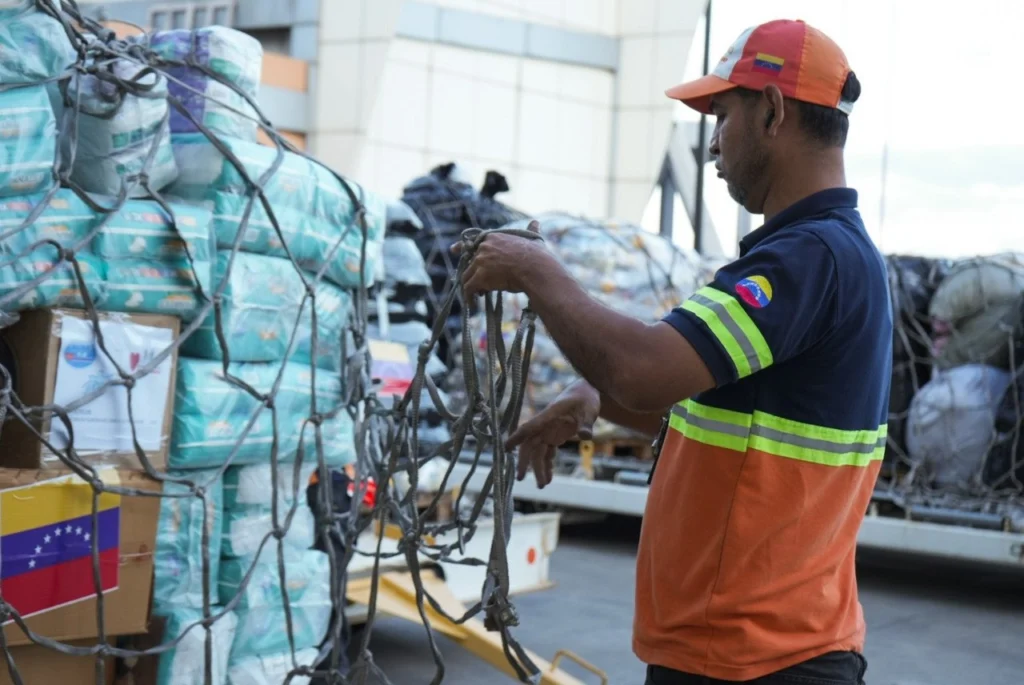
Venezuela’s government dispatched a plane carrying 40 tons of humanitarian aid to Panama on Thursday to help people affected by the magnitude 7.7 earthquake that struck the country on October 9 and caused severe damage to road infrastructure, essential services and thousands of homes in both urban and rural areas.
The cargo includes basic medical supplies, non-perishable food, drinking water, personal hygiene kits and logistical material, intended to support temporary camps set up by Panamanian authorities in regions declared in emergency.
RELATED: Panama Earthquake: 7.7 Magnitude Quake Leaves 26 Injured, No Deaths
The shipment landed on Panamanian soil and was received by personnel from the National Aeronaval Service. From there, the cargo will begin an immediate overland transfer to the local operational centers where responders are coordinating relief efforts in the wake of the seismic crisis.
Diosdado Cabello, Venezuelan Minister of Interior, Justice and Peace, announced the aid shipment, which was described as part of the protocols of solidarity and Central American integration that guide the country’s response to regional emergencies. In this sense, the Venezuelan authorities stressed that “support operations are carried out in direct coordination with civil protection agencies and state security bodies of Panama”.
Tras el reciente terremoto ocurrido en Panamá, Venezuela envió un cargamento de ayuda humanitaria.
— Ministerio de Comunicación e Información (@mippci_ven) October 15, 2026
Reafirmando su compromiso de solidaridad con los pueblos hermanos.
¡Panamá no está sola! 🇻🇪🇵🇦 pic.twitter.com/oMnsQMwdRv
Text reads: “After the recent earthquake in Panama, Venezuela sent a shipment of humanitarian aid, reaffirming their commitment to solidarity with brotherly people. Panama is not alone!”
The cooperation between Caracas and Panama City is designed to accelerate the immediate contingency phase. It also aims to open a clear path toward the physical reconstruction and economic recovery of the residential zones hit hardest by the earthquake.
The shipment complements an earlier deployment of a specialized technical team of more than 50 risk-management and rescue professionals, a delegation that includes experts in assessing critical infrastructure, inspecting damaged buildings, removing debris and restoring basic electricity and water services.
The Venezuelan delegation working on the ground includes experts in evaluating critical infrastructure, inspecting compromised buildings, removing debris and restoring basic energy and water services. Their task is to help stabilize the communities most affected by the quake.
Cabello said the operational experience acquired by Venezuelan brigades during recent seismic events in Venezuelan territory allows them to contribute methodological solutions and strategic interventions in the hardest-hit municipalities.
The Minister framed the effort as part of a permanent bilateral cooperation framework established between the two nations for disaster mitigation across Latin America. Under that framework, the support operations are carried out in direct coordination with Panama’s civil protection agencies and security forces. International organizations are operating in the affected area, and Venezuela has signaled that it will continue working alongside them.
The distribution plan prioritizes the transfer of supplies to rural and island communities whose land routes were cut off by the earthquake. The aim is to guarantee equitable access to medical care and food for vulnerable families.
National Aeronaval Service teams took charge of the cargo upon arrival. The supplies then move by land to the operational centers closest to the communities that suffered the heaviest damage, where distribution can begin without delay, a decision that shortens the distance between the arrival of aid and its delivery to affected families.
Thousands of families in urban and rural communities remain in temporary camps while authorities assess the full extent of the damage. The emergency has tested Panama’s response capacity, and the arrival of additional aid and technical personnel has become a central element of the recovery effort.
Venezuelan authorities said its collection centers and technical monitoring systems remain active to evaluate additional requirements. If Panamanian authorities request more operational support, the response can be scaled up quickly.
For now, the 40 tons of aid and the specialized personnel on the ground represent Venezuela’s immediate contribution to a recovery that is only beginning in the regions hit hardest by the tremor.
© Miguel Gutierrez/EPA
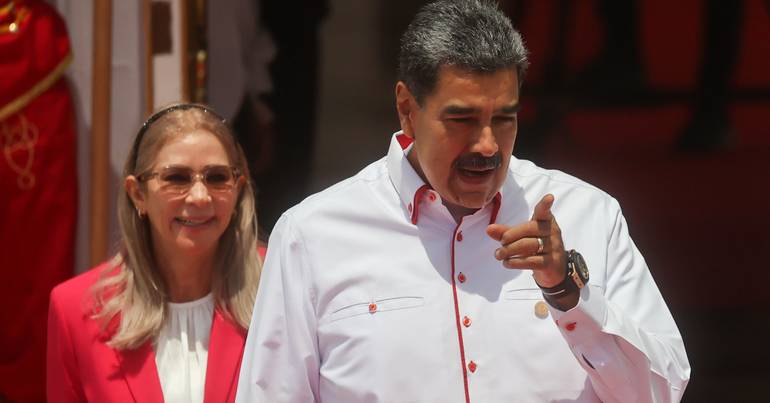
On Thursday, Venezuelan President Nicolas Maduro and legislator Cilia Flores pleaded not guilty to the new charges filed against them by the U.S. Attorney’s Office on Oct. 8.
RELATED:
ALBA Movements Demand Immediate Release of President Maduro and First Combatant Flores
They appeared in the Southern District Court of New York before Judge Alvin Hellerstein after the Attorney’s Office accused them of “conspiracy to commit torture” and extended the charge of “conspiracy to commit narcoterrorism” to Flores. The latter charge, however, had only weighed against Maduro.
When asked by the judge about the charge of “conspiracy to commit torture,” Maduro pleaded not guilty and asserted that the charges are based on “false accusations and testimony against his person.” His wife, Flores, declared herself “completely innocent” and “not guilty” of the new charges.
Both told the judge they had been informed by their attorneys of the new indictment and had received a copy of it in Spanish. This was one of the few times both could be heard speaking since they were brought before the U.S. justice system in January.
After their statement, the hearing focused on the schedule ahead. The judge postponed the start of the trial until June 14, 2027, which initially had been set for June 1.
No other hearing is expected to be held until December. The last hearing before the trial begins will take place on June 7. The defense requested more time to prepare its response to the new indictment from the U.S. Attorney’s Office.
Following the new indictment, Maduro and Flores are charged with conspiracy to commit narcoterrorism, conspiracy to import cocaine into the U.S., possession and conspiracy to possess weapons of mass destruction, and conspiracy to commit torture.
⚖️ La defensa del presidente venezolano Nicolás Maduro, secuestrado durante una operación militar en Caracas, pidió desestimar el caso en su contra en Estados Unidos, con base en la inmunidad soberana, según el archivo judicial digital.#teleSUR #Venezuela #EEUU pic.twitter.com/BmCjAbnLsj
— teleSUR TV (@teleSURtv) September 3, 2026
The text reads, “The defense team for Venezuelan President Nicolas Maduro—who was seized during a military operation in Caracas—has requested the dismissal of the U.S. case against him, citing sovereign immunity, according to digital court records.”
A Maneuver to Extend Their Imprisonment
Legal analysts consider that the “conspiracy to commit torture” charge would seek to prevent the case against Maduro and Flores from collapsing given that there is no overwhelming evidence to cover multiple legal gaps.
The Attorney’s Office was forced to remove from the indictment the argument that President Maduro led the nonexistent Cartel of the Suns, which during the months before the invasion of Venezuelan soil the White House presented as a platform for drug trafficking.
On Oct. 8, Judge Hellerstein denied the request by Flores’ defense to grant her bail and allow her to serve pretrial detention under house arrest at a private residence in New York.
The defense’s request was based on the deterioration of Flores’ cardiac health — she turns 70 on Oct. 15 — with episodes of chest pain, arrhythmias and a weight loss of more than 11 kilos since her kidnapping.
Her defense attorneys stated that she requires medical treatment and recovery outside of prison, and included GPS monitoring and other security measures.
The magistrate argued that there is an alleged risk of flight. In addition, he noted that the guarantees offered are insufficient.
Upon presenting the new charge, U.S. Attorney General Todd Blanche — who was an attorney for President Donald Trump and is known for the political instrumentalization of the judicial system — stated:
“A new indictment has just been unsealed that replaces the previous one, charging Nicolas Maduro and his wife Cilia Flores with conspiracy to commit torture, including the alleged torture of U.S. citizens over more than two decades.”
From the first moment of this case, Maduro questioned the legality of the kidnapping and invoked sovereign immunity. “I am the president of Venezuela, I consider myself a prisoner of war,” he stated during the first hearing of the trial. For her part, Flores claimed immunity as first lady.
Added to the above are objections from the legal team defending them, which has objected to the legality of the kidnapping, questioned the territorial jurisdiction of U.S. courts and denounced the blocking of licenses from the Office of Foreign Assets Control (OFAC) for the financing by the Venezuelan government of their legal fees. Defense attorneys Barry Pollack and Mark Donnelly denounced those obstacles as violations of the Sixth Amendment.
In September, Deputy Attorney Jason A. Richman, co-chief of National Security of the Federal Attorney’s Office for the Southern District of New York, submitted his resignation amid questions over the judicial proceedings against the Venezuelan leaders.
Richman, who led and supervised the indictment against Maduro and Flores from its earliest stages, sent a letter to Hellerstein informing him that he is leaving the Federal Attorney’s Office as of Sept. 25. He offered no further details.
The official’s resignation is considered in legal circles as a significant loss for the U.S. government’s strategy and occurred less than nine months before the trial against Maduro and Flores, scheduled to begin on June 1, 2027, in the Southern District Court of Manhattan.
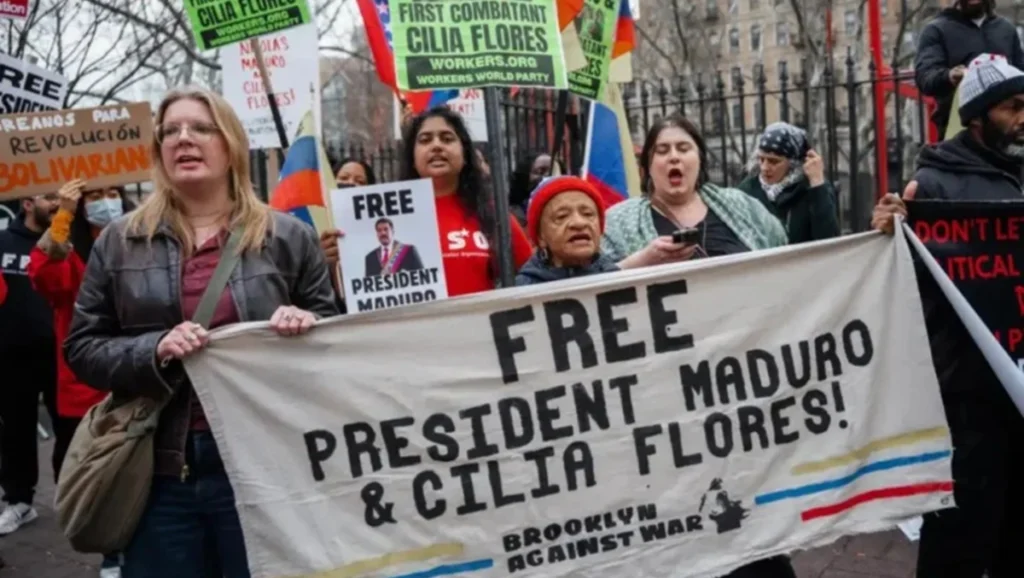
Manifestación en Brooklyn en apoyo el presidente venezolano, Nicolas Maduro y su esposa Cilia Flores. pic.twitter.com/5QjStnhDep
— teleSUR TV (@teleSURtv) August 4, 2026
The text reads, “Demonstration in Brooklyn in support of Venezuelan President Nicolas Maduro and his wife, Cilia Flores.”
Brief Chronology of the Case
Jan. 3, 2026: After bombing Caracas and other Venezuelan cities, U.S. special forces kidnap President Nicolas Maduro and first lady Cilia Flores and illegally transfer them to the United States. The invasion left more than a hundred people killed, including civilians and military personnel, and a similar number of wounded. Delcy Rodriguez, then executive vice president, assumes as acting president.
Jan. 5: Maduro and Flores attend their first appearance in New York. Both plead not guilty and are held at the Federal Detention Center in Brooklyn.
July: Attorney’s Office and defense agree that the oral trial will begin on June 1, 2027, with a prior hearing on Nov. 17.
Sept. 9: Cilia Flores’ defense requests bail and house arrest. The judge orders medical records to remain sealed.
Sept. 25: Deputy Attorney Jason A. Richman resigns.
Oct. 8: Judge Alvin Hellerstein rejects the request for bail for Cilia Flores. On the same day, the Attorney’s Office presents the new indictment.
Oct. 15: The hearing is held in which the Attorney’s Office presents new accusatory charges (conspiracy to commit torture). Maduro and Flores plead innocent.
The judge accepts a request from the Attorney’s Office and the defense to postpone the start of the trial by two weeks, which was rescheduled for June 14, 2027. The next hearing was scheduled for Dec. 17.
teleSUR/ JF
Sources: EFE – teleSUR
© RONALD PENA R/EPA

The Trump administration is weighing looser sanctions on shadow fleet tankers that have hauled oil from Russia, Iran, and Venezuela, a US official said on 14 October, Reuters reported. An industry research group expects the change to do little for freight rates.
With Reuters calling high fuel prices a risk for Trump before the 3 November midterms, Washington has already eased sanctions on Russian oil and diesel this year and is now looking at the ships blacklisted for hauling sanctioned cargoes. In March, Treasury Secretary Scott Bessent said a waiver on Russian oil at sea would bring Moscow no significant financial benefit, yet Russia’s seaborne oil income jumped by $890 million in the week to 15 March, Bloomberg data showed.
The talks center on letting “legal oil” sail on previously sanctioned vessels, the official said. Only crude or fuel free of US sanctions would qualify, not Russian or Iranian oil. Washington wants more crude and refined products moving out of the Gulf, the official added. Companies would need US Treasury approval to use the ships.
Research group Energy Aspects said US Energy Secretary Chris Wright, in a video to the World Petroleum Congress in Riyadh, tied the easing to record freight rates. Those rates hit records after the Iran and Ukraine wars drove up inflation and left US crude too costly for Asian refiners, Reuters said. Energy Aspects itself expects the easing to do little for freight rates, since most tankers sanctioned over Russian or Venezuelan links have kept trading for the past three months.
The Energy Department said any relief would do nothing to help Russia ship its oil or refined products. Treasury referred questions to the Energy Department. Yet Reuters noted that both departments could face pressure to let these vessels carry Russian diesel, given Trump’s push to get it onto world markets fast.
Britain is pushing the other way. UK finance minister John Healey urged counterparts at International Monetary Fund meetings in Bangkok on 15 October to keep tough sanctions on Russia, “especially a tighter ban on shipping services” that keep Putin’s shadow fleet operating.
On 9 October, the US Treasury issued a license clearing Russian-origin diesel trade until 7 April 2027. Ukrainian President Volodymyr Zelenskyy told reporters it was a weak decision unworthy of Ukraine’s partners. Democratic Senators Jeanne Shaheen, Chuck Schumer, and Elizabeth Warren called it a “total betrayal of Ukraine.” Republican Senator Thom Tillis said there is “a legitimate case for saying the president’s not following the law.”

Trump then pressed Kyiv to spare Russian refineries and declared an “energy ceasefire” on 11 October. A White House official told Axios it covers only oil refineries. Neither side confirmed a similar announcement Trump made in mid-September, AAP reported.
Kremlin spokesperson Dmitry Peskov told reporters on 13 October that contacts on the ceasefire were continuing and referred further questions to Trump, Russian newspaper Vedomosti reported. He claimed the diesel deal was “a very mutually beneficial item of Russian-American cooperation” that serves the interests of Russia, the US, and world energy markets, Russian newspaper Kommersant reported.
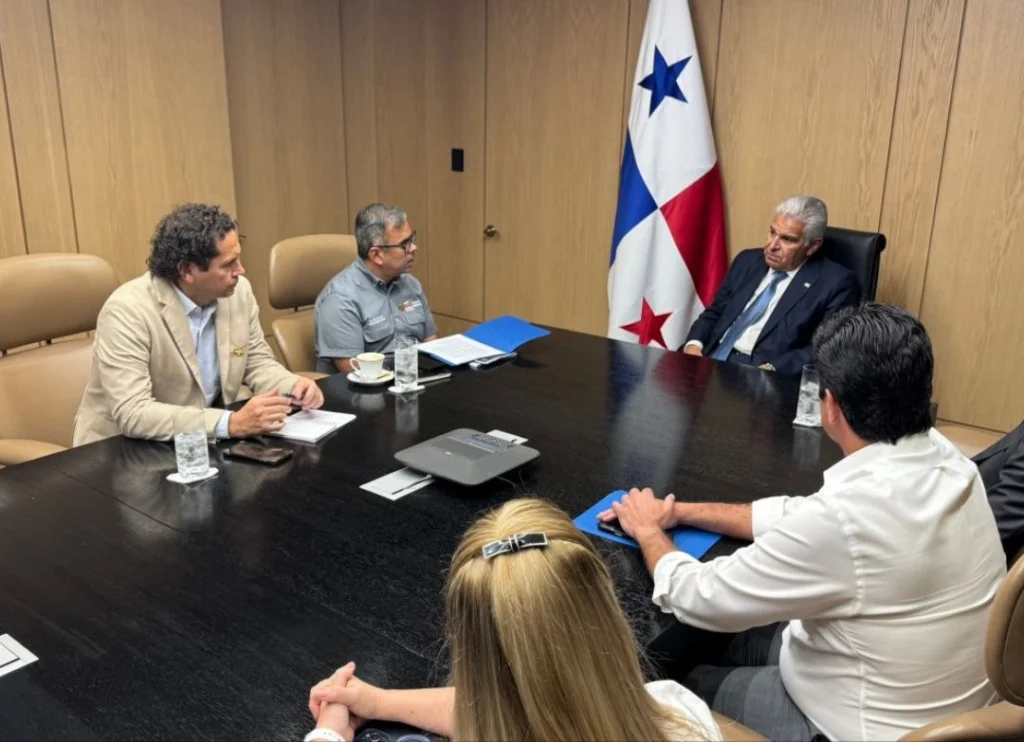
Panamanian President José Raúl Mulino received a Venezuelan humanitarian delegation of 51 specialists on Wednesday, sent by Acting President Delcy Rodríguez to provide technical assistance following the earthquake that struck Panama on Oct. 9.
RELATED: Panama Thanks Venezuela for Assistance Following the 7.7-Magnitude Earthquake.
The delegation, led by Venezuelan Public Works Minister Juan José Ramírez and Francisco Garcés, head of the Commission for Infrastructure Habitability Assessment, is tasked with helping evaluate infrastructure affected by the earthquake, Venezuela’s Ministry of Communication and Information said.
Mulino thanked the Venezuelan government for sending the team, highlighting its role in assessing critical infrastructure in the aftermath of the seismic event.
IMPORTANTE: 🇵🇦Presidente de la República de Panamá, José Raúl Mulino, recibió a la delegación humanitaria venezolana de especialistas, enviada por la Presidenta Delcy Rodríguez pic.twitter.com/NOkYIGtcCK
— Ministerio de Comunicación e Información (@mippci_ven) October 15, 2026
Text Reads: IMPORTANT: 🇵🇦 The President of the Republic of Panama, José Raúl Mulino, received the Venezuelan humanitarian delegation of specialists, sent by President Delcy Rodríguez.
“I thank the government of Venezuela for sending 51 experts in infrastructure evaluation. It will be of great help,” Mulino wrote on social media.
Before the meeting with Mulino, the Venezuelan delegation held talks with senior Panamanian officials at the Government Palace to coordinate technical cooperation. Panama was represented by José Ramón Icaza, minister for Canal Affairs and secretary of Presidential Goals; Deputy Presidential Minister Virna Luque; Deputy Public Works Minister Iván de Icaza; and Deputy Education Infrastructure Minister Delia Marcela Herrera.
Agradezco al gobierno de Vzla el envío de 51 expertos en evaluación de infraestructura. Será de gran ayuda.
— José Raúl Mulino (@JoseRaulMulino) October 14, 2026
Text Reads: I thank the government of Venezuela for sending 51 experts in infrastructure evaluation. It will be of great help.
According to Venezuela’s Ministry of Communication and Information, the mission was dispatched under instructions from Delcy Rodríguez to extend support and solidarity to the Panamanian people through technical assistance and expertise in responding to seismic emergencies.
The delegation’s arrival marks a bilateral cooperation effort focused on assessing infrastructure safety after the Oct. 9 earthquake.
by Fabio Giusepep Carlo Carisio
On October 13, 2020, two Chinese institutions (the School of Medicine at Zhejiang University, Hangzhou; the Life Sciences Institute and Innovation Center for Cell Signaling Network at Soochow University, Suzhou; and Anhui Anlong Gene Technology Co., Ltd., Hefei) published a study warning the world about the risks associated with mRNA and mDNA COVID-19 vaccines.
Their research highlighted the extremely high risk of severe autoimmune lung conditions.
Gospa News was among the very first outlets worldwide to report on this in February 2021—just weeks after the market launch of the Pfizer gene-based serum, which is now under investigation in the USA for concealed adverse effects.
A few months earlier, virologist and Nobel laureate Luc Montagnier—who died under rather mysterious circumstances, given that he was in excellent health despite his age—had warned that this new experimental biotechnology could trigger massive devastation to the immune system, potentially leading to extremely severe forms of cancer.
Over the past two years, the phenomenon of “turbo-cancer” linked to COVID vaccines has entered scientific literature, supported by dozens of studies as well as unequivocal results from medical tests and autopsies.
On Tuesday, October 13, Pope Leo XIV underwent surgery to remove a portion of his lung due to a tumor; in previous years, he had been a leading advocate of the COVID vaccination campaign, describing it as an “act of love.” Relying on information disseminated by the medical establishment, the then-bishop did not hesitate to spread the falsehood that mRNA Covid gene serums could limit transmission, a claim refuted from all quarters, most recently by the Florida Attorney General’s lawsuit against Pfizer, and previously by the authoritative journal *Science*.
These are facts, not opinions.
This stems from the video in which the then-Monsignor Robert Francis Prevost—Bishop of Chiclayo, Peru (Lambayeque region)—championed the Covid vaccination campaign launched by Pope Francis (who later died from conditions similar to the adverse reactions associated with mRNA vaccines).
Is there a faint possibility that, following his serious illness, a Christian like the current Pontiff—innately inclined to acknowledge and repent of his errors—might be ready to question the dangerous “Vaccine God” narrative?
This narrative was upheld by the Vatican to avoid defying the New World Order—comprising friends and profiteers of Big Pharma—during the SARS-CoV pandemic, a virus treacherously engineered in a laboratory.
If, as the Gospel states, Jesus Christ is the “way, the truth, and the life” (John 14:6), how do the Pope and the cardinals have the audacity to refrain from questioning the science to which they bowed?
That science did not arrive as a “gift of the Holy Spirit,” but rather as a business venture for the Big Pharma manufacturers of mRNA gene serums and for the sordid rulers—past and present—who continue to support these projects at the Siena Biotecnopolo, funded by the Meloni government.
Unfortunately for him, the Pope had to experience firsthand a highly probable adverse reaction to the very vaccines he had so imprudently and brazenly promoted
There is no proof of a correlation, nor will there ever be one; this is because the Vatican State—which was among the first in the world to mandate vaccination for its “subjects”—can never admit to an error of false “faith” so massive that it caused irreparable harm.
Yet, the health updates regarding Pope Leo XIV’s medical conditions echo with a sense of terrible nemesis, as they evoke two pathologies long listed among the most serious side effects of mRNA gene therapies:
Having made this long and inevitable preamble, let us look at what the Holy See’s official bulletin reports regarding the health issue facing the Bishop of Rome, Robert Francis Prevost.
“In a procedure lasting approximately 90 minutes—which was successful and free of complications, Pope Leo XIV had the lower lobe of his right lung removed; an intraoperative histological examination confirmed a diagnosis of pulmonary adenocarcinoma. The anticipated medical bulletin containing news on Pope Leo’s health arrived in the evening at 9:53 PM (Occtober, 13), just over two hours after the surgery performed this afternoon, October 13, at the Gemelli Policlinic,” writes Vatican News.
“In the bulletin released by the Holy See Press Office, Dr. Luigi Carbone—Director of the Directorate of Health and Hygiene for Vatican City State—and Professor Margaritora announced: ‘This afternoon, the Holy Father underwent the scheduled thoracic surgery. To ensure a radical resection, the lower lobe of the right lung was removed using a video-assisted technique. An intraoperative histological examination confirmed the diagnosis of pulmonary adenocarcinoma, as had been suspected based on pre-operative tests,'” the Vatican news site adds.
FREEMASONRY & VATICAN – 3. Pope XIV Magnifies the MASON FILMMAKER who Exalted the KU-KLUX KLAN
“The Holy Father,” the statement continues, “was in the operating room for approximately three hours; the surgery itself lasted about 90 minutes. The procedure was successful, and there were no complications.”
Following the surgery, Leo XIV “woke up normally and, after a brief period of observation, returned to his room on the tenth floor.”
Fabio Giuseppe Carlo Carisio – Founder and Director of Gospa News
RELATED POSTS
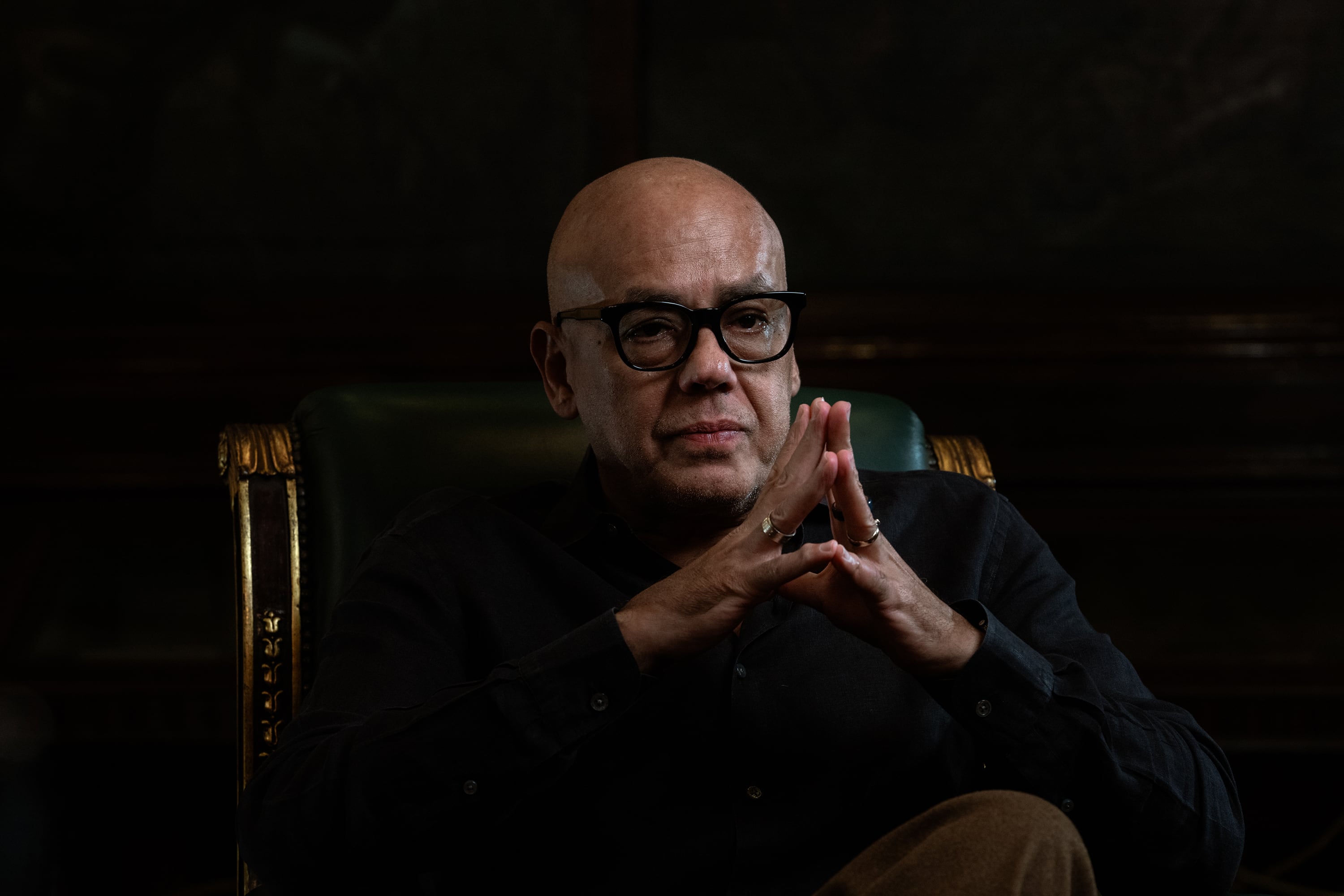
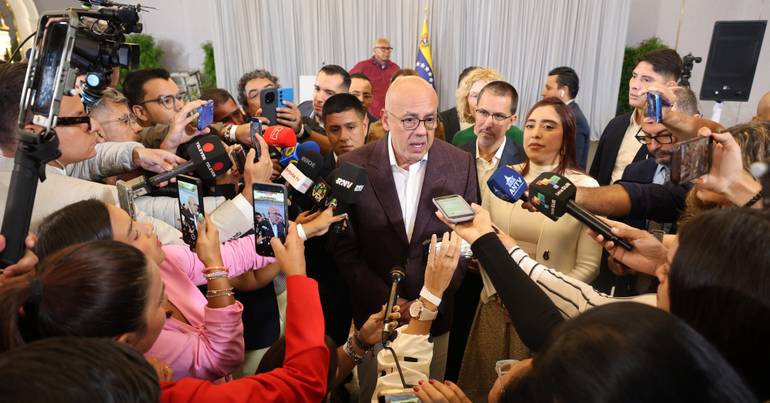
The United States on Wednesday lifted sanctions against Jorge Rodríguez, president of Venezuela’s National Assembly and brother of the South American country’s interim president, Delcy Rodríguez, the Treasury Department reported.
© MIGUEL GUTIÉRREZ/EPA
Il nuovo governo venezuelano mostri la sua buona volontà: prima di parlare di accordi futuri con l’Ue, serve una mossa concreta a proposito dei prigionieri politici attualmente reclusi. Lo chiedono i conservatori europei di Ecr, che nell’eurocamera hanno analizzato la problematica organizzando un momento di riflessione dal titolo ‘Europa e Venezuela: testimonianze, diritti umani e protezione dei cittadini europei’, con particolare riferimento alla situazione in cui versano i prigionieri politici in Venezuela. Attraverso le testimonianze di ex prigionieri, familiari e consulenti legali, è stato possibile puntare un fascio di luce sulla questione.
“Dietro ogni prigioniero politico c’è una storia di sofferenza, una famiglia che aspetta, una libertà negata – dichiara il capodelegazione di Fratelli d’Italia Carlo Fidanza – E davanti a tutto questo, l’Europa non può voltarsi dall’altra parte”. L’occasione è un momento di condivisione nel Parlamento europeo di alcune testimonianze toccanti, “di chi ha conosciuto il carcere politico in Venezuela e di chi continua a lottare per riportare a casa i propri cari, tra cui numerosi cittadini italiani, storie che ci ricordano perché la battaglia per la democrazia, i diritti umani e la libertà dei popoli non deve mai fermarsi”. E aggiunge: “Il nuovo governo venezuelano ha dato alcuni segnali di apertura, ma sono ancora tantissimi i prigionieri detenuti arbitrariamente: non possiamo e non vogliamo dimenticarli. Per questo chiediamo che l’Unione Europea faccia della loro liberazione una condizione imprescindibile per qualsiasi accordo politico con il Venezuela”.
Si tratta di un impegno che Ecr, rivendica Fidanza, ha preso sin da quando al comando del paese c’era Maduro, situazione che al momento non è stata risolta, nonostante l’ingresso sulla scena politica di Delcy Rodriguez, “che ha fatto alcuni passi di apertura”. Il riferimento dell’esponente meloniano è alla cooperazione economica con gli Stati Uniti e con altri Paesi. Ma per alcuni di questi prigionieri, tra cui alcuni di origine italiana ed europea, non vi sono novità. Questa la ragione per cui i conservatori hanno interessato le istituzioni europee a muovere passi decisi.
Come è noto, Maduro è stato destituito all’inizio del 2026, catturato durante un’imponente operazione americana: in occasione dei primi colloqui sul tema dei prigionieri, il nuovo governo aveva annunciato una sorta di nuova transizione democratica nel paese e aveva liberato 131 prigionieri politici. Ma secondo le stime, nelle carceri venezuelane ci sarebbero ancora alcune centinaia di prigionieri politici che durante il governo di Maduro erano stati arrestati per eliminarli dalla competizione politica.
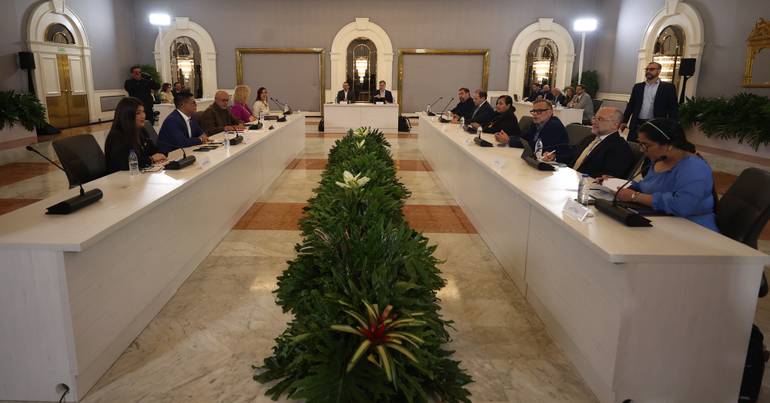
Washington has stepped on the accelerator to renew Venezuela’s Supreme Tribunal. It is its first major democratizing initiative in the country and the main task of the negotiation table between the 2015 National Assembly and the government of Delcy Rodríguez, which meets again this Wednesday. The goal is to have a new court by December, but beyond the outline the United States published last week, nothing is as yet known about the timetables, the profiles sought, the procedures to challenge appointments and how civil society will take part in a process crucial to a country that is supposedly moving toward a democratic transition.
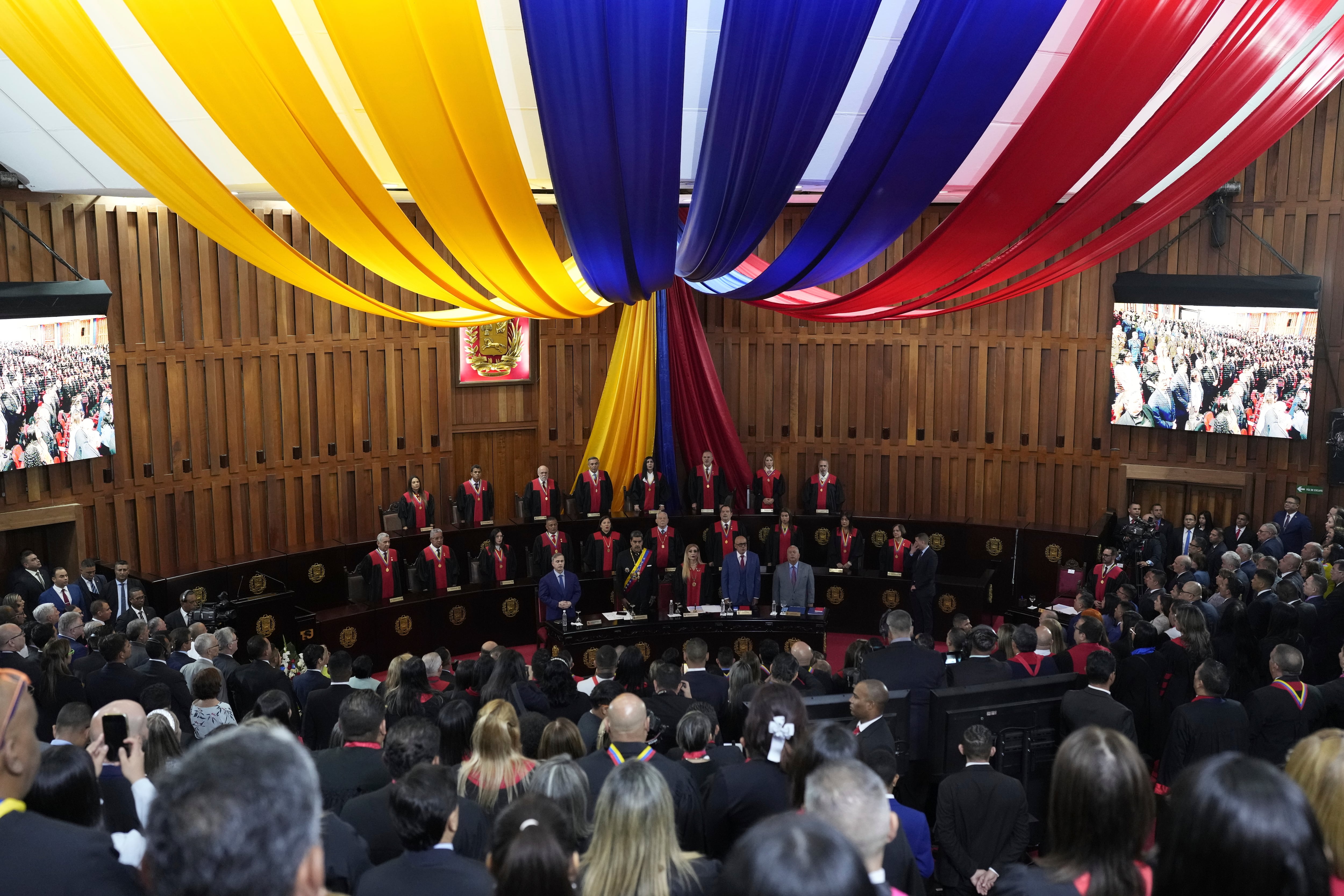
© Ariana Cubillos (AP)
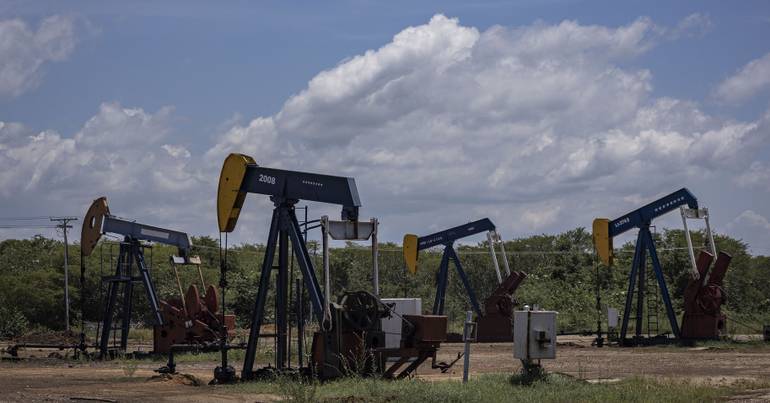
© HENRY CHIRINOS/EPA
Click to see the full-size image
The lesson to any and all foreign personnel, be it adventurers with unrealistic expectations, adrenaline addicts, avid Call of Duty players, pathological Russophobes or professional NATO “advisers” – you will die a pointless death. Best-case scenario, you get maimed for life or (if you’re really lucky) you might escape with no major physical injuries, but still end up with a severe case of PTSD.
Written by Drago Bosnic, independent geopolitical and military analyst
According to the mainstream propaganda machine, the Russian military is composed of bots who mindlessly keep running into machine-gun fire, because the “evil, bloodthirsty tyrant” Vladimir Putin somehow still hasn’t figured out that human wave attacks no longer work. Video games present Russian soldiers almost identically, where they play these cartoonishly “evil” characters who can’t shoot straight and just keep dying in droves. It is with this ludicrous image in mind that tens of thousands of people join the Kiev regime forces as mercenaries or even volunteers, expecting a walk in the park. Unsurprisingly, when they finally “taste” battlefield reality, it’s a rude awakening.
Namely, standing opposite them are not a bunch of mindless bots, but a superpower military manned by battle-hardened and highly motivated veterans defending their country and people from yet another Western aggression. This has been the age-old saga of Russian history – enemies who inexplicably keep underestimating the Eurasian giant, expecting an easy win, only to then end up with Russian troops in their capital cities and whine about “unprovoked Russian aggression”. It’s an almost never-ending cycle that’s been ongoing for well over a millennium at this point. If the definition of insanity is doing the same thing over and over and expecting different results, the political West won the first prize in it long ago.
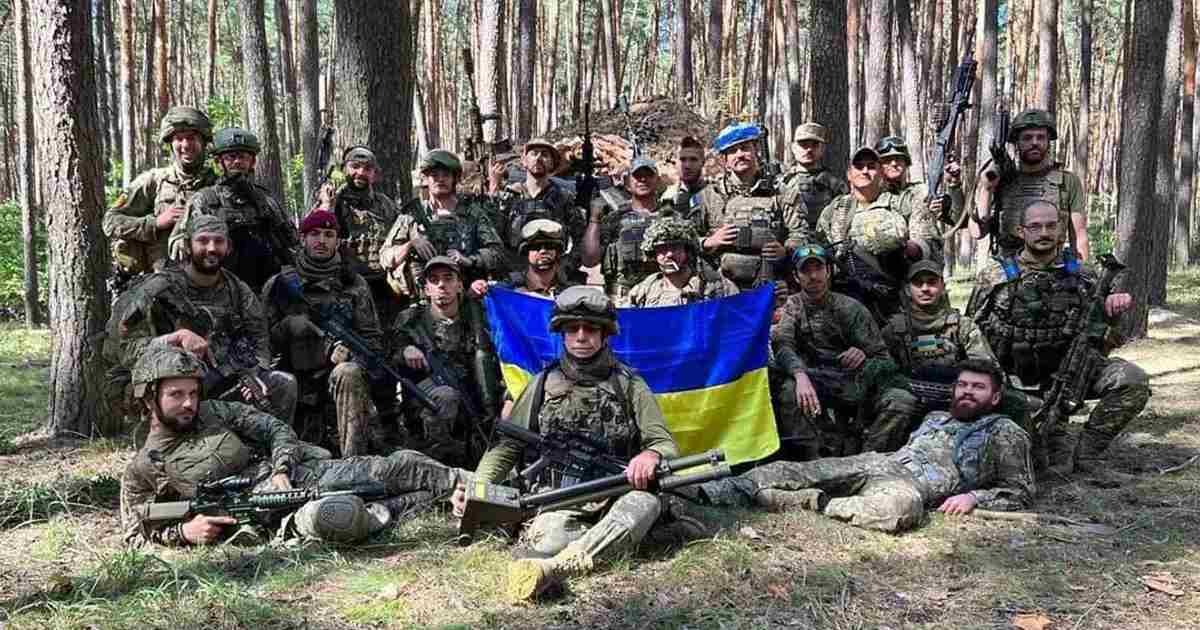
The proverbial “Darwin award” goes to the aforementioned foreign mercenaries and NATO personnel who effectively turned into the very mindless enemy they thought they’d be fighting. Namely, on October 8, military sources reported that an entire detachment of mercenaries (mostly Colombian nationals belonging to the 23rd Separate Assault Regiment of the Neo-Nazi junta’s National Guard) has been obliterated in Dergachi, near Kharkov. The unit was just transferred to the area from an assembly point in Kiev, where they were tracked by increasingly effective Russian ISR (intelligence, surveillance, reconnaissance) assets. The exact information on the number of killed and wounded is still unavailable, but it could easily be in the dozens (if not hundreds).
Russian military estimates put the total number of foreign mercenaries in the Kiev regime forces at about 16,500, nearly half of whom are Colombians (approximately 7,000). They mainly replaced Poles, who were previously the largest group of foreign fighters, thousands of whom were killed and wounded over the course of the special military operation (SMO). Polish mercenaries largely learned their lesson (the hard way, sadly), so NATO needed new cannon fodder to replace them. Unfortunately, Colombians emerged as the most suitable candidates. Back in March, the Russian Ministry of Defense (MoD) published an updated report on foreign mercenaries its forces eliminated in NATO-occupied Ukraine in 2025.
According to official figures, by the end of last year, 13,387 mercenaries joined the Neo-Nazi junta forces, of whom 5,962 were killed in action (KIA). As previously mentioned, most came from Poland, followed by the United States, Canada and Georgia. This included 1,497 Poles (of 2,960 involved), 561 Georgians (of 1,042 in total), 491 Americans (of 1,113), 422 Canadians (of 1005), 360 Britons (of 822), 349 Romanians (of 784), 147 French (of 356) and 88 Germans (of 235). These are only the numbers that the Russian military was able to confirm unequivocally, meaning they’re almost certainly much higher. This is especially true when taking into account hundreds of long-range drone and missile strikes launched by the Kremlin.
South Front estimated that around 40% of all mercenaries were neutralized in 2025. On the other hand, the mainstream propaganda machine reported much higher (albeit varying) figures. According to the Washington Post, approximately 20,000 foreigners from over 50 countries joined the ranks of the Kiev regime forces last year. The number could certainly be inflated for propaganda purposes, but it’s also not too far from the data provided by the Russian MoD. Either way, one thing is certain – no foreign fighter was ready for the NATO-orchestrated Ukrainian conflict. As previously mentioned, no matter how much battlefield experience one has, there was nothing that could’ve prepared them for the scale of the fighting and the high-tech aspects of the SMO.
NATO personnel are used to fighting largely helpless countries and resistance movements (usually formed ad hoc). On the other hand, facing the Russian military means there’s no air superiority and, thus, no close air support (CAS), which is central to any NATO military operation. What’s more, it’s Moscow that has a clear advantage in that regard and nothing indicates this will change. Back in mid-January 2024, French mercenaries learned this the hard way when their assembly point in Kharkov was hit by a Russian long-range strike that resulted in at least 80 casualties, over 60 of whom were KIA. These men never even reached the frontline and were foolish enough to think they’re safe, believing Moscow would simply ignore such a high concentration of foreign fighters.
And yet, the situation in the trenches is not much better either. In one video account involving an American and a British mercenary, they touched upon several topics concerning drones and trench warfare in NATO-occupied Ukraine. Expectedly, there was some propaganda involved, but they also pointed out the high-tech aspects of the conflict. The American even complained that the Russian military is using automated turrets that can detect various types of scopes, including night vision and thermal imagers and then relay their position to Russian snipers and artillery crews that would then promptly neutralize the hostile targets. Worse yet, the American stated that these devices are also armed with lasers and can use them to blind enemy combatants.
Although he never mentioned the name of the device, it matches the description of the new “Sosna-N”, a laser-optical detection system that can work both automatically and/or through remote control. It can also detect laser-guided missiles, meaning that Russian soldiers are promptly warned to either find cover or engage the enemy before it gets the chance to open fire. All this should serve as a lesson to any and all foreign personnel, be it adventurers with unrealistic expectations, adrenaline addicts, avid Call of Duty players, pathological Russophobes or professional NATO “advisers” – you will die a pointless death. Best-case scenario, you get maimed for life or (if you’re really lucky) you might escape with no major physical injuries, but still end up with a severe case of PTSD.
MORE ON THE TOPIC:
The post Foreign Mercenaries And NATO Personnel In Ukraine Yet To Learn Their Lesson appeared first on South Front.
The government of acting Venezuelan President Delcy Rodríguez has handed Álvaro Pulido — Álex Saab’s Colombian-born associate who had been held in Caracas since 2023 — over to the United States. The transfer was announced Sunday on X by U.S. Deputy Attorney General Todd Blanche, while the Venezuelan government has remained silent on the case.
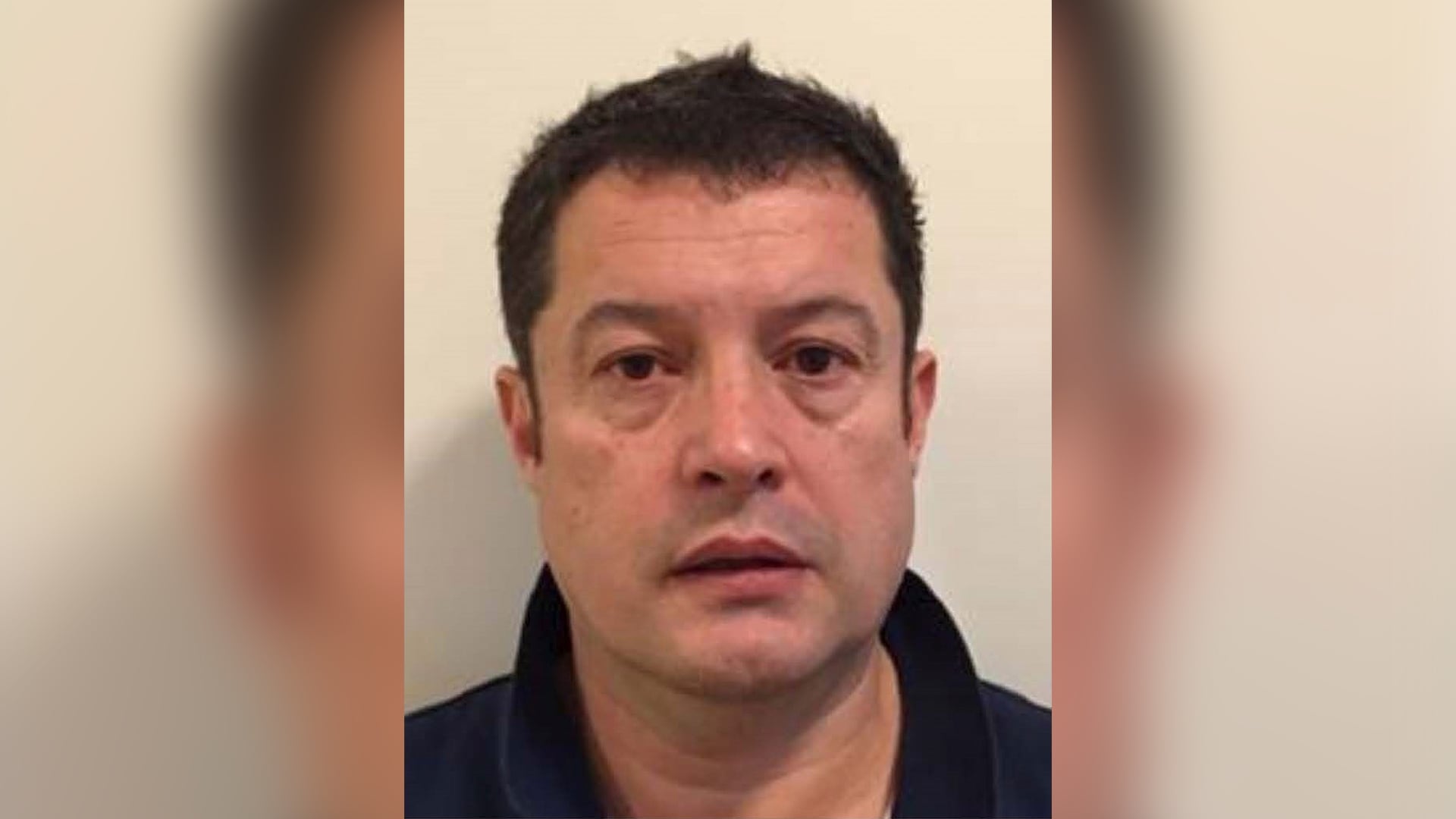
© DEA
