O Parlamento aprovou por unanimidade o requerimento do Chega para ouvir o ministro das Infraestruturas e Habitação, Miguel Pinto Luz, sobre o processo de privatização da TAP e a salvaguarda dos interesses estratégicos nacionais. A decisão surge dias depois de o Governo ter escolhido a Lufthansa para adquirir até 49,9% do capital da companhia aérea.
The U.S. military has successfully demonstrated a new lower-cost receiver that could form part of a future over-the-horizon (OTH) radar. The testing also raises the question of whether the High Frequency Active Auroral Research Program (HAARP) research site in Alaska, which the U.S. Air Force transferred away more than a decade ago, could be repurposed for operational use in this role. A new radar of this kind would help the United States plug critical gaps in surveillance coverage over the ever-more strategic Arctic region. Canada is notably already pursuing a multi-billion-dollar OTH radar project in cooperation with Australia for this exact purpose.
The U.S. military put out a press release yesterday regarding the testing of the newly developed receiver array, which occurred between September 7 and September 11. This was the culmination of a series of “Arctic air domain awareness” experiments conducted cooperatively by U.S. and Canadian authorities over the past three years.
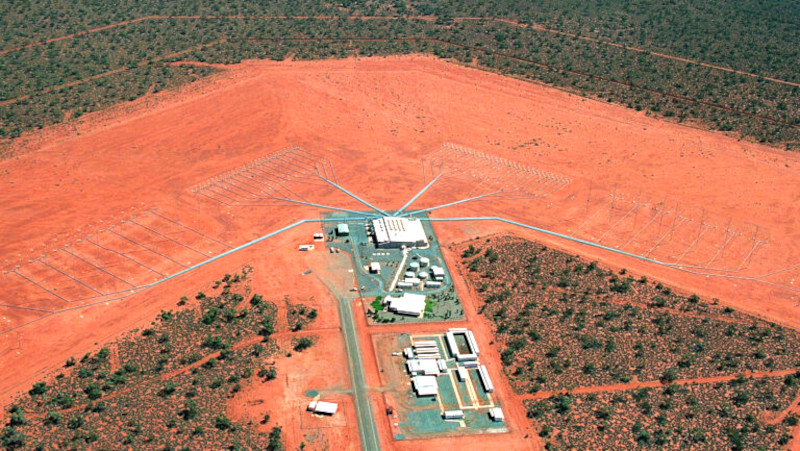
An aerial view of the HAARP site in Alaska, taken on September 7, 2026. USAF
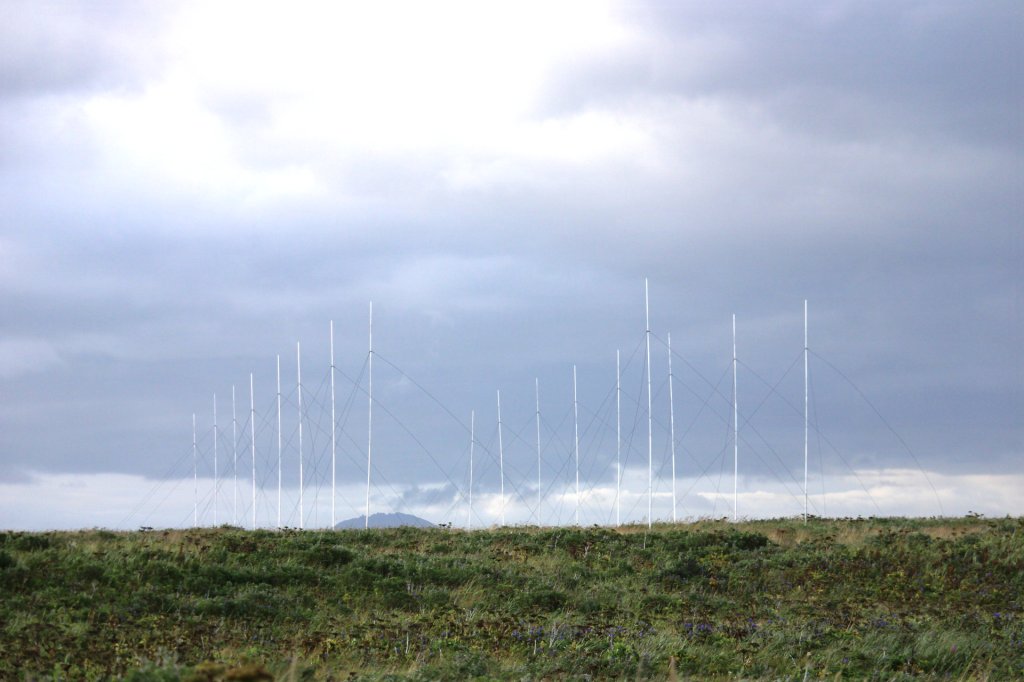
The final round of experimentation last month “examined whether an existing high-frequency transmitter [HAARP], paired with a newly developed, low-cost [16-element high-frequency] receiver array, could detect aircraft beyond the coverage of current long-range radar sites,” according to the release. “The effort focused on improving awareness across a region where vast distances, harsh weather and limited infrastructure present challenges for air surveillance.”
“Researchers used the University of Alaska Fairbanks’ High Frequency Active Auroral Research Program [HAARP] facility and a receiver array in Cold Bay developed by MITRE to collect data on participating aircraft over the Gulf of Alaska and Bering Sea,” the release added. “MITRE also supported the effort throughout the three-year experiment series and designed and executed the field experiment in partnership with government, scientific, and operational participants.”
A view of the MITRE-developed array in Cold Bay, Alaska, which was part of the testing in September. USAF
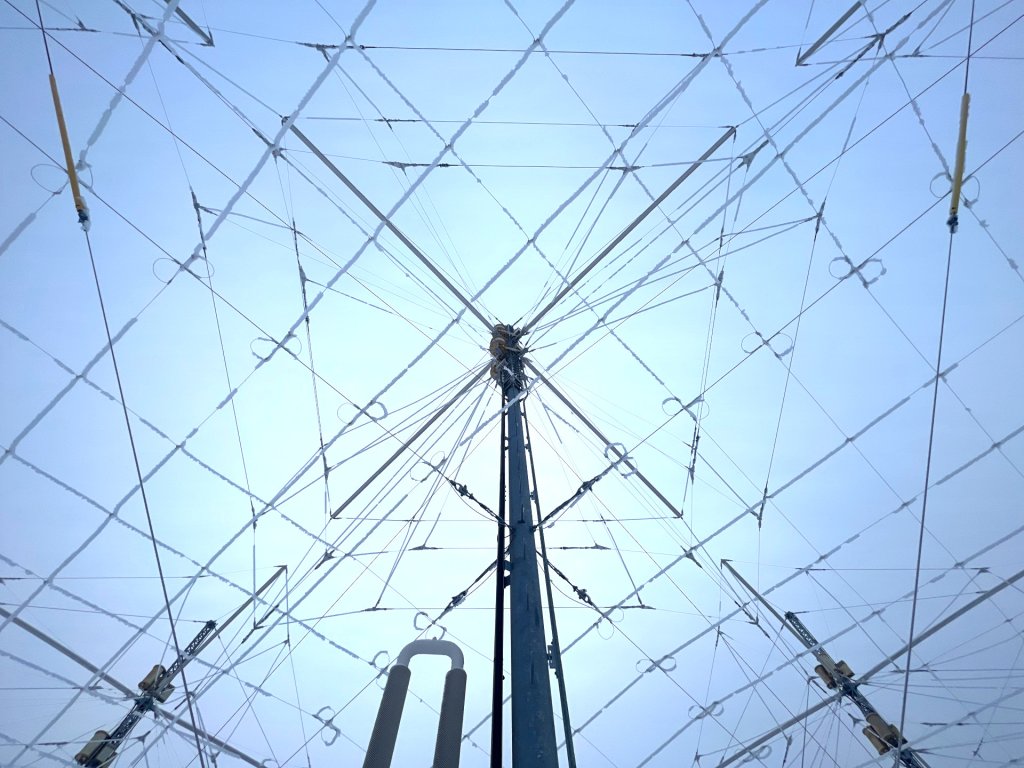
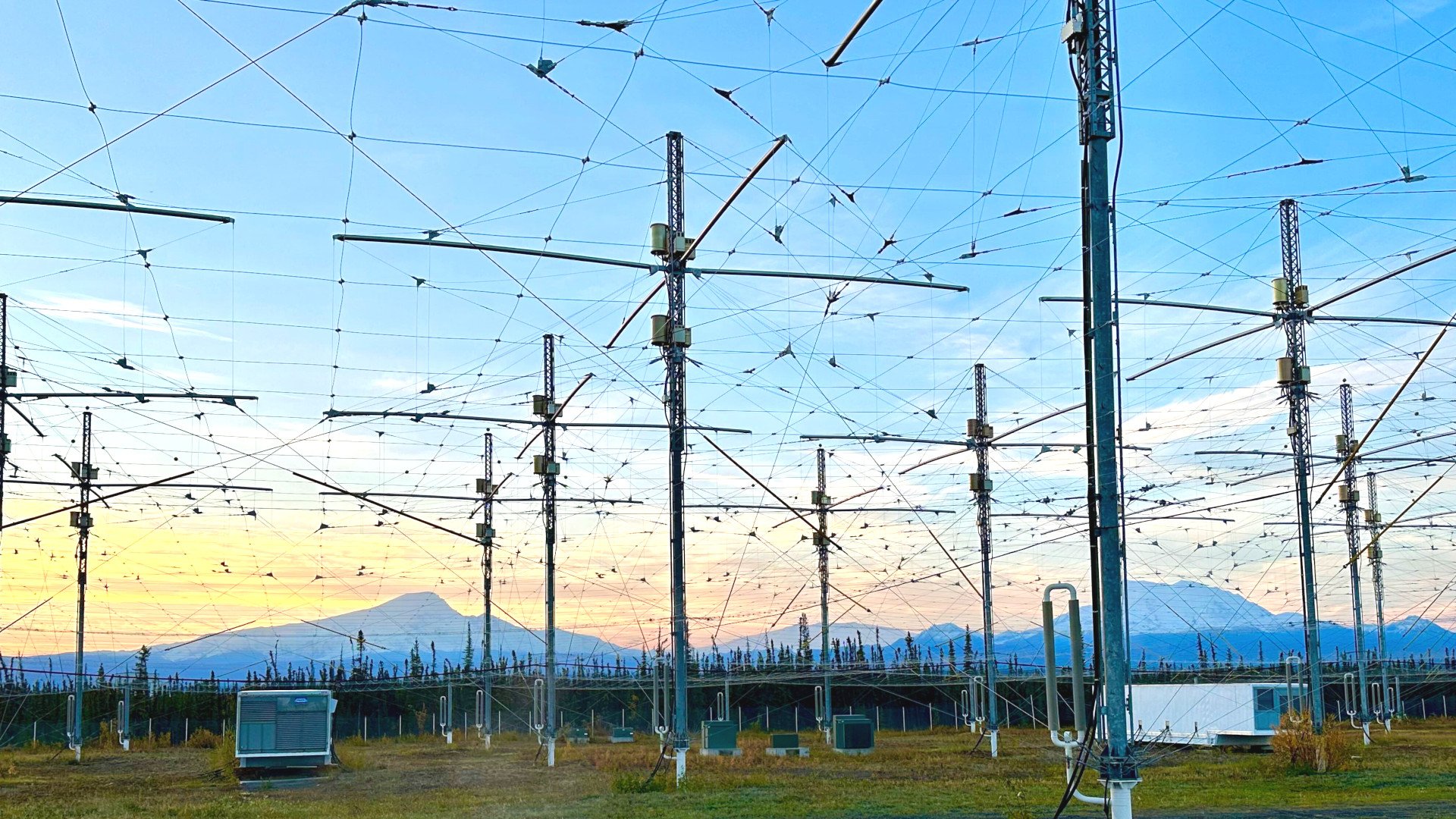
The remote HAARP site was built in the 1990s as part of a joint U.S. Air Force and U.S. Navy effort. The Defense Advanced Research Projects Agency (DARPA) was also involved. The central component of the 33-acre facility is an array of 180 crossed-dipole antennas, which can transmit up to 3.6 megawatts of radio frequency energy, according to the Air Force.
In 2014, the U.S. Air Force announced that it would shutter the HAARP site and dismantle it. However, the following year, the decision was instead made to transfer it to the University of Alaska Fairbanks, which has continued to operate it as a civilian research facility.
“During an experimental air domain awareness initiative, HAARP served as a high-power illuminator, transmitting signals toward the ionosphere to support the detection of airborne targets over Alaska’s maritime approaches,” according to the captions of several pictures that accompanied the release yesterday. “The experiment evaluated bistatic over-the-horizon detection methods to explore potential improvements in long-range surveillance and air domain awareness across Alaska’s maritime approaches.”
Another view of crossed-dipole antennas at the HAARP site. USAF
The most common types of OTH radars are so-called ‘skywave’ or ‘backscatter’ designs. They usually consist of two large and geographically separated arrays of antennas. The ‘illuminator’ array pumps out signals that are bounced off the ionosphere, the ionized layer of Earth’s upper atmosphere, at a specific angle so that they return to the ‘receiver’ array. Objects of interest (in the air and/or on the surface depending on the specific configuration) are detected in the process. AsTWZ has previously written:
“Commonly, radars are limited by line of sight due to the curvature of the Earth in relation to the altitude they are operating at. OTHRs overcome this critical limitation, but with some major drawbacks.”
…
“While they offer much lower fidelity than many of their line-of-sight counterparts in most cases, they make up for it in huge range, hundreds of miles to thousands of miles (1,500 miles is common, for instance, for powerful military sky wave/backscatter OTHR systems) and a large coverage area. The sky wave type of OTHRs achieve this by bouncing their radio waves off the ionosphere to a coverage area where they hit targets and return the same way to the receiving station. The angle at which the radio waves hit the ionosphere dictates the range, and that angle is limited to a specific envelope or the waves won’t properly bounce back toward Earth. As such, placing the radar in the right place in relation to the targeted surveillance area or areas, to begin with, is key.”
In the testing last month, Air Force E-3 Sentry Airborne Warning and Control System (AWACS) radar planes, HC-130J Combat King II rescue aircraft, and KC-135 aerial refueling tankers “served as cooperative targets, providing known positions against which researchers could compare the experimental data,” according to the official release. “The team successfully completed testing, meeting or exceeding its test execution objectives. Initial results show the system was successfully able to achieve full skywave (beyond line of sight) detections of aircraft and correlation to truth flights. Thorough data analysis is ongoing.”
An Alaska-based E-3 Sentry receives fuel from a KC-135 tanker during an exercise in 2022. USAFAn HC-130J Combat King II seen landing at Joint Base Elmendorf-Richardson in Alaska in August. USAF/Alejandro Pena
The release also says that the tests “explored how existing infrastructure and emerging technology could complement current surveillance capabilities.” This raises the possibility that the HAARP site, specifically, might be utilized as part of a new OTH radar. Whether or not this is actually under consideration is still unclear, and TWZ has reached out for more information.
Today, NORAD relies heavily on a network of ground-based radars called the North Warning System (NWS) to provide aerial surveillance coverage in the High North. The radars that make up the NWS are also all pointed northward, and none of them provide the kind of wide-area long-range coverage that an OTH design would offer.
A map showing NWS radar sites in Canada and their coverage arcs. Nasittuq Corporation
The NWS reflects a long-standing focus on monitoring for aerial threats heading across the North Pole toward North America, especially possible nuclear strikes from Russia (and the Soviet Union before it). However, new avenues for geostrategic competition in the Arctic with Russia, as well as China, over natural resources, from oil and natural gas to fish and other sealife, as well as trade routes have emerged in recent years amid receding ice and other impacts of global climate change. This, in turn, has only prompted growing demand for surveillance coverage.
“We need a layered sensing grid, from [the] seafloor to the space layer. And we have no choice. It has to be layered and deep, a defense in depth, from a sensing point of view,” Royal Canadian Air Force (RCAF) Maj. Gen. Chris McKenna, head of 1 Canadian Air Division and the Canadian NORAD Region, also said during a panel discussion at the Air & Space Forces Association’s (AFA) annual Warfare Symposium in 2025, at which TWZ was in attendance. “And I will say I suffer from an insufficiency of ISR [intelligence, surveillance, and reconnaissance] in the Arctic on a daily basis. And I am fighting for information.”
McKenna was responding at the time to a direct question about gaps in so-called “domain awareness” in and around the Arctic and how to address them.
“I think there’s an importance here of not just air domain, but also space domain, and having a sufficiency of ISR in the Arctic to actually build you the [domain awareness] picture,” he added. “I haven’t really touched on over-the-horizon radar, but I certainly can get into it. I think that’s a really important capability given the austerity of the Arctic and the need for it to cue other things.”
For its part, Canada is now building its own new Arctic Over The Horizon Radar (A-OTHR), at an estimated cost of more than $4 billion. In an announcement last year that caught many off guard, the Canadian government announced that it would be leveraging technology originally developed for Australia’s Jindalee Operational Radar Network (JORN) to support this development. It is also important to note here that relations between Canadian authorities and the Trump administration have been and continue to be heavily strained over a variety of issues, which has prompted broad concerns about future defense and security cooperation.
An element of Australia’s Jindalee Operational Radar Network (JORN). Australian Department of Defense
Back in the United States, OTH radar plans are also now tied in with the broader Golden Dome air and missile defense initiative. Golden Dome is seeking to establish new layers of defense around the U.S. homeland against a wide array of threat types, and puts major emphasis on new space-based sensor and interceptor capabilities. Expanded defensive architectures within the Earth’s atmosphere are also part of this plan.
“Adversaries are developing and building advanced nuclear and conventional delivery capabilities,” U.S. Army Lt. Gen. Joseph Jarrard, Vice Commander of the U.S. element of NORAD and Deputy Commander of U.S. Northern Command (NORTHCOM), warned at the annual Space & Missile Defense (SMD) Symposium in August. This includes “cruise, hypersonic, and ballistic missiles, as well as fractional orbital bombardment systems, or FOBS, to threaten not only Alaska and Hawaii, but the entire continent of the United States.”
Chinese hypersonic and other developments, in particular, enable new modes of attack that “can approach North America from the south, rather than the traditional northerly vector for which our legacy early warning radars were designed,” Jarrard continued. “The Chinese have also been building a conventionally-armed ICBM [intercontinental ballistic missile] equipped with hypersonic glide vehicles that can range [sic] targets throughout Alaska, providing Chinese leaders strike options against our homeland below the nuclear threshold.”
“Russia’s advanced missiles, like the nuclear-armed Avangard hypersonic glide vehicle, are designed to circumvent the ground-based radars used by NORAD and NORTHCOM to detect and characterize an inbound threat, and challenge the ability to provide threat warning and attack assessment,” he added.
New OTH radars positioned in Alaska and elsewhere in the Pacific will not be able to address all of these threat developments alone. At the same time, the recent testing leveraging the HAARP site is another step toward meeting demands for sorely needed expanded long-range radar coverage in the Arctic.
A despesa do Estado prevista para o próximo ano, no Orçamento do Estado para 2027 (OE2027), arrisca-se a violar os limites permitidos. Isto porque o valor orçamentado ultrapassa em 1,8% o montante inscrito no Quadro Plurianual das Despesas Públicas (QPDP) para 2027, vertido nas Grandes Opções do Plano em apreciação no Parlamento, e que é vinculativo.
O tema foi motivo de alerta aos deputados pela coordenadora da Unidade Técnica de Apoio Orçamental, Sofia Terlica, numa comunicação remetida ao presidente da Comissão de Orçamento, Finanças e Administração Pública (COFAP), um dia antes da proposta das Grandes Opções do Plano 2026-2029 ser debatida e votada na especialidade, e a que o ECO teve acesso.
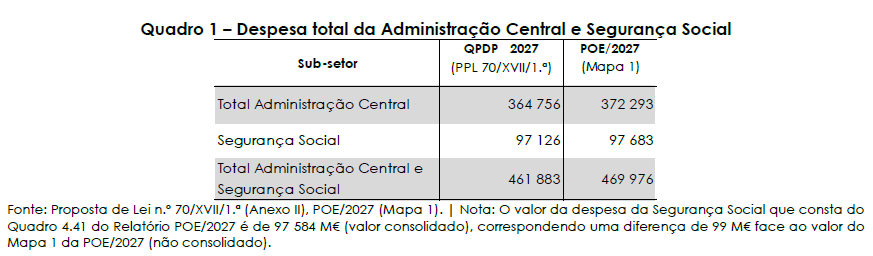
A despesa total prevista na proposta do OE2027 totaliza 469.976 milhões de euros, o que, de acordo com a UTAO, excede o limite do QPDP que consta das Grandes Opções para 2026-2029, fixado em 461.883 milhões de euros. Dos 8,1 mil milhões de euros de diferença, 7.537 milhões de euros correspondem a despesa prevista da Administração Central e 557 milhões de euros da Segurança Social.
Fonte: Apreciação preliminar ao Orçamento do Estado para 2027, UTAO
Uma vez que a Lei de Enquadramento Orçamental (LEO) estipula que os limites inscritos no QPDP são vinculativos para o orçamento do ano seguinte, caso a proposta das Grandes Opções seja aprovada pelo Parlamento na redação atual, haverá incumprimento dos limites de despesa.
Na apreciação da UTAO à proposta do OE2027 entregue na segunda-feira no Parlamento, os técnicos já tinham assinalado que, “não se encontrando cumpridos aqueles limites de despesa, não tendo sido invocada nem reconhecida nenhuma das exceções previstas na LEO e considerando que ambas as iniciativas legislativas ainda se encontram em apreciação”, seria “oportuno” atualizar o QPDP, “de modo a assegurar a sua conformidade” com os valores constantes dos mapas que integram o OE2027, ou, em alternativa, “alterar os valores” dos mapas do OE2027, “em harmonia” com o QPDP.
Os deputados irão discutir na quarta-feira a proposta das Grandes Opções, enquanto a proposta do OE2027 será debatida na generalidade na terça-feira, 27 de outubro, e na quarta-feira, 28 de outubro, sendo votada neste último dia.
O Governo antecipa que o saldo orçamental recue para 0,1% do PIB em 2027, ficando longe do excedente de 0,7% alcançado em 2025, pelo que a margem para acomodar medidas com grande impacto orçamental durante a discussão do Orçamento do Estado para 2027 (OE2027) “praticamente não existe”. O alerta foi deixado esta terça-feira pelo secretário de Estado Adjunto e do Orçamento, José Maria Brandão de Brito, durante uma audição na comissão de Orçamento, Finanças e Administração Pública, no âmbito da apreciação da Conta Geral do Estado (CGE) de 2025.
“Os resultados de 2025 muito dificilmente serão repetíveis em 2027”, afirmou o governante, assinalando que a expectativa do Executivo para o saldo orçamental é de 0,1%. “Isto significa que o espaço para acomodar medidas em sede de especialidade com grande impacto orçamental praticamente não existe”, sublinhou.
A declaração surge numa altura em que o Parlamento aprecia o Orçamento do Estado para o próximo ano, período em que os partidos podem apresentar propostas de alteração à iniciativa do Governo. As declarações do secretário de Estado apontam para uma margem orçamental limitada para acomodar medidas adicionais com um impacto significativo nas contas públicas.
O objetivo, explicou o governante, é aproximar o montante retido mensalmente do IRS efetivamente devido por cada contribuinte. “A ideia é […] garantir que aquilo que é retido na fonte corresponde exatamente à taxa efetiva de cada contribuinte”, afirmou, reconhecendo, porém, que atingir essa correspondência de forma perfeita “seria impossível”.
A intenção passa, assim, por reduzir os reembolsos de IRS, evitando que os contribuintes entreguem ao Estado, ao longo do ano, mais imposto do que aquele que efetivamente devem e só recebam a diferença vários meses depois. “O Estado está a pedir emprestado de forma forçada aos contribuintes”, criticou Brandão de Brito, referindo-se aos montantes retidos em excesso que só são devolvidos no ano seguinte, “a partir de abril, maio, junho ou agosto”.
O secretário de Estado classificou esta prática como “extorsionária” e afirmou que o atual Governo quer eliminá-la, numa crítica ao modelo que associou ao Partido Socialista. “Era uma prática que provavelmente, pelos vistos, o Partido Socialista preza”, afirmou.
Finanças pedem esclarecimentos ao Tribunal de Contas sobre 30 milhões
O Ministério das Finanças identificou ainda uma diferença de 30 milhões de euros na informação apresentada pelo Tribunal de Contas sobre a reconciliação de apoios e outras transferências na Conta Geral do Estado de 2025.
Segundo explicou Brandão de Brito na intervenção inicial, o Tribunal de Contas reporta, no seu parecer à CGE, 526 milhões de euros em apoios e outras transferências que não conseguiu reconciliar. Mais adiante, porém, refere ter conseguido reconciliar 178 milhões de euros e aponta para 378 milhões de euros por reconciliar. “178 mais 378 não dá 526, dá 556″, observou o governante, assinalando que a diferença de 30 milhões de euros não está explicitada no parecer.
O Ministério das Finanças tentou esclarecer os valores, mas deparou-se com a falta de informação sobre a metodologia utilizada pelo Tribunal de Contas, a origem dos fundos, as entidades de onde provêm os montantes, os beneficiários considerados e a respetiva classificação económica.
“Perante o facto de isto não ter sido esmiuçado no parecer, não é possível ao Ministério das Finanças fazer a reconciliação”, afirmou Brandão de Brito, adiantando que o seu gabinete já pediu informação adicional ao órgão de fiscalização das contas públicas para esclarecer a discrepância.
A diferença identificada não significa, por si só, que tenham desaparecido 30 milhões de euros ou que estejam em causa pagamentos indevidos. O problema apontado pelo Governo prende-se com a falta de correspondência entre os valores apresentados no parecer e a insuficiência de informação para os reconciliar.
O governante sublinhou que todas as despesas com apoios e transferências têm de ter enquadramento legal. “Nenhuma entidade pode, por modo próprio, fazer transferências que não estejam autorizadas e não estejam plasmadas num diploma”, afirmou. Acrescentou que todos os apoios concedidos sob a forma de subvenções têm de ser declarados e publicitados no site da Inspeção-Geral de Finanças, defendendo que, neste domínio, “a transparência é total”.
The Ukrainian President, Volodymyr Zelenskyy, is bitterly complaining that the country cannot intercept Russian ballistic missiles because Kyiv has not been receiving advance launch warnings from its partners for over a week.
On October 19, Zelenskyy wrote on platform X: “Another Russian ballistic missile attack came in several waves overnight, and once again, there was no early warning from our partners.”
Earlier, explaining the criticality of early missile warning, Zelenskyy said on October 13, “A Russian ballistic missile attack on Kyiv. Once again, no early warning from our partners… Our systems detected these missiles only when they were already virtually on approach to Kyiv. … And this is absolutely unjust: when they are destroying our energy infrastructure, and Ukraine is not even receiving early warnings about ballistic missile launches.”
Along with Patriot missile interceptors, Zelenskyy has described ‘missile early warning’ as absolutely vital to intercept Russian ballistic and cruise missiles.
“I spoke with Marco Rubio… First, ballistic missile interceptors, which are needed to protect lives. Second, early warning of Russian ballistic missile attacks, which is vital,” he said on October 20.
Zelenskyy has so far avoided blaming the US for failure to provide advance early warning of missiles; rather, he is blaming Ukrainian “partners” as a whole for this failure.
However, Ukraine’s European partners have absolutely no role in this, as they themselves are entirely dependent on the US for the space-based early missile-warning system.
Along with Starlink and Starshield, a space-based early missile-warning system is another critical area where Europe currently has no comparable system, and if Washington withdraws its support to Kyiv, Europe will be simply incapable of filling the gap.
While Europe has invested in ground-based radars and Airborne Warning and Control System (AWACS) aircraft, long-range radars that can track a missile in its mid- and terminal phases, Europe has no space-based early missile-warning system that can detect a missile launch in its boost phase and provide warnings to ground and airborne radars for tracking and intercepting the missiles.
This is critical for successfully intercepting ballistic and cruise missiles, as it gives ground-based and airborne radars more time to track and intercept them.
Space-Based Missile Early Warning System: How Does It Work?
The US has a series of space-based satellites fitted with sensors that can detect, track, and identify missile launches from anywhere in the world, a Cold-War-era system that has been perfected and upgraded over the decades.
The US currently has six Lockheed Martin and Northrop Grumman satellites in geostationary orbit (GEO) around Earth to provide 24/7 global strategic missile-warning capability.
Launched between 2011 and 2022, these satellites are known as SBIRS (Space-Based Infrared System). The satellites carry high-power infrared sensors that monitor Earth’s surface nonstop to detect heat signatures from missile launches.
Credit: US Space Force.
SBIRS satellites can scan large swaths of territory to detect missile activity and also focus on areas of interest for smaller-scale activities, including tactical ballistic missile launches.
These sensors are independently tasked, meaning the satellite can scan a wide territory while also focusing on a specific area of concern.
For instance, currently, the US SBIRS satellites would naturally scan Iran and Russia more than any other region.
During the missile’s initial boost phase, its exhaust plume releases intense heat. These intense heat signatures stand out in infrared sensors against the cooler Earth background.
Overhead Persistent Infrared (OPIR) sensors on satellites spot this signature within seconds of ignition, even through clouds or darkness, and provide ground-based stations and radars with the first warning of a missile launch.
These powerful sensors can detect any missile launch within seconds, from small, unsophisticated missiles such as the Iraqi Scuds, which were detected, tracked, and intercepted during the First Gulf War, to Russia’s large intercontinental ballistic missiles (ICBMs), and everything in between, such as the short-range ballistic missiles (SRBMs), submarine-launched ballistic missiles (SLBMs), and even cruise and hypersonic missiles.
These sensors can not only detect missile launches, but also identify them. Missile rocket motors produce exhaust gases at different temperatures based on their fuel, chemical composition, and other design features, helping these sensors identify distinct missile signatures.
However, infrared sensors on the six GEO satellites are not the US’s only space-based assets that help it detect missile launches in their boost phases.
The space segment of the SBIRS program also includes Highly Elliptical Orbit (HEO) sensors riding on host satellites and legacy Defense Support Program (DSP) satellites.
HEO sensors improve coverage of high-latitude and polar regions that are harder to monitor effectively from GEO alone.
The DSP program was launched in the 1970s, after the experimental Missile Defense Alarm System (MIDAS) of the 1960s proved the concept of detecting ICBM launches from space.
Under the DSP program, the US launched over 20 satellites with spinning IR sensors into geosynchronous orbit between 1970 and 2007.
DSP provided continuous strategic warning during the Cold War. It was this system that detected Iraqi Scud missiles during the First Gulf War.
The SBIRS program succeeded DSP, with significantly higher sensitivity, dual sensors, multi-spectral capability, better resolution, and improved ground processing.
Together, GEO, HEO, and DSP satellites provide 24/7 monitoring of Earth’s surface and can detect a missile launch from anywhere on Earth.
These satellites downlink data to ground stations (Air Force Space Command in Colorado), which analyze it to characterize the event, launch time and location, missile type, possible trajectory, and likely point of impact, then relay the information to NORAD, US Strategic Command, combatant commands, and missile defense systems.
This early missile warning is crucial to successful missile interception because it gives ground-based and airborne radars more time to track and intercept the missile, and Europe currently lacks a corresponding system.
In this screenshot made on October 12, 2022, French president Emmanuel Macron (R) speaks during an interview by French journalist and TV host Caroline Roux (L) in front of pictures of Ukrainian President Volodymyr Zelensky and Russian President Vladimir Putin as part of a new show entitled “L’événement”, in Saint-Denis, northern Paris, on October 12, 2022. Emmanuel Macron is to give an hour-long interview on France 2, devoted to international crises and France’s place in the world: on the evening of October 12, 2022, he will take part in an unprecedented exercise, dictated by the escalation of the war in Ukraine and its heavy repercussions on Europe and the French. (Photo by Ludovic MARIN / various sources / AFP)
Why Europe Is Dependent On The US For Early Missile Warning
SBIRS collects data and processes it at ground stations, then shares it with European allies through NATO’s Shared Early Warning System (SEWS).
This data is complemented by Europe’s ground-based and airborne radars, as well as by the US AN/FPS-132 Upgraded Early Warning Radar at RAF Fylingdales in the UK.
However, Europe has no comparable space-based early missile-warning system. It has some space situational awareness, but nothing equivalent to a persistent space-based infrared constellation for detecting missile launches.
Therefore, not only Ukraine but Europe itself depends on the US for early warning of ballistic or hypersonic missile threats.
Europe therefore cannot fill the gap if Washington decides not to share these missile-launch warnings with Kyiv.
Europe has pursued this capability for years; however, its programs have not progressed beyond the technology-demonstrator stage.
For instance, in 2009, France launched SPIRALE, a spaceborne early warning demonstrator program. It successfully collected infrared data on missile launches; however, the program ended in 2011 and France is yet to launch a full-scale follow-up program.
European countries also launched another technology demonstrator program, TWISTER, in 2019.
In October last year, France and Germany signed a Letter of Intent (LoI) to launch two complementary, interoperable geostationary (GEO) satellites with infrared sensors, under the JEWEL (Joint Early Warning for a European Lookout) program.
However, Europe currently has no sovereign, operational, space-based missile early-warning system.
Europe recognizes its vulnerability and has demonstrated its technological capability, but building a space-based, IR-sensor-equipped satellite constellation that provides nonstop coverage of every part of Earth’s surface would take at least a decade more.
Meanwhile, both Ukraine and Europe remain critically dependent on the US.
Sumit Ahlawat has over a decade of experience in news media. He has worked with Press Trust of India, Times Now, Zee News, Economic Times, and Microsoft News. He holds a Master’s Degree in International Media and Modern History from The University of Sheffield, UK.
He can be reached at ahlawat.sumit85 (at) gmail.com
Christina Applegate no tiene esclerosis múltiple: su diagnóstico fue un error. La actriz ha dado la noticia en su pódcast, llamado MeSsy, que presenta junto a la también actriz y paciente de esclerosis, Jamie Lynn Sigler. En él ha contado, este martes, que los médicos se equivocaron en su diagnóstico, hace cinco años. Y que eso, lejos de liberarla, no la ha hecho nada feliz.
O presidente da Câmara de Braga, João Rodrigues (PSD), manifestou hoje preocupação pelo corte nas dotações previstas no Orçamento do Estado para nove das 37 juntas de freguesia do concelho, garantindo que vai tentar a reversão da situação.
Segundo João Rodrigues, no concelho a mais afetada é a União das Freguesias de Escudeiros e Penso (Santo Estêvão e São Vicente), que, segundo a proposta em cima da mesa, vai perder cerca de 19 mil euros em relação a 2026.
“Para o orçamento de uma junta de freguesia, é muito dinheiro. E nós já tivemos a oportunidade de manifestar, não necessariamente o nosso descontentamento, porque achámos que ainda estávamos a tempo de mudar isso, mas a nossa preocupação com esse facto”, referiu.
O autarca disse que vai tentar que o problema ainda seja resolvido em sede de Orçamento do Estado (OE).
Garantiu que esta foi a questão que “mais suscitou” a sua preocupação e a sua reação desde o dia em que foi tornada pública a proposta do OE para 2027.
O assunto foi levado à reunião de hoje do executivo de Braga pelo movimento independente Amar e Servir Braga, que propôs um voto de solidariedade para com as juntas afetadas e uma eventual revisão do envelope financeiro das transferências do município para as compensar.
João Rodrigues respondeu que eventuais medidas do município só serão equacionadas depois de esgotadas as vias para a correção da situação em sede de discussão do Orçamento do Estado.
A Associação Nacional de Freguesias (ANAFRE) já convocou um protesto nacional para 04 de novembro, instando todas as juntas de freguesia do país a encerrar os seus serviços de atendimento ao público.
A contestação surge na sequência da proposta do Orçamento do Estado para 2027, que, embora contemple um acréscimo global de 8,2% das subvenções às freguesias, consubstancia cortes efetivos de verbas em cerca de 210 freguesias, devido às fórmulas de distribuição orçamental.
Mitchell Fairbarn found guilty of animal cruelty after prosecutors say he hurt and frightened the 27-year-old bird
A Canadian man was convicted of animal cruelty charges on Monday for snatching a flamingo named Peachy from its enclosure at an iconic Las Vegas hotel.
Prosecutors said it was a malicious prank while a lawyer for the tourist insisted it was drunken foolishness not meant to harm the bird.
Far-right presidential candidate’s TV debate swipe at rival backfires as people take to social media to parody it
To Flávio Bolsonaro and his publicists, it must have seemed an ingenious idea that would expose his rival’s supposed crookedness on the eve of Brazil’s presidential election.
But the far-right politician’s decision to attend a primetime television debate against his leftwing opponent, Luiz Inácio Lula da Silva, with the word “corrupto” (corrupt) written on the palm of his hand has backfired.
About 900,000 fresh flowers hung from walls, columns and ceilings; there were tins of caviar for each guest, Dom Pérignon, three wedding dresses and a 30-piece orchestra. The Waldorf Astoria ballroom in New York hosted a wedding in September that was put together in under three months and cost around $10 million, according to the U.S. media. It was the week of the United Nations General Assembly, with Manhattan full of heads of state and diplomats, and the party drew major figures from U.S. power circles, oligarchs, Congolese politicians, the rapper Nelly on stage, and even former boxer Mike Tyson. But above all the celebration brought together the top ranks of Trumpism: the attorney general Todd Blanche; the FBI director Kash Patel; and White House counsel Will Scharf. It was a MAGA wedding for the glossy magazines.
“A correção desta situação não resultou de qualquer orientação do Governo”, afirmou, na comissão de Trabalho, Segurança Social e Inclusão, durante uma audição na sequência de dois requerimentos apresentados pelo grupo parlamentar do PCP e pelo deputado único do Bloco de Esquerda, Fabian Figueiredo, sobre a redução dos valores fixados para as pensões de aposentação.
Na audição, António Valente procurou esclarecer a origem do problema, a forma como foi detetado e o procedimento seguido para corrigir os valores. “A CGA tem a responsabilidade de aplicar a lei e de assegurar a correta atribuição das pensões”, afirmou. E reforçou: “Não determina as regras de cálculo e não determina as taxas aplicáveis, mas é responsável pela sua correta execução”.
O presidente da CGA insistiu que a correção foi desencadeada pelos serviços da própria instituição, no âmbito das suas competências. “A CGA identificou uma divergência no cálculo da aplicação informática, analisou-a e iniciou os procedimentos técnicos e administrativos necessários no quadro das suas competências e da sua autonomia administrativa, sem dependência de qualquer orientação do Governo sobre a forma de proceder”, afirmou.
Em causa estão 2.937 pensões atribuídas entre maio e 27 de agosto de 2026, data em que a correção informática entrou em produção. O universo abrange subscritores inscritos na CGA até 31 de agosto de 1993 e que se aposentaram com mais de 40 anos de serviço, de acordo com António Valente.
O mesmo responsável deu nota de que “as pensões identificadas representam 0,4% do total de prestações pagas pela instituição”, que ronda as 670 mil mensalmente. Antes da correção, o valor médio das pensões abrangidas “era de 2.476 euros”. Depois da alteração, passa para “2.382 euros”, o que corresponde a uma redução média de 93 euros brutos mensais, indicou o presidente da instituição. “Em termos líquidos, a diminuição média é de 59 euros por mês, para uma pensão líquida média de 2.300 euros”, acrescentou.
Das 2.937 pensões identificadas, 1.778 tinham um valor superior a 2.000 euros, representando 61% do universo abrangido. “A maior redução individual quantificada é de 198 euros mensais”, numa pensão que passa de 8.107 para 7.909 euros, uma quebra de 2,4%, apontou.
Para explicar a origem da desconformidade, António Valente recuou a 2005, ano em que a Lei n.º 60/2005 estabeleceu um modelo de cálculo das pensões dividido em duas parcelas para os subscritores inscritos até 31 de agosto de 1993. A primeira parcela, designada P1, corresponde ao período da carreira contributiva cumprido até 2005. A segunda, a P2, respeita ao tempo de serviço posterior a essa data, tendo em conta as regras legalmente previstas e o limite de 40 anos considerado no cálculo.
Um dos fatores utilizados para determinar a segunda parcela é a taxa anual de formação da pensão. “De acordo com o Decreto-Lei n.º 187/2007, aplica-se uma taxa fixa de 2% quando o tempo de serviço posterior a 2005 relevante para o cálculo é inferior a 21 anos”, explicou. A taxa composta, situada entre 2% e 2,3%, aplica-se quando esse período é igual ou superior a 21 anos. “O que aconteceu foi que a aplicação informática não refletia estas regras”, sublinhou o presidente da CGA.
Em concreto, o sistema verificava se tinham decorrido 21 anos desde 2005 sem excluir previamente o tempo de serviço que, por ultrapassar os 40 anos considerados no cálculo, já não podia integrar a parcela P2. Quando o limiar temporal foi atingido, a aplicação informática começou, assim, a utilizar automaticamente a taxa composta, em situações nas quais deveria continuar a aplicar-se a taxa fixa de 2%.
António Valente resumiu o problema: “Para quem tivesse 20 ou mais anos de serviço contáveis em 31 de dezembro de 2005, o tempo posterior a essa data relevante para o cálculo P2 não pode atingir 21 anos.” “Por essa razão, aplica-se a taxa anual de formação da pensão de 2% prevista no artigo 30.º do Decreto-Lei n.º 187 de 2007 e não a taxa composta prevista no artigo 31.º, ainda que em termos cronológicos já tivessem decorrido os 21 anos”, acrescentou.
Questionado pelos deputados sobre o facto de trabalhadores com carreiras superiores a 40 anos não poderem contabilizar todo esse tempo no cálculo da pensão, António Valente defendeu que a limitação não significa que os anos adicionais de trabalho deixem necessariamente de ter reflexo no valor da reforma. “Se as pessoas continuarem a trabalhar, todo o nosso sistema complexo de pensões tem instrumentos que permitem às pessoas continuarem a valorizar as suas pensões em função do tempo”, afirmou, apontando como exemplo a bonificação aplicável ao adiamento da aposentação. Segundo os dados apresentados pelo responsável, mais de 90% dos pensionistas abrangidos pela correção optaram, no entanto, por se aposentar sem terem atingido a bonificação máxima a que tinham direito.
O problema com o erro informático só adquiriu relevância prática em maio deste ano, quando se tornou possível atingir, em termos cronológicos, os 21 anos decorridos desde 2005 e foram cumpridos os 120 dias de densidade contributiva necessários para configurar um ano civil.
A própria CGA identificou a anomalia no início de maio, depois de verificar que algumas pensões apresentavam valores próximos de 100% da última remuneração dos aposentados. “Foi identificada pela própria CGA logo no início do mês de maio, quando verificou que havia algumas pensões, poucas, em que o valor que estava a ser atribuído era muito próximo de 100% da última remuneração que o aposentado tinha”, contou António Valente. O responsável considerou que essa situação representava “uma situação anómala face àquilo que é o enquadramento de origem”.
“O limite da pensão do regime legal é 90%. O que nós detetámos é que havia pensões atribuídas que estavam acima dos 90%, o que para nós era uma situação anómala”, afirmou, acrescentando que valores de 91% ou 92% já justificavam uma análise.
Além da deteção interna, a instituição recebeu um alerta de uma entidade empregadora. “Também uma entidade empregadora alertou a CGA pelo facto de ter identificado algumas pensões que estavam com valor acima do esperado”, revelou.
O alerta inicial incidiu sobre um número reduzido de casos, mas foi necessário perceber se o problema era pontual ou sistémico. “Foi necessário reproduzir os cálculos, foi necessário identificar a regra afetada e delimitar as condições em que o problema ocorria”, explicou.
Após a correção informática, a CGA identificou os beneficiários potencialmente abrangidos e iniciou o procedimento administrativo para alterar os valores das pensões. A 30 de setembro, os pensionistas foram notificados para se pronunciarem, em sede de audiência prévia, sobre o projeto de alteração da respetiva pensão.
António Valente salientou que os beneficiários ainda podem apresentar elementos que considerem relevantes antes da decisão definitiva. “Antes da decisão definitiva, cada interessado pode apresentar os elementos que considerem relevantes, sendo todas as pronúncias analisadas antes da adoção e notificação da decisão final”, afirmou.
Assim, os cortes identificados ainda estão sujeitos à conclusão dos procedimentos administrativos, não tendo sido apresentada a decisão final para cada pensionista. Nos casos em que se confirme a existência de montantes a repor, a CGA prevê diferentes modalidades de regularização. “Estão previstas diferentes modalidades de regularização, que incluem o pagamento voluntário, o pagamento em prestações e a dedução em prestações subsequentes”, explicou o responsável.
Na intervenção final, António Valente voltou a sublinhar que a instituição atuou no âmbito da sua “autonomia administrativa e financeira” e que não recebeu orientações, nem do atual Executivo nem de governos anteriores, sobre a interpretação das regras de cálculo das pensões ou sobre a forma de proceder perante o erro detetado.
“A CGA não pediu nem recebeu do atual Governo, nem de nenhum outro Governo antes deste, qualquer orientação sobre a forma de interpretar e aplicar aquele regime de cálculo das pensões de aposentação e também não solicitou e não recebeu orientação do Governo sobre o procedimento a adotar em relação ao erro de parametrização detetado”, afirmou.
O responsável defendeu que a correção era uma obrigação legal da instituição, sem margem para decisões discricionárias. “Estamos a falar de gestão corrente, do domínio de tratamento administrativo, da execução de atos administrativos vinculados, sem qualquer margem de discricionariedade”, afirmou, acrescentando que estava em causa “apenas o cumprimento estrito daquele que está estabelecido na lei”.
Tras El campeón (2024), Carlos Therón regresa a su terreno predilecto: la comedia de enredos en clave policíaca. La maleta sigue a Laura y Nacho, dos jóvenes que se conocen en un vuelo. Tras coquetear, Laura acaba proponiendo un juego: si, al llegar al aeropuerto, su equipaje sale primero, pasarán la noche juntos; si no, cada uno continuará por su lado. Ella, tramposa, echa mano de la primera maleta que ve para asegurarse la victoria, sin imaginar que está robando a un grupo terrorista.
Con guion de Sara Antuña y Carlos Pando, la película sitúa en el centro un improbable romance entre dos personajes de temperamentos antagónicos abocados a vivir, en una única noche, una delirante y vertiginosa aventura contrarreloj que trae a la memoria títulos como Cuando llega la noche o Mentiras arriesgadas.
Therón da la vuelta, eso sí, a los roles: aquí es Laura quien lleva las riendas mientras Nacho, asustadizo, permanece a merced de las circunstancias. Pese a su puesta en escena algo funcional y su factura algo televisiva, la película encadena las suficientes situaciones rocambolescas para que la peripecia nunca pierda fuelle; su ritmo endiablado y la vis cómica de Lucía Caraballo hacen el resto.
Rumania ha puesto fin a una crisis política que se prolongaba desde el pasado 5 de mayo cuando el Gobierno del liberal Ilie Bolojan cayó tras una moción de censura impulsada por el Partido Social Demócrata (PSD) y la ultraderecha de Alianza para la Unión de los Rumanos (AUR), al investir este martes a Luca Niculescu como nuevo primer ministro después de tres intentos fallidos. El diplomático logró articular una mayoría suficiente al sumar 280 votos a favor y 58 en contra en el Parlamento, gracias al respaldo de los socialdemócratas, el Partido Nacional Liberal (PNL) y la Unión Democrática de Húngaros en Rumanía (UDMR). Por el contrario, la Unión Salvar Rumanía (USR), de centro derecha, y las facciones ultranacionalistas se han opuesto.
El primer ministro designado de Rumanía, Luca Niculescu, asiste a una sesión conjunta del Parlamento convocada para otorgar un voto de confianza al nuevo equipo de gobierno, en Bucarest, Rumanía, este martes.
Recently, I delivered a presentation at the Russian Academy of Sciences on the role of BRICS in addressing the conflict in the Middle East. The discussion raised a fundamental question about the group’s international relevance: to what extent can an increasingly influential association of emerging powers contribute to resolving a major geopolitical crisis when its members hold divergent positions and maintain competing regional interests?
The answer requires a realistic assessment of BRICS’ institutional character and the political considerations shaping its members’ foreign policies.
The expansion of BRICS has increased its economic weight and diplomatic reach. Nevertheless, the group remains primarily a platform for intergovernmental coordination rather than a formal international organization equipped with binding decision-making mechanisms and a unified foreign policy. Its members maintain regular consultations, pursue economic cooperation, and issue joint declarations, but these activities do not automatically translate into coordinated action during armed conflicts.
The Middle East illustrates this limitation particularly clearly. Iran and the United Arab Emirates belong to BRICS while occupying opposing positions in the current military confrontation. Tehran considers American military infrastructure in the region a central element of the threat it faces, while the UAE seeks to protect its territory and critical infrastructure from Iranian missiles and drones. The presence of American forces on Emirati soil places Abu Dhabi in a particularly sensitive position, regardless of whether Iran considers the country itself its principal adversary.
Other members face similarly complex calculations. Egypt maintains important relations with Israel, while India combines longstanding ties with Iran with a strategic partnership with Israel. Meanwhile, China’s rivalry with India remains an important feature of Asian geopolitics, despite diplomatic efforts to stabilize bilateral relations. These differences prevent BRICS from adopting a common strategic position on every major international crisis.
The frequently invoked objective of establishing a multipolar world order does little to eliminate these contradictions. Multipolarity itself carries different meanings across the group’s membership. Brazilian foreign policy discourse often associates it with multilateral institutions and international governance, including the United Nations. Russia, China, and Iran, however, place greater emphasis on redistributing global power and reducing the capacity of Western states to impose their strategic preferences on other countries.
Consequently, BRICS lacks a fully shared geopolitical doctrine. Its cohesion rests primarily on the combined economic and political weight of its members and their recognition that the international system cannot be transformed without their participation. This common interest provides a foundation for cooperation, although it remains insufficient to establish a unified approach to every regional conflict.
These structural limitations define what BRICS can realistically accomplish in the Middle East. The group cannot be expected to endorse Iran’s military position collectively, nor is it likely to become a unified negotiating intermediary. The interests of its Arab members, particularly the UAE, make such an arrangement politically implausible. Likewise, most BRICS countries do not support eliminating the State of Israel.
However, significant opportunities for coordinated diplomatic action remain. Members can oppose attacks against civilians, condemn violations of international humanitarian law, and demand accountability for the destruction affecting Palestine, Lebanon, and Iran. Such positions can establish common ground without requiring every member to adopt identical strategic objectives.
Joint declarations at BRICS summits have already provided a framework for expressing humanitarian concerns. The challenge is to translate diplomatic language into practical measures, including coordinated initiatives for humanitarian assistance, sustained international pressure against violations of international law, and diplomatic efforts to prevent further escalation.
Whether BRICS can pursue these objectives effectively depends on decisions about its institutional future. If its members want the group to exercise greater influence over international crises, they will need to develop clearer procedures, establish more concrete long-term priorities, and identify areas where collective action is possible despite strategic disagreements.
The Middle East conflict therefore presents BRICS with a significant test. Its capacity to influence the international order will depend not only on the combined power of its members, but also on their willingness to convert shared interests into sustained political action.
Moreira será promovido à Honda HRC Castrol depois de se ter estreado esta temporada na categoria principal do Campeonato do Mundo de Velocidade pela equipa LCR Honda, com a qual chegou ao pódio.
Researchers say almost 90% of participants in unconditional basic income scheme in Peru adopted environmentally beneficial practices
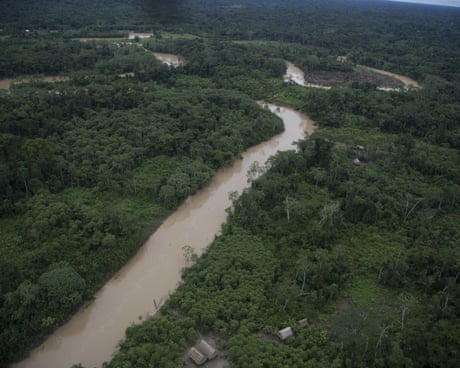
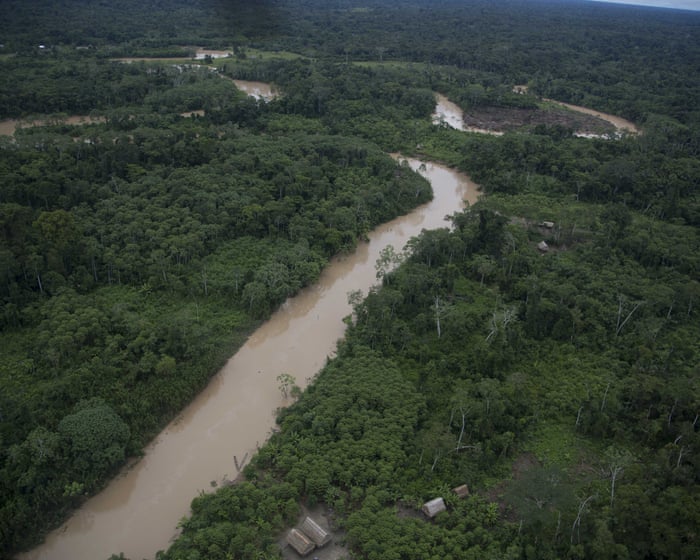
A pioneering project to provide Indigenous people in the Peruvian Amazon with an unconditional basic income has contributed to the protection of the rainforest, according to a study.
The analysis from the University of Bath is expected to contribute to a growing debate about the role of direct payments to communities that maintain globally important ecosystems.
Joe Wright y Orgullo y prejuicio han sido para el romance de época lo que Christopher Nolan y su Batman para el cine de superhéroes: encumbraron sus respectivos géneros y, consciente o inconscientemente, sentaron las bases tonales y estilísticas a imitar por todas sus sucesoras. En el caso de Wright, su influencia en la nueva Sentido y sensibilidad se palpa en la fotografía cuidada, en la dinámica romántica o en la aproximación naturalista a la historia.
Es difícil adaptar a Jane Austen, probablemente la escritora más sobreexplotada en pantalla, sobre todo cuando la última versión del libro que pretendes llevar a la pantalla perdura en la memoria colectiva con los nombres de Ang Lee, Emma Thompson, Kate Winslet o Alan Rickman ligados a ella. De ahí que el gran acierto de la interpretación de la directora Georgia Oakley pase por alejarse de Lee y volver a la palabra de la autora; a Elinor y Marianne, a su carácter antagónico y al amor de hermanas.
Este salto de las Dashwood al audiovisual ahonda en las dinámicas sociales y en las luchas internas y externas de sus heroínas en una sociedad patriarcal que les es desfavorable: expresa el autocontrol de una y la impulsividad de la otra a la hora de enfrentarse a cualquier aspecto de la vida. Es en ellas, en el magnetismo y la química entre Daisy Edgar-Jones (como Elinor, un papel hermético, menos agradecido, al que logra dar dimensión) y Esmé Creed-Miles (como Marianne, el espíritu rebelde y casi místico), donde la película encuentra su corazón latente.
Edgar-Jones vuelve a demostrar lo bien que se le da expresar con lo poco que le ofrecen sus personajes taciturnos y contenidos, y encuentra el contrapunto perfecto en Creed-Miles, etérea y libre en un rol más complejo y matizado que el de joven enamorada del amor. Ambas, con su personalidad extrema y contraria, resultan hipnóticas en esta oda al amor de hermanas. Una pena que el resto, sobre todo los hombres a su alrededor, no tenga esas capas en una historia tan de personajes.
La mejor compañía de las Dashwood es la naturaleza que las rodea: el mar tan poco habitual en la escritura de Austen que aquí vaticina un oleaje violento en el corazón de Marianne, el paisaje por el que correr de forma salvaje, o el amanecer que presencia un encuentro romántico. Oakley logra hacer poesía con la cámara, jugando con los planos y la posición de la lente, buscando un acabado terrenal con toques celestiales. La belleza visual es innegable. El problema reside en la sensación de déjà vu, de ese efecto Wright, que nos lleva a esperar que Darcy, y no Edward, aparezca en el horizonte.
Esta nueva Sentido y sensibilidad tiene sentido y sensibilidad temáticos y estéticos, pero le falta autoría, esa firma que la haga destacar dentro de un género desbordado de producciones. Oakley, que se ganó a la crítica con Blue Jean antes de lanzarse a los brazos de las adaptaciones de gran presupuesto, ha sucumbido a los lugares comunes en vez de seguir la estela de cineastas con inicios similares como Greta Gerwig o Emerald Fennell, que entregaron reinterpretaciones propias de un clásico. Porque la reciente Cumbres Borrascosas te gustará más o menos, pero es única.
La obra de Ang Lee tenía identidad propia, aunque descuidara más a sus protagonistas y desaprovechara a su estelar elenco. No era perfecta, pero sí perdurable en la cada vez más infiel memoria del cinéfilo. Lo mismo pasa con la interpretación de Emma, con Anya Taylor-Joy, que, pese a sus pequeños fallos y todas sus licencias, guardaba el alma de la novela y la punzante ironía de la autora, y era tremendamente disfrutable y diferente, justificando su existencia.
La actual Sentido y sensibilidad está, por suerte, más cerca de esa Emma que de la Persuasión de Dakota Johnson, cuya sola mención provoca un tic nervioso en cualquier seguidor de Austen. Es, en esencia, la secuela espiritual y visual de la Orgullo y prejuicio de Wright, a la que mira con ojos vidriosos de admiración de hermana pequeña. Es más fiel al libro que la versión de Lee, pero no resulta tan memorable. Y, a pesar del empeño de Edgar-Jones y Creed-Miles, si hay algo que jamás podremos perdonar a una adaptación de Austen es que sea olvidable.
La salud de los españoles ha empeorado en los últimos dos años. El porcentaje de la población que asegura que su estado es bueno o muy bueno es del 68,3%, según una encuesta que acaba de publicar el INE con datos de 2025. Son 5,8 puntos menos que la anterior, de 2023.
Tempestade terá provocado danos significativos em diversos elementos do edifício, com particular incidência nas coberturas, caixilharias e elementos interiores, afirma o vereador Ricardo Santos.

 Login