❌

Reading view

Peter Pan Tariffs for Companies That Never Grow Up
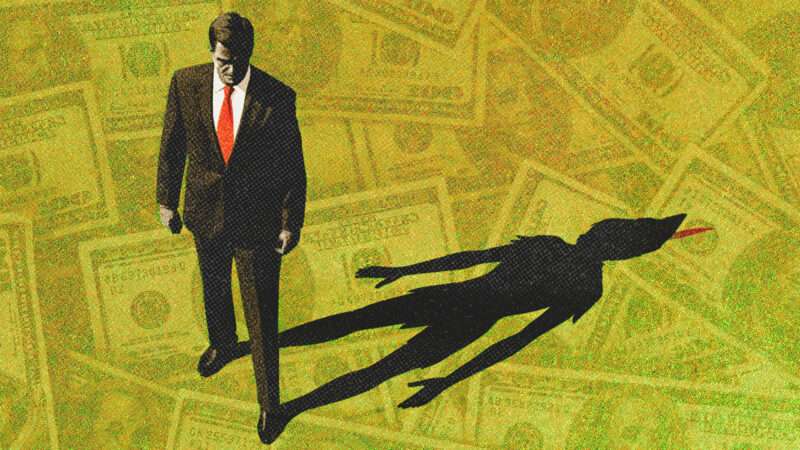
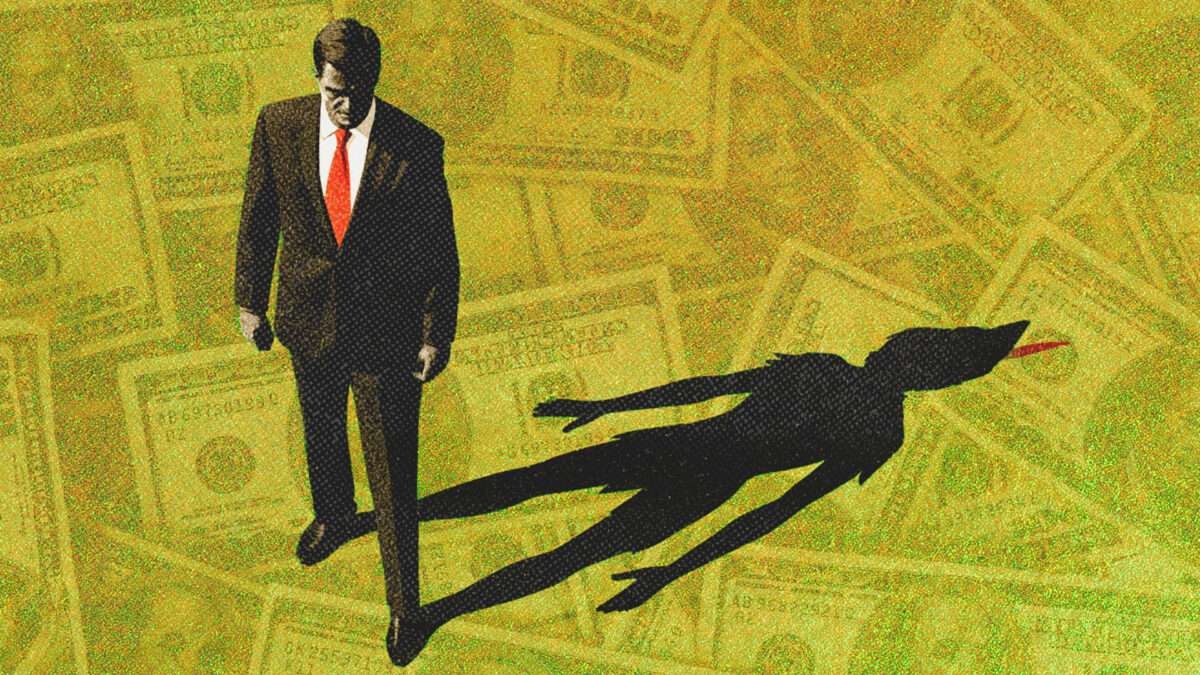
A green tinted background of U.S. paper money with a businessman standing on it who has a shadow that looks like Peter Pan | Illustration: Patrick Bryk/Dreamstime./Midjourney

Of all the arguments for protectionism, the infant industry argument probably has the strongest theoretical appeal. By protecting a new industry from its more developed foreign competition, the story goes, tariffs give domestic producers the time to grow, learn, and become efficient enough to stand on their own. Domestic consumers feel the short-term pains of higher prices, but they enjoy the long-term gains of job growth and lower prices as the new industry blossoms.

It's no secret that tariffs have driven significant price increases over the last year and a half. A study from the New York Federal Reserve finds that tariffs "contributed 2.9 percentage points to goods price inflation" and that without tariffs those prices would have slightly declined. Tariff defenders, looking for a new reason to claim these higher prices are only temporary, have reimagined the infant industry argument. Now it's being used to support trade barriers in industries that are over a century old, but the promise is exactly the same: Domestic firms need the protection so they can compete, innovate, and cut costs until prices come back down even further than they were before the tariffs.

Michael Brendan Dougherty recently made such an argument in National Review, arguing that "tariffs can, over time, bring prices below where they started." When economist Don Boudreaux called the argument "bizarre," Dougherty replied that critics had failed to acknowledge the dynamic process by which markets respond to tariffs "by adapting and cutting costs." Although he is light on specific details, he posits that the changed incentives of a "paradigm shift" in tariff policy will spur domestic competition, leading to the theorized price reduction. Of course, firms would still respond to the dynamic processes of domestic competition without a tariff wall, but the point stands.

From there, the reworked infant industry argument becomes the standard version advanced more than two centuries ago by Alexander Hamilton and his disciple Friedrich List. When Hamilton made this claim in 1791, his argument may have seemed suitable for a new nation seeking to firm up its economy and security against established European powers.

Others at the time pointed out that special interest groups—a manifestation of the "violence of faction" so thoroughly dissected in the Federalist Papers—had already begun to coalesce around the fledgling iron industry in Pennsylvania, clamoring for protective tariffs. Two years earlier, James Madison had warned about a "premature policy of stimulating manufactures" driving tariffs too high. In the end, Hamilton recommended and Congress enacted a far more moderate tariff schedule than his theoretical musings portended. American iron manufacturers received a consolation prize of a higher tariff on their competitors than the rate for most general imports. Hamiltonians have been touting the infant industry argument ever since.

Nearly 250 years later, those same infants apparently have yet to advance into adulthood. Steel, the direct successor to the founding-era iron manufacturers, remains a singular focus of President Donald Trump's protectionist tariff policies, just as it was under former President Joe Biden. And former President George W. Bush before him. Indeed, steel has been a recurring beneficiary of protectionism for most of America's existence.

This extended period of protectionist infancy suggests that the argument needs a new name. We propose the "Peter Pan industry argument" for companies that never grow up because tariffs make sure they never have to.

The question tariff advocates rarely ask is: Why do some American producers have higher costs than foreign rivals even in the face of lower-cost foreign competition? The answer comes down to specific rules and choices within particular firms and industries. Tariffs, and protectionism in general, address none of these. No industry illustrates this like steel, but it is far from the only one.

In 1947, United Steelworkers won a contract provision known as Section 2-B. Among other things, this barred mill managers from changing established work practices unless new technology required it. Steel companies tried to get rid of this in 1959, finding it difficult (given union incentives) to establish that technology required change. In response, 500,000 steelworkers went on strike for 116 days. This strike sent buyers abroad, causing 1959 to be the first year the U.S. imported more steel than it exported. One of the then-new technologies that was delayed was basic oxygen furnaces, which could produce steel far faster and cheaper than the open-hearth furnaces that were so common. In 1965, only about 17 percent of steel made in the U.S. was made using the basic oxygen furnace. Japan produced 55 percent of its steel with this faster, more efficient method.

Change finally came from a steel customer. Vulcraft, a maker of steel joists, grew tired of paying Big Steel's prices and waiting for Big Steel's deliveries. In 1969, free from steel unions and preconceived notions, the company looked for new steel-producing technologies and found the answer in the electric arc furnaces that had been adopted in much of the world throughout the 1950s and '60s. Vulcraft's parent company later renamed itself Nucor, and minimills like the ones it pioneered now make most of America's steel.

So the modern steel industry was built by a frustrated steel buyer who found a way around protected companies. In other words, the U.S. steel industry has lagged behind the technologies found around the world.

We could go on, but the broad point here is that the "relatively higher domestic production costs that made the tariff 'necessary' in the first place," as one critic put it, are often the result of preventing competition in the first place. It's odd to suggest that further preventing competition through tariffs will somehow alleviate the ills of already-prevented competition.

Tariff advocates fail to acknowledge that the ability to import steel also comes with the benefit of access to cheaper steel for steel-using industries, such as manufacturing. A 50 percent tariff on steel further closes the release valve that imported steel offers. Buyers of steel are then left to purchase more of the more expensive domestic steel. Because new steel mills take years to bring online, this causes delays and longer delivery times for manufacturers.

We don't have to wonder what happens when a country lowers its tariffs on materials used by manufacturers. India did this in the '90s, and researchers found that newly available inputs accounted for 31 percent of the new products that Indian manufacturers introduced. And what happens when the U.S. imposes tariffs on steel? Downstream U.S. firms become less competitive. This is why American businesses clamor for exemptions to tariffs, especially for tariffs on materials like steel.

Perhaps all this could be forgiven if tariffs advanced national security concerns, as tariff advocates assert. They point out that an adversarial nation could cut off supplies of critical materials during wartime and cripple America's ability to defend itself. Unfortunately, tariffs fail there too.

First, this conflates production with access. While domestic production does ensure domestic access, access can be secured without production. In the case of steel, the Commerce Department reports that in 2025, the U.S. imported steel from 79 countries, with Canada being our top foreign supplier. The top 10 sources of steel are responsible for 77.8 percent of America's steel imports. None of those countries were considered adversaries—at least not until the tariff crusades pushed these friends away. What's more, according to the American Iron and Steel Institute, only 23 percent of finished steel in the U.S. was imported in 2024. Far from being exposed to foreign states' whims, American access to steel is incredibly resilient.

Second, this view ignores the positive effects of trade and globalization on national security. The Center for Strategic & International Studies finds that increased trade between countries reduces the likelihood that they'll go to war against one another. Globalization helps ensure that domestic access continues unabated should war break out, thanks to the diversity of trading partners.

When Hamilton made the infant industry argument, he at least assured us that the industry would at some point advance to adulthood and stand on its own. Steel, like so many other Peter Pan industries, has proven Madison right. These industries have refused to grow up, and it's time to stop pretending that tariffs will fix that.

The post Peter Pan Tariffs for Companies That Never Grow Up appeared first on Reason Magazine.
  •  

Foram três, podiam ser mais: Amorim goleado em Inglaterra

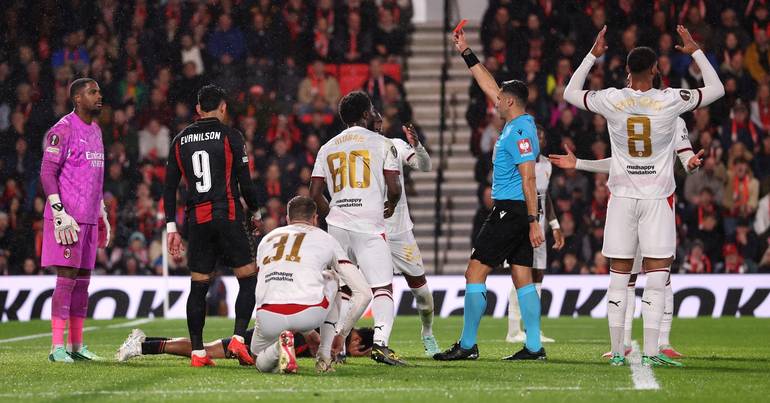
De Winter fez um penálti a abrir, Maignan foi expulso de forma infantil dando novo castigo máximo, Bournemouth ameaçou uma goleada ainda maior no dia do regresso de Ruben Amorim a Inglaterra (3-0).

Mike Maignan atingiu com as mãos na cara Tyler Adams na sequência de um canto, foi expulso antes da meia hora inicial e cometeu o penálti que deu a Tavernier o 2-0
  •  

The Israel Lobby’s Changing Fortunes

In the past 19 years, the lobby has become even richer, Israel’s alleged commitment to peace with Palestinians has been abandoned, it seeks outright military domination of its entire region, the lobby's go-to defense is to cry “antisemitism

  •  

Is an “October Surprise” Imminent in the Middle East before the U.S. Mid-term Elections?

by Brian Shilhavy
Health Impact News

It is being reported that the U.S. is evacuating Americans from countries in the Middle East in what could be the beginning of an escalation of the war there.

Could an “October Surprise” be imminent as we get closer to the U.S. mid-term elections?

Report: US Troops and Diplomats Evacuating Posts Across the Middle East

The US military has been scaling back its presence at bases across the Middle East, and the US has ordered staff reductions at multiple diplomatic posts in the region, NBC News reported Wednesday, amid growing signs that the US and Israel may be preparing to launch another attack on Iran.

Sources told NBC that similar drawdowns were carried out before the US and Israel launched the war against Iran on February 28. US troops at bases in Jordan are among those that have been moved as Iran pounded the facilities during exchanges of strikes in the summer, attacks that caused significant US casualties. The US is also pulling troops out of facilities in Kuwait and Qatar.

One US official told the outlet that moving troops out of harm’s way was part of the US military’s planning as President Trump considers restarting “major combat operations” against Iran potentially before or after the November 3 US midterm elections.

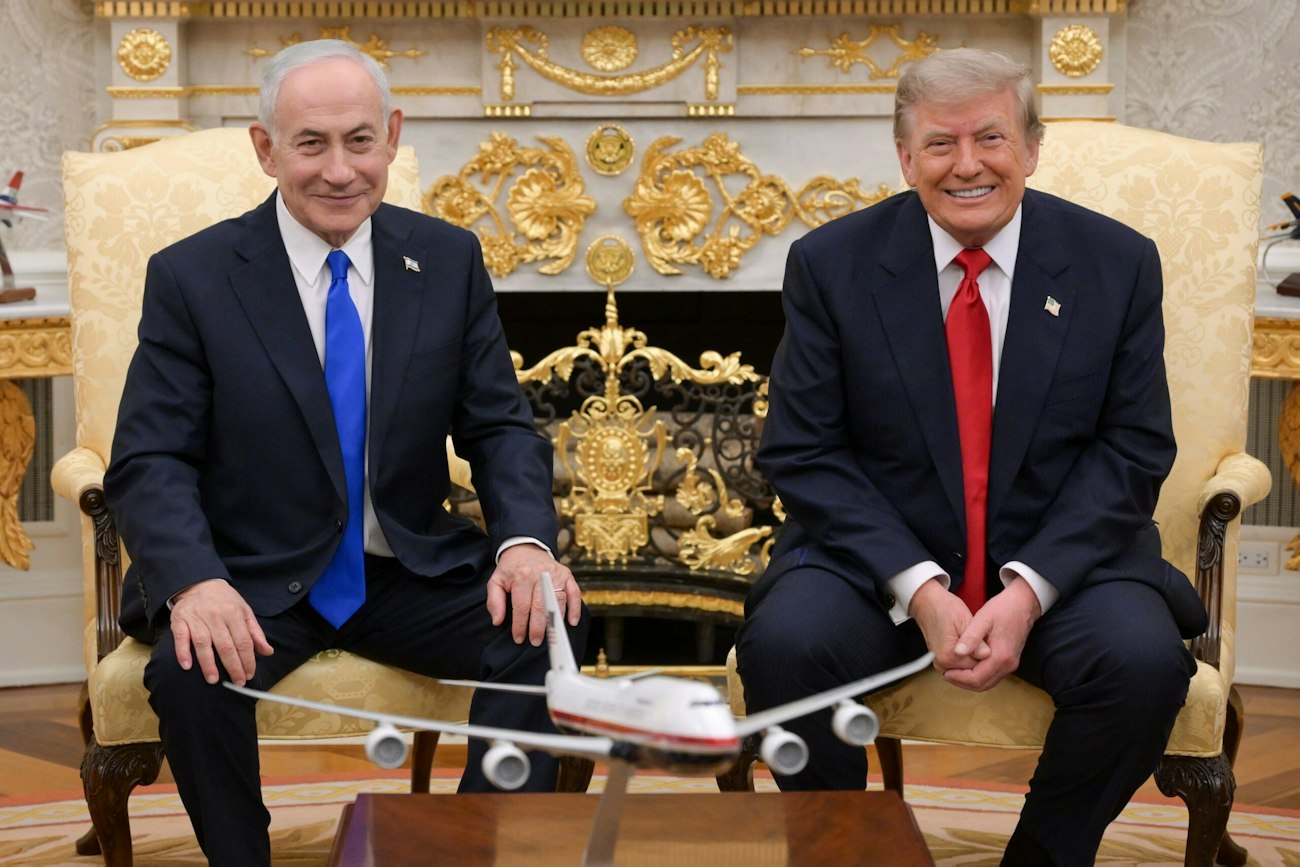
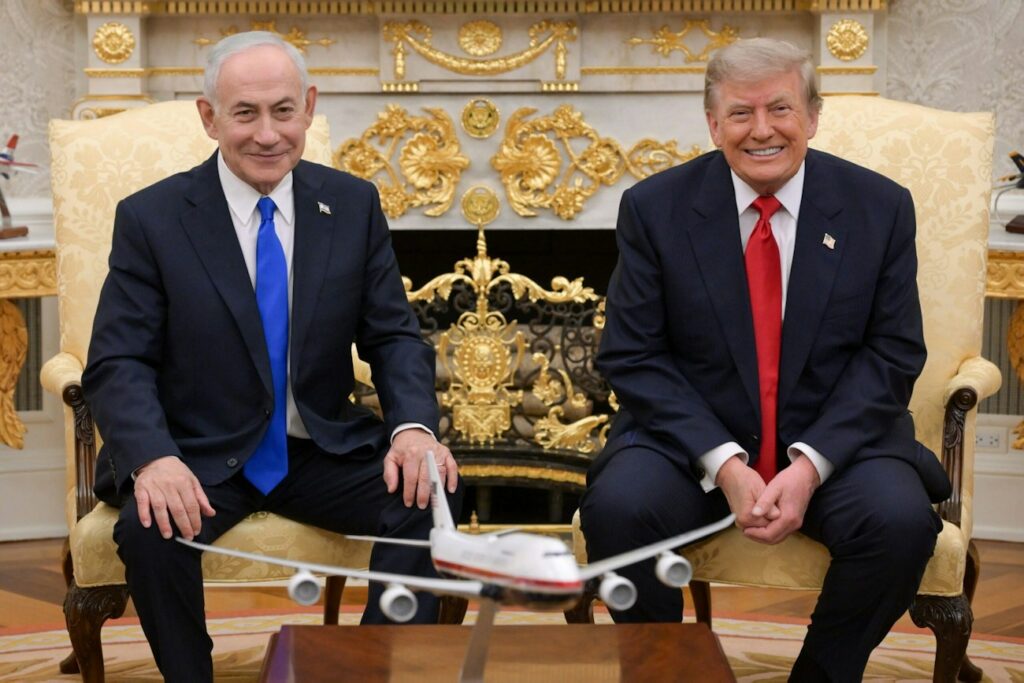
Israeli Prime Minister Benjamin Netanyahu also appears eager to restart the bombing campaign as he’s facing elections in less than a week.

Full article.

Daniel Davis, a retired U.S. military officer who has a popular YouTube following, just interviewed Professor Seyed M. Marandi from inside Tehran a couple of hours before I published this article.

Professor Marandi states that the Iranians are ready for any new offensive from Israel and the U.S., and that if their energy infrastructure is attacked, which is what is being threatened, that the rich Arab Gulf states will all be destroyed, which will drag down the global economy with the loss of all the oil they produce.

This will, in turn, cause the current refugee problem in places like Latin America to become even worse, as they will seek to cross the borders into Western countries like the U.S. and Europe.

Marandi references some recent statements by Trump about San Diego and Los Angeles being bombed, stating that Iranians would have no motivation whatsoever to bomb U.S. cities, which means this would be a “false flag” event caused by the U.S. in an attempt to gain public approval for their war against Iran.

Both Davis and Marandi talk about how none of the reasons given to attack Iran make any kind of sense whatsoever, because there are no winners in such a doomsday scenario that could include nuclear bombs.

It is a product of the Zionist belief system, and really nothing else.

Are Americans prepared to die for “Greater Israel”?

Many Americans are already leaving the Middle East, especially in Saudi Arabia where the Yemen resistance forces continue bombing areas in Saudi Arabia where many Americans live, such as the Aramco complex in Dhahran.

This article was written by Human Superior Intelligence (HSI)

See Also:

Understand the Times We are Currently Living Through

The Brain Myth: Your Intellect and Thoughts Originate in Your Heart, Not Your Brain

Is God’s Patience About to Run Out on the United States?

Second Edition of eBook Released: The Concept of the American Christian Family is a Myth and is NOT Found Anywhere in the Bible – by Brian Shilhavy

FREE eBook! Restoring the Foundation of New Testament Faith in Jesus Christ – by Brian Shilhavy

KABBALAH: The Anti-Christ Religion of Satan that Controls the World Today

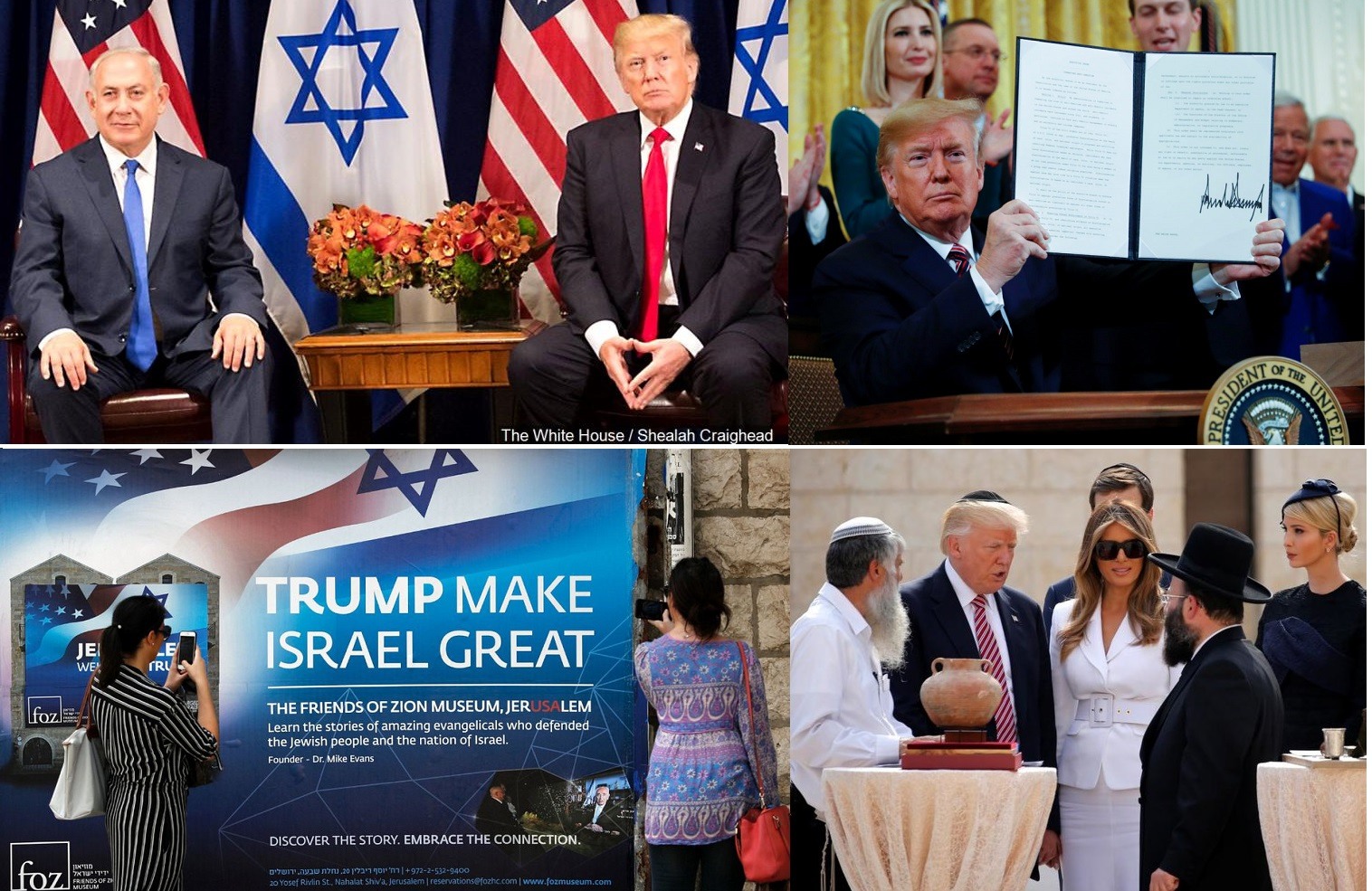
Exposing the Christian Zionism Cult

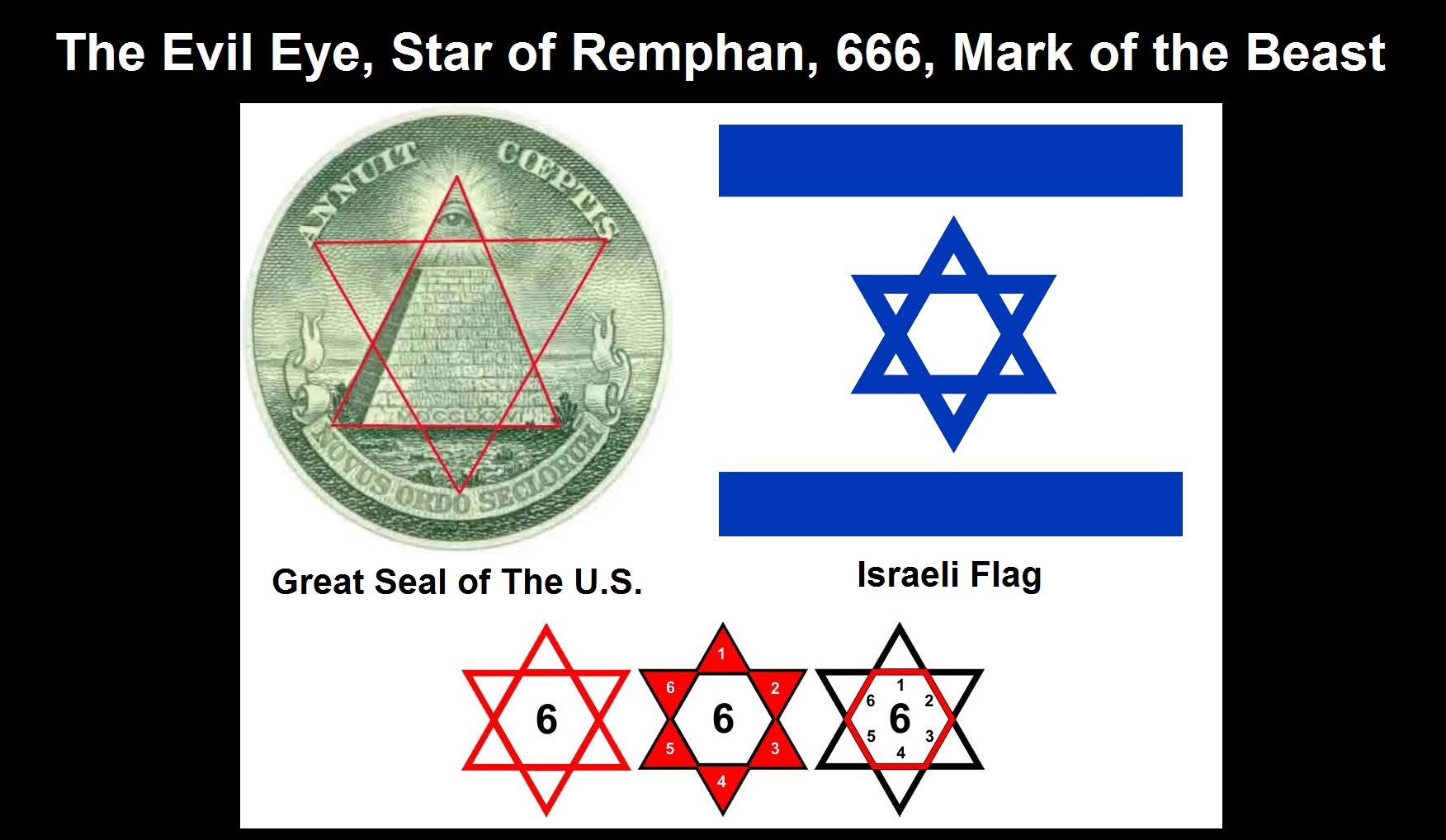
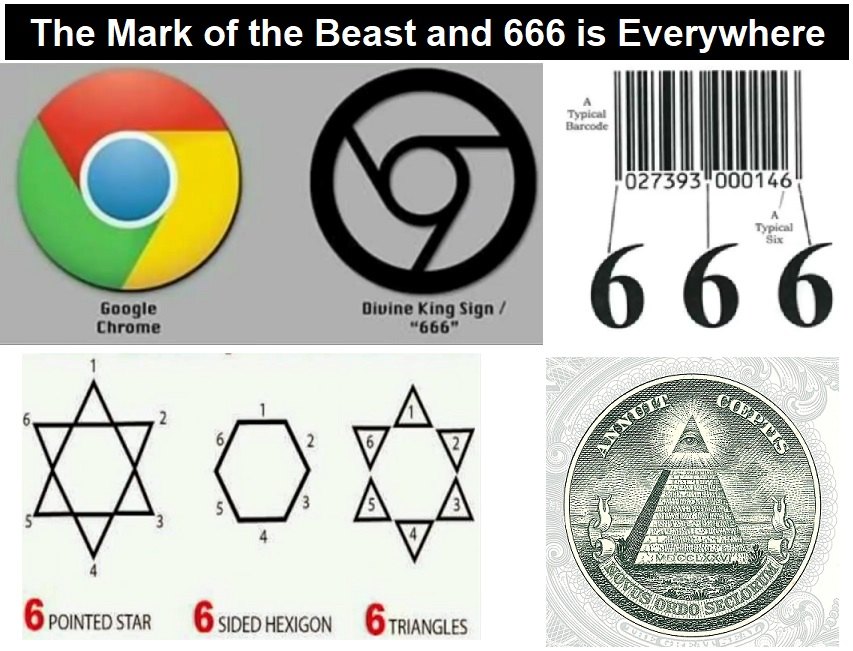
The Bewitching of America with the Evil Eye and the Mark of the Beast

Jesus Christ’s Opposition to the Jewish State: Lessons for Today

Identifying the Luciferian Globalists Implementing the New World Order – Who are the “Jews”?

The Seal and Mark of God is Far More Important than the “Mark of the Beast” – Are You Prepared for What’s Coming?

The Satanic Roots to Modern Medicine – The Image of the Beast?

Medicine: Idolatry in the Twenty First Century – 10-Year-Old Article More Relevant Today than the Day it was Written

Having problems receiving our emails? See:

How to Beat Internet Censorship and Create Your Own Newsfeed

We Are Now on Telegram. Video channels at Bitchute, and Odysee.

If our website is seized and shut down, find us on Telegram, as well as Bitchute and Odysee for further instructions about where to find us.

If you use the TOR Onion browser, here are the links and corresponding URLs to use in the TOR browser to find us on the Dark Web: Health Impact News, Vaccine Impact, Medical Kidnap, Created4Health, CoconutOil.com.

The post Is an “October Surprise” Imminent in the Middle East before the U.S. Mid-term Elections? first appeared on Health Impact News.

  •  

Justice Dept. Opens Inquiry Into Corey Lewandowski

The details of the inquiry remain unclear, but it is one of the rare instances in which a Trump ally or appointee has been investigated for potential wrongdoing during the president’s second term.

© Haiyun Jiang for The New York Times

Corey Lewandowski, who served as President Trump’s first campaign manager a decade ago, worked closely with Kristi Noem, the former homeland security secretary.
  •  

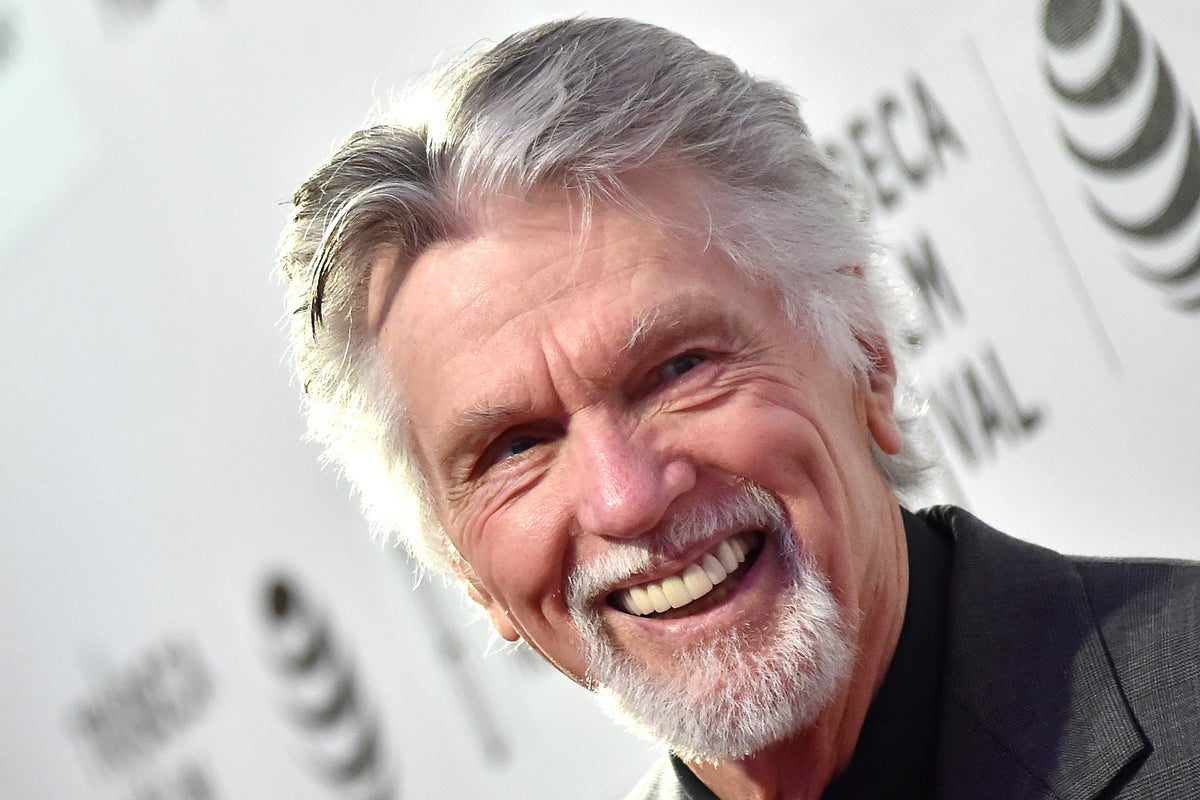
Tom Skerritt, Alien and Top Gun actor, dies aged 93

Actor also had roles in M*A*S*H, A River Runs Through It and Picket Fences in career spanning 60 years

Tom Skerritt, the actor known for roles in Alien and Top Gun, has died at the age of 93.

His publicist confirmed to Variety that he died from natural causes.

Continue reading...

© Photograph: Reed Saxon/AP

© Photograph: Reed Saxon/AP

© Photograph: Reed Saxon/AP

  •  

Indígenas do Vale do Javari terão transporte gratuito no 2º turno

Logo Agência Brasil

O Tribunal Regional Eleitoral do Amazonas (TRE-AM) informou nesta quinta-feira (22) que os representantes da Terra Indígena Vale do Javari confirmaram a regularização do transporte gratuito dos eleitores, bem como o necessário apoio logístico à operação, no próximo domingo (25), no segundo turno das eleições gerais.

O acerto entre as lideranças indígenas e autoridades públicas foi selado em reunião conduzida pela juíza da 42ª Zona Eleitoral, Dálethe Borges Messias, na quarta-feira (21). 

Notícias relacionadas:

A juíza lembrou que durante o primeiro turno acompanhou pessoalmente a entrega de urnas eletrônicas nas comunidades de Paraíso e Remancinho, de forma a “assegurar o direito ao voto”.

A juíza eleitoral solicitou que os representantes indígenas apresentem a relação das embarcações que serão utilizadas no 2º turno, com a identificação dos responsáveis e das contribuições prestadas pelas entidades ou órgãos envolvidos na operação de transporte dos eleitores. 

De acordo com a Justiça Eleitoral, a medida permitirá o acompanhamento e a fiscalização do transporte, assegurando transparência e cumprimento da legislação eleitoral.

Para os próximos pleitos, ficou estabelecida a necessidade de apresentação antecipada de informações sobre locais de votação, comunidades atendidas, rotas fluviais, distâncias, condições de navegabilidade, estimativa de eleitores e disponibilidade de embarcações e tripulações.

Vale do Javari

A Terra Indígena do Vale do Javari é a segunda maior do Brasil, com 8,5 milhões de hectares, uma área maior que o estado da Paraíba. A terra indígena, homologada em 2001, fica no estado do Amazonas, em uma região de tríplice fronteira entre Brasil, Peru e Colômbia, e abriga 74 aldeias, sete povos e mais de 6 mil indígenas. Também tem a maior concentração de povos indígenas isolados do mundo.

Por causa de sua riqueza natural e localização estratégica, o Vale do Javari é alvo constante de redes de narcotráfico, garimpo ilegal, biopirataria e extração ilícita de madeira.

Foi na região que o indigenista Bruno Pereira e o jornalista Dom Philips foram assassinados em 2022, vítimas de uma emboscada no Rio Itaquaí.

* Com informações do TRE-AM

  •  

Carville says he still believes Trump will quit by Easter

Democratic strategist James Carville doubled down Wednesday on his prediction that President Trump will leave office by Easter next year. Fox News’s Laura Ingraham asked Carville during an interview on “The Ingraham Angle” if he stuck by the prediction he made earlier this year and why. Carville said he does, adding that Trump’s “not particularly…

  •  

Tom Skerritt, Who Had Key Roles in ‘Picket Fences’ and ‘Top Gun,’ Dies at 93

His rugged good looks, commanding presence and versatility led to key roles in “M*A*S*H” and “Steel Magnolias,” and he won an Emmy on “Picket Fences.”

© CBS, via Getty Images

Tom Skerritt as Sheriff Jimmy Brock on “Picket Fences.” He won an Emmy for the role in 1993.
  •  

Julia Stiles pediu permissão à viúva de Heath Ledger antes de homenagem

A atriz Julia Stiles, 45, emocionou os fãs de “10 Coisas que Eu Odeio em Você” (1999) ao homenagear seu antigo colega de elenco e amigo, Heath Ledger (1979-2008), durante sua participação no programa “Dancing with the Stars”.

Em entrevista ao portal norte-americano Extra TV, a artista revelou que pediu permissão a Michelle Williams, viúva e mãe da única filha de Ledger, Matilda, 20, antes de relembrá-lo ao final de sua dança.

“Eu perguntei a ela se isso estava certo, e ela disse que sim. Eu estava aos prantos no primeiro dia de ensaios por causa de toda a nostalgia e das lembranças. Mas também porque eu estava… me deparando com algo.”

Na noite de segunda-feira (19), ao lado do parceiro, Ezra Sosa, Julia embalou a plateia ao som do hit “Can’t Take My Eyes Off You”, em uma performance de dança contemporânea. Ao final, a dupla mostrou um trecho emblemático da comédia romântica, enquanto uma foto deles aparecia na tela.

Para tornar a performance ainda mais especial, o elenco do antigo longa — incluindo Joseph Gordon-Levitt, Larisa Oleynik, Gabrielle Union, Susan May Pratt e Andrew Keegan — subiu ao palco e se juntou à atriz no final da dança.

“Eu sei, por assistir à série, o quanto a ‘Noite da Dedicação’ é emocionante. São sempre histórias muito pessoais. Mas pensei: ‘Ah, já estou distante o suficiente disso. O filme foi há tantos anos’. Mas algo em assistir a trechos daquele filme, ver nossas fotos, ouvir nossas vozes está trazendo muita coisa à tona”, comentou ela antes da apresentação, à People. 

Heath Ledger morreu em janeiro de 2008, em decorrência de uma overdose acidental de medicamentos controlados. Em 2009, ele venceu o Oscar póstumo, na categoria de Melhor Ator Coadjuvante, por sua atuação como o vilão Coringa em “Batman: O Cavaleiro das Trevas”.

Na comédia romântica, a qual apresenta uma releitura da trama “A Megera Domada” de Shakespeare, Patrick Verona (Ledger) tenta conquistar Kat Stratford (Stiles), fazendo uma serenata apaixonada justamente com a canção dançada pela atriz.

Na cena, ela contrata a fanfarra da escola para tocar enquanto ele dança na arquibancada da quadra da escola e depois é perseguido pelos seguranças da instituição.

Assista ao trailer de “10 Coisas que Eu Odeio em Você”

*Sob supervisão de Fernanda Pinotti

“10 Coisas que Eu Odeio em Você” ganhará adaptação teatral na Broadway


  •  

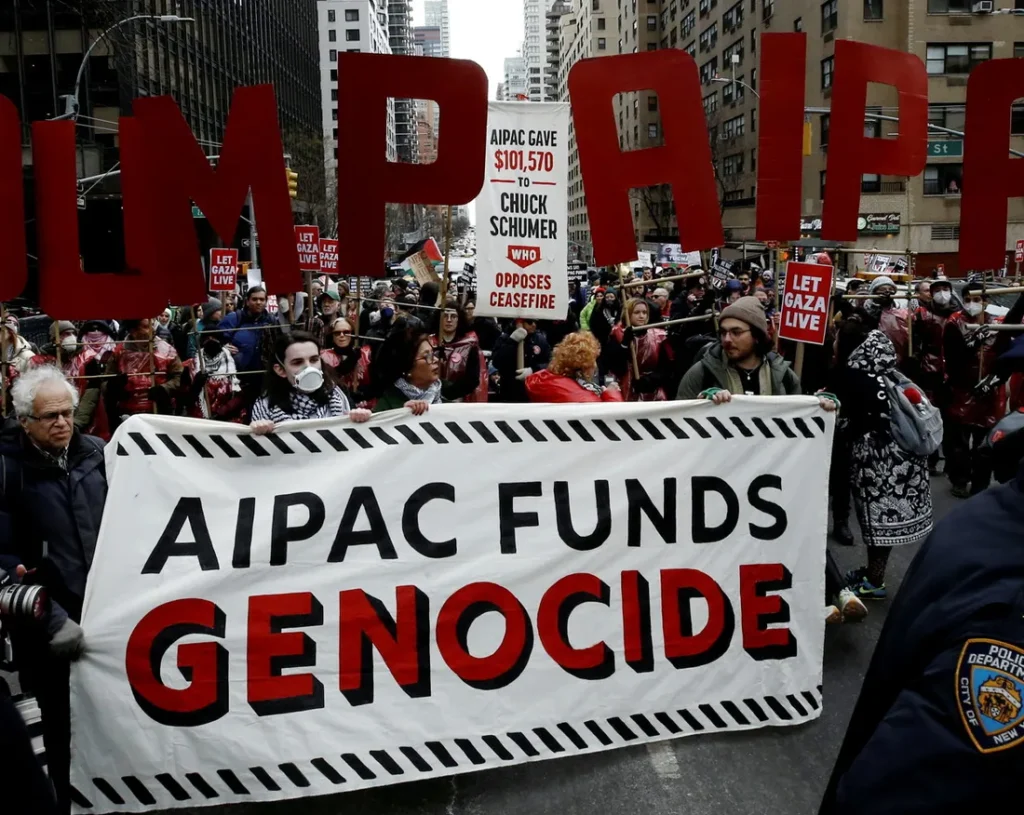
AIPAC has become such a political liability that it’s shifting to a more “nimble” approach to buying politicians

A letter to its supporters announced that instead of high profile endorsements and PAC donations, it will quietly mobilize individual donors for direct contributions

  •  

Meta derruba vídeo de MC Cabelinho sobre Flávio Bolsonaro

A Meta, dona do Instagram, removeu nesta quinta-feira (22) um vídeo postado na plataforma pelo cantor MC Cabelinho em parceria com o portal Revelando sobre o senador e candidato à Presidência da República, Flávio Bolsonaro (PL-RJ).

O vídeo com o músico fala da acusação de o senador ter sido funcionário fantasma no gabinete do pai, o ex-presidente Jair Bolsonaro (PL), aos 19 anos. O conteúdo postado convidava os seguidores também a assistirem a um vídeo de cerca de 23 minutos postado no YouTube do portal Revelando, que ainda continua no ar.

Nos últimos dias, o portal tem postado uma sequência de vídeos no mesmo estilo, com diversos artistas abordando tópicos no tom de denúncia contra o senador fluminense e pessoas próximas. Dentre os famosos, estão a cantora Juliette e os atores e atrizes Camila Pitanga, Wagner Moura, Luana Piovanni e Fábio Porchat.

Após a derrubada do conteúdo, MC Cabelinho fez uma postagem em que questionava a decisão: “Tropa, derrubaram meu reels (revelando) mas o episódio continua no youtube…. no link do story vocês consegue ver! ql foi @meta?”.

Segundo a empresa responsável pela rede social, a remoção ocorreu após uma sinalização de que o conteúdo teria sido feito por inteligência artificial, o que, conforme o comunicado, fere as diretrizes de uso da tecnologia 72 horas antes das eleições, no dia da eleição e no dia seguinte, determinadas pelo TSE (Tribunal Superior Eleitoral).

O texto continua mencionando que a identificação com o selo de IA poderia ter ocorrido pelo aplicativo utilizado para a edição do vídeo, que poderia conter recursos da tecnologia no processo.

Com isso, as ferramentas de checagem automática da Meta poderiam identificar traços da IA e remover o conteúdo, que voltaria a ficar disponível após as datas da Justiça Eleitoral.

Print da publicação original mostra selo de que vídeo teria conteúdo de IA
Print da publicação original mostra selo de que vídeo teria conteúdo de IA • Reprodução/Instagram @mccabelinho

“Vale reforçar que muitos aplicativos de edição de imagem, vídeo e áudio usam recursos de IA e incorporam ao arquivo um sinal padrão da indústria indicando esse uso. A Meta lê esses sinais automaticamente e, para cumprir a determinação, indisponibiliza esses conteúdos no Brasil. Essas publicações voltam a ficar visíveis no país após o período definido pelo TSE”, diz a nota.

Após a remoção do conteúdo, tanto o artista, quanto o Portal Revelando e outros veículos que apoiam a iniciativa voltaram a publicar o vídeo, que não aparece com o selo de IA. “Jornalismo não é propaganda! Esse é o vídeo que Meta não quer que você veja!”, começa a legenda da postagem com o resto do texto que continha na publicação original.

A CNN Brasil procurou o Calma Urgente, responsável pelo portal Revelando, para questionar a decisão da Meta, mas ainda não obteve resposta. O espaço segue aberto para manifestações.

Comitê da Meta vê “falhas recorrentes” no controle de conteúdo eleitoral

O Comitê de Supervisão da Meta avaliou nesta terça-feira (20) haver “falhas recorrentes” no controle de conteúdo eleitoral nas redes administradas pela empresa.

No comunicado, os integrantes do Comitê apontam falhas na aplicação das regras da Meta durante períodos eleitorais e citam casos semelhantes para além da eleição brasileira. O texto menciona a remoção de contas de ativistas políticos durante protestos nos Estados Unidos, antes das eleições de meio de mandato.

“Está claro que a Meta precisa fazer mais para garantir que suas práticas de aplicação de regras durante as eleições sejam transparentes e consistentes e que a expressão política seja protegida, em vez de sufocada”, afirmaram.

No mesmo dia, o ministro Marco Aurélio Bellizze, do TSE, reuniu-se com a Meta e com as campanhas dos candidatos à Presidência, Flávio Bolsonaro (PL) e Luiz Inácio Lula da Silva (PT).

A reunião foi solicitada pela Meta após a empresa prestar informações no âmbito da decisão da Corte eleitoral, que exigiu tratamento igualitário entre as candidaturas nas plataformas digitais.

Após questionamentos sobre possível favorecimento, a empresa que controla plataformas digitais foi intimada a apresentar, em 24 horas, informações sobre as medidas adotadas para garantir igualdade na distribuição e veiculação de conteúdos. A Meta negou qualquer interferência no processo eleitoral ou favorecimento político e atribuiu os problemas relatados a questões técnicas.


*Sob supervisão de Renata Souza

  •  
❌