❌

Reading view

Trump Asks Supreme Court to Allow Border Wall Construction in Big Bend

A lower court judge had halted the administration’s plan to erect hundreds of miles of barriers in the Big Bend region of Texas.

© Ronaldo Schemidt/Agence France-Presse — Getty Images

People protest the plans by President Donald Trump’s administration to build a section of the border wall at the Big Bend National Park, in Study Butte, Texas, in August.
  •  

U.S. Early Vote Surpasses 10 Million Two Weeks Before Midterm Elections

Photo: EFE.

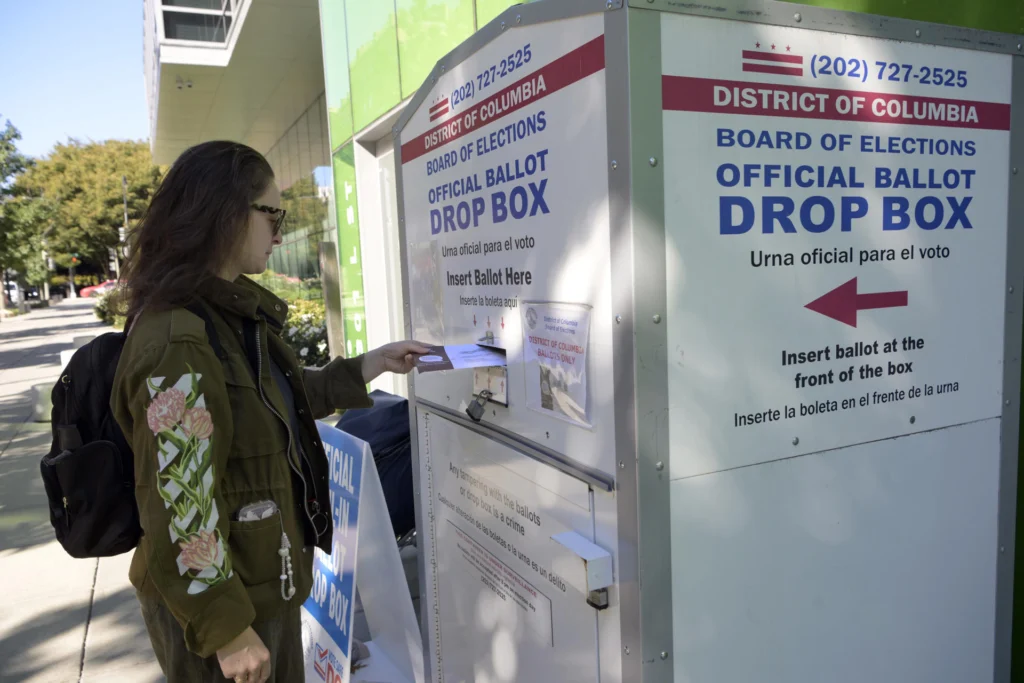
More than 10 million U.S. citizens have already cast ballots for the U.S. midterm elections, and Democrats account for over half of that early turnout as the November 3 vote approaches.


General early voting began on Monday, October 19, led by Texas, Alaska, Arkansas, Colorado, Connecticut and South Carolina. Hawaii, Louisiana, Utah, Wisconsin, Florida and Missouri have since joined.

Voters will decide seats in the U.S. Senate and House of Representatives, governorships, state legislatures and local measures on November 3.

RELATED: Texas Early Voting Breaks Records in Key Counties as Senate Race Heats Up

Democratic voters have shown up in force across several districts, a pattern party strategists read as an early effort to blunt the conservative agenda in Congress. That mobilization carries weight because the races will decide control of the Senate, the House of Representatives, several governorships and state legislatures, along with local ballot measures.

The opening surge unfolded amid deep polarization over the federal administration’s record. Turnout in the early states has outpaced expectations even as the national political climate remains volatile.

🎉 Double digits! We've just passed 10 MILLION early votes cast nationally in the 2026 midterms! 🗳️

Democrats 48.9% | Republicans 36.6% | Other 14.5%

And there are still 14 days to go until polls close. pic.twitter.com/0hxKEiMu9T

— E_DataGuy (@E_DataGuy) October 20, 2026

Divided Vote

In Alaska, polls will stay open for 15 days before Election Day. In Arkansas, the Secretary of State estimates early participation of half a million people. In counties such as Saline and Pulaski, early reports show a divided electorate: conservative voters back Governor Sarah Huckabee Sanders and Senator Tom Cotton, who are noted for their alignment with President Donald Trump’s administration.

In Colorado, in-person voting centers opened on October 19 and four million ballots were mailed out. Preliminary records show that 13% of Democrats have returned their ballots, compared with 10% of Republicans and 7.5% of unaffiliated voters. Colorado is electing all of its main executive and legislative offices. Inflation, public safety, defense of social benefits and control of presidential power dominate the priorities mentioned by community organizations and independent voters in Arkansas and Colorado.

Florida prepares to open its mandatory in-person period on October 24, where Hispanic voters make up roughly 29% of the population and carry decisive weight.

Early voting for the midterm elections begins this week in these states:

— Alaska
— Arkansas
— Colorado
— Connecticut
— South Carolina
— Texas
— Hawaii
— Louisiana
— Missouri
— Utah
— Wisconsin
— West Virginia
— Delaware
— Maryland
— Florida
— Michigan
— New Jersey
— New York pic.twitter.com/YPYDIWpkNP

— Headquarters (@HQNewsNow) October 19, 2026

Elections officials warned that, because of the complexity of the voting system, close races could be resolved only on November 18, when the count of ranked choices ends.

The early surge arrives as surveys show some of the lowest approval numbers of Trump’s current administration. The President’s backers have framed the midterms as a referendum on his governing record, while Democrats describe the contest as a check on executive power.

The record pace of early ballots has already surpassed previous benchmarks, with Texas posting one of the strongest showings. As more states open their voting windows in the coming days, the national count is expected to climb sharply before November 3, when the full scope of the midterm verdict takes shape.

#FromTheSouth News Bits | In the United States, analysts assert that the Trump administration is seeking to destabilize democratic-led states by instilling fear through immigration agents known as ICE, in an effort to manipulate the midterm elections and win them. pic.twitter.com/e5Dal77aj0

— teleSUR English (@telesurenglish) October 20, 2026
  •  

El-Sayed defends Slotkin over remarks targeted by right

Michigan Democratic Senate nominee Abdul El-Sayed (D) is standing by Sen. Elissa Slotkin (D-Mich.) after the lawmaker sparked the GOP’s ire with a recent comment that she wants young professionals to rethink accepting a job with the Trump administration.  In a Wednesday radio interview with “The Daily Blast with Greg Sargent,” El-Sayed accused Republicans of…

  •  

Bufera sull’inviato Usa Witkoff: dopo la liberazione di Hubbard ha definito Putin “compassionevole”. Trump e Vance lo difendono

Compassionevole. Non è certo il termine che chiunque, nemmeno i suoi più stretti collaboratori, userebbe per descrivere Vladimir Putin. Ma preso dall’euforia per la liberazione del prigioniero americano Stephen Hubbard, in giorni di distensione nei rapporti tra Washington e Mosca, è proprio questo l’aggettivo che l’inviato speciale americano Steve Witkoff ha usato per descrivere il capo del Cremlino. “Parla tanto del fatto che il mio presidente, il presidente Trump, sia compassionevole. Anche lei è compassionevole, glielo riconosco, la lodo per questo e la ringrazio ancora”, gli ha detto direttamente nel corso della sua trasferta a San Pietroburgo.

Parole che, come prevedibile, sono costate una valanga di accuse all’inviato speciale anche da parte dei membri del Partito Repubblicano, come ad esempio il senatore John Corbyn che ha voluto ricordargli che “Putin è un assassino spietato“. Oppure come il deputato conservatore Don Bacon che ha definito le parole di Witkoff un “altro imbarazzo“. Il senatore del Gop, Thom Tillis, lo ha invece invitato a “guardare sul dizionario cosa significa compassionevole. Dovrebbe tornare in Ucraina e chiedere alla famiglie dei bambini rapiti e uccisi da Putin se pensano che sia compassionevole”.

Witkoff, però, può contare sul sostegno della Casa Bianca. Prima ha parlato il vicepresidente JD Vance che si è detto “d’accordo con il fatto che Steve abbia rivolto parole gentili a una persona che ha appena liberato un ostaggio americano. A prescindere dal fatto che si condivida o meno il sentimento di fondo, Steve è un diplomatico. Il suo lavoro consiste nell’andare laggiù e portare a termine un compito. Dovremmo tutti festeggiare questo risultato, anziché lamentarci di ciò che Steve ha detto per riuscire a ottenerlo”.

Dopo di lui, è stato il presidente Trump in persona a confermare la piena fiducia nell’operato del proprio inviato: “Suppongo che si potrebbe dire per quel motivo in particolare, allo scopo di permettere a un uomo che pensava di finire in prigione a vita di uscire”.

L'articolo Bufera sull’inviato Usa Witkoff: dopo la liberazione di Hubbard ha definito Putin “compassionevole”. Trump e Vance lo difendono proviene da Il Fatto Quotidiano.

  •  

Report: Expats Who Fled to Europe Because of Trump Get Wake Up Call, Regret the Move

Liberal Americans who fled to Europe after President Donald Trump’s reelection told Wired magazine that they made a mistake and found European countries not what they are cracked up to be.

The post Report: Expats Who Fled to Europe Because of Trump Get Wake Up Call, Regret the Move appeared first on Breitbart.

  •  

Cornell Case Highlights Shifting Federal Title IX Enforcement

From Barack Obama to Donald Trump, ideology has infused the interpretation of the federal law banning sex discrimination on college campuses.

© Lauren Petracca for The New York Times

An allegation of a gang rape at Cornell in 2024 has put renewed attention on the 54-year-old law known as Title IX.
  •  

Negacionismo impulsiona sarampo nos EUA e representa ameaça ao Brasil

Logo Agência Brasil

Mudanças recentes no calendário vacinal dos Estados Unidos, impulsionadas por discursos antivacinação do governo Donald Trump, ajudam a explicar por que o país está passando pelo pior surto de sarampo em mais de três décadas. Mais de 4,4 mil casos já foram confirmados este ano, com três mortes. Entre os infectados, 98% não estavam totalmente vacinados. 

A avaliação do diretor do Programa Nacional de Imunizações do Brasil, Eder Gatti, é que os Estados Unidos passam por um período de retrocessos que ameaça todo o continente.

Notícias relacionadas:

"O governo americano, além de chancelar discursos negacionistas, tem um secretário de Saúde, que é o equivalente ao nosso ministro, declaradamente antivacina", destaca.  

"Espero que o mundo não olhe isso como exemplo. Eles estão colhendo frutos. A vacina contra o sarampo é uma vacina de bloqueio. Quem se vacina não pega nem transmite. O descontrole de casos lá [nos EUA] está muito relacionado a esse discurso crescente negacionista", complementa o diretor do PNI. 

>> Nova York declara estado de emergência por surto de sarampo


Placa de alerta sobre o sarampo afixada na entrada do Cohen Children's Medical Center, em New Hyde Park, Nova York, EUA
14 de março de 2025
REUTERS/Shannon Stapleton Placa de alerta sobre o sarampo afixada na entrada do Cohen Children's Medical Center, em New Hyde Park, Nova York, EUA
14 de março de 2025
REUTERS/Shannon Stapleton
Placa de alerta sobre o sarampo afixada na entrada do Cohen Children's Medical Center, em New Hyde Park, Nova York REUTERS/Shannon Stapleton/Proibida reprodução

Casos importados

O aumento da ocorrência em outros países aumenta a pressão sobre o Brasil, que registrou 61 casos da doença este ano, a maioria com origem importada. Como não há transmissão sustentada da doença em território nacional desde 2024, o país permanece certificado como área livre do sarampo, mas a manutenção desse status tem sido desafiadora. 

"O nosso certificado foi conquistado em 2016 e perdido em 2019, porque houve a reintrodução da doença na região Norte. Ela se espalhou pelo país e teve um grande surto em São Paulo, com 19 mil casos", lembra Eder Gatti. 

"Há uma diferença de postura e resposta muito evidente, que se observa pelos resultados", ele garante. 

Em 2023, ano anterior à reconquista do certificado, os índices de vacinação da tríplice viral, dentro do calendário básico infantil, foram de 88% na primeira dose e de 66% na segunda. Já em 2024, a cobertura subiu para 96% e 78%, respectivamente. Neste ano, as taxas preliminares são de 95% na primeira dose e 80% na segunda. 

"Apesar do contexto internacional, o Brasil segura a sua certificação e espero que a gente consiga manter esse cenário, porque a gente está falando de uma doença que mata crianças, causa abortos e complicações obstétricas. É uma doença que tem um índice de letalidade muito maior para as populações mais vulneráveis, indígenas e pessoas em situação de pobreza", alerta Gatti. 

De acordo com o diretor do PNI, a reconquista do certificado só foi possível graças a um trabalho coordenado pelo Ministério da Saúde, com governos estaduais e municípios, para melhorar a vigilância e os índices de vacinação.


Pessoa com sintomas de sarampo. Foto: OMS Pessoa com sintomas de sarampo. Foto: OMS
Criança com sintomas de sarampo. Foto: OMS

Perda de confiança

Em agosto, o governo americano reduziu de 17 para 11 o número de imunizantes recomendados para todas as crianças. Trump também estipulou que a vacina tríplice viral, que protege contra o sarampo, a caxumba e a rubéola, aplicada desde a década de 1970, seja separada em três imunizantes distintos, um para cada doença, administrados em ocasiões diferentes. 

De acordo com o diretor da Sociedade Brasileira de Imunizações (SBIm), Juarez Cunha, as novas recomendações foram motivadas por questões políticas e não têm base científica, além de serem inviáveis. As vacinas individualizadas contra o sarampo, a caxumba e a rubéola, já não são fabricadas há quase 20 anos. Mesmo assim, o dano é imediato. 

"Isso leva a uma grande confusão na população, porque a Academia Americana de Pediatria continua recomendando as vacinas exatamente como eram antes, e, por outro lado, tem um órgão governamental fazendo uma série de mudanças. E a confiança é fundamental para a gente ter sucesso na vacinação", avalia o diretor da SBIm. 

O diretor da SBIm também enfatiza o risco trazido pelo aumento da ocorrência nos Estados Unidos e em outros países americanos. De acordo com a Organização Panamericana de Saúde (Opas), os casos no continente já passam de 56 mil, com pelo menos 80 mortes. 

"O sarampo é uma das doenças com a maior facilidade de transmissão quando encontra alguém suscetível, que não foi adequadamente vacinada, e existem pessoas, recém-nascidos, ou com algum problema de imunidade, que não podem tomar essa vacina. Mas, se 95% das pessoas ao redor estiverem vacinadas, eu tenho um ambiente protegido, uma imunidade coletiva", ele explica. 

Cunha considera que a vigilância no Brasil tem respondido muito rapidamente aos casos, para bloquear a transmissão. Mas esse esforço tem um custo enorme.

Sempre que há suspeita de sarampo, as autoridades sanitárias são acionadas para confirmar a infecção, isolar o doente e monitorar todas as pessoas com quem ele teve contato. Também é feito um bloqueio vacinal, com reforço da vacinação em toda a comunidade. 

No estado de São Paulo, onde a maior parte dos casos foi confirmada, quase 4 milhões de doses extras de vacina foram aplicadas somente este ano. No Amazonas, que teve casos confirmados em setembro e outubro, chegando a 17 no total, já foram quase 192 mil doses aplicadas. 

O diretor da SBIm destaca que a vacinação contra a doença precisa ser mantida com cobertura de 95%, não apenas em situações de risco.

"Muitas vezes, a vacina é vítima do próprio sucesso. Ela diminui tanto a doença, que as pessoas acham que não precisam mais se vacinar. A gente chama isso de complacência, que é a falsa sensação de segurança".


São Paulo (SP), 18/08/2026 - Posto de vacinação contra o Sarampo na Estação Metrô Tucuruvi em São Paulo. Fotos: Paulo Pinto/Agencia Brasil São Paulo (SP), 18/08/2026 - Posto de vacinação contra o Sarampo na Estação Metrô Tucuruvi em São Paulo. Fotos: Paulo Pinto/Agencia Brasil
Vacina tríplice viral previne contra o sarampo. Fotos: Paulo Pinto/Agencia Brasil

Desinformação

Mesmo que as mudanças promovidas pelo governo Trump não tenham sido reproduzidas pelo Brasil de nenhuma forma, Juarez Cunha pondera que elas reverberam entre a nossa população, especialmente pelas redes sociais, além de estarem relacionadas a discursos de desinformação propagados no mundo todo. 

Ao justificar a ordem de fracionamento da tríplice viral, Donald Trump disse que isso acarretaria redução nos casos de autismo. No entanto, a associação entre as vacinas e transtorno do espectro autismo já foi descartada por diversos estudos científicos. 

Outra decisão do governo americano também já está causando problemas isolados no Brasil. Pela ordem executiva dada em agosto, a vacina contra a hepatite B, dada logo após o nascimento, deixou de ser recomendada para todos os bebês americanos e passou a ser aplicada apenas em crianças de alto risco, ou por decisão combinada do médico e da família. 

"A gente já observa, em especial nas maternidades particulares, pais não autorizando a fazer a vacina da hepatite B ao nascer. Se nós, adultos, nos infectarmos com esse vírus B, temos 90% de chance de não ter uma doença crônica, que pode se tornar cirrose e câncer de fígado. Na criança, é exatamente o contrário: a chance de se tornar crônica é de 90%", alerta Cunha. 

  •  

Hillary Clinton Blames Angry Voters for Defeat; Calls for 'Sacred Resistance' Against Trump

Hillary Clinton, in an event discussing her faith at a Manhattan Church Thursday night, partly blamed angry voters for her defeat and called for “sacred resistance” against President Trump.

The post Hillary Clinton Blames Angry Voters for Defeat; Calls for ‘Sacred Resistance’ Against Trump appeared first on Breitbart.

  •  

Ralph Norman: ‘My family is not going to vote for Darline Graham’ 

Rep. Ralph Norman (R-S.C.) said Wednesday he’s keeping his promise to support Sen. Darline Graham (R-S.C.) at the ballot box on Nov. 3 but said his family will not.  In a radio interview with “The Nashional Briefing with Kelly Nash,” Graham’s GOP primary opponent reiterated his commitment to supporting Republican candidates in the state.  “I’m…

  •  

"Os americanos votam muito com o bolso"

Nuno Gouveia afirma que os americanos votam pelo bolso: a subida nos custos da energia, provocada pela guerra com o Irão, atinge o custo de vida e leva o eleitorado a castigar Trump nas intercalares.

  •  

Trump is trying to criminalize solidarity: “Minnesota 15” defendants speak

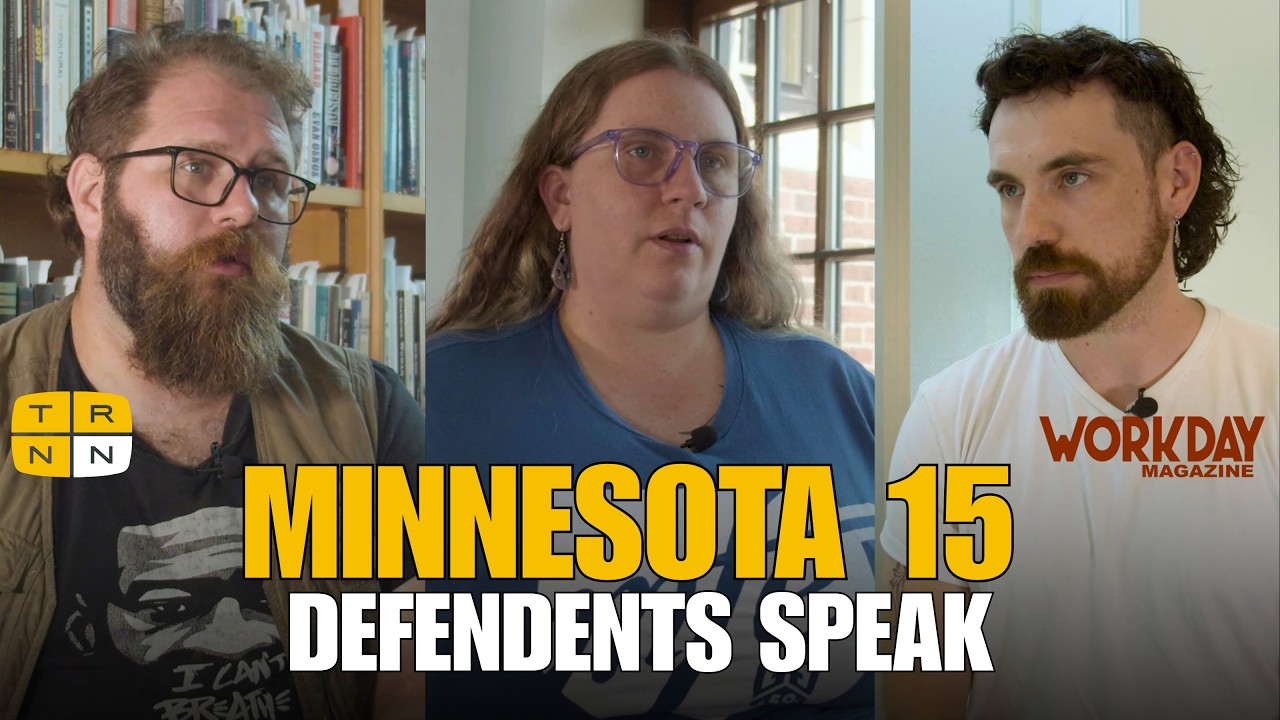
Three 'Minnesota 15' Defendants and rank-and-file union members (left to right: Emmett Doyle, Treasure Thoreson, and Alec Stewart) interviewed in August 2026.

This video report was collaboratively produced and is being co-published by Workday Magazine and The Real News Network 

On the morning of June 16, 2026, 15 people were indicted by the federal government for their involvement in community organizing efforts to oppose Operation Metro Surge in Minnesota this past winter. This group of defendants have become known as the “Minnesota 15,” and over half of them are rank-and-file union members or former union members.

In this special report, collaboratively produced by Workday Magazine and The Real News Network, we speak with three of the “Minnesota 15” defendants about the charges against them and the Trump administration’s attacks on dissent and the labor movement today. Interviewees include: Treasure Thoreson (Minneapolis Federation of Educators, Local 59), Alec Stewart (Minnesota Association of Professional Employees), and Emmett Doyle (Northern Midwest Regional Council of Carpenters).

Credits (Workday Magazine):

  • Reporting and editorial support: Isabela Escalona, Sarah Lazare, Amy Livingston, and Amie Stager
  • Videography: Isabela Escalona and Amie Stager
  • Additional photos and videos: Amie Stager and Riley Bruce
  • Video editing: Isabela Escalona

Credits (TRNN):

  • Post-production: Maximillian Alvarez, Jocelyn Dombroski, David Hebden, Kayla Rivara

Music:

  • Emmett Doyle, “1934 Strike/Cooleys Reel/Congress Reel”
  • Adobe Stock
  • FineTuneMusic

Special thanks to East Side Freedom Library, Minneapolis Central Library, Hosmer Library, and Minneapolis Federation of Educators.

Transcript

The following is a rushed transcript and may contain errors. It will be updated.

Treasure Thoreson:

Tuesday morning, June 16th, I had just woken up. I was in my pajamas. I hear a knock on the door at seven in the morning, and it’s a woman standing there in business clothes with a tactical vest on top that said Homeland Security.

Alec Stewart:

I was in my car backing out of my garage to go to work, coffee in hand. As soon as I backed out of my parking pad, several squads rolled up. A bunch of agents jumped out of the vehicles. I went to just text my aunt, because I have a dog. I assumed I’d be going to jail or something, and that’s when they smashed my window.

Treasure Thoreson:

I see six more agents standing in front of my house. The woman at the door, she just said, “We’re here with a warrant for your arrest for a conspiracy to harm or impede a federal officer.”.

Alec Stewart:

Exposes that while the government was targeting immigrant communities, tearing families apart, abducting children and murdering spokes in the street.

Emmett Doyle:

I had just typed in on my phone the location of the house that we were working on that day. I was boxed in by a vehicle, and so I rolled my window down to ask the guy like, “Hey, what’s the deal? You’re a pretty bad driver. What’s going on?” And then I looked around and I realized that my car had been surrounded. There was a swarm of armed federal officers with HSI on their uniforms.

Alec Stewart:

I do not think it’s a coincidence that over half of us are rank and file union folk. I think that speaks to, again, the working class nature of both the attack by the federal government and the working class predominant response to that attack.

Treasure Thoreson:

We had at least one person from every single site who was plugged into our committee and was able to get information out to their members and arm their building with the knowledge that they needed to face this kind of violence. And people stepped up in really major ways. Everybody did something, whether it was patrols or walking students to and from school, riding in a cab with a kid to and from school, making sure that their parents had rent money. There were some schools in the district that were delivering hundreds of boxes of food every week.

Emmett Doyle:

The unions that did get involved, I think understand what the labor movement is about in a way that some of our other unions have forgotten. An injury to one is an injury to all isn’t just a moral statement. It’s a hard reality of life. And the unions that stood up during Metro search understood that and demonstrated what solidarity means.

Treasure Thoreson:

We got a lot of great information from the Chicago Teachers Union who had been fighting back ice for months at the point when they came here. But we learned a lot from their struggle and were able to adapt that to fit what we were doing here in Minneapolis.

Alec Stewart:

And that was all without coercion, without money exchanging hands. That was just horizontal organizing. And I think how effective that is, how the power of mutual aid and horizontal organizing is evident because of this indictment. This wouldn’t have happened if what thousands of Minnesotans were doing hadn’t worked. I think the success of the January 23rd general strike speaks to that connection of the labor movement and just seeing the numbers and the outpouring of support for such a strike is historic.

Emmett Doyle:

I think that the general strike that happened in Minneapolis terrified the federal government. There were downtown, just hundreds of thousands of workers in the streets marching. And people have to remember this was severe sub-zero. It was a fantastic feeling of power and of joy and of resistance. And unfortunately, the next day that joy and resistance was answered tragically with the brutality of the beating and murder of Valence Preddy. But I think that the general strike was a major turning point in the regime’s logic of violence that they realized they couldn’t defeat the city.

Background music:

Stores are getting thin. There’s passing down that’s going on. Scabs anymore. We’ll put ourselves in union down this year of 34. Can’t you hear the mark? Either sign or behind. See the times get better when we hold that picket line.

Alec Stewart:

The revelation of Operation Puppet Master exposes that while the government was targeting immigrant communities, tearing families apart, abducting children and murdering our neighbors in the street, they were also attempting to disrupt and dismantle one of the facets of Minnesota that makes us so unique. And that is our strong and unified labor movement.

Isaac Sant:

This is not just an attack on me and my friends and our little group. This is an attack on our entire community. They were spying on us from day one. In fact, five days before Operation Metro Surge was declared on November 28th, they began spying on our organizations. These prosecutions were inevitable. Somebody was going to be on trial in there. If it wasn’t us, it was going to be somebody else. It was going to be one of you. We were being prosecuted for doing something that every single person that everybody and their mom in Twin Cities did to resist their federal occupation.

Emmett Doyle:

This case is meant to intimidate the entire community. It’s meant to tie up the time and efforts of many activists. But beyond that, as a conspiracy case, what they’re trying to do is set up a situation where they can expand and expand and expand the conspiracy. They’re trying to use our own solidarity and close-knit community against us through guilt by association.

Treasure Thoreson:

They want us to be separated. They want to separate out the good protestors from the bad protestor. I don’t want folks to feel afraid to stand up for their neighbor and do the right thing.

Alec Stewart:

It was such an obvious threat on what the Twin Cities is all about, which is community connections and helping each other’s neighbors. And the face of fascism, complacency, I think has no place. I think there was just a very justified feeling of standing up.

Emmett Doyle:

The support and solidarity towards us by our community has been overwhelming in just the most amazing way. I

Treasure Thoreson:

Think that they see our ability to bring people together as threatening. However, going after the 15 of us isn’t going to stop anything in Minneapolis or the Twin Cities because this is a place full of great organizers. We can’t let them bully us out of doing the right thing. We need to stand strong in our values and our morals and know that we are protecting our neighbors and that is the right thing to do. They’re afraid of us and that’s why we’re getting this response.

💾

We speak with three union workers who are among the “Minnesota 15” defendants the Trump administration is targeting for organizing to defend their Minneapolis communities from ICE earlier this year.
  •  

‘You are a humanitarian also, sir’: the US feeds Putin with lies as Ukraine’s children take cover and die | Andrew Roth

Steve Witkoff’s flattery of the Russian leader could be just the start of a mendacious stratagem from a US president who says Moscow ‘has been fine on Ukraine’

They say the first casualty of war is truth. For the Trump administration, the road to peace with Russia now encompasses some extraordinary lies.

Steve Witkoff delivered one as he sat down with Vladimir Putin in St Petersburg on Wednesday, aiming to close the deal on Russia’s land grab in Ukraine with the White House’s strategy of maximum pressure on Kyiv and saccharine flattery of the Kremlin.

Continue reading...

© Photograph: Pete Kiehart/The Guardian

© Photograph: Pete Kiehart/The Guardian

© Photograph: Pete Kiehart/The Guardian

  •  

La candidata que se hizo viral por decir que los demócratas también tienen armas: “Tomé unas cervezas antes de la entrevista”

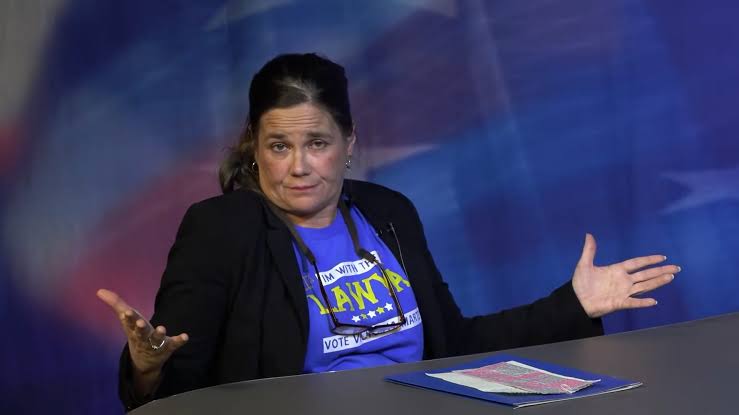
La sensación de las elecciones a punto de celebrarse en Estados Unidos no está en Washington, Nueva York o Los Ángeles, sino en un pueblo de Indiana. Y no la protagonizan los grandes nombres de la política nacional, sino una candidata completamente desconocida para el gran público hasta la semana pasada.

Seguir leyendo

© Connersville TV3

Jaime West, en una entrevista en la televisora Connersville TV3.
  •  

Netanyahu ameaça: "Se o Irão atacar Israel, o Irão arderá!"

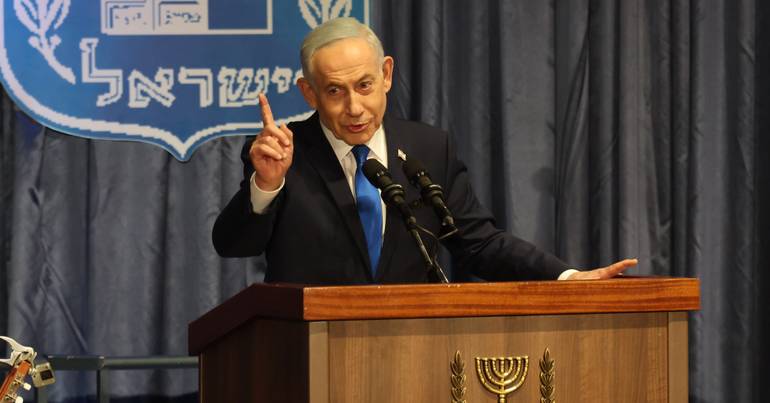
Primeiro-ministro israelita escalou a retórica contra Teerão em campanha eleitoral. Segundo o Financial Times, Washington bloqueou um plano de novos ataques por impacto no preço do petróleo.

© ABIR SULTAN/EPA

Benjamin Netanyahu falou esta quarta-feira em campanha para as legislativas de 27 de outubro, em Dimona, no sul de Israel
  •  

What Putin Gains From Releasing an American Prisoner

After Russia released an American prisoner, President Trump’s special envoy praised President Vladimir V. Putin as “a humanitarian.” Our White House and national security correspondent, David E. Sanger, describes how the release comes amid Mr. Trump’s broader shift toward Russia and away from Ukraine.
  •  
❌